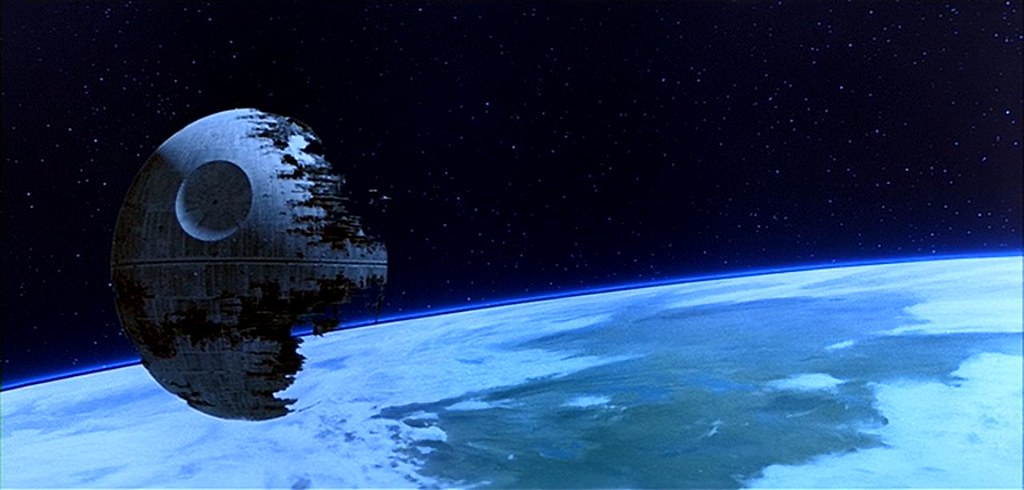
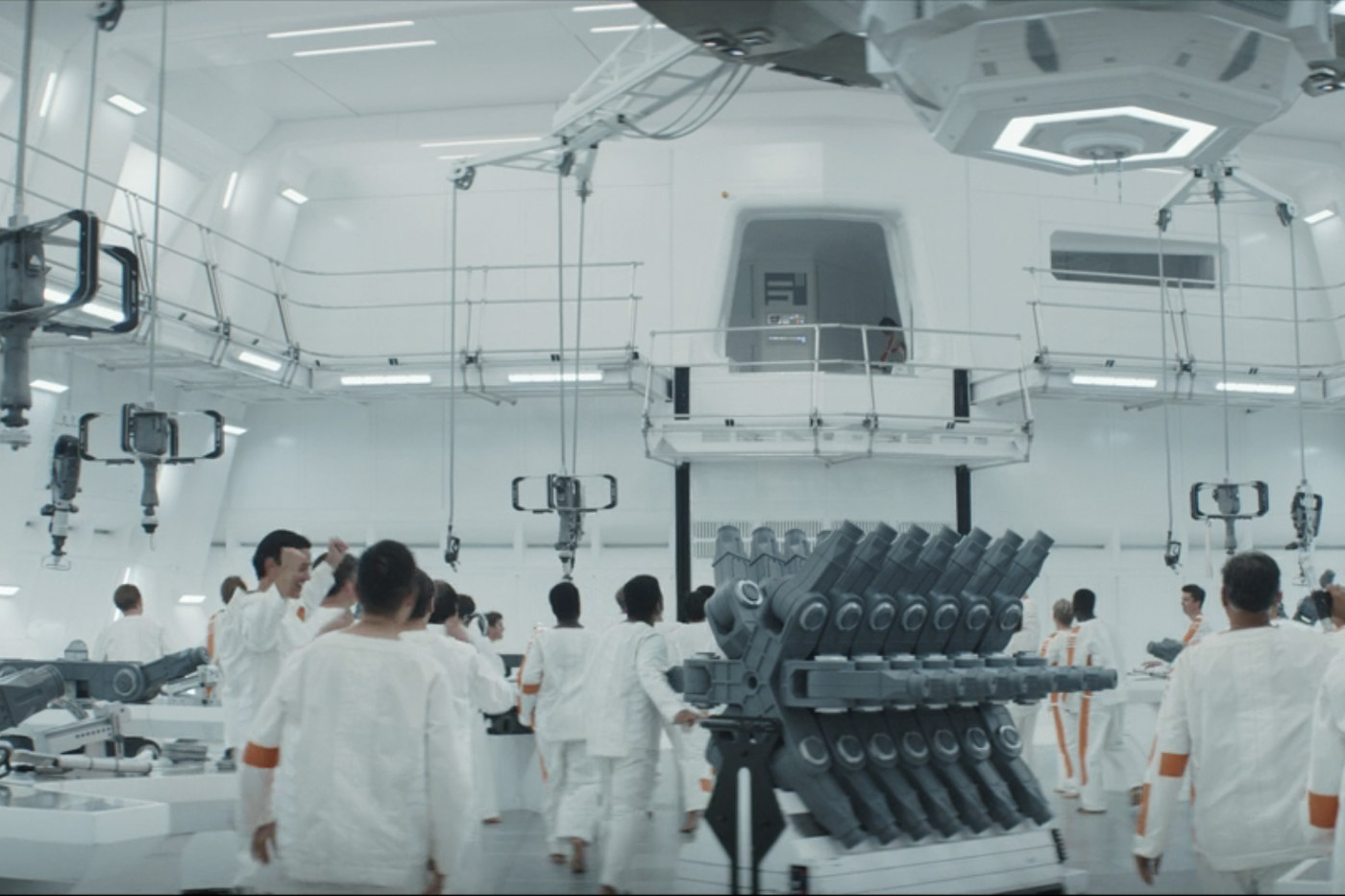
The Season One finale of Andor cemented the series as one of Star Wars’ best projects to date and almost certainly the most complete of its offerings on Disney Plus. The episode also featured a post-credit scene that clarified a much-theorized plot point from earlier in the season as it showed to what end the parts being made in the prison on Narkina 5 were being used: to assemble the first Death Star. While that scene makes for yet another interesting connection to the events of Rogue One, namely why Cassian was willing to give his life to ensure the Death Star plans got to the Rebels after potentially learning he helped build the weapon, it also may end a long-standing debate first put forth nearly 30 years ago about the second Death Star.
In Kevin Smith’s 1994 film Clerks, the film’s deuteragonists, Randal and Dante, enter into an ethical debate about the destruction of the second Death Star as seen in Return of the Jedi. Though DS-2 was, as the Emperor put it, “fully armed and operational”, it was still under construction when it was destroyed by Lando Calrissian. As Randal explained to Dante in Clerks, something about the attack “just never sat right” with him. As Dante questions him, Randal reveals that he believes a project of that magnitude would take more manpower than even the Empire could muster, meaning they must have brought in independent contractors to finish the job. Assuming they all died in the explosion, Randal believes they were innocent “casualties of a war they had nothing to do with” but Dante is not so sure. Though he doesn’t express it, Dante seems to believe that anyone willing to build a Death Star isn’t innocent. The debate is famously settled when a third party comes in and, while paying for his coffee, tells the pair that any real contractor thinks with his heart and “not his wallet.”
The events of the post-credit scene of the season finale of Andor seem to render the debate moot. While Randal was likely correct in presuming that the Empire didn’t have enough manpower to build DS-2 so quickly, neither he nor Dante posited the possibility that the Empire simply employed droids. Given the fact that droids played an integral role in constructing DS-1, it stands to reason they’d play at least an equal role in the construction of DS-2 meaning that the number of innocent independent contractors who meet their doom at the hands of Lando. Maybe Smith can work the events of Andor into another film down the road.
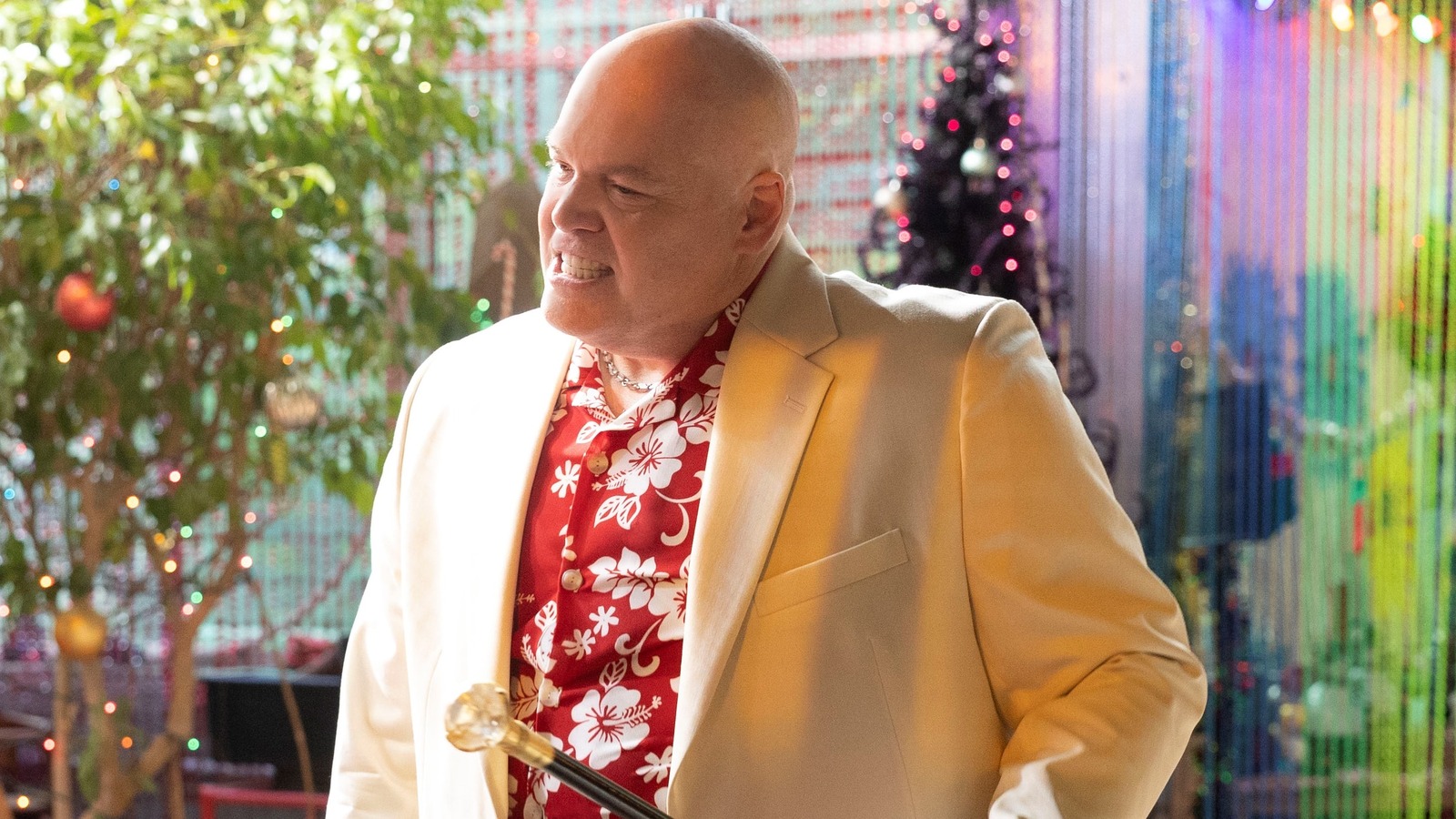
If you’re looking for a 40-minute Marvel Studios Special Presentation that changes the entire landscape of the Marvel Cinematic Universe, The Guardians of the Galaxy Holiday Special isn’t going to satisfy your craving. While the special does somewhat surprisingly advance a few plot points, those ultimately feel like bits that happen here to save precious minutes of screentime in Guardians of the Galaxy Vol. 3, which will almost certainly change the entire landscape of the Marvel Cinematic Universe. Director James Gunn has made it quite clear that Vol. 3 is the end for this group of Guardians and that it’s a love letter to Rocket, who he’s openly described as a character he loves more than any other he’s ever written and one who he believes deserves a “spectacular” final chapter. If Vol. 3 is a love letter to Rocket, The Guardians of the Galaxy Holiday Special is a shorter and less spectacular love letter to a pair of characters who have yet to truly have been in the spotlight in any of the Guardians’ appearances to date. If you’re looking for a 40-minute Marvel Studios Special Presentation that puts Drax and Mantis and their odd couple relationship front and center, The Guardiansof the Galaxy Holiday Special is going to land just fine.
Star-Lord and Gamora have certainly had their time in the spotlight over the course of Guardians of the Galaxy, Guardians of the Galaxy Vol. 2 and Avengers: Infinity War. Somewhat surprisingly, Nebula, who is a much less important character in the comics, has been given ample time to shine in Guardians of the Galaxy, Guardians of the Galaxy Vol. 2, Avengers: Infinity War and Avengers: Endgame. And though Rocket is going to be the star of the Guardians of the Galaxy Vol. 3 show, he and Groot have had quite a bit of attention. Despite having a very compelling arc in the Dan Abnett and Andy Lanning comics on which Gunn has based his film version of the Guardians, Drax hasn’t been much other than muscle and comic relief and Mantis has been around mostly to make funny faces and occasionally use her powers when convenient.
To be fair, Gunn is certainly well-aware that the two characters haven’t ever really been given the time that the others have. Recognizing that and the great chemistry that exists between Dave Bautista and Pom Klementieff, Gunn once approached Marvel Studios about a Drax and Mantis spin-off film. While the director was told there would be no room on the theatrical slate for such a piece, he also said that while it might not be a movie, the pitch hadn’t been forgotten. And ultimately, as theorized here, The Guardians of the Galaxy Holiday Specialturned out the be the Drax and Mantis show, complete with exactly the type of humor audiences have come to expect from the pair.
The backdrop for the adventures of the two is truly steeped in the fact that these Guardians have been and continue to be a family. The special opens with Kraglin tells Nebula, Drax and Mantis a short story about how Yondu once ruined Christmas for Peter. Still reeling from the loss of Gamora, a rough-looking Peter Quill seems to exist as a shell of the once brash and bravado-filled Star-Lord he once was. Mantis, whose big “secret” gives her a reason to feel a bit more responsible for trying to break Peter out of his slump, hatches a plan with Drax to give Peter a great Christmas by giving him a present that he will never forget. To Drax, there’s only a Kevin Bacon will do. Drax and Mantis head to Earth where holiday shenanigans ensue.
Of the pair, Klementieff’s Mantis truly takes the lead and is given the most to do. In the comics, the character was a highly-skilled martial artist and while she’s had a few tussles in the MCU, she’s mostly been relegated to putting characters to sleep or manipulating their emotions. Make no mistake, she does her fair share of that here too, but she also gets to show off some slick hand-to-hand moves. Bautista’s Drax has his fair share of funny moments as well, though he seems at times to be doing more belly-laughing than talking. The duo’s adventures on Earth only take up about 25% of the special’s runtime, but ultimately provide 90% of the laughs. Returning to space, they manage to give Peter-and Kevin Bacon-a Christmas they’ll never forget.
The special is full of everything fans of Gunn’s work with the Guardians have come to expect. While it’s not essential viewing for casual fans, the story absolutely adds to the overall story and emotional core of the Guardians. Gunn’s at his best when exploring the dynamic of this misfit group and by watching the special, hardcore MCU fans will find themselves feeling even more emotionally invested in the group; in that way, it’s almost unfair to have an inkling of what Vol. 3 is set to do to them. It’s also worth noting that this project could never have been done as well as it was without Gunn behind it. His emotional investment in these characters and their family make it work. And of course, there’s the music. From the hilariously off-beat Christmas jam written by Gunn and belted out by the Old 97’s in the opening to the interesting, to Hanoi Rocks’ “Dead By Christmas” and, of course, Kevin Bacon rocking out in space, the soundtrack hits the requisite holiday beats while triggering emotions throughout.
Marvel Studios is on to something with these short-form special presentations and are definitely 2-for-2 following Werewolf By Night with The Guardians of the Galaxy Holiday Special. While not essential viewing, this one is going to play well for hardcore and casual fans alike as it gives just enough of a narrative push to the story of the Guardians while helping us all remember how important family is this time of year.
Andor writer and executive producer Tony Gilroy has a knack for creating unnerving tension in his projects. Whether in the Bourne franchise, Armageddon or his directorial debut, Michael Clayton, Gilroy’s works often resolve under incredibly stressful circumstances that leave the audience reeling while they process. The season finale of the first season of Andor, “Rix Road”, and in fact the entire first season itself, certainly fits that pattern, slowly using every tool at the creative’s disposal to simultaneously build tension within the audience and the characters nearly right until its final moments.
On the surface, the finale is all about the convergence of nearly all of the series’ key figures on Ferrix where they hope to find Cassian returning for Maarva’s funeral. But what makes the episode carry so much weight is that it also works as a convergence of nearly all of the series’ key themes. This thematic convergence is much more impressive both in the way it is reflected by the key parties involved and also that it was possible at all, much less done so well given the scope of Andor. Has been oft-discussed, the 12-episode season was shot as “pods” of 3 episodes and each “pod” seemed to neatly tie up the themes that pervaded each of them. To have them all thunderously return here required significant planning and craftmanship by Gilroy and his team.
Most prominent among those thematic echoes is the recurring idea that everyone has their own rebellion. That sentiment, first spoken by Vel Sartha to Cassian in “The Axe Forgets”, and the weight it rightfully carries in a galaxy where the Empire has now made it clear that there are no limits to what they’ll do to maintain “order”, come rushing back to mind during Maarva’s funeral march down Rix Road. During the holographic speech recorded before her death, Maarva powerfully reminded the people of Ferrix that they’ve been comfortably and somewhat selfishly ignoring the truth of the Empire. Calling it both a “wound that won’t heal” and a “darkness reaching like rust into everything”, Maarva uses her final moments to tell the people of Ferrix to wake up. Indeed her “last words” before B2 stops broadcasting are “Fight the Empire!”, inciting and inspiring the Rix Road revolution. Maarva Andor goes down in history as an OG Rebel by stirring the people of Ferrix to fight.
Maarva’s words resonate with the words of another dead character who longed to see the Rebellion move ahead. Though he had a short arc in Andor, Karis Nemik’s manifesto, which Cassian read through when he first returned to Ferrix earlier in the episode, ultimately served more as a book of prophecies. Nemik’s beliefs that “the smallest acts of insurrection” advance the cause of the Rebellion, that “the Imperial need for control is so desperate because it is so unnatural”, that “authority is brittle” and that “oppression is the mask of fear” are all fully realized during Maarva’s revolt. It’s ultimately the act of an Imperial officer to stop Maarva’s speech that becomes the tipping point of a largely unarmed group of mourners (there is, of course, the bomb) choosing to charge into battalions of troops. The Empire’s devastating response ends in mass casualties but with so many survivors, including those who escaped, word of what happened on Ferrix will spread and can almost certainly be counted on to become a key point on the timeline of the formation of the Rebellion.
Though Cassian hasn’t been the primary protagonist of every episode, the finale goes a long way in bringing him to the end of a long character arc that started with him simply in search of his long-lost sister. Cassian’s transformation comes in part when he seemingly comes to the conclusion that the audience has had all along: despite believing his actions only ever impacted him, he’s right at the center of the series of events that have caused so many unintended consequences for those he loves and those he’s never met. Seemingly inspired by the memory of Clem Andor’s words that “people don’t look down to where they should…they don’t look past the rust”, which connect directly to his words to Luthen Rael during their first meeting, Cassian changes the course of his entire life. Though he has ample opportunity to escape, Cassian chooses to seek out Rael and fully commit himself to the Rebellion. Sure of his worth, Rael smirks as he takes Cassian back into the fold, but as awesome as that is for Cassian, it’s likely problematic for some of the others involved and a likely plot point for an early arc in Season 2.
Ultimately, Episode 12 of Andor is a remarkable standalone episode depicting what will certainly come to be known as one of the inciting moments of the Rebellion and a remarkable season finale that embraces the massive totality of Season One. So often finales miss by only serving one of these purposes but Gilroy served both purposes masterfully by resisting previously established themes, stirring a sense of tension that had been building for 12 episodes while also putting at the center of the episode an event that built on that tension while providing a release that will carry over to Season 2 for the audience and the characters.
Season One of Andor concluded with a bang. A series of them actually, as the people of Ferrix stood against the Empire in what could only be described as a revolution. The revolt may go down in the books as the first open act of defiance against the Empire, but as audiences already know, the Empire isn’t going down quite yet. In fact, it’s still building to its peak level of terror. To that end, the episode came with the first post-credit tag of the series which served as a chilling reminder that the worst from the Empire is yet to come.
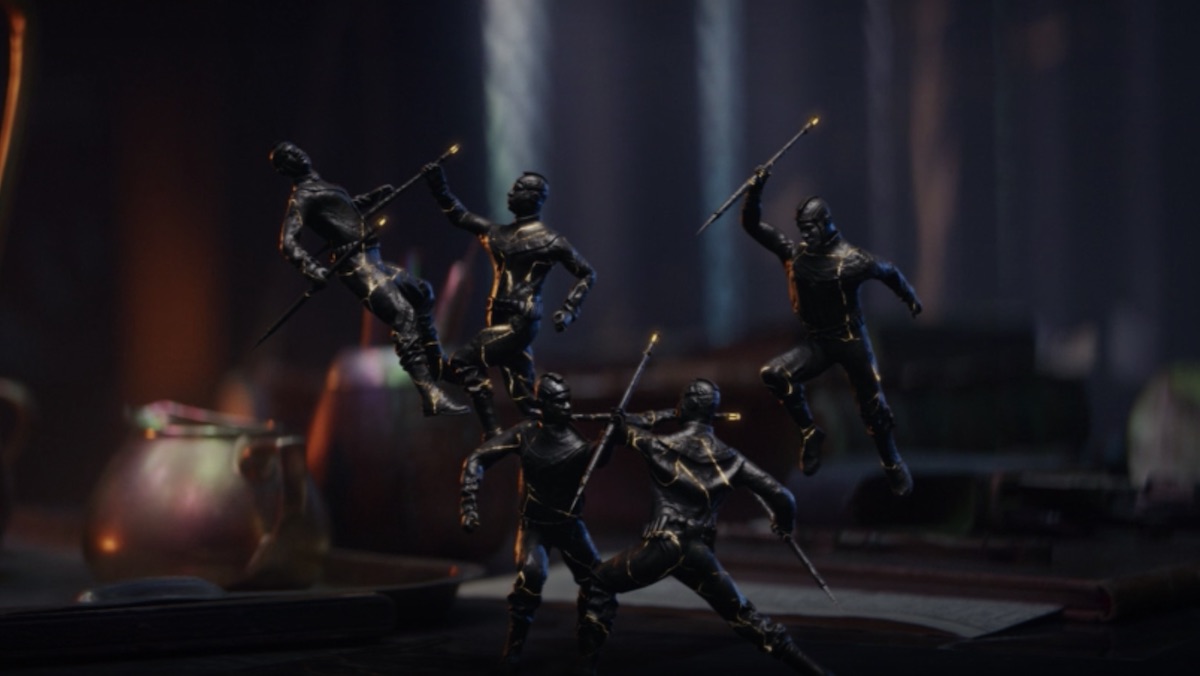
Set deep in space, the tag shows a group of small droids shuffling around and installing some very familiar-looking components into a much larger assembly. As the camera pulls back, it’s revealed that the droids are putting together a layer of the Death Star’s Superlaser. Given Andor’s 5 BBY setting and the massive undertaking of assembling a station the size of the DS-1, its construction fits the timeline as well as many fan theories that have swirling about since Episode 8.
The Superlaser’s power came from the combination of 8 separate laser beams which were converged into the one massive, planet-killing beam that made the Death Star the most terrifying weapon in the galaxy. Though no details were given, it seems as though the droids are using the components to assemble channels for the individual beams.
Of course, the most chilling aspect of the post-credit scene is the realization that the components being installed were built by Cassian and his fellow inmates in the prison on Narkina 5. The tag adds context to so much of Andor, Rogue One and really any other projects that take place in the timeline prior to A New Hope. The prisoners at Narkina 5, a place that felt so incredibly oppressive, were working tirelessly and competitively to create the Empire’s most oppressive weapon.
For Cassian, coming to learn that he’d build part of the Death Star could go a long way in explaining his commitment to its destruction in Rogue One, where he’s willing to give his life to ensure the plans get to the Rebels. Finally, with the Empire becoming aware of the growing threat of a Rebellion and the fact that the tag shows the importance of the parts the prisoners have been building, it provides a terrifying additional layer to the idea that the prisoners of Narkina 5 were never getting out and also that by escaping, they may have paused the project just long enough to let the Rebels catch the break they needed to ultimately destroy the Death Star!
Marvel Studios’ streaming series Echo stands poised to be a trailblazing project in a number of ways. Not only will it be the first Marvel Studios project to feature a Native American lead and largely Native American supporting cast, but it also puts star Alaqua Cox, who is deaf and an amputee, in the spotlight making good on a wish she expressed during her time on Hawkeye to be part of the effort to “see more deaf and disabled role models to inspire the next generation.” Disney debuted footage of the series exclusively at D23 and though the show has completed production, rumors of issues behind the scenes have begun to swirl ahead of its slated release in the Spring of 2023.
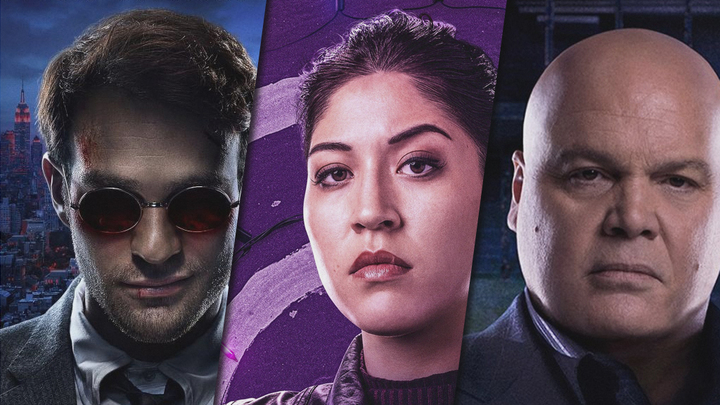
If there are any issues, they would seemingly come as a surprise to Vincent D’Onofrio, who has a sizeable role as Wilson Fisk in Echo. Speaking recently at Salt Lake FanX, D’Onofrio praised the performance of Cox as Maya Lopez “I have to say that in Echo, which is coming, where you get to see Alaqua Cox’s performance…it was just phenomenal.” The actor then went on to tease the scenes that his Kingpin shared with Cox’s Maya Lopez, hyping specifically “the last few episodes” and saying of the show that “it’s going to be quite something.“
Before switching gears, though, D’Onofrio indicated that long-standing rumors that Echo would serve as a direct lead-in to his next MCU project, Daredevil: Born Again, are accurate saying, “And that leads into, of course, Born Again.” Again, whatever purported issues there are with the series, if any, D’Onofrio seemed entirely unaware of them at FanX, which was held in late September.
Like many projects, it’s possible that Echo may require some more work and might even find its release date bumped back a bit. However, considering its importance as the first superhero project centered around Native Americans and the connection to Daredevil: Born Again, it seems likely that Marvel Studios will find a way to remedy any issues with the finished product.
For the most part, every frame of every film is the culmination of an incredible amount of work done behind the scenes in pre-production. It’s a complicated process that some find daunting and the most laborious part of making a film. Marvel Studios films are typically full of visual spectacles that fans don’t see until they’re fully realized after dozens and dozens of hours of work by concept artists. However, for every piece of concept art that makes it through pre-production, there are countless more that don’t when the scenes they are created for are cut either from the script or end up on the editing room floor.
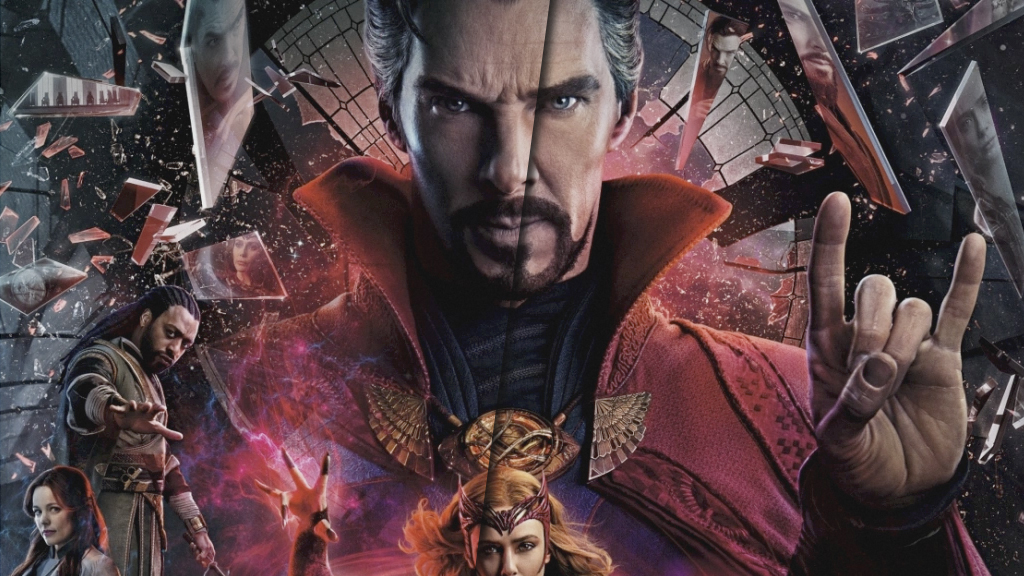
In that regard, Doctor Strange in the Multiverse of Madness may have been one of the most maddening films for concept artists whose work was never adapted to the finished product. Originally, the film was set to be directed by Scott Derrickson and it is very likely that a good deal of pre-production work was done before he departed the project. Sam Raimi took over the film with writer Michael Waldron and the two went to work on creating an entirely different film which meant all new concept art had to be created. At the heart of the film was a MacGuffin known as the Book of Vishanti, a magical tome that Multiverse of Madness co-producer Richie Palmer described as “a magical book that gives— if you’re good, it will give you the power you need to defeat any bad. It will fight the Darkhold; it is good, and it is pure.”
The film wasted no time introducing the Book of Vishanti as fans were thrown into the middle of America Chavez and a Variant Doctor Strange’s pursuit of the tome in the opening scene. With the Darkhold-influenced Scarlet Witch after Chavez’s powers, the Book of Vishanti, which Palmer described as the “greatest power of good” in the Multiverse became Chavez’s best hope at survival because it served as the antithesis of the Darkhold.
On the opposite end of the spectrum is the Book of Vishanti. It exists in the space between universes, and is not for any one sorcerer to wield or keep as their own. The Darkhold has the quality about it where you want to possess it and you want to keep it. The Book of Vishanti is the opposite. It’s for everyone and all sorcerers.
Richie Palmer
In the Marvel Comics, the book was created by Agamotto, the first Sorcerer Supreme of Earth. Agamotto was the son of the Elder God Oshtur and with her and the alien god, Hoggoth, formed a trio of god-like beings known as the Vishanti. Over centuries, the Vishanti became the guardians of Earth and its Sorcerers Supreme. Having served as Earth’s Sorcerer Supreme, Stephen Strange has come face-to-face with the group before and thanks to some newly located concept art created by Aaron Black, it seems that the idea for him to meet up with them in Multiverse of Madness was tossed around at one point.
Obviously, the Vishanti didn’t make the final cut and all that can be done is to speculate about what Strange’s visit to them might have entailed. The concept art for the trio is stunning, however, and given the importance the Vishanti play in the comics, it would not be surprising to see the idea revisited somewhere down the road.
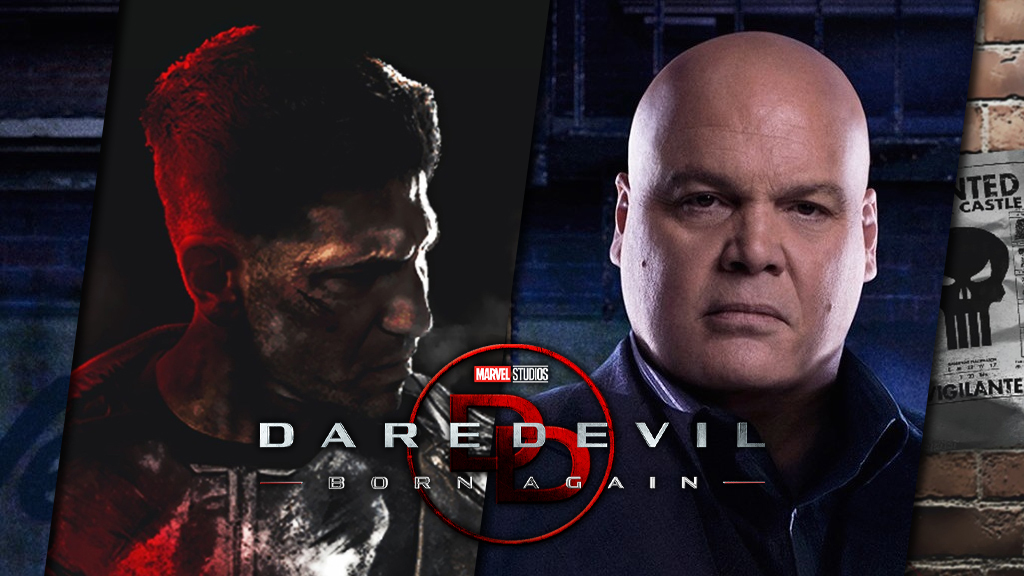
Daredevil: Born Again is shaping up to be Marvel Studios’ most ambitious streaming series to date. The 18-episode event will take nearly all of 2023 to film before hitting Disney Plus in 2024 and is rumored to include a whole slew of characters including the Punisher and White Tiger, a new street-level character from the pages of Marvel Comics. Even without those characters, the hype for the series, which will see Charlie Cox and Vincent D’Onofrio share the lead for the first time since the Netflix Daredevil series was canceled, has always been high. But it can always get better…
At a recent appearance at Salt Lake FanX, D’Onofrio took the time to get the audience in attendance even more fired up about the upcoming series. While responding to a question about what hero he’d like to face down the road in the MCU, D’Onofrio veered off-topic (or did he?) to hype Daredevil: Born Again.
I will say though…see you guys have no idea what you’re in store for in Born Again. I know a little bit more than you guys and all I can say is, during that next series you’re not going to be thinking about anything but the next episode. I promise.
Vincent D’Onofrio
What made D’Onofrio connect the dots from a hero he’d like to face to the comment about Born Again? Though he’s often been clear that he’d love to see Kingpin take on Spider-Man in the MCU, he’s also made it known that a Punisher vs. Kingpin battle is on his list of goals. With the rumors of Jon Bernthal’s return to the role continuing to swirl, perhaps D’Onofrio’s comments could give fans of the character a little more reason to hope he’ll be included.
When Kevin Feige revealed that Daredevil and Spider-Man would lead the MCU’s street-level heroes, it only added fuel to the fire that the two heroes would eventually team up to take on their greatest common enemy: Wilson Fisk, aka the Kingpin. All the principles involved in the potential battle royale have shared their desires to tangle with one another before. Vincent D’Onofrio, who returned to the role of Kingpin in Marvel Studios D+ streaming series Hawkeye, has gone on record twice describing his hopes to take on Spider-Man, saying that if there were one hero he could battle down the road “it definitely has to be Spider-Man.“
If Kingpin and Spider-Man don’t go toe-to-toe, however, it won’t be because of D’Onofrio’s lack of trying. If he hadn’t been clear enough already, the actor reiterated his wish to see the two characters fight during a panel at September’s Salt Lake FanX. During a Q&A session, D’Onofrio was asked who in the current MCU he’d love to interact or fight with. As an audience member shouted Spider-Man, D’Onofrio said, “there’s only one, really, end goal…and I think somebody just said who that would be.“
Given Kingpin first hit the pages of Marvel Comics in 1967’s Amazing Spider-Man #50, it would be tragic if he didn’t take on the Web-Head at some point in the MCU now that Marvel Studios has the opportunity to have them face off. With Tom Holland reportedly inking a new deal, perhaps D’Onofrio will get his wish, squaring off with Spidey in Spider-Man 4.
Jonathan Majors‘ memorable performance as He Who Remains in the Season One finale of Loki was a titillating taste of the type of talent the ascending actor brings to the ever-expanding Marvel Cinematic Universe. Though He Who Remains met his end at the hands of Sylvie, Majors isn’t done with the MCU. As teased in Loki, there are many Variants of Nathaniel Richards in the Multiverse, including “something worse” than He Who Remains.
It looks like “something worse” will come in the form of Kang the Conqueror in next February’s Ant-Man and The Wasp: Quantumania. Both Majors and director Peyton Reed have described Kang the Conqueror as a warrior who looks poised to be a threat not only to Scott, Hope, Cassie, Janet and Hank in the Quantum Realm but also to Earth and its other heroes. The first look at the film makes it clear that this Variant of the character is nothing like his quirky doppelganger from Loki and according to Majors, the ability to create different versions of the character is exactly what drew him to the role.
In an interview with THR, Majors was asked if the opportunity to never play the same Kang twice was what ultimately sold him on taking the role:
Yeah, absolutely. That’s what’s on the page. That’s what the IP says. I was cool, very cool. Kang just lives in his own world in the MCU. No spoilers here, but there’s so many variants of him.
Jonathan Majors
Expanding on the thought, Majors pointed out that Marvel Studios’ “brain trust” is working hard behind the scenes to make the most out of one of Marvel Comics’ most fascinating villains.
And with the powers that are the MCU, that intelligentsia and that brain trust there, they’re just really working to use the IP to its best ability, and it’s extremely humbling that they picked me to step into that. So I’m honored to do it, and I’m always excited to see what we’re doing…Kang is a career in itself. It’s either the cake itself or the cherry on top, I don’t know. But to play multiple versions, it’s just beautiful. It’s a workshop every day.
Jonathan Majors
Given Majors’ versatile talents, it’s easy to see why Marvel Studios went after him for the role and it’s also becoming increasingly difficult to imagine anyone else in the role.
Over the past several months, Marvel Studios Blade has perseverated through some turmoil. The project, which was announced at SDCC ’19, had to undergo a search to replace both its writer and director following the departure of Stacy Osei-Kuffour and Bassam Tariq. Beau DeMayo, who worked on Moon Knight and is the head writer and executive producer of the animated X-Men ’97 came on board to work on what looks like a near-complete rewrite of the script and now the film has found a new director.
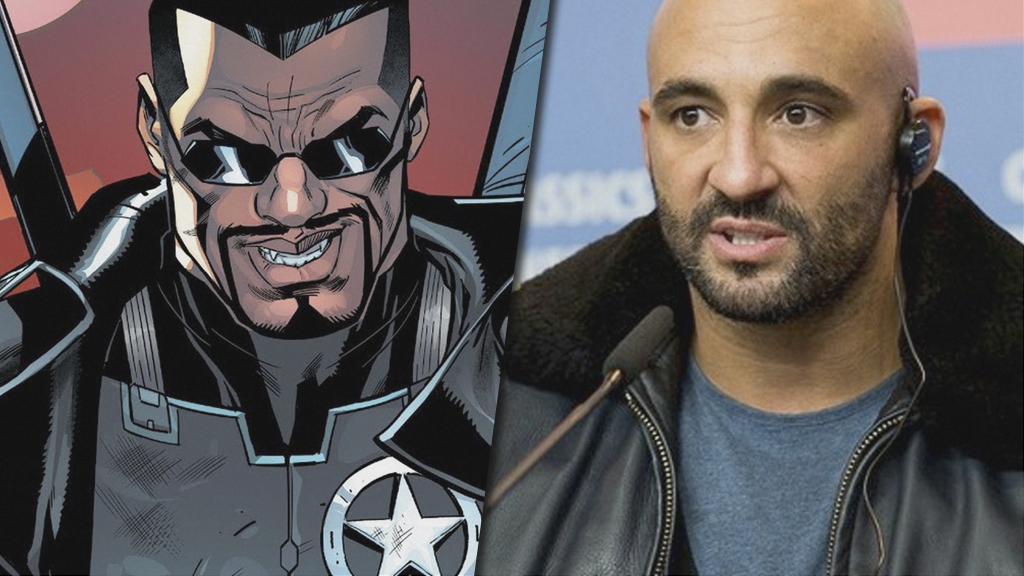
According to THR, Lovecraft Country director Yann Demange has signed on to direct the project. Additionally, writer Michael Starrbury has joined the production and is preparing a brand new script for the film. THR also reports that despite the complete overhaul to the project, it is still expected to go into production in 2023 and meet its currently slated release date of September 6th, 2024.
While a complete rewrite of the script doesn’t mean throwing the bathwater out with the baby, THR indicated that the expectation is that Blade will be “dark and gritty in tone, falling on the edgier side of Marvel fare and maybe even find common shading” with the 1998 Wesley Snipes‘ film.
We use cookies to improve your experience on our site. By using our site, you consent to cookies.
This website uses cookies
Websites store cookies to enhance functionality and personalise your experience. You can manage your preferences, but blocking some cookies may impact site performance and services.
Essential cookies enable basic functions and are necessary for the proper function of the website.
Name
Description
Duration
Cookie Preferences
This cookie is used to store the user's cookie consent preferences.
30 days
These cookies are needed for adding comments on this website.
Name
Description
Duration
comment_author_email
Used to track the user across multiple sessions.
Session
comment_author_url
Used to track the user across multiple sessions.
Session
comment_author
Used to track the user across multiple sessions.
Session
Statistics cookies collect information anonymously. This information helps us understand how visitors use our website.
Google Analytics is a powerful tool that tracks and analyzes website traffic for informed marketing decisions.
Contains information related to marketing campaigns of the user. These are shared with Google AdWords / Google Ads when the Google Ads and Google Analytics accounts are linked together.
90 days
__utma
ID used to identify users and sessions
2 years after last activity
__utmt
Used to monitor number of Google Analytics server requests
10 minutes
__utmb
Used to distinguish new sessions and visits. This cookie is set when the GA.js javascript library is loaded and there is no existing __utmb cookie. The cookie is updated every time data is sent to the Google Analytics server.
30 minutes after last activity
__utmc
Used only with old Urchin versions of Google Analytics and not with GA.js. Was used to distinguish between new sessions and visits at the end of a session.
End of session (browser)
__utmz
Contains information about the traffic source or campaign that directed user to the website. The cookie is set when the GA.js javascript is loaded and updated when data is sent to the Google Anaytics server
6 months after last activity
__utmv
Contains custom information set by the web developer via the _setCustomVar method in Google Analytics. This cookie is updated every time new data is sent to the Google Analytics server.
2 years after last activity
__utmx
Used to determine whether a user is included in an A / B or Multivariate test.
18 months
_ga
ID used to identify users
2 years
_gali
Used by Google Analytics to determine which links on a page are being clicked
30 seconds
_ga_
ID used to identify users
2 years
_gid
ID used to identify users for 24 hours after last activity
24 hours
_gat
Used to monitor number of Google Analytics server requests when using Google Tag Manager
1 minute
Marketing cookies are used to follow visitors to websites. The intention is to show ads that are relevant and engaging to the individual user.
Pinterest Tag is a web analytics service that tracks and reports website traffic.