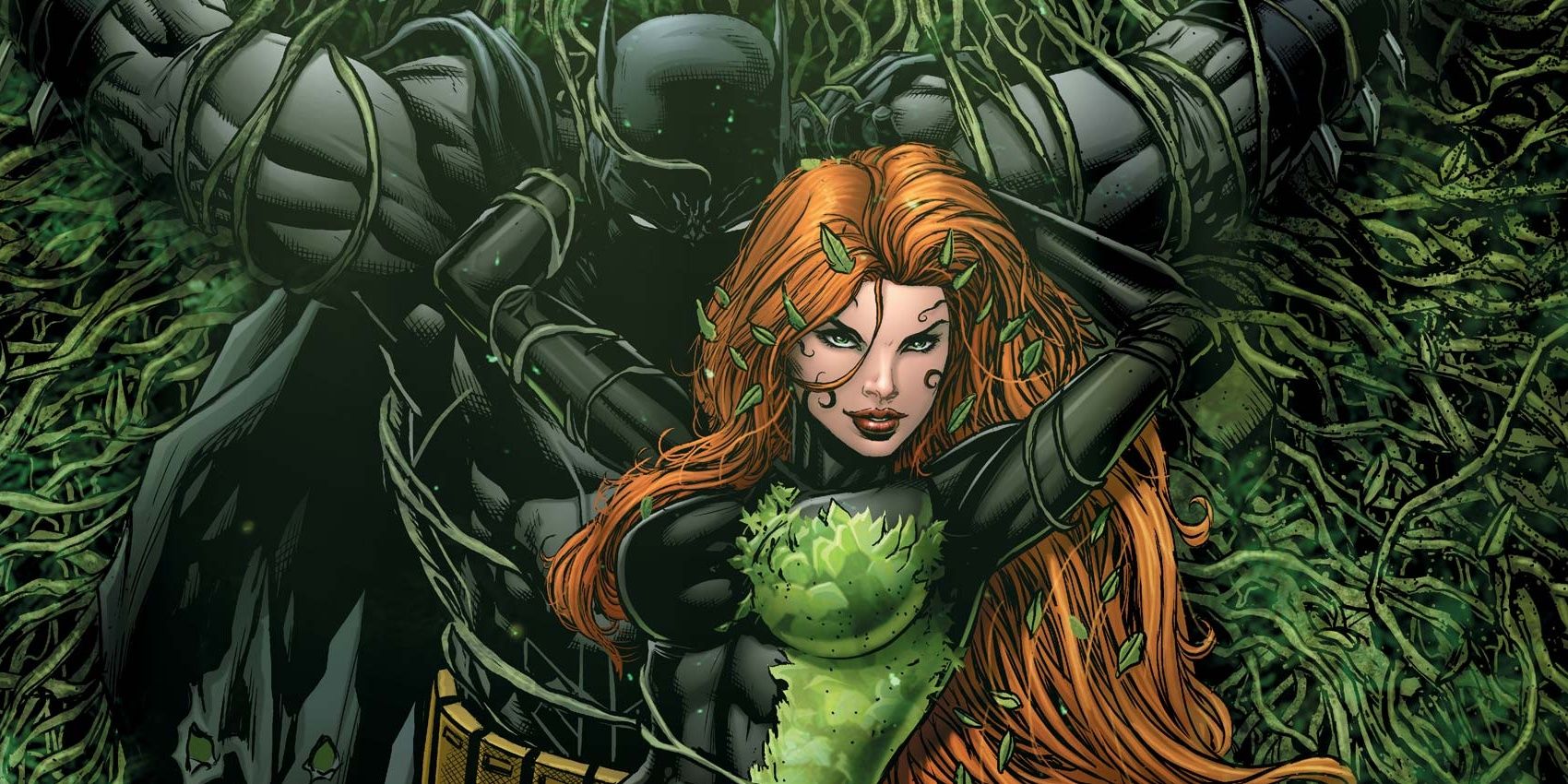
The boundaries of Matt Reeves’ standalone Gotham sandbox are expanding far beyond the criminal empires of the Falcone family. According to a report from Jeff “The In” Sneider on The Hot Mic podcast, the heavily rumored Poison Ivy spinoff series in active development.
Crucially, the trade leak clarifies that the project has bypassed the mainstream DCU mapped out by James Gunn, opting instead to plant its roots directly inside Matt Reeves’ gritty, isolated Batman Epic Crime Saga, positioning, Ivy to share the ecosystem with The Batman and The Penguin.
The biggest question raised by the report is how a character notoriously known for telepathically commanding plant life, controlling pheromones, and riding giant Venus Flytraps into battle fits inside a world where Batman relies on basic tactical body armor and street-level detective work.
Speculation has the BatVerse iteration of Dr. Pamela Isley swapping her semi-mystical connection to the Green for dark, realistic pseudo-science. Rather than controlling flora with her mind, Ivy could be adapted as a brilliant, radicalized botanical biochemist who engineers advanced, plant-derived neurotoxins and GMO chemical agents to execute calculated eco-terrorist strikes against corrupt corporate entities destroying Gotham’s infrastructure.
The movement on the Poison Ivy series follows recent comments from Robert Pattinson, who teased that the upcoming sequel—officially locked into a theatrical debut on October 1, 2027—will be a “really different type of Batman movie” that introduces more “comic-booky” elements while protecting its dark core.
Much like Lauren LeFranc’s Emmy-caliber run on The Penguin perfectly bridged the institutional criminal vacuum between the first two films, the Poison Ivy project could be used to expand the lore between The Batman- Part IIand the final installment of the trilogy. The narrative structure will allow Reeves to explore the psychological damage inflicted on Gotham’s civilian environment after the catastrophic riddler floods, giving Pamela Isley an incredibly realistic, radical motivation to target the city’s wealthy elites.
According to a fresh update via a new Writers Guild of America (WGA) production registry leak has seemingly unmasked the official final title for James Gunn‘s Superman mockumentary spin-off series: American Villain.
The project, which initially made waves under the since-debunked rumored title DC Crime, is moving forward aggressively at HBO, bringing a meta, comedic lens to the grounded underworld of Metropolis.
When news of a Daily Planet-centric true-crime anthology series first leaked, fans were rightly thrilled to see American Vandal creators Tony Yacenda and Dan Perrault tapped as the showrunners. Titling the show American Villain is a direct nod to Yacenda and Perrault’s highly-praised Netflix series. It signals to the audience exactly what the tone is: a highly serialized, deadpan, high-production true-crime parody set within a world where super-crime is a daily reality.
Gunn famously went to bat on social media last year to state that the project had “never been titled DC Crime, even as a working title.” Perrault recently doubled down, teasing that they were actively “tossing around some names” that avoided standard superhero naming conventions. The WGA filing indicates they finally pulled the trigger.
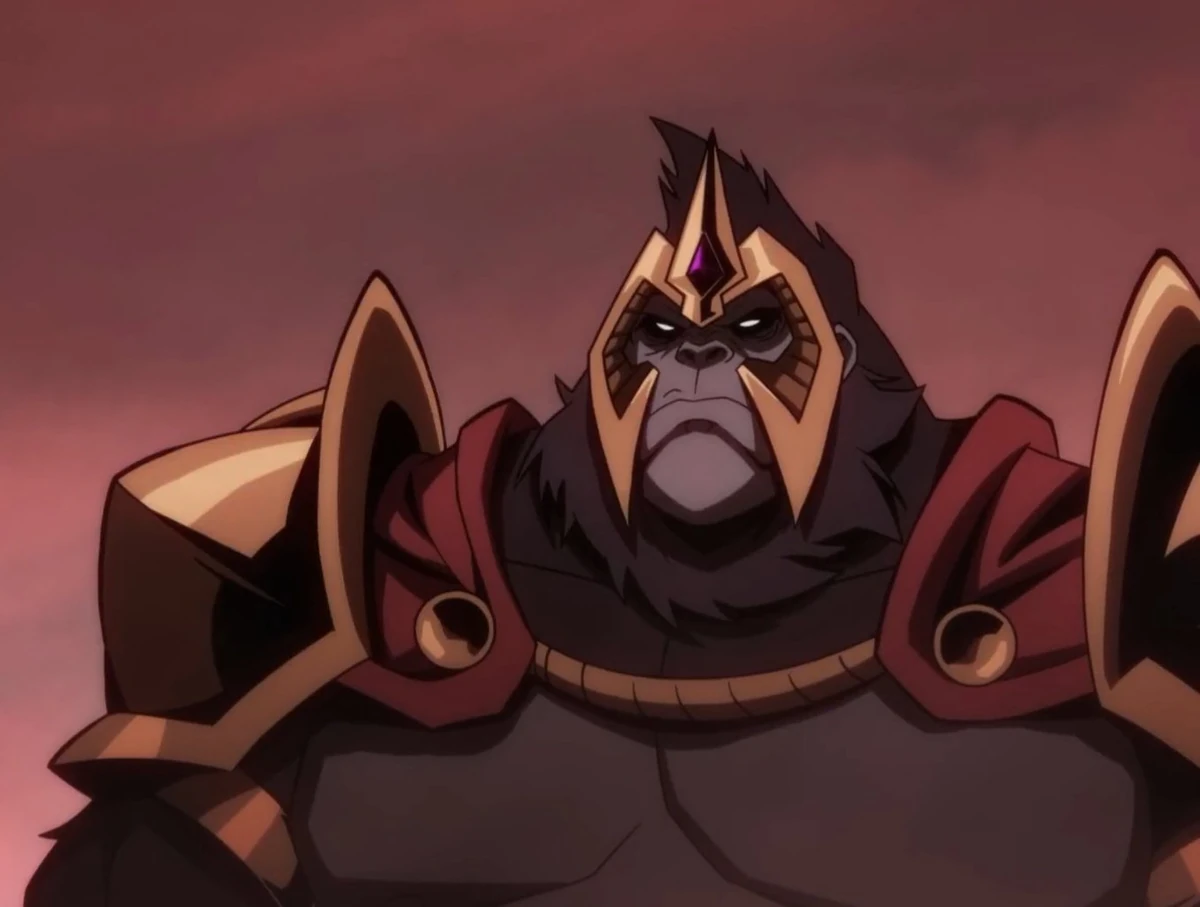
Skyler Gisondo will fully anchor the series, reprising his breakout role as The Daily Planet’s resident photojournalist, Jimmy Olsen. Season 1 is locked to focus entirely on Gorilla Grodd, the hyper-intelligent, telepathic ape traditionally associated with The Flash’s rogues gallery and a member of the Legion of Doom
With writing teams actively logging work under the American Villain banner, the series is moving steadily through with a 2027 release looking increasingly likely.
Put the doom-posting to rest. Despite persistent internet rumors claiming James Gunn had quietly swept the Wonder Woman prequel series under the corporate rug, official Writers Guild of America (WGA) listings have confirmed that Paradise Lost is in active, high-priority development with an exceptional writing duo locked in.
The guild registry now formally links Kira Snyder and Janet Lin to the HBO Max series. Snyder is a phenomenal pull for a show billed as a gritty, manipulative look at an all-female society, bringing serious prestige pedigree from her acclaimed work on The Handmaid’s Tale and The 100. Lin perfectly balances the equation, carrying an elite history of handling complex ensemble dynamics on Bridgerton mixed with traditional genre experience from The Flash.
It’s an origin story of how this society of women came about. What does it mean? What are their politics like? What are their rules? Who’s in charge? What are the games that they play with each other to get to the top? I think it’s really exciting.
Gunn recently said that the project was in “extreme development” and a WGA registry lock means the corporate wheels are actively turning behind the scenes. By hiring writers who specialize in ruthless institutional power struggles and elite character drama, DC Studios is making sure Paradise Lost delivers the exact “political intrigue” tone they promised.
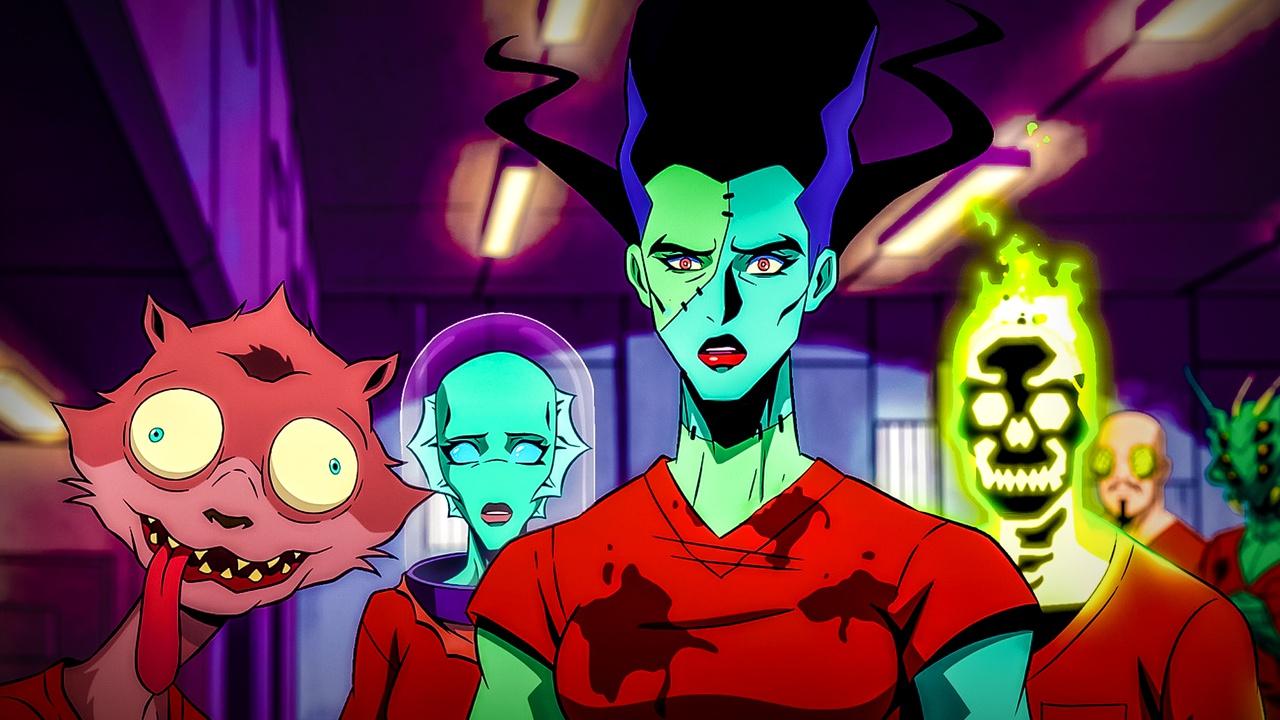
The animated corner of the DCU is locking in its future. In a fresh update, DC Studios co-CEO James Gunn has officially confirmed that Creature Commandos Season 2 will serve as the immediate next project to release following his highly anticipated theatrical film, Man of Tomorrow, in 2027.
While fans initially expected a quicker turnaround for the black-ops monster squad, the 2027 window establishes a highly specific roadmap for Chapter 1: Gods and Monsters as it transitions into its next phase.
Gunn has been active on social media dropping updates from the set of Man of Tomorrow, confirming that DC’s animation slate is moving forward aggressively. Season 2 of Creature Commandos is being positioned exactly how Season 1 was—acting as the narrative bridge. Where Season 1 launched the DCU before the first Superman film, Season 2 will drop “shortly after” Man of Tomorrow to deal with the cosmic and political fallout of that movie. Interestingly, Gunn previously confirmed that he did not write the scripts for Season 2 due to his intense directorial duties on Man of Tomorrow, handing the creative reins over to a trusted room of writers to keep the fast-tracked production moving.
Showrunner Dean Lorey has already teased what fans can expect from the return of Task Force M.
More G.I. Robot: Lorey explicitly stated that the team lineup from the Season 1 finale will remain “at least somewhat accurate,” but promised that his primary goal for the sophomore outing was to deliver a “beefed-up G.I. Robot” arc.
The Salvation Run Theory: Following Peacemaker Season 2, fans are already speculating that Season 2 could adapt elements of the Salvation Run comic storyline, featuring Rick Flag Sr. (Frank Grillo) and the Commandos hunting down rogue metahumans to exile them to a prison planet.
Creature Commandos won’t be lonely in 2027. Gunn hinted that more television projects are coming that year, with the animated Mister Miracle series (adapting Tom King’s run) and Blue Beetle‘s animated continuation tracking closely behind.
Hype for Creature Commandos has remained high because it proves Gunn‘s commitment to treating animation as an equal pillar to live-action. By scheduling Season 2 to immediately follow Man of Tomorrow, DC Studios is ensuring that the overarching narrative of the DCU remains fluid across mediums. The monsters aren’t just filler; they are the connective tissue of this universe.
The DCU timeline is getting a lot more complicated—and a lot more interesting. In a surprising reveal via EW, showrunner Chris Mundy (Ozark) has confirmed that the upcoming HBO series Lanterns is a period piece, officially set in the year 2016…and also in 2026.
According to Mundy, the show opens with veteran Green Lantern Hal Jordan and Lantern-in-training John Stewart investigating a murder in Rushville, Nebraska set in 2016. However, it’s also partially set in 2026, after the events of Superman, where a second–and seemingly connected mystery–needs investigation.
“That becomes a second mystery that we know is down the road for us,” Mundy revealed. “So eventually two different mysteries get worked out over the course of the show.”
Mundy confirmed a controversial detail: outside of a few appearances by the “fabulously obnoxious” Guy Gardner, no other Earth-based Green Lanterns will appear in the eight-episode first season. In 2016, Hal and John are the only two humans to have ever worn the ring. This keeps the focus tight on their “True Detective” style mystery in the American heartland.
The biggest draw for many fans will be the portrayal of Thaal Sinestro, though Mundy stopped short of revealing if the traitorous Korugarian will be the primary antagonist of Season 1.
“Obviously in the canon, Sinestro’s the big bad,” said Mundy. “The thing that interests us is this idea [that] Hal was trained by Sinestro, Hal is training John. In the coaching tree, we’re very interested in what gets passed on, what doesn’t, how much is human nature. We talked a lot about programming and parenting and training…What did Hal take away from Sinestro that was good or bad? It brings up a lot of interesting worries.”
By setting Lanterns in 2016, James Gunn and Peter Safran are building a history for the DCU. It gives the world weight—showing what the heroes have been in the years before Superman went public. It also allows the show to potentially focus on the legendary Hal/Sinestro friendship before it becomes the franchise’s most iconic rivalry.
Less than two weeks later, with Superman having been a hit with audiences and critics alike, DCU Leaks revealed that the Olsen-centric spinoff was moving forward. According to the report, Skyler Gisando was set to repeirise therole of Jimmy Olsen in an anthology that would feature the character as he investigated supervillains for the Daily Planet. Now trade reports have come through with more information on the series which will indeed move ahead.
According to THR, Gisondo will star in DC Crime, “a fictional true crime series set in the DC Universe.” The project will be created by Tony Yacenda and Dan Perrault, the creators of “the critically-acclaimed Netflix show American Vandal, which spoofed the true crime genre.”
Variety’s report also revealed that the first season of the show will feature Gorilla Grodd, a member of Flash’s Rogues Gallery. Grodd is a hyper-intelligent, telepathic gorilla from the hidden African community of Gorilla City. The original lore, from back in The Flash #106 (1959), says an alien meteor gifted him and his people super-intelligence and psychic powers.
Grodd isn’t just strong (and he is ridiculously strong—he can trade blows with people like Wonder Woman and Superman). His telepathy is his real ace in the hole. He can straight-up take over the minds of others. The Flash has a fast brain, but Grodd has a powerful one. He’s also a brilliant schemer, which is why he’s consistently a founding member or a major player in groups like the Secret Society of Super-Villains and the Legion of Doom. He brings the brains and the brute force.
Grodd, whose presence in the series was originally revealed by Jeff “The In” Sneider, was already seen Creature Commandos. Appearing in a vision of the future where he aligned with the Pokolistan army to take out metahumans, Grodd looked to be set up as one of the DCU’s biggest bads.
Despite the growing exasperation surrounding the interconnected nature of the Marvel Cinematic Universe, DC Studios’ co-chair James Gunn has gone balls-deep into a shared narrative in the first year of the all-new, all-different DC Universe.
While it’s becoming clear that last bit probably won’t hold 100% true, so far it hasn’t presented a problem because through three DC Studios projects, Gunn has not missed and the connectivity has been minimal…until the most recent chapter of Season 2 of Peacemaker.
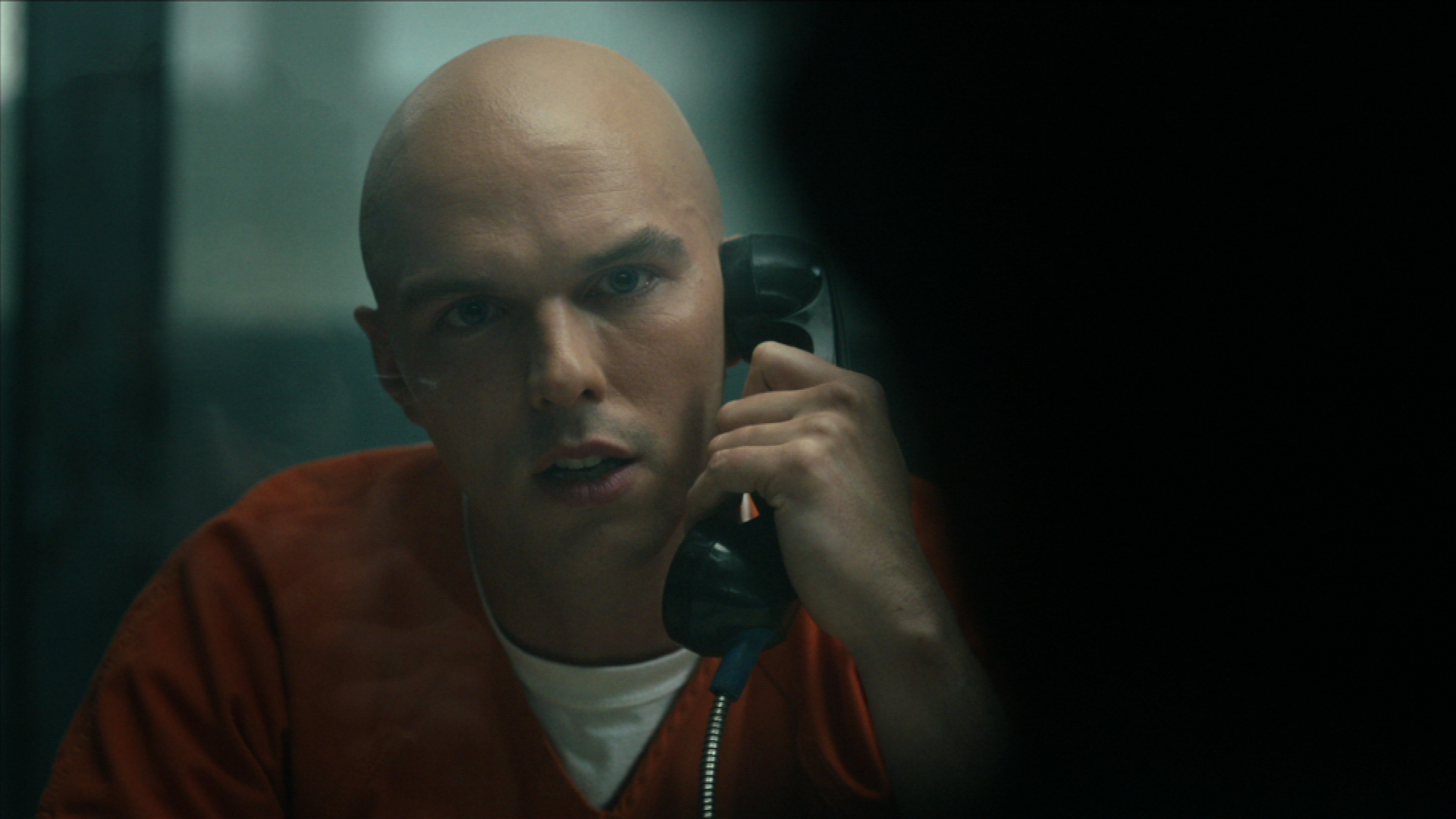
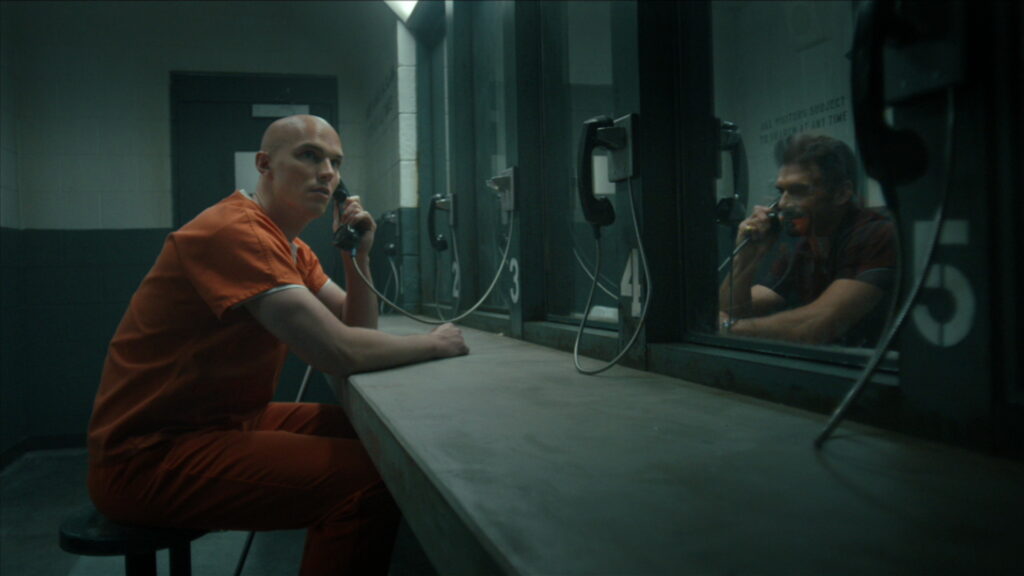
In what was likely one of the heaviest cameos ever in the superhero genre, “Ignorance is Chris” featured an appearance by Nicholas Hoult‘s Lex Luthor. Fresh off his thrashing at the mouth of Krypto, Luthor, aided by a cane, limped his way to a meeting with Rick Flag Sr. at Belle Reve, where the former finds himself serving a 265-year sentence for all his naughty tricks. In the moment–and especially because Gunn has teased that this season of Peacemaker serves as a prequel to Man of Tomorrow–the cameo felt weighty; however, according to Gunn, it is nothing less than a pivotal moment for the young DCU.
While discussing the cameo–which was filmed during production in Superman–on Peacemaker: The Official Podcast, Gunn called the meeting between Luthor and Flag “a really important moment for ..the entire DCU.”
So, we have a really important moment, for not only Peacemaker but the entire DCU. Rick Flag, the Head of A.R.G.U.S., strikes a deal basically with Lex Luthor in exchange for [him] finding where Peacemaker’s portal might be. He is going to move him from a prison with metahumans to a prison with no metahumans. From Belle Reve, where they are now, to Van Kull, both prisons from the comics.
-James Gunn on Lex Luthor’s appearance in Peacemaker Season 2
And so, in the words of one of the only people in the world with an idea of where the DCU is headed, a cameo made in a streaming series is a fulcrum for what’s to come. Of course, pragmatically speaking, general audiences won’t know the difference between Belle Reve and Van Kull nor will they really remember Flag even appeared in Superman. In that sense, Gunn isn’t really playing with fire and is staying true to his promise not to include cameos for the hell of it. Still, it’s a bold move to include world-altering events in a TV-MA streaming series that’s not supposed to be necessary viewing.
With two episodes left in the current season of Peacemaker, ample time remains for a little more context to be added to just exactly what Flag’s deal with Luthor will mean but it’s hard to imagine Luthor being outmaneuvered by Flag, especially since the latter continued to devolve into a blunt instrument in each episode. Moving Luthor to Van Kull–which is located in Metropolis in DC Comics continuity–brings the evil genius right back to his home turf in time for whatever plans Gunn has for him next.
Less than a year into its existence, the all-new, all-different DCU has already gone and developed a particularly bad case of canon-itis. While it should be simple given only Creature Commandos, Superman and Season 2 of Peacemaker have been produced as part of the DC Studios’ slate, references in those projects have canonized projects made prior to the DCU’s inception.
In a 2024 interview, DC Studios’ co-chair James Gunn–who created each of the DCU’s first three projects–muddied the timeline waters of the all-new DCU by explaining that the events of a pair of projects he created as part of the now defunct DCEU would be considered canon to the new connected universe…kind of.
“Now in Creature Commandos, you’ll hear them talk about things that happened in The Suicide Squad or Peacemaker. Well then, those things automatically become canon,” said Gunn, before explaining that his previous statement was only mostly true.”The truth is almost all of Peacemaker is canon with the exception of Justice League… which we will kind of deal with in the next season of Peacemaker.”
The appearance of the Justice League was indeed dealt with in the next season of Peacemaker, or rather before it ever began. During a “Previously in the DCU” opening ahead of Peacemaker‘s Season 2 premiere, the Justice League was replaced with the Justice Gang plus two (Superman and Supergirl). Without further explanation, Gunn added that the events of Peacemaker Season 1 took place before the events of Superman and that while Superman and Supergirl were not part of the Gang, the Man of Steel and his Kryptonian cousin has been able to “team up with them a lot like they did in Superman.” And in light of a recent timeline cue, that is interesting indeed.
Only CC forward is pure canon; Peacemaker is almost entirely consistent with that canon other than the Justice League; The Suicide Squad has a lot of consistencies but I think of it as an imperfect memory.
-James Gunn
The truth is that canon doesn’t matter…until, of course, it does..and at some point, it might. And so while the entirety of The Suicide Squad is not canon, parts of it certainly are. In both Creature Commandos and Season 2 of Peacemaker, the death of Rick Flag Jr. at the hands of Christopher Smith during the mission to Corto Maltese has been addressed, meeting Gunn’s admittedly arbitrary and amorphous canon guidelines.
“For instance, Rick Flag Jr was killed because we heard Rick Flag Sr talking about it in Creature Commandos, not because we saw it in The Suicide Squad,” Gunn explained. And now, it’s clear why Jr.’s death has to mentioned: it had to matter.
The latest episode of Peacemaker, “Another Rick Up My Sleeve,” saw Joel Kinnaman back in the role of Flag Jr., kind of. As part of Peacemaker’s dimension hopping adventure, the character has found himself in an alternate timeline where a romance with Emilia Harcourt could be in the cards should she chose to leave an established relationship with a very different Flag. That’s all very interesting and will certainly matter eventually, but it was Kinnaman’s brief appearance as the OTHER Flag that set an important point on the DCU’s developing timeline.
In a flashback scene featuring Harcourt and the now-dead Flag, it was established that the mission to Corto Maltese took place three years ago. And because canon only matters when it matters, that matters because it coincides with Kal-El announced himself as Superman…and may well have put a target on his back.
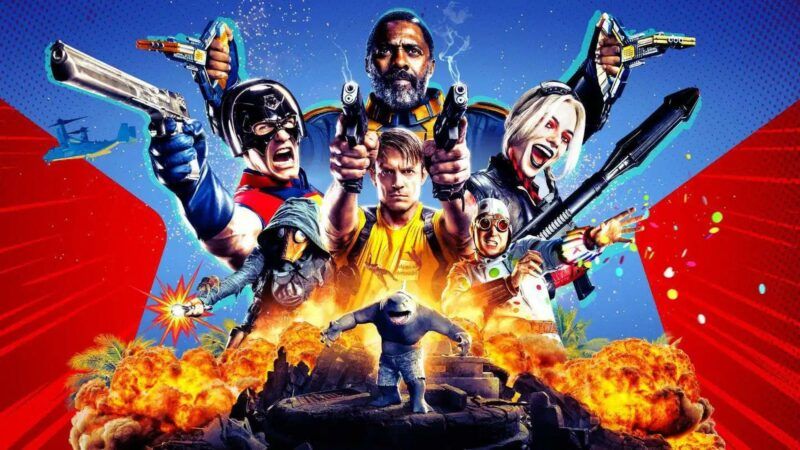
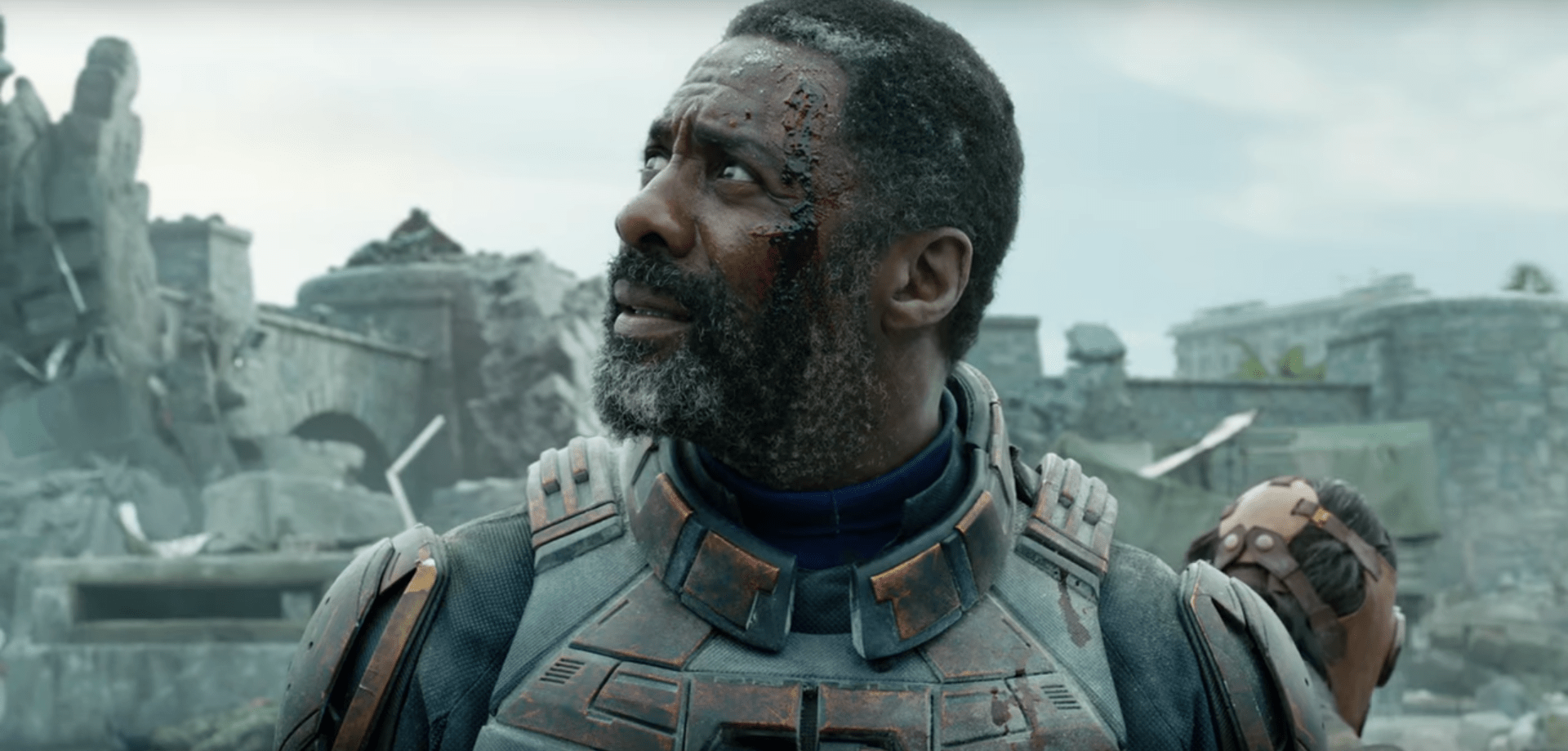
In The Suicide Squad–which is, of course, not canon except for the parts that are–it is established that Idris Elba‘s Robert DuBois, aka Bloodsport, finds himself in Belle Reve after having taking his shot at Superman with a Kryptonite bullet.
Gunn has claimed that he’s “always looking for a place to put Bloodsport,” and the timeline tidbit in the latest episode of Peacemaker might have made that possible. Fans had previously expressed uncertainty about how Bloodsport’s attack on Superman could be reconciled within the DCU and Gunn looks to have addressed that by setting The Suicide Squad and Superman in the same year.
Superman reveals that Lex Luthor was well aware of Kryptonite and its effects on Kryptonians but Rick Flag Sr. also mentions that “there’s none left on the planet.” Without thinking too hard, it certainly does not mean there was none three years earlier, meaning–if Gunn chooses to make it so–Bloodsport’s attempted hit on Superman could become one of those things we hear talked about in Peacemaker, thus canonizing it into the DCU and allowing Elba to step back into the role.
With Gunn having written both Peacemaker and Superman, it seems highly unlikely that the three year span since Superman became active coincidentally intersects so neatly with the time since the mission on Corto Maltese. Indeed, given that Gunn was working on both projects simultaneously, it seems rather intentional. Perhaps Elba will be one of the big surprises Gunn has been hyping; perhaps he’s not involved at all. However, the tiny timeline tidbit has provided all the opportunity necessary to get Elba‘s Bloodsport, a character who first appeared in a Superman comic, back in the game.
Since he was cast, fans have been crafting theories about just which DC Comics villain Garret Dillahunt will be portraying in the DC Studios’ streaming series, Lanterns. Trade Reports identified the character as William Macon,”a self-righteous, conspiracy-minded man who masks his ruthless ambition behind a charming and calculated facade,” but fans weren’t buying it.
One popular theory was that William Macon was actually William Hand, a character who has been antagonizing Hal Jordan and the Green Lantern Corps since being introduced in 1964. And it looks like that theory may well be proven correct.
In an Instagram story, Dillahunt shared a photo that has fans believing he will indeed be portraying Black Hand in the show.
Garret Dillahunt may have just confirmed he’s playing Black Hand in LANTERNS. pic.twitter.com/94yJcJsrZg
William Hand was a key antagonist in the Blackest Night storyline, where he served as the herald of Nekron, the embodiment of death.
From the start, our driving force has been to deliver a layered drama – rooted in nuanced storytelling and rich world building – that balances tension and mystery with honest, authentic emotion. The goal is to create something that feels timeless and grounded without sacrificing the magic of the source material.
–Lanterns showrunner Chris Mundy
Hand’s powers are rooted in his obsession with death and his ability to manipulate it. He first appeared as a small-time crook with a device that could absorb energy from Green Lantern rings. His destiny changed when he was chosen as an agent of the Black Lantern Corps, a group of undead beings animated by the black power of death. As a Black Lantern, he can kill and reanimate the dead, turning them into subservient Black Lanterns. His primary weapon is a black power ring, which is fueled by the absence of emotion, life, and light.
Characterized by his necrophilic tendencies and a morbid fascination with death, a villain like Hand falls in the Goldilocks zone for an HBO Max streaming series baddie. He’s often depicted as mentally unstable and obsessive, with his sanity deteriorating as his connection to the black power ring grows stronger. His actions are driven by a deep-seated desire to see the universe brought to a state of complete lifelessness,
With fans looking for DC Studios to create some sort of adaptation of Blackest Night, introducing a villain like Hand alongside Ulrich Thomsen‘s Sinestro and Paul Ben-Victor‘s Antaan, when many believe to be Atrocitus (also seen in the picture shared by Dillahunt) could be an indication that some bits of that story may make their way into Lanterns.
Recently, DC Studios co-chair and Peacemaker creator James Gunn has drawn parallels between how John Cena‘s Christopher Smith was able to move from an “in-between universe” into the DCU and his plans for Blue Beetle, who made his big-screen debut in 2023.
“Peacemaker was always in a weird place. People say he was part of the DCEU but he wasn’t really,” said Gunn in an interview with Rotten Tomatoes.”He was part of this “in-between Universe” of DC when there was nobody really making sure that everything was connected and at a time when they were going to rewrite everything with The Flash.We were kind of able to do whatever we wanted and we had that brash ending, which I loved, it was one of my favorite things from the whole season, but it just didn’t fit in with the DCU. And Peacemaker, there’s hardly anything else that you need to change for him, he can slide very easily into the DCU, same with Blue Beetle. They just kind of fit in very nicely, we just have to retcon a couple of things,” the DC boss explained. And it seems as though heat have had Blue Beetle on his mind for a reason.
In an additional portion of the Rotten Tomatoes interview, Gunn seems to all but confirm that Blue Beetle will appear in an upcoming episode of Peacemaker Season 2.
After the interviewer shares his love for the character with Gunn and expresses his desire to see Blue Beetle appear in Peacemaker, a grinning Gunn “Well, you know, I won’t say you’re not in luck.”
Given Season 2’s use of the Multiverse as a primary plot device, a number of options are in play, including following up on the disappearance of Ted Kord, the original Blue Beetle, that was mentioned in the 2023 film. Whatever the path, it’s certain that the film’s star Xolo Maridueña, who has been teasing his character’s DCU future, will play some role.
New episodes of the second season of Peacemaker debut weekly on Thursdays on HBO Max.
Cookie Consent
We use cookies to improve your experience on our site. By using our site, you consent to cookies.
This website uses cookies
Websites store cookies to enhance functionality and personalise your experience. You can manage your preferences, but blocking some cookies may impact site performance and services.
Essential cookies enable basic functions and are necessary for the proper function of the website.
Name
Description
Duration
Cookie Preferences
This cookie is used to store the user's cookie consent preferences.
30 days
These cookies are needed for adding comments on this website.
Name
Description
Duration
comment_author_email
Used to track the user across multiple sessions.
Session
comment_author_url
Used to track the user across multiple sessions.
Session
comment_author
Used to track the user across multiple sessions.
Session
Statistics cookies collect information anonymously. This information helps us understand how visitors use our website.
Google Analytics is a powerful tool that tracks and analyzes website traffic for informed marketing decisions.
Contains information related to marketing campaigns of the user. These are shared with Google AdWords / Google Ads when the Google Ads and Google Analytics accounts are linked together.
90 days
__utma
ID used to identify users and sessions
2 years after last activity
__utmt
Used to monitor number of Google Analytics server requests
10 minutes
__utmb
Used to distinguish new sessions and visits. This cookie is set when the GA.js javascript library is loaded and there is no existing __utmb cookie. The cookie is updated every time data is sent to the Google Analytics server.
30 minutes after last activity
__utmc
Used only with old Urchin versions of Google Analytics and not with GA.js. Was used to distinguish between new sessions and visits at the end of a session.
End of session (browser)
__utmz
Contains information about the traffic source or campaign that directed user to the website. The cookie is set when the GA.js javascript is loaded and updated when data is sent to the Google Anaytics server
6 months after last activity
__utmv
Contains custom information set by the web developer via the _setCustomVar method in Google Analytics. This cookie is updated every time new data is sent to the Google Analytics server.
2 years after last activity
__utmx
Used to determine whether a user is included in an A / B or Multivariate test.
18 months
_ga
ID used to identify users
2 years
_gali
Used by Google Analytics to determine which links on a page are being clicked
30 seconds
_ga_
ID used to identify users
2 years
_gid
ID used to identify users for 24 hours after last activity
24 hours
_gat
Used to monitor number of Google Analytics server requests when using Google Tag Manager
1 minute
Marketing cookies are used to follow visitors to websites. The intention is to show ads that are relevant and engaging to the individual user.
Pinterest Tag is a web analytics service that tracks and reports website traffic.


:max_bytes(150000):strip_icc():format(webp)/Lanterns460-05052026-2e6d0c7a9cc94e4e9819a577b9944939.jpg)
:max_bytes(150000):strip_icc():format(webp)/Lanterns458-05052026-1879b77949a048c5ac66b54eb69d3a87.jpg)
:max_bytes(150000):strip_icc():format(webp)/Lanterns459-05052026-e4b705f1c0714d78b77eba8d82a196b2.jpg)