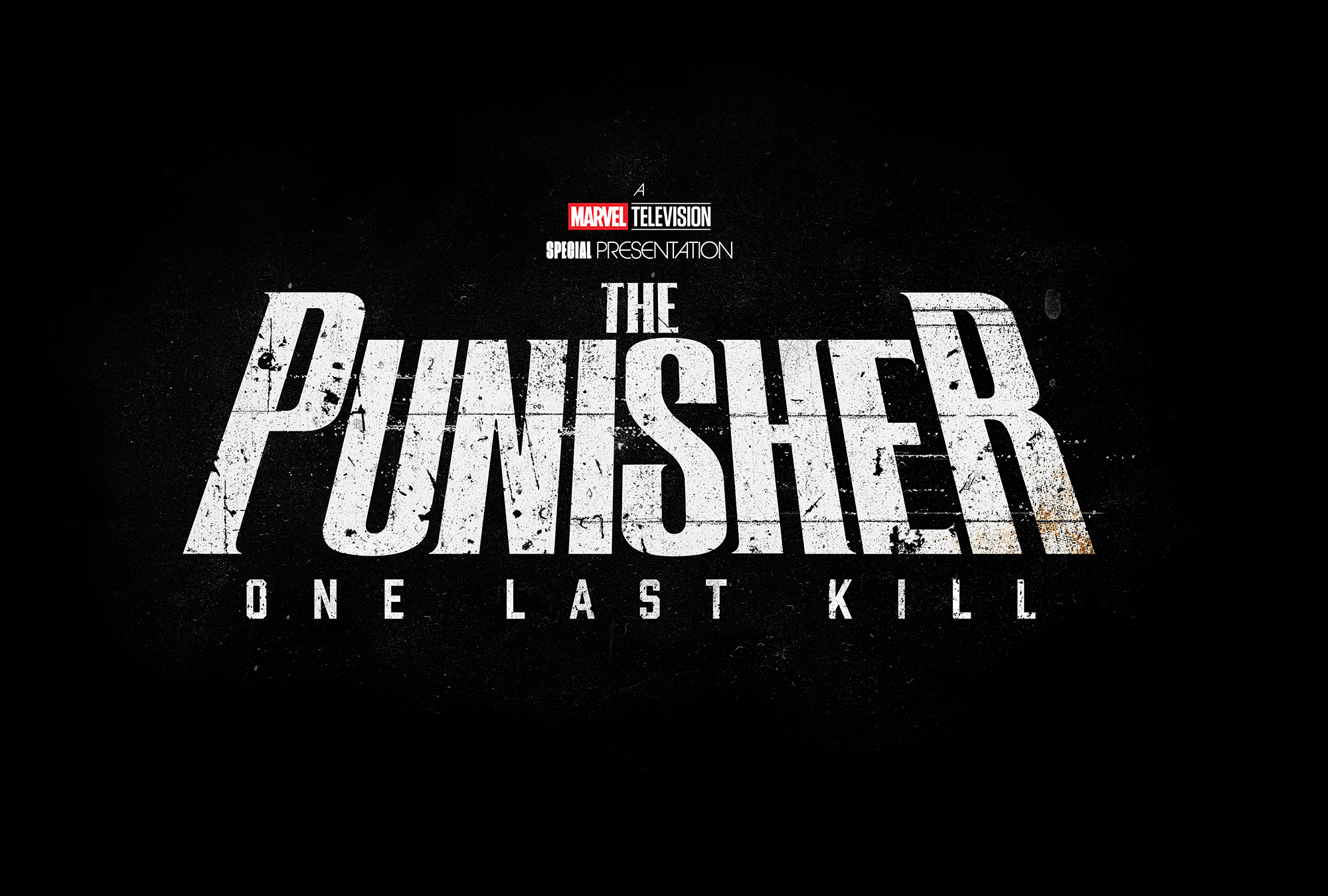
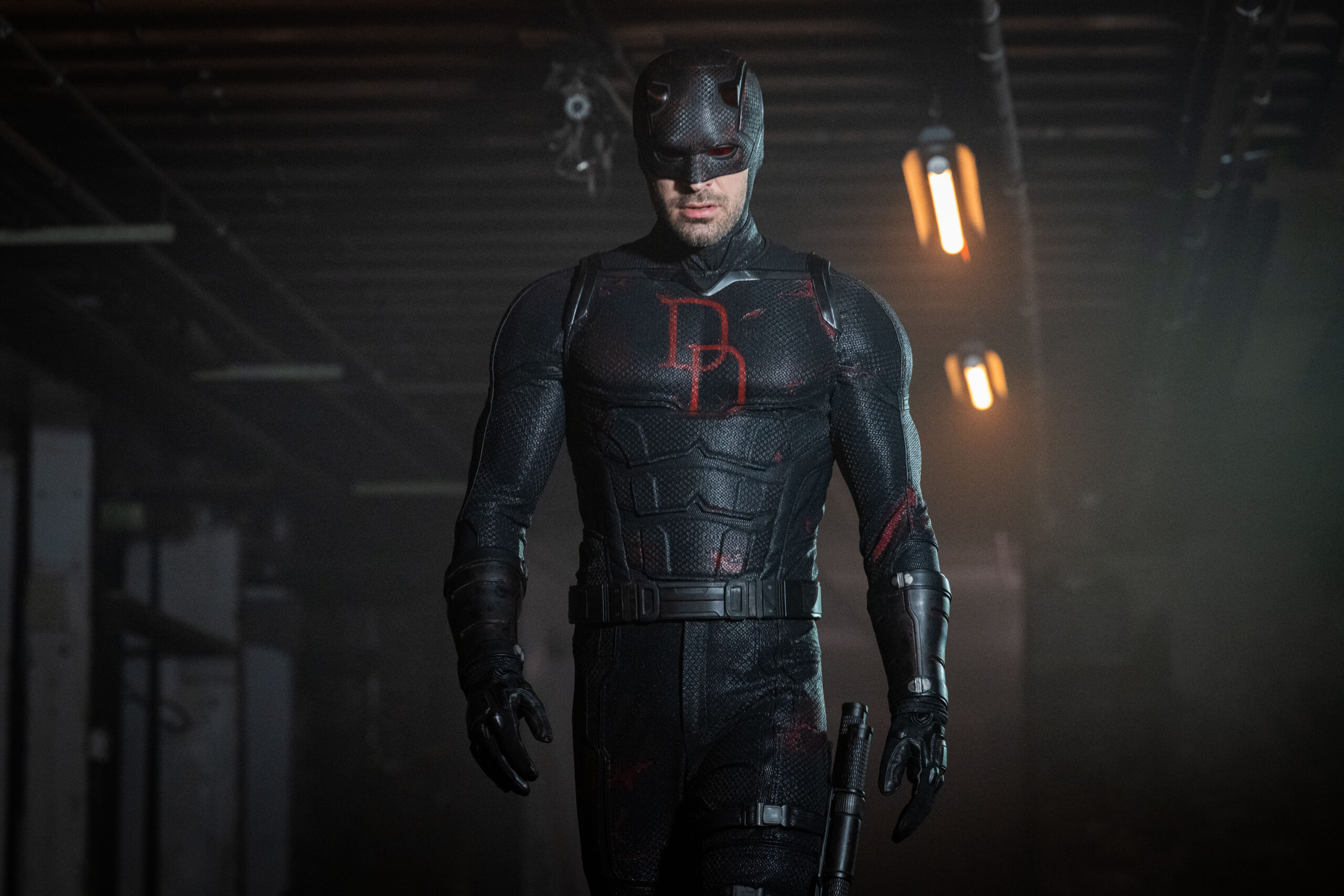
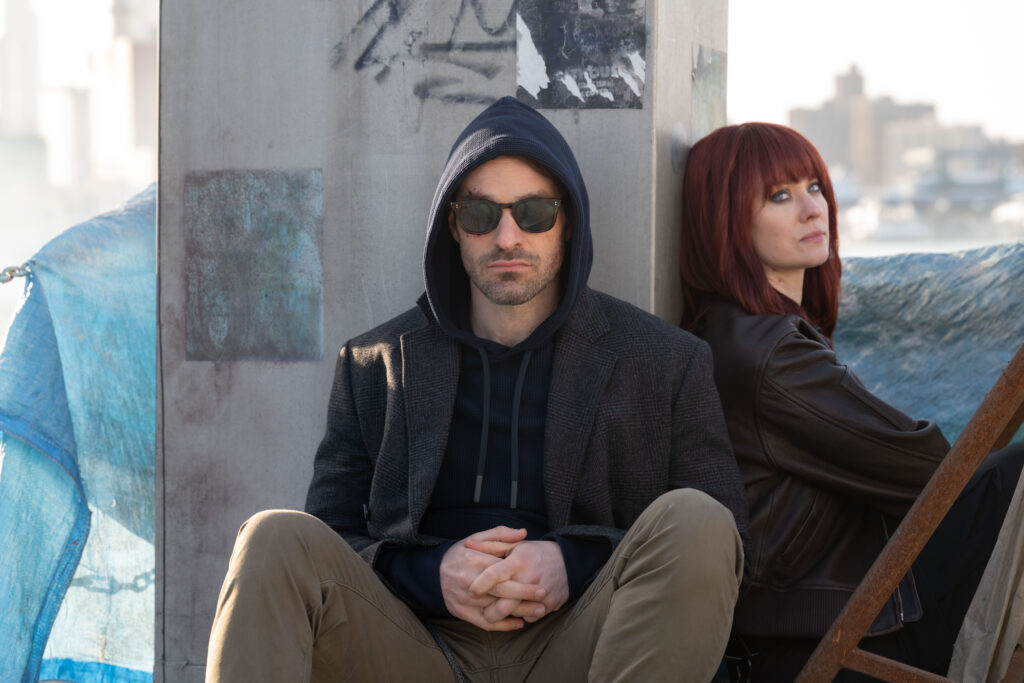
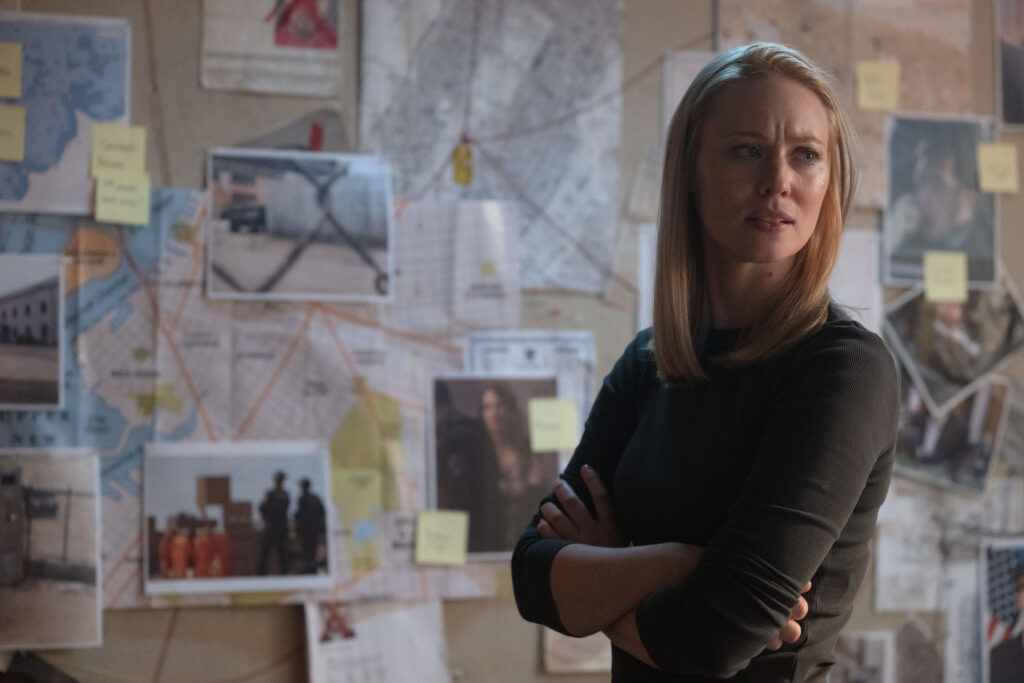
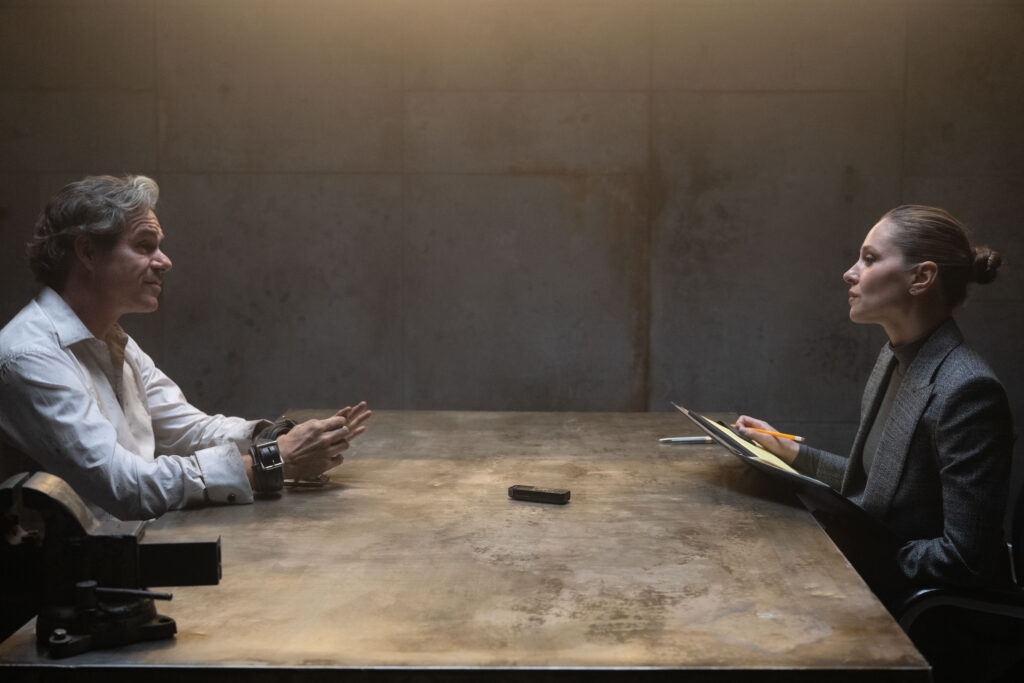
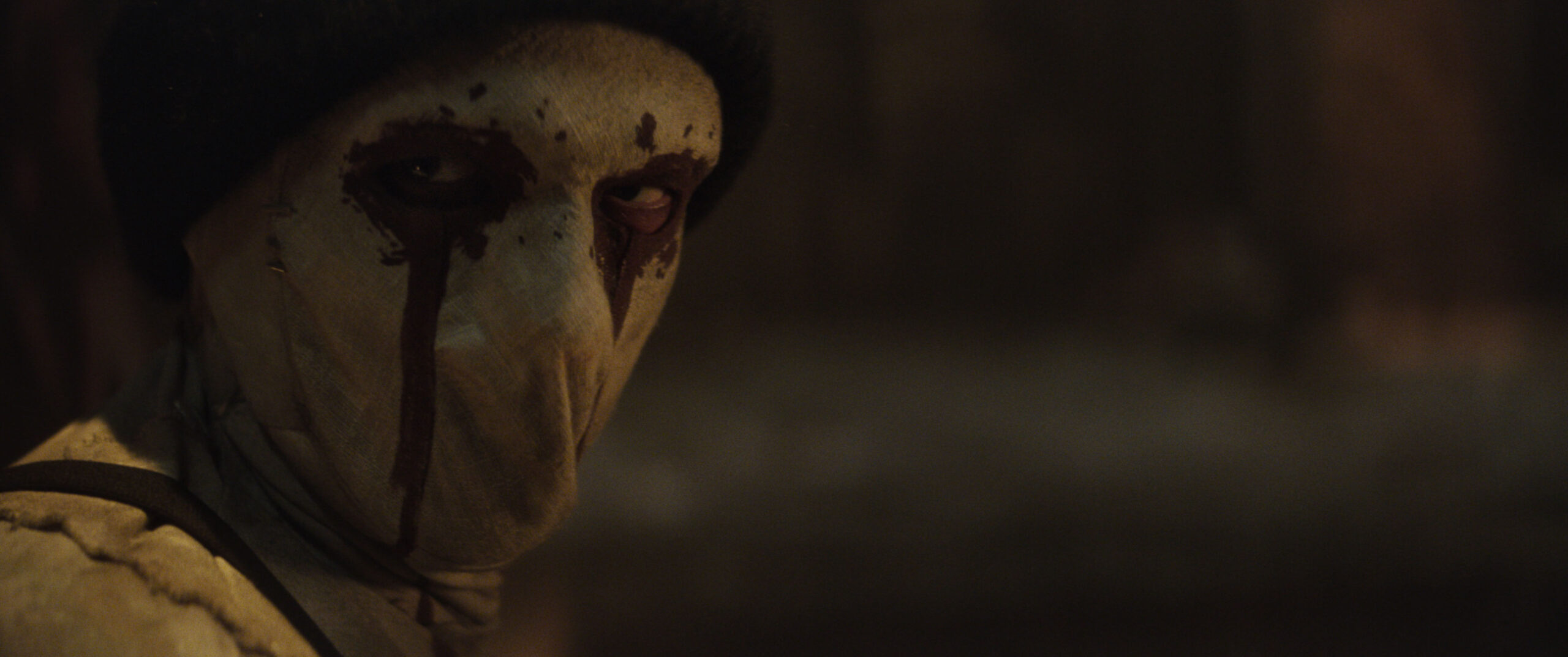
Writer Garth Ennis is widely credited with saving the Punisher from obscurity and defining the character for the modern era. Before Ennis, Frank Castle had been written as an angel of vengeance with supernatural guns—a direction fans hated. Ennis brought him back to basics in Welcome Back, Frank (2000). And now it seems clear that the Marvel Knights imprint–and it’s over-the-top action–will also define the next MCU iteration of the character.
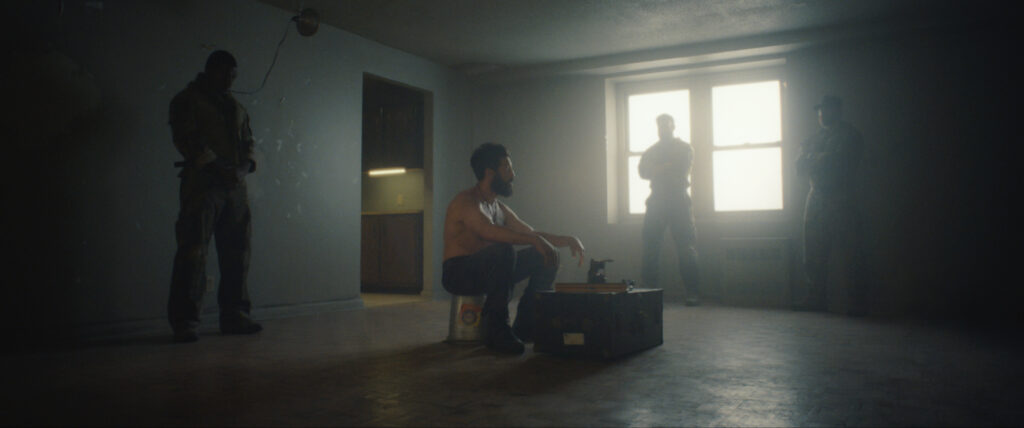
Since 2017, Jon Bernthal‘s take on the Punisher has always been highly praised for its mature handling of PTSD and veteran reintegration, creating the most soulful on-screen version of the character. One Last Kill once again examines the trauma and tragic nihilism that fuels Frank Castle while also acting a vehicle for Castle’s eager violence. Equal parts John Wick, Dirty Harry and The Raid, Marvel Television’s latest Special Presentation is outrageously brutal but it is also exactly what it should be.
Set at a not quite clearly defined point in Castle’s life, One Last Kill picks up with Frank as he struggles to find purpose with his personal war having come to an end and is haunted at first but the ghosts of his family and then by the ghost of his own violence. As seen in Ennis’ MAX series, Frank’s internal world is a haunted house. Rather than allowing himself to heal–even when he recognizes his instability–he chooses to stay in a state of perpetual trauma.
The opening of the Special Presentation riffs hard on Ennis’ take on Frank, allowing his inner monologue to serve as the engine of the story. And in the presence of his former brothers in arms, it isn’t just a narration of events; it is a staccato, utilitarian checklist that reveals how he views the world through a tactical lens and his body as a weapon system that needs maintenance…and Frank hasn’t been maintaining his very well. As he did in Season 1 of The Punisher, Bernthal goes all in on Castle’s grief, agony pain and guilt.
One Last Kill, created by Bernthal and director Reinaldo Marcus Green, spends significant narrative currency exploring the Punisher’s pathos and it’s an unsettling excavation. The core of his pathos isn’t just that his family died; it’s that Frank Castle died with them. He didn’t just lose his wife and children; he lost his ability to exist in a civilized world. And at one point, Frank is ready to leave that world…until Judith Light‘s Ma Gnucci pulls him back in and, ultimately, gives purpose to The Punisher once again. Just as in Ennis’ run, however, Frank Castle doesn’t actually want to be the Punisher; he is simply the only person left who is willing to take out the trash.
While fans will revel in the savage and sanguinary action of the Special Presentation and rejoice at the promise of prospective punishment down the road, One Last Kill is deeply dark and disturbing. Castle doesn’t conquer his grief and evolve into a hero by the end of the short runtime; he reestablishes himself as The Punisher through the subsequent transformation of grief into a cold, mechanical purpose.
And it looks as though Bernthal‘s Punisher is just getting started.
“Tell me…is he the chosen one? He will avenge us.”
-The final words of Maul
In the closing moments of a life of immense pain, betrayal, madness and loss, Maul’s final words secure his evolution from a silent, stalking slasher baddie into a truly archetypal tragic monster. Sleepy Sheev Palpatine identified Maul and his rage at a young age and saw in him the opportunity to shape him into a living weapon, a tool to destroy the Jedi. Shaped by Palpatine’s cruelty, Maul’s story is one not of success but of stolen potential, systemic abuse, and a total inability to escape his own nature. After being discarded by his former master, the tragedy of Maul took shape as he used the very tools of his tormentor to try to find freedom from who he had become. And in his final moments, dying in the arms of his great enemy, Maul realized that he had lived and died in the service of a cause that never gave him anything and took everything.
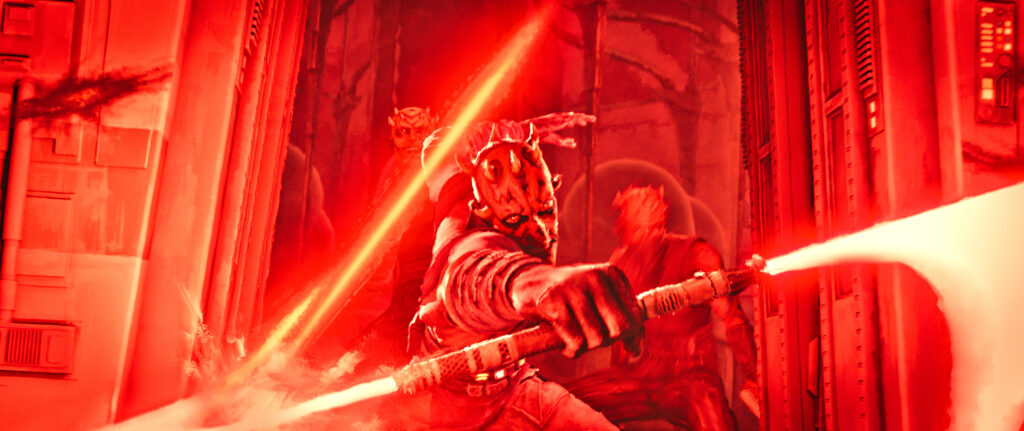
Saved from a disappointing abandonment after his apparent death in The Phantom Menace, Maul became an almost Shakespearean villain under the curation of Dave Filoni. Taken from a scrap heap–both in his fictional reality and in Lucasfilm’s meeting rooms–his appearances in Star Wars: The Clone Wars and Star Wars Rebels, where voice actor Sam Witwer gave him new life, excavated the depths of the former Sith lord and found an emotional core that was defined mostly by a broken nature and deep desire for vengeance. When we meet Maul again in his standalone series, Maul-Shadow Lord, his pathos is unchanged: he remains a lost child seeking revenge against all who have wronged him yet years away from the catharsis he would eventually find in his death at the hands of Obi-Wan Kenobi.
You may have forgotten me, but I will never forget you! You cannot imagine the depths I would go to to stay alive, fueled by my singular hatred for you!
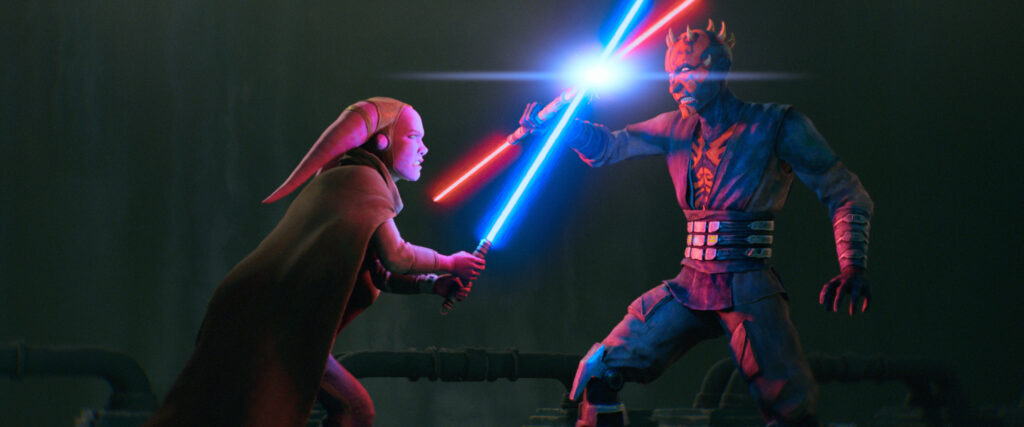
Styled as a neo-noir crime drama, Maul-Shadow Lord Season 1 begins to spin the tale of a new age of Maul, which, while still centered on his quest for vengeance, finds the most interesting villain in the galaxy far, far away monologuing on the nature of good and evil while continuing to battle the paranoia thought left behind. Meant to make good on George Lucas’ original wishes to see Maul become the godfather of crime, the series–which has already been renewed for a second season–gives the character another chance to succeed even though we all know he’s destined to fail. Driven by his quest to reclaim his Shadow Collective and by visions of an apprentice who can help him destroy the Sith, Maul gets to be exactly who we want him to be while allowing for some deep dives into the nature of the Force, right and wrong and all the rest of the things that have allowed Star Wars to endure for 50 years…and he might just be headed for the showdown fans have always wanted.
Set on Janix–which probably feels a bit less like a character than the creators had hoped–Shadow Lord allows Maul to continue carve out his own unique space as an agent of the Force and, in some ways, allow him to work on his sale’s pitch that he will eventually use on Ezra Bridger. Though the first eight episodes of the season Maul, with the help of his crew, has his sights set on those who betrayed their allegiance to him and making Jedi Padawan Devon Izara his apprentice–and it seems as though it is somehow the will of the Force to continue to put the two on convergent paths. Joining their story is savvy cop Brander Larsen, Devon’s Master Eeko-Dio Daki (who, like Maul, is a survivor) and weasly gangster Looti Vario. And in his way: the Empire and the Inquisitorious, represented by Marrok and Eleventh Brother.
Your passions give you strength and through strength you gain power. You have seen it, you feel it. You must break your chains.
-Maul
At times, Shadow Lord feels like an Elmore Leonard novel brought to life in a stylish animated splendor that the Dickens of Detroit would have loved both for its exploration of moral ambiguity and sensationalized action. It is, in the most incredible ways, a worthy successor to the journey undertaken by Maul in The Clone Wars, and an undeniably necessary chapter that bridges the gap not only to Solo but, more urgently and apparently, Rebels.
Sam Witwer‘s exquisite voice work drips with pulpy evil layered with subtextual anquish, making Maul-Shadow Lord not only best Maul to date but also continuing to establush Maul, the discarded son, as perhaps a true cornerstone character in the galaxy. Most interestingly, Maul’s evolution seems to have brought him aroud to an equal but opposite view of the Force as that held by Qui-Gon Jinn. One could make the argument that if the two met now, they might have a nice conversation over a cup of tea. Instead, Maul killed Jinn which was the first of many incidents that lead Anakin Skywalker to the side of Palpatine. From the scrap heap to leading what is sure to become the next truly great animated Star Wars series. If only his mom and brother could see him now.
While Scardapane probably appreciates the job security, writing a television series that’s expected to stretch out into infinity also places a heavy mandate on his plate. For Daredevil: Born Again to ultimately be judged as a great show, not only will Hell’s Kitchen have to become the same sort of living, breathing enclave Frank Miller created in the comics but it’s cast of characters designed to support its dual protagonists will also need to bear the weight of world building, provide tonal shifts and serve–in one way or another–as moral counterweights to the dilemmas faced by the leads. With a pair of beloved stars like Charlie Cox and Vincent D’Onofrio, protagonist fatigue doesn’t seem likely but Scardapane and the rest of the show’s writers must still build in safeguards against it by creating a supporting cast that does more than fill screentime..and so far, those results have been decidedly mixed.
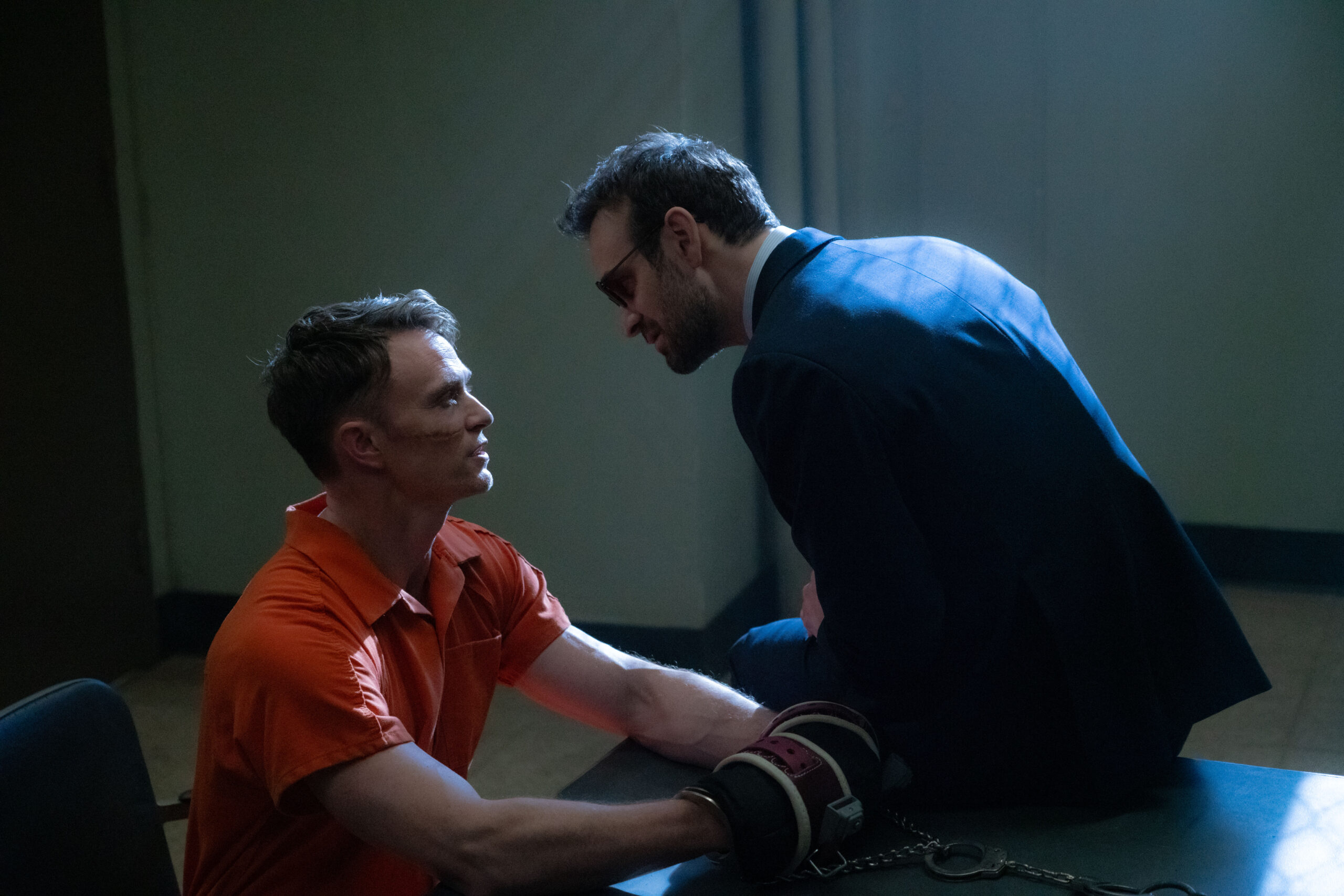
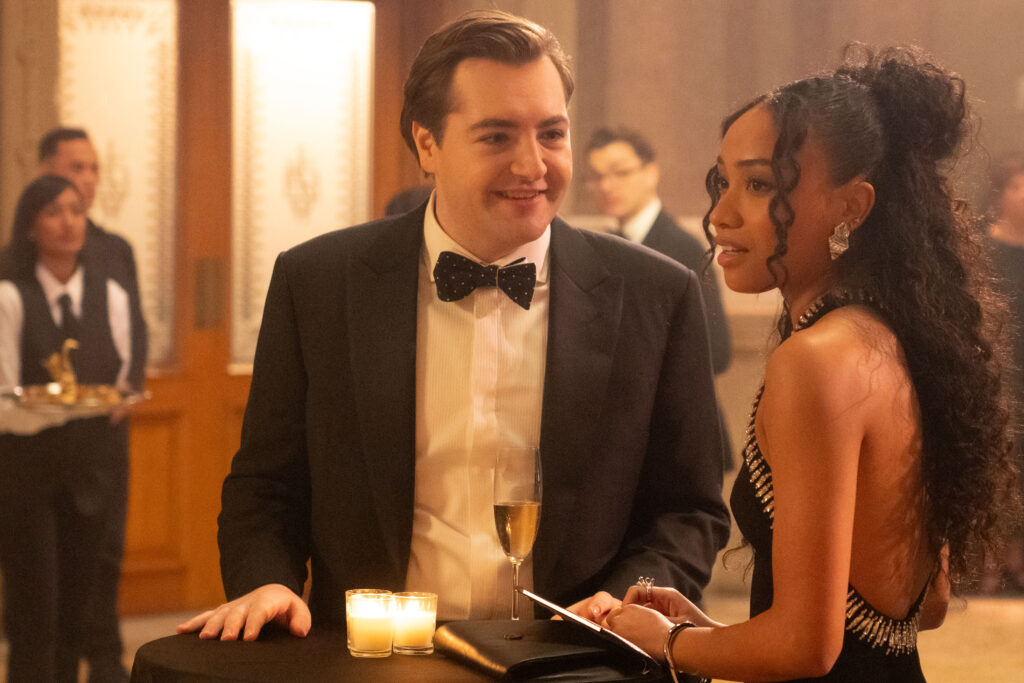
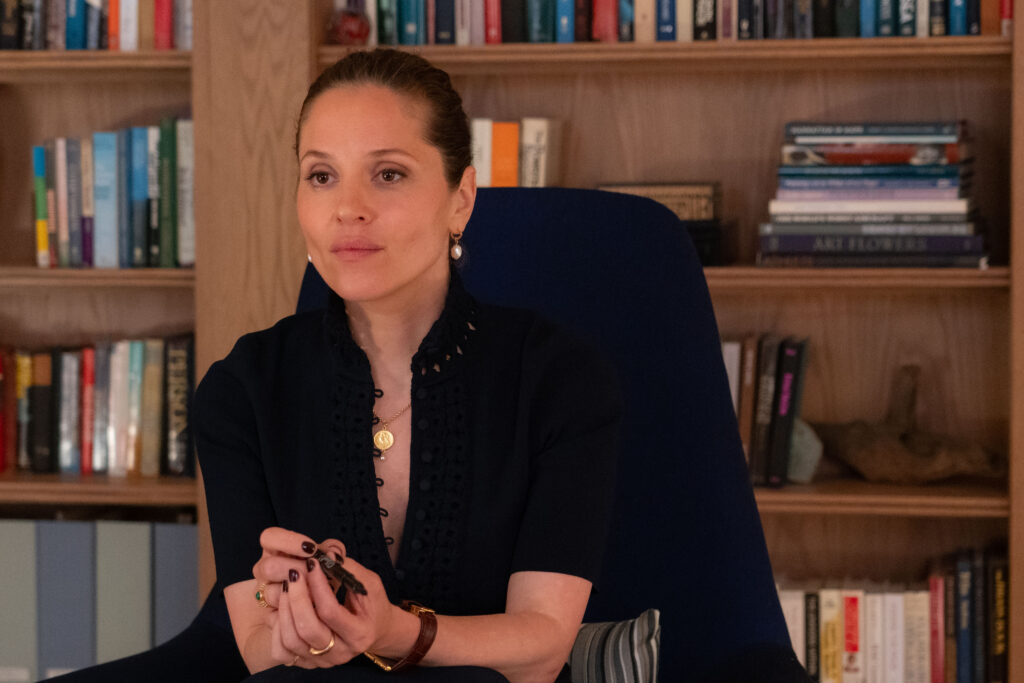
After the opening episode of the new season established Daredevil as the enemy of Wilson Fisk’s police state, episodes 2 and 3, titled “Shoot the Moon” and “The Scales & The Sword”, respectively, spend their narrative currency on the tissue that connects the revolutionary and the regime to the reality faced by those who while not the public-facing symbols of the struggle, belong to the society or are actively taking part in its downfall. While this includes characters such as Karen, Vanessa, Jacque Duquesne and Bullseye, the latest double dip spends more time on Fisk’s collaborators Daniel Blake, Buck Cashman and, and Heather Glenn, in addition to BB Urich, whose role in the propaganda war puts both her and Blake at risk, and Kirsten McDuffie. While each of these characters has a defined role in this revolution, some of them are simply more interesting than others.
By choosing to canonize the Netflix series, Marvel (and perhaps Scardapane) chose to accept all the consequences of the choices (both good and bad) made by those writers and none resonates more loudly than the decision to kill Ben Urich. An absolute cornerstone of Daredevil’s Marvel Comics lore, Ben was killed by Fisk at the end of Season 1 of Daredevil…an act that you’ll be constantly reminded of in season 2 of Daredevil: Born Again. Without spoiling the entire season, it’s safe to say that not even Scardapane could write himself out of that particular hole and, as such, BB–and her relationship with Blake, the “heir unapparent”– just too often feel as an effort to right that wrong. And don’t get me started on Blake.
On a positive note, Scardapane seems to enjoy enhancing the parallel paths of Murdock and Fisk by pairing the arcs of characters in their respective orbits. Karen and Vanessa. BB and Blake. Heather and Kirsten. The AVTF and the AdT (Angela del Toro). Buck and…Foggy (gasp). In episodes 2 and 3, the writers leverage the supporting characters by setting them in ideological opposition to one another. As Vanessa tries to convince Wilson to leave New York, Karen and Matt talk about staying put. As the AVTF cracks down, AdT levels up. As the Deputy Mayor of New York City for Communications elevates his position in the regime, BB digs deeper and becomes the underground press, attempting to strip away the facade of fear by mocking the Kingpin. Buck serves as Kingpin’s loyal capo, weaponizing authority, while Foggy’s absence–and his adherence to the idealism of the system–allows Matt to teeter on the edge of disappearing behind the mask.
The transition between episodes accentuates these polarities as the cracks in both sides begin to show, both literally and figuratively. Karen’s radicalization (Matt compares her thought process to that of Frank Castle) and Vanessa’s gaslighting (convincing Heather of her security while fearing for her own); Heather dissociates and descends into madness as Kirsten grounds herself in the reality of the populace; state-sponsored security becomes state-sponsored terror. The final straw, of course, is the farcical trial of Jack Duquesne, in which Heather’s lack of morality and the Kingpin’s influence over the Vigilante Trials conclude with a guilty verdict handed down to a LARPer. By publicly executing the spirit through the illusion of due process, Fisk unwittingly hands the resistance its eventual winning hand.
For the entertainment of the masses. Presented in all it’s ugly glory by then whose hand holds the scale.
-Jack Duquesne
And, of course, the wild card becomes increasingly wild…but it’s not time for his story just yet. Through 12 episodes, Daredevil: Born Again has patiently painted a picture of a pair of protagonists prepared to prove his love for his city is greater than the other’s; however, the cumulative scar tissue on the city and its inhabitants–the sinew of the story–and each man is increasingly faced with losing something they love, even if only the blind man can see it coming.
For the bulk of the first seven episodes of Daredevil: Born Again, the series felt as smoothly paced as any streaming series Marvel Studios has produced. While Netflix edge lords may have bemoaned the lack of gratuitous violence, it was rare that the first seven episodes felt either dawdling or rushed. Somehow, Dario Scardapane and Jesse Wigutow’s script for Episode 8, “Isle of Joy”, managed to accomplish both.
Despite some truly big league cinematography and a major surprise in the closing moments, Episode 8 slothfully moved through some truly meaningless ground while also tackling a half dozen or so subplots. Every second spent with Michael Gandolfini‘s Daniel and Genneya Watson‘s BB Urich feels much like the parts of the Netflix series that the new creative team seemed intent on eliminating. Meanwhile, the pieces to the puzzle the audience has been missing to fully understand Wilson and Vanessa’s plans are more-or-less “oh by the way’d” into the runtime.
Of course, without the ability to see the entire two-season plan, some of what took place in Episode 8–and in bits and pieces of other episodes–may still come into play in the future; however, it’s probably worth pointing out now that some moments that may have seemed to matter won’t be followed up on in Episode 9…and maybe never again.
With the season finale ahead and Matt having made the choice to be a good man and defend his enemies, as Bullseye said he should, the finale could prove interesting. Will Fisk’s near-death experience make him consider backing off his mission to put Daredevil behind bars? On his own and seriously injured, will Matt muster up the energy to put up a fight, as he always has? Will the Netflixers find themselves immersed in the darkness and blood that made them love Daredevil 10 years ago? Will you be able to see what’s happening in the episode of you’re watching in a room where there’s any natural light? We’ll all find out soon, True Believers!
Pablo Picasso once sort of-famously explained that “the purpose of art is washing the dust of daily life off our souls.” That idea put him squarely at odds with the 19th century philosophy of “art for art’s sake,” which valued aesthetics over the idea that art should have some larger utility within society. It’s then worth pondering how Picasso might have felt about Episode 7 of Daredevil: Born Again, “Art for Art’s Sake.” Despite featuring a Daredevil daring to buckle his swash in broad daylight and some shooting and some blood and shit, “Art for Art’s Sake” somehow feels more like the “filler episode” fans seemed convinced Episode 5 would be.
Though it’s not a poor episode, “Art for Art’s Sake” is the first time—and truly the only time—that Daredevil: Born Again felt like a stitched-together show. It seems unlikely that Disney ironically placed the title it did on the episode; however, that’s essentially how this episode fits into the bigger picture. It exists to exist and nearly all of what happens within its runtime has no larger utility in the structure of the series other than to put a disappointing end to the one arc that was beginning to approach entertaining.
While screening the series in early March, it was right about the time that Muse died that I began to realize that not only does Daredevil have a Kingpin problem, but also that Daredevil has a Kingpin problem. For the third time in four seasons (and early returns from production on Season 2 would indicate it’ll become the fourth time in five seasons), Wilson Fisk is the primary antagonist of a Daredevil series. Yes, Dex was the physical opponent in Season 3 of Daredevil and Matt got to fight crazy buzzsaw costume guy once but with Muse, the creatives had a chance to do something really special…and instead they made him into background noise so that we could get to some more Matt and Wilson stories. I understand the place Fisk holds in the Daredevil mythos; however, it’s ok to let the Fat Man take a break and give Matt something else to do.
And so, rather than having an episode that washed the dust of daily life off of our souls, it seemed to just add another layer. Hope does spring eternal, however, and photos from the New York City set of Season 2 have revealed that somehow, some way, Muse will return and showrunner Dario Scardapane also revealed that the character will be a multi-season problem for Matt. However, without any solid idea of what the future holds of the character, it’s easy to feel disappointed in the way he was incorporated into Season 1. Already changed from the (probably) Inhuman-ly powered character in the comics, Hunter Doohan‘s Muse deserved to be a bit more than the catalyst for another round of Daredevil vs. Kingpin.
For some, the first four episodes of Daredevil: Born Again fell short of expectations. Others, it turned out, enjoyed the lighter tone and lighter tones. Wherever your tastes fell on that spectrum, with Episode 6, “Excessive Force”, the series pivoted aggressively, starting down a far darker path. Episode 5, “With Interest”, bridged the gap between light and dark, allowing Charlie Cox to collect some serious aura farming, slinging and swinging swag instead of billyclubs but by the time Angela del Toro goes missing, the devil that Matt Murdock let out for a brief romp in the daylight just can’t be out back in the bottle.
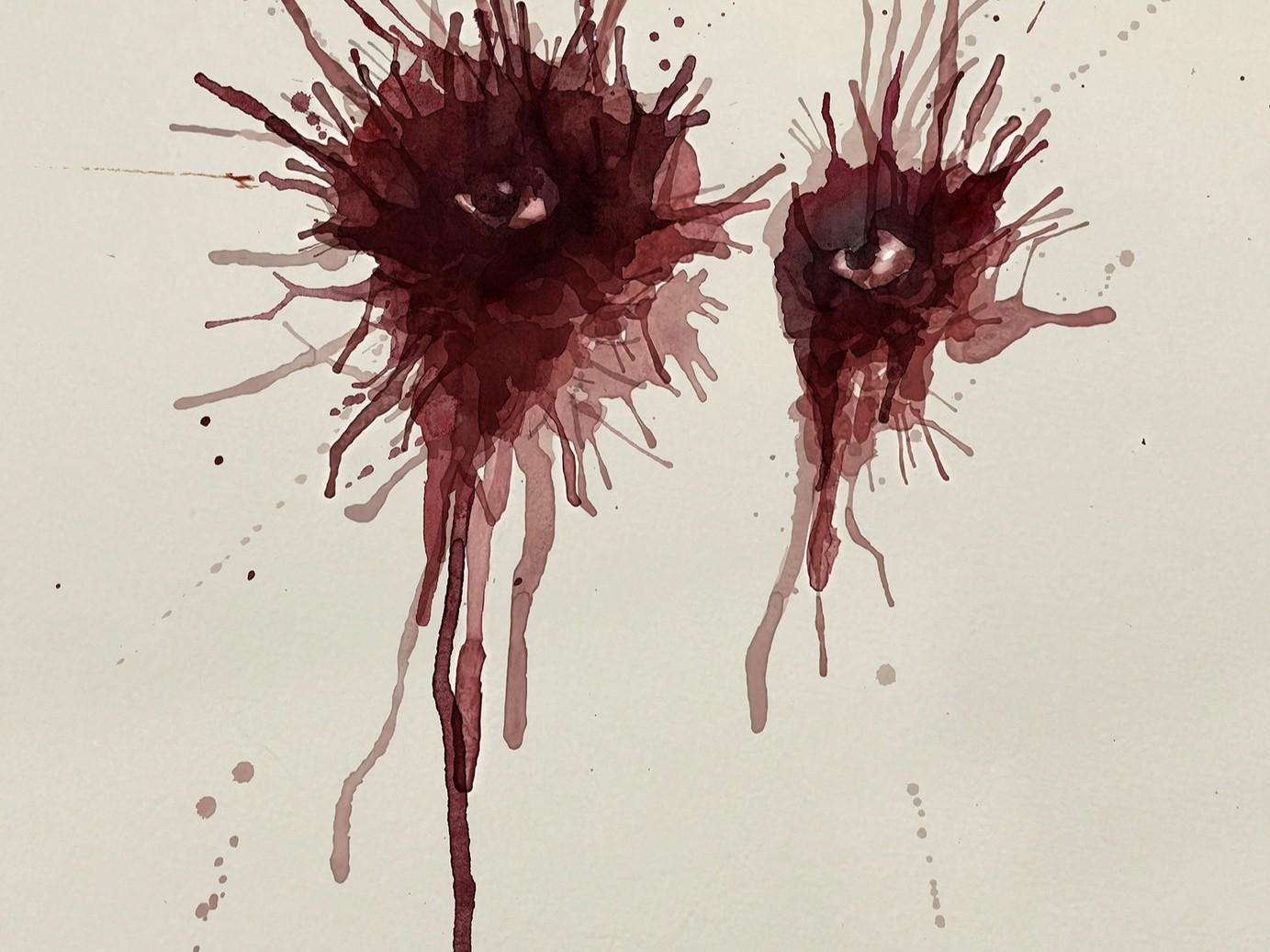
Simply enough, “Excessive Force” IS the episode fans of the Netflix series have been waiting for: the renaissance of The Devil of Hell’s Kitchen. Complicating the matter, however, is that the rebirth of Daredevil coincides with the rebirth of the Kingpin. With his fractured relationship with Vanessa healing quickly, Wilson Fisk finally lets his darker half resurface. Complicating things for both men is the revelation that the City’s most popular street artist, Muse, is a sadistic serial killer with a body count of at least 60 bodies.
The series has consisted of a series of parallels and the creators allowed those to play out without rushing the inevitable right turn those paths would take, putting the two on an inevitable collision course. As it’s played out, Muse catalyzes collision by becoming something neither man can ignore and neither man can stop without resorting to the depths of their own darkness they had both sworn to leave behind.
In Matt’s case, Muse’s abduction of Angela del Toro forces him back into his armored suit. The result is a violent confrontation with the killer in his lair which Matt clearly enjoys…perhaps a bit too much. For Fisk, Muse’s spree gives him reason enough to pull together a goon squad of corrupt cops, far more akin to the type of people he “worked” with as the Kingpin than NYC’s finest. And, of course, the episode wouldn’t be complete without Fisk resorting to his own use of “excessive force”, reminding the audience of the brutality of the Fat Man…who is getting fat again. It’s taken some time but through the work of an artist with his own distinct style, Daredevil and Kingpin each experience a renaissance that will certainly put them as odds.
Once a brash, vulgar satire of Hollywood’s longstanding love affair with nuclear family sitcoms, The Simpsons has survived long enough to become as beloved a part of Americana as the Family Ties world the show has parodied for 36 years. The longest-running sitcom in the history of American television, Matt Groening‘s satire has survived by more or less staying the same while the world around it changed. Even as other shows have far surpassed the audacity of a young child telling someone to eat his shorts, The Simpsons has remained relevant–even legendary–by continuing to mock every American institution but all while keeping one thing at its core: the love the members of its offbeat titular family feel for one another.
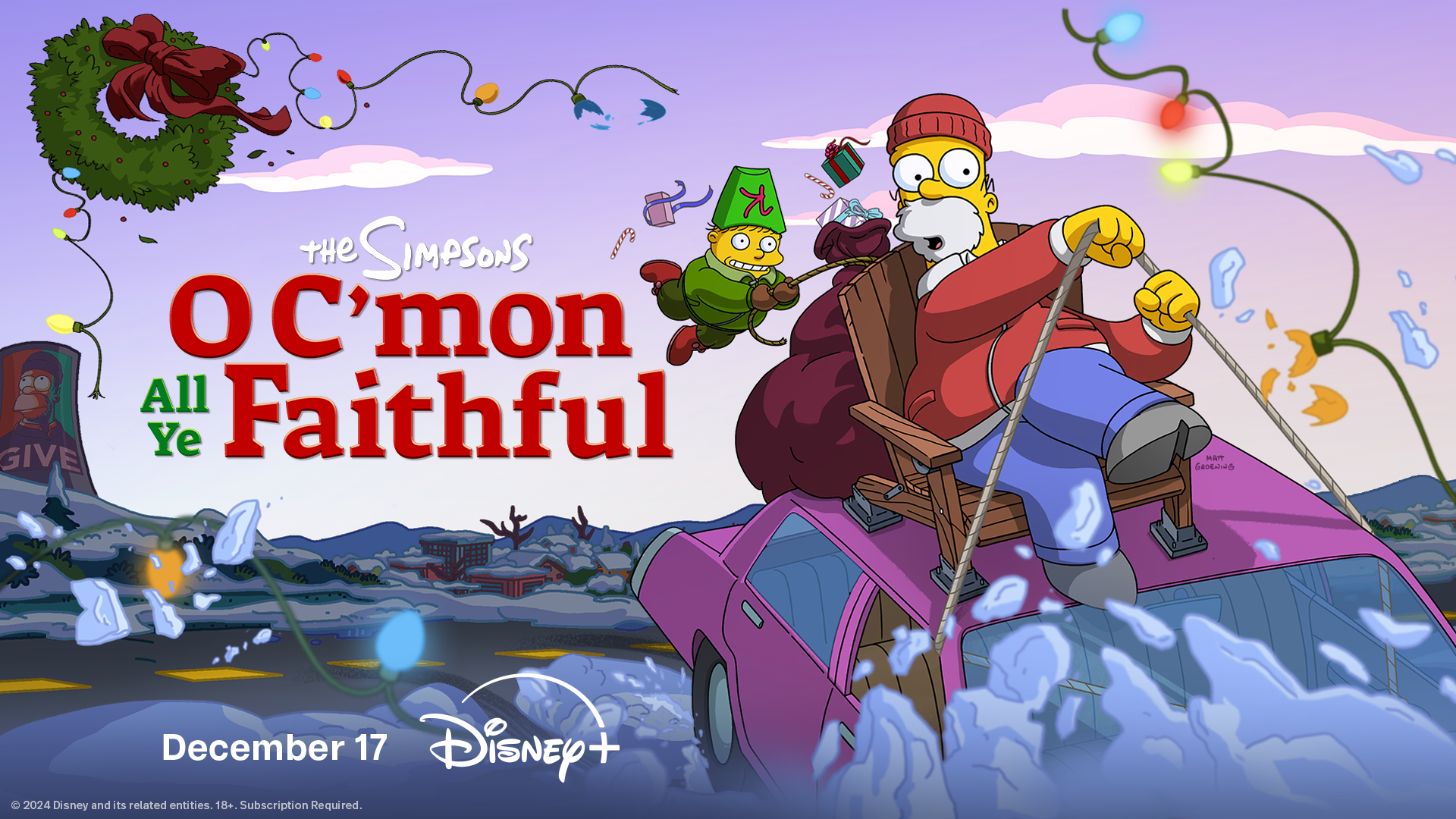
The Simpsons new holiday special, “O C’Mon All Ye Faithful”, manages to cynically attack the modern American Christmas with the same level of irreverence that was once the show’s signature; however, even as it openly atomizes religion, politics and, honestly, the general state of society, the double-length episode finds a way to wrap it all in the warmth that comes with unconditional familial love.
Celebrate the holidays with “O C’mon All Ye Faithful,” a special double-episode, only on Disney+. Things go awry when British mentalist Derren Brown comes to Springfield. Homer gets hypnotized and believes he is Santa Claus, setting off a cheery chain-reaction through town. This special marks the 35th anniversary of the original Christmas special, “Simpsons Roasting on an Open Fire,” and explores what it means to believe.
-Official Synopsis for The Simpson: O C’Mon All Ye Faithful
Though Bart was originally the star of The Simpsons, it has long since been Homer’s show and “O C’mon All Ye Faithful” is centered on him, sidelining the kids to an almost alarming degree with only Bart having any extended screentime. Instead, the special is a lot of Homer, a little of Marge and quite a bit of Ned Flanders, who finds himself undergoing an existential crisis that longtime fans of the series will likely enjoy. Set into motion by a visit to Springfield by British mentalist Derren Brown, a hypnotized Homer comes to believe he is Santa Claus and, before long, has the entire town believing it as well.
Somewhat incredibly, even after over 650 episodes, Groening still finds new ways to utilize Homer’s stupidity to great effect while keeping his ignorance-is-bliss-joy to make the big, dumb idiot as loveable as ever. If you’re finding yourself in the mood for some yuletide satire, “O C’mon All Ye Faithful” provides it in heavy doses while also sprinkling in enough love and reminders of the true Christmas spirit to make you feel nicer than naughty.
The Simpsons: O C’mon All Ye Faithful is now streaming on Disney Plus.
Despite being the lead character of a Disney Plus series, Agatha Harkness is no hero. Kathryn Hahn‘s wicked witch with over 300 years of dirty deeds to her credit. Flashbacks in WandaVision revealed that in the 1690s, Agatha broke the rules of her coven by practicing dark magic. Accused and put on trial by the coven’s leader, her mother, Evanora, Agatha revealed the extent of her abilities by absorbing the powers of all the other witches and killing them all, including her mother. She done a bad, bad thing…but unfortunately, as revealed in the third episode of Agatha All Along, “Through Many Miles of Tricks and Trials”, she was just getting started.
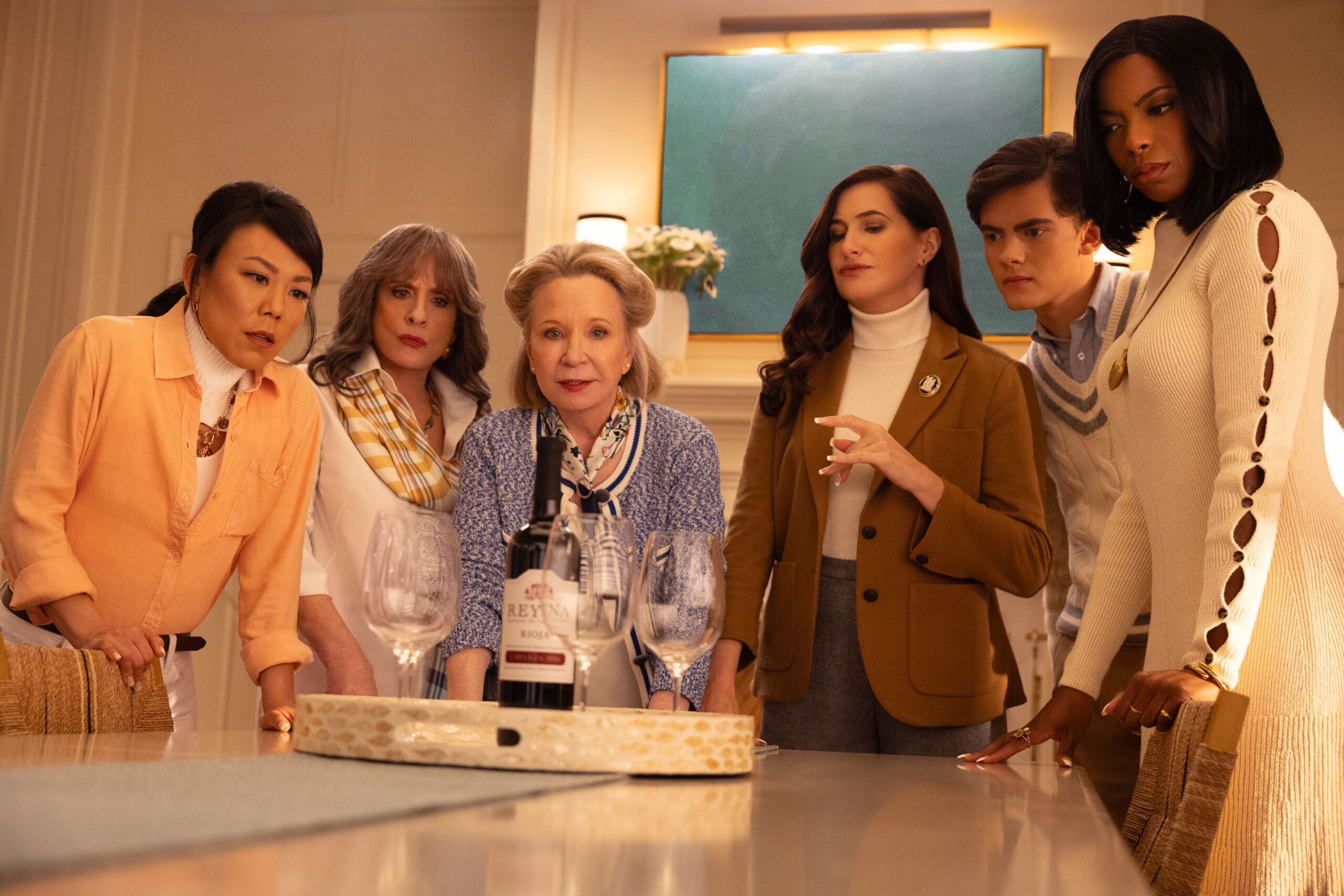
Episode 3 pits Agatha and her coven of chaos against the first of their many trials as they walk the Witches’ Road and, according to series’ creator Jac Schaeffer‘s grand design, lays bare each witch’s worst nightmare. While the house by the sea is technically where Jennifer Kale’s trial as a potions witch is held, a little is revealed about each member of the coven after they drink the wine poisoned with Alewife’s Revenge and begin to hallucinate. Working to locate the ingredients for an antidote for the poison, everyone who drank the wine is forced to relive her worst nightmare and for Agatha it’s a shocking revelation that lays bare the depths of her depravity and lust for power…and one that likely explains not only why the rest of the witches don’t trust her but also why Rio is rip roaring angry with her and wants her dead.
Dating back to WandaVision, there have been plenty of teases–both subtle and not-so-subtle–about Agatha’s comic book son, Nicholas Scratch. From the bunny she called Senor Scratchy to the child having an empty room in the house her spellbound persona Detective Agnes O’Connor inhabits, Agatha’s son has made quite an impression by NOT being there. And now we know why. As shared with Teen by Jennifer Kale and confirmed by Agatha’s hallucination, Agatha traded her son to Mephisto in order to acquire the Darkhold. Kale’s story alludes to the possibility that Teen may well be Scratch but we all know that’s just more misdirection but it does help make clear why Agatha has been so protective of the character: even she’s not sure how her own son might look. At this point, Agatha seems pretty irredeemable and there’s really no longer any reason to wonder why Rio–obviously a former lover of Agatha’s–wants her dead. It would seem Scratch wasn’t Agatha’s son but the son of both Agatha and Rio.
With these shows, so often there is something that is at once a joke and a wink and a nod, and actually has something legitimate underneath it. As we all know, Mephisto is a character who’s very wrapped into Agatha’s storyline. I mean, people have to watch, but we’re always playing with the audience in that way.
-Jac Schaeffer on Mephisto’s role in Agatha All Along, EW, September 25, 2024
While theorists who’ve been claiming for the past three years that Mephisto will show up in every MCU project can finally thump their chests at the name drop, the search for Scratch continues. In the comics, Scratch went on to father the members of the Salem’s Seven. That spooky group of shape-shifting freaks showed up in Episode 2 but don’t expect them to be Agatha’s grandkids in the MCU. Once Mephisto has his claws in someone, it’s typically for good but who knows exactly what becomes of a baby raised by a Class Two demon? Maybe we’ll find out at the end of the Witches’ Road.
When Matt Reeves‘ The Batman hit theaters in 2022, it was clear that the Gotham which Robert Pattinson‘s Batman sought to protect had a long, dark and sordid past. Corruption ran so deep in Gotham that it might rightly be believed to be a cornerstone of the great city. So strong was the foothold of organized crime in Gotham that the crime families and their goons were entitled and emboldened to carry out their crimes while still considering themselves good men.
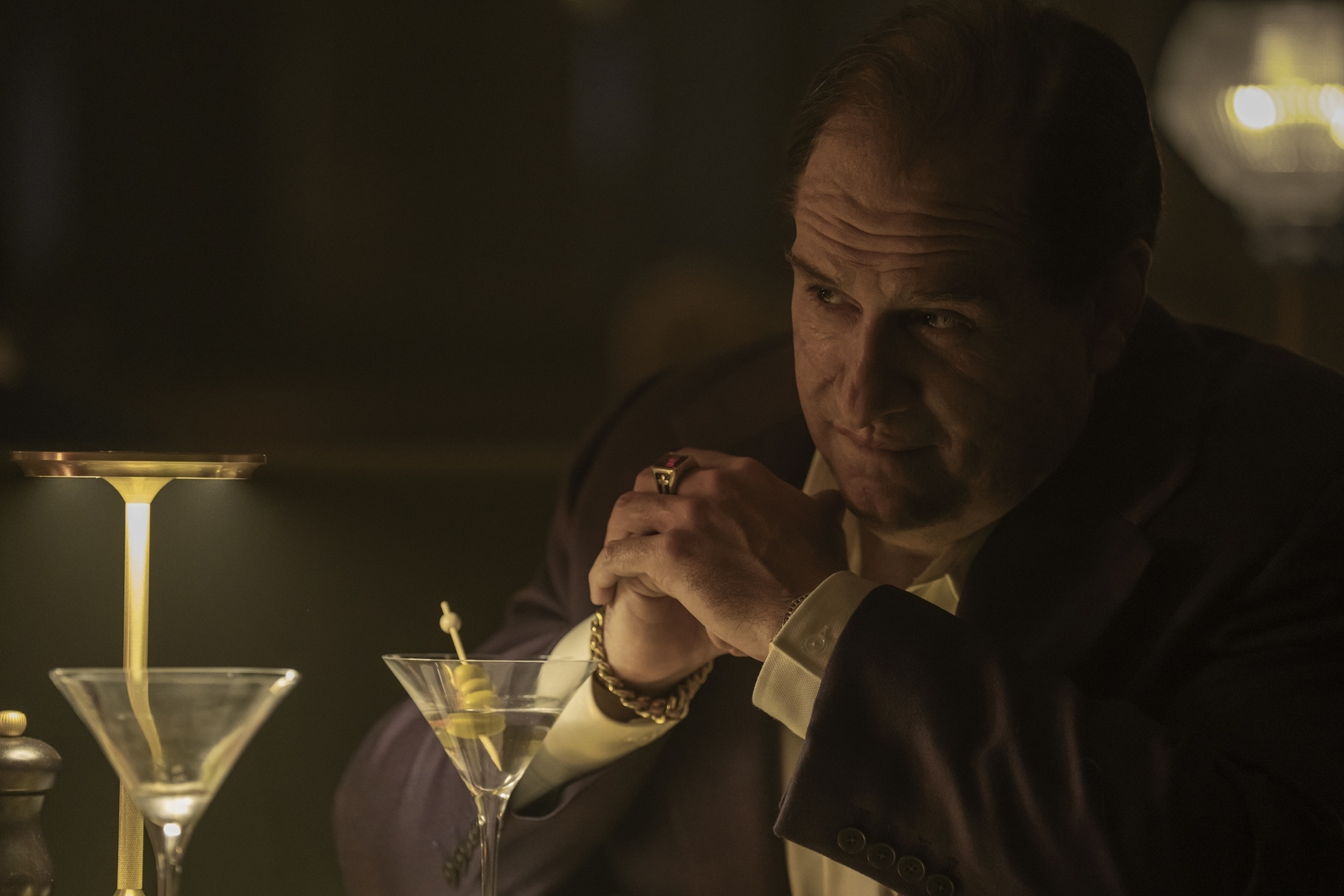
Despite being as warped as the foot that caused his Penguin pimp limp, Falcone family capo Oz Cobb believed himself to be one of those good men. Colin Farrell’s portrayal of Oz in The Batman demanded a follow-up performance which has now hit Max in the form of the limited streaming series, The Penguin. And the series pulls no punches about its lead character nor does it provide any quarter for a man who finds himself in a mess of his own making.
If The Penguin weren’t known to be a spinoff set in Reeves‘ Batman Epic Crime Saga, it would be as unrecognizable as a comic book-based property as its star is in the lead role. The Penguin shares far more in common with any number of HBO’s prestige crime dramas and Episode 1, “After Hours”, embraces that legacy. It goes full gangster right away and it looks as though the series will benefit from its forthright approach as an exploration of the world of organized crime and the types of people who inhabit it.
Intelligence without ambition is a bird without wings. -Salvador Dali
Central to Episode 1 and presumably the series are Farrell‘s Cobb and Cristin Milioti‘s Sofia Falcone. Oz wastes no time in unintentionally making an enemy out of Sofia and much of the first episode is spent with Oz apparently spinning his wheels. However, the true brilliance of the episode comes in its closing moments. In his own words, Cobb knows he inhabits a world of big men who need to believe he’s small…and so he allows them their fantasies, using his rough appearance and demeanor to serve as a facade for an ingenious criminal mind. And by episode’s end, Cobb has engineered the rise of the Maroni family he once took down and set himself up as all nut untouchable.
Thematically, ambition is at the episode’s core and from Cobb’s words to his new partner in crime, Vic, to the 9 to 5 needle drop, there’s no chance it can be forgotten. Cobb’s ambition is second to none and now, with his brilliant mind free to cook, his time has come. Every bit as ambitious as its title character, The Penguin is as intelligent, violent and grounded in the human condition as the great HBO dramas it aspires to be.
As it turns out, Marvel Studios did learn something from WandaVision. Debuting at a time when the world was starving for new content of any kind, WandaVision helped a fanbase find a way to forget about a still terrifying and uncertain reality. As Marvel Studios’ first streaming series, WandaVision blazed a trail and set a high bar for each series that followed. While it’s easy to look back with disdain at the wild weekly theories that never worked out, there’s no debating that no other Marvel Studios’ D+ series has impacted pop culture the way WandaVision did. And if we’re being honest, there’s not been a realistic contender for the crown. So, at a time when the studio seeks to return to its former glory, one must appreciate the coincidence of some measure of that return resting on the shoulders of a WandaVision spinoff that focuses on a once powerful witch seeking to return to her former glory.
While it would be easy to believe that Agatha All Along exists solely to showcase the bewitching talents of its star, Kathryn Hahn, the series creator, Jac Schaeffer, made no bones about her true intention: “to recapture the fun of WandaVision.” To that end, the first four episodes of Agatha All Along indubitably lean heavily into the spirit of the predecessor, tossing all the right ingredients into the cauldron. Strong acting, smart writing and a devil-may-care affect to the negativity that has surrounded some of the studio’s more recent fare are likely to produce a witch’s brew that results in an entranced audience finding itself trapped in a spell similar to the one cast by WandaVision. For better or for worse, expect plenty of theories and arguments about who Joe Locke‘s “Teen” actually is, the true nature of Agatha’s past with Aubrey Plaza‘s wonderfully wicked Rio and, of course, what role Mephisto plays in it all!
Whatever Schaeffer‘s intentions for Agatha All Along may have been, no reasonable human being would argue that the series could possibly have been given the green light had Hahn not so thoroughly slayed the role of the dark witch in WandaVision. There’s no need for protracted pretense here in an evaluation of Hahn‘s return to the role in Agatha All Along. From the moment her still spellbound Agnes hits the screen in Episode 1 until the unbound Agatha takes on the trials of the Witches’ Road throughout the screening package viewed by the media, Hahn cleverly recaptures the campy nature of the character’s MCU debut while adeptly transitioning to a far more sinister and unhinged version of Agatha which, as we learn, is the truest version of herself.
That change in demeanor happens when Hahn’s Agatha, who remains trapped as Agnes in the spell placed on her by Wanda in the WandaVision finale, meets two very interesting interlopers: Aubrey Plaza‘s Rio Vidal and Joe Locke‘s Teen. Following the death of the Scarlet Witch and the destruction of the Darkhold as seen in Doctor Strange in the Multiverse of Madness, Rio and Teen shake the foundation of Agatha’s dreamworld enough to allow her to come to her senses and be reborn, stark naked, in the town of Westview. By the end of Episode 2, Agatha is headed down, down, down the Witches’ Road to reclaim her power and since the road cannot be accessed alone, she must head down the path coven in tow. And so, despite Agatha All Along working first and foremost as a vehicle to let Hahn cook, a strong supporting cast is an absolute must and the impromptu coven is stellar.
Locke’s Teen, whose true identity is kept hidden by a sigil that’s been placed on him, provides the impetus for the trip down the Witches’ Road and is one of the best additions to the MCU since Hahn joined in 2021. Plaza is as Plaza does, bringing her dark, sardonic sarcasm to Vidal, who clearly has far more tricks and treats up her sleeves. While very different from the chemistry between Agatha and Teen which seems to evolve into something bordering motherly, the enchanting interplay between Agatha and Rio holds the promise of something far greater than what is revealed in the screening package. It’s devilish and delicious and something that will certainly garner significant attention. It isn’t just the triple threat of Agatha, Billy Teen and Rio who travel the road, however, and Hahn’s catalytic charisma with the other members of the coven ensures there’s no real drop off when Teen and Rio are off-screen. Patti Lupone, Sasheer Zamata, Ali Ahn and (kind of) Debra Jo Rupp round out the roster of Agatha’s coven and all have their own charms. Each witch represents a different skill set required to survive the trials of the Witches’ Road and comes with her backstory. However, if there’s one potential problem facing the series it is that it may lose some of the generous positive momentum gained by the end of Episode 2 if the pattern laid out in Episodes 3 and 4–each of which serves as a showcase for one of the witches–continues in Episodes 5, 6 and 7. Whether or not that comes to fruition is impossible to divine as long as Disney continues to dole out only partial seasons for review.
Though Agatha All Along will lure audiences in with the promise of something familiar, the true strength of the series is in its alchemical quest to transform into something better. Come for the WandaVision but stay for the shift into true Spooky Season horror. Schaeffer has created something truly unique among Marvel Studios’ fare in Agatha All Along which at times seems to share more DNA with Werewolf By Night than WandaVision. From The Ring-esque group of weirdos known as the Salem’s Seven to the haunted house horror to the demon literally on the back of one of the coven members, Agatha All Along is downright scary at times and, before long, finds itself very far afield from the campy True Detective-inspired opening episode.
Through four episodes, Agatha All Along looks to be on the road to becoming just what the doctor ordered for Marvel Television. The combination of some incredibly crafty creative work behind the scenes and a talent like Hahn at its center provide plenty of reasons to keep fans entranced while also keeping them guessing. Despite there being plenty of reason to believe you already know what’s going on, Agatha All Along has mysteries aplenty and with Schaeffer’s willingness to go back to throwing WandaVision-ish curveballs in the mix, this trip down the Witches’ Road is going to be a blast!
Cookie Consent
We use cookies to improve your experience on our site. By using our site, you consent to cookies.
This website uses cookies
Websites store cookies to enhance functionality and personalise your experience. You can manage your preferences, but blocking some cookies may impact site performance and services.
Essential cookies enable basic functions and are necessary for the proper function of the website.
Name
Description
Duration
Cookie Preferences
This cookie is used to store the user's cookie consent preferences.
30 days
These cookies are needed for adding comments on this website.
Name
Description
Duration
comment_author_email
Used to track the user across multiple sessions.
Session
comment_author_url
Used to track the user across multiple sessions.
Session
comment_author
Used to track the user across multiple sessions.
Session
Statistics cookies collect information anonymously. This information helps us understand how visitors use our website.
Google Analytics is a powerful tool that tracks and analyzes website traffic for informed marketing decisions.
Contains information related to marketing campaigns of the user. These are shared with Google AdWords / Google Ads when the Google Ads and Google Analytics accounts are linked together.
90 days
__utma
ID used to identify users and sessions
2 years after last activity
__utmt
Used to monitor number of Google Analytics server requests
10 minutes
__utmb
Used to distinguish new sessions and visits. This cookie is set when the GA.js javascript library is loaded and there is no existing __utmb cookie. The cookie is updated every time data is sent to the Google Analytics server.
30 minutes after last activity
__utmc
Used only with old Urchin versions of Google Analytics and not with GA.js. Was used to distinguish between new sessions and visits at the end of a session.
End of session (browser)
__utmz
Contains information about the traffic source or campaign that directed user to the website. The cookie is set when the GA.js javascript is loaded and updated when data is sent to the Google Anaytics server
6 months after last activity
__utmv
Contains custom information set by the web developer via the _setCustomVar method in Google Analytics. This cookie is updated every time new data is sent to the Google Analytics server.
2 years after last activity
__utmx
Used to determine whether a user is included in an A / B or Multivariate test.
18 months
_ga
ID used to identify users
2 years
_gali
Used by Google Analytics to determine which links on a page are being clicked
30 seconds
_ga_
ID used to identify users
2 years
_gid
ID used to identify users for 24 hours after last activity
24 hours
_gat
Used to monitor number of Google Analytics server requests when using Google Tag Manager
1 minute
Marketing cookies are used to follow visitors to websites. The intention is to show ads that are relevant and engaging to the individual user.
Pinterest Tag is a web analytics service that tracks and reports website traffic.