Tag: Gaming Reviews

  • REVIEW: ‘Immortality’ Is A Formidable Follow-up to ‘Her Story’

    REVIEW: ‘Immortality’ Is A Formidable Follow-up to ‘Her Story’

    In 2015, Sam Barlow’s Her Story pushed the boundaries of what an indie game could be. It turned the mystery genre into a transformative experience that allowed players to solve the crime on their own terms. Players were tasked to unravel a haunting crime story using police interviews, a search engine, and their own intuition. The result was an astounding reconstruction of a rambling crime story that redefined the idea of how cinematic stories could be told through audience interactivity. With Barlow’s latest work, Immortality, that idea continues to be pushed further in fascinating ways. 

    Immortality examines the life of one Marissa Marcel, an actress who in a span of three decades made only three unreleased films and vanished without a trace. Through clips of the unreleased films, players are to reconstruct a mysterious portrait of what happened to the actress and those who knew her. And as players make their way through decades of footage, it becomes clear that Marissa’s Tinseltown story is more sinister than people imagined it to be. 

    Ambrosio, a 1968 giallo-inspired fantasy horror film, serves as the stage for Marissa’s onscreen debut. In that production, she meets enigmatic director John Durick, who becomes her constant collaborator on all her projects. In the 1970s, Marissa is cast in Minsky, a crime thriller about the death of a prolific painter. It is in that film where she meets Carl Greenwood, a co-star whose life will be forever changed by Marissa. In the 1999 film Two of Everything, Marissa plays a pop star struggling through the industry. It is her last film before her disappearance. In all of these films, Marissa remains the same age. 

    Immortality posits itself as a restoration project to shed light on the mysterious circumstances of Marissa’s life. The restoration begins with the grid where the surviving footage is presented. Players will have to scrub through the footage in order to find particular details in them. Be it a random object in the foreground, a character, or an action, clicking on them will unlock new footage containing the very same things. For example, if you freeze-frame on director John Durick’s face and click it, it will match-cut into footage with a similar image of Durick in it. Gameplay-wise, it’s a trial-and-error process to fall deeper into the rabbit hole of the narrative, allowing players to unveil secrets in various ways. Some might discover the game’s biggest twist within the first hour. Some might uncover the truth but never reach the credits. No playthrough will be the same.

    Gamers looking for a more comprehensive button-mashing experience may lose sight of what Immortality sets out to do. Like Her Story before it, Immortality is less about the skill than it is about the mystique of the narrative, where obsession rewards players more than agency. Barlow paints a very eerie, haunting, and ambiguous portrait of Marissa Marcel’s life. The more of Marissa’s life and relationships are examined, the more evil and unsure things seem. A web of corruption and tragedy begins to take its hold over the narrative as more footage is unearthed. While things may seem fine on the set of Minsky, the behind-the-scenes tell a different story. Barlow imbues a creeping uncertainty into the abstraction of his storytelling. Just when you think have the story in place, something unexpected happens. It’s a slow burn to get the full picture of Immortality but once its fragmented pieces fall into place, the obsession pays off. The narrative is beautifully explored through incredible film footage and performances that feel ripped straight out of their decades. Barlow’s vision toes the line between intentional schlock and gripping character study.

    However, there’s a clumsiness to Immortality that makes it a more unwieldy game to play than Her Story. Whereas the scope of Her Story was condensed into an interface and experience recognizable to anyone with access to a computer, Immortality feels formless and less immersive. It lacks the diegetic interface that made Her Story intuitive to play making its restoration concept feel strange and unwelcoming. The game’s commitment to immersion is easily challenged by its wildly unrealistic match-cut feature. The experience is meant to be voyeuristic and personal yet the way the game is played feels distant. Barlow may have intended Her Story to feel tangible as possible but Immortality feels anything but.

    Nonetheless, Immortality remains a formidable follow-up to Barlow’s 2015 masterpiece. Its commitment to giving players an unlikely experience is admirable even as it gives pause to the immersion. It may not recapture the monumental success of its predecessor but it will likely go down as one of the most ambitious indie games yet.
  • REVIEW: Offer Yourself To The ‘Cult of the Lamb’

    REVIEW: Offer Yourself To The ‘Cult of the Lamb’

    In Cult of the Lamb, the devil is in the details. Devolver Digital’s management simulator, where players assume the role of a sacrificial lamb who becomes the leader of a demonic cult, is an ambitious effort to marry the cutesy quirks of Animal Crossing with the comedic morbidity of a Sam Raimi movie. But the game sometimes comes across as overzealous, getting lost in a complicated economy and progression system and a roguelike element that feels like an afterthought. Nonetheless, its great mechanics, visuals, and humor make for a highly entertaining hybrid simulator.

    The game is essentially divided into two parts: the management simulator and the dungeon-crawling roguelike. As the sacrificial lamb turned prophet for the demon The One Who Waits, the fire of the gospel must burn strong through the cult’s disciples. But as the prophet, it too falls on the lamb to slay the Four Heretics who have imprisoned the The One Who Waits.

    Developers Massive Monster spares no expense in giving players a thorough religious experience. Nearly no stone is unturned as Cult of the Lamb incorporates many elements familiar to any churchgoer of any faith. As the leader of the congregation, the player’s job is to keep the cult afloat and rich. Not only do the disciples’ basic needs need to be met but they also must be kept happy and faithful. 

    Easily the best parts of the game are its mechanics. There’s a daily sermon that will modestly fill the cult’s faith meter. Over the course of the game, players will accumulate stone tablets that will serve as doctrines, the rules and beliefs that the cult must abide by. These doctrines are made of active and passive upgrades. The active upgrades, referred to as Rituals, are fun events you can trigger to give your disciples a stat boost.

    Cult of the Lamb‘s greatest source of enjoyment is the variety of ways to torment and reward the congregation. Sadistic players will be glad to know that they can order their adorable disciples to eat their own poop, force them to fast, or sacrifice them to a Chtulu-like monster. There’s a funny ritual to let a disciple’s body and soul ascend to heaven — or so they think. There’s even a ritual to get everyone high on mushrooms. Dissenters can be imprisoned and humiliated to be made an example of. The variety of mechanics at the player’s disposal is surprisingly deep and is guaranteed to make every playthrough different.

    But as fun as the management simulator element is, there’s redundancy in Cult of the Lamb‘s economy and progression system that may often lead to confusion. The terms used to label currencies do not come across as intuitive; devotion, loyalty, and faith are essentially synonyms but they serve different purposes in the game. Players may find themselves wondering which is which in the countless tutorial prompts that appear. In the game’s attempt to immerse players with tenets of religion, the economy and progression system is needlessly complicated.

    The Crusades, the roguelike dungeon-crawler aspect, pales in comparison to the rest of the game. While it gives Cult of the Lamb a change of pace, its procedurally generated gameplay fails to remain challenging or engaging. Compared to the uniqueness of the cult builder, the Crusades feel very unremarkable. They serve as the primary way to advance the story as the lamb goes from realm to realm, slaying enemies. Maps are procedurally generated but have little to no difference. Along the way, resources and new followers are to be found. A random weapon and skill are given to the lamb at the start of each crusade. Players can acquire tarot cards to get temporary boosts in each map. Beyond any of these, it’s a very bare roguelike.

    Where the Crusades redeems itself is in its combat. A mix of isometric hack-and-slash and bullet-hell, the combat is beautifully animated and, together with the sound design, has an almost addictive feeling to it. There’s a seamlessness and grace to every frame of animation. The incredibly simple controls are complimented by the game feel; hit stuns feel really heavy and give the combat a nice weight while the dodge button is responsive and sharp. Given the short nature of each crusade, which ranges from 5-10 minutes, the Crusades never feel boring.

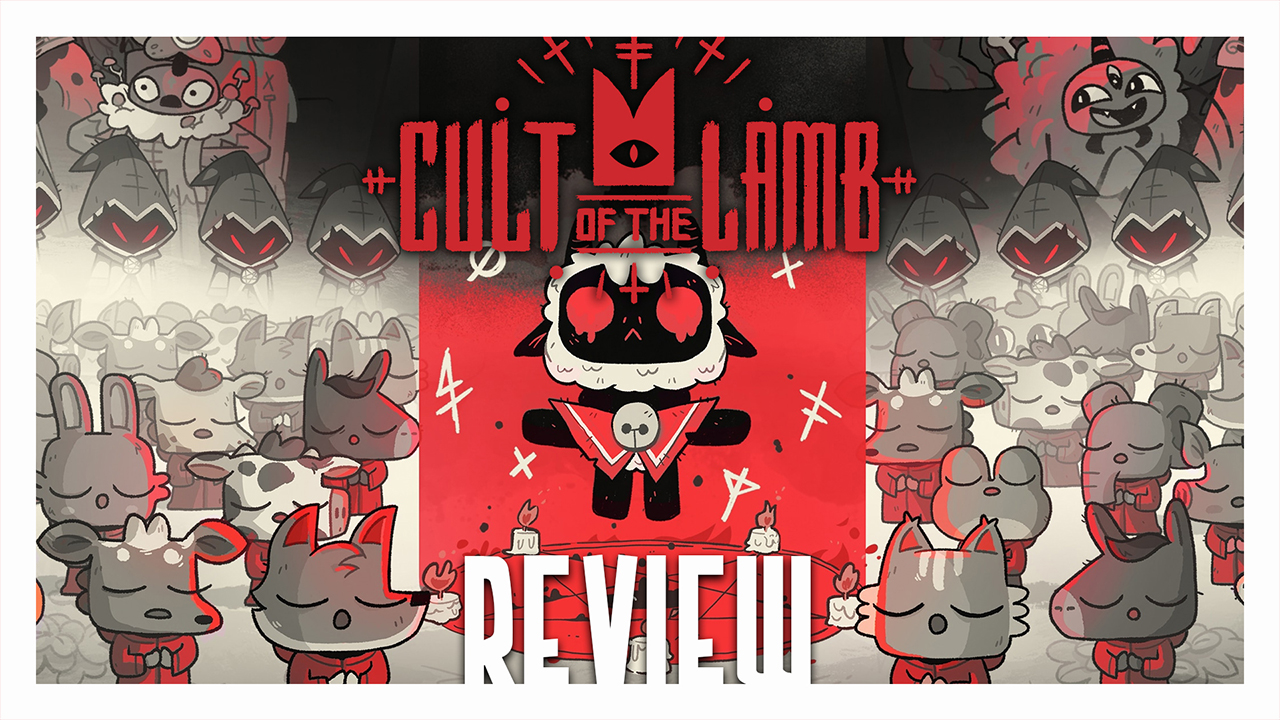
    As monstrous as this game allows players to be, at the heart of Cult of the Lamb are visuals that are full of life and wonder. The aesthetic is essentially that of a children’s book with its backgrounds and assets resembling pop-ups. Characters in the game are so expressively drawn. The demons are drawn in the same way children earnestly draw the nightmares they have on paper. They’re terrifying to look at but also inherently childish. It’s hard not to be ensnared by how vibrant everything looks and how well it comes together, even in the face of its minor flaws. In a widening sea of management and social simulators, Cult of the Lamb stands as one of the most creative and eccentric thanks to its core premise, devilish wit, and charm.

  • REVIEW: ‘Stray’ Is Death Stranding But With a Cat

    REVIEW: ‘Stray’ Is Death Stranding But With a Cat

    It’s easy to reduce Stray down to its simplest form: a modest walking simulator with little to no action or a basic platformer with light puzzles that even the most novice gamer can solve. But Stray is proof the simplest things can bear the most meaning. It’s not a game made to be formidable or to challenge. It’s a game keen on examining the meaning of home, community and the mystery of its own world. It’s a game meant for anyone longing to be moved by a journey of curiosity and awe. Stray isn’t a gamer’s game but rather, an experience to be remembered.

    Set in a very distant future in the remains of underground human civilization where sentient computers have assimilated as humans, players take control of an unnamed cat who is separated from its family in the lush outside world. As the stray makes its way through the neon-tinged labyrinth, players will encounter quirky robotic NPCs, tiny bacterial enemies called Zurks, oppressive law enforcement, and B12, the amnesiac robot who serves as the guide throughout the adventure back home. Much of the world is unraveled through B12’s perspective, whose reactions serve as the emotional core of the game. The cat, along with the audience, is the spectator while B12’s journey of self-discovery is what drives the narrative. 

    The adventure, as mentioned, is simple. Stray takes a no-frills approach to its gameplay loop, focusing on the barest essentials. The game is fairly linear with no backtracking involved. There are hubs such as The Slums or Midtown where players can freely explore without advancing the story and where players can do fetch quests. The story is divided into a couple of chapters with each one seamlessly flowing into the next.  A stripped-down traversal system is Stray’s most predominant mechanic where all it takes is one button for the cat to jump from platform to platform with no precision required. Unlike our real world where cats practically can and will jump on anything, Stray only allows certain objects for platforming. These objects are signified by a button prompt which may be turned off for a more seamless experience. There is no combat in this game save for a portion where the cat is given the means to fend off Zurks. A very basic stealth section is present in the latter parts of the game where the cat needs to hide from patrolling sentinels. Beyond those segments, players may only avoid and run from enemies they encounter.

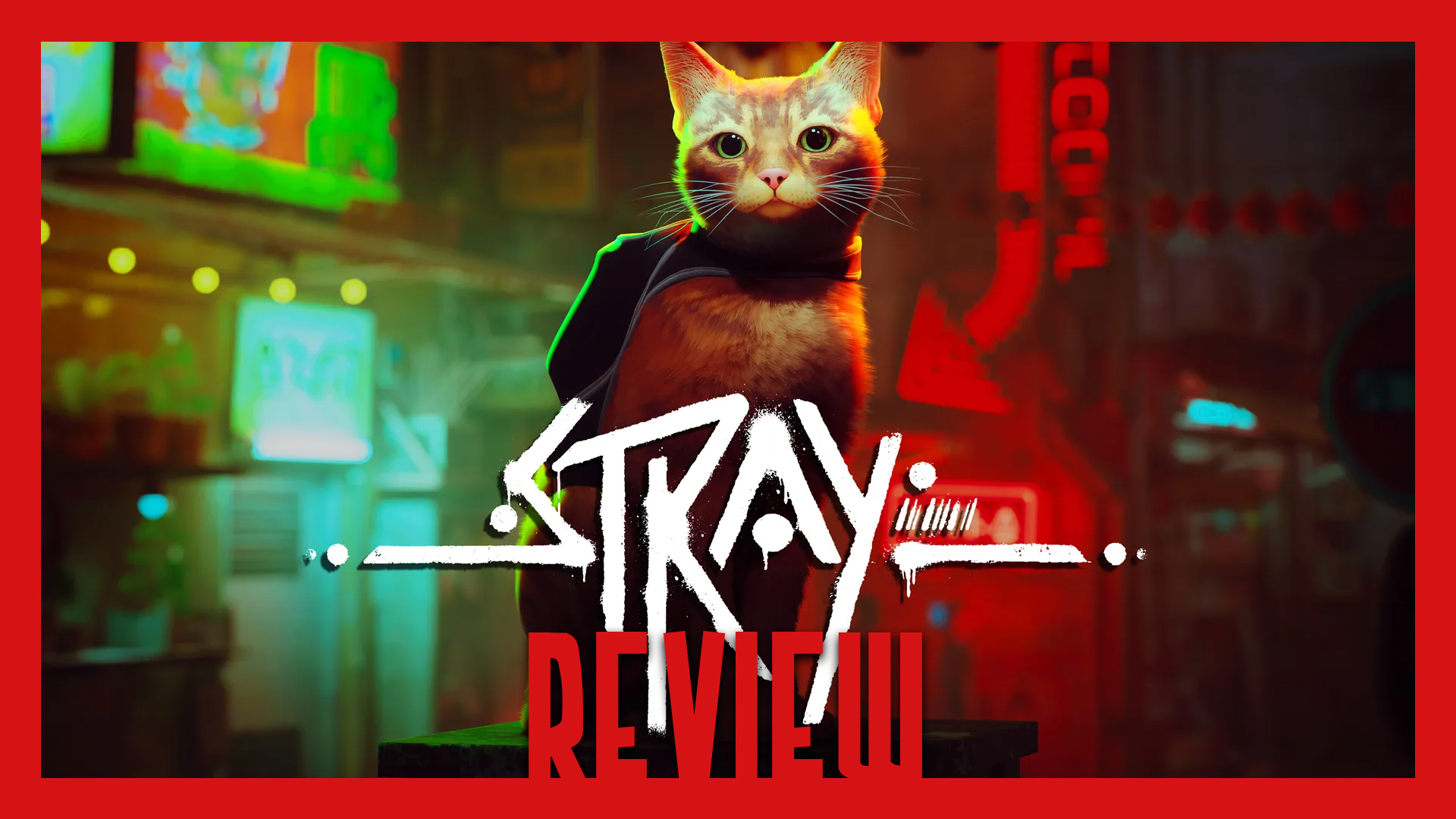
    Stray compensates its lack of gameplay depth through its relatively immersive design. It isn’t quite an immersive simulator but it has elements that make the world feel seamless. In true feline form, Stray’s world is meant to pique every ounce of the player’s curiosity. This is achieved through a beautifully crafted post-apocalyptic world that marries the urban aesthetics of countries like Hong Kong and Taiwan with retro-cyberpunk flourishes. The game’s concrete neon world is nothing short of spellbinding with each of its corners meticulously designed to tell its own story. Not to mention the world’s sense of scale and perspective which is utterly breathtaking. From alleys that are overcast with striking neon lights to the towering concrete that overlook it to the horrific mutations that grow underground, there’s always something to look at in Stray. 

    Stray also never bogs players down with objectives or map markers, giving players the freedom to immerse themselves in the story at any level. There’s a menu for items picked up but it hardly gets in the way. NPCs will tacitly bring up objectives that can be fulfilled but the game never presses players to complete it. Instead, the game gives players the space to intuitively connect a random item they may have picked up exploring with an NPC’s random line of dialogue. Intuition is Stray’s driving philosophy and its gracefully integrated into the gameplay by developers BlueTwelve Studios. 

    But perhaps the most significant and defining element of Stray will be the things players can do as the cat. Scratching, sleeping, meowing, and nuzzling are some of the things players can do, which in turn, Stray’s world responds to. Meowing elicits reactions from the robots surrounding the cat. Nuzzling up to them garners affection. If players are feeling mischievous, the cat can even trip NPCs on a stroll. The cat may even find its own head stuck inside a paper bag. These are things that seem insignificant within the totality of the game but it’s inarguably the most essential part of it. To experience the journey and world through the eyes of a lost cat finding its way home is Stray’s greatest offering and it does it in strides.

    Even as its imperfections persist, Stray lands on its own four feet. And like a true cat, it will outlast and outlive all the things working against it. It’s not a perfect game by any means but it’s one that will resonate profoundly.

  • REVIEW: ‘Kao the Kangaroo’ Falls Short of the Knockout

    REVIEW: ‘Kao the Kangaroo’ Falls Short of the Knockout

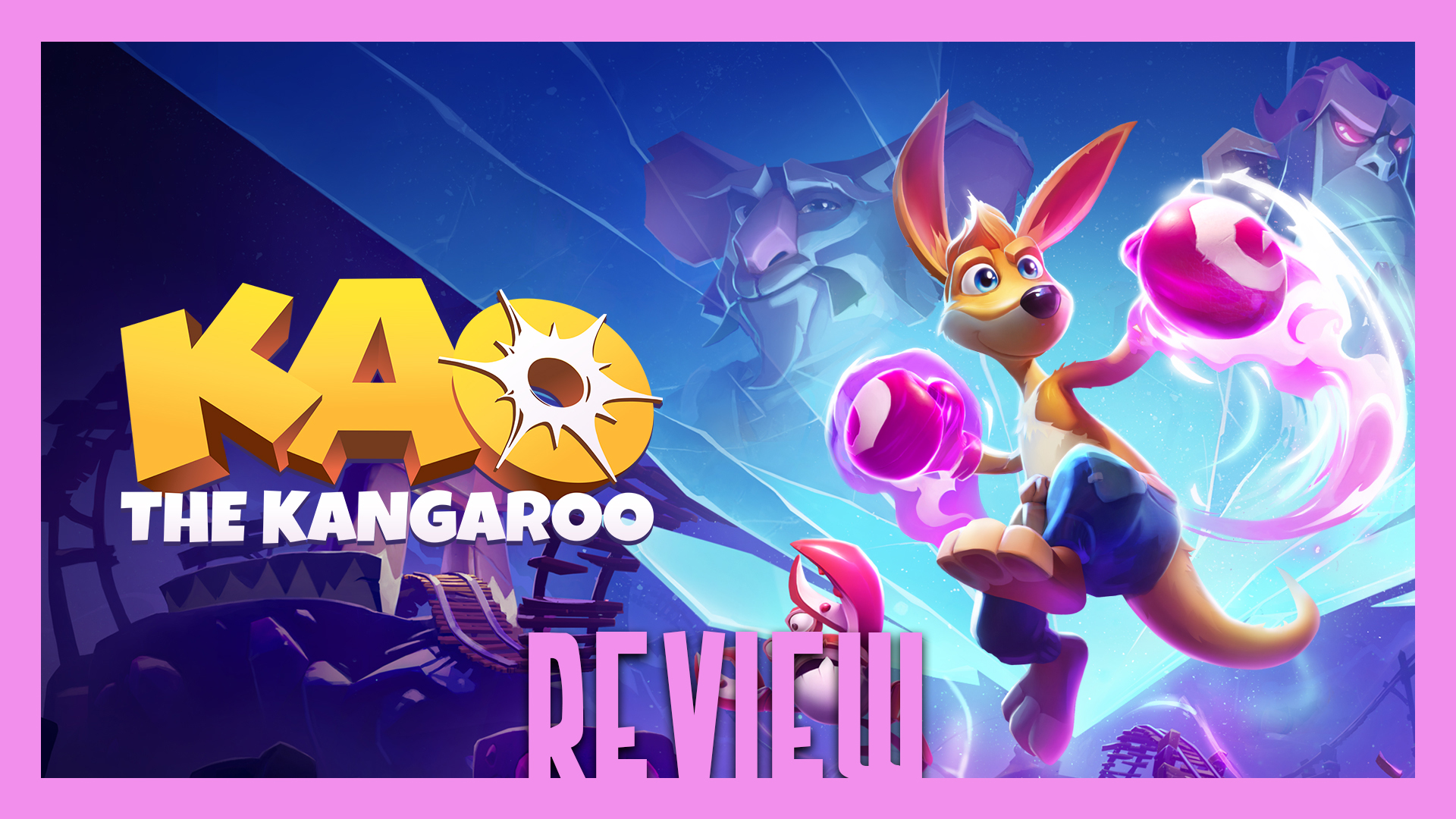
    In the silver age of gaming, console mascots reigned supreme. SEGA belonged to Sonic the Hedgehog, PlayStation was carried by Crash Bandicoot, and Nintendo was practically owned by Mario. No gamer was worth their salt unless they had a favorite, and no gaming environment could be great until it was stuffed with images of big, cartoonish characters. Never among those company symbols, however, was Kao the Kangaroo. The Polish platformer hopped his way onto the Game Boy and Dreamcast in 2000 but was never able to secure the kind of following that studio Tate Multimedia was hoping to acquire. As a result, the series was shelved in 2005 after a measly three games, and Kao, quickly forgotten by popular culture, fell into obscurity. That is, until now.

    Somehow, Kao the Kangaroo returned. After a re-release of the franchise’s second game landed on Steam, the series developed a surprise cult following that convinced Tate Multimedia to give the whole thing another shot. Unfortunately, the Kao reboot is anything but a knockout. Instead of a triumphant re-imagining of the character and his universe, fans receive a rather sub-par retreading of the same old thing. Not only in relation to the previous games in the franchise, but also to the countless other platforming mascots in existence. Nothing much stands out when playing through the story, and the gameplay itself is a pretty standard affair.

    The plot concerns the titular kangaroo as he discovers his long-lost father’s magical boxing gloves. A gifted fighter, he begins using them to make his way through hordes of dark creatures, locate his missing sister, and uncover the mystery of the “Eternal Warrior” who threatens his world. The premise has a lot of potential but ultimately falls flat in its execution. Kao and his supporting cast lack the charm required to draw the player in and oftentimes come off as more obnoxious than they do likable. It feels mean to say, but the voice acting is also laughably terrible. Kao himself has the energy of the infamous Tommy Wiseau, causing many of his sentences to come out as total meme material. His dialogue is supposed to be funny, but not in the way it ends up coming across.

    Kao the Kangaroo‘s best attribute is its level design. The look of the world is colorful and alive, and the arrangement of its platforms provides the biggest challenge of an otherwise simple game. Players who aren’t skilled in platforming may find the traversal aspect of the game a welcome challenge. In fact, the project might have been better off if it leaned further into Kao’s kangaroo features than it does his boxing gloves. Encountering moments of combat was usually a bit disappointing, with underwhelming enemies dispatched easily. While the design of the malevolent, anthropomorphic baddies is pretty fun, they’re typically done away with after just a few punches or tailspins and only really served to break the flow of travel.

    More interesting than the actual story of Kao are its side quests, which aren’t truly side quests. In actuality, they’re just little offshoots from the main path that lead to collectibles and treasure chests filled with coins. These tend to be the best part of any level, and are always worth seeking out during the main objective. The coins can be used to modify Kao in the central hub area, which doubles as the protagonist’s hometown and base of operations. Players are brought back here after each level, where they are then able to train, explore, and find dark runes that open doorways to further progress the plot. Whether or not a monetary system belongs in a mascot platforming game is debatable, but here it at least adds something to the experience. Kao can also interact with the citizens of this little town, which is actually quite entertaining. Much like Kao, they usually say something ridiculous with the utmost confidence.

    Truthfully, it’s a shame that Kao the Kangaroo isn’t better than it is. Mascot platformers are becoming far and few between, and there was a real hope that Tate Multimedia might be able to turn that trend around with their latest effort. Unfortunately, this doesn’t appear to be the case. The project ends up being a pretty lame, deflated attempt at the genre. It almost feels as if the studio only put a portion of its energy into developing Kao, resulting in a marsupial that can’t seem to land on his feet.

  • REVIEW: ‘Souldiers’ Is A Promising, Punishing Metroidvania

    REVIEW: ‘Souldiers’ Is A Promising, Punishing Metroidvania

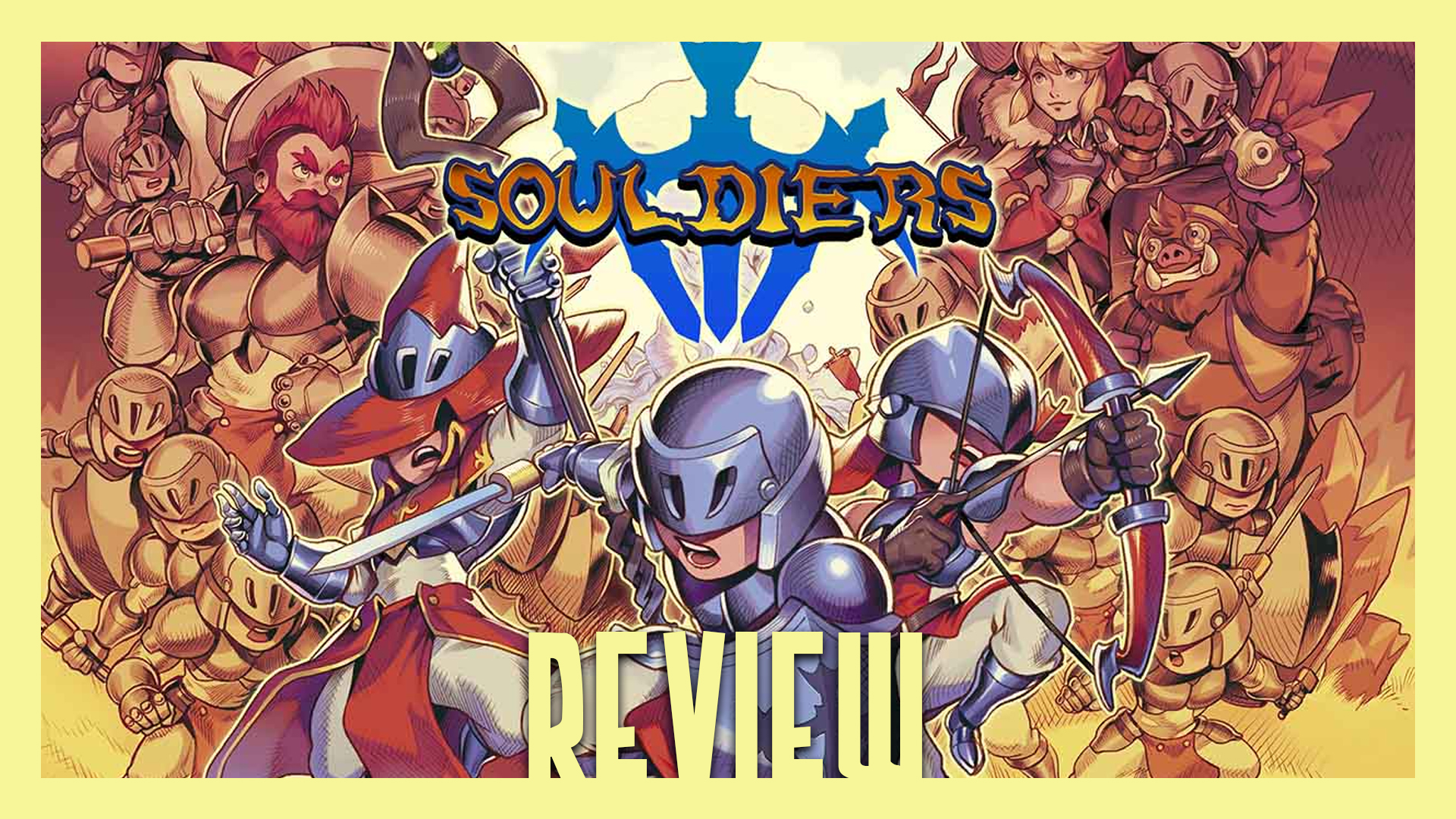
    Whether it was intentional or not, the latest Metroidvania from 6-man team Retro Forge, Souldiers, has a strong JRPG essence that permeates it. Despite being a self-described Souls-like Metroidvania, nearly everything about is begging to be presented in turn-based combat. Its aesthetic harkens back to the old-school JRPG games from the 90s. Its sense of high-fantasy adventure echoes that of Dragon Quest and the original Final Fantasy. And you might as well as slap JRPG veteran Nobu Uematsu’s name on Souldier’s music. All this isn’t to say that Souldiers is better off as a completely different game. It’s to recognize how much of a love-letter Souldiers is to adventure stories of yore.

    You play as one of three unnamed soldiers who, along with the rest of their battalion, are suddenly transported into the afterlife by mysterious Valkyries. With the help of the surviving soldiers, your goal is to find out why you were transported into this unknown land between life and death in the first place and how to get back to your homeland. All this while traversing different biomes, solving puzzles, and fighting all kinds of creatures. 

    There are three soldiers to choose from. A scout, archer, and caster. Like any RPG, each soldier has their own set of attainable skills and comes with their own pros and cons. For example, the caster has low health but has a mid-ranged basic attack that homes in on enemies. The archer, on the other hand, has a full-ranged arrow attack that needs to be refilled when the arrows run out. 

    For better or worse, whichever character you pick will drastically alter your experience. Despite the game’s attempts to give each character equal footing, the punishing scenarios you are likely to find yourself in makes the experience feel unbalanced. You’re likely to run out of defensive and mobility options in a second when you run into a section where multiple enemies with unique attacks come at you at the same time. In the case of the caster, it’s a frequent scenario. 

    That sense of imbalance and difficulty make up the game’s Souls-like elements. Like any game of the same vein, the mechanics are designed to keep players constantly on their feet. You run out of stamina blocking and parrying. Anytime you use a save point respawns enemies in the area.  But unlike most of the good Souls-likes, Souldiers’ progression system doesn’t feel rewarding. It takes a long while for your character to amass a good number of skills as some enemies just don’t drop enough experience points. On top of that, the currency items are scarce and basic healing items too expensive. 

    Souls-likes are hard by design but they’re also very rewarding. You want to be rewarded with cool items for overcoming a tough fight or a tricky platforming section. Souldiers’ doesn’t quite feel satisfying or gratifying in its moment-to-moment gameplay. Its difficulty oftentimes feels questionable, with no engaging reason behind it other than to make a game hard.

    This gets in the way of the fun as it takes a while for Souldiers’ best systems to open up. You spend the first couple of hours with only basic skills and little maneuverability. The platforming starts off as generic and uninspired. It isn’t until you invest roughly 10 hours and get to the third biome that the combat and platforming elements get fun. Combined with its conservative sense of progression, players will really have to commit to get the most out of Souldiers.

    Despite these issues, Souldiers offers a depth of engagement with the most prominent being its combat system. There’s a lot to experiment with in Souldiers. One of the early skills acquired by the caster is the ability to automatically create a reflection anytime to you dodge. This reflection can be detonated, damaging all enemies nearby which add a layer of strategy to all your encounters. As the story progresses, you acquire the ability to imbue an element to your attacks which you can switch on a whim. Occasionally, these elemental attacks also serve platforming purposes. 

    Like most RPGs, items and weapons can be upgraded at a price. Secondary weapons such as throwable bombs, axes, and spears can get a small damage buff. However, one missing component is the ability to sell items. In a game where it takes some time to save enough money, being able to sell useless items should be allowed. As a Metroidvania, Souldiers meets the usual requirements. Maps are vast and intricately connected and are sometimes gated by specific skills. Sadly, the exploration isn’t as intuitive or exciting as Hollow Knight as there’s some handholding on where to go to advance the story. Nonetheless, it fulfills its purpose.

    Solely through its beautifully rendered pixel art and the polished animation that gives it life, Souldiers bypasses all its flaws and manages to be a truly impressive piece of work. Pixelated colors of endless hues that pop on screen make up the detailed sprites of characters and landscapes. Every inch feels lively; even something as insignificant as the leaves in the background moves with the wind. Character stances look graceful and attack animations are brimming with style. Souldiers perfectly captures the visual essence of iconic anime-inspired 16-bit games.

    For all its problems, Souldiers has an ambition that is commendable. It successfully commits to being a decent Metroidvania with a steep Souls-like difficulty while paying homage to its JRPG influences. If you’re looking for a challenging game that rouses nostalgia, Souldiers can’t be missed.

  • REVIEW: ‘Card Shark’ Will Test Your Skills and Sometimes Your Patience

    REVIEW: ‘Card Shark’ Will Test Your Skills and Sometimes Your Patience

    Have you ever dreamed what it would be like as a cheater in 18th century France? Ever wondered if you could untangle a web of lies and intrigue to take your claim amongst the noble? If yes, then Devolver Digital’s Card Shark might be exactly for you, as you set out on a journey to traverse the politics of the 18th century with only your wit and deck at hand. Though, it raises the question if you’re playing the game or the game plays you? In a world of trickery, who knows if the game can deliver.

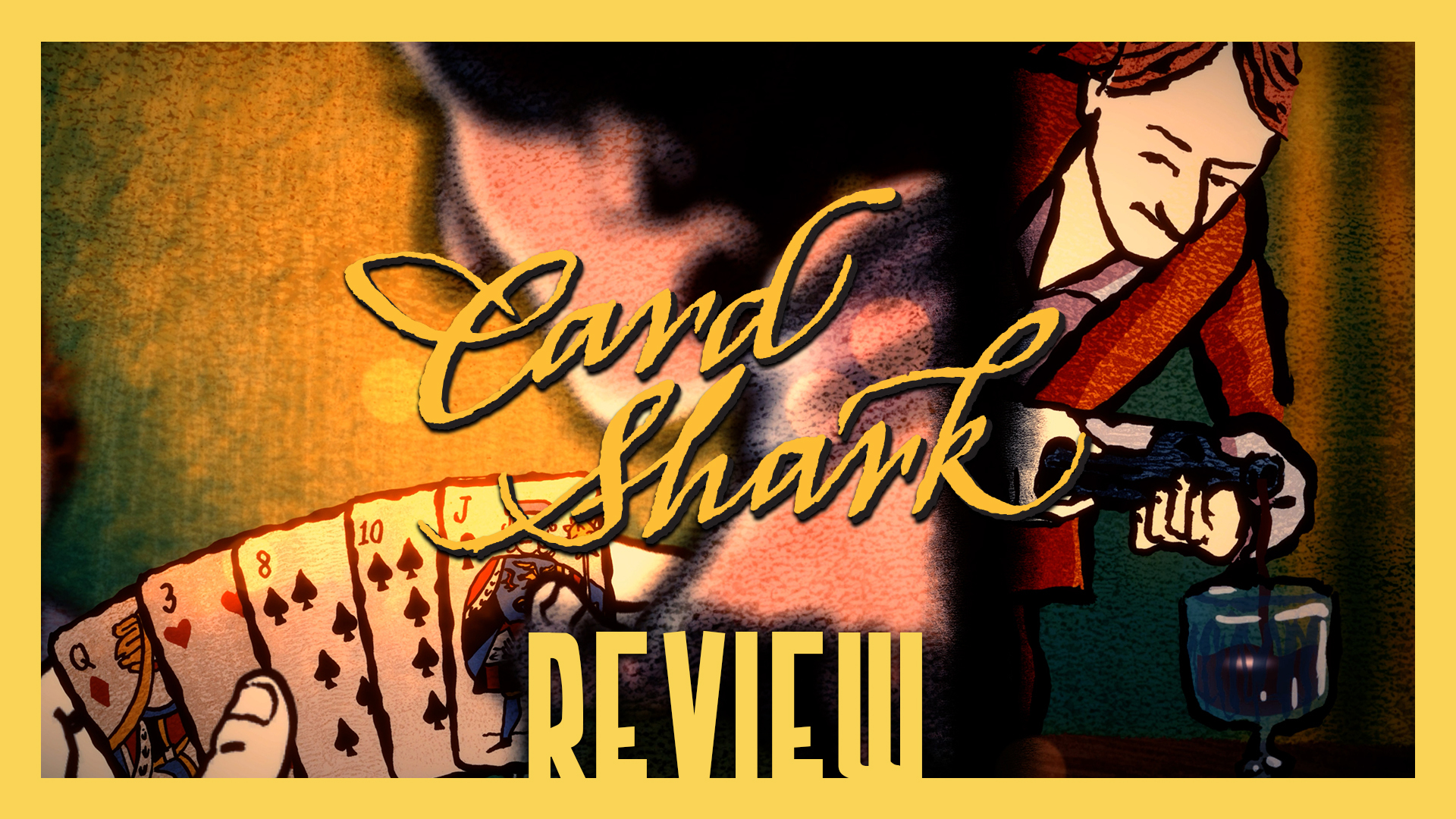
    There’s one thing that is unmistakable about Card Shark and that is it’s style. Every scenery and location feels like a painting come to life and there’s quite the variety at play here as you progress from one deceit to the next. Accompanied by historically-fitting music by Andrea Boccadoro, the art of Nicolai Troshinsky drags you into the 18th century and adds its own flourishes to even bring some nice comedy. Even something as simple as your silent protagonist making a strange gesture to show his reaction adds that little charm and personality.

    Yet, the game is, appropriately so, all about the game itself. This isn’t your traditional card-based video game. You’re not building a deck throughout your adventure like with Inscryption but rather learning various ways to cheat and gamble your way through France. While a base knowledge of the suits is swiftly taught, you go though a wide variety of tutorials that continue to increase in difficulty. With your trusty teacher Comte de Saint-Germain, inspired by the real-world historical figure, you start to find your way into nobles’ pockets.

    The game, however, isn’t just about tricking people out of their money. There’s actually an interesting historical mystery at play, as each new game helps you find your way closer and closer to unraveling of the so-called Twelve Bottles of Milk. It adds a wonderful splendor to the experience, as you swindle money and information out of your prey, which leads to some rather tense moments. Don’t be surprised if you find yourself facing the barrel of the gun or forced to duel to save your hide. Nothing is more sacred than information, and people will make sure to keep that as safe as possible.

    There’s a charm to this game, as its a simple concept at heart. Each new trick comes with specific control inputs; and some quite memorable names. Some even include unique flourishes where quick-thinking will be your friend. Don’t be alarmed if you make mistakes, as a lot of the game is practice. Sometimes you jump into one and think you have it all figured out, only for the complexities or the timings to just not work out in your favor, especially when it throws you a curveball. There’s a learning curve that mainly depends on you investing the time to figure out some of the tricks, especially as it starts mixing and matching them later on. It’s less about the difficulty but more about the execution and how the game surprises you.

    There are times where failing seems like nothing more than a slap on the wrist if you fail, but that slap can get frustrating at times. There’s no checkpoint during a game and you can’t just re-enter an area to play the again instantly. You collect cash throughout your journey, and if you run out, you have to go back to your base as a separate loadable area and it only gives you the minimum amount. You can’t determine how much money you get; the game does it for you. So, if you lose over and over again, you have to repeat the process of returning to the base, going through dialogue to get the money so you can start the mission again. At least you tend to get a shortened intro to that mission, but if you’re having a bad day, it’s not going to get much better by having to repeat this process.

    To be fair, they do add a special area where you can farm money. However, it only gives you the option to choose between three types of cheats. Once you reach this point, there is one aspect of the game that gets quite apparent. Throughout your journey, you learn 28 different techniques. Some of them aren’t card-focused but there are enough that make it a bit difficult to remember where and when you use specific techniques like injogging. It’s not that the tricks are difficult, it’s just that you get bombarded with so much information that it’s difficult when you suddenly have to revisit a technique you probably have already forgotten at that point.

    There’s a menu with the overview of what kind of techniques you’ve learned, but you do not have an option to rehearse them in case you, for example, took a break for a few days and are having trouble getting back into the swing of things. So, if you haven’t kept every step of every technique memorized, you’ll face some trouble until you get the next tutorial. Ironically, you can try out some techniques at your base of operations, but it’s only for very specific non-card tricks, which you use the least. So, the game could use an NPC or location, where you can try out the scam you learned 20+ games ago and might be having an issue remembering.

    Otherwise, you are very dependent on if that trick will return in your travels to a new location which most of the time is with something new added in. And sadly, this is the one big gripe with the game. It’s a great experience and the trickery combined with the politics makes for a great gameplay loop, but most of the game is a tutorial. You learn how to do the trick on your way there, put it together with the pressure of not being found out, and doing it for a few rounds until the other player runs out of money. If it weren’t for the various tricks and some of the stories surprises, it could get quite repetitive. Yet, you also don’t spend enough time either with one trick to really master it. You’re only option is to redo the tutorial multiple times but it’s commonly a simpler version of what you’re about to face.

    Card Shark will test you and make sure you can think on your feet. It’s a special kind of experience that even with its more “tutorial”-esque nature gives you some really challenging moments. It’s at its best when it even surprises you, such as someone else using some familiar strategies. If you’ve ever been interested in sleight of hand and just want a somewhat different type of card game, this is definitely one to not miss out. Even as it can test your patience at times, it’s stunning visuals and music will definitely keep you calm.

  • REVIEW: ‘Trek to Yomi’ Is an Essential Experience for Samurai Fans

    REVIEW: ‘Trek to Yomi’ Is an Essential Experience for Samurai Fans

    Like Ghost of Tsushima before it, Devolver Digital’s Trek To Yomi is a contemporary celebration of Japan’s samurai history. It’s one that honors the countless samurai stories that came before it while examining the role of the sword in feudal Japan. Whereas Ghost of Tsushima was a creative reimagining of the historical invasion of Tsushima Island, Trek To Yomi mainly pays homage to the post-war samurai films of the 50s and 60s in a concise yet classical tale of vengeance and redemption.

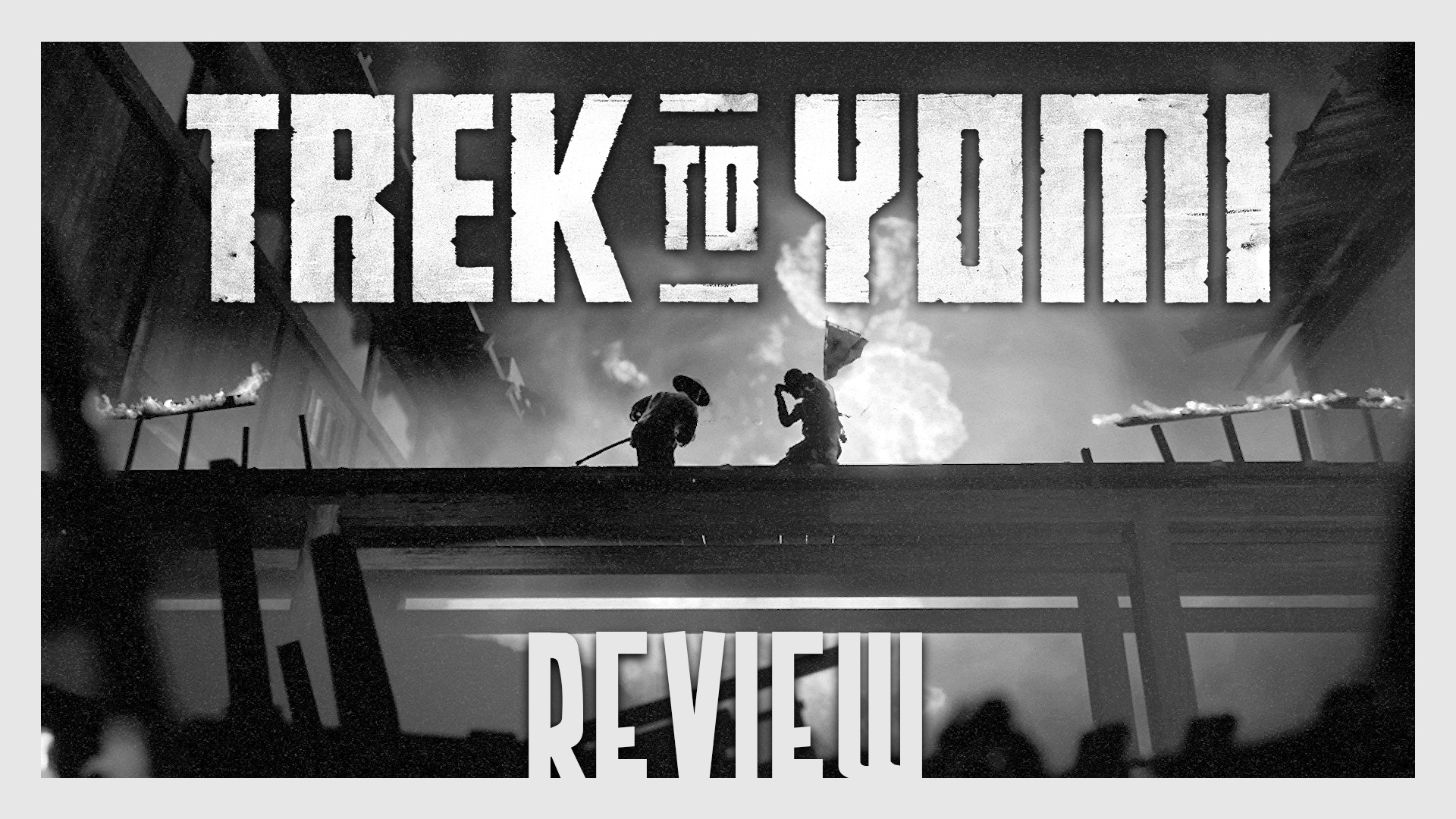
    The near-literal shadow of Akira Kurosawa looms high over Trek To Yomi and it pays off dramatically. In fact, so many of the game’s blindspots are sheathed by the game’s cinematic presentation. Its distinct visuals, frame compositions, and engrossing atmosphere make it one of the most striking games of its kind. Never mind the fact that there are already games with monochromatic grainy filters; none of them come close to the fidelity of the way Trek To Yomi makes use of it.

    Essential to the game’s visual language is the fixed camera perspective which is bolstered by the wide canvass that is the game’s anamorphic aspect ratio. What is now considered a bygone aspect of video games is Trek To Yomi‘s secret weapon. Every frame is meticulously crafted, from the blocking to the cinematography, down to the textural flourishes of wind, flame, and shadows. Not one inch of the screen feels accidental. Throughout the 6-hour long story, there are endless amounts of scenes to traverse but they always feel dynamic and alive, despite the bleak monochrome.

    Serving as the perfect compliment to Trek To Yomi‘s visuals is its music whose aural palette is deeply rooted in traditional music from Japan’s Edo period. As the samurai Hiroki treks the land of the living and the dead, striking down bandits and spirits in his path, Trek To Yomi‘s music quietly consumes each scene with dread and serenity. Even in the face of the game’s bugs like frame drops and texture pop-ins, the music elevates everything to experiential heights.

    There are two aspects to Trek To Yomi’s gameplay: the 3D plane where all the exploring is done and the enclosed 2D plane where all the combat happens. Scenes seamlessly transition from one plane to another, allowing players to discern each moment appropriately. Exploring mostly consists of looking for secret areas and finding collectibles.

    Trek To Yomi‘s approach to kenjutsu is nothing short of authentic as the developers worked closely with Japanese cultural experts to be as respectful to the craft as possible. This in turn makes the combat a lot less flashy than players might be accustomed to. Combo strings are specific and restrictive; there’s no option to chain combos into over-the-top moments.

    While it isn’t the in-depth 2D-sidescroller it could be, Trek To Yomi‘s combat has its nuances. There’s a stamina bar that depletes with every strike and block. Throughout the game, players will amass new combos and ways to fight enemies. This comes in the form of different projectiles and button combinations that require directional inputs. The nuance in the combat is the amount of precision it takes to get combos correct. Mashing simply doesn’t work. Buttons need to be inputted at a specific moment in the middle of the combo for the full string to be executed. It’s almost akin to playing a fighting game; it takes a while to get used to.

    For the dozen of skills and combos the player will learn throughout the story, Trek To Yomi doesn’t really encourage players to try them out. Enemies can be struck down by the same basic two-hit combo repeatedly. There is the occasional armored enemy that requires a few more hits but there’s no practical incentive to use the moves frequently. On top of all that, the parry system doesn’t feel as challenging as it could be. It’s oftentimes easier to bait parries to open up blocking enemies than it is to break their guard.

    There currently is no endgame content. No NewGame+ for all your skills to carry on to your next playthrough which is a missed opportunity. However, the big feature you unlock after beating the game for the first time is Kensei difficulty, which is where the game takes on a new life. With Kensei difficulty activated, Trek To Yomi transforms into the Bushido Blade successor no one knew they needed, with the one-hit kill mechanic raising the stakes of every enemy encounter. Enemies can strike down players with one hit and vice versa. The aforementioned simplicity of the combos suddenly feels worthwhile and satisfying. Just like any good 2D fighting game, frame data and spacing take precedence over style. This is how the game should be experienced.

    On easier difficulties, Trek To Yomi is a game primarily made to be looked at and heard than it is a game to be fully engaged with. It’s a game made for the senses; stunning from start to finish with not much to do in between. But in its hardest difficulty, it becomes a totally experiential game that fans of the samurai genre need to play. Regardless, Trek to Yomi succeeds in being a love letter to a bygone era of stories.

  • REVIEW: ‘Weird West’ Is Not So Immersive

    REVIEW: ‘Weird West’ Is Not So Immersive

    For all its immersive sim flourishes, Weird West falls short of being the engrossing experience it promises to be. A repetitive gameplay loop, a cast of playable characters with little to no distinction from one another, clunky combat, and a tedious quest system all make Weird West an underwhelming experience.

    Developed by the creators of the Dishonored and Prey games under their new company Wolfeye Studios, Weird West is a supernatural reenvisioning of the American myths of the Wild West. Werewolves, sorcerers, zombies, wendigos, and other monstrosities inhabit this unruly land but it’s also not without your cowboys, gunslingers, trappers, and outlaws. The player is given the reigns of 5 different characters whose stories intersect in some form. You play as a bounty hunter, a human-turned-pig man, an archer, a werewolf, and a witch in that order.

    Such distinct characters would normally offer players diversified experiences but Weird West struggles to make these experiences unique. The game makes the questionable choice of allowing these characters to play very similarly. With the exception of a handful of unique skills, all characters have the same skill trees and the same access to weapons. So the werewolf can be a gunslinger if the player wishes it so, which sounds like a fun idea. However, the problem lies in how imbalanced the two systems are. A lot of the character-unique skills aren’t that particularly interesting, efficient, or economical to use. That inefficiency is oftentimes due to the clunky combat which has a severe lack of depth. So using weapons becomes the most viable option available for the moment-to-moment gameplay which in turn makes every character feel the same.

    The gameplay loop sees players traveling from map marker to map marker to go on fetch quests they need to progress the story. There’s the occasional ambush, raid, and stealth quest but similar to the skills system, there’s a lot to be desired with these encounters. The game’s stealth mechanics aren’t responsive and oftentimes succumb to the game’s jank, leaving players better off just shooting their way through a stealth mission. As for the level design, players will see a lot of copy-pasted levels throughout their journey. So much of the world is made up of unmemorable towns, temples, and outposts. For a world that’s crawling with all kinds of life, the Weird West feels empty.

    Where Weird West redeems itself is in the way it unravels its own tale. For all the numbing similarities the characters’ gameplay share, their individual stories all have a heft to them. Each facet of the story offers players a perspective yet to be experienced. Clashing political factions, warring faiths, and stories of revenge are some of the point of views to be taken. And because this is an immersive sim, players have the freedom to mold how these stories pan out. Major NPCs can be killed on a whim as well as the characters you control. Decisions impact the world on a frequent basis. Kill everyone on every outpost and soon the West becomes a wasteland. Rack up a bad reputation and everyone turns on you on sight. Kill a wanted fugitive and their posse swears revenge on you. Make the wrong decision and the next character you play will have a harder time in the West.

    Sadly, Weird West fails to make the cut in joining the pantheon of great immersive sims. Even with the dev team’s pedigree, the game’s great art style, ambitious worldbuilding, and homages to old-school CRPGs, players might be better off waiting for this one to go on sale.

  • REVIEW: ‘Coromon’ Is The Perfect Alternative To Classic ‘Pokemon’ Games

    REVIEW: ‘Coromon’ Is The Perfect Alternative To Classic ‘Pokemon’ Games

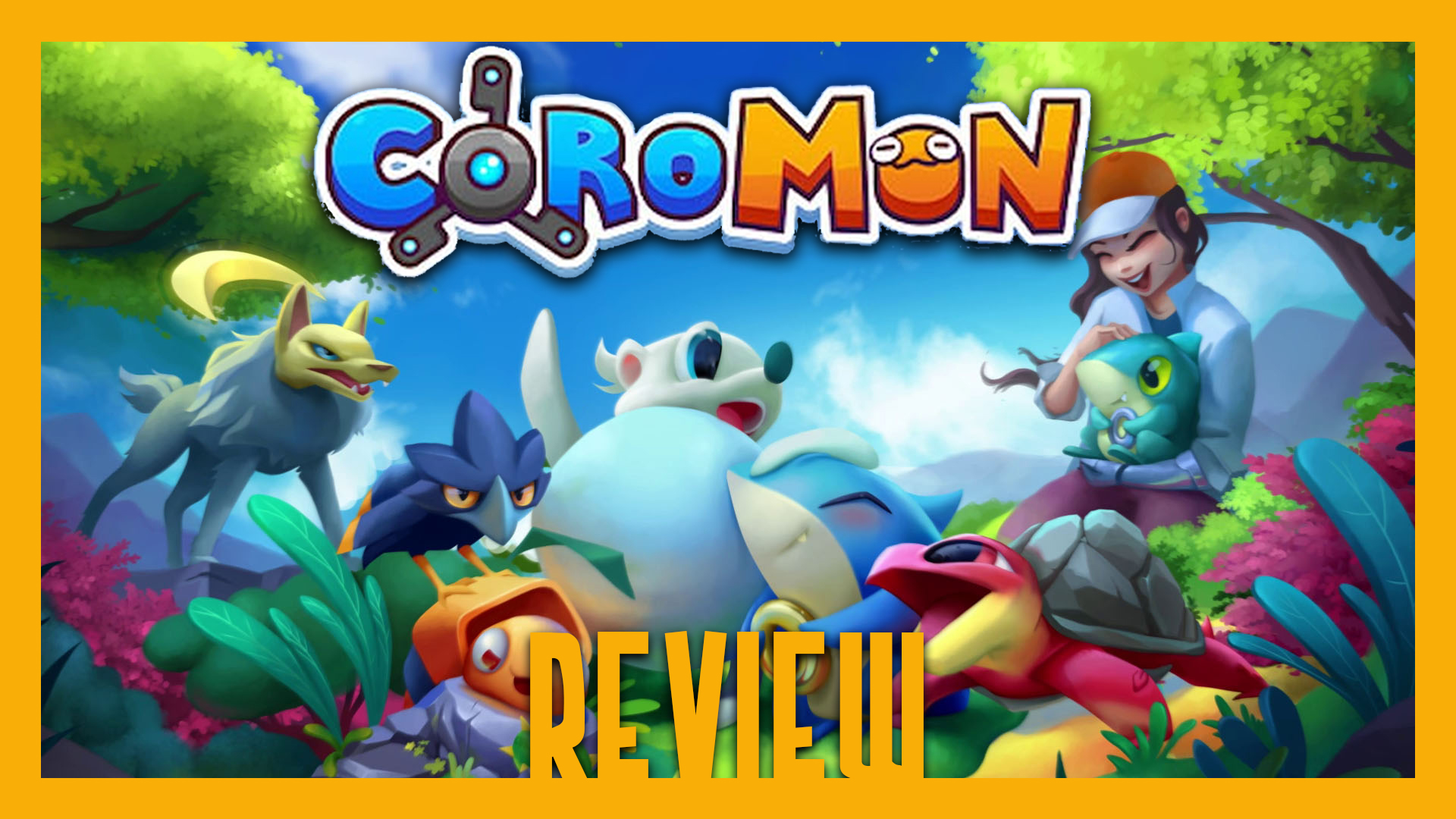
    If there’s one thing Pokemon clones are good at, it’s keeping the specific genre of creature-collectors alive in fresh ways. Coromon, the latest in a long line of creature-collectors looking to imbue the genre with something exciting, accomplishes the job charmingly. It doesn’t reinvent the wheel – nor does it need to – but it instead bridges the gap between the pixel-era Pokemon games with the modernity of contemporary indie gaming features into a fun nostalgic adventure.

    Like most Pokemon clones, you play a young blank character from a small town with big dreams to explore the vast world. This time, it’s Velua, a vibrant pixel world that doesn’t look too far from the Kanto or Johto regions. Velua offers gamers a number of biomes and environments to immerse themselves into, with each one featuring gameplay quirks unique to the biome. For example, the murky region of the Soggy Swamp has a mushroom-collecting sidequest that allows players to craft unique scents. The Scorching Sands of the Wostin Desert require players to take shade under the various tents on the map to avoid getting knocked out.

    Where Coromon first diverges from Pokemon is the kind of story it tells. The early Pokemon games lean heavily into the sport of it all, centering on the Elite Four tournament and player rivalries whereas Coromon keys into the environmental and scientific duties of creature collecting. Instead of a trainer, the character you play is a Battle Researcher for the Lux Solis Campus, a think-tank whose goal is to preserve nature. The story takes a sci-fi Star Trek-inspired turn when a race of aliens called the Wubbonians arrive to threaten the ecosystem of Velua. It falls upon the main character to explore the world and investigate the invasion before it’s too late. It’s not quite the classic sense of adventure and glory associated with the genre but an interesting approach to the genre nonetheless.

    Coromon’s most exciting change is the way it fuses modern quality-of-life features and RPG elements into the decades-old gameplay loop of Pokemon. The number of options the game offers players to customize mechanics is staggering; players can decide whether a knockout releases their Coromons permanently back into the wild or whether they can capture multiple versions of the same Coromon. Battle mechanics can also be tailored to the player’s skill level. If a player is interested in a challenge, they may tinker with mechanics such as limiting the use of the Trainer Hub, the Pokemon Center in Coromon. If they want something easier, they can activate the feature that allows Coromons to revive with any healing item and not a revive item. There’s an option for everybody.

    Such options would leave any lesser game massively imbalanced but Coromon surprisingly manages to keep everything level. Even with a generous Potential system that lets players handpick which Coromon stats to improve, the game features a hefty difficulty curve. Cheesing and spamming aren’t always viable solutions as many elements come to play in combat. Each Coromon has a certain Trait that acts as curveballs during battles; these Traits range from affecting the battle arena which debuffs/buffs Coromons to a protective Trait that poisons the attacking Coromon on physical contact to a survival trait that allows the Coromon to survive a killing blow with 1 HP remaining. Skills are rarely binary and oftentimes have nuances to them. Certain skills synergize with other skills from other Coromon so players will be switching Coromons frequently during any given match. The difficulty of Coromon is no more evident than in its boss fights which can take a while to get through. However, once you win through strategy, it’s immensely satisfying.

    On top of the mechanical flexibility, Coromon lets players dress and style their character; from the hairstyle to the design of the gauntlet, a device that helps you traverse the world. Throughout the game, more clothing options are offered to the player. Furthermore, the game constantly rewards players with consumable items through its Milestone system, a feature that incentivizes players for catching more Coromon, fighting other Battle Researchers, and exploring the world in general. Gamers looking to experience a more personalized version of Pokemon will be very happy with Coromon.

    Lastly, there’s the Coromons. One of the more exciting aspects of playing a brand new creature-collector is the novelty of seeing these monsters for the first time, guessing what level they evolve, and hoping that they evolve into something amazing. Coromon delivers mostly in that regard with exciting and ingenious creatures despite there not being a plant/leaf element in the game. There are unsettling monsters that look straight out of the Shin Megami Tensei/Persona series. Some of the monsters inevitably look like Pokemons but Coromon’s unique pixel art and animation are what splits the difference. It’s so easy to see the love and attention poured onto the animations and it’s frankly the game’s greatest selling point.

    If you’re feeling nostalgic for the classic Pokemon games yet are looking to experience something outside of that world, Coromon is a must-buy.

  • REVIEW: ‘Young Souls’ Breathes Life To The Beat ‘Em Up Genre

    REVIEW: ‘Young Souls’ Breathes Life To The Beat ‘Em Up Genre

    The world of video gaming is more expansive than ever. Where players were once limited to what was accessible at an arcade, they are now able to experience a vast array of styles and mechanics. However, an unfortunate side effect of this gaming revolution has been a loss of exposure for the genres that started it all. While they may not be as graphically impressive as AAA studio projects or as multiplayer-friendly as the ever-popular online battle royale, side-scrolling brawlers still just as fun as they were decades ago. Attempting to prove this is The Arcade Crew’s Young Souls, a 2D beat ’em up that exemplifies how entertaining the basics can still be.

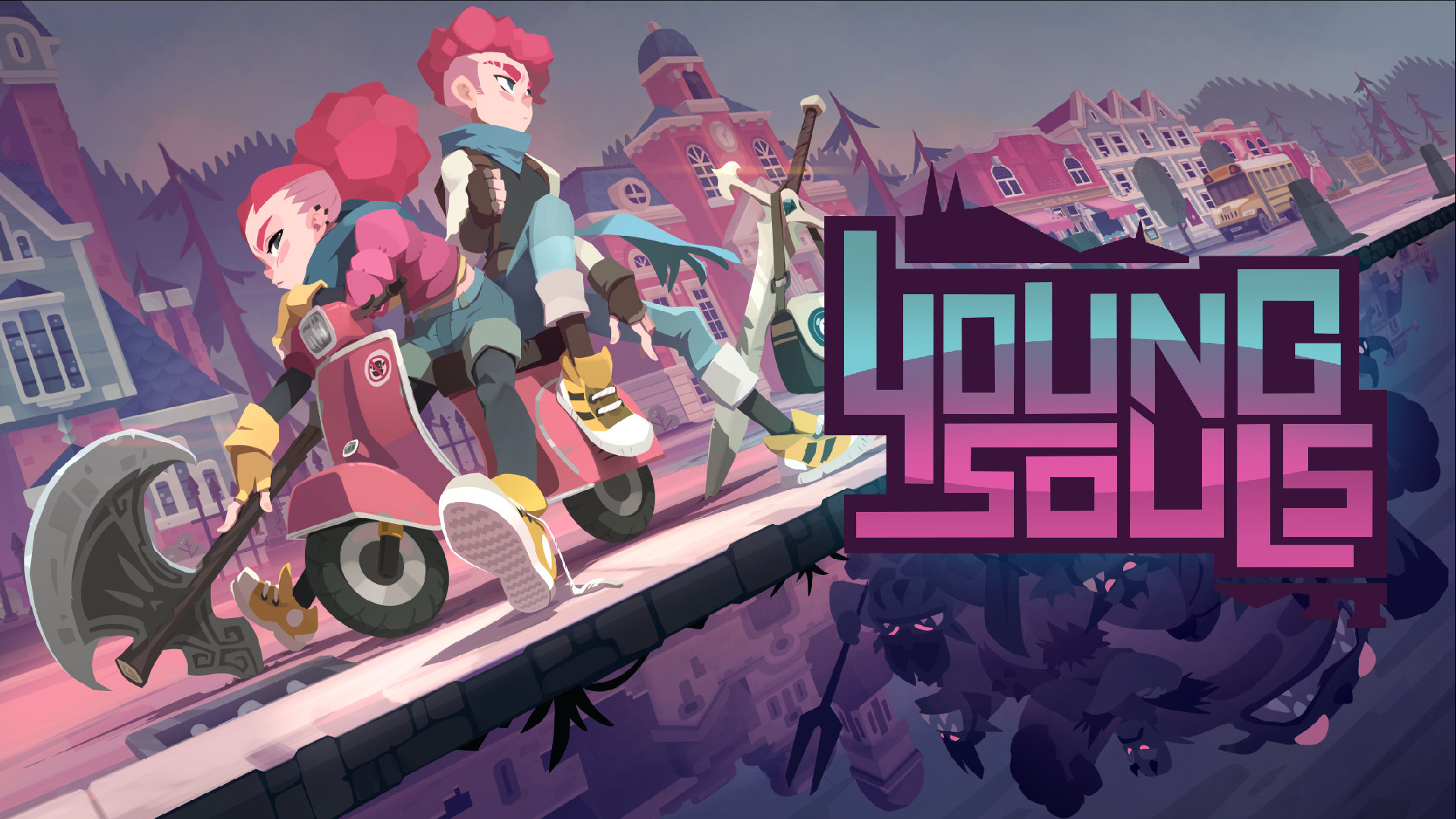
    Of course, Young Souls isn’t just a brawler. It’s also a surprisingly immersive, story-rich RPG, that’s sure to pull its audience in quickly. The beauty of the game lies in the way it mixes the two concepts, resulting in a relatively simplistic combat system that feels complex. Most of the action, which sees two adventurous teenagers doing sword-and-sorcery battles against hordes of goblins and darkly magical creatures, is fairly standard. Players can perform regular sword attacks, heavy sword attacks, and block with their shields. This feels a bit repetitive at first, and knowledge gained from the initial tutorial will only get a player so far before bigger baddies and more powerful adversaries start to test their patience. Luckily, progressing through the story unlocks new abilities and purchasable upgrades that slowly begin to diversify gameplay. Eventually, useful tips and tricks like parrying and a well-placed rolling dodge will allow the player to do more and get further in accomplishing their tasks. They’ll just have to do a better job than myself at remembering which buttons do what.

    Including RPG elements in the progression system is a really charming way of keeping the player invested and varying the game’s overall experience. Between dungeon raids and evil library romps, the two protagonists can make their way towards town via countryside cruises on their moped. Once there, they have the ability to enter several buildings and locations, most of which serve a purpose in developing the characters and their stat lines. For example, among the many institutions is a shoe store at which co-lead Tristan likes to shop. Disguised in-story as a means for the lad to up his style, selecting a new pair of kicks to buy is actually important for getting past some of the game’s harder spots. Each shoe comes with a different ability perk, giving gamers a chance to both show out and show up when things get heated. Most of the establishments in the titular character’s hometown serve a similar purpose, such as the pawnshop where you can trade items you’ve collected for cash to continue upgrading as you please.

    Another great aspect of gameplay comes from having two playable characters, each with their own set of health, strengths, and weaknesses. Both Tristan and Jenn start the game with the same base information but can be modified and enhanced by the player separately at various stages of the game. Notably, the gym in town can be used to touch up different stats, like strength or stamina, by way of a button-mashing mini-game. It’s possible to make one character offensively heavy, increasing their strength, and the other defensively heavy, increasing durability, and alternate between the two in battle as necessary. This adds a certain amount of strategic, RPG-based play that helps to further transform Young Souls from a basic side-scroller to an encompassing gaming experience.

    Gameplay aside, Young Souls features an original story that is unexpectedly captivating. Pitched against a backdrop of strikingly bubblegum animation, it tells the tale of the two aforementioned leads as they set out to quell the conflict between a hidden fantasy world and their own. Along the way, they must also save their eccentric adoptive father and aid innocents, both human and non-human, who also find themselves caught between universes. The dialogue is quick-witted and often humorous, with a cast of characters who are relatively down-to-earth, whether Earth is the location of their origin or not. Conversations can be interactive, as well, with prompts occasionally appearing for the player to select responses and stay engaged. Though enjoyable in its own right, the sometimes cynical comedy fodder is also brilliantly juxtaposed by a truly heartfelt story. It almost feels like a 1980s Jim Henson movie brought to life on a PC instead of a movie screen. It’s probably not worth spoiling anything here, but Young Souls is worth playing for the story alone. It’s one of those rare finds that’s just as fun to watch play out as it is to actually play.