Tag: Gaming Reviews

  • REVIEW: ‘Gibbon: Beyond the Trees’ is a Short Yet Important Experience

    REVIEW: ‘Gibbon: Beyond the Trees’ is a Short Yet Important Experience

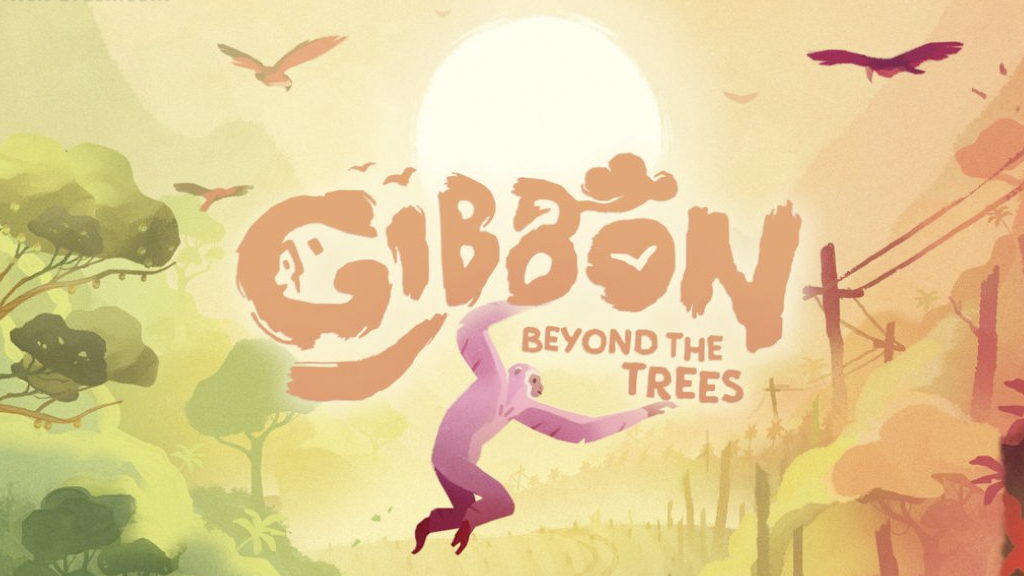
    Gibbon: Beyond the Trees is quite a simple game at first glance. Most of the time, you’ll spend swinging from tree to tree, building up momentum so that you can cross some dangerous gaps and enjoy the visuals. There’s no dialogue or text to tell a grand story, but that is not necessary for what the game truly is about. It’s an interactive reminder of what humanity has done to nature and how it affects animals as a result. A soothing and relaxing experience transforms into a dark reminder of the dangers these animals face; all packaged in a memorable but brief experience.

    As a mobile game, there’s not much you can say about its gameplay. You press the screen to hold on to a branch or object, where your gibbon automatically climbs up. If you hold it with both fingers while ready to land, you’ll end up in a sliding motion. Later on, you get an additional move by flicking to the right that adds some extra momentum while swinging from one branch to the other. The only real consequence you face is a slowdown if you don’t keep a consistent flow from branch to branch. At worst, there are some bigger gaps that challenge you to stick to the higher point of a tree.

    The big focus point of this game is in the actual experience and seeing the environments change. What starts off with a beautiful forest, swiftly turns into a dark look at deforestation and the rise of humanity taking over the land. There are segments where it purposely takes away anything to swing off to force you to slowly make your way to a new point to start your climb once again. Especially in one section, there’s a sudden spark in danger that also has a thematic reason to exist. I just don’t want to give away what it is, because it caught me off-guard and reminded me what the game is truly about.

    It’s a very short experience that you can probably get through in one sitting. Yet, it’s quite a memorable one with the sound effects of the gibbon’s soft cries. There’s a soothing soundscape that adds to the experience throughout, may it be a waterfall in the background or even a lively populated area. Everything you witness is there to relax and take it in, especially as the earlier parts try to comfort you into this experience. It even purposefully has that section I mentioned previously to pull you out of it at a time you least expect it to highlight the connection of your experience with the gibbons.

    If you end up falling down a pit, the worst thing that’ll happen is that you respawn at an earlier point to build up the momentum you need to jump over that gap. I do believe it’s more of an interactive experience that has a very important cause behind it and it’s very admiring what Broken Rules have accomplished here. The game is currently available through Apple Arcade but is eyeing a release on Steam and Nintendo Switch. I highly recommend giving it a shot, it’s a short yet important experience that’ll surely pull at your heartstrings.

  • REVIEW: It’s Good Vibes Only When You Play ‘OlliOlli World’

    REVIEW: It’s Good Vibes Only When You Play ‘OlliOlli World’

    Murphy’s Multiverse was provided with an early review copy of the game by publisher Private Division.

    There’s an evergreen charm to the video game genre of skateboarding. We have the Tony Hawk franchise to thank for the enduring legacy of the genre in the mainstream but also have smaller games like SKATE to thank for innovating and keeping it on its toes. This year’s OlliOlli World aims to celebrate the craft and canon of its predecessors and progenitors in one technicolored, whimsical, stylish, and challenging explosion of a video game. 

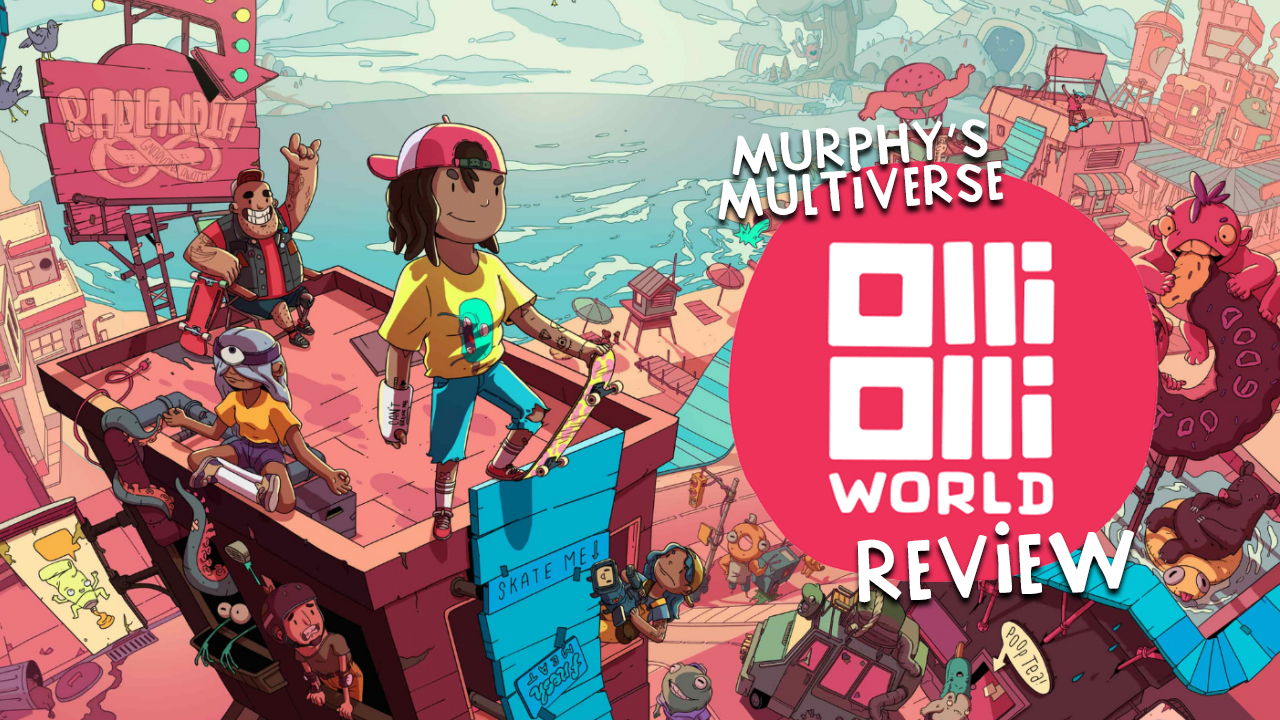
    OlliOlli World might as well be a Saturday morning cartoon. You, the protagonist, are trying out to be the Skate Wizard, the herald of the five skating gods in Gnarvana. The current Skate Wizard wants to retire and is looking for a replacement. With the help of a kooky cast that includes characters named Suze, Gnarly Mike, and a man named Dad, you must prove your mettle across the five gleefully hand-drawn regions of Radlandia. 

    https://gfycat.com/powerfulsoulfulkoodoo

    It won’t take long for anyone to figure out that the game’s biggest draw lies in its vivid world and vibrant aesthetic. The regions of Sunshine Valley, Sketchside, Los Vulgas, Burntrock, and Cloverbrook have their own distinct looks. For example, Sunshine Valley is all about California sun and sand while Cloverbrook is nestled deep within lush green forests. Within these regions are creatures and beings straight out of a Pendleton Ward cartoon. You have to race a grizzly bear floating on a river at one point. There’s a fish inside a fortune teller machine that gives you challenges. There’s a group of hulkingly buff seagulls that you have to impress. All of these things are hand-drawn and colored to match one’s acid trip.   

    The game’s true secret flex, however, is the level design. Every level in OlliOlli World feels like an otherworldly roller coaster designed by a 5-year old in the best way possible. The way the game fuses staple skateboarding environments with wacky and maximalist layouts is so seamless. One minute, you’re skating downhill at breakneck speed, the next minute you’re wall-grinding a billboard held up by bees, and you finally land on a curved rail that takes you to a hidden path where a talking bird compliments you. 

    https://gfycat.com/ficklequickallosaurus

    As for the gameplay loop, it’s simple: you go from one level to another and try to get to the finish line while ticking all the bonus challenges. The more bonus challenges you tick, the more unlockables you have. You rinse and repeat until you eventually become the Skate Wizard. There’s a lot of figurative and literal wheel-spinning in the dozen hours you’ll spend trying to unlock the countless shoes, hats, tattoos, emotes, and outfits. This won’t be the performative gaming experience of the year but it’s a damn fun world to waste time on.

    Despite the simplicity of the loop, OlliOlli World does boast a certain level of difficulty when it comes to mastering the game. There’s a depth to the combination of tricks one can pull off. Certain challenges in the game require an immense amount of pinpoint precision. With one universal difficulty level for all players, it may be apt to say this is a game players will need to “git gud” at to get the most out of it. 

    https://gfycat.com/ashamedgiftedkestrel

    Getting good at OlliOlli World wouldn’t be a problem if it weren’t for the occasionally painful thumbstick controls. The breakneck pace of the game means your left thumb is constantly mapping out crazy patterns with little rest. This isn’t a complaint about the game’s control system but rather, it’s something for gamers that are prone to carpal tunnel issues like myself to keep an eye out for. Thankfully, the game doesn’t demand the most of one’s hands. Players can finish levels without exploring the spectrum of tricks afforded by the game. You can literally ollie your way through obstacles and the game won’t punish you for it. 

    Lastly, It’s impossible to play OlliOlli World and not be arrested by the game’s soundtrack. Straight out of a “Chill Vibes/Lo-fi Beats For You To Study To” playlist on Youtube, OlliOlli World’s music is unapologetic with what vibe it wants. If the Tony Hawk soundtrack signified the alt-punk ethos of the early 2000s, OlliOlli World’s is about embracing the laid-back and easy-going mantra of the modern millennial. It’s good vibes only for the world of Radlandia.

  • REVIEW: ‘Heaven Dust 2’ is the ‘Resident Evil’ Throwback Gamers Need To Try

    REVIEW: ‘Heaven Dust 2’ is the ‘Resident Evil’ Throwback Gamers Need To Try

    As janky as the original Resident Evil games are, there’s an undeniable charm to them. Part of the essential old-school experience is the terror brought by the controls, the rigidness of the fixed camera angle, and the nightmarish door-opening loading screens. Within modern gaming standards, these are elements that players would crucify a game on, but back in the day, they served as key tenets of the genre. So when a new indie survival game commits to the DNA of the original Resident Evil games, you can’t help but applaud the homage.

    https://gfycat.com/leftwhoppinggrebe

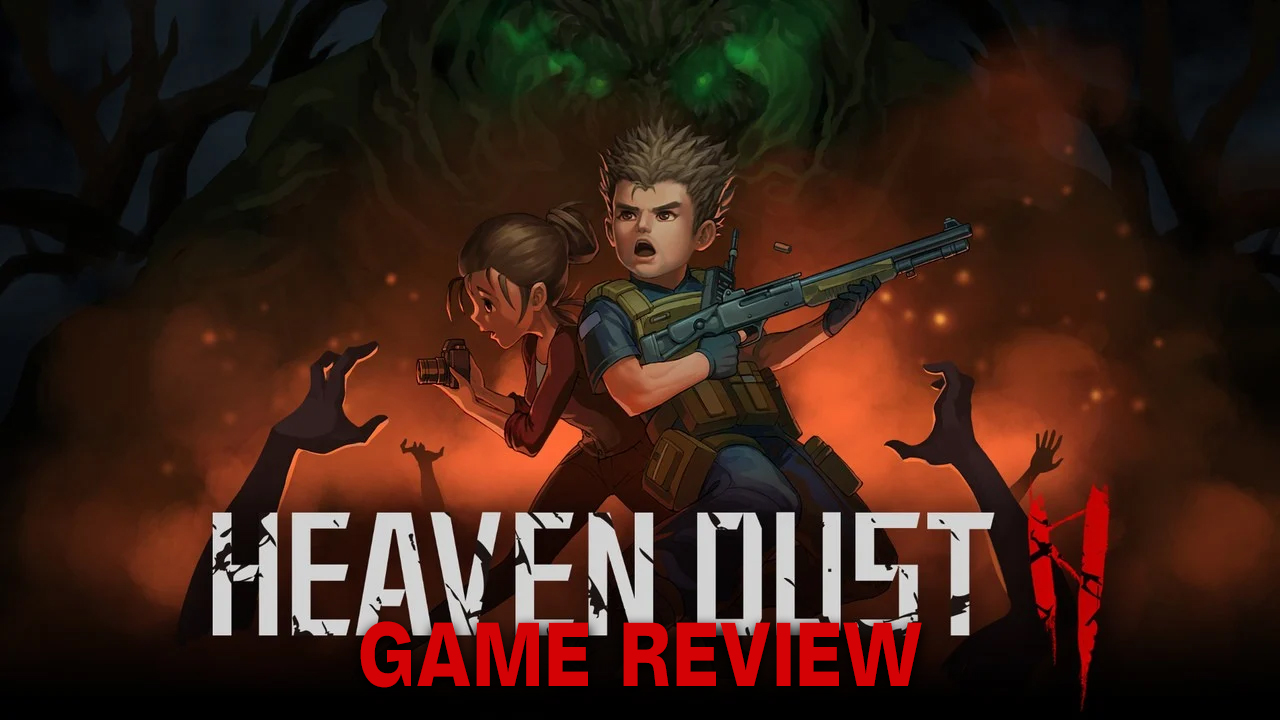
    Heaven Dust 2 is a Resident Evil love letter from Chinese developers One Gruel Studio and publisher Indie Nova. It unabashedly wears its influence on its sleeve, in particular the first Resident Evil game, from the premise, which takes place in a mansion replete with secret passageways and laboratories, to the aforementioned mechanics that made those games so enduring.

    As expected, its story echoes many tropes from any imaginable zombie story. It has the quintessential virus outbreak, the mad scientist responsible, the mysterious patient zero, and the adversarial military group trying to keep the whole thing a secret. The storytelling isn’t particularly good and at times feels like the campaign of a mobile game. 

    https://gfycat.com/accuratedimfiddlercrab

    The way Heaven Dust 2 is indebted to its forebears may make or break the game depending on your mileage. Some of its attempts to replicate the DNA may be for the worse. The recovery frames in this game are unrefined to the point where getting stun-locked is a possibility. Not only that, the puzzle designs can oftentimes be frustrating to figure out while the bosses are mostly just bullet sponges. To top it all off, the gunplay lacks serious finesse.  

    The game’s puzzles are constantly at odds with its poor localization. Puzzle solutions are commonly found in in-game documents chronicling the events of the story. Unfortunately, a lot of the documents aren’t translated well into English, making certain puzzles tougher to figure out if you don’t read hard enough. The localization isn’t entirely incomprehensible but the solutions tend to get lost in translation.

    By design, there are also some gaps with the mechanics. The game isn’t exactly forgiving when it comes to inventory management and the lack of required items may hardlock players from progressing. It isn’t clear if there’s a built-in fix for potential hardlock issues so it’s important to be very careful while progressing through the game.

    The old curse of badly designed UI plagues Heaven Dust 2‘s menu system. It’s painful to look at and fails at distinguishing the many elements it throws on screen. The map is so shoddily made as well as the game’s gun modification menu.

    https://gfycat.com/disloyalwhoppingaddax

    One improvement Heaven Dust has over the old Resident Evil games is its isometric view, which gives players a more precise sense of space that in turn makes exploration more engaging. The game loses a bit of its atmosphere with the isometric view and kiddie chibi art style but it’s a game that’s easy on the eyes. You won’t play this game for the scares but for the familiarity it evokes.

    Heaven Dust 2 is a great reminder of how effective the original Resident Evil games were at using Metroidvania-style exploration. In spite of all its flaws, the game’s gated progression, rewards system, and cohesive level design convene in a very satisfying manner. A big plus is that backtracking never feels as tedious as it should be; it’ll take less than 10 minutes to cover the entire map of the game and there are zero loading screens to worry about.

    https://gfycat.com/generouszealouskillifish

    All in all, Heaven Dust 2 is a wildly flawed game that manages to stay true to its goal of delivering an experience that brings players back to the early days of the survival-horror genre. It’s a charming game that doesn’t overstay its welcome yet will playfully keep players feeling nostalgic. Enthusiasts of the genre need to put this on their list.

  • REVIEW: ‘Guardians of the Galaxy’ Rocks

    REVIEW: ‘Guardians of the Galaxy’ Rocks

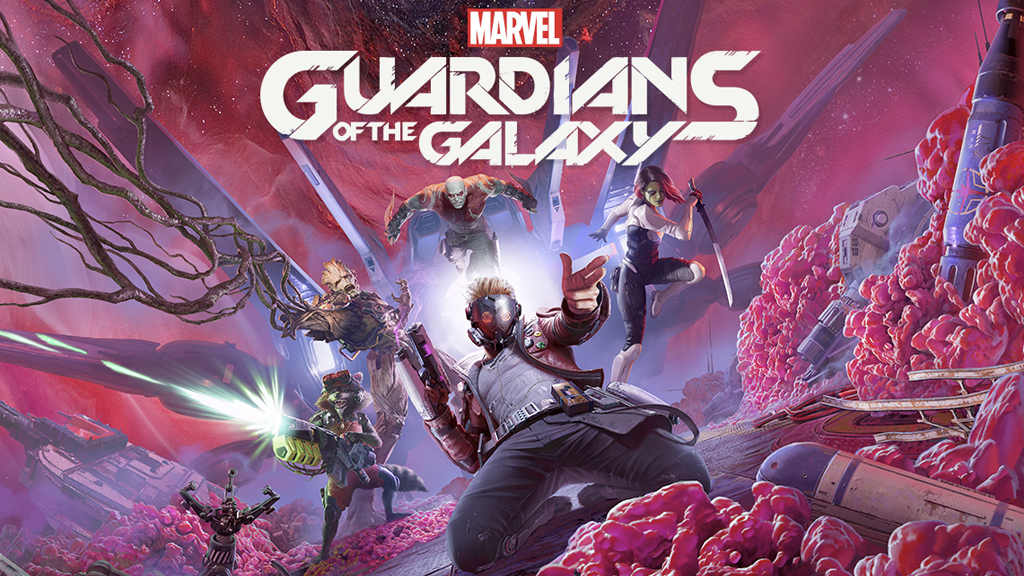
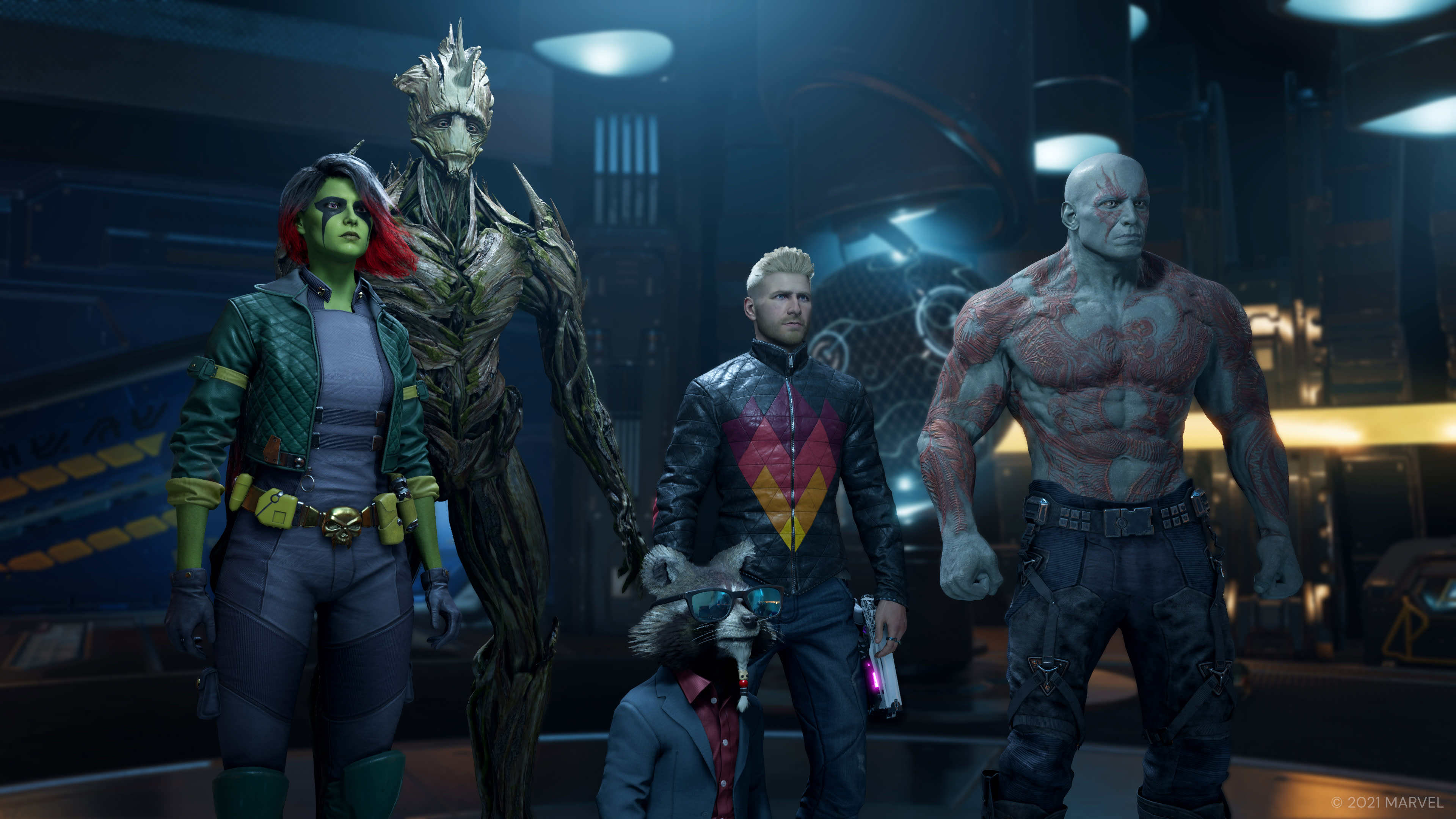
    Square-Enix’s subsidiary Eidos Montreal has tackled another sector of the Marvel universe in their adaptation of the Guardians of the Galaxy. When the first trailers dropped, it seemed like they took the original film franchise that started in 2014 and added a new rock-focused paint job. There was some skepticism with the focus on Star-Lord being the only playable character, Yet, as more trailers were released it offered a glimpse into what may be a fun new interpretation of these beloved characters and may offer one of gaming’s most unique world designs. Does it live up to its expectations or falter under the weight of expectation?

    Guardians of the Galaxy' is already better than the 'Avengers' game |  Engadget

    The story starts simply with our group of Guardians trying to nab a decent bounty and make a quick buck. Yet, they end up getting caught for their infiltrating an unrestricted area and have to pay off a fine for the Nova Corps. As you can guess, it’s never that simple and things start to unravel from thereon. There’s a curious plot point that stands out as it humanizes the struggle Quill goes through in the story, as well as adds a layer to make it a surprisingly personal story as events unfold. This core narrative is one of the most exciting aspects of the game, as you follow these characters from one planet to another as everything just seems to unravel. We get a chance to explore a very different kind of Marvel galaxy with some familiar characters.

    We have to keep in mind, Guardians of the Galaxy is an intellectual property that was completely unknown to non-comic readers until James Gunn redefined our understanding of them. Nowadays, they are a household name and you can see that some elements are inescapable when adapting these characters. Peter Quill and Drax share a lot of traits with their cinematic counterparts, especially the former with his love for music. Yet, they took an interesting angle by sticking to the 80s-inspired music but giving him a stronger rock-centric interest. That especially comes to the forefront with the fictional band Star-Lord, which is the new origin of his code name.

    Marvel's Guardians of the Galaxy has Gone Gold

    Drax is a good example of how they took the base personality of these characters from the films but added additional layers. He still takes things quite literally but is given a much more grounded personality this time around. He gets some of the most emotional scenes in the game, as we explore his relationship with his wife and daughter, or rather how he handles the tragedy. Every member of this group connects the overarching challenges to their core worries. Rocket has a fear that is rooted in his origin while Gamora has some baggage we slowly learn about throughout the story. Personally, though, Rocket is a standout character, who purposefully rubs you the wrong way before slowly we get to know the character better and why he behaves the way he does.

    Of course, a game is more than just its core narrative. As the trailers promised, you only control Star-ord directly but can command your team throughout the battle scenarios. Every member is specialized in something and you’ll need to make use of each member to survive most encounters. That doesn’t mean Star-Lord is weak, as he uses his Elemental Guns that include different abilities. You’ll unlock most of them throughout the game, which is activated through a specific moment in Peter’s journey. At times, it does become a lot to keep an eye on and memorize throughout a fight. I’ve more than often accidentally activated the Huddle mechanic due to how easy it is to activate.

    Marvel's Guardians of the Galaxy im Test + Video: Starker Lizenztitel mit  Story-Fokus

    Speaking of, every game has some kind of special move that gives you bonuses or ways to take down enemies more efficiently. In Guardians of the Galaxy, it is called a huddle, where you call in your teammates, analyze their current mood and pick a fitting answer to motivate them. If you fail to do so, only Star-Lord will get a bonus. It’s an interesting idea that fits into the “leader” role of the character, but it’s kind of a pacing breaker. Everyone huddles up, they talk quite a bit, you choose an answer that you have to listen to the audio cue before you enter battle again. While an interesting idea, it’s also not satisfying outside of maybe getting back some special abilities and stat boosts. Also, I once got stuck in it and they just kept staring into my soul without a button prompt which was a fun experience.

    I’ve experienced quite a few bugs while playing on the PlayStation 5. Some in-game models would pop out and into existence. Enemies would get stuck in place, or textures would take some time before they popped in. I even had the game suddenly crash on me in the middle of a fight, but it was only once in my entire playthrough. They’re far from a dealbreaker but were a bit noticeable. I also have to point out that there’s a great mechanic where you collect items and your crewmates share stories with you. For some reason, Drax was following me around and when I started a conversation with Gamora, he was stuck between us. It might be one of the funniest bugs I ever had, especially cause Drax not caring about personal space is in character for him.

    Guardians of the Galaxy: Neuer Titel kommt ebenfalls für Switch

    Still, even with these bugs, they don’t take away from the beauty of this game. The environments and creature designs might be some of the best I’ve seen in a game. Instead of grounding the concepts, they went with the wildest, Lovecraftian-inspired designs you could imagine. Each planet has a very distinct visual style, such as one covered in ice with fire raining from the sky. Even Nova Corps. ships have elements that make them visually stand out in contrast to the diverse flora and fauna you meet in your adventure.

    Overall, Guardians of the Galaxy surprised me in many ways. The story is exciting and has that feeling of adventure you expect from this kind of game. Some emotional moments anchor these characters in interesting ways that make them stand out from their cinematic counterparts. Add in a dash of visual creativity and fun combat, you have a recipe that lends itself to a brand new franchise. Here’s hoping we get to explore more aspects of space in future entries. Just like the incredible music selection and fictional Star-Lord band, the game just rocks even with its faults.

  • REVIEW: They Always Run

    REVIEW: They Always Run

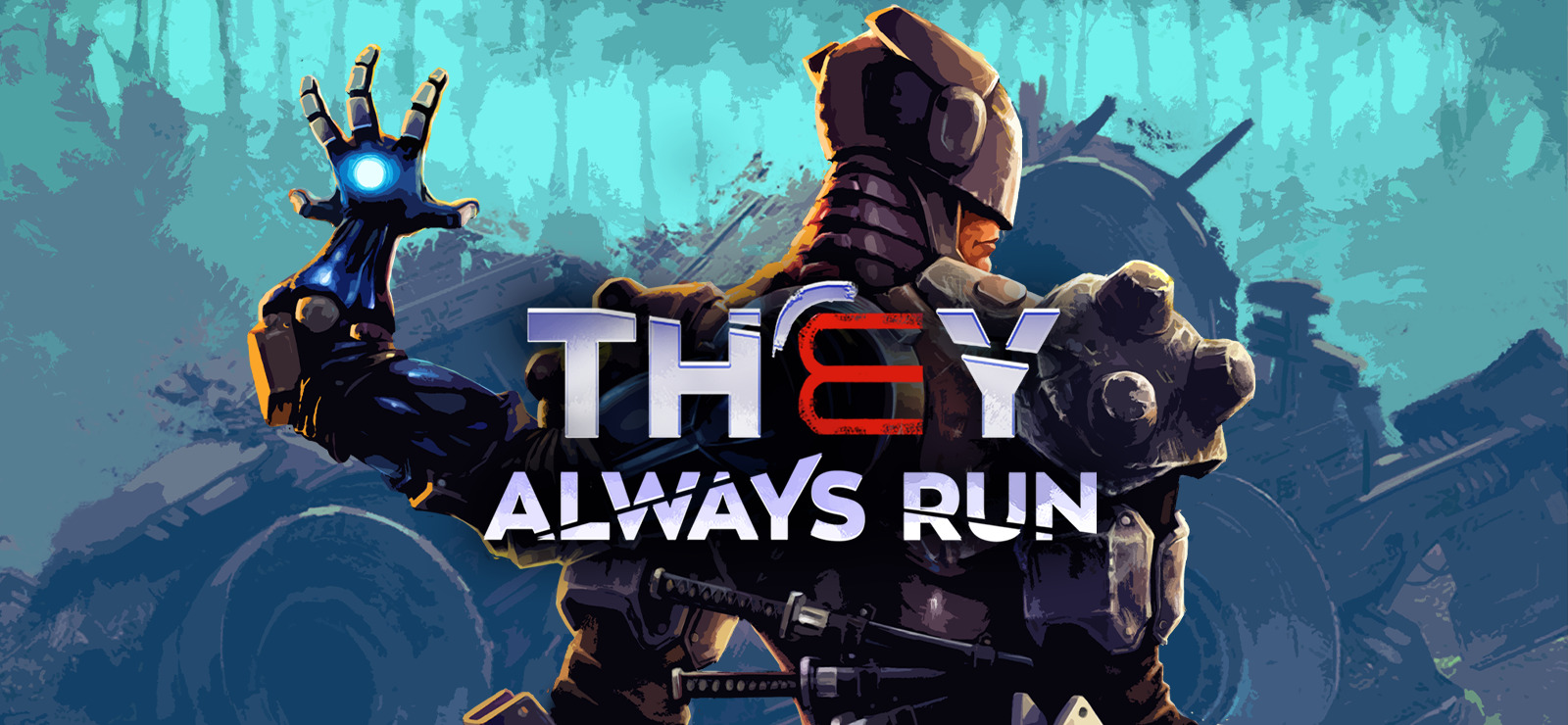
    When I came across They Always Run during my 3 AM random Youtube musings several weeks ago, I just knew I had to play it. A linear action platformer where you play a three-armed cloaked bounty hunter journeying across the galaxy to knock some heads? That seems like the game a Mandalorian fan in-drought like me needs to play while we wait for the third season.

    https://gfycat.com/immensemarriedbushbaby
    Platforming in this game is serviceable.

    After getting my hands on a review copy and spending a total of 5 hours with the game, I can say confidently that this is not the game I was hoping for. The review copy I received was prefaced with a warning that it had bugs which is a valid warning to make. But I wasn’t expecting it to have that many issues. Akin to an open-beta test, the seemingly final state of the game feels bare for several reasons. They Always Run is an incredibly unpolished affair that betrays the excitement instilled by its premise and visual flair.

    You play Aidan, a bounty hunter who comes from a race of three-armed humanoids that gets embroiled in an intergalactic conspiracy that may concern his past. With the help of a few allies he meets across the galaxy, Aidan is forced to take on unwanted bounties to get to the bottom of the conspiracy. The game offers a variety of oddities and interstellar worlds. Nothing we haven’t seen but enough for the world to feel distant.

    Right from the get-go, you’ll feel a serious lack of QoL features. From the game “feel” to the way the sound design/score comes and goes, it just feels off. The walk animation of the protagonist is so slow and for some reason, the game limits you to walking anytime you’re in the spaceship. The transitions between each story beat and level are so jarring; the game literally just jumps to a new level without oftentimes no segue.

    https://gfycat.com/animatedamplebantamrooster
    Myriad Pro just isn’t a good sci-fi font.

    I’m a huge sucker for games and apps with good UI design. Having it good is evidence of cohesive vision and having it cohesive makes for a more immersive experience. When your UI looks haphazardly put together with fundamentally bad layouting and poor choice of fonts, it cheapens the experience. Sadly, They Always Run has it looking generic. The game’s interface looks straight out of a cheap 90’s sci-fi bargain bin novel. Texts are overlayed where they shouldn’t be. The menus look so dull and unimaginative. For a sci-fi bounty hunting game with a quirky world, having your UI look pedestrian and mundane is a huge blunder.

    https://gfycat.com/yawninggorgeousaustrianpinscher
    Combat does get fun at times.

    A lot of the game’s more palatable qualities can be found within the game’s actual combat mechanics. Playing a three-armed assassin, the game somewhat gets the job done and delivers a serviceable combat system that gets fun to play as you progress up the awful-looking skill tree. There’s a depth to the mechanics at play here; having a third appendage allows players to creatively get out of rushdown scenarios when enemies gang up on you. On top of that, you also have options to use guns mid-combo. And then when you start unlocking the Spider-Man grappling hook abilities? Every skirmish becomes a challenge to do the craziest combos yet.

    But then the jank starts creeping in and poops on the party. The fight animations are so rigidly done that it underlines the lack of flow with the combat system. It’s a total shame since a game like this would benefit from a system that allowed seamless movement and transitions. Cancel animations don’t exist in this game; I can’t count the times I died because I couldn’t roll out from an animation frame. Modern action-heavy platformers need that feature. It also doesn’t help that the hitboxes are so all over the place that your attacks don’t always register.

    https://gfycat.com/cavernousnervousirishwolfhound
    A prime example of the audio bugs and how scenes just transition abruptly.

    They Always Run could have been a decent game as it has promising aspects. The art style is great. The characters look interesting. The bounty hunter premise is fun (though it could’ve been done without the linearity. Imagine being able to simply pick which bounty to chase) Sadly, the lack of polish prevents it from reaching its potential.

  • REVIEW: ‘Metroid Dread’ is the Sequel We’ve Been Waiting For

    REVIEW: ‘Metroid Dread’ is the Sequel We’ve Been Waiting For

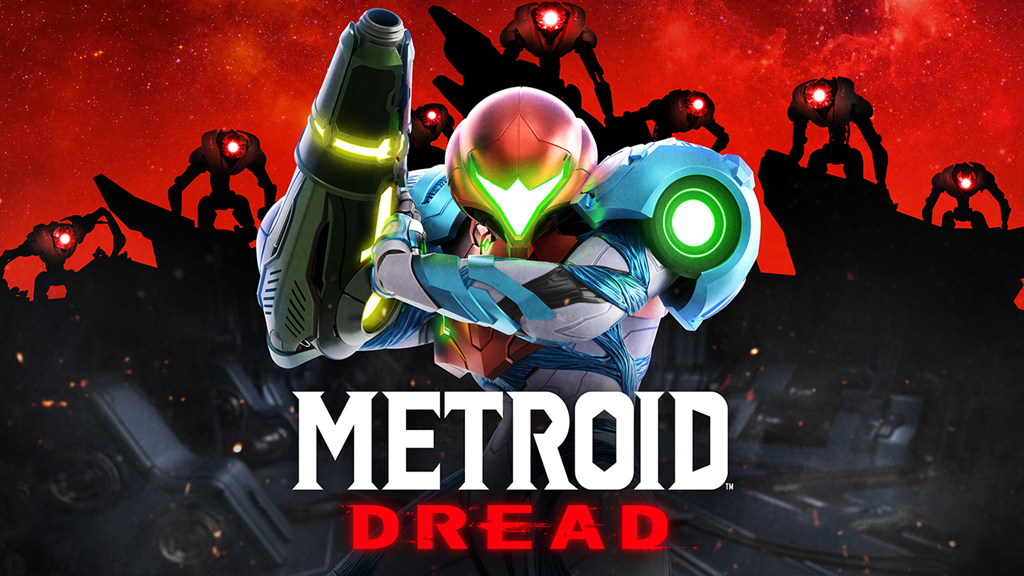
    Nintendo has some of the most famous franchises in the world. Yet, it manages to leave some of its most iconic franchises in the dust while focusing on the most profitable. We’re about to get our third Splatoon entry but haven’t had a new game in the franchise since 2010. The only true releases were the spinoff in 2016’s Metroid Prime: Federation Force and a remake of the original Metroid II: Return of Samus for the 3DS. Yet, the core story surrounding Samus Aran was last told in the prequel Metroid: Other M. Suddenly, Nintendo unveiled a new entry titled Dread that would continue where 2002’s Fusion left off. The only question remains, was it worth the wait?

    Metroid Dread: How Long Does It Take to Beat with 100% of Items? - IGN

    Metroid Dread is a project that has existed for around 15 years, as revealed by the series producer Sakamoto Yoshio. It continues a story that has laid dormant for 19 years and sees the bounty hunter Samus Aran return to an unlikely mission. Even players that never tackled the franchise get a quick run-up of the story and Samus’ ongoing battle with the Metroids and X Parasites. After believing she ended them in Fusion, footage has found its way into the galaxy alarming the Galactic Federation of their imminent threat. Suddenly, a routine mission ends up with our hero trapped on an unfamiliar planet, once again stripped of her abilities.

    Ignoring the franchise cliché of Samus always losing her base abilities, the game’s opening leaves us with quite a few interesting questions. What seems to begin as the usual “landing on a planet” storyline, you end up waking up in the underground of the planet after a sudden attack by a powerful Chozo. The twist adds to the Dread subtitle, as you are completely lost with one clear goal: get back to your ship. As you climb back up, you get a clearer picture of the truth to your mysterious attacker, why Samus was left alive, and the truth to that X Parasite footage.

    Metroid Dread [Nintendo Switch] : Amazon.de: Games

    The game doesn’t reinvent the wheel on what makes a Metroid game what it is. It goes by the “don’t fix what isn’t broke” rule and simply expands upon the past and brings it into a new age. We’ve seen many indie developers tackle the Metroidvania genre, which makes the originator’s return an even bigger challenge for the developers. Yes, we get a few new challenges and a very complex map to keep us on our toes, but there’s one strongly advertised aspect that truly makes the game stand out.

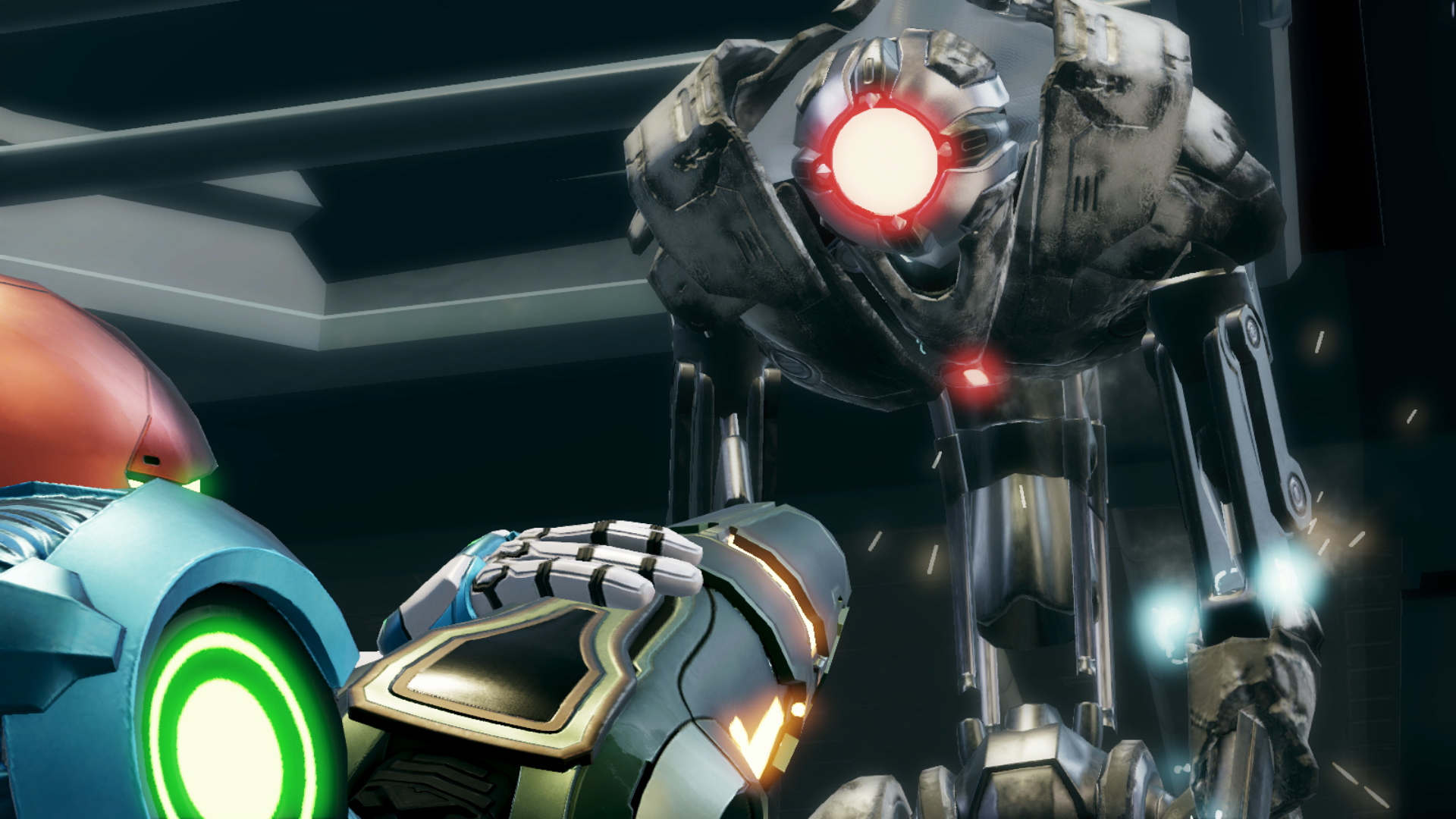
    The EMMI units are Samus’ most challenging threats. These robots were sent by the Federation to take care of the X threat but suddenly went offline. Once you make your way upwards, you learn fast they are very much active and also don’t care who is friend or foe. They are relentless chasers and there’s only one weapon that can take them down, but you’ll have to find the necessary power source first.

    EMMI melee counter – Metroid Dread guide - Polygon

    The only relief you have is that they can only operate within a limited area. You would think that you have options to avoid them, but the layout of the map is your biggest enemy. You’ll often notice that as you progress, things start changing in unique ways. Often some roadblocks can only be solved later on that force you into the EMMIs area. The game uses its environments to force you into those situations and I found myself dying quite frequently due to a wrong move, or bad reaction. Their presence is always there and even trying to take them down is no easy feat.

    Speaking of, the game does offer quite the challenge. The subtitle is well-deserved with how it forces your hand to learn and adapt fast. Dread‘s various larger encounters start to escalate as you make your way upwards. At a certain point, you’ll encounter some familiar faces and callbacks to previous entries that up the challenge in new ways. It’s not an easy game, and the challenge adds to the experience. Luckily, you aren’t punished when you die as you don’t have a limited amount of lives and will commonly return near your death. They knew you’re going to die frequently.

    Metroid Dread Report Vol. 2: Die E.M.M.I. | News | Nintendo

    The game’s look has gotten quite polished, especially with the details surrounding Samus’ new suit. It feels like the perfect blend between Fusion‘s outfit and the one we grew up with. The game found a way to make many moments quite cinematic, as sudden events will trigger. It adds to the atmosphere when the game takes control away from you, as a menacing threat looms above you. They make it feel organic, as you then seemingly jump back into the action, and sometimes even have to be vigilant in case the villain goes for an attack.

    Metroid has made a grand return and left quite the imprint. It acts as the end of a saga and pushes forward into many more games. Metroid Prime 4 is still in development and will continue the first-person experience of this franchise. If they continue building upon the template that the EMMI introduced, we could see quite some challenging encounters in the future. The franchise has returned in style and hopefully has a birth future ahead. It’s strange to see a game subtitled Dread would be such a shining light for the franchise’s future.

    Source: YouTube

  • A Look Back at ‘MARVEL’S AVENGERS’ Year 1

    A Look Back at ‘MARVEL’S AVENGERS’ Year 1

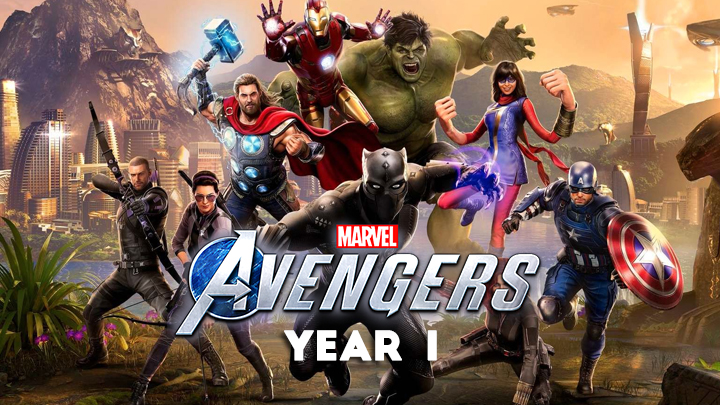
    It hasn’t been an easy road to this point. Marvel’s Avengers had quite a questionable start for many. The game faced many challenges with various bugs and a pandemic pushing content back. Yet, it continued to persevere with monthly events starting in April and the release of three new playable characters. The latest expansion, War for Wakanda, finally introduced the game’s version toofBlack Panther and continued to build upon the war against AIM. We’re also only a week or two away from the game’s first year coming to an end. So, what better time to explore how far the game has come and what the latest addition has to offer.

    After a rocky start, Marvel's Avengers seems to be winning people over | PC  Gamer

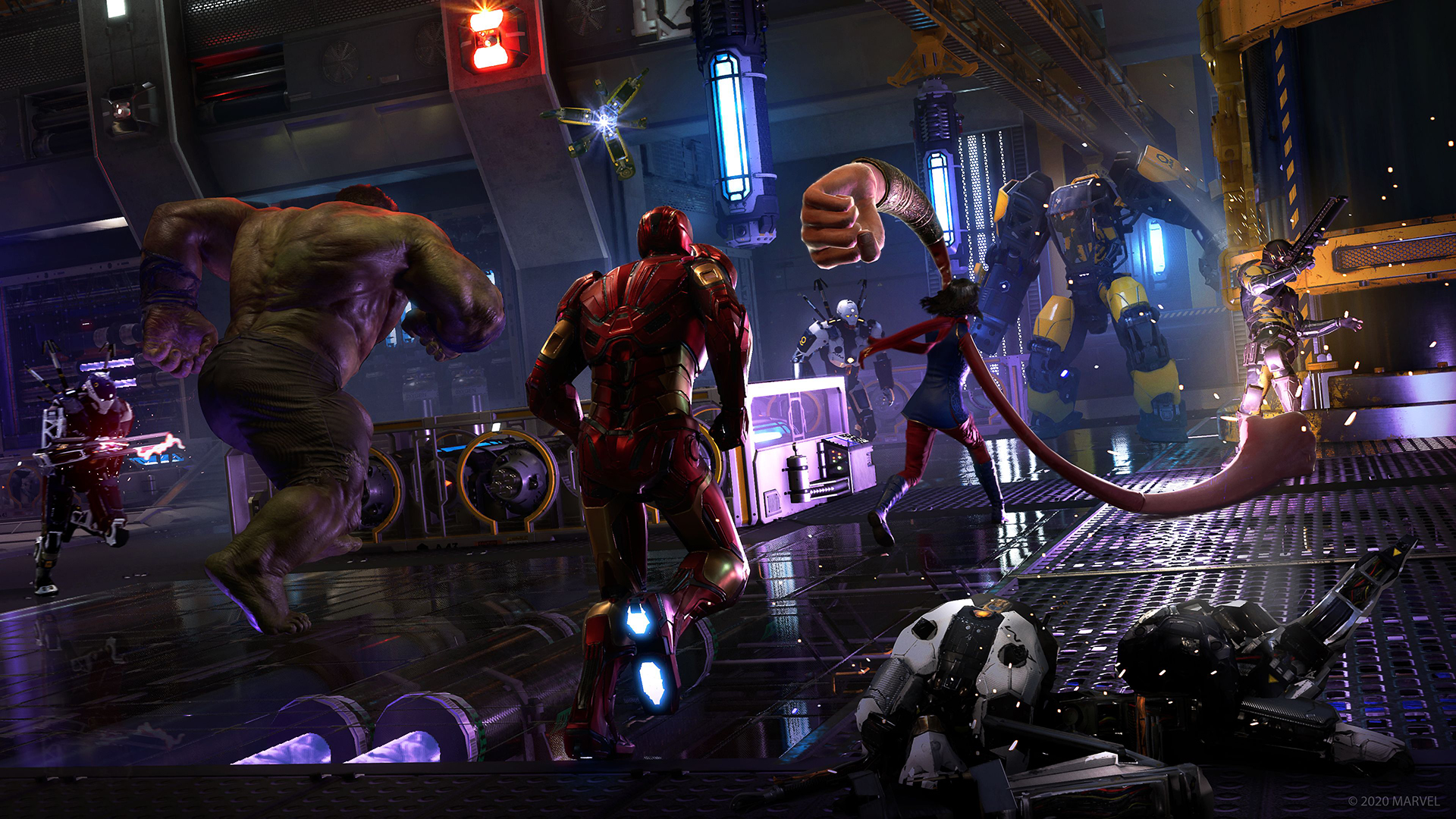
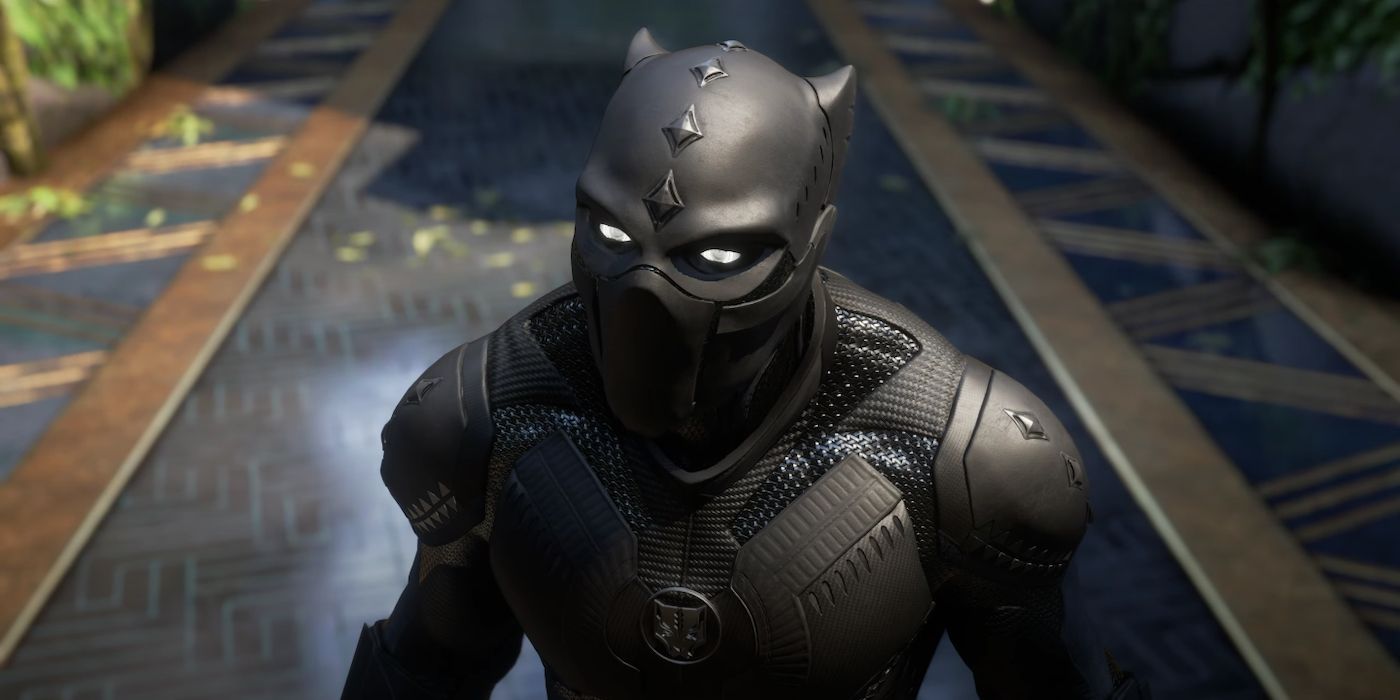
    The game’s biggest strength has been gameplay and the story. While mission variety has been a bit stale early on, each of the game’s characters feels like their own character. Even with a base combat style, the newly introduced Black Panther has quite a few tricks up his sleeve. He comes with a new mechanic that lets him lunge at enemies. You can even jump on giant machines to do damage. His heroics also add some fun elements, as you can summon the Panther God Bast alongside Dora Milaje to help you in combat. His addition continues the tradition of complex kits to test out.

    He’s also a great contrast to the last two characters, who were a bit too similar. It made sense, as it was Hawkeye and his protégé, Kate Bishop. They both rely on their arrows and swords to take on enemies, and they pretty much share the same base ability. Clint Barton is more bow-focused, but they are just a tad too similar. In a way, I think him only relying on keeping enemies at a distance with his bow and shurikens from his time as Ronin could’ve made him stand out just a bit more. Perhaps something they could add in future updates.

    Hawkeye erscheint am 18. März für Marvel's Avengers – Der deutschsprachige  PlayStation Blog

    Still, all three stories continue to expand the overarching narrative in unique ways. The first campaign was an introduction to this world’s Avengers and the threat that AIM poses. Kate built up the mystery of the strange Tachyon storms that led us into the future with Hawkeye. The tease after the Cosmic Cube event was a personal highlight as it answered theories and offered a glimpse into the future. War for Wakanda takes a different turn as it’s not only longer than previous entries but also feels a lot more personal.

    The Avengers take a backseat this time around, which fits the story from T’Challa’s perspective. I do wish the opening was from the Avenger’s perspective as we fight our way through the jungle to end up in this new location, but it’s Wakanda’s story and better left as such. It just lacks cohesion on how they ended up deciding to fight there now and not earlier. Personally, the ending is the weakest point in the story, as it does what it needs to do so Black Panther can join the Avengers for future adventures, but it doesn’t give us any hints at what’s ahead. 

    Marvel's Avengers: War For Wakanda Looks Like The Black Panther Game You  Wanted - GameSpot

    Of course, the new story also adds some new elements to the endgame. We get quite a few new mission types this time around. I noticed that the challenge spiked in this expansion, which is a good thing. Some of the earlier parts of the game weren’t too difficult to play through, but since the Cosmic Cube event, it seems they’ve been upping the overall challenge. There are also new puzzle types, like a miniature Horde mode, that push the players to communicate. I hope we get more of them in other biomes. The Wasteland is still very barebones, which could benefit from this type of content.

    In a way, while the story does introduce new mission types, the endgame still feels like an afterthought. We didn’t get an Omega-Level Threat included in this release. While it does add some new mission types to test out after finishing the story, there’s nothing endgame-specific to catch your attention as a player. Why not include a special mission to tease the next story arc, like Cosmic Cube was just without the month-long wait. The ending leaves a specific villain’s story open, which would be great to expand in an epilogue fashion teasing the next arc. How about a new mission type that feels like a reward for finishing the story.

    Avengers Game: Black Panther Release Date Revealed With Free DLC

    Gear is still getting overhauled, but there are some fantastic exotic pieces with Black Panther. So, there’s a reason to grind, but the lack of something new is a bit of a bummer for more casual players. Luckily, the new Corrupted Vibranium event adds new elements to existing missions and is a pleasant addition to the content drop. Plus, Vibranium and Sonic gear adds something new to play around with and motivates one to grind a bit more. My only real complaint is that Sonic’s blurring effect is annoying and needs an overhaul as soon as possible. Still, the addition to existing missions might also be our first step towards randomization that, hopefully, is an element we see in the upcoming Patrol mode.

    War for Wakanda also came with a complete overhaul of their user interface, which they teased as the foundation for the game’s latest developments. While needing to adjust to it, it took away the clutter of each menu consisting of various submenus, but there are some parts where it overcorrected. Gear management requires more clicks than previously but could get rectified with future updates as we’re only getting a glimpse of where it’s heading. Still, the option to have gear loadouts in the future is an exciting prospect and entices keeping more gear pieces to play around with.

    Marvel's Avengers Will Be More Involved Than Its Beta Suggests - GameSpot

    Marvel’s Avengers has changed quite a bit since its launch. I’ve noticed that I am playing it more frequently than I did months prior. The events add quite a bit of replay value and temporary challenge. War for Wakanda is a great addition. T’Challa’s performance by Christopher Judge being a highlight. In general, the voice work here is fantastic and elevated the story in comparison to other updates. We had more characters to interact with, a new hub world where you can find Easter Eggs and other things.

    Though the new Outpost is beautiful, it still lacks functionality outside of mission selection and getting dailies. I hope we get something to do at these places in the future. We’re still anxiously awaiting the updated roadmap for the coming months, and there’s a lot more content heading our way. My biggest complaint is that the endgame still needs a bit more attention. Still, we have additional OLTs, Patrol mode, and potentially a lot more heading our way. So, I think Year 2 has the potential to remedy those complaints. The game is a fun experience, and being a part of its evolution and community adds that little extra. 

  • REVIEW: ‘Back 4 Blood’s Beta Teases a Zombie-Infested Potential

    REVIEW: ‘Back 4 Blood’s Beta Teases a Zombie-Infested Potential

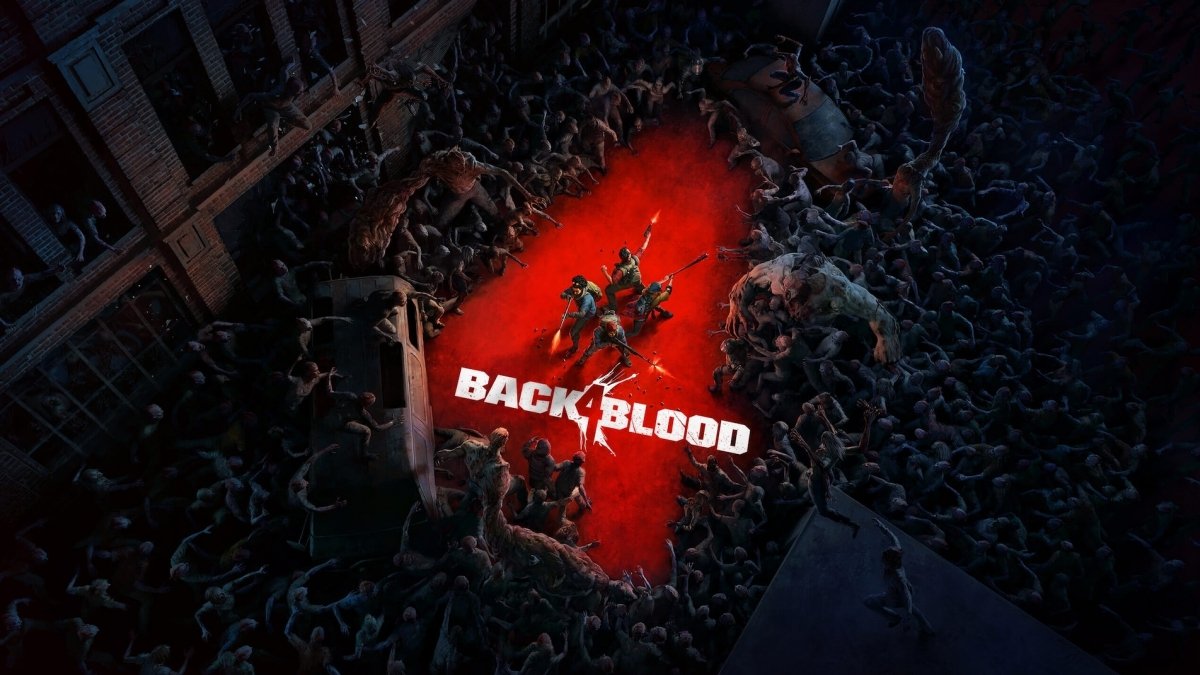
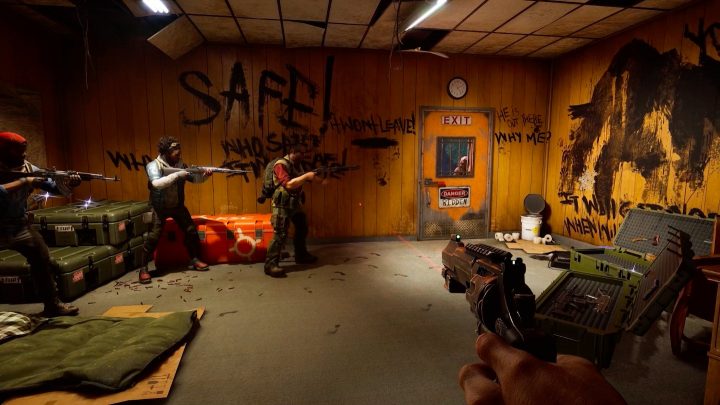
    2021 hasn’t been an easy year for gaming, as many projects were pushed back into the next year. Turtle Rock Studios’ Back 4 Blood was one of those projects that faced an inevitable delay as the world adapted to the new pandemic working environments. Luckily, after a long way, we finally got our first glimpse at the spiritual successor to Left 4 Dead with its Open Beta testing over the weekend. So, here are our thoughts on the new entry and how it stacks up to the Steam game it inspires to be like. Will it offer a modern equivalent, or simply a carbon copy with a new paint job?


    Back 4 Blood: Kampfbetonter Trailer vom Summer Game Fest


    First off, the game definitely feels like a direct continuation of the original. You are thrust into an infected world as you fight your way from one safe house to the next. On your way, you fight an onslaught of infected alongside some mutated variants, who offer an additional challenge. There are even boss zombies like the Ogre. He shows up to confront your team early on in the campaign, which is a unique mechanic to this game. Sadly, it wasn’t much of a challenge. It mainly served as a temporary bullet sponge and is taken care of easily.

    Overall, the game feels great, and you can jump in with a group of friends to take down zombies anytime. You can always join a random group and take over an AI partner during their campaign run. It also builds its own mechanics to stand out from its inspiration, as you can set a deck of perks that you can unlock after finishing a story chapter. It’s a great mechanic that adds replayability, as new skills could make the next run easier. You also can invest Copper into perks that support the entire team. So, there’s a risk-reward system pushing cooperation.


    Back 4 Blood: Die „Left 4 Dead“-Macher feiern ein spätes Revival - Preview


    Before you start your first run, the Beta throws you into a camp without any real information, which was jarring but a given with this type of testing. Though, it could’ve helped ease players into the new concepts, which the base game might hopefully do. In addition, you can also face a group of players and take control of the infected. My experience sadly was bogged down by the lack of available players, with me facing an entire team of four on my own.

    In the Beta, you can only play through the first campaign, which is fairly long with some creative story moments sprinkled throughout. One of the hardest levels is where you must outrun a horde of zombies and get on a ferry.  You’ll get overrun quickly, and we’ve frequently lost players on the bridge, which commonly ended in the entire team’s defeat. It’s a fun ride but does repeat the same concept very frequently of whatever you’re doing involving a horde of enemies attacking you once you try to solve an objective or wait around until you can continue. It was fresh back in 2009 when Left 4 Dead 2 was released. Yet, now feels a bit repetitive and lacks something to truly make it stand out from what inspired it.


    Back 4 Blood: Neue Gameplay-Trailer voller Zombies


    Throughout your run, you have a variety of weapons at your disposal with various handguns, shotguns, melee weapons, and more. Each weapon serves its purpose well and feels great while playing on a PlayStation 5. The only drawback is that the console game snaps you to your target. So, I never felt the need to really put in the effort, as I could just easily lock on automatically. It also led to many accidental friendly fires, when a friend was standing in front of the zombie my game decided to target.

    Overall, there’s a lot of potentials here. It’s a fun romp to jump in with friends and take down a horde of zombies. In some ways, the game does falter by trying to pay tribute to the original series. There are elements to make it unique, with the perk system being a highlight. Yet, it’s not going to blow anyone’s mind or really reinvent the genre. The guns feel snappy, even if the target lock-on system is very easy to abuse. It feels like a great addition for anyone looking to scratch that zombie co-op shooter itch, or who really missed the Left 4 Dead franchise.

  • RETRO REVIEWS: Bioshock Infinite

    RETRO REVIEWS: Bioshock Infinite

    The downtime caused by this quarantine has offered me some opportune time to get back in touch with my gaming roots. The last console I owned was a Playstation 2 which should give you an idea of what generation of video games I peaked on. Everything that came after, I missed out on. So as I relive the carefree gaming days of my youth, I thought it’d be a fun idea to review some of the games I missed out on.


    It is a stormy night and you’re the sole passenger in a rowboat, escorted by two bickering Brits towards a lighthouse. You arrive at the door and see a bloodied note warning you of the task ahead, “Save the girl and wipe away your debt.” You enter the lighthouse and realize it is empty, save for you, a bloodied corpse, and a radio faintly broadcasting vaudevillian music. Each creaking step you take fills the lighthouse with dread. You make your way to the top where a locked door awaits you. Upon opening it, the grey sky surrounding you turns red, and from the heavens erupts deafening horns. A chair beyond the door calls for you. You sit down and the moving contraptions around you make it apparent that the lighthouse is a missile silo. All of a sudden, you are skyrocketed through the heavens. None of it makes sense until you reach the wild blue yonder where you see magnificent cities floating above the clouds. There’s that moment of clarity once the pod you’re strapped onto slowly lands on this floating city. It’s the first of many moments of clarity in the game where all the craziness you witness starts to make sense.


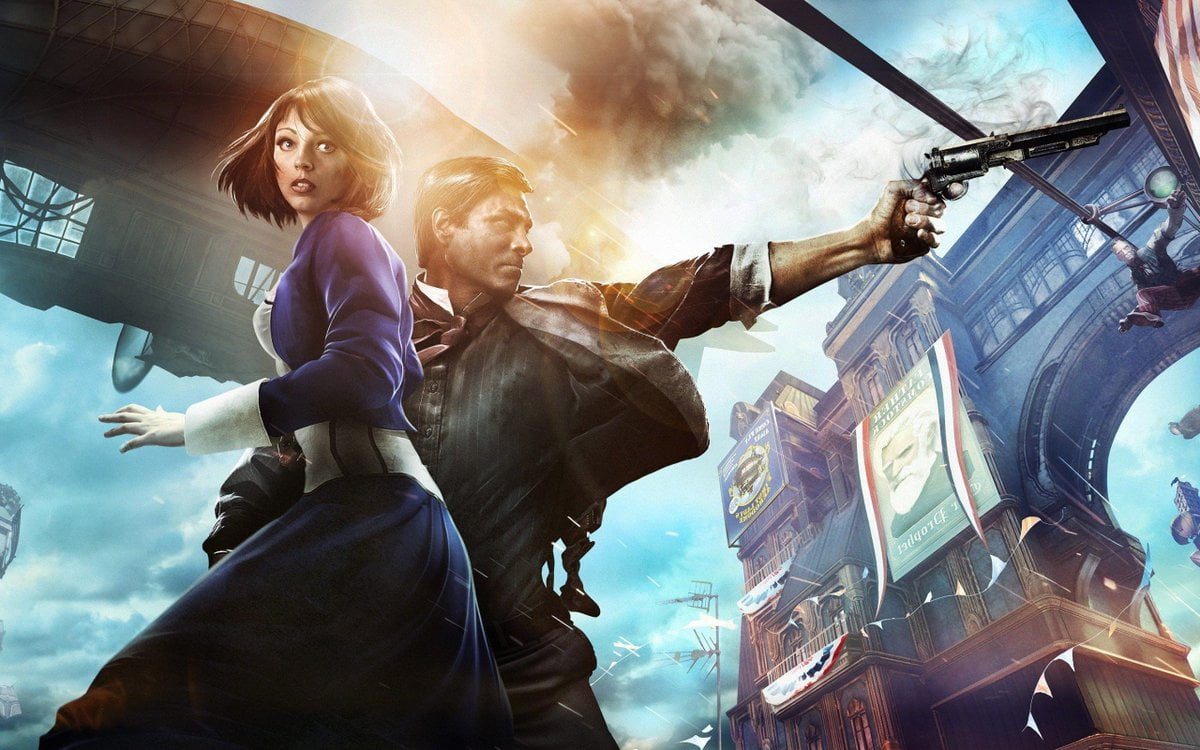
    You play as Booker DeWitt, a hired gun tasked to rescue a woman named Elizabeth from the ultra-religious dystopian city of Columbia. Standing between you and Elizabeth are two warring political factions, a delusional prophet, a flying bird robot, and a series of tears through the space-time continuum that permeate the reality you inhabit. It’s a pulpy trek through this steampunk metropolis as you fight the establishment and enemies of the state alike with wacky guns and potions that give you superhuman abilities.

    I’ve never been so enamored with a video game’s aesthetic way like the Bioshock franchise’s. Steampunk wasn’t a word that existed in my own vocabulary until I knew this franchise existed. The visual palette, aesthetic, and art direction of the game is simply a thing that draws you in. Even as I was phasing out of my gaming days in the late noughties, just seeing the first game’s poster and the way its underwater steampunk world was presented made me want to at least experience that. With Bioshock Infinite, I was finally able to experience what it’s like to briefly exist in a world as rich and beautiful as Bioshock’s.


    The floating city of Columbia is a sight to behold. Nevermind the fact that character models resemble one another and you run into the same person every 20 steps. The city lives and breathes as you stroll through its alleys and plazas. I spent the first couple of hours of the game just simply observing every remotely interesting item I could find – a newspaper on some countertop, a print ad for magical potions, a statue of some white dude, ultra-religious paraphernalia, a mechanized human being displayed at a freak show among many others. The way the game uses the social upheaval that gripped America at the turn of the 20th century to underscore the pulpiness of the art direction and create something that’s out of this world yet wildly familiar is amazing. This world is layered to the core, with easter eggs in every corner that archive moments that led to the creation of Columbia and why the world is the way it is. There’s something in every nook and cranny of this game that’ll pique one’s curiosity which makes whatever limited exploration options you have worthwhile, to say the least.

    I’ll admit that I was sort of taken aback at how the enemies were mostly composed of confederate soldiers and rebels. Part of me was expecting to fight creatures spawned from the mind of Guillermo del Toro. However, in the few instances that you get to fight the odd creature, they are a treat to against. You have these KKK sorcerers carrying coffins that are made up of crows and they teleport everywhere. You have the Handyman, disabled people that are forcibly put in mechanized bodies that go haywire – a huge pain in the ass to fight. By far the scariest is the Boy of Silence, who serve as watchmen in the asylum portion of the game. They let out a blood-curdling scream the minute they spot you and sic a bunch of powerful insane asylum patients on you. I’ve never been more terrified to sneak through a corridor since I played Alien: Isolation a couple of years ago.


    Gameplay-wise, Bioshock Infinite very rustic. It’s a no-frills, uber-simple shooter that barely takes any steps to reinvent the wheel. You shoot, reload, and pick up ammo from corpses. Rinse-repeat. The Vigors and the tears, however, keep things interesting. The aforementioned magical potions keep the battlefield wildly interesting as it offers you a slew of magical traps and abilities. There’s one that allows you to summon a murder of crows to attack the enemy. A personal favorite is the one that allows you to possess grunts and mechanized enemies and have them fight for you. Again, it doesn’t change the game but it’s a nice addition to keep things interesting.


    BioShock Infinite revolves around an Aristotelian tragedy with tragic heroes, grounded in a floating city set in 1912.


    Arguably, the game’s biggest weakness is its linearity. With a world this expansive and rich, the lack of exploration possibilities and a progression system feels somewhat disappointing. The game literally tells you to follow a line as you navigate through the various districts of Columbia. You can take the occasional turn and peek through the door in that corner and score these upgrades called Infusions but that’s pretty much it. There are the occasional gun and Vigor upgrades but because the game is so linear, you aren’t given the opportunity to fully explore the selection of weapons the game throws at you. I get that the open-world mechanic was never in the franchise’s DNA but man, given the chance to fully explore the world they crafted, to do sidequests, and to upgrade your skills extensively, I’d lose myself in this game entirely. When all is said and done, this complaint is a testament to how just beautifully the world is envisioned and crafted.


    Bioshock Infinite, in many ways, is one big theme park ride. It’s a chaotic spectacle that delivers the thrills. Sometimes a literal roller coaster ride across the sky. Your senses assaulted by a cacophonous barrage of sounds and visuals that defy your understanding of reality. But what makes the game transcend from being merely just a spectacle is the story. It’s a Kubrickian odyssey about redemption and fate. A profound journey to undo past wrongs and confront the destinies decided by the cosmos. And that ending. That goddamn ending. Part of me wishes I played Bioshock Infinite around the time it came out just so I’d partake in the collective freakout everyone must have had with the game’s ending. The last 15 minutes of the game will go down as one of the craziest endings I’ve come across in any narrative. To be in the center of this story, to experience it from the eyes and emotions of Booker DeWitt, is something that will probably stick with me for a while. Experience this game now, if you’ve haven’t.

  • RETRO REVIEWS: Arkham City

    RETRO REVIEWS: Arkham City

    The downtime caused by this quarantine has offered me some opportune time to get back in touch with my gaming roots. The last console I owned was a Playstation 2 which should give you an idea of what generation of video games I peaked on. Everything that came after, I missed out on. So as I relive the carefree gaming days of my youth, I thought it’d be a fun idea to review some of the games I missed out on. Spoilers ahead. 


    A huge fortified wall is built around the slums of Gotham, with psychiatrist Hugo Strange leading the project with a shoot-to-kill strike team called TYGER, in an attempt to quell the criminal element of the city for good. Bruce Wayne publicly lobbies to shutdown this inhumane fortress, now called Arkham City, and is arrested by TYGER forces. Bruce is brought right into the belly of the beast and therein begins his investigation into this fortress of misery.

    I should preface my thoughts on the game with the fact that I clocked in 36 hours of gameplay – DLC and all Riddler challenges completed – when I finished it. Suffice to say I got the most out of Batman: Arkham City.

    It’s no surprise that the game’s biggest star is the core gameplay. You put a character like Batman with all his fancy gadgets and skills in a sandbox as huge as Arkham City, you’re bound to spend hours just trying to parkour across rooftops, gliding to the next district, hanging on to patrolling helicopters, divebombing from tall structures, Batarang-ing unsuspecting villains, and drop-kicking enemies from the roof. The mobility you’re given with the character is just too damn fun.


    Of course, you got the signature Arkham combat which has become the gold standard for games of this kind. There’s almost nothing new left to be said about it at this point: it’s fluid, dynamic, graceful, stylish, and whatever adjective applies to fighting mechanics. The game does a great job of keeping it dummy-proof which incentivizes players of all skills to really excel with the combat. Being able to utilize gadgets like the Batarang and grappling hook in the middle of combos takes the whole thing to another level. The combat almost has a relaxing addictive component to it; you fight waves of bad guys and it slowly becomes this choreographed dance where it becomes a fully instinctual exercise for your fingers on the controller. If I didn’t have other games queued up on my list, I would have definitely spent more time topping those Riddler combat challenges.

    The stealth component is also stupid fun. The game gives you the freedom to either just brutally assault enemies head-on like the tank Batman is in a room or to use some of his League of Shadows ninja skills. Granted, I do wish the stealth mechanics were more developed (more options on how to ninja your way around a room and better level designs that accommodate it) but it’s just absolutely hilarious to watch goons react to dangling unconscious bodies from your grappling hook. I’m curious on how succeeding Arkham games improved on this component.

    Much like the groundbreaking first game, one of Arkham City’s biggest strengths is how it builds on the Batman mythology. There’s a slew of classic villains waiting to ruin Batman’s day. Two-Face, Penguin, Mr. Freeze, Bane, Mad Hatter, Victor Zsasz, Solomon Grundy, Clayface, Ra’s Al Guhl, Deadshot, Hush and Riddler all make an appearance in this game. For someone like me who rarely gets to read Batman comics and see his villains, anytime I get to see pop culture’s best rogues gallery showcased is always a win.


    Going through from point to point and seeing villains in different parts of the story (main mission and side missions alike) felt like I was playing various episodes of the iconic Batman: The Animated Series. There’s an episodic quality to the way the rogues gallery are spread out in the game and it keeps things varied and fresh. Overall, I do wish some villains were given the limelight more than others which brings me to the game’s biggest weakness: the actual story.

    Arkham City doesn’t really know what story it wants to tell. The game oscillates between two arcs: the titular one centered on Hugo Strange’s Arkham City and a continuation of the Joker story from the first game. Now, this wouldn’t generally be a problem if these two arcs intersected in some way but they don’t. The momentum constantly shifts between you dealing with neverending Joker problems and getting to the heart of Hugo Strange’s sinister Protocol 10 plot that neither end up being a fully satisfying story. It also doesn’t help that you’re forced to play Catwoman at times in a plot that also doesn’t connect to the main story, save for one or two scenes.

    The main plot, which is the Hugo Strange one, is by far the more interesting one. On paper, the notion of Arkham City as a whole sounds ridiculous. More than anything, it feels like a cheap attempt to keep the Arkham name alive in the franchise but the game actually manages to explore some intriguing ideas that pertain to incarceration, criminality, fascism, and human rights. Even though you don’t actually see Strange until the third act of the game, him being a constant voice you hear in the prison’s PAs reinforces those themes as he recites the inhumane laws that govern this city and counts down to his endgame: Protocol 10, an order to kill all inmates inside the prison.

    Sadly, beneath this mammoth of a plot lies a narrative foundation that’s basically made of straws and the entire thing collapses once the nature of Strange’s role in the story is revealed. Turns out, he’s an errand boy for Ra’s Al Guhl. Now, if you’re a comic reader or have a semblance of basic Batman knowledge, you know that Ra’s and the League of Shadow masterminding the plot to get rid of Gotham’s crime makes sense. The problem is that the game doesn’t make an effort to tell you this. Ra’s makes a 10-minute appearance as a boss mid-game in a subplot that has nothing to do with Arkham City. Suddenly, he’s the big bad pulling the strings and the game just expects you to go with it. Strange is reduced to a bumbling lackey. Even worse, within like a minute of the reveal, both Strange and Ra’s die and you’re back to dealing with Joker’s bullshit. The game doesn’t care to explore Ra’s and the League of Shadows’ twisted sense of righteousness.


    Joker’s bullshit by the way is just as frustrating. The effects from hulking out from the previous game are killing Joker so he devises a plan that leaves Batman and the rest of Gotham poisoned. The Caped Crusader is forced to find a cure via the Lazarus Pit which is how Ra’s comes into the picture. Of course, the pit becomes the Joker’s eventual endgame of immortality. It’s not a bad story in itself but in the wake of the more interesting Arkham City plot, it ends up being a detriment to the big picture. If the developers managed to find a way to blend the two stories and have them connect in a big way (what does Joker think of Strange’s attempts to get rid all criminality? Surely, Joker has some things to say about that!), my feelings would be a lot more different.

    All that said, the weak story does not take away from how fun and immersive of a game Arkham City is. With so much to do and explore as the Dark Knight, the shortcomings of how the story comes together feel inconsequential. I groaned when I was about to face off with the Joker in the final fight but was jolted with excitement when Clayface surfaced as the final boss. The Riddler challenges were painfully grueling but the promise of getting to knock the shit out of Nigma was enough to get me to complete the damn thing. The game truly is greater than the sum of its parts. I’m probably not gonna play any more Arkham games given how this and Arkham Asylum checked those boxes for me but I am more than excited to check out Rocksteady’s next offering which is the Suicide Squad game that was just announced.