Writer Garth Ennis is widely credited with saving the Punisher from obscurity and defining the character for the modern era. Before Ennis, Frank Castle had been written as an angel of vengeance with supernatural guns—a direction fans hated. Ennis brought him back to basics in Welcome Back, Frank (2000). And now it seems clear that the Marvel Knights imprint–and it’s over-the-top action–will also define the next MCU iteration of the character.
Since 2017, Jon Bernthal‘s take on the Punisher has always been highly praised for its mature handling of PTSD and veteran reintegration, creating the most soulful on-screen version of the character. One Last Kill once again examines the trauma and tragic nihilism that fuels Frank Castle while also acting a vehicle for Castle’s eager violence. Equal parts John Wick, Dirty Harry and The Raid, Marvel Television’s latest Special Presentation is outrageously brutal but it is also exactly what it should be.
Set at a not quite clearly defined point in Castle’s life, One Last Kill picks up with Frank as he struggles to find purpose with his personal war having come to an end and is haunted at first but the ghosts of his family and then by the ghost of his own violence. As seen in Ennis’ MAX series, Frank’s internal world is a haunted house. Rather than allowing himself to heal–even when he recognizes his instability–he chooses to stay in a state of perpetual trauma.
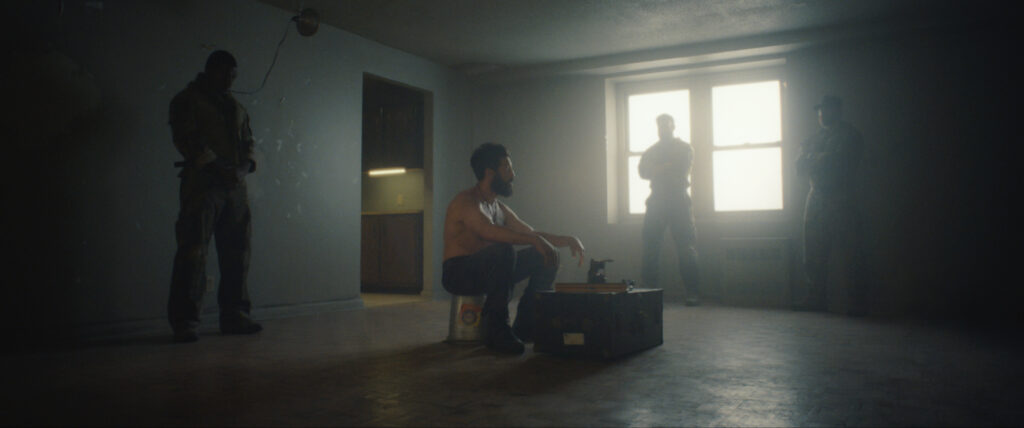
The opening of the Special Presentation riffs hard on Ennis’ take on Frank, allowing his inner monologue to serve as the engine of the story. And in the presence of his former brothers in arms, it isn’t just a narration of events; it is a staccato, utilitarian checklist that reveals how he views the world through a tactical lens and his body as a weapon system that needs maintenance…and Frank hasn’t been maintaining his very well. As he did in Season 1 of The Punisher, Bernthal goes all in on Castle’s grief, agony pain and guilt.
One Last Kill, created by Bernthal and director Reinaldo Marcus Green, spends significant narrative currency exploring the Punisher’s pathos and it’s an unsettling excavation. The core of his pathos isn’t just that his family died; it’s that Frank Castle died with them. He didn’t just lose his wife and children; he lost his ability to exist in a civilized world. And at one point, Frank is ready to leave that world…until Judith Light‘s Ma Gnucci pulls him back in and, ultimately, gives purpose to The Punisher once again. Just as in Ennis’ run, however, Frank Castle doesn’t actually want to be the Punisher; he is simply the only person left who is willing to take out the trash.
While fans will revel in the savage and sanguinary action of the Special Presentation and rejoice at the promise of prospective punishment down the road, One Last Kill is deeply dark and disturbing. Castle doesn’t conquer his grief and evolve into a hero by the end of the short runtime; he reestablishes himself as The Punisher through the subsequent transformation of grief into a cold, mechanical purpose.
And it looks as though Bernthal‘s Punisher is just getting started.

Leave a Reply