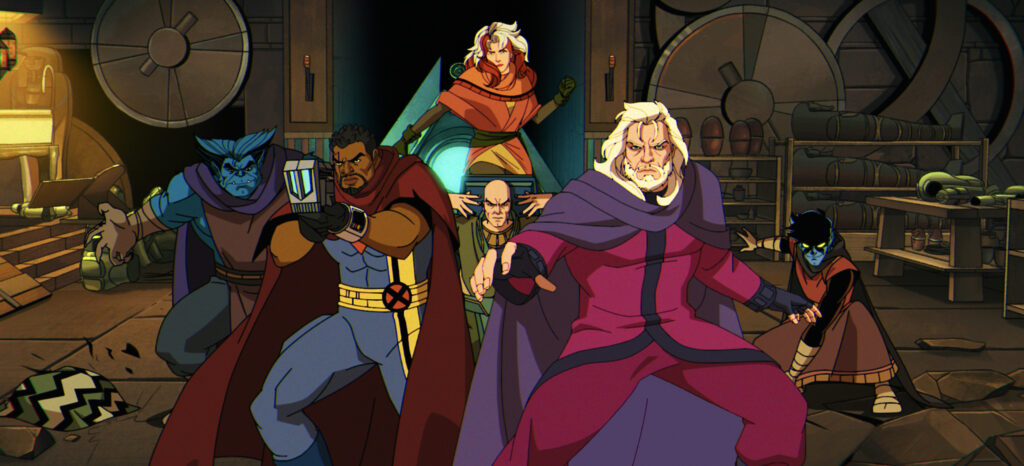
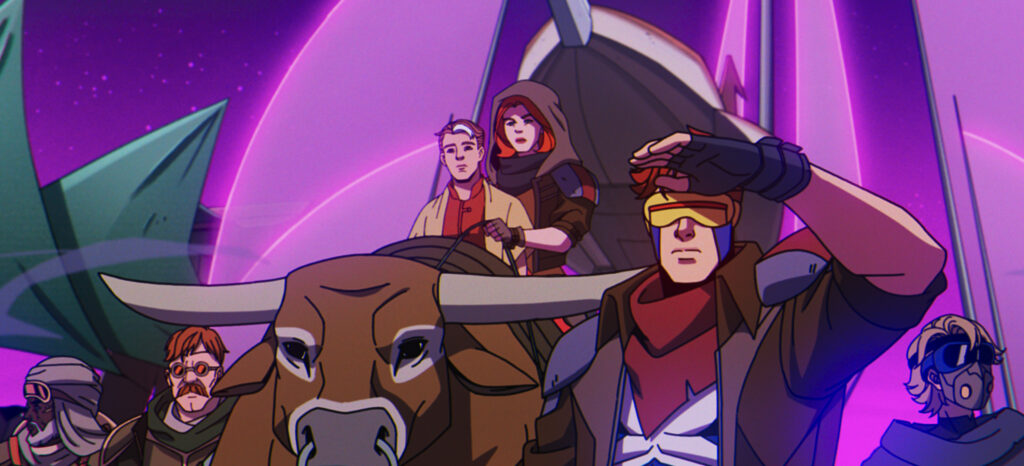
If Season 1 of X-Men ’97, Marvel Animation’s revival of X-Men: The Animated Series revived the heart of the beloved classic cartoon, Season 2 reanimates its soul…at least that’s what it seems like through the first four episodes of the sophomore season.
While Season 1 provided a nostalgic trip to the 90s, full of feel-good releases of dopamine and serotonin, Season 2 delivers a far more intoxicating rush, releasing a surging cocktail of chemicals for those who loved not only the original show but the true vastness of the X-Men’s comic book lore.
The first four episodes manage to address the Season 1 cliffhanger with multitudinous references to the original series while also priming the audience for something entirely new. And so, the first four episodes of Season 2 work as a fulcrum between the return to the emotional center of Season 1 and the very intentional shift in the purpose of the new episodes, which seems to be to remind audiences of the incredible depth and breadth of the X-Men mythology.
Whether in the comics, live-action or animation, the mutant have never needed to interact with the rest of the Marvel universe. As fun as the crossovers can be, the mutants have their own interesting heros and villains capable of leading some of The House of Ideas greatest stories and Season 2 makes it clear that Cable and Apocalypse are chief among them.
Full of the timey-wimey shenanigans that have long been a staple of their stories, Season 2 of X-Men ’97 fully embraces the full weirdness of the X-Men’s time travel adventures. By taking on En Sabah Nur/Apocalypse in the past, present and future, the sophomore season holds the potential of seeing each team dealing with the fallout of the others’ actions across time…and it also clearly seems to set the stage for an impending schism not only between Charles and Magneto but also between core members of the team.
Though it’s just four episodes, X-Men ’97 feels like a fresh spin on a classic X-Men tale. The animation remains top tier and the action sequences continue to be inventive and show that there are plenty of ways to continue to let these mutants evolve on screen.
A long time ago, in a galaxy not too far away, Lucasfilm published and snail mailed Bantha Tracks, fka The Official Star Wars Fanclub Newsletter, which was essentially the ultimate lifeline for the first generation of Star Wars fans.
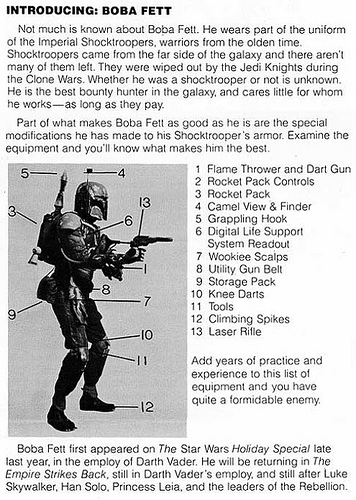
When Star Wars exploded in 1977, Lucasfilm was utterly overwhelmed by fan mail. Charles Lippincott, Lucasfilm’s head of marketing, realized they needed a centralized way to communicate with their rapidly growing fandom. The fan club was officially formed in 1978. When the newsletter first launched, it had a highly literal, uninspired title: The Official Star Wars Fan Club Newsletter. Looking for something with more personality, the club ran a contest in Issue #2 asking fans to submit a better name. A teenager from Ohio named Preston Postle won with the suggestion Bantha Tracks—a clever nod to the massive Tatooine beasts. The new banner debuted on Issue #5 in 1979 which also marked the first mention of something called Imperial Shock Troopers.
In 1982, the Imperial Shock Troopers morphed into Mandalorians in the pages of Star Wars #68, which expanded on the history of Boba Fett. Though those original Star Wars comics aren’t canon–which means the world building done within them doesn’t hold water–the interest built because of them continues to be crucial to the current New Republic Era stories being told, primarily, by Jon Favreau and Dave Filoni. On occasion, chapters of The Mandalorian have felt like Favreau was furthering the fantasy inspired in young fans by the original Star Wars films and the insider tidbits delivered in Bantha Tracks.
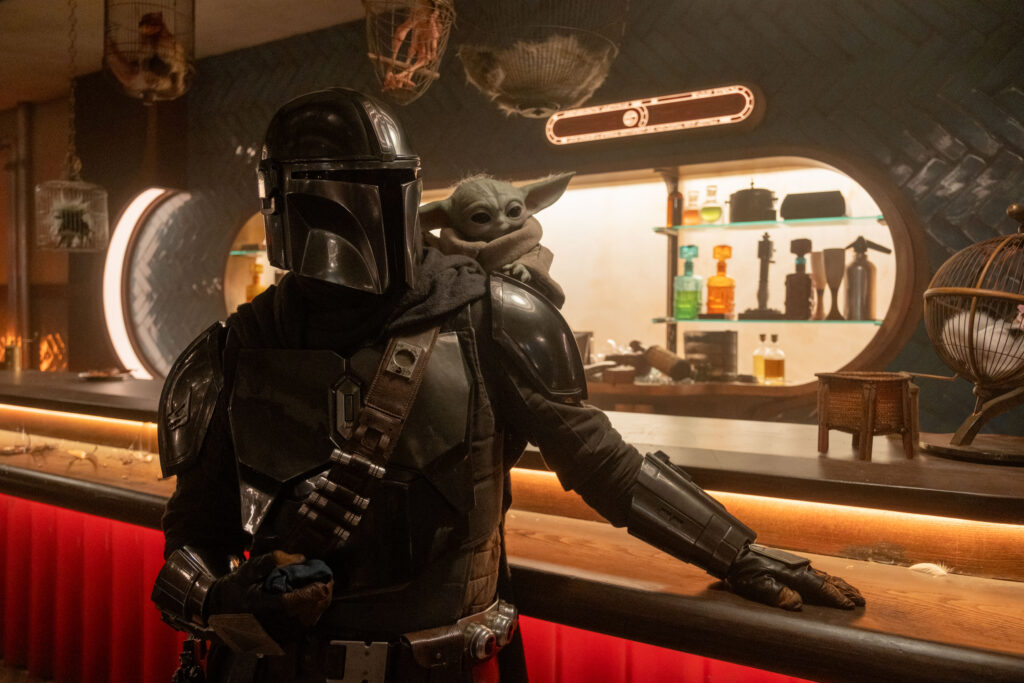
Over three seasons of The Mandalorian, Favreau made nothing into something…and something substantial and beautiful at that. Favreau found a corner of Lucas’ lived-in universe and, expanding on the foundation Filoni poured in Star Wars: The Clone Wars and Star Wars Rebels, built a post-Imperial saga skyscraper that stands tall among the tales spun by The Creator and his legacy. And in The Mandalorian and Grogu, Favreau spins not only a worthy new chapter to his own story but one steeped in everything Lucas meant Star Wars to be and always wanted to tell himself.
Mandalorians are stronger together.
Bo-Katan Kryze
It seems clear that the primary objective of the film is to establish Din Grogu as a full-fledged Mandalorian. Though he could not speak the words, Din Djarin’s foundling took the Creed in Chapter 24 of The Mandalorian and now walks the way of the Mandalore. Now partnered with his father as an independent contractor for the New Republic, Grogu finds himself on a mission that ultimately serves as an opportunity for The Child to prove his worth as the apprentice of Din Djarin.
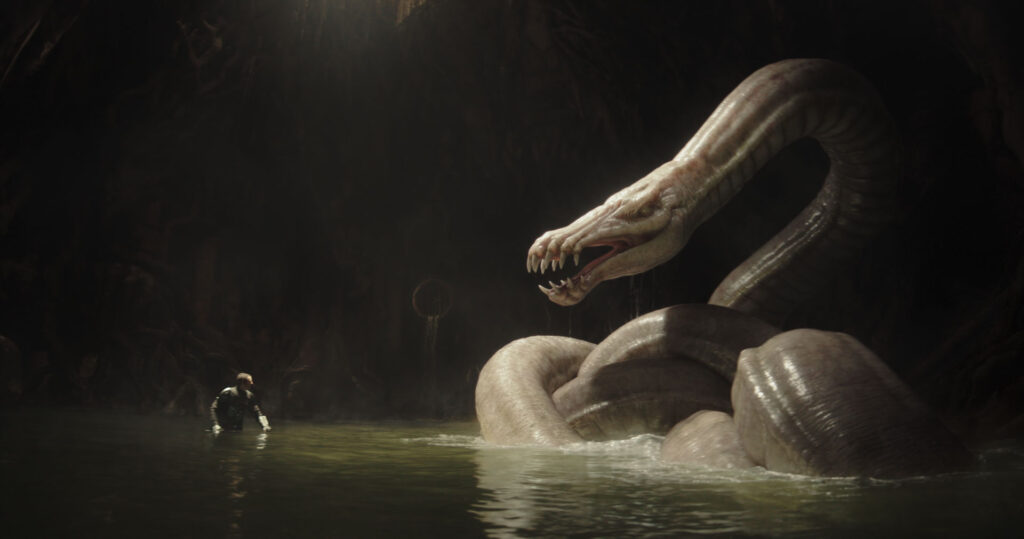
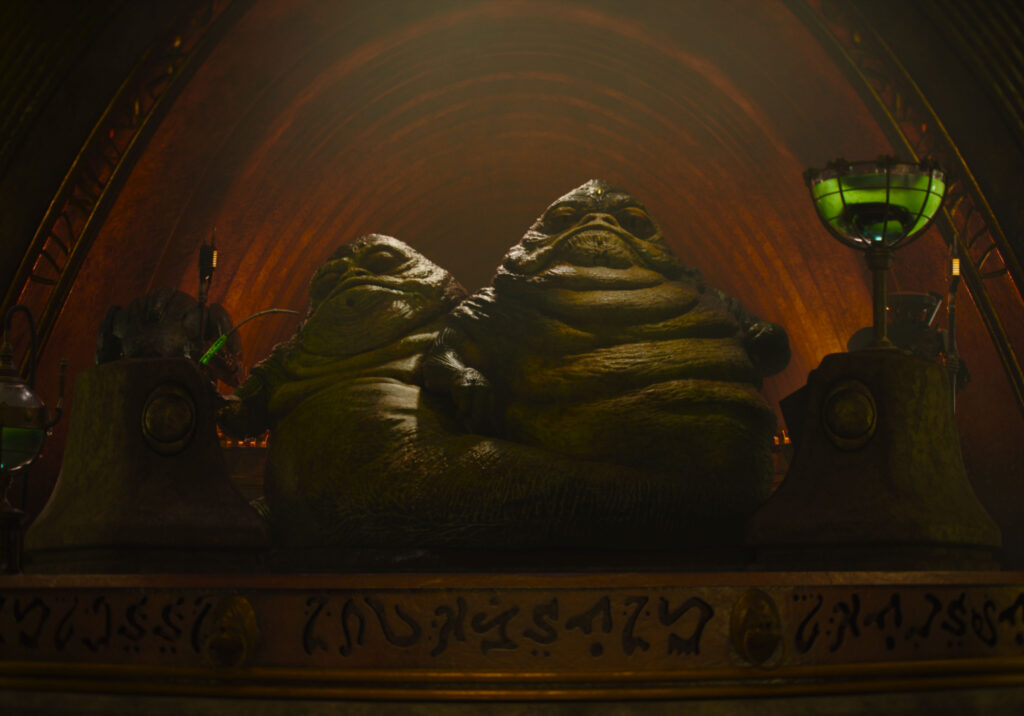
And in that pursuit, The Mandalorian and Grogu reveals it’s as Star Wars as Star Wars gets. Full of high stakes, exotic locales, larger-than-life heroes, weird and menacing monsters and relentless momentum, Favreau‘s film fits perfectly in the seams of the larger Star Wars universe Lucas imagined and outlined but was never able to attend to, despite his best intentions. Mando’s mission, assigned by New Republic Colonel Ward, takes him and his apprentice to the noxious Nal Hutta and the noir-inspired Shakari where they find themselves in the midst of a classic gangster double cross involving Rotta the Hutt and Janu Coin, an Imperial warlord first seen in Chapter 23 of The Mandalorian.
While the film is full of fantastic action sequences, a top notch score and some incredible visuals, it’s also full of the familiar archetypes Lucas built the franchise around. Good and evil. Fathers and sons. Choices and consequences. Betrayal and redemption. Though it may not feel like an overly impactful chapter in the New Republic saga, The Mandalorian and Grogu does just enough on that front to tie into the ongoing narrative and make it clear that the conflict between the Adelphi Base crew and the Imperial Remnant is coming to a head. But what it really is, for the first generation of fans, is the kind of story that only existed in the corners of our minds or non-canon novelizations now brought to life on the big screen. A Star Wars film made for Star Wars fans by Star Wars fans. It’s a Bantha Tracks fever dream and one of the best non-saga projects made to date.
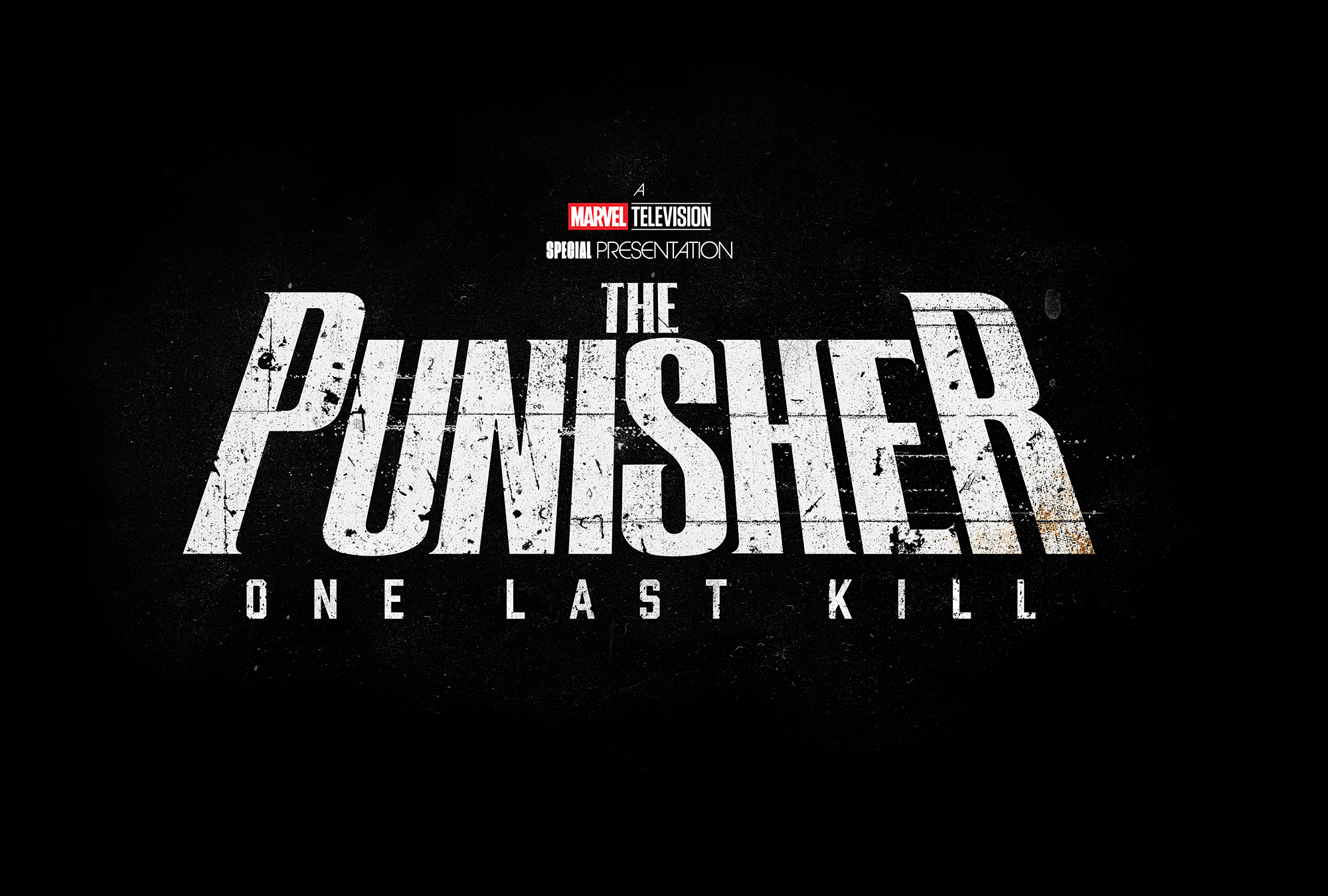
Writer Garth Ennis is widely credited with saving the Punisher from obscurity and defining the character for the modern era. Before Ennis, Frank Castle had been written as an angel of vengeance with supernatural guns—a direction fans hated. Ennis brought him back to basics in Welcome Back, Frank (2000). And now it seems clear that the Marvel Knights imprint–and it’s over-the-top action–will also define the next MCU iteration of the character.
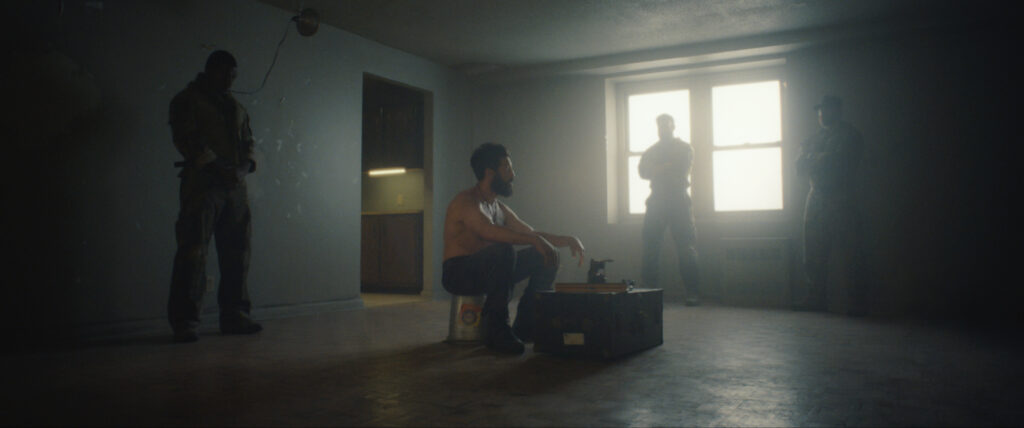
Since 2017, Jon Bernthal‘s take on the Punisher has always been highly praised for its mature handling of PTSD and veteran reintegration, creating the most soulful on-screen version of the character. One Last Kill once again examines the trauma and tragic nihilism that fuels Frank Castle while also acting a vehicle for Castle’s eager violence. Equal parts John Wick, Dirty Harry and The Raid, Marvel Television’s latest Special Presentation is outrageously brutal but it is also exactly what it should be.
Set at a not quite clearly defined point in Castle’s life, One Last Kill picks up with Frank as he struggles to find purpose with his personal war having come to an end and is haunted at first but the ghosts of his family and then by the ghost of his own violence. As seen in Ennis’ MAX series, Frank’s internal world is a haunted house. Rather than allowing himself to heal–even when he recognizes his instability–he chooses to stay in a state of perpetual trauma.
The opening of the Special Presentation riffs hard on Ennis’ take on Frank, allowing his inner monologue to serve as the engine of the story. And in the presence of his former brothers in arms, it isn’t just a narration of events; it is a staccato, utilitarian checklist that reveals how he views the world through a tactical lens and his body as a weapon system that needs maintenance…and Frank hasn’t been maintaining his very well. As he did in Season 1 of The Punisher, Bernthal goes all in on Castle’s grief, agony pain and guilt.
One Last Kill, created by Bernthal and director Reinaldo Marcus Green, spends significant narrative currency exploring the Punisher’s pathos and it’s an unsettling excavation. The core of his pathos isn’t just that his family died; it’s that Frank Castle died with them. He didn’t just lose his wife and children; he lost his ability to exist in a civilized world. And at one point, Frank is ready to leave that world…until Judith Light‘s Ma Gnucci pulls him back in and, ultimately, gives purpose to The Punisher once again. Just as in Ennis’ run, however, Frank Castle doesn’t actually want to be the Punisher; he is simply the only person left who is willing to take out the trash.
While fans will revel in the savage and sanguinary action of the Special Presentation and rejoice at the promise of prospective punishment down the road, One Last Kill is deeply dark and disturbing. Castle doesn’t conquer his grief and evolve into a hero by the end of the short runtime; he reestablishes himself as The Punisher through the subsequent transformation of grief into a cold, mechanical purpose.
And it looks as though Bernthal‘s Punisher is just getting started.
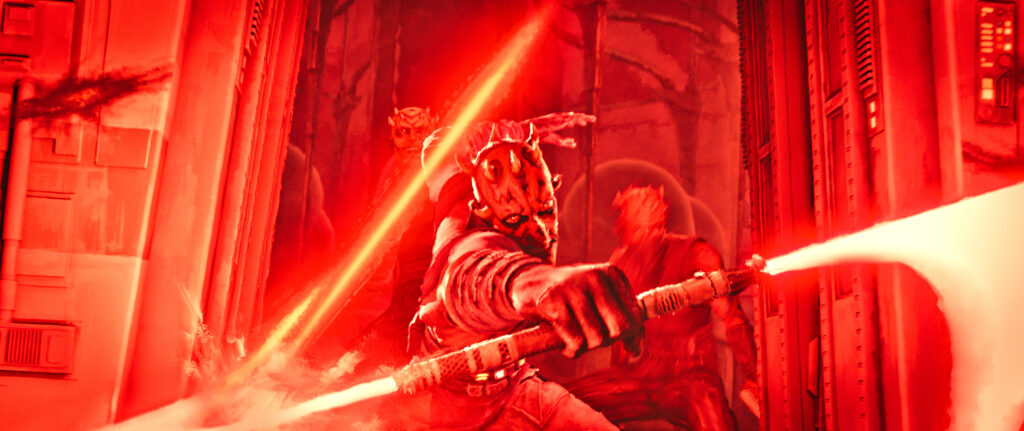
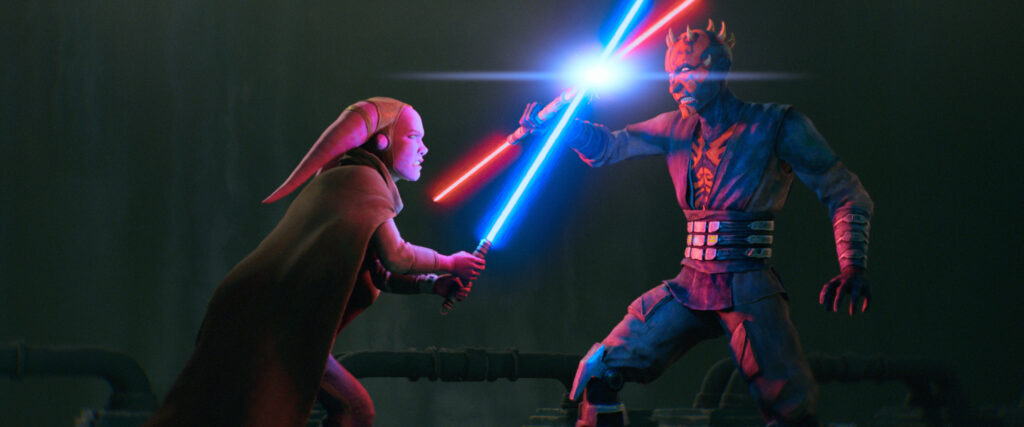
Since first appearing in The Phantom Menace, Maul has evolved from a silent, stalking slasher baddie into a truly archetypal tragic monster. The development of the former Sith in Star Wars: The Clone Wars and Star Wars Rebels have made him not only a fan favorite baddie but also, perhaps, a Star Wars most interesting antagonist. Now headlining his own series, Maul is doing what he does best–and always–seeking revenge and showing that his past will never truly be behind him.
The latest pair of episodes, 7 and 8, went deep into the fractured mind of Maul, revisiting the death of his brother, Savage Opress, revealing that the madness that once plagued him still has a strong hold.
The episode features a devastating flashback to Maul’s childhood on Dathomir and a verbal confirmation that the deepest wound Palpatine ever inflicted was the murder of Savage Opress.
In a poignant moment, Maul clarifies that his war with Palpatine isn’t just political—it’s personal. He specifically cites the events of The Clone Wars episode “The Lawless” as the moment he truly lost everything.
By acknowledging his brother’s death, the show is grounding Maul’s hatred of the Empire in grief rather than just power-lust. This adds a layer of protective vengeance to his character; Maul isn’t just trying to kill Sidious; he’s trying to stop him from doing to others what was done to him. Unfortunately, part of the tragedy of Maul is ultimately that he used the very tools of his tormentor to try to find freedom from who he had become.
The episodes also concludes with a cliffhanger tease for the live-action return of Paul Bettany’s Dryden Vos, setting up the final transition into the Solo era. It looks like the final two episodes of the season, set to stream on Star Wars Day, will depict Maul’s takeover of Crimson Dawn and, just maybe, give fans a lightsaber duel that they’ve been waiting for…
“Tell me…is he the chosen one? He will avenge us.”
-The final words of Maul
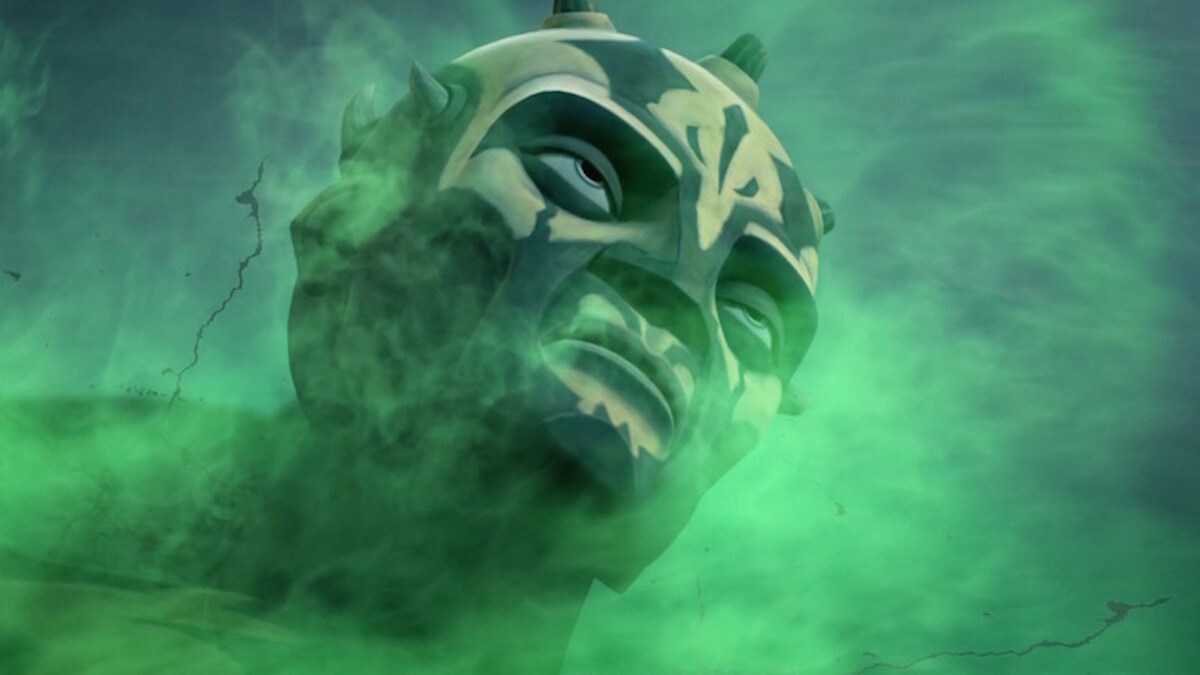
In the closing moments of a life of immense pain, betrayal, madness and loss, Maul’s final words secure his evolution from a silent, stalking slasher baddie into a truly archetypal tragic monster. Sleepy Sheev Palpatine identified Maul and his rage at a young age and saw in him the opportunity to shape him into a living weapon, a tool to destroy the Jedi. Shaped by Palpatine’s cruelty, Maul’s story is one not of success but of stolen potential, systemic abuse, and a total inability to escape his own nature. After being discarded by his former master, the tragedy of Maul took shape as he used the very tools of his tormentor to try to find freedom from who he had become. And in his final moments, dying in the arms of his great enemy, Maul realized that he had lived and died in the service of a cause that never gave him anything and took everything.
Saved from a disappointing abandonment after his apparent death in The Phantom Menace, Maul became an almost Shakespearean villain under the curation of Dave Filoni. Taken from a scrap heap–both in his fictional reality and in Lucasfilm’s meeting rooms–his appearances in Star Wars: The Clone Wars and Star Wars Rebels, where voice actor Sam Witwer gave him new life, excavated the depths of the former Sith lord and found an emotional core that was defined mostly by a broken nature and deep desire for vengeance. When we meet Maul again in his standalone series, Maul-Shadow Lord, his pathos is unchanged: he remains a lost child seeking revenge against all who have wronged him yet years away from the catharsis he would eventually find in his death at the hands of Obi-Wan Kenobi.
You may have forgotten me, but I will never forget you! You cannot imagine the depths I would go to to stay alive, fueled by my singular hatred for you!
Styled as a neo-noir crime drama, Maul-Shadow Lord Season 1 begins to spin the tale of a new age of Maul, which, while still centered on his quest for vengeance, finds the most interesting villain in the galaxy far, far away monologuing on the nature of good and evil while continuing to battle the paranoia thought left behind. Meant to make good on George Lucas’ original wishes to see Maul become the godfather of crime, the series–which has already been renewed for a second season–gives the character another chance to succeed even though we all know he’s destined to fail. Driven by his quest to reclaim his Shadow Collective and by visions of an apprentice who can help him destroy the Sith, Maul gets to be exactly who we want him to be while allowing for some deep dives into the nature of the Force, right and wrong and all the rest of the things that have allowed Star Wars to endure for 50 years…and he might just be headed for the showdown fans have always wanted.
Set on Janix–which probably feels a bit less like a character than the creators had hoped–Shadow Lord allows Maul to continue carve out his own unique space as an agent of the Force and, in some ways, allow him to work on his sale’s pitch that he will eventually use on Ezra Bridger. Though the first eight episodes of the season Maul, with the help of his crew, has his sights set on those who betrayed their allegiance to him and making Jedi Padawan Devon Izara his apprentice–and it seems as though it is somehow the will of the Force to continue to put the two on convergent paths. Joining their story is savvy cop Brander Larsen, Devon’s Master Eeko-Dio Daki (who, like Maul, is a survivor) and weasly gangster Looti Vario. And in his way: the Empire and the Inquisitorious, represented by Marrok and Eleventh Brother.
Your passions give you strength and through strength you gain power. You have seen it, you feel it. You must break your chains.
-Maul
At times, Shadow Lord feels like an Elmore Leonard novel brought to life in a stylish animated splendor that the Dickens of Detroit would have loved both for its exploration of moral ambiguity and sensationalized action. It is, in the most incredible ways, a worthy successor to the journey undertaken by Maul in The Clone Wars, and an undeniably necessary chapter that bridges the gap not only to Solo but, more urgently and apparently, Rebels.
Sam Witwer‘s exquisite voice work drips with pulpy evil layered with subtextual anquish, making Maul-Shadow Lord not only best Maul to date but also continuing to establush Maul, the discarded son, as perhaps a true cornerstone character in the galaxy. Most interestingly, Maul’s evolution seems to have brought him aroud to an equal but opposite view of the Force as that held by Qui-Gon Jinn. One could make the argument that if the two met now, they might have a nice conversation over a cup of tea. Instead, Maul killed Jinn which was the first of many incidents that lead Anakin Skywalker to the side of Palpatine. From the scrap heap to leading what is sure to become the next truly great animated Star Wars series. If only his mom and brother could see him now.
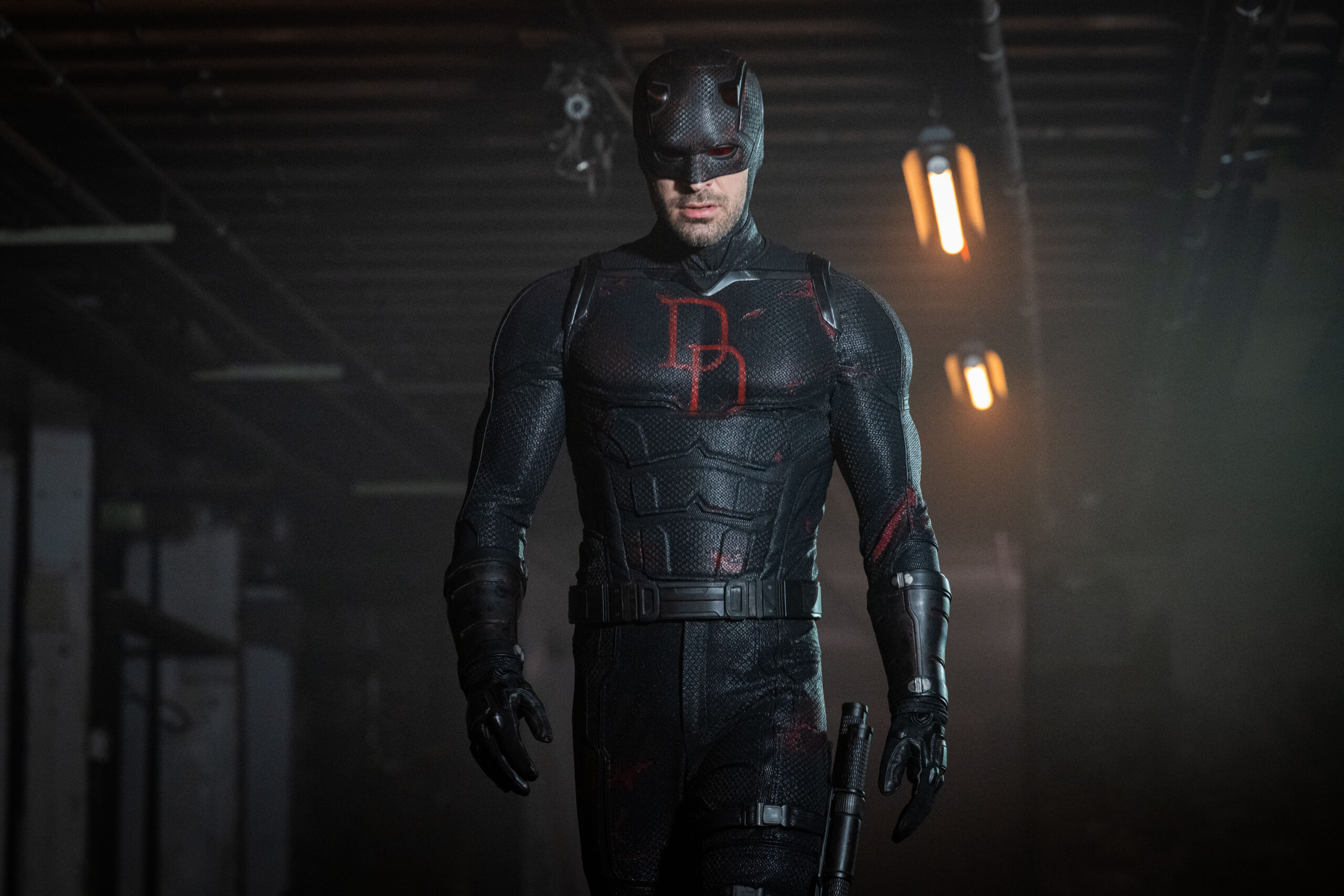
While Scardapane probably appreciates the job security, writing a television series that’s expected to stretch out into infinity also places a heavy mandate on his plate. For Daredevil: Born Again to ultimately be judged as a great show, not only will Hell’s Kitchen have to become the same sort of living, breathing enclave Frank Miller created in the comics but it’s cast of characters designed to support its dual protagonists will also need to bear the weight of world building, provide tonal shifts and serve–in one way or another–as moral counterweights to the dilemmas faced by the leads. With a pair of beloved stars like Charlie Cox and Vincent D’Onofrio, protagonist fatigue doesn’t seem likely but Scardapane and the rest of the show’s writers must still build in safeguards against it by creating a supporting cast that does more than fill screentime..and so far, those results have been decidedly mixed.
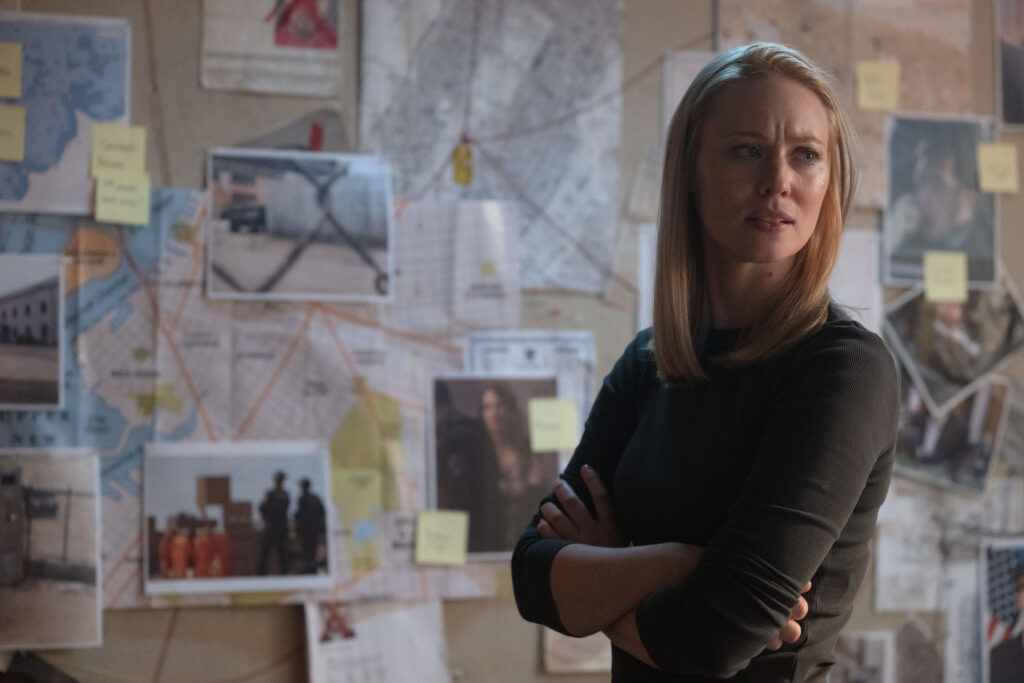
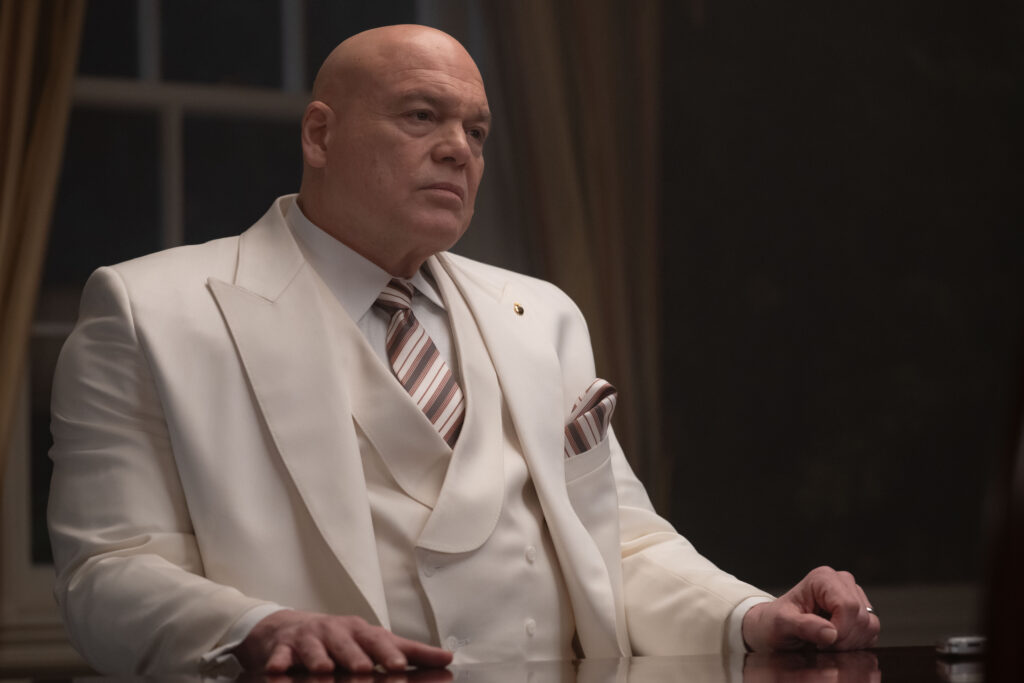
After the opening episode of the new season established Daredevil as the enemy of Wilson Fisk’s police state, episodes 2 and 3, titled “Shoot the Moon” and “The Scales & The Sword”, respectively, spend their narrative currency on the tissue that connects the revolutionary and the regime to the reality faced by those who while not the public-facing symbols of the struggle, belong to the society or are actively taking part in its downfall. While this includes characters such as Karen, Vanessa, Jacque Duquesne and Bullseye, the latest double dip spends more time on Fisk’s collaborators Daniel Blake, Buck Cashman and, and Heather Glenn, in addition to BB Urich, whose role in the propaganda war puts both her and Blake at risk, and Kirsten McDuffie. While each of these characters has a defined role in this revolution, some of them are simply more interesting than others.
By choosing to canonize the Netflix series, Marvel (and perhaps Scardapane) chose to accept all the consequences of the choices (both good and bad) made by those writers and none resonates more loudly than the decision to kill Ben Urich. An absolute cornerstone of Daredevil’s Marvel Comics lore, Ben was killed by Fisk at the end of Season 1 of Daredevil…an act that you’ll be constantly reminded of in season 2 of Daredevil: Born Again. Without spoiling the entire season, it’s safe to say that not even Scardapane could write himself out of that particular hole and, as such, BB–and her relationship with Blake, the “heir unapparent”– just too often feel as an effort to right that wrong. And don’t get me started on Blake.
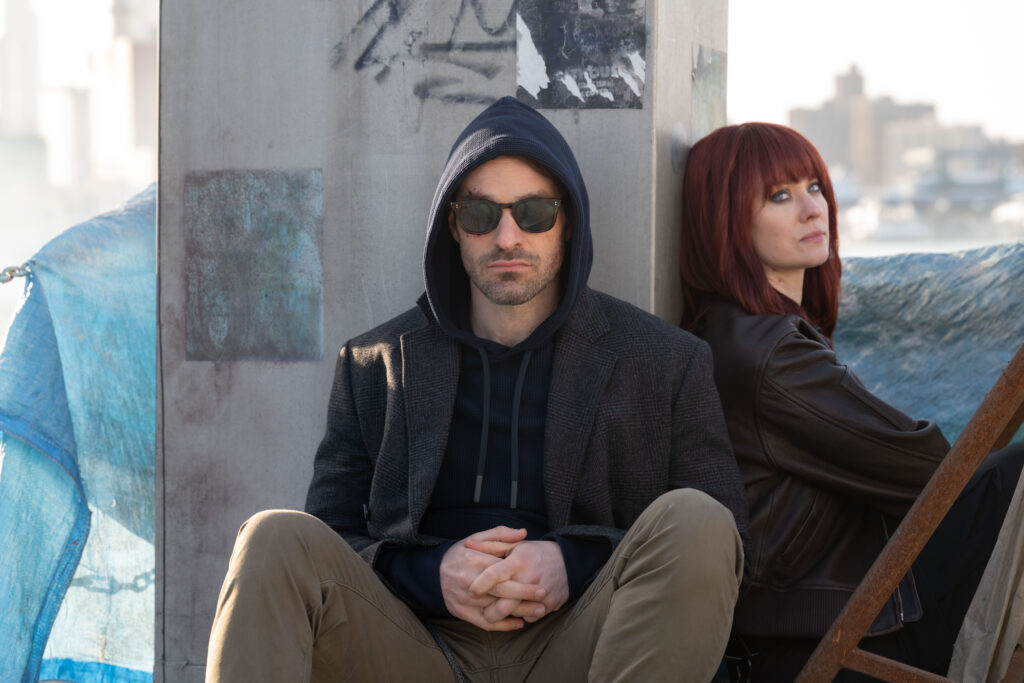
On a positive note, Scardapane seems to enjoy enhancing the parallel paths of Murdock and Fisk by pairing the arcs of characters in their respective orbits. Karen and Vanessa. BB and Blake. Heather and Kirsten. The AVTF and the AdT (Angela del Toro). Buck and…Foggy (gasp). In episodes 2 and 3, the writers leverage the supporting characters by setting them in ideological opposition to one another. As Vanessa tries to convince Wilson to leave New York, Karen and Matt talk about staying put. As the AVTF cracks down, AdT levels up. As the Deputy Mayor of New York City for Communications elevates his position in the regime, BB digs deeper and becomes the underground press, attempting to strip away the facade of fear by mocking the Kingpin. Buck serves as Kingpin’s loyal capo, weaponizing authority, while Foggy’s absence–and his adherence to the idealism of the system–allows Matt to teeter on the edge of disappearing behind the mask.
The transition between episodes accentuates these polarities as the cracks in both sides begin to show, both literally and figuratively. Karen’s radicalization (Matt compares her thought process to that of Frank Castle) and Vanessa’s gaslighting (convincing Heather of her security while fearing for her own); Heather dissociates and descends into madness as Kirsten grounds herself in the reality of the populace; state-sponsored security becomes state-sponsored terror. The final straw, of course, is the farcical trial of Jack Duquesne, in which Heather’s lack of morality and the Kingpin’s influence over the Vigilante Trials conclude with a guilty verdict handed down to a LARPer. By publicly executing the spirit through the illusion of due process, Fisk unwittingly hands the resistance its eventual winning hand.
For the entertainment of the masses. Presented in all it’s ugly glory by then whose hand holds the scale.
-Jack Duquesne
And, of course, the wild card becomes increasingly wild…but it’s not time for his story just yet. Through 12 episodes, Daredevil: Born Again has patiently painted a picture of a pair of protagonists prepared to prove his love for his city is greater than the other’s; however, the cumulative scar tissue on the city and its inhabitants–the sinew of the story–and each man is increasingly faced with losing something they love, even if only the blind man can see it coming.
Since its inception, Marvel’s streaming spin on Daredevil has been heavily inspired by Frank Miller; however, in Daredevil: Born Again Season 2, showrunner Dario Scardapane chose to lean into the theological elements that Miller–who was raised as an Irish Catholic–introduced into the character’s mythos. Indeed, under Miller‘s short-lived pen, Murdock’s Catholicism emerged as an architectural framework for the character.
Faith is the assurance of things hoped for, the conviction of things not seen.
Hebrews 11:1
It’s not just the gritty, noir-inspired spin on the character that Miller made famous that makes him synonymous with Daredevil. It was Miller‘s recognition that a lawyer moonlighting as a vigilante provided a perfect gateway to explore Matt Murdock’s inner-struggle laid the groundwork for the character’s turbulent internal conflict: is he a good man doing bad things or a bad man trying to break good? Miller, an Irish Catholic himself, believed that only a Catholic could manage to handle the contradicting duality that has come to define Daredevil. By leaning heavily into Hell’s Kitchen, a historically Irish-American enclave, Miller was able to build an entire theological scaffold around Murdock, and from it emerged the irony of a guilt-ridden Catholic dressing as the devil while fighting crime. By the time he wrote Born Again in 1986, Miller had codified Catholicism into Daredevil’s DNA. And though it is sometimes only in the subtext, Daredevil: Born Again Season 2 circumspectly examines one of the crucial contradictions that torments Matt Murdock: how does a man who believes in a merciful God go about living in a merciless world? And almost unbelievably, the season finale dares to answer that question.
Mercy. Grace. Justice not vengeance. Forgiveness. Daredevil: Born Again Season 2 balances and explores these and more key tenets of Catholicism but what’s most impressive is how strong writing allows them to emerge organically throughout the season as Matt Murdock, not Daredevil, begins to be reborn. Perhaps one of the show’s strongest elements is how those in Murdock’s orbit react and respond to him as he chooses mercy, forgiveness, justice and grace…and to whom he extends those blessings. In what seems an homage to Miller‘s Born Again, in which the final pages are noticeably brighter despite Matt losing everything, the final scenes of Season 2–which are far too spoilery to be discussed–are noticeably brighter as well, providing a sense of a man no longer at war with himself. As Fisk told Murdock, tragedy can transform a man, and the season finale certainly finds both men transformed. While production on a third season of Born Again is already underway, the Season 2 finale serves as a fitting denouement of the series that was originally announced at SDCC ’23.
I thought Daredevil was kind of cool because he couldn’t do anything. I mean, he’s blind. It wasn’t that he could fly. His major power was an impediment. So I was intrigued. When I took over he was kind of like Spider-Man lite, but I was able to project a lot of my Catholic imagery onto it. And I’d always wanted to do a crime comic.
-Frank Miller
Now fully in creative control, Scardapane deftly uses the second season to provide a definitive resolution to the wonderfully written diner scene from “Heaven’s Half Hour”, the first episode of the revival, in which a tense meeting over coffee ends with both men swearing they’ve left their alter egos behind them, slowly devolves into a pissing match between the better angels of their natures. In it, it is revealed that both of them believe they can transform both themselves and the city they love; however, Season 2 reveals that neither of them is remotely capable of such a change. The new season makes good on the parallel paths of the pilot, bringing them back to confront each other and themselves. Both Murdock and Fisk believed they could save the city, yet their resulting feud set it on fire.
I was raised to believe in grace. To be touched by the divine and transform. So if you say to me you’re a new man, I say fine. But you should know I was also raised to believe in retribution. So if you step out of line…I will be there.
Calculatedly, the new batch of episodes resonate thematically with each of the seasons of Netflix’s Daredevil without exploring those beats through the same lenses. Even as one episode spends significant time doing some retconning in a flashback set during Season 1 of Daredevil, the writers take every opportunity to subvert expectations, challenging characters in scenarios fans would expect other characters to face. As a second season, those challenges and their repercussions allow for character arcs to evolve and resolve and, for some, those resolutions are quite final. The series key players all have agency to make choices without the constraints of external forces, though it’s the choices made by Murdock and Fisk that will reverberate the loudest.
I cannot see the light. So I will be the light. I am Daredevil. And I am not afraid.
-Matt Murdock, Daredevil #612
Built on a narrative framework that honors the heavyweights who created The Man Without Fear, the new season delivers the MCU’s definitive devil, fearlessly ferocious and soaked in equal measures of blood and grace. Daredevil: Born Again Season 2 shrewdly shares the duality of its title character, dressing itself as its Netflix predecessor while continuing to make bold choices that distance it from the original series. The eight episodes crescendo with the final three standing as perhaps the finest of any season, culminating in a finale that is both unpredictable and astonishing. Truly, Daredevil is born again.
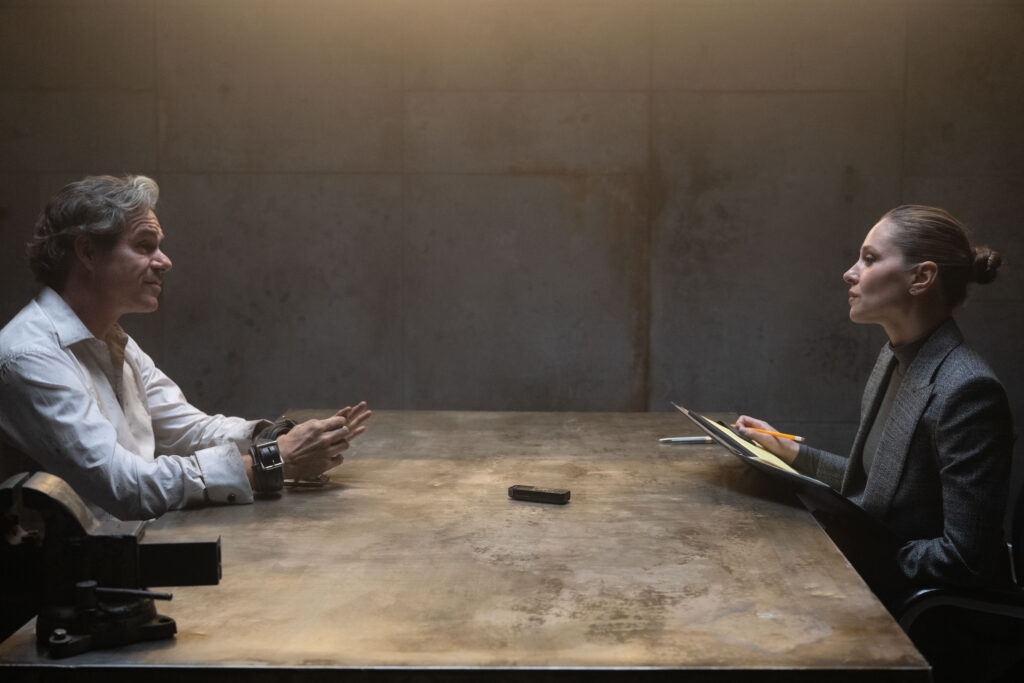
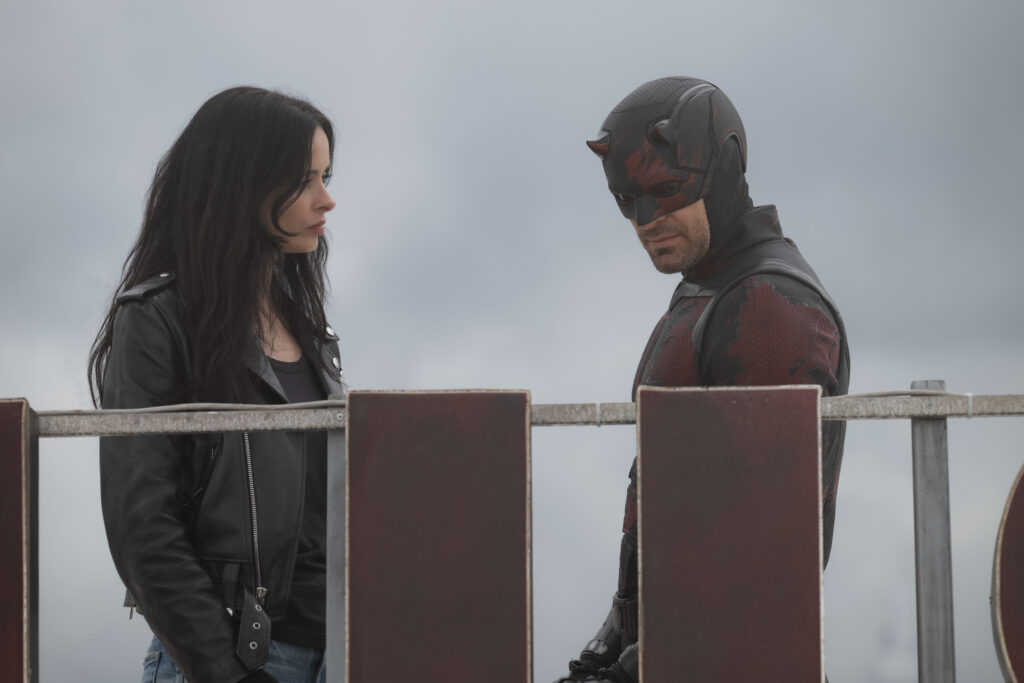
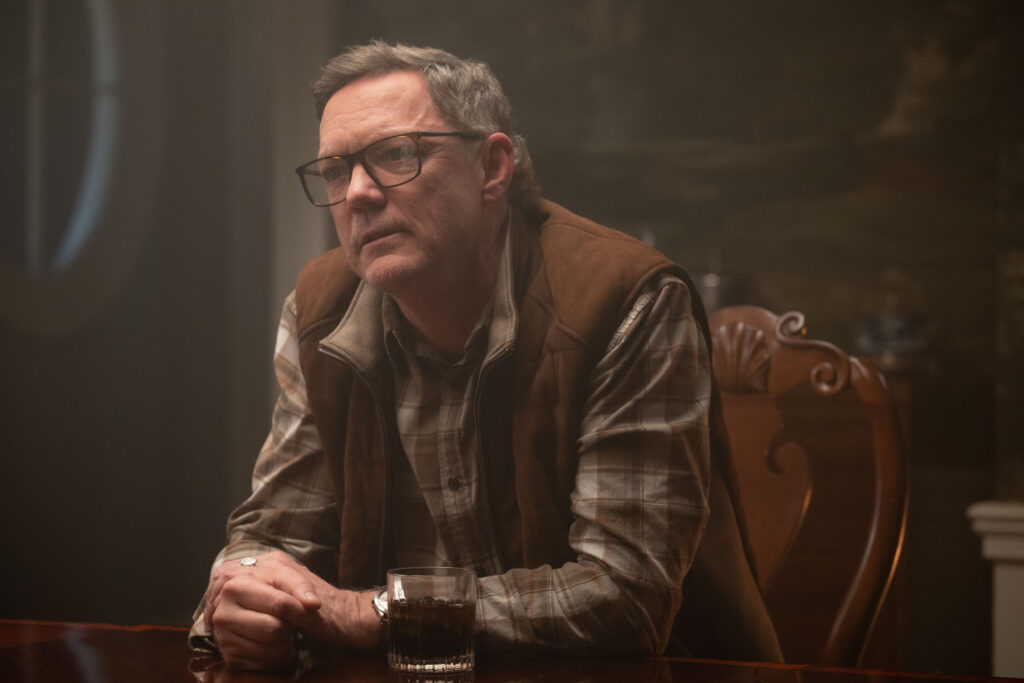
As has always been the case in the comics, the supporting cast comes and goes, roles shrink and grow and new players join the game. Of the latter, none are more captivating than Matthew Lillard‘s Mr. Charles, a kingmaker and lynchpin with ties to the MCU’s ongoing narrative and a couple of fan-favorite Defenders. Indeed, it’s once again all connected and the product is truly better for it. Krysten Ritter returns as Jessica Jones, in a role similar in size and impact to Jon Bernthal‘s Season 1 turn, and immediately returns to form, doing significant heavy-lifting, physically and narratively, in a short time. This is representative, perhaps, of Scardapane‘s best decision with Daredevil: Born Again: cutting to the chase with fast-paced episodes that are absent the distended dialogue-heavy scenes that often weighed down the original series.
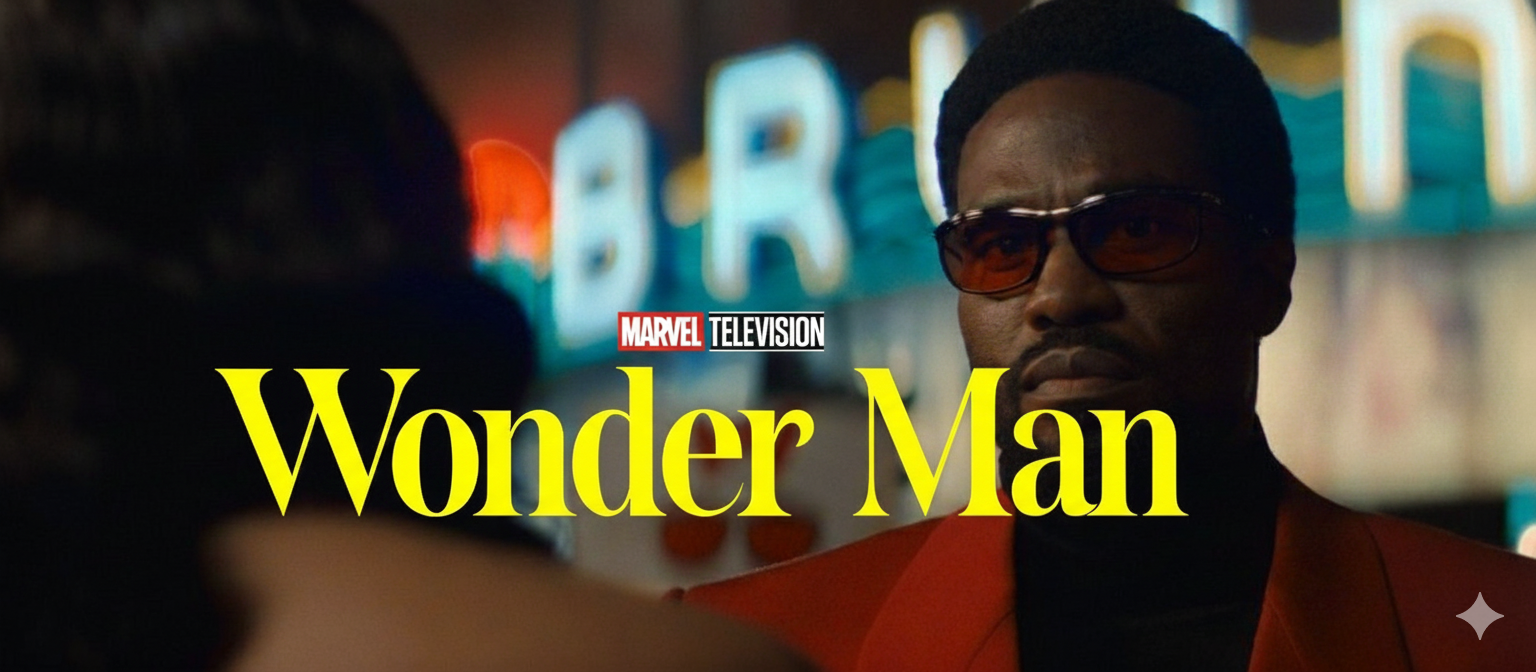
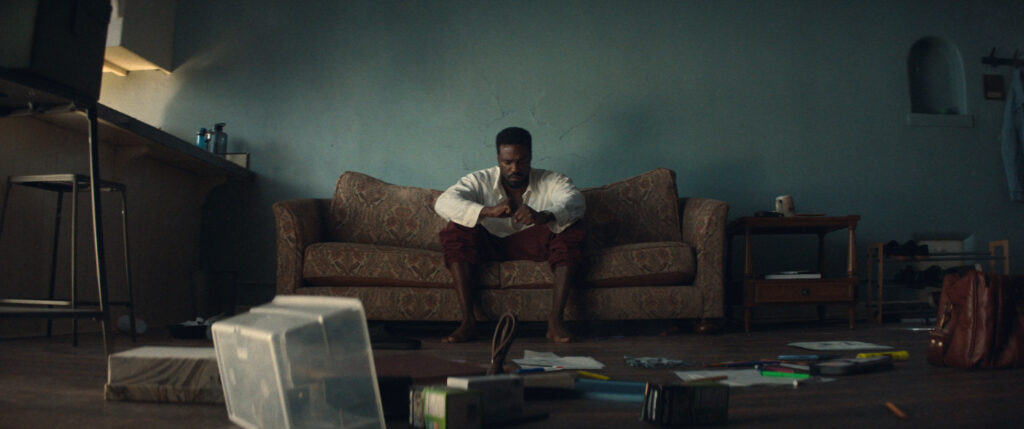
Described by Marvel Studios’ Head of TV, Streaming, and Animation, Brad Winderbaum, as a “love letter to Hollywood” and a story “that anyone who came up in Hollywood or in the arts in general can relate to,” Marvel Television’s Wonder Man may indeed be just that…though at times anyone who did not come up in Hollywood might find themselves feeling a bit like a fifth grader on the outside of an inside joke. True to the word of Winderbaum, Wonder Man is entirely unlike anything Marvel has done because, at least in part, it feels as though it was created for the enjoyment of those who create.
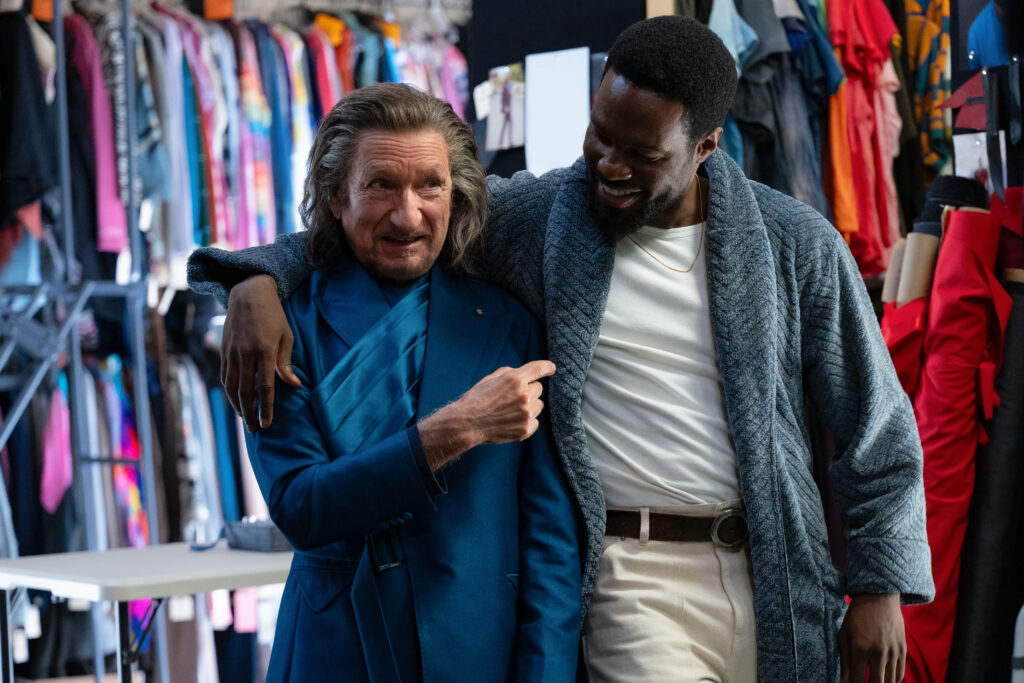
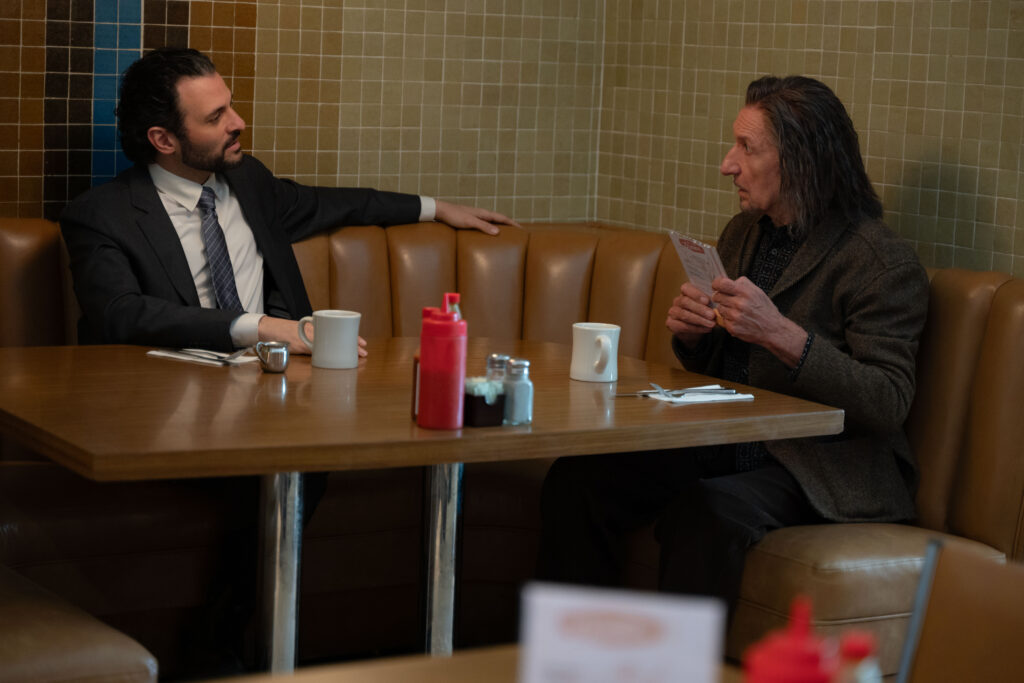
A character study at its core, Wonder Man is almost entirely devoid of superhero action, choosing rather to spend its narrative currency peeling back the layers of the psyches of Simon Williams and Trevor Slattery. Like Midnight Cowboy, the film that brings the two together, Wonder Man is indeed, as advertised, a two-hander in which each of the dual protagonists recognizes the other as, perhaps, the first genuine human connection either has ever had. Over the course of seven of the eight episodes (an entire episode of Wonder Man is dedicated to NEITHER Simon nor Trevor), the leads’ personas are stripped bare, with Simon’s history told through fragmented flashbacks that deconstruct the damaged and insecure boy that lives behind the facade of an overconfident man. Simon is ALWAYS acting; however, it’s only when he realizes that he’s acting that he struggles.
As a character study devoted to the genre, Wonder Man stands apart from traditional superhero fare. By the design of co-creators Destin Daniel Cretton and Andrew Guest, the stakes of its plot are emotional rather than physical. Despite Simon being perhaps one of the MCU’s most powerful individuals, the series eschews the genre’s classic climax for one that is simply anticlimactic. The earliest marketing for the series gave away the fate of Simon’s pursuit of his dream role, even if it did cleverly conceal the project’s best twist which isn’t a revelation about Simon. As such, Wonder Man follows a couple of actors talking about acting while pursuing acting roles for the vast majority of its runtime, with very little time spent on the unnatural abilities possessed by Simon Williams. By focusing on the mundane aspects of being a powered individual in the film industry (auditions, stunt work, publicists), the show humanizes Simon. While Wonder Man does provide Simon with the occasional opportunity to show off his powers on street-level cannon fodder, there’s more tension present in scenes where he’s trying to crack the backstory of his character in American Horror Story.
Though the time spent with Simon is rewarding, such little time is devoted to his innate ionic powers that the presence of the series de facto antagonists, the Department of Damage Control, feels shoehorned and contrived. Arguably, this is the one area in which Wonder Man taking place within a deeply developed shared universe based on superheroes forces a betrayal of Cretton and Guest‘s intent. Classic character studies rarely involve a conflict with an external aggressor, focusing rather on how the protagonist’s psyche prevents him from achieving his desired purpose. Given that Wonder Man thoroughly and expertly explores that avenue, it seems clear that the DODC’s inclusion was *suggested* by the Marvel Parliament rather than being narratively native. While it seems Marvel’s intent is that the DODC is destined to become the precursor of the MCU’s anti-Mutant division–even though it is not clear if Simon is a mutant in the MCU–their presence is one of the primary perplexities of the series.
Another is why Simon William is the protagonist of Wonder Man at all. Though it’s hardly the first time it has done so, Marvel Studios significantly reinvents Simon Williams–and those around him–for the MCU. And strangely, given the series’ designation as a Marvel Spotlight project–there’s no guarantee the decision to do so will eventually be paid off or explained. Yes, this Simon is prone to bouts of self-doubt, works in Hollywood and has incredible ionic powers; however, the decision to make Simon a mutant rather than a mutate strips him of the agency that made him such a polarizing character in his early adventures in the pages of Marvel Comics. An interesting choice to be sure and one that may never be liquidated. From his background to his family connections to the source of his powers, the MCU’s Simon has surprisingly little in common with his comic book counterpart…but nearly none of that matters when a star the caliber of Yahya Abul-Mateen II is involved.
In Wonder Man, Cretton and Guest created the equivalent of an HBO prestige streaming series. Rather than fill the runtime with superhero moments, Wonder Man lingers on the mundane, revealing the true natures of Simon and Trevor in a strangely slow burn for a series with such short runtimes. In the case of Simon, Wonder Man introduces an insecure man seeking validation. But brilliantly, the series uses Trevor as a dark mirror to Simon. If Wonder Man presents Simon as a study of a man trying to find himself through fame, Trevor is a study of a man who has completely lost himself to the performance. Trevor’s character study is built on the tragedy of a failed artist who finally found his greatest role by accident.
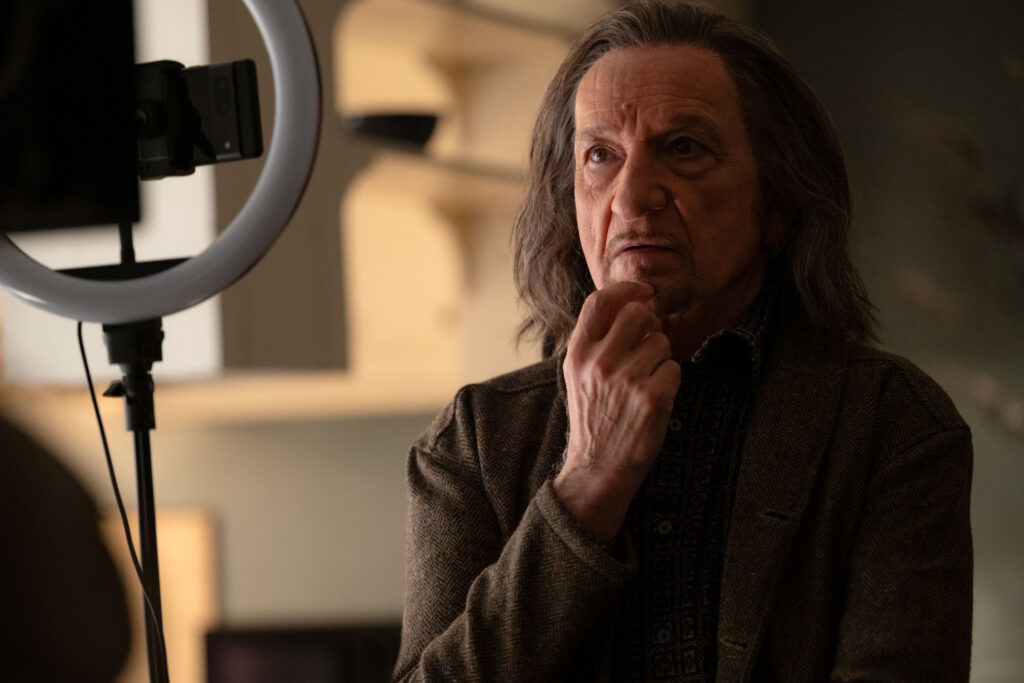
Whether he’s in a high-security prison or a warlord’s compound, Trevor’s constant performing ensures people find him too entertaining to kill. This reveals a deep instinct for self-preservation: Trevor doesn’t know how to be authentic because, in his world, being yourself gets you hurt. Strip away the accents and the anecdotes about “the stage” and his “mum” and you meet a man with a fundamental void of identity. Trevor is a character study in codependency. He needs an audience to tell him he exists. Without someone watching him, Slattery effectively vanishes. Using Trevor as a secondary character study reveals a man who uses acting as a survival mechanism and a psychological shield, serving as a near-perfect foil to Simon Williams’s worldview. And in Simon, he meets his co-dependent.
Where Trevor’s patience and experience provide him the relief of being the consummate actor, Simon holds the power of a god but the temperament of a struggling artist, creating a fish-out-of-water dynamic that makes Wonder Man such a particularly clever choice for a character study. While most superhero projects focus on the hero’s journey, Wonder Man is designed as a satirical character study, peeling back the layers of a man who is literally and figuratively performing for a living.
Tonally, Wonder Man balances comedy with a sense of isolation. Tragicomical character studies often use humor to mask a character’s deep-seated loneliness and Wonder Man is no different here, other than that it is led by Yahya Abdul-Matteen II, whose filmography reveals a generational talent.
Despite the series’ shortcomings in terms of its utility as another entry in the MCU’s shared narrative tapestry (it’s only in its last 15 minutes that Wonder Man feels like it belongs in the MCU), the series is undoubtedly one of Marvel Television’s best and, despite some other heavy competition, is carried by the studio’s strongest cast. At the end of the day, the only question that remains is why is was developed as a superhero study at all.
Since acquiring 20th Century Studios from Fox in 2019, Disney has had its hands full managing legacy IPs. We’ve seen the studio struggle to find its footing with some franchises, but if there is one golden rule in Hollywood that has remained undefeated for nearly 40 years, it is this: Never. Bet. Against. James. Cameron.
For over a decade, the internet echo chamber loved to shout that Avatar had “no cultural impact.” Nobody cared about the Na’vi. Nobody cared about Dances with Space Wolves. And then The Way of Water dropped, silenced the haters, and casually grossed $2.3 billion. Now, as we stare down the barrel of the third installment, Avatar: Fire and Ash, it’s clear that Cameron isn’t just making movies; he’s crafting a generational mythology. Before dissecting whether or not Cameron managed to catch lightning in a bottle for a third time, a look back is required.
In 2009, James Cameron decided to change cinema forever, and he succeeded.
Avatar introduced Jake Sully, a paraplegic Marine who took his brother’s spot in the Avatar Program. The mission was simple: infiltrate the Omaticaya clan, gain their trust, and convince them to move so the RDA could mine their Unobtainium. But Cameron doesn’t do simple.
The Turn: Jake fell hard for Neytiri and the spiritual depth of the Na’vi. He realized that while Earth was dying, Pandora was living–and worth dying for.
The Big Bad: Colonel Miles Quaritch. The guy drank coffee while piloting a mech and wanted nothing more than to burn Hometree to the ground.
The Climax: Jake went full native, tamed the Toruk to become Toruk Makto, and united the clans to send the Sky People packing. He transferred his consciousness permanently into his Avatar body, leaving his human life behind.
A visual masterpiece, Avatar set the stage for Cameron’s incredibly ambitious plans.
Avatar: The Way of Water (2022): The Resurgence
Fast forward 13 years. The “no cultural impact” crowd was loud, but Cameron was louder.
Jake and Neytiri had been busy raising a squad: Neteyam (the dutiful oldest), Lo’ak (the rebellious second son), Tuk (the adorable youngest), and Kiri (Grace Augustine’s mysterious daughter with a God-tier connection to Eywa). They even took in Spider, a human kid who–in one of the franchise’s best twists–is Quaritch’s son.
And speaking of Quaritch, the RDA brought him back as a Recombinant Avatar. He’s blue, he’s angry, and he’s hunting Jake.
The Shift: Realizing his presence put the forest in danger, Jake resigned as leader. The family fled to the Metkayina, the reef people. This was a bold move by Cameron, taking the Sullys and the audience out of the familiar forest and forcing both to learn the way of water.
The Heartbreak: The RDA wasn’t just hunting Jake; they were hunting Tulkun (sentient space whales) for Amrita, the new immortality serum. In the final, brutal confrontation, Cameron delivered a gut punch that grounded the spectacle in real, raw loss when Neteyam was killed.
The Lesson: Jake realized that running is a fool’s game. “This is our fortress.” The Sullys are done hiding.
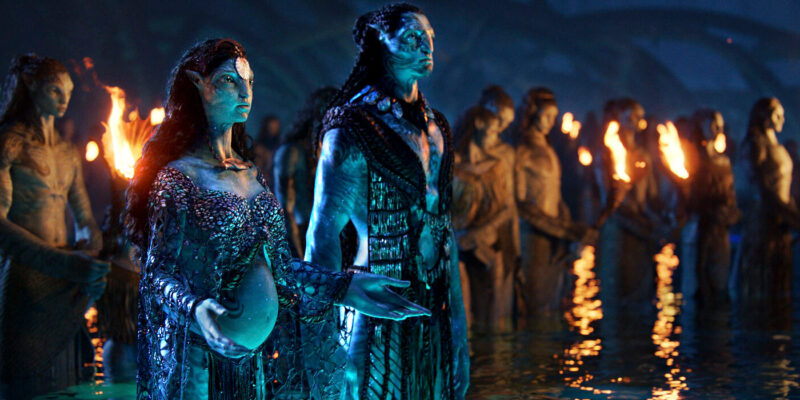
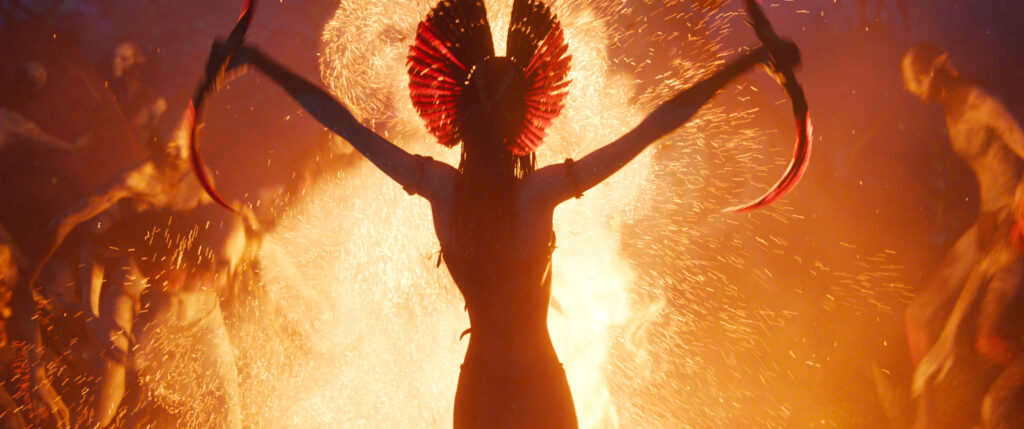
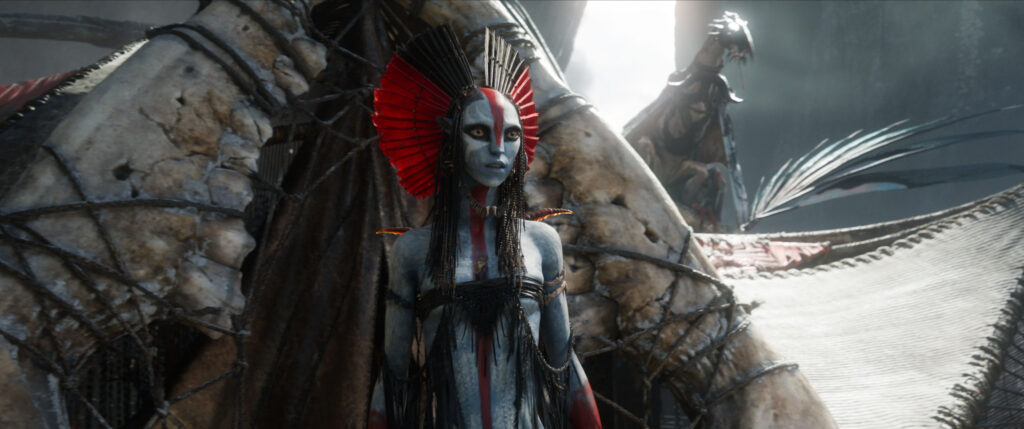
We’ve seen the forest, and we’ve seen the ocean; now, Cameron is dragging us into the fire. If Avatar: The Way of Water was about protection, Avatar: Fire and Ash is about aggression. And aggression is a central and organizing theme of the third installment in the franchise. Avatar: Fire and Ash introduces the Mangkwan clan– the Ash People–a volcanic tribe who have suffered greatly. Unlike the forest and reef clans who live in harmony with Eywa, the Ash People have been twisted by their suffering to become vengeful and aggressive, a far cry from the Metkayina. Radicalized by their suffering, the Mangkwan and their leader, the Nightsister-coded Varang, hold a deconstructivist mirror up to the prior installments in the franchise, proving that not all Na’vi are inherently good and allowing for the exploration of how experience can shape morality.
Heading into Avatar: Fire and Ash, the heroes and villains of Pandora find themselves much changed from their original selves and those changes and the chaos that has accompanied them drive the film’s first two acts.
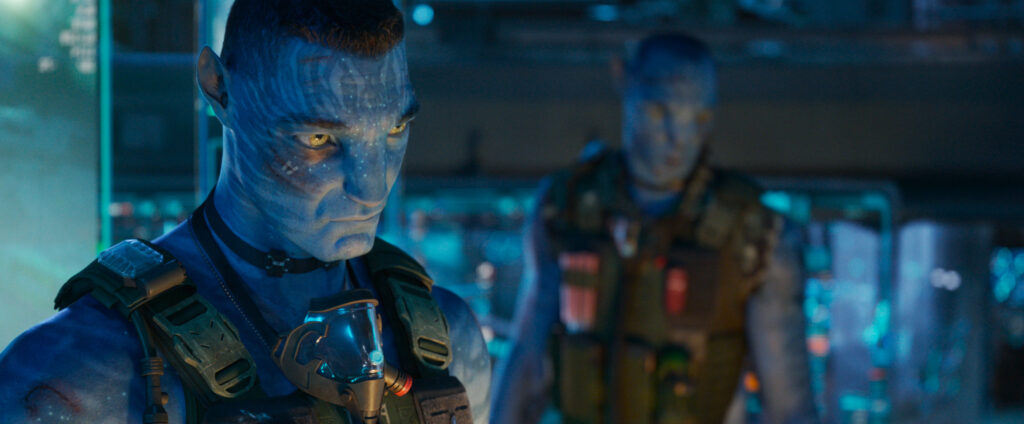
Mourning a son, Jake and Neytiri find themselves challenged by grief and rage, with each of them handling things differently but, unfortunately, separately. Having been saved by Spider, Quartich is still out there, carrying a heavy grudge. As awful as Quaritch is, he’s really nothing more than Jake’s nemesis, whereas the RDA–now establishing a permanent footprint in Bridgehead–has begun colonizing the planet and doing what humans do worst. And, of course, the wildcard in the mix is Kiri, with her inexplicable connection to Pandora’s super organism/goddess, Eywa, still serving as a potential game changer.
To speak bluntly, Avatar: Fire and Ash does not spin the most compelling or surprising yarn, often repeating beats from Avatar: The Way of Water. The plot, while not poorly conceived will neither surprise nor disappoint; however, it’s predictable nature at no point detracts from the enjoyment of the film. In my screening, I found myself less-than-engrossed in the story for only one ten-minute stretch of the 190+ minute movie and that’s because, as you might expect, Cameron‘s inclination to prioritize spectacle is on grand display. Ancient Tulkun that dwarf what we’ve seen before, battles over sky and sea that captivate and hold stakes and set pieces worthy of the Dolby experience Cameron intends audiences to have all make Avatar: Fire and Ash exactly the type of film that demands to be seen in a theater.
It’s not all eye candy, though. For its lack of a truly surprising plot, the third installment in the franchise does allow for its main characters to grow. With war upon them, the Sullys must choose whether to be consumed by their grief or repair the rift that remains from the death of Neteyam. It is to this end that the Mangkwan serve as a wonderfully conceived foil for everything the audience has come to understand about the Na’vi and the Sullys. In the case of Neytiri, Oona Chaplin‘s Varang is less of a dark shadow of who she is and more of a projection of who she may become if she allows her own personal fire to burn what she still has to ash.
While Cameron has plans for another pair of films in the franchise, there’s no guarantee those will come to fruition. If that becomes the case and Avatar is ultimately a trilogy, Fire and Ash ensures that Cameron will have accomplished everything he set out to do. Not only has he continued to push the boundaries of technology in film, he’s created a series of parables that have spread his message of conservation, family dynamics and the universal desire to belong. If there’s one point among those that Fire and Ash makes most salient, it’s the final one and it does so in a way that’s reverential to the entire trilogy while also serving as the perfect conclusion to the Avatar story if it does not continue. Its a beautiful and fitting end cap to what’s been a beautiful and fitting examination of our time.
Since acquiring Lucasfilm in 2012, fans have largely lamented Disney’s efforts to create feature films in George Lucas Star Wars universe. With 2015’s The Force Awakens, Star Wars super fan J.J. Abrams was supposed to provide a new hope for the franchise, launching a sequel trilogy intended to reestablish the Skywalker Saga as a global brand. And while Episode VII had plenty of nostalgia, heart and energy, the lack of a planned, cohesive narrative for the new trilogy led to unprecedented polarization among the fanbase, earning Abrams another star on his franchise-ruining sash.
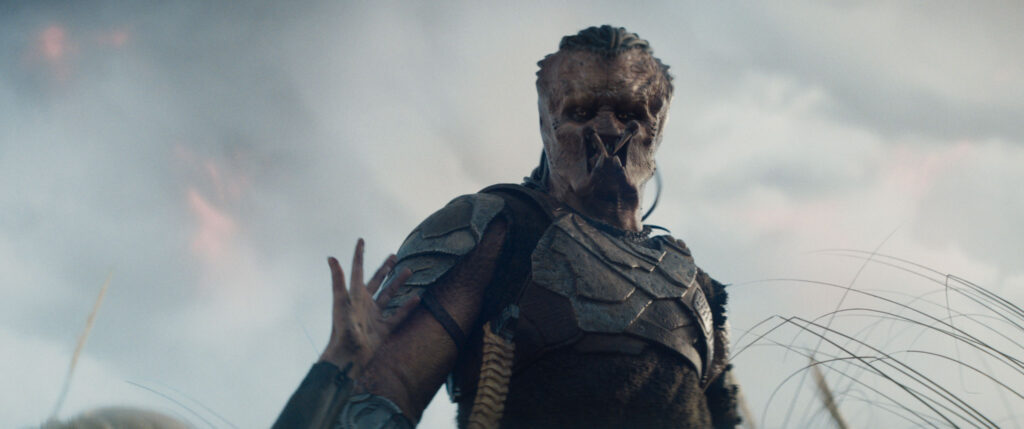
Since acquiring 20th Century Studios from Fox in 2019, fans have largely lauded Disney’s efforts to create new projects in the Predator universe. Under Dan Trachtenberg, whose feature film directorial debut came ironically on the Abrams-produced 10 Cloverfield Lane, the Predator franchise has evolved along a very divergent path than the Star Wars franchise, making it, perhaps, Disney’s premiere sci-fi action property.
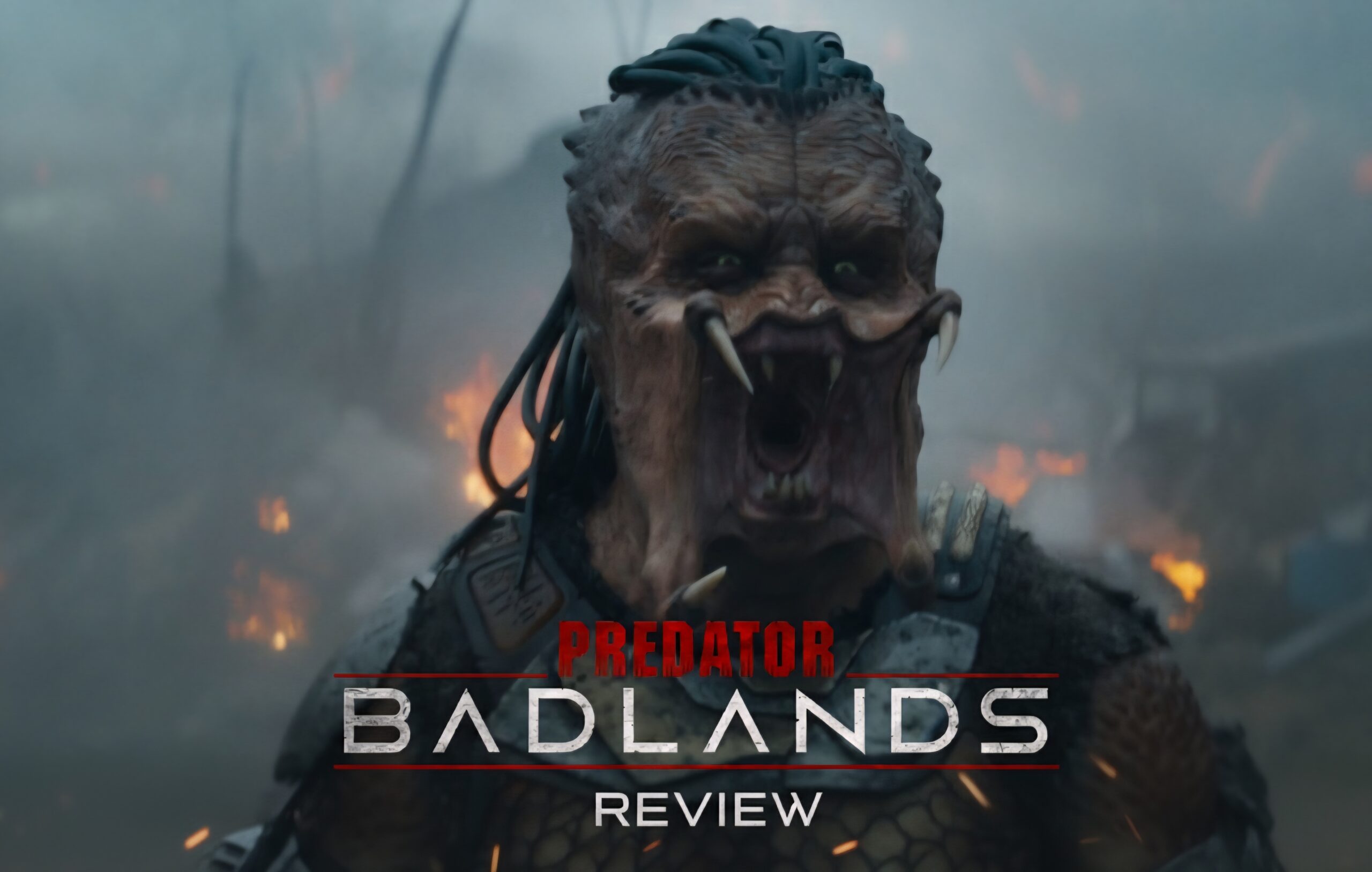
From that garden, emerged Predator: Badlands, the very conceit of which is among the most bold moves any sci-fi franchise has ever made. Expertly crafted, both visually and narratively, Trachtenberg‘s third installment in the franchise balances beauty and brutality through the lens of the ugliest mother fuckers in the galaxy. Trachtenberg‘s decision to set Dex, an outcast Yautja runt, as the protagonist of the film borders on mad science but, against tall odds, it worked. You son of a bitch!
Unlike Alien–another former Fox franchise that’s been given new life since being acquired by Disney–the Predator franchise under Trachtenberg‘s watch is not afraid to take chances. Fede Alvarez‘s solid Alien: Romulus played as an homage to prior installments in the franchise, carefully curated to not stray too far from what fans expected while also hoping to be a steady onboarding point for new viewers. From its opening scene, set on the predators homeworld of Yautja Prime, Predator: Badlands, eschews nostalgia, and comfortable tropes, foregoing the underlying structure of a “Predator movie.” And then, when you least expect it, it becomes a “Predator movie” again in all the best ways.
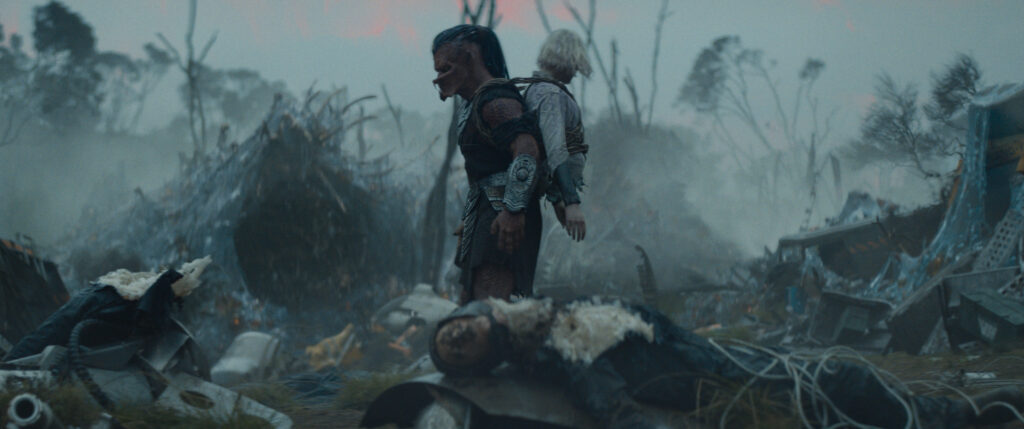
Outlandishly, the result of Trachtenberg‘s choices in crafting Predator: Badlands is a film that could (perhaps) rightly be described as John Rambo carrying C-3P0 on his back and hanging out with Paddington while fighting the Kaiju from Pacific Rim. And it works! It works so well that Badlands will undoubtedly find itself in the discussion with Predator and Prey as the best in the franchise.
The film allows Trachtenberg to continue the exploration of Yautja culture that he began in Killer of Killers and that’s ultimately the engine that makes the film run so smoothly. Coming into the film, fans should have a rudimentary understanding of what these monstrous hunters are all about; and if you didn’t, little time is wasted making clear how Yautja clans deal with weakness and failure. As Dek’s journey unfolds, the audience rides a parallel rail to the protagonist. Just as Dek must betray his nature in order to survive, so must the audience’s conditioning be subverted in order to see the layers woven into the film’s narrative tapestry.
Ultimately, Predator: Badlands offers audiences the opportunity to have an incredibly good time at the movies, meshing action with emotion without a single human character being seen on screen. It’s an incredible accomplishment for the genre, as is having the film’s protagonist speak only in his native Yautja, never uttering a word of English. Like Dek, Predator: Badlands shouldn’t be able to stand toe-to-toe with the heavy hitters of its own franchise, much less the genre. But like Dek, it stands defiant of expectations, daring you to challenge it.
Cookie Consent
We use cookies to improve your experience on our site. By using our site, you consent to cookies.
This website uses cookies
Websites store cookies to enhance functionality and personalise your experience. You can manage your preferences, but blocking some cookies may impact site performance and services.
Essential cookies enable basic functions and are necessary for the proper function of the website.
Name
Description
Duration
Cookie Preferences
This cookie is used to store the user's cookie consent preferences.
30 days
These cookies are needed for adding comments on this website.
Name
Description
Duration
comment_author_email
Used to track the user across multiple sessions.
Session
comment_author_url
Used to track the user across multiple sessions.
Session
comment_author
Used to track the user across multiple sessions.
Session
Statistics cookies collect information anonymously. This information helps us understand how visitors use our website.
Google Analytics is a powerful tool that tracks and analyzes website traffic for informed marketing decisions.
Contains information related to marketing campaigns of the user. These are shared with Google AdWords / Google Ads when the Google Ads and Google Analytics accounts are linked together.
90 days
__utma
ID used to identify users and sessions
2 years after last activity
__utmt
Used to monitor number of Google Analytics server requests
10 minutes
__utmb
Used to distinguish new sessions and visits. This cookie is set when the GA.js javascript library is loaded and there is no existing __utmb cookie. The cookie is updated every time data is sent to the Google Analytics server.
30 minutes after last activity
__utmc
Used only with old Urchin versions of Google Analytics and not with GA.js. Was used to distinguish between new sessions and visits at the end of a session.
End of session (browser)
__utmz
Contains information about the traffic source or campaign that directed user to the website. The cookie is set when the GA.js javascript is loaded and updated when data is sent to the Google Anaytics server
6 months after last activity
__utmv
Contains custom information set by the web developer via the _setCustomVar method in Google Analytics. This cookie is updated every time new data is sent to the Google Analytics server.
2 years after last activity
__utmx
Used to determine whether a user is included in an A / B or Multivariate test.
18 months
_ga
ID used to identify users
2 years
_gali
Used by Google Analytics to determine which links on a page are being clicked
30 seconds
_ga_
ID used to identify users
2 years
_gid
ID used to identify users for 24 hours after last activity
24 hours
_gat
Used to monitor number of Google Analytics server requests when using Google Tag Manager
1 minute
Marketing cookies are used to follow visitors to websites. The intention is to show ads that are relevant and engaging to the individual user.
Pinterest Tag is a web analytics service that tracks and reports website traffic.