A long time ago, in a galaxy not too far away, Lucasfilm published and snail mailed Bantha Tracks, fka The Official Star Wars Fanclub Newsletter, which was essentially the ultimate lifeline for the first generation of Star Wars fans.
When Star Wars exploded in 1977, Lucasfilm was utterly overwhelmed by fan mail. Charles Lippincott, Lucasfilm’s head of marketing, realized they needed a centralized way to communicate with their rapidly growing fandom. The fan club was officially formed in 1978. When the newsletter first launched, it had a highly literal, uninspired title: The Official Star Wars Fan Club Newsletter. Looking for something with more personality, the club ran a contest in Issue #2 asking fans to submit a better name. A teenager from Ohio named Preston Postle won with the suggestion Bantha Tracks—a clever nod to the massive Tatooine beasts. The new banner debuted on Issue #5 in 1979 which also marked the first mention of something called Imperial Shock Troopers.
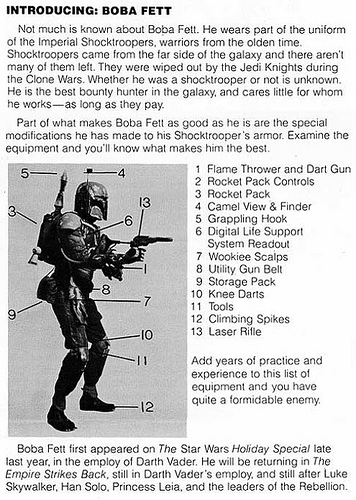
In 1982, the Imperial Shock Troopers morphed into Mandalorians in the pages of Star Wars #68, which expanded on the history of Boba Fett. Though those original Star Wars comics aren’t canon–which means the world building done within them doesn’t hold water–the interest built because of them continues to be crucial to the current New Republic Era stories being told, primarily, by Jon Favreau and Dave Filoni. On occasion, chapters of The Mandalorian have felt like Favreau was furthering the fantasy inspired in young fans by the original Star Wars films and the insider tidbits delivered in Bantha Tracks.
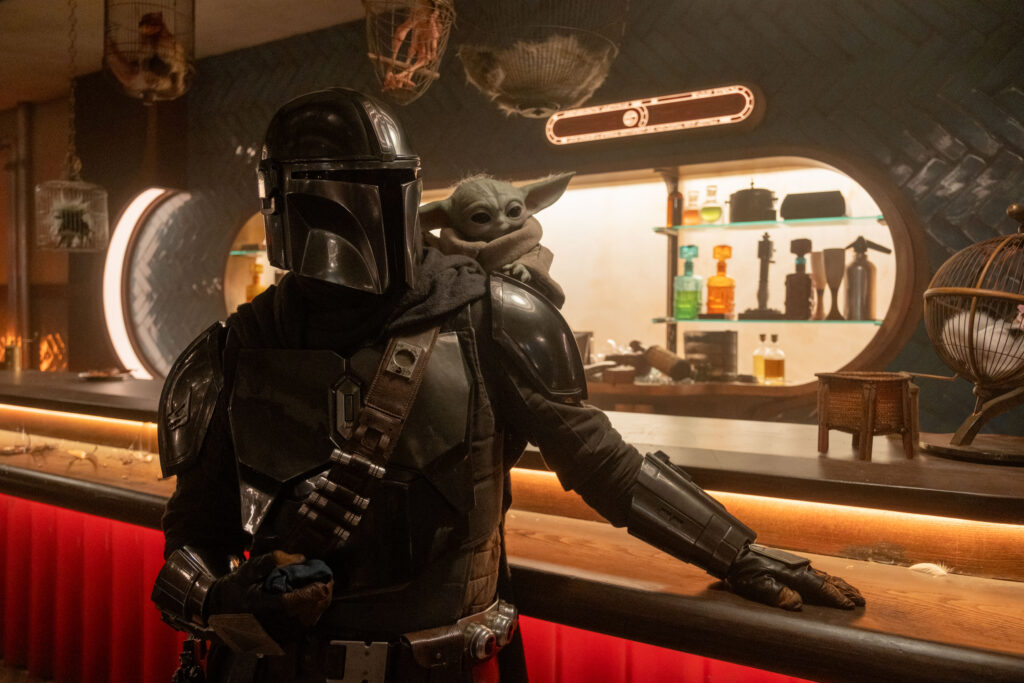
Over three seasons of The Mandalorian, Favreau made nothing into something…and something substantial and beautiful at that. Favreau found a corner of Lucas’ lived-in universe and, expanding on the foundation Filoni poured in Star Wars: The Clone Wars and Star Wars Rebels, built a post-Imperial saga skyscraper that stands tall among the tales spun by The Creator and his legacy. And in The Mandalorian and Grogu, Favreau spins not only a worthy new chapter to his own story but one steeped in everything Lucas meant Star Wars to be and always wanted to tell himself.
Mandalorians are stronger together.
Bo-Katan Kryze
It seems clear that the primary objective of the film is to establish Din Grogu as a full-fledged Mandalorian. Though he could not speak the words, Din Djarin’s foundling took the Creed in Chapter 24 of The Mandalorian and now walks the way of the Mandalore. Now partnered with his father as an independent contractor for the New Republic, Grogu finds himself on a mission that ultimately serves as an opportunity for The Child to prove his worth as the apprentice of Din Djarin.
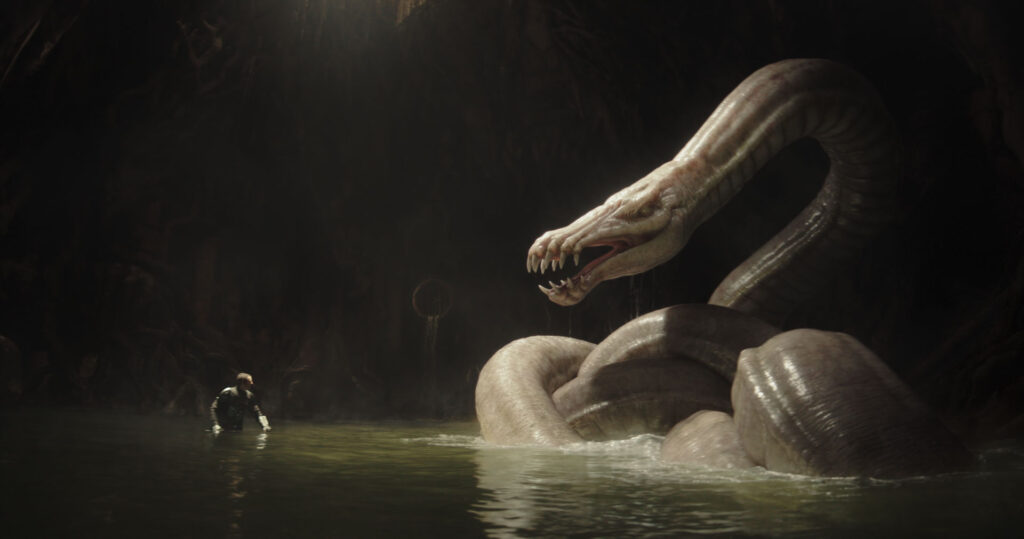
And in that pursuit, The Mandalorian and Grogu reveals it’s as Star Wars as Star Wars gets. Full of high stakes, exotic locales, larger-than-life heroes, weird and menacing monsters and relentless momentum, Favreau‘s film fits perfectly in the seams of the larger Star Wars universe Lucas imagined and outlined but was never able to attend to, despite his best intentions. Mando’s mission, assigned by New Republic Colonel Ward, takes him and his apprentice to the noxious Nal Hutta and the noir-inspired Shakari where they find themselves in the midst of a classic gangster double cross involving Rotta the Hutt and Janu Coin, an Imperial warlord first seen in Chapter 23 of The Mandalorian.
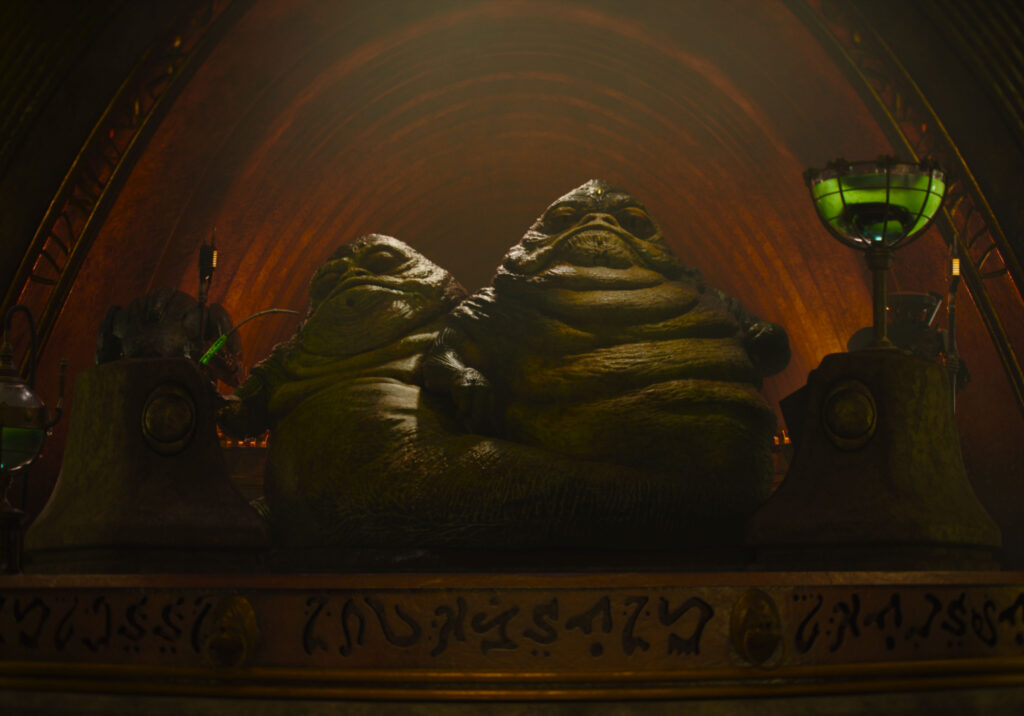
While the film is full of fantastic action sequences, a top notch score and some incredible visuals, it’s also full of the familiar archetypes Lucas built the franchise around. Good and evil. Fathers and sons. Choices and consequences. Betrayal and redemption. Though it may not feel like an overly impactful chapter in the New Republic saga, The Mandalorian and Grogu does just enough on that front to tie into the ongoing narrative and make it clear that the conflict between the Adelphi Base crew and the Imperial Remnant is coming to a head. But what it really is, for the first generation of fans, is the kind of story that only existed in the corners of our minds or non-canon novelizations now brought to life on the big screen. A Star Wars film made for Star Wars fans by Star Wars fans. It’s a Bantha Tracks fever dream and one of the best non-saga projects made to date.

Leave a Reply