Marvel multimedia scribe Zeb Wells has been tasked with reviving one of the most significant figures to emerge from the pulp era. According to OG super scooper Umberto Gonzalez, Wells–who has worked for Marvel’s film, television and publishing studios–has landed the gig as the writer for Legendary’s Buck Rogers film.
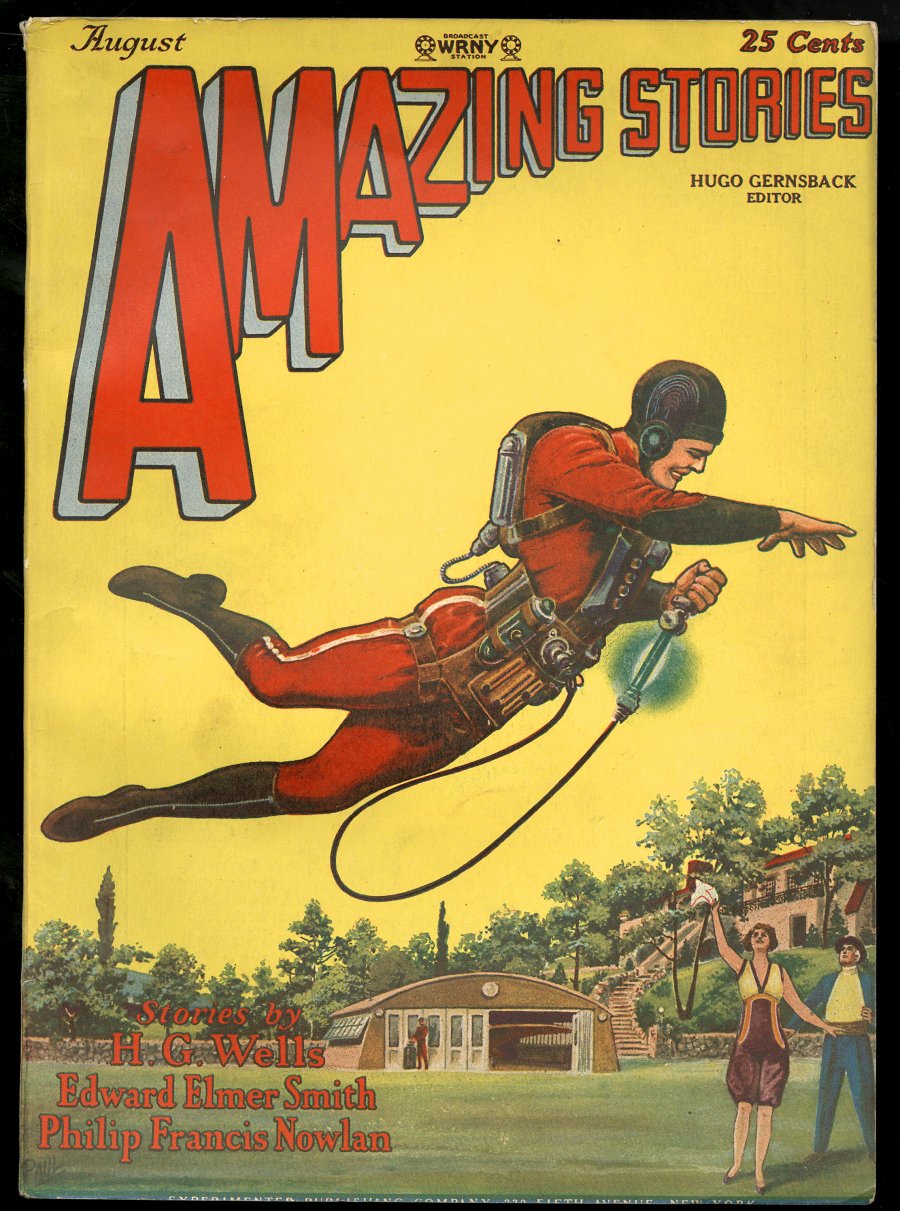
Gonzalez’s report states that Wells will be adapting author Philip Francis Nowlan‘s novella, Armageddon 2419 A.D. for the feature film. The original story, published in 1928, featured Rogers being exposed to a gas, going into suspended animation and waking up in a dystopian future to fight invaders with advanced technology like ray guns and flying belts. Nowlan’s action-adventure style was common to the pulp era and the character, originally named Anthony Rogers, inspired the creation of countless characters and stories including Flash Gordon, Adam Strange and Star Wars.

While the character gained his greatest mainstream fame through the hugely popular newspaper comic strip (where he was renamed “Buck Rogers”), radio serials, movie serials, and TV series including Buck Rogers in the 25th Century, which ran from 1979-198.
A Buck Rogers project has been in development at Legendary since they acquired the rights to the character in 2020.
The Thrill Machine: A Look Back at the Pulp Era 💥

The Pulp Era was a golden age of popular fiction, spanning roughly from the 1890s through the 1950s. It was a time when fantastic, action-packed stories—from hard-boiled detective tales and jungle adventures to the earliest forms of modern science fiction—burst onto newsstands and defined much of 20th-century pop culture.
What Defined the “Pulp”?
The term “pulp” comes directly from the cheap, rough wood pulp paper on which these magazines were printed. This inexpensive material allowed publishers to print vast quantities of fiction magazines at low cost, selling them for just 10 or 25 cents.
These magazines were easily identifiable by several key characteristics:
- Low Cost: Their affordability made them the primary mass-market entertainment before television and comic books took over.
- Distinctive Covers: They featured vibrant, lurid, and often sensationalistic painted covers designed to grab a reader’s attention and hint at the wild action inside.
- Genre Focus: Unlike literary magazines, pulps were unapologetically dedicated to specific genres, giving rise to specialized titles.
A Multiverse of Genres and Heroes
The Pulp Era didn’t just entertain; it served as the essential proving ground for nearly every genre and archetype that would later define comic books, movies, and television.
Science fiction titles such as Amazing Stories–in which Rogers debuted–adventure titles such as Doc Savage Magazine and detective titles such as Black Mask broke ground for the eventual rise of comic books.
The Birth of the “Superhero”
Crucially, the pulps invented the concept of the “Super-Hero” long before Superman. Characters like The Shadow (who had a secret identity, a hidden headquarters, specialized gadgets, and fought a constant war on crime) and Doc Savage (a polymath adventurer with near-superhuman skills and strength) established the fundamental tropes that would later be directly adopted by comic book creators. Many early Golden Age comic book writers and artists were, in fact, veterans of the pulp industry.
Source: The Wrap
