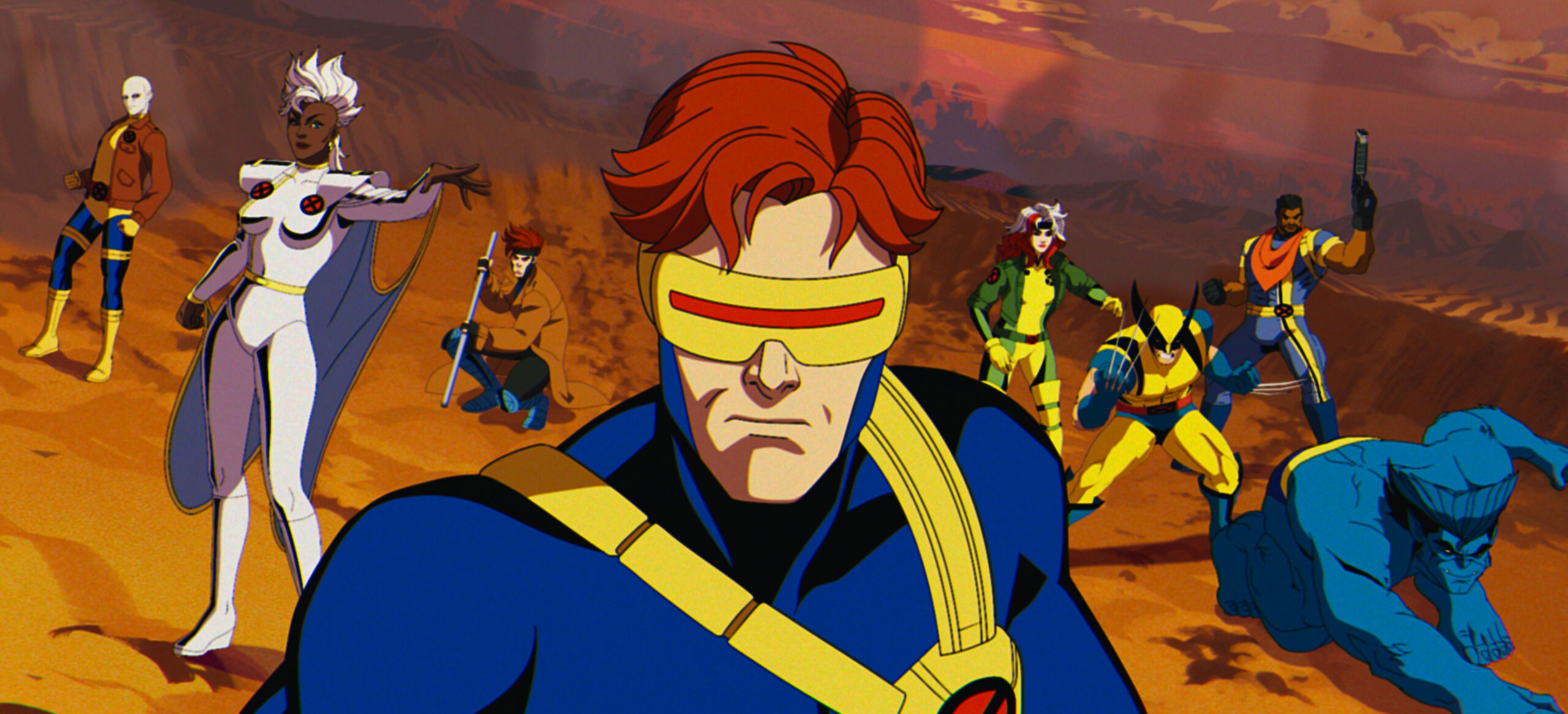
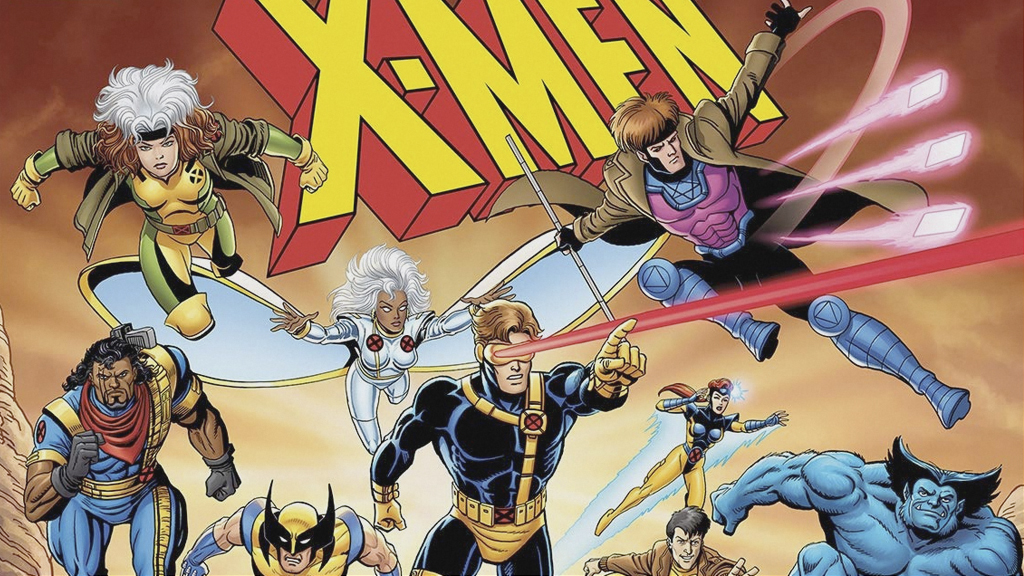
The release of the highly anticipated revival of X-Men: The Animated Series, X-Men ’97, is just around the corner. Beginning on March 20th, the first season of Marvel Animation’s new streaming series will hit Disney Plus. Ahead of that, Disney has provided a look at the full release schedule and the titles of all 10 episodes.
As is often the case with series developed for its streaming network, Disney will roll out X-Men ’97 with a two-part premiere,”To Me, My X-Men” and “Mutant Liberation Begins.” From there, fans can look forward to one episode a week through May 15th. Season one of the new series is set to wrap with a 3-part story, “Tolerance is Extinction.”
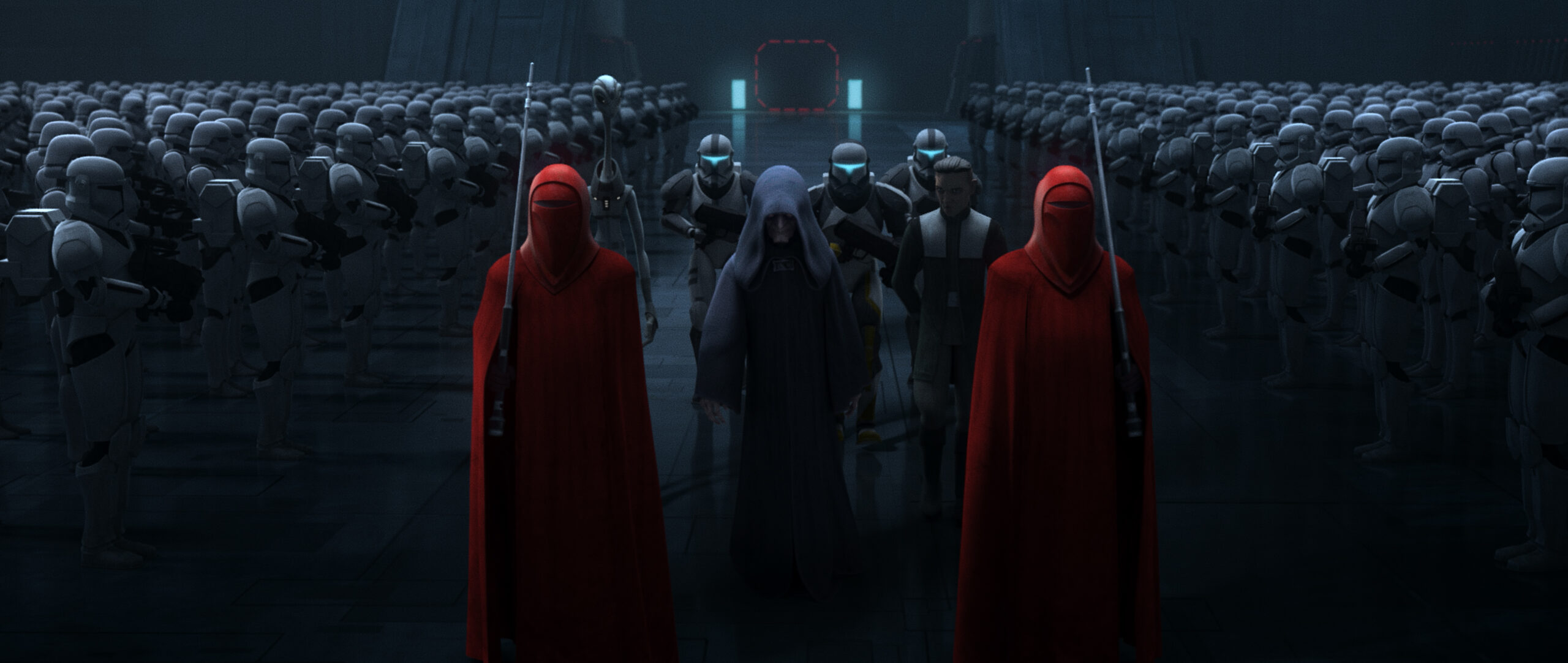
Given the streaming strategy, X-Men ’97‘s run will overlap significantly with the third and final season of Lucasfilm’s animated Star Wars series, The Bad Batch. The Bad Batch’s 15-episode run ends on May 1st, roughly one month before Star Wars next live-action series, The Acolyte, is rumored to premiere on Disney Plus.
About X-Men ’97
Marvel Animation’s X-Men’97 revisits the iconic era of the 1990s as The X-Men, a band of mutants who use their uncanny gifts to protect a world that hates and fears them, are challenged like never before, forced to face a dangerous and unexpected new future.
The all-new series features 10 episodes. The voice cast includes Ray Chase as Cyclops, Jennifer Hale as Jean Grey, Alison Sealy-Smith as Storm, Cal Dodd as Wolverine, JP Karliak as Morph, Lenore Zann as Rogue, George Buza as Beast, AJ LoCascio as Gambit, Holly Chou as Jubilee, Isaac Robinson-Smith as Bishop, Matthew Waterson as Magneto, and Adrian Hough as Nightcrawler. Beau DeMayo serves as head writer; episodes are directed by Jake Castorena, Chase Conley and Emi Yonemura, and the series is executive produced by Brad Winderbaum, Kevin Feige, Louis D’Esposito, Victoria Alonso and DeMayo. Featuring music by the Newton Brothers, Marvel Animation’s X-Men ’97 begins streaming on Disney+ on March 20, 2024.
In the age of remakes, reboots, reimaginings and revivals, new IPs are hard to come by. Even harder to come by are new IPs from the minds of new storytellers. Through an unprecedented collaboration with the Pan-African storytelling company Kugali Media, Walt Disney Animation Studios found just that in the six-episode animated series Iwájú. An Afrofuturist coming-of-age tale set in Lagos, Nigeria, Iwájú plays as a vibrant, fun and extremely fast-paced exploration of some relevant and timely themes. A decade after the studio rolled the dice on Big Hero 6, Iwájú feels like a thematic sequel infused with the spirit and culture of Lagos.
At the center ofIwájú is the innocent and effervescent Tola (whose spirit is brought to life by voice actor Simisola Gbadamosi) a 10-year old girl whose father, Tunde, has kept her sheltered and safe at their home on Lagos Island. Eager to experience the buzz of the big city on the Mainland with her best friend, Kole, Tola’s curiosity puts her in the crosshairs of the nefarious Bode DeSousa (Femi Branch), a crime lord whose fortune has been made running a kidnapping racket in which he extracts heavy ransoms from the wealthy parents of the kids he steals from the streets. For Tola’s 10th birthday, Tunde–a tech genius whose work with robotics and AI have kept him from truly bonding with his daughter–gives her Otin, a robotic agama lizard whose sole purpose is to protect Tola.
Eager to experience the Mainland against her father’s wishes, Tola and Kole head to the Ajegunle Market and, ultimately, Tola ends up in the clutches of Bode. While the plot plays pretty straightforward from this point on, the thematic exploration of the economic disparity in Lagos hits hard. Tola’s empathetic and upbeat nature are central to the story and allow her and Kole –with a lot of help from Otin–to prove their mettle to Tunde.
While it’s still mainly an outlet for Disney to roll out projects from its biggest studios (Marvel Studios and Lucasfilm chief among them), Iwájú reminds us of the full potential of Disney Plus. Screenwriter/director Olufikayo Ziki Adeola along with Kugali Media cofounders Hamid Ibrahim and Tolu Olowofoyeku meant to share their stories and the rich culture of the African diaspora with the world. Their collaboration with Disney resulted in a wonderfully fresh take in a familiar genre thanks to a passionate vision and the means to convey it through strong storytelling and a beautiful and creative visual environment. If you love Big Hero 6, you’ll find yourself drawn right into Iwájú.
Marvel Animations revival of the beloved X-Men: The Animated Series, X-Men ’97 will hit Disney Plus beginning March 20th. The new series–which is NOT MCU canon–will pick up where the nostalgic 90s series left off and will see the team try to keep the dream of Charles Xavier alive after he was shuttled off to space by Lilandra Neramani following an attempt on his life. While the release date was officially revealed in mid-February, some questions have remained about HOW it will be released on Disney Plus. Now it seems those have been answered.
According to an official listing on Disney Plus, it looks as though fans can expect episodes of the series to be released weekly beginning on March 20th rather than the entire series becoming available that day. Barring any two-parters that could be released on the same day, that means the tenth and final episode of Season 1 will hit Disney Plus on May 22nd.
About X-Men ’97
Marvel Animation’s X-Men’97 revisits the iconic era of the 1990s as The X-Men, a band of mutants who use their uncanny gifts to protect a world that hates and fears them, are challenged like never before, forced to face a dangerous and unexpected new future.
The all-new series features 10 episodes. The voice cast includes Ray Chase as Cyclops, Jennifer Hale as Jean Grey, Alison Sealy-Smith as Storm, Cal Dodd as Wolverine, JP Karliak as Morph, Lenore Zann as Rogue, George Buza as Beast, AJ LoCascio as Gambit, Holly Chou as Jubilee, Isaac Robinson-Smith as Bishop, Matthew Waterson as Magneto, and Adrian Hough as Nightcrawler. Beau DeMayo serves as head writer; episodes are directed by Jake Castorena, Chase Conley and Emi Yonemura, and the series is executive produced by Brad Winderbaum, Kevin Feige, Louis D’Esposito, Victoria Alonso and DeMayo. Featuring music by the Newton Brothers, Marvel Animation’s X-Men ’97 begins streaming on Disney+ on March 20, 2024.
The third and final season of The Bad Batch came out of the gates fully armed and operational. The three-part season premiere serves as both a fulfilling follow-up to Season 2’s heavy two-part finale and a massive exposition dump in which the animated series transitions from seemingly superfluous to entirely essential Star Wars. By the time the credits roll on Episode 3, “Shadows of Tantiss”, The Bad Batch’s place in the larger narrative of the Star Wars universe becomes clear and it becomes the loom through which narrative threads from the Fall of the Jedi era stories will be woven together into the existing storytelling fabric of both The New Republic and Rise of the First Order eras.
Written by head writer Jennifer Corbett (Episode 1, “Confined”, and Bad Batch aficionado Matt Michnovetz (Episode 2, “Paths Unknown”, and Episode 3, “Shadows of Tantiss”) the big Season 3 rollout sheds a significant amount of light on what’s happening inside Tantiss Base on Weyland. Following the destruction of Kamino, Mount Tantiss is now THE home of the Imperial cloning program where Dr. Royce Hemlock, Chief Scientist of the Advanced Science Division, carries out his work by any means necessary. And as expected/predicted, that work is revealed to be on one of the Empire’s most vital undertakings, Project Necromancer. Of course, Tantiss Base is also where two members of The Bad Batch, Omega and Crosshair, are being kept prisoner by the Empire, each for a different reason.
First mentioned in Chapter 22 of The Mandalorian, “The Spies”, Project Necromancer fell under the purview of Commandant Brendol Hux as revealed by Captain Gilad Pellaeon during a meeting with the Imperial remnant Deep State known as the Shadow Council. While the full extent of Project Necromancer’s work is still kept secret, Sleepy Sheev Palpatine’s visit to Mount Tantiss and his exuberance for the work (the goal of which is to produce a specimen with an equal or greater M-Count than the original specimen) all but confirms it is the program that produces clones of the Emperor as seen in Star Wars: Episode IX-The Rise of Skywalker. As expected, the importance of Omega’s unaltered genetic code takes on renewed importance as it’s revealed that her blood is the only sample so far capable of supporting a full M-Count transfer. That “revelation” establishes ties between Omega and Grogu and also between The Mandalorian’s Doctor Pershing and The Bad Batch’s Advanced Science Division.
Omega’s persistence in rehabilitating Crosshair during her unwanted visits ultimately pays off as the series’ new odd couple work together to escape Weyland. On the run and destined for a reunion with Hunter and Wrecker (who spent Episode 2 discovering more of the Empire’s terrible bio-weapons and their disregard for the lives of clones), Omega and Crosshair have enough knowledge of Hemlock’s plan to pose a major threat to Project Necromancer; however, the emergence of Omega as the key to extending Sleepy Sheev’s lifespan affords her a measure of protection that will make it that much harder to bring her in. Ultimately, the three-part premiere flips the script on Hemlock from the two-part Season 2 finale. It’s now Hemlock and the Empire who stand to lose everything while the remaining members of Clone Force 99 are about to come together to try to stop them. Season 3 is off to a fantastic start and even though its headed to a (mostly) known outcome, it’s doing so in style!
Star Wars animated series such as The Clone Wars and Rebels have habitually brought back characters and returned to locations seen in prior seasons, no matter how big or small of a role they may have played. In this way, characters like Hondo Ohnaka became fan favorites rather than one-offs and stick around long enough to potentially make their way into live-action (fingers crossed, Hondo!). With the third and final season of The Bad Batch underway on Disney Plus, the writers dipped into that playbook in Episode 2, “Paths Unknown”, and brought back a face not seen since Season 1 and with him, one of the galaxy’s more ruthless crime bosses.
Episode 13 of Season 1, “Infested”, introduced Devaronian gangster Roland Durand into the mix of interesting folks Clone Force 99 have crossed paths with. Roland made his big entrance by assuming control of Cid’s Ord Mantell establishment, a move he said he learned from his mother, Devaronian crime boss Isa. Over the course of the episode, as Roland’s tough-guy tactics put him on the wrong side of business with the Pyke Syndicate, it was revealed that Isa was not to be trifled with and was a ruthless and respected leader with enough juice that the Pykes chose not to escalate matters and allowed Roland and the Batchers to walk away from their confrontation…but not before cutting one of Roland’s horns off. In the second episode of the three-episode Season 3 premiere, as Hunter and Wrecker begin their search for Omega, they pay Roland–and his mom–a visit.
You take what you want. That’s the Durand way. It’s a tactic my mother has perfected.
“Paths Unknown” not only introduces Isa Durand but also put a major talent and longtime Hollywood favorite behind the crime boss. Anjelica Huston, who played Morticia Adams in 1991 and 1993’s Addams Family films and won an Academy Award for Best Supporting Actress in 1986’s Prizzi’s Honor, was revealed as a surprise addition to Season 3 as the voice of Isa. Huston, who previously voiced a Sith character in an episode of Star Wars Visions, is now officially apart of the galaxy far, far away!
The first 3 episodes of the final season of The Bad Batch are now streaming on Disney Plus.
According to Collider, the Leslye Headland-created series is tentatively slated to debut on Disney Plus on June 5, 2024. Should that date hold, The Acolyte will premiere just five weeks after the final episode of Season 3 of The Bad Batch streams. The series, which is set near the end of the High Republic era–which spans from 500 BBY until 82 BBY–takes place roughly a century before the events of Star Wars: Episode I-The Phantom Menace and “will take viewers into a galaxy of shadowy secrets and emerging dark-side powers in the final days of the High Republic era. A former Padawan reunites with her Jedi Master to investigate a series of crimes but discovers the forces they confront are more sinister than they ever anticipated.” According to Collider, a trailer is ready to roll out and could be part of Lucasfilm’s May 4th Star Wars Day/May the 4th Be With You plans.
The Acolyte will star Amandla Stenberg, Dafne Keen, Jodie Turner-Smith, Manny Jacinto, Lee Jung-jae and Carrie-Anne Moss.
Throughout its first two seasons, The Bad Batch has wonderfully–and sometimes painfully–been thematically centered on identity. While some audiences still struggle to recognize animated series as something more than children’s cartoons, The Bad Batch has been a fascinating psychological study of individual change. Over the course of Season 2, each of the members of Clone Force 99 had more or less worked their way through Robert Dilts’ Pyramid of Logical Levels. For better and for worse, Tech, Wrecker, Hunter and, yes, Crosshair, each reengineered his identity and each rebuilt his personal ethos. As their values and beliefs were challenged, the mutant clones reprogrammed their minds and changed their behavior. Tech, Hunter, Wrecker and Omega settled in on Pabu and Crosshair found himself in what he believed to be a comfortable position with the Empire. And then the two-part season finale shook them all to the core of their new identities; however, rather than halt their journeys of personal growth, the cliffhanger put the Bad Batch exactly where they needed to be to complete them. After a lifetime of running missions for others, Season 3 allows the remaining members of Clone Force 99 to determine their own purpose and take on one last mission of their own choosing.
Crosshair has always been severe and unyielding. It is his nature. You cannot change that. He cannot change that.
Tech, The Bad Batch: Kamino Lost
Thought up by George Lucas while he and Dave Filoni were developing Star Wars: The Clone Wars, Clone Force 99’s path to the Star Wars universe was bumpy and their place within it seemed unclear until about halfway through Season 2. Lucas originally conceived of the Bad Batch as a group of aberrant clones that would undergo further testing by the Empire in their pursuit of producing an elite squad of genetic Super Soldiers. While their connection to the Kaminoan cloners was well-explored in Season 1, the introduction of Doctor Royce Hemlock–and the unknown nature of his sister mission–in Season 2 smoothed that bumpy path for The Bad Batch and set the series up to do some of the heaviest science-fiction lifting yet. Throughout the first eight episodes of Season 3, The Bad Batch completes its evolution from a show you might want to watch if you have some time to a show that serves as an integral piece of Star Wars mythology with story-telling tendrils that touch the prequels, the New Republic era of stories and the sequels.
Those storytelling tendrils are most active, both thematically and in shared plot points, during the first five episodes of Season 3. Star Wars fans will find connections to Andor, The Mandalorian, The Book of Boba Fett and, yes, Star Wars: Episode IX-The Rise of Skywalker. Omega’s abduction by the Empire in Season 2 is, of course, the inciting moment for the action of the first half of Season 3 and her time at Mount Tantiss over the first four episodes is both revelatory and catalytic, exposing a mystery that fans will immediately solve but that will set Clone Force 99 on their true final mission. The first five episodes are easily among the best the series has put forth so far with episodes 1-3, which premiere together, serving not only as the follow-up to the Season 2 cliffhanger but as a wonderful example of how The Bad Batch has carved out a hardcore sci-fi niche within the larger space opera of Star Wars. If you enjoyed the Alien-esque Season 2 episode “Metamorphosis”, the three-episode premiere will be your cup of tea.
I am a soldier of the Empire.
Crosshair, The Bad Batch: The Solitary Clone
Not the only Batcher being held in the Empire’s Weyland facility, Omega’s interactions with Crosshair highlight the strength of head writer Jennifer Corbett in exploring the team’s interpersonal dynamics. Omega and Crosshair couldn’t be much more different from one another than they are but the two form a wonderful bond that ultimately saves them both. As Omega and Crosshair look to escape the facility, Wrecker and an emotionally devastated Hunter work with what they have left to find Omega and an invested audience will surely be anticipating the frosty reunion between Hunter and Crosshair. To that end, episode 5, “The Return”, might be one of the most cathartic episodes of Star Wars TV to date. While it may not hit as hard as Ahsoka’s “Shadow Warrior”, it’s spiritually similar and without it there’s neither a literal nor figurative path forward for what’s left of the team.
Season 3 isn’t all pedal to the metal, however, and is not–as was the case with previous seasons–without its lulls. Episodes 6 and 7 step away from the sci-fi and dip back into some familiar subplots from last season, notably the post-Order 66 politics and the place of discarded Clone Troopers in the Empire. Fans have taken–somewhat understandably and also regrettably–to referring to these episodes as “filler”; however, they’ve become a staple in the modern serial Star Wars narratives and while it’s fair to say they typically slow down the pace of the series (and they do so again here), they also provide the galaxy far, far away with an unparalleled level of verisimilitude by calling to mind the politics of the real world. Star Wars always has and always will delve into politics and the expansion into longer-form narratives simply opens up more space for them to be explored more thoroughly. If you haven’t enjoyed the subplot around Palpatine’s Defense Recruitment Bill or finding out how Rex got his groove back after Order 66, this two-episode arc (“Infiltration and “Extraction”) will not be your cup of tea. If that’s the case, though, you’ll be happy to find that Episode 8, “Bad Territory”, puts the series back on its breakneck pace.
This is who I am.
Crosshair, The Bad Batch: Return to Kamino
With the final 5 episodes withheld from the early screening package, it is unfortunately impossible to make a fair judgment of the final season of The Bad Batch. What can be comfortably and confidently said, however, is that much like the members of Clone Force 99, the show has settled on its identity after wavering on determining just exactly what it was capable of becoming. For it to become truly transformative, though, it will have to become truly impactful by settling on what the ultimate purpose of the Batchers’ three-season journey is and provide true clarity on how the story of Omega and her band of mutant brothers fits into a larger narrative whose ending is already known. And so it’s reasonable to ask that the final five episodes of The Bad Batch deliver an answer to why the show existed in the first place. If they do, Clone Force 99’s last mission will likely establish the series’ place alongside its animated predecessors (Star Wars: The Clone Wars and Star Wars Rebels) as mandatory viewing for anyone whose mission is to connect to the creator’s true vision of Star Wars.
About The Bad Batch Season 3
In the epic final season of Star Wars: The Bad Batch, the Batch will have their limits tested in the fight to reunite with Omega as she faces challenges of her own inside a remote Imperial science lab. With the group fractured and facing threats from all directions, they will have to seek out unexpected allies, embark on dangerous missions, and muster everything they have learned to free themselves from the Empire.
Star Wars: The Bad Batch showcases a talented voice cast, including Dee Bradley Baker (American Dad!), Michelle Ang (Fear the Walking Dead: Flight 462), Keisha Castle-Hughes (Whale Rider), Jimmi Simpson (Westworld), Noshir Dalal (It’s Pony) and Wanda Sykes (The Upshaws).
Star Wars: The Bad Batch is executive produced by Dave Filoni (Ahsoka, The Mandalorian), Athena Portillo (Star Wars: The Clone Wars, Star Wars Rebels), Brad Rau (Star Wars Rebels, Star Wars Resistance), Jennifer Corbett (Star Wars Resistance, NCIS) and Carrie Beck (Ahsoka, The Mandalorian), with Josh Rimes (Star Wars Resistance, Star Wars: Visions) as co-executive producer and Alex Spotswood (Star Wars: The Clone Wars, Star Wars Rebels) as senior producer. Rau is also serving as supervising director with Corbett as head writer.
X-Men: The Animated Series premiered in 1992 and quickly became a beloved adaptation of the popular Marvel Comics series. Known for its faithful portrayal of the iconic mutant superhero team, the show captivated audiences with its engaging storytelling, dynamic characters, and thrilling action sequences. Beginning March 20th, Marvel Animation will roll out an all-new revival of the series, X-Men ’97.
Following the two-part series opener (“Night of the Sentinels Part 1” and “Night of the Sentinels Part 2”) which introduced Charles Xavier’s team of mutant heroes, the series turned its attention to the series’ main antagonist, the mutant Master of Magnetism, Magneto. Let’s revisit “Enter Magneto.”
Setting the Scene: Rising Tensions
Against the backdrop of a world divided by fear and prejudice, the episode opens with a series of escalating conflicts between mutants and humans. As anti-mutant sentiment spreads, Magneto emerges as a powerful voice for mutant rights, advocating for the superiority of mutantkind and the need for mutants to assert their dominance over humanity.
Introducing Magneto and the Brotherhood of Mutants
Magneto, a mutant with the ability to manipulate magnetic fields, is introduced as a complex and enigmatic figure. With his charismatic leadership and unwavering belief in mutant supremacy, Magneto poses a formidable challenge to the X-Men and their mission of peaceful coexistence between mutants and humans. Fueled by a deep-seated resentment towards humanity and a desire to assert mutant superiority, Magneto emerges as a formidable adversary for the X-Men. His traumatic experiences during the Holocaust have shaped his worldview, leading him to believe that mutants must rise above humanity to ensure their survival. With his magnetic powers and cunning intellect, Magneto poses a threat unlike any they have faced before, challenging the very foundation of their beliefs and ideals. As Magneto’s presence looms large, the X-Men find themselves embroiled in a battle for the future of mutantkind, where the stakes are higher than ever before.
Magneto is accompanied by his loyal followers, the Brotherhood of Mutants, a group of mutants who share his vision of mutant superiority. Among them are the shape-shifting Mystique, the agile and acrobatic Toad, and the ferocious Sabretooth. Together, they form a formidable team dedicated to advancing Magneto’s agenda and challenging the authority of the X-Men. Their confrontation with Magneto forces them to confront the complexities of morality and ethics, as they grapple with the implications of his ideology and the impact it could have on the world.
Confrontation with the X-Men
As Magneto’s influence grows, the X-Men find themselves in a tense standoff with the Brotherhood of Mutants. Led by Cyclops, the X-Men confront Magneto and his followers, hoping to prevent their radical agenda from plunging the world into chaos. Despite Cyclops’ strategic maneuvers and the combined efforts of his fellow X-Men, Magneto proves to be a formidable adversary, using his mastery of magnetism to outmaneuver and overpower the team at every turn. The stakes escalate, forcing the X-Men to push themselves to their limits in a desperate bid to stop Magneto’s radical agenda from plunging the world into chaos. As the battle rages on, the X-Men are forced to confront not only the physical threat posed by Magneto and his followers but also the deeper ideological divide that threatens to tear the mutant community apart.
A Clash of Ideologies
The episode delves into the ideological clash between Magneto and Professor Xavier, two powerful mutants with opposing visions for the future of mutantkind. While Professor Xavier advocates for peaceful coexistence and cooperation between mutants and humans, Magneto believes that mutants must assert their dominance and take control of their own destiny. Their conflict represents the larger struggle within the mutant community, as mutants grapple with their place in a world that fears and hates them.
As the dust settles and the echoes of battle fade, the X-Men emerge victorious but forever changed by the trials they have endured. “Enter Magneto” serves as a sobering reminder of the dangers posed by intolerance and extremism, urging viewers to confront their own prejudices and embrace diversity. Despite the challenges they face, the X-Men remain steadfast in their commitment to protecting both mutants and humans alike, united in their determination to forge a brighter future for all. As the episode draws to a close, the X-Men stand united, ready to face whatever challenges lie ahead in their ongoing quest for peace and equality in a world fraught with danger and uncertainty.
The Rise of Magneto
“Enter Magneto” concludes with Magneto emerging as a formidable new threat to the X-Men and their mission of peace and coexistence. As Magneto continues to rally support for his cause and expand his influence, the stage is set for a showdown between the X-Men and their greatest adversary yet. The episode leaves viewers on the edge of their seats, eager to see how the conflict between mutants and humans will unfold in the episodes to come.
X-Men: The Animated Series premiered in 1992 and quickly became a beloved adaptation of the popular Marvel Comics series. Known for its faithful portrayal of the iconic mutant superhero team, the show captivated audiences with its engaging storytelling, dynamic characters, and thrilling action sequences. Beginning March 20th, Marvel Animation will roll out an all-new revival of the series, X-Men ’97.
X-Men: The Animated Series kicked off with a two-parter which served as a compelling introduction to the world of the X-Men and the ongoing struggle between mutants and humanity. Let’s recap the series pilot episode, “Night of the Sentinels Part 2″ which continues the saga, delving deeper into the conflict between mutants and humanity while showcasing the resilience of the X-Men.
Setting the Scene: A World in Turmoil
The episode unfolds against the backdrop of a world divided by fear and prejudice, as mutants face persecution at the hands of the Mutant Control Agency (MCA) and their deadly creations, the Sentinels. Magneto’s clash with the Sentinels in the previous episode sets the stage for a showdown of epic proportions, as the X-Men find themselves thrust into a battle for the future of mutantkind.
Confronting the Sentinel Threat
As the Sentinels escalate their attacks on mutants, the X-Men spring into action, confronting the mechanical menaces in a series of high-stakes battles. Cyclops leads the charge, directing the team with precision as they engage in fierce combat against their formidable foes. Storm’s mastery over the elements, Wolverine’s ferocious claws, and Rogue’s formidable strength are on full display, showcasing the X-Men’s unwavering resolve in the face of overwhelming odds.
Gyrich’s Machinations
Amidst the chaos, the duplicitous Henry Peter Gyrich, a government operative with a deep-seated disdain for mutants, orchestrates the MCA’s relentless pursuit of the X-Men. Obsessed with eradicating mutantkind, Gyrich stops at nothing to achieve his nefarious goals, manipulating the authorities and exploiting public fear to further his own agenda. With his machinations threatening to tip the balance of power in favor of the oppressors, Gyrich emerges as a formidable adversary, determined to crush the X-Men by any means necessary.
Fueling Gyrich’s fervent crusade is his unwavering belief in the inherent superiority of humans over mutants, a prejudice that blinds him to the potential for peace and cooperation between the two groups. His single-minded obsession with exterminating mutants blinds him to the humanity inherent in every individual, driving him to commit atrocities in the name of his misguided cause. As Gyrich pulls the strings from behind the scenes, his influence casts a dark shadow over the struggle for mutant rights, threatening to engulf both mutants and humans in a never-ending cycle of violence and oppression.
Jubilee’s Journey Continues
Amidst the chaos, Jubilee grapples with her newfound identity as a mutant and her place among the X-Men. With the guidance of Professor Xavier and the support of her fellow teammates, Jubilee begins to embrace her powers, finding strength in her resilience and determination. Together, the X-Men stand united against the Sentinel threat, determined to protect both mutants and humans from the forces that seek to divide them.
The Battle Reaches Its Climax
As “Night of the Sentinels Part 2” hurtles towards its climactic finale, the X-Men find themselves locked in a desperate struggle against the relentless Sentinel army. With their backs against the wall, the mutant heroes refuse to yield, drawing upon their extraordinary powers and unwavering determination to turn the tide of battle. Cyclops, with his precise optic blasts, targets the vulnerable points of the Sentinels, while Storm unleashes a tempest of wind and lightning to disrupt their mechanical systems. Wolverine, his adamantium claws gleaming in the chaos, slices through the robotic adversaries with unparalleled ferocity, while Rogue absorbs their energy blasts and channels them back with devastating force. Together, the X-Men fight with unmatched courage and tenacity, refusing to back down in the face of overwhelming odds.
As the battle rages on, the X-Men’s teamwork and strategic prowess prove to be their greatest assets, allowing them to exploit weaknesses in the Sentinel’s armor and coordination. With each coordinated assault, the mutant heroes chip away at the Sentinel’s defenses, gradually whittling down their numbers and gaining the upper hand in the conflict. Through sheer determination and unwavering resolve, the X-Men ultimately emerge victorious, dismantling the Sentinel army and securing a hard-fought triumph for mutantkind. As the dust settles and the smoke clears, the mutant heroes stand tall amidst the wreckage, their spirits undaunted and their commitment to their cause stronger than ever before.
A World Transformed
In the aftermath of the conflict, the X-Men emerge victorious but forever changed by the trials they have endured. “Night of the Sentinels Part 2” leaves audiences on the edge of their seats, eagerly anticipating the next chapter in the ongoing saga of the X-Men as they continue their tireless fight for justice and equality in a world fraught with danger and uncertainty.
As the dust settles and the echoes of battle fade, the X-Men find themselves grappling with the profound ramifications of their actions. Despite their triumph over the Sentinels, the scars of battle run deep, serving as a sobering reminder of the high cost of their crusade for mutant rights. Yet, amidst the devastation, there is also hope – hope for a future where mutants and humans can coexist in harmony, free from the shackles of fear and prejudice. With their resolve strengthened and their bonds forged in the crucible of adversity, the X-Men stand ready to confront whatever challenges lie ahead, united in their determination to build a better world for all.
X-Men: The Animated Series premiered in 1992 and quickly became a beloved adaptation of the popular Marvel Comics series. Known for its faithful portrayal of the iconic mutant superhero team, the show captivated audiences with its engaging storytelling, dynamic characters, and thrilling action sequences. Beginning March 20th, Marvel Animation will roll out an all-new revival of the series, X-Men ’97.
X-Men: The Animated Series kicked off with a two-parter which served as a compelling introduction to the world of the X-Men and the ongoing struggle between mutants and humanity. Let’s recap the series pilot episode, “Night of the Sentinels Part 1.”
Setting the Scene: A World Divided
The episode opens with a dramatic scene as a group of mutants, led by the powerful Magneto, clash with a squad of Sentinels, giant mutant-hunting robots created by the anti-mutant organization known as the Mutant Control Agency (MCA). This conflict sets the stage for the central conflict of the series: the tension between mutants and humans, and the fear and prejudice that drive the persecution of mutantkind.
Introducing the X-Men
Against this backdrop, we are introduced to the main protagonists of the series: the X-Men, a team of mutants dedicated to fighting for peace and coexistence between mutants and humans. Professor Charles Xavier, the telepathic leader of the X-Men, operates out of his mansion headquarters in Westchester County, New York, where he trains and guides his students in the use of their powers.
The Attack at the Mall
The episode focuses on Jubilation Lee, also known as Jubilee, a teenage mutant with the ability to generate explosive energy blasts from her hands. Jubilee struggles to control her powers and grapples with the fear of being discovered and persecuted for being a mutant. Her ordinary life is turned upside down when she is attacked by a group of Sentinels while attending a local mall with her friends.
As chaos erupts at the mall, Jubilee’s mutant powers manifest, attracting the attention of the Sentinels. In a thrilling action sequence, the Sentinels pursue Jubilee through the mall, causing destruction and panic as they hunt her down. Meanwhile, the X-Men, alerted to the Sentinel attack, spring into action to rescue Jubilee and confront the threat head-on.
The X-Men in Action
Led by Cyclops, the field leader of the X-Men, the team arrives at the mall and engages the Sentinels in battle. Cyclops, with his optic blasts, leads the charge, while other members of the team, including Storm, Wolverine, Rogue, and Beast, use their unique powers and abilities to fend off the robotic attackers. The action-packed sequence showcases each X-Men’s powers and personalities, establishing them as formidable heroes united in their fight against injustice.
Amidst the chaos, the X-Men manage to rescue Jubilee from the clutches of the Sentinels, but not before she is injured in the confrontation. As Jubilee grapples with the revelation of her mutant abilities and the danger they pose, she is brought back to the X-Mansion, where Professor Xavier offers her sanctuary and guidance. Jubilee’s journey as a new recruit to the X-Men begins, as she learns to harness her powers and embrace her identity as a mutant.
A World of Uncertainty
“Night of the Sentinels Part 1” concludes with a sense of uncertainty and foreboding, as the X-Men confront the looming threat of the Sentinels and the ongoing persecution of mutants. The episode sets the stage for the larger narrative of the series, exploring themes of prejudice, identity, and the struggle for acceptance in a world divided by fear and intolerance.
The episode serves as a gripping introduction to X-Men: The Animated Series, showcasing the iconic characters, high-stakes action, and thought-provoking themes that would come to define the show. With its compelling storytelling and dynamic animation, the episode lays the groundwork for the epic saga that unfolds throughout the series, captivating audiences and leaving them eagerly anticipating the next installment in the adventures of the X-Men.
Cookie Consent
We use cookies to improve your experience on our site. By using our site, you consent to cookies.
This website uses cookies
Websites store cookies to enhance functionality and personalise your experience. You can manage your preferences, but blocking some cookies may impact site performance and services.
Essential cookies enable basic functions and are necessary for the proper function of the website.
Name
Description
Duration
Cookie Preferences
This cookie is used to store the user's cookie consent preferences.
30 days
These cookies are needed for adding comments on this website.
Name
Description
Duration
comment_author_email
Used to track the user across multiple sessions.
Session
comment_author_url
Used to track the user across multiple sessions.
Session
comment_author
Used to track the user across multiple sessions.
Session
Statistics cookies collect information anonymously. This information helps us understand how visitors use our website.
Google Analytics is a powerful tool that tracks and analyzes website traffic for informed marketing decisions.
Contains information related to marketing campaigns of the user. These are shared with Google AdWords / Google Ads when the Google Ads and Google Analytics accounts are linked together.
90 days
__utma
ID used to identify users and sessions
2 years after last activity
__utmt
Used to monitor number of Google Analytics server requests
10 minutes
__utmb
Used to distinguish new sessions and visits. This cookie is set when the GA.js javascript library is loaded and there is no existing __utmb cookie. The cookie is updated every time data is sent to the Google Analytics server.
30 minutes after last activity
__utmc
Used only with old Urchin versions of Google Analytics and not with GA.js. Was used to distinguish between new sessions and visits at the end of a session.
End of session (browser)
__utmz
Contains information about the traffic source or campaign that directed user to the website. The cookie is set when the GA.js javascript is loaded and updated when data is sent to the Google Anaytics server
6 months after last activity
__utmv
Contains custom information set by the web developer via the _setCustomVar method in Google Analytics. This cookie is updated every time new data is sent to the Google Analytics server.
2 years after last activity
__utmx
Used to determine whether a user is included in an A / B or Multivariate test.
18 months
_ga
ID used to identify users
2 years
_gali
Used by Google Analytics to determine which links on a page are being clicked
30 seconds
_ga_
ID used to identify users
2 years
_gid
ID used to identify users for 24 hours after last activity
24 hours
_gat
Used to monitor number of Google Analytics server requests when using Google Tag Manager
1 minute
Marketing cookies are used to follow visitors to websites. The intention is to show ads that are relevant and engaging to the individual user.
Pinterest Tag is a web analytics service that tracks and reports website traffic.