One of the most interesting aspects of Lucasfilm’s Star Wars streaming series Andor was how it tied into not only the live-action film Rogue One but also the beloved animated streaming series. One character who tied into both eras is Saw Gerrera, played by Forrest Whitaker, and it seems that the character is destined for another go around in Andor Season 2.
Locations for Season 2 of Andor have indicated that the streaming series would find a way to incorporate not only major characters from the animated series but also the transitional live-action series as well. Despite the bad news facing them and according to Whitaker, Gerrara is set to appear in Season 2 of Andor.
As for what Whitaker’s Gerrera might be up to ahead of Andor Season 2, it is absolutely tied to the events of Rogue One. The first season of the show deals a significant amount of growth for Diego Luna‘s Cassian Andor. At some point soon, Andor will be faced with the totality of his actions and we all will be left to judge its success!
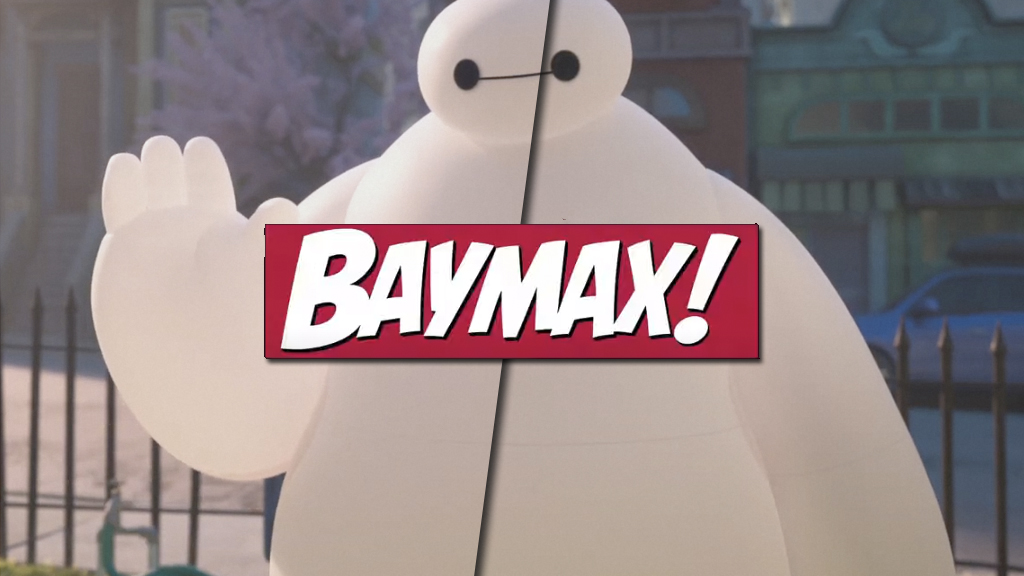
It’s been a while since we first heard that we’ll be making our return to San Fransokyo with the Big Hero 6 spinoff series Baymax!, which is the second for the franchise so far. Unlike its 2D counterpart, which aired on Disney XD, this will be a Disney+ original in a similar animation style as the original film. Big Hero 6 The Series ran for three seasons and started in 2014, which was the perfect carry-over for those wanting to spend more time with the team. Now, Baymax! will explore the kind robot on his adventures helping out locals of San Fransokyo and will be made available on June 29th.
The series was teased back in Disney’s Investors Day 2020, where it was announced that the series would explore Baymax’s original protocol as a nurse robot. So, those expecting more rocket-powered action might be in for a disappointment, but the series will offer something special for those who adored the loveable robot’s antics in the original. Creator Don Hall talked about how “each episode, we meet a new character: a patient that Baymax is going to help.”
It definitely sounds like it’s going to be a fun series, but it’s unknown if it’s closer to the ScratTales shorts or an actual series format. It seems likely it’ll explore shorter episode runtimes to just focus on the antics and won’t have an overarching plot of some kind. We can only theorize for now, but the animation looks adorable going by the first trailer, which featured some familiar and new characters that he’ll help throughout his journey.
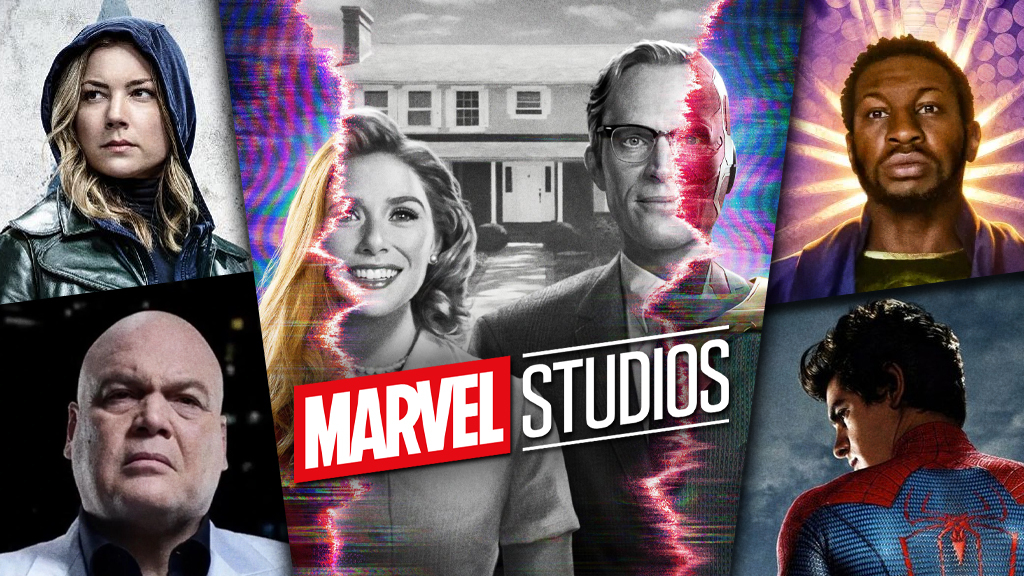
After sitting out 2020, Marvel Studios returned in a big way in 2021 with 4 films and their first 5 streaming series. That all kicked off in January with WandaVision, a 9-episode series that paid homage to eras gone by and changed the way MCU fans consumed and processed media. It’s not overreaching to say that nothing has been the same since the series concluded its run, so as the year comes to an end, let’s reflect on what we all learned from WandaVision.
To Appreciate Character-Driven Projects
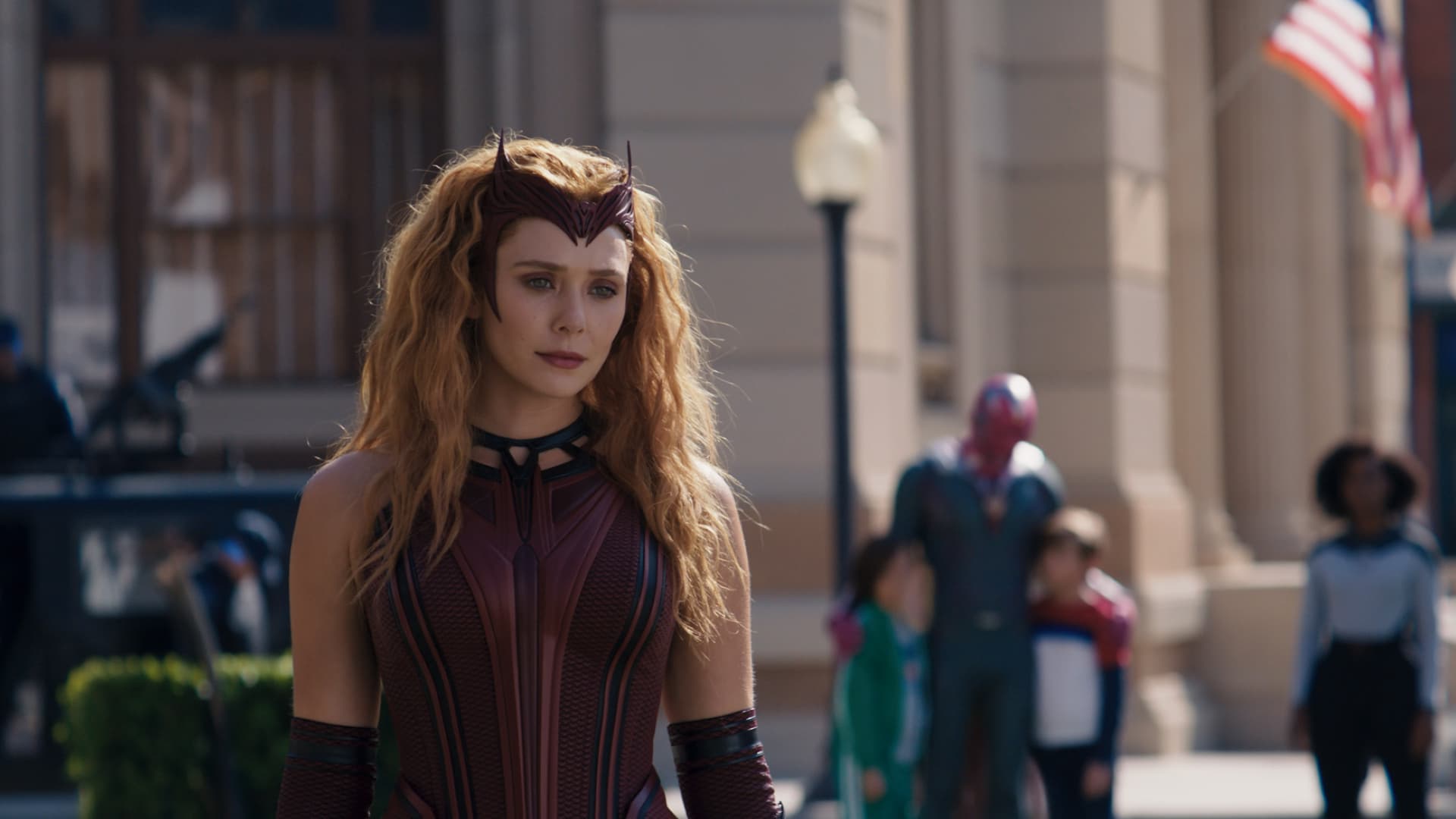
While fans initially disapproved of the slow pace of the first few episodes of WandaVision, they also noted the incredible work by stars Lizzie Olsen and Paul Bettany. Bettany got to show off his comedic chops while Olsen put on a master class, essentially playing a new character in every episode (which also served as interesting meta commentary on changes made to the ways women have been portrayed in sitcoms over the decades). It’s not as if these were talents we didn’t know they possessed, it was just that they hadn’t been allowed to exhibit them in the MCU as they were overshadowed by the actors whose characters were headlining the films in which they appeared.
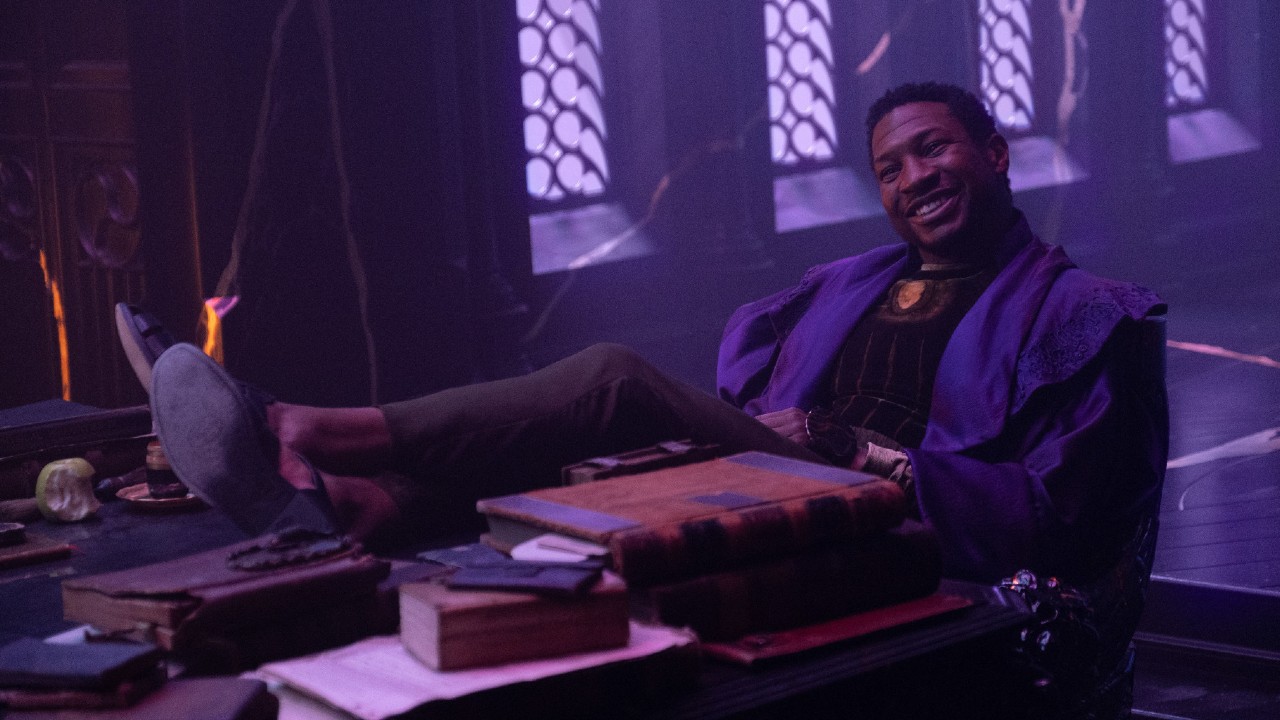
Upon deeper reflection, however, it wasn’t only because they were finally getting their starring roles.Marvel Studios was making a different kind of product for their fans and they bravely and boldly proved that by releasing 3 episodes of WandaVision with almost no trace of the big action associated with the brand. In short, they let their actors act. The trend continued in The Falcon and The Winter Soldier, where Anthony Mackie and Sebastian Stan gave a depth to their characters that they would never have gotten on the big screen and Daniel Bruhl actually got to perform; it continued into Loki where the bond between Tom Hiddleston and Owen Wilson became the heart of the show and Jonathan Majors laid out the gauntlet for the future of the MCU in one of the best performances in its history; it concluded in Hawkeye, perhaps the strongest character work yet, with Jeremy Renner’s subdued performance while his character embarked on a redemptive arc, Hailee Steinfeld’s star-making work as a new hero and her incredible chemistry with Florence Pugh and great turns by Vera Farmiga and Tony Dalton. By simply letting the actors act, Marvel Studios found the key to making its streaming world go round: keep the focus on the characters.
That Expanding the Universe Is Good
With characters who had previously served as supporting characters taking the leads in their own series, new characters had to be inserted into their stories to help flesh out them and their worlds. Undoubtedly one of the best gifts given to fans in 2021 came in the form of these new, supporting characters. And it wasn’t just the new heroes that fans learned to appreciate, the expanded universe and the time to breathe gave life to incredible new anti-heroes and villains, too.
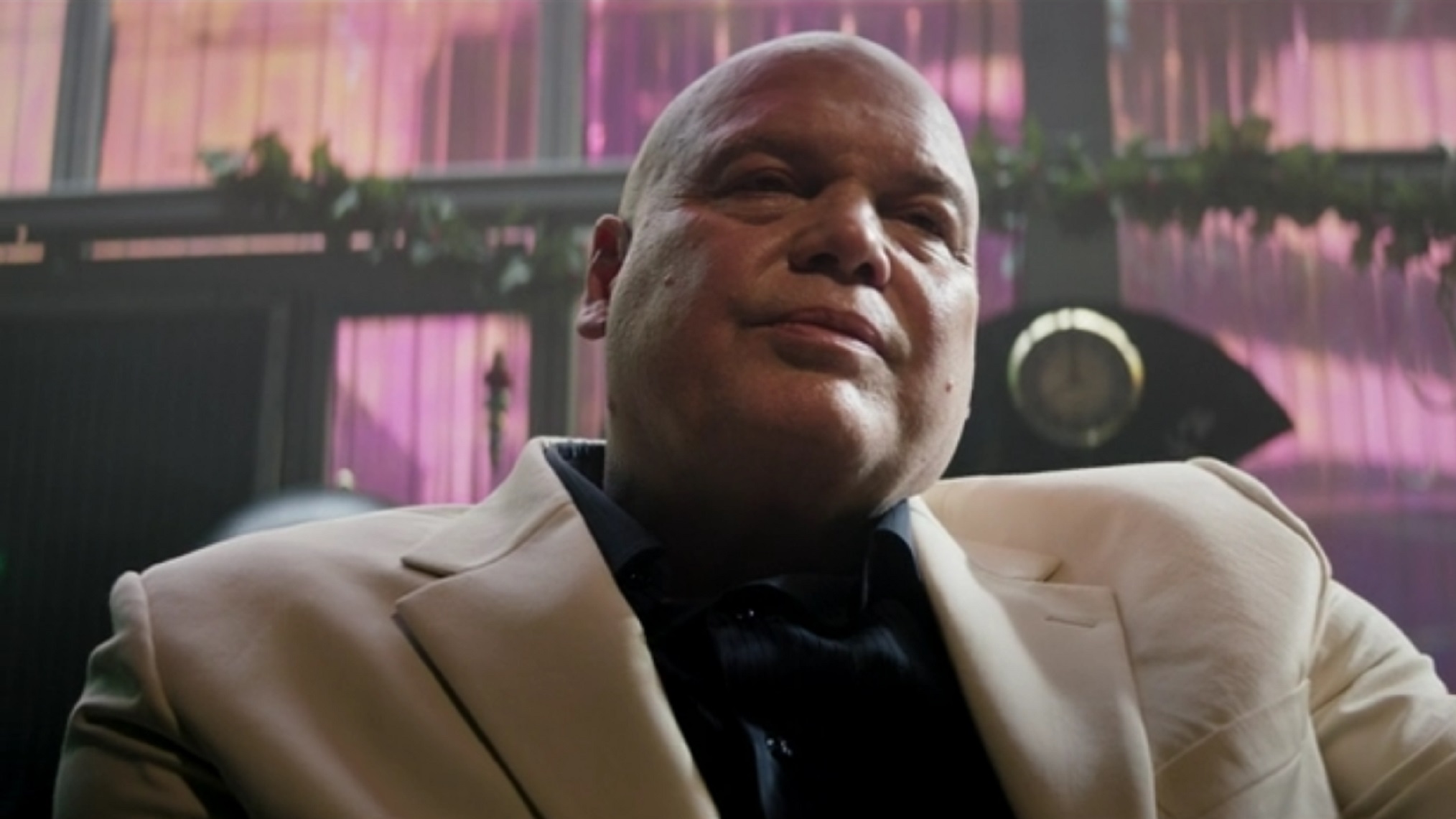
WandaVision gave us Teyonah Parris, who will co-star as Monica Rambeau in 2023’s The Marvels, and Kathryn Hahn’s Agatha Harkness, who will now lead her own series, Agatha: The House of Harkness. We also met Tommy and Billy Maximoff, who were the first of the MCU’s Young Avengers to enter the universe, and who will serve as the catalysts for the next steps taken by Wanda. The Falcon and The Winter Soldier gifted us with Julia Louis-Drefus’ Val, Wyatt Russell’s punchable John Walker and Erin Kellyman’s Karli and Carl Lumbly’s Isaiah Bradley, who made Sam question what being a hero really means. In Loki, we were introduced to the concept of Variants and with that met two whose impact extended far beyond the confines of the series. The confrontation between Sophia Di Martino’s vengeful Sylvie and Jonathan Majors‘ He Who Remains changed the MCU forever but also had a profound impact on Loki himself. And, in Hawkeye, Marvel Studios created a street-level corner of the universe that gave us Maya Lopez and Wilson Fisk, who is likely to show up again in the Lopez-centric Echo series in 2023.
As 2021 comes to a close, the roster of heroes and villains, and those who toe the line, is fuller than it has ever been and it’s hard to argue that the MCU is worse for it.
The Weekly Format is Good
As was the case with The Mandalorian, Disney eschewed the binge watching preferences of streaming audiences in favor of the old fashioned weekly format for the Marvel Studios streaming series. In review, the weekly format allowed for an incredible amount of content and conversation around the projects which can only be a good thing. A careful schedule was created that began with screeners sent out to media outlets. Outlets had strict scheduled to follow, first sharing social media reactions, then later full reviews ahead of the premiers, building hype for the first week’s release. Following that, the studio arranged weekly interviews with the cast and crew, something that would have previously only happened in pre-screening junkets for films. Whether fans loved or hated the episodes, the conversation was constant and engaging. However, the weekly format also had some pitfalls, notably…
To Separate Rumors from Theories and Speculation…Well, Some of Us
More than any project before or after it, WandaVision fueled an insane amount of speculation on a weekly basis. Speculation led to theories and then, somehow, theories led to disappointment and, even more damaging, disbelief in the obvious. Mephisto was everywhere, but when he wasn’t, that meant that there was no way Sharon Carter could be the Power Broker? The trail of cookie crumbs leading to Kang’s presence in Loki couldn’t have been easier to follow, but because Evan Peters was Ralph Bohner, that meant there was no way Kang was showing up and that, instead, Loki would be meeting himself at the Citadel at the End of Time. It was easier for fans to believe that the big boss running organized crime in NYC, Maya’ “uncle”, was either Val or, worse yet, Jack Duquesne, even AFTER seeing and hearing Vincent D’Onofrio in Episode 3. The lack of critical thinking trickled over to the film side of things where, despite an incredible amount of evidence that Tobey Maguire and Andrew Garfield were in Spider-Man: No Way Home (and absolutely no evidence of any other potential plots that did not include them), fans persisted in their beliefs that they would not appear and that the film’s plot would not include the multiverse…DESPITE IT FEATURING CHARACTERS FROM THE SONY FILMS!
WandaVision changed the game in the way some fans perceive information now. Because Reed Richards didn’t make Monica’s suit and because it was Agatha all along, there has never been more refutation of reliable sources of information. It’s not all bad, however, as other fans have learned to be scrutinize more and think more critically about what to believe. For that second set of fans, the MCU might actually be more enjoyable in the future as there will certainly always be wild rumors, speculation and theory leading up to Marvel Studios’ projects. If there’s anything we should all have learned from WandaVision, it’s that knowing how to separate them into their appropriate categories makes a big difference.
That the “Big Reveal” in the Last Episode Doesn’t Always Work
In some cases, despite the fact that the were making streaming series, the projects were put together like longer films. What was sometimes lost in translation there was the fact that in most all films, the villains are revealed early on. Beginning in WandaVision, Marvel Studios seemed to really embrace the idea of last act/last episode reveals and it really was hit or miss. Agatha Harkness, He Who Remains and Kingpin all came onto the scene late in the game with only one really getting enough time to make a major impact on the series. The Falcon and The Winter Soldier took a different approach, developing Karli over the course of the series alongside the other characters, allowing her to be much more impactful to the overall story. As they move into 2022, their decisions on WHEN to do things with their villains will be something to watch closely.
Moving forward into 2022, it’s likely that Marvel Studios has learned a significant amount about how to move forward with their projects. We’re already seeing an increased level of secrecy with upcoming projects like Moon Knight, Werewolf By Night and, to a lesser extent She-Hulk. Let’s all meet back here next year to see how what they’ve learned from WandaVision changes things again.
Cookie Consent
We use cookies to improve your experience on our site. By using our site, you consent to cookies.
This website uses cookies
Websites store cookies to enhance functionality and personalise your experience. You can manage your preferences, but blocking some cookies may impact site performance and services.
Essential cookies enable basic functions and are necessary for the proper function of the website.
Name
Description
Duration
Cookie Preferences
This cookie is used to store the user's cookie consent preferences.
30 days
These cookies are needed for adding comments on this website.
Name
Description
Duration
comment_author_email
Used to track the user across multiple sessions.
Session
comment_author_url
Used to track the user across multiple sessions.
Session
comment_author
Used to track the user across multiple sessions.
Session
Statistics cookies collect information anonymously. This information helps us understand how visitors use our website.
Google Analytics is a powerful tool that tracks and analyzes website traffic for informed marketing decisions.
Contains information related to marketing campaigns of the user. These are shared with Google AdWords / Google Ads when the Google Ads and Google Analytics accounts are linked together.
90 days
__utma
ID used to identify users and sessions
2 years after last activity
__utmt
Used to monitor number of Google Analytics server requests
10 minutes
__utmb
Used to distinguish new sessions and visits. This cookie is set when the GA.js javascript library is loaded and there is no existing __utmb cookie. The cookie is updated every time data is sent to the Google Analytics server.
30 minutes after last activity
__utmc
Used only with old Urchin versions of Google Analytics and not with GA.js. Was used to distinguish between new sessions and visits at the end of a session.
End of session (browser)
__utmz
Contains information about the traffic source or campaign that directed user to the website. The cookie is set when the GA.js javascript is loaded and updated when data is sent to the Google Anaytics server
6 months after last activity
__utmv
Contains custom information set by the web developer via the _setCustomVar method in Google Analytics. This cookie is updated every time new data is sent to the Google Analytics server.
2 years after last activity
__utmx
Used to determine whether a user is included in an A / B or Multivariate test.
18 months
_ga
ID used to identify users
2 years
_gali
Used by Google Analytics to determine which links on a page are being clicked
30 seconds
_ga_
ID used to identify users
2 years
_gid
ID used to identify users for 24 hours after last activity
24 hours
_gat
Used to monitor number of Google Analytics server requests when using Google Tag Manager
1 minute
Marketing cookies are used to follow visitors to websites. The intention is to show ads that are relevant and engaging to the individual user.
Pinterest Tag is a web analytics service that tracks and reports website traffic.