Tag: Doom Patrol Review

  • REVIEW: ‘Doom Patrol’ Episode 5 — Youth Patrol

    REVIEW: ‘Doom Patrol’ Episode 5 — Youth Patrol

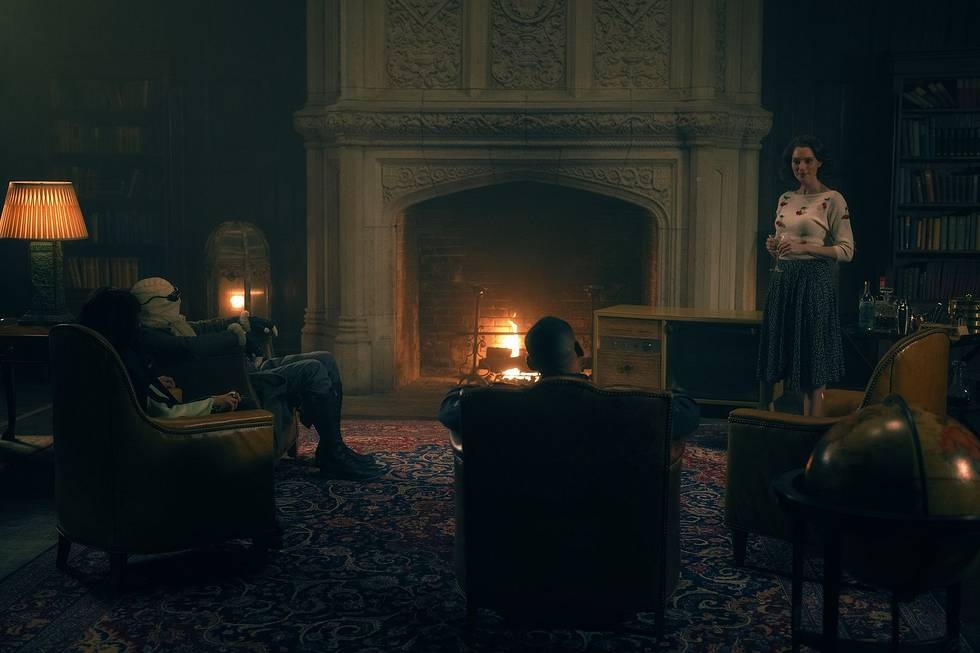
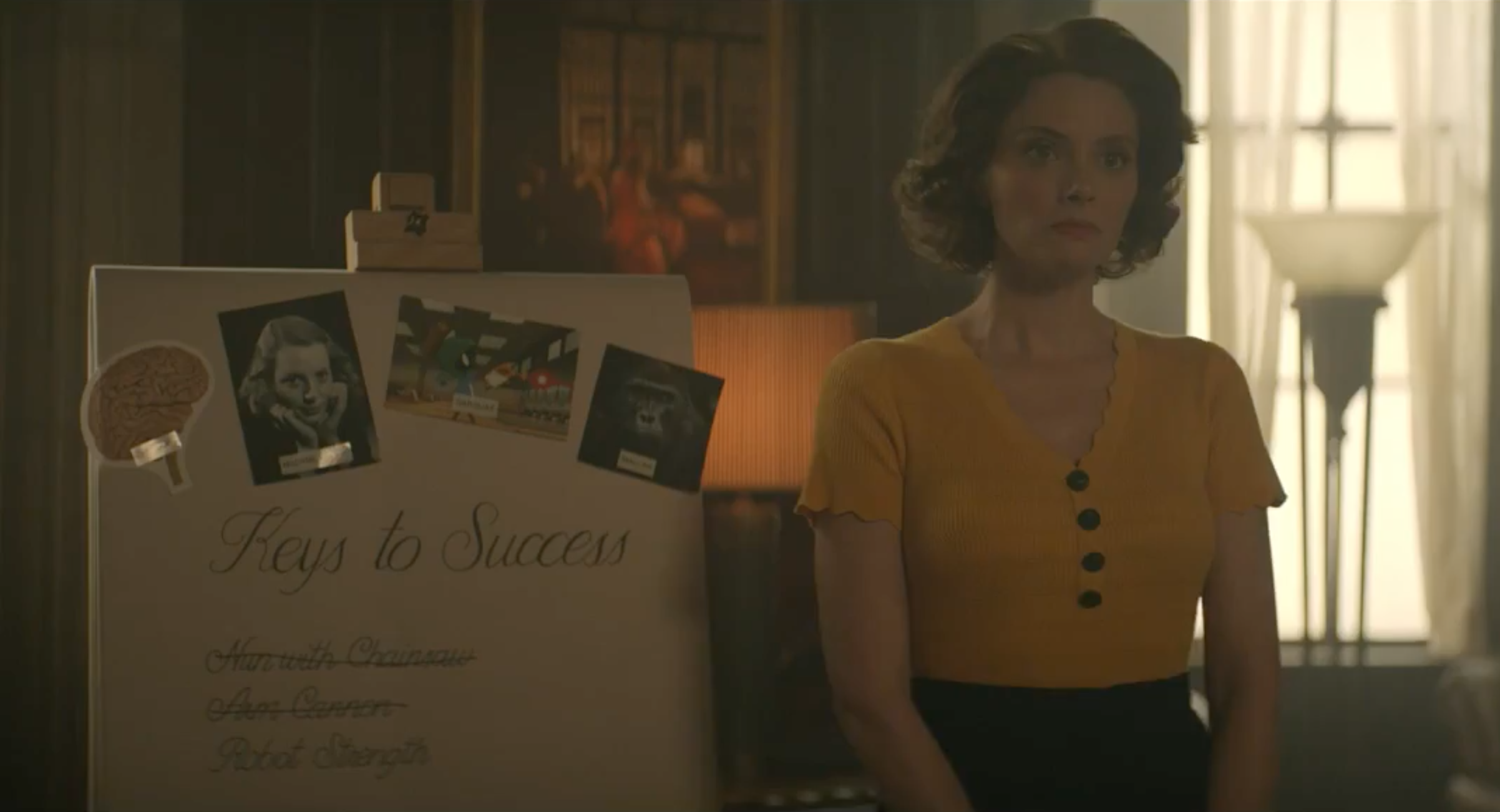
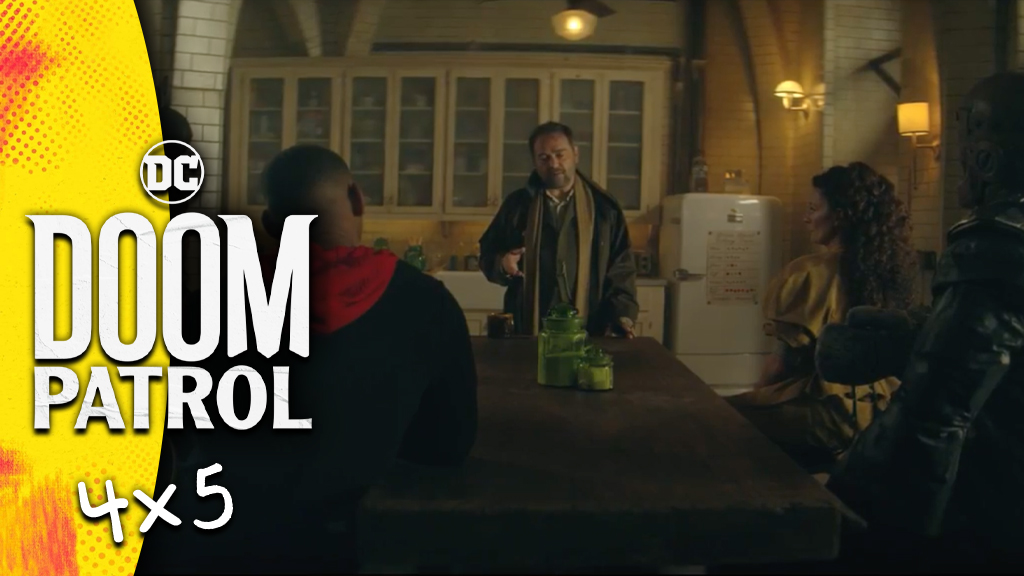
    Doom Patrol’s fifth episode of Season 4 provided much-needed plot leverage as the series nears its mid-season break. After the disconnected previous episode, it was satisfying to be back with our main team exactly where Episode 3 had left off. In this week’s episode, we finally received more of a concrete explanation of what the season is truly about. The plot pacing paired with definingly creative character moments made this episode a very strong inclusion in Season 4 thus far.

    Notably, Willoughby makes his genuine debut of the season to inform the group about what exactly “Immortus will rise” is all about. Rather than the General Immortus Doom Patrol comics fans may be more familiar with, Immortus in Doom Patrol is supposedly an interdimensional deity that can rip apart reality—and he wants to. What he needs, however, are certain shards of his that have been scattered around. Notable inclusions of these shards are Niles Caulder’s/Dorothy’s talisman and the miniature shards of it placed in Rita, Larry, Jane, and Cliff that gives them immortality. Immortus and his henchman are looking to extract immortality from them, and Dr. Janus succeeded in Episode 3 with Rita.

    In her aging panic, Rita sets free a poorly-designed de-aging spell that initially turns the team into teenagers. The gag is generally used to put the characters in the comical space of the classic dumb teenager trope, which, in the midst of trying to stop yet another apocalypse that they are somewhat responsible for, the fact that their priority becomes a pool party with other random youth is very classic Doom Patrol. It also ultimately delivered some phenomenal character moments.

    Jane’s teenagerhood is perhaps the most interesting, as she herself had never been one. Only created by Kay in young adulthood, Jane never experienced being a teenager. Prior in the episode, Jane gave in to her desire and began to masturbate, but seemingly knocked herself into the Underground subconsciously. The burden on Jane to protect Kay at all costs is extremely interesting when looking at it from the perspective of Jane as a full being. Jane, of course, was created in the aftermath of sexual abuse and trauma sustained by Kay. So naturally, it makes sense that Jane had a primary or major focus on avoiding that type of relationship. The fact that Jane struggles on her own to let herself feel any sexual pleasure is an interesting twist on the usual Jane-Kay narrative. In teenager form—perhaps the form that best symbolizes raw sexual desire and exploration—Jane has some form of hallucination where Kay tells her that Kay’s body is both hers and Jane’s body, leaving Jane with the suggestion that she may be more free to live as her own person. Considering Jane’s initial push this season was to find her purpose other than protecting Kay, this move toward autonomy certainly seems par for the course. However, the fact that Bunbury the magic rabbit appears to extract her immunity at the end feels a bit more pressing.

    The absolute standout moment of the episode, however, came from Rita and Laura. The two have been absolute masters both last season and Season 4 so far, but their bus top scene is every example of why. First, the two argue over Laura’s team leadership, but it devolves into the real issue between the two—Madame Rouge betraying Rita and having her boyfriend killed—and from there ends up at an extremely touching place. First, Laura has this important conversation with Rita’s now-child form, which amounted to a fully grown woman pleading with, apologizing to, and admitting again the extent of her shame and regret she will never be forgiven for to a child. When Rita tells her she cannot move past it, but misses her best friend, the dynamic between the innocent child who is hurt at her core and the adult who embodies all of the complexities of the relationship is remarkable. Finally, when Rogue beaks down so completely that she loses control and becomes her child form, the true level of pain, friendship, hate, love, and grief is beautifully captured in a near-perfect sequence.

    Elsewhere in the episode, Larry and Mr. 104 bond over each other’s shared traumatic pasts at the Bureau of Normalcy due to Kheeg’s role as wingman. Mr. 104’s connection to Lazarus is key to his motivation, but it is still a little unclear. However, there is no doubt this episode sets up a romantic connection that will quite possibly end up breaking many hearts. Larry’s loneliness is a constant theme for the character and the fact that there is not someone around who understands some of his hurt and can even safely be with him unwrapped is almost too good to be true. Add in the fact that Mr. 104 is a quite charming, handsome man for Larry (and the actors have that chemistry) it is just a recipe for love and warmth, but it does not feel safe in a series like Doom Patrol.

    Overall, Episode 5 is on par with the strength of the first three episodes of Season 4. It worked with its strongest elements while also pushing the boundaries of how successful that can make their character development. It is stunning that much of the development feels familiar, almost repetitive. Yet, despite the series’ best attempts to hammer a point home too many times, on the whole, each character and each line of personal development continues to consistently improve as if there is no ceiling. Next week’s Episode 6 will be the final episode of Part One of Season 4, so expect it to be action-packed with plenty of cliffhangers.
  • REVIEW: ‘Doom Patrol’ Season 4 Episodes 1-2

    REVIEW: ‘Doom Patrol’ Season 4 Episodes 1-2

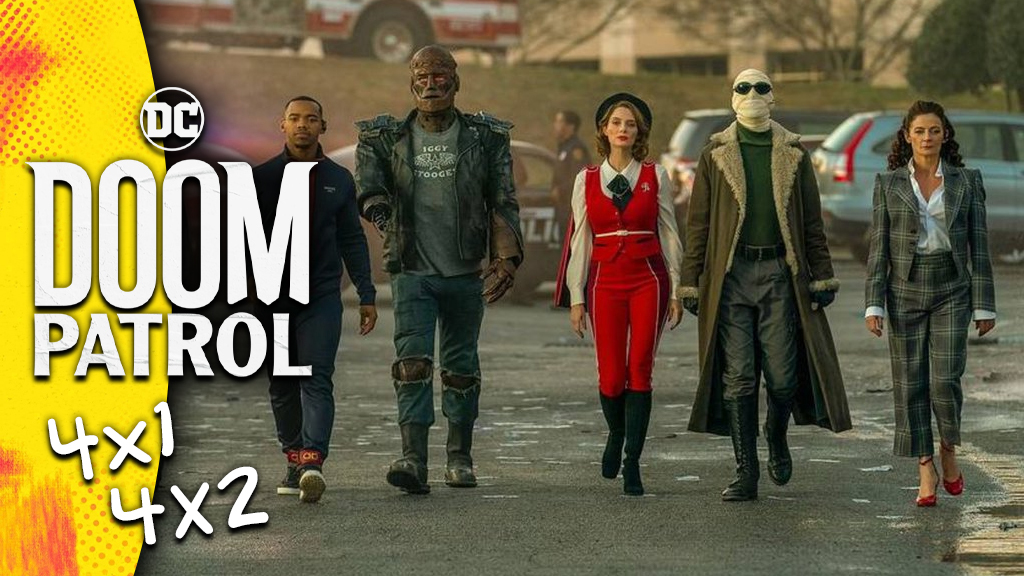
    The opening two episodes of Doom Patrol, “Doom Patrol” and “Butt Patrol”, show that the series is still the best comic book adaptation on television. Amidst the DC Entertainment turmoil, Doom Patrol is a strangely shining beacon of hope despite being wildly underrated and skewing away from the comfortable tone and subjects adopted by most other projects. Season 4 proves that there is simply something overwhelmingly unique about the HBO Max show.

    After finally ending last season as the “Doom Patrol”, we briefly see the superhero team in some classic action. The time machine introduced in Season 3 could be a key player going forward—it is used to facilitate the hero antics, but it is clear after Episode 1 that it can have a much larger role. Time travel played a large role previously, and Episodes 1 and 2 leave it questionable whether Season 4 will expand or retract it. Considering the team is trying to prevent a future apocalypse, a lingering question about a person they collided with in the time stream, and a General Immortus prophecy tease, there is a strong chance Doom Patrol will be playing with time as much as it ever has.

    HBO

    Just as time never stops, there is a never-ending theme of doom in the series. Aside from, obviously, the title, the group is relentlessly in a state of “doomed.” Not only does this season appear to revolve around the Doom Patrol stopping an apocalypse they themselves caused, but the main characters have also already met their future dead and ghostly selves and have started to dig their own graves in the aftermath. The show is a lively spectator sport where the viewer is constantly rooting for the loser. But as much as we might think we want a win in Doom Patrol, does that feel natural?

    It all naturally leads to a consideration of how Season 4 could fall short, and the answer is stagnation. The three preceding seasons all felt like they were building to a larger moment where the group of misfits become the titular Doom Patrol. They did, but we certainly do not spend much time in that mode. Instead, the group generally falls back into its dysfunctional family routine. This is the irreplaceable heart of the show, but one wonders if this season will show more movement—with the conclusion of Season 3, the forming of the Doom Patrol, and the slow buildup to an expected “superhero team show”, settling back into old territory might not be enough.

    That being said, Doom Patrol is generally the antithesis of commonality or familiarity. The current story is certainly intriguing—and ties in previous hits from last season—but only time will tell if the show can for a fourth time bring fans to a place wildly outside of any comfort zone. Still, some of the foundations laid are stronger than others.

    HBO

    Jane’s story is perhaps the trickiest one to predict here. Historically, her inner workings have been an extraordinarily strong subplot throughout all seasons, but it seemed to come to a strong peak last season. Episode 2 suggests that this aspect could be winding down, but the lingering solo subplot of Jane unraveling the depths of hers and Kay’s psyches—regardless of its quality—is starting to feel tired.

    In any event, the cast remains yards above their peers. Diane Guerrero seems impossible to beat, pulling off multiple characters effortlessly. April Bowlby and Michelle Gomez are once again humble pillars of the show, both on their own and as a duo. While Rita in particular has become the closest character there is to a lead, her and Madame Rouge’s dynamic feels both grounded in traditional storytelling technique and entirely refreshing. Jovian Wade’s Victor is in quite an interesting place as a character—Cyborg without any of the cyborg. So far, it seems like Season 4 is in no hurry to “correct” that aspect and Wade shows promise of a very strong and nuanced performance over the season. The Brendan Fraser-voiced Cliff has some of the most emotional scenes of the first two episodes, and he and fellow faceless Larry (voiced by Matt Bomer) always find their way to being some of the most emotive characters in the series.

    In sum, the first two episodes of Doom Patrol’s Season 4 capitalize on all of the series’ wonderful elements that have propelled it in the past. So far, there is a seemingly extra-cohesive plot, which may help glue the season together better than some of those in the past that felt slipperier than perhaps ideal. Of course, the first episodes raise many questions about the plot, but the biggest question may be how far the series is willing to stretch its core concept of a misfit bunch of powered-up rejects toward what its title can represent.

  • REVIEW: ‘Doom Patrol’ Finale – “Amends Patrol”

    REVIEW: ‘Doom Patrol’ Finale – “Amends Patrol”

    The title of the Doom Patrol Season 3 finale is more relevant than usual. Amends Patrol is all about redemption. Redemption here is most literal—making amends—and figurative. Our main characters finally make definitive choices as to who they are and who they want to be, taking control of their often-rocky narratives and owning up to the insecurities and flaws that have held them back for three seasons. As is typical for the series, redemption happens on an individual level for the characters, but perhaps the most exciting part of the finale is that we also get a major transformation on a group level. It is still abundantly obvious that Doom Patrol keeps finding ways to be successful in ways that most superhero or comic book shows cannot. It succeeds by refusing to yield to convention or by taking an easy story-telling route. It has consistently paid off for the series, but this episode is one of the finest examples of the series’ talent.

    Where the episode ends highlights just how far the group has come. Where revelations and breakthroughs have come in the past, they are sometimes undone or overshadowed by the next conflict. Interestingly, they were often not accompanied by physical changes even though a lot of the internal struggles were pretty connected with the physical abilities or burdens of the characters. Here, there is no ambiguity—through all the turmoil, they seem to have settled into the new mental and physical places that they couldn’t previously access.

    Season 3 made the decision to take its 10 episodes to genuinely develop and play out the characters’ arcs. The show could have easily turned the group into a formal super team at the end of the first or second season. In fact, it’s arguably bold that it avoided this very expected and anticipated element for as long as they did. But the result is a slow but rewarding burn that makes the “Doom Force” moment all the more exciting and meaningful. 

    The episode begins with most of the group in the last episode’s bus wreckage after Kay/Jane screamed and Larry’s parasite baby essentially blew everything up. While Rita is still obsessed with continuing on to find Laura, Larry and Vic are done following her after it became obvious that the whole situation is based on Rita’s selfish interests, which eclipse any concern she might have had for her teammates. Vic, who had been the biggest proponent of the super team concept, breaks and yells at Rita that they are absolutely not that. The Fog shows up as well to call out Rita. She tells her that neither Rita nor Laura are completely lost.

    This sets up a make-or-break moment for Rita as a character, which was foreshadowed at the very beginning of the season. Will she take her newfound confidence and self-identity to pursue revenge and her own personal interest, or will she figure out how to direct it to something bigger? Not surprisingly, she ultimately makes it clear that she’s not truly evil, notably by coaxing the Brain into thinking she will help him only to kill him with boiling water. Her presence as a leader is finally realized in a positive way at the end of the episode as she seems to take on that type of role with the newly minted super team. If you remember the Rita of season one, it’s amazing how seamlessly and gradually she’s made it here.

    Laura—definitively known as Rouge now—ends up a member of the Doom Force after she used the time machine’s amnesia to help herself make amends to the main group. Rita, for her part, decides at the last minute not to kill Rogue, further establishing that Rita will move forward.

    Larry has a pretty straightforward path to “redemption.” The larva, a negative spirit named Keeg, needs to merge with Larry or it will die. He struggles with the decision of whether he can let himself go through it all again. Vic reminds Larry that he decided during the eternal flagellation to try and let love in. Larry ultimately takes in the negative spirit, saying “I swear I will try my best to do right by you. Always.” We later have a moment of glorious negative spirit flight and action before it suddenly fails and falls to the ground unceremoniously. He’s trying.

    Jane’s decisions are less clear. She has been in constant conflict with the other personas over her beliefs on Kay’s growth. It turns out the personas fled the Underground and are living in the Fog because they are afraid they will disappear as Kay evolves. Yet they are still dying. Apparently, Dr. Harrison is the persona behind the scheme, only looking for control. Jane makes a deal with her that if she helps the personas return and rebuild the Underground, Dr. Harrison can be primary. It seems to suggest that Jane’s redemption is geared towards the personas now, not Kay. With all the previous focus on “the girl” with last season’s Miranda plot, Jane spent this season alienating and ignoring the concerns of the other personas in order to focus on Kay. By sacrificing potentially quite a lot in both the Underground and on the surface, Jane manages to make amends to the personas—it’s unclear if this will undermine some of her journey with Kay.

    Cliff is the one who embraces making amends directly. Laura winds up early on putting his brain in a giant robot that the Brotherhood of Evil had thrown out at some point. He then convinces Laura to stop her rampage toward Rita, telling her that she’s, essentially, not completely evil. This is seemingly confirmed as Laura cannot bring herself to kill Cliff, and flies off instead. He then goes to Clara’s to genuinely apologize for being a terrible father.

    The ultimate conflict of the finale ends up being Cliff, who has Parkinson’s, losing control of the giant robot which is stampeding into Cloverton. Jane, via Flit, teleports into the robot to try and help Cliff, and they have a tender moment while thinking that they are both about to die. Ultimately, Rita grows into the size of the new Cliff and stops him. It’s a very dramatic moment for her that speaks to a level of control over her powers that we have absolutely not seen before.

    Later, the group reacts to what they had accomplished. Rita is particularly proud that they saved a town, even though Larry reminds her that they were the only threat in the first place. They finally agree to be a super team, with Cliff hilariously proclaiming them to be the “Doom Force.” It’s going to be a wild ride because the episode ends with the team labeling themselves and making a to-do list to fight a monster that they are using the time machine to get to.

    Amends Patrol is undoubtedly one of the best episodes of the season. It leaves you excited for the next season while managing to be an engaging and compelling episode by itself. While Doom Patrol seems to finally make itself about the Doom Patrol, it’s also clear that the series is not going to be any more predictable. Yes, we now have an official team. But Vic isn’t Cyborg, Jane may not be primary, and Cliff is a giant robot. Larry still hasn’t mastered his new negative spirit, and Rita and Rogue have a tense relationship. And, of course, they are inducing amnesia to go fight monsters with all of these defects. But somehow, this episode ends in one of the most optimistic places Doom Patrol has ever been. The series is not taking the easy way into the superhero plot, which is what makes this show so unique. The individual character grind over the past three seasons made this space better and more meaningful than it could’ve possibly been had the series jumped into the super-team quickly. After this season, there’s every reason to believe that this show will only get better.

  • REVIEW: ‘Doom Patrol’ – 3×9, “Evil Patrol”

    REVIEW: ‘Doom Patrol’ – 3×9, “Evil Patrol”

    Season 3’s penultimate episode of Doom Patrol is all about dysfunctional relationships. In fact, it is nearly impossible to point to any element of this episode that isn’t quite clearly a representation of a rocky and toxic relationship. It’s a theme that pervades Doom Patrol as a whole, but it was certainly wrung out in all of its glory in the previous episode. Evil Patrol makes it quite clear that the bulk of this season did the messy work of getting our characters to a significantly different place than they have ever been before in the series. As a result, this episode feels like Doom Patrol is now at a spot where the audience is no longer forced to try and figure out and parse through what is going on, but rather just getting to enjoy it uninhibited. And this episode—which could also be fairly named “Plot Patrol”—does what the series does best: be extraordinarily fun.

    This season of Doom Patrol seemed to be setting up Rita as a major player at the very start of it, and it’s become more than obvious that Rita is really who is driving the show now. Even though the clearest conflict is Rita against Laura, Laura only becomes an arguably villainous figure in the present day because Rita pushes her into survival mode. Without Rita plotting to destroy Laura, the latter never would have returned to the Brotherhood of Evil or hatched any nefarious plot. Rita’s obsession with revenge is the only true adversarial threat of the story at this point—it’s pretty safe to say for certain that Season 3 does indeed lack a strong villain, but it isn’t suffering for it.

    Rita’s loss of Malcolm turns her into a staunch vengeful personality with the confidence and motivation that comes along with it. It allows her to be an extremely different Rita than ever before. She makes it clear to Laura that she won’t let her ruin anything else and that she won’t stop fighting until she’s ended her life. She doesn’t hesitate to start gathering a team to help her, but she quickly realizes that almost all of her potential “assets”—Vic, Jane, and Larry—are no longer assets. It doesn’t really deter her, and she’s more than willing to go the extra mile in keeping everyone around to help. That’s how desperate she is to get revenge on Laura, and that’s how clear it is that she has little concern for the friends she used to have much more compassion for.

    Her loss of herself seems most apparent when she becomes extremely paranoid that Cliff’s daughter Clara is actually Laura in disguise. It comes off as more of a blow to Cliff’s sense of worth, but it turns out that Laura did, in fact, infiltrate Doom Manor, but as Clara’s baby. The result is one of the funniest moments the series has put together—Laura shapeshifts into some kind of elf-sized, disturbingly proportioned creature that looks like it could have come straight out of a Shrek film. She essentially bounces around while the new and mostly depowered team swat at her with objects. The intentionally rough visual effects, including the awkward tempo of it all, fits with the series’ aesthetic perfectly, and it’s just a near-perfect moment. In the end, Laura teleports away with Cliff.

    The fight comes after Laura rejoins the Brotherhood of Evil. The group—which is just the Brain and Monsieur Mallah—is a standout in Season 3 despite being minimally involved and having little screen time. Laura finds the two living in a retirement community in Florida, done with the life of the Brotherhood. Laura convinces the Brain to work with her to both keep herself from being killed but also to supposedly destroy Niles Caulder’s legacy. While they ultimately betray her, it’s not until after the Brain puts himself in Cliff’s body—he is living his best life. While the Brotherhood stand out particularly for the humor they bring, it’s ironic how they just truly aren’t villains here. Both Rita and Laura essentially use the Brotherhood as an excuse to target the other, and the threatening-sounding organization is just sort of the connector. The Brain and Mallah were perfectly content with their retirement before these two women came along. 

    Apart from the main Rita-Laura situation, the other characters have strong moments both alone and together. Vic probably has the rawest and compelling moment with his conversation with his father after Vic has his tech removed. Joivan Wade really delivers, and the scene grows from comforting nostalgia to completely chilling. It’s also the best Vic/Cyborg mental and emotional moment the series has given us. Vic’s arc was always very interesting—and this moment doesn’t make it more or less so—but it always felt like it was missing some intensity. Vic’s pushback against his dad’s attempts to convince him that turning him into Cyborg was the right thing to do, and claiming that he is ready to be able to actually define himself undoubtedly provides that intensity. It also feels like a watershed moment in the character’s development that was a long time coming. While we arguably “lost” the character of Cyborg, the fact that Vic otherwise remains himself is pretty cool. He’s such a strong personality with a good heart. When the team asks him why he came back to Doom Manor now that he is “normal”, he simply says, “I live here.” He has no interest in not being some kind of hero or doing the right thing—losing the tech highlights that Vic, not Cyborg, was always the hero.

    Larry’s parasite baby is a delight. We get sweet and funny dad moments, but we also learn that the little larva can sense and react to everyone’s emotions leading to Larry being zapped by it every few minutes. Jane and Kay are still on rocky and fragile ground, especially now that the rest of the personas have left the Underground. Kay tries to take the reins but flees when she gets scared, and it becomes clear that the Underground will destroy itself if it remains empty. Cliff gets convinced that Clara coming to help him is too good to be true because he doesn’t deserve another second chance.

    The overall theme of “dysfunctional relationships” is at its height at the end of the episode when the team takes the bus to go save Cliff. Everyone is resentful that Vic seems to actually have figured things out about himself after the eternal flagellation. Larry confronts Rita about how the mission really has nothing to do with Cliff for her, and she admits she chose not to save them all from dying to not risk erasing the life she built with Malcolm. Larry’s parasite makes it clear that everyone is emotionally toxic. It’s entertaining and laugh-worthy, and it seems true to the “team” we have known in Doom Patrol

    Because this episode seems to have started from somewhat new ground in terms of the overall plot—notably, getting the Brotherhood of Evil involved as a major piece—it was not predictable and it makes it hard to predict where the finale is headed. This isn’t anxiety-inducing, as the series in general and the second half of Season 3, in particular, has been very successful at making stories come out of nowhere and still be great. While we can say goodbye to the idea of a “big bad”, the Rita-Laura situation can probably be seen as a villain in and of itself, with Rita in particular actually giving off the “evil” vibes. Evil Patrol sets up an entertaining finale at least, and probably an exciting one as well. While only time will tell, Doom Patrol has done the work this season to make it something special. 

  • REVIEW: ‘Doom Patrol’ Episode 8 – Subconscious Patrol

    REVIEW: ‘Doom Patrol’ Episode 8 – Subconscious Patrol

    After the cliffhanger ending of the previous episode, Doom Patrol’s Episode 8 had some high expectations to meet. While the episode accomplishes too much to truly do justice in unpacking it, Subconscious Patrol is a masterpiece. Without being overdramatic, I can say that this is one of the best episodes of television I have seen in a long time, if not ever. There is no doubt that this episode will go down as one of the most well-written, well-performed, and electrifying installments of Doom Patrol. Perhaps the best part of the episode’s success is that it does not exist in a vacuum, but was undoubtedly gradually earned over the three years of Doom Patrol

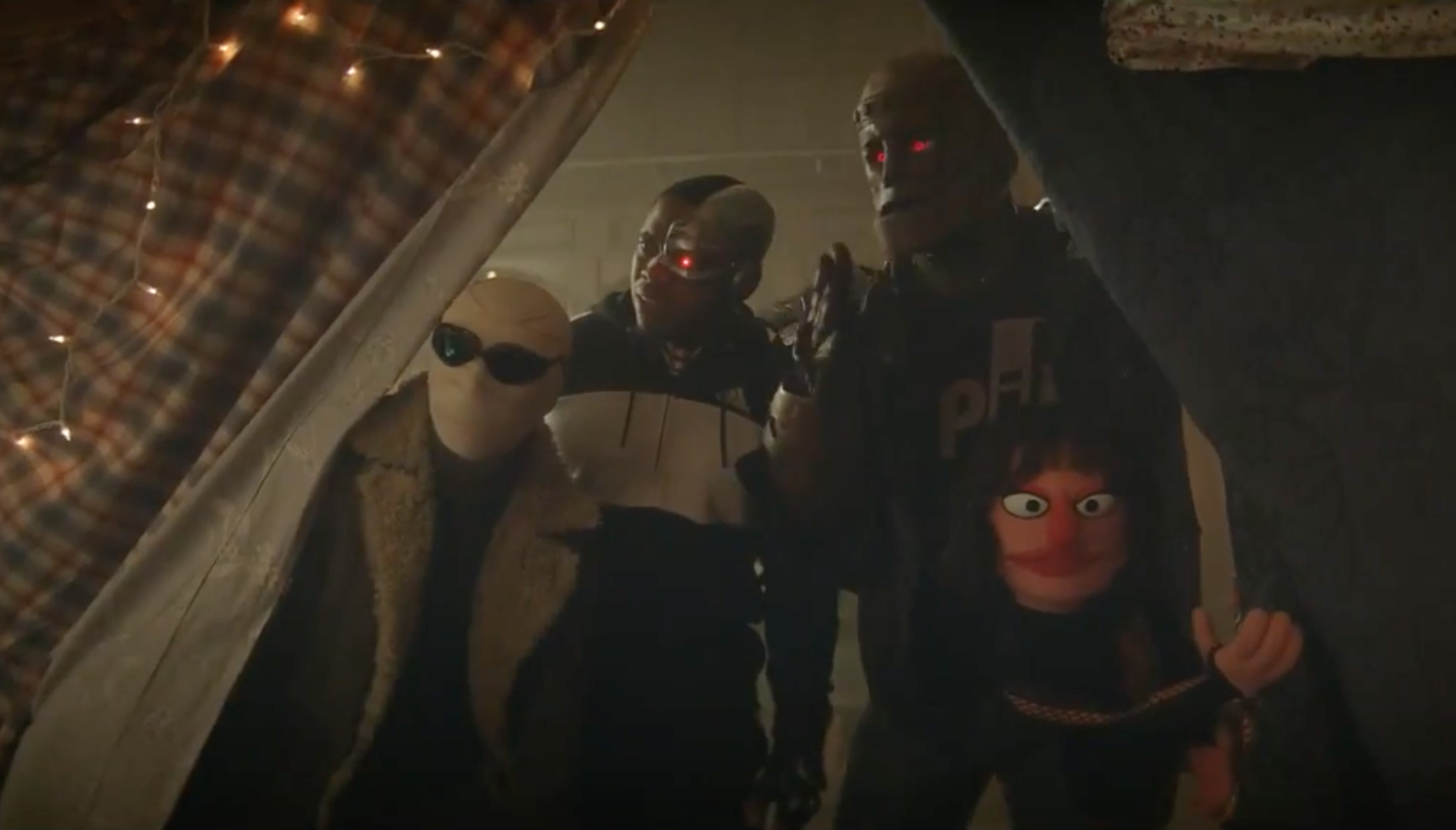
    The series is truly at its best in Subconscious Patrol in a lot of ways, including the writing and concepts it plays with in the episode. The overarching idea is interesting on its face, but the actual execution takes it far enough to be ridiculous in the best way possible. Forcing the characters to confront their subconscious selves is one thing, but to have those “subs” first hang out together in a pillow fort while the main characters prison break one another out of old memories is another. The pièce de résistance is the ultimate combination of mains and subs huddled in the same pillow fort watching each other attempt to sort through their emotional turmoil. It is maybe the first time this season since the first three episodes that it feels like the Doom Patrol was a family, or in something together.

    The plot shines, and the convoluted—yet written well enough to easily follow—workings of the Eternal Flagellation are intriguing and exciting. But the character work is absolutely divine. Doom Patrol is known for how well it handles character development and phenomenal acting performances, but Episode 8 was on another level. It is frustrating, though, to try and generally summarize the episode when the details and complexities of it have been delicately built up for years and this is simply the payoff. In reviews of early episodes in Season 3, I criticized how some of the characters’ stories felt stagnant and repetitive at times, but it’s pretty clear to see now how all of it intentionally paved the way for what truly feels like a climax three years in the making. The writers and actors earned this moment, and it is beautiful.

    Our new and Sisterhood-of-Dada-version of Rita explains the Eternal Flagellation. Essentially, every person in the world has swapped places with a version of their subconscious selves—generally from a traumatic or guilt-inducing memory. The point, apparently, is that no one will be able to hide who they truly are, which means that no one can be evil. While that doesn’t sound like the ultimate threat of the season, Rita assures them all that “it’s art.” It’s also a revelation that the Sisterhood of Dada is maybe yet another red herring for a villain. But honestly, it looks like maybe the Dada arc was genuinely working in the shadows throughout the season to bring our characters to this breaking point. The lack of a strong adversary in Season 3 certainly is not the detriment it could have been up to this point.

    The Doom Patrol—apart from Rita—swap places with subconscious versions of themselves. Larry finds himself in a memory from the moments before his wedding where he ultimately gives in to the homophobic hatred surrounding him (here, his mother’s) rather than calling off the wedding. Vic actually swaps places with a toy called “General Tony” from a memory where a racist toy store worker threatened to call the cops on him because he dropped several toys simply looking for a black superhero—there were none, and General Tony the soldier is what he left with. Jane is somehow in the subconscious of Kay’s subconscious where Jane and the other personas are Sesame Street-style puppets playing into Kay’s fantasy. Cliff finds himself in a memory of his own birthday party involving booze, bros, and a stripper—but the kicker is that he intentionally left his young daughter in the car to enjoy all of it.

    The characters’ subs all meet in Doom Manor and General Tony builds an elaborate pillow fort for them to convene. The way these subs interact could fill an entire other series alone, and already Matt Bomer and Brendan Fraser are absolutely phenomenal. They both benefit from getting to play very altered versions of the main characters we know—Bomer is pre-accident Larry and Fraser is pre-accident Cliff. Seeing either of the two as normal-looking humans is enough to be jarring, but allowing the actors to portray incredibly distinct versions of their normal character not within some kind of flashback is fascinating. While the subs discuss themselves, the main characters find a way to unite and break out of their subconscious realm and take a flying car (which looks like Cliff’s memory birthday cake) through a rainbow tunnel to Doom Manor to meet the subs on conscious ground.

    When everyone comes together, the magic of the episode really happens. There is so much context to these characters and the conversations they have that it is astounding that the episode did it justice. This review cannot, but to be clear: this episode alone makes the 31 previous episodes of Doom Patrol worth watching even if you didn’t think they were before (but they are anyway). 

    Larry was the only character who achieved some sort of resolution with his subconscious self. His sub confronts him that he is afraid that he doesn’t know how to love or is not worthy of it. Again, Bomer takes everything about Larry to the next level in this conversation. But the kicker is his final plea to main Larry to change his life, reminding him that he is stuck in an infinite loop of that memory: “Make it worth what I’m going through.” Larry’s sub then disappears. Larry is the first character to have that conversation with his sub, so it sets the stage for the other characters to get their resolutions as well.

    Except they don’t. Vic comes to terms with the fact that General Tony represents that he was expected to be a soldier and lost his childhood as a result. There’s an understanding that he can’t get it back, but General Tony tells him that he can make his own choices now. Vic screams, “I didn’t want a soldier!” as General Tony disappears.

    Cliff’s conversation is brutal and disheartening. Fraser is masterful here, and it’s hard not to believe he was actually talking back and forth with himself in real-time. Cliff’s “breakthrough” is that he admits that amongst his need to feel special, fatherhood makes him feel nothing. He recognizes that he’s doing the same dumb things now despite his second chance with Clara. With a lot of shouts of “Fuck you!” back and forth, the sub disappears. Cliff is left more agitated and emptier than ever, and it is a dramatic contrast to Larry’s conclusion. 

    If Cliff needed competition for “worst subconscious conversation ever,” Jane gives him a run for his money. Main Jane is still a puppet at this point, which is hilarious, but sub Kay tells her that everything Jane does brings Kay more pain. Kay says that it’s time for her to grow up and be without Jane. This conversation is the most heartbreaking—Kay disappears after she says, “I wish you would die.” Diane Guerrero doesn’t let you forget that she’s been acting the hell out of Jane since day one, and Jane absolutely loses her mind. It’s as if this is the moment she finally realized that Kay getting better means her existence is useless. It’s particularly interesting because Jane always knew this to be the case, but here it seems as though she finally let go of the illusion that they can all grow together.

    If the pure brokenness at this point was not enough, the episode has more punches left. After the Eternal Flagellation ends, our characters wake back up to the real world. Clara tells Cliff his presence as a grandfather isn’t working out, Kay has cleared the Underground of all other personas, and Vic wakes up from surgery with prosthetic skin and no tech. What we do have is Larry—sweet Larry—who goes back for the parasite he previously abandoned in the woods. 

    We also happen to learn why Laura DeMille actually time-traveled to 2021 anyway—after being fired from the Bureau of Normalcy because of Niles Caulder, the Brotherhood of Evil recruits her to travel in time, steal his technology, and bring it back so that the Brotherhood can invent it before Niles does. The Brotherhood finally gives her the name, “Madame Rouge.” Rita and Laura confront each other once again, and their duality and rapidly complex relationship is still one of the most interesting pieces of the Dada plot remaining.

    By the end of Subconscious Patrol, we are on very uncertain ground. At the very least, we know that Vic is no longer “Cyborg.” There’s also the possibility of it Jane being destroyed by Kay at any moment. Cliff is a broken (robot) man, but Larry is finding a way forward. The Dada storyline might be fading out as quickly as the fog rolled in, but the way it was able to bring the character development to a head in this episode was incredible and compelling beyond expectations. It’s pretty unclear how the season will wrap up its last two episodes after this, but Subconscious Patrol is one to remember.

  • REVIEW: ‘Doom Patrol’ Episode 6 – “1917 Patrol”

    REVIEW: ‘Doom Patrol’ Episode 6 – “1917 Patrol”

    By going backward, Doom Patrol’s “1917 Patrol” manages to move the season’s plot forward significantly. The episode filled in much of the blank space the first half of Season 3 created surrounding Laura DeMille and the Sisterhood of Dada and in doing so actually gave Doom Patrol what feels like a concrete and cohesive storyline.

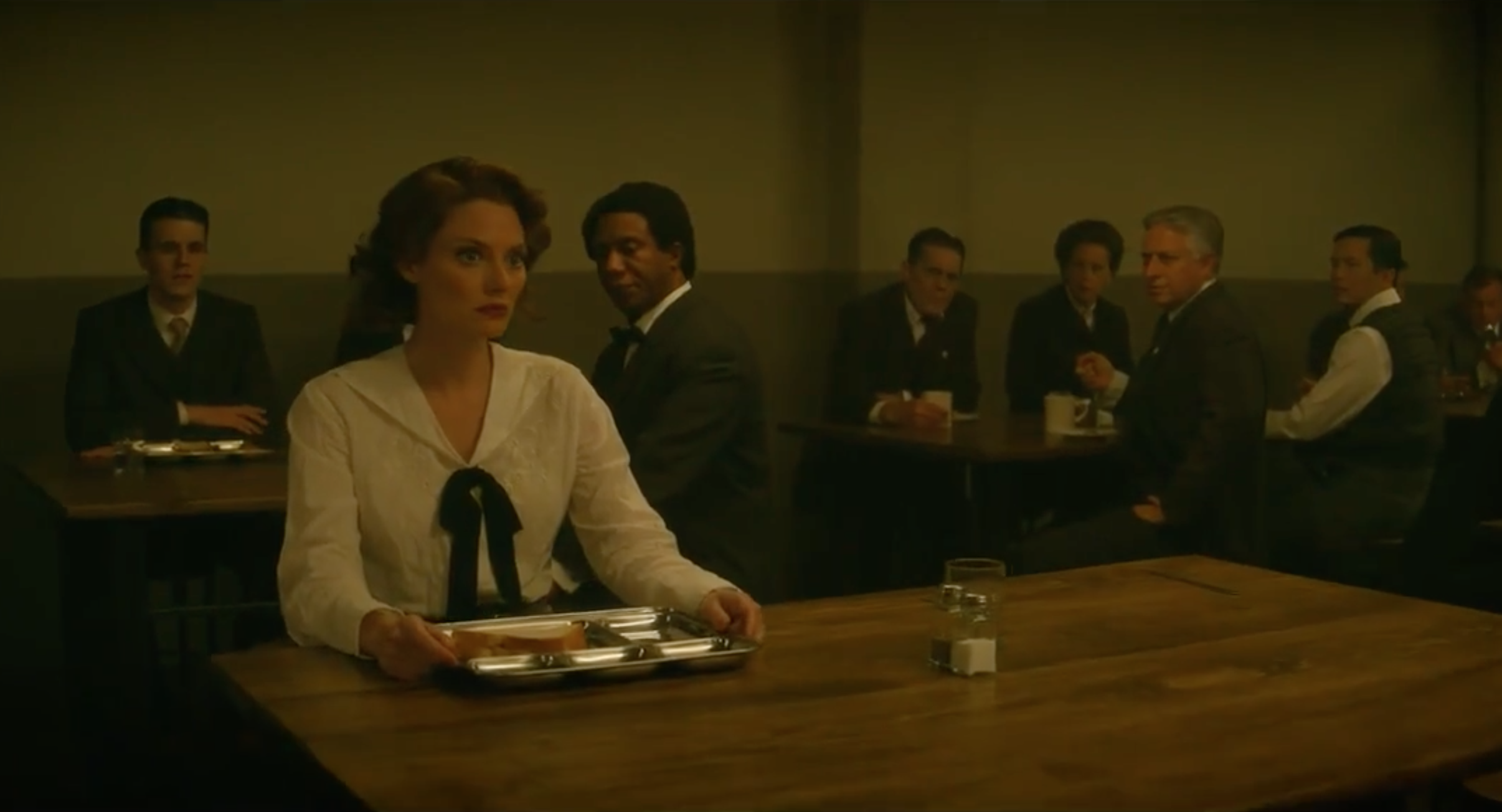
    Episode 6 sends Rita back in time to 1917 to explore the origins of the Sisterhood of Dada, which is helpful and welcome after the vague and mysterious way we met them last episode. Rita forgets who she is like we saw Laura do after using the time machine, but ends up at the Bureau of Normalcy which houses a small number of metahumans. Now known as Bendy, Rita finds a happy life working in the mailroom and connecting with the other metas.

    The group is mostly the same as we saw in the last episode, including Fog, Frenzy and Quiz. Additionally, Laura is a part of the Sisterhood, as well as a man named Malcolm who can turn invisible and has a birdcage and canary for a heart. Rita/Bendy finds a quick home in the Sisterhood, who gather in a place created by Fog to express themselves and be creative—but it’s essentially a speakeasy. In particular, she grows quite fond of Malcolm. The Sisterhood certainly does not come across as any kind of threat yet, so it’ll be interesting to see what happens between 1917 and the present day to lead us to their confrontation of the Doom Patrol and talk of “The Eternal Flagellation.”

    “1917 Patrol” does a phenomenal job in developing both Laura and Rita. While we’ve spent time with an amnesiac Laura and normal Rita, we haven’t had much development for half of a season. Ironically, this episode ramps up the two characters by mind-wiping Rita and putting Laura in a place where she knows who she is. Laura is a recruiter at the Bureau who classifies metas as either weapons or not weapons. She clearly has a soft spot for some—and she is a shapeshifter herself—as she protects the Sisterhood from being used as soldiers. On the job, she is indifferent, professional, and rigid, but once with the Sisterhood she comes alive like the rest of them. Rita, without her memories, is a much more confident and secure person who easily finds a family and a sense of belonging with the quirky group.

    The episode seems very intentional in how it uses this episode to frame the two women, and it pulls off probably several episodes-worth of character development in just this one. We now have an actual grasp on who Laura is and she is much more of her own person rather than just filler at Doom Manor now. Rita feels reinvented but is actually just being interpreted in terms of who she would be if she was not riddled with shame and insecurity. We spend a lot of time with both in the past after we spent a decent amount of time with them together in the present day—their individual growth is intertwined with their chronologically messy relationship, and the ultimate payoff of that, if this continues to be executed well, could be huge.

    Elsewhere in the present-day episode, the other members of the Patrol are handled similarly to how they’ve been dealt with so far this season. They are very separate from one another and are taking stabs at small bits and pieces of their own stories. Some of it feels a bit repetitive, and some of it feels slow—they certainly have not been folded into the newly revealed overarching story yet.

    Larry stands up for himself against his son who hates him for leaving the family after his accident. While Larry has normally let his own guilt weigh down his every move, he delivers a solid rebuke and tells his son that he can’t take his fatherhood from him. Cliff is still living in a haze of black-market Parkinson’s drugs, and he is addicted to online gaming, gambling, and girls. 

    Jane lets Kay go up to the surface to buy her own shoes, and Kay teaches herself how to ride a bike and experiences some joy for once. The other personas are not happy with Jane’s interest in helping Kay grow, and there’s an obvious setup to a bigger referendum on Kay’s trauma on the horizon. Vic is again questioning why he is Cyborg, or why Cyborg is Cyborg, or why Cyborg is Vic—take your pick. This time, though, he’s doing something explicit about it by looking into replacing his technology with synthetic skin.

    Episode 6 ends with Laura being ominously and threateningly contacted by the Sisterhood of Dada in the present day. Something has clearly changed from 1917, but like Laura, we are still in the dark. It’s noticeable, though, that Laura is for sure no longer being set up as the obvious and staunchly established adversary of the season. The mysterious but clearly rocky dynamic between her, the Sisterhood, and the Doom Patrol calls into question whether we will even have that kind of villain at all. The lack of that in the past hasn’t been particularly positive, but the seemingly more well-rounded and complex plot might have a fresh take on it.

  • REVIEW: ‘Doom Patrol’ Episode 5 – Dada Patrol

    REVIEW: ‘Doom Patrol’ Episode 5 – Dada Patrol

    Doom Patrol’s fifth episode is a well-earned lesson in giving up. From day one, our main characters have all been teetering on a 4-foot-high ledge, often actually falling off. But as “heroes” they generally get right back up again. This time, they are much more relatable. 

    The team bus is broken out again so that our heroes can pursue Laura DeMille’s plan to murder—but never mind, let’s just infiltrate—the Sisterhood of Dada. The whole crew ends up enveloped in a very dense fog, where they individually meet different Sisterhood members that serve mostly to mentally terrorize our already-fragile characters’ mental states. If the attempted infiltration of the Sisterhood does anything, it gives everyone a kick in the face that knocks them off the ledge into a faceplant—and the Sisterhood laughs while they do it.

    While we get a shallow survey of the different members of the Sisterhood, the most prominent and interesting one is the aptly-named, “The Fog”, or Shelley Byron (you might remember her from the hidden film last episode). The Fog is genuinely intimidating between her masterful use of her powers to casually disarm and humiliate our team in addition to her general presence. While Season 3 seems to be setting a few too many villain-related pieces up with so far no real threat—Madame Rouge, the Sisterhood of Dada, and the Brotherhood of Evil—she is one that stands out as having a formidable enough stance to be one worth looking forward to. 

    Jane is starting to struggle to find herself in this post-“Miranda” landscape where Kay herself is now more active and actually growing. There’s conflict with Jane and the rest of the personalities regarding whether or not Jane is doing what is best for Kay. It isn’t entirely clear what Jane is actually doing “wrong” but The Fog absolutely gets further into Jane’s head and spotlights her insecurity over a domain she used to run so smoothly. 

    Cliff is on his own self-journey of becoming more problematic while trying to improve. Instead of more appropriately addressing his (likely) Parkinson’s, he opts to messily self-medicate with black market drugs to try and be a better functioning grandfather. It also leads him to be absolutely useless in the fog and generally out of his mind. Larry is also a defeated mess without the Negative Spirit—his “give up” moment comes  as early as being told to stay with the bus.

    Vic stays on track with his usual inner turmoil. He’s lost in his feelings for Roni, which impacts his feelings about himself, and ultimately everything comes back to “Who is Vic?” That in and of itself is hard for Vic, because Cyborg was early-on branded as this awesome superhero, but we have never actually seen him do much of that since abandoning Detroit for Cloverton. While his heroic complex is already on the fritz, Frenzy—another member of the Sisterhood—throws him for a loop to ask, “Why are you?” Long story short, Cyborg does not come out of that conversation a winner. 

    Rita’s building existential crisis this season certainly makes the biggest move by the end of the episode. Having convinced herself that she is a world-renowned time traveler—based on images of someone who appears to be her in old footage and her being the target of the Brotherhood of Evil—she is gutted when Laura drunkenly insults her for thinking this. Rather than reevaluating herself or identifying the areas in which she is confident in herself, Rita goes all-in to drunk drive the time machine with no plan to, in effect, give in to the blackhole that is her identity crisis. 

    At the end of the day, the characters all return to the bus and pretty much just say, “Ok that was hard, we’re quitting.” In other words, after they faceplanted above, they stayed there. For a gaggle of people that are simultaneously so relatable and unrelatable, they really stuck the landing on relatable this time. The fact that their defeats came at the hands of, generally, mere conversations, is the icing on the cake of them simply giving up.

    With the characters in this state of mind at the end of the episode, it feels similar to many places we’ve been before. Doom Patrol often seems like it wants to be a journey, but it can sometimes move at the pace of a snail and feature constant, non-stop diversions. The diversions are a blast, but sometimes it is not particularly clear if the series has actually moved much or if it is all one big circular fever dream that never ends. If it is, the desire to give up makes the most sense, but it also means giving up is impossible—good luck to our characters are they keep going through the wringer.