Tag: TV Review

  • REVIEW: ‘One Piece’ is Among Netflix’s Best First Seasons

    REVIEW: ‘One Piece’ is Among Netflix’s Best First Seasons

    It’s been seven years since One Piece was first announced to be getting a live-action adaptation. The production survived a pandemic, constant delays, a long production in South Africa, one of Netflix’s biggest marketing strategies, and so much more. On August 31st, it finally made its way to Netflix as a binge-drop. Was the wait worth it or did Tomorrow Studios repeat the same mistakes that sank Cowboy Bebop?

    To get the easiest comparison out of the way fast: it’s not another Cowboy Bebop (though to be upfront, I felt it as actually decent if taken as its own thing). Showrunners Steven Maeda and Matt Owens managed to do what seemed impossible and bring a goofy but heartfelt series to live-action like One Piece in this new take on the iconic East Blue saga that started it all.

    The manga series by Eiichiro Oda is somewhat special in many ways: it is a very goofy, almost childlike story that has some of the most heartfelt moments that truly tug on your heartstrings while managing to still tell the same story for over 26 years at this point. Yet, East Blue is very distinct when compared to the rest as it was the time when Oda was still figuring out the story he wanted to tell with very distinct stories that only loosely connect through the first recruits for Luffy’s journey to the Grand Line.

    So, the showrunners are given quite a daunting task having to bring such an iconic series to life and stay true to the original while having to establish a more Western-style connected adaptation of the saga that has the least connective tissue. And, somehow, they managed to pull it off. The smartest move they did was to ensure that the main cast where perfect for their respective characters, which became one of its biggest selling points. Netflix was smart to make good use of pre-recorded interviews and videos of the caster interacting to further sell their dynamic as a team.

    Inaki Godoy was a perfect choice for the loveable Monkey D. Luffy. He has just the right energy to play the character and also has that inspiring energy that keeps the story going. Mackenyu is a more subdued Zoro who is inspired by his later appearances but actually adds a bit more variety to the cast with his straight-man reactions and dry humor. Jacob Romero Gibson is a lot of fun and they do more with him than just being comedic relief; they also really embrace his cowardly habits.

    Emily Rudd is a standout for her more emotionally-centered performance; not too surprising given the importance of this arc and her story. Lastly, Taz Skylar is a great rendition of Sanji that finds that right balance but given when he is introduced, we sadly don’t get a lot of time with him. However, they make good use of his “new guy” dynamic and want to prove himself. The Straw Hats are the selling point of this series and are definitely the highlights throughout, as you just want to spend time with them even when the show’s first season wraps.

    The rest of the cast is also great and outside of maybe one or two, they are probably the most accurate castings I’ve seen in an adaptation. They also give some great and varied performances with Jeff Ward truly being the stand-out as the always loveable but terrifying Buggy. Arlong (McKinley Belcher III) is also a stand-out who has a lot more depth and wasn’t done justice in the trailers. Overall, the villains were great even if one really deserved way more screen time but at least got a slight spotlight. Vincent Regan’s Garp is also a great character who is given a bigger role inspired by a later arc.

    One thing many were a bit concerned about early on was the CG and outside of maybe one or two shots, there’s some fantastic work in this show. News Coo and the Lord of the Coast are visually impressive. There’s a scene of swords falling apart that looked off later on in the series but the big surprise is just how well they pull off Luffy’s stretchy powers. They don’t shy away from it and make good use of it whenever they can. Even the Gum Gum Balloon looks convincing which is impressive given how even big-name studios avoid those kinds of powers like with Ms. Marvel.

    The most impressive aspect of this series is how they keep this tight balance of having it grounded but the series still has its goofy elements. It makes it stand out from other adaptations that either go too serious or generally just replicate the original source material. There are iconic moments in here but they changed enough that allow it to connect more effectively with an overarching plot and set-up. There are a lot of changes that are here to focus more on the character dynamics and overarching thematic plotline.

    Speaking of, the smartest move was to give it a strong connective tissue through the theme as a way to also explore a story that is a bit removed from our main Straw Hat’s journeys. While some of the parts with Garp and the Marines seem disconnected, the way the story comes together actually gives it a strong meaning on why it is being told here and now. The scenes are a bit slower and can break the overall pace, but don’t feel like they overstay their welcome; especially with some great moments from Garp and Helmeppo. Personally, the pay-off of these sequences gives it a lot more weight and made me like the addition to further elevate the themes.

    The biggest challenge with these adaptations is the direct comparison to the original. A lot of minor and even some bigger characters were removed which is a shame, but after leaving behind the “I missed this from the original” makes sense in how the story is being told this time around. It’s a different adaptation that feels like how Oda might’ve told it given how his storytelling has evolved since he first worked on the East Blue back in the 90s. Especially in how some characters get a bit more screen time to flesh them out more. The early introduction of characters like Mr. 7 is also a clever way to establish elements that might pay off quite a bit later for new viewers and give reasons to rewatch.

    I do have some gripes which are likely due to this being the first season to begin with, as the show is trying to finds its identity. They have created a variety of lenses just for this series but tend to overuse them at times, especially at the beginning of Syrup Village it feels unnecessary. However, the strong use of face close-ups feels inspired generally by Oda’s love for showing expressions that’ll get better with more time. There are also some moments that perhaps could’ve used some additional work to balance it out better as it tends to slip into being a bit goofier than necessary.

    Though,t these elements don’t take away from what the team behind One Piece accomplished. With this first season, I believe that Netflix should give this show multiple seasons moving forward to allow it to grow just like the original. I would even go as far to say that this season gives us a stronger East Blue saga even if some characters could’ve used a bit more love and some iconic scenes were sadly missing to add relevance. Still, this might be one of Netflix’s strongest first seasons which makes the small issues I have just a way to truly refine it going into the next arc that is famous for doing the same for the manga.

    One Piece truly stands out from most series nowadays with its style and wacky world. Small details like the cast interacting with the wanted posters that introduce them give it a lot of charm. Even if some CG looks a bit wonky, the practical sets are really impressive and it has such distinct style that makes it stand out from other projects out there. If this is the first season; I cannot wait to see a lot more in the future and hopefully spend more time with this cast for many seasons to come.
  • REVIEW: Prime Video’s ‘Citadel’

    REVIEW: Prime Video’s ‘Citadel’

    *Editor’s Note: This review is for the first three episodes of Citadel only.*

    Citadel is a project that has long been in development. First announced in January 2020, Citadel is a global spy thriller starring Richard Madden and Priyanka Chopra Jonas. The series, which has seen some hurdles during production thanks to COVID-19, is said to be one of Amazon’s biggest ventures on the small screen to date and judging from the sheer scope of the first three episodes, it’s easy to understand why. The series, which hails from executive producers Joe & Anthony Russo, centers on a spy organization known as Citadel and two of its agents, Mason (Madden) and Nadia (Chopra Jonas) as they go on the run from a rival organization determined to bring them down once and for all.

    Citadel doesn’t really bring anything new to the spy game, and that’s not a bad thing in this instance — the episodes (which clock in around 40 minutes) move swiftly and are packed with both plenty of action and plot. Even with nothing groundbreaking, Citadel still manages to prove itself a capable spy thriller that is sure to showcase Madden and Chopra Jonas as two stars that have, perhaps, been underutilized by Hollywood — especially Chopra Jonas.

    The action is fantastic. In fact, those looking for action sequences like Captain America: The Winder Soldier will love the action set pieces throughout the series. They’re clean, brutal and exciting. Unfortunately, though, despite the stellar action sequences, the sometimes-terrible CGI can be distracting. This is a big issue in the second and third episodes, which is frustrating. After all, the show is said to be one of the most expensive series of all time. Thankfully, the CGI issues can be somewhat overlooked thanks in part to the great cast. Not only are Madden and Chopra Jonas great in their leading roles, but Stanley Tucci‘s Bernard is an excellent addition.

    Overall, the first three episodes of Citadel are… good. The series knows what it is – a spy thriller meant to excite – and it exceeds at what it sets out to be. It’s a nice bit of escapism, an hour of thrills that audiences will enjoy. And with plenty of twists and turns in the first three episodes alone, one has to think the rest of the season will take viewers on one heck of a ride. If you like spy thrillers, give it a shot. There are moments when the series is its own victim of trying to do too much, but when it reels itself back in, it’s just pure fun and sometimes mindless entertainment is needed.

  • REVIEW: ‘Daisy Jones & the Six’

    REVIEW: ‘Daisy Jones & the Six’

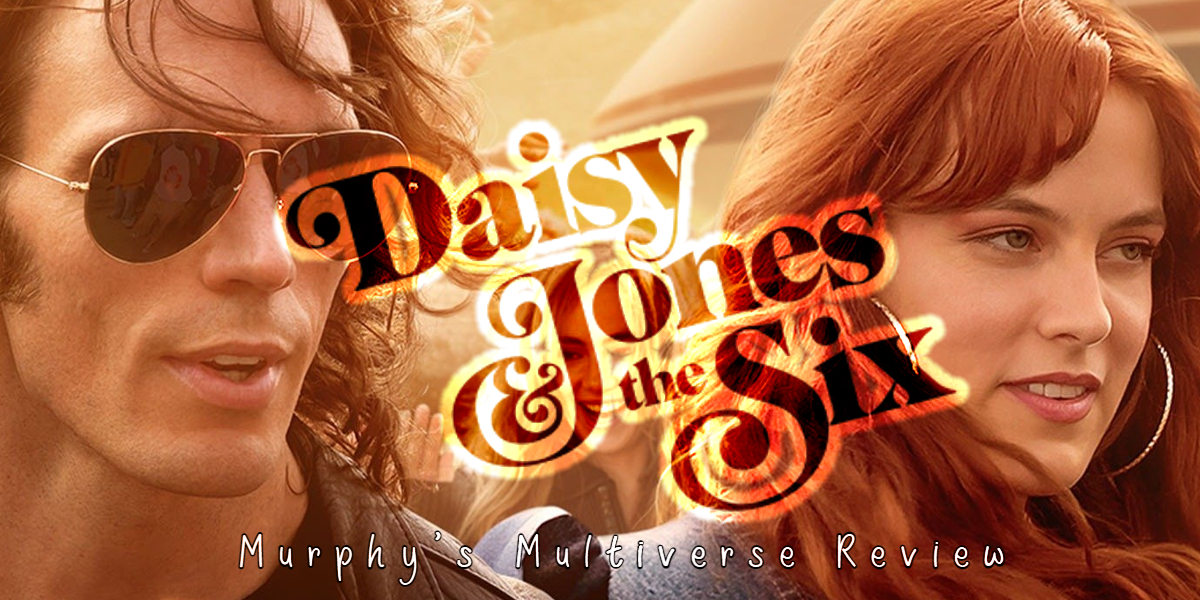
    Daisy Jones & the Six quickly took over the book charts when it was published in 2019. The story of a fictional rock & roll band and their ultimate demise is a fascinating concept and author Taylor Jenkins Reid managed to successfully hook readers with their story. Translating that story to another medium, such as television, was never going to be easy… but the Prime Video television adaptation is damn near perfect thanks in part to a stellar cast and stellar songs.

    Riley Keough stars as the titular Daisy Jones, a woman coming of age and trying to make her way in the music world. She works as a waitress and in her free time pens songs that she hopes to one day record. After having one of her songs stolen by a boyfriend, Daisy seeks to carve her own way out in the music world – not realizing just how quickly things will change, for better and worse. Starring alongside Keough’s Daisy is Billy Dunne, played by the always great Sam Claflin. He has Billy’s arrogance down to a tee; he’s stubborn, driven and easily gets wrapped up in the music. Like Daisy, Billy is driven to be bigger, to be more and live out his dreams of making music for a living. Something he eventually does with The Six. However, it isn’t until Daisy and Billy cross paths that their dreams truly take off and their worlds are changed forever.

    Taking place in the 70s, Daisy Jones and the Six showcases multiple viewpoints of characters trying to break into the music scene. There’s Daisy, who starts off as a singer-songwriter too afraid to put herself out there, and Simone, a woman with a voice who finds herself too scared to speak up for herself. Finally, there are The Dunne Brothers led by Billy. They start off playing in their garage before seeking to play local gigs where they eventually run into another band that’ll put The Dunne Brothers on the course for world domination… as The Six. Getting to watch as these three acts set out to follow their dreams, each taking a different path than the other, it’s hard not to get caught up in the story of Daisy Jones and the Six.

    One of the most fascinating things about Daisy Jones and the Six is that the series doesn’t try to make its characters likable. Daisy and Billy are both selfish assholes, and the series does not shy away from this; we see them as they battle addiction and as they struggle to work together. Even Simone, who is one of the strongest characters in the series, is allowed to make some mistakes along the way to her musical journey. None of the characters are perfect – in fact, the entirety of the Six is a pretty big mess – but that’s what helps to make the story so worth the ride it’ll bring audiences on. This is the type of the series that shouldn’t be binged. It’s full of heartache, anger, love and pain — which might sound bad — but in due time, we get to see these characters get to a healthier place… and the journey there is worth the time.

    Keough and Claflin are electric on screen. Their story, in particular, is frustrating, anger-inducing, and yet, one of the most compelling stories the series has to offer. Keough delivers a career best performance as Daisy, and Claflin gets to show off his chops as Billy. The often-overlooked Suki Waterhouse is great as Karen, and Nabiyah Be is captivating every moment she is on screen as Simone. While there might be some departures from the book, Daisy Jones and the Six successfully captures the heart of the novel and delivers a heck of a powerful story perfectly captured for the small screen.

  • REVIEW: ‘The Last of Us’ Puts An Emphasis On ‘Us’ In Tender Fourth Episode

    REVIEW: ‘The Last of Us’ Puts An Emphasis On ‘Us’ In Tender Fourth Episode

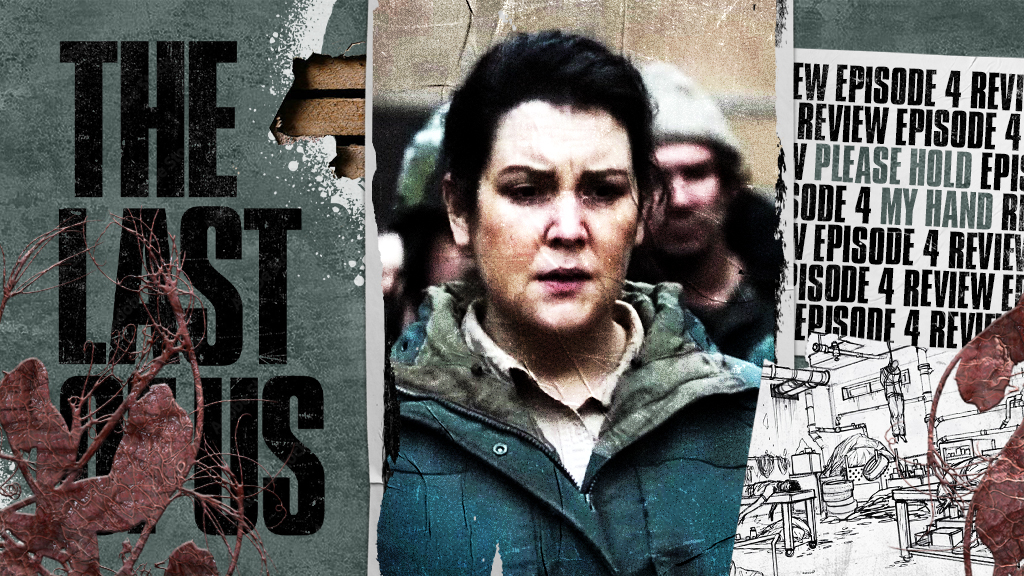
    It’s worth restating every week: The Last of Us, for better or worse, is a love story. In a world full of monsters, it’s easy to forget that the series – HBO’s acclaimed adaptation of Naughty Dog’s original 2013 video game classic – lives and dies with the bond between two people. Pedro Pascal’s Joel and Bella Ramsey’s Ellie are the beating hearts of the franchise, and with the show’s intimate fourth episode, they finally take center stage as the sole beneficiaries of showrunner Craig Mazin’s genius character development plan. While previous episodes have utilized excellent supporting characters as a means of tangentially building Joel and Ellie’s relationship, Please Hold My Hand leaves them all alone for the first time and acts as a much-needed segue into the story’s brutal following chapter.

    What Mazin and franchise creator Neil Druckmann have been able to do with The Last of Us in an episodic format is nothing short of astounding, and an installment like Please Hold My Hand is a perfect example of why. As previously stated, Joel and Ellie have thus far had a string of semi-friendly faces to help move their time together along. Each one, bottled into its own episode, served a distinct purpose in constructing the series’ foundational connection between its leads. Merle Dandridge‘s Marlene brought one into the other’s life, Anna Torv‘s Tess forced them to work in conjunction, and Nick Offerman‘s Bill reminded them of their purpose. Now, four episodes into the season’s run, the duo needs some time to grow without an escort. Otherwise, when the going gets tough down the open road, their inevitable drama won’t be believable – or worse, it won’t feel earned.

    Luckily, Please Hold My Hand knows exactly what it needs to do, and spends much of its runtime fixating on the little things. At least half of the episode is composed of Joel and Ellie proving how charming they can be as a unit, and viewers are right to eat it up. It’s amazing just how far a short conversation about coffee, or a running gag with a terrible jokebook, can take the characters involved. HBO’s The Last of Us has the luxury of expanding on moments in time that the original game could not, something that has often led to a much more authentic feel on screen, and its fourth episode does so once again to great effect. By giving viewers plenty of time with Joel and Ellie on the road, simply learning to live with each other, the eventual trap door that takes the ground out from under them hits with far more velocity.

    Joel, in a surprise to nobody, very quickly begins to reenter a paternal mindset, and Ellie, looking for someone to care about her, leans into the burgeoning relationship with everything she has. At the start, neither of them wanted the other, but Please Hold My Hand expertly demonstrates the primal nature of humanity and its desperation for tribe and compassion. The episode is, for all intents and purposes, a miniature of the series as a whole. A study of people and their love for one another, as well as the consequences that come with that deeper, complex emotion. It’s genuinely beautiful to watch, and for a brief instant, it seems as though Joel and Ellie have found some sort of temporary bliss. Unfortunately, as should be apparent by now, nothing good lasts forever in a world ruled by nightmares.

    The keyword of the episode – people – has already been used multiple times. Notably, this is the first entry in the series not to feature any infected, and thematically speaking, that feels as though it must be purposeful. Please Hold My Hand introduces the show’s first real human antagonists, a violent group of Kansas City survivors led by Melanie Lynskey‘s Kathleen, not long after Joel makes it clear to Ellie that people will be the biggest threat standing between them and their goal. Thankfully, however, these characters aren’t just one-note ravagers. Instead, they appear to be a group haunted by what they perceive as wrongdoings of the past, much like the protagonists themselves. More humans were broken by their love, and are now driven to commit heinous acts because of it. The episode makes an effort to portray the “Hunters” (as they’re called in the game) parallel to Joel, blurring the line between hero and villain and hammering home the point at hand.

    Joel, as it’s shown, is someone who has done very bad things and would do them again. Ellie, as it now seems, is on her way to matching that sentiment. Please Hold My Hand does an incredible job of getting in the legwork necessary to make the next few episodes all the more impactful and ends on a note that should be familiar to longtime fans of the game. The next few weeks promise to be a non-stop, brutal ride through the apocalypse, so viewers should cherish the tender moments they receive here. They won’t be the last, but they might just be the most important.

  • REVIEW: ‘Zootopia+’ Feels Unnecessary

    REVIEW: ‘Zootopia+’ Feels Unnecessary

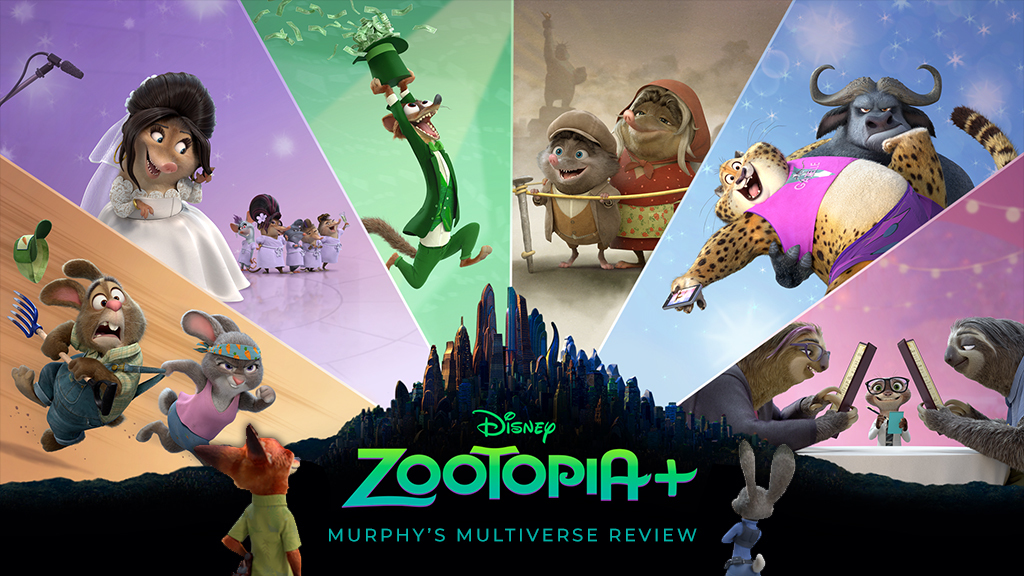
    Zootopia, the movie, proved to be a massive success for Disney when it was released back in 2016. The animated film, which centered on a rookie bunny cop and a cynical con artist fox, earned an impressive $1.024 billion at the worldwide box office during its theatrical run. Yet, despite its massive success, Disney has not officially given the greenlight to a Zootopia sequel. Instead, the studio opted to develop a series for Disney+ centered on some of the film’s most notable characters. The series delves deeper into events from the film, giving movie fans more time to enjoy these key moments, but that doesn’t necessarily mean it’s great.

    Like another Disney+ series, I Am Groot, there’s truly no real reason for Zootopia+ to exist. While the directors have previously teased wanting to explore the world further, the episodes are just too short to really be of note. There’s nothing of substance to the series, which is understandable – with six episodes, the longest of which is 8 minutes, it’s hard to really tell much story wise. That isn’t to say fans of the film – and families – won’t devour this series.

    The six episodes often feel like deleted scenes that the directors wanted to revisit in one for or another. Some are hilariously enjoyable – namely “The Real Rodents of Little Rodentia” and “Dinner Rush” – while others lack charm. The animation is fantastic, and the voice acting is stellar, per usual. The problem, though, is that despite their short length, most of these shorts feel incredibly long. These could have easily been added to a Blu-Ray or DVD release.

    Zootopia+ is far from a necessary watch, and there’s a good chance it’s arriving too late, but for a quick watch? It’s enjoyable. Children will certainly love every moment of this series, especially the musical number in “Duke the Musical,” and there’s something for adults planted throughout each short. Like the film, the humor straddles the line perfectly between adult and family friendly. Had the shorts been given a bit more time to breathe, Zootopia+ could’ve been a home run, in its current state, though, it feels underdeveloped.

    Overall: Disney expands upon the excellent Zootopia with a series that, while not necessary, is sure to delight audiences of all ages.

  • REVIEW: ‘The Rings of Power’ Explores Trauma in Heartfelt ‘The Eye’

    REVIEW: ‘The Rings of Power’ Explores Trauma in Heartfelt ‘The Eye’

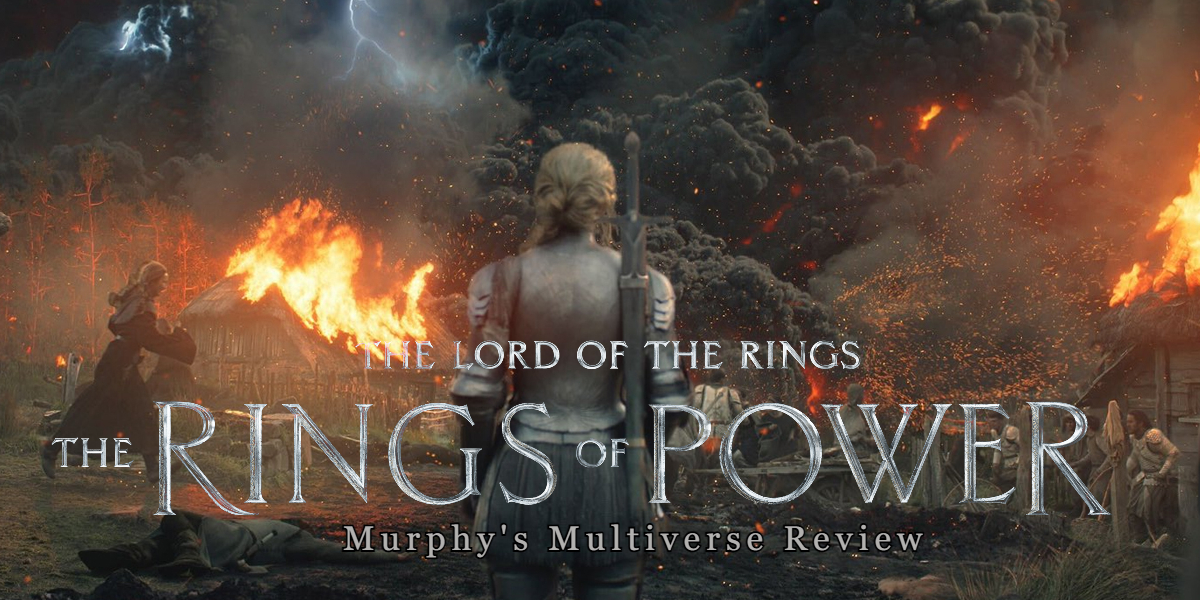
    Ashes fill the air, bodies cover the ground, and even those with the strongest of will have been brought to their knees. With this week’s episode, The Rings of Power takes a deep dive into a topic it’s been dancing around since the very beginning. Trauma, and the grief that comes with it, weighs heavy on The Eye, the penultimate episode of Prime Video’s hit Lord of the Rings prequel. Last week saw Adar and his army of orcs emerge from the battle of Ostirith victorious, laying waste to the Southlands and giving rise to Mordor at the cost of countless innocent lives. Now, the heroes of Middle-earth must deal with the fallout – something they aren’t incredibly well-equipped to handle.

    The Eye is a necessary step back in energy after last week’s action-packed installment. Before the series can go full throttle into what will undoubtedly be a hectic finale, it needs to let its characters settle into the next status quo. The people of Númenor and the Southlands suffered great losses, and the episode does a wonderful job of letting them confront it honestly. Lloyd Owen‘s Elendil, especially, is the standout of this week’s entry. All season, the Captain has presented himself stone-cold and unfeeling, even if his underlying soft side was always threatening to break through the surface. In The Eye, the disappearance and presumed death of his son, Maxim Baldry‘s Isildur, finally pushes the emotion through. Owen‘s performance is heartbreaking and genuine. In an episode where the likes of Morfydd Clark‘s Galadriel and Cynthia Addai-Robinson‘s Queen Regent Míriel are faced with unthinkable challenges, it’s Elendil who forces viewers to feel the true pain of loss.

    This feeling extends to the caverns of Khazad-dûm, where Owain Arthur‘s Prince Durin painstakingly claws his way through familial relations in an attempt to help his friend, Robert Aramayo‘s Elven favorite Elrond. Probably the other best performance in the episode, and this one has a lot of great performances, Durin’s tearful commitment to chosen family and the good of Middle-earth turns out to be the centerpiece of hope for the realm’s future. While all feels lost, Durin is willing to sacrifice his own birthright for what he knows to be good in his heart. Hope has been a theme throughout The Rings of Power, and many of the characters fashion themselves as symbols of it, but it’s the little Dwarf with a golden soul who makes it all feel real.

    The writing for the show has really been kicked up a notch in the season’s back-half. The issues with pacing that were present in the first few episodes have all but vanished, with even the slower moments feeling faster and less arduous than they did before. It makes the anticipation for the finale more grand than one might have anticipated in the beginning. Even the Harfoots, who have been largely absent from the last couple weeks, have made their way into tie-in territory with the rest of the series. As it turns out, their humble encampment is not immune to the horrors of Middle-earth, and their loss – simultaneous with the events in Ostirith – hits surprisingly hard. The development of the Harfoot characters truly shines through in this sequence, as they look for ways to carry on and accept new methods of survival. After a full season of build-up, it’s nice to see how it all occurs so organically.

    As with every week, there is also the usual commentary on set design and the beauty of the show’s effects. Mordor looks haunting, as it should, and the mines of Khazad-dûm are as stunning as the look on Durin’s face suggests they’d be. Among those effects, however, are several terrifying hints toward the future of the show. It would appear that the Balrog is still alive, deep in the mountain, and there are still many questions surrounding the identities of the mysterious stranger and the group of sketchy magic-wielders who are seemingly after him. Let’s hope the cast of characters in The Rings of Power got their fill of recovery in The Eye, because they still have much to take care of when the show’s finale drops next week.

  • REVIEW: ‘Stargirl’ Episode 3×04, “The Evidence”

    REVIEW: ‘Stargirl’ Episode 3×04, “The Evidence”

    The previous episode of Stargirl left us with a mighty cliffhanger, as Sylvester Pemberton seemingly lay lifeless while doing some investigating of his own and being attacked by an unknown assailant. Episode 4 furthers the murder mystery in Blue Valley while throwing the spotlight onto a suspect that was thought to have perished towards the end of Season 1, leading the Justice Society to question a recent allegiance and Courtney distracted by a blossoming romance.

    ‘The Evidence” moves the story ahead in a productive way, but it can feel like it’s spending a bit more time on its b-plots rather than focusing on the premise of the episode. We’re given much more character moments, ones that have felt lacking throughout this season specifically between Pat and Sylvester. The duo had butted heads a bit and had their moments, but it never felt like they got those moments of growth until now, with the once great sidekick known as Stripesy acting as Pemberton’s anchor and helping to guide him towards a new purpose in life.

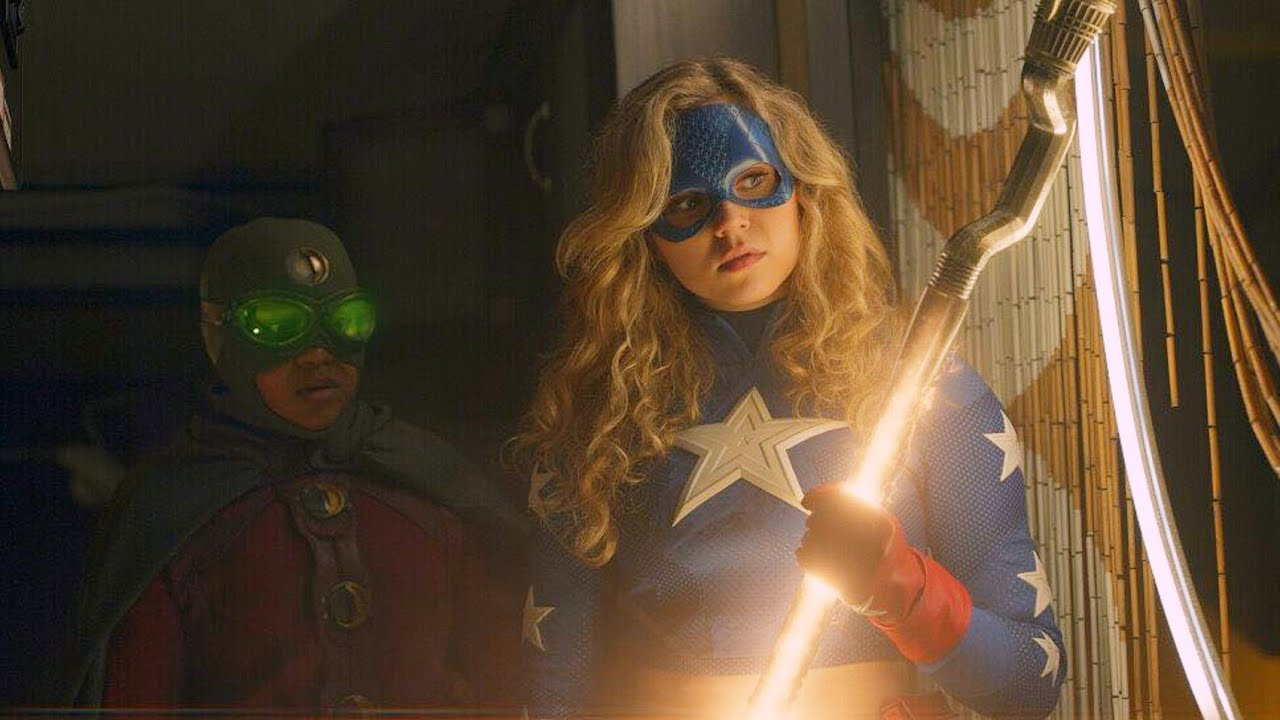
    DC’s Stargirl — “Frenemies – Chapter Four: The Evidence” — Image Number: STG304g_0007r — Pictured (L – R): Luke Wilson as Pat Dugan and Brec Bassinger as Courtney Whitmore / Stargirl, and Joel McHale as Sylvester Pemberton / Starman — Photo: The CW — © 2022 The CW Network, LLC. All Rights Reserved.

    It felt as if the biggest part of the episode was cast aside and not given attention until the final minutes of the episode. The episode title leads you to believe that they’d found something shocking that’ll push the story on forward more, when in reality, it just sets that up for presumably what is to come in the next episode. A dragon scale at the scene of the crime leads the team to believe that Dragon King could be back in play, hypothesizing that his numerous experiments on himself could’ve brought him back, with others showing their reluctance to trust and immediately throwing the blame onto the newly pardoned Cindy Burman, whom the audience themselves isn’t all that sure they should be trusting either.

    The biggest revelation of this episode would be Dr. McNiders diagnosis of just what is going on with Sylvester Pemberton and how he’s been able to return after spending ten years six feet under. McNider believes that prolonged exposure to the Cosmic Staff has energized Pemberton’s body, similar to how Jade was imbued with the power of the starheart. This reveal just feels a little murky, feeling like you should be scratching your head a little bit because… that’s it? It just felt like something so important was so casually revealed and could’ve been built up to a little bit more.

    Another bright spot of this episode is finally seeing some payoff to the relationship set up between Cameron Mahkent and Courtney Whitmore, something that’s been planted since season one. This episode reaffirms just what kind of person Courtney is because when she sees someone in need, she’s going to jump into action, no matter what else is going on. She can see Cameron struggling with his newfound cryokinesis abilities and feels the need to help him, when deep down we can feel the guilt she holds knowing the true fate of his father, feeling like she owes him while crushing on him at the same time.

    To cap it off we get a better glimpse of just what exactly is going on behind the scenes, as the Helix Institute has yet to make its presence known, we got a peek at Mister Bones within a room full of monitors, a much better look at the villain and the series seems to tease his arrival is getting closer and closer. Not a bad episode, but not necessarily the strongest episode of the season.

  • REVIEW: ‘Love in the Villa’ is Enjoyable

    REVIEW: ‘Love in the Villa’ is Enjoyable

    When most people think of quirky romance films, they’d rightfully think of either Lifetime or Hallmark, two networks known for their made-for-television romance titles. However, it looks like both networks will soon face competition from none other than Netflix. Having already staked its claim in cheesy holiday films, Netflix is adding to its list of titles with the addition of charming love stories featuring the enemies-to-lovers trope. Enter Love in the Villa, a cheesy Italian-set romance sure to delight.

    Love in the Villa stars The Vampire Diaries actress Kat Graham and The Umbrella Academy‘s Tom Hopper as Julie and Charlie, respectively. Graham’s Julie is finally going on a trip to Verona – a trip she has planned for years – and she’s thrilled to be spending it with someone who means so much to her. She has meticulously planned every moment of the trip, including scheduling lunches and dinners for their entire vacation. Unfortunately, as she soon learns, things don’t always go to plan. And she soon finds herself alone in Verona, or so she thinks. The villa she’d rented for her romantic getaway is occupied by another guy and he has no intention of leaving. What ensues is a surprisingly rich romance story about finding yourself and letting go.

    There’s nothing outright special about Love in the Villa. The plot is simple and ultimately predictable… but there’s something charming about this little film. It’s light-hearted and never tries to take itself too seriously. More importantly, though, there’s a chemistry between the leads that is hard to deny. It makes some of the more cheesier moments all the easier to sell. Graham and Hopper are magnetic. The way they play off of one another is key to the film’s success.

    That’s also one of the best things about Love in the Villa. The characters are great – even the secondary ones. Uberto is a character with limited screen time, but he’s sure to become a fan-favorite. The little time he does have on screen is memorable despite very few lines. There are a few other characters that would be spoilers to note, but they help to carry the second half of the film and their presence is delightful. For a movie with such a simple concept, the character work is pretty impressive overall. Writer and director Mark Steven Johnson might have some misfires in his credits – Daredevil, Jack Frost, Ghost Rider – but Love in the Villa is proof he’s capable of crafting a strong romantic comedy.

    Those eager for an enjoyable romantic comedy? Love in the Villa is definitely worth a watch. It’s easy to get lost in this love story and there are plenty of jokes to keep viewers laughing throughout. More importantly, though, it’s a nice showcase of the cast and their talents, especially when it comes to Graham, who hasn’t gotten the chance to show what she’s truly capable of just yet. Is it something that’ll bring upon numerous re-watches? Doubtful, but for the hour+ viewers will spend with this story, it’s a mini vacation that they won’t regret taking.

    Love in the Villa is now streaming on Netflix.

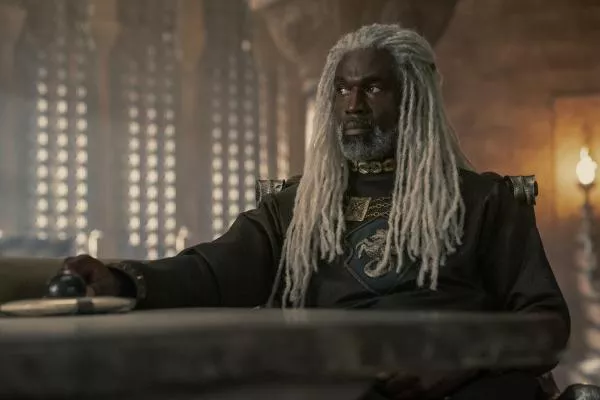
  • REVIEW: ‘House of the Dragon’ Episode 2

    REVIEW: ‘House of the Dragon’ Episode 2

    TWISTS! TWISTS! TWISTS!

    Twist of the episode, and the series so far, is that Viserys chose Alicent to be his new queen, instead of Laena Velaryon. Viserys’ reasoning, besides trying to spite Corlys, is that Laena is “too old.” Yeah, let’s go with the 15-year-old instead of the 12-year-old! The plot is showcasing some other motivations other than age and spite. Otto, the Hand and father to Alicent, tries to alienate Viserys from other players. For example, when Viserys brings up Corlys’ and Rhaenys’ marriage proposal, he immediately says that this is an overstep and should have been brought up to the council directly. Viserys is showing signs that he’s recognizing the overreach with his reply that “that’s what I am doing presently.” That still doesn’t stop Viserys from choosing Alicent, who was prodded to comfort the king by her father. Another motivation by Viserys for choosing an older wife would be that these Iron Throne cut wounds aren’t healing. Time may be short for King Viserys.

    Now, Corlys and Rhaenys do have another son named Laenor, of similar age to Rhaenyra. Perhaps Viserys could make amends with his Velaryon cousins with a betrothal between those two?

    SEEDS OF WAR

    Alicent and Otto don’t plan for the new queen to just be a happy wife to Viserys, right? Marriage leads to children, and how are these kids going to feel about being after a woman, Rhaenyra, in the line of succession? The show is keeping these kiddos hidden very well, especially with the time jump that is coming to age them up. Rhaenyra wasn’t exactly thrilled about Alicent being chosen as queen, especially with them growing up as childhood friends.

    DRAGONSTONE

    Daemon and Mysaria caused some ruckus on Dragonstone, and it turned out to all be for nothing! Daemon drew some Valyrian steel and ended up handing over the dragon egg he stole without a hitch. In the books, Mysaria actually was pregnant and was forced by Viserys to send Mysaria and her unborn child across the Narrow Sea. The ship hit a storm, Mysaria lost her child, and Daemon was angry with his brother for a long, long time. The big change is that she’s just chilling with him and her only want is to be liberated from fear.

    STEPSTONES

    Time to see some more Dragonfire third-degree burns! Corlys will lead the navy, while Daemon will fight from the skies on Caraxes. If you remember, the first season of Game of Thrones didn’t include any major battles on screen; in fact, Tyrion was knocked out and missed what would have been the biggest one. That was due to budgetary concerns, which House of the Dragon does not have. Expect a full spectacle on this. Crab man is living on borrowed time.

    Two episodes in and we still haven’t even touched the actual timeline where the Dance of the Dragons takes place. House of the Dragon is taking its time and, in doing so, has put together two killer episodes.

  • REVIEW: ’The Marvelous Mrs. Maisel’ Explores the Price of Showbiz

    REVIEW: ’The Marvelous Mrs. Maisel’ Explores the Price of Showbiz

    The Marvelous Mrs. Maisel, the show and the character, have spent the last several years chasing a rather specific dream. Quick-witted, engaging, and full of prospective, the two have sought to break through their respective barriers and achieve a level of renown typically reserved for more customary counterparts. In other words, they’d like to become famous and they’d like to be themselves while they do it. After a season comprised mostly of personal exploration, the latest round of Maisel episodes have finally taken a dive back into the realm of show business. Only this time, things feel a little different.

    Prior to this season, the marvelous misadventures of Rachel Brosnahan’s Midge Maisel and Alex Borstein’s Susie Myerson always seemed rooted in the idea that Midge was meant for stardom. No matter the setback, Maisel remained determined and Susie maintained her staunch belief in Midge as the golden ticket. Then the duo was left sputtering on an airport tarmac, and things started to go a little sideways. While it doesn’t seem like either of the pair have given up working towards their goals, it is starting to appear that their goals may no longer be what they once were. The first half of the show’s fourth season made it very clear that Midge is no longer interested in doing business the traditional way. As their work hiatus comes to a close, and she once again takes the stage at a higher level, one might find themselves questioning if she is still interested in doing business at all.

    Brosnahan’s lead is forced to face this with the return of two major figures from her past. First up, the man behind her most recent downfall demonstrates the dangers of choosing fame over family. Midge and Susie get an unexpected invite to the wedding of Leroy McClain’s Shy Baldwin, and there discover that their one-time friend has abandoned any semblance of his former life. A bathroom face-to-face between Midge and Shy, followed by an attempted back room deal with his agents, reveals the singer was willing to let go of everything he loved in order to grow his career and reap the rewards. Already disgusted by the self-important regality of his wedding and having now seen the sadness in Shy’s life, Midge leaves feeling more pity than regret.

    Next, she must handle her emotions surrounding Jane Lynch’s Sophie Lennon and her recent reinstatement to the spotlight. It’s not lost in Midge, or the viewer at home, that Sophie’s arc is symbolic of Hollywood’s cyclic nature. The same type of person, dealing with the same type of problems, jumping through the same social hoops, only to once again put others down so they may rise to the top. Midge hates Sophie for all of these reasons, but she is part of the game she’s decided to play, and therefore accepts an invitation to work for Lennon on her new television show. This goes about as well as expected. Meanwhile, Midge’s self-produced show at the strip club is thriving. The comic’s methods of madness are working wonders for the business, so much so that it’s newfound attention begins to nerve the men who use it as a front. 

    The quandary all this unearths is one that’s been at the heart of the series since it began. What does Midge’s future really hold if she can draw a crowd but can’t work with Hollywood? With any luck, this is something the show aims to answer in the final season and a half. The hope, however, should be that Midge is on a path to unprecedented greatness. It’s easy to look at the combination of unexpected run-ins and decide that they’ll drive Midge away from what she loves to do, but Midge has never been one for determent. Instead, it’s possible this brilliant one-two punch from the writer’s room is only serving to teach Midge what she shouldn’t do along the way to her accomplishments. Perhaps one day the Marvelous Mrs. Maisel will get to be one hundred percent herself on the big stage, with both friends and family still at her side.