Author: dalbinosorio

  • ‘Quantumania’ Post-Credit Scene Explained

    ‘Quantumania’ Post-Credit Scene Explained

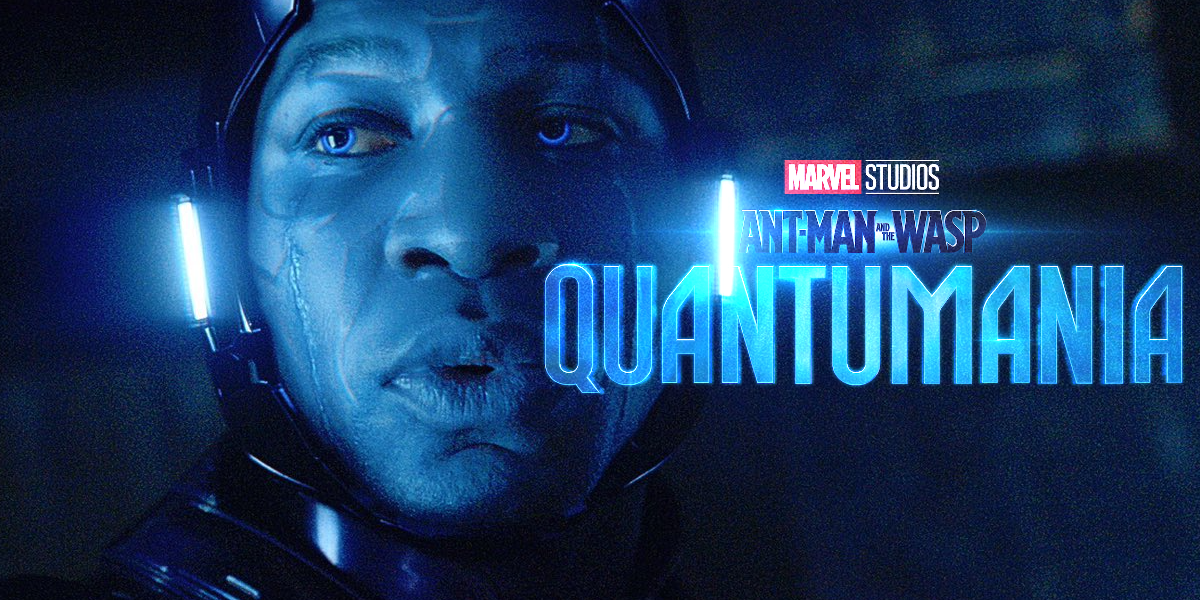
    By now, we all know to stay for dessert when it comes to Marvel movies and that usually means one or two credit scenes, in the middle and at the end. We already covered the mid-credit scene for Ant-Man and The Wasp: Quantummania, which introduces the Council of Kangs and (potentially) 6 Variants of the Conqueror that will play a primary role in other Phase 5 releases. You have a version of Kang that looks like a Skrull, a version of Kang in Red that could be Scarlet Centurion, a version of Kang that could be the new owner of Avengers Towers Mr. Gryphon, and then the big 3 Kangs in Rama Tut, Immortus, and one who may be either Iron Lad or the Silver Centurion. There is one Variant conspicuously absent from the Council, and it’s here we see in the end credit scene. 

    In the post-credit scene, we arrive in a small town for what really looks like an expo of some kind put together by a man named Victor Timely. Victor Timely bears a striking resemblance to Kang The Conqueror, and a bunch of the variants that have descended upon the coliseum in the mid-credits scene, so we have now met ANOTHER Kang Variant. Now, Loki is terrified to see Kang’s Victor Variant, whereas Mobius doesn’t seem to understand the worry. If you look closely around Timely’s stage, you see a very weathered-looking version of the core used to power the Conqueror’s Time Chair in Ant-Man, which begs a lot of questions about exactly how we are going to get to the Kang Dynasty. 

    The MCU was smart to connect the Conqueror to an original Avenger in the Wasp and a new Avenger Ant-Man, as it personalizes the fight ahead. Likewise, having Loki meet He Who Remains and having him be the one to encounter Victor Timely does the same. However, what if Timely’s not here to highlight a connection to Loki, but to Marvel’s first family and the original Iron Man? 

    Timely is an inventor in the MCU, that much we know, and in the comics, he is the inventor responsible for the original Human Torch. If you go back to Captain America: The First Avenger, you see Horton’s Human Torch at the Stark Expo that Howard Stark is putting together.

    Also, introducing Timely now could mean that Howard Stark knew Timely and that Timely befriended Stark because he knew that it was Howard’s son whose technology would one day be needed to stop the other Kangs. Whereas the Conqueror says that he saw that the timeline was broken and he set to correct the mistakes the Council made, Timely may have decided he wanted nothing to do with the Council and just wanted to improve mankind. 

    Or, like in the comics, he’s just hiding and biding his time before he can return to destroy the Avengers. 

  • ‘The Last of Us’ From Game to Screen: Episode 2

    ‘The Last of Us’ From Game to Screen: Episode 2

    We are back with another edition of #GameToScreen, where we review the key differences between a video game and its adaptation. We continue with Episode 2 of The Last Of Us, Infected. You can read our veteran’s review here and our newbie’s review here, and you can yell at Charles if need be. Let’s dive right in!

    The Connection Between The Infected

    We alluded to this in Episode 1’s Game to Screen, but Episode 2 confirms the impact that the subtle change in how people are infected can have on this world. Since people are infected via the vines of other infected, then this means they are all theoretically connected. Now, this is obviously a drastic change from the games in that there is almost a symbiotic relationship between each of the infected. It, also, really gives us more questions than answers. Are they learning from each other? Is there an Infected Prime somewhere who is essentially Patient Zero?

    Tess’s Death

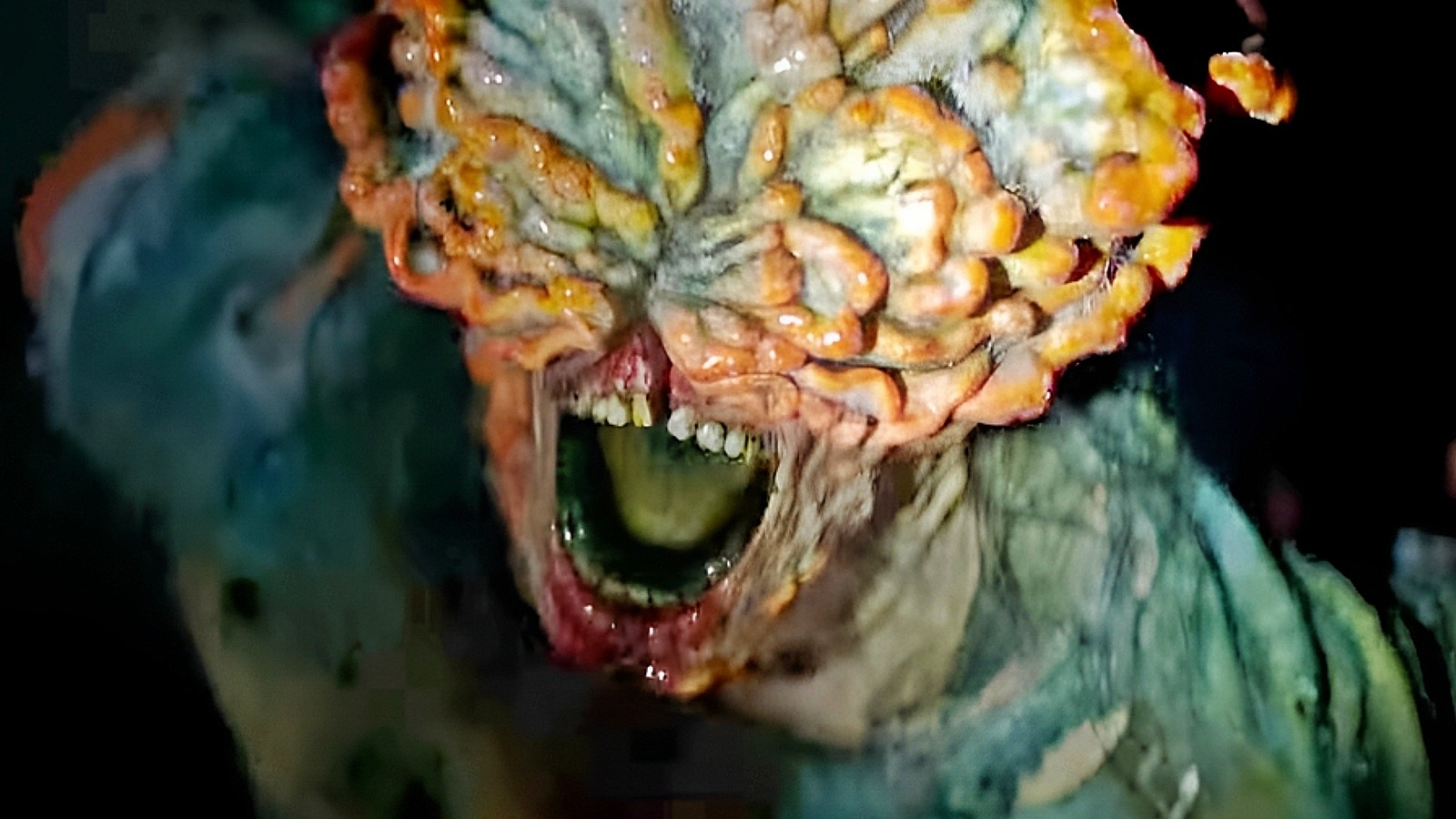
    We, also, alluded to this in last week’s Game to Screen, but changing Tess from Joel’s business partner to his business partner slash lover meant that things that were headed our way would have much different meaning. Tess dies off-camera in the games, choosing to sacrifice herself to ensure that Joel and Ellie live, though she makes sure to take everyone and everything she can with her in a flurry of gunfire. The show keeps the sacrifice, decides to remove the humans she encounters before dying, and instead sends in a mass wave of Clickers. Tess chooses to go down in a literal blaze of glory as she sets fire to herself and all the Clickers that surround her. We are, also, treated to what can only be described as a French kiss between a Clicker and Tess, which makes things very awkward. All jokes aside, having Tess die differently, albeit slightly earlier, really brings up so many questions about the fate of a lot of the characters we are going to meet. What changes to our characters await us down the road?

    Ellie’s Infection

    In the game, Ellie’s valuable in that she is immune from this airborne and by-the-bite virus. That’s right: she cannot become infected no matter how many times she’s bitten or, you know, breathes. In the show, they have already established that the way you are infected is different in the show. However, it is in Tess’s conversation with Ellie where something comes into focus: Ellie is actually infected. Tess tells Ellie, in fact, that even stepping on a vine draws the attention of multiple infected, which is fascinating considering that Ellie is very much infected in the show given that she has been struck with the vines before. Is Ellie not just the key to a cure, but also the key to finding the presumptive leader of the Infected?

    The First Clicker Encounter

    Ellie, Joel, and Tess first encounter the Clicker in the museum in Boston, during a dark night in Beantown. The show sets this encounter a little bit earlier, removes FEDRA’s presence from the encounter, and lets it play out in broad daylight. Considering this is one of the most tense situations in the game, setting it in the daytime would remove all tension, you would think, but not even a little bit: it is still very much unnerving to see Clickers for the first time, and to see them in the location you did not expect. One of the really great things about the Resident Evil remakes being released now is that they circumvent our expectations, and The Last of Us has found a way to do that in nice ways through two episodes. What other subtle changes are in store for us that change our expectations?

    Tess’s Dying Wish

    Tess, gearing up to sacrifice herself, tells Joel to take Ellie to Bill and Frank, and urges him to have them take her to the Fireflies: in the game, this just does not play out like that at all, and Frank is actually dead. Joel finds a corpse in the train station after Tess sacrifices herself, and you later discover that that was Frank who was dead. In the show, Frank is very much alive, and that introduces a new dynamic for the next episode. Tess’s instructions are for them to take Ellie to the Fireflies, while Joel can continue looking for the Ghost Rider Gabriel Luna. We will not get into Bill’s future given how spoilery it would be, but Frank’s future being re-written really has us excited.

  • ‘The Last of Us’ From Game to Screen: Episode 1

    ‘The Last of Us’ From Game to Screen: Episode 1

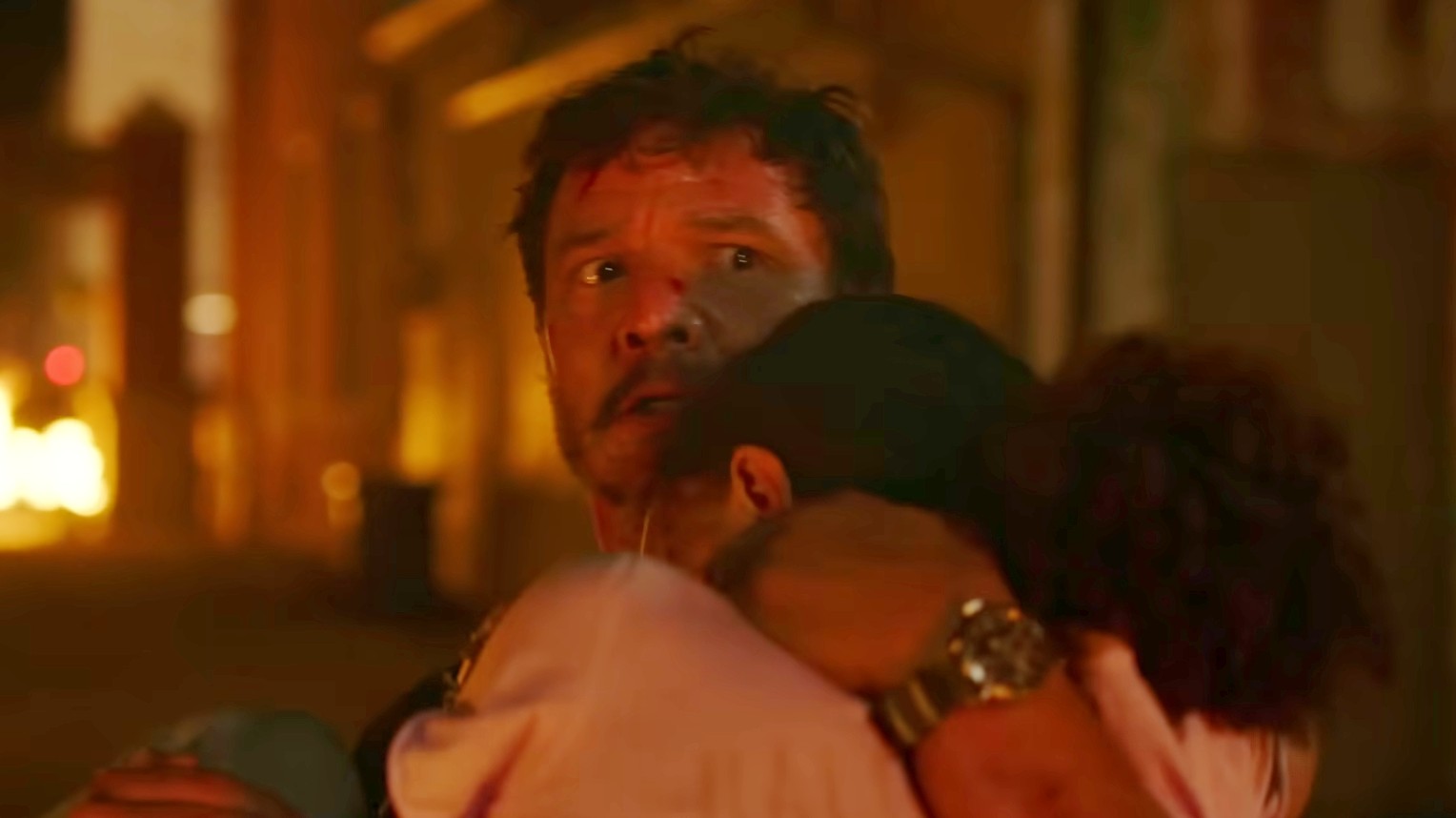
    The Last Of Us debuted last Sunday to resounding applause, as the videogame adaptation starring Pedro Pascal and Bella Ramsey was celebrated for its faithful recreation of the source material as well as the performances of the cast. Every week, we are going to highlight the differences between the video game and the show, as we gauge whether The Last of Us follows the blueprint of another HBO smash in Game Of Thrones in respecting its source material before potentially setting it on fire. We begin Game to Screen with episode one of The Last Of Us, which only had one major difference with how the game opened but some subtle differences that may impact the larger story. 

    In Naughty Dogs’ The Last Of Us, we get a prologue where we see Joel’s daughter Sarah killed by a soldier, and die in Joel’s arms. That’s it, really. However, the show expands on her scenes so that the death hits even harder than it did in the game. In the show, we see her at Joel’s birthday party, visiting friends, baking, and being a more well-rounded character than we saw in the games. Nico Parker deserves a ton of credit for making such a lasting impact in such little screen time. Joel’s relationship with his daughter is deepened by these additional scenes in a very poignant manner. 

    Speaking of deepening relationships, the show does a great job of deepening the dynamic between Gabriel Luna’s Tommy and Pascal’s Joel. In the game, their relationship after the death of Sarah is virtually non-existent until they run into each other while Joel is taking Ellie to the Fireflies. In the show, we see Joel doing what all brothers do: spending time with each other and then bailing your brother out of jail over a bar fight. All in all, the changes are subtle but they do add more depth to someone who may play a bigger role down the line. 

    Another interesting difference between the game and the show is that Joel and Tess are explicitly romantically linked in the show whereas the game just toyed with the idea. In the games, she is his business partner who helps him smuggle things into Boston, but the show adds another layer to their relationship that really didn’t exist in the games. This makes a lot of potential future events that much more interesting, and it sets the stage for some hard decisions to have to be made by our characters given their new proximity to each other. 

    Lastly, a subtle change is how the virus is transmitted. In the game, the person who is carrying the virus has to bite someone or pass the virus through airborne spores. It’s why Ellie’s immunity is so impressive, in that she has both survived repeatedly being bitten and has not caught the virus via breathing. In the show, poison-ivy-like vines transmit the virus from a carrier to a victim, with the reasoning given that the showrunners loved the idea of each victim being connected by the host of the vine that infected them. 

  • Kang’s Time Chair Is The Key To the MCU’s Next Endgame

    Kang’s Time Chair Is The Key To the MCU’s Next Endgame

    Marvel’s Phase 5 will kick off in earnest with a Kang variant going to war with the two Ant-Men, the two Wasps, and the 6th Young Avenger to join Earth 616 in Stinger/Stature when Ant-Man and The Wasp: Quantumania hits theaters next month. Paul Rudd‘s Lang trying to balance his newfound fame with reconnecting with his now-almost-grown-up daughter who has grown up without him over the last five years are stakes made for drama, but it is the role Jonathan Majors‘s Kang plays in these proceedings that is really what impacts the overarching multiversal war coming down the pike. However, judging by the new trailer, war is not what the Conqueror starts out aiming to do, as it is a deal made with Scott Lang gone awry that prompts Kang to beat the everliving ants out of Lang. What is this deal that Scott alludes to? We believe it has to do with the image Empire released recently, with a Conqueror sitting on his throne.

    The throne this Kang is sitting on in said image is actually what is known as the Time Chair, and it is an incredibly important piece of tech with ties to those two big Avengers movies we are barreling towards at warp speed. The Time Chair is the device Kang uses to travel anywhere in time that he pleases, and it could stand to reason that we are about to begin to find out that this Kang (before he was trapped in the Quantum Realm) had used the Time Chair to directly impact various points in and out of the MCU. During one of Kang’s initial appearances in the comics, he uses the Time Chair to go back in time to when Steve Rogers’s Captain America perished into the ice. After seeing Cap go into the ice, Kang uses the Time Chair to teleport the Avengers to a future Earth in ruins, with Captain America being his scapegoat for the destruction. Going down the rabbit hole, it is possible that Kang wants to use the Time Chair to do exactly this because Cap didn’t prune all the branches when he went back, but that is for another article. Even more important than how the Chair is connected to the Avengers and their past is how it might be connected to their future.

    The Chair itself, in the comics, is powered by the same giant rings that power Kang’s forcefield: you see the giant rings in the latest trailer, which ironically have the same markings as the bangle Kamala Khan got from her grandmother and the Ten Rings Shang-Chi got from his father. The last we saw of the rings, they were acting as a beacon, for something or someone, and it is possible that they are acting as a signal to the Time Chair and its owner. Looking back at the comics for a potential roadmap, Iron Lad (a future Iron Man) is a descendant of Kang, and it is Earth 616’s Iron Man who ultimately disables the Time Chair. Upon disabling the Chair, Iron Man tells Kang that he was able to do this because the chair’s design is actually based off 21st Century Stark Technology tech. If we are to believe that Phase 5 is dealing with the theme of legacy (we have legacy heroes being swapped out for the next generation), then it could stand to reason that it will be the next generation of Avengers who fight Kang first, before potentially giving way
    to a multiversal group brought together to bring the fight. Thus, it would also stand to reason that Kang’s power comes from artifacts spread throughout the multiverse that have been passed down to the next generation of protectors. What, then, does this have to do with the finale in the Ant-Man trilogy?

    Kang needs Ant-Man to help him find something, and it needs to be something really important if he would offer him the chance to regain some time (the one thing this Kang has dominion over) with his daughter. Now, yes, villains lie, but the more compelling villains actually don’t lie: they manipulate and bend the truth, but they don’t outright lie, and Kang may be no different. He will plan to work with Ant-Man and, upon seeing him with Janet Van Dyne, who is responsible for him being stuck in the Quantum Realm, he chooses to renege. Janet could be the one who disables the Time Chair during her time in the Quantum Realm, and who ultimately hides the piece missing in another reality: there is a line in the Ant-Man and The Wasp where she tells Scott to not fall into any tunnels while in the Quantum Realm, and we are guessing she knows not to do this from experience. What Kang needs found, we think, could be the movie’s MacGuffin, and it could be one of the rings that powers his Time Chair: without it to power his chair, he cannot escape.

    You know, one of the rings that make up Kamala’s bangle, and one of the rings that make up
    the Ten Rings Shang-Chi has. And, maybe, He Who Remains had a role to play in the
    disbursement of the Conqueror’s power years ago.

  • James Gunn’s ‘Superman’ Could Take the DCU to Year One

    James Gunn’s ‘Superman’ Could Take the DCU to Year One

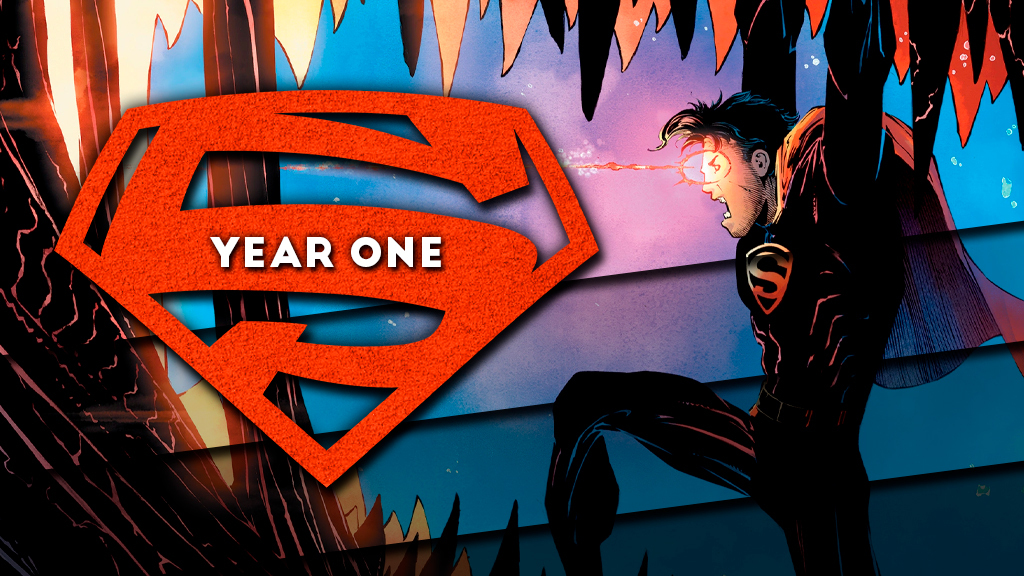
    We are nearing the reveal of some of the first wave of films in the new DCU headed up by James Gunn. This reveal should provide us with some idea of what we might get when this new era of DC Comics adaptations hits our big and slightly smaller screens. The Rock’s ego tried to highjack, and then derail, what Gunn had planned, but we are in for some shakiness while they release the last four movies in this era and simultaneously prepare for what’s next. What we do know definitively is that we are getting a new Superman movie and though Gunn plans to skip the origin, a strong argument could still be made for the new film to be an adaptation of Superman: Year One

    Superman: Year One is a 3-issue mini-series by Frank Miller and John Romita Jr. that attempted to kind of modernize Superman’s origin while adding some more depth to a character that had been around for 80+ years. It provided some more information about Superman’s time on Krypton, and it provides a subtle shift to Kal-El’s mission to earth; instead of the destruction of Krypton being what propels him to be Earth’s savior, Miller and Romita Jr. make this future essentially pre-ordained. Kal-El will need to save Earth, and his parents need to prepare him for that on Krypton before he goes to fulfill his destiny. It’s a much weightier origin than Krypton’s destruction spurring Supes to save Earth because it means that there are more opportunities to show Superman learning how to use his powers in his environment and as a child. What does it mean for a child to be granted god-like abilities? How does that impact him growing up? And what kind of pressure does this child put on himself due to the knowledge that he will be responsible for saving a planet? These are all questions that Superman: Year One tackles really strongly, and this would give the fans a chance to see a new origin for Superman that would feel fresh. 

    Another change that is made to Clark’s origin is that he enlists in the United States Navy upon graduating from high school. Think about that: after spending his early childhood on Krypton knowing he was meant to save Earth, his first adult decision after being on this planet is to become a soldier. You have the traditional farmboy origin mixed in with some “of course a small-town kid would want to see the world”, and Superman at boot camp gives you the potential to really build up the hopefulness and love for his fellow man that Superman embodies since he’d be in literal fox holes with them. It would, also, make him remaining hopeful about Earth despite seeing the tragedies of war even more impactful. Zack Snyder made Superman this moody and angry and morose hero, and that’s just not who he is at all. In Year One, Miller and Romita, Jr. find a way to still show his power but to modernize his origin in a way that really keeps the essence of the character. 

    Year One, also, introduces Lori Lemaris, and this could be a way to start to build out the DCU in a subtle way. Lori Lemaris is a mermaid from Atlantis, home of Aquaman, who actually falls in love with Clark. In the comics, they meet while they’re both attending Metropolis University, where Lori is hiding her being a mermaid by appearing as a differently-abled person. The potential to show a Clark who had to go through all the things kids do before becoming a full-fledged Superman down the road would work so well on the screen; in Year One, he falls for Lori and actually asks her to marry him, which leads to her breaking his heart. She, also, dies during Crisis On Infinite Earths, in case James Gunn wants to plant the seeds for that from here. It could, also, lead to the beginning of the friendship between Arthur Curry and Clark Kent, and is the kind of minor character/big world-building approach that the DCU would benefit from. 

    This adaptation would be the perfect time to introduce Parasite, a S.T.A.R. Labs janitor who interacts with some chemicals and becomes one of Superman’s biggest threats. This accomplishes the approach we mention above, where it’s a smaller character introducing S.T.A.R. Labs and building out this world, but you also have Parasite taking Lori’s energy act as the catalyst for her breaking Clark’s heart and for Aquaman not trusting the surface world. Superman versus Parasite would look visually different than every Superman fight we have seen and would give us a fresh adversary versus some of the other ones we’ve seen multiple times. 

    Cut the check and make it out to Murphy’s Multiverse, James Gunn

  • 5 Directors Who Could Chart the Course for ‘Eternals: Judgement Day’

    5 Directors Who Could Chart the Course for ‘Eternals: Judgement Day’

    There were so many things we enjoyed about Eternals, but it is safe to say that it ended up being one of Marvel’s most divisive films. It had the unenviable tasks of building the world Post-Endgame, retconning heroes into key events of said world, and explaining their absence during an all-hands-on-deck situation versus Thanos. As it turns out, it also had to set the tone for the conflict ahead in Captain America: New World Order and Thunderbolts (if some of what we’ve heard is to be believed). Now, with a new rumor suggesting that Chloé Zhao will not return to helm an Eternals sequel, we thought it made sense to look at five directors who could take over for her and deliver on the things that worked in the original while not repeating the things that didn’t.

    Brad Bird

    The director of Mission: Impossible-Ghost Protocol and The Incredibles tops this list because of his experience with big ensembles, ability to craft action sequences and the talent to juggle the absurd with the serious when it comes to plots.

    Daniel Kwan and Daniel Scheinert

    Everything Everywhere All At Once is, without question, one of the best films of 2022, and its directors deserve the opportunity to helm a big-budget adventure like Eternals 2. They, also, nailed the time-travel/Multiversal ideas of that film, which will come in handy as they navigate an Eternals sequel that could tap into those themes. Keep in mind that Marvel Studios already wanted them to direct Loki, so it’s not like Kevin Feige and Co. don’t know who they are.

    Steven Spielberg

    Kevin Feige got his white whale when Harrison Ford agreed to take over as Thaddeus Ross following the death of William Hurt. Could he go big game hunting for the Eternals sequel? It’s definitely possible, but this isn’t the only reason Feige has to make the call. Spielberg’s ability to craft nuanced stories around dysfunctional family-like units would lend itself well to a group that is trying to find their kidnapped family members. There is, also, something kismet about Feige snagging the director of Close Encounters of the Third Kind after he basically shat all over superhero movies.

    Deborah Chow

    Fresh off delivering the incredible Obi-Wan Kenobi series for Disney+, there’s something poetic about a Chinese female director being replaced by another Chinese female director just as Marvel Studios talks about continuing to diversify their director suite. Chow crafted something fresh for Obi-Wan, and she was able to find a way to make people care about a character who we had seen so much of already. She respected the lore of Star Wars, all while really expanding the universe in very intriguing ways. Given the role that we believe Eternals will play in the MCU going forward, Chow could do the same for this part of the world.

    Travis Knight

    The man responsible for giving us an actual Transformers movie and not whatever Michael Bay gave us, Travis Knight showed that he could juggle emotional beats and serious action in one film. However, it’s his work on Kubo and The Two Strings that make us excited about him potentially directing this. That movie brought some beautiful visuals to a really heartwarming story, and while you don’t want the next director to replicate everything Zhao did, you must admit that it was a stunning movie. Knight could do 70% of that while improving the action significantly.

    Of course, at the moment there’s no indication that Eternals 2 is in the works or that Zhao wouldn’t be on board if it were. In that case, this could also just be a nice list of directors who we’d like to see working with Marvel Studios at some point down the road.

  • It’s Time for Old King Thor to Join the MCU

    It’s Time for Old King Thor to Join the MCU

    I am Thor Odinson. King of a broken Asgard. Last of all the gods. And today I will try yet again to see Valhalla. I vaguely remember how this started, so long ago, with a dead god floating in the sea and later a little girl’s prayer on a world without gods, and now this is how it ends. With blood and thunder, with hammer and sword, with one last stand at the gates of heaven. Whatever happens now, whatever my fate, know that I face it like a god.

    Imagine a Thor movie starting like that, with words ripped right from the page of Jason Aaron’s epic exploration of Thor, and you’ll understand which way we think the fifth installment in the Thor franchise should go. Thor is the only solo character so far to receive four films. While Ragnarok reinvented the franchise after the uneven The Dark World, Love and Thunder veered drastically into Bad Marvel territory. It still had its enjoyable parts (The Mighty Thor was a highlight and the end credit scene was a nice touch), but an under-utilized villain who didn’t do much god butchering and some awful attempts at humor left us with a bad taste in our mouths. One could argue that Love and Thunder was way worse than Eternals, a movie that gets so much more scorn than it deserves. Still, there is a way to reinvent Thor one more time, while also setting the stage for what’s to come, and Marvel need look no further than Jason Aaron for inspiration. 

    There would have to be some adjustments made, but a story where Earth-616 Thor goes on a multiversal adventure and meets some of his other selves would give Chris Hemsworth a chance to play multiple versions of Thor. Sure, you’d get some comedy, but it could be a real introspective look at a character who has lost more than almost anyone in the MCU. You could put Hercules in this, building off of the Love and Thunder end-credit scene, and have Hercules hunting Thor across the multiverse while Thor goes on a journey to find himself.

    Thor could embark on this journey as a response to his grief for losing Jane while trying to teach Love about what it means to be a god. Marvel has really shown different sides of how people deal with their grief during Phase 4: with Wanda never moving past it, and the Wakandans burying themselves in their work to mask it. Thor would be the first character to actively run from their grief. While the idea of a multiversal adventure may seem similar to what Doctor Strange did in Multiverse of Madness, the difference here would be that you could explore what seeing different versions of himself means for Thor. Imagine a Thor that has lost Cap, Iron Man, Black Widow, and Jane Foster meeting a Thor who never returned to Asgard and stayed with Jane. Envision Earth-616’s Thor, a proud member of the Avengers, meeting a Thor who was an adversary for the Avengers. That sounds like the kind of thing Hemsworth is alluding to in what he wants to see in terms of character growth and the opportunity to do something different. Tying his own self-exploration (he saw Thanos coming and didn’t kill him, he didn’t see Gorr coming and couldn’t kill him, and he now wants to be ready for whatever is coming next) into the overarching multiversal war that is coming means that Thor gets the chance to step into the limelight as a leader of the Avengers as his life is winding down. Whereas King Thor fought Dr. Doom for almost 100 years, you could have this version of that character fighting Kang for almost 100 years. 

    Because Loki wasn’t pruned from existence after stealing the Tesseract, there is now an Earth where Thor actually becomes King substantially sooner than he was set to in the Earth-616 timeline. With no Loki to lull Odin into his eternal sleep, thereby replacing him on the throne, you have a Thor that returns to Asgard with no brother and no Tesseract. Putting that grief aside and stepping up to take the throne, he would stand to inherit the Odinforce upon Odin’s passing: in one of the What If…? episodes, Loki becomes King shortly after Thor comes to Earth and is killed by the Wasp, so while one would assume it is Loki’s trickster ways that lead to Odin’s death, it could be the banishment of his son and true heir. Earth-616 meeting this Thor, who warns him of a variant of Kang The Conqueror that he has been at war with, could set the stage for Thor versus Kang before Avengers: The Kang Dynasty

    Earth-616’s Thor being warned of Kang by King Thor would be the first part of this journey. However, having this variant of Kang kill the multiverse’s King Thor so that Earth 616’s Thor becomes the new King of that world’s Asgard would finally allow Hemsworth to be King, briefly. It would be him taking the throne begrudgingly while trying to convince Hercules that they should work together to defeat Kang. Hemsworth would be moving closer to the Thor we see in Avengers: Endgame, albeit with more on his shoulders and returning to a point where he felt a responsibility to Asgard’s people. Having Earth-616’s Thor seek Kang out for revenge much sooner than he’s meant to could really up the ante in terms of what awaits the Avengers. Not only would this confrontation bring Kang The Conqueror from Quantumania’s quote about “have I killed you before” into focus, it lets the general public know that we haven’t met the worst version of him yet. Because I would have Kang kill Earth-616’s Thor and send him to Valhalla. This death would be the catalyst for Hercules swearing to protect Earth-616 for Thor in the war ahead. 

    In the Jason Aaron King Thor run, the only thing that can bring Thor back from Valhalla is the Phoenix Force. In that regard, he’s almost immortal. Saving a bearded Thor’s return, perhaps with the Necrosword in his possession, from Valhalla for Avengers: Secret Wars with all the fallen Avengers (Iron Man, Black Widow, Mighty Thor, Loki, a Star-Lord that dies in Guardians of the Galaxy Vol. 3, Ant-Man after Kang turns him into ant dust) would top the portal scene from Endgame

    All hail King Thor. It’s time. And let Gareth Evans direct it.
  • Scoop Culture All But Ruined ‘Black Panther: Wakanda Forever’

    Scoop Culture All But Ruined ‘Black Panther: Wakanda Forever’

    Afro-Latinos (read Black Latinos) don’t have many heroes in superhero movie mediums. We have seen a lot of cis-hetero white dudes carry the superhero mantle, be redeemed for their mistakes, and lead teams with reckless abandon. Those same dudes review-bombed two really good women-led superhero films, which really highlights how they believe the superhero space just belongs to them. A lot of those same dudes reviewed T’Challa’s first appearance (“what is with the horns whenever he’s on screen”, they said, like a superhero theme playing when a hero was onscreen was somehow an anomaly) and 2018’s Black Panther with a serious lack of cultural-competency. We heard that it wasn’t very good, wasn’t Marvel’s best, and how they didn’t really understand Killmonger’s beef with America.

    It was strange, word to Stephen, but expected.


    In a post-Black Panther world, we saw Marvel position T’Challa as the man who would lead and influence the next iterations of the Avengers. It was not a mistake for the final stand versus Thanos to take place in Wakanda, or for the first person to walk through the portal to be her King. Whereas the first version of the flagship group included absolutely zero diversity, this next generation would be made up of not just the Black Panther, but a new Captain America, two LGBTQ+ heroes, a Muslim mutant, a Jewish protector (unfortunately played by a Guatemalan actor, but progress brings missteps sometimes) with mental health issues, and two Black, armored Avengers. With diverse heroes, we were bound to get diverse villains, too: Black Panther gave us our first non-white villain and Marvel then cast an absolute legend in Tony Leung in a movie with a primarily Asian cast. Progress was slow but steady, and people were not happy. Still, for us Black folks, T’Challa represented so much more than just a seat at the table: he was the guy the table was built for.

    When he died, there was this absurd movement to recast T’Challa led by A LOT of neckbearded cis-hetero white dudes. This seemed to coincide with the rise of scoopers who would throw so much at the wall with the hope that clout would follow if even 20% was right. They could then say that Marvel changed what they got wrong, which means they were never wrong, and rinse and repeat for the next movie. The sequel to Black Panther brought even more of that: we heard of an imaginary scene with a Fantastic Four villain making their debut, how it would end with the Thunderbolts descending on Wakanda, and how Lake Bell was playing a bigger character than what she really ended up playing. It was frustrating but expected. I treat “leaks” like fan fiction anyway and love coming back to them to see what they got wrong and whether there is ever any accountability. You guessed it: there isn’t any.

    However, there should be, and it was during the lead-up to Wakanda Forever ‘s release date that I first thought “this is some bullshit.” If you’ve seen Wakanda Forever, you know that there is only one tag after the movie concludes, and it is a pretty important deal. I will not spoil it here, but needless to say it is one of the more impactful scenes Marvel has ever added both in terms of what it means for the future of the MCU and how it ties into the theme of Phase 4: grief and legacy are always intertwined, and as we try to grapple with those who aren’t here we have to come to grips with how we will remember them. Wakanda Forever, in that regard, almost gives us a front-row seat to the homegoing of T’Challa and lets us remember him for what he is and what he could’ve been. The tag at the end of the movie, then, acts as a way for us to see a future where the grief has settled. To have that moment ruined a full year before the movie came out would’ve been bad enough on its own. To have the choice to ruin it be justified as something fans needed to know made it substantially worse. That scene was so beautifully executed, but to have experienced that scene with no prior knowledge would’ve hit substantially differently. Nobody would’ve had less clout had it not been shared prematurely, and as a man of color and father, it hit a little differently than your normal Marvel stinger. Because of those two things, Wakanda Forever hit differently than your normal Marvel movie. Chadwick deserved for us to experience it the right way.

    Scoopers will go back to ruining movies: they can’t help themselves, after all. It is telling that a Native American site owner is letting me write and publish this, and I’m eternally grateful to Charles for giving me this platform. It’s also telling that, even with us knowing things, we’ve never ruined a movie for anyone. The goal for us is to write about the stuff we’ve loved since we were kids. I thought that was the reason we all started doing this, anyway. Cheers to Black Panther, and to the Scoopers Who Almost Ruined it: I hope you chew gravel.

  • REVIEW: ‘Cowboy Bebop: Supernova Swing’ is a Great Read

    Fans — or at least, some of them –were disappointed when Netflix decided to cancel its live-action Cowboy Bebop series starring John Cho. However, those eager for more Cowboy Bebop will find solace in an accompanying side story coming this November titled Cowboy Bebop: Supernova Swing. Set in the year 2171, this story brings together the Bebop crew to hunt down an ex-gang member who has stolen a vest that gives its wearer unparallel powers. This isn’t an altruistic hunt, mind you: Spike, Faye, and Jet are down on their luck and need both a win and a way to be financially stable for a while, and the original owner of the vest has put a bounty on it that would give them both. However, they are not the only ones after the vest, as the Syndicate is also looking for it. 

    Think of the story as a play on Jason & The Argonauts, and the hunt for the almighty fleece in that story and you have the proverbial skeleton. However, this story is told with that classic Bebop flair. There is a casino heist that does not go the way the group hopes it will, and leads them to a planet that intoxicated the whole crew. This setting gives us more of an opportunity to see how drunken thoughts reveal sober truths for Jet and Faye, and how these three ultimately need each other for more than just good times. The artwork is what you have come to expect from Cowboy Bebop, but it is really the story that brings you in and hooks you from the beginning. Dan Watters, in a way that maybe the Netflix series didn’t get a chance to, captures the tone of the Bebop universe and its need to be multi-layered perfectly. This story goes from emotional (these are three characters thrown together not because they wanted to, but almost out of necessity) to funny (there’s a ramen exchange that works really well) to philosophical (the three characters often find themselves asking each other about the meaning of life in ways that are not often found in these mediums). The humor allows us to breathe during the more emotional beats, and the art helps but does not overwhelm this story.

    Speaking of the art, Lamar Mathurin deserves a shout-out because Cowboy Bebop is not Gumbo (Mathurin’s graphic novel). As such, he is the one tasked with adapting his style to an already existing world, and he knocks it out of the park. Having to juggle so many different settings, stylistically, could have been a challenge for any other artist, but not here. The action itself, had it not been curated properly, could have looked awful on the page, but Mathurin displays both reverence for these characters and a desire to showcase them with his own style.

    If you loved the Netflix series, then you will absolutely love this and the other standalone novels that have been released. If you have been on the fence about giving Cowboy Bebop a shot, this is a quick read that could be a good springboard for you because it doesn’t require past knowledge of the characters. It, also, gives you everything the series gave you in a much more consumable medium, which may whet your appetite to try the series. Watters and Mathurin deserve so much credit for their great work here and for their love of this universe. 

  • REVIEW: ‘Armorclads’ is an Unfortunate Miss

    REVIEW: ‘Armorclads’ is an Unfortunate Miss

    As a big Pacific Rim/Gundam/build robot suits and have them beat the crap out of each other kind of guy, I quickly jumped at the chance to review Armorclads for the site. Mechs? Check. Dystopian future? Check. Legacy-spanning conspiracies? Triple check! So, imagine my disappointment in seeing that Armorclads just did not live up to the expectations I had for it. This could have expanded the Valiant universe in a very real way, but it teeters between nonsensical and lackadaisical, and that is its biggest crime.

    Let’s start with the artwork: Manuel García and Miguel Sepulveda deserve some credit in the world for making this world pop despite an overuse of dark hues. This is a joke: I am admittedly not sure what aesthetic they were going for with their artwork, but unfortunately the color choices they make did nothing to make me excited to return to this world. Their biggest mistake, in my opinion, is they did not make each character distinct enough. When you are building out a world like this, the second most important thing (beyond the actual story) is that every character you’re introducing is memorable even if their appearance is short-lived. In a comic like this, where we are being transported to a world we have very little reference for, the artists have such a responsibility to design this world so that it is both accessible and it pulls you in. They sadly did not deliver here, and that is the first misstep.

    The next misstep is the story. There is so much exposition about the world the story takes place in, which would not have been needed if the artwork was used to show the world. I would much rather have been shown this world, while the story told me about the characters living in it, than to spend half a short read like this being told why I should care about this long-forgotten war. Being told that these suits are capable of legendary fears? Also a mistake. Why were we never shown what they could do? This is where the piss-poor art decision causes the story to dovetail even more, except this time I put more blame on the writers because it is their choice to spend even more time telling us why we should even care about this story to begin with. Building out this world’s inhabitants would have made readers care about the use of these powerful entities, but instead you’re left to quickly have to care about the main characters and everything that happened to get us to this point in this universe. The writing was awful, from start to almost finish, with little redeeming qualities for most of the story.

    Here we get to the little bit of good in this, and why this is so disappointing to write: the story begins to get better around the 3/4th story point, but it is only because the story is now simplified to an extent. The complications of this destiny-like journey our main character is on rear their head at the end when we are just supposed to accept that they’re the “chosen one.” By this point, it was hard to even care that this was pre-ordained or connected to the war from eons ago. The protagonist was forgettable, as was the world, and most of the story, and it just feels like someone dropped a multitude of balls from the idea phase of this story to the implementation.

    Overall, Armorclads feels like a 1-star title. The story should’ve been fleshed out differently, so as to make the final reveal mean more. Instead, we got an exposition-heavy story with a boring protagonist and a forgettable McGuffin amidst really poor art.