Author: Hunter Radesi

  • HBO’s ‘The Last of Us’ Will Air Fifth Episode Early

    HBO’s ‘The Last of Us’ Will Air Fifth Episode Early

    HBO’s The Last of Us just ended its fourth episode on quite the cliffhanger, but fans won’t have to wait that long to see how it plays out. The broadcasting network has announced that the series’ upcoming fifth episode, titled Endure and Survive, will air early on Friday at its usual time slot, as opposed to its regularly scheduled Sunday programming. This change has been made to avoid competition with the NFL’s Super Bowl, which is currently scheduled to be air through Sunday evening. The Last of Us’ move from Sunday to Friday is, of course, a temporary one, as the show will resume its regular date and time with the following sixth episode.

    The Last of Us, an acclaimed television adaptation of the original 2013 video game, has grown its viewership with each passing episode but is likely smart to step out of the way for a ratings juggernaut like the Super Bowl. This year’s match-up between the Kansas City Chiefs and Philadelphia Eagles is just the latest in a decades-long tradition of the NFL taking over late-night in early February, something most shows have been keen on moving away from since the beginning of its reign.

    The Last of Us stars Pedro Pascal and Bella Ramsey in the leading roles of Joel and Ellie, with Anna Torv, Merle Dandridge, Gabriel Luna, and Nick Offerman as supporting cast. Showrunner Craig Mazin also serves as a head writer alongside franchise creator Neil Druckmann, with Gustavo Santaolalla returning from the games to score.

    Source: Deadline

  • REVIEW: ‘The Last of Us’ Puts An Emphasis On ‘Us’ In Tender Fourth Episode

    REVIEW: ‘The Last of Us’ Puts An Emphasis On ‘Us’ In Tender Fourth Episode

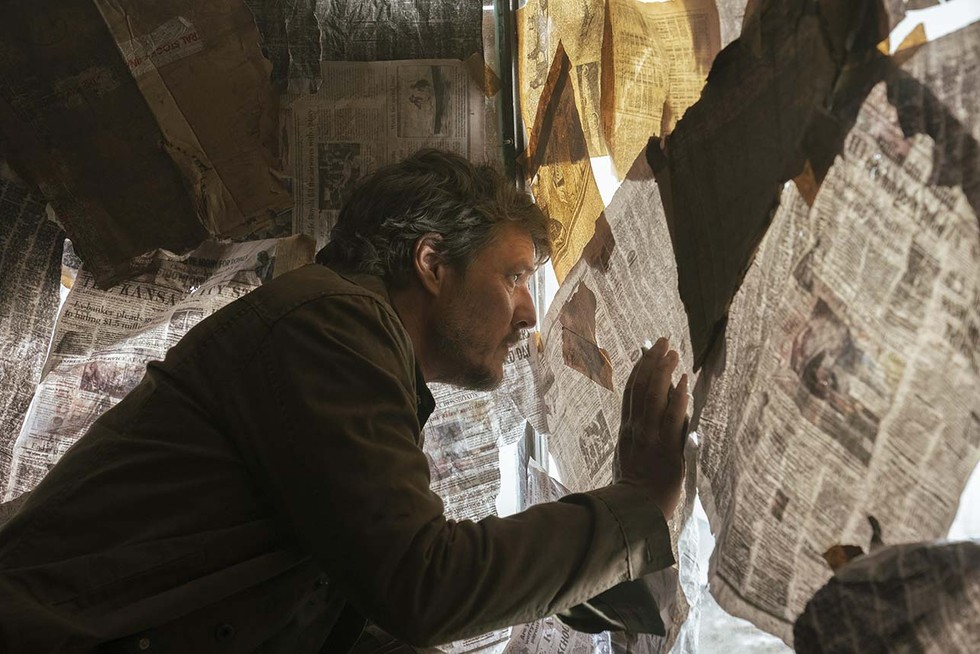
    It’s worth restating every week: The Last of Us, for better or worse, is a love story. In a world full of monsters, it’s easy to forget that the series – HBO’s acclaimed adaptation of Naughty Dog’s original 2013 video game classic – lives and dies with the bond between two people. Pedro Pascal’s Joel and Bella Ramsey’s Ellie are the beating hearts of the franchise, and with the show’s intimate fourth episode, they finally take center stage as the sole beneficiaries of showrunner Craig Mazin’s genius character development plan. While previous episodes have utilized excellent supporting characters as a means of tangentially building Joel and Ellie’s relationship, Please Hold My Hand leaves them all alone for the first time and acts as a much-needed segue into the story’s brutal following chapter.

    What Mazin and franchise creator Neil Druckmann have been able to do with The Last of Us in an episodic format is nothing short of astounding, and an installment like Please Hold My Hand is a perfect example of why. As previously stated, Joel and Ellie have thus far had a string of semi-friendly faces to help move their time together along. Each one, bottled into its own episode, served a distinct purpose in constructing the series’ foundational connection between its leads. Merle Dandridge‘s Marlene brought one into the other’s life, Anna Torv‘s Tess forced them to work in conjunction, and Nick Offerman‘s Bill reminded them of their purpose. Now, four episodes into the season’s run, the duo needs some time to grow without an escort. Otherwise, when the going gets tough down the open road, their inevitable drama won’t be believable – or worse, it won’t feel earned.

    Luckily, Please Hold My Hand knows exactly what it needs to do, and spends much of its runtime fixating on the little things. At least half of the episode is composed of Joel and Ellie proving how charming they can be as a unit, and viewers are right to eat it up. It’s amazing just how far a short conversation about coffee, or a running gag with a terrible jokebook, can take the characters involved. HBO’s The Last of Us has the luxury of expanding on moments in time that the original game could not, something that has often led to a much more authentic feel on screen, and its fourth episode does so once again to great effect. By giving viewers plenty of time with Joel and Ellie on the road, simply learning to live with each other, the eventual trap door that takes the ground out from under them hits with far more velocity.

    Joel, in a surprise to nobody, very quickly begins to reenter a paternal mindset, and Ellie, looking for someone to care about her, leans into the burgeoning relationship with everything she has. At the start, neither of them wanted the other, but Please Hold My Hand expertly demonstrates the primal nature of humanity and its desperation for tribe and compassion. The episode is, for all intents and purposes, a miniature of the series as a whole. A study of people and their love for one another, as well as the consequences that come with that deeper, complex emotion. It’s genuinely beautiful to watch, and for a brief instant, it seems as though Joel and Ellie have found some sort of temporary bliss. Unfortunately, as should be apparent by now, nothing good lasts forever in a world ruled by nightmares.

    The keyword of the episode – people – has already been used multiple times. Notably, this is the first entry in the series not to feature any infected, and thematically speaking, that feels as though it must be purposeful. Please Hold My Hand introduces the show’s first real human antagonists, a violent group of Kansas City survivors led by Melanie Lynskey‘s Kathleen, not long after Joel makes it clear to Ellie that people will be the biggest threat standing between them and their goal. Thankfully, however, these characters aren’t just one-note ravagers. Instead, they appear to be a group haunted by what they perceive as wrongdoings of the past, much like the protagonists themselves. More humans were broken by their love, and are now driven to commit heinous acts because of it. The episode makes an effort to portray the “Hunters” (as they’re called in the game) parallel to Joel, blurring the line between hero and villain and hammering home the point at hand.

    Joel, as it’s shown, is someone who has done very bad things and would do them again. Ellie, as it now seems, is on her way to matching that sentiment. Please Hold My Hand does an incredible job of getting in the legwork necessary to make the next few episodes all the more impactful and ends on a note that should be familiar to longtime fans of the game. The next few weeks promise to be a non-stop, brutal ride through the apocalypse, so viewers should cherish the tender moments they receive here. They won’t be the last, but they might just be the most important.

  • REVIEW: ‘The Bad Batch’ Brings Back The Chosen One

    REVIEW: ‘The Bad Batch’ Brings Back The Chosen One

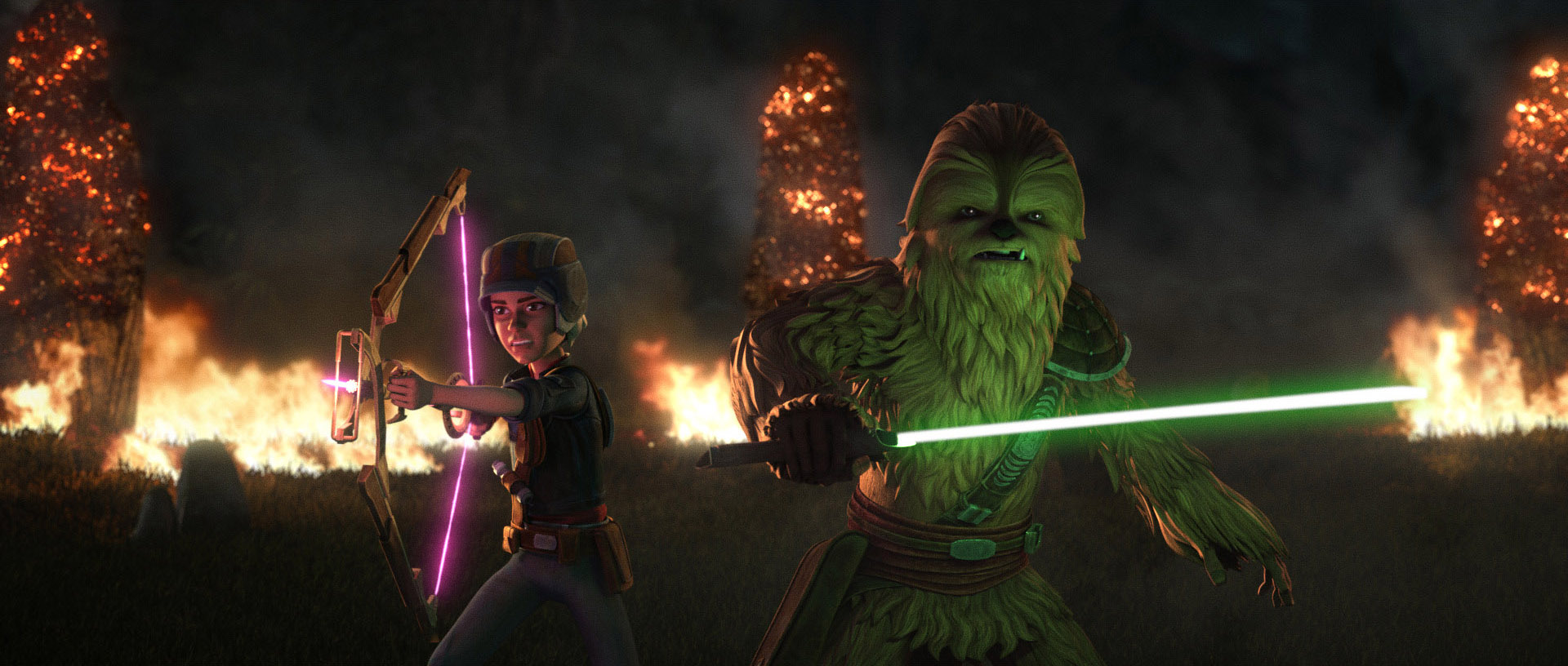
    When Star Wars: The Clone Wars was canceled abruptly in 2013, it left numerous planned storylines laying on the drawing board. One of these unused concepts, perhaps the best of the lot, was set to focus on the kindly Wookies and their homeworld of Kashyyyk. The abandoned four-episode arc would have explained Yoda’s vague Episode III – Revenge of the Sith line about having “good relations” with the planet and its people, teaming the famed Jedi Master with both the Bad Batch and the Wookies in a battle against the Separatists and their Trandoshan allies. In this week’s episode of Star Wars: The Bad Batch, this plot is revived, albeit condensed, and replaces Yoda with a far more important figure from George Lucas‘ lore – Gungi, the legendary Wookie Padawan.

    Titled Tribe, the sixth episode of The Bad Batch‘s second season is, without a doubt, one of the series’ best overall. Admittedly, the return of Gungi, who hasn’t been seen since his brief introduction in The Clone Wars‘ fifth season, plays a huge role in the amount of palpable joy felt throughout the 25-minute installment. Simply put, it’s great fun to watch him do anything, and it’s honestly sort of shocking it’s taken this long for him to pop up again. While it’s always enjoyable to see unique characters achieve worthwhile screen time, using one like the Force-sensitive Wookie, who has deep connections to multiple aspects of the universe he exists in, as a means of mixing fan service with actual thematic storytelling is just a stellar move to make.

    Tribe makes an obvious effort to compare Gungi with its own Omega, crafting a mirrored experience between the two young heroes as lost members of their respective tribes (that’s the title!), struggling to be innocent in a world rebuilt for the immoral. As unsubtle as it is, the theme works wonderfully, inserting a simple message into the midst of some pretty cool, fairly grand world-building. It’s enough to make a viewer wish The Bad Batch spent more time fleshing out arcs, as opposed to moving on so quickly between episodes. The original four-episode plan contained a multitude of details and features that could have easily transitioned from The Clone Wars era to the time of its sequel series, but instead, the writers packed as much as they could from that longer pitch into only a single entry, resulting in a somewhat rushed adaptation of a larger tale.

    (L-R): Hunter, Omega, Tech, Gungi, Wrecker, Echo, and Wookies atop Mylaya in a scene from “STAR WARS: THE BAD BATCH”, season 2 exclusively on Disney+. © 2023 Lucasfilm Ltd. & ™. All Rights Reserved.

    That being said, what actually makes it to the screen in Tribe is impeccable. Kashyyyk, which continues to be one of the Star Wars franchise’s best locations, creates a beautifully dynamic setting for the show’s protagonists to function. The Wookies’ connection to the planet’s wildlife, and its flora, help bolster the action sequences and set up some rather gratifying payoffs in the episode’s third act. Additionally, it looks pretty awesome when Wookies show up to fight Trandoshans on massive cats with bat-like ears. It’s the type of “wow factor” that Star Wars can fully lean into without betraying its defining thematic elements, and honestly, probably should happen more often. Also, Our Lord and Savior Gungi the Wookie Jedi finally coming into his own as a warrior and peacekeeper is the stuff dreams are made of and is likely to be exactly what Star Wars fans dream about after seeing the episode.

    With any luck, this will not be the last time audiences get a glimpse of Gungi and his (hopefully) soon-to-be-storied career, but if it is, it’s definitely a worthy send-off. Tribe is a solid grab bag of the action, emotion, and moralities that often compose the animated branch of Lucasfilm’s long-lived fictional galaxy, and both Gungi and the titular team of rebellious clones thrive for it.

  • ‘The Last of Us’ Showrunner Reveals Original Idea For Opening Sequence

    ‘The Last of Us’ Showrunner Reveals Original Idea For Opening Sequence

    *SPOILERS*

    The latest episode of HBO’s The Last of Us featured a heartbreaking love story between Nick Offerman’s Bill and Murray Bartlett’s Frank, a couple living alone in a small town outside of Boston. While these characters did exist in the original game, their television counterparts differed significantly from what fans might have been expecting. Where players were able to interact and fight alongside Bill on the PlayStation, the series has the noted survivalist dying peacefully beside his love before the show’s protagonists are ever able to reach him. Despite this variation, however, the episode does end with a nod to a classic element from the first game.

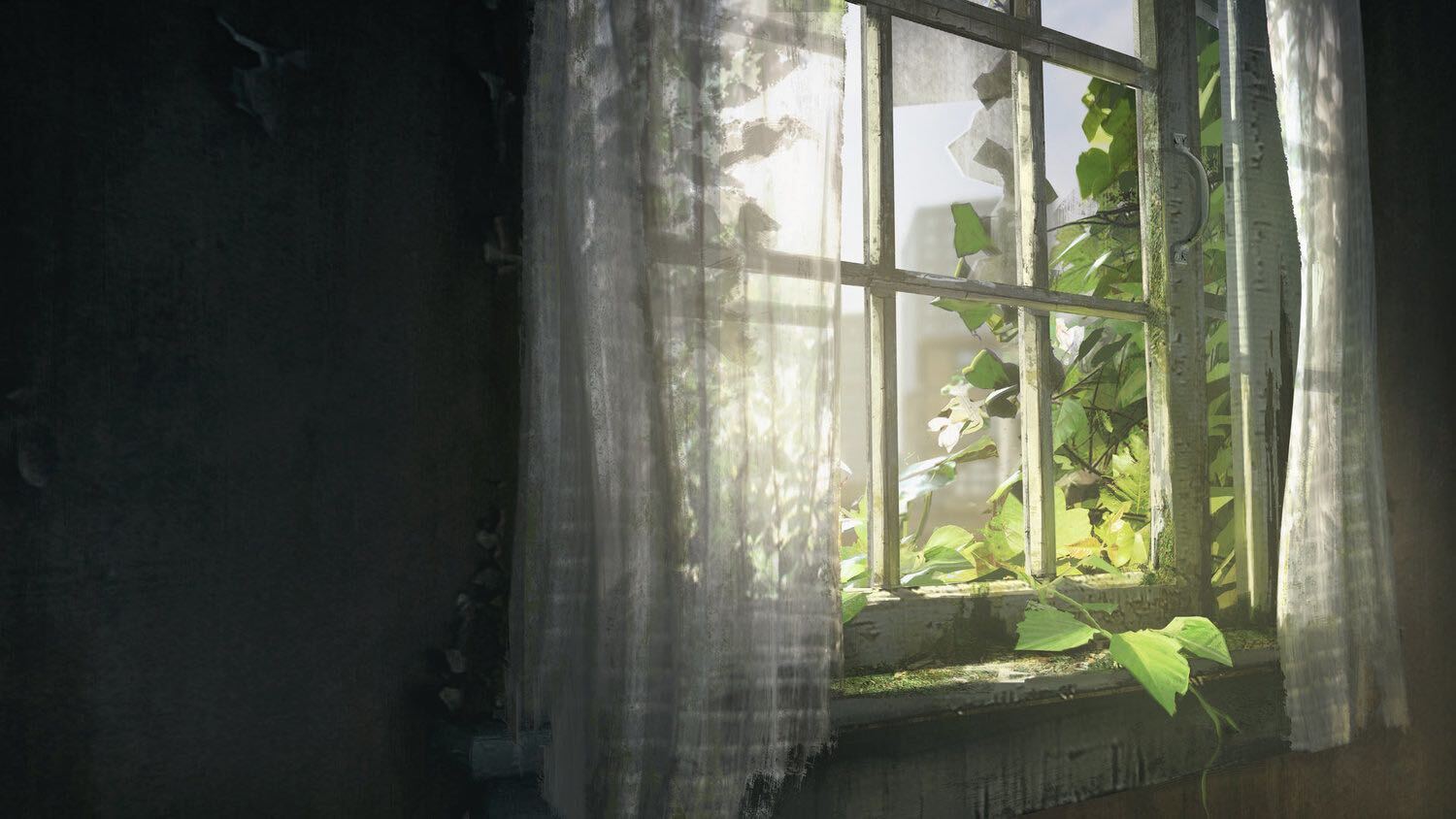
    As Pedro Pascal’s Joel and Bella Ramsey’s Ellie drive away from Bill and Frank’s residence, the camera pans to a familiar shot of the home’s open bedroom window. In the video game, players are treated to a similar image of an open window each time they put in their disc, with the shot acting as the backdrop to the game’s menu screen. In this week’s installment of the official The Last of Us Podcast, showrunner Craig Mazin revealed this was entirely intentional and was originally part of a bigger idea to incorporate the famed window shot as part of the show’s opening sequence:

    We had this idea that we were gonna open every episode with a window. So you know, like, when you’re watching on streaming and the intro comes along, the little button says ‘skip intro’? We were gonna change the words of ‘skip intro’ to ‘press play’.

    Craig Mazin

    He continued his explanation, noting that each episode would present its own unique version of the window concept for viewers to associate with the story:

    So you could sit there and look at this window as long as you wanted. Each episode would have a different window reflecting a different circumstance in that episode, then you’d press play, and the episode would begin.

    Craig Mazin

    Obviously, this didn’t end up making the final cut, but Mazin claims the idea made it as far as filming, and that the team was even able to use the third episode’s window for the end of Long Long Time:

    Well, as many windows as we filmed, it just never really made sense… It just never came together, but the plus side of the misfire there was that we did have this ending, which we loved. And it is a chance to give fans, who have experienced what I’ve experienced as a player, that feeling of the open window and the sense of both promise and loss that it implies.

    Craig Mazin

    The Last of Us is currently airing Sunday nights on HBO.

    Source: The Last of Us Podcast

  • REVIEW: ‘The Last of Us’ Third Episode Gives Us Bill & Frank’s Excellent Adventure

    REVIEW: ‘The Last of Us’ Third Episode Gives Us Bill & Frank’s Excellent Adventure

    *SPOILERS*

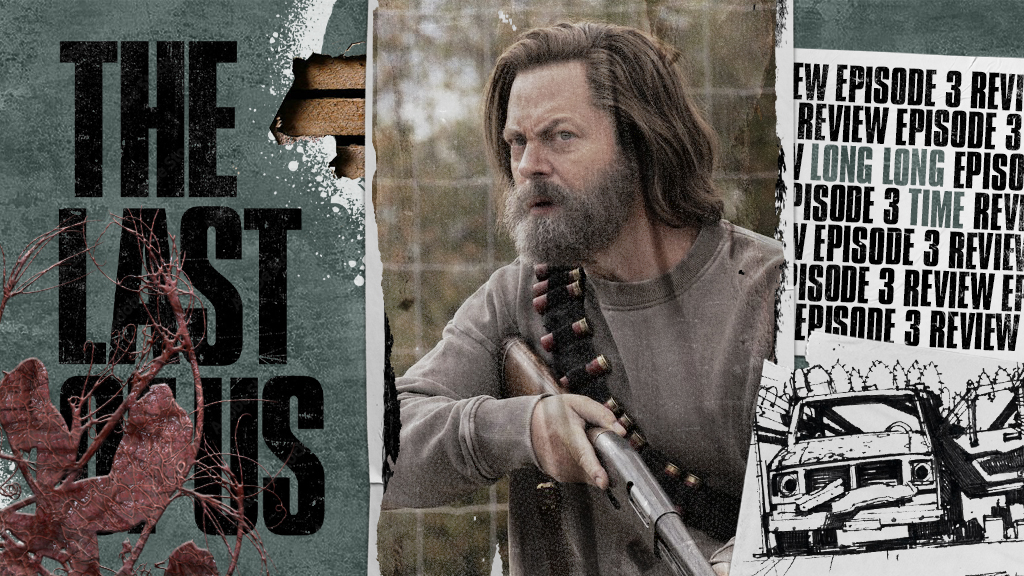
    The Last of Us is, first and foremost, a love story. HBO’s adaptation of Naughty Dog’s video game classic is ultimately a tale of finding purpose through devotion, and eventually, dealing with the grief that comes with it. In Long Long Time, the series’ latest episode, this concept is bottled into a mostly self-contained narrative about Nick Offerman‘s gruff doomsday prepper Bill and his music-loving romantic partner Frank, played by The White LotusMurray Bartlett. It’s an incredibly beautiful, sentimental hour of television, perhaps one of the best in recent memory, that leaves a truly indelible mark on the franchise and everything it stands for.

    For those that are not familiar with The Last of Us outside of the show, let it be known that Long Long Time is the first episode of the series to deviate immensely from the original source material. In the game, Joel and Ellie come upon “Bill’s Town” to find its titular resident living alone in a bitter state of self-preservation. Frank is mentioned, but never seen, as Bill’s former survival partner who moved elsewhere after a major falling out, and the game’s protagonists are forced to work with Bill alone to infiltrate a Clicker-infested high school on the other side of town for important truck parts. It’s only after this that the player discovers Frank’s decaying corpse, a note left behind revealing he was infected and consequently committed suicide, taking a lasting hatred for Bill with him to the very end.

    This works well in the game as a means of communicating to the player what danger lies in refusing to make a human connection. Through interacting with a broken Bill, and seeing what has become of his life and the town he lives in, both the player and the game’s characters begin to value companionship just a little bit more. In the way a video game functions, there is no chance for the story to flesh out Bill and Frank’s relationship further. It has to be something the player, as well as Joel and Ellie, stumble upon in the midst of gameplay. With a series, however, the creatives are not confined by the restrictions of player-controlled storytelling. They have a unique opportunity to explore the full history between lovers Bill and Frank, and in taking it, they subvert every expectation the viewer has going into the episode.

    Long Long Time is, at face value, a heartbreaking short story for The Last of Us newcomers to digest. Much will be said about its arresting nature, and rightfully so. Yet, it’s the way the episode fits into the larger narrative that’s truly striking, especially to someone who appreciates the grand scheme of character development. At first, Long Long Time seems to be a diversion from the main plotline, giving the audience a backstory for the next big name to join the show. Offerman had been advertised heavily as part of the series, and it’s intentionally made to seem like Frank will meet a tragic end to tie Bill’s arc in with the rest of the, admittedly, depressing project. However, once it becomes clear that Bill and Frank’s time together will instead end full of love and happiness before Joel or Ellie can even get to them, viewers are made to question what the idea behind the whole flashback was.

    The purpose for the entirety of Long Long Time, aside from the obvious, hits home not long after, and it’s absolutely brilliant. Although not literally, the episode – like the whole series – is still about Joel and Ellie. The Last of Us uses Bill and Frank’s story as an hour-long allegory for the show’s protagonists, and it all comes together as soon as Ellie reads Bill’s suicide note to Joel. Time exists to put the show’s leading duo on track and somehow manage to develop their own unique relationship in leaps and bounds without having them on screen for most of the runtime. On top of this, Time expertly toys with longtime fans’ preconceived notion of Bill as a resentful loner to draw them into its trap, and uses the shock of its eventual subversion to hammer home it’s point tenfold.

    Long Long Time does with its expansion of the Bill and Frank saga exactly what the game did with Joel and Ellie’s long trek through Bill’s Town and its high school, but it sends the message with far more grace and humanity. It reassures viewers that, even when HBO’s take on The Last of Us strays from what’s expected, it will get its characters where they need to be and maintain the spirit of the franchise while doing it. A masterful display of all the best storytelling techniques, and an exciting indicator of where the show can go next.

  • ‘Barbarian’ Director Zach Cregger Sets Next Project At New Line

    ‘Barbarian’ Director Zach Cregger Sets Next Project At New Line

    Barbarian was, apparently, only the beginning for newfound thriller maestro Zach Cregger. The filmmaker, whose aforementioned horror project became a surprise hit in late 2022, has officially set his next movie at New Line with a whopping, unprecedented eight-figure deal. Titled Weapons, the film is being described by The Hollywood Reporter as “an interrelated, multistory horror epic that tonally is in the vein of [Paul Thomas Anderson’sMagnolia“. No other plot details are currently known, though Cregger is confirmed to be producing the project alongside Roy Lee of Vertigo Entertainment and J.D. Lifshitz and Raphael Margules of Boulderlight Productions, his former creative partners on Barbarian.

    According to THR, the deal with New Line came less than 24 hours after Cregger pitched the Weapons script for the first time. Multiple major Hollywood studios were heavily interested in being part of the film, with some producers even calling the director’s representatives before his script was ready to be shared, and making offers sight unseen. On top of a staggering payday, Cregger‘s deal with New Line gives him a guaranteed greenlight, a guaranteed theatrical release, controlling interest in a backend pot, and total control over the film’s final cut. An agreement of this nature in today’s market is truly remarkable, considering Cregger has only made a single film prior.

    New Line, which reportedly beat out Universal in a heated battle over Weapons‘ rights, released the following statement from President and CCO Richard Brener regarding the deal:

    Zach proved with Barbarian that he can create a visceral theatrical experience for audiences and that he commands every tool in the filmmaker toolbelt. We couldn’t be happier that he, Roy [Lee] and Miri [Yoon], and J.D. [Lifshitz]and Rafi [Margules] chose New Line to be the home of his next film, and hope it is the first of many to come.

    Richard Brener

    As stated by Brener, the studio hopes Weapons will be the first of many collaborations between New Line and Cregger, who has the potential to become a major new player in the cinematic horror scene in years to come.

    Source: The Hollywood Reporter

  • REVIEW: ‘The Bad Batch’ Does Its Best ‘Uncharted’ Impression

    REVIEW: ‘The Bad Batch’ Does Its Best ‘Uncharted’ Impression

    *SPOILERS*

    A dangerous quest for a mythical item through unknown territory, fortune favoring the bold, complex puzzle solving, major characters splitting up in a dark tunnel system, an explosive third act, and a terrifying monster guarding valuable treasure that contains a hidden purpose. All of these elements sound like the key ingredients for a classic Uncharted adventure, but in actuality, they’re far from it. So far, far away, one might even say they’re in another galaxy. The aforementioned story traits actually come from this week’s episode of Star Wars: The Bad Batch, which does its best to replicate the intrepid wonderment of the famed video game franchise and, more specifically, its genre.

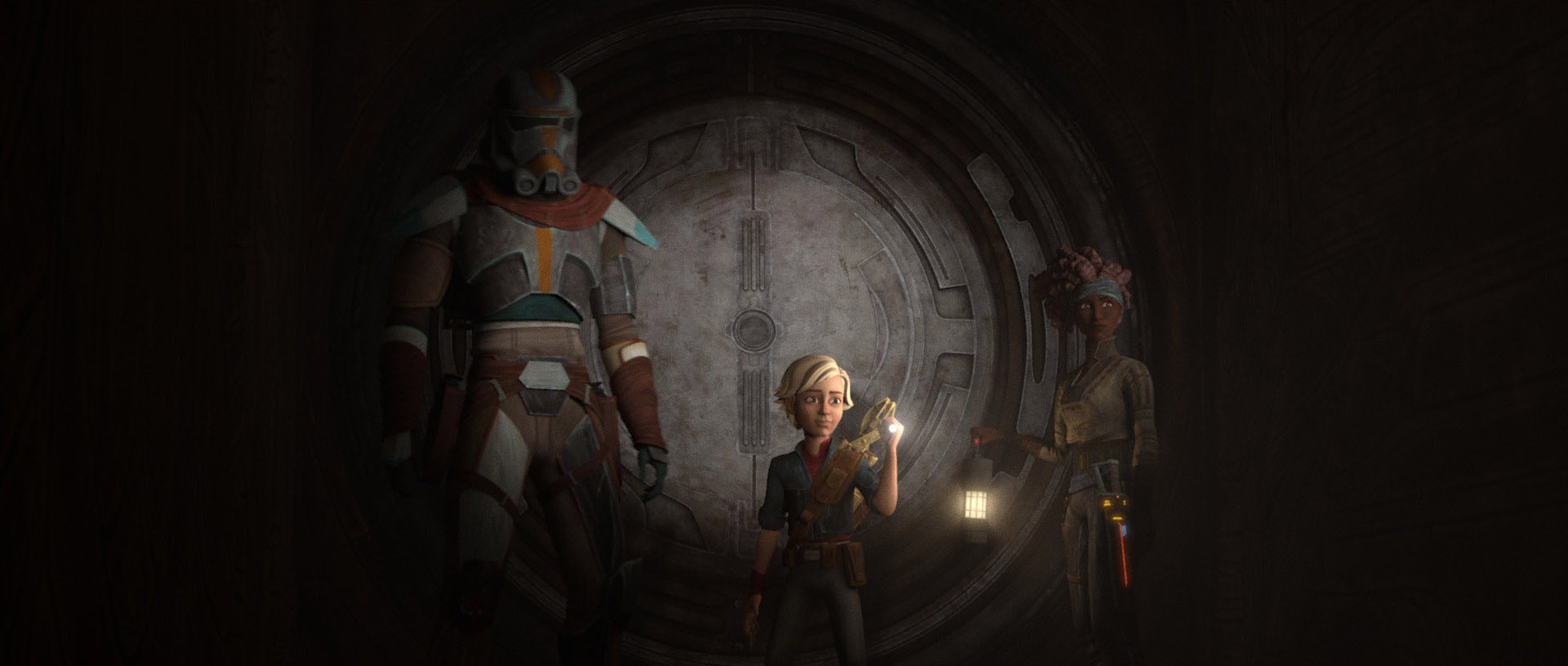
    Titled Entombed, the fifth episode of The Bad Batch‘s second season sees its titular group of rag-tag runaways searching for a lost treasure alongside Wanda Sykes‘ Phee Genoa, a pirate associate of their benefactor, Rhea Perlman‘s Cid. Their journey, and the obstacles they encounter, are obviously designed to evoke the quintessential Lucasfilm feeling of adventure, likely with Star Wars‘ sister franchise Indiana Jones in mind. However, the execution and outcome of their experience fall more in line with Naughty Dog’s aforesaid Uncharted series, specifically in how it uses its plot to convey its ultimate message. The Uncharted games, and tangentially their film adaptation, always end the same way – with the heroes giving up their newfound discoveries and riches for the benefit of the world and those they love.

    Entombed does more or less the same thing, with a wide-eyed Omega and her grumpier adult counterparts allowing a ticket to a wealthier life to slip past them in an effort to keep each other, and the galaxy, alive and well. This is something that The Bad Batch has done before, as recently as this season’s premiere episodes, but its blunt framing and straightforward narrative in Entombed work in conjunction to drive the point home with greater relative ease. Also, plainly put, it’s a lot of fun to watch Omega, Hunter, Wrecker, Tech, and Echo go treasure hunting because Star Wars has always and will always work best as a science-fiction take on pulp storytelling.

    Omega in a scene from “STAR WARS: THE BAD BATCH”, season 2 exclusively on Disney+. © 2023 Lucasfilm Ltd. & ™. All Rights Reserved.

    It’s been enjoyable to see the creatives behind the series break formula this season and apply the age-old recipe for Star Wars success to multiple different genres. The result has been a fairly entertaining early group of Bad Batch escapades, but unfortunately, the show’s biggest issue remains. Entombed, for all its likability, still does very little to progress the series or its characters as a whole. It often feels like the series is going in circles, with Omega and the crew learning the same lessons on repeat, and never truly moving forward to their next stage. It’s difficult to stay invested in characters that don’t change, and it’s frustrating when every episode comes with several opportunities to make it happen.

    Entombed might have been more exciting if, as an example, it also laid the groundwork for Omega to take a future interest in treasure hunting herself, as many of the episode’s best moments involved her growing ingenuity and childlike amazement. The potential behind this show is there and is evident in thrilling stories like this one, but The Bad Batch is still just one cohesive throughline short of living up to its predecessors’ standards. Even so, it proves itself an interesting, easily-digestible, adventure-of-the-week style project on a weekly basis. If that’s all one is looking for in this, they’ve found it in spades.

  • HBO’s ‘The Last of Us’ Originally Gave Tess An Origin Story

    HBO’s ‘The Last of Us’ Originally Gave Tess An Origin Story

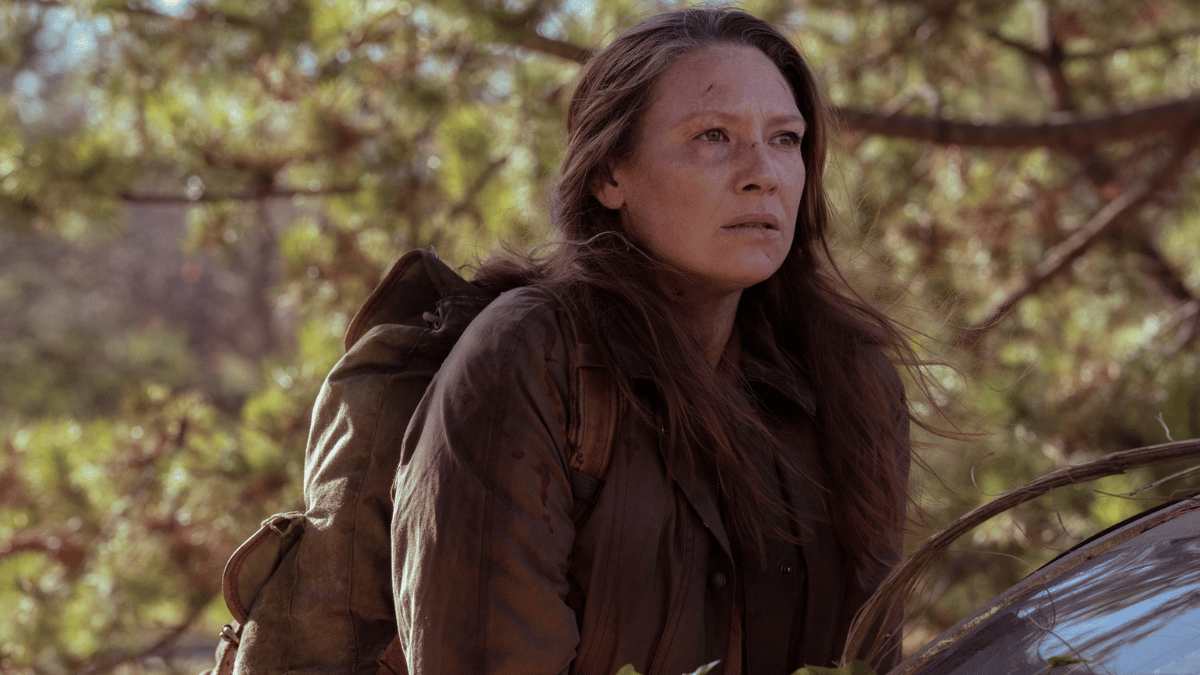
    HBO’s serialized take on the acclaimed video game The Last of Us has thus far been a hit with fans. The show has been praised for its ability to recreate key moments from the original game while also offering expansive new information about the origins of the fungal pandemic and its leading characters. This week, the series debuted its second installment, which featured a heavy focus on Anna Torv‘s Tess, the smuggling partner of Pedro Pascal‘s Joel and co-caretaker of Bella Ramsey‘s Ellie. While the episode mostly sticks to the same character arc Tess has had since 2013, showrunner Craig Mazin was quick to reveal this wasn’t always the case.

    In the latest edition of HBO’s The Last of Us Podcast, an official weekly companion series in which Mazin and franchise creator Neil Druckmann discuss adapting the game to live-action, the former explained that the second episode nearly gave Tess a full-blown backstory. After being asked by podcast host Troy Baker about the character’s vulnerability and willingness to feel hope, Mazin stated they had actually written an origin for her that would have expanded upon the complex emotions she displays throughout the episode:

    There is something we had talked about, and we wrote it. We never shot it. It was a little bit of a backstory for Tess, and the fact that Tess had a kid. She had a husband and she had a son, and they were infected and she had to kill them. She killed her husband, but she could not kill the son. She couldn’t do it. She locked him in the basement, where theoretically, he’s still a Clicker.

    Craig Mazin

    Druckmann then elaborated further, chiming in to give more details on how the backstory would have been told and why it didn’t make the episode’s final cut:

    We had a cold open where we just like, the camera pushed on this door and you just hear this pounding coming from this basement and then we cut out. Then later, Tess would tell the story of how she couldn’t kill her son…it didn’t fit, but it was fun to think about.

    Neil Druckmann

    Whether or not fans choose to take this as the canon origin story for Tess is up to them. It hasn’t actually been included in any official in-world content, so it could be altered in the future if the creatives decide on something else. Or, as is often the case with The Last of Us, Tess’ history before Joel could remain a mystery forever. Either way, like Druckmann said, it’s still fun to think about.

    Source: HBO’s The Last of Us Podcast

  • REVIEW: ‘The Last of Us’ Splits Heads and Builds Tension in Subtle Second Episode

    REVIEW: ‘The Last of Us’ Splits Heads and Builds Tension in Subtle Second Episode

    The Last of Us is a storytelling machine fueled by nuances. So much of its plot, and consequently, its character development, plays out in the form of sudden movements and stilted glances. In its original video game format, the traumatic tale of Joel and Ellie was allowed to be immersive, executed as something experienced by both the protagonists and the player controlling them. On television, this can’t be the case, so formerly passive moments of world-building become incredibly deliberate choices, and once-lively sequences of gameplay transform into subtly intense scenes on camera. It’s not an easy transition to pull off creatively, but this tight-rope act is the name of the game in Infected, the second episode of HBO’s newly acclaimed adaptation.

    Picking up where the premiere left off, Infected sees Joel, his smuggling partner Tess, and their new cargo Ellie fleeing from the Quarantine Zone and traversing a post-apocalyptic Boston. Their goal is to drop Ellie off with the Fireflies and go their separate ways, but the path to the designated meeting point is blocked by a horrifying horde of the fungally infected, and not everybody is going to survive the alternate routes. This episode is, perhaps, a slower burn than the last, but works insanely well as a masterclass in creating tension. From beginning to end, the stakes feel high, and the expert pacing leads to truly awe-inducing payoffs that firmly cement The Last of Us as a terrifying, heartbreaking new world of monsters.

    Much like the first episode, Infected begins with a cold open set before the events of Outbreak Day. A scientist in Jakarta is tasked with inspecting the body of a freshly infected person, quickly coming to the realization that society, as humanity knows it, is about to end. While striking, the scene at first feels repetitive of what was already presented in the pilot, an almost unnecessary addition to the story when Joel and Ellie’s journey is begging to continue rolling. There’s an extreme sense of foreboding, a deeper look into how the fungus began spreading, and a reminder that people won’t be able to win this battle before cutting to the opening credits. However, as the rest of the episode unfolds, it starts to become clear just how brilliant the cold open actually was.

    As its title implies, Infected does a lot of leg work when it comes to explaining how The Last of Us’ zombie-like plant baddies function. The information given to viewers in the episode’s first few minutes is expanded upon as the remaining hour ticks away, with each new detail creating a higher sense of danger than the last. As the stand-in for the audience, Ellie gives all the correct reactions, ranging from disgust to strange admiration. Like anything humans may fear in nature, there’s an innate level of respect for the fungus and its unstoppably connective nature, but it doesn’t make the simultaneous pain and destruction its growth results in hurt any less. Tendrils, for example, finally have a purpose, and the show’s manner of presenting them as both deliciously creepy and oddly beautiful makes for a wonderful mixed bag of emotions for those watching at home.

    Like the cold open itself, most of the horror in Infected comes from what the audience doesn’t see. Viewers are told what could kill them, and they’re told how dire the situation has become, and then they’re left to imagine what that might look like for the large majority of the episode. Characters peer through collapsed buildings, walk past craters in the street, hear screeches come from the distance, and see far-off, ant-sized bodies roll in a giant mass along the ground. It feels like anything could come crashing through the wall at any moment, and it causes every action the protagonists take to feel like a life-or-death decision. All this, so when the Clickers finally make their live-action debut, it’s worth every second of agonizing anticipation that came before it.

    Avid fans of The Last of Us have heard the sound of Clickers a million times in the past, yet somehow, HBO’s latest series manages to bring a fresh kind of fright to the first time that guttural noise comes around the corner. It’s not the action-packed museum fight sequence from the game, but it doesn’t have to be. The point is to experience the terror of the infected, and director Neil Druckmann only needs two of them to get the job done. Every motion of the camera while Joel and Ellie hide (in a surprisingly game-accurate way) is genius. A continued play on the phobia of the unknown. They, and the viewers, only get glimpses of a living nightmare that forces them to play by its rules. If Clickers weren’t already part of the classic horror villain lexicon, they will be now.

    This unique sense of dread extends to the episode’s closing moments, which find Anna Torv‘s Tess sacrificing herself in a bittersweet effort to save the planet. This, too, is made better by the beginning of the episode, acting as a hopeful bookend to an hour of empty loss. In Jakarta, it’s made perfectly clear that there is nothing people can do to stop the fungus. The only option, according to a tearful scientist, is to take lives away. Here, after discovering Ellie as a potential solution, Tess realizes the answer may actually be keeping a life intact. Again, after a long subtle build, the payoff comes due in a gorgeous, intimate moment of humanity, surrounded by the bizarre parallel of the fungus – now spreading into Tess – also doing what it can to stay alive.

    Of course, none of these nuances could possibly work as well as they do without the pure talent of the cast. Bella Ramsey comes to life as Ellie in this episode, and it becomes apparent by the end exactly why they were chosen for the role. A perfect blend of vulnerable and tempestuous. Specifically, a moment between Ellie and Joel in the lobby of a flooded hotel feels ripped straight from the game, with Pedro Pascal also embodying the latter character with immaculate accuracy. Somehow, The Last of Us has been reborn on HBO, and with time, it may even prove to be a better version of the story than the original model. At the very least, these first two episodes have been nothing short of amazing, and hopefully, are enough to bring viewers back for more.
  • Jason Momoa Teases Big News With DC Studios

    Jason Momoa Teases Big News With DC Studios

    DC Studios is currently preparing to reveal its big plans for the future, and it appears Aquaman star Jason Momoa might actually be part of them. In a recent post to social media, the lovable heartthrob documented himself leaving a meeting at Warner Bros., shouting in excitement and claiming he had just received “really good news”. The actor stated the reason behind his elation was still a DC Studios secret but hinted strongly that it was about his next few years with the company. Before closing out the video, Momoa went on to thank studio heads James Gunn and Peter Safran, as well as Warner Bros. Discovery CEO David Zaslav, for whatever they had just discussed.

    After debuting as the character in a 2016 Batman v. Superman: Dawn of Justice cameo appearance, Momoa went on to portray the King of Atlantis in both versions of Justice League, both Aquaman solo films, and the television series Peacemaker. When news broke that Gunn and Safran planned to scrap the current DC Extended Universe and restart with their own cinematic world, however, it seemed Momoa‘s tenure as Aquaman had come to an end. Some reports claimed Gunn wanted the one-time Conan the Barbarian lead to stick around as another character, the intergalactic mercenary Lobo, but no official word ever dropped regarding the actor’s future with DC. Now, it seems he’s in it for the long run. What role he will play, though, remains a mystery.

    Source: Twitter