Author: Mister Anderson

  • Kevin Conroy’s “Finding Batman” is a Profound Inspiring Must-Read for Pride

    Kevin Conroy’s “Finding Batman” is a Profound Inspiring Must-Read for Pride

    A couple weeks ago, DC Pride 2022 #1 was released. It had a bunch of different Pride stories to share that featured characters like Superman, Robin, Green Arrow, Batgirl, Aquaman, Harley with Poison Ivy, and many more. At the very end of the issue, though, there were 8 comic book pages that could help gay men feel a lot better about the closeted part of their life.

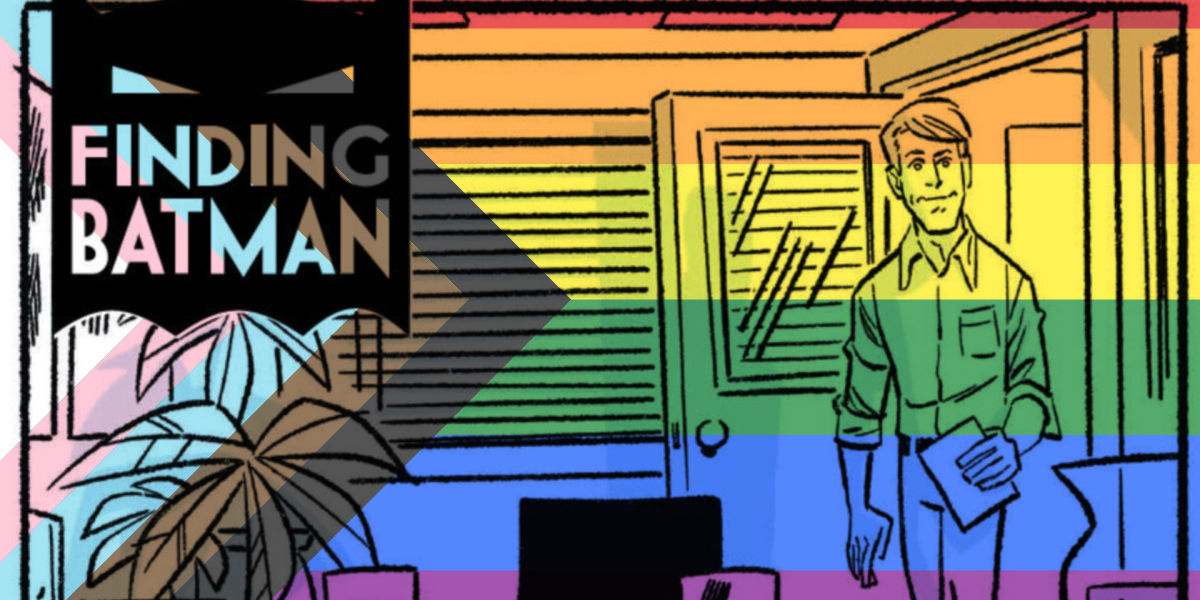
    Kevin Conroy, the infamous voice actor who played Batman for many people’s entire childhood, wrote Finding Batman, a story about his experience being a gay man in Hollywood. After detailing his upbringing in a dysfunctional religious family, the legendary voice actor explained how he tried to make a name for himself as an actor — it is a specific experience that will still resonate with most gay people. His story provided a deep look into a closeted gay man’s life with how Conroy’s decision to conceal his sexuality was depicted in the panels of this comic. This kind of self-inflicted trauma caused by the stigma around homosexuality forcing gay people into the closet is something we should all try to understand better and prevent.

    As Conroy continues his story, his attempts at getting jobs and being turned down because he’s gay is the same kind of discrimination many gay people still face today. Conroy tells a story of a producer that really liked his work on a film and approached him about being cast as the lead in a pilot, which is a huge deal for any actor. As soon as the producer found out Conroy was gay, though, the producer did a complete 180 and told him the network would “never hire him for a lead.” Being respected and admired by people for having certain talents and then being immediately rejected by those people when they find out our sexuality is an experience a lot of gay people are familiar with.

    One of the hardest parts about reading these pages was how many times people used a single word to completely tear him down — and no, there’s no need to write it here in order for you infer which word. Conroy explains multiple times how others used the slur to dehumanize him. He shows the true meaning of Pride by being courageous enough to describe those experiences because, despite other people’s hatred and fear, he is proud of having overcome all of that to be happy and whole.

    The best part of this piece is how inspiring it is in the end. After all of the hardships and challenges Conroy faced in his real life due to discrimination for being gay, he was able to use those experiences to inspire one of the best portrayals of Batman/Bruce Wayne that has ever existed. The way the panels on the last page show how he connected his life to Bruce’s decision to have both a public life and a private life gives hope that everything we go through is for a good reason, even if we don’t see that right away.

    Thanks so much, Kevin Conroy, for sharing your story! You will help a lot of gay people realize those closeted years may not have been lived completely in vain.

  • 7 Years Later: A Look Back at Bobby Drake’s Coming Out

    7 Years Later: A Look Back at Bobby Drake’s Coming Out

    It’s been 7 years since Marvel Comics made the decision to have Iceman, one of the most iconic original X-Men characters, come out as gay. As a gay man who understands the impact of proper mass media representation of minority communities, this was a big deal for me. The X-Men comics have always been an allegory for marginalized and oppressed communities, so all of these characters’ stories have helped me learn how to face the same type of discrimination and bigotry in the real world. When it was announced in 2015 that we would see Iceman coming out of the closet, I was so excited about the potential to show general audiences an authentic gay character through a name they would recognize. Now that it’s been years since the announcement, we can reflect on how the character has developed and how well Marvel has represented the gay community through this character.

    First, a little context. In Brian Michael Bendis‘ 2012 The All-New X-Men, the young versions of the original 5 X-Men were sent to the present by Beast to attempt to change how some of the older versions of themselves had turned out. This resulted in normally aged adult versions of the X-Men interacting with the teenage versions of the original members in our modern time. It was at this point that Marvel decided to reveal the teenage version of Iceman as a gay man.

    The backlash was predictable: “Why change a character that’s been around forever?” “But Iceman has been with women in the past!” “They’re shoving the gay agenda down our throats.” The only thing I’m going to address with the homophobia surrounding this character coming out (besides that hatred is obviously wrong) is that bigots should really avoid the “down our throat” analogy when it comes to criticizing gay content. It just makes us giggle.

    The All-New X-Men #40

    Marvel created a major problem by robbing Bobby of his agency with the way they handled his coming out. Long story short, in issue #40, teenage Jean Grey reads some of Bobby’s thoughts without permission and discovers he’s gay. After this brazen invasion of privacy, she confronts him after he makes an objectifying comment about Magik, literally dragging him out of the closet. Setting aside the fantastical concept of telepathy, it is never okay to force someone out of the closet. Instead of pulling Bobby aside to corner him about the gay thoughts she spied on and forcing him to admit he was gay, Jean Grey should have been ashamed of violating his privacy and respected his decision not to tell anyone. As someone who was forced into the closet at age 12, I can confirm that there are an infinite number of reasons why someone would choose to stay there. Coming out of the closet is a moment that the person themselves decides to admit to everyone that matters to them (including themselves) that they’re gay, and it is no one else’s business how or when that happens. In this regard, Marvel really messed up with Iceman’s coming out story.

    A year after young Bobby was forced out of the closet by Jean, Marvel used the older version of Iceman to portray the struggle some gay people face with the internalized homophobia that comes with living a long time in the closet. They addressed his previous relationships with women, which we gays would call a “beard” because being in a heterosexual relationship is part of the mask we wear to hide our sexuality. In 2015’s Extraordinary X-Men #6, Old Iceman has a great conversation with Anole, a younger gay mutant. He explains to Anole how much he admires the Young Iceman’s bravery to live out of the closet after he had lived his own life making the opposite choice. Old Iceman tells Anole that he chose to come out to him now because he figured Anole “already dealt with the stuff I’m grappling with now.” This was a great example of how coming out happens differently for each of us, and how a younger openly gay person can be a role model for older people still struggling to come out.

    Extraordinary X-Men #6

    Since the initial debacle with young Bobby’s coming out, Marvel has taken steps to listen to gay fans about telling more authentic representations of gay stories. Iceman has had two solo comic book runs that have explored his life as an out gay man, and the stories seem to have struck a good balance between his personal life and his duties as a superhero. My favorite place to find Iceman outside of his solo books is in The Marauders as he sails the sea under the Red Queen Kate Pride. The storyline has really brought him back to his roots as a wise-cracking Omega-level mutant without ignoring the progress the character has made.

    I can definitively conclude that, seven years after Iceman was revealed to be a gay character, and despite some of the missteps along the way, Marvel has done a great service to the gay community by giving us more mass media representation through the character of Iceman. His storyline is a great example of how being gay is not the same experience for all gay people in many ways. Marvel has also done a wonderful job showing how being gay isn’t at all the only aspect of life that’s important to a gay person. Iceman has become a truly spectacular representation of the gay community and I’m excited to see where the comics take his story next!

    #HappyPrideMonth