Blog

  • ‘Black Panther: Wakanda Forever’ is Now November’s Biggest Domestic Opening Weekend of All Time

    ‘Black Panther: Wakanda Forever’ is Now November’s Biggest Domestic Opening Weekend of All Time

    Black Panther: Wakanda Forever has dominated the box office, as the film will pull in $180M over the weekend. Cinemas have been waiting for a project to finally give them a boost, especially after Black Adam was a more mellow premiere, and it has arrived. Not only that, the film has now taken the record of the highest November opening from Hunger Games. Catching Fire, which stood at $158M since 2013. The film will also end its global release at around $330M.

    It’s a sigh of relief for Marvel Studios, as there were a lot of troubles facing this production. It had to film during COVID, Letitia Wright suffered an injury that halted production, and it lost its main star when Chadwick Boseman suddenly passed away forcing the production into a new direction. It also can’t rely on an international bo office with markets like China, Russia, and Ukraine not available for understandable reasons. It’ll likely not pass the original’s $1.4B worldwide release but it could have a chance at inching its way towards a billion if its A CinemaScore gives it some much-needed word-of-mouth.

    The film stands as the second biggest opening for Marvel Studios this year, as it passed Thor: Love and Thunder but is behind Doctor Strange in the Multiverse of Madness, which goes against early projection. Though these two films had the summer market to play with and the Doctor Strange sequel was heavily frontloaded. If Wakanda Forever doesn’t face a harsh drop in its second weekend, especially with it not sharing the B+ CinemaScore, it could have a chance to potentially surpass that film’s box office in the long run. Though it might be safer to say it’ll reach at least 800M and grow from there. Still, this is the fourth-highest superhero movie opening and it doesn’t seem like Marvel Studios is slowing down any second. Of course, the second weekend is the only one that could really tell if that’ll be the case.

    Source: Variety, Twitter

  • ‘Wakanda Forever’ Makes Good on One of Namor’s Many Comic Book Aliases

    ‘Wakanda Forever’ Makes Good on One of Namor’s Many Comic Book Aliases

    In introducting Namor to the Marvel Cinematic Universe, Black Panther: Wakanda Forever writer/director Ryan Coogler almost entirely recreated on of Marvel Comics’ oldest characters. Coogler created a brand new backstory for the character, a new “lost city” and a new timeline. In doing so, Coogler created one of the MCU’s most fascinating and powerful characters by managing to keep him true to who he has always been in that comics despite the changes. One of the aspects Coogler chose to keep was Namor’s identity as a mutant and by giving the character such a long life span, he also made good on one of the many aliases the character has been given over his decades in the comics.

    Avenging Son. The Savage Sub-Mariner. Lord of the Seven Seas. Those are among the many titles given to Namor in the pages of Marvel Comics and they could all certainly all still apply to the MCU version of the character (though Avenging Son would have to be more of a title and less the Atlantean translation of his name). One title that absolutely applies, however, is The First Mutant. Given Namor has been alive in the MCU for 500 years, give or take, Wakanda Forever chronologically established the character as the first MCU mutant. While Kamala Khan may have been the first character to have been identified as a mutant, Namor just flat out did it first.

    Of course, in the comics the title ultimately became a bit of a misnomer. While he was the first mutant to be introduced in the comics (his first appearance in comics predated the X-Men by 25 or so years), there are plenty of other mutants who walked the Earth before him. Apocalypse, Selene and even Amahl Farouk all predated the known history of Namor but, in the pages of the comics, he came first.

    So what Coogler has done in Wakanda Forever is not only introduce an incredibly complex and conflicting character, he’s also retroactively established the existence of at least one mutant in the MCU to a time well before the word was first uttered on the timeline. Could other ancient mutants find their way into the MCU? Or does the future of the mutants lie in one of the infinite Earth’s in the Multiverse? MCU fans might not find out as quickly as they’d like, but Namor’s identity as The First Mutant now makes either option possible.

  • Scoop Culture All But Ruined ‘Black Panther: Wakanda Forever’

    Scoop Culture All But Ruined ‘Black Panther: Wakanda Forever’

    Afro-Latinos (read Black Latinos) don’t have many heroes in superhero movie mediums. We have seen a lot of cis-hetero white dudes carry the superhero mantle, be redeemed for their mistakes, and lead teams with reckless abandon. Those same dudes review-bombed two really good women-led superhero films, which really highlights how they believe the superhero space just belongs to them. A lot of those same dudes reviewed T’Challa’s first appearance (“what is with the horns whenever he’s on screen”, they said, like a superhero theme playing when a hero was onscreen was somehow an anomaly) and 2018’s Black Panther with a serious lack of cultural-competency. We heard that it wasn’t very good, wasn’t Marvel’s best, and how they didn’t really understand Killmonger’s beef with America.

    It was strange, word to Stephen, but expected.


    In a post-Black Panther world, we saw Marvel position T’Challa as the man who would lead and influence the next iterations of the Avengers. It was not a mistake for the final stand versus Thanos to take place in Wakanda, or for the first person to walk through the portal to be her King. Whereas the first version of the flagship group included absolutely zero diversity, this next generation would be made up of not just the Black Panther, but a new Captain America, two LGBTQ+ heroes, a Muslim mutant, a Jewish protector (unfortunately played by a Guatemalan actor, but progress brings missteps sometimes) with mental health issues, and two Black, armored Avengers. With diverse heroes, we were bound to get diverse villains, too: Black Panther gave us our first non-white villain and Marvel then cast an absolute legend in Tony Leung in a movie with a primarily Asian cast. Progress was slow but steady, and people were not happy. Still, for us Black folks, T’Challa represented so much more than just a seat at the table: he was the guy the table was built for.

    When he died, there was this absurd movement to recast T’Challa led by A LOT of neckbearded cis-hetero white dudes. This seemed to coincide with the rise of scoopers who would throw so much at the wall with the hope that clout would follow if even 20% was right. They could then say that Marvel changed what they got wrong, which means they were never wrong, and rinse and repeat for the next movie. The sequel to Black Panther brought even more of that: we heard of an imaginary scene with a Fantastic Four villain making their debut, how it would end with the Thunderbolts descending on Wakanda, and how Lake Bell was playing a bigger character than what she really ended up playing. It was frustrating but expected. I treat “leaks” like fan fiction anyway and love coming back to them to see what they got wrong and whether there is ever any accountability. You guessed it: there isn’t any.

    However, there should be, and it was during the lead-up to Wakanda Forever ‘s release date that I first thought “this is some bullshit.” If you’ve seen Wakanda Forever, you know that there is only one tag after the movie concludes, and it is a pretty important deal. I will not spoil it here, but needless to say it is one of the more impactful scenes Marvel has ever added both in terms of what it means for the future of the MCU and how it ties into the theme of Phase 4: grief and legacy are always intertwined, and as we try to grapple with those who aren’t here we have to come to grips with how we will remember them. Wakanda Forever, in that regard, almost gives us a front-row seat to the homegoing of T’Challa and lets us remember him for what he is and what he could’ve been. The tag at the end of the movie, then, acts as a way for us to see a future where the grief has settled. To have that moment ruined a full year before the movie came out would’ve been bad enough on its own. To have the choice to ruin it be justified as something fans needed to know made it substantially worse. That scene was so beautifully executed, but to have experienced that scene with no prior knowledge would’ve hit substantially differently. Nobody would’ve had less clout had it not been shared prematurely, and as a man of color and father, it hit a little differently than your normal Marvel stinger. Because of those two things, Wakanda Forever hit differently than your normal Marvel movie. Chadwick deserved for us to experience it the right way.

    Scoopers will go back to ruining movies: they can’t help themselves, after all. It is telling that a Native American site owner is letting me write and publish this, and I’m eternally grateful to Charles for giving me this platform. It’s also telling that, even with us knowing things, we’ve never ruined a movie for anyone. The goal for us is to write about the stuff we’ve loved since we were kids. I thought that was the reason we all started doing this, anyway. Cheers to Black Panther, and to the Scoopers Who Almost Ruined it: I hope you chew gravel.

  • EXCLUSIVE: Live-Action ‘Lilo & Stitch’ Replacing an Iconic Character from the Animated Original

    EXCLUSIVE: Live-Action ‘Lilo & Stitch’ Replacing an Iconic Character from the Animated Original

    Disney is all about live-action remakes these days and they’ve eyed pretty much any of their iconic animated films to get the treatment. Among them is the iconic Lilo and Stitch, which is set to be directed by Dean Fleischer-Camp based on a script from Chris Kekianiokalani Bright, which once again explores the story of a young girl named Lilo who ends up with a rather different kind of pet who she names Stitch. While the film will follow the story of the original, we can exclusively share a few details of two original characters being added to the story.

    The film is currently busy casting for the roles of Lilo, Nani, and David Kawena from the original animated film. There’s no word if they are actively looking for a voice actor for Stitch, or perhaps they might even see Chris Sanders return to the role. Yet, they are also actively casting two new roles for the film which are a character known as Tutu and Mrs. Kekoa. The former is described as someone who speaks with a local Pidgin accent and is the neighbor of the Pelekai sisters, Lilo and Nani.

    The surprising new addition is Mrs. Kekoa, as she seemingly will take on the role of Cobra Bubbles. It’s unclear if that character will still be featured in the film, but it seems that this new character is being cast as the social worker, who pays Nani a few visits to see if their living conditions are right for her to continue looking after Lilo. The addition of an alien pretending to be a dog won’t help matters much. Her inclusion does raise the question if Bubbles will be featured in the film at all, but it is possible they may be taking a different route.

    There have been a few rumblings hinting at Disney hoping to start production on it soon. DisInsider shared back in August that the film might be set as a Disney+ exclusive. This was highlighted by Discussing Film’s Jacob Fischer, who also hinted at a production start in February, which we can also confirm. They will be filming until the end of May 2023 in Hawaii, which will definitely make the project stand out and sticks to the aspects that made the original shine.

  • From Page to Screen: Riri Williams, Ironheart

    From Page to Screen: Riri Williams, Ironheart

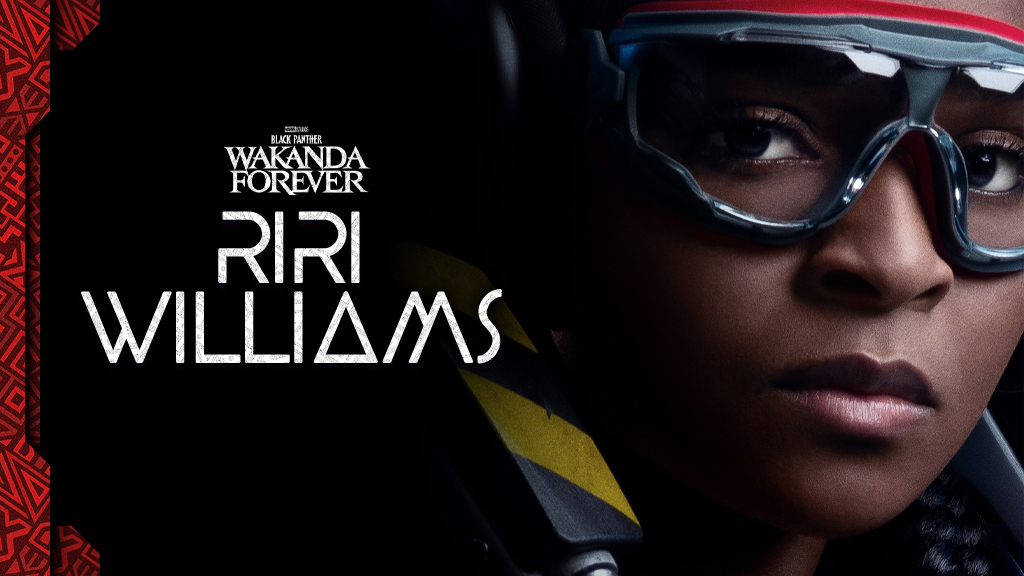
    Black Panther: Wakanda Forever has finally made its way to theaters, and it’s brought a few fresh faces with it. Among the multiple newcomers is Dominique Thorne‘s Riri Williams, perhaps better known to comic fans as the invincible Ironheart. A genius student attending MIT, Williams plays a pivotal role in Wakanda Forever and is actively set up as a major player in the Marvel Cinematic Universe going forward. While the live-action portrayal of Ironheart is surprisingly faithful to the source material, it’s not always entirely accurate, and as such, it becomes the duty of Murphy’s Multiverse to break everything down and clear up what comes from the comics and what does not. Keep in mind, it’s not inherently bad to make changes to a character, but it is fun to compare and contrast.

    Comics – Riri Williams, Ironheart

    Debuting in 2016’s Invincible Iron Man (Vol. 3) #7, Riri Williams is a teenage prodigy with an incredibly gifted mind. Originally from Chicago, Williams was born to her mother, Ronnie Williams, shortly after the supposed death of her father, Demetrius “Riri” Williams Sr., in a gas station robbery gone wrong. Growing up under the care of her mother, sister Sharon, and stepfather, it became quickly apparent that Riri was not like other children her age. At only 5 years old, Williams was diagnosed as a “super genius”, something that made it difficult for her to make friends or interact with other people. As a result, Williams received special care to foster her abilities and became something of an introvert, often trapped in her own mind while working on new inventions she hoped would one-day aid superheroes in saving the world. After a tragic shooting causes the deaths of her step-father and best friend, Natalie Washington, 15-year-old Riri accepts an early scholarship to the Massachusetts Institute of Technology and moves away from Illinois.

    At MIT, Williams uses a secret hideaway on campus to construct her own suit of armor out of stolen school material and reverse-engineered Stark tech. When security becomes aware of her activities and tries to stop them, she dons the suit and takes flight. Traversing the country and practicing her newfound abilities, Riri ends up stopping a group of escaped inmates in New Mexico, putting her in the national spotlight but damaging her already-flimsy suit. Luckily for Williams, her actions are noticed by Iron Man himself, who pays her a visit and gives her his blessing to become an armored superhero. She creates a newer, better version of the suit, and joins Tony Stark’s side of the second superhuman Civil War.

    Following the conflict, Stark slips into a coma and leaves an Iron Man-sized hole in the world. Using an A.I. duplicate of her mentor, Williams designs a fully-functional, Stark-supported armor and takes over as the active ‘Iron-Person” in the Marvel Universe, adopting the name “Ironheart” and working alongside S.H.I.E.L.D. and the Avengers to stop world-conquering foes. Eventually, Williams joins the Champions, a group of young vigilantes, and grows further into her new role as a superhero. Over time, Riri would go on many engaging adventures, including a trip to Wakanda that earns her an honorary home among its people and establishes a close friendship with its Princess, Shuri. In more recent comics, Riri has developed an intense rivalry with the Mandarin and the Ten Rings. It’s revealed her father, long-thought deceased, was actually alive and a high-ranking member of the criminal organization.

    MCU – Riri Williams

    Much of Riri Williams’s backstory in the MCU remains unknown, but several elements do appear to be lifted straight from the comics. Like her comic counterpart, Thorne’s Riri is originally from Chicago and, according to a brief comment made by Williams, is close with her mother. A running motif in the film reveals Riri lost her father in the MCU as well, and learned to build machines with the help of a loving step-dad. She is also attending MIT and secretly building a suit of armor from stolen materials when discovered by Shuri and Okoye. While still a “super genius” in Wakanda Forever, Williams is aged up from her 15-year-old comic self and made to be, seemingly, an appropriate age for college. She is brash, confident, and not afraid to hustle her peers if it means making some extra cash.

    Williams becomes a mainstage member of the MCU when she constructs a device capable of locating the elusive metal Vibranium from great distances. The implications of this machine land her on the radar of both Wakanda and the hidden undersea nation of Talokan, with their respective leaders Queen Ramonda and King Namor vying for possession of Williams and her creation. Namor wants Williams dead, but she’s fortunate to be found by Wakanda first, with Shuri and Okoye attempting to transport her back to their homeland in one piece. The plan falls apart quickly, however, and Williams is forced to don her secret homemade suit of armor in an effort to save her own life and help the Wakandans escape. Of course, this also fails, and both Williams and Shuri are taken by Namor’s warriors to be held captive in Talokan.

    Williams, unaccustomed to a superhero lifestyle, panics for most of her time in captivity. It’s not until she and Shuri are rescued and brought safely back to Wakanda that she once again begins to shine. Surrounded by advanced Wakandan technology, Williams and Shuri help each other manufacture new weaponry for the war against Talokan. Shuri aids in the development of a new suit for Williams, while Williams offers the solution for bringing down Namor. Like in the comics, Williams establishes a unique relationship with Wakanda and Shuri, and, when Talokan attacks Wakanda, is even saved by Ramonda in her last act of heroism. At the end of the film, Riri is left without the upgraded version of her suit but finds her future is more clear after teaming with Shuri to end the Wakanda-Talokan conflict.
  • From Page to Screen: Aneka, Midnight Angel

    From Page to Screen: Aneka, Midnight Angel

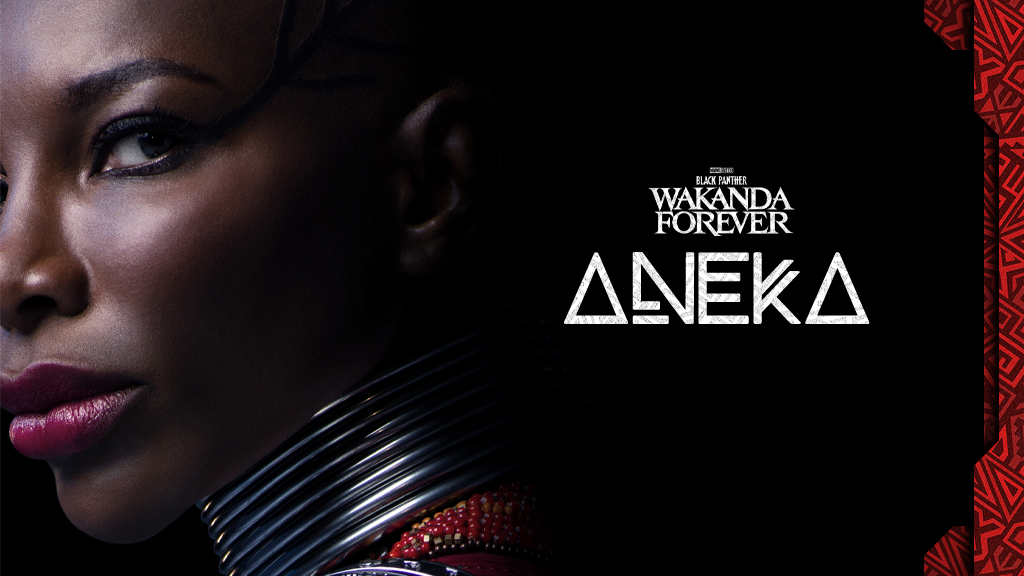
    Black Panther: Wakanda Forever has finally graced movie screens, and so have the faces of quite a few new characters. The world has been abuzz over the Marvel Cinematic Universe introductions of Namor and Riri Williams, but those are not the only names making their live-action debuts in the film. One of the overshadowed additions is the latest member of the Dora Milaje – Michaela Coel’s Aneka. The character has a unique role in the film, as an important part of Wakanda’s storied history and ever-evolving future. Of course, no movie adaptation can be exactly like the source material, and as such, Murphy’s Multiverse has an urgent job to do. It has become the site’s duty to lay down Aneka’s role in both the comics and the MCU and to play a game of compare and contrast for readers to sift through and enjoy.

    Comics – Aneka, Midnight Angel

    Aneka’s comic story begins largely the same as it does on the big screen, as a newly introduced member of the Dora Milaje. However, on the page, Aneka is more than just part of Wakanda’s greatest protectors, serving as the group’s combat instructor in a position personally appointed by King T’Challa. She specialized in tech-based combat, initially using her role to train the Dora for an upcoming battle against vicious robots as part of the Doomwar. Eventually, however, Aneka would lose her title and be jailed at the behest of Queen Ramonda. The youthful Dora found herself on trial for the murder of a village chieftain, whom she had slain in an effort to protect the women he was abusing. Aneka’s teammate and romantic partner, Ayo, was unable to abide by Ramonda’s decision, and also left the Dora Milaje. Ayo then stole a prototype “Midnight Angel” armor, a new high-tech suit designed for the Dora and broke Aneka out of prison, gifting her a second set of armor before leaving together.

    Aneka and Ayo took refuge with the women the former had saved before going on trial, but quickly found themselves under siege from the White Gorilla and his vile Jabari forces. As the Midnight Angels, a self-proclaimed offshoot of the Dora Milaje, the duo killed the White Gorilla and took over the Jabari lands. In an effort to rewrite history, they established a democratic form of government within the Jabari lands and made it their goal to campaign for a better Wakanda. Soon, they would accept an offer of assistance from a separate Wakandan rebellion, known as “the People”, and T’Challa would become unsettled by the rising unrest in his nation. After a few inciting incidents, T’Challa and the people of Wakanda would go on the offensive against the Midnight Angels and the Jabari, growing the disagreement into a full-scale civil conflict.

    The partnership between the Midnight Angels and the People deteriorated not long after, with the former disapproving of the latter’s increasingly violent tactics. The breakdown in compatibility between the groups lead to the People breaking off and becoming something of a terrorist organization, causing Shuri to confront her former peers and ask them to assist her and T’Challa in protecting Wakanda’s innocents. Although the alliance between the Wakandan leadership and the Midnight Angels was fragile at first, it would eventually culminate in a truce that saw T’Challa reform Wakanda’s government away from monarchy and Aneka regain respect for her country.

    MCU – Aneka, Midnight Angel

    The MCU’s take on Aneka is not a combat instructor, but she is shown to gravitate towards innovative weaponry as a member of the Dora Milaje. Also, like her comic counterpart, Aneka is not held by tradition and appears to be something of a free-thinker, much to the chagrin of Okoye and the other longstanding Dora. Her role in Wakanda Forever is a relatively minor one, but it does ring a few bells that indicate she could have a much larger part to play in future Wakanda-based projects. Aneka is first seen stopping an attack on a foreign Wakandan embassy alongside her Dora teammates, Ayo included, wielding new prototype daggers designed by Shuri. Later in the film, it is revealed that Aneka and Ayo are in a relationship, like the comics, and Aneka becomes one of the very few Dora Milaje members to receive the finished “Midnight Angel” armor Shuri had created as an advanced form of Wakandan protection in the wake of her brother’s death. She dons the armor and her daggers to aid in the final battle against Talokan, before peacefully returning home to Wakanda with Ayo.

    While Aneka does not play as big of a role as she does in the comics, some of her other story elements are still present in Wakanda Forever, albeit with other characters adopting them. Her trial before Ramonda and removal from the Dora technically occurs in the film, but with Okoye in her position instead. Okoye’s use of the Midnight Angel armor to become a Wakandan hero outside of the Dora is also reminiscent of Aneka’s arc in the books. Furthermore, Shuri’s dissatisfaction with Wakanda’s government and traditions, and ultimate reconciliation with T’Challa’s legacy, has strokes of Aneka’s original origin.

  • ‘Black Panther: Wakanda Forever’ Pulls in 10th Highest Opening Day at the Box Office

    ‘Black Panther: Wakanda Forever’ Pulls in 10th Highest Opening Day at the Box Office

    Black Panther: Wakanda Forever is pulling in some strong numbers domestically, as it has now reached $84M in its Friday opening, which includes the $28M from Thursday previews. That would put it on a course to potentially pull in around $184M domestically over the weekend but Veteran’s Day is making an exact calculation somewhat difficult. It does seem hard to say if it’ll pass the first Black Panther‘s opening of $202M, it should not be downplayed how big this opening is considering a November release.

    This opening is the tenth-highest opening day ever for a film in the domestic market. Of course, Veteran’s Day could either be a boosting factor to push it beyond its regular intake but Saturday could be a deciding factor on how it performs. It should also be noted that without previews, the film made more than Doctor Strange in the Multiverse of Madness, which was at $54.7M while it pulled in $56M.It also might pull in the biggest November opening day for November on IMAX screens. Either way, it’s likely to take the record of the highest-grossing weekend in November, beating out The Hunger Games: Catching Fire at $148M.

    It should also be pointed out that the first Black Panther opened to $75.9M on a Friday, which had an A+ CinemaScore pulling it through the weekend. So, Wakanda Forever could still pull through with a slightly higher opening and a slightly lower A CinemaScore, which still holds well for its legs. As of now, the film is going to open around $325M+ worldwide. The Korean market isn’t as powerful an opening this time around, but that could be due to two key factors: the first film heavily featured South Korea as a location and the country is currently mourning a recent tragedy.

    For those believing it failed if it doesn’t pass Doctor Strange in the Multiverse of Madness‘ $187.4M opening, it should be considered that the first 2022 Marvel film was sold as an Avenger-sized blockbuster and opened in the summer. It was heavily frontloaded and with a B+ CinemaScore, likely due to its horror influences, it faced a harsh drop in its second weekend. That’ll be the most interesting test going out this weekend for Wakanda Forever. Plus, the film faces the unique challenge of losing its lead in Chadwick Boseman, which was a heavy focus of the film.

    Source: The Hollywood Reporter, Deadline, Box Office Mojo

  • From Page to Screen: Attuma, Breaker of Oceans

    From Page to Screen: Attuma, Breaker of Oceans

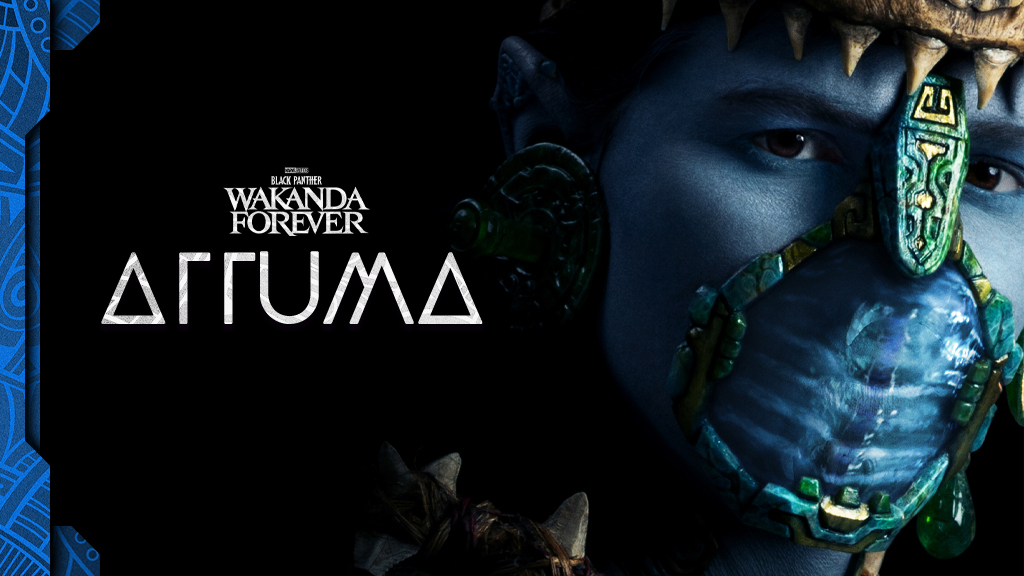
    Black Panther: Wakanda Forever is now in theaters, and so are a handful of new additions to the Marvel Cinematic Universe. The highly-anticipated sequel has been praised for it’s introductions of characters like Namor, the King of Talokan, and Riri Williams, the future Ironheart. Yet, those aren’t the only two names making their first live-action appearance in the film. Another, perhaps lesser-known, face being added to the fold is Alex Livinalli‘s Attuma, the muscle behind the Talokanil’s fearsome army and one of Namor’s highest-ranking allies. Oddly enough, however, Attuma’s movie depiction is radically different from his time as the Sub-Mariner’s arch-nemesis in Marvel’s comics. As such, it becomes the duty of Murphy’s Multiverse to break down both versions of the character and present all of the information in one convenient location.

    Comics – Attuma, the Barbarian

    The best comparison one could make to explain the comic version of Attuma is this: he is the M’Baku to Namor’s T’Challa. Similarly to M’Baku and the Jabari tribe in Wakanda, Attuma is the leader of the banished Skarka tribe on the outskirts of Atlantis. Before his birth, Attuma’s people were forced out of Atlantean society for their barbaric ways and violent opposition to the royal ruling class. Now an independent sect of “Homo mermanus”, the Skarka lived by the prophecy that one day a warrior of their blood would rise up and conquer Atlantis in the name of the tribe. Learning of this prophecy, a warrior named Rorak captured the Skarka with the intention of controlling this fabled aggressor and, therefore, Atlantis itself. Attuma was born during Rorak’s siege, surviving the attack and taking a clot of his dying mother’s blood on the way out.

    Only a boy, Attuma lead an uprising that overthrew Rorak and placed his own father, Attukar, as chieftain of the Skarka. This led to a brief period of rest for his people that saw Attukar attempt a peace treaty with Atlantis, and gave Attuma time to befriend a young Prince Namor. Together, the unlikely duo embarked on a mission important to both of their civilizations. Unfortunately, the journey was a disaster, resulting in the death of Attukar and ending all hope for lasting relations between Attuma, Namor, and their people. From this moment on, Attuma claimed himself as the prophesized warrior who would conquer Atlantis and began leading his tribe in constant brutal attacks against their former home nation.

    Over the years, Attuma would try countless schemes to defeat Namor and take his throne. Among many children, he would have a daughter named Andromeda, who would grow to join him in his plots against Atlantis. After failing in his goal to rule the ocean, Attuma would also attempt to conquer the surface world, coming into conflict with heroes like the Avengers, Defenders, Fantastic Four, and even Daredevil. He also made a habit of allying himself with other villains in a bid to gain power, including several heavy hitters like Red Skull and Kang the Conqueror. On some occasions, Attuma actually did find himself able to control Atlantis, but his rule was typically brief before circumstances put Namor back on the throne.

    In modern times, Attuma has left his goal of ruling Atlantis behind and has instead taken control of Lemuria, a neighboring underwater city established by the cosmic Deviants. This came after Attuma perished in battle with the Sentry, was resurrected by Doctor Doom, and became possessed by the spirit of Nerkkod – the Asgardian “Breaker of Oceans.” A wild few years for the undersea barbarian, who will likely continue to be a thorn in Namor’s side for decades to come.

    MCU – Attuma, the General

    Similarly to the MCU version of Namora, the live-action Attuma still does not have much of a background. Throughout Wakanda Forever, the character simply appears to be Namor’s left hand, muscle, and a commanding general in the army of Talokan. This is a far cry from Attuma’s comic counterpart, who has never taken orders from Namor or fought for his people’s interests without ruling them. Nothing is revealed about Attuma’s origins, but one would have to assume they’re awfully different from the source material considering his position as a high-ranking, respected member of Talokan society in the film. The Skarka tribe does not seem to exist in the MCU, so Attuma was likely never part of a banished people and never lived by the prophecy that he would one day conquer the nation. Instead, he seems to have grown into one of Talokan’s most feared defenders.

    Attuma is seen participating in the attacks on the United States government and Wakanda, as well as leading the charge to capture Shuri and Riri Williams in Massachusetts. He forms an intense rivalry with Okoye, leader of Wakanda’s Dora Milaje, and is only truly defeated once his foe dons a suit of armor to assist herself in combat. His fate is not certain, but it is implied that Attuma returns peacefully to Talokan with Namor and his military after the monarch forms a truce with Shuri. There are no implications that Attuma has a hatred for Namor or might one day try to overthrow Talokan, but his status as “probably alive” means he’ll hopefully get the chance at some point.

  • From Page to Screen: Namora, the Sea Queen

    From Page to Screen: Namora, the Sea Queen

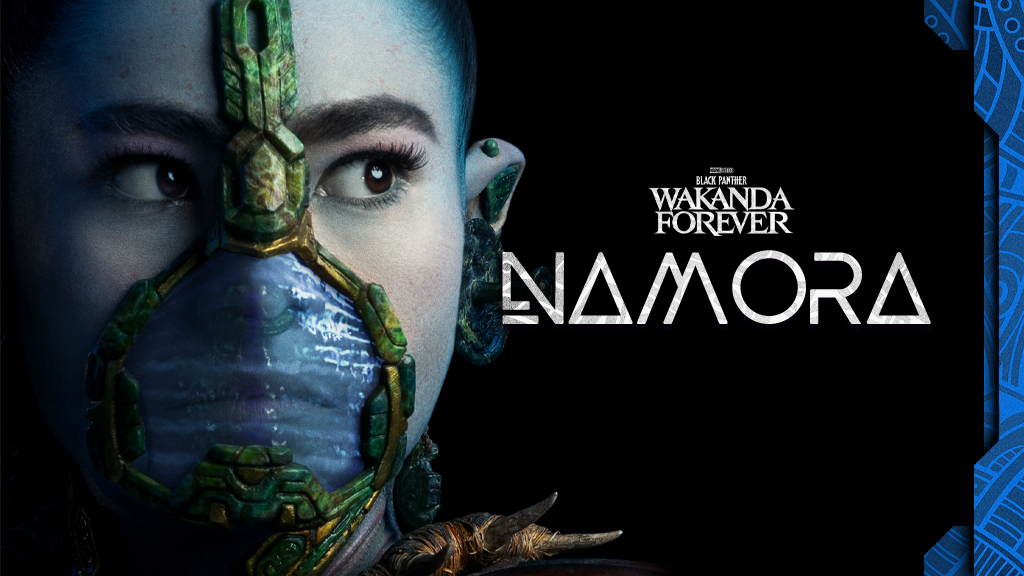
    Black Panther: Wakanda Forever is now in theaters, and when audiences get their chance, they’ll also meet all the new characters introduced within it. While much of the discussion surrounding the film has been focused on Namor and Riri Williams, there are also a handful of other Marvel Cinematic Universe debuts quietly included in the highly-anticipated sequel. Among the less-talked-about is Mabel Cadena‘s Namora, the cousin of Tenoch Huerta‘s undersea monarch and a character with rich history in Marvel’s comics. Of course, Namora doesn’t get quite as much time to shine onscreen as her more-popular relative, but she does manage to leave a mark worth exploring. As such, Murphy’s Multiverse will handle the duties of dissecting her origins from some of America’s earliest funny pages and comparing them to what fans see in Wakanda Forever. It’s humble work, but somebody has to do it.

    Comics – Namora, the Sea Queen

    Namora’s early days of existence are a bit wonky, considering where she would end up decades later. When she debuted in 1947’s Marvel Mystery Comics #82, nearly 20 years after the first appearance of Namor, she was not portrayed as being related to Namor at all. In fact, there was even some romantic chemistry established between the eventual cousins. Fortunately, this was retconned and cleared up in later books, which instead revealed a familial history between the two. Originally named Aquaria Nautica Neptunia, the future “Sea Queen” was, much like Namor, born a hybrid mutant to an Atlantean father and a human mother. Biologically the cousin of the great Prince Namor, the young Aquaria soon had her name changed to reflect her heritage. Namora, based on the Atlantean term for “Avenging Daughter”, after Namor, the Atlantean term for “Avenging Son.” As is apparently common in her family, Namora also had pink skin, which she inherited from her mother in the same way Namor inherited his human appearance from his father. Although, unlike Namor, Namora’s skin only faded to pink from blue once she reached adulthood.

    Namora spent most of her early years as Namor’s close friend and adventure companion, after earning his respect as the only person in Atlantis who could match his strength and wit. However, where Namor confined himself to the oceans and maintained his loyalty to Atlantis, Namora was often more intrigued by her human origins and eventually made the move out of Atlantis and onto the surface world. After years of fighting strictly at the side of her royal cousin, Namora finally went on a journey of her own, taking a more heroic stance than Namor and saving lives across the globe. This period would see Namora on a wide variety of escapades that included battling fascist forces, teaming with Earth’s Mightiest Heroes, joining Ulysses Bloodstone’s fabled Monster Hunters, and even finding love with two different men – Talan, an honorable Atlantean, and, believe it or not, the famed Russian hunter Sergei Kravinoff.

    Eventually, Namora would become involved in a conflict that would cost her life. After a fiasco with Talan and the pressures of marriage left her feeling unwelcome in Atlantis, Namora relocated to the neighboring Lemuria, an underwater home for an ancient race of Deviants, with a newborn daughter (actually a secret clone named Namorita) in tow. There, she found herself targeted by Llyra, a mutant inhabitant of Lemuria who saw Namora as competition. Llyra would eventually poison Namora, sealing her corpse in a coffin, where it would lay for decades before being discovered by Jimmy Woo and the Agents of Atlas. That group manage to resurrect Namora in modern times, where she becomes a member of their team, discovers he “daughter” has taken her place on Earth for the last several years, and becomes involved in many major events that define the time period, such as World War Hulk, Secret Invasion, and the following Dark Reign. She even took action against her cousin during the Secret Empire era, leading a rebellion against his tyrannical rule and ultimately overthrowing him.

    MCU – Namora

    Namora’s presence in Wakanda Forever is a far cry from her storied history in Marvel lore, but it’s likely only the beginning for the character in the MCU. Her backstory as Namor’s cousin is not explored or elaborated on, but the fact the film maintains her name as Namora instead of Aquaria is a good sign the familial relation is still there. Much like the early source material, Namora appears to be a bit younger than Namor, and functions primarily as his second-in-command of Talokan. She seems to be his confidant and closest ally, and the only one able to question him to his face. Unlike her comic counterpart, Namora is not a mutant and is featured with blue skin when active on the surface world. She cannot breathe surface air without a mask, and it’s unclear if she is as powerful as Namor, furthering her from the abilities she possesses in the books. There is also a line in which Namora mentions always having wanted to fight by Namor’s side, implying that they did not spend their youth adventuring in the way they had in Marvel’s comic universe.

    The end of the film hints that Namora could have a larger role to play in the future of Talokan, but for now, she’s mostly just a formidable warrior and a trusted member of Talokan’s hierarchy. Alongside Attuma, she is often sent to do the work unfit for Namor himself. She is involved with the initial attacks on the United States government and Wakanda and is a key player in the taking of Shuri and Riri Williams from Massachusetts to Talokan. While in the comics she is more open to the surface world, the MCU version of Namora is far more nationalistic and is unable to understand why, in the end, Namor chooses to trust Wakanda and rescind his attack on land-dwellers. Luckily for fans of the character, there is plenty of room for her to grow, and Wakanda Forever serves as an excellent base for Namora in the MCU.

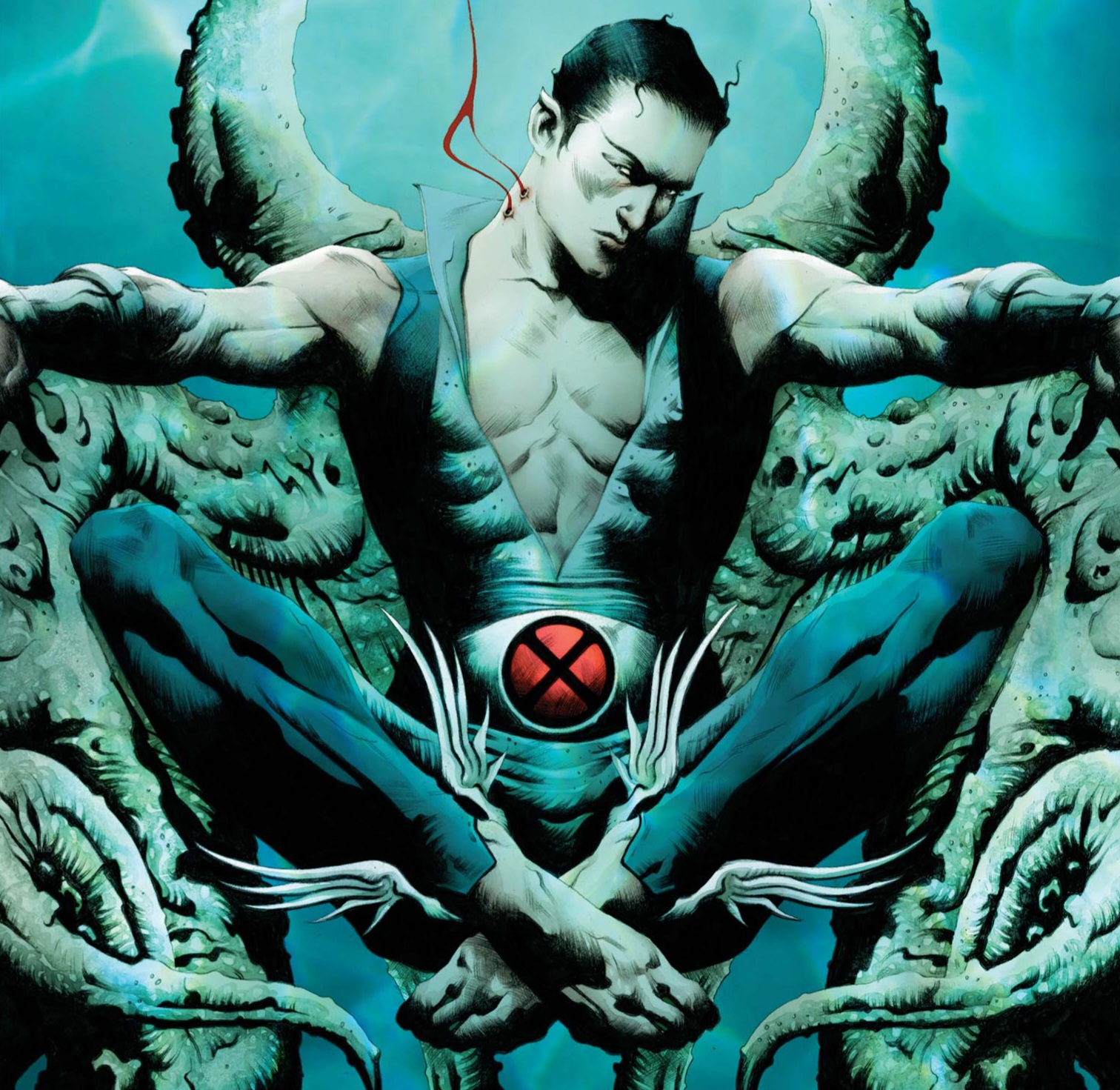
  • From Page to Screen: Namor, the Sub-Mariner

    From Page to Screen: Namor, the Sub-Mariner

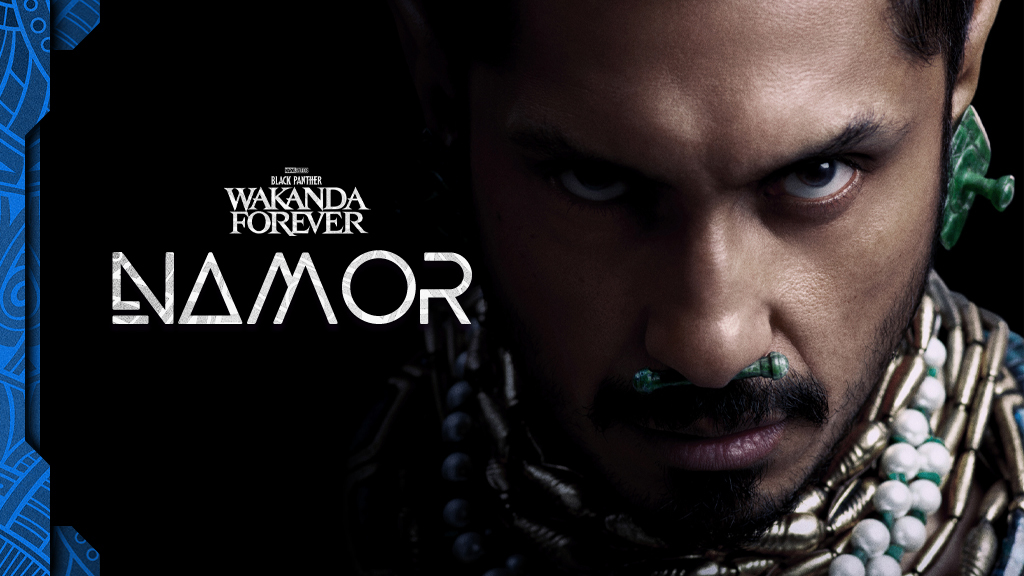
    Black Panther: Wakanda Forever has finally hit theater screens, and it’s brought a few new characters along with it. Perhaps the biggest name to make their Marvel Cinematic Universe debut is Tenoch Huerta‘s Namor, the King of Talokan and one of the fiercest warriors Earth-616 has ever known. The character makes his highly-anticipated first appearance on the big screen after decades of failed attempts, and the result is radiant. However, the Sub-Mariner’s live-action interpretation is a little different than his original comic book take. Not better or worse, per se, but definitely not the same. As such, it becomes the duty of Murphy’s Multiverse to inform its readers of the history of Namor – as it happens on both the page and the screen.

    Comics – Namor McKenzie, the Sub-Mariner

    Much like his portrayal in the MCU, Namor is initially introduced to the world of Marvel comics as a terrifying vengeance from the deep. Along with the original Human Torch, the “Sub-Mariner” was one of the first Marvel characters ever to grace the page. Namor debuted in 1939’s Marvel Comics #1, in a story that saw him as an enemy of the United States. However, his true cause was not completely unjust. As King of Atlantis, and lifelong inhabitant of the ocean, Namor has always been most faithful to his people and their way of life. If the surface world were ever to endanger this, Namor would not hesitate to take action against the rest of Earth’s civilization.

    The future monarch was born in the Atlantean capital to Fen, the daughter of Emperor Thakorr, and Leonard McKenzie, an American sea captain. Fen and McKenzie had fallen for each other while the former was infiltrating the latter’s ship, and produced a half-blooded mutant son with pink skin and feathered ankles. The Atlanteans did not take kindly to this, quickly killing McKenzie and forcing Fen back to her home. Namor would then be raised as the Prince of Atlantis, building a strong relationship with the underwater nation while occasionally popping to the surface world and handling scenarios involving oil spills and attacking foreign powers. Growing into adulthood, the Sub-Mariner gained incredible strength and durability, as well as other powers including flight, Marine life telepathy, and hydrokineses.

    Namor rose to further prominence during the Second World War, when he joined Captain America and the Allied Forces as part of the Invaders – a superhero team formed to bring down the Nazis. This period would cement Namor and Atlantis as a world power, bringing McKenzie into contact with several notable leaders and members of the superpowered community. It was during WWII that Namor first met the Black Panther and visited Wakanda, who he and Atlantis would eventually develop a lasting back-and-forth with. After the war, Namor became further integrated into the Marvel universe, encountering the likes of the Fantastic Four and the Avengers. His status as friend or foe was always dependent on the situation, even after helping to found Marvel’s version of the Illuminati and save the planet on multiple occasions.

    MCU – Namor, the Feathered Serpent God

    The MCU’s version of Namor is similar in spirit, if not in detail. He maintains his nationalistic attitude and undying devotion to his people and is still very much a jerk when the scenario calls for it. However, in Wakanda Forever, the undersea ruler is not from Atlantis but is instead from the nation of Talokan. He is also not born into a royal bloodline, with his homeland alternatively finding life at the same time as him. As explained in the film, Namor’s people were driven from their land on the surface world by diseases, specifically, smallpox, brought on by colonizers. Luckily, the future citizens of Talokan discovered a reserve of vibranium in the waters off their shore, and a form of Heart-Shaped Herb growing above it.

    Taking the Herb, Namor’s people were able to recover from their illness. Unfortunately, they also found themselves unable to survive on land and were forced to retreat beneath the waves. They built a new city underwater and began to thrive. Namor’s mother took the Herb with Namor still in the womb, and as a result, he was born a mutant with astonishing abilities. Winged feet, human skin, and immense strength led to his crowning as the prophesized ruler of Talokan, better known to its people as K’uk’ulkan – the “Feathered Serpent God”. Aging at an incredibly slow rate, Namor would rule over Talokan in secret for centuries.

    It’s not until T’Challa, King of Wakanda, reveals the presence of vibranium to the world, and Riri Williams, a gifted student from the United States, creates a machine that detects vibranium, that Namor feels the need to make himself known. In an effort to protect his country, Namor wages war on Wakanda and lays waste to its lands and royal family. Every bit as aggressive as his comic book counterpart, Namor makes sure everyone knows not to trifle with Talokan, and founds an uneasy alliance with Wakanda in the process.