Tag: DC Comics

  • Christopher Priest Set to Write a New ‘Black Adam’ Comic Series

    Christopher Priest Set to Write a New ‘Black Adam’ Comic Series

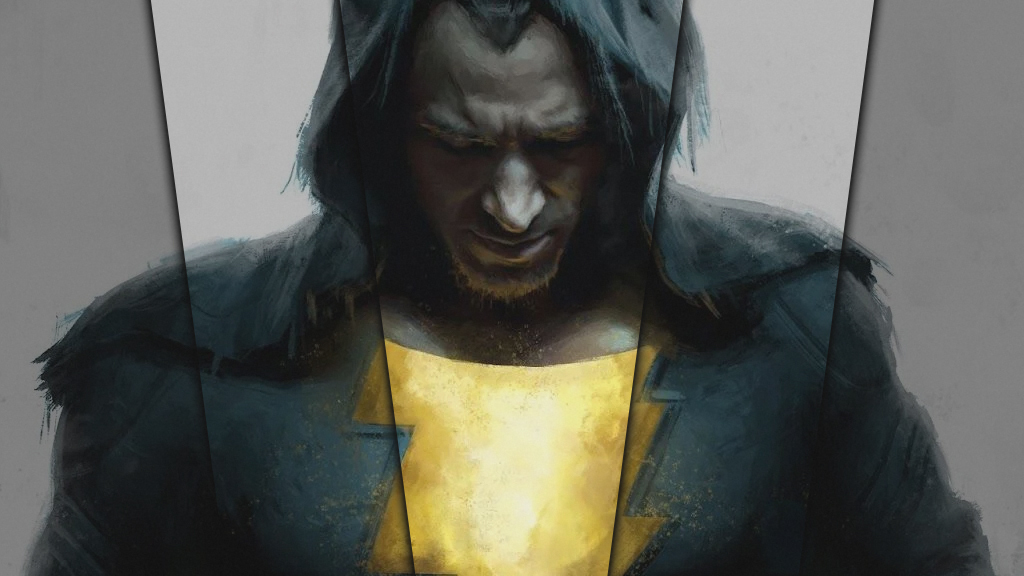
    Black Adam is set to make his live-action debut in 2022 with his very own solo film starring the one and only Dwayne ‘The Rock’ Johnson. The film was just recently hit with a three-month delay, setting the July release all the way back to October 21st. Luckily, fans won’t have to wait too long to get some Black Adam action, as the character is set to receive his own solo run with some amazing creative talent behind it.

    DC Comics announced this morning that Christopher Priest, best known for his work on Black Panther, Deathstroke, and Justice League will tackle the new series. He is joined by artist Rafa Sandoval, known for his work on Flash, Green Lantern, and most recently Teen Titans Academy. The series will follow Black Adam facing a near-death experience that makes the 5000-year-old fallen champion begin his search for a successor for his power. Priest shares his excitement for the new project:

    Forgive the cliché, but I’ve rarely been this excited about a new project, DC has provided an amazing opportunity for me to explore and, to some degree, reimagine this character in a very new light while bringing new challenges and consequences to a man who has lived far too long and is desperate for redemption. Rafa Sandoval brings palpable voltage to every panel, bringing out my Kirby-Simonson Big Noise instinct as Rafa’s gifts take me to places I never knew I wanted to go. My only regret is we only have 22 pages a month for this.

    Christopher Priest

    Black Adam #1 will hit shelves on June 21st, and it does sound like we’re getting a promising return for the character, which might even dissect the usual anti-hero in a way we might have at least expected. It makes you wonder if some elements on that are also inspired by the general direction the upcoming film is taking.

    Source: DC Comics, IGN

  • REVIEW: ‘Green Arrow: Stranded’ is Everything ‘Arrow’ Wasn’t – And It’s Delightful

    REVIEW: ‘Green Arrow: Stranded’ is Everything ‘Arrow’ Wasn’t – And It’s Delightful

    These days, it seems like everybody loves a hero with a bow and arrow. Marvel is doubling up on Hawkeyes, Katniss Everdeen is still the gold standard for young adult readers, and Legolas will probably always be the coolest member of Tolkien‘s Fellowship. Yet, one could likely argue that none of these characters have managed to achieve ‘definitive archer’ status in the cultural hive mind. That honor, for at least the last decade, has seemingly belonged to Oliver Queen. While Marvel’s early Avengers films became the cause of an industry-changing uptick in comic book movies, it was DC’s costumed bowman who managed to prove television could pull from the same bag. The CW’s Arrow debuted in 2012, and with it came a new appreciation for the titular vigilante. Green Arrow somehow found himself the center of DC’s most successful live-action universe and a genuine nominee for “most popular superhero.” The only problem was that Arrow never really showed fans why Ollie was so special.

    Stephen Amell‘s take on Oliver was dark, angsty, and violent. These attributes were explained away by the character’s time on a hellish island, with claims that nobody could go through that experience and not come out the other end bent on revenge. It’s fine when an adaptation takes creative liberties like this with its protagonist, but it can be frustrating when that altered version takes over as “the one people think about” going forward. The Oliver Queen found in DC’s comic books is a jovial romanticist, who overcame a dark past and appealed to his better nature. Arrow eventually leaned towards this concept but never committed. Luckily for all, actual comic books still undertake an existence on store shelves and online libraries. This means parents still have the opportunity to introduce children to their favorite heroes via the printed page, which facilitates a special kind of bonding you’d be hard-pressed to find anywhere else. Author Brendan Deneen seemingly agrees, as his latest retelling of the Emerald Archer’s origin, Green Arrow: Stranded, might be the perfect way to get kids into a hero whose most well-known series isn’t meant for them. 

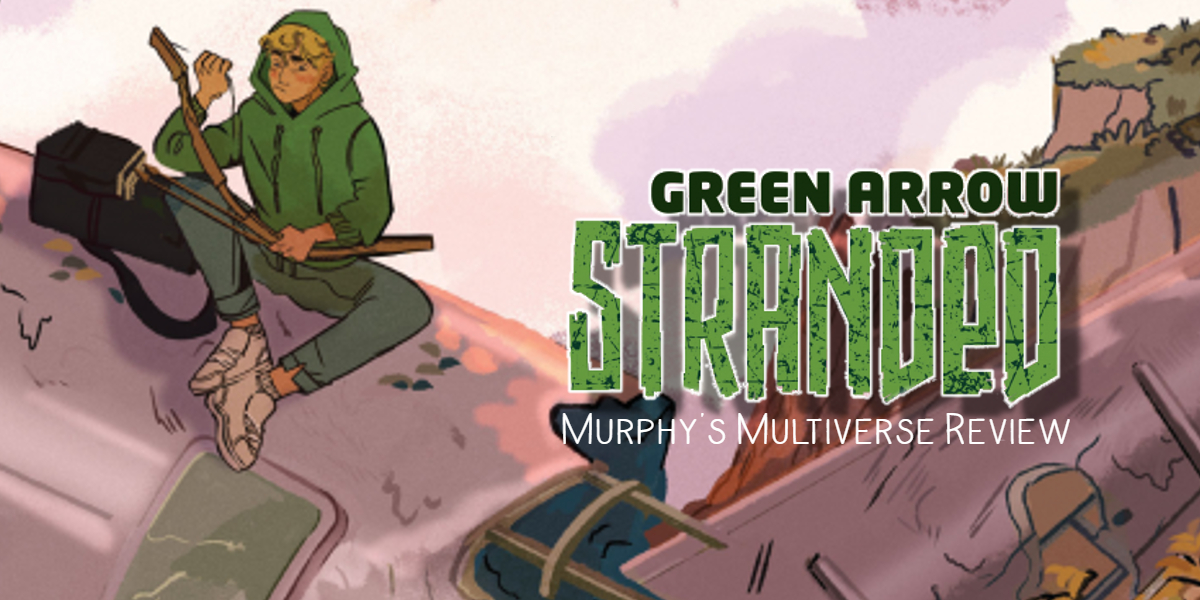
    Stranded is likely the softest, fluffiest iteration of the rather tragic Green Arrow genesis we’ve seen yet. To be clear, this is because the comic was designed to be perused by beginner-level readers and not to scar the nation’s youth. However, the reframing of a once-depressing tale as an optimistic story for kids may have accidentally, or purposefully, brought out the best attributes of its title character. Drawn with beautiful simplicity by Bell Hosalla, the plot sees Oliver, at only 13 years of age, survive a terrible plane crash alongside his dad and a fellow father-son duo, the brutish business associate Sebastian and his angry offspring, Tyler. The adults are severely wounded, and Tyler is mostly inept, so Oliver must find a way to overcome his situation. In a traditional account, this is where things would go downhill for the family, with a dying Robert Queen leaving his son to survive alone on an island for years to come. Instead, Deneen puts a more positive spin on the narrative.

    Not yet a superhero, but still wearing a green hoodie, Oliver maintains his faith and never gives up hope. The other characters in the story, especially Tyler, are shown to be less than kind to Oliver before the fateful wreck. He is made fun of for lacking guts and skill, demonstrated by his inability to take the life of an animal on what appears to be an important hunting trip. He desperately wants approval from his father, who refuses to give it to him out of some misguided belief that he’ll grow more without it. But even with all this against him, Oliver is not full of angst, or spite, or self-pity. He chooses instead to help those who wronged him, and does so without ever breaking his own youthful moral code. Ultimately, Ollie proves that his heart was simply bigger than his desire to meet the traditional standards of masculinity. For some, this notion may induce an exaggerated eye-roll, but it’s actually exactly the kind of comic book story young boys should be reading.

    With StrandedDeneen displays a redefined type of hero. The type Green Arrow has always been. He makes an effort to prove that you can find ways out of even the most worrisome scenarios without succumbing to violence or anger. In the same spirit that made Spider-Man: Into the Spider-Verse so wonderful, the message of this book is that a real hero stays true to themselves and always gets back up. Though clearly not the intent, Stranded almost functions as the anti-Arrow. Obviously, it’s strange to compare a short-form comic to a long-form television series, but Stranded soars everywhere Arrow sank. The limited series is a perfect read for any kid looking to get into comics, and does its best to teach all the right lessons along the way.

  • REVIEW: Action Comics’ ‘Warworld Rising’ is More Brains Than Brawn

    REVIEW: Action Comics’ ‘Warworld Rising’ is More Brains Than Brawn

    Admittedly, I’ve never been much of a Superman guy. This is not to say I don’t appreciate his value as a character, which I’ve actually really come around to in the past few years. It’s just that, in the Man of Steel’s extremely long history, I’ve come across very few stories that have managed to grip me. The age-old complaint about the Last Son of Krypton, one that anyone reading this review has probably heard on numerous occasions, is that he’s a little too powerful to be interesting. If he can survive anything, and save anyone, then the stakes can never really be high enough to engage the reader on any significant level. The solution to this, of course, is to challenge the hero mentally rather than physically, a tactic that has been tried time and time again. While a lot of these psychological threats have obviously paid dividends for plenty of fans, they just never really pulled me in the way I’d hoped. Then I read the latest from Action Comics, Warworld Rising, and realized just how intriguing Superman can be.

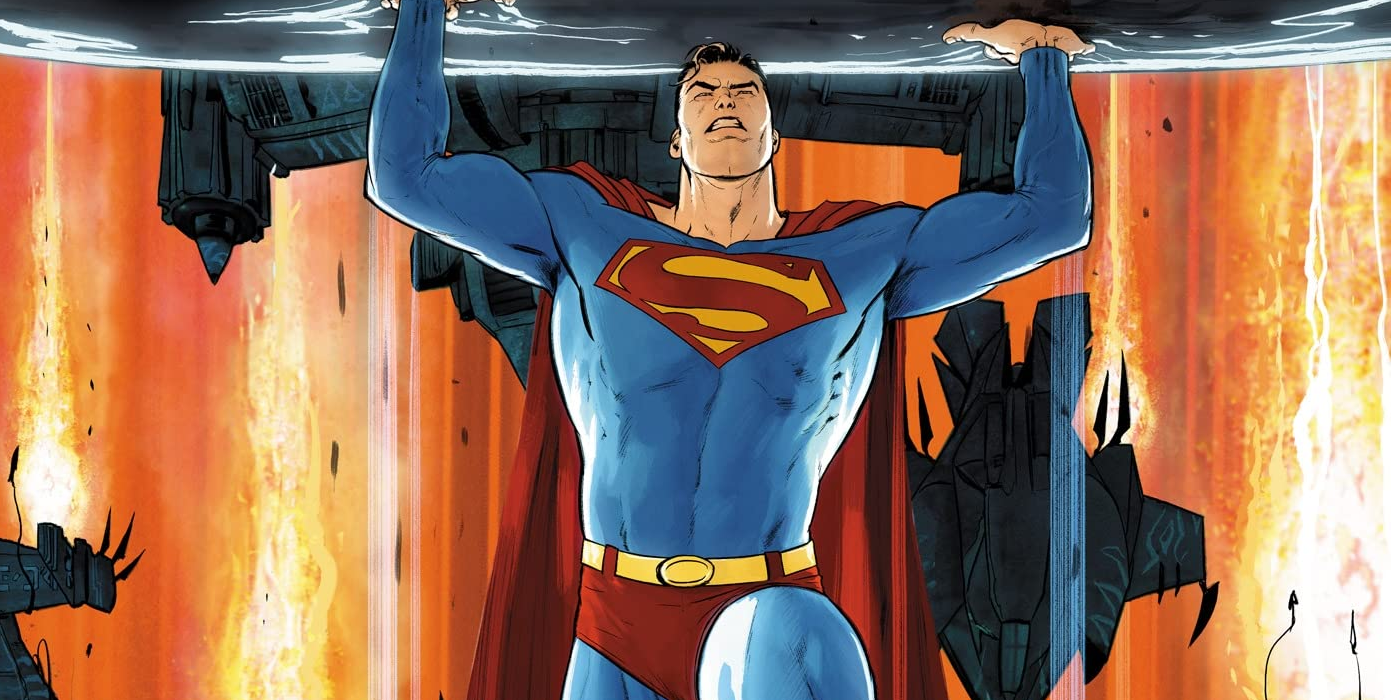
    The genius of Rising, expertly written by Phillip Kennedy Johnson, is in the type of mental anguish it chooses to push upon its protagonist. Instead of simply squaring Superman up against somebody smarter or more dangerous, the story gives Clark a moral conundrum that impacts nearly every facet of his life. Surprisingly, this is achieved through the use of a villain typically better known for his pure brutality than any form of advanced trickery. Mongul, the masochistic ruler of Warworld, sends a group of ancient, enslaved Kryptonians (or so they seem) to Earth with the aim of emotionally manipulating Superman toward his untimely demise. The plan works like a charm, with a distraught Clark knowingly heading straight into the trap. Normally, this would not be a cause for concern among fans. A fully powered Superman should have no problem jetting off to another planet, kicking it’s leaders bum, and then heading home in time for dinner. However, Johnson uses several pre-existing plot points to install reasonable concern around the situation for both the characters in the story and the readers at home.

    It is established early on that Clark’s powers, for whatever reason, are starting to falter. While Kent himself is not overly concerned, Batman shows a decent amount of hesitation, which usually means there’s a genuine problem at hand. This information, coupled with Jon Kent’s chilling warnings from time spent in the future that Clark is scheduled to soon disappear from history books, aids in heightening the suspense around every decision Superman makes. The character no longer feels infallible, which suddenly makes his and Lois’ constant assertions that he “always comes back” appear foreboding. If Mongul’s plan wasn’t already good enough, he also finds a way to take any form of help from the Justice League off the board. Along with the Kryptonians, an immensely powerful Warworld artifact finds its way into the ocean, causing a political conflict between the United States and Atlantis that threatens large-scale war. With the League preoccupied with humanity’s inability to find peace, Superman is left to deal with his personal obligations alone.

    The book leaves off on a massive cliffhanger, leading directly into a follow-up arc that presumably concludes the whole shebang. Having previously stated that I’m not a huge fan of Superman comics, the fact that I’d like to purchase the next volume should speak to just how good this collection of issues truly is. On top of giving its leading man some juicy drama to chew on, the commentary on human nature and the evils of war and slavery are reason enough to buy the comic on their own. I would support the creation of an entire series of stories that’s just the members of the Justice League sitting in their war room, discussing how they should approach matters of international concern. The issue in question is akin to the excellent Japanese film Shin Godzilla, in which the first Kaiju attack is shown entirely from the perspective of government officials who have more than just human safety on their minds.

    Warworld Rising is Superman at his very best, willing to sacrifice everything if it means even one innocent person can go home to their family. It’s moral and political intrigue on a level few Superman stories have achieved with such palpable authenticity. We’ve seen writers claim that they’ve devised the final Man of Steel story in the past, but the thing that sets this one above and beyond its competition is that it really does feel like Superman may not make it out alive. Of course, he likely will, but any comic that makes you doubt that even for a second is one worth putting on your shelf.

  • REVIEW: ‘Batman: The Detective’

    REVIEW: ‘Batman: The Detective’

    When it comes to DC Comics, the one thing that it is never short on is Batman titles. It seems like every week we’re getting the announcement that a new Bat-centric title is on the way and just about everyone is getting their turn at the wheel. So, it’s unsurprising that a Batman solo title would eventually find his way to Tom Taylor, one of DC’s best minds and now an exclusive writer with the publisher. While Taylor’s Batman: The Detective is a fun read that lives up to its name, throwing you into the mind of the world’s greatest detective, its plot can’t help but feel a bit weak. 

    Batman: The Detective finds the caped crusader leaving his life in Gotham City behind and making his way to Europe, Why you ask? well because some folks overseas are dressing as bats and killing people. Its quickly revealed that they aren’t killing just anyone, but people who have been saved by Batman himself. The biggest mystery of the series is why; why are these people in white bat costumes brutally murdering people who’ve been saved by Bruce Wayne? The story here works, and it’s interesting at times, but it didn’t really sink its claws into me like any other mystery.

    One of the strongest parts of the story is the bits that seem to come from within the mind of the bat. He’s breaking down happenings in his head and really digging into the world’s greatest detective angle of the character that’s been absent from a lot of recent interpretations. For a few glimmering moments, the story feels engaging, but ultimately, the story itself is too weak for anything special to come of it.

    Perhaps the weakest part of this story is the villains themselves, they aren’t compelling and there is really nothing special about them. It’s pretty ironic that they wear white batman costumes because they feel lackluster. They’re what you’d expect if you took all the fun out of the characters from Gotham City Imposters and threw them into a European setting. The story here feels like it should be interesting and feels like a unique scenario but it just doesn’t really tie together well in the end, with the reveal being nothing jaw-dropping and kind of generic.

    Perhaps one of the brighter aspects of the story is its reintroduction of the newest Knight and Squire, UK equivalents of Batman and Robin. Here we see the original Squire, Beryl Hutchinson, pick up the mantle of Knight alongside the newest Squire, Amina Eluko working alongside Batman. Their story is something interesting and the two of them could really shine in their own book. Detective Mentee of the Bat, Henri Ducard plays a prominent role where at times it feels like he’s more useful as a punching bag than he does integral to the unfolding story. Thankfully, though, the character does get better as the story progresses but a moment that could’ve been crucial and emotional falls flat.

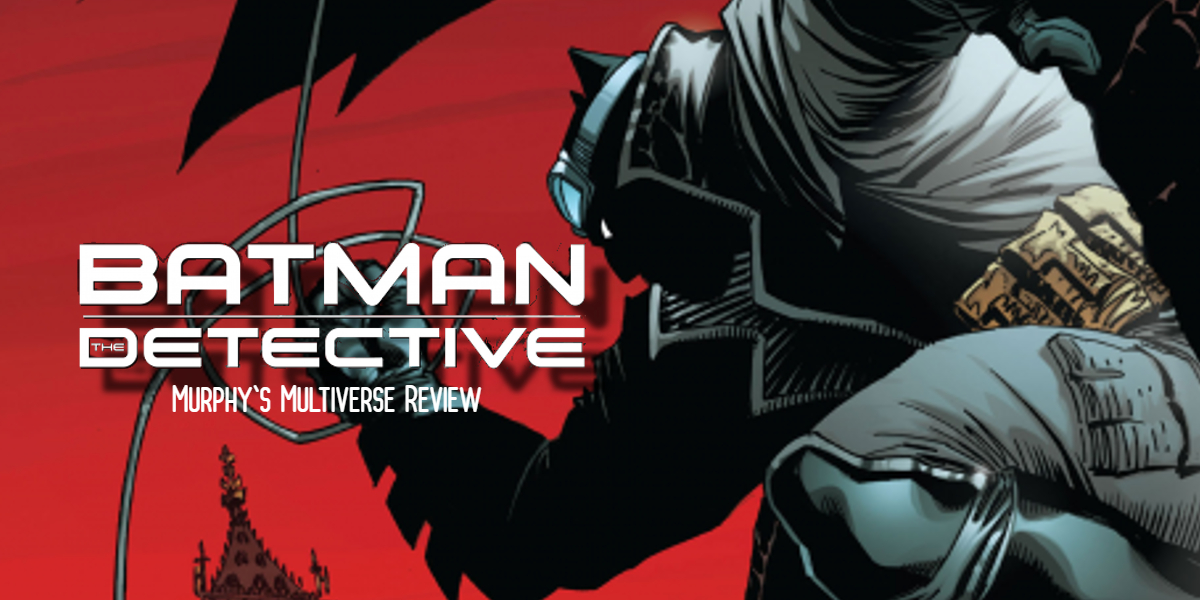
    Despite its story issues, this book is something great to look at, with some stellar artwork from Andy Kubert. Batman gets a stellar redesign here, fitting in with his new European terrain, sporting a trench coat and goggles. Kubert really shines here with his environments and bringing Europe to life. The panels here are truly dynamic and admittedly are the best parts of this book.

    While Batman: The Detective ultimately was not the Batman story I was looking for when it comes to Tom Taylor, it is an interesting premise that features a below-average story with some above-average art. 

  • The Justice League Will Die in ‘Justice League’ #75

    The Justice League Will Die in ‘Justice League’ #75

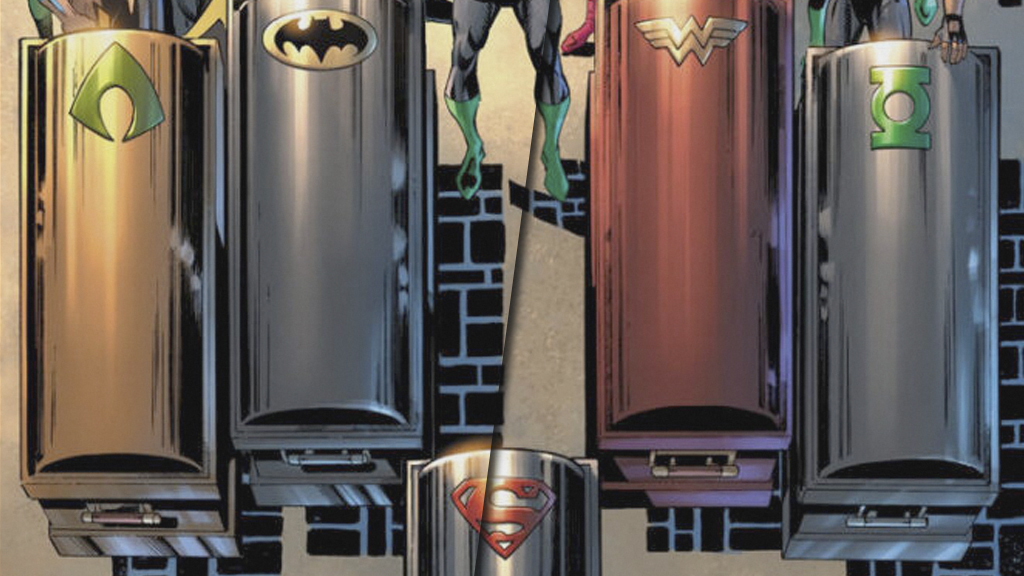
    The Justice League has had a rough time lately. Their future in the DC Extended Universe remains uncertain. Good thing that we still have them in the comics, right? Well, not for long, as the team will be on their way out there as well. On the 30th anniversary of the Death of Superman comic, the superhero team will follow suit in The Death of The Justice League.

    DC seems to be all in these days, as they will end the current Justice League comic with issue #75. As teased previously, the series will pay tribute to the Man of Steel’s similar fate, as he originally died in the same numbered issue and was not present in comic books for an entire year. Joshua Williamson will pen the demise of the iconic heroes and talked with Entertainment Weekly about the upcoming event.

    It’s very serious, It’s an interesting opportunity to do this on the 30th anniversary of ‘The Death of Superman,’ which happened in Superman #75. We get to take Justice League #75 and do ‘Death of the Justice League.’ We want people to understand, this is serious and this is gonna have a major impact in the DCU moving forward.

    Joshua Williamson

    Williamson wants fans to know that this isn’t going to be the fakeout most think it will be. Some of DC’s biggest names will disappear from comics for some time.

    I remember the experience of reading the build-up to ‘The Death of Superman’ and then waiting in the rain for my copy of issue #75. I think one reason that story was so powerful was that after the ‘Funeral for a Friend’ story, there were no Superman comics for three months. That’s part of what led us to make the decision that this is the last issue of Justice League. But then three months later, there’s still not gonna be a Justice League comic. It’s gonna be a while, and that’s gonna be a major part of what the DCU looks like after this story: There is no Justice League.

    Joshua Williamson

    In the comics, no one ever stays dead. Superman didn’t and ended up returning after only a year. Who knows, this time could be different, especially with Future State and Infinite Frontier bringing in many new legacy heroes. Without the Justice League and its consistent roster, this would open up a lot more possibilities for other characters to get their chances at solo runs. DC could allow some other characters to take the spotlight during the team’s absence. The Justice League’s end is set to hit shelves on April 19th with Justice League #75.

    Source: Entertainment Weekly

  • REVIEW: ‘TITANS’ Season 3 Episode 6 – Lady Vic

    REVIEW: ‘TITANS’ Season 3 Episode 6 – Lady Vic

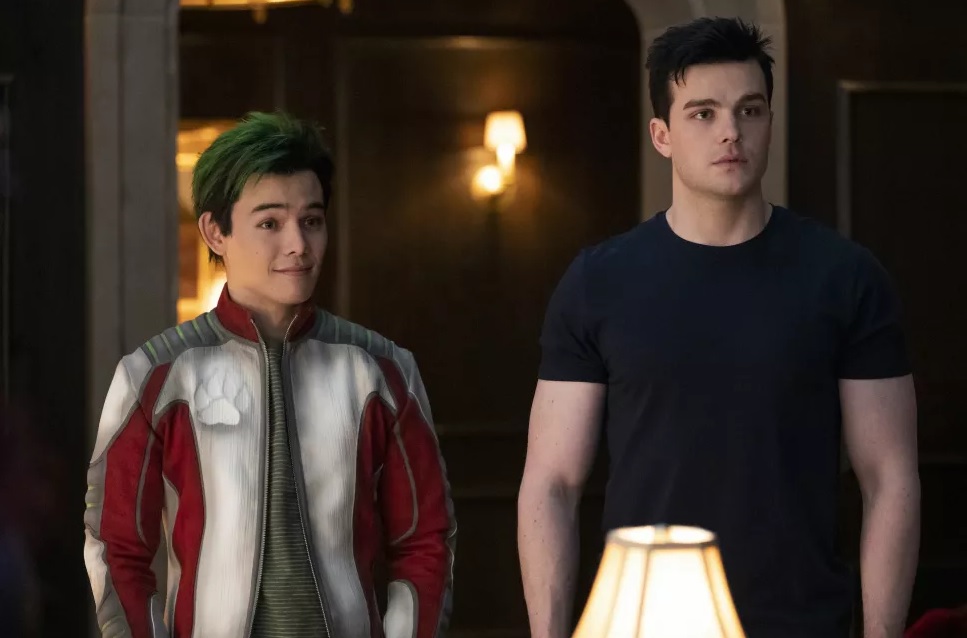
    Rounding out the first half of Season 3, Episode 6, “Lady Vic”, teaches us that the tragedy of Titans is that history seems doomed to repeat itself time and time again. With an entire season’s worth of story focused on the workings of Gotham City, nothing seems to move on—the villains and emotional anchors are old Gotham standards that are lingering around for Titans without effort or unique takes on familiar stories. The Titans themselves are falling into circular rhythms as well. Episode 6 has a few other notable features but it is undeniably and inescapably all about the Robin complex. The “be a better Batman” marquee slogan of this season is wildly ironic at this point. There is absolutely no problem with irony but Titans has to be somewhat intentional with it before it can land.

    First, Kory and Blackfire’s continuing arc is pretty frustrating. It is abundantly obvious that Blackfire’s presence will backfire sooner rather than later, yet Kory keeps her around in Wayne Manor with her new family and hopes for the best. It feels very forced, awkward, and lazy to have her evil sister simply start existing within the Titans framework with so little context for her being any kind of beneficial to the season’s overall plot.

    Unfortunately, the villain situation continues to devolve. While the duality of Jason and Scarecrow was already diluting the evildoing, now the two have split up and have vaguely different goals based on the same original plan. Yet, what exactly are their goals? To take over Gotham? To what extent? To what end? One of the last notes we get on this subject is Jason uncomfortably standing on the street and watching other people commit crime after using the anti-fear gas. The one villain-related device that the show did utilize well was emphasizing newcomer (to Titans) Lady Vic’s violence. In her scenes, the show uses a lot more blood and gore than it has been using this season. Because the style actually stands out, it made that aspect of Lady Vic more pronounced and maybe the character punchier, which is sorely needed considering that otherwise, the character is almost entirely blank.

    Make no mistake, Titans Season 3 has kept one major theme alive and (sometimes?) well—the Bat Family, specifically all Robins, are doomed to drown in the endless cycle of Bruce Wayne’s dark influence, self-doubt, angsty outbursts, returning to Bat origins, succumbing to Bruce Wayne’s dark influence, self-doubt, and on and on and on. The whole saga of it in Titans is such a fine example of rinse and repeat. While the tedious repetition of the plot that is history repeating itself without self-awareness could probably be saved, though, if the show leaned into it aggressively. 

    But before that, the rinse and repeat of even just Dick Grayson this episode is almost all-consuming. Much of the episode explores his past romantic relationship with Barbara Gordon while he was still Robin and before she was Batgirl. To be fair, there is a solid tension between the ease of their past relationship and their current one which is defined by the two having more responsibilities and the respective Bat-related paths they each took. This is truly just highlighting that Dick is taking the “bad Batman” approach because Barbara really did some soul-searching and ended up going the Commissioner route because she realized the Bat situation was toxic. The two still seem circularly doomed to fall back into their old romantic relationship, though, but optimistically maybe not. But they probably will.

    The next obvious “things will never change” item is Dick hunting down Jason and Scarecrow alone and getting shot—as mentioned for the previous episode, there is non-stop chatter amongst the Titans that no one can go out and do dangerous things on their own because they are all, you know, a team and a family. But Dick does not seem even slightly regretful about it, which basically screams, “Look it’s Batman” yet again for him this season. 

    The theme we are almost exclusively drowning in is, quite frankly, that the Bat people have a lot of problems with themselves and others. Specifically, the Robins each spiral and leave the life and thus open space for a new Robin to be indoctrinated. This is perfectly played out for huge Batman and Robin fan Tim Drake’s introduction as he is violently orphaned due to Jason really letting his personal spiral infect the entire city. Titans has called out this Robin theme for years but very zealously since Episode 1 of this season. But nothing yet has changed with that story. All the Batboys are looking to be better Batmen, but Titans this season has only wanted us to know that Batman is absolute garbage, so they clearly aren’t working with much.

    Listen, despite the fact that the story seems to be maybe unintentionally repeating itself with no sense of purpose, it does still have potential to be something quite good. If the show can explore the tragedy of the doomed Robins with much more grit and darkness—and come out of it with some sort of redeeming lesson or at least somewhat differently-ending arc—we could get a genuinely compelling “be a better Batman” situation. A very dark and violent depiction of the existential meltdown of the Bat-Family, referencing the unavoidable toxicity and self-torture that being a Bat person carries, could be great. 

    Right now, it seems like the show either is not or does not want to take full advantage of that potential arc—that would be fair if it was not completely overtaking the entire show anyway. Titans may likely be ignoring or neglecting the situation it has created, which would really cause the whole thing to flop. Being more self-aware and fully embracing the irony of Dick’s and Jason’s (among others’) stories—in other words, leaning very hard into it—could make it all worth it in the end.