Tag: Lucasfilm

  • REVIEW: ‘The Mandalorian’ Puts Din and Grogu in the Backseat for a Look at the Not-So-New Republic

    REVIEW: ‘The Mandalorian’ Puts Din and Grogu in the Backseat for a Look at the Not-So-New Republic

    Chapter 18 of The Mandalorian, The Mines of Mandalore, wrapped up Din Djarin’s quest to end his apostasy well enough that it didn’t need to be revisited; however, the book ends of Chapter 19, The Convert, do indeed revisit the events of the previous episode and, to some extent, cleverly revise them. Returning to Kalevala to find it under attack by Imperial remnants, Bo-Katan, Din and Grogu hotfoot it to a safe space one hyperspace away. Where they go and what happens there are left for the show’s closing moments, though an attentive audience surely guessed where they’d land. As interesting as those closing moments–and the moments they surely set up for the future–are, the episode spends 80% of its runtime (the longest of any chapter of The Mandalorian to date) putting Din and Grogu’s ongoing journey in the back seat so Doctor Pershing can take the wheel.

    Last seen on Moff Gideon’s light cruiser in the Season 2 finale, Doctor Penn Pershing’s reemergence served as a reminder of where Din and Grogu’s journey began, provided a look at the Reconstruction Era of the galaxy and seemed to put the pieces in place for Gideon’s next move. Part of the New Republic’s Reintegration Program, Doctor Pershing’s arc in The Convert serves up a heaping helping of The Who’s We Won’t Get Fooled Again. Co-writers Jon Favreau and Noah Kloor deftly take advantage of years of conditioning of the Star Wars audience to subtly say an awful lot about the New Republic without saying anything at all. Like the other members of the Reintegration Program, Pershing is now a number and not a name, ironically finding himself given the same cold, impersonal identification assigned to the Clone Troopers by the “evil Empire.” An entirely different article could be written on the episode’s commentary on the inefficiency of the New Republic’s handling of old Imperial and Alliance resources, but their handling of a resource as valuable as Pershing as nothing more than a mundane cog in the machine set the gears of his “regression” at the behest of Elia Kane, who is likely working with Gideon. Pershing’s final fate, having his brilliant mind wiped by the “good guys” of the New Republic using an Imperial Mind Flayer, might as well have been done with Roger Daltrey screaming “meet the news boss; same as the old boss” in the background. The hypnotized never lie.

    (L-R): Bo-Katan Kryze (Katee Sackhoff) and R5-D4 in Lucasfilm’s THE MANDALORIAN, season three, exclusively on Disney+. ©2023 Lucasfilm Ltd. & TM. All Rights Reserved.

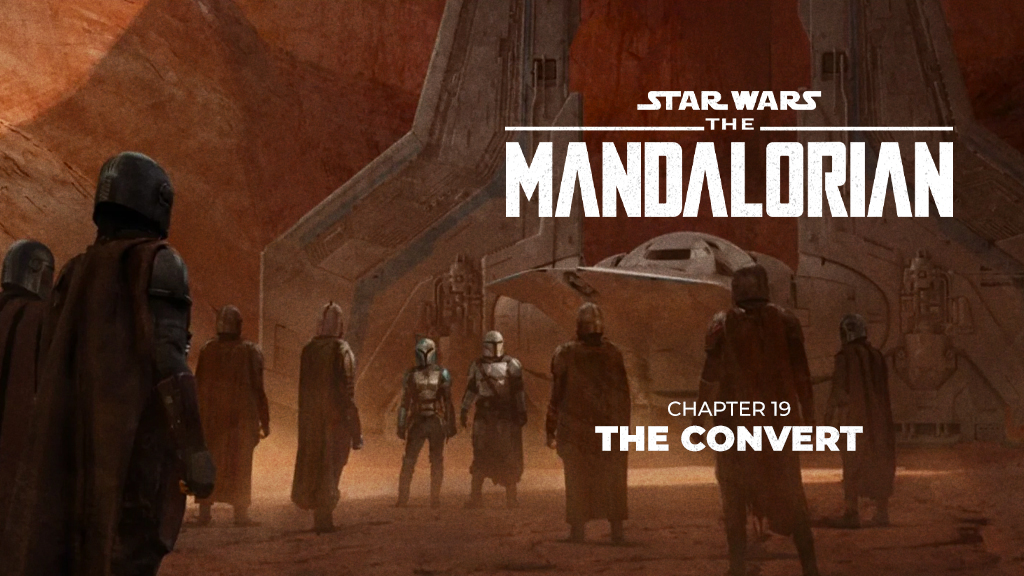
    Whatever Gideon wanted Pershing to do with Grogu’s blood, it looks as though Kane will now help see it through putting Mando and The Child back in the sights of the former Imperials. However, if the closing moments of the episode are any indication, Kane, Gideon and whoever else they assemble may not like what they find the next time they cross paths. As Din returns to the Mandalorian covert to prove he’s come back to the faith, the full measure of his rescue from the Living Waters of Mandalore by Bo-Katan. Though she has never walked the Way of the Mandalore, by bathing in the Living Waters herself, Bo-Katan has been “redeemed” and may now live among the Children of the Watch. The details of Din and Bo-Katan’s experience on Mandalore (Bo-Katan is keeping one tiny detail to herself for the time being) are sure to encourage The Tribe to consider returning to Mandalore and begin the culture’s prophesied return to glory. Bo-Katan’s no dummy and these new brothers and sisters in “faith” provide her with an army of warriors who will certainly do everything they can to protect one of their own, as they’ve demonstrated in the past.

    So while the “Big Three” of the first few episodes only get a small fraction of The Convert’s runtime, the detour to the Coruscant of the New Republic is by no means a waste of minutes. The events on Coruscant serve as a reminder that while you can take the solider out of the Empire, you can’t always take the Empire out of the soldier: the threat of Gideon, in this case in the form of Kane’s ongoing loyalty to his “plan”, still looms large. Additionally, the time spent exploring the ins-and-outs of the New Republic is long overdue. Through two seasons of The Mandalorian, only bits and pieces of what was going on at the center of the galaxy could be gleaned when Mando’s Outer Rim adventures attracted their attention. The New Republic is still new story telling territory and with the rise of Mandalore drawing nearer with every episode, it’s safe to say that the hypocrisy of the New Republic will come into play. There’s nothing in the street looks any different to me…
  • REVIEW: ‘The Bad Batch’ Find A New Home

    REVIEW: ‘The Bad Batch’ Find A New Home

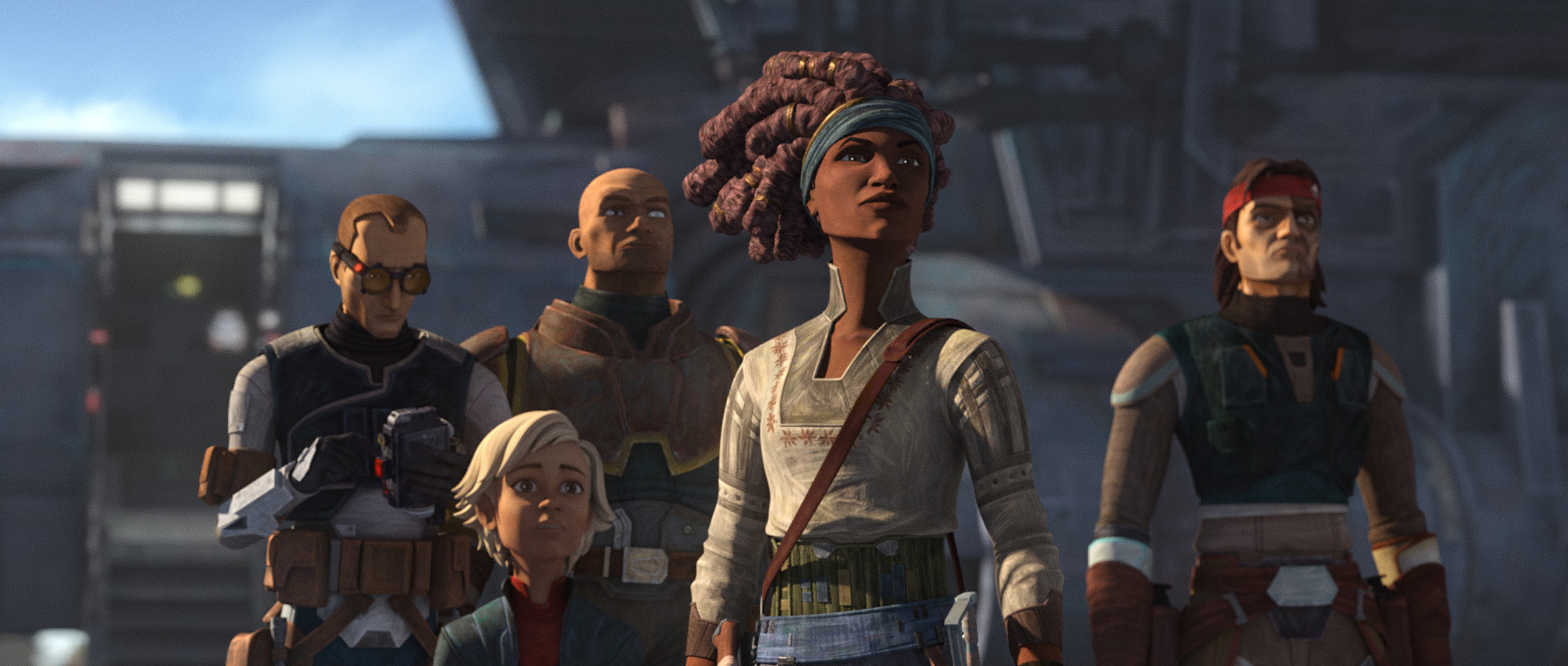
    The last few weeks have been some of The Bad Batch‘s best; a remarkable turnaround from a fairly lame first half of the season. Where episodes once felt flat and pointless, they are now full of life and purpose, aimed towards a clear end goal with actual substance. The latest entry, titled Pabu, continues this trend with a wonderful excursion focused on community, something the leading group of rebels has found themselves severely lacking. A perfect mix of calm and storm, the episode manages to be both a singular adventure and a catalyst for the development of its heroes in one gorgeous outing.

    Pabu sees the Bad Batch accompany their occasional business partner and not-a-pirate Phee Genoa, played by Wanda Sykes, to the episode’s titular planet for a bit of rest and relaxation. After a betrayal by their previous employer, the group needs a safe place to hide and a refresher on what it means to be alive, something Genoa believes she can supply in the form of a peaceful refugee city. Of course, things don’t go exactly as planned, and the group ends up having to protect the citizens from a massive tidal wave that wipes out half the community’s infrastructure. The resulting escapade is a lovely look into what the clones could have, and uphold, if they were willing to lay down their guns and give up the fight.

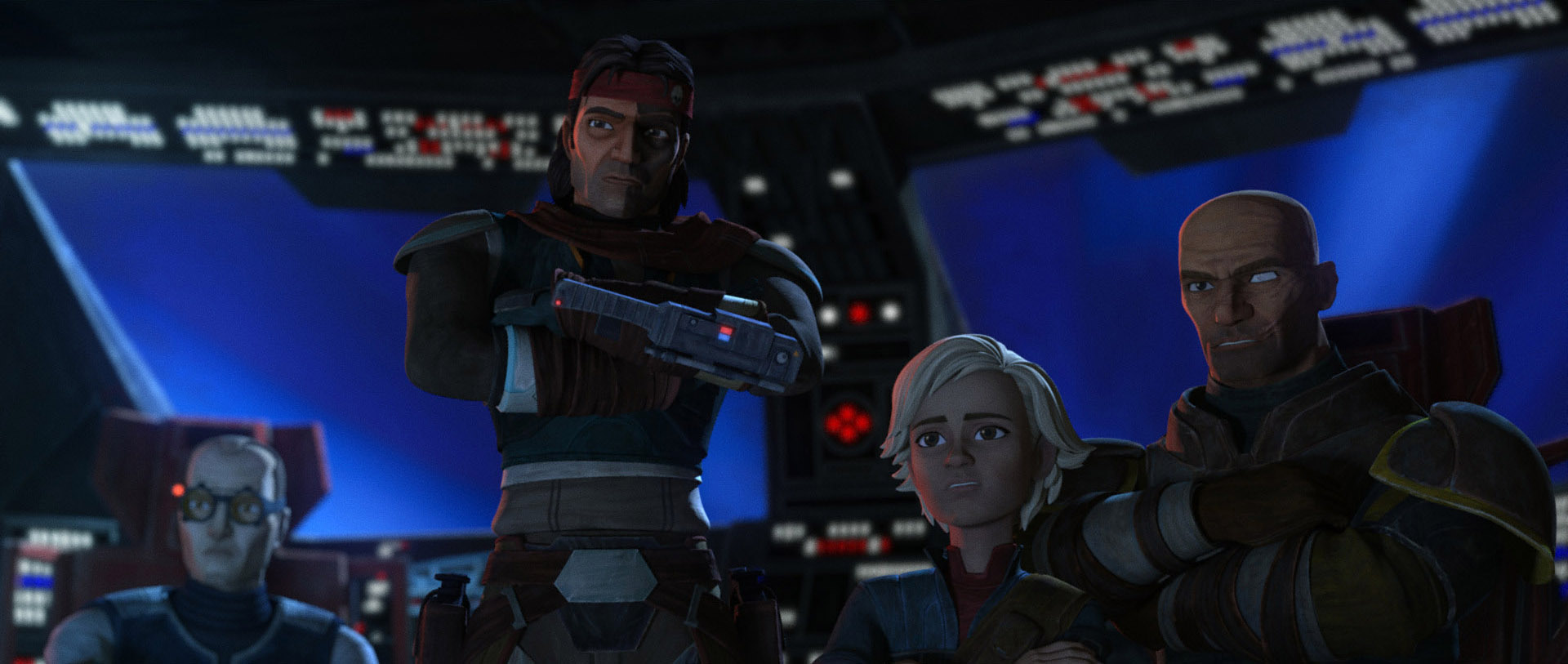
    (L-R): Hunter, Tech, and Wrecker in a scene from “STAR WARS: THE BAD BATCH”, season 2 exclusively on Disney+. © 2023 Lucasfilm Ltd. & ™. All Rights Reserved.

    It’s an excellent follow-up to last week’s installment, The Outpost, which saw Crosshair finally submit to a devastating revelation about the Empire. Similar in fashion, the Bad Batch have come to see their own allegiances in a new light, ditching Rhea Perlman‘s Cid and complimenting their former comrade’s journey in a subtly clever way. The parallel between the two storylines is likely far from accidental, with the show’s nearing finale kicking the series’ overarching plotlines into their final gears. One of the best aspects of Pabu, an episode that appears to be potentially one-off at first glance, is how effectively it pushes the narrative forward for its protagonists. Even if the Bad Batch don’t grow to call the planet home, their experience there opens up new ideas and helps both Dee Bradley Baker‘s Hunter and Michelle Ang‘s Omega consider other methods of living.

    Also of note is the ingenious bait-and-switch of Genoa’s role in the series. After several episodes of the character claiming not to be a pirate, something played as a joke every time, it turns out that she is not, in fact, a pirate. She truly is a “liberator of stolen artifacts”, as she puts it, and an advocator of the downtrodden. This reveal works in a few ways. It’s surprising and endearing, yes, but it’s also another notch in The Bad Batch‘s allegorical belt. From the start, the series has made no false pretenses about its intentions to portray the “soldiers post-war” dilemma, and refugees are a large part of that conversation. It’s truly very intriguing to see The Bad Batch manage to tie another character, one who seemed to be outside of the thematic elements of the show, into the grander image.

    Overall, Pabu is a solid half-hour of television. It’s whimsical in its ideals and thrilling in its execution. The Bad Batch has really hit its stride in the back half of this season, and it really feels as though the show is leading to something special. Hopefully, it can stick the landing.

  • Lucasfilm Being Sued Over Star Wars Series ‘The Acolyte’

    Lucasfilm Being Sued Over Star Wars Series ‘The Acolyte’

    It looks like things aren’t going well over at Lucasfilm. After the news hit the web that two of their highest profile projects have been scrapped, Kevin Feige’s unnamed project and Patty Jenkin‘s Rogue Squadron, it seems that an even bigger mess has found its way to their doorstep. Deadline has broken the news that Lucasfilm is currently being used for firing producer Karyn McCarthy from the upcoming Star Wars Disney+ series The Acolyte.

    The project is currently being filmed, but some behind-the-scenes events may have led to this legal issue. McCarthy is famous for her work on Ballers as an executive producer and was involved with Leslye Headland‘s new Disney+ series. She was fired after working on the project for a few weeks last year. The issue arises that she turned down an offer to work on Colin Farrell‘s Sugar for Apple, as she decided to dedicate herself to Lucasfilm’s latest venture.

    In the filing the following scenario is painted:

    Two weeks later, without explanation, without reason, without justification, Lucasfilm told McCarthy it wanted out of the deal. By this time, the Apple offer was gone – Apple had to move on and found another executive producer for Sugar. McCarthy now had neither deal.

    Some might be wondering where the core issue lies, as it’s not unusual to miss out on opportunities when focusing on other projects. The firing may have just been terrible timing that added to the bitterness of the situation. Yet, it turns out that she was also not compensated for her work. So, we’ll have to see how this turns out for everyone involved.

    Source: Deadline

  • REVIEW: ‘The Bad Batch’ Thanks Its Good Soldiers for Their Service

    REVIEW: ‘The Bad Batch’ Thanks Its Good Soldiers for Their Service

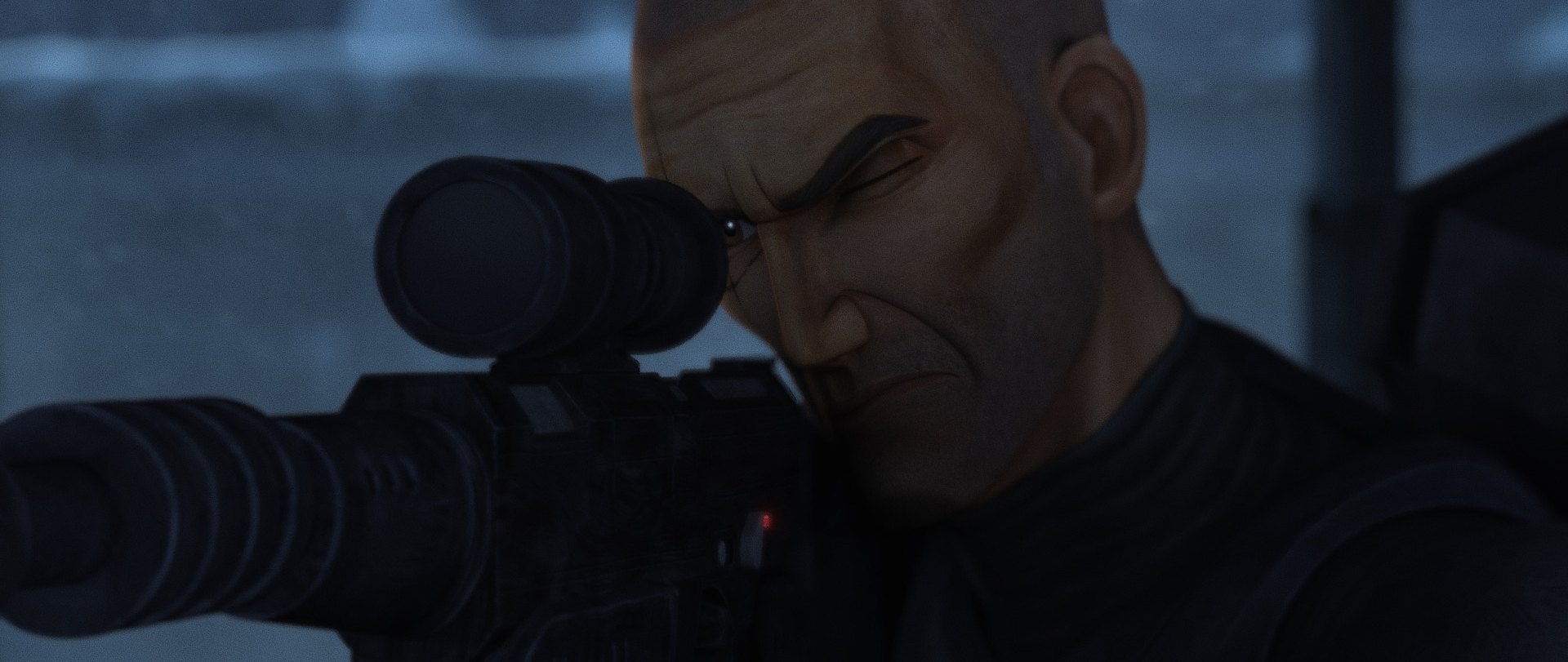
    Good soldiers follow orders. The motto of the Empire’s Clone Army and the basis of the rift between CT-9904 and his Bad Batch brothers, those words are as etched in the minds of fans of Star Wars animated series nearly as deeply as in the minds of the clones. Throughout the course of Star Wars: The Clone Wars and The Bad Batch, “good soldiers follow orders” has been the rote and retaliatory response given any time evil deeds were done by Clones in the name of the Empire. Of course, following orders in the service of evil is still doing evil (indeed the phrase seems to be a reference to the “superior orders” defense that Nazi war criminals attempted to use during the Nuremberg trials, continuing a long-running allegory within the Star Wars universe) and the phrase was never going to hide the evil acts.

    Crosshair has always been severe and unyielding. It is his nature. You cannot change that. He cannot change that.

    Tech, The Bad Batch: Kamino Lost

    After a bit of a slow start, Season 2 of The Bad Batch has quickly gotten very interesting following Emperor Palpatine’s Defense Recruitment Bill. The bill not only ushered in the era of the Imperial Stormtrooper but also emphatically ended the era of the Clones, who for all their order following, were decommissioned. The latest episode, The Outpost, is a beginning-to-end indictment of the Empire’s dismissal of the Clones and a parabolic reminder that you reap what you sow. At the center of it all is Clone Force 99’s “do what needed to be done” loyalist Crosshair who by the end of the episode finds himself in a very bad place under the special care of the series’ new bad lad, Dr. Hemlock.

    I am a soldier of the Empire.

    Crosshair, The Bad Batch: The Solitary Clone
    Lieutenant Nolan in a scene from “STAR WARS: THE BAD BATCH”, season 2 exclusively on Disney+. © 2023 Lucasfilm Ltd. & ™. All Rights Reserved.

    Though it’s laid on pretty thick, the episode’s depiction of the dismal treatment of the Clones seems necessary as a teaching tool not for the audience but for Crosshair. From the moment the ennuyé Imperial Officer drones on to the Clones about their service to Crosshair’s mission to Barton-4 under the uber-douchey Lt. Nolan to the anticlimactic discovery of the purpose of that mission, the humdrum pacing of The Outpost lures fans into a bit of a trap: Crosshair gonna Crosshair. And then…he doesn’t.

    This is who I am.

    Crosshair, The Bad Batch: Return to Kamino

    Having a character go against his very nature, especially one whose nature has been the sole focus of nearly every interaction with the character since the show’s debut is no small thing. What’s more, having Crosshair betray that nature in order to kill Lt. Nolan over the death of a few “regs” symbolizes a near-total metamorphosis for the Bad Batch’s resident cynic. By pulling the trigger and killing Nolan, Crosshair followed his own orders and, by his own beliefs, is no longer a good soldier despite doing what he believed needed to be done. It would seem the fate of his brothers in Clone Force 99 is destined to intertwine with his once more as the new clone king, Dr. Hemlock, now has Omega in his sights. But will the reborn Crosshair soon have Hemlock in his?

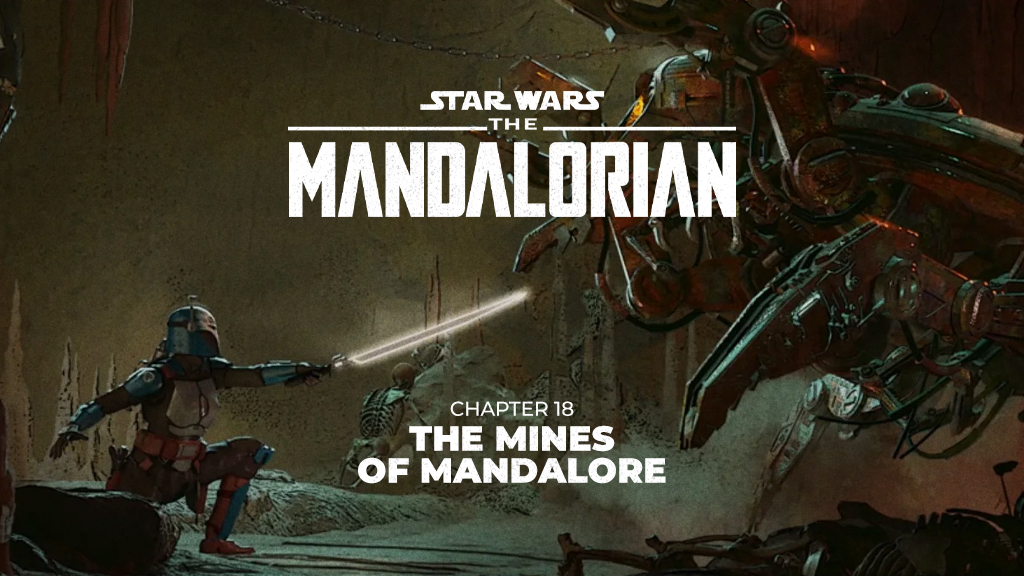
  • REVIEW: ‘The Mandalorian’ Heads to the Mines of Mandalore for a Monstrous Measure of Mythos

    REVIEW: ‘The Mandalorian’ Heads to the Mines of Mandalore for a Monstrous Measure of Mythos

    Jon Favreau and Dave Filoni are playing the long game with The Mandalorian and an even longer one with the story of Mandalore. A location frequently visited and revisited in Star Wars: The Clone Wars and Star Wars Rebels, Mandalore–and its fascinating history, culture and politics–has always been integral to the larger goings on of the galaxy and taken a pretty bad beating along the way. Over the course of the first two seasons of The Mandalorian and the first season of The Book of Boba Fett, it’s been clear that Favreau and Filoni are building towards Mandalore’s return to glory but in Chapter 18 of The Mandalorian, The Mines of Mandalore, that return to glory begins in earnest.

    As has often been said, The Mandalorian is a slow burn; however, in retrospect, it has provided Star Wars fans, both subtly and overtly, with an incredible amount of information about Mandalorian culture. “This is the Way” doesn’t carry the same meaning it did 2.5 seasons ago (that’s counting The Book of Boba Fett as the .5) because the Way has become so well-defined to the audience through the experiences of Mando, Grogu, et al. Favreau and Filoni made a decision to let the intricacies of The Way of the Mandalore be discovered over time rather than force-fed to the audience. That decision has led to a clear understanding of the differences in culture between the Children of the Watch and the rest of Mandalorian society. No greater example of that rift exists than the relationship between Din Djarin and Bo-Katan Kryze and this Chapter exploits that rift expertly.

    Din Djarin’s visit to pouty Bo-Katan illustrates a key difference between The Children of the Watch and every other Mandalorian: faith. Against all odds, Din Djarin’s intentions to return to Mandalore and bathe in the Living Waters is an expression of the depth of his beliefs in The Way of the Mandalore; Bo-Katan’s dismissal of his quest–and her general malaise–is an expression of the lack of hers. While there’s been some controversy among fans around whether or not Din Djarin should be the one to reunite the great Houses of Mandalore and lead them to their renaissance, The Mines of Mandalore provides adequate evidence to suggest he may just be the guy. Though the depth of their zealotry seems to border on irrational, The Children of the Watch have kept the faith and Din Djarin’s experience in this Chapter rewards them for doing so.

    Chapter 5 of The Book of Boba Fett, Return of the Mandalorian, laid much of the groundwork for The Mines of Mandalore and the insane payoff within its final moments. Din Djarin’s road to redemption, as explained to him by The Armorer and Paz Vizsla, is presented as an unwalkable one. Now an apostate, his only path to being forgiven lies in the ruins of Mandalore which is believed to be uninhabitable. Moreover, the belief of the Children of the Watch is that Mandalore’s destruction is tied to a legend that points to Bo-Katan’s “undeserving” nature as the leader of the people; however, those same legends and songs, kept alive by the Children of the Watch’s adherence to The Way, prophesize a return to glory for Mandalore that will be heralded in by the rise of the Mythosaur, the heretofore unseen beasts of legend.

    2.5 seasons of The Mandalorian have partially conditioned the audience to see things much in the way they are seen by Bo-Katan. Though the Children of the Watch, exemplified by Din Djarin, continue to hold their faith as the galaxy closes in around them, how can their return to glory ever occur when it is tied to the rise of an extinct beast of myth? And Chapter 18 provides the spine-tingling answer to that question in all its glory. It’s a payoff that only works because Favreau and Filoni have let the audience slowly build their own opinions about The Way of the Mandalore and the nature of Din Djarin’s quest to redeem himself. Those who kept the faith, like Din Djarin, now see the fruits of their faith and that the future for Mandalore is bright and also probably involves Din Djarin wielding the Darksaber while riding on the back of a Mythosaur sometime very soon. It’s a story 13 years in the telling and nearly 50 years in the making and it is just getting good.

  • ‘The Mandalorian’ Season 3 Debut Sets the Stage for Fan-Favorite Pirate

    ‘The Mandalorian’ Season 3 Debut Sets the Stage for Fan-Favorite Pirate

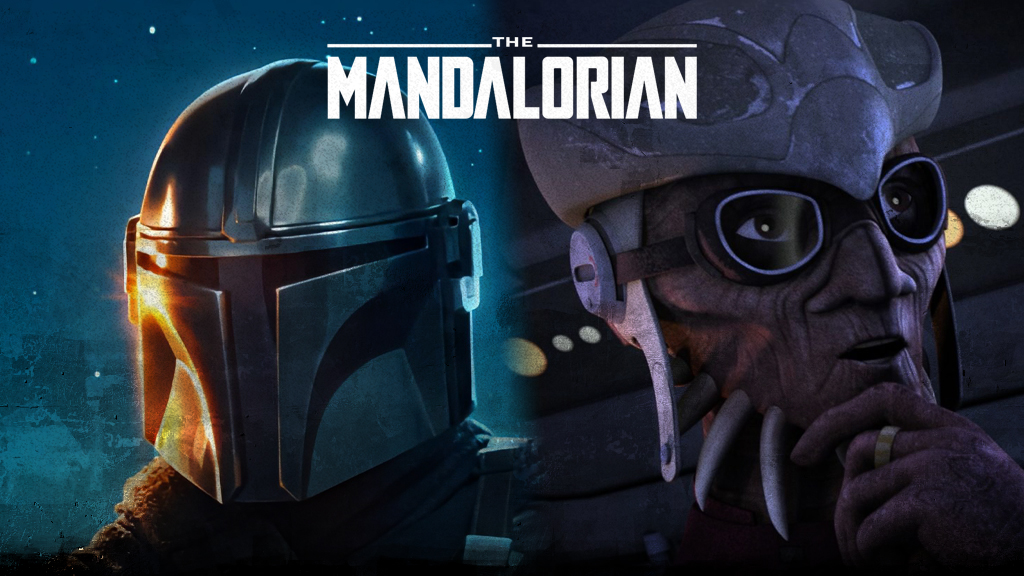
    So close, yet so far! That’s how Star Wars fans are feeling after the Season 3 debut of The Mandalorian which tantalized fans before letting them down. Chapter 17 of the series brought a new kind of trouble into Din Djarin’s path in the form of pirates. For longtime fans of Star Wars, especially those of the animated series Star Wars: The Clone Wars and Star Wars Rebels, the appearance of the pirates most likely brought to mind the premiere pirate in the galaxy, Hondo Ohnaka. You’d be forgiven for thinking that, at any point during the tense standoff between Greef Karga, Mando and the band of thirsty pirates, Hondo was going to walk around the corner and help cooler heads prevail. Alas, the old Weequay outlaw was nowhere to be found, but that certainly doesn’t mean he won’t make an appearance sooner or later.

    Theories about a potential live-action debut for Hondo aren’t anything new. In fact, they date back well over two years when it was revealed that Season 3 of The Mandalorian was filming under the working title “Buccaneer.” The Mandalorian co-creator Dave Filoni created Hondo for Star Wars: The Clone Wars and has never been shy about his love for the pirate; as he and Jon Favreau continue to find ways to bring fan (and creator) favorite characters into their expanding live-action universe it would be shocking if Hondo didn’t eventually make the jump and the events of the episode of The Mandalorian, The Apostate, seem to hint at that possibility becoming very real very soon.

    Though it jumped around a bit, The Apostate was primarily set on the Outer Rim planet of Nevarro. The Outer Rim Territories have always been a wild place full of pirates, slavers and outlaws of all sorts, so it’s unsurprising that the gang of pirates, run by newcomer to the franchise Gorian Shard, found their way into the episode. Though Din Djarin made short work of Vane and the rest of Shard’s nameless gang, he certainly left a score to settle with the pirate king when he escaped after briefly squaring off. Past seasons of The Mandalorian have given enough reason to presume that Shard will come back into play at some point in Season 3, most likely at a very inopportune time for Din Djarin and Grogu, and when he does it might just open the door for another chapter in the legend of Hondo to be written.

    Presumably, no pirate roams the Outer Rim Territories without having a shared history with its most famous–at least in his own mind–outlaw. Hondo is known to be alive and well during this New Republic era and while he turned in his pirate hat to help the Rebellion during the rise of the Empire, it’s possible he’s found his way back to his favorite past time. Hondo’s appearances in Filoni’s stories have almost always served the same purpose: to bail the good guys out of a jam and with Shard on the hunt for Mando, an appearance by Hondo to help out a new hero seems all but a sure thing. Oh, the stories he could tell…so many of them true!

  • REVIEW: ‘The Mandalorian’ Reminds Us What’s Out There in the Galaxy Far, Far Away

    REVIEW: ‘The Mandalorian’ Reminds Us What’s Out There in the Galaxy Far, Far Away

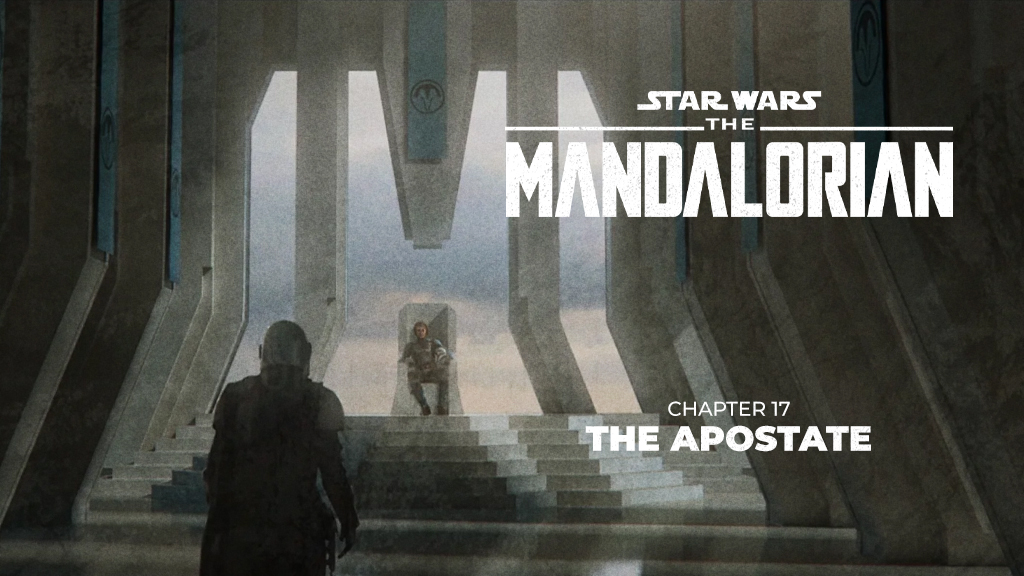
    The Mandalorian has never been in hurry. For the most part, concerns about the pacing of the series have died down a bit over the years as fans seem to be able to accept it for what it is. Part of that acceptance has likely come from the fact that “filler episodes” have often turned out to be more than filler an episode or two down the road. With Chapter 17 of the series, The Apostate, it seems as though Jon Favreau and Rick Famuyia chose to kick off the third season of The Mandalorian with what feels like a “filler episode” but also feels like something a bit more.

    From start to finish The Apostate seems hellbent on reminding us (both directly and indirectly) of what’s out there in the vastness of the galaxy. The Watch. Greef Karga. Kowakian monkey-lizards. Pirates. IG-11. A host of Anzellans. Bo-Katan. We’ve seen it all before; however, as they hopscotched around the galaxy and caught up with familiar faces from their own story, Din Djarin and Grogu’s adventures almost certainly led fans astray on more than one occasion. As they journeyed through hyperspace Grogu’s first encounter with Purrgil reminded Star Wars fans that there are other stories left to be finished in the Filoni-verse. And certainly, no Star Wars fan worth their weight in credits didn’t wonder for a beat or two when Hondo was going to walk around the corner during the dispute on Nevarro. The decision to intentionally and indirectly bring Ezra Bridger’s ongoing narrative to mind in the season opener of The Mandalorian seems a fairly clear indicator of just how central the series is to the New Republic universe that Favreau and Dave Filoni are building but it also makes the galaxy far, far away feel a bit smaller than it probably should, even if for only a few moments.

    So while it’s a little awkward to kick off a fresh new season in first gear–indeed neither The Mando nor Grogu was much changed by the events of The Apostate–and fans of the series probably feel a bit indifferent about bits and pieces of the episode (did we really really need an update on Cara Dune?), the episode does provide plenty of opportunity for contemplation about just how important the story of Din Djarin and Grogu truly is in this New Republic Era. In fact, the episode is filled with an almost overwhelming amount of small and important details buried in exposition. So while The Apostate feels familiar and sluggish as it retreads old ground, it seems to be laying the foundation for an entire suite of New Republic adventures coming to Disney Plus this year. And, if past precedent for the series is to be followed, Chapter 18 will turn on the jets anyway.

  • REVIEW: ‘The Bad Batch’ Go Where No One Will Hear Them Scream

    REVIEW: ‘The Bad Batch’ Go Where No One Will Hear Them Scream

    Star Wars: The Bad Batch, as a concept, has so much potential. The context surrounding its titular team, as well as its placement on the galactic timeline, makes the animated series ripe for a mix of cerebral storytelling and unique action scenes. Perhaps this is why it’s so frustrating that the show constantly ignores its best attributes for the sake of forgettable plotlines and run-around episodes, and more importantly, why it feels so good when an episode actually does something interesting. Thankfully, this week’s entry is among the latter. Titled Metamorphosis, the latest chapter in The Bad Batch saga combines serious political intrigue with an exhilarating play on genre to craft a narrative that’s both entertaining to watch and momentous in the grand scheme of the series.

    In Metamorphosis, Dee Bradley Baker‘s Hunter and his tactile band of misfits investigate the mysterious wreckage of an Imperial cargo ship, only to find that what lies inside might have been best left undiscovered. The first half of the episode, especially its opening moments, is maybe the most horrifying Star Wars has been in recent memory. From the beginning sequence, which highlights a lone Imperial Commando desperately fleeing from an unseen terror through dark and silent hallways, Metamorphosis promises to be different from what viewers have grown accustomed to seeing. Most of what follows falls more in line with a suspenseful science-fiction thriller, specifically in the vein of Ridley Scott’s Alien than the protagonists’ usual cookie-cutter escapades. The gimmick, though sadly short-lived, works completely for the time it’s on screen.

    (L-R): Tech, Hunter, and Wrecker in a scene from “STAR WARS: THE BAD BATCH”, season 2 exclusively on Disney+. © 2023 Lucasfilm Ltd. & ™. All Rights Reserved.

    Star Wars is often its most fun when reviving, or replicating, the pulp of old-fashioned adventures. Watching a vintage space horror occur in the galaxy far, far away makes for a wildly enjoyable ten-to-fifteen minutes before the episode takes a surprising turn, shifting from one monster-based genre to another. Halfway through the runtime, the danger at hand is revealed to be a Zillo Beast, an evolving creature first introduced in Star Wars: The Clone Wars. From there, Metamorphosis becomes a miniature kaiju film, with the Bad Batch chasing the larger-than-life organism across an otherworldly cityscape. The change in tone happens pretty organically, resulting in a delightful, pulse-pounding romp that pits the clones against an opponent they’ve never faced before. Especially striking in the climactic scenes is the show’s cinematography, its most consistent positive this season, vividly portraying the power of the beast against a sickly sky.

    The Zillo, however, is not the episode’s true villain. That honor belongs to Dr. Royce Hemlock, a fresh Imperial baddie hellbent on expanding Kaminoan cloning technology for the benefit of the Empire. Played to menacing perfection by the great Jimmi Simpson, Dr. Hemlock is exactly the type of antagonist The Bad Batch has needed. His existence, and ultimate plot to condense and control the galaxy’s cloning operations, immediately tie a loose narrative together and raises numerous thought-provoking questions for the Bad Batch and the show itself to answer going forward. Hopefully, the series doubles down on this seemingly new direction and follows up on it next week, instead of leaving it until the season finale.

  • ‘Ahsoka’ Star Rosario Dawson Updates Season 1 Release Plans

    ‘Ahsoka’ Star Rosario Dawson Updates Season 1 Release Plans

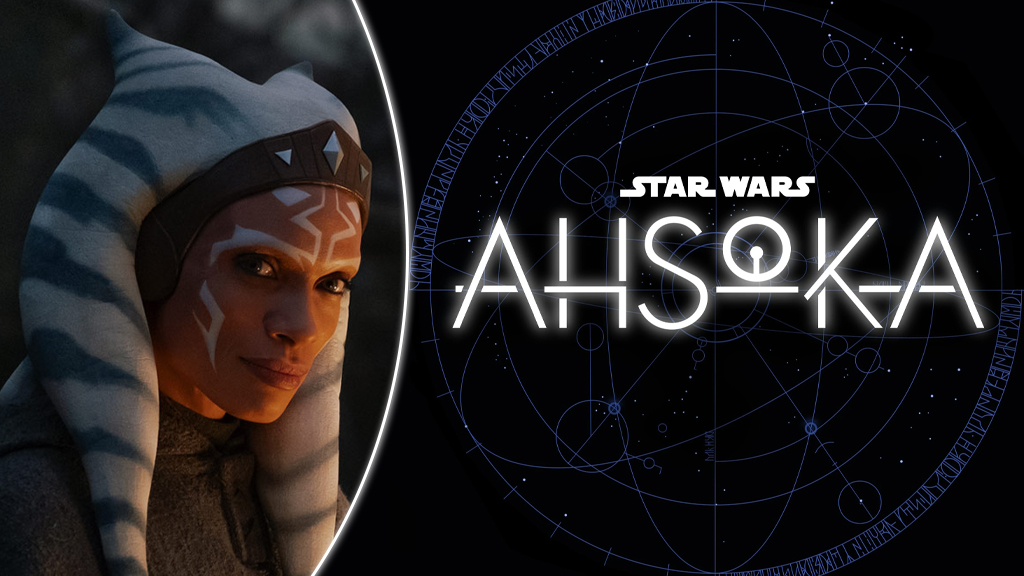
    Star Wars fans are anxiously awaiting the release of Ahsoka, the live-actions series which seems to be nothing less than a direct sequel to the animated series Star Wars: Rebels. Footage of the series has been screened at a couple of different fan events and some snippets have found their way into some 2023 teasers for Disney Plus but news on the series has been scarce…until now.

    During an interview with Today’s Hoda and Jenna, Ahsoka star Rosario Dawson gave fans a bit of hope about the project’s release window. “Ahsoka, that’s going to probably come out in the Fall,” Dawson said of the streaming project slated for Disney Plus. Fall is still pretty generalized but it does at least give fans something to pencil in.

    With Disney Plus recently getting an overhaul in terms of the number of projects being put out and the spacing between said projects by large brands like Star Wars and Marvel Studios, streaming Ahsoka in the Fall gives it plenty of room to breathe following the third season of The Mandalorian, which kicks off on March 1st.

  • REVIEW: ‘The Bad Batch’ Remembers How To Use Omega

    REVIEW: ‘The Bad Batch’ Remembers How To Use Omega

    Star Wars: The Bad Batch is usually at its best when it’s tackling one of two ideas – the state of the Galaxy in a post-Order 66 world, or the possible extent of humanity in its titular clones. This week’s episode, titled The Crossing, doubles down on the latter. After a tense midseason event altered the course of the series forever, the latest installment offers a bit of levity with an easier and more straightforward adventure, using its quieter moments as an opportunity for some much-needed character work. It does what more of its one-off episodes should do by standing alone as a semi-independent story while also progressing the development of its protagonists. In balancing these successfully, The Crossing continues the series’ current path toward a more interesting end to the season.

    When fans last saw their favorite band of intrepid misfits, they were bidding a fond farewell to one of their own. Dee Bradley Baker‘s Echo, a Star Wars: The Clone Wars staple who joined the team after their inaugural outing and then never really did much, left to rejoin his old friend, Dee Bradley Baker‘s Captain Rex, on a separate mission in the heart of Imperial territory. There’s no telling whether this means Echo is gone from the series for good, but it’s certainly something that concerns Michelle Ang‘s Omega, as she spends most of the episode coping with her loss alongside either Dee Bradley Baker‘s Wrecker or Dee Bradley Baker‘s Tech. Oddly enough, Echo’s presence is felt much harder when he’s not on the team, used expertly by the writers as a means of exploring Omega’s youthful perception of abandonment.

    (L-R): Omega, Tech, Hunter, and Wrecker in a scene from “STAR WARS: THE BAD BATCH”, season 2 exclusively on Disney+. © 2023 Lucasfilm Ltd. & ™. All Rights Reserved.

    The actual task at hand in The Crossing, which has Dee Bradley Baker‘s Hunter spearhead the group on a mission to extract dangerous resources from a remote mine, is not particularly interesting. If it weren’t for the tender, familial scenes shared between Omega and her older siblings, the episode may fall flat. Most of the action is unremarkable, and the story as a whole is not overly memorable. Luckily, that doesn’t seem to be the main purpose of the plot or its arcs. Throughout it all, Omega expresses immense concern over the fact Echo is no longer part of the Batch. It’s clear that Omega, a child who has just recently found a genuine family, is not used to the prospect of losing one of her own. The Bad Batch utilizes this as a means of taking a deeper dive into the compassion and individuality of the clones, and The Crossing is much better for it.

    So far this season, The Bad Batch has teetered precariously between redundancy and forward progress. Omega, as she’s always been, is the key to maintaining the momentum of the second option. The show is consistently more intriguing when it leans into her and what she has to offer as a wildly unique persona. Hopefully, the series continues to do this as the story moves on, and Omega is used as the centerpiece to a spectacular season finale.