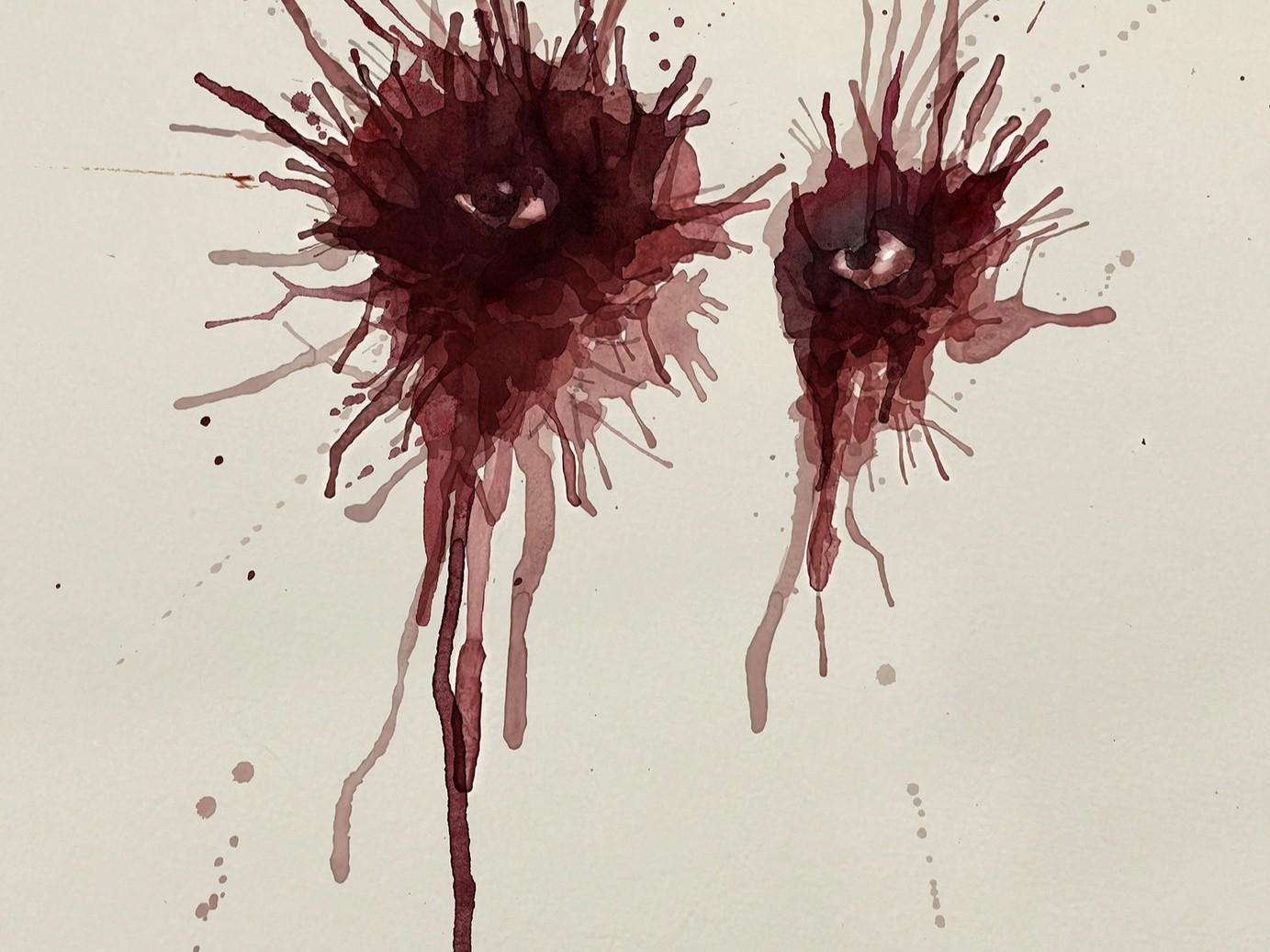
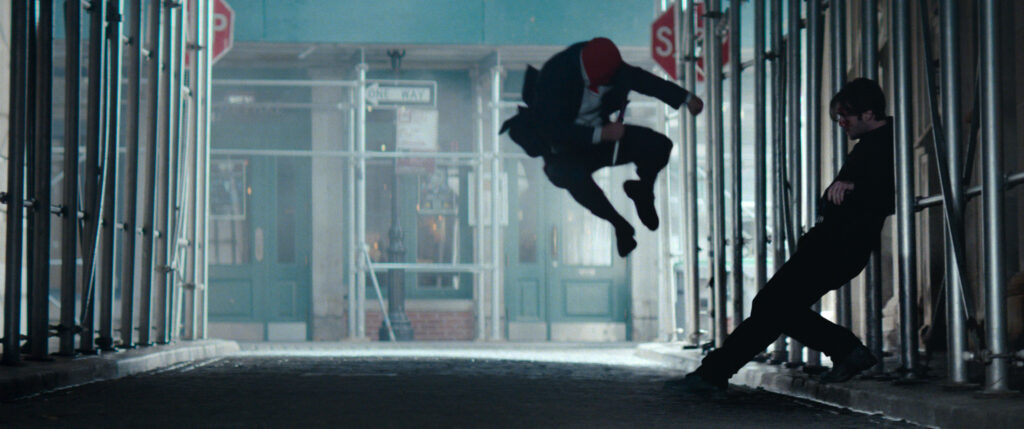
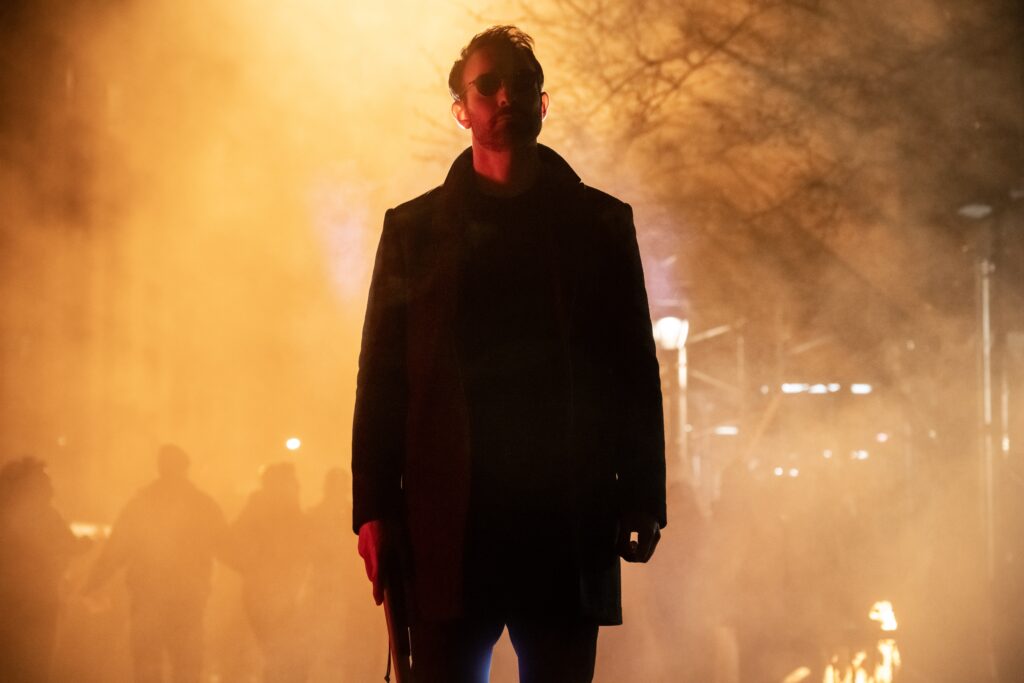
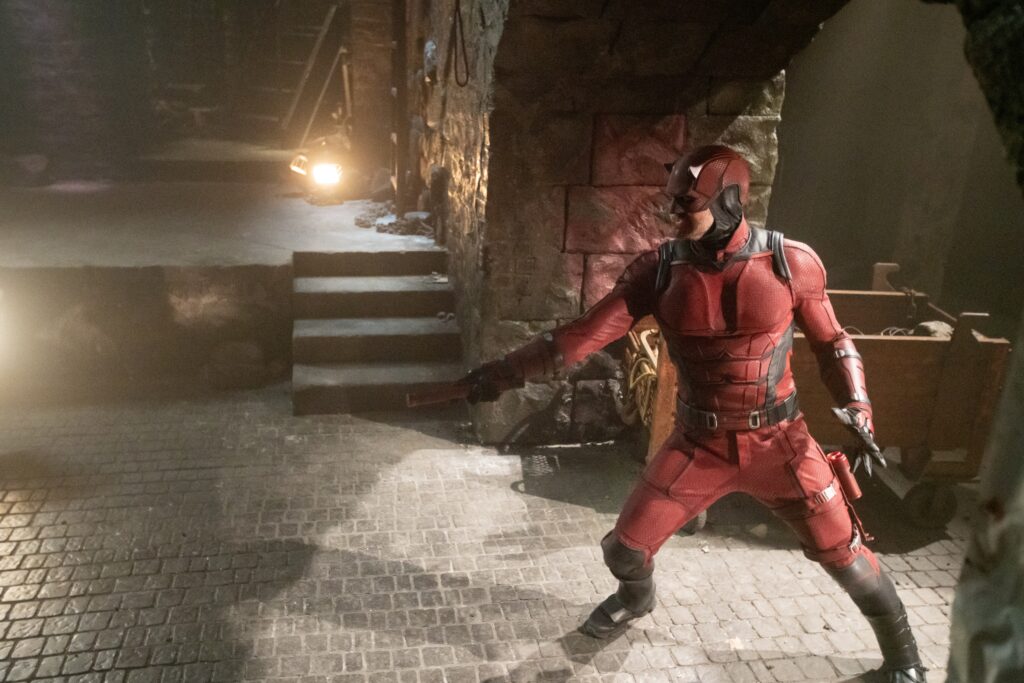
Pablo Picasso once sort of-famously explained that “the purpose of art is washing the dust of daily life off our souls.” That idea put him squarely at odds with the 19th century philosophy of “art for art’s sake,” which valued aesthetics over the idea that art should have some larger utility within society. It’s then worth pondering how Picasso might have felt about Episode 7 of Daredevil: Born Again, “Art for Art’s Sake.” Despite featuring a Daredevil daring to buckle his swash in broad daylight and some shooting and some blood and shit, “Art for Art’s Sake” somehow feels more like the “filler episode” fans seemed convinced Episode 5 would be.
Though it’s not a poor episode, “Art for Art’s Sake” is the first time—and truly the only time—that Daredevil: Born Again felt like a stitched-together show. It seems unlikely that Disney ironically placed the title it did on the episode; however, that’s essentially how this episode fits into the bigger picture. It exists to exist and nearly all of what happens within its runtime has no larger utility in the structure of the series other than to put a disappointing end to the one arc that was beginning to approach entertaining.
While screening the series in early March, it was right about the time that Muse died that I began to realize that not only does Daredevil have a Kingpin problem, but also that Daredevil has a Kingpin problem. For the third time in four seasons (and early returns from production on Season 2 would indicate it’ll become the fourth time in five seasons), Wilson Fisk is the primary antagonist of a Daredevil series. Yes, Dex was the physical opponent in Season 3 of Daredevil and Matt got to fight crazy buzzsaw costume guy once but with Muse, the creatives had a chance to do something really special…and instead they made him into background noise so that we could get to some more Matt and Wilson stories. I understand the place Fisk holds in the Daredevil mythos; however, it’s ok to let the Fat Man take a break and give Matt something else to do.
And so, rather than having an episode that washed the dust of daily life off of our souls, it seemed to just add another layer. Hope does spring eternal, however, and photos from the New York City set of Season 2 have revealed that somehow, some way, Muse will return and showrunner Dario Scardapane also revealed that the character will be a multi-season problem for Matt. However, without any solid idea of what the future holds of the character, it’s easy to feel disappointed in the way he was incorporated into Season 1. Already changed from the (probably) Inhuman-ly powered character in the comics, Hunter Doohan‘s Muse deserved to be a bit more than the catalyst for another round of Daredevil vs. Kingpin.
For no discernible or logical reason at all, fandoms–and in particular Marvel fans–have developed and peculiar and excruciatingly idiotic obsession with runtimes of films and episodes of streaming series. Without ever seeing a Marvel Studios production, a growing breed of fan believes it can judge the quality of that production by its runtime. Ahead of the debut of Daredevil: Born Again, the runtimers focused their faux rage on the series’ fifth episode when a social media source revealed it would only run for a paltry 39 minutes. One month later, “With Interest” hit Disney Plus and while you can’t please everyone, the episode has widely been hailed as one of the best not just of the revival series but of any of Charlie Cox‘s four seasons as The Man Without Fear…but there’s just one problem.
Before addressing that problem–which, like the runtime obsession, seems to be a vestigial construct from the great COVID new media shortage of 2020–all due props must be given to Charlie Cox. As the kids are saying, “With Interest” was essentially an aura showcase for Cox, who flexed every fiber of his formidable talent as the charming and disarming Matt Murdock who has been the focus of the first chunk of the season. Whether in casual conversation with Mohan Kapur‘s Yusuf Khan or distracting the crazy Irish fucks robbing a bank on St. Patrick’s Day (where are the MacManus brothers when you need them?), Cox slayed it as Murdock in the episode. But the time has come for Murdock to take a backseat and let the devil out of the bottle.
Throughout the first four episodes, Matt has slowly been losing control of the devil he’s tried to keep bottled up. In “With Interest”, the Devil of Hell’s Kitchen breaks the bottle, kicks the shit out of some bank robbers and gets back in the habit of saving his city. “With Interest” does in 39 minutes what many of the 39 episodes of the Netflix series couldn’t quite do: deliver a slice-of-life episode that stars its star. And while most critics and fans enjoyed it as a “filler episode”, that’s just not what it is.
“With Interest” certainly fits neatly within the criteria that define a bottle episode: minimal cast, one main location, little-to-no major CGI, etc. However, tagging it as a filler episode is, at best, reductive. Without spoiling the remaining three episodes (Episode 6 aired right after and you’ve already seen it if you’re reading this), Episode 5 serves essentially as a bridge from the bright new life that Matt wanted so badly to live back to the darkness that comes with being Daredevil. For four episodes, Matt fought with all his might to be someone he wasn’t. In “With Interest”, Matt–maybe for the first time in his life–stopped fighting. In cutting from 13 episodes per season to 9 in this first season of Daredevil: Born Again, no room was left for filler. Step back and take a big picture look at what’s been going on and you might just reframe your thoughts about “With Interest” and see it for what it is: a killer, very comic book-like adventure for Matt Murdock before things turn Netflix dark.
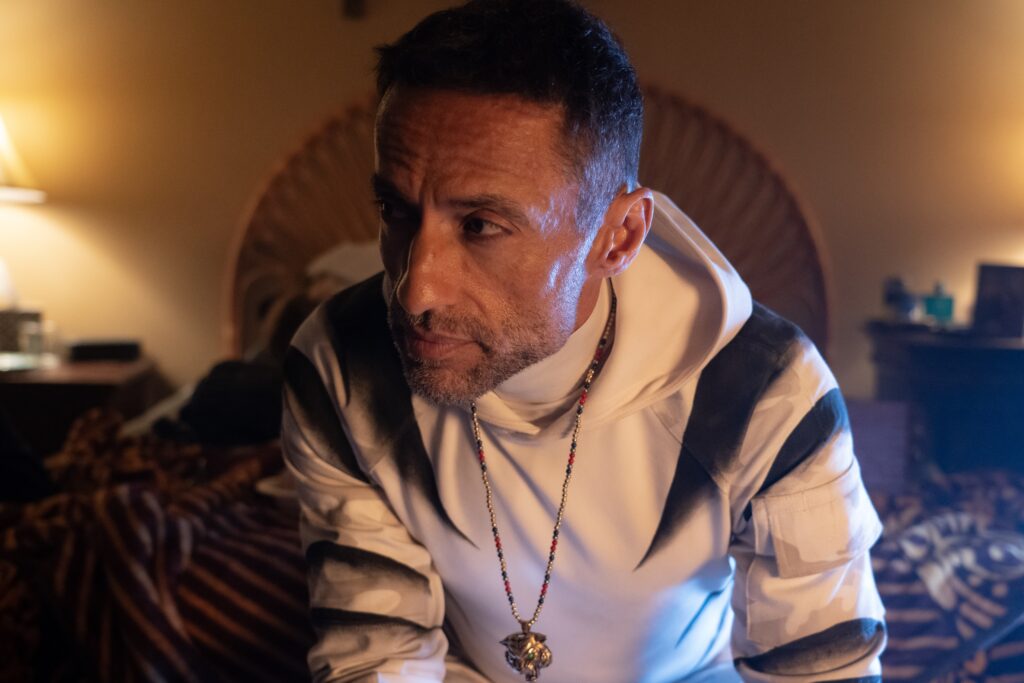
Marvel Comics’ first Hispanic hero, Hector Ayala, never really got a turn to take the lead. First appearing in the Shang-Chi book, Deadly Hands of Kung Fu, in 1975 and then taking on a semi-regular supporting role in the late 70s/early 80s title, Peter Parker, The Spectacular Spider-Man, Ayala, also known as the White Tiger, had some wild adventures across the Marvel Universe. However, it wasn’t until Brian Michael Bendis‘ early 2000s run on Daredevil that Ayala really took center stage in a popular title. The defendant in Bendis‘ “The Trial of the Century”, Ayala’s vigilante efforts as the White Tiger lead to him being falsely accused of killing a police officer which, interestingly enough, means that the courtroom–and not the streets of New York where he risked his life for his community–became the setting for Ayala’s time in the spotlight. Before he could beat the bunk charges, Ayala was killed by the cops and, ultimately, his legacy and the legacy of the White Tiger grew into something greater than he ever imagined when he first picked up the Jade Tiger amulets that granted him superhuman powers.
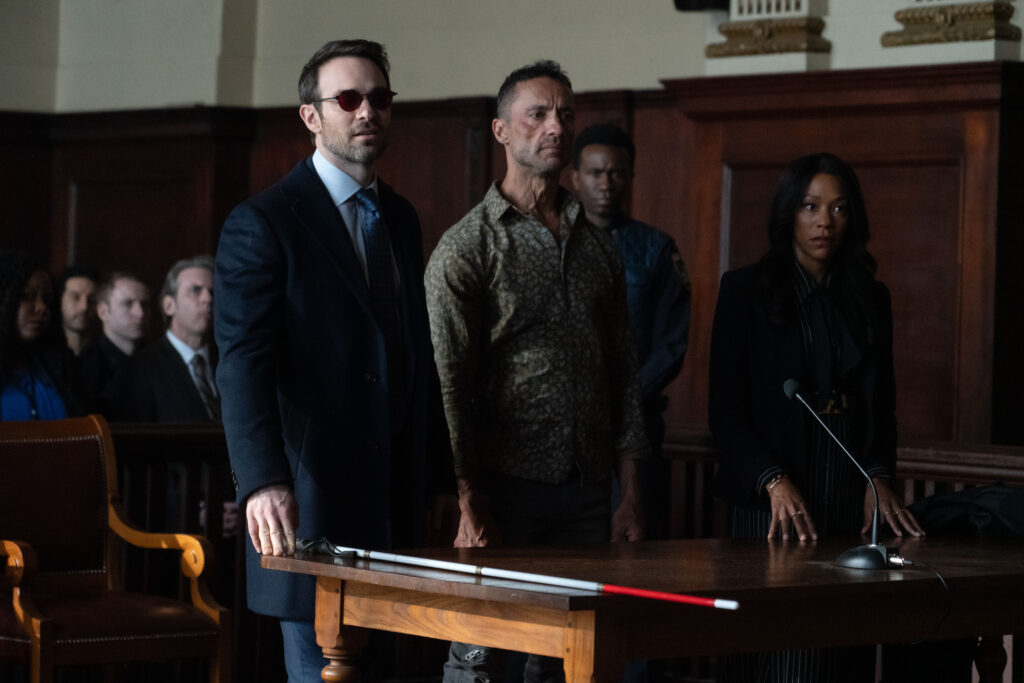
Episode 2 of Daredevil: Born Again introduces Ayala and his White Tiger alter ego to the MCU, slightly altering the scenario that leads to his arrest and trial but–somewhat incredibly–embracing the mystical nature of his powers in a corner of the world that’s not always taken full advantage of the opportunities such capabilities provide. Highlighted by the late Kamar de los Reyes‘ understated performance as beaten up and washed Ayala, “Optics” is an excellent offering that allows the audience an extended view of the other side of Matt Murdock’s life. Though fans haven’t seen Episode 3 yet, paired with Episode 2, the MCU’s version of The Trial of the Century is must-see DD, allowing Murdock to flex his wits in what is truly a tense courtroom drama. The traits that serve Murdock so well as the Devil of Hell’s Kitchen are indeed the very same that make him a really good lawyer and as Ayala’s trial unfolds, Murdock proves that as in combat, he can take a punch in the courtroom and dig deep to find a way to stay in the fight.
Though there’s little bloodshed and much of the episode takes place during the day (gasp!), “Optics” proves just as important to the Frank Miller-heavy noir world of Daredevil as any other episode. Any great NYC crime drama will, of course, include dirty piggies and Episode 2 introduces the audience to the dirtiest and though it may not be readily apparent just yet, be sure that your time spent watching this episode will pay off as the series moves forward. A reborn Matt Murdock didn’t need to take Ayala’s case, especially once he became aware that Ayala wasn’t sharing everything with him, but the serendipitous intersection of his commitment to justice and Ayala’s commitment to doing the right thing was too hard to pass up. Up against the NYPD, Ayala is the ultimate underdog as an accused cop killer…but even when outmatched, Murdocks can take a beating and stay in the fight until the devil in ’em comes out.
And following a palpably tense scene in which the dirty NYC cops look to take Murdock’s key witness off the board, the devil that Matt believed he has so securely tucked away does get out. The episode’s violent closing minutes may seem to exist solely to soothe the blood lust of the edge lord crew; however, paired with Wilson Fisk’s lunch meeting with NYC Police Commissioner Gallo, the scenes remind the fans that neither of these men can ever truly be anyone other than who they are. They want–perhaps even truly desire–to become the men they try so hard to be but when push comes to shove, these men, shaped so completely by their environments for so long, will always fall back on the skills of their true identities.
As the follow-up to the new crew’s violent pilot episode, “Optics” stands in stark contrast and while it may feel slow, it begins scaffolding every major storyline of Season 1 of Daredevil: Born Again. Possibly my favorite episode of the season (if not, it’s Episode 3), “Optics” serves as a prime example of how much can be accomplished in a streaming episode and how this Daredevil revival’s efforts to trim the fat have made it an upgrade over the original Netflix series.
Daredevil has always dealt in duality. Even before Frank Miller redefined the character–and the city in which he spent his days and nights–by introducing a gritty, noir-inspired take on the hero, Matt Murdock still split his time fighting for justice in a courtroom while also dispensing justice as a vigilante. Though Miller‘s drastic reinvention of the character took him to far darker places as a lawyer-by-day, vigilante-by-night type of hero, the character has always been a fascinating study of psychological inconsistency and cognitive dissonance. And so as Marvel Studios relaunches one of the most beloved superhero shows ever made with the first season of Daredevil: Born Again, it is fitting that the new series is teeming with dichotomies.
For nearly one-third of the season, Daredevil: Born Again dares to tease the unthinkable for Charlie Cox‘s Matt Murdock. Following an audaciously aggressive reintroduction to the world of the Devil of Hell’s Kitchen that shatters the comfort zone so carefully constructed over three seasons of Netflix’s Daredevil, Marvel Television’s revival allows Murdock to feel how awful goodness is. But fear not, true believers, the studio could not resist the urge to drag Daredevil back into the darkness, once more choosing Frank Miller over the field.
Who fate gave the ability to hear and smell and touch better than anybody in the world can, which is a great way to catch all the misery of being alive
The first episode of Marvel Studios’ Daredevil: Born Again chaotically catabolizes everything that both Matt Murdock and the fans of Netflix’s Daredevil hold dear, abruptly and refreshingly changing the status quo for the beleaguered vigilante. Stripped bare, Murdock is born again into a brighter world full of new relationships, professionally and personally, and one that ironically holds hope for the hero. However, just when Matt thought he was out, they pull him back in!
Just as Matt seems to be free of his dark past, it comes rushing in to upset the shaky new scaffolding. As has been clear since the series was first announced in 2022, Daredevil: Born Again could just as well have been titled Kingpin: Born Again and the new and improved Wilson Fisk’s ambitions and love for New York City set the pair on a path that challenges each’s best intentions. A tense meeting over coffee in which both men swear they’ve left their alter egos behind them slowly devolves into a pissing match between the better angels of their natures; indeed, the next three episodes prove that neither man ever moved too far away from his true self and follows the co-leads as they slowly let their devils out of whatever cage they believed to have contained them, setting them on a path toward yet another inevitable confrontation.
Tonally divergent from the ethos of the Netflix series for the first seven episodes of the season, Daredevil: Born Again constructs a brighter world around a more devil-may-care Matt; unfortunately, both that world and Matt ultimately fall victim to the darkness of the city and its inhabitants as a serial killer throws the city into a frenzy. By the time the series heads into what will stream as a two-part finale, the replacement creative team of showrunner Dario Scardapane and directors Justin Benson and Aaron Moorehead put together what could only be described as “peak Netflix”, allowing both Daredevil and Kingpin to be “Born again.” Steering the show back in that direction is a frustrating decision, even if foreseeable; however, it’s not damaging to the quality of the series in any way and works to push the characters to a precipice that will have to wait to be resolved in Season 2.
Less bloated than any season of the Netflix series, Season 1 of Daredevil: Born Again spins a tight, well-paced narrative that impressively stands strong despite the mid-stream change of creatives. Though the marketing for the series isn’t necessarily the most honest work Marvel Studios has ever done, the show does return to its gritty, noir roots despite spending a large chunk of time playing in the sun, delivering the “whole new deal” Cox once promised while also relishing in the edgey brutality of the old deal. A wonky VFX scene or two, a bit of overacting here and there and a few superfluous characters aren’t enough to tip the scales here: Daredevil: Born Again is, from start to finish, a fantastic series. With its hero and its villain equally saturated in blood and emotional trauma, the show examines the futility of pursuing sustainable change without addressing the deeply nested layers of human behavior.
Despite standing tall not only among Marvel Studios’ streaming series but also among the three original seasons of Daredevil, Daredevil: Born Again is also frustrating in its insistence on keeping Murdock’s story drenched in blood. While sanguinary and savage storytelling defined the Netflix era of The Man Without Fear, it’s not the defining trait of the character who has been a staple of Marvel Comics since the 1960s. While Miller‘s reinvention did elevate the character to new heights, it’s bizarre to see his dark and violent vision for Daredevil become THE vision for the character. Miller‘s Daredevil portfolio is hardly prolific (8 other writers have spent more time on Daredevil books than Miller) and perhaps the particular itch for wanton violence would be better scratched in the MCU by Punisher or Moon Knight. And so to see the series briefly flirt with a new direction inspired, it would seem, by Mark Waid‘s long run on the book only to retreat into darkness again begs the question: why do the writers hate Matt Murdock?
Given all the media hype that followed the news that Scardapane, Benson and Moorehead were brought on board, one would assume that the trio swooped in and saved the series from disaster. In reality, upon seeing the entire season, it hardly feels that way at all but rather feels that the new creatives were brought in because Daredevil: Born Again was not Netflixy-enough. To everyone’s credit, the blending of “new” and “old” is seamless throughout; if you didn’t know there was a creative overhaul on the series before you sat down to watch, nothing would alert you to it while watching the series. Episodes 2 and 3, which adapt Brian Michael Bendis‘ “Trial of the Century” arc from his early 2000s run on the book, deliver the best courtroom drama in the history of the series. The trial of Hector Ayala challenges Murdock and his new partner, Kirsten McDuffie, at every turn, creating true tension that will be palpable to viewers. High profile and high stakes, the trial puts Matt in the spotlight and, unfortunately, in a position where a win can’t just be a win.
Following Ayala’s trial, what would seem to have been the original outline for the show looked to be headed to some dark enough places. Cleverly written with a narrative throughline that continually pulled Murdock further away from the new life he believed he had established, Episodes 2 through 7 are incredibly engaging and if this show were a binge release, fans would have a hard time walking away as Hector’s trial bleeds into the search for a serial killer who unknowingly has put himself right in the middle of Murdock’s life. We may never know where the first season was originally going to land and where the original team meant to go next; however, it’s safe to say that Scardpane‘s Season 2 of Daredevil: Born Again, which should hit D+ in 2026, might just as well be titled Daredevil Season 4.
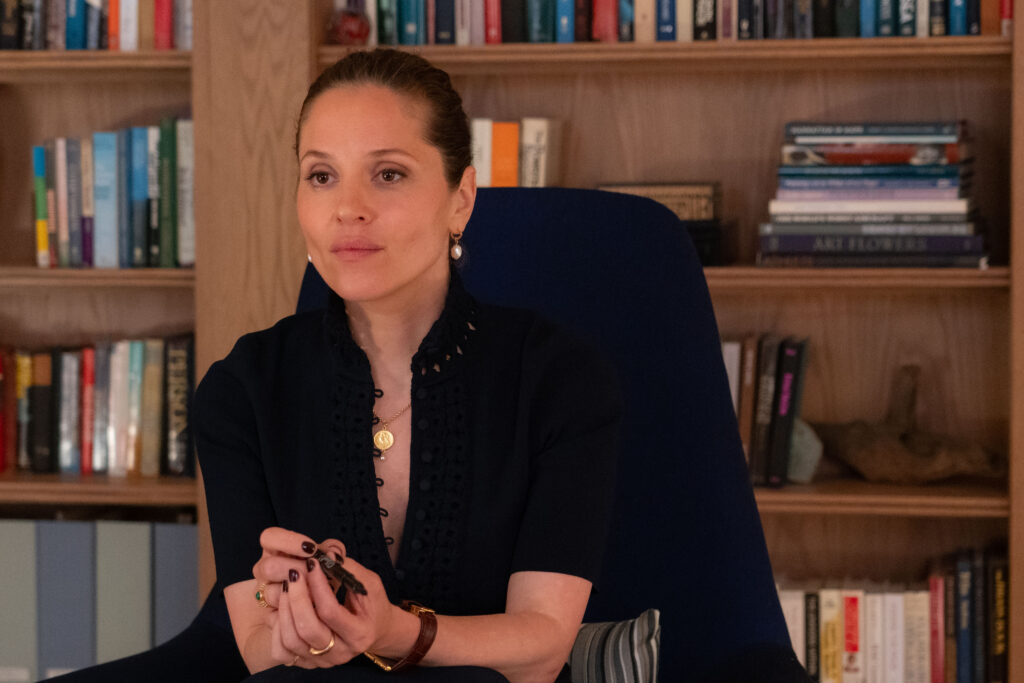
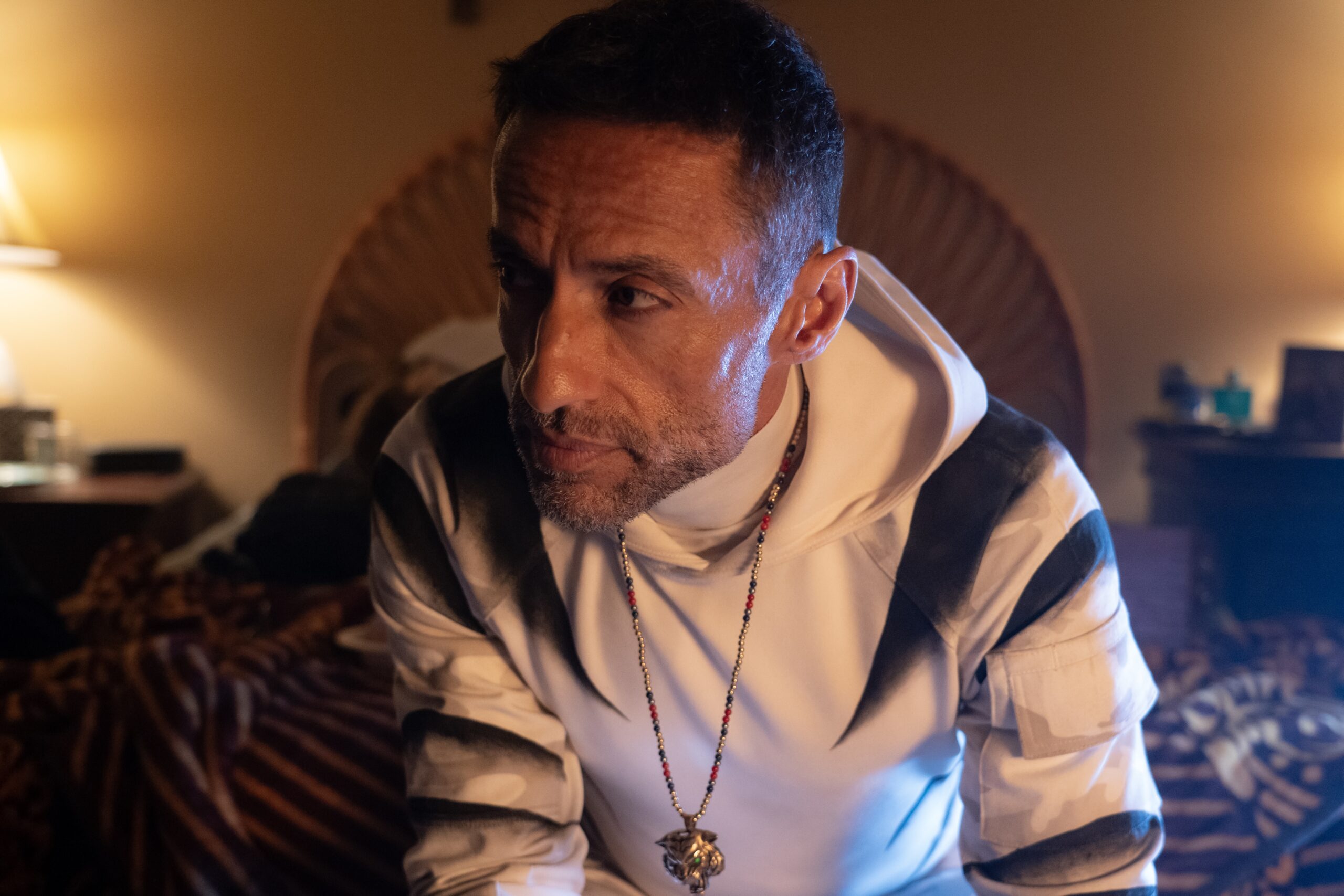
No matter which material they worked with, Cox and Vincent D’Onofrio delivered top-tier performances, especially in their brief time together. Jon Bernthal‘s return as Frank Castle comes complete with all the squealing brutality one might expect from The Punisher while also serving as a wonderfully necessary foil for Murdock. The late Kamar de los Reyes stands out as Hector Ayala, whose legacy is left to be explored should the powers that be choose to do so; Margarita Levieva‘s subdued Heather Glenn ends up a much more interesting character than her comic book counterpart; and Ayelet Zurer‘s Vanessa works as a driving force behind the central plot. The Fisks’ relationship works as an interesting parallel to that of Matt and Heather and the intersection of the two ultimately leads to the season’s biggest surprise.
For nearly a year, Marvel Studios has been operating according to a new strategy behind the scenes as shifting priorities have led them to focus on developing series that can premiere annually. It’s clear that the studios intends for Daredevil: Born Again to be both the canary in the coal mine in that regard but that they also have enough faith in it that they’ve already established it as the flagship of the new era of Marvel Television. To that end, each new season must entice viewers to return for subsequent seasons while also being able to stand alone not only as a season but with weekly episodes that drive conversation and interest. Season 1 of Daredevil: Born Again accomplishes that mission. Its weekly releases will have people buzzing (I’m looking forward to the response to the series St. Patrick’s Day-set bottle episode) and the response to the season finale may actually trigger Richter scales. Grace and retribution. Reward and punishment. Hopes and fears. Daredevil: Born Again‘s return to the streets of New York City is frustratingly incongruous in its treatment of its Guardian Devil and a contradiction in itself but I’ll be damned if it isn’t an incredible season of TV.
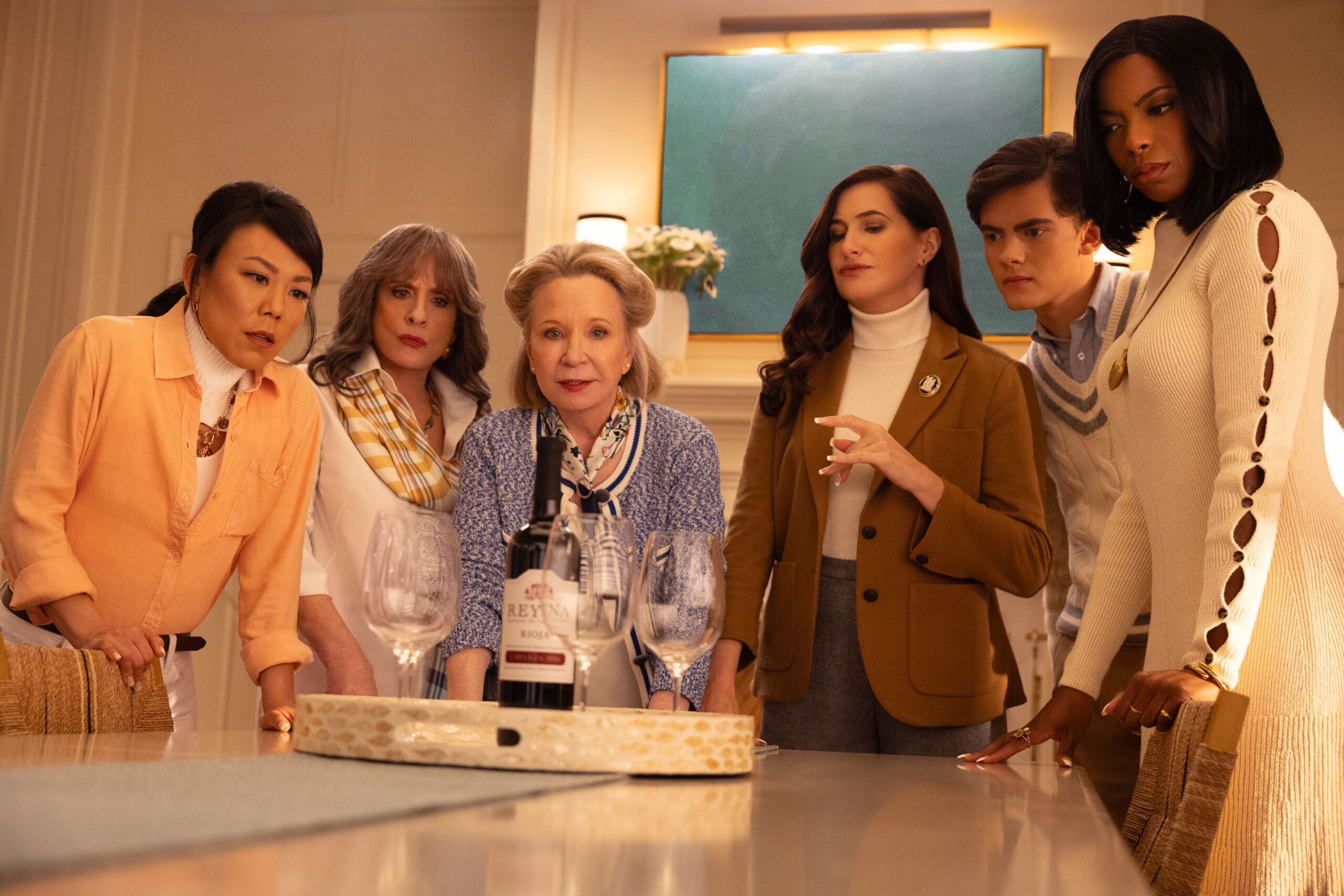
Despite being the lead character of a Disney Plus series, Agatha Harkness is no hero. Kathryn Hahn‘s wicked witch with over 300 years of dirty deeds to her credit. Flashbacks in WandaVision revealed that in the 1690s, Agatha broke the rules of her coven by practicing dark magic. Accused and put on trial by the coven’s leader, her mother, Evanora, Agatha revealed the extent of her abilities by absorbing the powers of all the other witches and killing them all, including her mother. She done a bad, bad thing…but unfortunately, as revealed in the third episode of Agatha All Along, “Through Many Miles of Tricks and Trials”, she was just getting started.
Episode 3 pits Agatha and her coven of chaos against the first of their many trials as they walk the Witches’ Road and, according to series’ creator Jac Schaeffer‘s grand design, lays bare each witch’s worst nightmare. While the house by the sea is technically where Jennifer Kale’s trial as a potions witch is held, a little is revealed about each member of the coven after they drink the wine poisoned with Alewife’s Revenge and begin to hallucinate. Working to locate the ingredients for an antidote for the poison, everyone who drank the wine is forced to relive her worst nightmare and for Agatha it’s a shocking revelation that lays bare the depths of her depravity and lust for power…and one that likely explains not only why the rest of the witches don’t trust her but also why Rio is rip roaring angry with her and wants her dead.
Dating back to WandaVision, there have been plenty of teases–both subtle and not-so-subtle–about Agatha’s comic book son, Nicholas Scratch. From the bunny she called Senor Scratchy to the child having an empty room in the house her spellbound persona Detective Agnes O’Connor inhabits, Agatha’s son has made quite an impression by NOT being there. And now we know why. As shared with Teen by Jennifer Kale and confirmed by Agatha’s hallucination, Agatha traded her son to Mephisto in order to acquire the Darkhold. Kale’s story alludes to the possibility that Teen may well be Scratch but we all know that’s just more misdirection but it does help make clear why Agatha has been so protective of the character: even she’s not sure how her own son might look. At this point, Agatha seems pretty irredeemable and there’s really no longer any reason to wonder why Rio–obviously a former lover of Agatha’s–wants her dead. It would seem Scratch wasn’t Agatha’s son but the son of both Agatha and Rio.
With these shows, so often there is something that is at once a joke and a wink and a nod, and actually has something legitimate underneath it. As we all know, Mephisto is a character who’s very wrapped into Agatha’s storyline. I mean, people have to watch, but we’re always playing with the audience in that way.
-Jac Schaeffer on Mephisto’s role in Agatha All Along, EW, September 25, 2024
While theorists who’ve been claiming for the past three years that Mephisto will show up in every MCU project can finally thump their chests at the name drop, the search for Scratch continues. In the comics, Scratch went on to father the members of the Salem’s Seven. That spooky group of shape-shifting freaks showed up in Episode 2 but don’t expect them to be Agatha’s grandkids in the MCU. Once Mephisto has his claws in someone, it’s typically for good but who knows exactly what becomes of a baby raised by a Class Two demon? Maybe we’ll find out at the end of the Witches’ Road.
As it turns out, Marvel Studios did learn something from WandaVision. Debuting at a time when the world was starving for new content of any kind, WandaVision helped a fanbase find a way to forget about a still terrifying and uncertain reality. As Marvel Studios’ first streaming series, WandaVision blazed a trail and set a high bar for each series that followed. While it’s easy to look back with disdain at the wild weekly theories that never worked out, there’s no debating that no other Marvel Studios’ D+ series has impacted pop culture the way WandaVision did. And if we’re being honest, there’s not been a realistic contender for the crown. So, at a time when the studio seeks to return to its former glory, one must appreciate the coincidence of some measure of that return resting on the shoulders of a WandaVision spinoff that focuses on a once powerful witch seeking to return to her former glory.
While it would be easy to believe that Agatha All Along exists solely to showcase the bewitching talents of its star, Kathryn Hahn, the series creator, Jac Schaeffer, made no bones about her true intention: “to recapture the fun of WandaVision.” To that end, the first four episodes of Agatha All Along indubitably lean heavily into the spirit of the predecessor, tossing all the right ingredients into the cauldron. Strong acting, smart writing and a devil-may-care affect to the negativity that has surrounded some of the studio’s more recent fare are likely to produce a witch’s brew that results in an entranced audience finding itself trapped in a spell similar to the one cast by WandaVision. For better or for worse, expect plenty of theories and arguments about who Joe Locke‘s “Teen” actually is, the true nature of Agatha’s past with Aubrey Plaza‘s wonderfully wicked Rio and, of course, what role Mephisto plays in it all!
Whatever Schaeffer‘s intentions for Agatha All Along may have been, no reasonable human being would argue that the series could possibly have been given the green light had Hahn not so thoroughly slayed the role of the dark witch in WandaVision. There’s no need for protracted pretense here in an evaluation of Hahn‘s return to the role in Agatha All Along. From the moment her still spellbound Agnes hits the screen in Episode 1 until the unbound Agatha takes on the trials of the Witches’ Road throughout the screening package viewed by the media, Hahn cleverly recaptures the campy nature of the character’s MCU debut while adeptly transitioning to a far more sinister and unhinged version of Agatha which, as we learn, is the truest version of herself.
That change in demeanor happens when Hahn’s Agatha, who remains trapped as Agnes in the spell placed on her by Wanda in the WandaVision finale, meets two very interesting interlopers: Aubrey Plaza‘s Rio Vidal and Joe Locke‘s Teen. Following the death of the Scarlet Witch and the destruction of the Darkhold as seen in Doctor Strange in the Multiverse of Madness, Rio and Teen shake the foundation of Agatha’s dreamworld enough to allow her to come to her senses and be reborn, stark naked, in the town of Westview. By the end of Episode 2, Agatha is headed down, down, down the Witches’ Road to reclaim her power and since the road cannot be accessed alone, she must head down the path coven in tow. And so, despite Agatha All Along working first and foremost as a vehicle to let Hahn cook, a strong supporting cast is an absolute must and the impromptu coven is stellar.
Locke’s Teen, whose true identity is kept hidden by a sigil that’s been placed on him, provides the impetus for the trip down the Witches’ Road and is one of the best additions to the MCU since Hahn joined in 2021. Plaza is as Plaza does, bringing her dark, sardonic sarcasm to Vidal, who clearly has far more tricks and treats up her sleeves. While very different from the chemistry between Agatha and Teen which seems to evolve into something bordering motherly, the enchanting interplay between Agatha and Rio holds the promise of something far greater than what is revealed in the screening package. It’s devilish and delicious and something that will certainly garner significant attention. It isn’t just the triple threat of Agatha, Billy Teen and Rio who travel the road, however, and Hahn’s catalytic charisma with the other members of the coven ensures there’s no real drop off when Teen and Rio are off-screen. Patti Lupone, Sasheer Zamata, Ali Ahn and (kind of) Debra Jo Rupp round out the roster of Agatha’s coven and all have their own charms. Each witch represents a different skill set required to survive the trials of the Witches’ Road and comes with her backstory. However, if there’s one potential problem facing the series it is that it may lose some of the generous positive momentum gained by the end of Episode 2 if the pattern laid out in Episodes 3 and 4–each of which serves as a showcase for one of the witches–continues in Episodes 5, 6 and 7. Whether or not that comes to fruition is impossible to divine as long as Disney continues to dole out only partial seasons for review.
Though Agatha All Along will lure audiences in with the promise of something familiar, the true strength of the series is in its alchemical quest to transform into something better. Come for the WandaVision but stay for the shift into true Spooky Season horror. Schaeffer has created something truly unique among Marvel Studios’ fare in Agatha All Along which at times seems to share more DNA with Werewolf By Night than WandaVision. From The Ring-esque group of weirdos known as the Salem’s Seven to the haunted house horror to the demon literally on the back of one of the coven members, Agatha All Along is downright scary at times and, before long, finds itself very far afield from the campy True Detective-inspired opening episode.
Through four episodes, Agatha All Along looks to be on the road to becoming just what the doctor ordered for Marvel Television. The combination of some incredibly crafty creative work behind the scenes and a talent like Hahn at its center provide plenty of reasons to keep fans entranced while also keeping them guessing. Despite there being plenty of reason to believe you already know what’s going on, Agatha All Along has mysteries aplenty and with Schaeffer’s willingness to go back to throwing WandaVision-ish curveballs in the mix, this trip down the Witches’ Road is going to be a blast!
With their latest streaming series Echo, Marvel Studios will check off an impressive list of “firsts.” The first Marvel project led by a Native American actress; the first Marvel project led by a deaf actress; the first Marvel project to receive a TV-MA rating under the studio’s new Marvel Spotlight banner. Spinning out of the 2021 Disney Plus streaming series Hawkeye, the series follows star Alaqua Cox‘s Maya Lopez as she returns to her hometown of Tamaha, Oklahoma following her attempt to kill Wilson Fisk, New York City’s Kingpin of Crime. From here, the series examines the concepts of heritage, lineage, family and trauma and introduces the sprawling and magnificent mythology of the Choctaw Nation. Soused with intense action, the final product (at least for the 3 episodes screened by the press) presents as a moody, somber and often haphazard journey. As demiurgic as the creative team’s flashbacks through the history of the Choctaw people feel, the plot of the first three episodes often feels a bit too insipid and threadbare leaving the series uncomfortably straddling a divide between what is and what could be.
As the studio’s first TV-MA project, Echo steps out of the MCU as we know it and steps directly into the world of Daredevil, The Punisher and the rest of the Netflix Defenders-verse series that WERE Marvel TV in the mid-2010s. Clearly inspired by the type of action that became synonymous with those series (including an homage to the one-take fight scenes that fans will remember from Daredevil), Echo is the bloodiest, most brutal and most violent project rolled out by Marvel Studios. While the fight choreography doesn’t favorably compare with the best work done in the Netflix series, there’s plenty for fans to enjoy including a particularly savage scene in a bowling alley and some particularly inventive ways to incorporate Maya’s prosthetic leg into the fray, turning a potential weakness into a major advantage. Cox does quite a bit of her own work and her athleticism and intensity are on full display. The series makes it very clear that Maya is fueled by her raging responses to loss and Cox’s brooding kinesics emote every bit of that pain. As barbaric and sanguine as the action is, however, it ends up feeling like ass beatings simply for the sake of beating some asses. For some, violence for violence’s sake became an issue for the Netflix series and in just three less-than-hour-long episodes, Echo finds itself dangerously close to falling into the same trap.
While the show’s determination to remind everyone how “dark and gritty” the Netflix series were brings it dangerously close to being a perfect example of George Bernard Shaw‘s famous but almost always shortened quote (“Imitation is the sincerest form of flattery that mediocrity can pay to greatness.”), it finds its counterbalance–and inarguably its greatest strength–when it dares to break brand-new ground in the genre. From its genesis, Echo was built around and by indigenous people at every level. Whether it was in the writers’ room, in collaboration with members of the Choctaw Nation of Oklahoma, behind in the camera through director Sydney Freeland’s vision and, most apparent, though its almost entirely indigenous cast, Echo is unique among the ever-expanding number of projects in the MCU.
It’s through the Choctaw Nation that Echo chooses to explore the themes of heritage and lineage and it’s absolutely where it does its best work. Thanks to a strong supporting cast led by Graham Greene, Tantoo Cardinal and rock-solid Chaske Spencer, who plays Maya’s uncle, Henry Black Crow Lopez, Echo examines how trauma and the human response to it can shatter even the tightest-knit family. As it turns out, Tamaha, Oklahoma holds more than just ties to Maya’s blood relatives and if she’s ever going to bury her dark past, it’s going to happen in the town that shattered her life.
Most incredible, though, is Echo’s dedication not only to represent the modern-day culture of the Choctaw people but also their heritage and culture. Each episode includes an extended flashback–steeped in real-life mythology and history–stretching back to the creation of the first Choctaw and other heroes from the Nation’s past. As Maya struggles to escape the enormous shadow of Kingpin’s influence on her life, her place as a descendant of some of the most powerful women in Choctaw history begins to unfold giving Maya a chance to become something incredible all unto herself. However, through 3 episodes, it’s not clear just how that will unfold.
While the first three episodes certainly each have bright spots, they do–like the Netflix series before them–tend to drudge on at times. There are, unfortunately, signs that indicate that the widespread rumors and reports of a difficult post-production process for Echo may have had some merit. The first episode seems hastily edited to tell only a portion of what may have originally been planned and, plainly put, it’s jarring. Episodes 2 and 3 seem to have been handled with a far more delicate touch and it’s at the end of the third episode that things really seem ready to take off. While it’s Maya’s show, Disney hasn’t held back on promoting the show as being just as much about the return of Vincent D’Onofrio’s Wilson Fisk. If the last two episodes–which will clearly feature Fisk–can crescendo and find a way to allow Maya’s heroic heritage to overcome her villainous upbringing, Echo may ultimately overcome its own shortcomings and stand out as a project worth having saved.
About Echo
Marvel Studios presents Echo, spotlighting Maya Lopez as she is pursued by Wilson Fisk’s criminal empire. When the journey brings her home, she must confront her own family and legacy. Echo stars Alaqua Cox (Hawkeye) as Maya Lopez, as well as Chaske Spencer (Wild Indian, The English), Tantoo Cardinal (Killers of the Flower Moon, Stumptown), Devery Jacobs (FX’s Reservation Dogs, American Gods), Zahn McClarnon (Dark Winds, FX’s Reservation Dogs) and Cody Lightning (Hey, Viktor!, Four Sheets to the Wind), with Graham Greene (1883, Goliath) and Vincent D’Onofrio (Hawkeye, Daredevil, Law & Order: Criminal Intent), who returns to the villainous role of Wilson Fisk aka Kingpin.
Episodes of the series are directed by Sydney Freeland (Navajo) and Catriona McKenzie (Gunaikurnai). Executive producers are Kevin Feige, Stephen Broussard, Louis D’Esposito, Brad Winderbaum, Victoria Alonso, Richie Palmer, Jason Gavin (Blackfeet), Marion Dayre and Sydney Freeland. Co-executive producers are Jennifer L. Booth and Amy Rardin. Marvel Studios’ Echo is now streaming on Disney+ and Hulu.
Cookie Consent
We use cookies to improve your experience on our site. By using our site, you consent to cookies.
This website uses cookies
Websites store cookies to enhance functionality and personalise your experience. You can manage your preferences, but blocking some cookies may impact site performance and services.
Essential cookies enable basic functions and are necessary for the proper function of the website.
Name
Description
Duration
Cookie Preferences
This cookie is used to store the user's cookie consent preferences.
30 days
These cookies are needed for adding comments on this website.
Name
Description
Duration
comment_author_email
Used to track the user across multiple sessions.
Session
comment_author_url
Used to track the user across multiple sessions.
Session
comment_author
Used to track the user across multiple sessions.
Session
Statistics cookies collect information anonymously. This information helps us understand how visitors use our website.
Google Analytics is a powerful tool that tracks and analyzes website traffic for informed marketing decisions.
Contains information related to marketing campaigns of the user. These are shared with Google AdWords / Google Ads when the Google Ads and Google Analytics accounts are linked together.
90 days
__utma
ID used to identify users and sessions
2 years after last activity
__utmt
Used to monitor number of Google Analytics server requests
10 minutes
__utmb
Used to distinguish new sessions and visits. This cookie is set when the GA.js javascript library is loaded and there is no existing __utmb cookie. The cookie is updated every time data is sent to the Google Analytics server.
30 minutes after last activity
__utmc
Used only with old Urchin versions of Google Analytics and not with GA.js. Was used to distinguish between new sessions and visits at the end of a session.
End of session (browser)
__utmz
Contains information about the traffic source or campaign that directed user to the website. The cookie is set when the GA.js javascript is loaded and updated when data is sent to the Google Anaytics server
6 months after last activity
__utmv
Contains custom information set by the web developer via the _setCustomVar method in Google Analytics. This cookie is updated every time new data is sent to the Google Analytics server.
2 years after last activity
__utmx
Used to determine whether a user is included in an A / B or Multivariate test.
18 months
_ga
ID used to identify users
2 years
_gali
Used by Google Analytics to determine which links on a page are being clicked
30 seconds
_ga_
ID used to identify users
2 years
_gid
ID used to identify users for 24 hours after last activity
24 hours
_gat
Used to monitor number of Google Analytics server requests when using Google Tag Manager
1 minute
Marketing cookies are used to follow visitors to websites. The intention is to show ads that are relevant and engaging to the individual user.
Pinterest Tag is a web analytics service that tracks and reports website traffic.