Tag: Movie Features

  • EXCLUSIVE: ‘Luca’ Director Enrico Casarosa on Miyazaki, Morricone, and Myths

    EXCLUSIVE: ‘Luca’ Director Enrico Casarosa on Miyazaki, Morricone, and Myths

    It’s that time of the year again where Pixar unleashes another masterpiece onto the world. Their latest film, Luca drops this Friday on Disney+ for everyone to see and it’s one I adamantly recommend to anyone that loves the films of Studio Ghibli and Hayao Miyazaki. It’s a beautiful story about friendship and the growing pains of adolescence set in the Italian summer starring two sea creatures. Murphy’s Multiverse was fortunate enough to speak with the director of the film, Enrico Casarosa, who elaborated on some of the craft that went into making this emotional and stunning movie.

    As you will read in my review, the movie has big Miyazaki energy and Enrico Casarosa isn’t ashamed to admit it. We spoke to him about how his love for Miyazaki shaped the film and the magic of Studio Ghibli films.

    I just feel that Miyazaki does something magical with anything he touches. I grew up with his work. As a teenager in Italy, we would have all these Japanese cartoons and I realized a few years later, Future Boy Conan was one of the first TV series he really directed. 


    Having loved, observed, studied, and met him, showed him La Luna, he’s in my DNA. But what is the heart of what I wanted to capture is his ability to convey a child’s point of view. That was important for our movie. That point of view is made of imagination and this wondrous, curious gaze of nature. So this was really great because I could really have Luca experiencing an Italian town for the first time. Have him experience the wind, leaves, and waves for the first time. And that’s what Miyazaki is amazing at.

    Luca’s central characters are two sea creatures living on the coast of the Italian Riviera. The idea of making mythological creatures central to a very human story stemmed from the myths that surrounded Casarosa’s homeland and the rest of the world. He elaborated on what particular legends he drew inspiration from and how he formed his own version of the mythology in the process.

    The inspiration for some of the ideas of changelings comes from my love of Japanese and world folklore. The inaris (foxes) come to mind as they’re able to transform and look human. The selkies from Ireland as well. 


    But when you then do the research, you find out there’s a lot of wonderful strange stories in Liguria too because there’s fishermen. For example, St. George and the dragon are the symbol of Genoa. Almost everywhere you walk in Genoa, you will see images of someone spearing a dragon. And then there are dragons in San Fruttuoso. “Don’t go there because there’s a dragon.” We realized that some of these folktales were there so people wouldn’t go and fish there. 


    Some towns had really specific ones. There’s an octopus that saved this whole town by ringing this bell because the pirates were coming. So that’s how we connected all those things to the film.


    Lastly, we had to ask Casarosa of reports that legendary composer Ennio Morricone was Disney’s first choice to score the film before he passed.

    Yeah, for some reason, that info is online. That is not true. I mean, I love Ennio Morricone and his music. We can officially say here that it didn’t happen. But making the movie, we listened to Ennio Morricone, Nino Rota, and Nicola Piovani. Those are some of the key scores that inspired Dan Romer. Dan was my first choice. Beasts of the Southern Wild was the first time I noticed his beautiful music. 

    Luca comes out on Disney+ this Friday!

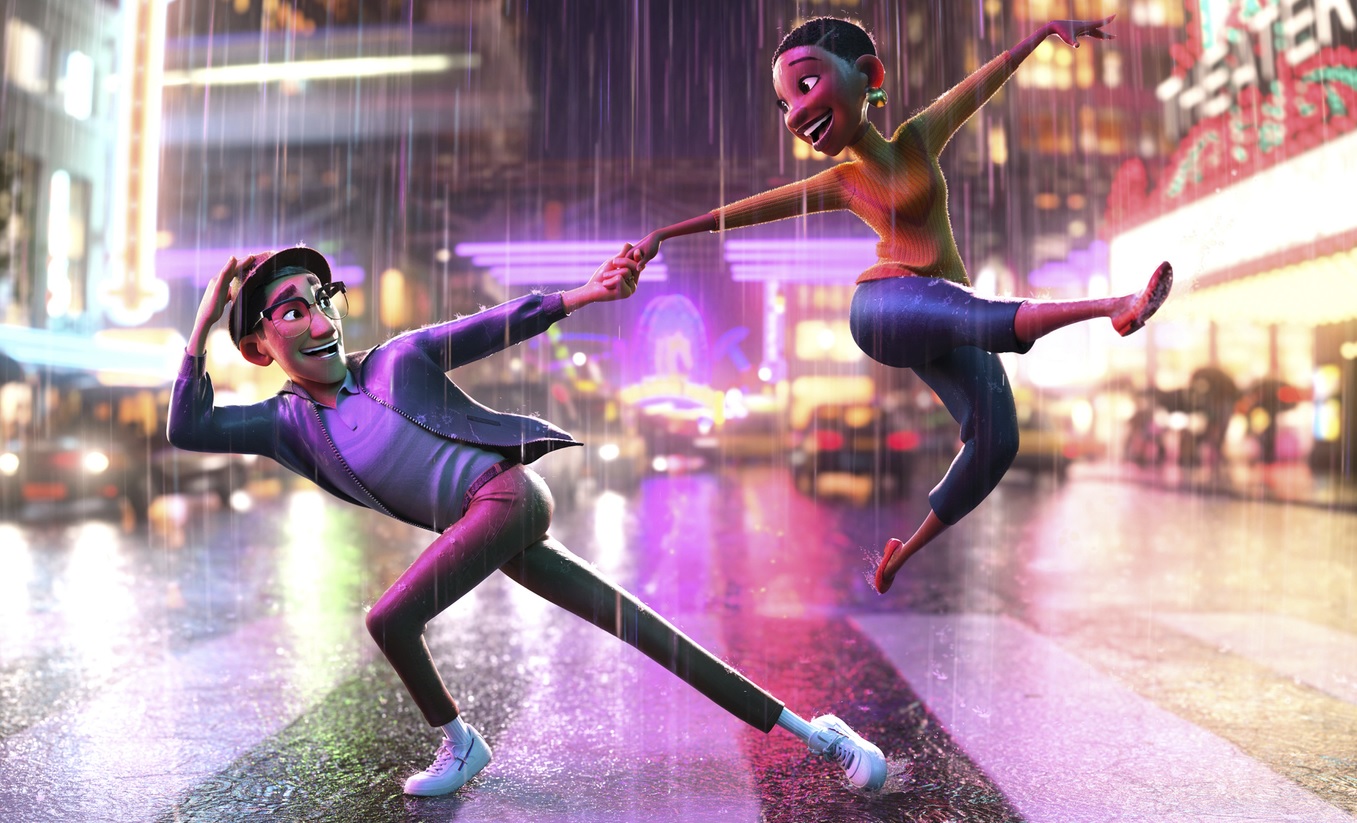
  • EXCLUSIVE: An Interview With The Creators Behind Disney’s New Dance Short Film, Us Again

    EXCLUSIVE: An Interview With The Creators Behind Disney’s New Dance Short Film, Us Again

    Disney’s latest experimental short titled Us Again is now available to watch on the House of Mouse’s streaming service, Disney+. The short chronicles an aging couple dealing with the growing pains of growing old with a fun musical twist. Murphy’s Multiverse got to speak with the short film’s brilliant creators, director Zach Parrish, producer Brad Simonsen, composer Pinar Toprak, and world-renowned choreographers Keone and Mari Madrid, who were generous enough to share some behind-the-scenes details.

    Zach Parrish is no stranger to directing experimental shorts, having done one for Disney+ called Puddles that premiered last year in their Short Circuits series. We asked Zach how he came up with such a fun new concept with Us Again and he revealed how his mother played a huge part in his conceptualizing.

    It started from a very real place. Moving into my 30s and realizing that my body was getting old. Gray hairs and bad knees. I had this emotional feeling of wishing I was young again but then talking my mom who was in her 60s; she was talking about what she was going to do when she grew older. I realized I had my perspective backwards and I was looking at life in the wrong direction. That core emotional place led me to think about this fountain of youth story with the rain and how we could do this neon dance thing with the music. All of that came together fairly quickly early on. Having that core emotion that I responded to and all the visual ideas I had in my head, I needed to get it all out.

    Prior to directing his own short films, Zach cut his teeth working as an animator on a couple of Disney hits. Big Hero 6 was his first stint as a department head as the Head of Animation and he spoke about his experience in that film helped shape Us Again.

    Big Hero 6 was my first time running a department. So we had 95 animators on that film.  Managing your time and making sure that you’re very crystal clear on what the point is and what the core emotion is, I learned a ton. Don Hall, the director of that film was my mentor in the making of Us Again. I learned from him how to communicate that emotion and where I wasn’t being clear. 

    Us Again is Walt Disney Animation’s first theatrical short in 5 years as it was attached to Raya and the Last Dragon. All of us grew up watching these shorts attached to their iconic films so we had to ask producer Brad Simonsen the pressure they felt coming up with a short that could honor the huge legacy of Walt Disney Animation.

    When you’re dealing with a legacy like Walt Disney Animation, there’s always a desire to honor the tradition and history that the building and people bring. Having got to work with Zach Parrish in Big Hero 6, I really knew that if given the opportunity, he would make a beautiful movie. We supported him the right way and we brought on a team that was a yes-team that really wanted to make the movie better at all times.

    Best known for her music for billion-dollar IPs like Fortnite and Captain Marvel, Pinar Toprak was tasked with the job of crafting a contemporary score for Us Again. Given how epic and grand her scores generally are, we had to ask Pinar what it was like to compose such a modern soundtrack.

    That was Zach’s vision. We talked about what genre we were going to play with. Was it jazz? Was it more disco? But then funk and soul really fell into that sweet spot for us. I personally love funk and soul so much. It was really fun to create that because it’s not really that common for a composer to get asked, “Hey, go write a funk score.”

    You can’t have a proper dance film without amazing dancers. In comes world-renowned choreographers Keoni Madrid and Mari Madrid, who pretty much defined the film’s essence with their magnetic choreography. The couple’s dance resume is nothing short of impressive, having choreographed for huge stars like BTS and Justin Beiber. When asked about whether choreographing for pop culture’s most famous company was a challenge, they had this to say:

    Honestly, it wasn’t. Brad and Zach gave us all the tools to make sure we had all the context as possible. That’s rare. Not all projects offer that much information. We got an almost final version of the music early on. Once we had all those tools, it went back to, “Let’s do what we do. Tell stories through dance.” We don’t get to do that for all projects. But for this one, it had all the things we’re passionate about. Once you strip all the Disneyness and scale from it, it boils down to the work.


  • Charles V’s CAPTAIN AMERICA 4 Pitch: Apocalypse Now, A Blind Ronin, and Gods in the Pacific

    Charles V’s CAPTAIN AMERICA 4 Pitch: Apocalypse Now, A Blind Ronin, and Gods in the Pacific

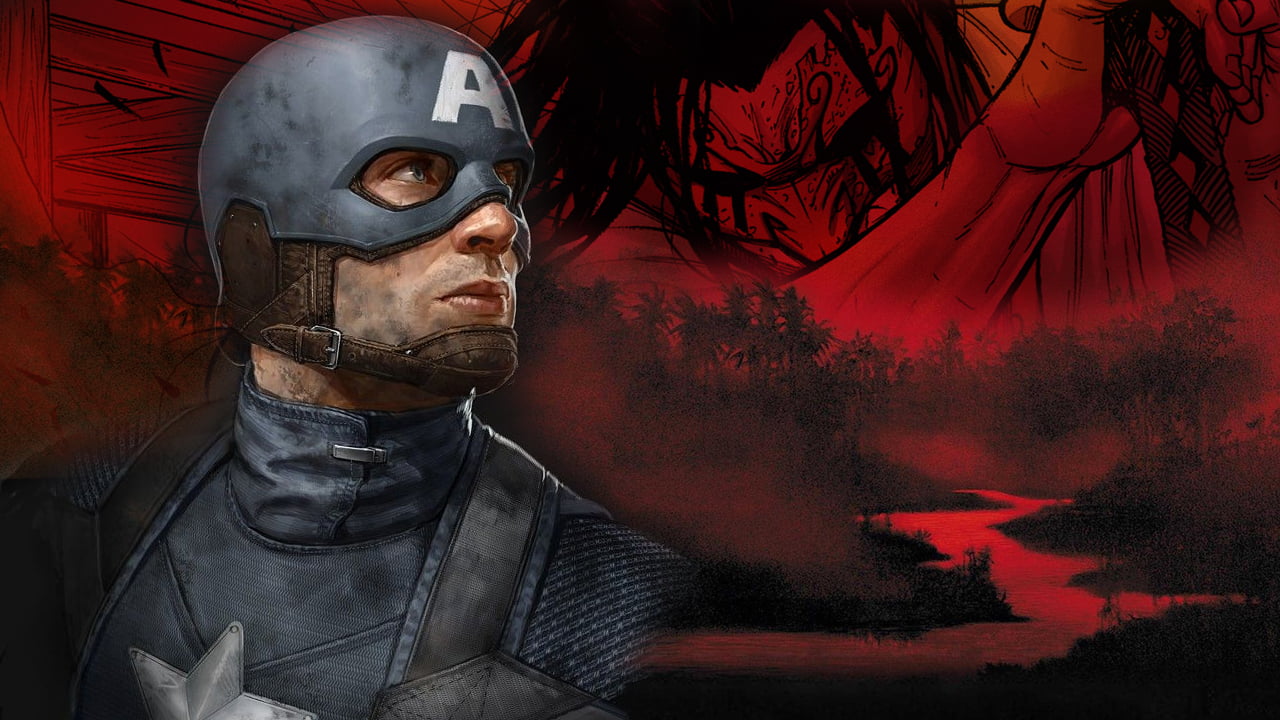
    In a previous episode of Murphy’s Law, Charles and I talked about our pitches for Captain America 4 on the podcast. The caveat we agreed upon was to set the story during WW2 which gave us a lot of leeway on what stories to tell. Suffice to say, both our ideas of what we wanted the next Captain America adventure to be were very different and for good reason. We talked about eventually writing up and have fans compare the two. Well, here’s mine.


    SETTING

    1944. Leyte, Philippines.

    Yes, this Cap story of mine is set in my home country. For all those unaware, the entire Philippines was ground zero for countless battles between Americans and the Axis Powers, specifically the Japanese, with my people pretty much caught in the middle. The Philippines was under Japanese occupation for 3 years and in those 3 years, the Filipinos suffered inexplicable horrors. A chunk of my life growing up was spent listening to horror stories experienced first-hand by my elders, like my grandmother. These stories were nothing short of horrifying and to be a descendant of Filipinos who suffered directly under Japanese cruelty makes this piece of fanfiction hit close to home. There are two Filipino characters here that are more or less based on my great-grandfather, who worked as a translator for the Japanese and who, according to my grandmother, had to kill a few of them to save his own ass when he overheard something that wasn’t supposed to be heard.


    The story, in particular, takes place around the last months of 1944 and the Battle of Leyte Gulf, an event widely considered to be one of the turning points in the Allied Forces’ liberation of the Philippines. It doesn’t necessarily deal with the actual naval battle but has the events going on in the backdrop. Despite this being a war story, there’s a bit of a folkloric component to the premise which is a far cry from the science fiction action of Captain America: The First Avenger. Because the Philippines is a deeply animistic country and mostly made up of dense forests and rural mountains, local myths, and folklore have always been prevalent. To this day, I still hear stories of paranormal experiences involving spirits and mythical beasts, and the atrocities suffered by the Filipinos during the Japanese occupation have only amplified such stories. Plus, I thought it’d be cool for Cap to deal with larger-than-life things early on in his career.


    Not the actual treasure.


    The MCU has had more than its fair share of McGuffins and my pitch is shamelessly no different. It revolves around the fabled Yamashita treasure, alleged war loot stolen by the Japanese throughout their campaign in Asia. As the story goes, the treasure, comprised of gold and all kinds of artifacts, was rumored to be scattered and buried all throughout the Philippines and was to be shipped to Japan as soon as the war ended. Things didn’t go as planned for Japan in the history books and the treasure never made its way back. To this day, there is no clear answer as to whether the treasure actually existed. Some experts have debunked it as a myth while some treasure hunters still think it’s a real thing hidden somewhere in the country. In my pitch, the treasure plays an important part though I take a ton of liberties to tailor it to the movie.

    Tonally, think of the story as an Apocalypse Now-type movie where Cap and his friends venture deep into a jungle behind enemy lines. The elements are against them, the terrain is unfamiliar, and they’re chasing their own Colonel Kurtz. Thematically, I want a story that delves into Cap’s relationship with the Howling Commandos, what the friendships were like for these people who were sent on the most dangerous missions in WW2, and what war does to people who are victims of it. Think Band of Brothers or Saving Private Ryan.

    PLOT

    In 1923, a blind Japanese child is awakened by visions of Japan engulfed in smoke and flame, corpses of his people turned into ash, his nation in complete ruins. In the final months of 1944, American ground troops successfully land in the province of Leyte after a grueling naval and aerial skirmish with the Imperial Japanese forces. Leading the frontlines are Dum Dum Dugan and the Howling Commandos. Meanwhile, Steve Rogers and Bucky Barnes are covertly parachuted deep into the jungles of Leyte, behind enemy lines,  to extract a Filipino translator working for the Japanese claiming to have crucial information that could turn the tide of war. 


    After a night of fighting through Japanese platoons and freeing POWs along the way, Rogers and Barnes locate the translator, Alejo, hiding under an abandoned guerilla bunker. Alejo retells the events of the past week; he and his brother, Eden, witness the massacre of a Japanese platoon committed by Tomi Shishido, a lone blind Japanese assailant with the ability to petrify, demanding the location of a rumored cache of stolen artifacts and gold.  Alejo narrowly escapes capture but his brother is unsuccessful. Barnes is apprehensive to track down the assailant until Alejo shows them an emblem resembling HYDRA’s. Fearing a wide-scale operation happening in the Pacific, similar to the one in Europe under HYDRA, Rogers and Barnes decided to track down the assailant.

    The following morning, the Howling Commandos arrive at Rogers and Barnes’ planned extraction point where they encounter delirious Japanese soldiers surrendering to a small Filipino guerilla unit. Jim Morita overhears the soldiers mention demons and ghosts in the surrounding valley. Rogers, Barnes, and Alejo take control of a guarded Japanese communications outpost to message the Commandos but are ambushed by three assassins with seemingly supernatural abilities. Rogers and Barnes are quickly outmatched but the fight is interrupted by the arrival of Dark Wind, who kidnaps Alejo and escapes into the night, along with his agents. The resulting commotion attracts the attention of platoons of Japanese forces, who pin down Rogers and Barnes until the Howling Commandos arrive.


    Rogers and the Howling Commandos take a boat further into the island and coordinate on a plan to retrieve the two translators and prevent Shishido and Dark Wind from stealing the treasures. However, the team is split on what to do with the treasure; Duggan argues about the merits of the US gaining that amount of gold to end the war while Steve sees it as bloodied spoils of war. Upon arriving at their destination, the team splits into two. 

    Rogers’ team trek towards a Japanese outpost, where they find several Japanese soldiers murdered. The team overhears a commotion in a nearby armory and see a Japanese officer get impaled. Shishido emerges from an armory, dragging Eden behind him. Rogers’ team engages Shishido and rescues Eden. Shishido initially has the upper hand but yields when Rogers and Barnes overpower him. Shishido explains the existence of a clandestine transhumanistic cult among Japan’s most elite and Dark Wind’s plan to secure an ancient powerful artifact to unlock the Emperor’s latent divine abilities, based on the belief that Japan’s emperors are direct descendants of the sun goddess Amaterasu. Shishido pleads for the Commandos to help stop him from retrieving the relic.


    With Eden to help him navigate, Rogers ventures further deep into the island to locate Dark Wind’s vessel. Reaching a lake at the center of the island, they see a large amphibious landing craft surface. Rogers infiltrates the ship and rescues a brutally beaten Alejo. Just as he makes his escape, Rogers is incapacitated by Dark Wind. Dugan’s team arrives at the foot of a mountain where they find an abandoned church. They investigate and uncover an entrance to a series of catacombs leading to a large cavern. In the cavern, they uncover a massive tomb filled with gold and relics. They form a garrison surrounding the area and radio the rest of the Howling Commandos which Dark Wind hears from Rogers’ radio.

    A huge firefight commences as soon as Dark Wind and his forces arrive at the church garrison. The Commandos are outnumbered despite Bucky’s team, along with Shishido, arriving to defend the garrison. Dark Wind gains the upper hand and defeats Shishido brutally in battle. The Commandos are rounded together by Dark Wind’s remaining forces but are saved by the Filipino guerilla soldiers they met earlier and a rescued Captain America. Dark Wind is killed by Shishido. 


    As the remaining survivors regroup, the Howling Commandos and Shishido head to the catacombs to survey the cache. On their way, Shishido tells them of the story of Hiruko, the firstborn child of the deities of creation, Izanami and Izanagi, and how the child was banished for its weakness and replaced by another named Amaterasu. He further reveals that, like Amaterasu, Hiruko had descendants. As he unearths the relic, Shishido reveals to them his intent to save Japan and his home of Hiroshima from a premonition and unleashes his power on the Commandos, leaving Rogers, Dugan, and Barnes left to fight. Rogers is almost killed by Shishido but is saved by Barnes when he uses Shishido’s own petrifying powers against him, turning Shishido into stone. 

    Alejo succumbs to his wounds. The Commandos decide in secret to leave the gold in the hands of the Filipinos as reparations while the relics are returned to their rightful countries by the SSR. 

    ARCS/THEMES

    Steve Rogers

    It’s always hard to think of an arc for Steve Rogers to go through when the man is so set in his heroic and selfless ways, especially in a period like World War 2. Ultimately, this is the story where you get to Steve, for the first time, deal with the bleakness of war and the world. Captain America: The First Avenger depicts Cap and the Commandos having a swell time as they take out HYDRA bases. They laugh and shrug at enemy soldiers dying and have a beer right after. This story has them witnessing what the war is like for people who are merely caught in the crossfire. Cap comes off this movie having a few realizations about people and the world. In Captain America: The Winter Soldier, Steve tells Nick Fury, “We compromised. Sometimes in ways that made us not sleep so well. But we did it so people could be free.” This story details that part of Rogers’ experience.

    Bucky Barnes

    One thing that was sorely lacking in the first Cap movie was an exploration of Steve and Bucky’s friendship. When you watch Winter Soldier, it’s evident that they tried to compensate by giving us flashbacks of pre-serum Steve and Bucky spending time with each other. My story has Steve and Bucky as a duo, like it was in the Golden Age of comics, going on missions and bantering with each other. We also get to see a glimpse of who Bucky really is outside of being the Winter Soldier. You have a Bucky who hasn’t gone through the wringer, who hasn’t committed all sorts of heinous crimes, and who, by and large, is still the kid Steve grew up with.

    The Howling Commandos


    These guys actually get to play a big part in the story for once. We get to see Dum Dum Dugan’s leadership skills rival Captain America’s and more importantly, the nuanced dynamic the team has with one another. You’ll see that some of them get along better with others while some aren’t as close. The story explores all their personalities, what they mean to each other, and how their experiences in the war shape their friendships.

    Alejo and Eden

    Two Filipino brothers who set the events of the film in motion when they witness Shishido murdering the Japanese officers they work for. A lot of Filipinos were historically forced into working with the Japanese in exchange for their family’s safety. The experiences of my own great-grandfather as a Japanese translator was the primary inspiration for including these two characters. I also thought it important to view this superhero larger-than-life war story through the lenses of the people caught in the middle of it. The story takes place at the height of Cap’s WW2 tour, before he was an Avenger, before he became the legend that he is, and you get to see what a figure like Captain America was to common folk like Alejo, who are so far removed from all the crazy superhero happenings in the opposite end of Earth.

    Tomi Shishido/Gorgon


    Shishido is the Colonel Kurtz of this story; a madman our heroes have to go after. Like Kurtz, Shishido is an enigmatic presence all throughout the story. His backstory is merely hinted at and much of it left unsaid. What we do know is that he is one of the Four Lotus of Dark Wind’s cult who goes rogue upon learning the existence of the treasure. We know he was born blind and his petrifying powers were given to him by Dark Wind in an experiment. We know that he is motivated by premonitions of a catastrophe befalling Japan, which we know to be the Hiroshima and Nagasaki bombing.

    As for his origins, I’m taking a lot of liberties to fit this version of Gorgon in my story. Comic fans know Gorgon to be a mutant (and a big bad of Wolverine) but in this story, he has latent mystical abilities due to his divine heritage. Shishido is a descendant of Hiruko, the crippled firstborn god of the deities of creation, Izanami and Izanagi. Shishido seeks to use his divine heritage and power to usurp the Emperor, whom he believes to be the primary catalyst for Japan’s defeat in his visions, and have Japan win the war completely.

    Akin to what Sarah Connor was in the Terminator films, he’s a bit of a sympathetic figure in that you understand his desperation to stop something as horrific as the Hiroshima bombing. Despite it not yet happening in the story, we, the audience, are fully aware of how catastrophic that event was to humankind and that real-life perspective shifts our feelings towards a character wanting to stop it, no matter the cost. The lines of morality are even more blurred when Cap and his team successfully stop Shishido from his plan, inadvertently letting nature and history take its course.

    Kenji Oyama/Dark Wind

    Not actually Dark Wind as it is Mortal Kombat art of Shang Tsung. However, I did write Dark Wind with Cary Hiroyuki Tagawa’s Shang Tsung as the inspiration.


    Another Wolverine villain (why does the X-Men have carte blanche on all the best Japanese Marvel characters?!) tailored to fit my story. Dark Wind in the comics is known as the father of Lady Deathstrike. In this story, he is the head of Dawn of the White Light, a clandestine cult dedicated to human enhancement whose existence is only known to the Japanese royal family. One of their goals is to unlock the Emperor’s divinity. The Emperor has mostly refrained from using the cult and its assassins to help in the war to ensure the utmost secrecy. That all changes when the whereabouts of a cache of mystical artifacts buried in the Philippines surface, prompting the Emperor to send Dark Wind and his forces to secure it before anyone else.

    Dark Wind and his cult are deeply loyal to the throne of Japan. He’s a brilliant scientist and a cunning warrior in his own right. He views HYDRA as inferior to his cult and Red Skull as a foe. He has a closeness with the Four Petals, his cabal of experimented assassins, and a fondness in particular towards Shishido, with whom he has a tempestuous relationship with.

  • 12 Comic Writers Who Will Shape the MCU’s Future

    12 Comic Writers Who Will Shape the MCU’s Future

    A couple of weeks ago, we published a piece on the most influential comic writers and artists who shaped the first 10 years of the MCU. This is the other half of that piece. Here are some of the writers who will shape the next 5 years of the MCU. If you want an idea of how the MCU is going to look like, check out these writers and their books.

    NEIL GAIMAN

    Arguably the most recognizable name on this list, a lot of people don’t know that author Neil Gaiman dabbled in Marvel Comics amidst his successful stints as a novelist and graphic novelist. In 2006, Gaiman, with the help of famed artist John Romita Jr., revitalized the classic Kirby-creation, Eternals, a title obscured from comic shelves of the time.

    Gaiman plucked out characters like Ikaris, Makkari, Sersi, and Thena and reimagined them as people living normal lives, unaware of their dormant cosmic powers and origin. The story isn’t by any means amazing but it did check enough boxes for Marvel Studios to use it as the basis for their upcoming film.


    MATT FRACTION


    Matt Fraction is on this list for a couple of reasons. His Iron Man run has a fantastic Mandarin story ripe for Shang-Chi and the Legend of the Ten Rings to draw from. The Iron Fist run he co-wrote with Ed Brubaker was the seminal story for the character. But the thing that Fraction is truly celebrated for is his iconic Hawkeye run.

    Fraction deconstructed the myth of being in the world’s biggest superhero team through the eyes of the team’s most human member, Hawkeye. The superhero life isn’t as glamorous or high flying as we thought it was. Clint Barton wasn’t a big superhero saving the world from an alien invasion in this comic. No, Clint was just a guy who wanted to get the lights of his house fixed. Add a feisty partner in Kate Bishop and some neighborhood goons to that scenario, and you have what is the most fun comic in recent memory. 

    The comic was such a seminal depiction of the character that it’s not at all surprising to see that they’re using it as a template for the upcoming Hawkeye series. Goons included. Granted, there are some changes to be expected. Clint Barton, in the comics, is a single childless man while he’s a family man in the films. He lives on a farm in the middle of nowhere while in the comic, he lives smackdab in the city. It’ll be interesting to see just how faithful they get in this retelling of the Fraction comic.

    TOM KING


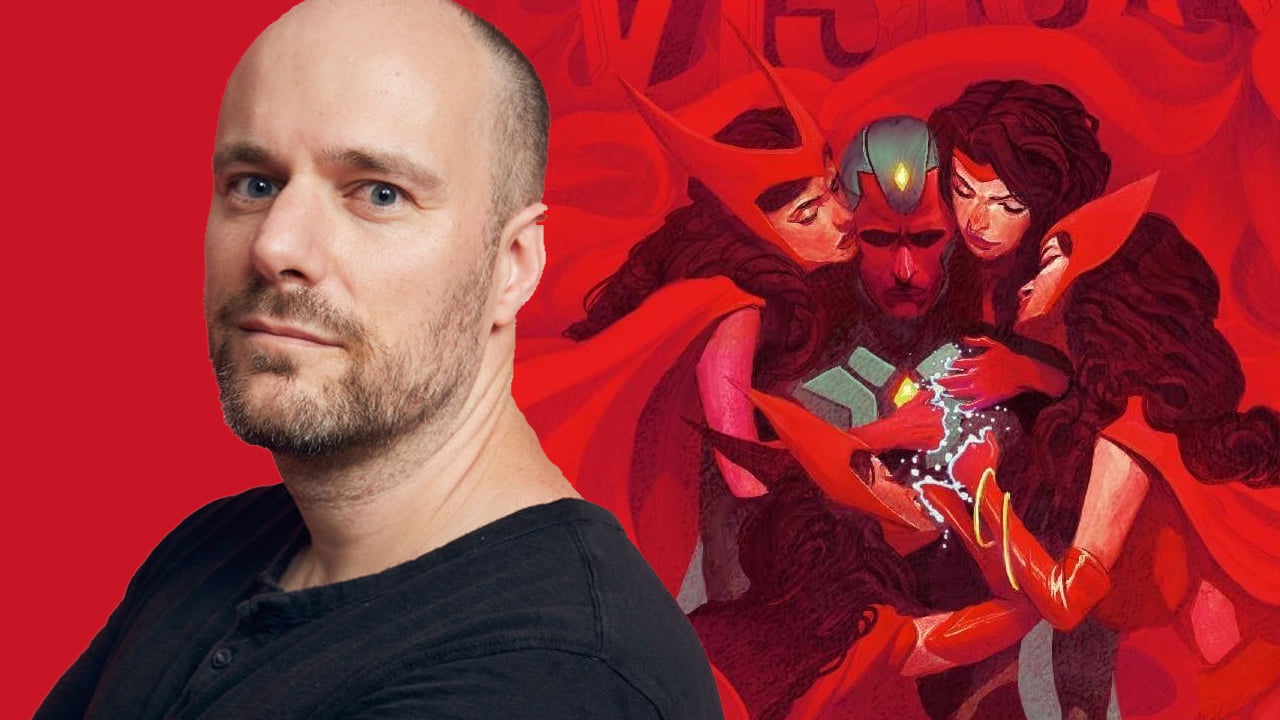
    Former CIA agent-turned comic writer Tom King has only ever written one Marvel comic in his esteemed career but it’s already up there as one of the genre’s most inventive and unique. Simply titled Vision, the book was a character drama about the Avengers’ resident android and his attempts to hold together a family of like-minded androids living a suburban life. 

    Though stylized as a superhero, this story is a study on familial dysfunction and identity. What transpires in this 12-issue run is a heartbreaking unraveling of who these androids really are underneath the nuts, bolts, and suburban normalcy. One look at Wandavision’s premise and you can already envision how Tom King’s run could serve as an inspiration. And if this comic is any indication of how good Wandavision could really be, we’re in for a treat.

    G. WILLOW WILSON

    Kamala Khan is inarguably one of Marvel’s biggest successes in the past 10 years. The character has amassed a huge fanbase and become an inspiration for people of different religions, garnered critical acclaim and multiple awards, and is already on track to have a solo series on Disney+ all in under 6 years. 

    The success of the character can be attributed to the minds of writer G. Willow Wilson and editor Sana Amanat who sought to tell the Muslim-American experience not through overtly religious lenses but through a teenager’s quest for self-identity and self-worth. Amanat described the events of the first Ms. Marvel volume as, “what happens when you struggle with the labels imposed on you, and how that forms your sense of self.”

    Last we heard, the production of Ms. Marvel was knee-deep in their search for the next big MCU star that will play Kamala Khan. The character has a treasure trove of inspiration to draw from in the comics so it won’t be hard to imagine how amazing this show can be. Much like the MCU version of Peter Parker, we have the opportunity to see this live-action Kamala grow from being a teenager struggling with who she is to an Avenger standing next to all her heroes.

    JEFF LEMIRE


    Of all the Marvel street characters, Moon Knights seems like the trickiest to write. With a complicated origin and an even more complicated mental state, it’s extraordinary to see Marc Spector be such a celebrated character today. The success of Moon Knight can be attributed to writers like Jeff Lemire, who really deconstructed the character’s mental state and its connection to Spector’s allegedly mystical origins.

     With the help of artist Greg Smallwood, the resulting comic is nothing short of amazing as the comic brilliantly chronicles, in Chuck Palahniuk fashion, Spector’s efforts to get to the bottom of his origins, all the while trying to survive in a mental institution run by literal monsters. If you take this premise and combine it with the classic Batman trappings of Marc Spector, you have the formula for a potentially amazing series. 

    On top of his work on Moon Knight, Lemire also took over Matt Fraction’s Hawkeye run as soon as it wrapped and wrote some pretty cool Clint Barton and Kate Bishop moments that the upcoming Hawkeye could use for inspiration.

    MARK GRUENWALD


    With all the attempts to modernize and keep the MCU as contemporary as it can be, modern comics tend to be easily favored over some of the older runs. You’ll notice that the majority of writers listed in this two-parter are people who have actively worked in the industry in the last 15 years or so. So it’s an extraordinary thing to see the work of late writer Mark Gruenwald inspire the next few years of the MCU. 

    Gruenwald loved challenging the idealism of what it meant to be Captain America. He brought into question the myths of being symbols of patriotism. In the 1980s, Gruenwald introduced several villains that would become villainous staples of the Captain America mythos. Crossbones, the Serpent Society, and Flag-Smasher were all villains Gruenwald created to be idealistic foils to Steve Rogers’ colors. 

    None of it is more evident than with the introduction of the Super-Patriot. Gruenwald toyed with the idea of having a version of Captain America minus the innate goodness of Steve Rogers. What if a hard-headed patriot from the south became Captain America? Someone wouldn’t think twice to chant “USA!!” at any given moment. Therein lay the impetus that led to the creation of John Walker, the Super-Patriot, a character we now know today as US Agent. 

    It doesn’t take a genius to realize how influential Gruenwald’s work is for Falcon and the Winter Soldier. Creations of his like John Walker and Battlestar are already expected to show up. The show is set to tackle the very same themes Gruenwald sought to question.; what does the shield mean politically? What does patriotism truly mean? Gruenwald may no longer be with us but his vision lives on in the future of the MCU.

    JASON AARON


    Who could have predicted that a Southern boy from Alabama would one day write one of the most out-of-this-world, larger-than-life comic runs starring a Norse god with a hammer? Jason Aaron’s Thor run, beginning from 2012’s Marvel NOW relaunch all the way up to 2019’s King Thor finale, has been nothing short of legendary. 

    Aaron broke the era’s streak of Midgard-centric stories like Siege and kicked off with a story about three generations of Thor battling a being called the God Butcher. Thor: God of Thunder returned to the grandiosity of the classic Thor books and soon saw the Odinson face off against classic Walt Simonson villains like Malekith and Mangog. 

    Aaron further broke the mold by doing the unthinkable; making Thor himself unworthy of his hammer. Suddenly, the character was in untouched ground and the fans were all for it. But it wasn’t until Jane Foster’s transformation into new Thor that Aaron truly changed the mythos. 

    Come 2022, we’ll see the fruits of Aaron’s labors on the big screen with Thor: Love and Thunder. Natalie Portman is back with a vengeance as she’s been confirmed to take on the mantle of Thor this time around. Famed Batman actor Christian Bale is also set to make his MCU debut in this movie, with fans speculating his character to be either the God Butcher or Dario Agger, an Aaron creation.

    JEPH LOEB


    It’s easy to forget that Jeph Loeb was a comic writer before he dabbled in TV. And he wasn’t just some writer. Loeb wrote seminal books like Spider-Man: Blue and Superman: For All Seasons, and Batman: Hush. But just like his track record with his television work, his comic work has been also widely hit-or-miss. For every amazing  Loeb has done, he has an Ultimatum (roughly the worst comic Marvel has put out in 20 years) to even it all out. 

    In the late 2000s, Loeb wrote a 25-issue long Hulk run which brought some very interesting changes to Hulk’s status quo. Loeb turned the supporting cast’s world on its head when he turned staples like Betty Ross and Rick Jones turned into giant monsters. Villains like MODOK and Leader found new prominence. But arguably Loeb’s biggest change to the Hulk canon was turning Thunderbolt Ross into the Red Hulk, a change that reinvented the character, who found his way into the big leagues like the Avengers and Thunderbolts. 

    The fate of Thunderbolt Ross in the MCU has long been speculated on. There have been rumblings of him possibly becoming the Red Hulk in the upcoming She-Hulk series. While that remains to be seen, it’ll be interesting to see how much of Loeb’s writing makes its way onto the first Hulk outing since 2008’s Incredible Hulk.

    KURT BUSIEK

    The 90s was a very controversial period for comics. It was a time of excess of the highest order, comics were selling like crazy regardless of quality, and some of the magic of the eras that came before went and disappeared. Kurt Busiek was one of the few writers who kept that magic alive.

    In 1993, he and artist Alex Ross penned Marvels, a slice-of-life comic that followed the life of a photographer named Phil Sheldon as he witnessed from the ground level events that changed the course of Marvel history. In 1997, Busiek created the Thunderbolts and shocked the world with a twist that was unthinkable; these heroes weren’t good guys at all but the Masters of Evils in disguise. The twist was regarded as one of the industry’s best and it propelled the title to prominence. 

    Of course, throughout the years, the core idea of a team composed of bad guys trying to do good remained despite constant line up changes. Rumblings of a Thunderbolts appearance in the MCU has been around since Zemo was introduced in Captain America: Civil War. And with his return in Falcon and the Winter Soldier imminent, it’s about time he bands with the surviving villains of the MCU to start an evil team.

    JONATHAN HICKMAN


    There’s something cinematic with the way Jonathan Hickman writes his stories. Be it his epic Avengers run leading to his Marvel masterpiece, Secret Wars, or his title defining Fantastic Four run, or his high-concept take on the X-Men, Hickman sure knows to ripen a story for any potential live-action adaptation.

    Case in point, during his Avengers run, Hickman plucked Shang-Chi out of the D-leagues and painted him in a way that had never been seen before. Hickman turned him into a Bond-like globetrotting agent of the Avengers that oozed badassery. With Avengers: World, Hickman took Shang-Chi to another level. Shang-Chi was no longer just a man who mastered kung-fu. He was a warrior that could go toe-to-toe with a kaiju. It’ll be hard to imagine the Shang-Chi film not at least taking inspiration from some key Shang-Chi moments in Hickman’s run. 

    Shang-Chi is merely one of the many stories Hickman has done that will likely make it onto live-action at some point. Some of the best Doctor Doom and Fantastic Four stories are from him and come their live-action due, they’ll likely draw from it as well. When asked about his return to Marvel following his departure after wrapping Secret Wars, Hickman gave a very peculiar quote that may pertain to the Fox acquisition by Disney. Hickman said, “What I’d like to do if I came back, what he’d like for me to do, and some vertically-integrated opportunities at the company that were not available when I was there last.” 

    Some of his work has already made it onto the MCU. Black Panther director Ryan Coogler cited Hickman as one of the inspirations for the script. His work on the Secret Warriors was used on Agents of S.H.I.E.L.D. And more recently, both Avengers: Infinity War and Endgame featured his creations the Black Order.

    NICK SPENCER


    Having Sam Wilson take over the mantle of Captain America was never gonna be an easy job but writer Nick Spencer sure made it look easy. Nevermind the naysayers whose pitchforks were raised when the idea was announced or the “I-told-you-sos” when the mantle had to return to Steve Rogers. Spencer did a fantastic job of reshaping what Captain America meant to the world. 

    It goes without saying that Sam Wilson was always gonna have a very different view of America than Steve Rogers and that America was always gonna have a different view of Sam Wilson wielding the shield.  Spencer tapped into the current political zeitgeist pervading our news cycle and morphed into something that was compelling, meaningful, and kick-ass at the same time. 

    Arguably the biggest status quo change at the tail end of Avengers: Endgame was the passing of the shield to Sam Wilson. The ending put to rest the long-standing Falcon vs. Winter Soldier debate among fans and for good reason. Falcon and the Winter Soldier is set to tackle the very same issues the made the Sam Wilson Captain America run so fantastic. Expect the show to be as political, if not more, as the comic.

    ALLAN HEINBERG


    Like his contemporaries Joss Whedon, Jeph Loeb, and more famously, Kevin Smith, Allan Heinberg is a writer who has managed to traverse both Hollywood and the comic industry. Heinberg has multiple TV credits to his name, wrote the massively successful Wonder Woman movie, and more relevant to this piece is the creator of the Young Avengers, a superhero team composed of teens with connections to Earth’s Mightiest Heroes. 

    The book was a breakout success as fans quickly gravitated towards the team’s roster. The dynamic of Patriot, Hulking, Wiccan, Speed, Hawkeye, Stature, and Iron Lad breathed new life into the Avengers brand, as the book tackled themes of drug use, sexuality, abuse, and identity. Heinberg’s stint with the team also provided some much-needed spectacle as the team crossed paths with heavy hitters like the actual Avengers, X-Men, Kang the Conqueror, and Doctor Doom. 

    If you’ve been following all the rumblings about upcoming MCU properties, then you’re likely aware of the seeds that are getting planted for Young Avengers. The Hawkeye series is set to star Kate Bishop. Wandavision will feature Wanda’s twin sons as evidenced in the teaser. Isaiah Bradley, grandfather to the Young Avengers’ Patriot, is rumored to have a role in Falcon and the Winter Soldier. Kang the Conqueror, who is an alternate version of the Young Avenger Iron Lad, is rumored to appear in the Loki series. And last but not least, Cassie Lang is in the right age to take the mantle of Stature.

  • We Need To Talk About Joe Carnahan’s ‘DAREDEVIL 1973’ Movie Pitch

    We Need To Talk About Joe Carnahan’s ‘DAREDEVIL 1973’ Movie Pitch

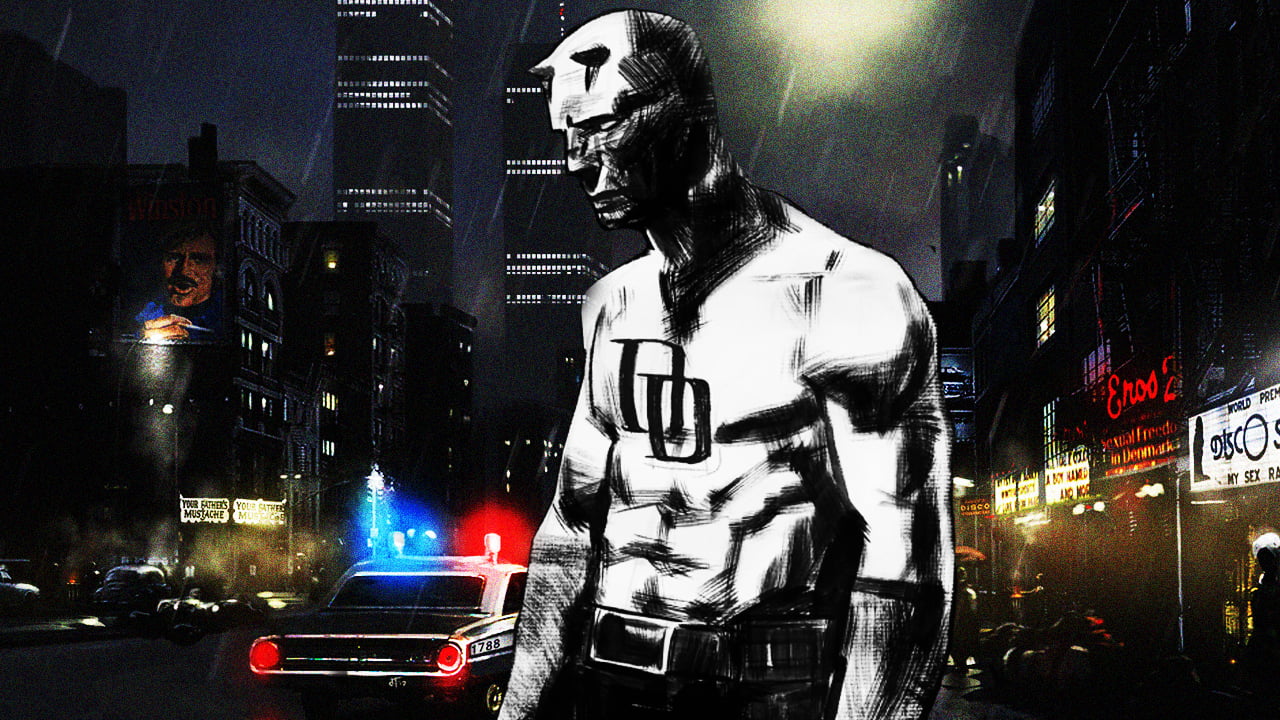
    If you’ve been in this pop-culture news space for as long as I have, then you probably remember A-Team director Joe Carnahan‘s sizzle reel (proof-of-concept presentation meant to give an overview of a project) for a Daredevil film set in the ’70s from 2012, around the time the rights were reverting back to Disney. If you’ve never heard of it until the piece, then it’s something you must absolutely see.

    The A-Team director’s sizzle reel is a beautiful mishmash of iconic New York and Daredevil imagery. Carnahan uses scenes from classic 70s films like Dirty Harry, Taxi Driver, and The Warriors as an inspirational backdrop for his superhero period piece. These scenes, spliced with some of the most iconic Frank Miller Daredevil panels and underpinned by Curtis Mayfield‘s Superfly, paint the perfect cinematic picture of what a film starring the Man Without Fear would look like set in the era that defined the character’s legacy.

    When this came out 8 years ago, I remember being vehemently against the idea of setting Daredevil anywhere but the present day. The MCU at the time was in its infancy. No TV shows had been produced yet and the first Avengers had just come out. The idea of Matt Murdock returning to Disney’s fold was beyond exciting. I had just come off reading the entire Volume 2 run consisting of Brian Michael Bendis‘ and Ed Brubaker‘s work and in my naive nerdy brain, I was hopeful that he’d be one of the next characters in line for a new movie.

    Sadly, no new Daredevil movie ever happened. Just a year after Carnahan’s pitch was released, Marvel announced a huge partnership with Netflix which, in the end, gave us 3 full seasons of the Man Without Fear. The films never acknowledged the existence of such a show, leaving a void in this tapestry of diverse heroes. And with all the ground the Netflix shows have covered, and the growingly cramped space of present-day stories in the MCU, a part of me has opened up to the idea of Daredevil as a vehicle to tell stories in eras untouched in the MCU.

    I’m a firm believer that the next iteration of Daredevil has to be something we’ve never seen from the title, regardless of whether they decide to reboot the cast or bring the Netflix stars. In my book, they can either take the opposite route of what the shows have done and tackle the bright and fun Mark Waid-era of Daredevil or maintain the tone that made the shows a huge success but with a twist: set it elsewhere like Carnahan’s idea.

    The same way Captain Marvel filled some gaps on what the MCU was like 25 years ago (has it really been that long?!), a period piece Daredevil set in the 70s or 80s could switch things up for the MCU. Visually, that era has its own language. Contrary to what the Netflix shows did where they did their own take on what a broken-down Hell’s Kitchen looks like in modern-day, you get to maintain the authenticity of what New York actually was like 40 years ago.

    You can also do some cool stuff with Matt outside of New York and Hell’s Kitchen. The comics has seen Matt away from his hometown multiple times throughout the years. He’s had a notable stint in San Francisco back in the day, which was revisited by Mark Waid in his run. Occasionally, the character gets to go to a crazy place like Latveria or Alabama, as seen in one of the most underrated Daredevil stories ever, Daredevil: Redemption. There’s so much you can do with the existing dark tone just by simply changing up the setting. REwatching Carnahan’s reel after 8 years is a nice reminder of that.

    Tackling the Mark Waid is a whole different discussion. It’s honestly my preferred route between the two for a slew of reasons but that’s another article for another day.

  • Our Pitch For IRON MAN 4: What Happened After Civil War?

    Our Pitch For IRON MAN 4: What Happened After Civil War?

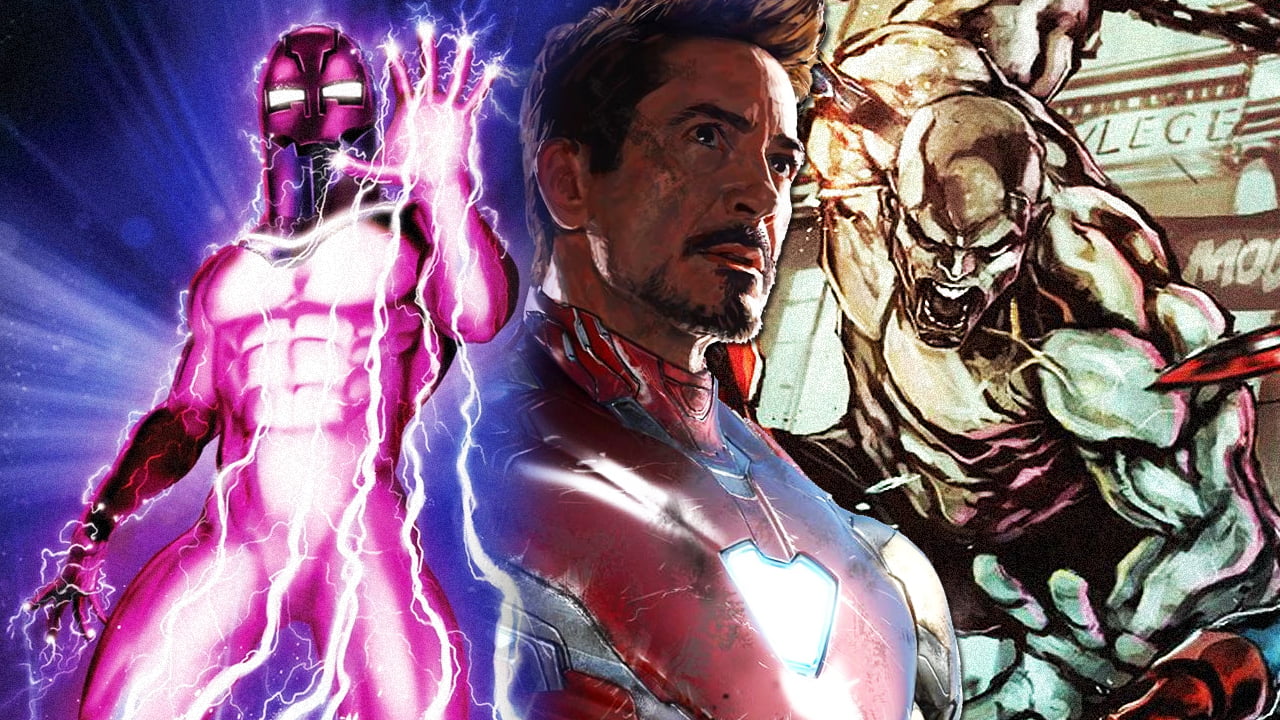
    A couple of weeks back, Charles and I did an episode of Murphy’s Law where we pitched our ideas for Iron Man 4, inspired by my bestie’s dedication to producing dumb fanfiction with his Nova series. My idea, as I presented it verbally, was nothing short of confusing and lackluster. But after weeks of sitting down with the idea and fine-tuning it in my head, I think I’ve come up with something that’s worth sharing in written form.

    SETTING

    One glaring omission in the first 10 years of the MCU is the 2 years where the Sokovia Accords were in full-effect. It’s a worldbuilding device that would have radically changed the direction of the MCU if they had chosen to explore it. This year’s Black Widow is bound to give a glimpse just what superheroes on the run actually look like but that’s just one side of the coin. The other side is what the Accords are like for people on the side of the law. How do things look like from the vantage points of Tony Stark, and Thunderbolt Ross? This story is set in the time period between Captain America: Civil War, Spider-Man: Homecoming and Avengers: Infinity War.

    PLOT OUTLINE

    With the Avengers gone, the UN organizes a think-tank to figure out what the world’s emergency response force should look like. The resulting decision is the Ultimates Treaty, a coalition sanctioned by the UN and its supporting states to develop and train enhanced individuals from all over the world. Leading the program is one Henry Peter Gyrich, a U.S. liaison handpicked by General Ross. And at the top of the group’s agenda is the enforcement of the Sokovia Accords.

    News of this program has worsened unrest in parts of the world. A guerilla movement led by superpowered Carlos Creel and his son, Matias, has surfaced in South America, inciting political and civil unrest against the idea of South American governments developing state-sanctioned heroes for their own agendas. However, several skirmishes of Creel’s movement group are thwarted by Arthur Parks, a disabled soldier wielding alien technology.


    With the emerging threat in South America and the urgent need to track down all unregistered enhanced individuals, Gyrich decides to bring in Tony Stark, who in classic form, has locked himself up in his laboratory developing tech that would go on to be his Infinity War nano suit. Being destroyed by Cap was a wake-up call for him; the effectivity of his suits is now obsolete.
    Tony agrees to track down Arthur Parks, convinced he can bring Parks in without inciting any trouble. Rhodey is tasked to help quell the South American unrest but is unsuccessful as Creel’s guerilla forces overwhelm his own.

    Tony successfully convinces Parks to sign the Accords. He also takes a liking to him, seeing some of Steve Rogers in the former soldier. Tony is convinced this friendship can make good on his failed friendship with Rogers. He takes Parks under his wing and upgrades Park’s weapon with a nano-tech prototype.

    Mounting political pressure from the UN and South American governments force Gyrich into a corner. Gyrich haphazardly masterminds a desperate operation to stop Creel’s forces in Bolivia. The operation goes haywire when the showdown between Creel and Parks creates a blinding explosion, resulting in the deaths of several civilians and rebels, including Creel’s son, Matias. Both Creel and Parks are reported as MIA.

    Despite the damage and casualties, Gyrich insists that the mission is a step in the right direction as several of Creel’s people are among the casualties, crippling Creel’s rebellion. Tony nearly comes to blows with Gyrich over this.

    In a hidden location in South America, Parks wakes up from a week-long coma, only to discover that his body is no longer in the same form it was. Fatally wounded after the explosion due to the nanites and alien laser tech, Creel saves Parks’ life by imbuing him with his absorbing abilities. The two later have a discussion on their ideals and past experiences with institutions.

    Tony reconciles with Pepper since their split. Pepper convinces Tony to bring Parks and Creel in safely and to fight for the reformation of the Sokova Accords and the Ultimates Treaty. Tony and Vision fly to Bolivia to investigate the remnants of the last skirmish. Vision tracks down traces of Parks’ signal to a small settlement in a southeastern province in Peru.

    Tony and Vision sit down with Creel, who concedes his rebellion’s defeat due to a lack of manpower. Creel is asked to register by Tony. Insulted by the proposal in the wake of his son’s death, Creel attacks both Tony and Vision and is assisted by Parks, now disillusioned with the Ultimates program. Vision manages to subdue Creel while Tony and Parks reluctantly face-off in the big third act fight. Parks manages to escape capture.

    With enough lobbying, Tony successfully dismantles the Ultimates Treaty but not without resistance. Thunderbolt Ross files an injunction prohibiting the Avengers from operating without his permission. Vision quietly goes AWOL. Gyrich is fired. Creel is placed in The Raft. Pepper shares with Tony an idea to rename Stark Industries into Stark Resilient.

    CHARACTER ARCS/THEMES

    TONY STARK

    One of the main reasons of setting the story post-Civil War and pre-Infinity War is to help bridge Tony’s arc between the two films. When we meet Tony in Infinity War, he seems mostly resigned to the fact that his dreams of keeping the peace have not worked. Vision is AWOL and he’s making excuses for it when asked by Banner. Of course, this changes once Thanos’ invasion begins but I’ve always been curious about what the road was like for him.
    In this story, Tony is reeling in from his defeat and guilt over what transpired in the Siberian Bunker with Steve. The whole ordeal with the Accords has made him rethink his ideals, relationships with people, and his legacy. Part of him is still convinced that oversight is the way to go but part of him wonders if the only hands worth trusting are his own. This, of course, becomes a big thing in the story when he personally witnesses this abuse of oversight. His legacy is put into question; will he be remembered as the man who created Ultron, disbanded the Avengers over a piece of legislation, and had nothing to show for it at the end of the day? By the end of this film, Tony overcomes those hard-hitting questions and regains the trust he used to have for himself.
    He’s back to being an obsessive tinkerer; experiencing defeat at the hands of Cap has convinced Tony that his suits will soon be rendered obsolete by a larger threat. So begins his venture into nanotechnology that bridges the jump from his appearance in Captain America: Civil War to Avengers: Infinity War.

    JAMES RHODES

    Like Tony, Rhodey is recovering from his last appearance. If Tony’s transformation in the film is emotional, Rhodey’s is physical. He’s sort of on-the-fence on whether or not he should be deployed in the field to help out. Tony helps Rhodey with this dilemma by integrating the War Machine suit with prehensile propulsion technology seen in his Mark 42 armor in Iron Man 3. Problem solved for Rhodey as he can now remotely pilot the suit without worrying about getting into another accident.

    This eventually poses a problem for him as he finds out that remotely piloting the suit isn’t as efficient as manning it physically. When he encounters some of the baddies in this film, he finds out how disposable the suit without a person behind it. This forces Rhodey to overcome his physical and somewhat psychological hurdles. By the end of the story, Rhodey is back to being in tip-top shape.

    PEPPER POTTS

    For the first time in any Iron Man film, this story is going to give us a glimpse of what exactly the company has been up to. No longer the weapons manufacturer, the company has pivoted to more humanitarian and environmental efforts. However, public perception has damaged the company’s reputation thanks to the catastrophic incidents involving Iron Man. We learn that the damaging effect on the company and to Pepper’s name as a CEO contributed to their split as a couple. Pepper, being the fighter she is, is doing her best to keep the company afloat. Pepper is seen spearheading the Charles Spencer Foundation, a Stark-funded organization focused on continuing the humanitarian efforts of the late Charlie Spencer by rebuilding Sokovia from the ground up.

    Pepper’s role in the story won’t be as prominent as her previous Iron Man appearances but her role in the movie is key as she serves as Tony’s moral compass during his times of doubt. She’s not afraid to call Tony out on his bullshit and keeps things blunt. Their relationship starts off strained when the story begins but their wounds are slowly mended as it progresses.

    HENRY PETER GYRICH

    If you thought General Ross was tough, wait till you meet Gyrich. True to his comic roots, Gyrich is a nasty thorn in Tony’s side. An authoritarian who wants to get things done, no matter the cost, just so as long as it serves the greater good. I’ve been contemplating what kind of backstory to give Gyrich to justify his ruthlessness. I thought about giving him a story similar to Ross who has experienced some form of loss due to a superhero-related incident but I feel like that’s a bit overplayed in the MCU nowadays.

    ARTHUR PARKS/LIVING LASER

    A former soldier who is discharged after getting into an accident that severs his hand. He’s a kind, well-intentioned kid who wants nothing else but to help. But because of his disability, he’s forced to find other means to fulfill his intentions of doing good so he undergoes a black-market procedure to install an alien prosthesis that allows him to do all sorts of things. He eventually finds his way to South America, helping locals fight the civil unrest.

    His characterization is a spin on Steve Rogers. He’s more distrustful of institutions so it takes a lot of convincing from Tony to get on the Accords side. It’s later revealed that the military accident that severed his hand was the cause of poor oversight from his commanding officers. Parks later experiences a similar scenario when he is pushed by Gyrich into a botched mission which that ends up changing his physical form permanently. This compels him to side with the opposition at the very end.

    CARLOS CREEL/ABSORBING MAN

    A Peruvian guerilla leader responsible for the unrest in parts of South America, Creel is vehemently against the idea of state-sanctioned heroes funded by the widely untrustworthy governments of South America. With his son Matias, he begins an armed-movement opposing this dangerous law. The idea of setting a big part of the story in South America is to show what the rest of the world looks like in the MCU.

    The Iron Man franchise has a track record of having their big bads be just straight-up assholes. For once, I wanted a defacto antagonist who had values and ideals more admirable than the people Tony worked for. So like a lot of the characters in this story, the notion of mistrusting institutions continues with Creel. He’s not a flat out villain here. He’s an anti-hero in his core.

    He becomes a prime target by the UN when he reveals his abilities to the public. The source of his abilities is not explicitly revealed in this story but it will be alluded to through hearsay by the locals. In the comics, his powers are magic related so I like the idea of the locals forming a myth on how Creel gets his abilities. But unlike his comic version, this version of Creel has the added ability to morph the physical properties of those he touches, provided he himself is in that particular form. So if Creel turns himself into metal, he can turn some people into metal through contact. This change, I think, makes for a more interesting challenge for his opponents. Also, it ties in well with the creation of the Living Laser.

    VISION

    The damage done to the Leipzig Airport and towards Rhodey has prompted the UN to assess Vision as a weapon of mass destruction and therefore cannot be deployed to the field unless absolutely necessary. So Vision is benched in the first half of the story. When he is finally deployed by Gyrich, it’s during a Hail Mary operation to apprehend Creel. During the third act of the story, we’ll get to see Vision’s newfound ability to disguise himself in human form.

    Continuing the themes of recovery, Vision’s arc in this story is accepting his flawed nature and getting in touch with his humanity which of course, is a huge part of his journey towards Infinity War. In Civil War, we see him act righteously as he spouts infallible rhetoric about the law and order. Here, he gets a better understanding of the human condition. That even within its most astute laws, the system can fail horribly. In the end, this realization compels Vision to make a big decision for himself: runaway with Wanda.