Tag: Movie Review

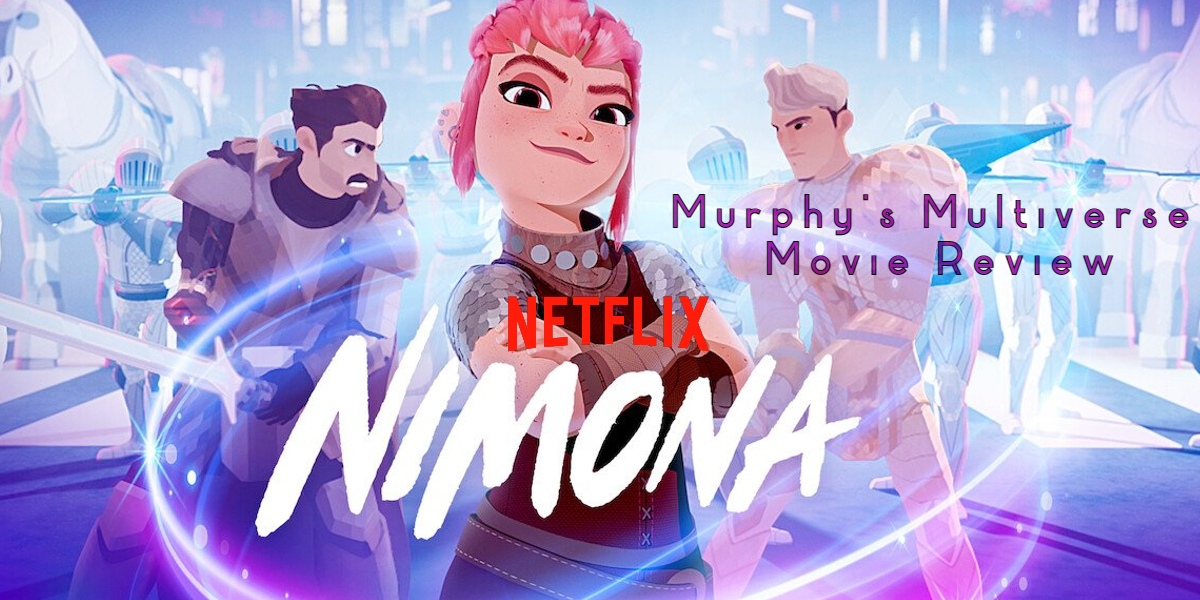
  • REVIEW: ‘Nimona’ is a Movie Worth the Wait

    REVIEW: ‘Nimona’ is a Movie Worth the Wait

    Nimona is based on a graphic novel of the same name by ND Stevenson. The book was originally published as a webtoon by Stevenson in 2012, before being collected as a single graphic novel by Harpercollins in 2015. That same year, the graphic novel was optioned for film by Fox. Unfortunately, though, the film’s adaptation would take a long time to come to fruition – and following the Disney-Fox merger, the movie’s release looked rather grim. The movie was well into production, but Disney ended up shuttering the movie. Shapeshifter Films would later team up with Annapurna Pictures, though, after finishing production on the film to find a new home for the film with Netflix.

    Nimona tells the story of Ballister Boldheart, voiced by Riz Ahmed, and the titular character, Nimona (Chloë Grace Moretz). Growing up as a outsider in a futuristic medieval world, Ballister is framed for the murder of Queen Valerin. Deemed a murderer, Ballister spends his days in the shadows, eager to clear his name but failing to do so… until he meets the mysterious, mischievous teen, Nimona. The duo couldn’t be more different from one another – with Nimona constantly threatening to kill and Ballister eager to do anything but kill someone. But she seems to be the only person capable of helping him, so together, the duo form an unlikely friendship that’ll force them to reevaluate everything they thought they knew.

    Fans that have been eagerly awaiting the release of the Nimona film will find the wait well worth it. The road to the screen might’ve been bumpy, but the final product successfully captures the feel and tone of the comic and features a hell of a cast. Joining Ahmed and Moretz in the film are Eugene Lee Yang (The Try Guys), Frances Conroy (Six Feet Under), Beck Bennett (The Mitchells vs. the Machines), RuPaul and Indya Moore (Pose). Each actor is perfectly cast in their roles, with Yang and Conroy, specifically, both delivering noteworthy performances.

    It’s hard to really find an issue with Nimona. The film is full of action, charm and humor. It’s delightful from start to finish, filled with excellent voice performances and a wonderful message. If one were to find any fault with Nimona, it would be the art style as it is very similar to Stevenson’s animated She-Ra series, which drew criticism from fans for its art style. But even if you’re not a fan of the style, the film is well-crafted and full of love.

    Nimona is everything audiences can want in an animated movie. There’s humor, there’s plenty of action, there’s heart and there’s a story everyone can relate to. It’s ultimately about finding your place in the world and finding your people. That’s something we can all truly understand.

    (Side Note: There is a pretty great use of Metric‘s “Gold Gun Girls” in the movie.)

  • With ‘The Flash,’ the DCU Gets A Little Less Meta, and A Little More Human

    With ‘The Flash,’ the DCU Gets A Little Less Meta, and A Little More Human

    First things first. The Flash doesn’t change the hierarchy of power. It’s not the best superhero movie of all time, or this year. Hell, it’s not even the best Multiverse-based superhero movie this year. But it’s good, really good, and course-corrects a lot of what DC films have been lacking in the past, and most importantly, it course-corrects a character who typifies where the now-dead DC Extended Universe went astray.

    Ostensibly, the world between the frames of this film has been untouched by the chaos surrounding DC Films, its parent company Warner Brothers Discovery, the overall creative direction there, and the tumult surrounding the future of their superhero stars, including the star of this film. Quaintly, this film right out of the gates introduces us to a Flash who has undergone several upgrades at the hands of his “fancy friends” in the Justice League, one who can save hundreds of lives hundreds of miles away before his breakfast order is ready, but is still mired in a past that keeps him from living his best life. Within the text of the movie, it’s standard hero origin pathos stuff, but as subtext for the DC filmic enterprise as a whole, it reminds us that it’s important to reckon with the regrets of a past that might have been different and a road not traveled, before ultimately recognizing that not everything can be retconned, then moving forward.

    And the key to unlocking this theme is in our “other” Barry Allen. It’s hard to navigate this without spoiling, but it is in this dual performance that star Ezra Miller really shines. They (as in the actor, Miller) give each Barry his own twisted freaky mirrored experience tinged with a mixture of jealousy and annoyance, as in the other, there’s some of what each wants, and some of what each wishes he’d be better without. And for people who have in the past been put off by Miller’s overly manic portrayal of the role, the movie is savvy and self-aware enough to lampshade those negative aspects and organically turn their dial down. Miller’s also doing the bulk of the emotional heavy lifting here, as they bridge that gap between the loving boy with two doting parents whose happiness was crushed by tragedy, and the young man who may be the fastest alive, but he’s nowhere close to the most invulnerable. Barry can be hurt, and it’s possible that Barry’s hurting all the time, but that’s the price of being a hero. And Miller conveys that.

    But not to be undone, if it’s boyhood trauma as an impetus for heroism you want, this movie treats us to Bruce F’n Wayne, The Batman, times two, played by Ben Affleck and Michael Keaton, each a little bit too old for this shit, but in each case, damn right the old guy’s still got it. While this movie doesn’t establish the kinship of equals that makes their comics relationship so compelling — Bats is still very much the grizzled hero delivering sage wisdom to the up-and-comer — the mentorship feels more lived in and their mutual respect feels more earned. Even when the respect comes from a version of Bruce who has clearly had a long run.

    Visually, the action is solid, but not groundbreaking, as we’ve seen superspeed sequences similarly rendered. (There’s even a nod or two to Quicksilver from the Fox X-Men films in there.) But it doesn’t get old seeing Bruce handle a room full of gun-toting baddies his way, and then seeing Supergirl (more on her later) handle those same baddies hers. The special effects get a little bit messy in the 3rd act, which (sadly) is to be expected nowadays with blockbusters, but it remains mostly visually coherent.

    Sasha Calle‘s Kara Zor-El does a lot with a little, as she has to take us through an entire Kryptonian hero’s journey in the course of minutes. But overall, there’s a fierceness to her performance that’s balanced by the weight of what she’s experienced during her time on Earth, and what she has failed to do. She doesn’t get a ton of screen time, but what she gets makes it easy to root for her.

    On the villain front, General Zod is competent and capable, but you can understand why Michael Shannon considered it unfulfilling compared to his role in Man of Steel. That film did the work of establishing his motivations and complexity. This one just wound him up and let him kill people while glowering and grimacing. But the point of the film isn’t really for The Flash & Friends to win the Battle of Metropolis — it’s for Barry to win the war within himself.

    If you see only one superhero film this year, make it Across the Spider-Verse. Obviously. But on the DC side of things, this more than earns its praise while setting the stage for a bold new era of films under James Gunn and Peter Safran. It delivers heartfelt moments, humorous sequences, lively action, and says hi (and goodbye) to some old DC friends. Plus, it’s colorful and fun. If you choose to check it out (and it’s perfectly reasonable to choose not to), you’ll have a good time.

  • SLAMDANCE REVIEW: ‘Just Right’

    SLAMDANCE REVIEW: ‘Just Right’

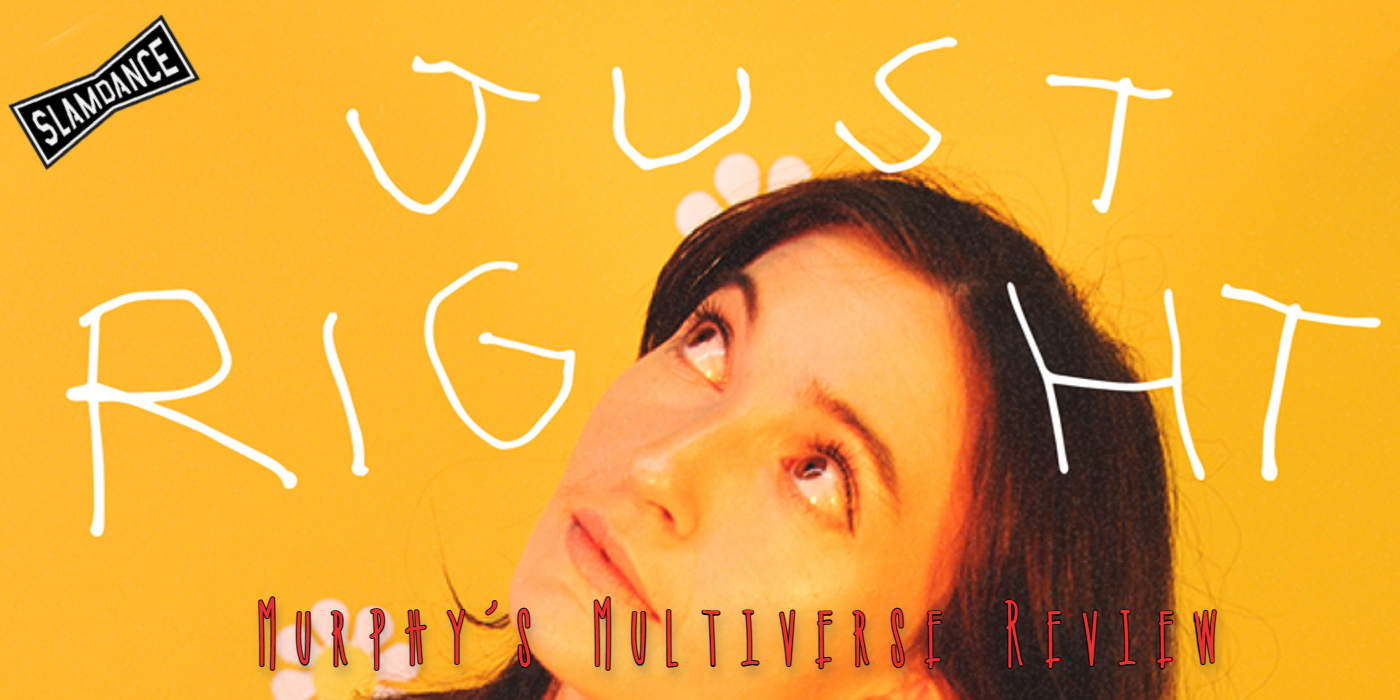
    Making a film isn’t an easy task. Trying to fit a tightly wound story within a limited timeframe is difficult even when the project is two hours long. But making a short film that tells a complete story? Well, that’s even more difficult. Just Right manages to successfully tell a story about visible and non-visible disabilities within its fifteen-minute timeframe.

    Camille Wormser, who wrote and directed Just Right, stars as a woman named Mel who suffers from severe obsessive-compulsive disorder (OCD). She’s grown accustomed to spending her life at home, unwilling to travel outside the safety of her front door. However, one morning, she decides she wants to do something different and seeks to join her friends as they go out for the day to a friend gathering that involves indoor skiing. At first, Mel seems disinterested, but she soon decides to give it a go.

    After going through her daily routines, including trying out each seat in the living room, Mel sets out on her own in search of a latte. She ends up at a place called Cookie Good, where it’s evident she’s uncomfortable and eager to disappear behind others. When another customer comes in, she tries to have them go first, but they insist she proceed, which leads to a difficult conversation between Mel and the person at the counter. It soon becomes clear that Mel is uncomfortable making eye contact with new people and that she’s not good with ordering things on her own. It’s a very, very well-done scene that depicts some of the invisible handicaps people live with on a daily basis and the negative way the public tends to react to people that are “different.”

    Upon receiving her drink, Mel sets out to meet up with her friends, Kyle (Jake Dvorsky) and Rene (Adam Turney), but soon realizes she’s running behind. Growing frantic, Mel ends up stopping to perform some of her daily rituals before sprinting off in search of her friends again. When she finally catches up to them, her entire demeanor changes. You can see the anxiety and uncertainty wash away as she becomes more comfortable within their presence. While some audience members might grow frustrated by the ending – or lack thereof – the way Wormser chooses to end the film is, well, Just Right.

    We get to see Mel go through the ringer. From her excitement to her panic, to her calming sense of achievement. It’s a rollercoaster ride, one that can be uncomfortable and hard to watch, but is so important to see displayed on screen because of its accuracy.

  • REVIEW: ‘Violent Night’ is the Merriest Slasher of the Year

    REVIEW: ‘Violent Night’ is the Merriest Slasher of the Year

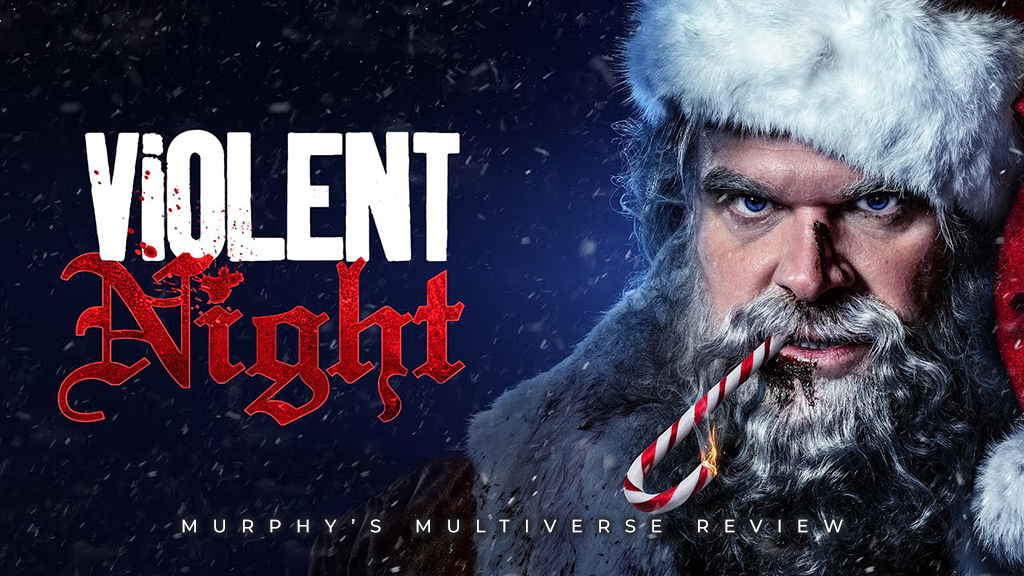
    David Leitch and Kelly McCormick have produced their fair share of bloodthirsty action films, but none of them have been quite as fun as Violent Night. Starring David Harbour as the most kick-ass version of Santa Claus the world has ever known, the movie centers around a single Christmas Eve with more death and destruction than any one household should produce. Now an alcoholic on the verge of quitting his centuries-long commitment to gifting children toys, Santa finds himself unexpectedly trapped in the home of a wealthy family held captive by ruthless mercenaries. In order to escape and save the innocents inside, the once-jolly old St. Nicholas must tap into a part of himself long forgotten and coat the floor with as many bodies as he can.

    Yes, Violent Night is every bit the delightfully brutal slaughter-fest one might hope it would be. There’s a moment in the film when the audience can tell it’s about to kick into high gear, and when it does, it absolutely does not disappoint. Tommy Wirkola‘s twisted direction results in some of the most creative, grotesque deaths put on screen in a long time, and the movie’s clear understanding of its own audience leads to more than a few cheer-worthy moments. Violent Night is the kind of experience best had with a crowd, or at least a few gore-positive friends, as its many well-choreographed action sequences beg for loud, visceral reactions. It’s hard to impart just how satisfying some of the kills in the film are without sounding like a complete psychopath, but the giddiness with which audiences will likely be discussing them on their way out of the theater is a testament to how expertly set up and executed much of the violence is.

    That being said, the immense amount of general manslaughter encasing Violent Night is far from its greatest strength. As entertaining as it is to watch Santa Claus blast his way through villainous scum, none of it would work if there wasn’t a giant heart beating at the center of the story. It’s not the kind of film that’s vicious for the sake of being vicious, but rather an earned series of beats that aren’t afraid to indulge in a little body horror. Harbour thrives in this type of role, as the begrudging hero with a genuine soul and plenty of rough edges. His performance, though familiar, is extremely effective for what Violent Night has to offer, injecting the bouts of sadism with an authentic sense of compassion. The captive family, too, keeps the film somewhat grounded, along with providing a surprising amount of comedic relief throughout. Beverly D’Angelo, Edi Patterson, and Cam Gigandet are hilarious as the vile elite, while Alexis Louder, Alex Hassell, and, especially, the young actress who plays their daughter steal the show as good-natured people just trying to get through Christmas.

    So much of Violent Night works so well, as long as one is willing to enter its world on the terms it provides. It is precisely what it should be, if not a little better. A fierce, quick-witted, black action comedy that revels in the inhumane without feeling inhuman. Weirdly enough, it often feels more like a warm-hearted Christmas flick than most of the productions that air on Hallmark year in and year out. The film is sure to become an instant classic for many, and hopefully, it won’t be the only one of its kind for too long. Wirkola, Leitch, and McCormick have something special going for them, and if Violent Night is any indication, there doesn’t seem to be a premise they shouldn’t be allowed to tackle.

  • REVIEW: ‘Strange World’ is Fine and Familiar

    REVIEW: ‘Strange World’ is Fine and Familiar

    Walt Disney Animation Studios has produced, what one might call, quite a few films. When Strange World, their latest offering, hits theaters on November 23rd, it will be the 61st animated picture developed by the studio in the last 100 years. The company has been around since 1923, and they’ve made it this long for a reason. Disney has a formula for moviemaking that works, and despite existing within an industry that’s ever-changing, they don’t stray from it very often. Strange World, as fun as it proves to be, sticks firmly to those tried-and-true methods Disney has been using for, essentially, the entirety of its lifespan. It’s not a bad film by any means, but it comes up frustratingly short of greatness when it stops allowing itself to be different. Ironically, the exact point the movie spends its runtime trying to make.

    The film revolves around the Clade family, a dysfunctional clan of explorers who traverse an unknown world in hopes of finding something that might save their homeland. The premise is admittedly unique, and at the start, the movie plays on its pulpy inspirations to promise an adventure unlike anything Disney has created before. Unfortunately, after a brief flash of brilliance in the opening minutes, the film devolves into a series of tropes that cause its impact to all but vanish. What is poised to be a memorable, heart-warming family drama set against a mind-boggling backdrop instead becomes just another entry in Disney’s void of content.

    Granted, this doesn’t mean it’s not worth watching. Strange World is still a lovely little tale, and it has a blast telling its own story. The characters are well-developed and likable, the visuals are often striking, and there’s even a solid twist in the third act. It’s a perfectly fine family film that nobody will regret experiencing. It just feels like – to present a silly metaphor – a world-class restaurant bought all the ingredients to make a heaping bowl of some daring new stew, but the cooks decided to settle for chicken noodle soup instead. It’s delicious, and it reliably hits the spot, but it tastes exactly the same as it always does. There’s no excitement, just warm familiarity. Strange World is the animated film equivalent of this. It sets up a leading LGBTQ romance for the first time in Disney history, paints a wondrous image of an undiscovered landscape, tees up an emotionally complex finale, and then it all plays out like the script was formed via paint-by-numbers. It’s a movie about adventure, but it never feels all that adventurous.

    That being said, Strange World does have its fair share of strengths. Thematically, it has a lot to say, and it says it pretty well. It’s an eco-friendly story that promotes making changes for the better, and as mentioned before, it’s very much on the side of teaching kids to follow their own paths. The fictional world it presents is also fairly creative, with plenty of goopy creatures and sweeping set pieces that will, at the very least, keep audiences entertained. Jaboukie Young-White is excellent in his role, evidently having a lively time in the recording booth and bringing a much-needed sense of humor to the film. The story’s commitment to dissecting the father-son dynamic is admirable, if not played out, and may even result in the shedding of some tears. Again – a splendid, comforting bowl of chicken noodle soup.

    Strange World might not be as off-the-map as its title suggests, but it maintains the potential for a nice night out with the family. It’s a cute, classic Disney flick that tugs the heartstrings and opens the door for some important discussions. As long as one doesn’t expect anything groundbreaking, one likely won’t be disappointed. There is pulp and circumstance, just no sign of changing the game anytime soon.

  • REVIEW: ‘Disenchanted’

    REVIEW: ‘Disenchanted’

    Disney’s Enchanted, which saw Amy Adams star as the out of place princess, Giselle, was a huge hit for the studio when it was first released. The movie managed to move swiftly between animation and live action to tell its fairy tale, whether it be through dialogue or song. It was a special movie, one filled with magic and heart, that seemed to resonate with audiences given its $340 million box office haul. So, it’s not entirely surprising then that the studio gave the film a sequel – albeit fifteen years later. And while it’s a fun follow-up, Disenchanted often lacks the spark that made Enchanted so wonderful.

    Disenchanted, like Enchanted, sees Adams’ Giselle longing for her life in Andalasia. She misses the magic and the charm of her home, but also wants to remain with the family she’s created with Robert (Patrick Dempsey) and Morgan (Gabriella Baldacchino). She’s become the mother she always wanted to be to both Morgan and Sofia, the child she had with Patrick. But as she feels Morgan, who is now a teenager, start to pull away, Giselle becomes desperate to reclaim some of the magic the two shared. And so, a wish is made that she hopes will fix her relationship with Morgan and her wish to feel more at home. Unfortunately, though, Giselle’s wish might just cost her everything in the process – including herself.

    The movie as a whole is delightful. It’s fun, and it does a pretty great job at taking the evil stepmother trope from fairy tales and using it to its advantage. There are moments the story is predictable, sure, but for the most part, it’s a solid story about love and family. The main problem Disenchanted faces is that it simply can’t recapture the true magic of Enchanted. The blending of animation, live-action and music in Enchanted was one of its greatest strengths; it might’ve taken the audience a bit to get a feel for the film, but once they did, they were easily hooked. The acting was superb. The writing was fun. And the music, the music was one of the film’s biggest selling points. The same cannot be said for Disenchanted. The songs are nowhere near as memorable as True Love’s Kiss”, “That’s How You Knowor even “Happy Working Song.” This, of course, is not because the cast lacks the talent to deliver the songs properly. (As previously noted, the songs were written expertly for the actors and their strengths.) The cast absolutely nails the vocals – especially Idina Menzel – it’s just that the music is easy to forget. It doesn’t leave a lasting impression. And some of the songs simply seem to go on far too long.

    Thankfully, though, the music is admittedly the only big problem Disenchanted suffers from. Adams, as always, is fantastic as Giselle; the character is given a bigger storyline in this film, one that allows her to both grow and fail, and Adams fully commits to the role. In her scenes alongside Maya Rudolph, a great actress in her own right, Adams still manages to steal the show. It’s fascinating watching her switch between both charming and menacing, and she does it with such ease. And the supporting cast – Dempsey, Baldacchino, Menzel, and James Marsden – are all great, too, with each being far more to do this time around. Dempsey and Menzel, two characters that while good in the first film, finally feel like they’ve had time to truly develop their characters – Menzel, especially. Two actresses that are sadly wasted in their roles, though, are Yvette Nicole Brown as Rosaleen and Jayma Mays as Ruby who serve as sidekicks to Rudolph’s villainous character. While the film was trying to retain the usual stereotypes found in fairytales, both Rosaleen and Ruby felt like characters that lacked any substance. They were merely minions that, outside of a single key scene, really seemed to lack purpose which is unfortunate as both actresses are incredibly talented.

    Even with its flaws, though, Disenchanted manages to be enchanting. It’s not a perfect film by any means, and it’ll never be as good as the first film, but it’s still an enjoyable time. The music is forgettable, and the plot is rather predictable, but Disenchanted still has a special sort of charm to it. One can only hope Adams gets to return as Giselle at least one more time to craft the perfect fairytale ending once and for all.

  • REVIEW: ‘Christmas with You’

    REVIEW: ‘Christmas with You’

    November marks that time of year when networks and retailers begin their seasonal push for the holidays. The Hallmark Channel essentially becomes the Christmas movie channel, and commercials seek to remind customers the Holidays are fast approaching. Over the years, Netflix has sought to try and capture some of that Christmas magic. And the streaming giant has successfully done so with The Princess Switch films and the Christmas Prince series. Now, Netflix is looking to expand its holiday collection even further with the addition of Christmas with You.

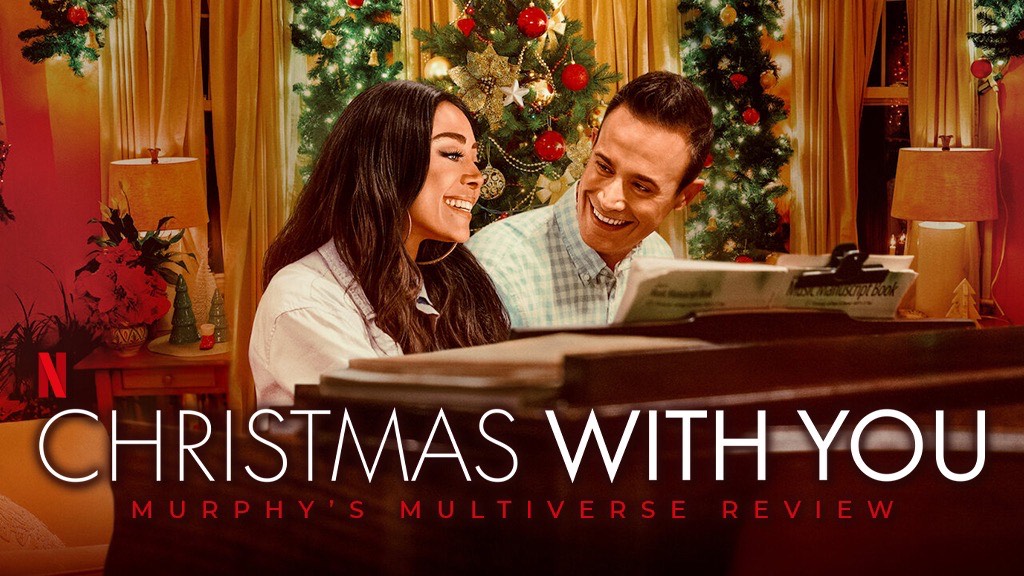
    Christmas with You follows the usual Christmas movie formula. One party forgets why Christmas is special, while the other party helps to remind them after they return “home” or “to their roots” for answers. It’s a popular trope because it works so wonderfully with the holidays. This movie, however, decides to throw in a teeny-tiny hiccup into the mix as it includes the harsh realities of the music industry. Christmas with You opens with a very early 2000s pop-star sequence as our leading lady, Angelina (Aimee Garcia), films a video for one of her songs. She’s had a long music career and has done everything in her power to stay relevant in a constantly changing climate – including restricting her diet, faking a relationship and changing up her look and sound as needed. But when she’s told she needs to deliver a hit Christmas song in order to stay relevant, Angelina decides it is time to do something different and truly connect with her fans. What happens next will change everything for the pop star.

    Simple premise, absolutely, and yet, Christmas with You still manages to be a delight to watch. Garcia delivers a great performance – and a believable one at that – while her leading man, played by Freddy Prinze Jr., seems to struggle from start to finish. Despite Prinze Jr. overacting each and every scene he’s in, Christmas with You is somehow captivating. Is any of it realistic? No. But is it a nice escapist fantasy? Yes. It’s a movie about family, love, and allowing oneself to be authentic.

    It also tackles the realities female artists face within the music industry – things we’ve seen mentioned by some of pop’s biggest stars. Angelina struggles with eating, fearful of gaining weight. She struggles with being perceived as older or old, knowing how quickly the industry will write her off in favor of a younger star. She also seems keen to forgo her own happiness in favor of appeasing the record label because she spent so long trying to build her career, she’s fearful of losing it. It’s a rather depressing topic to take in with such a cheerful movie, but the two blend together wonderfully. Realistic or not, the fact that Christmas with You exists as more than a Christmas movie is notable. The cheese factor is there, yes, and that only makes it all the better — but there’s also heart in this movie, a whole lot of it.

    Final verdict: Netflix’s Christmas with You is an adorable Christmas movie that is a million times better than anything Hallmark has to offer.

  • REVIEW: ‘Black Panther: Wakanda Forever’ is a Heartbreaking, Near-Perfect Sequel

    REVIEW: ‘Black Panther: Wakanda Forever’ is a Heartbreaking, Near-Perfect Sequel

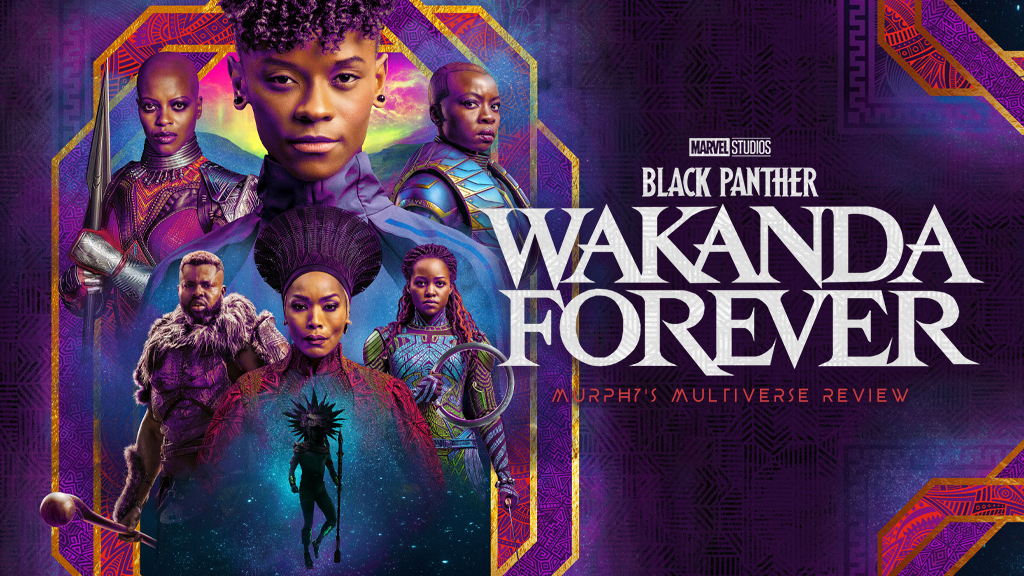
    Grief is not to be trifled with. It’s a difficult, strange beast. Necessary and uncomfortable all at once. It’s hard to encounter and put into words, which is why it’s so impressive when Ryan Coogler and the incredible cast of Black Panther: Wakanda Forever manage to embody the emotion with such grace and understanding. It’s important to face the challenges of life with honesty and progression, something Wakanda Forever accepts wholeheartedly. If superhero films are to be the voice of a generation, then they should also be willing to speak in languages sometimes foreign to the genre. They should reach to tell stories that impact their viewers and move them forward. Pain, humanity, and healing flow through every crease of this project as it unfolds, and the entertainment landscape is ultimately better for it.

    One likely expected Wakanda Forever to be emotional, considering the circumstances of the past few years, and it absolutely is. Of course, the movie is rife with tears. It’s forced to deal with something nobody ever imagined it would need to. Yet, it also accomplishes something else between the moments of heartbreak and loss. It alleviates a pressure viewers might not have known was still there, and does its best to close the mourning process on a chapter most would like to have forgotten. It’s a cathartic movie in the way it allows it’s characters to react, letting their feelings guide its plot instead of the other way around. The audience feels as they do, and by the time their arcs reach a natural conclusion, the viewer might also have found some semblance of closure. Stories are beautiful because of their power to help people comprehend their own emotions, and Coogler seems to know this better than anyone. Wakanda Forever is a blockbuster film, yes, but it’s also a message about surviving and moving on.

    Astonishingly, it also works as a near-perfect sequel to its predecessor. The themes of loss, identity, and perseverance are not new to the Black Panther franchise. Although stemming from a less-than-ideal state of affairs, Wakanda Forever is able to pick up almost exactly where Black Panther left off. It’s a full, complete movie, with expertly crafted storylines and character development. Every move made by Coogler makes perfect sense in the context of both Marvel’s fictional world and the real one from which it draws inspiration. Even the film’s new characters, specifically Tenoch Huerta‘s immaculately complex antagonist Namor, fit into Black Panther‘s corner of the Marvel Cinematic Universe as though they were designed for it from the start. Namor and his people – the Talokan – are magnificent foils for Letitia Wright‘s Shuri, Angela Bassett‘s Queen Ramonda, and the people of Wakanda. Huerta‘s performance in particular is sure to stay with fans for quite some time, molding Namor into a distinguished force in the MCU going forward.

    If one were to strip the project of all its comic-based origins, it would still be a masterclass in filmmaking. It’s gorgeous from top-to-bottom, with several stunning set pieces and consistently wonderful design. Coogler has made it clear that his films mean much more than adapting stories. They exist to push the boundaries of what cinema can do. Not just visually, but at their thematic centers. Wakanda Forever has raised the bar for what Marvel Studios, and the industry at large, should be capable of producing when the occasion calls for it. Seeing this one on the biggest screen possible is highly recommended. Sobbing throughout is not required, but it will probably happen anyway.

  • REVIEW: ‘Hellraiser’ is a Reboot Done Right

    REVIEW: ‘Hellraiser’ is a Reboot Done Right

    The original Hellraiser movie is easily one of the best horror movies of all time. It’s a terrifying concept that focuses on a mysterious box and sadistic creatures known as cenobites. On paper, the concept of Hellraiser is a simple one, a mysterious box that opens a portal to hell. And yet, it’s so much more than that. It’s ultimately about the sacrifices we’re willing to make in order to achieve our own hopes and desires. What made the film the excellent horror movie that it truly was, though, was Doug Bradley‘s Pinhead who managed to be hauntingly captivating. He’s terrifying, and yet, commands every second he’s on the screen. So, how does Hulu’s Hellraiser reboot stack up against the original? It’ll never be able to replace the original movie, but Hulu’s Hellraiser reboot is a reboot done right.

    At a time when it has become normal to see countless reboots of classic horror movies, it’s exciting to see one done properly. From a tight and emotional story to an excellent cast, this Hellraiser delivers on all fronts, especially when it comes to the casting of Jamie Clayton. For those only familiar with Clayton from Sense 8, they might be cautious regarding her casting. Worry not, though, Clayton is absolutely terrifying as The Priest. From her tone to her movements and her expressions, Clayton stuns.

    This new take on Hellraiser starts off with a meeting between an older woman and a seemingly lost male, as they meet in a private location to finalize a deal they’d made. As we soon find out, however, the male was meant to be sacrificed and the woman knowingly led him to his fate at the hands of the cenobites. (It is of note that none of this is really a spoiler.) The film then jumps forward in time and, we get to meet the film’s true protagonist, Odessa A’zion‘s Riley. Having made mistakes in her life, Riley is trying to get back on course and right her wrongs. Unfortunately for her, though, not everyone around her is so sure she’s capable of doing so. In her drive to do better, Riley will soon find herself face-to-face with a mysterious puzzle box that will change her life forever.

    A’zion is a star in the making. She plays off of Clayton’s Priest perfectly. The moments they are on screen together are terrifying and will keep audience members glued to the edge of their seats. The rage, the anger, the pain — Riley goes on such an emotional journey throughout Hellraiser and A’zion rises to the challenge with ease. A’zion is an actor to keep a close eye on going forward.

    Hellraiser is easily David Bruckner‘s biggest title to date, and one can only hope he earns more chances to tackle other horror stories in the future. There’s a sense of honor and appreciation of the Hellraiser films before it, which ultimately helps to sell a film that would’ve otherwise seemed unnecessary. Did Hellraiser need a reboot? Probably not. Is Hulu’s Hellraiser worth a watch? Abso-freaking-lutely.

    One final note: For those unwilling to accept Clayton as Pinhead, aka The Priest, it is of note that in the books the films are based on, Pinhead is described as having a girlish voice. So, yes, while the character is mainly described as androgynous, there are bits that suggest The Priest is female. “Its voice, unlike that of its companion, was light and breathy—the voice of an excited girl. Every inch of its head had been tattooed with an intricate grid, and at every intersection of horizontal and vertical axes a jeweled pin driven through to the bone. Its tongue was similarly decorated.” Those avoiding the film simply because they’re unwilling to accept The Priest as being female? They’re only keeping themselves from enjoying a damn good reboot.

  • REVIEW: ‘Lou’ Turns Allison Janney into an Action Star

    REVIEW: ‘Lou’ Turns Allison Janney into an Action Star

    Allison Janney might’ve kicked off her career back in 1989, but her star has only continued to rise in recent years thanks to roles like Bonnie in Mom and Margaret Scully in Masters of Sex. And now, Netflix’s Lou looks to let Janney shine in brand new ways, turning the usually comedic actress into an action hero in her own right.

    Lou tells the story of Janney’s Lou, a mysterious woman who spends her days with her dog, Jax, hunting in the nearby woods and renting out a nearby property to a single mom named Hannah (Jurnee Smollett). Very little is known about Lou at first. In fact, it isn’t about until the half-hour mark that the mysterious layers of Lou begin to be unraveled. She’s a tough as nails woman who doesn’t mince her words. Outside of Jax, she seems incapable of caring about anything or anyone, but when Hannah’s daughter mysteriously disappears during a major storm, Lou steps in to help without little to no questions asked. What soon unfolds is a story of troubled pasts and how far people are willing to go to right their wrongs.

    Lou is a character that, had she been written poorly, could’ve easily been one-note, but Janney excels in tackling this multi-layered character. She’s flawed and doesn’t shy away from her mistakes, but she’s also driven by guilt and love. Her actions might be unorthodox, but she always succeeds in doing what is right, no matter the cost. Janney is perfect casting and her on-screen chemistry with Smollett is fascinating. The two characters could not be more difficult from one another, and yet, the moments they share on screen are some of the best in the film. More impressive is how well the ladies work off of Logan Marshall-Green, who delivers yet another terrifying performance as the mysterious Peter. It’s such a small cast for such a massive story, and the three actors help to sell this action flick with such ease. From the emotional moments to the big action moments, Janney, Smollett and Marshall-Green are a top-notch cast that deliver a hell of a film.

    It’s honestly a bit frustrating that Lou is going straight to Netflix because this is the type of film that deserves to be seen on a large screen. It’s fast-paced and action-packed, and will surely keep viewers on the edge of their seats. Yet, despite the film being a blast, the cinematography in Lou is hit or miss. More often than not, it leaves something to be desired. While the island is meant to be dreary and dull, the imagery doesn’t always match the tone of what is occurring onscreen. Thankfully, this is a very minor problem and during the action sequences, the fights are shot with a skilled eye which makes them more enjoyable.

    Honestly, the only bad thing about Lou is the film’s name. It’s not really memorable, nor does it really offer much intrigue for those unsure whether to give the film a chance. It’s all the more frustrating because this is clearly meant to be the start of a potential franchise. Lou isn’t a catchy name compared to the likes of John Wick or even Atomic Blonde.

    All in all, Lou is a thrilling action movie that is worthy of a watch.