Tag: Reviews

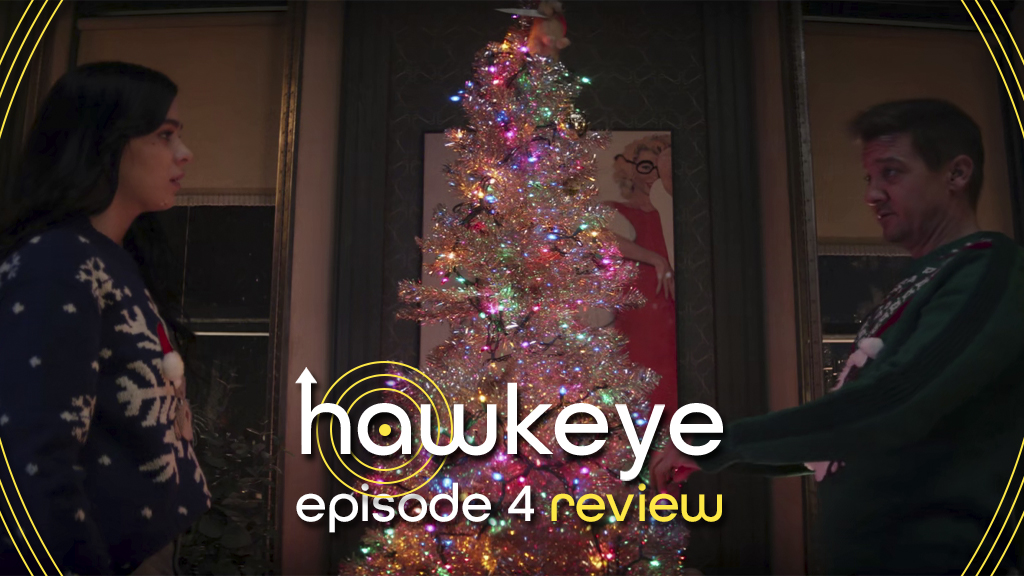
  • REVIEW: ‘Hawkeye’ Episode 4—Partners, Am I Right?

    REVIEW: ‘Hawkeye’ Episode 4—Partners, Am I Right?

    Hawkeye Episode 4, Partners, Am I Right?, slowed down from last week’s episode to focus more on psychological themes and more investigative-type activity, in contrast to the action-heavy previous episode. While the episode’s slower and more character-based work is well-executed, the episode advanced the plot very little. With so many elements and unknowns still on the table, it begs the question of whether or to what extent the final two episodes of the series can succeed. 

    Episode 4 is generally dedicated to themes of family and loss, particularly the loss of Natasha Romanoff. Clint has his ongoing dilemma of trying to be there for his family at Christmas. This episode is pulling back on that further by delving into his psyche surrounding his time as Ronin after he lost his family in the Blip. There’s more recognition now about how his 5-year reversion into a hell-bent weapon affects who he is and his relationship to his family, even though Ronin is “dead” at this point.

    It’s fun that his wife Laura can be so involved in what he is doing—it’s certainly a fresh change of pace than the usual keep-spouse-in-the-dark story. Still, we learn this episode that Maya is keeping tabs on Clint’s wife and kids, so Clint’s family situation seems like it could go beyond simply trying to return for Christmas. This should be a major issue for Clint, even though the episode ends before he can really react to it. He’s still dealing with the grief and consequences of losing his family once, so one can only expect that this news would be met with a wave of emotion, and likely, a reversion back into some violent and vengeful places out of fear.

    Natasha Romanoff’s death is given more attention in this episode, too. There are brief references to her and her death every episode, but Clint finally gives a more formal statement on how he’s dealing with the loss by opening up to Kate about the “best shot he ever took” being the one he didn’t take when he was sent to assassinate the Black Widow. Through a brief and quiet moment with Clint, we get insight into his ongoing messy and dark psyche—he’s plagued by memories of the loss of his family and Nat, and it looks like it haunts him all too frequently. The focus on Nat definitely led up to Yelena’s brief cameo, but it further teases that a darker, more Ronin-like Hawkeye could be on the near horizon. Jeremy Renner is only getting better with these moments, and Clint’s subtle under-the-surface suffering is compelling

    Perhaps the only person who can save him, if that happens, is Kate. On one hand, this is also Hailee Steinfeld’s and the character’s best episode in terms of charisma and performance. While the episode ends with Clint telling Kate that they’re done, common sense suggests that their partnership will return. Their relationship is built up extremely well throughout the episode, which is clearly in part to make the ending more dramatic. The two share their best banter and back-and-forths of the series between their interrogation by Jacques and Eleanor and Kate bringing Christmas cheer to Clint.

    But while the two’s partnership/friendship/relationship looked stronger than ever, it was not free from the ails of the themes of the episode. Eleanor Bishop is the first to bring up Natasha’s death to Clint, pleading with him to leave Kate out of their investigation and not let her get hurt. Clint acknowledges that he plans to keep her safe, but he seems relatively unphased at this point. Kate’s confidence in and of itself likely makes it easier for the elder Hawkeye to feel comfortable with her involvement. It isn’t until Kate is thrown off of the roof of a building, narrowly surviving, that Clint reacts all at once. Between the parallel to Natasha’s falling death and his promise to keep someone’s child safe, his panic and emotion burst out, leading to his proclamation that his and Kate’s time together is over.

    Another interesting part of their dynamic this episode is that Kate discovers that Clint was Ronin. It seemed like this would be a much bigger moment than it was—Kate was certainly a bit shocked and upset at the idea, but by the next scene she had moved on. Knowing her hero was the notorious vigilante assassin probably should have affected her more, but perhaps her infatuation with Hawkeye blurs her perception of the situation. That, or, it simply wasn’t explored enough.

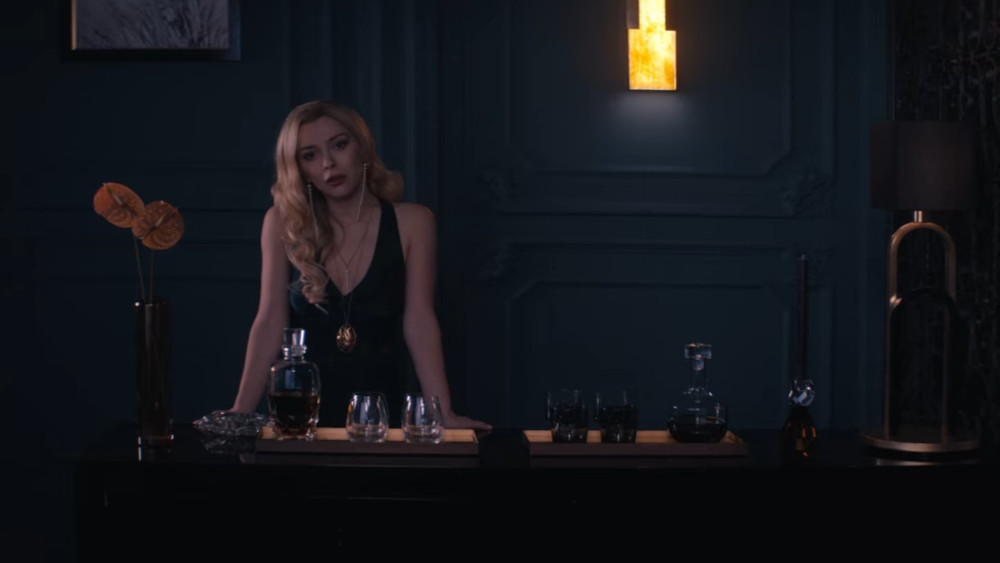
    Episode 4 was definitely slower than the previous episode, but it left all of its high-intensity moments for the end. The final, but relatively brief fight featured Clint, Kate, Maya, and Yelena Belova. Yelena arrived, as promised, and her hand-to-hand combat style made everyone else look incompetent and added a lot of strength to the scene itself. She says nothing, and we only see her face revealed right before she escapes. There’s also a nod to Clint’s introduction to Natasha when Kate refuses to take a shot at Yelena. Is a more personal friendship between the two being foreshadowed?

    While Yelena’s appearance is undoubtedly exciting, it’s hard not to notice that the final two episodes of Hawkeye will have quite a few elements it needs to resolve or address. A quick list includes Yelena, Maya, Kazi’s likely attempt to persuade Maya to stop going after Ronin, the Rolex from the Avengers compound, the rumored BIG reveal next episode, the LARPers and the Hawkeyes’ new suits, Jacques’ role as a money launderer for the Tracksuit Mafia, the Tracksuit Mafia itself, Clint still getting home in time for Christmas, the Hawkeye mantle being passed down, clearing Kate’s name as Ronin, Clint’s family potentially being in direct danger, Clint’s psychological turmoil, and Lucky the Pizza Dog eating more pizza. 

    Overall, Episode 4 does well with its slower pace in terms of addressing overarching themes, including family and grief stemming from loss. It was important for Clint in this series to have moments where he lives within his own trauma, and some of that is definitely highlighted. The relationship between Clint and Kate gets more depth as well, between the growing friendship and partnership combined with Clint’s fear and guilt pushing her away at the end. Yelena’s introduction is exciting and promising, but the burden that the next two episodes carry seems at risk of being too much to handle effectively. 
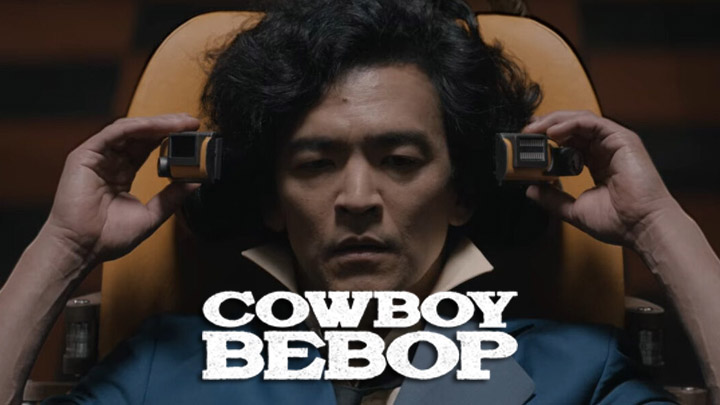
  • REVIEW: ‘Cowboy Bebop’ 1×06 “Binary Two-Step”

    REVIEW: ‘Cowboy Bebop’ 1×06 “Binary Two-Step”

    Now that is what I call a step in the right direction. The sixth episode titled “Binary Two-Step” is quite the highlight of the season. Mostly due to the plot actually primarily focusing on our main trio. Yes, they are still refusing to stick together, but the dynamic feels less forced this time around. While it doesn’t fully capitalize on every aspect that is presented, the concept of Spike getting lost in a virtual space and facing his past actually pay off the side story that’s been dragging it down through most of the season.

    COWBOY BEBOP Recap: (S01E06) Binary Two-Step

    We get the Dr. Londes, who goes by Cy-Baba now, set up very early in the episode alongside the first mentioning of Radical Ed. They don’t appear in the episode but we get our first confirmation of their existence within this adaptation. Still, the focus of this episode is an adaptation of one of the later releases “Brain Scratch.” While it’s less of a cult this time around, the biggest departure is that Faye isn’t directly involved with this storyline. While she has her own little adventure involving a mechanic and a rail gun, Spike is the one to get sucked into Londes’ offerings.

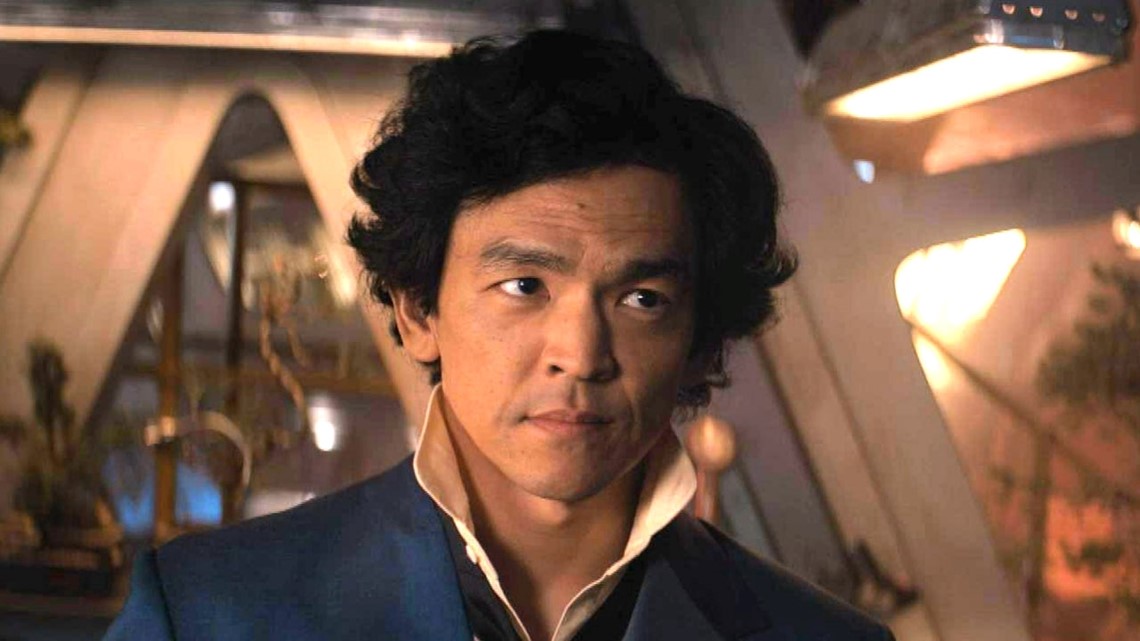
    John Cho Gets a Tempting New Lead in Netflix's 'Cowboy Bebop' Sneak Peek  (Exclusive) | kare11.com

    Once he enters the machine, he is stuck in a loop where he tries to save Julia from Vicious. Londes, once again a machine rather than an actual person, wants to force him into a scenario where he gives up on life to make way for the AI to take over. Jet is briefly taken out of the picture as he tries to repair the Bebop while fighting the already teased mechanic. It’s a decent setup to force him into this solo scenario but does once again highlight how this team just cannot stick together.

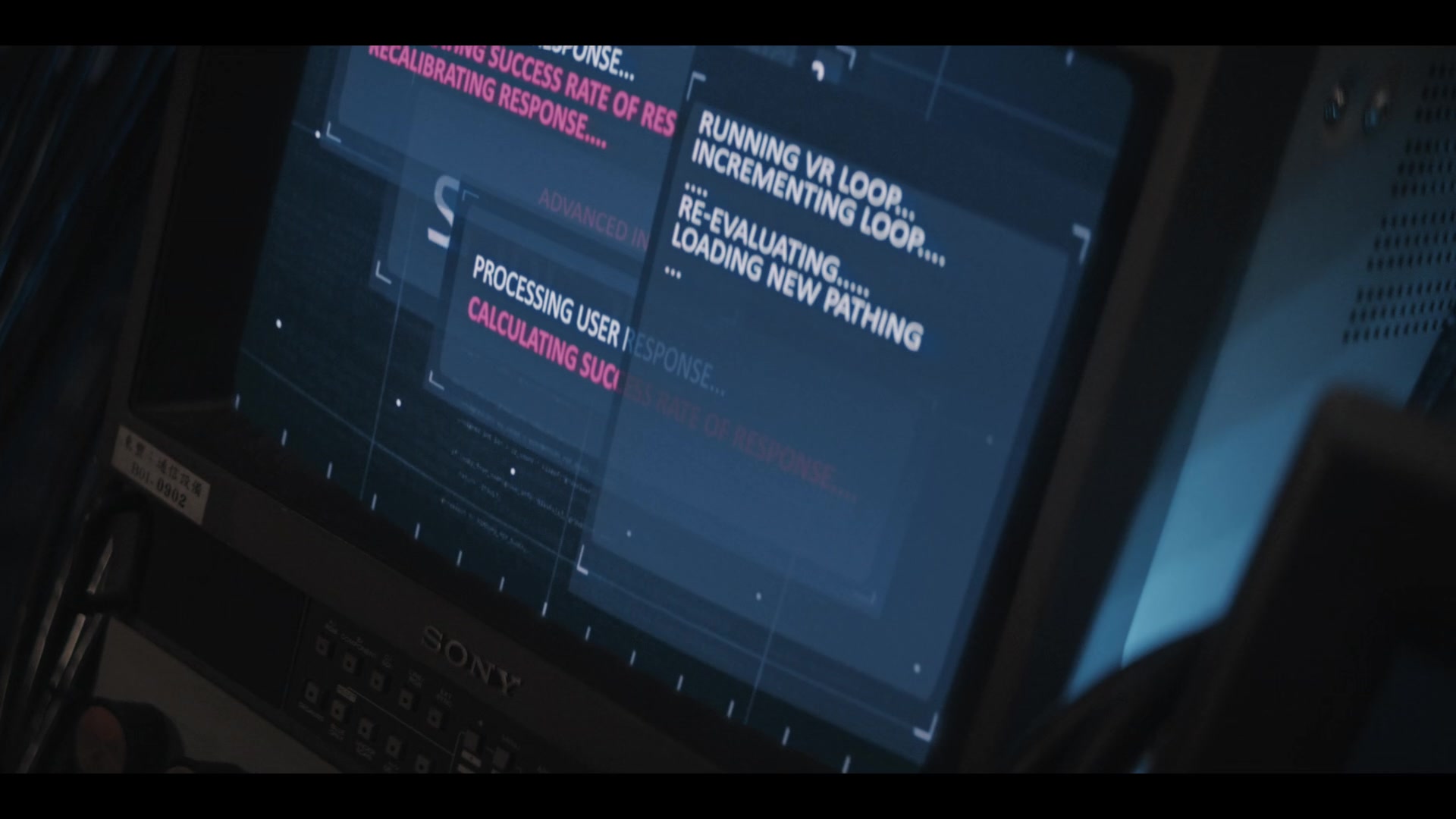
    The VR nightmare is quite an interesting concept that is even realized quite well. As the AI keeps fighting Spike’s mental fortitude, the world around it starts falling apart with an interesting visual effect. Taking a closer look at how it changes over time, especially as he recalculates to break Spike’s love for Julia adds a nice bit of character development. Especially, when the moment we think he “gave up” turns out to be quite different after a last-second save.

    Sony Monitor In Cowboy Bebop S01E06 "Binary Two-Step" (2021)

    I did like Jet a lot in this episode. The moment he realizes what is happening to Spike and the desperation of getting to Earth at all cost was a great moment. We do get the tease of what it would mean if he found out about his friend’s time as “Fearless” but you really get the feeling these two would go through hell for each other. Here’s hoping we get a similar scenario from the other’s perspective as well.

    The funniest bit is (sadly) probably Alex Hassel’s face when he is getting ready to shoot Spike in his last flashback from that virtual world. It just once again cements this is a very different take on the character but also highlights the way Spike sees him as well. Most of this episode is here to give our characters some character development with Faye on her own journey of self-discovery adding a nice step into the next episode where she takes centerstage again.

  • REVIEW: ‘Hawkeye’ Episode 3 — Echoes

    REVIEW: ‘Hawkeye’ Episode 3 — Echoes

    The third episode of Hawkeye gave the series quite the boost. In fact, Echoes seemed to upgrade nearly every element of the show. The action-packed episode stands out from the first two in terms of its energy level and tone-shifting scenes—Hawkeye now feels like a bonafide superhero romp while its potentially intricate street-level organized crime plot still grounds the episode. While the action is undoubtedly loud, the quieter moments in Echoes spoke volumes and let the characters shine in competition with the high-speed car chase and explosive trick arrows.

    Right off the bat, the episode jumps into action sequences that feel miles beyond Hawkeye’s first two episodes. It emphasizes that Clint Barton is, in fact, pretty cool, and can fight off an entire gang both with and without a bow and arrow. We know that Clint pulled this off as Ronin, but it’s a different experience to see family-man Clint in action. Kate Bishop’s skills were also upgraded and highlighted in this episode, as we see her holding her own hand-to-hand against the Tracksuit Mafia and later showing off her masterful archery skills during the car chase. 

    The car chase was certainly the prized action sequence of the episode, and it gave the series as a whole a needed and appreciated extra dose of adrenaline after a fairly sleepy start to the series. The camerawork and editing allowed it to play out as hectic and wild. The high-speed chase was clearly heavily inspired by Matt Fraction and David Aja’s original in the Hawkeye comic. While the iconic red 70’s Dodge Challenger was inexplicably not used as Clint and Kate’s getaway vehicle, nearly all of the listed trick arrows from the comic—putty arrow, suction arrow, electric arrow, etc.—were given a nod, though with Kate in the archer’s seat this time around. But the episode also fit in a broader MCU reference with Clint’s Pym arrow, which gave an ordinary arrow a larger-than-life moment.

    As given away by the episode title, Echoes prominently features Alaqua Cox’s newcomer Maya Lopez, or, Echo, who is introduced as one of the highest-ranking members of the Tracksuit Mafia. Cox is phenomenal in the role and no doubt was pivotal in the wonderful and stunning debut. Maya’s and the actress’s own deafness was highlighted and portrayed as a personal and physical strength, and Cox’s prosthetic leg—lent to Maya as an unbreakable weapon—took the character to new heights. It was not ambiguous in the slightest whether Maya was a crushing force and an extremely powerful character. 

    The episode also gives the first real “look” at Kingpin, referenced as Maya’s “Uncle” and his iconically large body was briefly teased. Clint hints that this character is at the very top of the Tracksuit Mafia food chain and, more importantly, is incredibly dangerous. It is revealed that Clint killed Maya’s father when Ronin attacked the Mafia during the Blip. This gives Maya her motivation to stay connected to Clint and Kate. Combined with Kingpin’s stronger introduction, this episode gave the Hawkeye plot more shape. While Kate’s own investigation into Jacques remains on the side, Episode 3 painted a clearer picture of the story the series is trying to tell.

    While the action was flashy, the scaled-down moments in the episode were extraordinary. Maya’s origin managed to be both heartwarming and heartbreaking in the same moments, as well as hitting notes purely at each end of that spectrum throughout. It’s not an easy feat by any means, but it was the perfect start to the episode that set the tone for all character moments.

    Clint struggled with his own hearing loss, which the episode used as much to its comedic benefit as it did to Clint’s own development. But seeing an Avenger in such an isolated space added new layers to the elder Hawkeye, which Jeremy Renner continued to excellently portray. The scene in which he struggles to talk on the phone with his youngest son, needing help from Kate, was a standout moment. Not only did we see Clint as a tender father—a role which was barely explored in the larger MUC—but we see his emotional range between the joy of speaking to his son and the guilt of not being with his family. 

    Clint and Kate’s relationship took off, rendering their reported chemistry in the first two episodes virtually void. The two moved past their introductory phase and started to look and act like partners rather than simply two entirely separate characters. Their banter throughout definitely improved, though Clint’s hearing loss did a lot of work at times in that regard. For the first time, Clint compliments Kate, specifically giving her credit for her self-proposed “World’s Greatest Archer” title. It’s refreshing that Clint spent very time or effort trying to dissuade Kate from getting physically involved in the conflict, and he ultimately even casually joins her in her further investigation of Jacques. 

    A particularly noteworthy moment for the two Hawkeyes came as they discussed Clint’s views on heroism. In particular, he says that he is no role model, which Kate vehemently disagrees with. While Kate has her suspicions about Ronin, Clint’s identity as the assassin is still a secret, and it’s unclear what effect the reveal might have on Kate down the line. It highlights a series theme about the Hawkeye symbol being important. What is the series trying to tell us about Hawkeye’s significance and place in society versus how Clint views himself? Like the Captain America mantle—and the upcoming onslaught of other legacy heroes—the MCU has an opportunity to tap into the franchise’s masterful amount of underlying story to truly say something about what makes a hero in this series.

    To sum it up, Episode 3 of Hawkeye delivers on many of the series’ promised elements that had yet to truly be seen in the first third of the show. While the Tracksuit Mafia is still delightfully entertaining, the introduction of Cox’s Maya gave the story a threat to actually care about. The character development, mostly of Maya and Clint, was exceptional. The action in this superhero series went from virtually zero to one hundred almost immediately, giving Hawkeye a much-needed edge. With the episode ending with Jacques holding a sword to Clint’s throat, it seems likely that more physical battles are to come. 

  • REVIEW: ‘Cowboy Bebop’ 1×05 “Darkside Tango”

    REVIEW: ‘Cowboy Bebop’ 1×05 “Darkside Tango”

    The show does love keeping us from actually spending time with all three of our main cast members. Luckily, we get some fun interactions between Faye and Spike while Jet is off taking care of some business. It’s strange the show still refuses to stick to what makes the core concept work, but we do get a great film noir-inspired episode involving why Jet got his metal arm. Will it fumble with the separation, or push forward?

    COWBOY BEBOP Recap: (S01E05) Darkside Tango

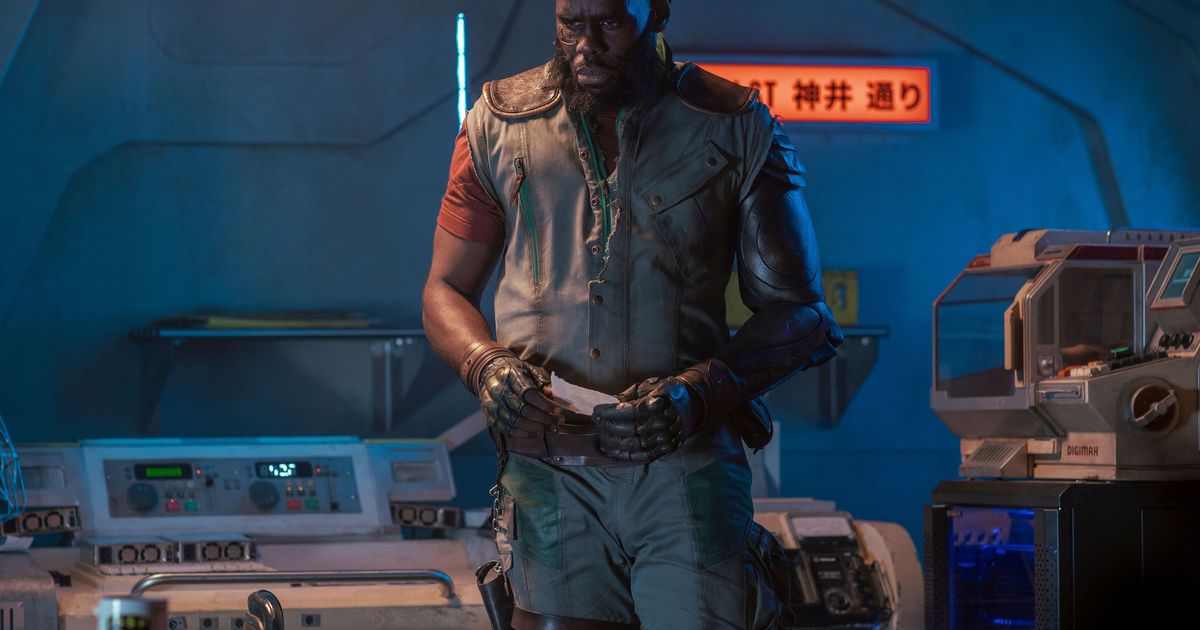
    Mustafa Shakir‘s Jet is our main character this time around and we get to explore his time as a cop alongside an old friend. The episode mainly takes from “Black Dog Serenade” but continues an interesting trend this Netflix show seems obsessed with. It avoids keeping stories ins pace or on space ships outside of the Bebop. Instead of keeping Udai Taxim in the visually interesting environment of a floating prison ship, but at a cliché noir dock.

    Ignoring that, the noir-tinted lens adds an extra layer to the story even if it doesn’t come close to what the original managed to accomplish. While it’s mainly the same and as a viewer of the anime lacks a true surprise, it does feel like the first time Jet having a daughter played into the story. Chalmers is their main suspect throughout and it adds a personal reason for his suspicions. The twist in the story is given more weight as Jet becomes his undoing and there’s a kindness by the one he originally blamed.

    Cowboy Bebop' season 1, episode 5 recap: Darkside Tango

    I will say, this episode seems a bit too early in the story. There’s no real connective tissue that leads into a reason for this story taking place, as outside of a short discussion surrounding his arm, we already know he’s a cop. For a show that tries to build up many story threads, this one seems. a bit random given it is a much later addition in the original. Still, what they do with the episode is enjoyable and I like his dynamic.

    It does seem to exist primarily for Spike and Faye to build a report with each other. Here’s a play on the original entry that works, as instead of all the convicts still being on the same ship as Udai, they become a catalyst for some fun banter. While I do wish they went out to hunt one of them down, we get some fun interactions between the duo. Yet, I do wish we saw more than one flashback for a bounty to get a feeling for how they got their scars rather than just words. It’s a running gag they are terrible at capturing actual bounties, and it was a fun way to also have Faye get swept up by Spike’s laid-back tempo.

    COWBOY BEBOP Recap: (S01E05) Darkside Tango

    Overall, Jet steals the show and we get some fun noir-style storytelling even if it feels a bit early for this particular flashback. Faye and Spike’s exchange is a fun element for the episode to add a distraction. Sadly, it does highlight that the show’s 40+ minute runtime makes it difficult to tell specific stories without adding some fluff. It’s probably the biggest challenge of this adaptation due to its unique format from the original. It’s just still a tough decision to constantly keep this cast apart throughout the series 10-episode runtime. We’ll see if they get a better feeling for it with future episodes.

  • REVIEW: ‘Hawkeye’ Episode 2 – Hide and Seek

    REVIEW: ‘Hawkeye’ Episode 2 – Hide and Seek

    The second episode of Hawkeye slowly builds on the foundation that the premiere set, but it still lacks any kind of intensity or hook to reel anything in. Clint and Kate are actually together now, but their relationship is, so far, mostly distant and cold. This isn’t surprising given Clint’s lack of interest in Kate personally and simply focused on his own personal mission. Plus, it’s realistic given the fact that the two very different archers just met, but it just hasn’t yet sparked anything overly persuasive about the two’s central dynamic.

    While the capability of their chemistry is certainly there, it’s a stretch to say that we are currently experiencing it. Frankly, they do not share an abundant amount of screen time and when they do Kate is mostly on a fangirl, awkwardly-trying-to-impress level with Clint. Now that the two are in a significant predicament together, though, the stage is set for the banter and the natural relationship to take off. Kate’s inherent confidence—as highlighted by her dramatic crashing entrance into the tracksuit mafia’s warehouse—as well as Hailee Steinfeld’s obvious ability to bring the character to life, is poised to bring much of what’s needed to the table. But Hawkeye has yet to actually demonstrate it can pull their relationship off. 

    The episode is heavily focused on Kate’s hunch that Jacques is responsible for his uncle’s death and, probably more importantly, involved in a major underground criminal scheme. While Kate’s investigation and Jacques’ role in the overall story are likely key elements of the series, this episode spends too much time here. Yes, Kate’s character and primary drive has to be developed properly, there’s no argument about that. Plus, the narrative is clearly pulling from a lot of different and brand-new sources, and Episode 1 proved that this might be a significant burden for Hawkeye. But it’s currently coming at the cost of forcing a slow, lukewarm, and fairly mundane first couple of episodes needing to be redeemed and probably carried by the remaining four. 

    Clint’s side quest, while similarly dry and lacking much emotion or intensity, is still a bit more interesting. Notably, we get to see Clint take part in some LARPing in order to get the Ronin suit back. It’s silly, but it’s different. So far with Clint, it feels like the series is playing some version of “What Do the Avengers Do When They’re Not Being Superheroes?” Jeremy Renner definitely plays Clint low-key still, but if the audience looks at the character through the lens of a relatively washed-up, middle-aged, traumatized, exhausted, and “please let me go home” energy, Renner’s performance and Clint’s character is on point. As a side note, we’re introduced to a LARPer named Grills—anyone familiar with the Fraction and Aja Hawkeye run knows he might be significant. 

    The Tracksuit Mafia has a bit more spotlight this time around, and the “bros” are now proving to be the strongest comedic element of the series as of yet. Ronin’s past with the criminal group is particularly interesting, given the fact that the mafia at this point seems relatively goofy and low-level. The importance for Clint to settle things with them almost comes across as trivial—the globe-trotting organized crime murdering vigilante is hung up on…a group called the “Tracksuit Mafia”. Surely, there must be more behind the scenes, although Clint doesn’t seem to know exactly what. But the final moments of the episode peels back some of the menial tracksuit face.

    The episode ends on by far the most intriguing note with the Alaqua Cox Echo reveal. Despite the fact that she almost exclusively does nothing, her presence—combined with the extra oomph of the cinematography and music—is presence at its finest. That short moment represents the punch and grip Hawkeye needs. It also teases that the series can pull it off, and perhaps the coming episodes will truly take everything up a notch. It’s more than suggested that a more aggressive storyline involving the Tracksuit Mafia (and likely more) is to come, but we are certainly not there quite yet.

  • REVIEW: ‘Hawkeye’ Episode 1 – Never Meet Your Heroes

    REVIEW: ‘Hawkeye’ Episode 1 – Never Meet Your Heroes

    Hawkeye was always poised to bring the multiverse’s focus back to “normal”. A story surrounding two non-superpowered archers taking on street-level organized crime is undoubtedly a far cry from most of Phase Four’s entries, particularly the previous four running up to it. The series is certainly a back-to-basics return to form and it is too early to tell if that will be Hawkeye’s greatest weapon or chink in its armor. 

    The nature of the show could raise plenty of questions and invoke compelling human themes in times of vast cosmic and reality expansion. For example, can a project that feels like it could belong in Phase One or Two be successful or viable in the MCU’s current context? How will the MCU handle the very different passing down of another major mantle in the face of the upcoming onslaught of legacy heroes in the franchise? What does the series want to say about the mantle’s legacy versus Clint Barton’s? While no single episode could answer any of those questions, the premiere of Hawkeye didn’t really seem to acknowledge any of it. Instead, it felt generic and somewhat empty, doing mostly surface-level work that might be indistinguishable from previous New York-centric and street-level Marvel TV shows. 

    Episode 1 feels like the primer of all primers. We catch up with Clint Barton, who we last saw going through the time travel and universe-threatening wringer of Avengers: Endgame. While Hawkeye may have always been the “lame Avenger,” Clint was given some of the most substantial off-screen narrative of any character, so it feels natural to get individual time with him. Clint is with his kids, enjoying New York before Christmas about two years after the events of Endgame. Depending on what you’re looking for from Clint Barton after all this time, you might feel a bit underwhelmed by Jeremy Renner’s performance. He is fairly one-note, cynical, dismissive, and simply tired. But look a little deeper, and it’s fair to say that Renner is playing Clint skillfully. Clint is all of those things, and the idea that a man that has gone through nearly every Avengers ordeal plus his own Blip trauma would be much more than a shell of a human being is somewhat absurd.

    Still, the stormy gray cloud hanging over Clint, and the series, is his stint as the crime-hunting, murdering vigilante Ronin during the five years that his family—along with half of the universe—was gone. Despite this major player of a concept, Episode 1 treats it fairly flippantly. It’s there, it’s what brings him and Kate together eventually, but it’s just…there. The series has plenty to go to flesh it out more aggressively if it chooses to do so. To not would seem to waste and off-handedly play off one of the character’s biggest arcs (though like most of his arcs, it’s mostly off-screen). There is a rumbling in this episode of how Clint views himself both as Clint Barton and Hawkeye. There are multiple moments where he is recognized by the general public, and he seems uncomfortable with the attention but surprisingly comfortable with the superhero identity. He isn’t second-guessing his worth as a hero, but he isn’t thinking about it much either. It seems predictable that his inner workings will be exposed more vibrantly throughout the series, but right now we are very much still at the starting line.

    The episode spends maybe most of its time introducing and priming Hailee Steinfeld’s newcomer, Kate Bishop. The episode starts with Kate rather than Clint, and we see a very quick but well-established origin story for the young archer. The rest of her time in the episode is spent on her finding herself witnessing her mother Eleanor’s (played by Vera Farmiga) new fiancé Jacques Duquesne (played by Tony Dalton) participate in some underground criminal organization. The episode spends an interestingly large amount of time on Kate snooping around the basement of the high society gala where a black-market auction is taking place, mostly staring at the event through shelved wine bottles. Eventually, the auction is attacked and Kate dons the Ronin suit that had been up for grabs to try and take on the tracksuit mafia that invades the joint. 

    There, we see some of her physical skills come into play. But it feels like we are still lacking in some of her personality. Kate undoubtedly has personality, but the drudging focus on setting up an underlying criminal plot—in the form of mostly Kate being resentful and skeptical of Jacques and watching very generic crime play out in front of her. Her relationship with her mother is also set up to be something more interesting down the line, but it also lacks spark right now. Her bell/clock tower destruction and a few of her quips served to highlight her character, but she was often lost in the otherwise standard and so far forgettable crime plot that Hawkeyeseems to be laying out for the audience with a heavy hand.

    Ultimately, Kate masquerading as Ronin for the evening leads Clint to find her to retrieve the suit. The fact that Clint springs into action so quickly at the first sighting of a presumed Ronin sighting speaks to, hopefully, some of his stronger emotions on the issue yet to come. It is in the last seconds of the episode that Clint and Kate actually meet one another. The arguably slow pace of their pairing is to be expected and is probably necessary given the need to establish a new character and re-establish a known but often overlooked one. Still, considering the rest of the episode felt a bit flat and not particularly noteworthy, it was a bit of a disappointment for the credits to roll right after the truly exciting moment. 

    The premiere of Hawkeye establishes that the series is taking the superhero game back to its basics. With that comes ample potential, both positive and negative. The series is in a prime position to do some phenomenal character work and tell a story that is both literally and figuratively grounded. It could be a refreshing note for the MCU and perhaps triumphantly usher in more of the “ordinary” heroes and stories once again. Still, the series has the potential to be generic—so far, there is little plot despite spending a great deal of time on it this episode, and the plot that exists isn’t anything noteworthy yet. Episode 1 shows too little a bit too uneventfully, but it clearly is meant to be a starting point and a foundation for the main characters and the ensuing adversarial plot pieces down the line. Only time will tell if “ordinary” will simply fall flat as being just that, or if it will manage to carve out a satisfying and memorable piece of the MCU pie. 

  • REVIEW: ‘Cowboy Bebop’ 1×02 “Venus Pop”

    REVIEW: ‘Cowboy Bebop’ 1×02 “Venus Pop”

    “Venus Pop” takes a departure from the original by exploring the Teddy Bomber, who doesn’t appear until shortly before the final episodes of the anime. Well, he’s a bit sidelined in this story, as it primarily is continuing the story set-up in the past episodes. Spike gets attacked by an assassin and it sets him out on a small side story to make sure that his past doesn’t catch up with him. Jet, on the other hand, is trying his best to get a bounty to buy his daughter a present, who is also a new addition. So, for most of the episode, our duo is on their own stories.

    COWBOY BEBOP Recap: (S01E02) Venus Pop

    In my opinion, it wasn’t the best idea to separate them this early on. Their banter and dynamic give the series some energy, but we take a detour so early that it kind of downplays the highlight of the original series. It was all about their dynamic early on so their splitting on adventures had a stronger impact. Once again we’re focusing more on world-building than character development, which is something carried over from the first episode. It adds to the fact that it’s a show that fell in love with Spike’s backstory and wanted to flesh it out more.

    Speaking of, this episode gives u our first real change from the original, as Vicious is married to Julia and both are given quite a bit of screentime. In the original, they are a non-factor until the ending, as Julia is famously described as a distant dream. This episode purposely changes the core storyline with some familiar aspects to ease fans into the fact that this show is not following the original closely. Vicious is much more complex yet not as intimidating as he was in the original. He was a mystery and that’s why he was scary.

    New Cowboy Bebop Image Is a Vicious Thirst Trap | CBR

    Here, he’s a bit more of a coward and that’s a hard pill to swallow, but does give him some more agency within the story. We even get hints about the inner workings of the Syndicate, and I did love the touch of the anime’s version of the Elders being masks. That was quite a nice visual touch. Still, while great for developing our antagonists, this does come at cost of the actual main characters we spend the most time with. It’s probably why the show feels like it doesn’t quite capture the original, as its focus is completely different.

    Still, we do get some great character moments even if it is closer to the end. When they reunite, their banter was a highlight in the episode. Cho and Shakir play off of each other quite nicely. They even carried over the joke surrounding the Teddy Bomber by playing on his insecurities was quite fun. Though, it does feel like them being bounty hunters is more of an afterthought at times. The show is still trying to find its legs but this departure from the original offer new opportunities moving forward.

  • REVIEW: ‘Hawkeye’ Misses The Spirit Of The Comic But Is On Target With Its Cast

    REVIEW: ‘Hawkeye’ Misses The Spirit Of The Comic But Is On Target With Its Cast

    The Marvel Studios adaptation of the celebrated Matt Fraction and David Aja comic doesn’t quite live up to the comic’s panache and ends up abbreviated in more ways than one. Omitted from the show are two of the comic most vibrant traits: the quaint slice-of-life window peering into the life of an Avenger and the unique aesthetic crafted by Aja. Despite this, the show manages to stay fun thanks to a solid cast.

    As the premise goes, Clint Barton’s stint as the mass-murdering Ronin is a secret known only to the Avengers. So when Ronin memorabilia hits the black market, Clint is drawn into the orbit of the underworld where Kate Bishop has been doing some heroic sleuthing of her own. When their paths intersect, Marvel Cinematic Universe history is made as one of comics’ greatest partnerships comes to life in front of your very eyes. 

    There’s really not much left to be desired from the nuts and bolts of Hawkeye’s mechanisms, apart from the hope of seeing a certain crime lord behind the curtain, as the first two episodes repeat the same hypotheses over and over that you’ll be no further from the first clue Kate Bishop finds by the time the credits roll an entire later. Perhaps by no coincidence, writer Jonathan Igla and director Rhys Thomas wanted to evoke the Marvel-Netflix shows’ signature trudge.

    Hawkeye is the first Marvel Studios TV show to look wholly unremarkable. Gone is the ambition of Loki’s otherwordly design and WandaVision‘s retro aesthetic. Even as grounded in real-world architecture Falcon and the Winter Soldier was, the show compensated for the blandness of its concrete and steel sets by elevating the action sequences. Hawkeye has neither of those, failing to look even as remotely interesting as some of the Marvel-Netflix shows did. The fights don’t look memorable. The compositions looks wildly uninspired making it quite possibly the show’s biggest misfire, a massive step down from the self-contained world David Aja made so iconic. The show nonetheless and deservedly pays homage to Aja’s work in its credits sequences but it doesn’t make the show’s lack of any aesthetic any less glaring.

    Just like the Netflix shows, Hawkeye hits the mark in assembling a fantastic ensemble. Newcomers Vera Farmiga and Tony Dalton add a very vicious sexiness to the otherwise homely and wholesome dynamic brought on by leads Renner and Steinfeld. Farmiga plays Eleanor Bishop, a New York socialite with some obvious skeletons in her closet. Her performance is deliciously sassy and quickly proves to be a great foil for Steinfeld’s own brand of snark.

    Dalton is Jacques Duquesne, a character known to Silver Age readers as the fallen Avenger Swordsman. Better Call Saul fans familiar with Dalton as Lalo Salamanca may quickly brush off his MCU debut as the same character and for good reason: Dalton doesn’t really drop the slimy grin Lalo for a distinctly new performance. Yet the way he commands a scene with a mere grin highlights his gravitas. He brings a playful impishness to every moment that’s adjunct to the real darkness underneath. It’s a familiar schtick but works consistently no less.

    The titular archer finally gets his name on the marquee, a novelty that is smartly channeled into the character’s own pathos. Seeing your family vanish into thin air, turning into a mass murderer, journeying to the edge of the universe only to see your best friend die in your place is never good for one’s mental health and Hawkeye peels those layers for Clint Barton in various ways. He pities himself for not being as celebrated as his colleagues on the team yet is dismissive of respect given to him. His legacy as an Avenger is soured on a deep level for him because of his actions as Ronin.

    Renner portrays this modern-day Barton as someone on the brink of collapse. It’s a performance so subdued that you might think Renner isn’t putting in the work but it’s also reflective of the deepness of trauma and PTSD. Trauma is, oftentimes, invisible and forcibly buried under layers of disguises, and the way Renner underlines all of Barton’s wholesome facades with pain is so fascinating to watch. So while the performance is lacking the whimsy of how Fraction’s own vision of Barton, it’s also not without weight and merit.

    Sometimes, a project just needs one person to bring the magic and elevate it to the next level. For the 2011 Hawkeye run, it’s David Aja, whose minimalist yet innovative eye for sequential storytelling gave the comic its distinct personality. Without Aja, the comic would not be the success it is. For this year’s Hawkeye series, a loose adaptation of the said comic, it’s Hailee Steinfeld who brings the magic, allowing the show to rise above its restraint. 

    Hawkeye wastes no time in positing the POV of Kate Bishop as the focal point of the show, opening with a prologue that would make all the Marvel-Netflix shows filled with envy as the Battle of New York, or as those shows would eye-rollingly call it, The Incident, is on full display in all its horrific glory. The incident serves as the impetus for Kate Bishop’s eventual path to becoming the self-proclaimed World’s Greatest Archer, instilling in her a sense of stubborn determination that Steinfeld proudly wears in her performance.

    Steinfeld is a godsend in the role, turning in a charming performance that would’ve turned her into an overnight sensation if True Grit didn’t already do that. Her take on Kate Bishop is wonderfully her own yet already like feels like the blueprint of all the Kate comics before her. Her Kate is frisky and brings a warmness that dyes the somber performance of Renner with color, making their dynamic feel alive. There’s also a staunch fierceness to the way Steinfeld portrays some of Kate’s rougher edges that allows her to be contentious but never abrasive. Kevin Feige and co. have stated that an adaptation of the Fraction/Aja line was always in the pipeline but Steinfeld’s performance proves that this project wouldn’t work without her.

    Hawkeye won’t make the same level of impact the Fraction/Aja comic did when it first hit shelves. But the stellar cast and allure of seeing a certain Marvel villain behind the curtains of this otherwise pedestrian crime story will make this a worthwhile watch for any fan.

  • REVIEW: Amazon’s Wheel of Time is a Well-Done Adaptation

    REVIEW: Amazon’s Wheel of Time is a Well-Done Adaptation

    Note: This review contains no spoilers for the first three episodes of Wheel of Time.

    After two decades of being in development, Robert Jordan‘s Wheel of Time series is finally hitting the small screen. For fans of the book, it has been a long wait. However, it’s safe to say it has been worthwhile as Amazon’s Wheel of Time adaption is a well-done take on the beloved fantasy series.

    Amazon’s decision to release the first three episodes upfront may seem a bit strange initially. After all, these are hour-long episodes and the first season only contains eight episodes total. Once given the chance to dive in, though, it is clear the first three episodes are best viewed back-to-back. While the pilot episode falters at times as it struggles to set up this massive fantasy world, the second episode seems to regain its footing.

    Jordan’s books are known for being full of flowery text. They are overly descriptive to the point readers are able to envision the world while reading. It’s great for reading, however, it can make it harder to translate to another medium – especially a live-action take. This is something the first episode, “Leavetaking,” struggles with as it tries to find a balance between telling its own story and merely adapting its source material.

    The pilot does a great job at paying homage to the books, as it focuses on the woman and them earning the right to bore a braid, as well as the village located near the Two Rivers. The scenery is often breathtaking and the casting choices, although aged-up, are smart and well-done. Some minor decisions make no sense, though, including scenes from the first book that would better impact the story moving forward. It almost feels as though the writers want to hold off on more fantastical aspects of the story until the end of the episode, unleashing a new world of magic upon viewers in the last minutes.

    Thankfully, the second episode “Shadow’s Waiting,” realizes there’s no need to shy away from the magic and lore of this massive world. From the start, the second episode puts our characters through the wringer. It’s an expansive episode that captures Jordan’s work and Rosamund Pike delivers a heck of a performance. If there is one casting choice the series nails, it is Pike as Moiraine. She commands every moment on screen, and in “Shadows Waiting” she puts everything on the table. From the way she delivers some of the lore on screen, to her chemistry with Daniel Henney‘s Lan, this is her episode to shine and she does. This episode belongs to them.

    Going into the third episode, things are rocky for our gang. “A Place of Safety” has one of the best openings of the series yet. No longer does Wheel of Time try holding its audience’s hand. Viewers are thrown deep into this world where death is something to constantly outrun. Our group of characters is left feeling defeated and desperate, with emotions overtaking rational thought. Pike’s Moiraine takes a backseat in this episode, allowing the younger cast to shine. Each of them is driven by something – anger, desperation, love, regret – and despite their desire to escape the terrors that await them, they ultimately all decide to do what is needed. Lorne Balfe’s score is noticeably effective in this episode, it is both haunting and cinematic serving as the perfect backdrop.

    Overall, Wheel of Time is not a perfect adaption. It is, however, a very good adaption that is worthy of your time. The first three episodes are a strong effort and do an impressive job at recreating the magic of Jordan’s novels.

    The first three episodes of The Wheel of Time debut on Amazon on Friday, Nov. 19.

    For spoiler-filled reviews, check back on the 20th when we run the individual reviews for the first three episodes. Then we’ll be reviewing the series on a weekly basis!

  • REVIEW: ‘Guardians of the Galaxy’ Rocks

    REVIEW: ‘Guardians of the Galaxy’ Rocks

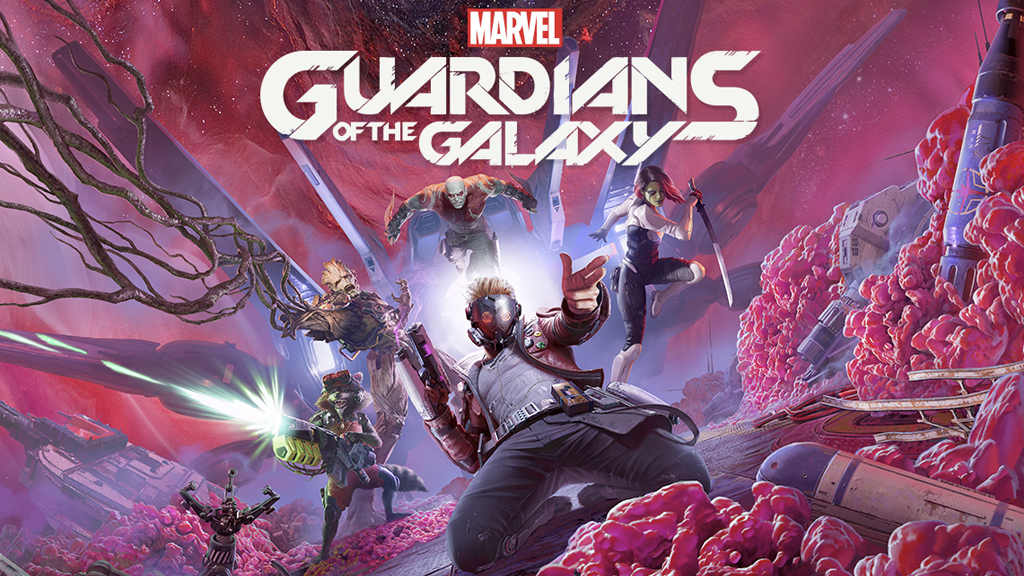
    Square-Enix’s subsidiary Eidos Montreal has tackled another sector of the Marvel universe in their adaptation of the Guardians of the Galaxy. When the first trailers dropped, it seemed like they took the original film franchise that started in 2014 and added a new rock-focused paint job. There was some skepticism with the focus on Star-Lord being the only playable character, Yet, as more trailers were released it offered a glimpse into what may be a fun new interpretation of these beloved characters and may offer one of gaming’s most unique world designs. Does it live up to its expectations or falter under the weight of expectation?

    Guardians of the Galaxy' is already better than the 'Avengers' game |  Engadget

    The story starts simply with our group of Guardians trying to nab a decent bounty and make a quick buck. Yet, they end up getting caught for their infiltrating an unrestricted area and have to pay off a fine for the Nova Corps. As you can guess, it’s never that simple and things start to unravel from thereon. There’s a curious plot point that stands out as it humanizes the struggle Quill goes through in the story, as well as adds a layer to make it a surprisingly personal story as events unfold. This core narrative is one of the most exciting aspects of the game, as you follow these characters from one planet to another as everything just seems to unravel. We get a chance to explore a very different kind of Marvel galaxy with some familiar characters.

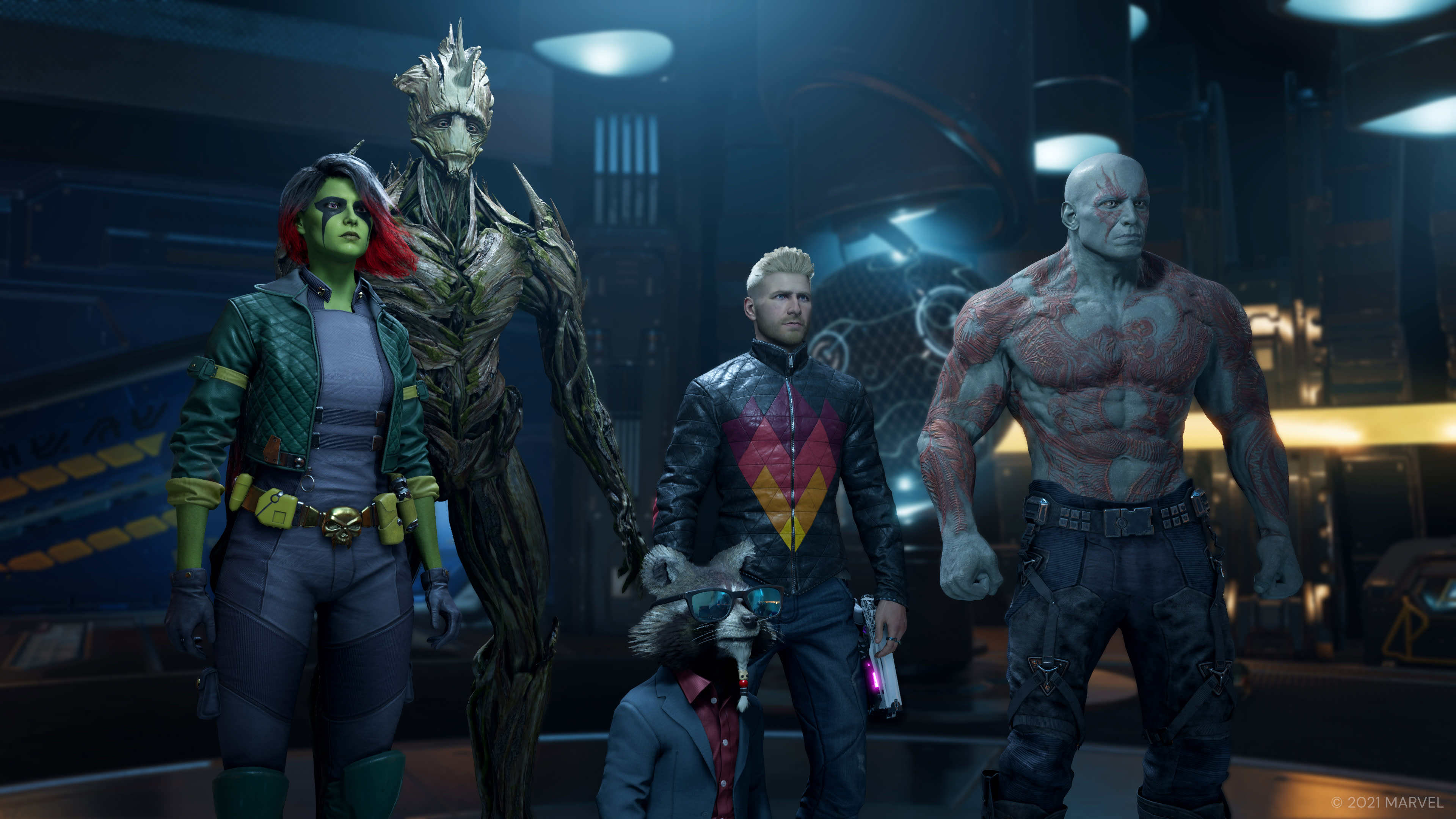
    We have to keep in mind, Guardians of the Galaxy is an intellectual property that was completely unknown to non-comic readers until James Gunn redefined our understanding of them. Nowadays, they are a household name and you can see that some elements are inescapable when adapting these characters. Peter Quill and Drax share a lot of traits with their cinematic counterparts, especially the former with his love for music. Yet, they took an interesting angle by sticking to the 80s-inspired music but giving him a stronger rock-centric interest. That especially comes to the forefront with the fictional band Star-Lord, which is the new origin of his code name.

    Marvel's Guardians of the Galaxy has Gone Gold

    Drax is a good example of how they took the base personality of these characters from the films but added additional layers. He still takes things quite literally but is given a much more grounded personality this time around. He gets some of the most emotional scenes in the game, as we explore his relationship with his wife and daughter, or rather how he handles the tragedy. Every member of this group connects the overarching challenges to their core worries. Rocket has a fear that is rooted in his origin while Gamora has some baggage we slowly learn about throughout the story. Personally, though, Rocket is a standout character, who purposefully rubs you the wrong way before slowly we get to know the character better and why he behaves the way he does.

    Of course, a game is more than just its core narrative. As the trailers promised, you only control Star-ord directly but can command your team throughout the battle scenarios. Every member is specialized in something and you’ll need to make use of each member to survive most encounters. That doesn’t mean Star-Lord is weak, as he uses his Elemental Guns that include different abilities. You’ll unlock most of them throughout the game, which is activated through a specific moment in Peter’s journey. At times, it does become a lot to keep an eye on and memorize throughout a fight. I’ve more than often accidentally activated the Huddle mechanic due to how easy it is to activate.

    Marvel's Guardians of the Galaxy im Test + Video: Starker Lizenztitel mit  Story-Fokus

    Speaking of, every game has some kind of special move that gives you bonuses or ways to take down enemies more efficiently. In Guardians of the Galaxy, it is called a huddle, where you call in your teammates, analyze their current mood and pick a fitting answer to motivate them. If you fail to do so, only Star-Lord will get a bonus. It’s an interesting idea that fits into the “leader” role of the character, but it’s kind of a pacing breaker. Everyone huddles up, they talk quite a bit, you choose an answer that you have to listen to the audio cue before you enter battle again. While an interesting idea, it’s also not satisfying outside of maybe getting back some special abilities and stat boosts. Also, I once got stuck in it and they just kept staring into my soul without a button prompt which was a fun experience.

    I’ve experienced quite a few bugs while playing on the PlayStation 5. Some in-game models would pop out and into existence. Enemies would get stuck in place, or textures would take some time before they popped in. I even had the game suddenly crash on me in the middle of a fight, but it was only once in my entire playthrough. They’re far from a dealbreaker but were a bit noticeable. I also have to point out that there’s a great mechanic where you collect items and your crewmates share stories with you. For some reason, Drax was following me around and when I started a conversation with Gamora, he was stuck between us. It might be one of the funniest bugs I ever had, especially cause Drax not caring about personal space is in character for him.

    Guardians of the Galaxy: Neuer Titel kommt ebenfalls für Switch

    Still, even with these bugs, they don’t take away from the beauty of this game. The environments and creature designs might be some of the best I’ve seen in a game. Instead of grounding the concepts, they went with the wildest, Lovecraftian-inspired designs you could imagine. Each planet has a very distinct visual style, such as one covered in ice with fire raining from the sky. Even Nova Corps. ships have elements that make them visually stand out in contrast to the diverse flora and fauna you meet in your adventure.

    Overall, Guardians of the Galaxy surprised me in many ways. The story is exciting and has that feeling of adventure you expect from this kind of game. Some emotional moments anchor these characters in interesting ways that make them stand out from their cinematic counterparts. Add in a dash of visual creativity and fun combat, you have a recipe that lends itself to a brand new franchise. Here’s hoping we get to explore more aspects of space in future entries. Just like the incredible music selection and fictional Star-Lord band, the game just rocks even with its faults.