Tag: Reviews

  • REVIEW: Zoro Finally Takes Down King in ‘One Piece’ Chapter 1035

    REVIEW: Zoro Finally Takes Down King in ‘One Piece’ Chapter 1035

    Queen is beaten, only King remains. That is how the latest One Piece chapter kicks off, as we see Queen still flying in the air from Sanji’s final kick. The opening of the chapter acts as a nice epilogue from that battle, as we get a cute moment of Sanji making sure that the mouse Chuji is safe and even a callback to his time feeding the poor animals while living under his father’s rule. After everything he went through, it’s nos surprise that he would pass out, but we’re still left wondering how much this fight has cost him.

    Speaking of, Zoro is still in the middle of his battle with King, as Enma continues to drain his Haki at an alarming rate. Yet, he has found a way to control it, as he builds upon his newly awakened Conqueror’s Haki. It also seemed like he figured out the weakness of King’s base abilities, as he is slowly overtaking him. This may be the first time that Zoro is meeting his limit in a fight and it’s great how it balances out the elements that are presented here.

    King turns out to be a man named Alber, who has a similar tattoo to the Skypians we met all those years ago. It looks like he and Kaido were experimented on in Punk Hazard, as Oda sneaks in a small flashback. We get a very different look at the leader of the Beast Pirates, who even had a smile on his face at one point before becoming the guy we meet today. Perhaps his Joy Boy reference earlier on was referencing his own failure.

    The fight is surprisingly simple, as the focus is mainly on the long-awaited reveal of what was hiding behind King’s gimp mask. Right after the revelation on his past, we get a few interesting attacks between the two. Didn’t realize that his sword can shift design to potentially break Zoro’s swords, which he promptly reacts to. It’s interesting that there is a lot of attention given to that very fact before he finally lands a hard-hitting strike on the menacing King.

    He even manages to push him into a corner, which was great to see, as our favorite first mate is forced to figure out how the flames affect the Lunarian’s ability. The final takedown including a dragon made of pure fire inspired by his captain was a great touch, as it highlights Zoro’s ability to cut even fire, which was teased earlier on, but also means that if the first mate can take down a dragon, his captain will manage the exact same. The visual with the Haki-covered swords look amazing, especially on the final page. It looks like he not only broke King’s sword – probably a retaliation on his obsession of breaking his – but even takes out a wing. It’s a fantastic moment to end the chapter on, and here’s hoping we finally see how Luffy’s fight is going in 1036.

  • REVIEW: ‘Hawkeye’ Finale – So This Is Christmas?

    REVIEW: ‘Hawkeye’ Finale – So This Is Christmas?

    It is still not clear if another season of Hawkeye is to come, but the disney+ series “season finale” titled “So This Is Christmas“, is the strongest installment of the series on almost all fronts including humor, character work, and action. The finale is also highly representative of the series as a whole. While it has several great components, it ultimately felt somewhat anti-climactic due to the weakness of the overarching plot. This episode emphasized how the series is more of a collection of other stories rather than its own. At the end of the day, the actual plot was Kate Bishop stepping into the shoes of a superhero, but it was flanked by the vague and stagnant criminal storyline. 

    By the end of the episode, it does not feel as though much has happened throughout the series. Even though there was an Echo, Black Widow, Kingpin, and a Kate’s-mom-is-actually-the-bad-guy reveal, none of these potential adversaries were genuinely essential to the story. Most of what happens in Hawkeye comes across as a string of crazy coincidences. As such, the lack of a central and strong adversary left the finale and the series needing more. Many interesting narratives turned out to essentially be interesting cameos rather than meaningful additions to the story. For example, the fact that the Rolex first encountered in the first episode revealed that Laura Barton was once an agent of S.H.I.E.L.D. is cool, but much of the underlying mystery was centered around that watch for the entire series for little to no plot payoff. There was a lack of connection why this watch was so relevant to the Tracksuit Mafia.

    Kingpin’s use was a bit confusing in the finale. At first, it seemed like he was going to be grossly underutilized, but did have a solid fight scene with Kate where it was made clear that he is a military tank in human form. His ending with Maya supposedly shooting and killing him isn’t convincing given the importance of his character, but it would be quite a wild decision for Marvel to have made.

    This episode and Hawkeye as a whole aced the character work, though. Clint got the first real development the MCU has given him other than a haircut, and he became a fleshed-out character that stayed true to what he experienced before the series. He’s a traumatized, mildly retired family man, and Jeremy Renner never really missed on his portrayal of the senior Hawkeye. The moments between Clint and Kate, including some of the more poignant conversations, were always strong and drove both characters’ development, and pushed the theme of what it means to be a hero.

    The introduction of Kate Bishop was obviously the series’ main purpose, and while it felt plenty forced and contrived, Kate genuinely grew over the course of the series. By the time she did her leap of faith down the side of the building, the viewer was plenty invested in watching her true hero moment. The finale made it unambiguous that she had crossed the line from idolizing superheroes to embodying one herself. It doesn’t hurt that Hailee Steinfeld’s character already had twice the amount of personality that Clint did, and her personality was fairly fresh and unique when looking at MCU frontrunners. 

    The series also handled its other characters well. Yelena, while only making appearances in the final three episodes easily outshined the main characters and will likely forever be considered one of the most iconic parts of Hawkeye. While her quest to kill Clint was a bit shallow at first, her ultimate resolution with him evoked a great performance from Florence Pugh. It added a lot of color to Natasha Romanoff’s death and absence. The series offered us a decent epilogue to Black Widow, but that is another example of how Hawkeye juggled other stories more than its own. 

    Maya Lopez’s introduction in the series was similarly used as a vehicle for another project, which was evident in her waning presence after her initial appearance. The future for Echo is bright, but setting up her series was clearly the priority for the character rather than a focus on what she brought to Hawkeye

    Unfortunately, the least interesting character at the end of the day was also – in terms of the main Kate storyline – the “big bad”. Eleanor Bishop was fine, but there was not much about the character that was overly compelling. She worked well as a narrative tool to push back on Kate’s ambition, but Eleanor being the vague reason why all of the events of the series happened is not particularly memorable. The episode even managed to fully redeem and solidify Jack as a bonafide lovable guy, but the easy switch from the main suspect to completely in the clear was too uneventful to make any of it thrilling. 

    What the finale did prove is that Hawkeye is funny. From character personalities, LARPers to Tracksuit bros, this episode and the series as a whole had plenty of humor to go around on a higher level than simple comedic relief. The inclusion of the full Rogers the Musical musical number in the credits is a testament to the lightness of the series and the more upbeat approach to its production. 

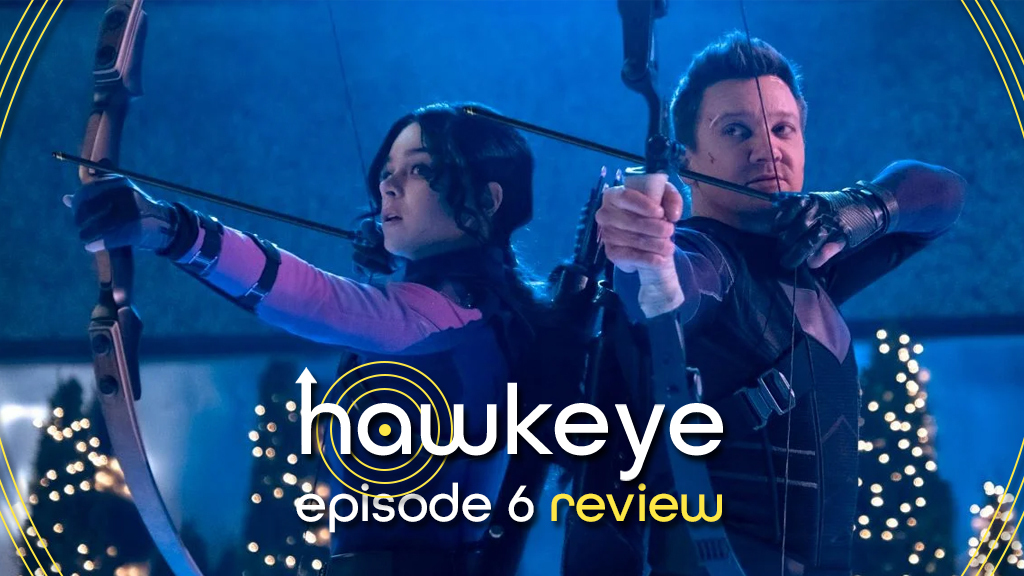
    The finale’s extended skyscraper-to-ice rink scene joins episode 3’s car chase as one of two truly memorable action sequences of the entire superhero series. Between the trick arrows and the arrival of every character – other than Lucky the Pizza Dog – to the area felt like a worthy payoff. The archery and hand-to-hand choreography were very well done. The final Hawkeye suits were extremely corny, but fitting for the tone of the series and the weak gravity of the actual plot situation.

    Hawkeye’s series (or season) finale capitalized on all of the things that the show did well. The character development and humor that it consistently mastered across all of its episodes are fairly unique to the MCU’s slate of Disney+ series, which makes Hawkeye a welcome addition for that alone. The action here is the series’ best, but overall that element was limited. Unfortunately, Hawkeye suffered a bit from a loose and varied narrative that lacked much punch. But overall the street-level, dog-loving holiday romp was a fun ride that brought plenty of lovable characters to the table. 

  • REVIEW: ‘The Witcher’ 2.01, ‘A Grain of Truth’

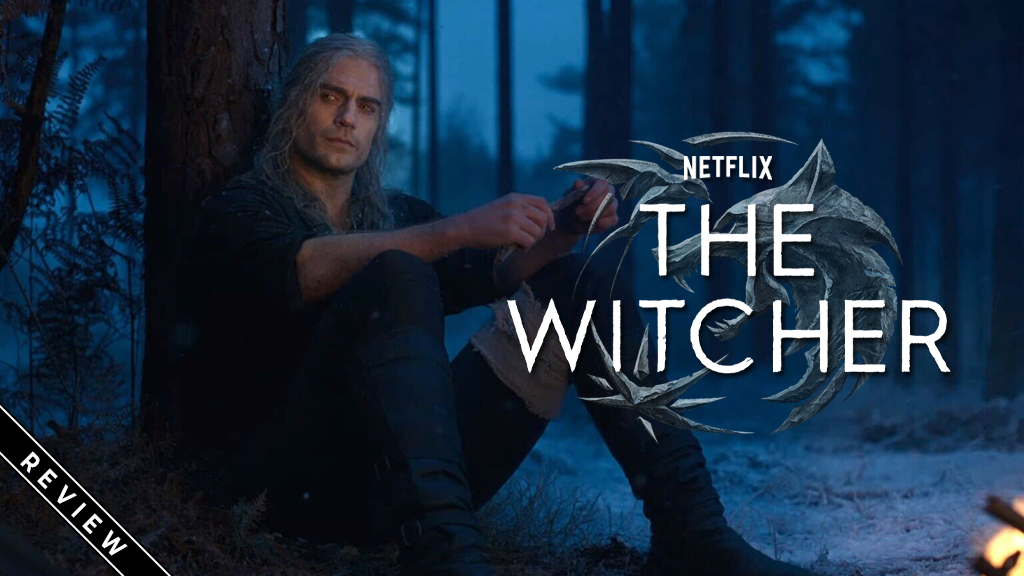
    REVIEW: ‘The Witcher’ 2.01, ‘A Grain of Truth’

    After an incredibly popular first season, The Witcher Season 2 has finally hit Netflix, continuing the story of Geralt, Ciri and Yennefer. When we last left the continent, we witnessed Yennefer join the fight against the Nilfgardians in the battle of sodden, using every ounce of chaos to conjure a blaze so strong it sends Nilfgard into retreat. The biggest moment comes when Geralt is stumbling through the woods, injured by a beast, and finally meets the one he’s been sworn to protect, Princess Ciri.

    This season picks up right as the battle of Sodden concludes, and the battlefield lays riddled with corpses, Yennefer is nowhere to be seen. Ciri and Geralt are continuing onward but get caught up in a storm, and decide to detour an old friend of Geralt’s, and head to Nivellens Manor.

    A dynamic many were looking forward to being introduced is brought to life here, with Ciri and Geralt finally united. It’s a promising and much-needed addition to the series. Ciri offers a great opposite to Geralt’s steely and stone-cold demeanor, but she’s also able to relate to him, with her proving that Geralt’s got a bit of soft-side, even if he’s bound by an oath to protect her.

    Henry Cavill’s dedication to the role of Geralt is another shining gold star for the series, with absolutely stellar casting. While he may seem a bit one-note, this season looks to explore the layers of the character, with Freya Allan’s Ciri playing a pivotal role in that.

    Nivellen is quite the eccentric and welcoming host, with Kristofer Hivju delivering a magical, Tormund-Esque, performance under all those prosthetics. However the entire thing just feels off, it feels like Nivellen is hiding something, no matter how many magical tricks he can pull to distract Ciri, you feel as if Geralt never really trusts him, as Nivellen’s cursed appearance really put him on edge, this wasn’t the same Nivellen he’d met all those years ago.

    The series is very obvious in its mistrust of Nivellen, with the cursed man harboring a Bruxxa named Vereena, responsible for countless deaths. For his crimes, he was cursed to never be able to love, presumably turning him into that beast once he’d fallen for Vereena, but he didn’t care cause she’d loved him either way. This felt like an obvious play on Beauty and the Beast, except the roles are swapped and this time around both of them were the beast. It’s not until the curtain is pulled back and Nivellen’s curse is broken that it really works, when it’s revealed that Nivellen was cured due to raping a priestess, it’s hard to sympathize with a man who’d just lost the one thing that loved him, and it feels like a callback to earlier in the episode when Nivellen had asked Geralt how he was not heartbroken following Yennefer’s presumed death, with Geralt responding, “Who says I’m not?” It feels like Geralt is beginning to scratch the surface of showing emotion, having lost the good person he’d once seen in Nivellen and considered a close friend.

    Perhaps the weakest part of this episode is whatever they’re trying to do with Yennefer. All we see is her locked up in chains under the watch of Fringilla and a few surviving Nilfgardians. Where episode 1 leaves Yennefer promises something surely more interesting than her just pacing around the woods for an hour.

    While this was a bit of a slower start to what will, hopefully, be an eventful season, it was a good starting point for our characters. I look forward to seeing the relationship between Geralt and Ciri progress, and how Ciri learns to hone her abilities. I hope to see storylines come together by the end of the season, with Yennefer and Geralt finally reuniting.

  • REVIEW: ‘Aggretsuko’ Season 4 Muddles an Important Message With Convenience

    REVIEW: ‘Aggretsuko’ Season 4 Muddles an Important Message With Convenience

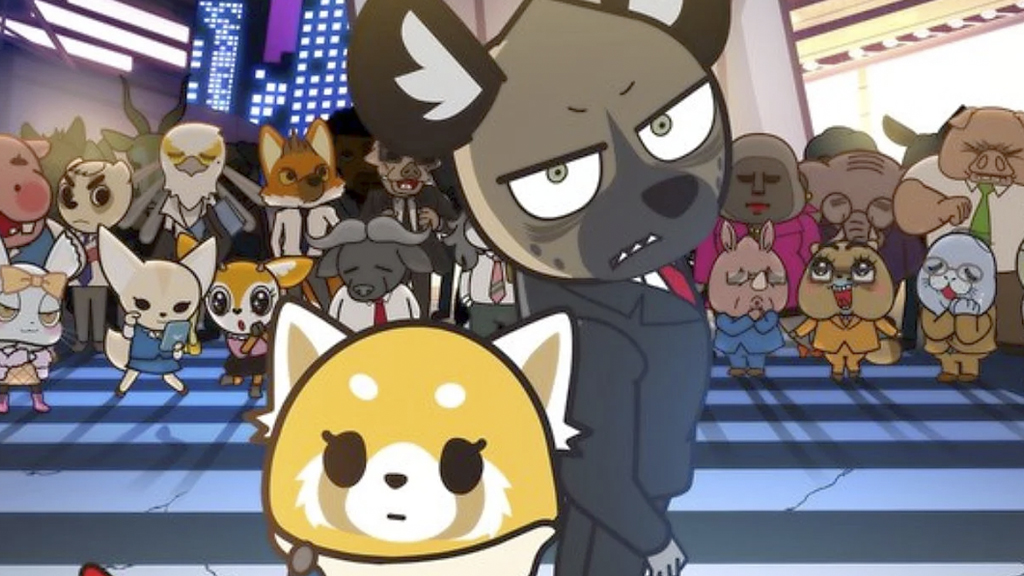
    The latest season of Aggretsuko has arrived with some new looks into the struggle of nine-to-five employees through the eyes of humanoid animals. Our main protagonist, Retsuko, takes a bit of a backseat in this season. The series uses its Hello Kitty-inspire style – as it’s made from the same studio – to still tell a grounded story in the struggle of personal expectations, finding your passions, and trying to make your dreams become a reality. It included heavy themes while embracing the cartoony aspects of its world. Sadly, the fourth season tries to up the ante but doesn’t quite nail the landing.

    Aggretsuko season 4 should inspire everyone to unionize their workplace -  Polygon

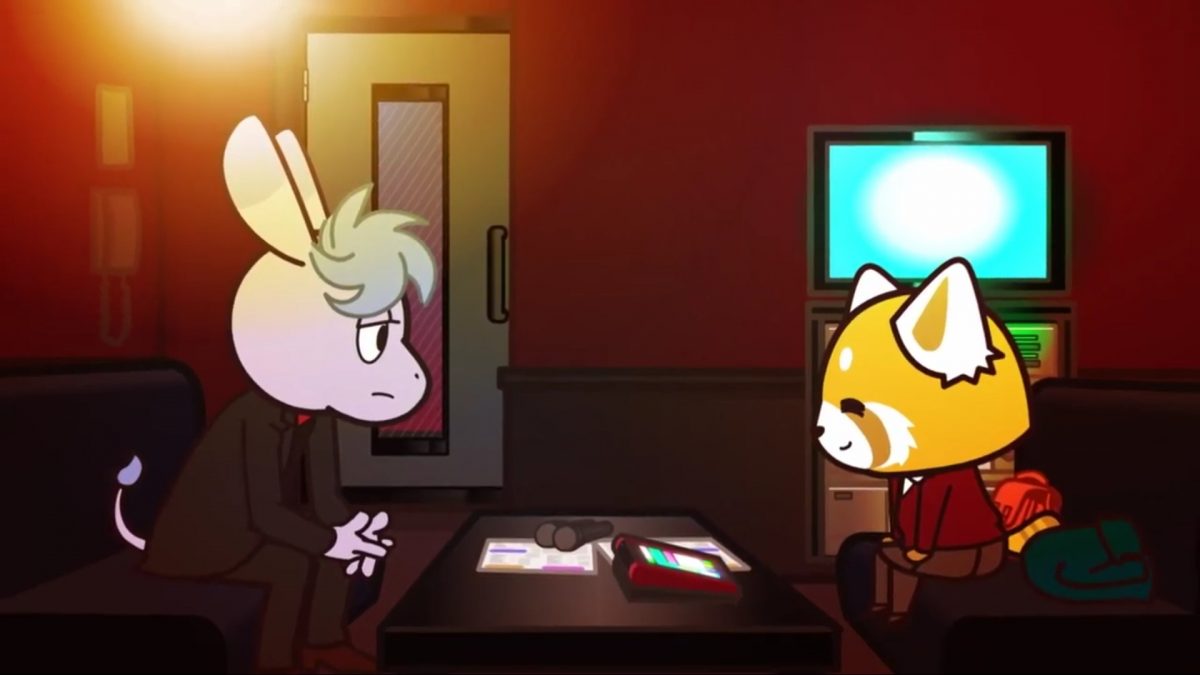
    The core message of this season is built by Haida’s characterization. After Retsuko was assaulted by a stalker, she’s uncertain about going home. It is the first stepping stone for these two to finally build a relationship of some kind, especially after last season’s finale. The creative team for some reason decided to reset his character, as he becomes a bumbling idiot every time Retsuko tries to take any step forward. While I understand that they are highlighting the ramifications of how we act when we are in love with someone that seemed unobtainable, it still drags on.

    The reason they reset his character is to explore the topic of “self-doubt” in your private life and as part of a workforce. It’s the strongest aspect of the season and highlights how the cutesy art style doesn’t shy away from real-world issues. Yet, it normally finds a balance in how these characters act and have developed from previous entries. Yet, it feels like they went a few steps too far this time around.

    Aggretsuko - Season 4 - Retsuko slaps Haida - YouTube

    The CEO gets hurt and the ambitious Himoru takes over. He ends up slowly letting older staff members go in an attempt to downsize to secure its future. Ton takes the fall, as he believes in his employees and ends up being given a dead-end job that’ll force him to leave. Of course, he can’t stand it and secretly starts working at a convenience store. He actually gets some great characterization and focuses on trying to keep the illusion alive for his family. It was great. Well, until Retsuko comes into play.

    It was her and Fenneko’s ranting about him to the new boss in a drunken stupor that led to his firing, but as everyone tells her to let it go, she refuses to do so. I like it, as it gives her something to do this season and a story arc of making up for her mistakes. Yet, the way she handles it sends such a strange message. After meeting up with her ex, the rich and influential Tadano, she finds out she’s a viral hit. The YouTube channel she started long before she joined the pop idol band has suddenly gained quite a few views. So, her solution is pretty much dropped in her lap and while she invests time to grow it, it doesn’t feel earned in any way.

    Aggretsuko season 4 should inspire everyone to unionize their workplace -  Polygon

    Especially when Ton becomes quite arrogant after getting hired to run her bookkeeping. It felt like the character didn’t learn a single lesson from his actions, and we just end up where we started. Once we go back to “he’s old and doesn’t know how technology works” jokes, it feels like we just wasted time and Retsuko just fixed her issue through sheer luck. Poor Kabae gets pressured out of her job due to her poor kid getting a fever – though his animations might’ve been the most adorable thing ever – and no one really helped her out. She only returns to the story due to her knowing every inch of the company to uncover Haida’s secret.

    Speaking of, it’s time to talk about the story arc I could not fully get behind. Haida lacks self-confidence until Himuro sees the potential in the work he did to streamline how he tackles tasks through programming. Suddenly, he ends up as the department’s director and starts implementing new ways to support his co-workers. Even after they fired people left and right, the story suddenly takes a dark turn. For no real reason but to add drama, Haida becomes an accomplice and fixes the company’s books for the new CEO. We do see him build a bond with the Himuro, especially with them working out together, but it feels like such a heel turn for Haida.

    Aggretsuko - Staffel 4 | Moviepilot.de

    Yes, he has gained some confidence due to the man acknowledging his hard work and it’s a showcase of how easy we are pulled into things once you finally get the feeling you’ve managed a “next step” in your career. Yet, this feels so out-of-character for him to just go along with this. Especially as this plotline is mainly there to put another conflict between him and Restuko. We have an entire heist storyline once she realizes what he is doing. Given the gravitas of this story and Haida’s moral dilemma, it could’ve been handled with more care.

    Tadano doesn’t have a big role in this season, but his inclusion has an important role in pushing Haida’s development. He’s Retsuko’s confidant when she becomes a viral sensation – which is odd if you consider she wanted to get away from it after last season – seems convenient. The way it wraps up everything like a clean bow with only one character facing consequences seems rather depressing. Even worse is that it tries to go for a message about happiness that is important, but it also makes it seem it’s okay to give up on your ambitions or dreams. It just didn’t stick the landing after already forcing his character into a darker direction.

    Aggretsuko Season 4: When Will It Return? Everything You Need To Know!

    The series confirms there will be a fifth season, which may rectify some of the issues I had because they are more open-ended. There are some powerful moments, especially with Tsubone’s brief arc, but it all comes at the cost of one of its core characters. There is a lack of consequences to the actions taken in the story and it seems that no one learns a lesson, which ends up downplaying its stronger moments. It’s a shame that the direction didn’t quite bring everything together like in previous seasons, but it seemed like something was missing, and that includes the songs that used to cap off an episode.

  • REVIEW: ‘Hawkeye’ Episode 5 – Ronin

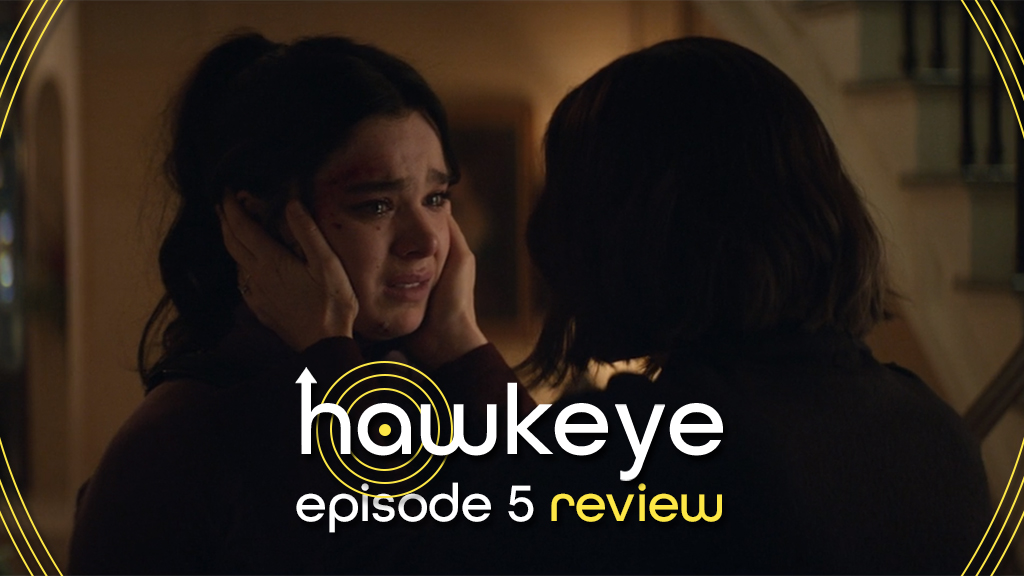
    REVIEW: ‘Hawkeye’ Episode 5 – Ronin

    Hawkeye Episode 5 expanded upon the last episode’s theme of rich character development and in-series world-building, but it fell short of providing a strong platform into the finale. While the penultimate episode certainly took its time to gather a lot of pieces of the big-picture puzzle, the final episode of the short series is left to try and resolve virtually every plotline already in existence as well as provide all of the Kingpin content it has teased. 

    What Ronin set out to achieve it did beautifully. There were several standout conversations and one-on-one moments that invoked emotion arguably better than the series has done previously. Florence Pugh’s witty Yelena was easily one of the biggest highlights and received much of the episode’s focus. While her “girl’s night” with Kate highlighted the chemistry between the two characters, the look at Yelena’s own blip was an intense opening to Ronin that set the tone for a grief-filled episode. Eleanor and Kate had a moving moment where Vera Farmiga puts in quite a compelling performance as a concerned mother which is impeccably timed with the late but unsurprising reveal that she likely is on the wrong side of the criminal line.

    Clint also has moments dripping with desperation and loss. Learning that the Black Widow was Natasha’s sister Yelena sent him into another spiral of guilt over Natasha’s sacrifice. There’s a simple but moving moment where he talks to an Avengers commemoration plaque as if it were her in silence. But mourning quickly turns to action as Clint wastes little time in going on the offensive to defend his family. Through another Linda Cardellini phone call, Clint explains that he has to end it or else the “big guy” might get involved. Laura Barton is again strangely supportive, lending a lot of credit to the theory that she is an ex-agent of some kind herself. This episode marks Clint moving away from much of his self-deprecating attitude and into a much more confidently self-aware place.

    The result is Clint revealing to Maya that not only is he Ronin, but that Maya’s “Uncle” is who wanted her father dead. This weaves itself into strong moments between Kazi and Maya, where his comforting protective instinct towards her starts to look twisted after it’s implied that he had a part in Maya’s father’s death. Still, the two have strong chemistry, and it’s a bit of a shame the series didn’t show more of it. The Clint-Maya confrontation represented the only action of the episode, leaving Episode 3 as the leader of the series in that respect, by far. 

    While Hawkeye can pull off quieter, investigative storylines, it has been teasing more over the course of its run. Episode 5 was in a prime position to kick off an intense action-packed ending to the series, but it curiously kept the slower pace of the last episode throughout. The much-awaited “reveal” was a bit of a letdown. While the name “Kingpin” has finally been dropped, it came via a less-than-dramatic line from Clint that the man in a very low-quality cellphone photo with Kate’s mom was “the guy [he’s] been worried about: Kingpin.”  Yes, it was Vincent D’Onofrio, but it may have well been Bradley Cooper’s Rocket or Alec Mapa’s Animal-Vegetable-Mineral Man—the photo would’ve looked about the same. While there’s every reason to believe D’Onofrio will be a star in the finale, his reveal was not particularly exhilarating. 

    Ronin set up virtually all of the series’ plotlines on a silver platter to be resolved or concluded. The tracksuit mafia’s vendetta against Clint/Ronin, Yelena’s quest to kill Clint, Jack’s criminal ties, Eleanor’s criminal ties, Kingpin’s overarching role in all of it, Clint and Kate’s relationship, Grills’ safety, and Clint getting home for Christmas. The problem is that the finale is forced to take on all of it in, presumably, the same general run time that the rest of the episodes have been allotted. While Hawkeye has been very successful in developing strong, compelling characters, delivering interesting and emotional arcs for them, it has yet to truly prove its ability to handle its own overarching storyline. Hopefully, the finale manages to streamline its moving pieces while capitalizing on the character work the series has worked hard to execute.

  • REVIEW: ‘Spider-Man: Far From Home’ Was a Fitting Choice Post-‘Endgame’

    REVIEW: ‘Spider-Man: Far From Home’ Was a Fitting Choice Post-‘Endgame’

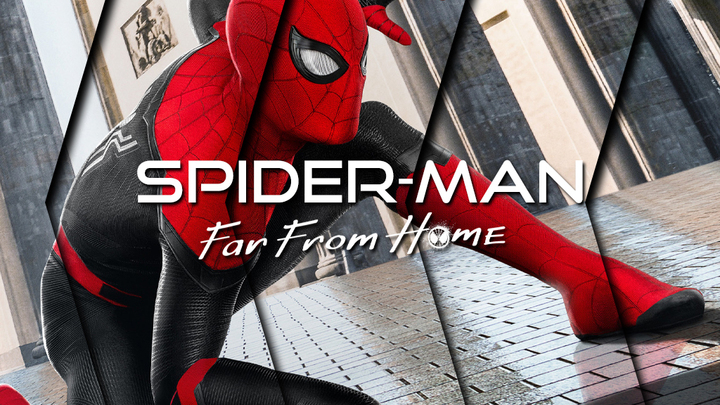
    Spider-Man: Far From Home is the final movie in our retrospective, as well as the last Spider-Man movie released in theaters (for now). 2019 was a special time for Marvel fans. After the massive event that was Avengers: Endgame, Spider-Man was meant to bring audiences into a period of rest between phases, as well as reframe what we can expect from the franchise’s future. However, the film’s most important task was to bring Peter out of Iron Man’s shadow and set him on his path.

    Spider-Man: Far From Home': The Screenwriters Explain the Twists - The New  York Times

    Spider-Man: Far From Home, which takes place a few months after the events of Avengers: Endgame, tells the story of Peter Parker and his closest friends going on a well-deserved vacation to Europe. Peter’s idyll is interrupted when Nick Fury comes to him asking for help as mysterious multiversal beasts are ravaging the continent. At least, that’s what the movie wants you to believe.

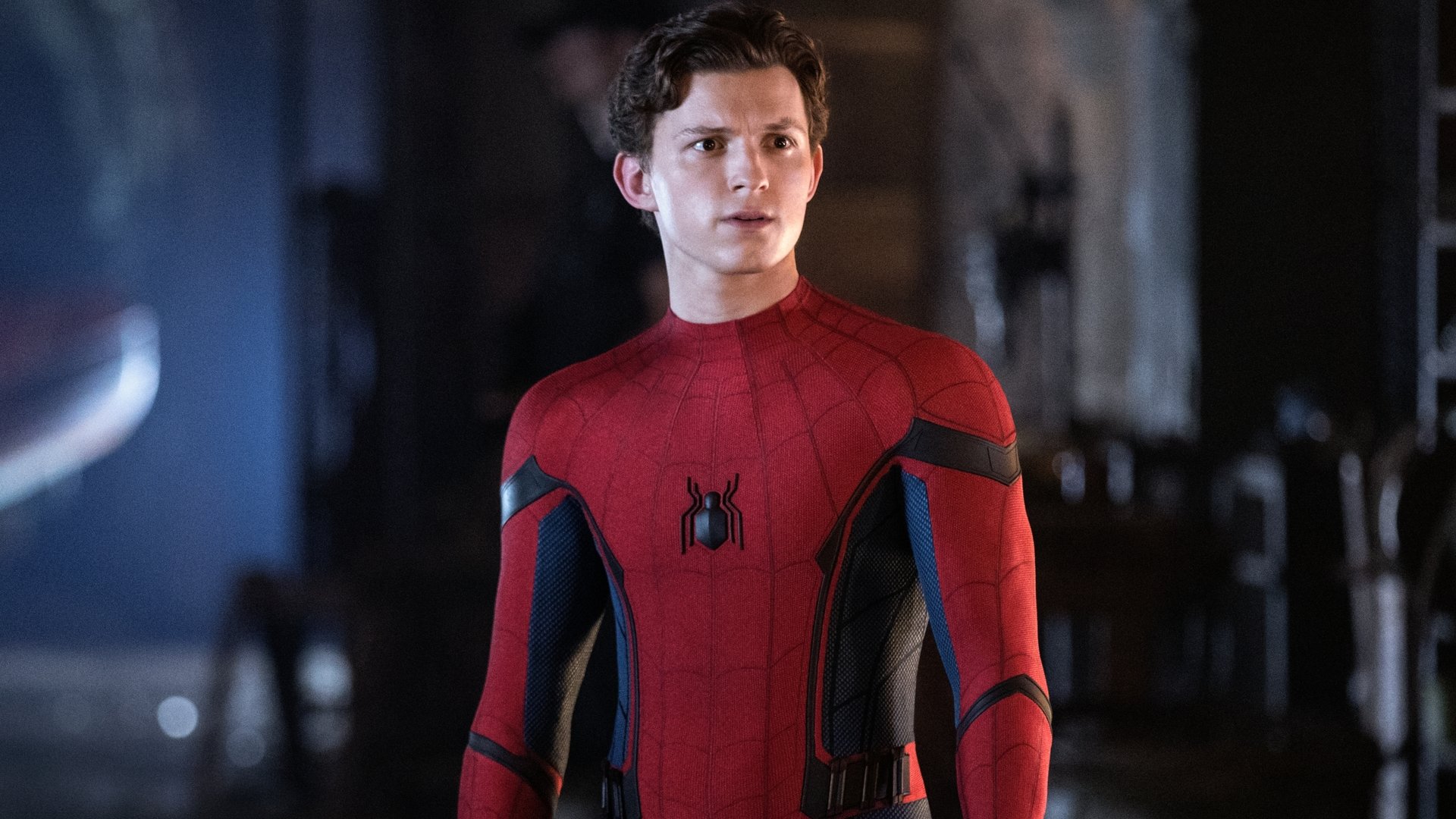
    In the film, Peter Parker (Tom Holland) undergoes a very significant character development in the context of the entire universe, which is somewhat like a reversal of his storyline from Homecoming. After his cosmic journey, Peter wants to rest, he does not want to be put in the role of the successor of Iron Man whose death still haunts him. The public sees him as Stark’s successor, but the teenager prefers to forget about that and focus on declaring his love for MJ (Zendaya). This escapist motivation of Peter’s is very believable and, with the tragic events of his previous two films in mind, we root for him to realize his current plans.

    What I loved most about the film was just all the holiday moments of Peter and his friends. I was also captivated by the childlike naivety and awkwardness of his relationship with MJ, which has a lot of heart and charm. Yet, Ned (Jacob Batalon) didn’t leave a great impression on me because of the fact he doesn’t have much to do in this film. The filmmakers gave him a romance with Betty (Anguire Rice), which ends as suddenly as it beings, and nothing comes from that eventually. Flash Thompson (Tony Revolori) is also worth mentioning, as his character has a nice little arc across the two Spider-Man movies. He’s in the background, but Watts outlines his sad life through some visual means. The ending of Far From Home certainly brought a lot of confusion and moral conflict into his life.

    This escape, or rather conflict with being the successor to Iron Man has its narrative center in the extremely advanced E.D.I.T.H. technology. It allows the bearer to access a satellite and hundreds of drones. This plotline is by far my biggest problem with the film, which posthumously puts Stark in the rather reckless role of a mentor who took a carefully considered approach to Parker’s superheroic growth. Giving a teenager access to arguably one of the most advanced technologies of mass destruction is too much for me, and I have a hard time accepting this plot.

    On the other side, we have Jake Gyllenhaal as Quentin Beck a.ka. Mysterio is a former Stark Industries employee responsible for creating B.A.R.F., the technology that was first introduced in Captain America: Civil War. I’m a huge fan of revisiting this tech, as I’ve always liked it when the MCU taps into themes that were teased or underdeveloped somewhere in a previous film. Gyllenhaal, of course, is very convincing in his role. He’s a bit goofy and over-expressive, but I think that makes this character interesting and memorable. On paper, this is another bad Stark’s villain, only this time we have a collective of Stark’s ex-employees.

    What’s worth noting is that Far From Home is a very metatextual film and there are quite a few allusions in the story to the very shape of the MCU, our relationship with the universe, and the image of VFX artists. This auto thematic approach is something original and interesting within the MCU. The closing film of the Infinity Saga was perfect to address this kind of issue. We are put in the role of students who are going on a well-deserved vacation after years of intensely following the development of the universe, and the production is meant to put us in a sort of lethargy between phases.

    Spider-Man: Far From Home“: Was bedeuten das Ende & die Post-Credit-Scene?  (Spoiler!)

    The film communicates more than once that it is time to move on and to cut off certain attachments that still weigh on us, such as our relationship with Stark, which is well emphasized by Peter’s plot. On that note, the final scene with the swinging between Manhattan buildings is my favorite sequence in the film. It symbolizes a new era in Peter’s life, the MCU, and sets us, viewers, up for new and equally exciting adventures.

    It also manifests itself in terms of special effects and the role of VFX artists in the filmmaking community. The storyline of Beck and his crew present how VFX artists are devalued in film discourse and how their immense contribution to history is often forgotten. This is a very interesting theme, considering how this actually plays out and the intensity with which people can trivialize aspects of special effects. Leaving that aside, the effects in Far From Home are on a really high level and the Mysterio illusion sequences or the third act are in my opinion the top of the MCU when it comes to visuals.

    Spider-Man: Far From Home is a movie that perfectly fits into the post-Endgame reality, bringing Peter and us into a new era in the universe while giving us a lot of breathing room and a more relaxed atmosphere. I have a few gripes with this film, but Peter’s journey and the meta-narrative are interesting and engaging enough for me to like the film as well as its message. We’ll see how the sequel builds upon it.

  • REVIEW: ‘The Amazing Spider-Man 2’ Is Great If You Ignore A Lot Of It

    REVIEW: ‘The Amazing Spider-Man 2’ Is Great If You Ignore A Lot Of It

    Welcome back to 2014. The year was marked by several phenomenal Marvel films including Captain America: The Winter SoldierGuardians of the Galaxy, and X-Men: Days of Future Past. It had only been a couple of years since The Avengers debuted, so the comic book movie landscape was full of excitement and promise. The Amazing Spider-Man 2 also happened to be released in 2014. 

    The day before it was released, if you had told anyone that within the next two years the Spider-Man franchise would yet again be rebooted with an entirely new British Peter Parker, you would’ve sounded pretty silly. But then after audiences got the chance to see it, you would’ve sounded like a Sony executive. Full disclosure, TASM 2 is one of my favorite Spider-Man films, because if you ignore all of the bad stuff, it’s actually not a bad movie. 

    I do think Andrew Garfield is a phenomenal Spider-Man. He’s the funniest, his quips are great, and overall his masked person has the most personality of any live-action Spidey. He also had some great street-level action scenes early on, and they play up the conflict between that and his normal life. This version is actually well-connected to New York City and crime-fighting, unlike a certain Iron Space Avenger Spider (but maybe that’s your thing). However, I will not even suggest that Garfield is an ideal candidate for Peter Parker – whenever someone called him “Peter”, it threw me off. That was a grown 30-year-old man, both literally and in on-screen presence. 

    How a director with the last name Webb could not land a Best Picture Academy Award nomination for a Spider-Man movie is beyond me. The best guess of why this didn’t happen is a note I jotted down when re-watching the movie: “This plot is dumb.” But sometimes to truly appreciate a film, you have to ignore the plot – that’s just life. With the holidays approaching, the right thing to do is forgive and forget. However, there is no question that the fact that the Rhino fight scene – which played dramatically and was highlighted in every single trailer this movie ever put out – was never even a real scene is absolutely unforgivable and you are right to still be upset about it. 

    The Amazing Spider-Man 2 was plagued by the “okay, so we just did a whole Spider-Man franchise a few years ago, so how do we make it way too obvious that this is different from those?” disease. Make no mistake, this is not the same as the Goblin disease Harry Osborn had to deal with – what better way is there to enjoy a “different” Green Goblin than to actually make him a goblin? It’s art. But Harry for sure has some issues at the end of the film, the guy looked rough, mostly just greasy, but Greasy Goblin is just angry that introducing his character as some guy that Peter hasn’t seen or talked to since middle school maybe wasn’t the best choice.

    This plot is dumb” because none of the major potential plots seem to belong in the movie. This means that the movie is less of a story and more of a smattering of ideas. But if Jackson Pollock can make it work, surely Spidey can too. I have a hard time deciding if the loose idea of the Richard and Mary Parker story was just bad at face value, or just misunderstood. But after typing that sentence I realized I understand it and I’m pretty sure it’s just bad. In any event, starting the movie with what felt like an hour (it was probably more like ten minutes) of these flashbacks was not ideal. Then, throughout the movie, it’s clear it has no real importance to the actual movie, but Peter will remember it at times so that there can be montages. 

    The parents’ “plot” really only served to technically create Greasy Goblin via syringe, but yet Greasy Goblin seemed to only be there to … actually, I have no idea why. Perhaps only to technically pretend to be an emo bad boy with Electro for a hot minute – even though I’m pretty sure Electro didn’t actually need help jumping into an outlet – and maybe give Gwen Stacy a slightly more comic-accurate death. 

    Electro was, in theory, the main villain. He’s easily my favorite part of the movie, both ironically and genuinely. Max is a lot – he’s cringy, awkward, hard to look in the digital eye. It worked well for what the character was supposed to be, but I have no idea how intentional some of it was or if it just worked out in post-production somehow. Obviously, his transformation into a member of the Blue Man Group (but with more eel inspiration) is one of the most memorable things from TASM 2, and yes, it is rough. I’m pretty sure Jamie Foxx actually nailed his performance. But with lines like “It’s my birthday!” as he tries to fry some men, women, and children, it gets hard to tell. 

    Obviously, at the heart of this movie is the relationship between Peter and Gwen Stacy even if he stalked her way too much. First of all, part of the reason why TASM 2 is secretly good is that they did indeed kill Gwen. Not only does this introduce a darker element from the comics, but at the time it seemed inconceivable that a superhero movie would just (fairly violently) kill off a lead romantic interest, let alone Emma Stone. Unfortunately, the movie spent almost all of its run time leading up to this heartbreaking moment by making sure the two lovebirds were broken up. I’m not sure why that makes much sense, but maybe they needed to make sure they had enough time for Greasy Goblin to have his fake story. 

    Despite the mess that is the majority of TASM 2, this movie had some gnarly visual effects and a Hans Zimmer score. If you generally only pay attention to these two things, the film is phenomenal. Spider-Man’s swinging and action scenes were stunning. While the action scenes were fun, there were very few. An inappropriately large amount of the movie was spent watching people talk. Still, the final power plant scene was wild. It did not fit the tone of the rest of the movie whatsoever, but it was campy, dramatic, over-the-top, and I had a great time with it. TASM 2 loved its slow-motion, and I remember being in awe when I first saw it in IMAX.

    Finally, Hans Zimmer really brought it. More importantly, he really brought it for Electro. I think TASM 2 thought: “how do we make sure people know Electro is Jamie Foxx and that Jamie Foxx also does music?” The answer was for the score to go hard for the character by diving into his head as the music’s base. The Times Square Electro scene, in particular, is a musical playground. It’s so great.

    All in all, TASM 2 is just as lovable as the rest of Spider-Man movies, but sometimes love is hard work. The ending of the movie was magnificent, we see Peter’s montage through some dark times only to emerge as Spider-Man again in the city’s time of need. This movie had some of the best Spider-Man swinging and action sequences that currently exist, both in terms of visuals and Garfield being a fantastic Spider-Man. While we will never truly know how The Amazing Spider-Man 3 would have played out, the fact that the mystery of Peter’s parents’ story remains unresolved does not keep me up at night.

  • REVIEW: ‘Spider-Man 3’ is a Tale of Underperformance

    REVIEW: ‘Spider-Man 3’ is a Tale of Underperformance

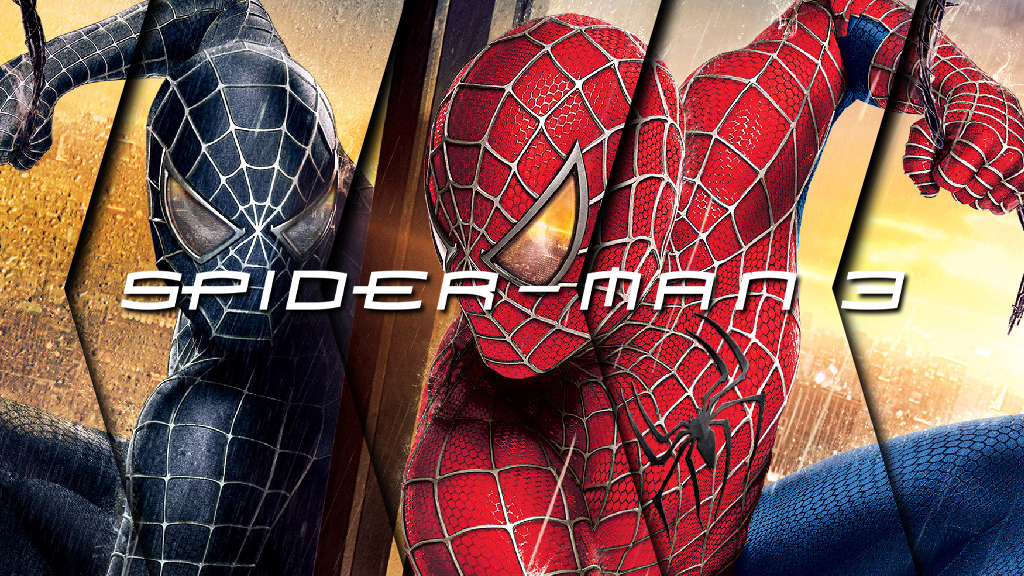
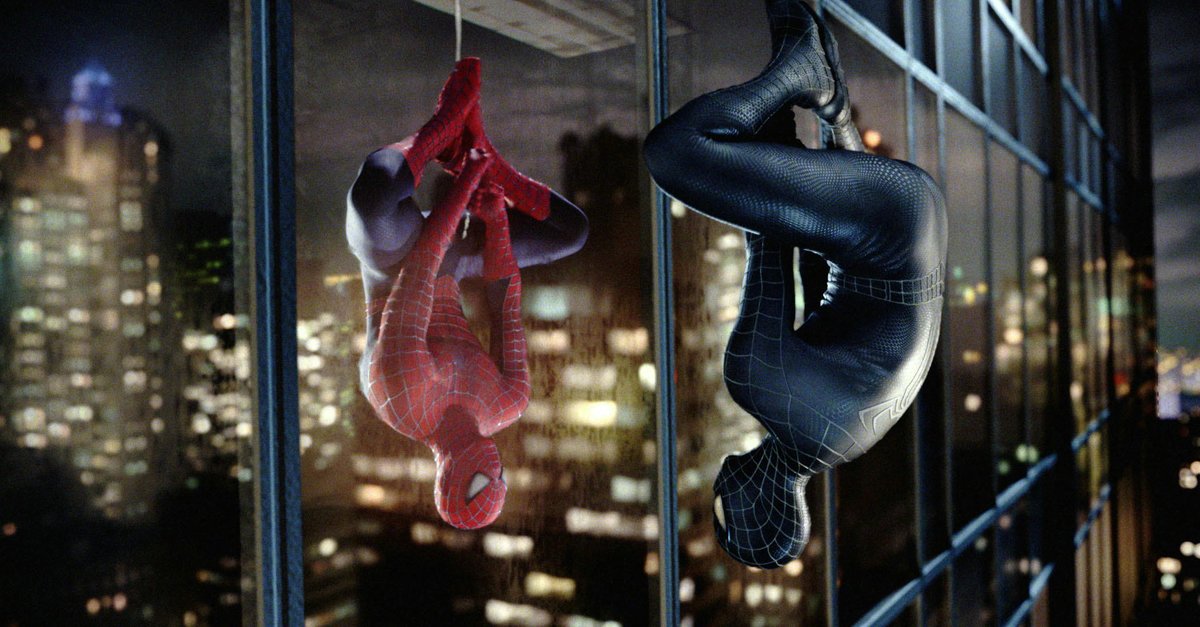
    It is said that movies are actually made three times: when writing them, shooting them, and then finally in the editing bay. This process helps solidify what the movie is supposed to be about, striping the project of superfluous details, sequences, or even a couple of redundant plot threads. It works as a bullshit filter, making the final product more concise, streamlining the viewing experience. It’s basically everything a late-night, tequila-induced, fanboy fever dream of a movie pitch isn’t. In that situation, anything goes and there’s room for every single character we can think of, often creating an unbalanced Jenga tower of ideas piled up on top of each other with no real structure to them. All of it is coupled with a vampiresque type of humor, the sort that isn’t likely to survive daybreak. Sadly, that’s the sort of mess that Spider-Man 3 feels like.

    Sam Raimi Opens Up About Spider-Man 3 Backlash

    Whereas Spider-Man 2 is a great (and sadly rare) example of how to further explore a world beyond an already well-received first movieSpider-Man 3 feels like an over-filled balloon that blows up in the audiences’ face leaving them with a bad case of tinnitus. It brings so much to the table that you hardly get the time to value each of the separate elements, while also not being one of those cases where the whole is greater than the sum of its parts. Aristoteles would not be impressed

    Right at the start of the movie you get the natural progression of Peter and MJ’s relationship as well as Harry’s deep dive into his father’s secret room containing prototypes of Green Goblin’s gear. These threads alone would make for a pretty solid story, building from the relationships explored in the previous movie. The build-up was priming Harry to finally turn into the main villain we all knew he could become. There was no need to bring any more (relevant) characters into the fold unless the aim wasn’t so much making a good movie as it was selling a few more toys.

    Spider-Man 3 · Film 2007 · Trailer · Kritik

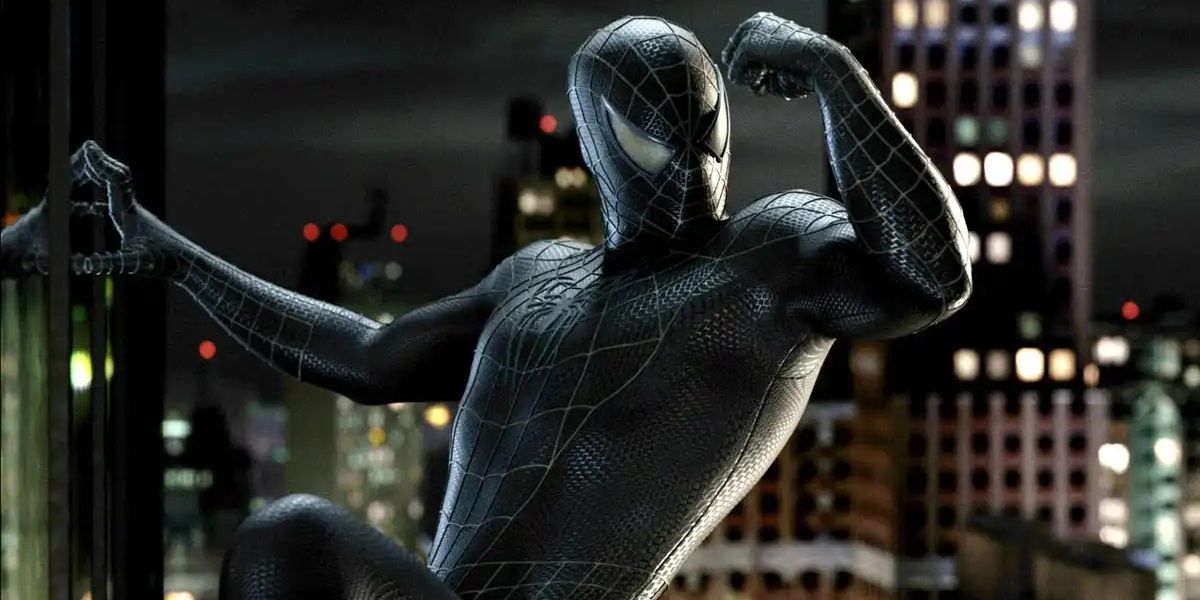
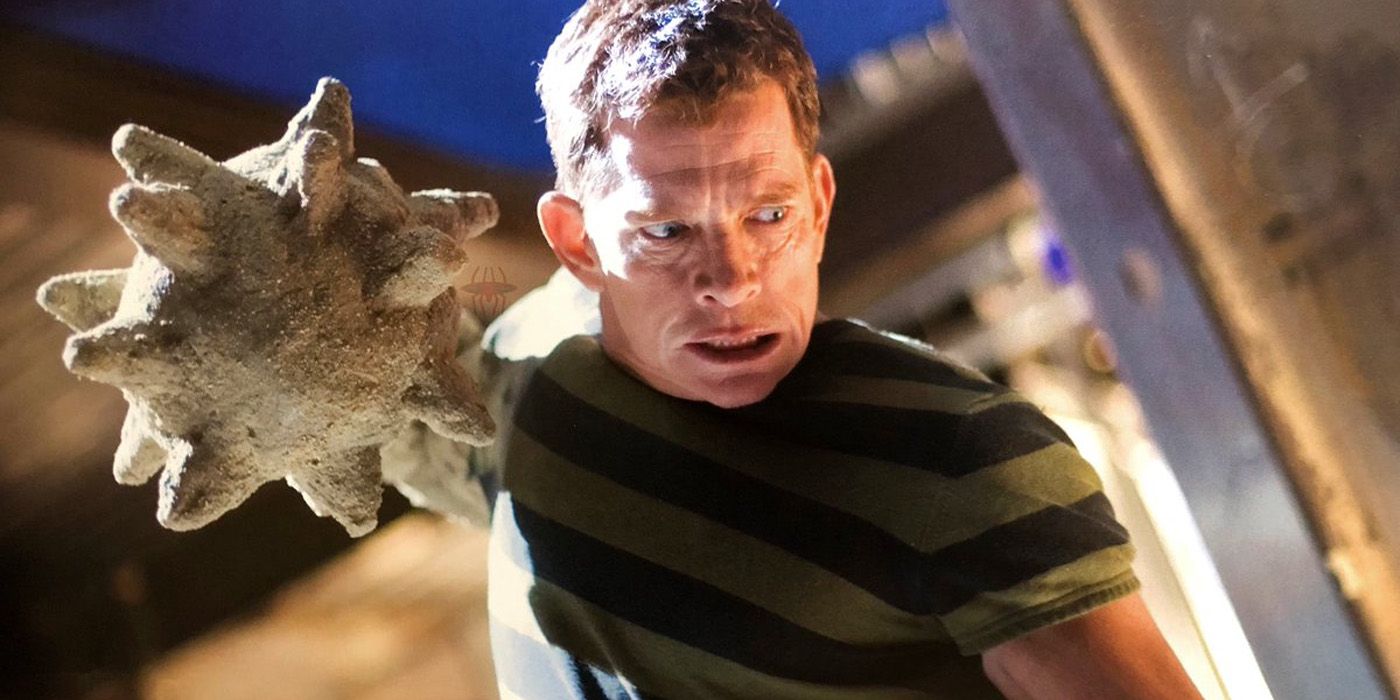
    And so, instead of looking inward, valuing what it already had, Spider-Man 3 looked outward and tried to bite off more than it could chew. In the first ten minutes alone, the movie tries to establish Flint Marko – our future Sandman – and brings the symbiote crashing down on Earth. Soon after we are also introduced to Eddie Brock and Gwen Stacy, characters that never went beyond being a parody of themselves, serving as glorified cameos that could have been easily kept for another occasion. Gwen’s inclusion is especially remarkable since, after all the relationship drama in the previous movies, the decision was to double-down on that by having not one but two love triangles for Peter to be a part of. All with him remaining completely oblivious of how his actions affected people around him, making him incredibly unlikable along the way.

    This movie ultimately became a tale of people not being able to do what they set themselves up for. The studio execs couldn’t keep out of the way (their meddling was pretty obvious and only hurt the final product) and the writers couldn’t come up with a consistent story, having to balance an unusually high amount of characters, and subplots. Also … Peter Parker can’t dance, Mary Jane can’t sing, Eddie Brock can’t use Photoshop and Harry Osborn can’t make a freaking omelet!

    Why Sandman Is Among the Best Spider-Man Villains

    Above all, Spider-Man 3 just isn’t a fun movie, albeit you can certainly have fun watching it. And that’s one of the only things a Spider-Man movie simply cannot afford to be: dull. But Spider-Man 3 does have one incredibly strong redeeming factor as Stan Lee‘s cameo is probably one of his best, if not the best. “You know, I guess one person can make a difference. ‘Nough said.” I’m extremely happy Kevin Feige got the hint.

  • REVIEW: ‘Spider-Man 2’ Remains the Definition of a Perfect Sequel

    REVIEW: ‘Spider-Man 2’ Remains the Definition of a Perfect Sequel

    There aren’t many things that are fortunate enough to be described with what I like to call “GOAT status.” That list includes the likes of Michael Jordan, begrudgingly Tom Brady, Heath Ledger‘s Joker performance, and anything Denzel Washington-related. There’s one that I want to talk bout today that stood the test of time. For 17 years, the superhero movie to hold that very title for me is none other than Spider-Man 2. As we’re about to witness the return of some iconic faces in Spider-Man: No Way Home, it’s the perfect time to let you know why it’s garnered that prestige.

    5 Reasons Spider-Man 2 Is The Best Superhero Movie Of All Time

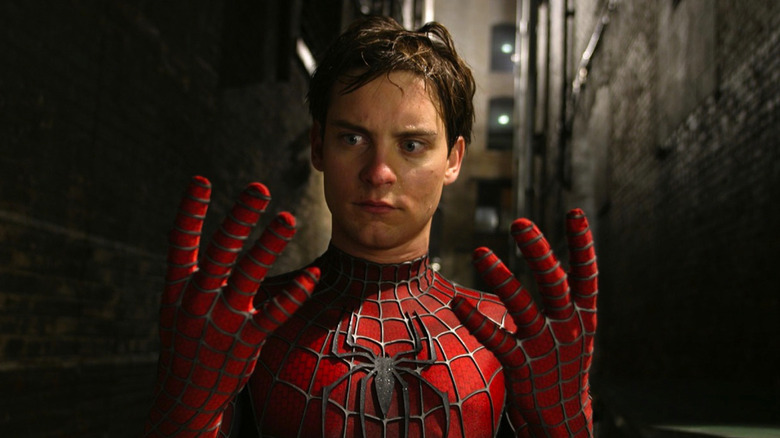
    A couple of months ago, a debate popped up in my Twitter feed on who the best live-action Spider-Man was, especially in regard to the distinction between Parker and his alter-ego. For my money, Tobey‘s performance in Spider-Man 2 is the best rendition of a college-bound Peter, who also has garnered quite a bit of experience in crime-fighting. In the first Spider-Man film, he took the more awkward approach with the character. This time around, Maguire seems much more comfortable in bringing these two sides to life and it’s not an easy balance to capture.

    This time around, he’s haunted by the life he can’t have with MJ, and you can feel that anguish throughout the film. It’s not just that, we also witness the struggle he has with his best friend slowly losing himself to his thirst for vengeance and their eventual falling out throughout the course of the film. Tobey truly sells that anguish throughout the film wheel still balancing it with the light-hearted aspects of the story and what it means to be Spider-Man.

    Spider-Man 2 (2004) - Theatrical Cut or Extended Cut? This or That Edition

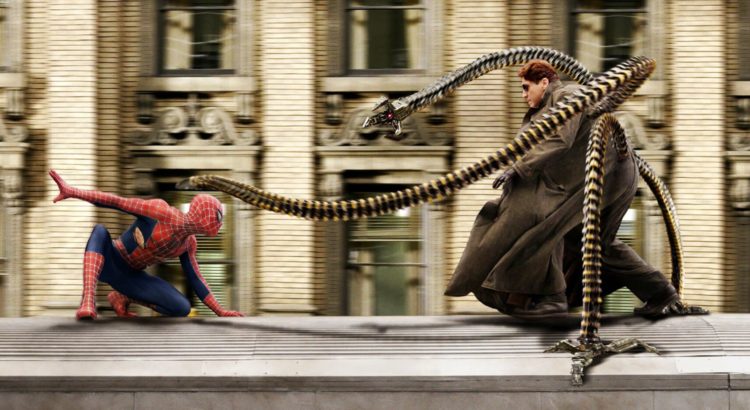
    Of course, we can’t talk Spider-Man 2 without discussing the performance of Alfred Molina as Doctor Otto Octavius. He is a legend, to say the least, and to have him in this role lends a certain gravitas to such an important character in the webhead’s mythology. Molina delivers a standout performance and really makes you sympathize with Otto, who’s driven to this point because he’s lost everything. All of it is gone within seconds, be it the woman he loved or all the work he’s invested his entire life for.

    It’s a powerful journey throughout the film. Even more so once the moment comes that he can finally overpower the tech that was changing him. He finds the inner strength to take control once again and save Peter along with the rest of the city. It is a beautiful moment that really cemented him as more of an anti-hero than a straight-up villain. Even to this day, it is one of the strongest performances in a superhero movie.

    Peter Parker "Pizza Time" Scene - Spider-Man 2 (2004) Movie CLIP HD -  YouTube

    Kirsten Dunst as MJ was panned 17 years ago, but after rewatching it I can’t seem to remember why. I think she is fine in the role, especially in how she sells it that is struggling to make it as an actress and wants a normal relationship with Peter. While the first in one painted her as unattainable for Parker – following high school clichés of the time – this one twists that in its axis by having it be that they can’t be together. It’s a nice twist and one that Dunst handles well throughout the film.

    Seeing Dr. Octopus in live-action was visually incredible at the time and it still holds true to this day. The score is exceptional, especially when the citizens of New York City carry Spider-Man after he stops the runaway train. An iconic scene deserves iconic notes, and this one is delivered in spades. That’s just on top of a memorable villain, great performances by the leads, and a story as personal as the original catapults Spider-Man 2 into the upper echelon of superhero films.

  • REVIEW: ‘Spider-Man’ Still Remains a Timeless Classic of Cinematic Heroics

    REVIEW: ‘Spider-Man’ Still Remains a Timeless Classic of Cinematic Heroics

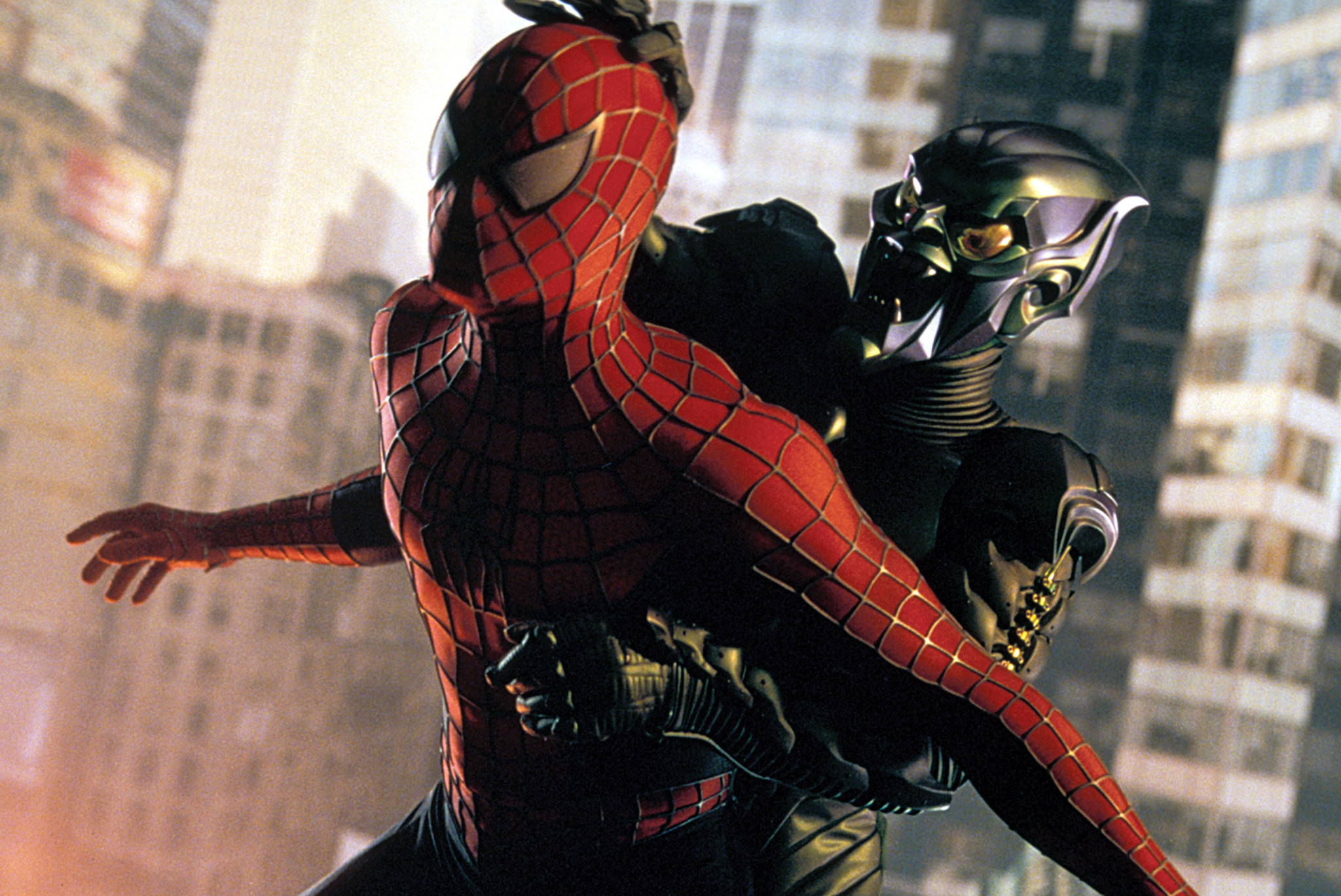
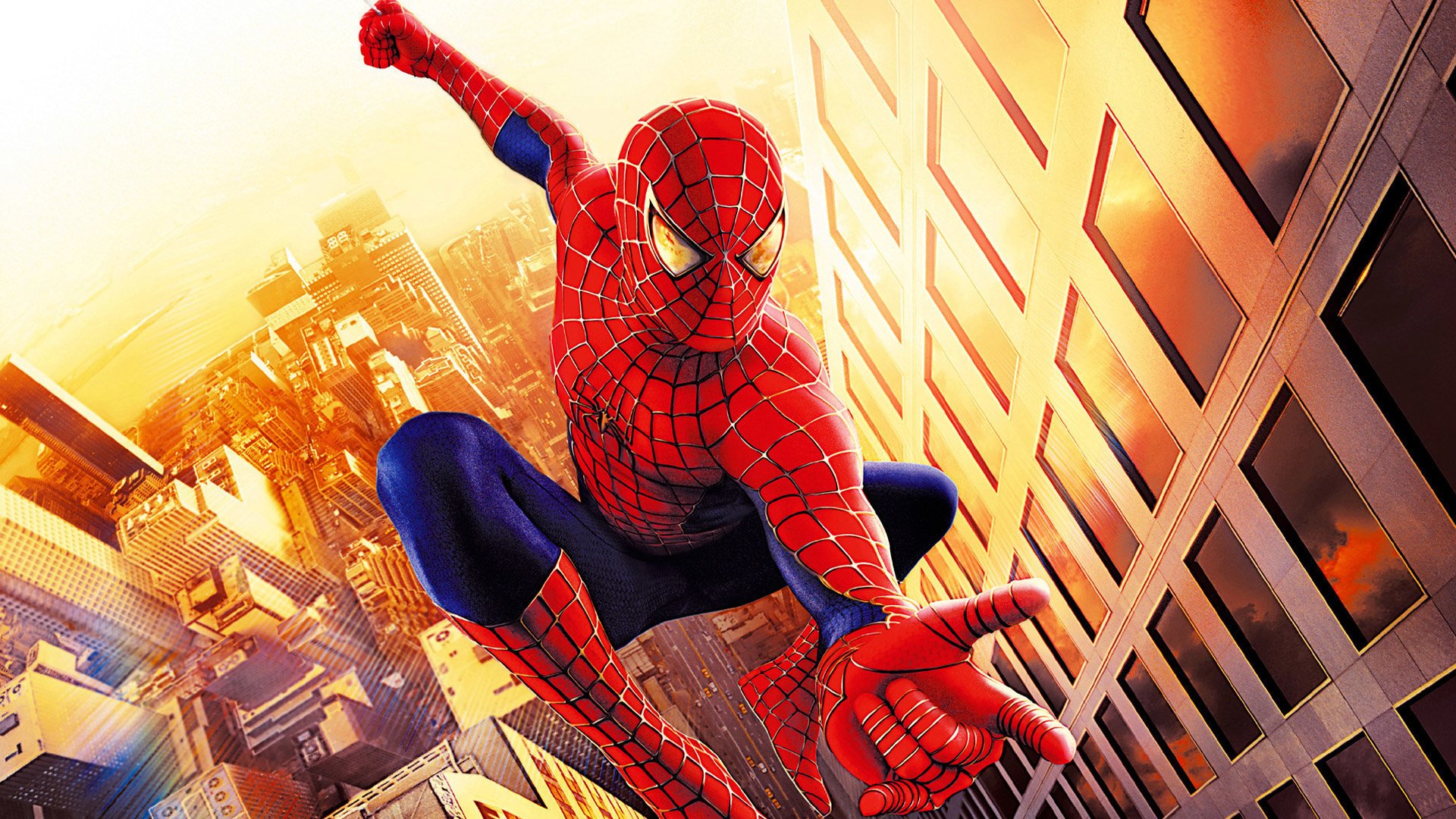
    With classic villains returning in Spider-Man: No Way Home, it seemed like the perfect time to revisit the cinematic outings of our favorite webhead. So, it only seems fitting to kick off with the film that started it all, 2002’s Spider-Man. Sam Raimi, at the time mostly known for his work in horror, took on the responsibility of adapting one of Marvel Comics’ most popular characters. It was no small feat, but the franchise is still fondly remembered to this day. Tobey Maguire takes on the role of Peter Parker, as he’s ready to face off against his most iconic villain, Willem Dafoe as the Green Goblin. Does the film still hold up after all this time?

    Spider-Man (2002) - IMDb

    It’s always weird looking back at films you adored as a kid. I wasn’t a big comic reader at the time, but Raimi‘s film was most certainly the push that would make me the Marvel fan I am today. As an adult, you look at these films with nostalgic glasses but also learn new insights you may have missed as a kid but also have a harder time with some elements. Sadly, it seems the romance between Kirsten Dunst‘s MJ and Peter just hasn’t aged as well for me as I thought it did. While it’s a perfect set-up for Peter to learn not to be selfish, and the ending highlights that very fact, it just takes away from the film a bit with her short-lived romance with Harry.

    Now, that doesn’t take away from the film in any way, it just is an element that doesn’t work as well as it used to for me. However, as an element in the story, it is hard to imagine it without. His love for her pushes Peter throughout the story and even builds some distrust with James Franco’s Harry Osborn. I will say, the fact they play out their friendship early on, only for him to date the girl he knows his “best friend” is in love with was a curious choice. It does add some tension to the story, but it adds a naivité to our hero. It’s punctuated by his actions later own as this is a Peter Parker who sees the good in others, which becomes especially essential in the sequel.

    Spider-Man (2002) - Rakuten TV

    Speaking of good, it’s incredible to see how well these effects have held up over the years. Yes, there are some moments where it sticks out, but the work here is incredible nonetheless. The scene as he swings MJ to safety with the puppet and hair blowing the wrong way is something you never truly realize until someone points it out, which highlights just how immersed you truly are in the film. Green Goblin’s glider effects have weight to them, but the pumpkin bomb turning people into skeletons was quite a bit over-the-top. Still, it fits right into Raimi’s wheelhouse.

    As I mention the director, you can see a lot of his work influenced this film. The creeping camera shots and generally how everything moves to stand out among films of the time. Hell, it even rivals recent releases on how creatively it uses the camera to convey the gravitas of Spider-Man’s actions. While I believe he perfected it in the sequel, there are some truly memorable shots sprinkled throughout that make the film stand the test of time. Even as we have gotten a bit tired of seeing heroes’ origin stories nowadays, this was a spectacle and the film manages to breathe that life into it.

    Top 10 Reasons Why Spider-Man 2 is Still the Best Spidey Movie

    The highlight of this story lies in how it’s not just an origin story for our hero, but also its main antagonist. We spend a lot of time with Norman throughout the story and mean Norman. While Green Goblin is well played, Raimi understood that it’s the “man” behind the mask and his loss of self. He’s the reflection of our hero, as he’s technically what would happen if Parker never got the Uncle Ben speech. It’s what makes the “my father” speech at the end hit so incredibly well. Not only does it build upon the tragedy that Peter faced early on, but also highlights just how opposed these two characters are.

    The film still stands strong among the many that have followed since and there’s a reason it set the stage for modern heroics alongside Blade and 1989’s Batman. While still a bit cheesy, it does lean into the “comic book” aspect of its adaptation and doesn’t shy away from it. What truly cements this film as a cinematic classic lies in its heart, the parallels of Norman and Peter build the story throughout, while also highlighting the performances given by Dafoe and Maguire. There’s a reason they are remembered so fondly in these roles to this very day, and it’s exciting to think their story, especially Norman’s, didn’t end all those years ago.