Tag: Reviews

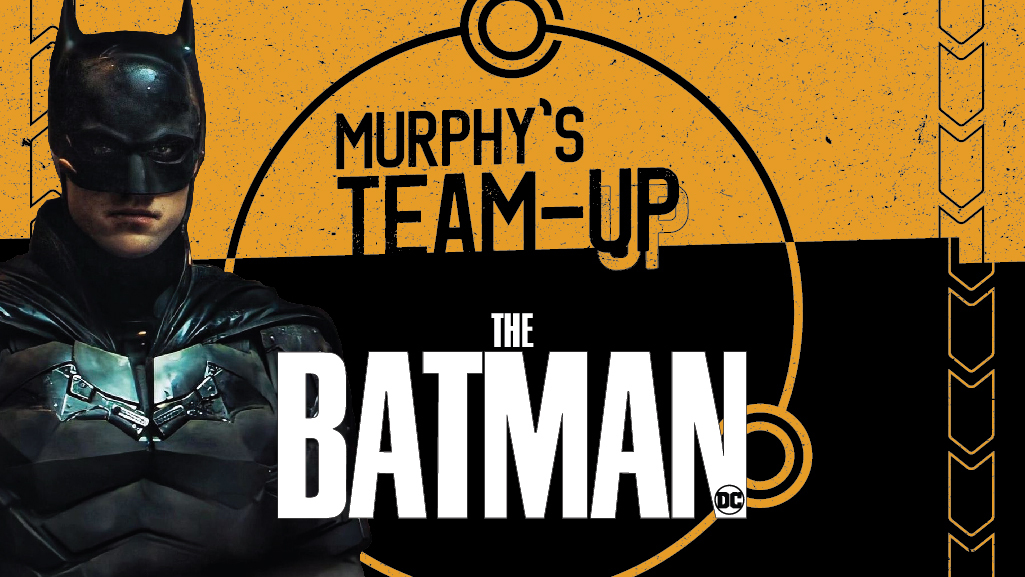
  • Murphy’s Team-Up Volume 19: Reviewing ‘The Batman’

    Murphy’s Team-Up Volume 19: Reviewing ‘The Batman’

    You can read Charles Villanueva’s full review of the film here.

    Dalbin Osorio

    It’s not The Dark Knight: I feel like we need to get that out of the way. It isn’t flawless either, nor is it the game changer you’d expect from a director of Matt Reeves’s caliber. What it IS is a grounded take on Batman during a time period we haven’t yet explored on film, and the first two acts are brilliant in that respect. Colin Farrell is money, John Torturro is excellent, and Zoe Kravitz is downright cat-like as Selina Kyle. I love that they had Selina be Falcone’s daughter: it worked in the comics and it worked here. However, Paul Dano tries really hard to chase Heath Ledger’s performance for some parts, although he redeems himself at the end with his monologue in Arkham. Having watched it twice, it now is apparent that the Riddler’s plan was that the GCPD would arrest Wayne for being Batman, put him in Arkham with him, and then they’d be safe from the flooding. In that respect, he failed, but I had to watch it a 2nd time to figure that out so I left my first watch thinking he won. The third act was uneven, and the introduction of Barry Keoghan as the Clown Prince of Crime doesn’t do enough to save it in much the same way Sinestro’s heel turn at the end of Green Lantern didn’t save that film. The difference being the two acts work really well here, with it feeling equal parts Departed and Saw. My gripes with it are that Reeves doesn’t appear to gibe much time to Bruce Wayne (focusing the spotlight on Batman in this is either a choice or just the struggle of directing a exciting portrayal of the billionaire playboy philanthropist), and that there are literal shot for shot remakes from TDK. Namely, the shot of the sniper rifle overlooking the town square is lifted from when Bale is trying to save the Mayor and Gordon gets shot and the Riddler taking out the folks in power almost exactly like The Joker did. Also, you can’t say comic-accurate doesn’t work in this universe he’s crafting, and then have Bats inject himself with Venom. Those are my issues with it, but I give it a 4/5. The third act prevents it from being a classic, but it smokes The Dark Knight Rises and Batman Begins.

    Anthony Canton III
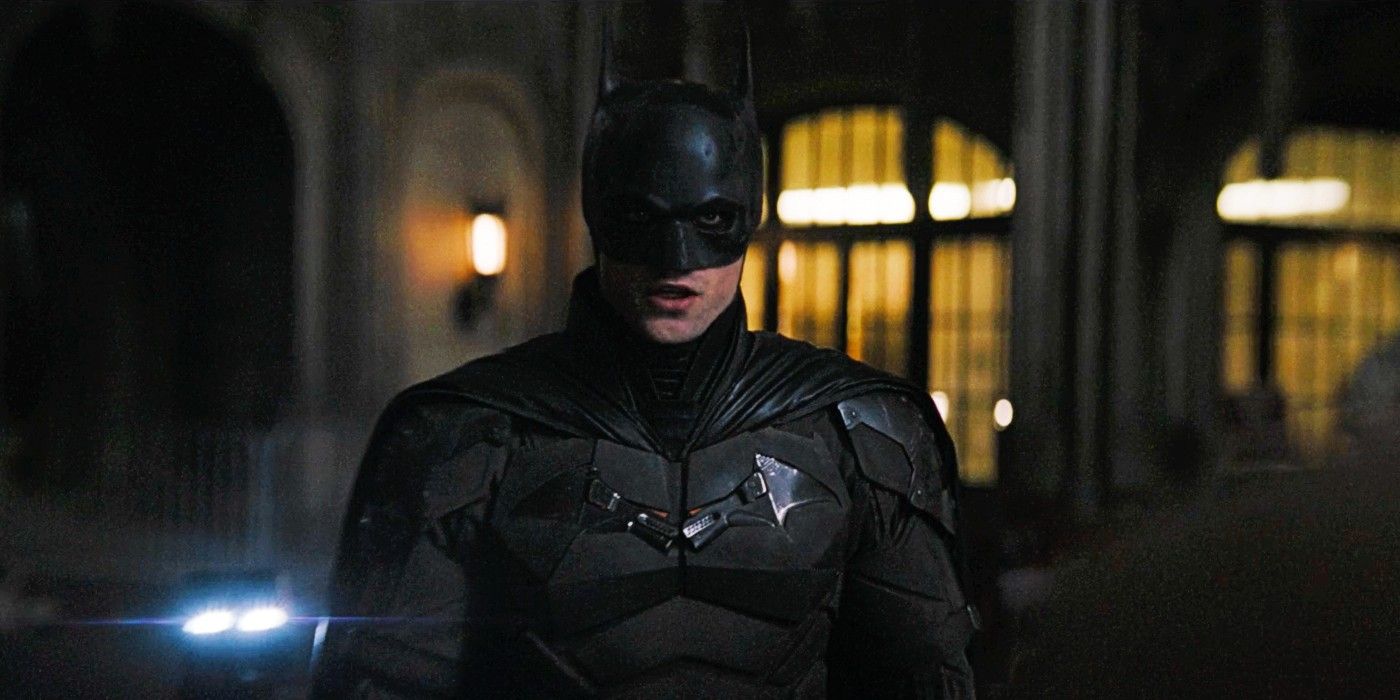
    The Batman Trailer Shows A Surprisingly Funny Side To The DC Movie

    The Batman is a film that spoke to the kid in me who read the Long Halloween. There are elements of Year one as well and those are mixed together seamlessly by Matt Reeves. Is it an incredibly long movie? Sure, but the movie’s length doesn’t take away from the story they told here. Robert Pattinson did a tremendous job playing a Batman who had no interest in being Bruce Wayne. It’s a character development that should be exciting going forward. Zoe Kravitz, Jeffrey Wright, Colin Farrell, and John Turturro all have exceptional chemistry with Batman. They really make the film sizzle throughout. Finally, Paul Dano deserves his flowers for making this version of the Riddler as scary and intelligent as possible. This movie had tension, suspense, and great nods to the comics. The most important thing this movie accomplished was it gave some runway for this Batman/Bruce Wayne to grow and not make him fully formed from the jump. I look forward to future installments with different sets of villains as they set up No Man’s Land. The Batman gets a 9.5/10 from yours truly.

    Mary Maerz

    Overall, I really enjoyed it. At the same time, it didn’t redefine Batman cinema for me and I’m perfectly fine if I could not ever see it again. The visuals and score, unsurprisingly could be incredible. While it was stunning at times, it kind of hit the same note at all times. It was very cohesive, but pretty monotone. For me, that’s why it felt way too long—I’m not against 3 hour movies, but I felt a bit defeated when I realized there was still another 30 minutes left. I would have brought more snacks in hindsight.

    I liked the supporting cast more than I expected to, which is saying a lot because I was expecting them to be good. Robert Pattinson was great, but I have no idea how someone gets “best Batman ever” out of that. He just did not have the specific presence enough to be irreplaceable in this movie. And that is not a shot at Pattinson, but more of a comment on the script and the way this movie portrayed Bruce Wayne/Batman.

    The Riddler was great in the first act, I felt like he disappeared completely in the middle, and then flopped a bit in the final act. While the build up of the character is awesome, but his end game sort of erased his “grounded serial killer” attitude and turned him into a much cornier and pretty average comic book villain. I think a lot of the nuance was lost when his motivation and final move were revealed.

    Overall, I’d give it a 7.5/10. But it seems like it’s easier to talk about the negatives when I’ve heard that it was the greatest comic book movie of all time for years. It was good and extremely well-made with its cinematography and score in particular, which is a very standard take. It knew how to be dark, grungy, and delightfully uncomfortable. And it did what it did well a lot. Zoë Kravitz stood out more than anyone, and I really really enjoyed Jeffrey Wright. Like all movies, it was not perfect and not for everyone. I do not personally think it will singlehandedly change the genre, but it’s great that it adds a relatively unique vision to the conversation.

    Charles Murphy

    For the time being, The Batman is going to remain a riddle to me. Wonderfully acted and beautifully shot, the film left me with some questions and concerns about the future of the character. I appreciated the patience with which director Matt Reeves set up the film’s mystery; I never felt like I was bored nor that the film wasted time. That patience gave the film time to show a side of Batman that hasn’t been properly explored in live-action films and I enjoyed it. Robert Pattinson’s pensive Batman might be my favorite version of the character so far, though further viewings of the film will be necessary before I can really be sure. The film gave him some great Batman lines (the your blood or mine one was a favorite) and provided a wonderful foil in the from of Zoe Kravitz’s Selina Kyle, who certainly had an impact on the Caped Crusader. Between his “loss” to the Riddler and his time with Catwoman, Batman will be forever changed and the film ends with the hint that when we next see him, he’ll be a very different man, and that fits wonderfully with where the character is in his journey.


    My concern is that, for a film that is meant to be a jumping off point for a decade worth of Batman-related content, it feels VERY narrowly-inspired. Watching this film, it’s easy to get the idea that Reeves’ model of Batman was developed by reading the works of Frank Miller and Jeph Loeb. While each of those writers brought something absolutely fascinating to the character, honing in on their takes could potentially mean forsaking some of the other things that have truly defined the character over 83 years of stories. Could Ra’s al Ghul exist in this world designed by Reeves? If not, a wealth of stories and characters that come from that corner of mythology can’t either. Could any of the more fantastical characters exist here? If not, another corner of what has defined Batman over the years can’t be explored. Reeves’ Gotham seems like a bad place with bad mob guys and dirty cops, and if that’s all it is, I don’t care to see more of it. I want to see Clayface. I want to see Robins, all of them! Those things all seem like they’d take a huge leap from where Reeves feels comfortable. Had this been a one-off and not a film meant to kickstart a whole universe of spinoffs and sequels, I think I would have enjoyed it more.

    John Sabato

    After three viewings of The Batman, it is everything I’ve wanted to see in a Batman film. We have a Batman that lives by his code, who is vehemently against the use of guns and killing. Pattinson embodies Batman perfectly and is the first to truly embrace the world’s greatest detective aspect of the character. Every single one of his supporting characters and antagonists are perfect and feel definitive to me. Jeffrey Wright as Gordon works incredibly well alongside Batman; Zoe Kravitz is the perfect parallel to Batman; Colin Farrell’s Penguin was hilarious. Paul Dano’s Riddler, however, was a fantastic reinvention of a character who has previously only seen quite goofy adaptions. Dano especially shined in the scene between him and Batman in Arkham. Overall, while at times I do think the film could drag a bit, and it is long, the third act really shined for me and by the end I just wanted it to keep going. The thought of having to wait so long for a sequel is killer.

    Hunter Radesi

    If Matt Reeves did anything right in The Batman, it was the atmosphere. There’s been a lot of comparing this film to The Dark Knight, once considered the definitive take on the character, and in this regard, Reeves blows Nolan out of the water. From the film’s opening moments, it plays with the iconography of Batman and Gotham in ways that make you fear the vigilante and his city right alongside its fictional inhabitants. It often feels like a Black Series comic come to life, teetering on the edge of brooding noir and cornball camp. A lot of the film is what I’ve always wanted to see in a Batman adaptation, with secrets of Gotham unearthed and the protagonist used as both a true detective and a force of nature. However, it’s not without its flaws. Parts of the overlong plot tend to lose their steam, and some baffling choices are made in regards to the Batman mythology. Overall, the film is a beautiful take on the character with room for improvement in an inevitable sequel.

    Joseph Aberl

    The Batman is a curious piece that echoes David Fincher‘s noir era of storytelling. In his second year, Robert Pattinson‘s take on Bruce Wayne is damaged and lost to his own obsession with vengeance. The film plays strongly with those emotional ties and intersects it with a strong noir mystery that keeps you on your toes throughout. The sound design is what truly grips you in, especially with some shots focusing primarily on the threat that is Batman. The use of shadows for the character in making it believable why criminals fear him is a standout moment and may be the character’s best on-screen introduction. Yet, I will say the soundtrack does tend to feel like it is on repeat at times and doesn’t truly stand out as it could’ve. A lot about this film relies on subtlety to focus on the atmosphere it creates rather than becoming a pure fan-pleasing film. Still, it may be one of the best adaptations of the comic’s version of the character and a great start into what may be a very unique franchise.
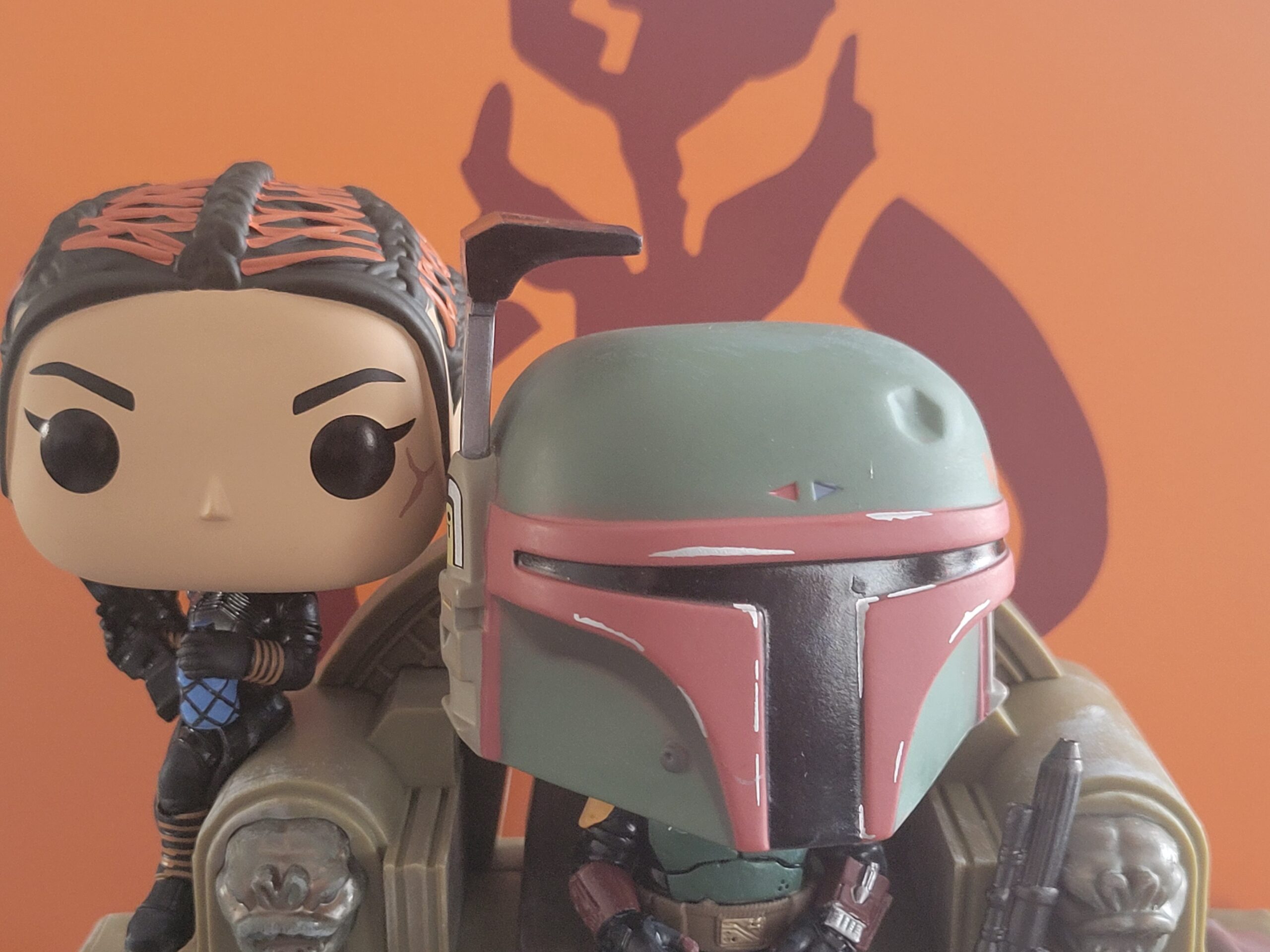
  • REVIEW: Star Wars Television Moment Funko-Boba Fett and Fennec on the Throne

    REVIEW: Star Wars Television Moment Funko-Boba Fett and Fennec on the Throne

    Star Wars fans can probably remember just how excited they were when the post-credit scene to the season finale of the second season of The Mandalorian showed Boba Fett, with the help of Fennec Shand, marching into Jabba’s palace, killing Bib Fortuna and taking the throne. This, of course, was followed by the official announcement that the legendary bounty hunter would get his own series, The Book of Boba Fett. While that series, which has now completed its run, may not have lived up to everyone’s expectations, there’s no debate that the post-credit scene is a moment that lives on in fan’s minds as it held the promise of something wonderful. Thanks to Funko, fans can hold onto that moment forever with a wonderful Star Wars Television Moments Funko Pop!

    The deluxe set nearly perfectly captures the mood of the moment in which the iconic bounty hunter staked his claim as the crime lord of Tatooine. Impeccably detailed, the set has everything from the throne’s engraved lettering to the staff that Fortuna dropped upon his death. It also comes complete with a background featuring Fett’s mythosaur sigil, allowing collectors to show off the set against the most well-known symbol of the bounty hunter.

    Collectors can order the Pop! Moment, which comes in a perfect window display box, at Entertainment Earth for $29.99.

    Murphy’s Multiverse is an Entertainment Earth affiliate.

  • REVIEW: ‘The Batman’ Isn’t Perfect But Is Immortal

    REVIEW: ‘The Batman’ Isn’t Perfect But Is Immortal

    When Kurt Cobain wrote “Something In The Way” in 1990, he was believed to be lamenting a period of hardship and homelessness he lived through a few years prior. Legend had it that Cobain spent those days living under one particular bridge in Seattle, dreaming of befriending animals and eating fish. Over the years, people in Cobain’s circle would refute that story, saying he hung out frequently under bridges but never actually lived under one. Cobain himself later told a biographer that the song was about his fixation of being in the gutters of life. That a song about a despondent fantasy would eventually bookend the album that would catapult Cobain into one of the most financially successful musicians in the world is not without irony. That director Matt Reeves would go on to use this song as his entry point to craft a Bruce Wayne so desperate to be in the muck and grime of Gotham is of no coincidence. 

    Robert Pattinson first introduces his reclusive rock star edition of Bruce Wayne through a series of diary entries. Vivid images of Gotham in Halloween flash on the screen as Bruce Wayne broodingly walks through its filthy streets, monologuing about the damage the city has inflicted on itself. Pattinson’s intro as Bruce Wayne is rooted in such curt nihilism that audiences would be forgiven for thinking he was reading aloud Rorschach’s journal. No stranger to the most despicable of characters, Pattinson fashions a Bruce Wayne that loathes being Bruce Wayne day in and day out. His take on the fabled playboy millionaire is the coldest the franchise has seen yet; it is distant and unwelcoming, a far cry from Ben Affleck’s hedonistic Adonis. The performance speaks to the isolation Wayne wears in his sleeve daily but can oftentimes linger for too long. Even with an interpretation as sincere as Pattinson’s, there’s a lot to be desired from this version of Bruce Wayne, as the actor forgoes a lot of the character’s touchstones. 

    When Bruce Wayne sees the Bat-signal lights up the rainy sky, Reeves, cinematographer Greig Frasier, and composer Michael Giacchino pull into focus the most cinematic Gotham in the franchise’s history. Giacchino’s doom-laden crescendos make every shadow in every alley and street corner feel abyssal. The heat from Gotham’s pavements and the rain that falls on it create hazes that glimmer from the fading neon lights of its establishments. Frasier captures every bit of beauty nestled in the filth that every frame could be a postcard. It’s a Gotham whose atmosphere is so inviting and texturally rich that it feels inhabited by all kinds of Batman characters antithetical to the realism Reeves keeps insisting on. This Gotham isn’t by way of Michael Mann’s Heat. It’s Spielbergian, a masterfully crafted world bolstered by a trifecta of direction, photography, and scoring. A world that’s full of mysteries, secrets, and beings waiting to be found.

    The refrain of reactions from those who have viewed the film in advance proclaim The Batman to be one audiences have never seen. While that rings true in a certain regard, the film revisits ideas and influences prior films have covered. The Batman is indebted to Bat-authors Frank Miller and Jeph Loeb, whose work served as the foundation for the Nolan films. Matt Reeves contends that his story isn’t an origin story despite the text heavily featuring a Batman fresh on the job and the death of the Waynes as the thematic and narrative centerpiece. Year One and The Long Halloween seem to be all but permanently ingrained in these early-days, utilitarian live-action depictions of Batman and so by design, Gotham’s mobsters and police department play key roles once more in this. 

    Novel to this Batman film is its focus on the character’s hardboiled detective roots. From the film’s opening sequences alone, Reeves firmly makes his statement that his Batman is a noir thriller. Like any capable noir film, The Batman bides its time – almost to a fault – in unraveling a mystery and sees Batman and Jim Gordon devote most of their screen time gathering clues, deciphering evidence, interrogating people, and, occasionally, busting skulls. Gadgetry and intuition coalesce into highly watchable scenes of intrigue as layers of the Gotham underworld are peeled. However, even Reeve’s vision of a laser-focused and meticulous detective mystery loses its step thanks to a finale that collapses from the density of the material.

    The Batman’s finale sees the pursuit to capture the elusive Riddler vanish, like a thief into the night, to make way for a spectacle of calamity that almost feels conceived through executive meddling. The set-piece primarily functions in the plot as an adrenaline shot to its lethargic pacing to give it some much-needed urgency. Previously absentee players are jammed into the sequence in order to broaden the stakes. While the set-piece allows Reeve the space to frame his own iconic Batman action moments, it’s an unwieldy finale that’s unfaithful to the film’s own ethos. Considering it comes abruptly after nearly 3 hours of patient sleuthing, it feels unwarranted. Perhaps this was Reeves’ best way of compromising some of his vision to accommodate high-flying action expected in these kinds of films. Regardless, it causes the film to stumble the landing.

    For the handful of flaws The Batman has – such as a car chase that’s almost unwatchable and a Paul Dano that’s kept off-screen – it makes up for with a cast assembled out of a painstaking vision that begins with Pattinson’s Batman. Pattinson does little to discern the man from the cowl, so the distant Bruce Wayne is one and the same as the vigilante. Fortunately, the coldness Pattinson distills into his Bruce Wayne results in a Batman whose mere stillness in the shadows invokes fear and dread. From this stillness, Pattinson derives a spectrum of emotions ranging from seething rage to deep melancholy. The days are too early to declare Pattinson as the best Batman yet but he nonetheless makes an impressionable mark. His costume, at the very least, is the best one yet.

    Opposite Pattinson is the strongest Catwoman put to screen. Zoe Kravitz as Selina Kyle is mosaic; angry, discontented yet loving and nurturing. Much credit can be thrown at Bat-writer Tom King, who revitalized the Bruce-Selina romance in a way the comic hasn’t seen in years and whose influence is evident in the film, but it’s Kravitz who puts in the work. Kravtiz delivers a sultry and tempting performance that never feels gratuitous even during her displays of passion. That her chemistry with Pattinson is so alchemic is a testament to the emotion she wields at ease onscreen.

    There’s a lot to be said about The Batman’s fidelity, or lack thereof, to the whimsical nature of the source material. Paul Dano’s Riddler, as much as it is a blatant co-opting of the Zodiac killer, surprisingly stays true to the theatrics of the comic version. Reeves even gives us a Riddler that uses convoluted death traps on his victims, which we sadly don’t get to see. Dano even goes so far as to adopt the often gleeful and sardonic twitchiness of the character. The Batman’s screenplay, unfortunately, relegates Riddler to news splices and corny live streams, rarely giving Dano the space to display these flourishes, let alone be physically present. In the few moments Dano shows up, however, he gives Riddler a wariness that’s as contemptible as it is playful.

    Lastly, an unhinged Colin Farrell and the always-resolute Jeffrey Wright round up the principal ensemble as Penguin and Jim Gordon respectively. Farrell essentially disappears in the role, thanks to incredible prosthetics and makeup, which allows him to give the Penguin an unfounded scumminess and despicability that is highly entertaining. Jeffrey Wright’s Gordon, on the other hand, finally gets to be the ally Gary Oldman’s Gordon never was. Wright’s Gordon is stern but never callous. He understands the necessary evil of Batman but also of its pitfalls. Like Dano, Wright doesn’t quite get the space he needs to explore the character but he nonetheless gives Gordon an optimistic determination that works in tandem with Pattinson’s cynicism. The dynamic between Batman and Gordon doesn’t quite reach Riggs-and-Murtaugh levels of charm but there’s an unquestionable buddy-cop energy beneath it.

    Once more, the Bat-franchise continues to be a fruitful proving ground for auteurs. The increasingly formulaic early days of Batman manages to take on a new form through Matt Reeves’ sheer will and vision. The Batman falls shy of topping the narrative and emotional highs of The Dark Knight but manages to paint a lasting image of Batman, Catwoman, Riddler, and Gotham that the world has yet to lay its eyes on. Let this be the Batman of a new generation.

  • REVIEW: ’The Marvelous Mrs. Maisel’ Proves Timing is Everything

    REVIEW: ’The Marvelous Mrs. Maisel’ Proves Timing is Everything

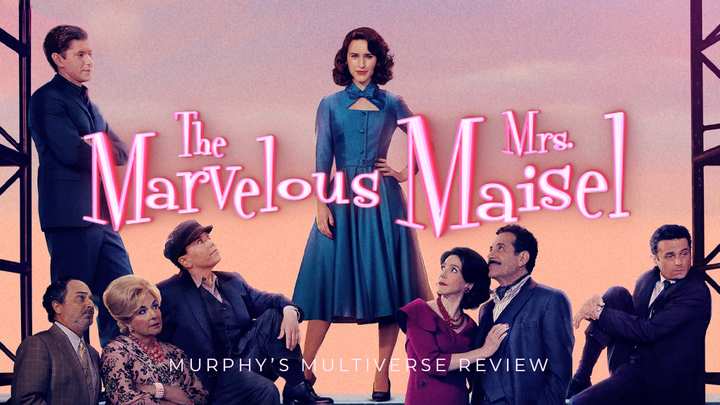
    Ever since its first, Emmy-award-winning episode dropped in March of 2017, The Marvelous Mrs. Maisel has thrived on timing. As has been mentioned on numerous occasions, the show moves at a speed that can only be described as “really fast.” Scenes transition like they’re stuck on LaGuardia’s moving walkway and characters speak at a tempo that could spin a windmill. It’s everything a high school drama director tells their students they should strive for, landing beat after beat in a tight, functioning hour. This exquisite meter is the series’ trademark, and its greatest secret weapon, as the writers seem to remember something the rest of us may have forgotten. In Maisel’s latest batch of episodes, Amy Sherman-Palladino reminds everyone that timing is sometimes most effective when slowed down.


    Everything is Bellmore”, the first of this week’s two new installments, is the show’s official tribute to Brian Tarantina. The actor, known for playing lovable Gaslight emcee Jackie, passed away unexpectedly in 2019. While Tarantina was undoubtedly a cornerstone for the series, one of those little unsung pieces that make the whole thing tick, it never felt like a surefire bet he’d get an entire episode made in his honor. One may have expected a line inserted quickly into an early-season episode, commenting on his absence with a little dedication card appearing after the credits. What one may not have expected was for the writers to take his death and turn it into one of the most poignant moments in Maisel’s entire run.

    Bellmore is a showcase for Alex Borstein, who steps up to deliver an unforgettable bit of acting during the episode’s climactic minutes. A lot of shows have a lot of scenes, where performers stand up to produce tears and spit out dramatic monologues, it’s simply par for the course. However, very few manage to achieve the raw authenticity that Borstein displays during her big moment. While the leads of Maisel may be wealthy Upper West Siders, the series always has truly been about the little guys. Jackie, and by extension Tarantina himself, was one of the little guys. As Susie points out, the man was a hard worker and lived a life full of immense ups and staggering downs. Like any person, he was simply out there trying his best. And yet, it never seemed good enough. No matter how hard he worked, or how many minor successes he had pulled off, his life still ended in a dirty, cramped, one-room apartment. Why? Because, as Maisel has always made apparent, timing is everything.

    Rachel Brosnahan, while magnificent as usual, has taken a back seat to her supporting cast, but it is still her storyline that thematically threads everything together. Now working at a strip club, the resolute protagonist makes it her mission in life to take an otherwise discount presentation and get it off the ground. Though production value does increase, at the end of the day, it’s still a strip club. Try as she might, Midge isn’t yet able to achieve the sort of fulfillment that she desires. Whether or not the club itself is part of the problem remains to be seen, but in the end it boils down to the commentary Bellmont and its follow-up “Interesting People on Christopher Street” are trying to make. Life is short, and sometimes the timing just doesn’t work out. Whether it’s whatever boat Jackie missed, Midge’s dependence on low-rent venues for creative freedom, or Susie’s refusal to do anything about her romantic life until she gets her business afloat, the idea of timing is ever looming.

    The other character who shoulders this theme, and who gets a little extra spotlight this week, is Tony Shalhoub‘s Abe Weissman. A personal favorite member of the cast, as his comedic timing is consistently top-notch, the former Monk star navigates two separate b-plots with sublime expertise. In both, Abe deals with the consequences of not knowing when he should and shouldn’t open his mouth. He publishes a devastating review of a play written by a family friend, resulting in the social exile of the Weissman couple from their community. His frets about the romantic history between his wife and best friend get Jason Alexander‘s Asher and himself in trouble with the federal government. It’s a lesson in balancing truth with timing, done with the mix of comedy and dramatics that only Maisel can pull off.

    Ultimately, this week’s duo of episodes is dedicated to the element that helps the show stand out in more ways than one. Pacing, music, production design, costumes, and everything in between are up to their usual snuff. From a filmmaking standpoint, the show only continues to prove the importance of timing. Only now, the story is starting to as well. Just remember, even if Midge is able to get the technical aspects of that strip to show up and ticking, she still finds a way to fall in the pit at the end.

  • REVIEW: ‘Batman Returns’ Could’ve Used More Batman

    REVIEW: ‘Batman Returns’ Could’ve Used More Batman

    Tim Burton‘s return to Gotham City was surely going to be bigger than before, as his notorious gothic style might get more focus this time around. His work on the first brought the Caped Crusader and the Clown Prince of Crime to life, especially with Jack Nicholson’s performance as the Joker quickly becoming a cultural icon. Even in its sequel, Batman Returns, the villains are its crowning achievement that often overshadows its titular protagonist.

    Throughout the first hour of the film, the main character is barely in it, as we spend most of its runtime setting up its main foes, Catwoman and Penguin. While the setup is well done, it’s just a noticeable absence and feels more like we’re walking into a Catwoman film than we are one focused on the titular Caped Crusader.

    While what we do get of Keaton throughout the film is an interesting duel of identities, the antagonists just outshine him. The standout performance and possibly one of the best in a comic book film belongs to Danny DeVito’s Penguin. He could waddle around without saying a peep, and still speak a thousand words. His work as the character is deliciously repulsive in all the right ways. It is a much more feral take on the character but DeVito shines with his barbarous line delivery even rising from the sewers beneath Gotham City. All of this is hiding a man desperate of reclaiming what he feels owed. It is also implied that Penguin is only 33 years old so take that into consideration if you ever debate living under a zoo.

    Along with Penguin, we see a bit more of a wild and untamed take on Catwoman. Probably the weakest part of this character is her origin. She simply gets pushed from a window high up and resulting in a few screws knocked loose. Next thing we know, she’s running around in a noticeably DIY leather suit whipping it like a Devo song. Once we get to spend time with Catwoman, Michelle Pfeiffer does indeed shine in the role and her chemistry with Keaton‘s Bruce Wayne is undeniable. They are perfect parallels of each other throughout the film.

    Probably the weakest villain in the film is Christopher Walken‘s Max Shreck. His main function is to create the film’s actual antagonists and is then quickly overshadowed. It makes sense, as they are infinitely more interesting than the dude who looks like he stuck a fork in an outlet. His whole shtick at the beginning of the film is getting his capacitor built to store Gotham’s energy, but it’s quickly abandoned once the film realizes who is way more interesting. There definitely could’ve been better ways to push Selina and Oswald in the right direction without Shreck taking up as much screentime.

    As mentioned previously, one of the film’s most underutilized elements is its titular character. The problem is that Batman feels more like a supporting character in his own film. It’s a waste of Keaton‘s talents who is not only a great actor but someone who nailed both personalities of his character. It would’ve been more beneficial for the character and his relationship with Selina Kyle if they played more into his inner conflict with Bruce Wayne being the real mask.

    What is worth praising is this version of Gotham. It still remains one of the best adaptions of the fictional city. You can see Burton‘s influence in the set designs with his Gothic background clashing with the comic roots of the city in the best way possible. Even if the city is dark, it is very much alive and full of interesting characters. It was always meant to feel at odds with its aesthetic and the people that inhabit it.

    Batman Returns is a solid film that’s provided some iconic performances from DeVito and Pfeiffer. That mixed with some beautiful set design and costumes just offer a unique experience. The film has its problems and but you’ll spend too much time focusing on the parts that are good because they’re just so attention-grabbing. Sadly this was the last we saw of Burtons‘ run in Gotham, but it won’t be the last time we see Keaton in the role, as he’ll put on the cowl once again in the DC Extended Universe’s The Flash.

  • REVIEW: ‘How I Met Your Father’ Episode 7 – “Rivka Rebel”

    REVIEW: ‘How I Met Your Father’ Episode 7 – “Rivka Rebel”

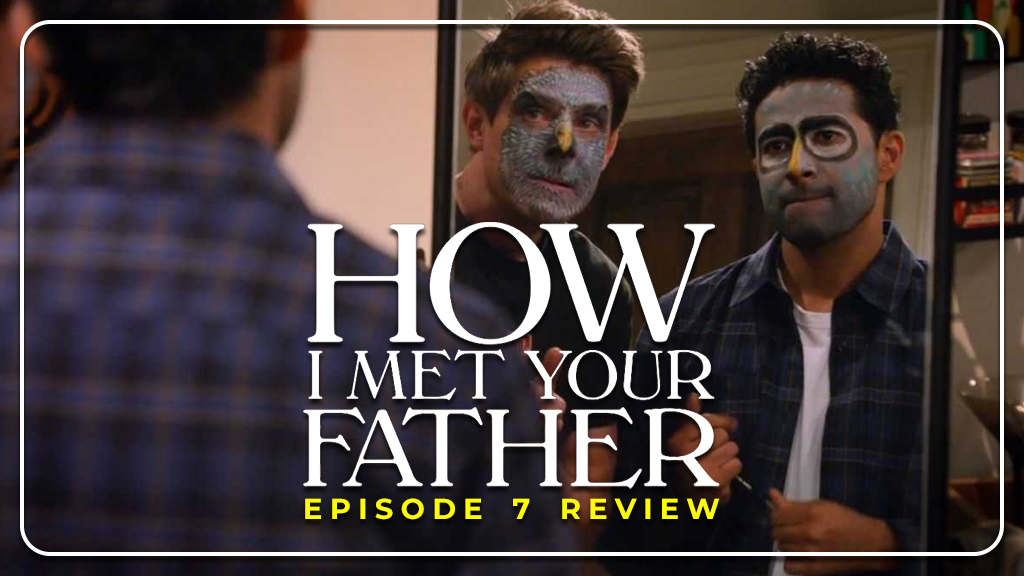
    Episode 7 of How I Met Your Father takes a break from Sophie’s love life and focuses instead on development with the core cast. Considering the two previous episodes were easily the best of the season, and were heavily involved with her love life, it is interesting going into an episode not fully knowing if it is going to land on the same level as those which directly preceded it.

    The episode follows each character as they try to develop in problem areas. Sophie and Valentina are tasked with performing a photoshoot for the head photographer of Sophie’s dream job. Meanwhile, Charlie and Ellen take on adjustment to living in New York, as well as Sid and Jesse spending the time dealing with procrastination. The duo pairings are already starting to seem like patterns. So far the cast is really falling into a weird place where each person has a best friend of the group and the cast all get together every few episodes to establish that they are a cohesive group. This has been ongoing, but I didn’t really catch onto it until this episode.

    Every episode pairs up Valentina and Sophie, Charlie and Ellen, and Sid and Jesse. Sure, we see them all interact, but when it comes to the personal moments where only two characters are there, it gets a bit underwhelming. This is largely because those types of relationships are being developed continuously while there is still no big development in other areas. Valentina and Charlie are a couple, but only two episodes have involved their relationship for example. Jesse is obviously in love with Sophie at this point, but we don’t see him actually do much about it, whether it is jealousy, chasing her, or any other type of emotion. This weird disconnect is my new big complaint about the show, not that there are many complaints, but I do hope we see this corrected in the final three episodes, or if not, in season 2.

    While the pairings have me critical, the actual development between the characters did progress well. Jesse is starting to move on from the tragic ending to his last relationship. Sid is getting closer to marrying Hannah, with them agreeing on more and more. Sophie is finding herself and taking leaps for what she wants. Valentina is admitting to her true feelings about where she is in life. And Ellen and Charlie are getting more comfortable with each other. I do like how the characters are progressing. Sophie is obviously the most interesting due to her being the main character, but Valentina and Jesse are early standouts. Valentina is quickly breaking away from the free-willed and confident character we were introduced to and becoming a very interesting character with lots of real-world problems and reactions, such as lying about how glamorous her life is to not worry her friends. Jesse is also great because of his struggle moving on from his ex, especially since it left him a semi-famous internet sensation. The struggles are very 21st century, relating to the target audience as much as it can, but it feels real all the same, especially as a twenty-something like myself.

    While we have talked about my major complaint about this episode, I do have a second. As I have stated before, the show really has no time to waste in its short 10 episode season, especially now as we near the end. However, this episode seemed like a disconnect from the really big momentum they had coming into it. Due to this, the episode felt like filler, even if it did help develop some of the main cast. I think this largely stems from my first complaint of the pairings being more of the same, since it is starting to be smaller and smaller jumps in development, we as viewers don’t perceive the new changes as well, and therefore the episode falls into this weird place that it feels like a filler episode despite being a normal episode for a traditional sitcom. Filler is usually an episode that does little to progress the plot, such as the rhyming episode in How I Met Your Mother‘s final season. While they can be fun, they have to be used in appropriate places. This episode doesn’t fit the filler category because it did develop the plot, but it just didn’t land as well as the last two episodes since there were no real standout moments.

    How I Met Your Father has definitely improved a lot since its premiere just a short few weeks ago. While almost every episode has gotten progressively better, there have been two small dips so far, and sadly, episode 7 feels like one of them. With only three episodes left, I feel like there could have been a better balance of time in this one, but hopefully, this means a killer winddown. I wouldn’t be surprised to see next week’s episode as another one like this, but that should hint at an amazing final two-episode performance. Let’s just hope I’m right and we don’t see a significant slide.

  • REVIEW: ‘The Cuphead Show!’ is Just a Golly Good Time

    REVIEW: ‘The Cuphead Show!’ is Just a Golly Good Time

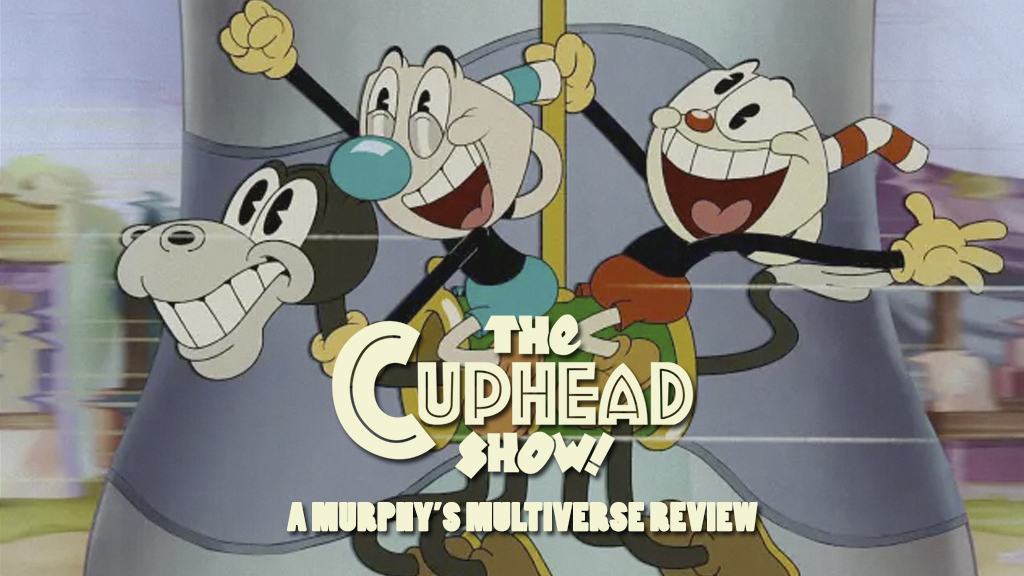
    An animated series based on MDHR Games’ popular indie darling Cuphead just makes sense. The entire premise of the game is that it’s inspired by classic Max Fleischer animation as the titular Cuphead and his brother Mugman accidentally owe the devil their soul and need to find a way to save themselves from damnation. So, it was such a no-brainer that someone would end up bringing it to life in its very own show and Netflix happened to be the one to do it. The only question is if they can create a compelling show based on a simple narrative that stays true to its iconic visual style? Luckily, The Cuphead Show! manages to do that and offer a golly good time.

    Yes, the core narrative remains with Cuphead and Mugman going on hijinks, especially with the Devil playing a recurring role throughout. Yet, the biggest difference is that the series isn’t focusing primarily on an overarching narrative, but rather focusing on small vignettes that continue to build up the challenges our unlikely duo have to face. The first episode pretty much gets the essentials out of the way in a fun and entertaining way to unshackle itself from the games it adapting. The second episode seems specifically made to catch you off-guard if you’re expecting a one-to-one adaptation.

    The one thing it remains mostly true to the original lies in its animation style, especially the show’s character designs. As you’d expect, they translated perfectly to an animated format and they give them quite a bit of personality. I will complain that it doesn’t fully commit to the rubber hose style – ironically the opening seems to embrace it more with a catchy theme song – but it definitely feels like a modern take on it. Yet, the animators did add some small animation flourishes that call back to that era to meld it with the modern elements. There is some great use of 3D in this series that feels like a call-back to some great 3D models used in the game.

    I was surprised by how restraint the show is as an adaptation. Normally, there’s this bizarre need for any adaptation to shove every possible iconography from the franchise into a short amount of time, but the series doesn’t really focus on that. Hell, they even twist and turn some iconic characters like King Dice to better fit a straightforward narrative rather than strictly sticking to what we saw in the game. They even include some new characters to add diversity and catch you off guard, or even give characters like Elder Kettle a personality besides a walking-talking tutorial.

    The show wouldn’t work without our two main protagonists, and the dynamic is a simple but effective one. Mugman is the cowardly but level-headed brother while Cuphead is quite the oblivious rascal. I enjoyed that these characters are flawed but well-meaning, which made you enjoy the events that started to uncover. Tru Valentino and Frank T. Todaro definitely are having fun with these roles, and the time-fitting accents just add to its charm. My other personal favorites were Grey Griffin‘s Miss Chalice and Luke Millington Drake‘s Devil, especially the latter just seemingly had a blast with the role.

    Each episode offers something a little fun and special, but I will say the show doesn’t reinvent the wheel or truly blow your mind in any way. In a way, it never really has to and still manages to be among the best adaptations of a video game. I am looking forward to more and definitely would give it a rewatch if I feel in the mood to just have some fun. My biggest complaint may be that the ending of the series seems a little out of nowhere. The prior two episodes actually build upon each other only for the finale to have a completely new storyline and character. It may be the only time I was scratching my head on why they suddenly went this direction throughout the show.

    Sometimes a show doesn’t need to reinvent the wheel and just offers a good time mixed with some great animation. The series pays tribute in clever ways and knows exactly what it is going for. Running gags, great performances and a lot of heart carry this show that doesn’t restrict itself to a specific storyline outside of continuity. Anyone who loves animation will have a blast and fans of the game will surely enjoy seeing these iconic characters brought to life. The Cuphead Show! is exactly what is advertised and you won’t regret your time with it.

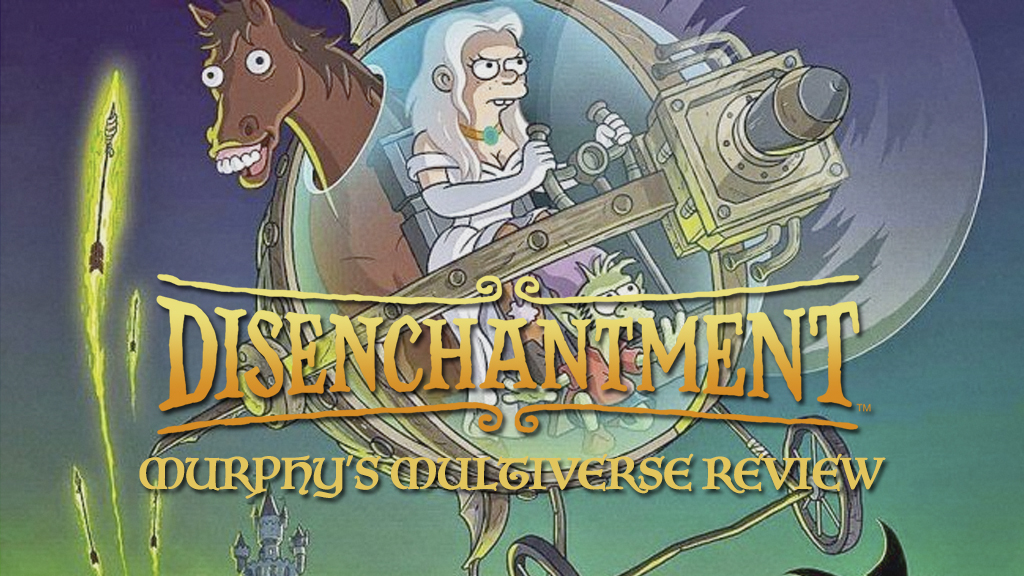
  • REVIEW: Four Parts in and ‘Disenchantment’ Remains Unfocused

    REVIEW: Four Parts in and ‘Disenchantment’ Remains Unfocused

    The title might seem harsh but there’s something bizarre about Disenchantment. The fantasy series from the creators behind Futurama and The Simpsons tried to offer a different take on the fantasy stories we grew up with. We follow the ragtag team of Princess Bean, Elfo the Elf, and Luci as they embark on various adventures throughout the fictional country of Dreamland, Steamland, and whatever location they can smack the ending of “-land” onto. We’ve now gotten the fourth part – which seems to be the ending of its second season – and somehow the show still feels like it hasn’t changed much since the first episode.

    To be fair, the series mostly explores new storylines with each episode. It adds some variety throughout the ten episodes that are given as Bean escapes from Hell, we explore Elfo’s past, she gets a new half-brother, and whatever the writer’s room could think of. The diversity that still feels like it’s part of this universe remains, and it does make for a fun watch. Yet, most of your experience will depend heavily on if you enjoy the core cast and their shenanigans.

    That’s kind of the best way to describe the entire experience. It’s nothing more than shenanigans, as episode after episode things just seem to happen. There are teases of a core narrative with Bean’s mother Sharon Horgan‘s Queen Dagmar is always a delight when she appears, but the core narrative seems to just come and go however it pleases. There’s definite world-building at play, but it always takes a backseat throughout most of the adventure.

    There’s a big emphasis on John DiMaggio‘s King Zøg finally recovering from the events from the last part as he lost his mind. He does end up recovering but pretty much ends up exactly where he was a few seasons ago. It just feels like characters yo-yo in their character development, especially when what they say simply doesn’t reflect their actions. Bean and her father pretty much repeat the same “lack of lessons” for the sake of comedy that downplays some more heartfelt moments throughout, especially with the return of Ursula.

    Bean is affected the most, as while she’s certainly calmer than she was before, most of her actions are still the same. Abbi Jacobson gives a great performance as always but there sadly isn’t much to her character outside of her issues with her mother, who is always a few steps ahead of her. It gets to a point that it is way too predictable that you can see it coming from a mile away.

    Elfo finally gets an origin story and it’s mostly what you could’ve guessed from the fact he was the only green elf. Not sure why as even his mother isn’t green but the revelation was pretty much what you expect from the first time it was hinted at some time ago. That’s kind of the thing, there’s nothing really surprising about any of the “major” reveals. They spent so much time foreshadowing it that the revelation is not something to sweep off your chair.

    There’s a disconnect between building upon its mythology and the episodic nature of every story. We get introduced to concepts that end up not mattering later on, such as the whole plot point from the opening of the episode. The best part of this series so far is the romance between Bean and the mermaid Mora. Yet, even that isn’t explored outside of minor instances throughout. There’s the potential of a great story at play here but the show can’t decide what they want to focus on.

    There’s still some fun to take from the story, as there are some great comedic moments, and it works well as something you can watch on the side. “Last Splash” still remains the best episode of the series and sadly nothing in these new ten episodes could hold a candle to it. While Mora still plays a central role in Bean’s development, it just seems like the season wanted to return to somewhat of a status quo rather than continue to push forward.

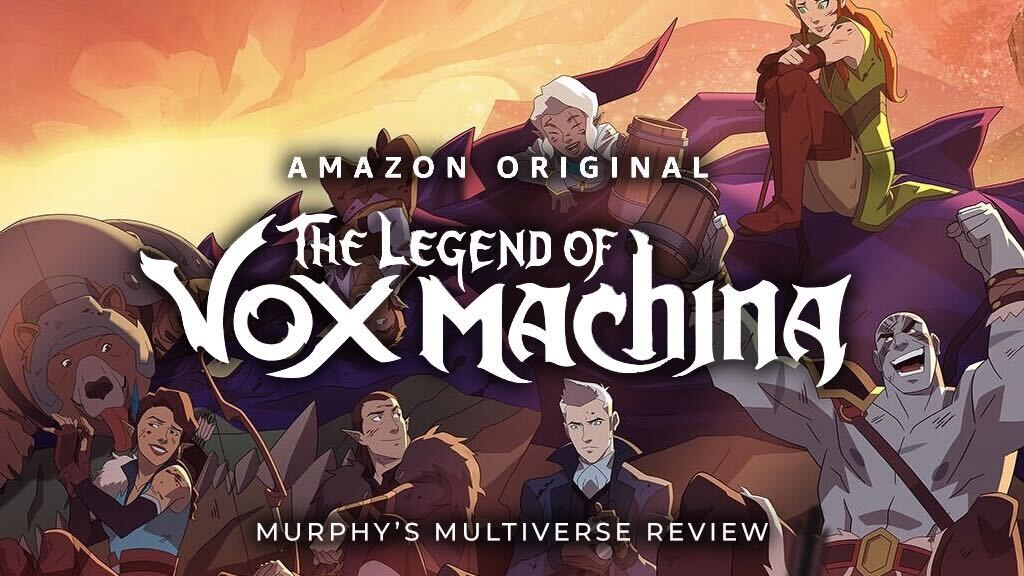
  • REVIEW: Darkness Reigns and Heroes Rise as ‘The Legend of Vox Machina’ Continues

    REVIEW: Darkness Reigns and Heroes Rise as ‘The Legend of Vox Machina’ Continues

    When the first half of Amazon Prime’s The Legend of Vox Machina came to a close, it really felt more like a new beginning for the animated series. The violent, raunchy hijinks of the show’s intrepid protagonists had made the initial mish-mash of adventures a fun watch, but building tension and a genuinely surprising mid-season cliffhanger seemed to be promising something different was on the horizon. In its latest batch of episodes, the series delivers on this promise with exciting confidence and a whole lot of gravitas. After taking its time to introduce its audience to a wide cast of characters, and the expansive world which they inhabit, the series dives headfirst into tightening loose ends and streamlining its story. This allows for some wonderful growth on the part of a handful of leads who felt stagnant in previous episodes, while still leaving room for more developments to come.

    Vox Machina‘s continued run is, by nature of its own plot, also quite a bit darker than what viewers will have seen prior. This is by no means a bad thing. While the series’ general gimmick, having been based on the tabletop antics of jovial friends, would seem to imply a lighthearted adventure, the latter half of this season is going in very much the opposite direction. Franchise creator Matthew Mercer and voice acting staple Grey Griffin delight in causing chaos as the merciless Briarwood couple, who serve as genuine, anxiety-inducing antagonists.

    A combination of their immense bloodlust and a never-ending supply of monsters lends itself to creating a darker tone and balances surprisingly well with the comical dialogue often spewing from the mouths of the titular group. For example, a massive horde of the undead makes it possible for the leads to maintain and bounce their charming chemistry off one another while keeping the stakes fairly high. It also allows for the series to keep up a constant stream of its increasingly signature violence in some of the most creative ways it can imagine.

    An eerier tone brings with it a renewed sense of drama, with the new episodes wasting no time to capitalize on the dramatic final reveal from the ending moments of the season’s sixth entry. Fans are gifted with a litany of new information about Taliesin Jaffe‘s Percival de Rolo, whose origins have quickly become the emotional crux on which the series thrives. The fleshing out of his character comes at exactly the right time, shining a light on why exactly it is we should care about him and his objective in the first place.

    Not to mention, a lot of it is just really cool. Vox Machina does an excellent job of mixing nerdy clichés with actually well-done character progression, leading to several moments that are both rewarding and joy-inducing. Thankfully, Percy isn’t the only character who gets a promotion in storytelling. The first half of the season featured not one, but two gnomes with somewhat flat development. Obviously, it’s unfair to claim a character lacks dimension before a full set of episodes has even aired, and Vox Machina proves to it’s audience why.

    Ashley Johnson‘s Pike Trickfoot felt like a hero meant to be a fan favorite, but her lack of contributions to the team and the continuous sputtering of her abilities left her character trailing behind the others. Luckily, her side quest pays off in a big way when the series returns, giving her the big moment it always felt like she would have down the road. Sam Reigel‘s Scanlan Shorthalt was in a similar predicament. Though always good for a dirty joke and a hearty laugh, it never quite felt like he had as much depth as some of his fellow companions.

    Here, however, the rockstar bard gets an episode all to himself and rises to the occasion in a way that cements him as a genuine article going forward. Some of the leads who flourished in the spotlight earlier in the show get to take a backseat for a while, but this will prove to be worth it in the long run. By the time the show begins hurdling towards its finale, the audience will have an emotional connection, and familiarity, with each one of its protagonists. With any luck, this means the final three episodes will be able to take all of what we’ve seen so far and wrap it up with a nice, hilarious, bloody bow.

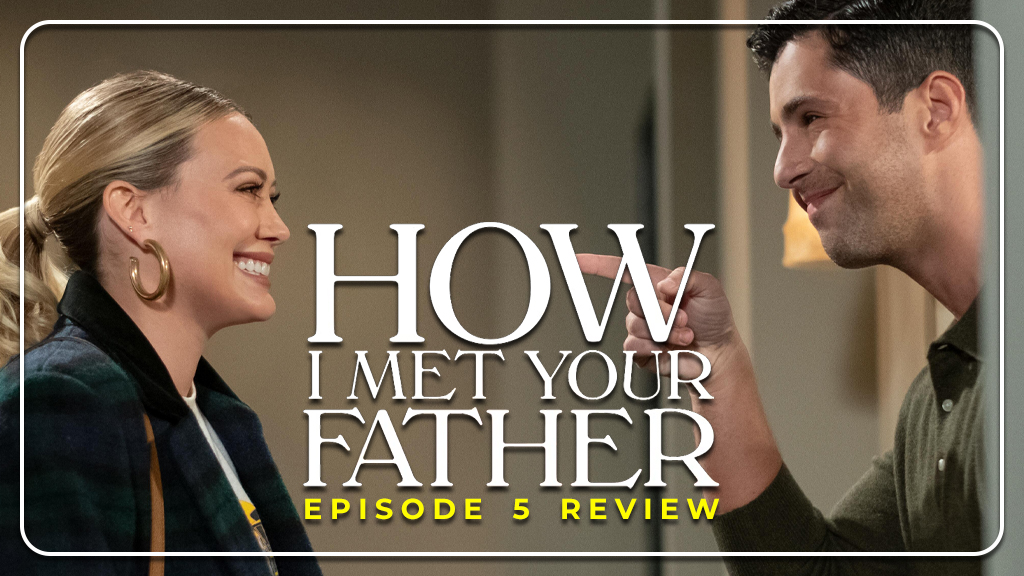
  • REVIEW: ‘How I Met Your Father’ Episode 5 – ”The Good Mom”

    REVIEW: ‘How I Met Your Father’ Episode 5 – ”The Good Mom”

    How I Met Your Father seems to be off to a great start. Each episode so far has been better and better, aside from episode 4 being a bit of a slide in quality. Episode 5, entitled “The Good Mom”, is exactly as you’d expect: about Sophie’s mom. Obviously How I Met Your Mother explored similar ”parent” episodes, like Ted learning of his mom and dad’s divorce and the beginnings of their relationship basically being a mirror to that of Ted and Robin’s. I do feel that just like before, How I Met Your Father is seemingly borrowing tropes and plots from the original, but adding new spins to make them their own. Episode 5 is a perfect example of this.

    While the episode had antics from the rest of the cast, it was obviously focused on Sophie and her relationship with her mom. What started out as what seemed like a traditional happy mother-daughter relationship developed further and further as the episode progressed. As Sophie learns more about her mom, she starts to think back on moments of their life, ultimately getting a clearer picture of what was going on when she was young. The relationship, although only being developed over one episode, truly felt like one of the most developed relationships in the show so far. I hope to see the mother again, as the history there is very interesting to Sophie’s development. I’m glad the other characters had a bit of a light story to the episode, with most of the cast trying to get over their fears, and Valentina being attached to Sophie for the duration of the episode, it really gave Sophie and her mom time to shine.

    I always think back to How I Met Your Mother, not for the humor, although funny, but for the emotional moments that truly made the show great. The ones that shook a character to their core. Spoilers for How I Met Your Mother, but Barney and Robin getting engaged, Ted reuniting with Victora, the countdown to Marshall’s dad dying. Those are the moment that made the show stand out. This episode was one of those moments for How I Met Your Father. The episode developed Sophie’s character and made her finally do something for herself, as we learned was hard to do for her when it involved her mom. I absolutely loved the moment she took that leap, and as a result, the moment she shared with Drew at the end. I walked away from the episode with the same smile and reaction as I have had with those favorite episodes of mine from the original show, and that was the moment that this evolved for me from a sitcom recapturing the feel and tone from How I Met Your Mother, to a proper successor that deserves the fan’s attention.

    Although having a rough start, I truly feel audiences should give the show another chance at this point if they have dropped off. This episode has me excited for this story to unfold more and more. If they can have a great episode like this in the first half of season 1, and so quickly developing the two characters involved in this moment with Sophie, I can only imagine what is in store for us as more relationships evolve, grow, end, and deepen. Sophie’s love story seems great, although it is early, she is a very easy character to cheer for, similar to how Ted immediately grasped me. Her ability to build with the rest of the cast seamlessly, and have deep and impactful relationships with them, has me clapping for the writers, as well as Hillary Duff for her performance. Although there have been some questionable acting in the show so far, I do find Sophie’s character charming and ultimately a great showing.

    I am definitely excited for the future of the show, one good episode is all it takes for a show to start to grow, and I feel like this can be that episode for the show. I hope they can capitalize on that feeling for the second half of the season. There are still so many plot threads currently dangling in front of us with no resolution. I cannot wait for them to be explored. The show is shaping up to be an early favorite of mine for 2022, and if it can keep up with episodes like this, maybe it might stay in my favorites.