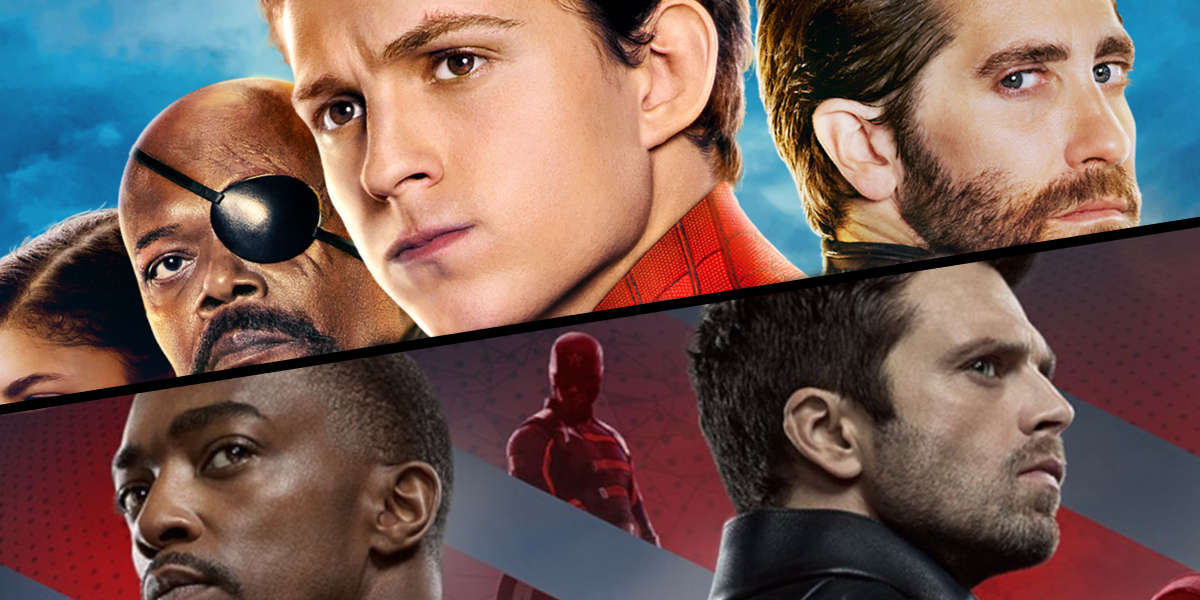
In 2019, Spider-Man found himself far from home, and according to Disney+, he was also a little further down the Marvel Cinematic Universe timeline than fans initially believed. A new update to the streaming service in Japan has revealed that Spider-Man: Far From Home, the second installment in Jon Watts‘ trilogy, actually takes place after the events of 2021’s The Falcon and the Winter Soldier. This means that, although the plot plays out only a handful of months after Avengers: Endgame, it’s actually now chronologically the fifth project to occur after the infamous Snap. WandaVision, the first season of Loki, and the animated What If…? are also all set before Far From Home.
This implies that the year immediately following Endgame in the MCU was quite the busy one for superhero activity. The Scarlet Witch’s takeover of Westview, the fall of the Time Variance Authority, Ultron’s attack on the multiverse, and the fight to wield Captain America’s shield all ensued before Peter Parker even had a chance to go on his school field trip. Interestingly, the curious new timeline placement may help to solve one problem fans had with Falcon and the Winter Soldier.
Spider-Man not reacting to the mayhem happening in New York City during the Disney+ series’ finale was a debated topic at the time it aired. However, that was at a time when fans were under the impression the hero had already fought Mysterio and returned to the United States. Now it’s possible Parker was still in the process of adjusting to existence again, or committing more fully than previously thought to the idea of sometimes letting other Avengers deal with catastrophe so he can focus on being a kid. After all, that was one of the major themes the character dealt with in Far From Home. There’s also the slight possibility the two projects overlap, and Spidey was just getting started across the pond when the Flag Smashers were doing damage to his home turf.
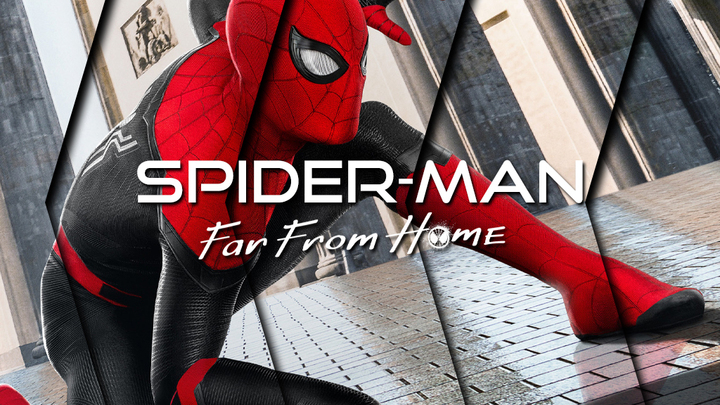
Spider-Man: Far From Home is the final movie in our retrospective, as well as the last Spider-Man movie released in theaters (for now). 2019 was a special time for Marvel fans. After the massive event that was Avengers: Endgame, Spider-Man was meant to bring audiences into a period of rest between phases, as well as reframe what we can expect from the franchise’s future. However, the film’s most important task was to bring Peter out of Iron Man’s shadow and set him on his path.
Spider-Man: Far From Home, which takes place a few months after the events of Avengers: Endgame, tells the story of Peter Parker and his closest friends going on a well-deserved vacation to Europe. Peter’s idyll is interrupted when Nick Fury comes to him asking for help as mysterious multiversal beasts are ravaging the continent. At least, that’s what the movie wants you to believe.
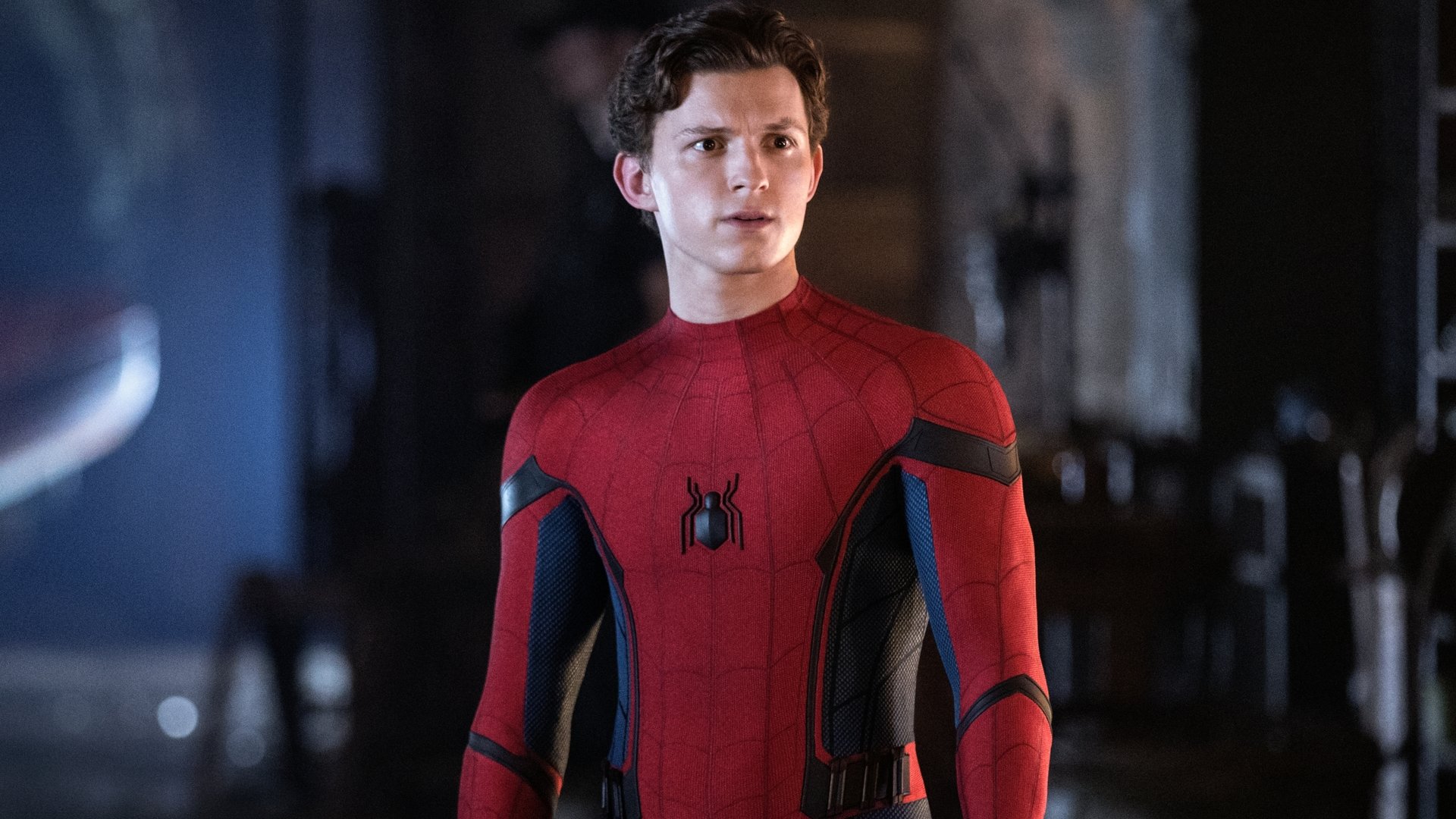
In the film, Peter Parker(Tom Holland) undergoes a very significant character development in the context of the entire universe, which is somewhat like a reversal of his storyline from Homecoming. After his cosmic journey, Peter wants to rest, he does not want to be put in the role of the successor of Iron Man whose death still haunts him. The public sees him as Stark’s successor, but the teenager prefers to forget about that and focus on declaring his love for MJ (Zendaya). This escapist motivation of Peter’s is very believable and, with the tragic events of his previous two films in mind, we root for him to realize his current plans.
What I loved most about the film was just all the holiday moments of Peter and his friends. I was also captivated by the childlike naivety and awkwardness of his relationship with MJ, which has a lot of heart and charm. Yet, Ned (Jacob Batalon) didn’t leave a great impression on me because of the fact he doesn’t have much to do in this film. The filmmakers gave him a romance with Betty (Anguire Rice), which ends as suddenly as it beings, and nothing comes from that eventually. Flash Thompson (Tony Revolori) is also worth mentioning, as his character has a nice little arc across the two Spider-Man movies. He’s in the background, but Watts outlines his sad life through some visual means. The ending of Far From Home certainly brought a lot of confusion and moral conflict into his life.
This escape, or rather conflict with being the successor to Iron Man has its narrative center in the extremely advanced E.D.I.T.H. technology. It allows the bearer to access a satellite and hundreds of drones. This plotline is by far my biggest problem with the film, which posthumously puts Stark in the rather reckless role of a mentor who took a carefully considered approach to Parker’s superheroic growth. Giving a teenager access to arguably one of the most advanced technologies of mass destruction is too much for me, and I have a hard time accepting this plot.
On the other side, we have Jake Gyllenhaal as Quentin Beck a.ka. Mysterio is a former Stark Industries employee responsible for creatingB.A.R.F., the technology that was first introduced in Captain America: Civil War. I’m a huge fan of revisiting this tech, as I’ve always liked it when the MCU taps into themes that were teased or underdeveloped somewhere in a previous film. Gyllenhaal, of course, is very convincing in his role. He’s a bit goofy and over-expressive, but I think that makes this character interesting and memorable. On paper, this is another bad Stark’s villain, only this time we have a collective of Stark’s ex-employees.
What’s worth noting is thatFar From Home is a very metatextual film and there are quite a few allusions in the story to the very shape of the MCU, our relationship with the universe, and the image of VFX artists. This auto thematicapproach is something original and interesting within the MCU. The closing film of the Infinity Saga was perfect to address this kind of issue. We are put in the role of students who are going on a well-deserved vacation after years of intensely following the development of the universe, and the production is meant to put us in a sort of lethargy between phases.
The film communicates more than once that it is time to move on and to cut off certain attachments that still weigh on us, such as our relationship with Stark, which is well emphasized by Peter’s plot. On that note, the final scene with the swinging between Manhattan buildings is my favorite sequence in the film. It symbolizes a new era in Peter’s life, the MCU, and sets us, viewers, up for new and equally exciting adventures.
It also manifests itself in terms of special effects and the role of VFX artists in the filmmaking community. The storyline of Beck and his crew present how VFX artists are devalued in film discourse and how their immense contribution to history is often forgotten. This is a very interesting theme, considering how this actually plays out and the intensity with which people can trivialize aspects of special effects. Leaving that aside, the effects in Far From Home are on a really high level and the Mysterio illusion sequences or the third act are in my opinion the top of the MCU when it comes to visuals.
Spider-Man: Far From Home is a movie that perfectly fits into the post-Endgame reality, bringing Peter and us into a new era in the universe while giving us a lot of breathing room and a more relaxed atmosphere. I have a few gripes with this film, but Peter’s journey and the meta-narrative are interesting and engaging enough for me to like the film as well as its message. We’ll see how the sequel builds upon it.
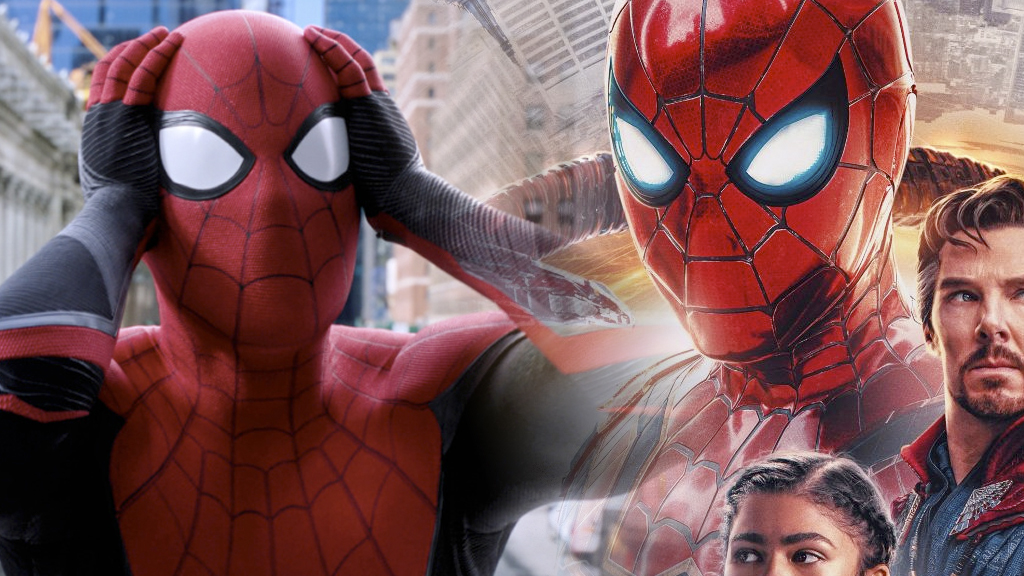
It’s hard to believe we’re so close to finally watching Spider-Man: No Way Home. Even with all the rumors making the rounds, who knows at this point what is true and what isn’t. The trailers did tease that we can expect the storyline to pick up directly where Far From Home left us off, but it looks like we never realized just how close these two entries will be connected.
In an appearance on the Graham Norton Show, Tom Holland was promoting the upcoming film and even offered a little glimpse into how exactly the film will lead into the next. Well, it turns out that we’ll pick up directly where the previous one left us off, as Peter Parker was about to end it with a WTF.
What’s cool about this film is it picks up right after the second one finishes. So the second one finishes with a freeze-frame of Spider-Man, the third one starts with the same freeze-frame
Tom Holland
It’s clever that they would continue exactly where that scene left us off. To many moviegoers, it probably was one of the biggest twists in the film and there’s a great concept to build upon. We’ll likely open the film with Spidey on the run alongside Zendaya until he gets captured or finds a hiding spot from the police. So, I wouldn’t expect the fanfare from Marvel Studios until that very moment.
We use cookies to improve your experience on our site. By using our site, you consent to cookies.
This website uses cookies
Websites store cookies to enhance functionality and personalise your experience. You can manage your preferences, but blocking some cookies may impact site performance and services.
Essential cookies enable basic functions and are necessary for the proper function of the website.
Name
Description
Duration
Cookie Preferences
This cookie is used to store the user's cookie consent preferences.
30 days
These cookies are needed for adding comments on this website.
Name
Description
Duration
comment_author_email
Used to track the user across multiple sessions.
Session
comment_author_url
Used to track the user across multiple sessions.
Session
comment_author
Used to track the user across multiple sessions.
Session
Statistics cookies collect information anonymously. This information helps us understand how visitors use our website.
Google Analytics is a powerful tool that tracks and analyzes website traffic for informed marketing decisions.
Contains information related to marketing campaigns of the user. These are shared with Google AdWords / Google Ads when the Google Ads and Google Analytics accounts are linked together.
90 days
__utma
ID used to identify users and sessions
2 years after last activity
__utmt
Used to monitor number of Google Analytics server requests
10 minutes
__utmb
Used to distinguish new sessions and visits. This cookie is set when the GA.js javascript library is loaded and there is no existing __utmb cookie. The cookie is updated every time data is sent to the Google Analytics server.
30 minutes after last activity
__utmc
Used only with old Urchin versions of Google Analytics and not with GA.js. Was used to distinguish between new sessions and visits at the end of a session.
End of session (browser)
__utmz
Contains information about the traffic source or campaign that directed user to the website. The cookie is set when the GA.js javascript is loaded and updated when data is sent to the Google Anaytics server
6 months after last activity
__utmv
Contains custom information set by the web developer via the _setCustomVar method in Google Analytics. This cookie is updated every time new data is sent to the Google Analytics server.
2 years after last activity
__utmx
Used to determine whether a user is included in an A / B or Multivariate test.
18 months
_ga
ID used to identify users
2 years
_gali
Used by Google Analytics to determine which links on a page are being clicked
30 seconds
_ga_
ID used to identify users
2 years
_gid
ID used to identify users for 24 hours after last activity
24 hours
_gat
Used to monitor number of Google Analytics server requests when using Google Tag Manager
1 minute
Marketing cookies are used to follow visitors to websites. The intention is to show ads that are relevant and engaging to the individual user.
Pinterest Tag is a web analytics service that tracks and reports website traffic.