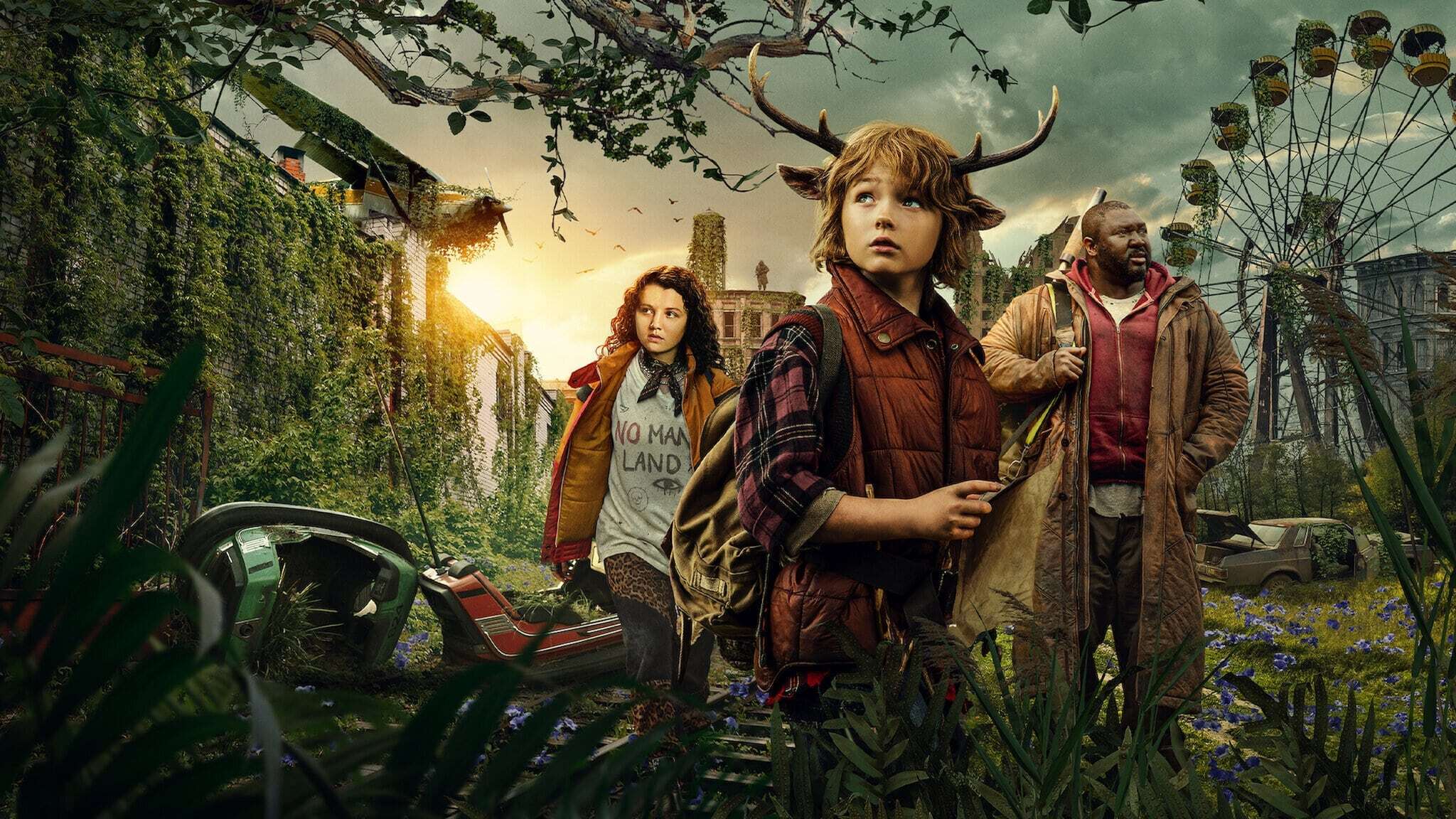
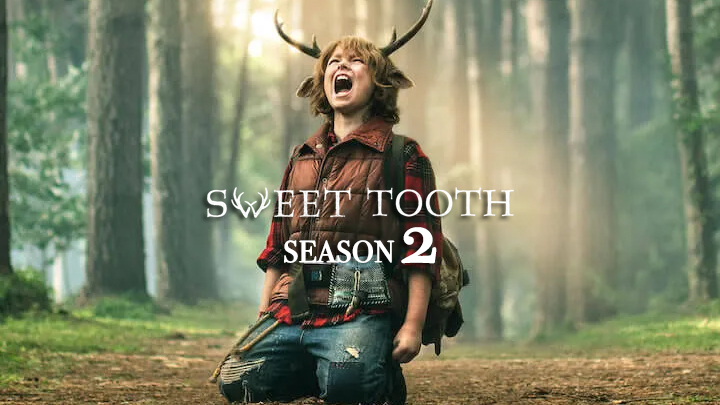
After a long wait, Netflix has announced that Sweet Tooth‘s second season will grace screens on April 27th. The series debuted last year and was a hit with fans, boasting an 88% audience score on Rotten Tomatoes. Netflix greenlit a second season shortly after its premiere. Christian Convery, who plays Sweet Tooth (also known as Gus), is giving fans an early nugget on what to expect this season:
I know that I’m itching it find out what’s next but I really hope that Bobby’s okay because he’s the cutest thing in the world, right? Well, and of course… But you’ll just have to wait and watch season two to find out.
Christian Convery
Executive producer Beth Schwartz shares that season two is a coming-of-age story where fans will see growth through different stages of life. A new synopsis for Season 2 gives an idea of what Gus will have to face.
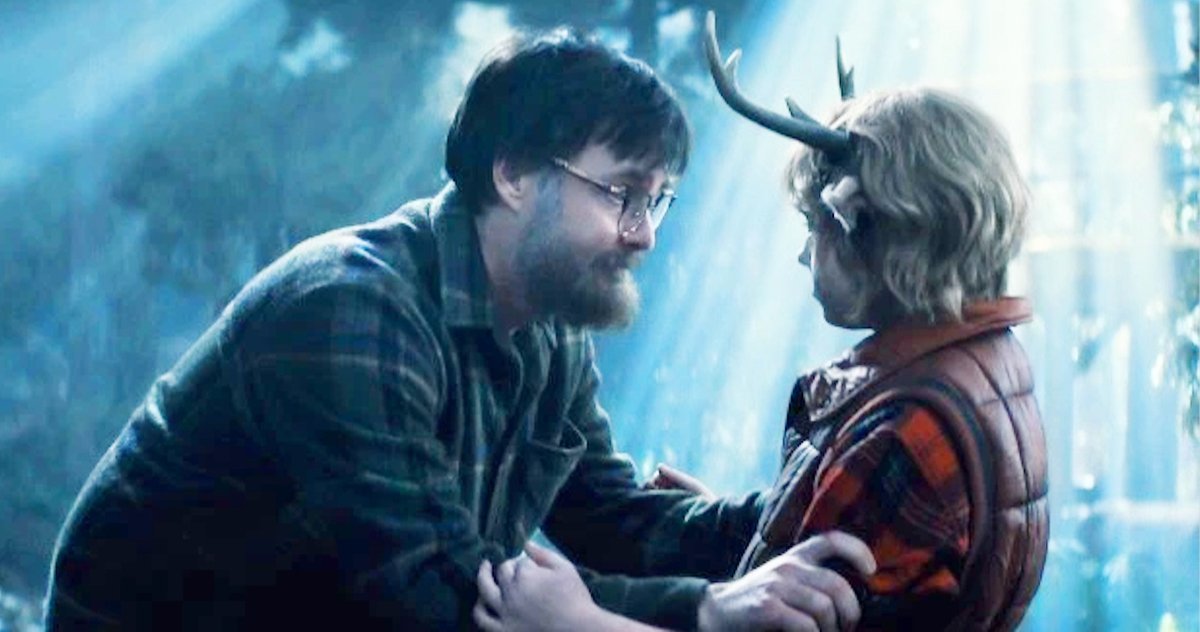
As a deadly new wave of the Sick bears down, Gus (Christian Convery) and a band of fellow hybrids are held prisoner by General Abbot (Neil Sandilands) and the Last Men. Looking to consolidate power by finding a cure, Abbot uses the children as fodder for the experiments of captive Dr. Aditya Singh (Adeel Akhtar), who’s racing to save his infected wife Rani (Aliza Vellani). To protect his friends, Gus agrees to help Dr. Singh, beginning a dark journey into his origins and his mother Birdie’s (Amy Seimetz) role in the events leading up to The Great Crumble. Outside the Preserve, Tommy Jepperd (Nonso Anozie) and Aimee Eden (Dania Ramirez ) team up to break the hybrids free, a partnership that will be tested as Jepperd’s secrets come to light. As the revelations of the past threaten the possibility of redemption in the present, Gus and his found family find themselves on a collision course with Abbot and the evil forces that look to wipe them out once and for all.
My favorite comic book property this year had to be Netflix’s Sweet Tooth. Jeff Lemire’s original comic is one of my very favorites and was such an interesting read. The series mostly stays true to it’s source material but isn’t afraid to make creative changes that let it stand apart from the comic. It’s a sweet and wholesome story that sees a young hybrid boy and a grizzled survivor of the plague travel what’s left of the world to find the answers to what came first: the plague or the hybrids?
Anthony Canton III
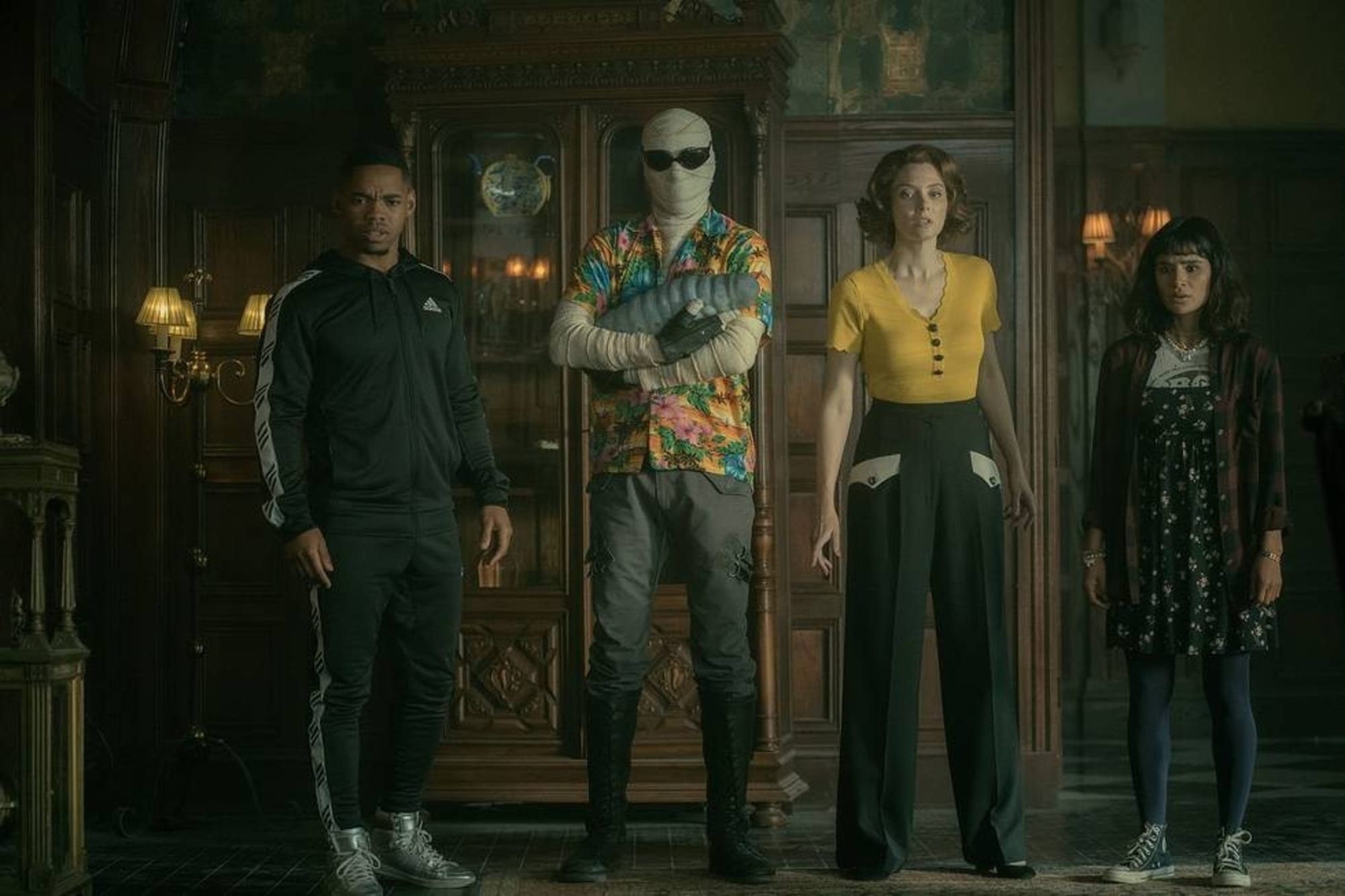
There’s something to be said for a show that continues to get better over each of its three seasons. Doom Patrol does that in spades. There’s a level of self awareness, humor, and introspection that makes it the best live-action comic book adaptation I’ve seen. The casts performances particularly this season have been extraordinary. Nuanced, tragic, and some even angry. Brendan Fraser in particular has been a standout in bringing such a broken character like Robotman to the screen. We’ve had a lot of good to great entries in comic book tv and film this year, but no property quite understands it’s assignment like Doom Patrol.
Nathan Miller
My favorite comic book project of the year is Eternals. I loved how the film made me feel. Through the performances, direction and soundtrack, I felt the weight of human history, the joy of friendships and found family, the terrifying vastness of space, and the drive of needing to pull together to tackle environmental problems. Intellectually I think the film points toward the future of storytelling, in leaving behind The Hero’s Journey and embodying a more collective journey beyond binary perspectives. It’s a shame more people didn’t initially appreciate the film’s complexity, but hopefully that will change over the next few years, as the Marvel Cinematic Universe enriches its appreciation retrospectively. I’m looking forward to Chloe Zhao’s sequel and the Eternals themselves eventually appearing alongside other established MCU characters.
João Pinto
This wasn’t my first choice, but someone with impeccable taste got to that one first (thank you to my friend, JJ!). But in a sense, this show deserves to take the top spot. WandaVision was a pop culture phenomenon. Due to many production delays that affected several projects, it ended up becoming the first Marvel Studios project to be released after the breakout of the COVID-19 pandemic and to say audiences were hungry for content is an obvious understatement. The weeks the show was on were some of the best ever to be a comic book fan. The theories ran wild as the show lent itself to the sort of online discourse that drove everyone insane by the sheer magnitude of some of the hot takes. Covering it was a blast as well. I must say that the Murphy’s Multiverse team covered that show as well as any other site, big or small, did. It showed us how much fun we could have while doing something that hopefully everyone enjoyed, and in a way, it became the stepping stone for the work we’ve been doing covering every show ever since. By the enjoyment I got from covering it to following it as a fan it deserves its spot on my favorite comic book adaptations of 2021 list.
Joseph Aberl
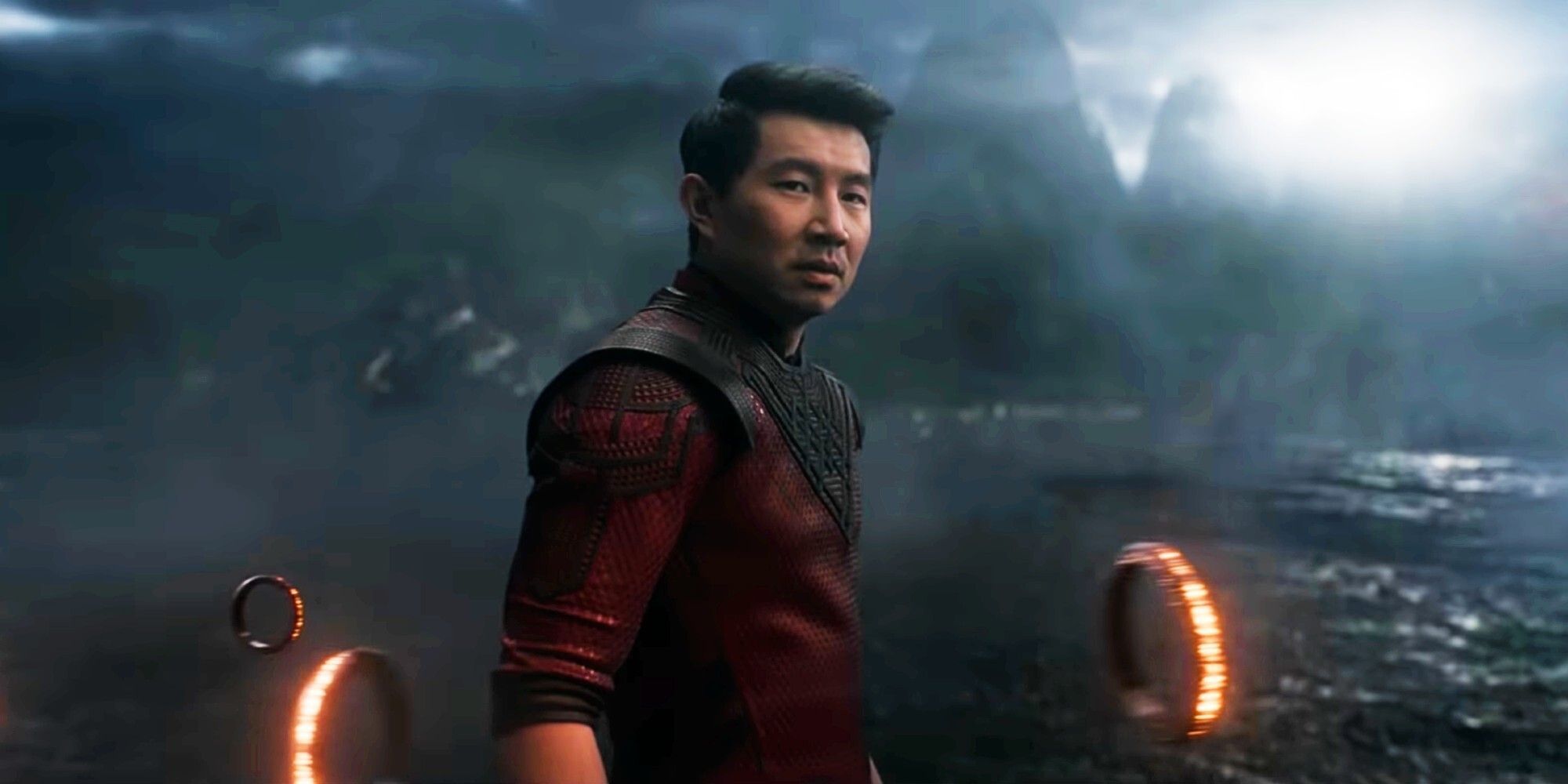
I think my favorite comic book adaptation of the year must be Shang-Chi and the Legend of the Ten Rings. I have no prior knowledge or history with the character. So, I went in pretty open about the adaptation. I was hoping for at least some fun kung-fu actions inspired by classics from the genre. Yet, the film went above and beyond as I ended up with an incredibly heartfelt story that also manages to open up the MCU in a creative way. I cannot wait to see Simu Liu’s future with the character and what a sequel might offer.
Charles Murphy
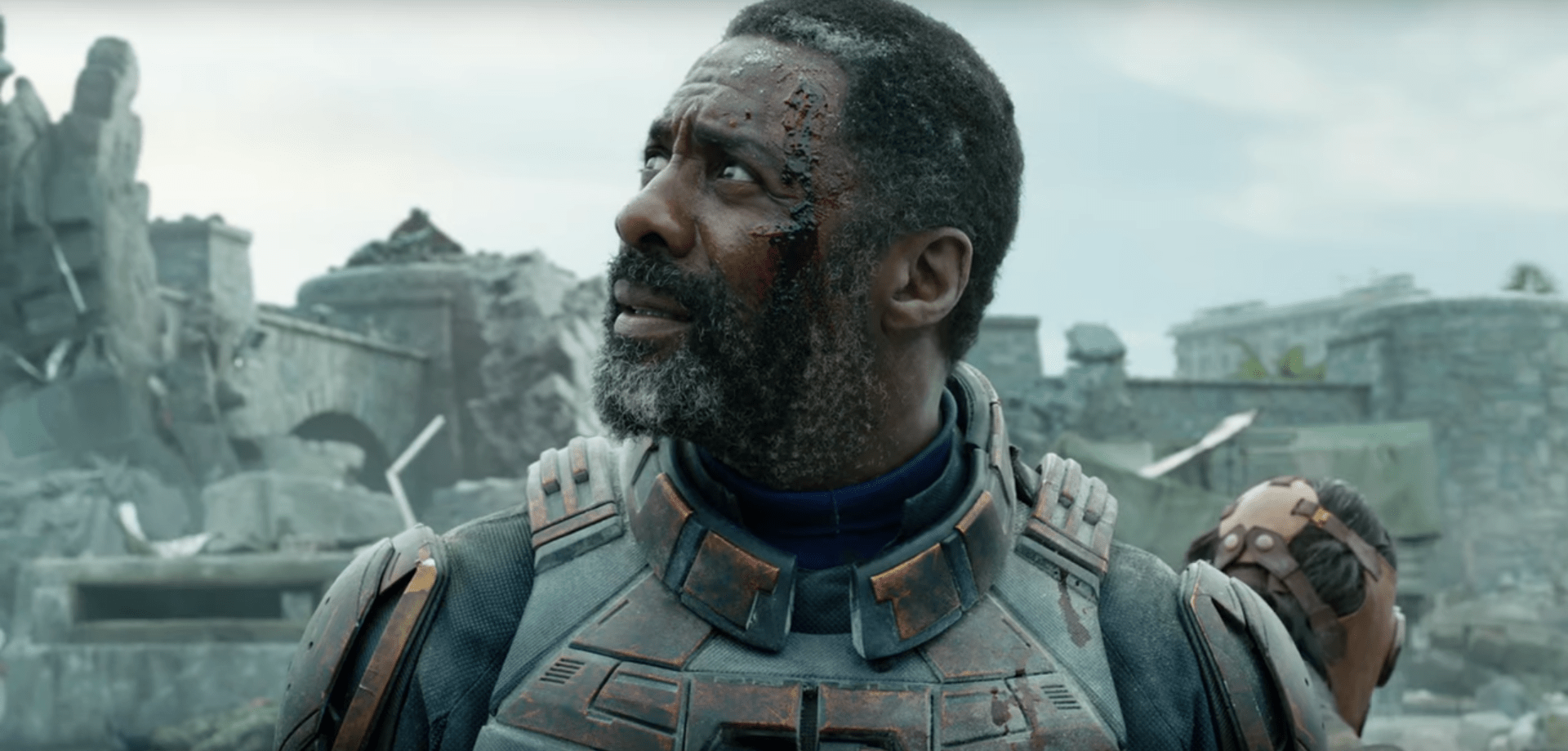
This will probably come as a shock to absolutely everyone, most of all JJ, but my favorite comic book-based project of 2021 was not a Marvel property. James Gunn’sThe SuicideSquad takes the top spot for me and it’s not a particularly close race. While I certainly loved Shang-Chi and The Legend of the Ten Rings, The Suicide Squad feels like the most complete story. While the casts of WandaVision, Loki and Black Widow were lights out, the cast of The Suicide Squad was all but perfect. And finally, while Marvel Studios did a great job bringing some less-than-popular characters this past year, Idris Elba’s Bloodsport stands as not only the best reinvention of a little known comic book character in the past year, but also arguably of all time. After a year in which the comic book-based entertainment we all love was painfully absent, we had plenty in 2021 but none of them quite matched the quality of The Suicide Squad.
Hunter Radesi
I’m as surprised as anyone to be writing this, but I think the quirky magic of Loki was my favorite experience with a comic adaptation this year. I was firmly against the idea of this project from the start, and you can probably find old tweets of mine stating the show would be a waste of resources on a character whose story I felt was already over. I couldn’t have been proven more wrong. Michael Waldron and Kate Herron managed to craft a fresh, unique spin on the genre that left me wanting more every week. Absolutely charming performances from every member of the cast, genuinely joyous twists and turns throughout, and constantly beautiful set pieces that begged you to keep your eyes on the screen. I think I finally understand why my friends love Dr. Who so much. Can’t wait for the next season.
Netflix gave us the sweetest bit of news announcing Sweet Tooth will be returning for a second season on the streaming service. The series, based on the popular comic of the same name made its debut to outstanding reviews from critics. It even became one of the streamers highest viewed series with over 60 million accounts tuning into the series. Sweet Tooth was only two million away from The Queens Gambit‘s viewers.
It follows a hybrid deer boy named Gus, who is off looking for his mother. In his journey, he is accompanied by a human named Jeppered. Together traverse the end of the world. While no adaption follows its source material 100%, Sweet Tooth seems to be heading in a similar direction as the original comic going by the first season ended. So, let’s take a closer look at what the second season has in store for us.
If you want to remain completely unspoiled, we will discuss the ending of the comics in this section. Only continue at your own risk.
The end of the first season saw Becky pick up a signal on a walkie-talkie, but can’t make it out. The voice on the other side of the transmission turns out to be Gus’ mother, Birdie, who made her way to Alaska in search of a cure. It’s the same place they end up in the comics to uncover the truth behind the recent events. With Gus captured by the last men and Jeppered MIA, it might take a bit before they can head that way. Alaska is where the story culminates to reveal the truth behind Gus. Essentially, he is a god or rather the clone of one.
In the comics, we’re taken back to 1911 when Dr. James Thacker set off to Alaska to find his brother-in-law, Louis Simpson. He found a home in Alaska and chose to stay, marrying and eventually fathering a child with one of the Inuit women he found there. The child was like Gus, a deer-boy, but was the reincarnation of Tekkietsertok. The being is known as the native god of hunting.
Thacker and his men massacre the Inuits and throw the child into a cave, disturbing the resting place of many ancient native gods. It’s these events that release the plague. All the men ended up dying and the plague would end there. Yet, it returned when all of the gods were cloned into new hybrids once again and started the events of the comic.
This revelation essentially answers the question of what came first, the hybrids or the plague. It could very well be the direction the series is heading in, but there is one thing the series has yet to touch. In the comics, it’s the religious influence that drives the story forward with Dr. Singh finding Gus’ dad’s book. He’s the reason they make their way to Alaska in the first place.
With Birdie already there, we could see another origin for Gus play out, especially since he seemed to be the only bi-product of his mother’s initial experiment. As of now, the other native god clones are absent. They could take a less religious influence and simply see the plague as a result of them playing god.
No matter what adaptation you think about, no matter if it is from a comic or video game, there are always changes to fit the original story to the new medium. This trend is evident in the recent Netflix adaption of Jeff Lemire’s beloved Sweet Tooth comic series. It’s a story about a hybrid boy named Gus, who meets a grizzled traveler named Jepp. The two travel through what was once society to uncover the truth behind the virus and answer the question on everyone’s minds: What came first, the Sick or the Hybrids? But, of course, this adaption includes its fair share of changes that improve the story overall and give some characters some incredible depth.
Tone
One of the most glaring changes from the comic is its dramatic shift in tone. The original comic is quite dark and can get a bit graphic at times. Netflix immersed viewers in a world on the brink of collapse and jumps straight into the lush, colorful forest that Gus would call home. From there on, the show keeps a hopeful tone as we follow Gus and his eagerness to find his mother alongside his companions Jepp and Bear. The show’s shift in tone was one of the best moves the series could’ve made. It still stays true to its source material but holds it in a light that makes it accessible and inclusive for viewers of all ages.
The Preserve
In the comics, Gus is avid to leave the woods with Jepp and find the preserve, but it’s never given much focus. This time around, the preserve gets an actual origin story. It is run by Aimee, an original character, along with her daughter Wendy. She is a supporting character from the comics who got a revamped origin. The zoo would eventually become a haven for Hybrids. The only place they could hide from the Last Men. By the end of the series, the preserve is attacked and rendered into its original status, a front set up by the Last Men. This way, they can attract hybrid children and capture them for their experiments.
Becky
Early on in the comics, we meet two characters. They were forced into becoming sex workers and are held captive in an abandoned building, Lucy and Becky. Lucy becomes an integral part of the group, although not to Jepps liking. The series plays around with the newly introduced characters until the final episode finally clarifies their role. Early on, we meet Bear, who is the leader of the Animal Army. He ends up joining Gus and Jepp after her people were against her sparing Jepp’s life. Towards the end of the series, Bear reveals that her real name is Becky, and she once had a sister named, you guessed it, Lucy.
Lucy
Speaking of, Lucy becomes a mother figure for Becky and the Hybrid children. Yet, the show replaces that role with the original character Aimee. It makes sense to shift that story to a new character who can temporarily take on that role. This way, they can explore the relationships between Lucy and the others in a deeper way. She isn’t just the motherly figure but can take on a much more meaningful role in the group.
Dr. Singh
Netflix’s adaptation starts with Dr. Singh witnessing the beginning of the end, as the world crumbles around him as the sickness spreads. As such, we grow to sympathize with Singh much more than we do upon meeting him in the comics. Singh is a man trying to keep his ailing wife alive no matter the cost. We get a unique look at the character before he became the character we know from the comics, where he dissects hybrid children. It is all for the sake of finding a cure while at the Preserve.
Religious Influence
The first thing you notice in the comics is Gus’ father talking about God’s plan. We even see him scribble these “messages from a higher power” into a book that’s later acquired by Doctor Singh, who becomes entranced by its tellings. It would be what pushed the main characters towards Alaska to uncover the true origins of Gus, leading to the resting place of many native gods. The series doesn’t tackle this subject in any way. There isn’t even a hint at Gus’ godlike status in Native religions. No word of Tekkeitsertok is spoken even as the series still seems to be heading in that direction. The ending of the first season hints at his travel towards Alaska, which could get explored in a second season.
Coming off the extremely well-received Netflix adaptation of Sweet Tooth, Jim Mickle has been tapped to direct yet another comic adaptation: Donny Cates’ breakthrough indie hit God Country for Legendary Entertainment. Mickle, who directed four of the eight Sweet Tooth episodes out now, is moving back to directing feature films, with his last one being 2019’s In the Shadow of the Moon. Donny Cates will be writing the script, adapting his original work, with Lee Kramer, Jon Kramer, and Mickle producing.
Cates has since gone on to write for Marvel (Thanos, Silver Surfer, Doctor Strange, Guardians of the Galaxy, Venom, Thor) and has recently gone back to creator-owned comics to write a (sort of) sequel to some of his past independent hits, God Country included, in the Crossover series.
God Country was initially published by Image Comics back in 2017 to rave reviews. It tells the story of Emmet Quinlan, and an old man dealing with dementia who, to his son and grandaughter’s disbelief, manages to fight off supernatural creatures when wielding Valofax, an enchanted sword that grants him otherworldly powers. Set in Texas, Cates’ home state, God Country comes off as a wonderful tale of just how much someone is willing to take in order to both keep and create the memories that can make life truly special. There is still no additional information regarding cast and release dates for the project but we will make sure to keep you posted.
We use cookies to improve your experience on our site. By using our site, you consent to cookies.
This website uses cookies
Websites store cookies to enhance functionality and personalise your experience. You can manage your preferences, but blocking some cookies may impact site performance and services.
Essential cookies enable basic functions and are necessary for the proper function of the website.
Name
Description
Duration
Cookie Preferences
This cookie is used to store the user's cookie consent preferences.
30 days
These cookies are needed for adding comments on this website.
Name
Description
Duration
comment_author_email
Used to track the user across multiple sessions.
Session
comment_author_url
Used to track the user across multiple sessions.
Session
comment_author
Used to track the user across multiple sessions.
Session
Statistics cookies collect information anonymously. This information helps us understand how visitors use our website.
Google Analytics is a powerful tool that tracks and analyzes website traffic for informed marketing decisions.
Contains information related to marketing campaigns of the user. These are shared with Google AdWords / Google Ads when the Google Ads and Google Analytics accounts are linked together.
90 days
__utma
ID used to identify users and sessions
2 years after last activity
__utmt
Used to monitor number of Google Analytics server requests
10 minutes
__utmb
Used to distinguish new sessions and visits. This cookie is set when the GA.js javascript library is loaded and there is no existing __utmb cookie. The cookie is updated every time data is sent to the Google Analytics server.
30 minutes after last activity
__utmc
Used only with old Urchin versions of Google Analytics and not with GA.js. Was used to distinguish between new sessions and visits at the end of a session.
End of session (browser)
__utmz
Contains information about the traffic source or campaign that directed user to the website. The cookie is set when the GA.js javascript is loaded and updated when data is sent to the Google Anaytics server
6 months after last activity
__utmv
Contains custom information set by the web developer via the _setCustomVar method in Google Analytics. This cookie is updated every time new data is sent to the Google Analytics server.
2 years after last activity
__utmx
Used to determine whether a user is included in an A / B or Multivariate test.
18 months
_ga
ID used to identify users
2 years
_gali
Used by Google Analytics to determine which links on a page are being clicked
30 seconds
_ga_
ID used to identify users
2 years
_gid
ID used to identify users for 24 hours after last activity
24 hours
_gat
Used to monitor number of Google Analytics server requests when using Google Tag Manager
1 minute
Marketing cookies are used to follow visitors to websites. The intention is to show ads that are relevant and engaging to the individual user.
Pinterest Tag is a web analytics service that tracks and reports website traffic.