Marvel and Keanu Reeves have long been looking for a chance to unite in an upcoming project. While there’s still no confirmation on how they’d find the right role for him, it seems he’s already gotten his eyes on one. During an interview on Jimmy Kimmel Live!, the actor shared what role he’d love to take on and it turns out he wants to play the Spirit of Vengeance, Ghost Rider.
Not only that, but he also went on to praise the work of Marvel Studios and how they’ve started to develop their films. It certainly sounds like the actor wants to become a part of the Marvel Cinematic Universe and while others have also been eyeing the role of Ghost Rider, there are enough versions he could choose from.
It’s really cool. I think the way that the Marvel films have developed and what they are is really spectacular and it would be great to be a part of that.
Keanu Reeves
We’ll see if Reeves makes his MCU debut at some point in the near future, but it’ll definitely make headlines once he’s finally confirmed to be a part of this franchise. John Wick was a new starting point for the actor and it’ll be interesting to see what his future looks like in the world of nostalgia.
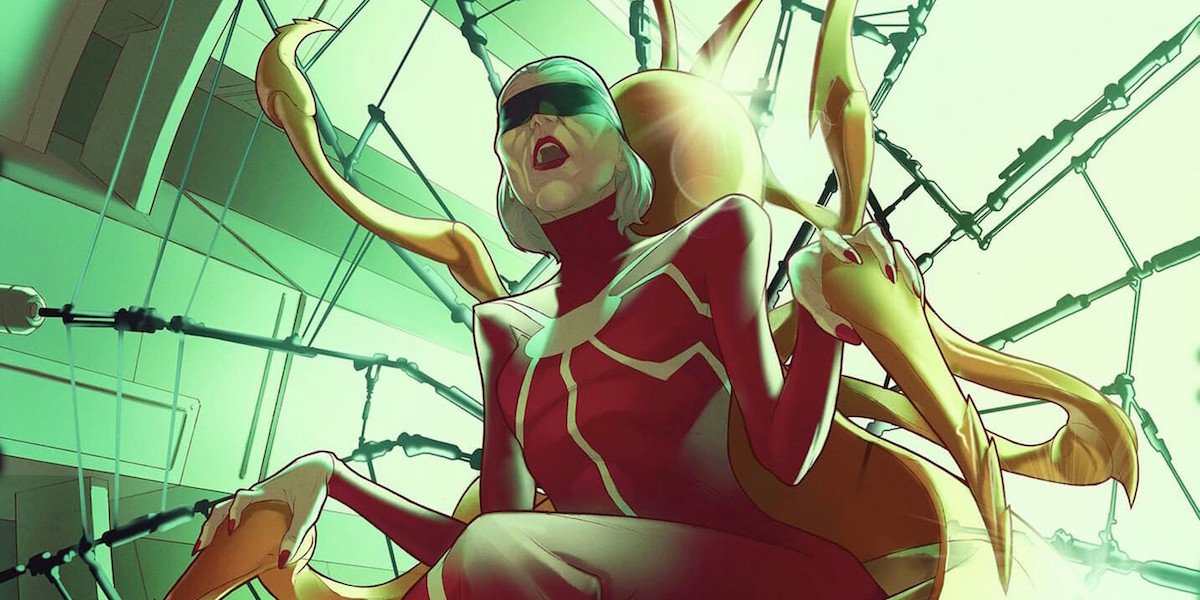
Almost unbelievably, Sony continues making movies with their roster of Spider-Man adjacent characters, including Madame Web, which is now in production. Set photos and rumors of a confirmed cast list have been making the rounds for a while now, but a new leak seems to contain some pretty hefty spoilers.
A new group of set photos reportedly shows the stunt double for actor Tahar Rahim squaring off against Dakota Johnson and Celeste O’Connor’s character. The photos pretty clearly show Rahim’s stunt double wearing what can only be described as an alternate Spider-Man suit.
The suit seems to lend credence to the rumor that Rahim is playing Ezekiel Sims, a character who, in the comics, had similar powers to Spider-Man, wore a Spidey suit (though it didn’t look like that one) and found himself sometimes at odds with other Spider-folk. Whether Rahim is Sims or not, I’m sure it’ll all much a whole lot of sense when Madame Web hits theaters next October.
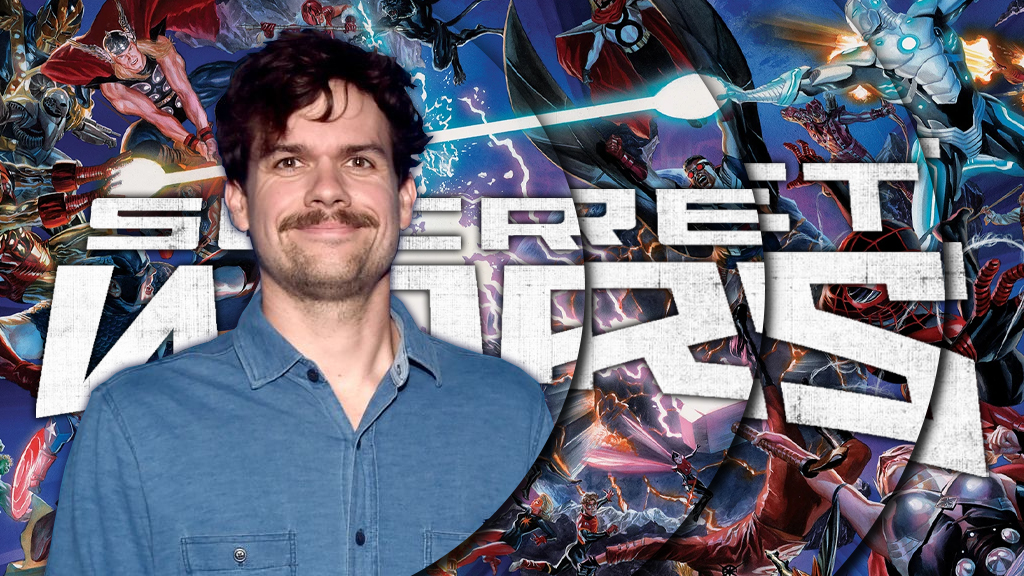
With the official announcement that Michael Waldron will be writing Avengers: Secret Wars, a large swath of reactions has been formed. Fans have questions as to what this will mean for what has the potential to be Marvel Studios’ most ambitious projects. With his previous experiences working on the first season of Loki and Doctor Strange in the Multiverse of Madness, Waldron feels primed to take this next step in telling the story of the Multiverse Saga. By dissecting Michael Waldron’s previous works in the Marvel Cinematic Univers, one might be able to Inuit how they can inform the directions audiences should expect from Avengers: Secret Wars.
Centralized Focus
Arguably the most distinct aspect of Michael Waldron’s writing for Loki and Doctor Strange in the Multiverse of Madness is creating a centralized focus on the main characters and their arcs. Despite the expansive stakes and scope of the multiverse that surrounds them, the main characters are never lost within the script. One of the many praises sung about Loki was the amount of character building for the titular protagonist. As the story moved to numerous vastly different locales and settings, Loki and his interpersonal dynamics with the likes of Mobius and Sylvie remained at the forefront.
When it comes to Multiverse of Madness, both Doctor Strange and Scarlet Witch had complete arcs that were logical for where they had been prior to the film. For Strange, the narrative was crafted of him being able to not be in the driver’s seat and trusting others, such as America Chavez, to ultimately save the day. Wanda’s arc was the continuation of her themes of teetering between morally just and unjust while dealing with the grief seen in WandaVision (or at least the themes that were present for most of the series).
Writing an Avengers film, the centralized focus will of course need to expand to fit whatever the team roster will be for Secret Wars. This is certainly doable for Waldron if he follows the general style that Christopher Markus and Stephen McFeely used when writing Infinity War and Endgame. After managing to do so in the back two-thirds of the Captain America trilogy, the duo also adeptly managed to keep the focus on individual characters in the foreground of universe-shifting events in their films. Theoretically having at least a year to write Avengers: Secret Wars with the same studio behind the duology wrapping up the Infinity Saga, there shouldn’t be much doubt Michael Waldron can do the same as his predecessors.
Expansive Multiversal Background
While the foci for his two previous Marvel Cinematic Universe projects were micro-level of character studies, it shouldn’t be ignored that Michael Waldron has indeed helped create an expansive multiverse for Marvel Studios. That universe feels primed to be much further extrapolated in Avengers: Secret Wars (among other multiverse-based projects). A misunderstanding seems to have been propagated that the events of Loki and Multiverse of Madness are incongruous with the rules of the multiverse; however, there aren’t any tangible instances of the two projects contradicting themselves. If anything, the partially disparate nature of the series and film feels intentional in creating the understanding of how vast the Marvel Cinematic Multiverse is.
Waldron’s writing on Loki was focused on building the framework and the primary core of Marvel’s multiverse. Usage of the Time Variance Authority helped to introduce the general concepts and histories of the multiverse that, at points, seemed intentional to allude to the upcoming Secret Wars event. Meanwhile, the Doctor Strange sequel moved towards providing viewpoints of distinct alternate universes and how they’ve been dealing with the maddening multiverse. The threat of Incursions being introduced continues Waldron’s trend of planting seeds for one of the next two major “Avenger-level” events. There’s likely to be a combination of these writing themes in Avengers: Secret Wars. Interpersonal conflicts between the different universe fragments mixed with the chaos of quite literally everything breaking around them.
Deep Marvel Lore
Michael Waldron has also shown a penchant for including deep-cut references out of Marvel historical lore, from both on-screen and comic versions. Two distinct examples from both of Waldron’s writing credits best symbolize how he could very well implement these references. The Void in Loki is home to a vast array of references that add to the background atmosphere for casual viewers while being enjoyable treats for the more hardcore superfan (ie. Qeng Tower, the Living Tribunal, and the infamous Thanos-Copter). Though in the foreground of The Void, audiences meet characters such as Kid and Classic Loki, both of which resonate with both casual and hardcore fans at the same time. This is something that may be critical for the writing of Secret Wars to succeed. In Doctor Strange in the Multiverse of Madness, Earth-838-specifically The Illuminati-represent what to potentially expect for the second-to-next Avengers film. First and foremost, the writing of the alternate New York City and secret council quickly created the concept of a lived-in world that has a history some audience members will want to learn all about (namely, the alternate version of Infinity War including The Illuminati and various teams yet to form in the main Marvel Cinematic Universe). In addition, Waldron balances both a reverence for the alternate legacy characters involved, especially Patrick Stewart’s Professor X reprisal, while also being willing to aggressively mess with the status quo to highlight the fragility of multiversal conflict. Expect Avengers: Secret Wars to combine and expand on these different types of lore establishments for a potential Battleworld.
Inspiration From Classic Media
While his knowledge base for Marvel history has shown to be expansively deep, Waldron certainly has found additional inspiration from various classic pieces of media. For Loki, many have found the narrative and aesthetic similarities to stalwarts of science fiction such as Brazil, The Hitchhiker’s Guide to the Galaxy, and Doctor Who. Meanwhile, with Doctor Strange in the Multiverse of Madness, Waldron’s script provides Sam Raimi the semi-Lovecraftian basis for the director to create a film visually akin to his work on the Evil Dead franchise (while being accessible as a PG-13 Marvel Cinematic Universe entry). While the argument can be made that these elements are more so from the directors of said projects, filmmaking is inherently a collaborative process and it’d be errant to believe that Waldron didn’t also have a hand in establishing the visual identities of these properties. And that type of perspective can be even more beneficial for helping whoever directs the sixth Avengers film to create their vision.
When it comes to Avengers: Secret Wars, it certainly will be interesting to see where inspiration may be drawn for this type of story. Based on Jonathan Hickman-written 2015 version, and even the more basic 1984 story, there are numerous cinematic and literary epics that could be used to inspire Marvel Studios’ Secret Wars.
Conclusions
All in all, the hiring of Michael Waldron as the writer for Avengers: Secret Wars seems to indicate a massively high concept and fast-paced ride of a film. Much like the process for Christopher Markus and Stephen McFeely on Marvel films, Waldron has been writing projects with elevated stakes and scope for Marvel Studios’ central saga. If the positive momentum and seed planted from season one of Loki and Doctor Strange in the Multiverse of Madness can be followed through upon, the script of Avengers: Secret Wars has real potential to successfully culminate Phases Four through Six in a majorly impactful fashion.
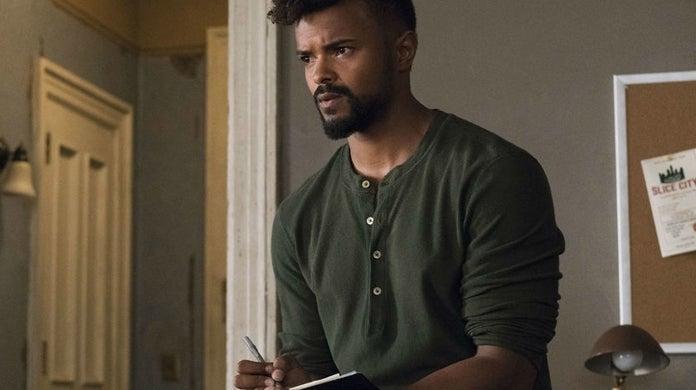
Eka Darville has signed on to appear in Kingdom of the Planet of the Apes. The news was revealed by The Hollywood Reporter. Details regarding his character are currently unknown. He joins the previously announced Owen Teague, Freya Allen and Peter Macon.
Darville is perhaps best known for his role as Malcolm Ducasse in the Marvel and Netflix series, Jessica Jones. Other credits to his name include CBS All Access anthology thriller Tell Me a Story, Fox’s Empire, Power Rangers R.P.M. and Spartacus.
Kingdom of the Planet of the Apes will be directed by Wes Ball from a screenplay by Josh Friedman (War of the Worlds), Rick Jaffa and Amanda Silver (Rise of the Planet of the Apes), and Patrick Aison. This film, the fourth in the rebooted Planet of the Apes franchise, is set to take place many years after the events of 2017’s War for the Planet of the Apes. Production on the film is expected to get underway this month for a 2024 release.
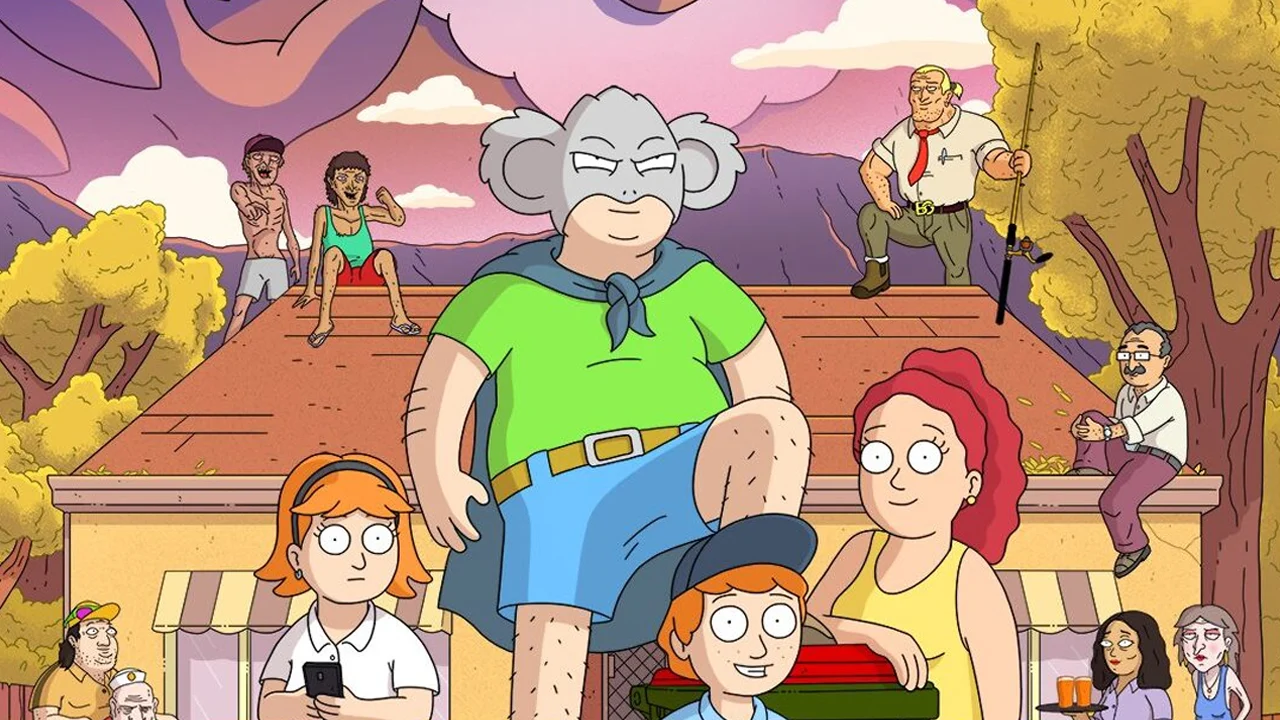
Hulu has added a new trio to the voice cast of its animated series Koala Man. The streaming service announced on Thursday that Jemaine Clement, Rachel House, and Jarrad Wright are set to make guest appearances on the forthcoming series. They’ll join Miranda Otto and Hugo Weaving, who are also set to lend their voices to the animated series in guest roles as Mindy and King Emudeus, respectively.
They’ll join the previously announced Michael Cusack, who is also the show’s creator and executive producer, Hugh Jackman, Sarah Snook and Demi Lardner. Cusack stars as the titular hero, and he also voices the hero’s son, Liam. While Jackman plays Big Greg, Snook plays Kevin’s wife, Vicky, and Lardner voices both Kevin and Vicky’s daughter Alison. Clement is set to play Bazwell, a character described as a nerdy and caring mentor to Liam; he’s said to offer “support [to] the students of North Dapto High with a helpful anecdote or encouraging song lyric.” House will play Annie, Vicky’s friend and coworker at the school canteen, as well as Louise, the proprietress of the bowling club who is attracted to Koala Man. And Wright will play Spider, Kevin’s bogan best friend and neighbor who often helps Koala Man on his missions.
Koala Man, which will hit Hulu next year, tells the story of middle-aged dad Kevin and his not-so-secret identity as Koala Man whose only superpower is a burning passion for following rules and snuffing out petty crime in the town of Dapto. The series is produced by Cusack, Justin Roiland, Dan Hernandez and Benji Samit.
One of Marvel Studios’ longest-kept “secrets” turns out to be perhaps one of the most triumphant projects of the Marvel Cinematic Universe’s Phase Four, if not the MCU as a whole. Formally announced only last month, Werewolf By Nightis Marvel Studios’ first foray into the “Special Presentation” format (in this case, a one-off feature less than an hour long) and without a doubt, this project is, indeed, enormously special. Werewolf By Night shines for several reasons, but its brilliance as a standalone story is the most obvious.
The first thing the viewer notices about Werewolf By Night is its aesthetic. Through its limited marketing, it is known that the feature was inspired by classic horror films of the 1930s and 40s. While the concept elicits immediate excitement from some, it of course risks overwhelming a story with a gimmick. Fortunately, the stylistic choices of this project were almost entirely in service of the story itself, and director Michael Giacchino achieves a near-perfect cocktail of stunning imagery, blocking, and overall texture. The use of black-and-white is an easy grab for an older or spookier look, but it was far more productive in Werewolf By Night than in most modern films that use the technique. The unique and rather all-consuming style certainly takes the viewer to a place easily associated with horror and monster stores, but it also removes one from the known Marvel universe. Consequently, the natural expectations the audience might place on the feature are almost reset, allowing a completely fresh experience.
The greatest achievement of Werewolf By Night is surely its excellence as its own story, disconnected from anything else. Whether in the comic book genre or elsewhere, there is something extremely refreshing about a short story that is able to be thoroughly enjoyed and leave a memorable impact on the viewer. Despite a limited runtime and plenty of moving parts, the feature does a phenomenal job telling a full story without invoking virtually any backstory. The triumph of Werewolf By Night is captured in the feeling of simplicity and ease it executes despite clearly arising from a relatively complex technical foundation. At the end of the day, the project is a wonderful standalone think piece that invokes plenty of metaphors and themes regarding what makes a monster.
However, given its inclusion in the MCU, there is little question that Werewolf By Night will ultimately be part of a larger narrative. Lucky for Marvel Studios, the feature doubles as an exciting introduction to a future Monsterverse considering it leaves the audiences with a litany of questions about the story’s and characters’ past and futures. If anything, Werewolf By Night could have benefitted from additional runtime purely due to the fact that there is enough action and intrigue to go around. An expanded rendition of the hunt itself would almost certainly be a riot, as a prolonged bottle-episode-type suspenseful action thriller would without a doubt rival the famous Daredevil hallway fight scene.
In fact, a certain sequence in Werewolf By Night already does. The amount of violence in the feature has been a key talking point ahead of its release. The project features, objectively, some of the most violent, brutal, and gory scenes in the MCU. Where those are utilized are done so in a way that serves the story—Werewolf By Night is not filled to the brim with blood and violence, but it stands out when on display in the best way. Similarly, the feature gives off plenty of notes of horror, but it is not an overwhelmingly “scary” or frightening piece. It is, however, extremely tense, suspenseful, and even uncomfortable at times like any good horror film.
Werewolf By Night further benefitted from its cast and character ensemble. Laura Donnelly as Elsa Bloodstone is, perhaps, the surprise standout of the feature. Not the title character and not given much fanfare, Donnelly’s portrayal comes off as effortless and she easily carries scenes in a way that cements Elsa as much more than she appears. Two rather different storylines crisscross throughout the special, and Elsa is the rock that holds them together. Gael García Bernal certainly hits the sweet spot as the mild-mannered and warm Jack Russell. The heart of the project resides in him, even if he were not (ultimately) the title character. Viewers should not worry about a “nice” Jack, as Bernal can flip the switch into the titular werewolf without a problem.
The rest of the cast is stellar, and the character designs are so spectacular as to stand out in a generally visually-stunning project. Harriet Sansom Harris supplies the particular brand of sinister that Werewolf By Night needs to achieve its delicious end result. The monster at the heart of it all will surely go on to be a new fan-favorite creature of the MCU, but the special does not forget that he is, indeed, a monster.
If Marvel Studios intended for Werewolf By Night to be a surprise, it is perhaps the best surprise a viewer could hope for. The special is incredibly unique on virtually all levels, and its short story format is one of the most fulfilling MCU experiences in years. Not all Marvel projects can benefit from, or achieve, the type of creative leap required to produce this feature. This special demonstrates that Marvel Studios should continue investing in “Special Presentations,” but Werewolf By Night is special enough on its own to be a one-and-done.
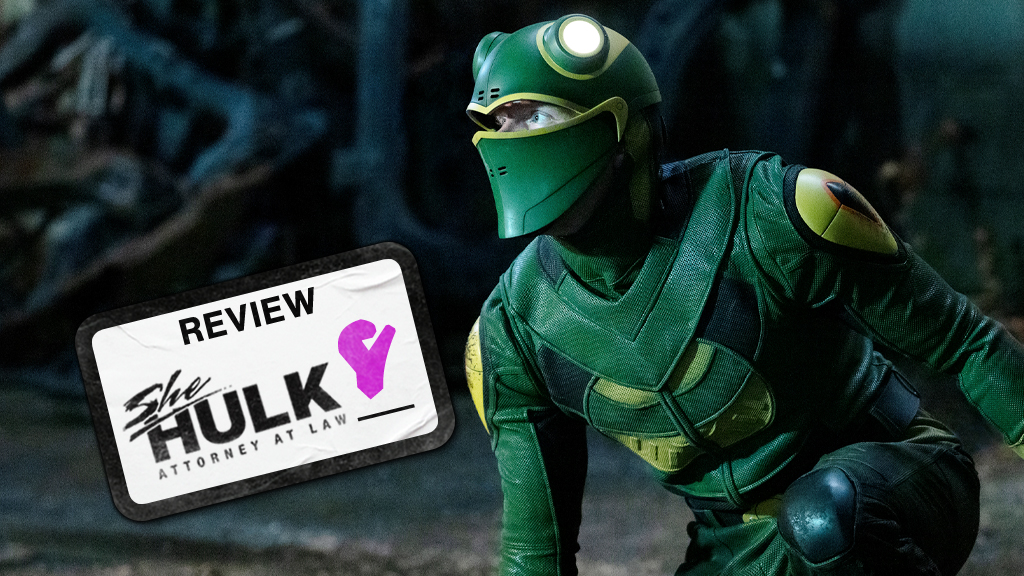
Given the fact that She-Hulk: Attorney at Law has received rather positive reviews each week, it feels somewhat monotonous to call “Ribbit and Rip It” the best episode of the series—but it cannot be avoided. Of course, the character ensemble in Episode 8 seems instantly iconic, but the episode hit every beat it could: lawyer, superhero, Daredevil, sexy hilarious, and dark. This episode can only be thoroughly enjoyed and yet it still ends on the heaviest and most cliff-hanging note of the series.
All eyes are on Charlie Cox’s return as Daredevil in the character’s first MCU appearance. While this is She-Hulk’s show—as we are reminded—anyone who tries to suggest that he was not the highlight of the episode is lying. Predictably, Jennifer Walters and Matt Murdock meet in court on opposing sides before meeting as superheroes. Cox truly embodies the role, and his love for the character and the return is incredibly palpable. Quite honestly, he came across as substantially more charismatic than the character has previously been—and that is a high compliment. Daredevil is lighter than fans of only the Daredevil Netflix show may be used to, but being funny as hell does not take away from the rest of the character which was on full display. Those that will continue to scream into the void about She-Hulk ruining Daredevil are on another planet.
While Murdock was the biggest player, Episode 8 highlights that She-Hulk works best when the titular character has a colorful cast to play around with. Leapfrog and Jacobson held their own in such a high-profile episode, and the ultimate result of all the moving pieces was sublimely paced, extremely funny, and it felt like a much bigger and more exciting show than it had been until now. Obviously, She-Hulk as a bona fide superhero is new and played a major role in that. The chemistry between Jen and Matt—presumably aided by the chemistry between Tatiana Maslany and Cox—created the best pairing of characters in a series riddled with great character interactions.
Despite being an overwhelmingly fun episode, the penultimate episode landed on a dark note with haste to lead into the finale. She-Hulk has not been shy about weaving in themes and jokes surrounding misogyny, but it felt like the darker elements that existed within the show truly hit in full force all at once. It is not easy to compete with Daredevil in an episode, but the ending managed to put up an impressive fight in that regard. Not only did Jen have her entire private life broadcast to everyone during what was perhaps the greatest moment of her career, but it came in the form of sexual shame and revenge porn—activities that tend to almost exclusively attack and cause extreme harm to women. The word “slut” is not uncommon in reality, but even in the context of She-Hulk it landed with a thud. The dark brilliance of the sequence is that She-Hulk, who is ordinarily invincible, can be a vulnerable target to destroy because she is a woman and there are dedicated ways for someone to pursue that without any kind of confrontation. We see Jen lose control of her anger—finally calling back to the first episode—becoming an enemy and a monster regardless of how justified and ordinary that level of anger would be in that situation.
At the end of the day, Episode 8 managed to do everything She-Hulk can seemingly tackle and pull off in just one episode. Daredevil’s introduction to the MCU was beautiful, and this episode does quite a lot for the character going forward. Even though the penultimate episode was almost certainly the most entertaining and witty episode of the entire series (and it is hard to see how the finale can top it), it also ended on the darkest and most emotional beat yet. Before the last few minutes, the fact that the finale was right around the corner felt rather empty. There is still a very minimal underlying HulkKing plot, but for the first time, it actually feels important to She-Hulk. It may very likely go on to set up other Hulk-related MCU projects in the future, but the damage inflicted to the main character from it is now the driving force of the remainder of the series. The finale is still a mysterious concept given the format of the show, but Episode 8 finally begins to truly define the hero She-Hulk will be in the MCU.
Billed as a legal comedy and delivered pretty much along those lines, She-Hulk: Attorney AtLaw didn’t seem like the type of show that would have far-ranging implications for the landscape of the Marvel Cinematic Universe. However, with one episode left to go, it seems that quite a bit of potential has been packed into these shorter episodes. Bruce Banner has left the planet for personal business on Sakaar; Jen’s blood has fallen into the hands of the HulkKing; and a man is running around in a frog suit! As big of a deal as Leap-Frog might seem to have been in Episode 8, “Ribbit and Rip It”, another revelation might end up being a bigger factor down the line.
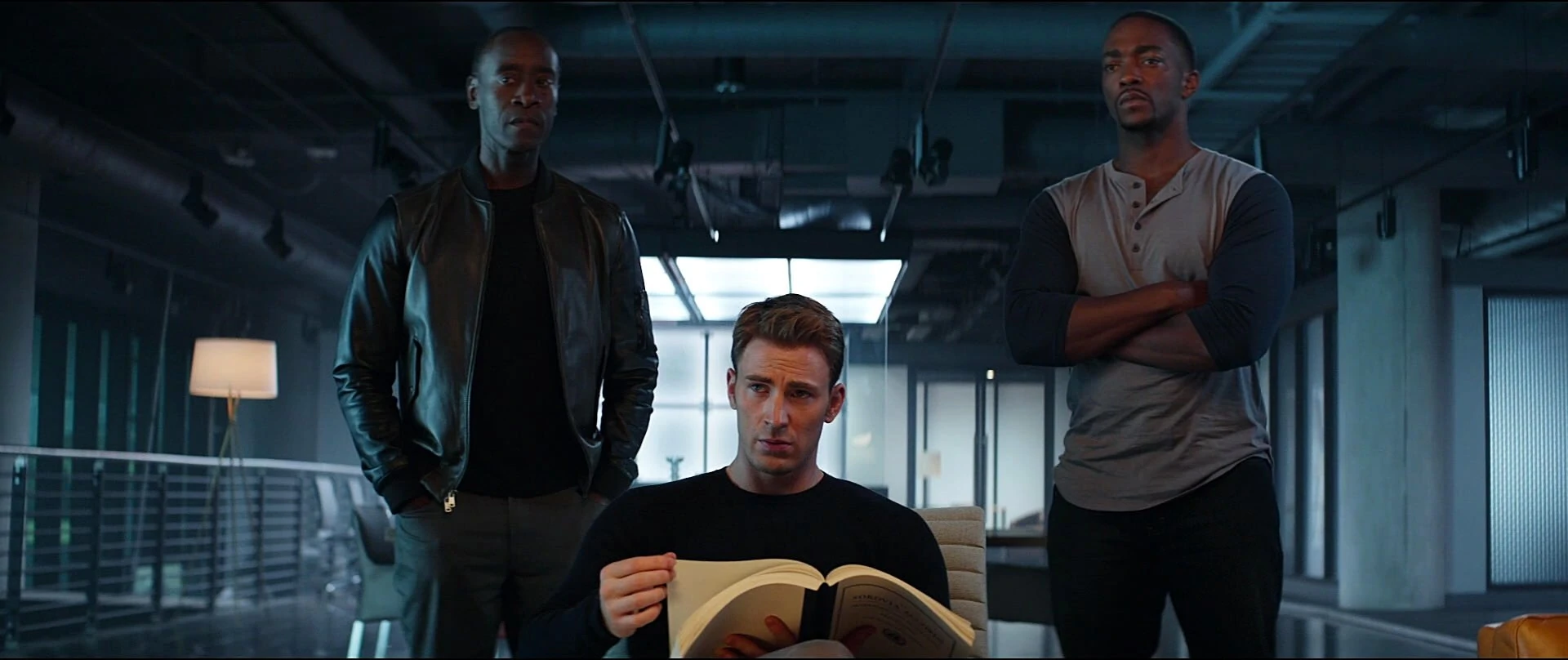
During Jen’s brief and slightly embarrassing court battle with Matt Murdock, Murdock casually revealed that the Sokovia Accords, which have governed the vigilantism of superheroes since the United Nations adopted them in 2016 following the events in Lagos, Nigeria, have been repealed. The Accords were intended to put an end to the unsanctioned acts of powered individuals and groups, such as the Avengers, by establishing an agreed-upon set of regulations.
The Accords have been addressed in several projects over the years after having been established in Captain America: Civil War. WandaVision saw a government agency defy them and The Falcon and The Winter Soldier, which was set in 2024, saw them on display in the Smithsonian. So while they might have seemed like a relic of the Infinity Saga, they’ve been kept alive for a reason before being tossed out there again in She-Hulk, which is set in 2025. What good comes from keeping them on the minds of the audience, though, when they’ve largely been ignored since their creation? The answer might be in the fine print.
By signing the Accords, heroes agreed to a whole mess of things, including:
providing a DNA sample
revealing their secret identities/legal names
power analysis
the use of tracking bracelets
The Accords also prohibited governments from sending powered heroes to other countries without the approval of that country; outlawed the creation of self-aware AIs; outlawed the creation of further superhumans without strict oversight.
For a line that was interjected into the middle of a fairly fast-paced bit of dialogue by Murdock, the revelation that the Accords no longer govern not only the actions of powered individuals but the CREATION of them seems incredibly important given the fact that Jen’s “better blood” is in the hands of, presumably, the Intelligencia which, presumably, is lead by The Leader. With The Leader recently announced as the villain of Captain America: NewWorld Order, Jen’s tease of a Red Hulk and the long-standing rumors of her blood being used to create multiple Hulks that might face off in a World War Hulk project, the fact that there are now no universally accepted regulations on how to handle these types of situations seems like it is setting the stage for chaos to ensue…and a new order to be established.
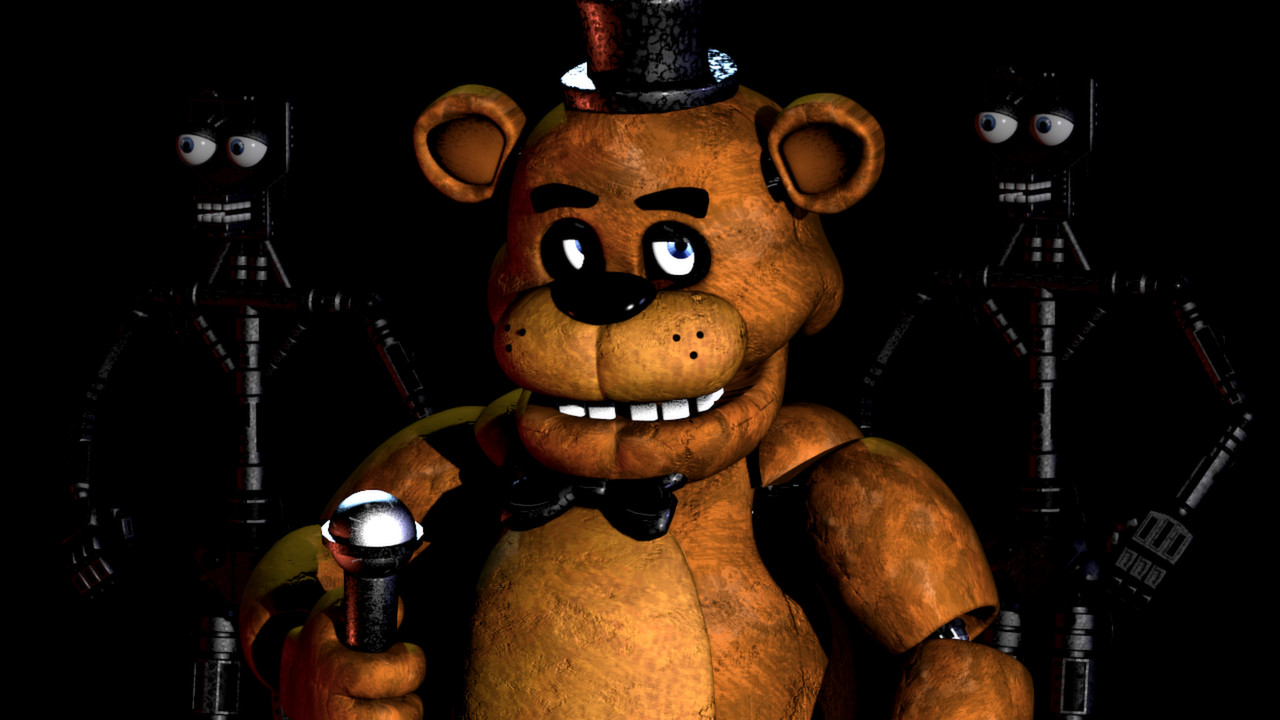
Blumhouse has been developing a film adaptation of Five Nights at Freddy’s for several years now in collaboration with creator Scott Cawthon. In August, Jason Blum indicated that the production was working with Jim Henson’s Creature Shop on the adaptation, but things have been quiet since then…until now. Emma Tammi will helm the project, with production set to begin in February 2023.
The live-action adaptation of the popular horror video game has been in the works since 2015, just a year after the game debuted. Christopher Columbus was attached to direct the adaptation at one point, but development stalled over the years and the two parted ways. Now it’s in the hands of Tammi, who recently directed two episodes of Into the Dark for Hulu.
There have been many theories that Disney has been trying to adapt Kingdom Hearts in some capacity beyond the games. Considering the series is based in the many worlds from their long-running IPs, it seemed like the perfect show for them to adapt that plays into nostalgia while also offering something new to draw an audience in.
As it turns out director Seth Keasley, famous for the Adam Sandler animated film Eight Crazy Nights, was actively working on a Kingdom Hearts pilot that even managed to test well. While the initial script he received was just like the game featuring characters from the game series reliving the Disney story, he got a chance to rewrite the script that tested incredibly well. Yet, the project seemingly never picked up and a recent experience seemingly led to him wanting to share what that pilot would’ve been like.
At the time, we weren’t even really allowed to do sequential story, like every episode had to stand on its own and also with the pilot, it had to stand on its own, it had to be ‘episode seven’. I couldn’t do the origin story… so I said, I like it, I wanna do it and then they gave me a script and I read the script and the script read like an episode of Aladdin co-starring the characters from Kingdom Hearts. And I was like, ‘I don’t wanna do that’, I said, ‘I don’t like the script, I wanna do a rewrite,’ and they said, ‘You’re fired,’… I was like, ‘It’s not that I hate the script, it’s that this reads like an episode of Aladdin co-starring Kingdom Hearts characters and I really think that this should be like an episode of Kingdom Hearts that happens to take place in the world of Aladdin.’ So I got to do a rewrite. I spent a lot of time with a writer and we came up with a new version that definitely felt like Kingdom Hearts.
Seth Kearsley
In his YouTube video, he highlighted that he had no idea about the gaming franchise before tackling the project but did explore it. He seemingly fell in love with it once he gave it a shot and tried to give it a chance. It’s crazy to think that this project never picked up and only now details are finding their way online.
There were some rumors hinting at a potential Disney+ series being in some form of development, which has never been officially announced or even hinted at. It still is a project that would make a lot of sense fo the Disney-owned streamer but we’ll still have to wait for more details on the fourth entry in the gaming franchise. Perhaps the next entry might spark some interest to revive a TV project once again.
We use cookies to improve your experience on our site. By using our site, you consent to cookies.
This website uses cookies
Websites store cookies to enhance functionality and personalise your experience. You can manage your preferences, but blocking some cookies may impact site performance and services.
Essential cookies enable basic functions and are necessary for the proper function of the website.
Name
Description
Duration
Cookie Preferences
This cookie is used to store the user's cookie consent preferences.
30 days
These cookies are needed for adding comments on this website.
Name
Description
Duration
comment_author_email
Used to track the user across multiple sessions.
Session
comment_author_url
Used to track the user across multiple sessions.
Session
comment_author
Used to track the user across multiple sessions.
Session
Statistics cookies collect information anonymously. This information helps us understand how visitors use our website.
Google Analytics is a powerful tool that tracks and analyzes website traffic for informed marketing decisions.
Contains information related to marketing campaigns of the user. These are shared with Google AdWords / Google Ads when the Google Ads and Google Analytics accounts are linked together.
90 days
__utma
ID used to identify users and sessions
2 years after last activity
__utmt
Used to monitor number of Google Analytics server requests
10 minutes
__utmb
Used to distinguish new sessions and visits. This cookie is set when the GA.js javascript library is loaded and there is no existing __utmb cookie. The cookie is updated every time data is sent to the Google Analytics server.
30 minutes after last activity
__utmc
Used only with old Urchin versions of Google Analytics and not with GA.js. Was used to distinguish between new sessions and visits at the end of a session.
End of session (browser)
__utmz
Contains information about the traffic source or campaign that directed user to the website. The cookie is set when the GA.js javascript is loaded and updated when data is sent to the Google Anaytics server
6 months after last activity
__utmv
Contains custom information set by the web developer via the _setCustomVar method in Google Analytics. This cookie is updated every time new data is sent to the Google Analytics server.
2 years after last activity
__utmx
Used to determine whether a user is included in an A / B or Multivariate test.
18 months
_ga
ID used to identify users
2 years
_gali
Used by Google Analytics to determine which links on a page are being clicked
30 seconds
_ga_
ID used to identify users
2 years
_gid
ID used to identify users for 24 hours after last activity
24 hours
_gat
Used to monitor number of Google Analytics server requests when using Google Tag Manager
1 minute
Marketing cookies are used to follow visitors to websites. The intention is to show ads that are relevant and engaging to the individual user.
Pinterest Tag is a web analytics service that tracks and reports website traffic.