While Doctor Strange in the Multiverse of Madness remained shy of the $190M opening weekend, it did make quite a few waves by finishing at $187M. That is a small adjustment of $2M over the Sunday, but an increase is actually a good sign for the film’s legs with a B+ Audience CinemaScore rating. Worldwide, the film made a splash with $449.4M at the bo office, making almost half a billion in just its opening weekend. It’s an exciting prospect for theater owners that have been worried about just how long the pandemic would affect their business.
The film is not only Sam Raimi‘s biggest opening ever, but it’s now also the 11th biggest domestic opening in history and the seventh right behind Avengers: Age of Ultron, which was at $181.3M. As such, it’s the best performing second entry in a solo outing with Spider-Man: No Way Home holding the title for third entry with $260.1M. It’s now the second-best domestic release of the year and on its path to overtaking The Batman, which also garnered a fantastic $369.1M to date.
On Friday, it took in $90M which puts it as the seventh-biggest opening of all time, and entered the Top 10 best opening days for any MCU flick. While it’s likely going to be quite frontloaded, if it manages o keep a similar momentum that is seen with horror entries, we might be looking at a stronghold over the next weeks, but likely will echo a similar drop as Age of Ultron did.
Internationally, the film has pulled in $262.4M, which saw a slight adjustment down from its early Sunday estimates, which kept it at the overall worldwide release estimates. It’s now the sixth-highest opening worldwide going by like-by-like territories, which is no small accomplishment without a Chinese release. South Korea has been slowly becoming one of Marvel’s strongest opening locations with a massive $30M over the weekend.
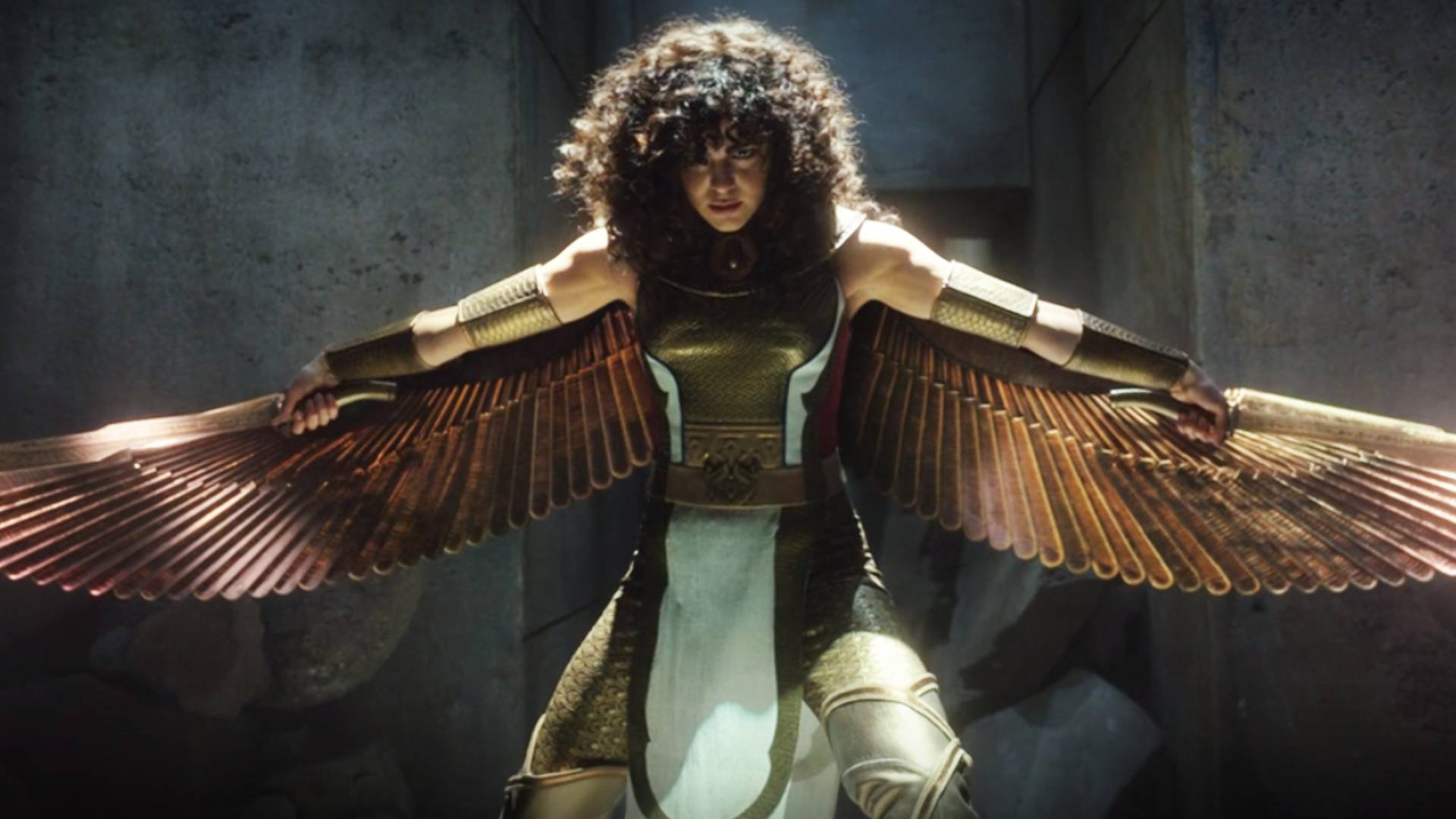
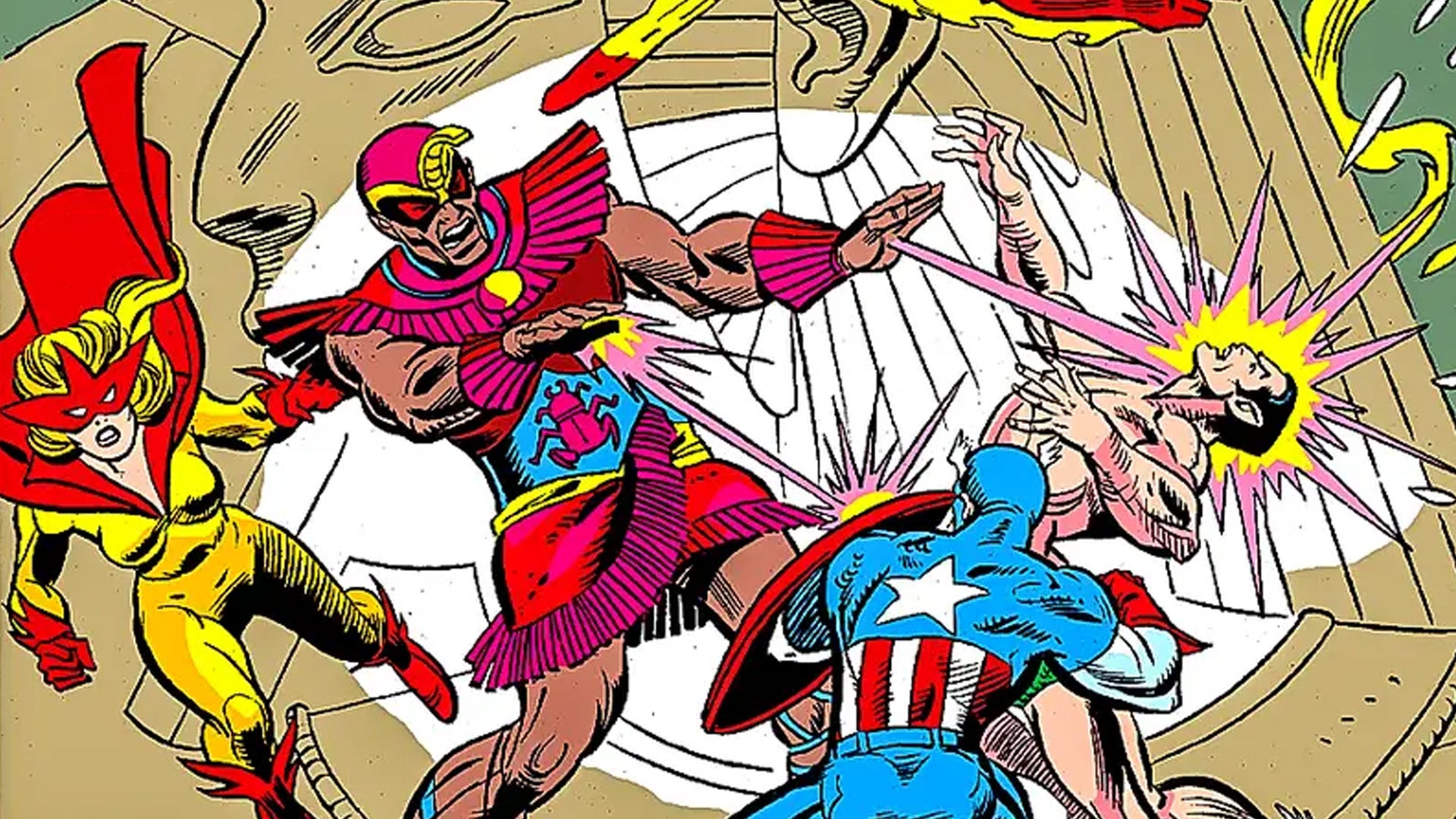
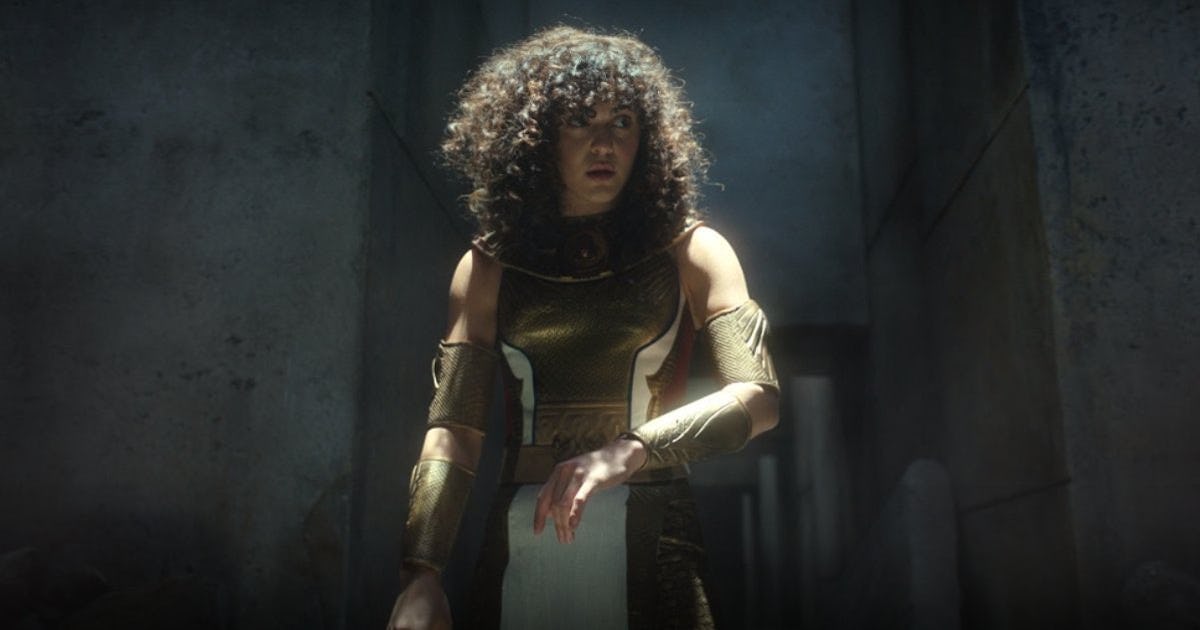
Moon Knight‘s finale has introduced us to a new hero, Scarlet Scarab. Layla El-Faouly, who is played by the wonderful May Calawamy, becomes the Avatar of the Egyptian goddess Taweret. Her new heroic alter-ego is strongly inspired by the name her father gave to her, we get introduced to the MCU’s first Egyptian superhero. While the series remained focused on its main hero, it left a lot of questions open on what exactly the future has in store for Layla moving forward. There actually is a storyline that could be used to continue her own story in a Disney+ spinoff.
Some may complain that too many characters are getting their own series, which is understandable given the surprising announcement for Echo and Agatha: House of Harkness. Yet, that’s the potential behind Disney+ to give smaller characters their potential to explore stories that would otherwise be relegated to off-screen. Plus, it gives new creatives and talents to tell a story that otherwise wouldn’t have the chance to. While Mohamed Diab pointed out he’d love to tackle a Moon Knight film next, I do believe there’s a lot here that he could build upon to further explore Scarlet Scarab’s place in the bigger MCU.
The Egyptian pantheon has lost its control, as their Avatars have been killed by Arthur Harrow’s hands to unleash Ammit. While they manage to subjugate him and God, their actions still left behind quite a dangerous power vacuum. They no longer have any Avatars to keep an eye on Earth, and the fact that they literally fell for Harrow’s mischief might have left a rather sour taste in their mouths. That’s not all though, we’ve seen quite a few gods were trapped in a similar way to Khonshu, and with the destruction of their holy place, who knows what may have found its way out of its imprisonment.
There are many moving pieces at play that could put Layla at a rather questionable place, as she was quite reluctant to even become an Avatar, it opens her up to facing an unlikely challenge. The desire to simply give it all back isn’t as simple, something we’ve clearly seen with Khonshu’s hold over Marc Spector. While Taweret isn’t shown to be someone that is self-centered, she may be desperate to somehow keep order with them being the only remaining Avatar for the Egyptian pantheon–not knowing that Khonshu still holding a grip over Marc through another alter.
A conflict of duty and freedom may create a rift between Layla and Taweret, as she becomes unwillingly pulled into a role she never asked for. Her line with the little girl about being an Egyptian superhero had a much bigger weight on her future than she may have bargained for. Yet, it may also help her find a place in the world that she wouldn’t have considered, while also getting a chance of closure with her father, especially as Taweret teased she had talked to him.
Diab’s work in Moon Knight gave us glimpses of the beauty of Egypt, which felt like we’ve only scratched the surface. As Spector returned to London, it would be a shame not to further explore the country and its culture through the eyes of Layla. As great as Marc Spector’s time in that country was, he has a very different connection to it. He was more a gateway than a full embrace, which gave us Layla’s transformation into the Scarlet Scarab, perfectly setting her up as the person to further explore that corner of the MCU.
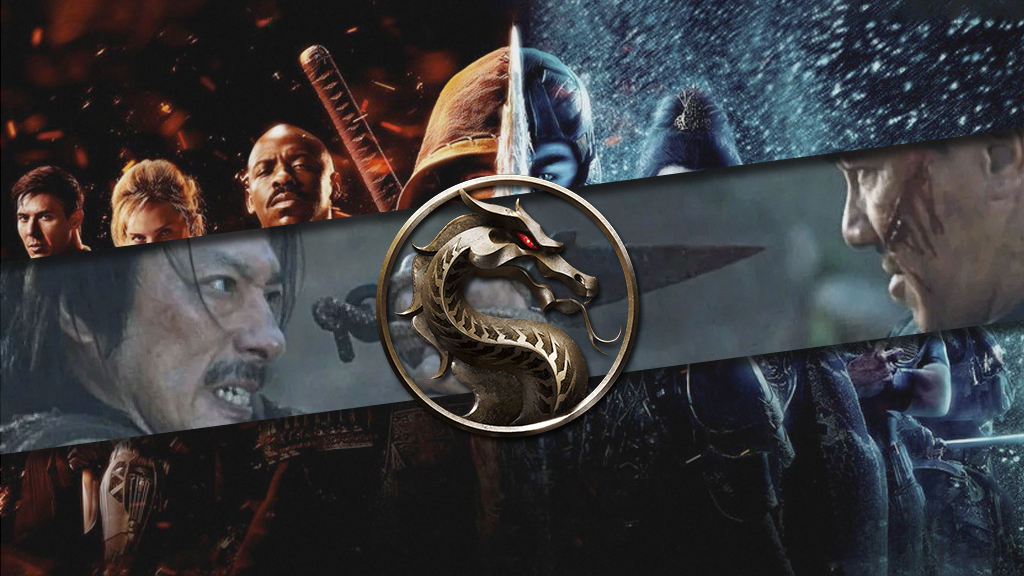
Now that head writer Jeremy Slater has finished work on Moon Knight, he’s already hard at work on his next major project. In an interview with The Direct, he offered a small update on the sequel of 2021’s Mortal Kombat film. While it wasn’t received warmly going by its Rotten Tomatoes rating but that hasn’t stopped it from becoming HBO Max’s most-watched film to date. In the interview, he reveals that they’re already “halfway through the script.”
It’s really fun so far. We’re about halfway through the script. I’m working really closely with the director and the studios, and the game guys, and I think—I can’t say anything about the actual story, but I think they definitely learned some lessons the last time around in terms of, ‘Here’s the stuff fans responded to, and here’s what people liked out of the movie, and here’s the stuff that didn’t work out as well as we hoped.’ So we’re really looking at this as a chance to take everything that worked in the first one and do it even better and give the audience even more, and make something that is just incredibly satisfying, and really exciting, and unpredictable.
Jeremy Slater
When asked how it might compare to his work on Moon Knight, he does highlight that it’ll keep his “sensibilities” but it definitely will continue what makes Mortal Kombat such an iconic series, its showcase of brutal takedowns of its heroes and villains.
I don’t think it’s necessarily going to have the same tone as the MCU, but it’s definitely going to have some of my sensibilities. That was part of my pitch to them. This is Mortal Kombat. We have guys who are ripping off their faces and breathing fire—it’s a weird universe, let’s embrace some of that weirdness, and let’s make a Mortal Kombat sequel that no one is expecting and that can kind of sneak in and blow everyone away. We’re still really early in that process, but I’m having a blast with this script
Jeremy Slater
The first film ended with a massive teaser of Johnny Cage finding his way into the film. It also only set up the actual Mortal Kombat tournament, as it was mostly a very Hollywood-esque prequel series leading into the main conflict from the games. Luckily, they are now unshackled and can potentially jump into it in the next film if that is the plan, as they could also be building up towards it by the end of a trilogy.
There’s been an ongoing debate on the Internet ever since Martin Scorcese made a remark on how he views Marvel films, which originally was meant as a general view on the superhero industry that ended up focused on its strongest contender. Of course, the opinion of a veteran in the industry has left some waves with others jumping on board or even going against it, such as Nicolas Cage openly disagreeing with his uncle, Francis Ford Coppola, who shares a similar view to Scorcese on the matter.
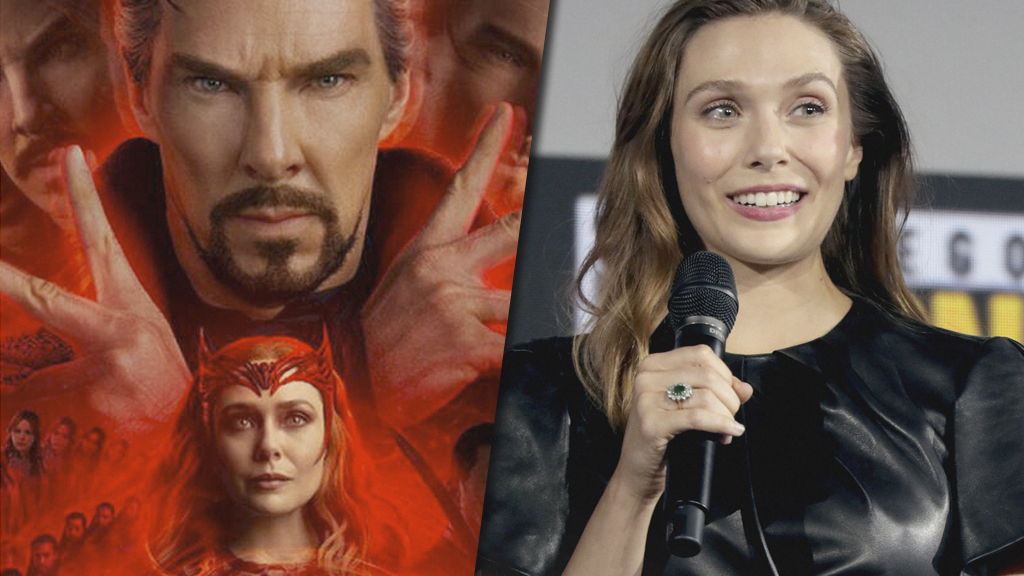
Yet, the debate goes on even if there’s no real benefit to anyone in “winning” the argument. With the release of Doctor Strange in the Multiverse of Madness, Elizabeth Olsen also threw her thoughts into the ring and highlighted an important aspect that gets overlooked in the discussion. Downplaying Marvel films as a “lesser type of art” as she puts it also diminishes the work of the people involved with the projects.
I’m not saying we’re making indie art films, but I just think it takes away from our crew, which bugs me. These are some of the most amazing set designers, costume designers, camera operators — I feel diminishing them with that kind of criticism takes away from all the people who do award-winning films, that also work on these projects
Elizabeth Olsen
She goes on to highlight that naturally, your approach as an actor is different as it is a different kind of film, to begin with. She once again highlights that throwing Marvel under the bus to somehow drag a wealth of talent down due to something one doesn’t deem art isn’t a fair discussion.
From an actor’s point of view, whatever, I get it; I totally understand that there’s a different kind of performance that’s happening. But I do think throwing Marvel under the bus takes away from the hundreds of very talented crew people. That’s where I get a little feisty about that.
Elizabeth Olsen
There likely is never going to be an end to this discussion, as one takes away what they want from the points made by various industry experts and those creatives working within the industry. Olsen‘s words ring important after a viral video has been making the round taking a quote of her facing anxiety with every new entry as some kind of statement on Marvel’s releases.
The same interview from Independent highlights that, as she simply tries to avoid the “pressure” of being a project’s main focus. No matter how one feels about the films and Marvel Studios as a company, there are still many talented people that found their beginning there and go on to develop many more films.
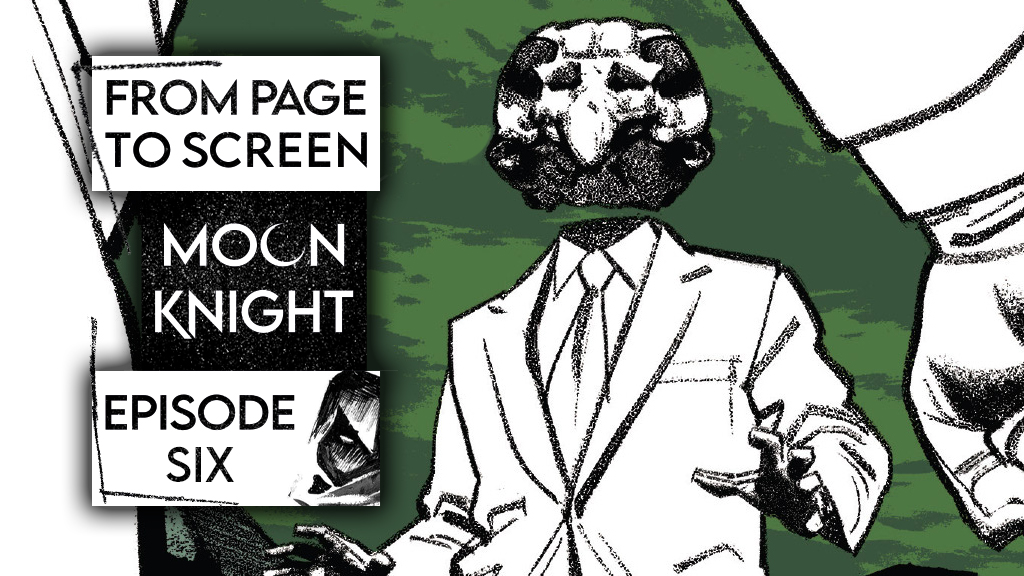
As for episode 6, finding a specific moment that was worth exploring in terms of its comic counterpart became an issue in and of itself. With Marvel Studios so keen on being as unpredictable as possible when it comes to its storylines, especially its third acts (that obviously also include all series/season finales), the comics end up being referenced in a less obvious way. The thematic correlation is still there, and so being that’s perhaps the way to go about it: Focusing on what the show is trying to do that the comics already did—albeit in different ways—, and what that might hint towards the future of these characters.
Marvel Studios’ Moon Knight Episode 6
Marvel Studios’ Moon Knight Episode 6
Two of the major takeaways from the latest Moon Knight episode were presented in the post-credit scene. There, we found out that despite Marc deciding to go against Khonshu’s will towards killing Harrow, the God of the Moon and the Night Sky was still very much determined to keep his body as his earthly vessel. And with that in mind, his third alter was finally revealed with Jake Lockley making this on-screen debut, showing himself to be the most unhinged and violence-prone of the identities sharing said body. Both these particulars seem to hint at a larger story being told, more connected to Marc’s dissociative identity disorder (DID) than to his superhero endeavors.
Moon Knight #9 (2016)
The relationship between Marc and Khonshu never seemed to be one based on mutual interests, and so this abuse is sure to strain it even further leading to greater altercations down the line. As we watched throughout the show, Marc’s motivations for going along with Khonshu’s greater plan were basically attached to concerns over Layla’s well-being. Even with his prominent sense of duty, the deal he made with Khonshu that led to him becoming his Fist of Vengeance did not seem worth keeping, as death was something Marc welcomed in order to escape his fate. Unless, of course, that meant that Layla would then have to endure his burden. Much as in the aforementioned Lemire/Smallwood run, Marc ends up understanding that a rejection of Khonshu’s ways was absolutely necessary in order for him, even with the other identities, to ever feel comfortable in his own skin.
Marvel Studios’ Moon Knight Episode 6
Marvel Studios’ Moon Knight Episode 6
But this wasn’t always the case as Marc at times determined that the other identities were the issue. It wouldn’t be until later on that he understood that each personality was but a piece of the tapestry that made him whole and that Khonshu was the unnecessary appendage that only kept him down. This is somewhat similar to what we got to see in the show, as the initial confrontations between Marc and Steven then led to one of the best scenes in the entire show when both understood that they were so much less when trying to reject and keep each other at bay. Jake’s introduction will serve the purpose of giving the plot an extra layer of complexity as Marc and Steven will have not only external but also internal threats they must overcome.
Moon Knight #14 (2017)
Khonshu is then proving himself to be, if not the main villain in the series we just watched, the antagonist that will prove the biggest adversary for Marc, Steven, and possibly even Jake. Much as in the comics the several personalities ended up working together in order to obliterate Khonshu’s influence over their shared body, and so too it seems that this might be the way to go in future storylines on future live-action Moon Knight projects.
Moon Knight #14 (2017)
Moon Knight is now streaming, in its entirety, only on Disney+.
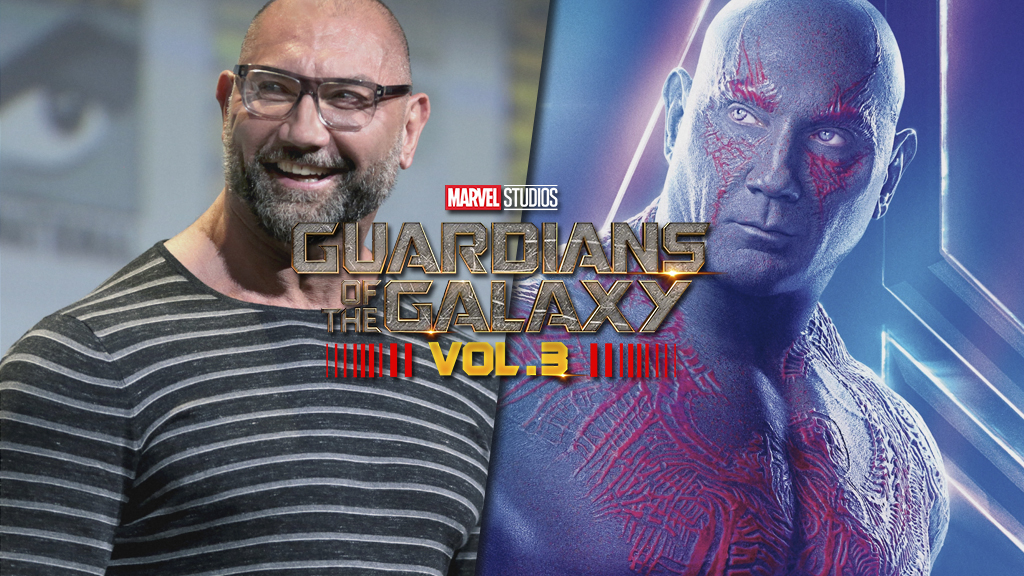
announcing that they’ve wrapped work on the third entry of Guardians of the Galaxy, which has been heavily hinted atas James Gunn‘s last. The same set of photos with the cast hanging out to celebrate their work was now also shared by Dave Bautista, who has included a rather curious hashtag that may further add to the rumors that he’s potentially moving on from the role of Drax the Destroyer.
In the latest post on Instagram, Bautista includes a reference on how surprising it “ended so suddenly” and that he’s already working on his next film project. Yet, the big surprise is the inclusion of a hashtag that states “#GoodbyeDrax.” Considering he’s hinted in the past that he’s nearing his end with the franchise, this may be some further evidence that he truly is moving on once we see Guardians of the Galaxy Vol. 3 next May.
There have been many hints that the current version of the Guardians of the Galaxy will very likely come to an end with the third entry. We don’t know if we’ll further explore the galaxy with a different incarnation of this team, but it adds some tension to who might end up surviving the events of the film, as well as who will completely set out on their own adventure. The future still seems possible for some characters, it’s simply uncertain until we actually get to watch the film.
Deadline has announced that Jonathan Levine will direct the sequel for Lionsgate. Levine, of course, is perhaps best known for directing films such as Warm Bodies and 50/50. The long-awaited sequel to the 1987 hit, Dirty Dancing, will be brought to the Cannes market next week by Lionsgate and will reportedly feature a mix of music from the original and 90s hip-hop.
Levine spoke exclusively to Deadline and revealed that the sequel, also titled Dirty Dancing, will be a coming-of-age romance much like the first film. The sequel will center on a young woman at the original summer camp that’ll see Baby’s own journey intertwine to create a “multi-layered narrative.” Along with serving as a director on the film, Levine also co-wrote the sequel along with Elizabeth Chomko (What They Had).
As it stands, Jennifer Grey, who starred in the original, is the only cast member attached to the film. However, the team behind the sequel reportedly has a “shortlist of names” to play the lead character. It’s expected that the cast will consist of name actors and a slew of newcomers. “We are about to talk to people and are exploring that,” Levin told the outlet. “The most important thing for us was having Jennifer on board. She is an invaluable collaborator. We’re going to try to involve as many people from the original as is appropriate. We want to be respectful in every way.”
Dirty Dancing starred Grey and the late Patrick Swayze. While it was never a critical darling, the original film is beloved and has spawned countless sequels and even saw a made-for-tv adaptation in 2017 that starred Abigail Breslin as Frances “Baby” Houseman.
Production is expected to kick off later this year for a 2024 release.
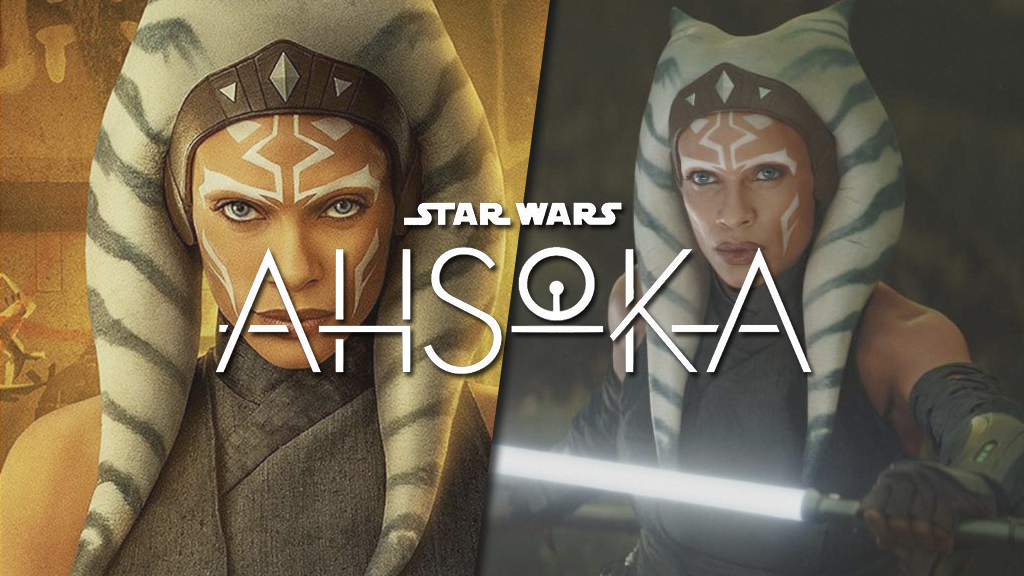
All eyes have been busy on Marvel’s various ventures and films, it’s finally time for Star Wars to take the limelight once again. Disney+ has just shared a new image that confirms that The Mandalorian spinoff series Ahsoka has finally started production. Sadly, the image doesn’t really give anything away or a look at the production, it’s a confirmation that they’ve finally started work on it. It’s the second spinoff series to come out of the Star Wars series that started Disney+’s hold on the streaming market after The Book of Boba Fett wasreleased back in December.
It’ll be interesting to see if the series follows some similar elements that we saw in The Book of Boba Fett, where the story suddenly turned into a continuation of The Mandalorian. While it does create a very unique yearly release model as everyone’s story intertwines with each other, it does go against usual TV mentalities as it creates confusion for those watching The Book of Boba Fett or Ahsoka as its own project.
We’ll see what the future may hold for the Star Wars series, especially as they expand with some new projects. Obi-Wan Kenobi is confirmed as a limited series, but it may still possibly also set up more series moving forward. While Marvel has been moving forward with their new projects, it seems that Lucasfilm, who actually kicked off the streaming service initially, still in a preparation stage for their projects.
In 2008, fans who stuck around through the credits of Iron Man found themselves treated to a tease of greater things to come. At the time, given the nebulous state of the future of Marvel Studios, the tease came without a promise that we’d ever see the Avengers Initiative come to fruition on the big screen. 4 years later, it paid off in The Avengers, rolled out its own post-credit scene that set the stage for the larger narrative that would develop over the next 15 MCU projects. That run, which became known as the Infinity Saga, ended with 2019’s Avengers: Endgame which, ironically, was the first Marvel Studios film to run without a post-credit scene. Now, with the future of Marvel Studios more secure than it has ever been, it’s time for the post-credit scene to die.
Marvel Studios’ Iron Man (2008)Marvel Studios’ Spider-Man: Far From Home (2019)
After skipping out on the tradition in Endgame, Marvel Studios brought back the post-credit scene in Spider-Man: Far From Home, the final Phase 3 film. In hindsight, it’s a tradition they should have left behind as they moved into Phase 4. Once a fun source of “water cooler” conversation, the idea has grown beyond itself and evolved into something that’s become part of a parasitic online conversation where the scenes that come AFTER the movie generate more interest and conversation than the movie itself. It’s not a phenomenon limited just to Marvel Studios-Sony used the post-credit scene to Venom: Let There Be Carnage to market the movie-but Marvel Studios started it and now they need to end it.
The conversation around the post-credit scenes poses a multi-faceted problem for Marvel Studios. While they still provide a fun tease of upcoming events, in recent years, more than one post-credit tease hasn’t paid off. For example, after the credits rolled in 2016’s Doctor Strange, audiences learned that Mordo was on a mission to eliminate magic users, especially those who violated natural law. Surely that would mean he’d cross paths with Wanda Maximoff, right? 616-Mordo was nowhere to be seen in Doctor Strange in the Multiverse of Madness, his role rumored to have been snipped from the film’s final cut. And what about the great Adrian Toomes/Mac Gargan scene at the end of 2017’s Spider-Man: Homecoming? With Doctor Strange’s spell erasing the memory of Peter Parker from everyone’s mind, it seems like the Vulture/Scorpion team-up will never come to pass. Will the tease of Venom in the MCU, set up in the post-credit scene to Spider-Man: No Way Home, have the same fate?
Marvel Studios’ Doctor Strange (2016)Marvel Studios’ Spider-Man: Homecoming (2017)
The fervor around the content of the post-credit scenes has grown to a point where fans are often more concerned with it than the film itself. Driven by leak culture, the knowledge of the contents of the latest Marvel Studios’ post-credit scene is often a more valuable commodity (more talked about) than the film itself. In fact, after recently attending the premiere of Doctor Strange in the Multiverse of Madness, almost everyone who asked me about the movie started off by asking, “How many post-credit scenes are there?” and “What’s in them?” It’s concerning that a post-credit scene that may have been shot over a few hours is of more interest than the billion-dollar films the studio is rolling out. And in this case, Marvel Studios delivered one of its worst post-credits scenes to date, though it featured a huge casting spoiler for a big star entering the MCU. But will she? Or will her cameo and the promise it carries be as empty as Mordo’s sorcerer hunt?
As mentioned above, Multiverse of Madness’ post-credit scene, despite featuring 3-time Academy Award-winning actress Charlize Theron as one of Strange’s most important supporting characters, Clea, doesn’t quite carry the same weight as Fury’s post-Iron Man appearance. Despite Theron looking fantastic as Clea, it seemed hastily put together and didn’t really seem to line up with the film’s own ending, making it one of the worst efforts for the studio. What’s more, the drop in quality seems to be a trend in Phase 4 with none of the offerings so far coming near the thrills of introducing the Maximoff twins after The WinterSoldier.
Truly, the post-credit scenes have lost their novelty and have become an unnecessary distraction. Jake Lockley could have easily been put in the body of the final episode of Moon Knight. Sharon Carter’s phone conversation after the credits of the final episode of The Falcon and The Winter Solider may have done more harm than good, causing fans to speculate and theorize wildly about who was on the other end; as has been demonstrated over and over again, this will lead to faux outrage down the road when the speculation turns out wrong and fans will feel slighted. Will Starfox, or any of the Eternals ever be heard from again? No idea, but Harry Styles caused more of a buzz than the actual film. What was once a wink-wink-nudge-nudge to the comic book fans in the audience has become something general audiences are hungrier for than the films to which they are attached. Marvel Studios would serve themselves well by ditching the post-credit scenes. And if fans are still hungry for more, perhaps the studio could bring back One-Shots as a streaming alternative.
Given they distract from the movies, aren’t always followed through on and the disturbing trend in their quality, it really is time for the Marvel post-credit scene to be retired. We’ll always have that kiss between Jane and Thor…before Jane disappeared for a decade.
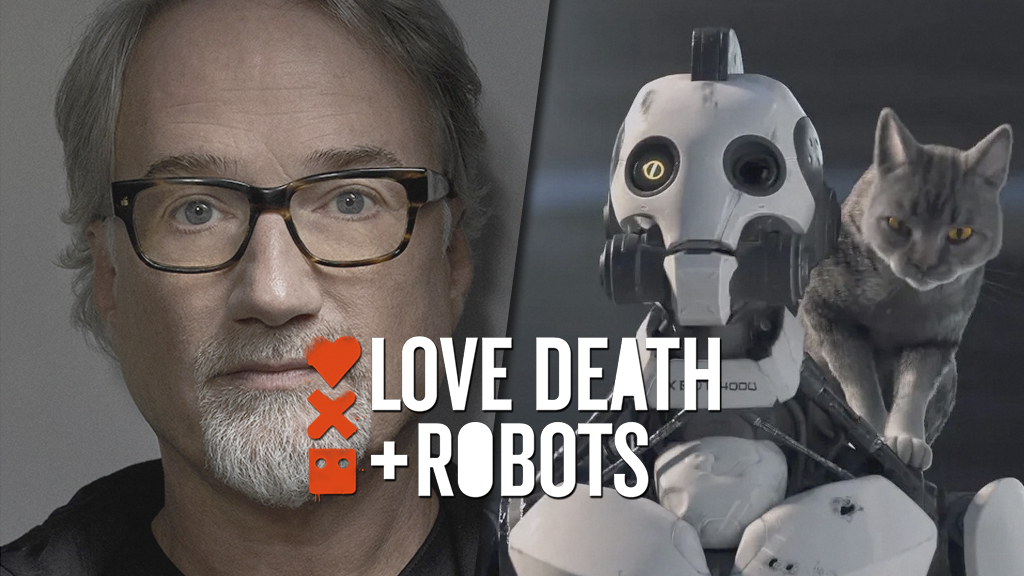
After a long wait, Love, Death and Robot‘s third season has finally received a trailer. It gave us a glimpse of what the anthology series will include throughout its latest nine episodes, especially with the different concepts and animated projects. The biggest surprise came in the announcement that the episode “Bad Travelling” will be David Fincher‘s first time directing an animated project with Se7en screenwriter Andrew Walker having penned the script.
The episode is teased to feature “a jable shark-hunting sailing vessel is attacked by a giant crustacean whose size and intelligence is matched only by its appetite. Mutiny, betrayal and ventriloquism with a corpse.” It sounds like the kind of storyline that would be right up Fincher and Walker‘s alley, whose reunion since the iconic film is another exciting prospect. The story is based on a short story by Neal Asher.
The writer actually is also the one who wrote the story that Volume 2’s Snow in the Desert is inspired by. Blur Studio is the one behind the breath-taking animation of Fincher‘s 3D short which will include some interesting crustacean mayhem taking apart an unlikely crew already on edge. The series was first created by Deadpool director Tim Miller with Jennifer Yuh Nelsonas a supervising director. Fincher is also attached as a producer.
We use cookies to improve your experience on our site. By using our site, you consent to cookies.
This website uses cookies
Websites store cookies to enhance functionality and personalise your experience. You can manage your preferences, but blocking some cookies may impact site performance and services.
Essential cookies enable basic functions and are necessary for the proper function of the website.
Name
Description
Duration
Cookie Preferences
This cookie is used to store the user's cookie consent preferences.
30 days
These cookies are needed for adding comments on this website.
Name
Description
Duration
comment_author_email
Used to track the user across multiple sessions.
Session
comment_author_url
Used to track the user across multiple sessions.
Session
comment_author
Used to track the user across multiple sessions.
Session
Statistics cookies collect information anonymously. This information helps us understand how visitors use our website.
Google Analytics is a powerful tool that tracks and analyzes website traffic for informed marketing decisions.
Contains information related to marketing campaigns of the user. These are shared with Google AdWords / Google Ads when the Google Ads and Google Analytics accounts are linked together.
90 days
__utma
ID used to identify users and sessions
2 years after last activity
__utmt
Used to monitor number of Google Analytics server requests
10 minutes
__utmb
Used to distinguish new sessions and visits. This cookie is set when the GA.js javascript library is loaded and there is no existing __utmb cookie. The cookie is updated every time data is sent to the Google Analytics server.
30 minutes after last activity
__utmc
Used only with old Urchin versions of Google Analytics and not with GA.js. Was used to distinguish between new sessions and visits at the end of a session.
End of session (browser)
__utmz
Contains information about the traffic source or campaign that directed user to the website. The cookie is set when the GA.js javascript is loaded and updated when data is sent to the Google Anaytics server
6 months after last activity
__utmv
Contains custom information set by the web developer via the _setCustomVar method in Google Analytics. This cookie is updated every time new data is sent to the Google Analytics server.
2 years after last activity
__utmx
Used to determine whether a user is included in an A / B or Multivariate test.
18 months
_ga
ID used to identify users
2 years
_gali
Used by Google Analytics to determine which links on a page are being clicked
30 seconds
_ga_
ID used to identify users
2 years
_gid
ID used to identify users for 24 hours after last activity
24 hours
_gat
Used to monitor number of Google Analytics server requests when using Google Tag Manager
1 minute
Marketing cookies are used to follow visitors to websites. The intention is to show ads that are relevant and engaging to the individual user.
Pinterest Tag is a web analytics service that tracks and reports website traffic.