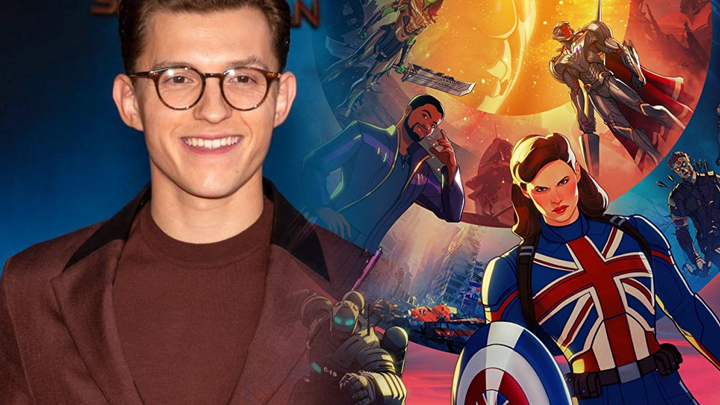
There have been many mysteries surrounding the first animated series by Marvel Studios, What If…?. Before the show even premiered, many wondered why certain voices did not get included in the production. Dave Bautista famously voiced the fact he wasn’t invited, which turned out to potentially have been the result of miscommunication. Yet, there’s also the surprising absence of Tom Holland, who’s been very open on wanting any chance to play Spider-Man. In a Collider interview with executive producer Brad Winderbaum, he gave a clearer statement on his absence.
You know, I’m not treated to all the ins and outs of the relationship with Sony. But, I think it may have had something to do with it, yeah.
At the beginning of August, his absence caught many people’s eyes. There have been some leaks that hinted at Spider-Man not being who we think he is, which his absence gave some credence. It’s uncertain which exact episode the What If…? version of the character will appear, but he is definitely part of the MCU canon, as they were not allowed to introduce new characters. Of course, they may have also simply found a different actor to voice the character similar to how they approached the absence of Robert Downey Jr. and Chris Evans. Still, here’s hoping the constant right disputes between Marvel Studios, Disney, and Sony might find an end in the near future to not restrict Holland or the character’s future within the ever-growing franchise.
If you’re interested in the complete interview with Winderbaum, you can check out the Collider interview here:
The Infinity Saga saw the average box office of the MCU continue to grow even as Marvel Studios increased output from one film per year to three. They’ve maintained this quality and growth to this day with five additional streaming series on Disney+. This is a result of how this studio approaches its overall innovative process. Yet while these shows have attracted much of the cultural and critical appraisal this year, Marvel Studios collaborated on a massive project, which paves the way to a future frontier of engagement with fans that is, at the moment, unparalleled, the Avengers Campus.
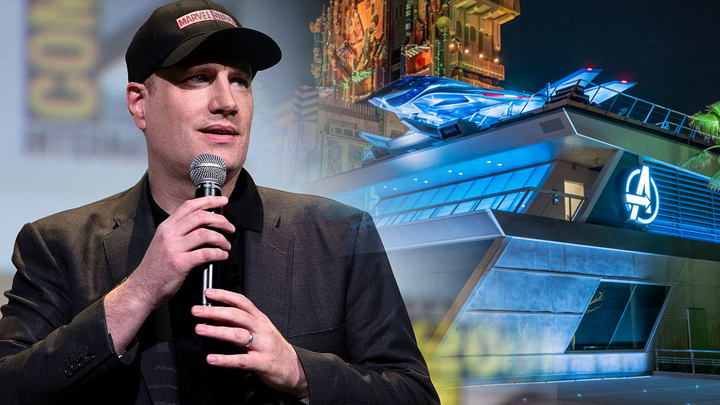
Avengers Campus is an MCU-inspired theme park area created in collaboration between Marvel Studios and Disney Imagineering “that will grow and evolve as [the] cinematic universe grows and evolves” according to Kevin Feige at the opening ceremony. Less than a week after Avengers Campus’ opening alongside Loki’s premiere episode, there were already sightings of Loki Variant L1130 in his TVA arrest costume alongside some Hunters. This continued to progress as the show aired.
Although it doesn’t take place in the MCU itself, Feige noted that the “studio’s filmmakers, artists, costume designers, and production designers have worked in lock-step with the Imagineers and the Parks team to create” much of what visitors experience, suggesting there is a certain amount of coherence between the two types of storytelling worlds. The fact that Marvel Studios have devoted some of their resources normally used in their films and streaming series to an interactive area suggests that they are aware of interactivity and engagement as a key aspect of evolving with their fans.
Marvel Studios’ work on Avengers Campus recognizes their fans “yearning to stimulate the other four senses outside of the visual.” That is according to Jeff Gomez, CEO of Starlight Runner, a transmedia production company he co-founded with Fabian Nicieza, where they have consulted on worldbuilding for the theme park area Star Wars Galaxy’s Edge as well as the films Avatar and Pirates of the Caribbean. Gomez knows what he’s talking about in regards to the rise and fall cycle in thepublic consciousness of these story world franchises and suggests there is a “five-stage cycle” of how both projects are made and received.
It goes through stages of experiments, classics, refinements, reflexives, and deconstructions, where “if we get to stage five … it’s very hard to go back, which means we’re near the end” which is similar to comparisons to the decline of the Western film genre. When talking about where the MCU is in this cycle “if multiple actors show up as a Spider-Man,” referring to the Spider-Man: No Way Home rumors, as a “reflexive element” which Gomez suggests is nearer the latter end of that cycle. While he also refers to WandaVision having self-reflective elements, it’s clear that Wanda Maximoff’s appearance in Doctor Strange in the Multiverse of Madness will be a narrative experiment, as subsequent film appearances from characters in Falcon and The Winter Soldier, Loki and What If…? will also be part of the same experiments.
Kevin Feige has repeatedly said that the Disney+ series “will tie directly to MCU feature films” and that Marvel Studios is learning as they go with Disney+ their experiments, meaning we can likely look forward to more classics and refinements in the TV-film narratives in the years ahead. All of this is to say, while it seems distant that Marvel Studios has interactivity as a key part of their narrative experiences, they’ve shown they are prepared to integrate new media formats into the main narrative, in order to keep their experiments fresh.
Given the standards, Marvel Studios always aims to improve and it opens up the question of what next media frontier they might explore next after entering streaming? The answer might well be in the clue of collaborating on the updating interactivity of Avengers Campus. Matthew Ball, a venture capital investor, notes that the amount of hours of engagement Fornite attractsprobably dwarfs that of the MCU (it would be a hard maths challenge to actually try and work out the monthly engagement hours of the MCU). In a 2019 earnings report, Netflix stated “We compete with (and lose to) Fortnite more than HBO” suggesting the competition for attention goes beyond the so-called streaming wars. Marvel Studios cannot afford to overlook this type of engagement.
It’s likely these kinds of things won’t happen until the art forms and the technologies have matured, just as Disney did not immediately dive into streaming. But what might the MCU crossing into the frontier of interactivity look like? Narrative space would have to be left for the films and streaming series, but I’ve thought of a couple of ways participants could interact with the MCU outside of those visual experiences.
Firstly, an in-MCU game of sorts could act as an Interactive Live Event (see #8 here) where participants don’t play as main characters but watch the computer generated heroes interact with their storyworld and vote upon their activities concurrently. This kind of integration would lend itself to the kind of behavior in interacting with video game streamers. Another route could take inspiration from The Marvels comic storyline, as players take on the roles of non-heroes amongst a graphical MCU New York, taking part in small activities at The Daily Bugle, Stark Enterprises, or Hellfire Trading Company.
They get to contribute to heroic missions and occasionally meeting our heroes, while witnessing what happens in the world above like Fortnite Events. The outcomes in both of these set-ups could lead to missions participants see play out, and also outcomes that appear in films and series which would allow fans to experience the MCU in an unprecedented way in contributing to the stories of our heroes.
There’s no guarantee that an interactive MCU integration would end up happening either of the ways mentioned above, just as Avengers Campus exists in a Marvel Theme Park Universe so could an online Marvel Gamerverse exist as part of the multiverse. Perhaps we could see existing franchises integrate into the overarching narrative in some way. Even before such a narrative integration could take place there would have to be a breakthrough in computing power, as well a storytelling maturity that is in its earliest stages as streaming competitors like Netflix just starting to move into gaming.
There is however a clear and constant fan desire to spend time in fictional storyworlds, and the excitement around the interactivity of Avengers Campus shows that a Marvel fan that spends many hours a week in a digital theme park contributing to the stories of their heroes is way more valuable to Marvel Studios than even the most regular rewatcher. This kind of evolution toward a Marvel Transmedia Multiverse seems at the start of a journey to that interactive horizon.
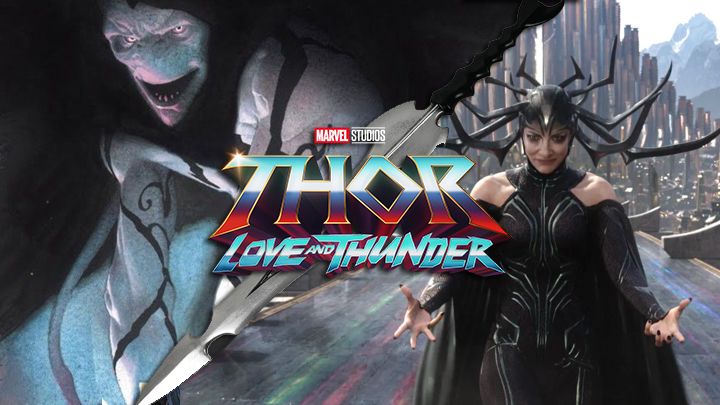
There’s been a burning question for many comic fans when Thor: Love and Thunder announced it will introduce Christian Bale as Gorr the God Butcher. The iconic weapon of the alien was the infamous All-Black the Necrosword that turned out to be the original symbiote forged into a sword by Knull. Yet, we’ve already gotten introduced to the weapon in Thor: Ragnarok through Thor‘s sister, Hela. At least, we believed it was the same weapon and didn’t get a confirmation until now.
She wielded an unnamed blade that seemed to be based on the comic’s design of the Necrosword rather than her usual Nightswords. Her summoning them into her hands seemed to stem from the comic version. It opened up the question of if she was even wielding the same weapon and, if she was, how it might connect to Gorr in the upcoming sequel. Well, the latest episode of What If…? may have given us the set-up to that very answer.
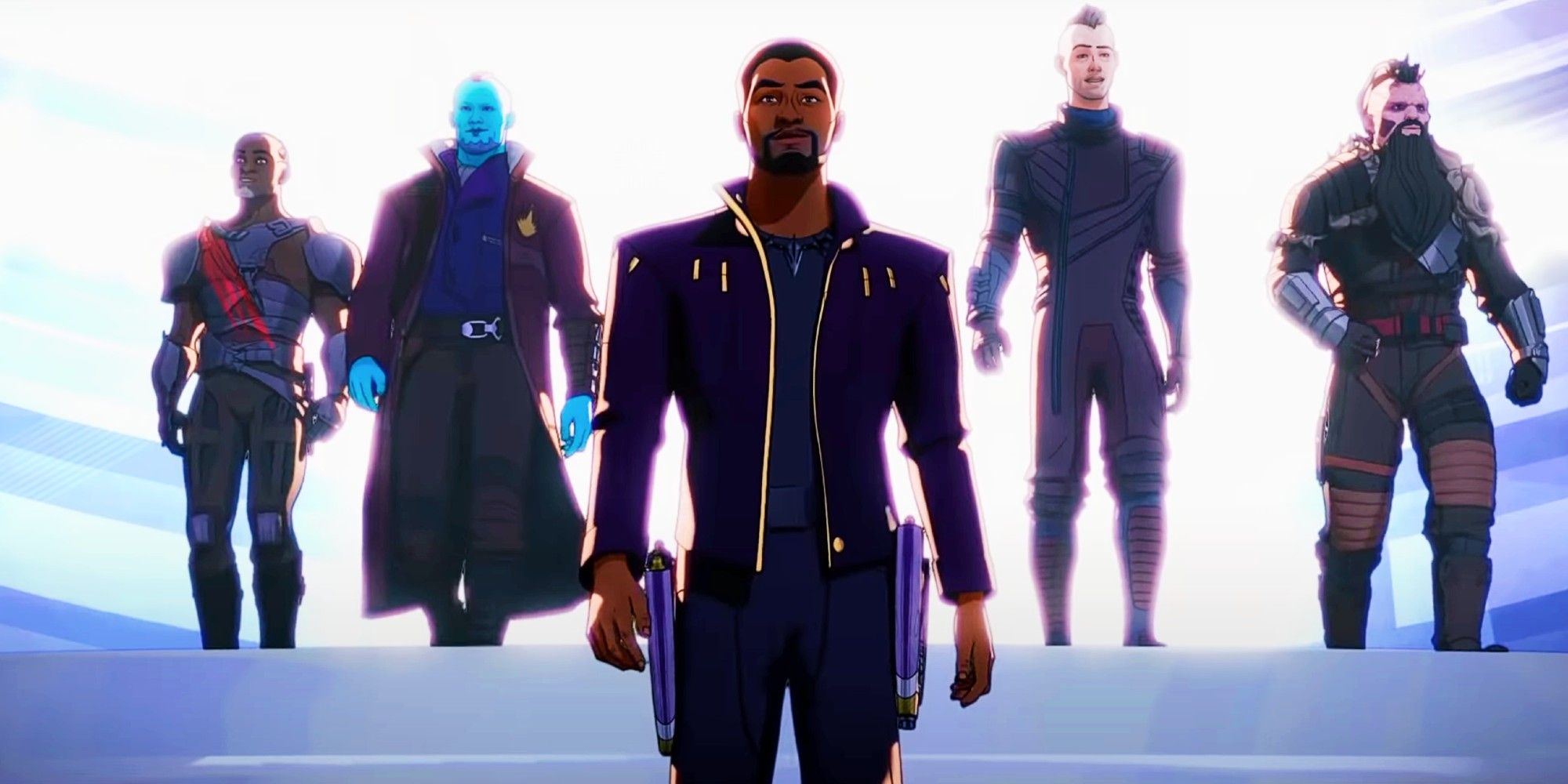
In a part of the multiverse where T’Challa became Star-Lord, the Collector became the new galactic crime boss after Thanos joined the good side. In his collection, he has a bunch of familiar weapons. It includes Mjolnir, the arm of Korg, and even Captain America’s shield. Suddenly, he pulls out the headpiece of Hela. The moment he wars it, he confirms that it is, indeed, a Necrosword. It also confirms she was using this weapon through the headgear rather than inherent ability. Of course, there’s no mention of All-Black or symbiote, but the first name drop seems relevant even in a What If scenario.
Now, the only question remains if Gorr gets his hands on this version of the Necrosword. There’s a good chance that after the events of Ragnarok, her helmet flies off into space and the hands of Gorr. While the Collector doesn’t seem to change its shape when putting it on, the heat from Surter could have warped it in the aftermath. There’s only the question about Hela’s connection to Asgard, which the What If…? episode negates with Collector wielding it. We’ll see if they potentially utilize this connection or take a different route, but it is our first naming of the Necrosword in the Marvel Cinematic Universe.
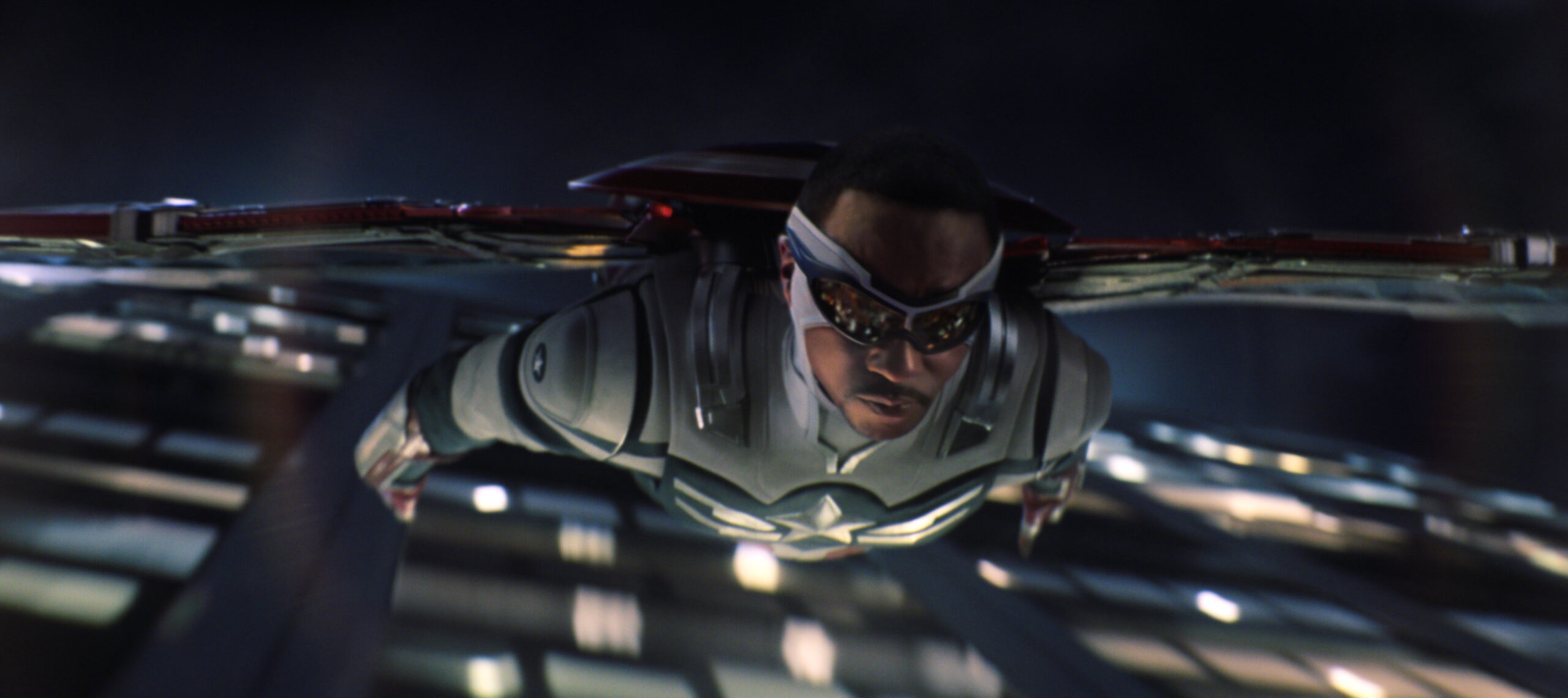
The writing was on the wall since Avengers: Endgame and it took Falcon and the Winter Soldier to really get us there but Anthony Mackie has officially signed on to star in the untitled fourth Captain America film, according to Deadline.
By no coincidence, the fourth Captain America film was revealed to be in development, with writers Malcolm Spellman and Dalan Musson penning the script, at the tail end of the FATWS finale. While none of this is surprising, that the deal has been signed and closed is very exciting. There’s no word on whetherhis co-star Sebastian Stan makes the cut in this film. Deadline is also noting that this film isn’t the same MCU project that Chris Evans signed for earlier this year.
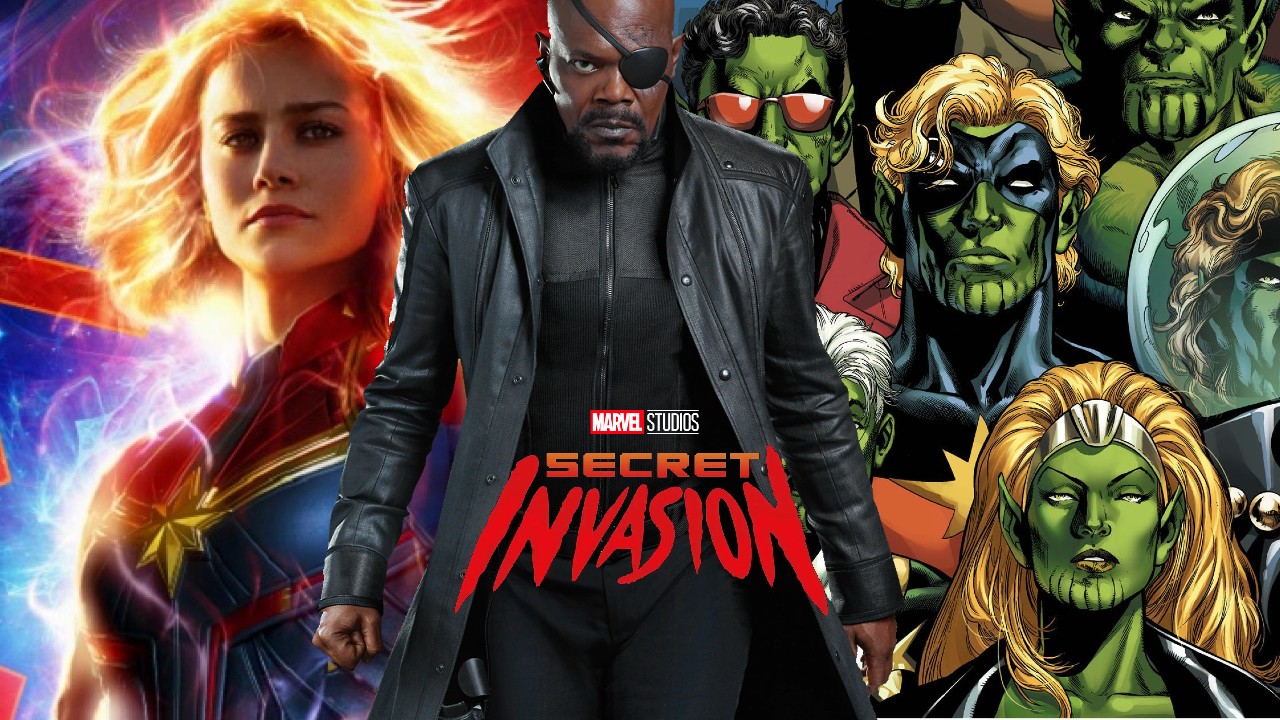
The Marvel Cinematic Universe continues to expand, with quite a few productions going simultaneously worldwide. Still, all eyes are on the upcoming release of Shang-Chi and the Legends of the Ten Rings, as they just recently held a red carpet event. Luckily, FabTV got a chance to chat with Marvel Studios president Kevin Feige on how he feels about the success of their franchise.
He highlighted that his focus always remains on the future, in which he discussed the various projects currently filming, which included Black Panther: Wakanda Forever, Ant-Man and the Wasp: Quantumania, and The Marvels. What stood out was that he confirmed that Secret Invasion hasn’t started production yet, as he states they are:
Getting ready to start production on our Secret Invasion series.
Given the character’s history, it seems likely, and they might re-use elements from the film in the spin-off series to cut down on production costs. It’s interesting to see if the series ends up taking place after the events of the film, or they might even set it up like Agents of SHIELD did with Captain America: Winter Soldier. So, the events of the film might take place during the season’s complete runtime.
If you are interested, you can check out the interview here:
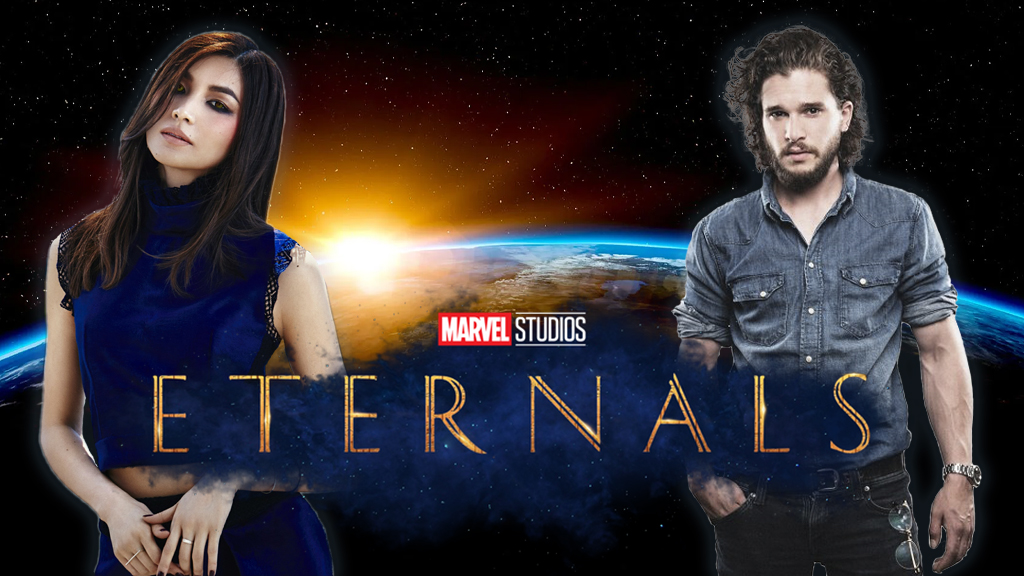
Yet, we knew that Kit Harington might also spend some time with her in a romantic relationship. As he is playing Dane Whitman, the Back Knight, we guessed they would have had a brief romance during the Middle Ages, but it seems they’re taking a very different route this time around. Entertainment Weekly reveals that:
One of the last roles to be cast was the film’s emotional center: Chan plays Sersi, who — unlike some of her Eternal cohorts — has a soft spot for humans. In the present day, she works as a museum curator in London and is dating human Dane Whitman (played by Game of Thrones alum Kit Harington)
Entertainment Weekly
This is quite an interesting hint, as it would imply that Whitman won’t don the iconic moniker from the comics. There’s still the chance he’s a descendant of a Black Knight and might end up wielding the Ebony Sword, but he isn’t from that time period. Of course, they could also take the modern route to give him the Photon Sword that he ended up wielding later on. They might want to avoid him swinging around a deadly sword when facing human enemies.
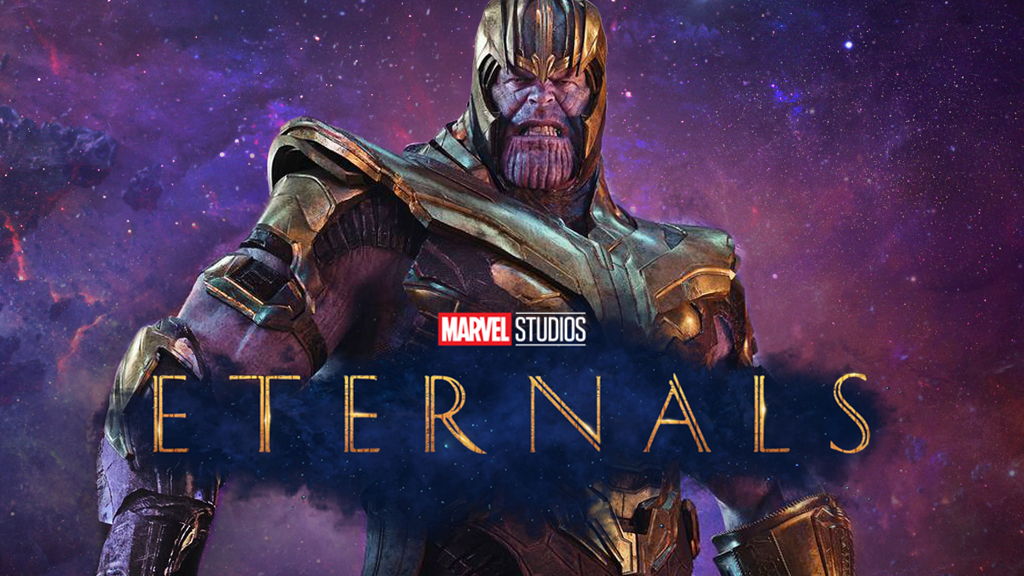
We’ve been anxiously awaiting the next installments of the Marvel Cinematic Universe. It’s only a few more weeks until Shang-Chi and the Legend of the Ten Rings finally releases, and Eternals awaits us in November. The latter will introduce us to a new race within the universe that has been guarding humanity since the earliest days. Of course, it made many wonders where they were in past entries of the franchise. Why they weren’t helping the Avengers from the planet getting destroyed?
Well, it looks like Entertainment Weekly was able to shed some light on the topic, as in their big coverage of the upcoming film they sat down with the cast and crew to talk about the next entry in the MCU. In it, they also revealed some interesting details about what we can expect from the film and hinted that the film will explore why they didn’t get involved with any of the events we’ve witnessed since the first Iron Man in 2008.
Eternals picks up after the events of Avengers: Endgame, when half of the population has returned after being snapped out of existence. It’ll also answer why the Eternals didn’t volunteer to help go after Thanos — or help tackle any of the other various crises throughout history. (The short answer is that their mission is to focus on the Deviants and never interfere with human affairs. Still, the Avengers probably could’ve used the help.)
Entertainment Weekly
The message of the first trailer did highlight that they don’t interfere with humanity, but we’ve witnessed them do it quite a bit in that same footage. So, whatever they did before these events might have triggered them to distance themselves from these events. Their focus on the Deviants is also an interesting aspect, but with Thanos having a Deviant gene in the comics, it might be a bit more complicated than it seems at first glance.
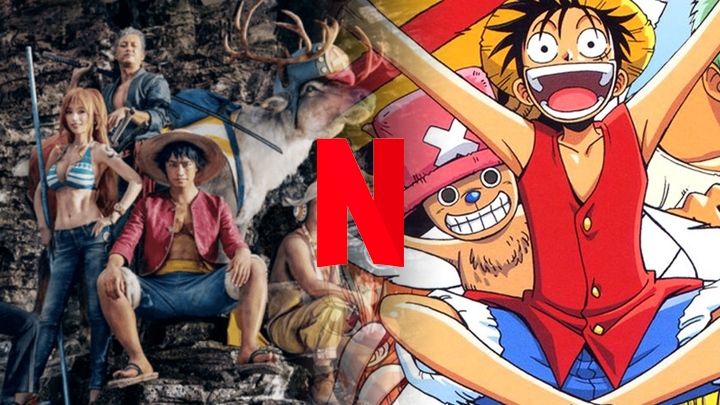
Netflix has the tendency to greenlight a plethora of projects to bank its growing success on. It recently started venturing into live-action adaptations of classic animes. While their attempt with Death Note was questionable, the upcoming Cowboy Bebop series seems promising, but we’ve only seen the cast so far and a tease of the soundtrack. A personal highlight was the announcement to adapt the manga series One Piece.
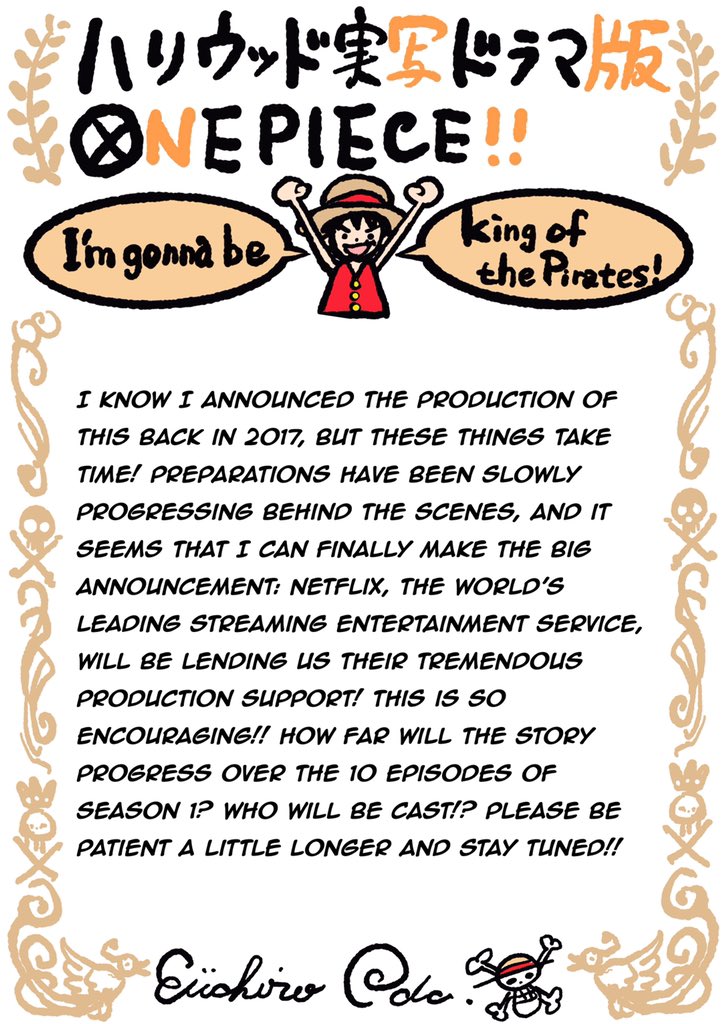
Eiichiro Oda‘s manga series started all the way back in 1997 and still continues to this day. The upcoming series was initially announced back in 2017, it wasn’t until 2020 that they got the backing of Netflix for the series. There hasn’t been a lot of details revealed since its announcement but with hints at its production starting soon, it’s the perfect timing to explore how much we actually know about the project and what is heading our way.
As the letter above showcases, the mangaka behind the series is an active executive producer on the series and will oversee its production. X-Files‘ Steven Madea joined the project as its executive producer and is currently still the only official talent attached to the project. Cowboy Bebop‘s Becky Clements will also act in the same role on the series. Agents of SHIELD and Luke Cage writer Matt Owens has publicly confirmed his involvement with the project during the podcast The Reverie, and was mentioned on the official Twitter page. He even confirmed that Oda supervised the scripts. In March, the working title “Project Roger” was revealed on Madea‘s Instagram account.
This brief tease was also followed by a brief interview by SyFy with Tomorrow Studios’ Marty Adelstein, who was working on the Snowpiercer series at the time and Netflix’s adaptation of Cowboy Bebop. He also gave the following update on when we can expect casting to begin and production:
We were supposed to start filming in August in Cape Town, South Africa. We anticipate the date being able to film [now is] September, at the latest. We have basically all 10 scripts written. We will start casting when we go back. My suspicion is June 1, but we will start doing our casting. We have a lot of names that we’re talking about, and we should be in production in September. We have been working very closely with Sensei Oda. So, we’re going to get started, and this one is very big. I mean, Snowpiercer was a big production; this is even bigger.
Marty Adelstein
There hasn’t really been any news since with only glimpses and rumors hitting the internet. If they are on track, they should be finishing up casting in the coming weeks before starting production in Cape Town Film Studios. There are rumors floating that Junie Lowry-Johnson joined the project as casting director alongside Black Sails‘ Marc Jobst as director, but these were never confirmed. The only movement that has been seen from the production is what looks like the Merry Go being built from all the way back in March as well.
There hasn’t been much of an update since until Illuminerdi dropped the character descriptions, which hints at the ongoing casting process. It seems the only one they could hint at is Ludi Lin for the role of Zoro, but that’s it. If their schedule still holds, we might hopefully get the official castings in the coming weeks before they officially start produciton on the project. It’ll be interesting to see if we get any set photos featuring the cast and when we can expect the project to finally hit Netflix after an almost five year long wait.
Last year, AMC struck a deal with author Anne Rice that included the rights to 18 of her novels. It also included her best-known novel, Interview With the Vampire. They recently cast Sam Reid as the vampire Lestat. While the network is already hard at work on an adaptation of, which is indeed expected to premiere next year, a new report indicates that they have begun exploring the possibility of adapting a trilogy of Rice’s book into a second series.
According to EW, AMC is working with Esta Spaulding and MichelleAshford (Masters of Sex) to develop Rice‘s Lives of the Mayfair Witches trilogy for TV. The novel follows Rowan Mayfair, first introduced in the 1990s The Witching Hour, as she comes face-to-face with her family’s past and a demon named Lasher. He has haunted, influenced, and molded them for centuries. TheWitching Hour spent 22 weeks on the New York Times Best Seller list and was followed in the series by Lasher and Taltos. The series created a rich history and mythology around the witches and crossed over with some of Rice’s later vampire novels.
At the moment it appears AMC is simply kicking the tires on the adaptation, but should Spaulding and Ashford crack the story, a deal is already in place for Spaulding to serve as showrunner. Rice’s Mayfair witches novels have been criminally overlooked for years. Here’s hoping AMC finds the magic ingredients and makes this adaptation happen.
Episode 2 of What If…?, What If…T’Challa Became a Star-Lord?, is absolutely stunning. It is an incredible joyride through an almost absurd amount of MCU nods and history that is gripping from start to finish. The episode impressively manages to be both hilarious and heart-wrenching in constant waves that at times are simultaneous. All eyes and ears are on Chadwick Boseman’s final role as T’Challa, and Episode 2 as a whole rises to meet his brilliant performance. Despite being in the form of a half-hour animated show, it manages to be a beautiful farewell to such an iconic and impactful actor and character.
Even armed with the heavy knowledge that Episode 2 marks one of Boseman’s final performances—and one of T’Challa’s final appearances—the episode hit an emotional depth that, quite frankly, didn’t seem entirely possible given the nature of the What If…? series and the Guardians of the Galaxy-based premise. It is no surprise that the sound of Boseman’s voice evokes such a mixture of joy and grief nearly a year after his death, but hearing his Star-Lord performed with such vibrant personality and passion both breaks and fills your heart at the same time.
The fact that T’Challa as Star-Lord completely changes character trajectories of Star-Lord himself, the Ravagers, and various side characters is a hilarious contrast to Guardians of the Galaxy, but it also doubles as what feels like a tribute to T’Challa and Boseman. The impact the two have had in the MCU and world at large is well analogized here. The utter goodness of T’Challa that turns the space explorers into world-saving heroes and Thanos righteous is heartwarming almost beyond words now. And wow—the quick bits ofBlack Panther score that would pop in and out constantly added another layer of intensity and emotion to the episode that kept on surprising.
While loosely following the plot of Guardians of the Galaxy, Episode 2 hits a family theme hard. Despite the fact that we end up exploring three or four different “families” by the end of the episode, they are presented and played out so well that it all comes across cohesive and genuinely a part of the same story without feeling overdone. Even the brief nod to Drax’s wife and daughter being alive in this reality was a noteworthy moment. While the Nebula-Thanos dynamic and arc is less compelling, the episode nails the portrayal of T’Challa’s relationship to both the Ravagers and Wakanda. The most gutting scene is undeniably T’Chaka’s message left for T’Challa that his Wakandan family would never stop looking for him, whether on this plane or the next. It’s simply both heartbreaking and heartwarming. In any event, it’s moving.
Throughout the unavoidable but captivating bittersweet emotion that shrouded this episode, it also managed to have countless laugh-out-loud moments stemming primarily from the dramatic character changes. Easily one of the best examples is Thanos who has seen the error of his ways yet his original genocidal plan becomes a big source of laughter and also spotlights a fairly joyful version of the Mad Titan which is just authentically fun. The banter between the characters is also well done, and the voice performances overall do well enough to pull it off.
In short, Episode 2 of What If…? is absolutely phenomenal. It was broadly fun and enjoyable from start to finish and likely could easily fill an hour runtime—or even longer—without faltering. The incredibly well-executed mixture of laughter and tears turned this unassuming, animated, and inherently wacky episode into a moving and compelling story that resonates far beyond this series. Truly, it seems to be an episode of this type fit for a king. Boseman’s and T’Challa’s final bow is such a gift here at the end of the day and that is something to be grateful for amongst the grief.
Cookie Consent
We use cookies to improve your experience on our site. By using our site, you consent to cookies.
This website uses cookies
Websites store cookies to enhance functionality and personalise your experience. You can manage your preferences, but blocking some cookies may impact site performance and services.
Essential cookies enable basic functions and are necessary for the proper function of the website.
Name
Description
Duration
Cookie Preferences
This cookie is used to store the user's cookie consent preferences.
30 days
These cookies are needed for adding comments on this website.
Name
Description
Duration
comment_author_email
Used to track the user across multiple sessions.
Session
comment_author_url
Used to track the user across multiple sessions.
Session
comment_author
Used to track the user across multiple sessions.
Session
Statistics cookies collect information anonymously. This information helps us understand how visitors use our website.
Google Analytics is a powerful tool that tracks and analyzes website traffic for informed marketing decisions.
Contains information related to marketing campaigns of the user. These are shared with Google AdWords / Google Ads when the Google Ads and Google Analytics accounts are linked together.
90 days
__utma
ID used to identify users and sessions
2 years after last activity
__utmt
Used to monitor number of Google Analytics server requests
10 minutes
__utmb
Used to distinguish new sessions and visits. This cookie is set when the GA.js javascript library is loaded and there is no existing __utmb cookie. The cookie is updated every time data is sent to the Google Analytics server.
30 minutes after last activity
__utmc
Used only with old Urchin versions of Google Analytics and not with GA.js. Was used to distinguish between new sessions and visits at the end of a session.
End of session (browser)
__utmz
Contains information about the traffic source or campaign that directed user to the website. The cookie is set when the GA.js javascript is loaded and updated when data is sent to the Google Anaytics server
6 months after last activity
__utmv
Contains custom information set by the web developer via the _setCustomVar method in Google Analytics. This cookie is updated every time new data is sent to the Google Analytics server.
2 years after last activity
__utmx
Used to determine whether a user is included in an A / B or Multivariate test.
18 months
_ga
ID used to identify users
2 years
_gali
Used by Google Analytics to determine which links on a page are being clicked
30 seconds
_ga_
ID used to identify users
2 years
_gid
ID used to identify users for 24 hours after last activity
24 hours
_gat
Used to monitor number of Google Analytics server requests when using Google Tag Manager
1 minute
Marketing cookies are used to follow visitors to websites. The intention is to show ads that are relevant and engaging to the individual user.
Pinterest Tag is a web analytics service that tracks and reports website traffic.


/cdn.vox-cdn.com/uploads/chorus_image/image/67305181/Fortnite_C2S4_BPLineup.0.jpg)