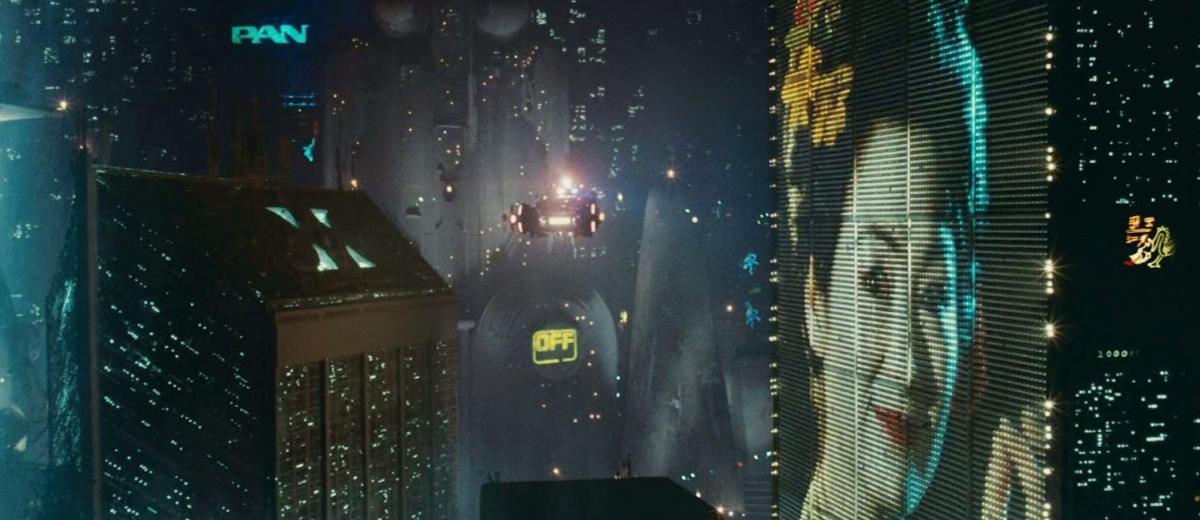
The Blade Runner universe is about to open up a major,r new corner. It has been officially announced that the series Blade Runner 2099 has been picked up for active development by Amazon’s Prime Video. Ridley Scott, director of the original film in the franchise, is set to serve as an executive producer for the new series. Silka Luisa has written the script and will also be an executive producer. In addition, Alcon Entertainment and Scott Free Productions will be working with Amazon Studios to produce this new series.
Blade Runner, which was based on the novel Do Androids Dream of Electric Sleep?, released in 1982 and followed the tale of Harrison Ford’s Rick Deckhard tracking of fugitive bioengineered human replicants in a dystopian 2019 Los Angeles. The sequel, Blade Runner 2049 starred Ryan Gosling as a replicant and his investigation into a societal-level conspiracy.
Producing a live-action series in the Blade Runner universe has long been a priority for Amazon. Vernon Sanders, the head of global television at Amazon Studios, spoke about the company’s excitement to be working on this new series.
The original Blade Runner, directed by Ridley Scott, is considered one of the greatest and most influential science-fiction movies of all time, and we’re excited to introduce Blade Runner 2099 to our global Prime Video customers. We are honored to be able to present this continuation of the Blade Runner franchise, and are confident that by teaming up with Ridley, Alcon Entertainment, Scott Free Productions, and the remarkably talented Silka Luisa, Blade Runner 2099 will uphold the intellect, themes, and spirit of its film predecessors.
Vernon Sanders
Not much is currently known about what the specific plot of this series may entail. Though as one can notice from the title, it’s set 50 years after the events of Blade Runner 2049, the Denis Villenueve-directed 2017 sequel.
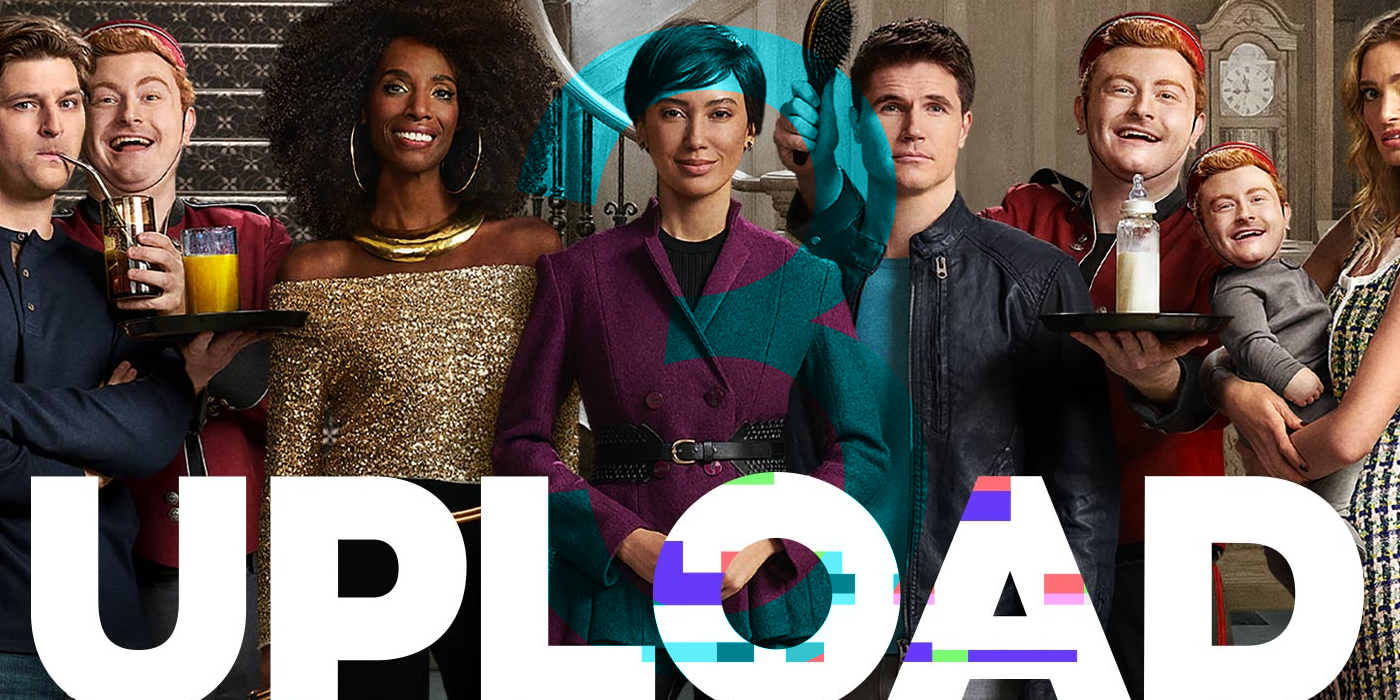
After a long wait, Season 2 of Upload is now available on Amazon Prime. More importantly, though, a third season of the series has been ordered by the streamer.
It was announced today that Amazon has given a third season order to its hit series, Upload, starring Robbie Amell. The series tells the story of a twenty-something-year-old man, Nathan Brown (Amell), who finds himself adjusting to life in the afterlife following a mysterious car accident. The first season premiered in 2020 to critical acclaim, but the second season, unfortunately, took nearly two years to debut.
We uploaded this post as soon as we heard the news! @UploadOnPrime, the sci-fi comedy series created by Greg Daniels, has officially been renewed for a Season 3! pic.twitter.com/ORW6Adxqx1
After a cliffhanger of a season, Upload will return with (hopefully) more answers for fans eager to see what will become of Nathan and the others. The half-hour series hails from Greg Daniels, who has worked on titles such as Parks & Recreation, King of the Hill, and The Officeto name a few.
There’s nothing more relatable than family drama. Everybody has scars they don’t want others to see, and even the tightest of broods can fall apart at the seams when those wounds are exposed. While this is rarely a good experience for those personally affected, it’s almost always a source of interest for those who aren’t, and frankly, it makes for some great television. Perhaps this is why there are countless shows on the air about dysfunctional families, all doing more or less the same series of tropes with varying degrees of success. From This Is Us to A Million Little Things, it’s simply large groups of people in small towns who consistently refuse to give each other their whole truths. This is why Undone‘s unprecedented second season, coming soon to Amazon Prime, is so wildly refreshing.
It’s been a long while since the show’s first season dropped in 2019. The world was a vastly different place, and it’s easy to forget about anything “normal” that happened just before a global pandemic permanently changed society’s way of life. However, it would be a shame if nobody came back for another round of Undone, which is the best “family drama” program produced by a studio in the last several years. Developed by BoJack Horseman creators Raphael Bob-Waksberg and Kate Purdy, the series revolves around a young woman played by Alita‘s Rosa Salazar, whose near-death experience reveals she has a unique connection with time. Her character, Alma, can travel through memories (both her own and others) to interact with time in a non-linear fashion, and as she discovers at the end of the first season, even hop between different timelines and dimensions. The initial set of episodes featured Alma attempting to access a world where her father, played by the always delightful Bob Odenkirk, never died, leading to a surprising series of revelations about her family history.
The second season continues this plotline with a twist. After leaping from her own universe to a better one, in which pops avoided making some critical errors and Alma is not considered the family screw-up, she quickly learns her dad wasn’t the only parent with a dark past. It turns out her mother has secrets too, and Alma can’t stop herself from using her abilities to figure out what they are. The problem is, Alma’s abilities are on the fritz due to some to-be-determined inner turmoil, and now she must recruit her more responsible sister to help in the investigation. That’s the set-up, and from there, chaos ensues in the only way the creative team of Bob-Waksberg and Purdy know how to construct. It’s a string of glorious, trippy, emotional, well-written lineal squabbles that might make you laugh and cry at the same time. Or at least do both in the same episode.
Despite the surreal imagery and off-kilter framing device, the real magic of the series is how genuine it manages to feel through all the increasing absurdity. As far down the chronological drain as they go, Alma and Becca, played by Angelique Cabral, never become detached from the task at hand. Where some shows may lean too heavily into the time travel device, Undone is able to use it as a complimentary utensil in its storytelling. The series maintains its focus and uses its distinctive traits to heighten the drama instead of bogging it down. Most importantly, all of the characters involved remain incredibly human. Very rarely is the entire main cast of a series fleshed out so wholly, and even more rare that’s executed with such cleverness. Constance Marie especially, stepping up to a central role in this season, shines with an emotional realism against a dreamlike world.
Speaking of which, the series continues to make good work of its novel appearance. In case anyone is in the dark on this, Undone is animated using a stylistic rotoscoping technique. Live-action performances are drawn over, giving them a cell-shaded outward form, and then placed on top of oil paintings used as backgrounds. The result is something familiar, if not just a little bit off. It’s the perfect imagery for a show whose purpose is to explain that nobody is normal, or completely sane, and that embracing what’s hurt us and what makes us different is the only true path to fully healing. In the eyes of Undone, the world is a beautiful place and everyone in it is just a tad bit obscured from perfection.
It doesn’t seem like a shoo-in for the show to get a third season, but it would be alright if another volume never came. The latest batch of episodes are a perfect conclusion to a two-season arc, wrapping up everything with a purposefully messy bow. If Bob-Waksberg and Purdy are able to think up any more installments to the Undone saga they’d better be every bit as refreshing and satisfying as their previous outings, because what they have right now is a perfectly lovely hidden gem. It’s strange, but I almost hope this is it for the series. Happily ever after, or at least as close as a person can get.
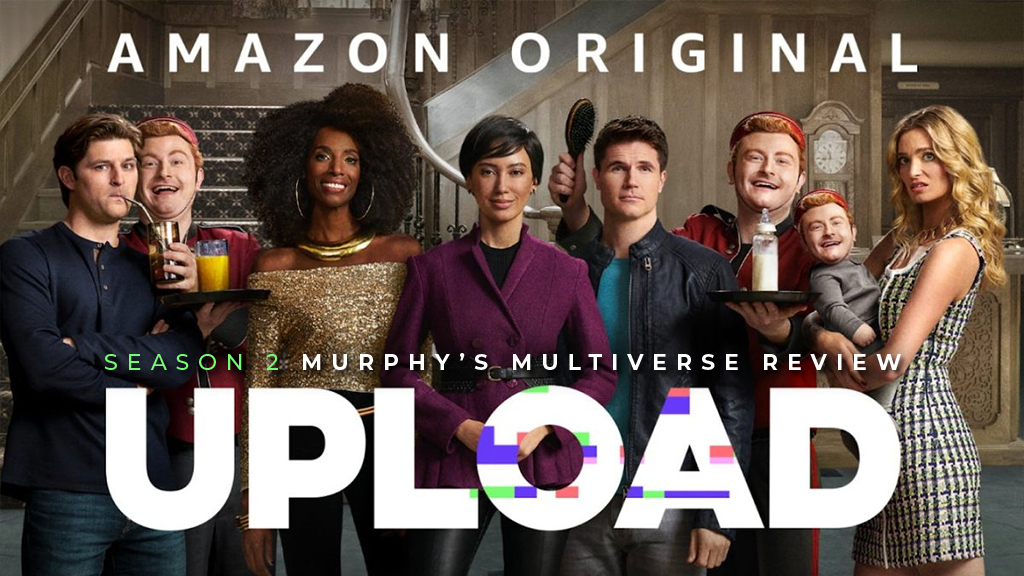
It has been nearly two years since Upload first premiered on Amazon, and now, the second season is finally upon us. Even better? It was worth the excruciating wait.
Living in the pandemic era, it’s hard to imagine a series about death and the afterlife could be exactly what audiences need, and yet, Upload continues to be exactly that. Season 2 of the Amazon Prime series wastes no time picking up where Nathan and Ingrid’s story leaves off. After Nathan opts to go to the 2 Gigs as a means to break free of Ingrid, he soon finds himself approached by her as she comes to tell him she’s uploaded. Unfortunately, though, he’s out of data following his decision to try and help Nora. This brings us to Season 2, which brings Nathan back to Lakeview and back to Ingrid.
It is very normal for most shows to suffer a sophomore slump. It’s even more natural for a show that takes such massive breaks between seasons to lose momentum. Upload manages to avoid both of these issues. In fact, Season 2 of Upload manages to be an improvement upon an already stellar first season. Still, the season isn’t without its issues. As thrilling and captivating as Upload Season 2 is, the series does encounter hiccups occasionally. They’re incredibly minor, though, and are often resolved by episode’s end. One of the biggest hiccups this season is the character arc Nora undergoes. The Nora we met during Season 1 of Upload is long gone; she’s been replaced by someone on a mission, even if she’s not entirely certain her actions are in the right. There’s still a compassionate part of her who is desperate to do the right thing, but she’s also more confident and developed. The issue, however, is that the reintroduction of Nora nearly sees her abandon everything that was so important to her in Season 1 within a single episode.
This, thankfully, is addressed fairly quickly and it becomes clear what her true motives are. It’s just a frustrating bump along this tale that goes well beyond a simple satirical love story. Upload Season 2 still puts love at the forefront, of course, but it becomes a story about self-discovery more so than anything, for all of the main characters. The amount of character growth over these seven half-hour episodes is impressive. Even our Angels get the chance to shine outside of Horizen and their avatars. It’s a nice change of pace that takes viewers outside of the virtual reality of Horizen for a bit.
As for answers, though, it’s best to go into Upload Season 2 knowing there will be more questions than answers. One big question will be slightly resolved, however, it’ll only lead to a handful more, making the ending all the more frustrating. It’s a valid ending, one that properly serves the story being told, but it’ll leave fans eagerly awaiting a third season that’ll, hopefully, come sooner than another two years.
All in all, Upload Season 2 is everything fans have been waiting for and more. It’s thrilling, it’s fun and it’s full of surprises. More importantly, though, every character undergoes a transformation of sorts this season and it opens up potential seasons to even bigger storylines. It’s must-see television.
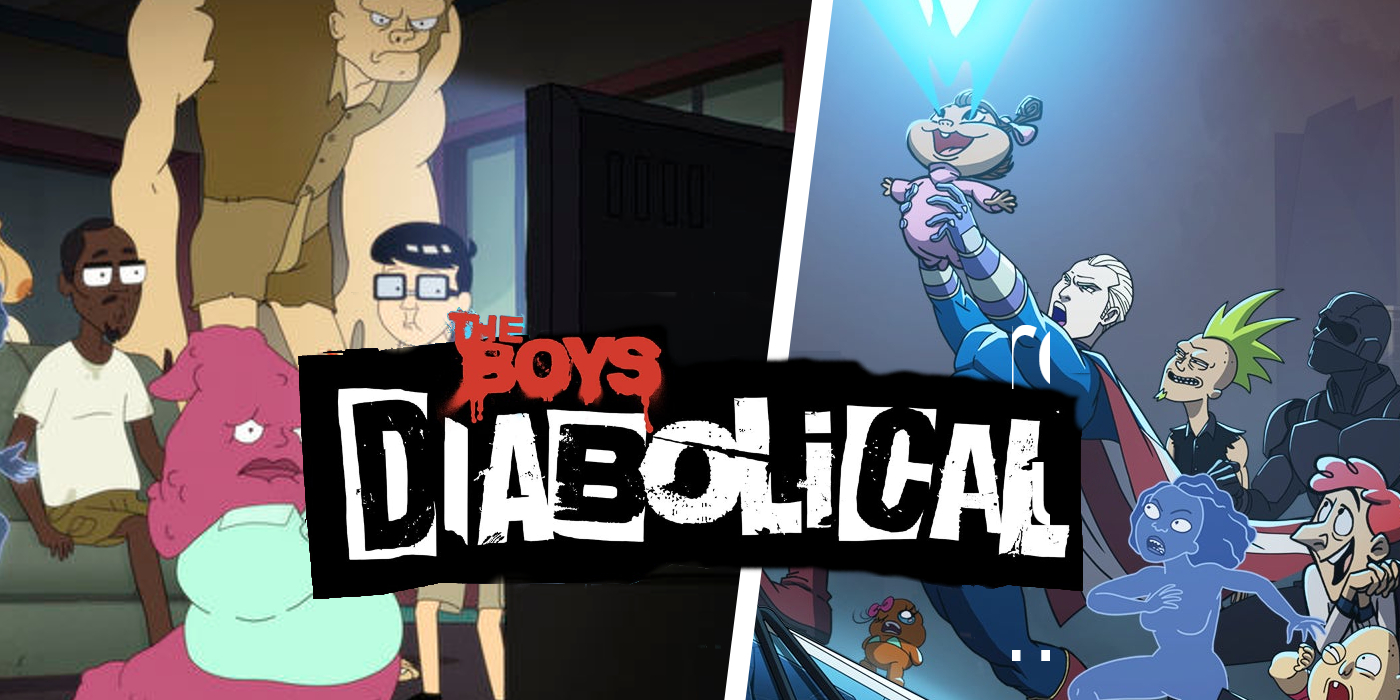
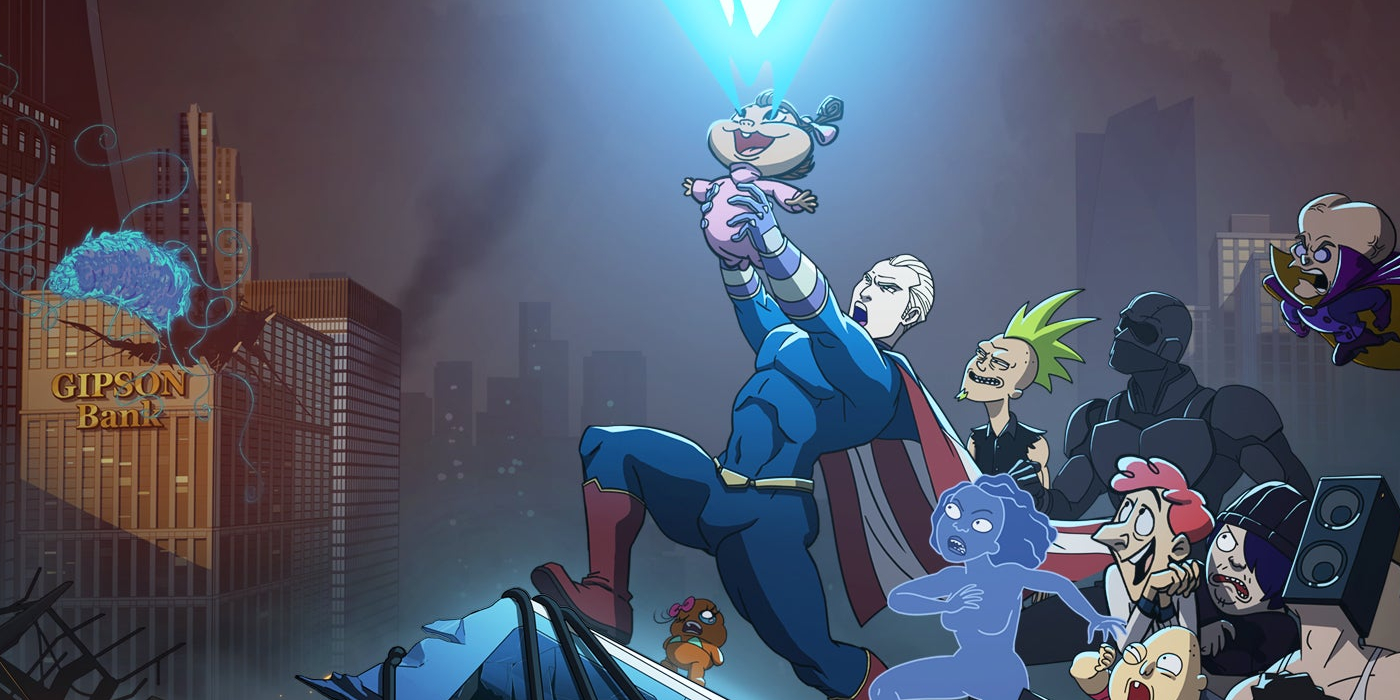
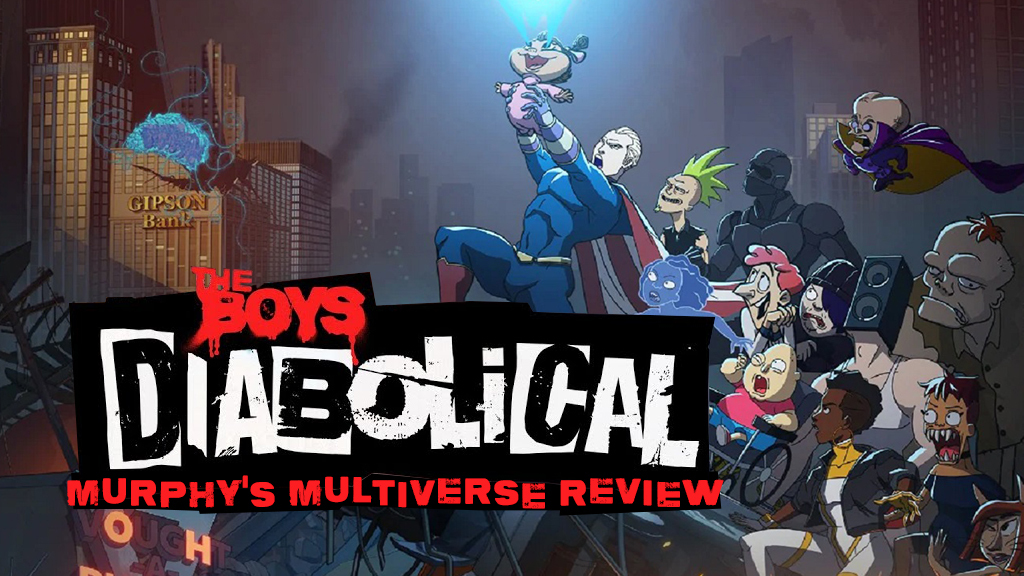
Amazon recently released its very first The Boys spin-off, Diabolical. In the same vein as the popular Disney+ experiment Star Wars: Visions, the project is an anthology series made up of animated shorts from a wide range of creative teams and directors. As a result, no two episodes are exactly the same. In fact, more often than not, they are shockingly different. The short stories, likely non-canonical and clocking in at around twelve minutes each, range from grand spectacle pieces to small, personal tales set within the context of The Boys‘ universe. Those working behind the scenes on each installment were seemingly given a fair amount of freedom, allowing for multiple unique explorations of Vought International, the Seven, Compound V, and their collective impact on the world at large.
Unfortunately, despite a fairly strong first season overall, not every episode can be a home run. While no entry is entirely bad, some are definitely better than others. Which episodes are better, of course, is subjective, and will ultimately be up to the viewer. However, that fact hasn’t stopped me from compiling my own ranked list of the episodes. So, without further ado, here is The Boys Presents: Diabolical, ranked for Murphy’s Multiverse from worst to best:
8. Boyd in 3D
This might end up being a controversial last-place pick among fans, but I’m sticking to it. Boyd in 3D was conceived by sibling Broad City alums Eliot and Ilana Glazer, and directed by DreamWorks’ Naz Ghodrati-Azadi. The story, which focuses on an insecure man using experimental new Vought facial cream to land the girl of his dreams, is designed to comment on superficiality and popularity in the age of social media. Maybe it’s because there are already countless versions of this story in existence, but something about the episode just isn’t all that engaging. Aside from a nice little twist at the end, it’s mostly predictable and cringe-inducing. Though, bonus points for using a traditionally family-friendly animation style to tell a rather adult story.
7. One Plus One Equals Two
One Plus One Equals Two is perhaps the only episode of the season that could potentially be viewed as canon, and that’s exactly its biggest problem. Helmed byAvatar: The Last Airbender director Giancarlo Volpe,alongside veteranBen 10 animator Jae Kim and Invincible writer Simon Racioppa, the short acts as a sort of origin story for Homelander’s time as Vought’s poster boy. The problem is that, while it would probably make for a good sequence in the mainline series, it misses the point of Diabolical altogether. It’s essentially just a lot of stuff we’ve seen before placed at the tail end of an otherwise inventive season. A handful of fascinating scenes between Homelander and the mysterious Black Noir are the only reason it’s not ranked lower.
6. I’m Your Pusher
I’m Your Pusher, the second directorial effort from Volpe, largely suffers from the same problems as One Plus One. With art ripped straight from The Boys comics and a script from franchise creator Garth Ennis himself, I had pretty high hopes for this one. Sadly, it doesn’t have much to offer aside from some truly hyper-violent antics and the short-lived excitement of seeing Simon Pegg‘s Hughie come to life. It only ranks this high because it dares to try something fun and charming with its presentation.
5. Laser Baby’s Day Out
This is where things start to get really fun. Laser Baby’s Day Out is an ode to Saturday morning cartoons and a parody of, as the title implies, the 1994 John Hughes‘ film Baby’s Day Out. The straightforward and comedic story comes from series producers Seth Rogan and Evan Goldberg, and is directed by Futurama‘s Crystal Chesney-Thompson and Phineas and Ferb‘s Derek Lee Thompson. It concerns a downtrodden Vought scientist stumbling after a super-powered baby he helped escape, causing immense violence and chaos along the way. It’s the perfect first episode for the show, an entertaining example of how concepts from The Boys can be displayed in new and original ways. It’s ranked in the middle of the pack strictly because of its simplicity.
4. Nubian vs Nubian
Nubian vs Nubian, the better relationship episode from the season, comes from the mind of Aisha Tyler and Young Justice‘s Matthew Bordenave. Dissecting the fake realities conjured by Vought, the story revolves around a young girl attempting to save her parents’ failing marriage by way of their former nemesis. It’s a genuinely interesting look behind the curtain of Vought’s staged, WWE-like heroes and villains, and how fulfillment on paper doesn’t always translate to the real thing. Its ranking is also helped by an excellent performance from voice acting legend John DiMaggio.
3. BFFs
There is no doubt this will be the most divisive episode of the season. Its ranking was frequently moving up and down in my head before it finally landed near the top. Written by Awkwafina and directed by Madeleine Flores in her signature Star vs. the Forces of Evil style, BFFs is about a lonely teenage girl who gets her hands on Compound V and is granted the power to bring poop to life. No, that is not a joke. The ensuing shenanigans, which put her at odds with Chase Crawford‘s The Deep, are wholly original and often hilarious. Once you get past the shell-shock of the premise, you realize it’s actually exactly the sort of thing Diabolical promised to deliver. High marks.
2. John and Sun-Hee
The emotional tour de force of the season, John and Sun-Hee packs a heavy punch and is sure to be ranked highly on nearly every list. In what feels like a surprise reveal, the episode was written by comedian Andy Samberg and directed by Voltron: Legendary Defender maestro Steve In Chang Ahn. Done in the style of a classic anime, the story sees a humble Vought janitor steal Compound V to save his dying wife, only for her cancer to take on a life of its own. It’s a surefire tearjerker, combined with some striking visuals that make it must-watch television. It was very close to taking the number one spot on this list.
1. An Animated Short Where Pissed-Off Supes Kill Their Parents
This one may be unbeatable. I won’t retype that title, but it’s a pretty self-explanatory plot synopsis. A group of “Supes” with ridiculously terrible powers team up to exact revenge on the parents that left them behind as children, with results that are somehow both extremely grotesque and sidesplittingly funny. Of course, this balance could only be achieved by the writing team of Justin Roiland and Ben Bayouth, known for their work on Rick & Morty and Blark and Son, and director Parker Simmons, of Mao Mao fame. It’s everything that makes The Boys great, wrapped in an exceedingly clever bow. It remained ranked at the top spot from my first viewing through my last, and will likely stay there for its sheer rewatchability.
There is no shortage of cartoonish absurdity in Amazon Prime’s latest animated offering, The Boys Presents: Diabolical. The series, an anthological spin-off of the streaming service’s hit live-action comic adaptation The Boys, has everything from boob-faced killers to poop-throwing heroines. No limit appears to be in sight for the creatives behind the show, and as a result, most of the short story installments come across as probably non-canonical. This is why it’s so surprising when the season’s final episode, One Plus One Equals Two, offsets everything by feeling so in line with the show it’s based on. In fact, it feels so in line that it might just take place within the same continuity, and if so, it could have major implications for the franchise’s future.
The story, brought to life via animation is less dramatically stylistic than some other episodes, revolves around Homelander’s earliest days in the employ of Vought International. While there are many hints of his mental instability, the character is actually portrayed as slightly more innocent than viewers may be used to seeing him. It appears as though he genuinely wishes to do good in the world, even if his methods eventually descend into vile madness and destructive chaos. The Boys has given us glimpses into Homelander’s past, showing his early life as a child test subject and discussing his reasons for turning to violence, but this is the first real look fans have gotten into his first days as a celebrity superhero. He is shown to be less cynical, and incognizant of the ways his reactive nature can hurt people.
After being introduced to the public at an official Vought-sponsored event, Homelander gives his first big televised speech and wiggles his way into the hearts of the American people. A momentary lapse in the façade comes when the mysterious Black Noir, a fellow member of “The Seven,” is brought on stage to help welcome the new Vought inductee. This sets up an arc of distrust between Homelander and Black Noir, egged on by handler Madelyn Stillwell, who insists Noir has been assigned to ensure the former remains subservient to Vought’s planned schemes. A small surprise for Homelander comes in the third act of the episode after the twisted hero’s attempt to save civilians at a chemical plant ends in accidental slaughter. Noir arrives, and after a brief conflict in which Homelander is unable to put his teammate down, the mute avenger reveals his support for Homelander’s antics and aids him in covering up any misdeeds.
One Plus One is perhaps the most the relationship between the two characters has been explored outside of the comics. The lack of interaction in Eric Kripke‘s adaptation has always been an interesting move, as Black Noir and Homelander are the crux of The Boys’ biggest plot twist within the pages of Garth Ennis‘ books. There, it is famously revealed that Noir is actually a clone of Homelander created by Vought as a fail-safe should they ever lose the authority of their original experiment. Unfulfilled by Homelander’s apparent self-control, Noir orchestrates all of the events that eventually lead to Homelander’s self-destruction and the formation of “The Boys” to give himself a reason for existence. There has been little-to-no indication of this happening on the show, which seems content to milk the inner workings of Homelander’s mind instead. However, Diabolical looks to be the first place any potential seeds of this have been planted. It may not end up being a canon story, but there is some evidence that it may have an impact on future seasons ofThe Boys.
The strange thing about this episode is how casually it breaks from the rest of the season’s main premise. While the grand majority of Diabolical episodes don’t directly contradict anything from The Boys, the events therein often seem big enough that they likely would have been mentioned on the flagship series had they really happened. Furthermore, they often use their creative freedom to come up with outlandish plots or make drastic departures from the confines of Amazon’s designed world. One Plus One instead makes an effort to abide by The Boys‘ established rules, with series stars like Antony Starr and Elisabeth Shue returning to their respective roles and character designs adhering closely to their live-action counterparts. It almost feels as though the episode was intended to be a departure, segueing viewers from the outlandish identity of Diabolical back to the relatively grounded essence of the mainline project.
It’s just a theory, but maybe The Boys’ third season will begin taking a look into the psyche of Black Noir in relation to Homelander, and One Plus One will age well in regards to setting it all up. After all, the title of the episode is a hint in and of itself. “One” and “One” could stand for Homelander and Black Noir’s equivalency, being put together to make two of the same. It is possible none of this comes to pass, and this is all just a massive reach, but remember this idea should Noir ever be unmasked in a future season finale of The Boys.
Phoebe Waller-Bridge is returning to Prime Video with a brand new series.
This makes for the long-awaited follow-up to the hit series, Fleabag, which Waller-Bridge both starred in and created. Details regarding the new project are sparse, however, Deadline reports production is expected to begin by the end of the year. This new series marks the first project Waller-Bridge has created under her three-year overall deal with Amazon Studios. That deal was originally announced in September 2019, around the time of Fleabag‘s second and final season.
Waller-Bridge was originally set to work on a Mr. and Mrs. Smith television series reboot, in which she would’ve starred alongside Donald Glover. However, the every-busy Waller-Bridge ultimately exited the project. Since the last season of Fleabag, Waller-Bridge has kept busy having executive produced the HBO series, Run, while also helping to co-wrote the most recent James Bond movie, No Time to Die.
Whether it’s telling underdog stories of the disenfranchised sticking it to the Man or making audiences feel disgusted by the real-world implications of superheroes, The Boys always delivers. Garth Ennis’ and Darick Robertson’s deviant and deconstructive superhero comic of the same name has expanded into enormous proportions under Amazon’s watchful eye, spawning a mega-hit TV show, two spin-offs, a web series, and yes, an actual canonical porno. The first of the spin-offs, an animated anthology series titled The Boys: Diabolical, proves to be a fantastic reckoning of the source material and preceding TV show’s blueprint that oftentimes exceeds it.
TV anthologies are in vogue at the moment, which for a universe as deep and loose as The Boys’ makes it an indisputable format to expand the canon. To helm this expansion, creators Seth Rogen and Evan Goldberg have enlisted Awkwafina, Andy Samberg, Ilana Glazer, Garth Ennis himself, and a few other writers to craft their own dastardly vignettes laid by the groundwork of The Boys, with each one exhibiting its own animation style and tonal quality. The resulting 8 short episodes tackle some of the most entertaining concepts about capes put to screen but it’s Diabolical’s thematic byproducts that make it heftier than its live-action counterpart.
In spite of the freedom afforded by the anthological format, Diabolical is bound by a single McGuffin: Compound V, the mysterious serum created by Vought International that turns people into superhumans. Compound V is used as a narrative device to frame most of these vignettes, centering it as a crux of ordinary life in The Boys universe. In a span of 8 12-minute long shorts, Diabolical makes use of Compound V as a storytelling device more effectively than the entirety of The Boys’ two seasons as it epitomizes Vought’s corruption and malevolence that creeps into the lives of characters far removed from the larger-than-life antics of The Seven.
Rogen and Goldberg, known for their brand of edgy humor, open the season with a Looney Tunes-inspired riff on the beloved character that sold the first season to a lot of people, Laser Baby. The short puts aside the finer nuances of latter episodes in favor of mimicking the live-action show’s gore-y touchstones while laying the season’s foundation of unencumbered creativity. It’s right after this episode that Diabolical’s true qualities are displayed with Justin Roiland’s self-explanatory An Animated Short Where Pissed-Off Supes Kill Their Parents. The episode, done fully in the style of Roiland’s opus Rick and Morty, is a meta gut-busting commentary on the increasing absurdity of superhero powers that features Christian Slater voicing a character whose power is narrating things in real-time.
Diabolical cascades into further madness with two episodes from Ilana Glazer and Awkwafina that are explorations on loneliness. Glazer examines addiction and social media through the flask of Compound V in Boyd in 3D, a charming rom-com about a hapless man in love with his hopeless romantic neighbor. But it isn’t until Awkwafina’s BFFs that Diabolical reaches its stylistic apex. An anime brimming with children’s book flourishes, BFFs is tonally the most wholesome vignette of the bunch, as it tackles loneliness and friendship in a very encouraging light, while still observing the material’s dark humor.
Aisha Tyler’s succeeding Nubian vs. Nubian sees a superhero couple on the brink of divorce while their daughter saves their marriage with the help of the family nemesis. This family-friendly premise, however, is subverted by Tyler’s satirical and vulgar writing. For all its wholesome leanings, the episode bears a closer resemblance to the cult classic The Boondocks than with The Parent Trap. The big curveball of the season is John and Sun-hee. Written by Andy Samberg of all people, the vignette centers on an elderly Korean couple on the run from Vought. Samberg, against all odds, writes a deeply profound episode about hardship, love, and existentialism that taps into a spectrum of pathos that this universe has not touched upon previously.
The show’s weakest episodes are ironically the ones that feel like deleted scenes from the live-action series. Garth Ennis, whom everything about this franchise is indebted to as its creator, gets a stab at adding a more personal touch to Rogen and Goldberg’s adaptation. True to the comic’s form, Hughie and Butcher actually look like their comic versions. Diabolical takes the authenticity a step further by having Simon Pegg, whose likeness and persona inspired the creation of Hughie, voice Hughie. But while Ennis’ episode gives audiences a glimpse of a wistful 1:1 recreation of the comic, it comes across as a mere tongue-in-cheek wink at diehards with nothing else to say about the material.
An underwhelming origin story for Homelander closes out Diabolical’s stellar season. It’s the episode that’s most tethered to the live-action show and, in some respects, functions as a pilot for a hypothetical animated extension of the series. Titled One Plus One Equals Two and written by Invincible scribe Simon Racioppa, its sole redeeming factor is the brief glimpse it gives to the troubled and tortured roots of the show’s best character. But within Diabolical’s framework, Racioppa’s episode pales in comparison to the ambition of the season.
Diabolical also follows the trend of celebrities voicing animated TV shows by assembling an ensemble of household names which includes the likes of Michael Cera, Christian Slater, Simon Pegg, and Don Cheadle among a dozen more. The marketing campaign for the show sells the enviable marquee of celebrity voice actors as its strongest asset but the actual episodes prove otherwise. Like Marvel Studios’ What If…?, Diabolical mistakenly assumes that performing in front of the camera and behind it are one and the same. That assumption is easily dispelled by the dismal voice performances of a handful of actors known for their on-screen acclaim. A portion of these performances border into the uncanny valley and sound like inauthentic digital recreations at times.
Even in the face of its star-studded inconveniences, The Boys: Diabolical works. Simply by design, it surpasses the ambition and creativity of its live-action progenitor. It succeeds in remaining a singular piece of work while feeling essential to the deeper understanding of Ennis’ and Robertson’s twisted view of superheroes. If this is what The Boys’ spin-offs are going to be, fans are in luck.
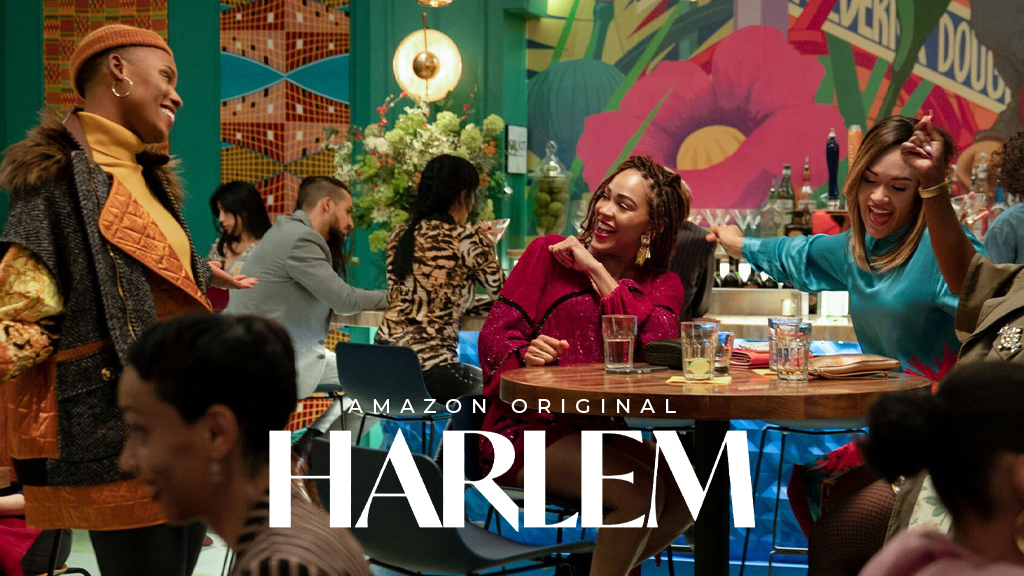
The series about four close friends is returning for another season. After a rollercoaster of a first season, Amazon has finally handed out a second season order to the drama from Girls Trip‘s Tracy Oliver. The series follows a group of women in Harlem, New York: Camille (Meagan Good), Tye (Jerrie Johnson), Quinn (Grace Byers) and Angie (Shoniqua Shandai). Having gone through their twenties together, the group find themselves trying to navigate their thirties while living in Harlem and dealing with the bumps life has to offer along the way.
Regarding the renewal, Oliver expressed her excitement over reuniting with the cast. “When I walked into a bar in Harlem and overheard folks excitedly discussing the show, I knew we had a hit,” she said. “Harlemhas resonated with so many people and I’m beyond grateful to Amazon for giving it a second season. Most of all, I’m excited to reunite with the beautiful cast.”
“Culturally relevant, critically acclaimed and hysterical, Harlem and Tracy Oliver accomplished something very special with the first season of this show. Tackling real-life strife with levity and laughs, the show means so much to our global Prime Video customers and perfectly fits the types of stories we aim to tell,” said Vernon Sanders, head of global television at Amazon Studios in a statement to the press. “We look forward to following the Season 2 journey of Camille, Quinn, Angie and Tye, and giving fans more reasons to laugh out loud as they cheer on these four dynamic Black women doing it their way. #HarlemEverAfter.”
Our review for Season 1 of Harlem can be found here.
It’s not always easy to remain consistent. In life, sure, but especially in storytelling. Take HBO’s hit series Game of Thrones, for example. Once adored by fans the world over, most adulation for the show came skidding to a controversial halt when the final season failed to meet fans’ immense expectations. On the other side of the coin, one might find a series like Marvel’s Agents of S.H.I.E.L.D., which managed to find it’s footing in later seasons after a rough start out of the gate. Obviously, neither of these situations are ideal for a writer’s room. In the first scenario, you have years of hard work seemingly derailed by a single batch of faulty episodes. In the latter, you have a glorious comeback seen only by those who were willing to stick with the show through the worst of times. It is with immeasurable pleasure that I state The Legend of Vox Machina has avoided the second prognosis, and shows no signs of being diagnosed with the first anytime soon.
In my last review of the series, it was mentioned that Vox Machina was doing an excellent job of bringing its multiple plot lines together towards a satisfying payoff. As the last three episodes of the season played out, they proved this theory was even more correct than initially believed. Nearly every major character on the show receives a proper conclusion to their arc, often overlapping with each other in ways not expected but wholly rewarding. It almost feels as though the story could not have happened this well on accident, despite its humble beginnings as a recorded tabletop game improvised among friends. There are also quite a few moments of genuine surprise sprinkled throughout the final first season installments, keeping the viewer on their toes and managing to avoid a lot of the unsavory finale tropes that plague multiple tales of the genre.
The passion behind the project is so evident in the way its writers and performers take care of the titular group, each emotion felt by the main cast feeling as though the chaos was actually happening in the recording studio. These lively bits of vocal recording help to heighten the show’s finest moments, adding an extra push to triumphant climactic battles and forcing out that first teardrop in emotionally weighted scenes. Speaking of which, the finale of Vox Machina proves more than willing to venture in the direction of sadness than the early previews of the series ever suggested. After a full season of expertly executed bonding with the merry band of misfits, the surprisingly frequent instances of true drama hit fairly close to home. Yet, the adult cartoon is able to balance these bits with its signature humor and violence quite well, resulting in a wonderfully calculated assault of emotions on the audience.
Perhaps the best aspect of the season’s close is the way it sets up the series promising future. With a second season already in the bag, it makes sense to leave the show off on some sort of tease for what’s to come. But what’s impressive is the way the Critical Role crew is able to leave their characters open for another chapter. So far, the plot has mostly revolved around the hidden personal life of emo gunslinger Percy de Rolo. As that story comes to a close, the door opens for another to begin, and the follow-up could center around any one of the team’s many intriguing members. All the remaining adventurers have been put into a position to succeed going forward, and I can’t wait to see where the series takes them next.
Cookie Consent
We use cookies to improve your experience on our site. By using our site, you consent to cookies.
This website uses cookies
Websites store cookies to enhance functionality and personalise your experience. You can manage your preferences, but blocking some cookies may impact site performance and services.
Essential cookies enable basic functions and are necessary for the proper function of the website.
Name
Description
Duration
Cookie Preferences
This cookie is used to store the user's cookie consent preferences.
30 days
These cookies are needed for adding comments on this website.
Name
Description
Duration
comment_author_email
Used to track the user across multiple sessions.
Session
comment_author_url
Used to track the user across multiple sessions.
Session
comment_author
Used to track the user across multiple sessions.
Session
Statistics cookies collect information anonymously. This information helps us understand how visitors use our website.
Google Analytics is a powerful tool that tracks and analyzes website traffic for informed marketing decisions.
Contains information related to marketing campaigns of the user. These are shared with Google AdWords / Google Ads when the Google Ads and Google Analytics accounts are linked together.
90 days
__utma
ID used to identify users and sessions
2 years after last activity
__utmt
Used to monitor number of Google Analytics server requests
10 minutes
__utmb
Used to distinguish new sessions and visits. This cookie is set when the GA.js javascript library is loaded and there is no existing __utmb cookie. The cookie is updated every time data is sent to the Google Analytics server.
30 minutes after last activity
__utmc
Used only with old Urchin versions of Google Analytics and not with GA.js. Was used to distinguish between new sessions and visits at the end of a session.
End of session (browser)
__utmz
Contains information about the traffic source or campaign that directed user to the website. The cookie is set when the GA.js javascript is loaded and updated when data is sent to the Google Anaytics server
6 months after last activity
__utmv
Contains custom information set by the web developer via the _setCustomVar method in Google Analytics. This cookie is updated every time new data is sent to the Google Analytics server.
2 years after last activity
__utmx
Used to determine whether a user is included in an A / B or Multivariate test.
18 months
_ga
ID used to identify users
2 years
_gali
Used by Google Analytics to determine which links on a page are being clicked
30 seconds
_ga_
ID used to identify users
2 years
_gid
ID used to identify users for 24 hours after last activity
24 hours
_gat
Used to monitor number of Google Analytics server requests when using Google Tag Manager
1 minute
Marketing cookies are used to follow visitors to websites. The intention is to show ads that are relevant and engaging to the individual user.
Pinterest Tag is a web analytics service that tracks and reports website traffic.