Tag: Features

  • It’s Time for Marvel Studios to End Their Most Well-Known Tradition

    It’s Time for Marvel Studios to End Their Most Well-Known Tradition

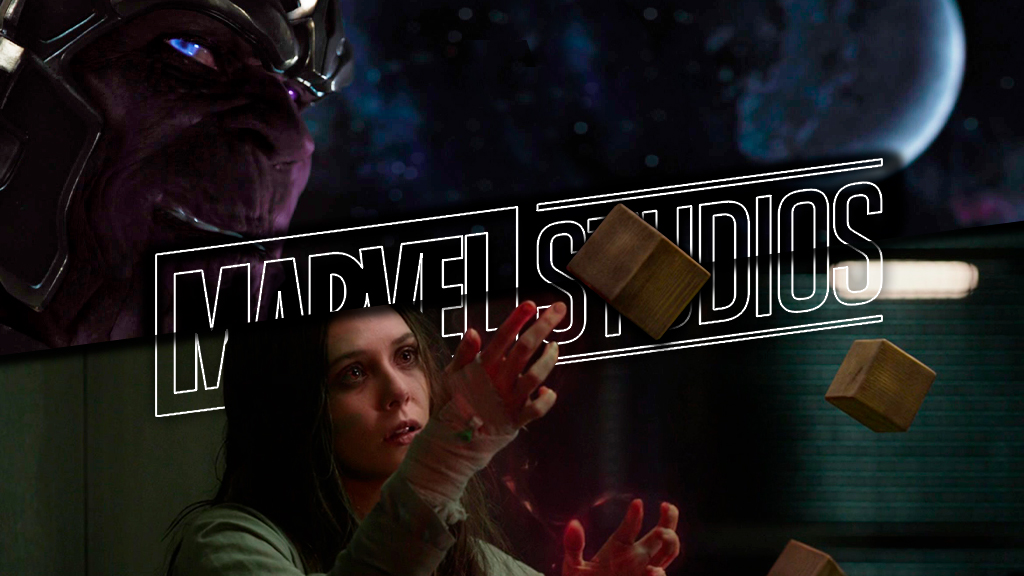
    In 2008, fans who stuck around through the credits of Iron Man found themselves treated to a tease of greater things to come. At the time, given the nebulous state of the future of Marvel Studios, the tease came without a promise that we’d ever see the Avengers Initiative come to fruition on the big screen. 4 years later, it paid off in The Avengers, rolled out its own post-credit scene that set the stage for the larger narrative that would develop over the next 15 MCU projects. That run, which became known as the Infinity Saga, ended with 2019’s Avengers: Endgame which, ironically, was the first Marvel Studios film to run without a post-credit scene. Now, with the future of Marvel Studios more secure than it has ever been, it’s time for the post-credit scene to die.

    Marvel Studios’ Iron Man (2008)
    Marvel Studios’ Spider-Man: Far From Home (2019)

    After skipping out on the tradition in Endgame, Marvel Studios brought back the post-credit scene in Spider-Man: Far From Home, the final Phase 3 film. In hindsight, it’s a tradition they should have left behind as they moved into Phase 4. Once a fun source of “water cooler” conversation, the idea has grown beyond itself and evolved into something that’s become part of a parasitic online conversation where the scenes that come AFTER the movie generate more interest and conversation than the movie itself. It’s not a phenomenon limited just to Marvel Studios-Sony used the post-credit scene to Venom: Let There Be Carnage to market the movie-but Marvel Studios started it and now they need to end it.

    The conversation around the post-credit scenes poses a multi-faceted problem for Marvel Studios. While they still provide a fun tease of upcoming events, in recent years, more than one post-credit tease hasn’t paid off. For example, after the credits rolled in 2016’s Doctor Strange, audiences learned that Mordo was on a mission to eliminate magic users, especially those who violated natural law. Surely that would mean he’d cross paths with Wanda Maximoff, right? 616-Mordo was nowhere to be seen in Doctor Strange in the Multiverse of Madness, his role rumored to have been snipped from the film’s final cut. And what about the great Adrian Toomes/Mac Gargan scene at the end of 2017’s Spider-Man: Homecoming? With Doctor Strange’s spell erasing the memory of Peter Parker from everyone’s mind, it seems like the Vulture/Scorpion team-up will never come to pass. Will the tease of Venom in the MCU, set up in the post-credit scene to Spider-Man: No Way Home, have the same fate?

    Marvel Studios’ Doctor Strange (2016)
    Marvel Studios’ Spider-Man: Homecoming (2017)

    The fervor around the content of the post-credit scenes has grown to a point where fans are often more concerned with it than the film itself. Driven by leak culture, the knowledge of the contents of the latest Marvel Studios’ post-credit scene is often a more valuable commodity (more talked about) than the film itself. In fact, after recently attending the premiere of Doctor Strange in the Multiverse of Madness, almost everyone who asked me about the movie started off by asking, “How many post-credit scenes are there?” and “What’s in them?” It’s concerning that a post-credit scene that may have been shot over a few hours is of more interest than the billion-dollar films the studio is rolling out. And in this case, Marvel Studios delivered one of its worst post-credits scenes to date, though it featured a huge casting spoiler for a big star entering the MCU. But will she? Or will her cameo and the promise it carries be as empty as Mordo’s sorcerer hunt?

    As mentioned above, Multiverse of Madness’ post-credit scene, despite featuring 3-time Academy Award-winning actress Charlize Theron as one of Strange’s most important supporting characters, Clea, doesn’t quite carry the same weight as Fury’s post-Iron Man appearance. Despite Theron looking fantastic as Clea, it seemed hastily put together and didn’t really seem to line up with the film’s own ending, making it one of the worst efforts for the studio. What’s more, the drop in quality seems to be a trend in Phase 4 with none of the offerings so far coming near the thrills of introducing the Maximoff twins after The Winter Soldier.

    Marvel Studios’ Captain America: The Winter Soldier (2014)
    Marvel Studios’ Eternals (2021)

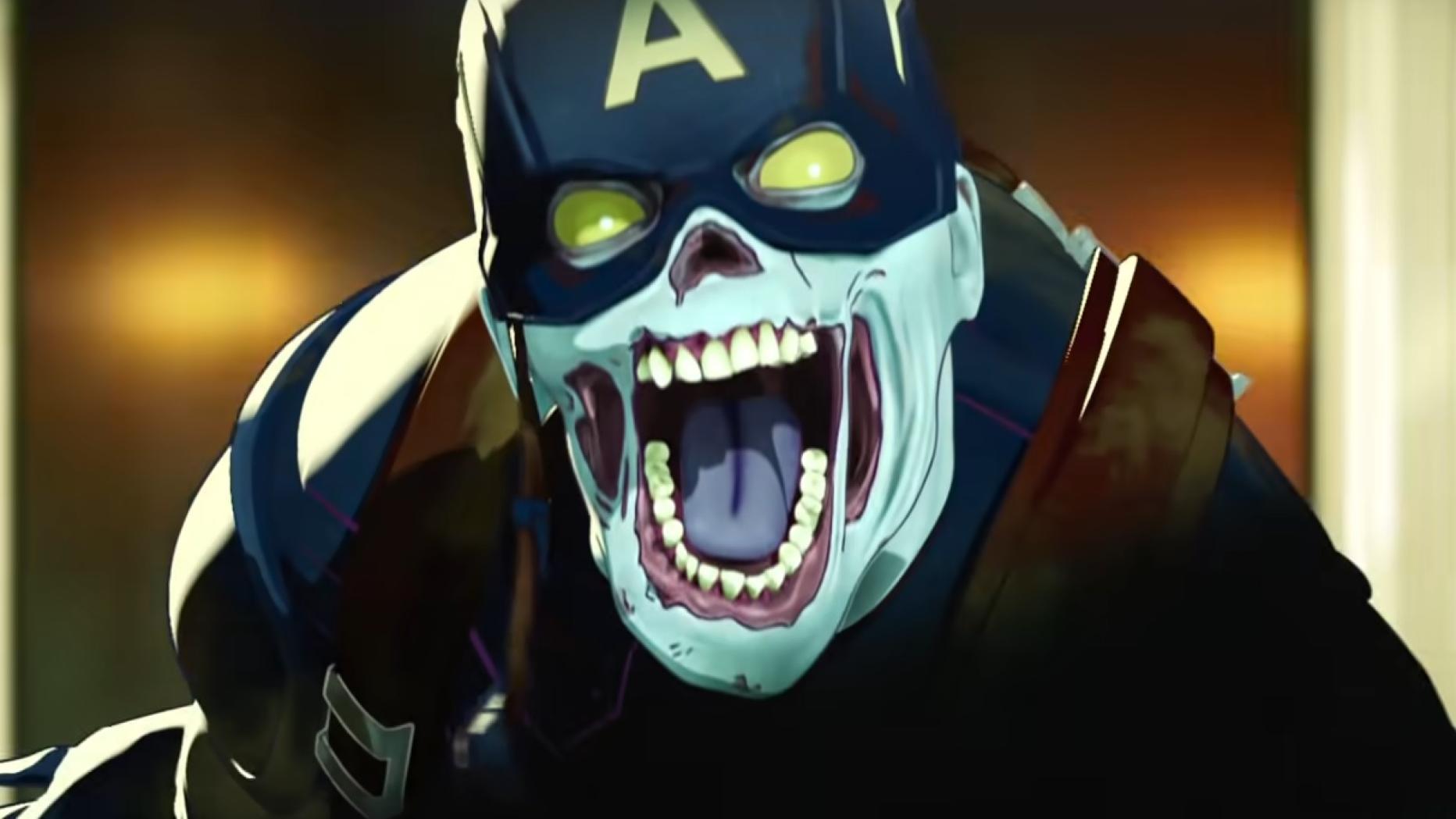
    Truly, the post-credit scenes have lost their novelty and have become an unnecessary distraction. Jake Lockley could have easily been put in the body of the final episode of Moon Knight. Sharon Carter’s phone conversation after the credits of the final episode of The Falcon and The Winter Solider may have done more harm than good, causing fans to speculate and theorize wildly about who was on the other end; as has been demonstrated over and over again, this will lead to faux outrage down the road when the speculation turns out wrong and fans will feel slighted. Will Starfox, or any of the Eternals ever be heard from again? No idea, but Harry Styles caused more of a buzz than the actual film. What was once a wink-wink-nudge-nudge to the comic book fans in the audience has become something general audiences are hungrier for than the films to which they are attached. Marvel Studios would serve themselves well by ditching the post-credit scenes. And if fans are still hungry for more, perhaps the studio could bring back One-Shots as a streaming alternative.

    Given they distract from the movies, aren’t always followed through on and the disturbing trend in their quality, it really is time for the Marvel post-credit scene to be retired. We’ll always have that kiss between Jane and Thor…before Jane disappeared for a decade.

  • How ‘Multiverse of Madness’ Sets the Path to Marvel Studios ‘Secret Wars’

    How ‘Multiverse of Madness’ Sets the Path to Marvel Studios ‘Secret Wars’

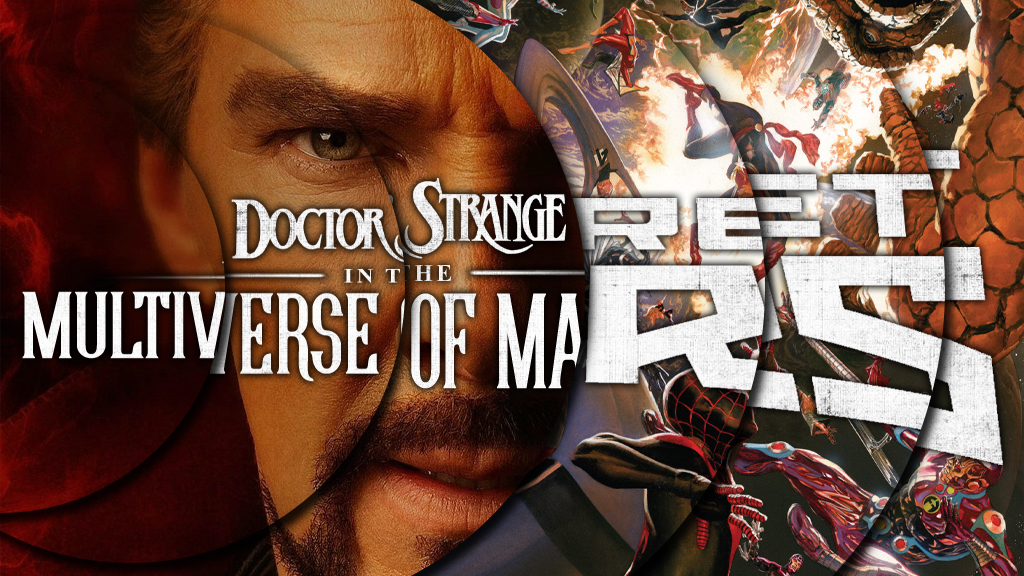
    With just a few lines spoken by John Krasinski’s Reed Richards, Marvel Studios seemingly set its course to its next big event: Secret Wars. The project, once seen as “too big” to be done correctly, is one on the list of projects that Marvel Studios’ favorite sons, Joe and Anthony Russo, have said would bring them back into the fold and one that has swirled around insider circles for a few years now. The first hints to its eventual arrival came during an animated sequence in Loki but the truest indicator of Marvel’s intent to bring the thrice-done comic event to the MCU came in Doctor Strange in The Multiverse of Madness when Richards briefly explained the concept of Incursions. The concept of Incursions was given all the explanation it needed in the film, but for those unsure of how that concept leads to Secret Wars, we’re here to help.

    Incursions made their way into the Marvel Comics lexicon in 2013 when writer Jonathan Hickman introduced the idea in New Avengers Volume 2 when T’Challa witnessed one. As was the case in Doctor Strange in the Multiverse of Madness, smart guy Reed Richards explained the concept to the audience.

    New Avengers #2 (2013)

    Over the course of a page and a half, Richards-with the aid of very Hickman-esque illustrations-gives his “Everything Dies” speech in which he explains to the Illuminati that as a result of the early “death” of an alternate Earth, the contraction of the multiverse had begun. The death of that Earth caused the first Incursion, the collision of two other Earths that lead to the destruction of both of them. One Incursion sped up the timeline for another, accelerating the ends of each of the universes in which those Earths existed and it would only be a matter of time before the final Incursion destroyed the entire Multiverse.

    New Avengers #2 (2013)
    New Avengers #2 (2013)

    The Incursion of Earth-616 that T’Challa witnessed was stopped when the Black Swan (a fascinating character who we can only hope makes her way into the MCU) destroyed the other Earth, sparing Earth-616. The knowledge of the Incursions sent the Illuminati scrambling to devise a plan to save their universe. Ultimately, Earth-616 and Earth-1610, the Ultimate universe, were the last standing and as their Incursion began, the heroes of both worlds fought to destroy each other, with both sides ultimately falling short and being destroyed. A group of heroes, led by Richards, who had built a “life raft” found themselves on a new planet known as Battleworld and worked together to unravel the great mystery of where they were and how Doctor Doom came to be in charge. Those events made up the 2015 event Secret Wars, which takes us right back to where we began. Marvel Studios is building towards an adaptation of Secret Wars.

    Avengers #44 (2015)

    If you’ve paid attention for a few years, you’ve heard it from me that this event was in the making, but this is the closest Marvel Studios has come to admitting it. And with John Krasinski’s Reed Richards-who VERY closely resembles the Richards written by Hickman over his time on the Fantastic Four, New Avengers, and Secret Wars- being given the job of explaining the concept of Incursion to the MCU audience, it seems like it will indeed be Hickman’s version of Secret Wars that is adapted, rather than either of the previous comic events. Hickman’s version is by far the most cinematic of the options available but is also problematic in that it is loaded with dense scientific concepts that might make for a tough sell to general audiences. As we know, Marvel Studios doesn’t go with straight page-to-screen adaptations of their comic book stories, so it’s more likely than not that the MCU’s Secret Wars will simply be 616 vs. 1610, allowing for dead heroes to reappear as their 1610 counterparts. What does this mean for Doctor Doom, the Molecule Man, and other characters who played a huge role in the comic event? Probably nothing good.

    It is interesting to see that Marvel Studios has chosen Stephen Strange’s sequel to lead the charge to Secret Wars. Strange does play a key role in the 2015 event as one of Doom’s right hand, but readers would certainly not consider him “central” to the story. Whatever the case, we are likely still at least 3 years away from Secret Wars and there’s lots of building to be done, but with the mention of Incursion, it should now be clear to fans that the project is now the inevitable end to the developing Multiverse Saga.

  • Three Ways ‘The Avengers’ Changed the Cinematic Landscape

    Three Ways ‘The Avengers’ Changed the Cinematic Landscape

    May 4, 2022 is a landmark day in the history of Marvel Studios as the 10 year anniversary of the release of The Avengers. While the true start of the Marvel Cinematic Universe was with 2008’s Iron Man, it wasn’t until the first true crossover that it became fully actualized and proven as a serious force in the movie industry. As the MCU has progressed into new territories since then, let’s stop down and recollect on five ways this film has changed the way major studio films have been made since.

    #1: The Rise of the “Cinematic Universe”

    The most obvious impact The Avengers has had on the larger film industry is major studios’ insistence on trying to follow suit of Marvel and create their own universes with characters from various connected films. Before, the concept of crossovers within major films were few and far between, and mainly predicated on passing references that’d never be followed up on. A fully interconnected cinematic universe was a concept many were skeptical of before the release of the 2012 summer blockbuster. Doubts were held over whether or not audiences would buy into the concept that a billionaire in an iron suit, a World War II hero, and a god from Norse mythology would fit in together in the same film. However in earning over $1.5 billion in the box office, Marvel Studios proved this idea to be a great success. Following this, general audiences were inundated with various attempts to copy Marvel’s formula to various levels of success. These have ranged between Warner Bros’ modestly successful MonsterVerse and Universal Pictures’ laughably ill-fated attempt with the Dark Universe. However, none have truly matched the level of success found in the Marvel Cinematic Universe and The Avengers.

    #2: Relatability in Characters

    While the rise in cinematic universe could be considered the most noticeable impact of The Avengers on major studio releases, the largest impact the film had was ushering in a change of the way audiences wanted to perceive their characters. In a vast majority of marquee films before 2012 (especially in relation to superhero films), central protagonists were treated as absolute godly figures. To use the then most recent popular superhero franchise as an example, Christopher Nolan’s Dark Knight trilogy presents Batman as someone with the strongest moral character once he has accepted the responsibilities of his powers and begins fighting crime. He’s not a character with much nuance to him and his struggles are presented to be more based on external threats around him than any meaningful internal pathos. Meanwhile, audiences were leaving The Avengers generally talking more about the moments of character development than the big action set pieces. Viewers made great connections to seeing the protagonists have to struggle with their internal identities to be able to work as a team. Ultimately, The Avengers made us realize we wanted our cinematic pillars to be more human and relatable.

    #3: The Anticipation of Post-Credit Scenes

    While focusing on essentially a solitary minute of The Avengers 143 minute runtime feels at least partially ridiculous, it can’t be denied that the end of this film changed the way major feature films optimized the coda of their projects. The ominous closing shot of Thanos looking towards the camera set the stage for the long-term destination of the Marvel Cinematic Universe. And with it, this generated large quantities of fan excitement at the thought of the road ahead and how these future films would connect. This indeed ended up becoming a strategically brilliant decision for Marvel Studios and Walt Disney Pictures both creatively and from a business stand-point at the time. Moving forward, large expectations have been made for essentially every blockbuster-type film to close with some hint of the future or how what audiences just saw connects to a bigger picture. Arguments can certainly be made for if this has now grown into more of a net-negative for the film industry and the creative process, but it’s certainly present and can be traced to Marvel Studios first major crossover project.

    Reflecting on the ten years since the release of 2012’s The Avengers paints the picture of how the film not only changed the course of Marvel Studios, but the entirety of the Hollywood film industry. And it will be compelling to look further into how this landmark film maintains its impact in the decade to come and beyond.

  • ‘Batgirl’ Would Make the Perfect 2023 Holiday Release

    ‘Batgirl’ Would Make the Perfect 2023 Holiday Release

    In addition to producing live-action streaming series that are a part of the DCEU, Warner Bros has begun development on a few DC films that will be exclusive to the streaming service as well. Batgirl, which will introduce Barbara Gordon to the DCEU, is currently the first of what is presumed to be many HBO Max exclusive DC films, but recent shifts in the DC film release slate may have given it a window of opportunity for a theatrical release.

    Substantial changes to many upcoming DC film release dates were part of a cascade begun by Black Adam being pushed back from its July release date to October 21st, 2022. Shazam: Fury of the Gods jumped forward on the calendar, taking the December 16th, 2022 slot previously held down by Aquaman and the Lost Kingdom, knocking the sequel into March of next year. Also moving into 2023 is The Flash, streaking to June 23rd, 2023, 7 months later than previously scheduled. Following the release of Blue Beetle on August 18th, 2023 there is nothing set moving forward, meaning Batgirl would have a perfect window to release in late 2023.

    The Flash being delayed means Batgirl’s reported 2022 release is highly unlikely as the events of that film directly lead into the The Flash, reintroducing Keaton as the main Batman of the DC Extended universe. So what should Warner Brothers do with this new opportunity? Move Batgirl to a late 2023 release date and give the film the opportunity for a theatrical release instead of only putting it on HBO Max.

    We’ve seen quite a bit from the set of Batgirl and we know the film is set during the holiday season with the set in Glasgow being covered with a ton of Christmas decorations. Instead of creating another Shazam! situation, where a film centered around one season is released in the opposite, the film could thrive with a a theatrical release during the 2023 holiday season.

    Blue Beetle was originally set to be an HBO Max exclusive film but was moved to a theatrical release, so its possible for Batgirl to get the same treatment. Batgirl is an instantly recognizable character for many people and has had prominent roles in many DC projects. This move seems like a no-brainer for Warner Brothers, who could bring in more money with a more strategic release. It would also give the film additional time during production, as it always seemed a bit risky to shoot and release a film in the same year.

    Batgirl’s release date is still unknown as production on the film continues in Glasgow. The film will be directed by Adil El Arbi and Bilall Fallah with Leslie Grace in the titular role. Alongside Grace will star J.K. Simmons, Michael Keaton, Brendan Fraser, Ivory Aquino, Jacob Scipio, and Rebecca Front.

  • What ‘Daredevil’ and Co.’s Disney+ Addition Might Mean for Marvel Studios’ Future

    What ‘Daredevil’ and Co.’s Disney+ Addition Might Mean for Marvel Studios’ Future

    It’s been long-rumored now since the Marvel Netflix series like Daredevil, Jessica Jones, and more are making their way to Disney+. After many back-and-forths online, the confirmation has finally arrived, as they dropped a sudden teaser that they are joining the series on March 16th. The big takeaway is that the streaming service is embracing more mature content without restricting it to other services, especially as they went out of their way to offer bundles with Hulu. Yet, this addition might have bigger implications for Marvel Studios’ future ventures.

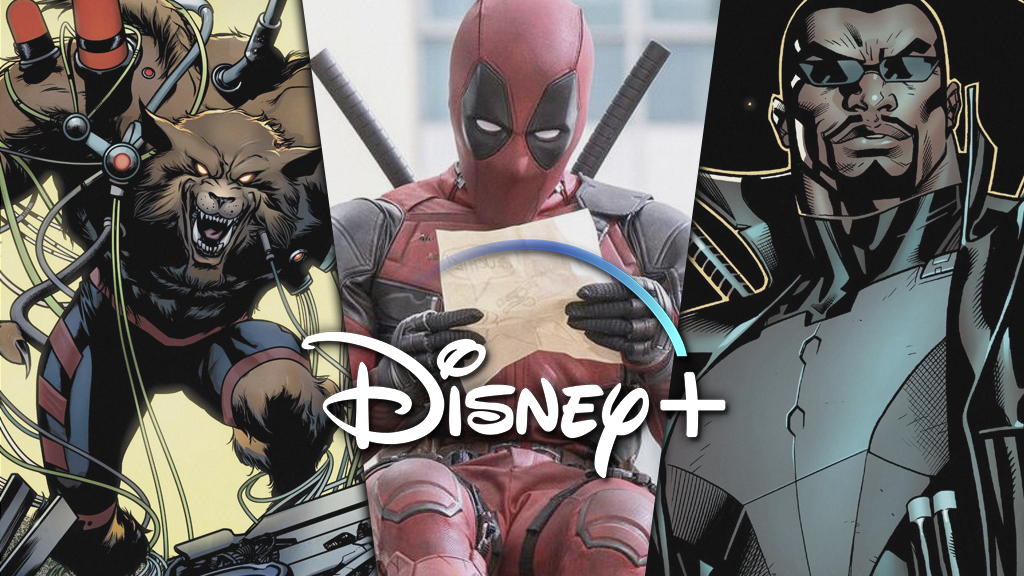
    The timing for these additions is perfect with a darker-toned Moon Knight just on the horizon. Not just that, but it also means that older R-rated projects like Blade, Deadpool, Logan, or more can get added soon. Not just that, we know that Deadpool 3 is going to be an R-rated project and now we don’t have to worry about it potentially landing on Hulu. It’ll be part of the Marvel Cinematic Universe, and it would’ve been a shame if it wasn’t going to be part of the showcase in Disney+.

    The streamer was showcased as an “archive” for classic projects from Marvel, Pixar, and any other Disney brand. So, its family-friendly focus is not only restrictive from an archival standpoint but also creatively. They lost a lot of projects early on due to this restriction, such as the Lizzie McGuire revival and pushing the Love Simon spinoff, Love Victor, to Hulu. While it seems unlikely we’ll get an R-rated Pixar film any time soon, Marvel and Star Wars are very different stories. This move might be an implication that Disney+ Original projects will no longer fully adhere to the streaming’s initial set-up.

    Marvel may be able to fully embrace the darker and more mature tones that upcoming projects may have. Moon Knight is a big implication of Disney+ maturing, which we’ve talked bout here, but it also means R-rated projects are a possibility. The long-rumored Werewolf by Night project can embrace the darker aspects of having a werewolf-centric story. Their Blade remake might also start moving towards an R-rating, as there are no longer concerns about streaming availability being restricted to specific services.

    There’s also the continuation to keep in mind, as we know Charlie Cox and Vincent D’Onofrio returned in the roles they made famous. Rumors are hinting at a new Daredevil revival, which now can embrace the darker story arcs introduced through the Netflix incarnations. There are more mature storylines possible now that the glass ceiling has been broken. It may be a small step for now, but once Deadpool or Logan get added with the parent control sometime in the future, we might be able to see the first steps for a new MCU.

  • Murphy’s Team-Up Volume 17: Biggest Oscar Snubs

    Murphy’s Team-Up Volume 17: Biggest Oscar Snubs

    Jesse Hassenger

    I generally think the term “snub” is overused when applied to Oscar voting, because it implies intentionality that is often overwhelmed by the chaotic whims of the voting body. For example, I thought Simon Rex gave one of the best performances of the year in Red Rocket, but given the movie’s subject matter, unusual tone, and lack of other nominations, I think it’s fair to wonder if enough voters bothered to watch it, or really understood it. On the other hand, enough people in the writing branch and directing branch loved Licorice Pizza enough to nominate it in those categories, and it made the cut on the Best Picture ballot, where everyone votes, so it’s safe to say a fair number of folks watched that one–and liked it, too! So I do think it comes across as a snub that Alana Haim, the rock musician and first-time actress who helps anchor that movie, didn’t make it in for Best Actress. Granted, Best Actress has been one of the most consistently competitive categories these last few years, and these nominees were lighter on actresses impersonating real people than I feared. But it’s still three-fifths based-on-a-real-person performances (one of which — Kristen Stewart — I think is absolutely terrific and deserves to win) and, again, that does feel like a conscious decision, to rate Jessica Chastain‘s Tammy Faye Bakker or Nicole Kidman‘s Lucille Ball a higher degree of difficulty than Haim. I understand the thinking: Kidman and Chastain are both beloved, respected, talented performers pretending to be other performers–while Alana Haim is playing someone literally named Alana, whose real-life family plays her family in the movie, and so on. Yet what Haim does in Licorice Pizza is so complicated–funny, charming, angry, anguished, relatable, occasionally inscrutable–that attributing so much of the movie’s success to writer-director Paul Thomas Anderson doesn’t seem right to me (and I doubt it would seem right to him, either). And she does all of this as, essentially, a first-timer! Licorice Pizza is my favorite movie of 2021, and as much as I love Anderson, I don’t know if it would have hit me the same way without Alana Haim.

    Mary Maerz

    One of the most talked-about snubs is Denis Villeneuve not receiving a Best Director nod. I think Adam McKay also deserved a nomination in that same category for Don’t Look Up, or par with his nomination for Best Original Screenplay. But I also believe Cate Blanchett was overlooked for Best Supporting Actress for both Nightmare Alley and Don’t Look Up. Both managed to get Best Picture nominations with no acting nods, but she really stood out in both. Her character was a bit more comedic in Don’t Look Up, which is probably why none of the actors from the film ended up with nominations. But she was probably even more of a force in Nightmare Alley and carried that story.

    Filip Mańka

    Without a doubt, the biggest snub from this year’s Oscar Nominations is the absence of Denis Villeneuve in the Best Director category. Villeneuve is the creator, the architect for the biggest blockbuster of the year, which garnered 10 Academy Award nominations. The lack of a nomination in best director seems ridiculous and reprehensible, considering how strong Villeneuve’s presence was throughout the season, advertising Dune with his name. Dune is an auteur film, steeped in Villeneuve‘s vision, which manifests itself in his revolutionary approach to IMAX and the portrayal of scale on-screen. As a big fan of the Canadian director’s work, I can say that Dune is his most personal film, mixing many styles and dealing with themes close to his heart. A couple of years from now, we’ll be looking at the 2022 Oscars in disbelief that the mastermind behind one of the best sci-fi films hasn’t been nominated for an Oscar, while Kenneth Branagh has. The difference is that Dune will remain in Hollywood history, while Belfast will be forgotten by people relatively soon.

    JJ Sabato

    The biggest snub this year was for The Suicide Squad. I believe it should’ve been recognized for Best VFX and Best hair and makeup. For King Shark alone the film deserved this nomination, he looked incredible in every scene he was in and looked so real. Of course, Starro as well, him and his extensions as they rampaged through the streets of Corto Maltese. The makeup as well was incredible especially for characters like Polka Dot Man and Mongal. I think the VFX category this year just really dropped the ball when films like Godzilla Vs Kong, Eternals, and The Suicide Squad just were not acknowledged for their achievement in visual effects.

    Hunter Radesi

    It’s been a weird couple years for movie theaters. Audiences have largely opted to experience their cinema from the safety and comfort of their own home, and who could blame them? There’s a global pandemic occurring at the moment. Yet, the wild success of blockbuster films like F9 and Spider-Man: No Way Home sort of put a limit on that argument. If everyone is willing to throw their lives on the line for big-budget action, were they ever really concerned at all? And if not, what type of movie will get them off their couch? The answer, apparently, is not The Green Knight. David Lowery’s epic retelling of the Arthurian classic was one of the most unique experiences I’ve ever had in a movie theater, for more reasons than one. From its heightened realism to its gripping Shakespearean dialogue, nearly every aspect of the film was executed to mesmerizing perfection. It is exactly the kind of project designed to simultaneously bait the Oscars and put people in theater seats. Which is why it’s so baffling Knight received exactly zero Academy nominations. If not for Best Picture, the movie should have at least scored noms for Adapted Screenplay or Cinematography. And Dev Patel? Robbed.

    Joseph Aberl

    The biggest Oscar snub in my opinion is that they still haven’t added a new nomination category for stunt work in the industry. It’s an essential aspect of cinema and it still gets no recognition by what is claimed to be one of the biggest award ceremonies of the industry. There has been some amazing stunt work done throughout the year and it just seems like a shame that they still refuse to give it any love.

  • Murphy’s Team-Up Volume 16: MCU Team-Ups

    Murphy’s Team-Up Volume 16: MCU Team-Ups

    Nathan Miller

    It’s really hard to choose the MCU team-up I’d most like in Phase 4. Normally, I’m most interested in 2nd or 3rd order interactions. The kind of question that usually gets me going is something like, ‘who will be teaming up with each other in 3 years time?’ but right now the source of my thoughts seems to come from projects we saw in 2021. The feeling that seems to follow around potential selections, is excitement for seeing familiar characters reactions to newness in other characters. As one of my favourite characters, I’m supportive of whatever Wanda does in Doctor Strange in the Multiverse of Madness and am enthused to see reactions to her development as The Scarlet Witch. I’m also ready to see familiar Avengers characters react to Sam Wilson as Captain America, and I’m ready to see Sam lead a team of Avengers. Finally, I’m intrigued to see where Yelena Belova pops up next, so, no matter who she connects with I’ll be absorbed by her interactions with the rest of the MCU. Out of those three, I’m definitely most excited to see what Wanda gets up to, and what the reactions to it are!

    Mary Maerz

    Sam Rockwell as Justin Hammer in Iron Man 2... : Through The Roof 'n'  Underground

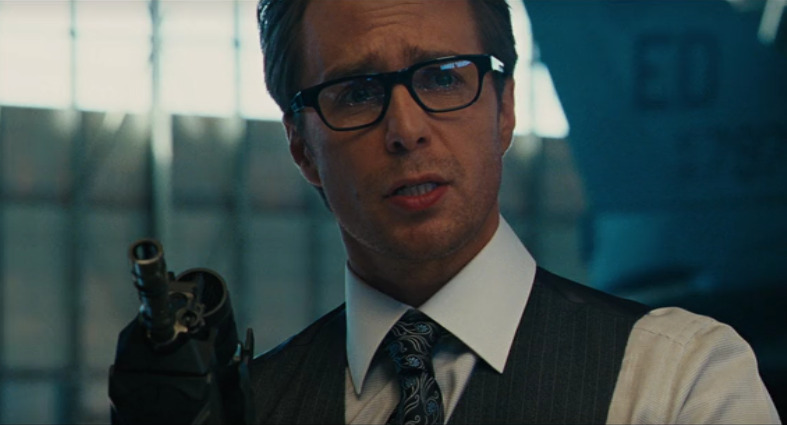
    Sam Rockwell’s Justin Hammer with just about anyone. I don’t have any deeper thoughts about it. Put him with Doctor Strange. Spider-Man. Sersi. Abomination. Korg. Miek. Jack Duquesne. Party Thor. Zombie Iron Man. Guy who filmed Shang-Chi on the bus. I don’t care.

    Charles Murphy

    Despite being surrounded by gods and monsters, there’s no more down-to-earth hero in the MCU than Sam Wilson. The Falcon and The Winter Soldier allowed us to get a better handle on who Sam is and, simply put, he’s a no-nonsense guy with a straightforward approach to solving problems. He speaks from his heart. He wears his emotions on his sleeve. He knows EXACTLY who he is.

    By the time we see Sam in the MCU again, a character who has absolutely no idea who is will have joined the fray. Given who Sam is, teaming him up with Moon Knight might provide some killer character interactions. Sam’s training as a counselor might make him feel as though he can connect with the Fist of Khonshu, but he’s not ready for Moon Knight’s particular set of issues. The Lunar Legionnaire could be an absolutely fascinating fly in Sam’s ointment in Cap 4.

    Dalbin Osorio

    For me, I’m really anxious to see a team up between the new Captain America and the new Black Panther. There’s a scene in the comics where Sam Wilson asks that his suit be made by the Wakandans, and he goes on to explain the importance of the African nation and how he should be connected to them in some way. In the MCU, we’ve now seen the beginning of that play out with Sam getting his new costume from the Wakandans. Seeing the new Black Panther’s reaction, and subsequent dialogue, to the new Cap being Black would be a a bad ass moment.

    Hunter Radesi

    The Friendship of Spider-Man and Human Torch | Marvel

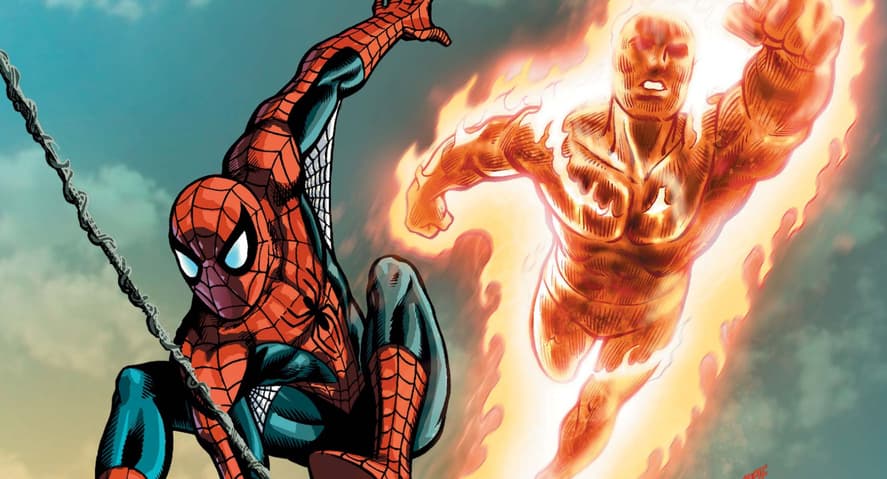
    This isn’t exactly a unique choice, but there probably isn’t a live-action Marvel pairing I’ve fantasized about more than Spider-Man and the Human Torch. Anyone who’s read the original run of ‘Marvel Team-Up’ knows this is the foremost duo, with meetings both humorous and touching coming in their respective solo titles as well. Peter and Johnny have an interesting chemistry, as young heroes with something to prove operating on opposite ends of the personality spectrum. Sure, the MCU may not have even cast it’s Torch yet, but this is a team-up that’s finally (finally!) possible for the first time on the big screen and I have a sneaking suspicion it will happen sooner than later.

    Anthony Canton III

    Considering the way Spider-Man: No Way Home ended, there’s one team up I feel would give Peter Parker not only the family vibe but a little bit of fun. What if Peter, in trying to stop a criminal, runs into Scott Lang? They never interacted in Captain America: Civil War, so it would be a fresh pairing, and while Scott doesn’t know who Peter is it could be used for some fun dialogue. Spidey and Luis could trade some stories and Ant-Man could help Spider-Man deal with whatever problem he has in the interim. Imagine a story where there’s an arms dealer (Justin Hammer perhaps?) and Spidey needs a little help against some formidable robots. Scott being a family man could give Peter some advice on whatever he’s currently dealing with. You get Scott, Hope, Cassie, and the rest of the crew and you have a fantastic team up movie.

  • The Brilliance Behind ‘WHAT IF…?’

    The Brilliance Behind ‘WHAT IF…?’

    Ever since disclosing its Phase 4 lineup, Marvel Studios has been pretty straightforward in that it’s making the Multiverse a reality within the MCU. From the Doctor Strange sequel title to the way Loki played out. We also can’t forget the cameos set to appear in Spider-Man: No Way Home, as we are heading down a very strange yet fascinating rabbit hole. It’s a concept that, if done right, can propel the MCU to new heights, but that comes with a few hurdles along the way. And What If…? seems like the right way to try and overcome some of those.

    As we’ve heard many times, the possibilities in terms of storylines are now pretty much endless. There’s an infinite number of universes with an infinite number of characters defining their own paths in an infinite number of ways. In order to capture the magnitude of all of this, Marvel Studios needs to step up and not limit itself in terms of what it will and will not feature in upcoming projects. To barely scratch this concept’s surface would feel like a disservice to audiences that have now been led to believe that anything can happen. This means bringing into the franchise a significant number of new characters, stemming from all those infinite possibilities the MCU has opened itself to.


    By introducing those new characters, or Variants as we’ve learned to call them, that’ll end up playing an important role going forward, you now need to make sure audiences acknowledge the differences between them. You need to make sure those same differences are felt on a deep level in order to make them appear singular. As such, it becomes more meaningful. Spider-Man: No Way Home is somewhat bypassing all those concerns by bringing back variations of characters people already have a connection with, which is certainly one way to go about it. It is something that might happen with a few more characters down the line. But as for all the others, you needed a vehicle to let them shine and present themselves before bringing them into the larger picture. And that’s where the What If…? concept proves a worthy one.

    By giving us an anthology-like format, where every week we’ll be presented with updated characters with new motivations, as well as coming from new universes with different paradigms to them, you allow for a higher number of character introductions at a faster pace. There is no need for a long-form story. We’re basically being given plot beats that are already familiar, but that still need to be seen in a different light. As we eventually approach an event where most universes are brought together in live-action, the time given to all these variants will be worth it as it will make their introductions all the more impactful.


    In terms of the style of the show, you can’t hide from the fact that we’re getting the first animated MCU series. And even though it may help in terms of bringing in a whole new segment of younger fans, it’s a choice that ultimately respects the scale and scope of the universes these characters must live and thrive in. Following a decade of movies where the MCU has gone to outer space, featured battles with armies of thousands, introduced time travel and magic, you needed to maintain the level spectacle that we‘ve come to expect from Marvel properties. Through animation, it’s easier (and cheaper, thus making it viable) to bring to life all the sets and setpieces needed to elevate each reality to the grand scale of their Sacred Timeline counterpart.

    By going the animation route also makes it feasible to bring back so many familiar faces, even if not all of the actors are returning. Not mentioning the money that would have to be involved to get entire casts to return had these been live-action roles, the sheer magnitude of the scheduling would probably prevent many of the appearances we will end up getting on the show. By allowing each role to be recorded at a convenient time (perhaps lending to some lackluster vocal performances), scheduling conflicts are averted, and the story can go wherever it wants to with no limitations in terms of who can and cannot make an appearance.


    What if…?"-Trailer & Co.: Alles zur animierten Marvel-Serie | film.at


    So being, What If…? is instilling the MCU with a much-needed variety of universes that seem to manage to live up to the possibilities the MCU opened itself to. On paper, it seems to be just what the MCU needed going forward. With both its format and its style pointing in the right direction, all that’s left to be seen is if what matters most, the character development that’s been at the heart of the MCU’s success manages to deliver.