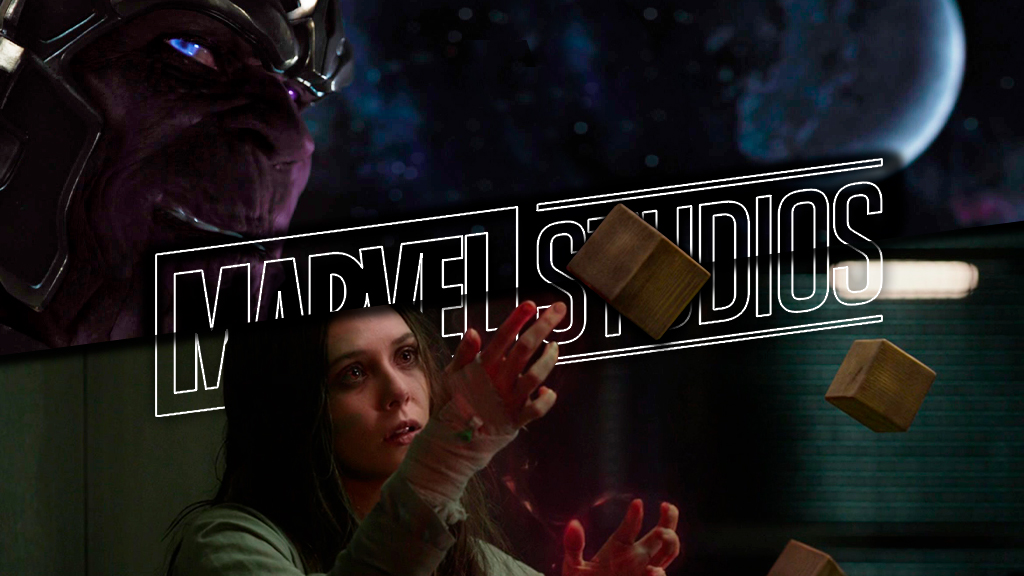
Tag: Marvel Studios

  • It’s Time for Marvel Studios to End Their Most Well-Known Tradition

    It’s Time for Marvel Studios to End Their Most Well-Known Tradition

    In 2008, fans who stuck around through the credits of Iron Man found themselves treated to a tease of greater things to come. At the time, given the nebulous state of the future of Marvel Studios, the tease came without a promise that we’d ever see the Avengers Initiative come to fruition on the big screen. 4 years later, it paid off in The Avengers, rolled out its own post-credit scene that set the stage for the larger narrative that would develop over the next 15 MCU projects. That run, which became known as the Infinity Saga, ended with 2019’s Avengers: Endgame which, ironically, was the first Marvel Studios film to run without a post-credit scene. Now, with the future of Marvel Studios more secure than it has ever been, it’s time for the post-credit scene to die.

    Marvel Studios’ Iron Man (2008)
    Marvel Studios’ Spider-Man: Far From Home (2019)

    After skipping out on the tradition in Endgame, Marvel Studios brought back the post-credit scene in Spider-Man: Far From Home, the final Phase 3 film. In hindsight, it’s a tradition they should have left behind as they moved into Phase 4. Once a fun source of “water cooler” conversation, the idea has grown beyond itself and evolved into something that’s become part of a parasitic online conversation where the scenes that come AFTER the movie generate more interest and conversation than the movie itself. It’s not a phenomenon limited just to Marvel Studios-Sony used the post-credit scene to Venom: Let There Be Carnage to market the movie-but Marvel Studios started it and now they need to end it.

    The conversation around the post-credit scenes poses a multi-faceted problem for Marvel Studios. While they still provide a fun tease of upcoming events, in recent years, more than one post-credit tease hasn’t paid off. For example, after the credits rolled in 2016’s Doctor Strange, audiences learned that Mordo was on a mission to eliminate magic users, especially those who violated natural law. Surely that would mean he’d cross paths with Wanda Maximoff, right? 616-Mordo was nowhere to be seen in Doctor Strange in the Multiverse of Madness, his role rumored to have been snipped from the film’s final cut. And what about the great Adrian Toomes/Mac Gargan scene at the end of 2017’s Spider-Man: Homecoming? With Doctor Strange’s spell erasing the memory of Peter Parker from everyone’s mind, it seems like the Vulture/Scorpion team-up will never come to pass. Will the tease of Venom in the MCU, set up in the post-credit scene to Spider-Man: No Way Home, have the same fate?

    Marvel Studios’ Doctor Strange (2016)
    Marvel Studios’ Spider-Man: Homecoming (2017)

    The fervor around the content of the post-credit scenes has grown to a point where fans are often more concerned with it than the film itself. Driven by leak culture, the knowledge of the contents of the latest Marvel Studios’ post-credit scene is often a more valuable commodity (more talked about) than the film itself. In fact, after recently attending the premiere of Doctor Strange in the Multiverse of Madness, almost everyone who asked me about the movie started off by asking, “How many post-credit scenes are there?” and “What’s in them?” It’s concerning that a post-credit scene that may have been shot over a few hours is of more interest than the billion-dollar films the studio is rolling out. And in this case, Marvel Studios delivered one of its worst post-credits scenes to date, though it featured a huge casting spoiler for a big star entering the MCU. But will she? Or will her cameo and the promise it carries be as empty as Mordo’s sorcerer hunt?

    As mentioned above, Multiverse of Madness’ post-credit scene, despite featuring 3-time Academy Award-winning actress Charlize Theron as one of Strange’s most important supporting characters, Clea, doesn’t quite carry the same weight as Fury’s post-Iron Man appearance. Despite Theron looking fantastic as Clea, it seemed hastily put together and didn’t really seem to line up with the film’s own ending, making it one of the worst efforts for the studio. What’s more, the drop in quality seems to be a trend in Phase 4 with none of the offerings so far coming near the thrills of introducing the Maximoff twins after The Winter Soldier.

    Marvel Studios’ Captain America: The Winter Soldier (2014)
    Marvel Studios’ Eternals (2021)

    Truly, the post-credit scenes have lost their novelty and have become an unnecessary distraction. Jake Lockley could have easily been put in the body of the final episode of Moon Knight. Sharon Carter’s phone conversation after the credits of the final episode of The Falcon and The Winter Solider may have done more harm than good, causing fans to speculate and theorize wildly about who was on the other end; as has been demonstrated over and over again, this will lead to faux outrage down the road when the speculation turns out wrong and fans will feel slighted. Will Starfox, or any of the Eternals ever be heard from again? No idea, but Harry Styles caused more of a buzz than the actual film. What was once a wink-wink-nudge-nudge to the comic book fans in the audience has become something general audiences are hungrier for than the films to which they are attached. Marvel Studios would serve themselves well by ditching the post-credit scenes. And if fans are still hungry for more, perhaps the studio could bring back One-Shots as a streaming alternative.

    Given they distract from the movies, aren’t always followed through on and the disturbing trend in their quality, it really is time for the Marvel post-credit scene to be retired. We’ll always have that kiss between Jane and Thor…before Jane disappeared for a decade.
  • Kevin Feige Discusses the Changes to Ms. Marvel’s Powers

    Kevin Feige Discusses the Changes to Ms. Marvel’s Powers

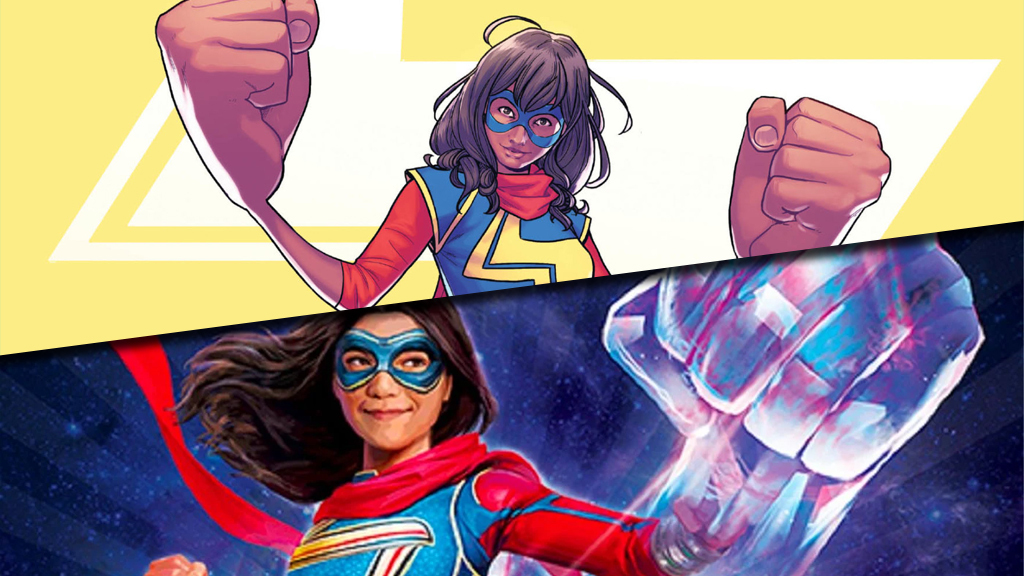
    With Moon Knight having concluded, we can further turn out attention to Ms Marvel premiering at the beginning of June. Being such a new hero in the Marvel Universe at large, there has been a lot of fan discussion about how Kamala Khan might be adapted into the Marvel Cinematic Universe. Kevin Feige has been speaking to Empire and confirmed some details about Kamala’s powers in the Disney+ show. 

    The continuity of Marvel’s comics and films and shows storyworlds move at different paces and are on different journeys. The difference between these storyworlds at the time Kamala joined both has led to a slightly different kind of adaptation of Kamala’s powers and their aesthetic Feige tells Empire: 

    We adapt the comics; it’s not an exact translation. [Kamala] came about in a very specific time within the comic-book continuity. She is now coming into a very specific time within the MCU continuity. And those two things didn’t match. […] She’s interested in knowing, ‘Great, does that mean I’m an Asgardian? Did I get hit with gamma rays?’ No, it’s seemingly none of those things. It goes to her own past and her heritage and lineage.

    Kevin Feige

    Continuing, Feige suggests Kamala’s awareness and integration with the superhero media industry will point her in the direction of learning more about her powers as the show unfolds: 

    What we will learn about where those powers come from, and how they come about, is specific to the MCU. You will see great comic splash panels in some of our action sequences. If you want big, giant hands and arms, well they’re here in spirit, if not in stretchy, plastic-type ways.

    Kevin Feige

    Finally, Feige gives a clue as to why this adaptation of Kamala is altering her powers somewhat:

     It taps into the future of her story as it connects to her other friends that she will meet in the upcoming film The Marvels

    Kevin Feige

    It seems like lots of thought has gone into the context in which Kamala Khan will appear in the MCU. Feige’s mention of lineage is also particularly intriguing when we think about the lineage and origin of her powers in the comics. It strikes me that Feige and the Parliament might be playing the long game with revealing exactly where Kamala’s powers come from, perhaps. Without a weekly Marvel Studios Disney+ show on right now, the anticipation for Ms Marvel is building, and it will be exciting to see Kamala’s story start to play out in early June. 

    Source: Empire

  • How Changes to America Chavez in ‘Doctor Strange 2’  Set Up Young Avengers

    How Changes to America Chavez in ‘Doctor Strange 2’ Set Up Young Avengers

    Between the Illuminati, Mount Wundagore, and Clea taking Doctor Strange into the Dark Dimension in the mid-credits scene, Doctor Strange in the Multiverse of Madness certainly left plenty of room for several more stories to continue. Another obvious example was the film’s introduction of Xochitl Gomez’s America Chavez, the dimension-hopping young heroine at the center of the movie’s plot.

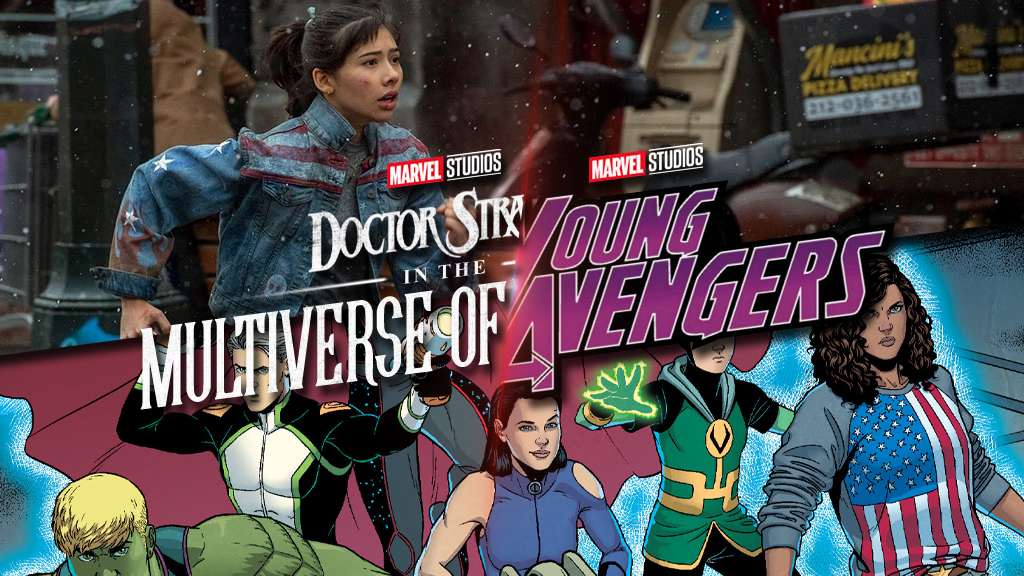
    As many know, America is an iconic Young Avenger in Marvel comics, so her presence definitely teases that concept. But while Multiverse of Madness generally kept her comic’s origin story intact, it appeared to make a major change that could impact the young hero’s journey going forward. It also left the character in a place that could hint at how the MCU might build a Young Avengers team.

    Marvel Studios
    America Chavez’s Origin

    We only get a brief glimpse of America’s past early in Multiverse of Madness, but we know that she appears to come from an alternative universe or dimension. She does not specify further, but we also learn that she apparently has no variants. In an infinite multiverse, that would not make sense. It is likely that the place America is from in the MCU is outside of the multiverse, which would follow the comics.

    Young Avengers #3 (2013)

    Though it has since been retconned, America’s origin story began in the Utopian Parallel, which is a dimension outside of time and the multiverse and is inhabited only by women. Her powers come from the residual powers of a being called the Demiurge, who created the Utopian Parallel. In the comics, the dimension is threatened with destruction via black holes, but America’s mothers sacrificed themselves and essentially disintegrated into particles stretched across the multiverse. After this, America travels the multiverse looking to be a hero, because she believes the Utopian Parallel does not need salvation.

    Young Avengers #3 (2013)

    In the Doctor Strange sequel, America accidentally transports her moms into some random universes when she unintentionally used her powers as a child. While America is convinced they are dead, Doctor Strange reminds her that they could likely be out there somewhere. If her mothers are not dead, that could open up an entire storyline for America to go find them. Teases like this almost never amount to anything, so it is curious whether the heroine would get some solo time to explore that arc or if it could be something that ties into an eventual Young Avengers story.

    America’s Magical Ending

    The end of Multiverse of Madness sees America at Kamar-Taj, working on sorcery skills in a way reminiscent of Stephen Strange in the original Doctor Strange movie. Her main challenge in the film seemed to be controlling her existing portal-creating powers, so the tease that she may be on the path of a sorcerer is very interesting.

    On one hand, it potentially sets up a mentor-mentee relationship between Doctor Strange and America Chavez similar to Clint Barton and Kate Bishop in Hawkeye. While this does not necessarily have any comics backing, it could be the MCU’s way to gradually bring in and develop the young characters in organic ways in other projects before jumping into a team event.

    Young Avengers #9 (2013)

    The fact that America now has some connection to magic could also hint at how other Young Avengers may be brought into the fold. On one hand, Wanda Maximoff’s son Billy later becomes the superhero Wiccan in the comics. Wiccan also becomes the same Demiurge that creates the Utopian Parallel, so Multiverse of Madness potentially connects America and Billy in several ways. With the Loki Disney+ franchise still going, there is also potential for Kid Loki to become a significant character in the MCU. Kid Loki, of course, has powers connected to magic as well, but he was also the character that brought America and Billy together in the first place. That arc ultimately saw the formation of the Young Avengers.

    America’s connection to sorcery may make a future team-up of young heroes easier, considering she would already exist in spaces characters like Bully Maximoff and Kid Loki might. In addition, her potential relationship with Doctor Strange may allow her to stick around in various other projects before Marvel Studios is ready to take the leap into a true Young Avengers project.

    Fans can see America Chavez in Doctor Strange in the Multiverse of Madness, which is now playing in theaters.

  • Elizabeth Olsen Explains Wanda’s Evolution From ‘WandaVision’ to ‘Doctor Strange 2’

    Elizabeth Olsen Explains Wanda’s Evolution From ‘WandaVision’ to ‘Doctor Strange 2’

    Doctor Strange in the Multiverse of Madness has garnered attention for many reasons. But one aspect of the sequel that has many fans debating is Wanda Maximoff’s Scarlet Witch and the character’s descent from hero to villain. While Maximoff was introduced to the MCU as a villain in Avengers: Age of Ultron and was certainly more of an antihero at best in WandaVision, some feel as though her redemptive arc at the end of that series does not square with where we find her in the Doctor Strange sequel.

    As it turns out, actress Elizabeth Olsen also had a hard time with the transition. In an interview with Variety, the Emmy-nominated actress discussed her reaction to learning Wanda was the villain of Multiverse of Madness:

    Well, I knew I was gonna be in “Doctor Strange,” but I thought I was gonna be, like, in an ensemble thing. So at first I think I was nervous and conflicted, because I hadn’t finished “WandaVision” yet, but we were almost finished. And I was like, “Oh my god, how do I make this all work together?” We got there; I got there. And it became an amazing opportunity to have people be won over by this woman in “WandaVision” and feel for her, and then, you know, manipulate them into this film, where they get to be on her side and then feel conflicted themselves. So I thought that was a great opportunity.

    Elizabeth Olsen

    Ultimately, Olsen understood Wanda’s dark journey from the end of WandaVision as being a result of the trauma that remained at the end of the series, particularly the loss of her twin boys. The actress went on to describe Wanda’s evolution:

    I just wanted everything to feel like some version of an advancement, even if the advancement is someone feeling a different reaction to the pain and loss. We also haven’t seen her have a reaction to what happened in Westview. Even if we watched her go through trauma and loss, we haven’t seen her go through the loss of the children. I think, for any parent — I would assume, because I’m not one — the loss of the child would always be much harder than the loss of anyone else important in your life. I just wanted to make sure it was a constant evolution forward and not repetitive…How do we make this different but still part of the woman that we know?

    Elizabeth Olsen

    While fans will never stop debating whether Wanda’s arc was consistent enough, Olsen is suggesting that the extreme grief that audiences did not see after Wanda left WestView was the driving factor of her descent. The character’s corruption from the use of the Darkhold certainly would have influenced and turned those dark emotions into something much more volatile. So, the fact that Multiverse of Madness saw the Scarlet Witch using her full power to get what she believes she should rightfully have is not too hard to comprehend.

    Doctor Strange in the Multiverse of Madness is playing in theaters worldwide.

    Source: Variety

  • Murphy’s Team-Up, Volume XX: Favorite MCU Second Films

    Murphy’s Team-Up, Volume XX: Favorite MCU Second Films

    Nathan Miller

    Doctor Strange In The Multiverse of Madness is my favourite 2nd MCU film. I loved what a big swing they took for a second film. From the expansiveness of the worldbuilding to the tightness of the themes in driving the characters forward. While the plot is reasonably simple, the concepts it draws from are far-reaching. At the same time, motifs are repeated like the happiness and heroism of Strange and Wanda, which help the themes land successfully, despite the plot’s fast pace. All of that is without talking about the mind-bending VFX, and the brilliant guest appearances, both of which really hit hard about how infinite the multiverse is. While I wasn’t the biggest fan of the score, Sinister Strange fighting 616 Strange using musical notations was fantastic. With this continued inventiveness I look forward to more favourite 2nd Marvel Studios films from Eternals and ShangChi too. 

    Torbjorn Frazier

    While I definitely won’t go as far as saying that is objectively the “best” sequel in the Marvel Cinematic Universe, I’d be remiss to not take the opportunity to discuss my personal soft spot for 2018’s Ant-Man and The Wasp. The film does a strong job continuing and evolving the themes of its protagonists set up in the original film. Paul Rudd’s Scott Lang is on the continuing quest to be the hero his daughter deserves (both in superheroics and as a father). Meanwhile, Evangeline Lilly’s Hope van Dyne really comes into her own being introduced as Wasp while continuing to build trust and relationships with those close to her after the tragic events of her upbringing. As well, I maintain that Hannah John-Kamen’s portrayal as main antagonist Ava Starr remains arguably the most underrated villain in the MCU through this point in time. As the cinematic franchise continues to venture towards larger scopes in storytelling, Peyton Reed’s sequel has strong rewatchability both on its own merits and as a low stakes palate cleanser in relation to films like Avengers: Infinity War that came before it. Even still, some seeds were planted for the future between marking the true origin for Cassie Lang’s journey to becoming a hero much like her father and leaving the option for John-Kamen’s Ghost to return down the road. Ultimately, Ant-Man and The Wasp could be described as Marvel Studios’ take on the quintessential “family film.” And in relation to the rest of the MCU, I continue to find the sequel as such a positive experience and an underrated continuation to Marvel’s smallest franchise.

    Mary Maerz

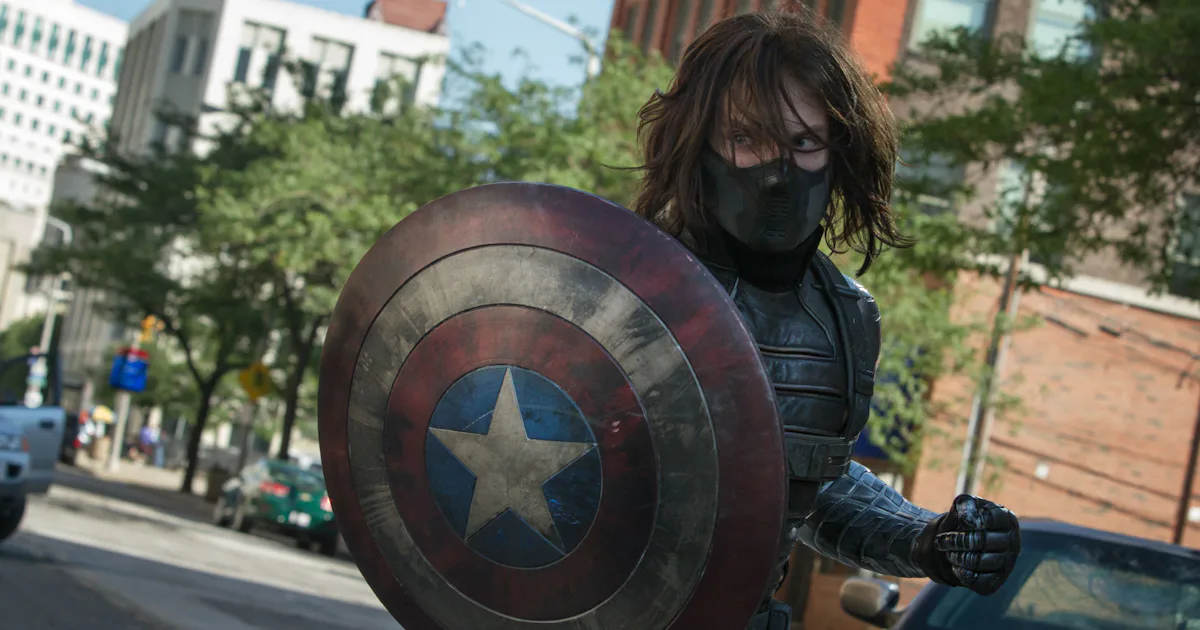
    Sebastian Stan Debuts Winter Soldier Shield, Teasing Fans

    Captain America: The Winter Soldier by technicality. I’ve seen it 333 times in the past 8 years, so it’s proven itself to be (by MCU standards) timeless. MoM is much more exciting, and it has all the potential to end up at #1 for me, but I’ve only seen it twice in less than a week. It’s much more ambitious and it is perfect in how it took one of the least realistic or grounded characters and ran with it. It’s wild, it’s fun, it has so much more personality. But TWS has that smooth, airtight, all-around quality to it that MoM as a concept probably never could. So for me it comes down to how well MoM ages, but they’re neck and neck as two extremely different movies.

    Joseph Aberl

    To this day, I still adore what Captain America: The Winter Soldier did for the MCU, especially as a sequel. While the first explored a war story with some superhero flair, it was its sequel that truly cemented Steve Rogers’ character and still manage to cohesively build upon the first even if he’s lost in a different era altogether. It may also be the first instance where the film truly embraced the roots of a different genre, which would become a cornerstone for future entries and set up the team that would define superhero cinema.

    Hunter Radesi

    A major part of the reason the original Guardians of the Galaxy hit so well with moviegoers was it’s emotional core. Director James Gunn found ways to reimagine the protagonists that made them feel real. Their stories were relatable and their goals understandable, with every brilliant character beat tucked neatly into a beautiful, hilarious, thrilling cosmic adventure. Vol. 2, despite catching flack from some critics, manages to be my favorite Marvel Studios sequel by maintaining every inch of this spirit and expanding upon the exciting universe established in the first entry.

    A deep dive into complicated family dynamics, exploring what it means to be human, and the admittance of redemption into an otherwise painfully difficult life. Maybe I just happened to see it at the right time in my life, but Rocket’s subplot alone will always hold a special place in my heart. I cry every single time. Also, the adventure itself is a lot more fun than it gets credit for. Creative action sequences, dazzling colors, and plenty of organic set up for galactic tales to come. If it’s been a while since your last watch, maybe give it another shot. You might be pleasantly surprised.

    Dalbin Osorio

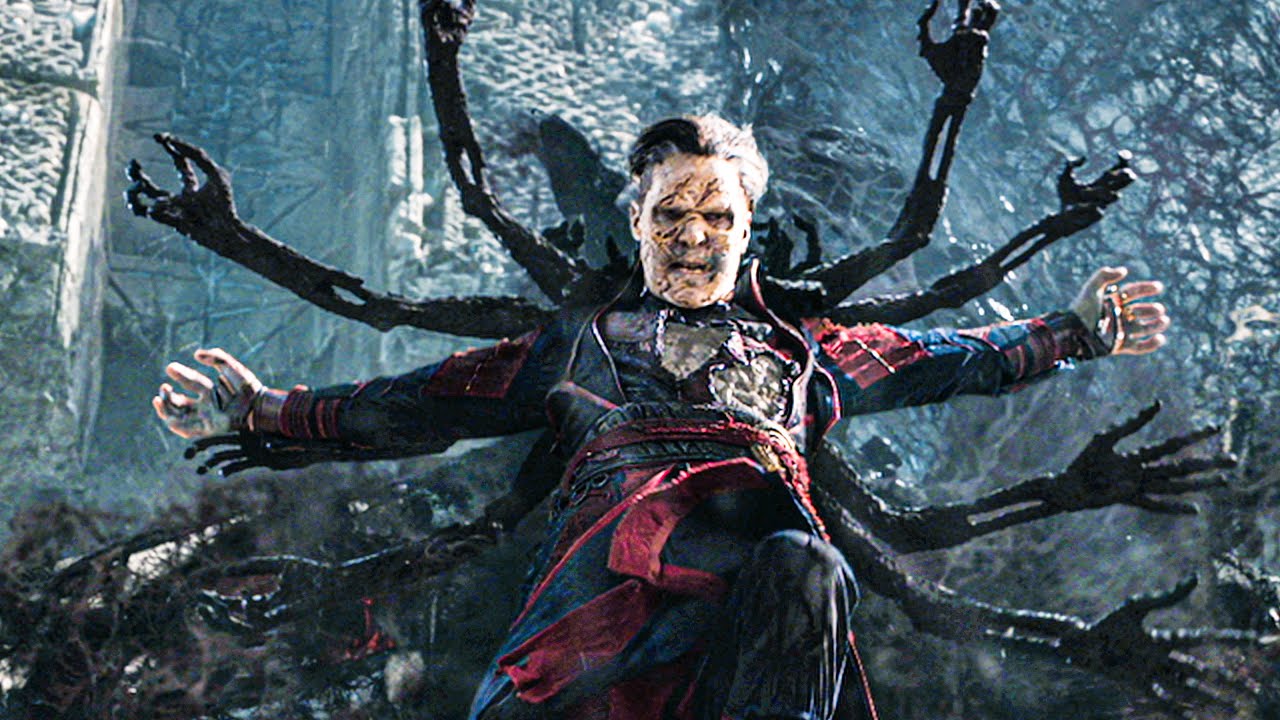
    Doctor Strange in the Multiverse of Madness Ending Explained | Den of Geek

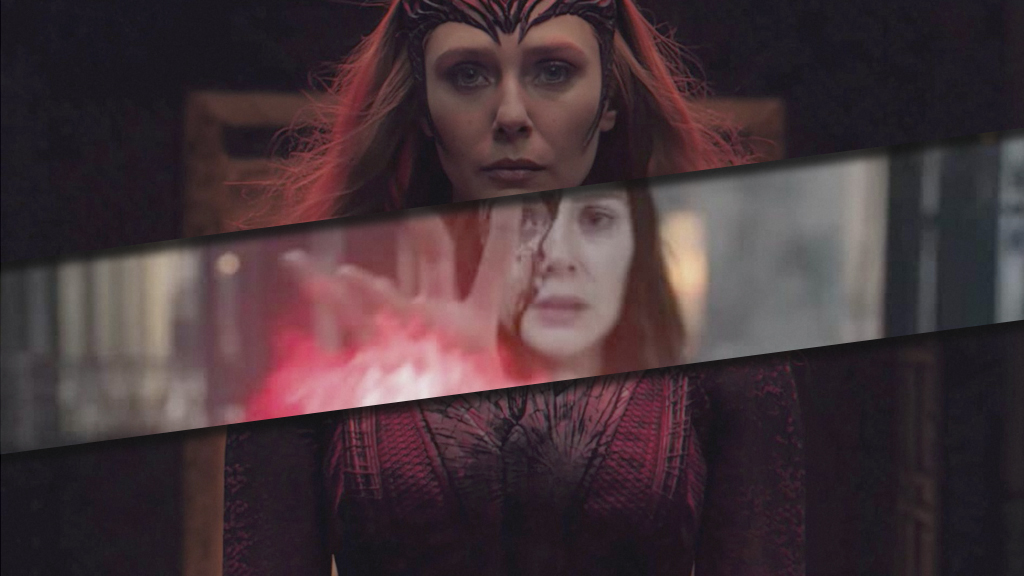
    If I was writing this before seeing Doctor Strange In The Multiverse of Madness, I’d have gone with Captain America: The Winter Soldier. However, having had the last 12ish hours to sit with the newest Doc Strange, I can safely say that this is as much a game changer as the 2nd entry in the Cap trilogy was and for many reasons. What worked for Winter Soldier was that it was still very much a Cap story, despite needing to set the stage for both Age of Ultron and Civil War. Doc Strange 2, in that vein, has the unenviable job of setting up the multiverse in spades (it’s no longer a concept, but a very real thing in the MCU), while also setting up Doctor Strange 3 in a very real way AND Secret Wars in a tangible fashion. We end with a corrupted Doc Strange, a bunch of dead sorcerers, and some much-needed growth for the good Doctor. We get Clea in the mid-credits scene, and that plants a seed for both the conclusion of the trilogy and the overarching story, but the shadow of Kang hovers above these proceedings when we realize that it was Sylvie’s decision to stab He Who Remains that has now caused these Incursions to happen in earnest. That one decision, in the void, has now set these different universes on a crash course for each other. Doc Strange 2 could’ve been forgiven if it focused solely on that, but this movie is as much Stephen’s story as Wanda’s in the sense that they are both chasing the thing they want the most only to find out their current iterations don’t deserve it. Whereas No Way Home needed the variants to move Peter forward away from the Avengers, the Variants in Doc Strange 2 serve to reinforce decisions that he made in order to save that team (and the universe). Michael Waldron deserves credit for how he wrote Wanda here, too, and I think it’s that well-earned heel turn that cements this as my favorite Marvel sequel. Wanda is a bad ass, who delivers some of the best lines (her telling Reed that it’s good that Sue is still alive because then their kids will have someone left to raise them was incredible), and is not to be trifled with. My favorite sequel from Marvel, for sure.

    Anthony Canton III

    Doctor Strange in the Multiverse of Madness made this question really tough. From Sam Raimi’s direction to the themes of the movie really challenged this spot. However when thinking of MCU sequels Captain America: The Winter Soldier remains the superior movie.

    Cap 2 is a technical marvel no pun intended. The introduction of Anthony Mackie’s Falcon, the incredible action scenes, and the tilt of Steve Rogers character tips the scales. Robert Redford as the shadowy leader of Hydra in a Marvel movie is wild to think about. The fight in the streets of DC between Bucky and Steve is top 5 in the MCU. This movie wasn’t just a marvel movie, it was an spy thriller.

    The movie asks and answers questions as to why S.H.I.E.L.D. should or shouldn’t exist. The deception of Nick Fury and Natasha Romanoff force Steve to think about being a hero differently. It informs Captain America’s decisions for the rest of his time in the MCU, good or bad. Everything from the beginning to the end with the introduction of Wanda Maximoff makes this the easy choice for the best MCU sequel.

  • Elizabeth Olsen Reveals Wanda Was Originally “Supposed to Kill More” in ‘Doctor Strange 2’

    Elizabeth Olsen Reveals Wanda Was Originally “Supposed to Kill More” in ‘Doctor Strange 2’

    The article will contain spoilers on Doctor Strange in the Multiverse of Madness. So only continue at your own risk if you haven’t had a chance to watch the film yet.

    Now that Doctor Strange in the Multiverse of Madness is rounding out its debut weekend, the creators and stars are opening up about making the ambitious film. While Doctor Strange, as the title suggests, is the film’s main protagonist, it is also the sequel’s villain that turned a lot of heads. Wanda Maximoff and Scarlet Witch actress Elizabeth Olsen has been discussing her take on the complicated character.

    One of the most memorable aspects of Multiverse of Madness is perhaps Wanda’s violent and ruthless killing of countless characters, including the star-studded Illuminati including John Krasinki’s Mr. Fantastic, Patrick Stewart’s Professor X, Hayley Atwell’s Captain Carter, Lashana Lynch’s Captain Marvel, Anson Mount’s Black Bolt. While killing off such a major ensemble is surely a lot for an MCU film, Olsen revealed in an interview with Variety that the final cut was more merciful than the original plan. The actress stated:

    I was also supposed to kill more. I had a hard time with it. I was like, these are human beings and Wanda is okay with ending their lives? But I just had to buckle down and think all these people are in her way and she’s warned Doctor Strange not to get in her way. And he did. He didn’t listen. And so I just had to go from that point of view. 

    Elizabeth Olsen

    The idea of the Scarlet Witch killing even more (probably) high-profile characters is not too crazy of a concept after the events of Multiverse of Madness. It certainly begs the question of who else may have been part of the Illuminati initially, or what other characters almost met their end in the Doctor Strange sequel.

    It is also interesting how Olsen “had a hard time” with Wanda killing people. While viewers saw a redemptive arc for the character in WandaVision, the Scarlet Witch undoubtedly went on a darker path since the finale of that series. While some may find it hard to understand the character’s journey, Wanda’s corruption via the Darkhold had a strong role to play in the fall of the mother grieving her lost children.

    Doctor Strange in the Multiverse of Madness is now playing in theaters worldwide.

    Source: Variety

  • Wanda Maximoff Was Originally Meant to Make Her MCU Debut in ‘Doctor Strange’

    Wanda Maximoff Was Originally Meant to Make Her MCU Debut in ‘Doctor Strange’

    With Doctor Strange in the Multiverse of Madness coming to a close on its first weekend, reactions have been somewhat mixed, but the film has been extremely successful at the box office. While the Doctor Strange sequel follows its titular character, it also puts the spotlight on one of the most complicated Avengers and now villain, Wanda Maximoff.

    While Wanda more recently has seen quite the extensive MCU treatment with WandaVision and now Multiverse of Madness, her history in the MCU prior to Phase Four was much different. The Avenger was first introduced in 2015’s Avengers: Age of Ultron and her path throughout Phases Two and Three of the MCU centered on her membership on the iconic team.

    It was not until WandaVision that Wanda took on the mantle of the Scarlet Witch, and it was not even revealed she was a witch until then. Recently, Marvel Studios President Kevin Feige told Bionic Buzz that her more magic-focused arc was the original plan for the character, rather than the Avengers arc. Feige stated:

    At one point, one of the initial ideas we had for Doctor Strange was to introduce Scarlet Witch in the Doctor Strange movie because those two characters were always two we really wanted to see together and sort of fit in that same world. Obviously, we ended up introducing her in [Avengers: Age of Ultron], and thank god we did, because we got to do all the other things with her. But this is really something that has been in the works for a very long time, and finally, here we are.

    Kevin Feige

    Had Wanda not been introduced as an Avenger, we may not have seen her pivotal roles in Avengers stories. For example, her loss of control of her powers in Captain America: Civil War sparked the Sakovia Accords, and it was through the Avengers that she met Vision. While she may have been able to have been utilized in a similar way had she been introduced in the original Doctor Strange, her journey surely would have been much different.

    After Multiverse of Madness, the Scarlet Witch is cemented in the magical realm of the MCU, though history would suggest a return to the Avengers is still an option down the line. While the character had a seemingly tragic ending in the Doctor Strange sequel, all bets are on the Scarlet Witch returning in the MCU.

    Doctor Strange in the Multiverse of Madness is now playing in theaters worldwide.

    Source: Bionic Buzz

  • ‘Doctor Strange in the Multiverse of Madness’ Mid-Credits Explained

    ‘Doctor Strange in the Multiverse of Madness’ Mid-Credits Explained

    There was a lot to process as the credits began rolling on Doctor Strange in the Multiverse of Madness, but the surprises didn’t stop there. In typical Marvel fashion, an extra scene placed in the middle of the credits revealed a lot of exciting new information about the future of Doctor Strange and the Marvel Cinematic Universe at large. A new character makes her grand debut on the big screen, something sinister appears to be afoot, and Strange dives forehead first into his next mission. It’s all very exhilarating, but for some, it might not be all that easy to comprehend. There are a handful of exciting puzzle pieces at play, so let’s try putting them together to map out what may lie ahead.

    The mid-credits scene follows an ending cliffhanger that involved Benedict Cumberbatch‘s titular hero collapsing to the ground and alarmingly growing a third eye in the middle of his forehead. His screams are cut off by the ending titles, but when the mid-credits spot picks back up, he is once again casually strolling down a New York City sidewalk. All seems fine until a mysterious new figure appears behind him, an apparent mystic arts wielder played by Academy Award winner Charlize Theron. Strange is just as shocked as the audience to see Theron‘s face, but the former Mad Max: Fury Road star doesn’t wait for the bombshell to wear off before informing Stephen that his prior actions have caused an “Incursion” that the two of them must fix. Ready as ever, Strange confidently opens his third eye and jumps with the woman through a portal toward his next adventure.

    While the one-time Aeon Flux lead never gives her name, and Strange never asks for it, any longtime comic book fan could probably deduce her identity based on appearance alone. Theron is portraying Clea, whose signature silver hair and purple attire are both present and over-the-top for the duration of the scene. In the comics, the character is perhaps the most important supporting player in Strange’s circle, outside of the loyal Wong. Originally introduced in 1964, only a year after Strange himself, Clea is the niece of the dreaded Dormammu and heiress of the Dark Dimension. Her mother, Umar, was a higher-dimensional being of energy and the sister of Dormammu, who eventually became trapped in human form and produced Clea with a Dark Dimension disciple named Orini. Cold and calculating, Umar would ultimately use her daughter as bait to lure Doctor Strange into a trap, but the hero instead saved Clea and brought her back to Earth to live and train with him.

    Over the years, the pair would become great partners. Umar and Dormammu’s defeat leads to Clea taking the throne of the Dark Dimension, a role she frequently loses and regains based on story needs, and with Strange’s help, she effectively grows into one of the multiverse’s most powerful magic users. Clea also remains the most significant and longstanding love interest in Doctor Strange’s history. The two even wed at one point, with the mononymous sorceress sometimes using the full name “Clea Strange.” However, their relationship has always been very on-and-off, with the fiercely independent Clea often going on her own to lead rebellions in the Dark Dimension or fulfill her own duties. Most recently, during the events of Marvel’s Death of Doctor Strange, Clea took on the responsibilities of Sorcerer Supreme following Stephen’s apparent demise, doing battle with powerful enemies like Doctor Doom and interdimensional warlords.

    In the MCU, however, it does not appear that Clea will need Strange’s help in becoming a proficient sorceress. Theron‘s take on the character seems to have just as much interdimensional mastery as the good Doctor himself, if not more, implying a lot of her backstory may have already occurred off-screen. Multiverse of Madness does a great job of organically ending Strange’s romance with Rachel McAdams‘ Dr. Christine Palmer, which means the mischievous look he gives Clea before jumping through her portal could be the beginning of a whole new era in Stephen’s MCU love life. It’s not really made clear what the meaning behind Strange’s newest peeper is, but events from the film’s third act would suggest it has something to do with a possible magical corruption caused by fiddling in the Dark Arts. Perhaps getting to know Clea, an expert on Dark Dimension magic, will aid in this development going forward.

    What’s also unclear is how Clea is aware of Strange’s involvement in creating an Incursion, or what she’s been up to that would lead to her needing to stop it. As explained by the movie, an Incursion occurs when two universes collide with each other and temporarily co-exist before being erased from existence. The concept was a major part of Marvel’s 2015 Secret Wars event and has now made its way to the MCU. This little mid-credits scene could potentially be the start of a bigger path that leads to an adaptation of that comic, but for now, it simply appears to set up a third Doctor Strange film with plenty of questions to answer. Who knows, maybe fans will even get another Dormammu appearance out of the deal.

    Doctor Strange in the Multiverse of Madness is now playing in theaters everywhere.

  • Elizabeth Olsen Teases “Different Versions” of Scarlet Witch’s MCU Future

    Elizabeth Olsen Teases “Different Versions” of Scarlet Witch’s MCU Future

    While Doctor Strange in the Multiverse of Madness focused on Benedict Cumberbatch’s titular hero for the first time since his 2016 debut film, the sequel undoubtedly put some other characters in the spotlight as well. Xochitl Gomez had a triumphant introduction as America Chavez, and some major cameos got quite a bit of attention. Still, it was Elizabeth Olsen’s Wanda Maximoff that stole plenty of scenes in the film, and her adversarial role as the Scarlet Witch was fantastic.

    Wanda has been a fan favorite at least since her Disney+ series WandaVision, which saw the character (first introduced in Avengers: Age of Ultron) finally take on the Scarlet Witch mantle. With her popularity so high, fans have been clamoring for more. While a Scarlet Witch solo project seems likely, Olsen herself recently teased where the antihero’s story may go. Speaking to Extra, the actress stated:

    There’s a couple different versions of what could happen at the end of this film. Mostly, I want to hear what the fans who know her best, what they would like to see from her next.

    Elizabeth Olsen

    While MCU actors are notoriously left in the dark about their character’s futures or pretend they are, Olsen seems to suggest that she has some substantial knowledge about her character’s potential future projects. It is also interesting that she seems to want fan input to influence the ultimate direction of the Scarlet Witch. One of the directions Olsen might be teasing could be an adaptation of the popular James Robinson’s 2015 Scarlet Witch solo series. But Wanda Maximoff is not short on major arcs and storylines in the comics.

    In any event, it looks like Olsen just provided a bit more evidence that fans should expect the Scarlet Witch’s return in the MCU after the events of Multiverse of Madness.

    Source: Extra

  • Patrick Stewart Teases a Potential MCU Return for Professor X

    Patrick Stewart Teases a Potential MCU Return for Professor X

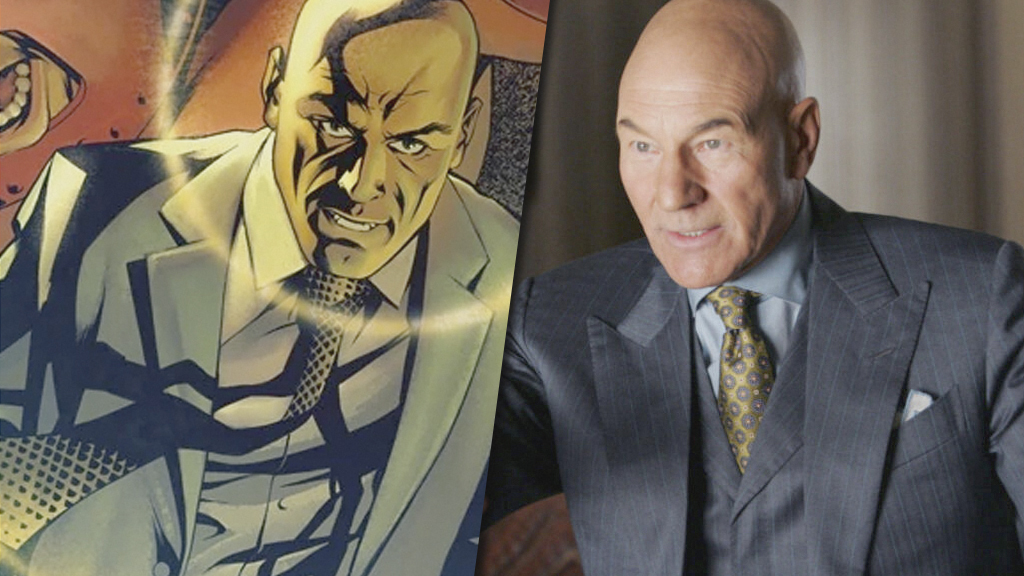
    Doctor Strange in the Multiverse of Madness made big waves with some of its character inclusions. Perhaps most exciting for fans was the inclusion of Patrick Stewart’s return from the X-Men franchise as Charles Xavier. The inclusion of Professor X marks the first mutant we’ve seen in the MCU, as Disney only more recently acquired the film rights to the X-Men characters.

    As a fan favorite in the X-Men movies, as well as his portrayal of the character in Logan, fans were overjoyed at his re-introduction as an alternate universe variant in the Doctor Strange sequel. Stewart himself was a little unsure about returning to the iconic role, but he just teased that there could be more to come. Speaking to Variety, Stewart said:

    Charles Xavier? Yeah. There may be [more apperances]. You know, the whole X-Men comic series is so huge, so vast, there might be an opportunity in which he comes back. We’ll see.

    Patrick Stewart

    Marvel Studios is expected to eventually introduce previous 20th Century Fox-owned characters such as X-Men, Deadpool, and the Fantastic Four into its Marvel Cinematic Universe. As Stewart mentioned, the X-Men universe is incredibly rich and expansive in the comics, and Charles Xavier is one of the biggest characters in that realm. If the MCU does introduce an MCU live-action Xavier, it does not necessarily mean that he will be portrayed by Stewart. Only time will tell, but the acclaimed actor has put in decades of time with the character, and may not wish to return in a major way. Marvel Studios may also be interested in a younger character or simply starting from scratch.

    Source: Variety