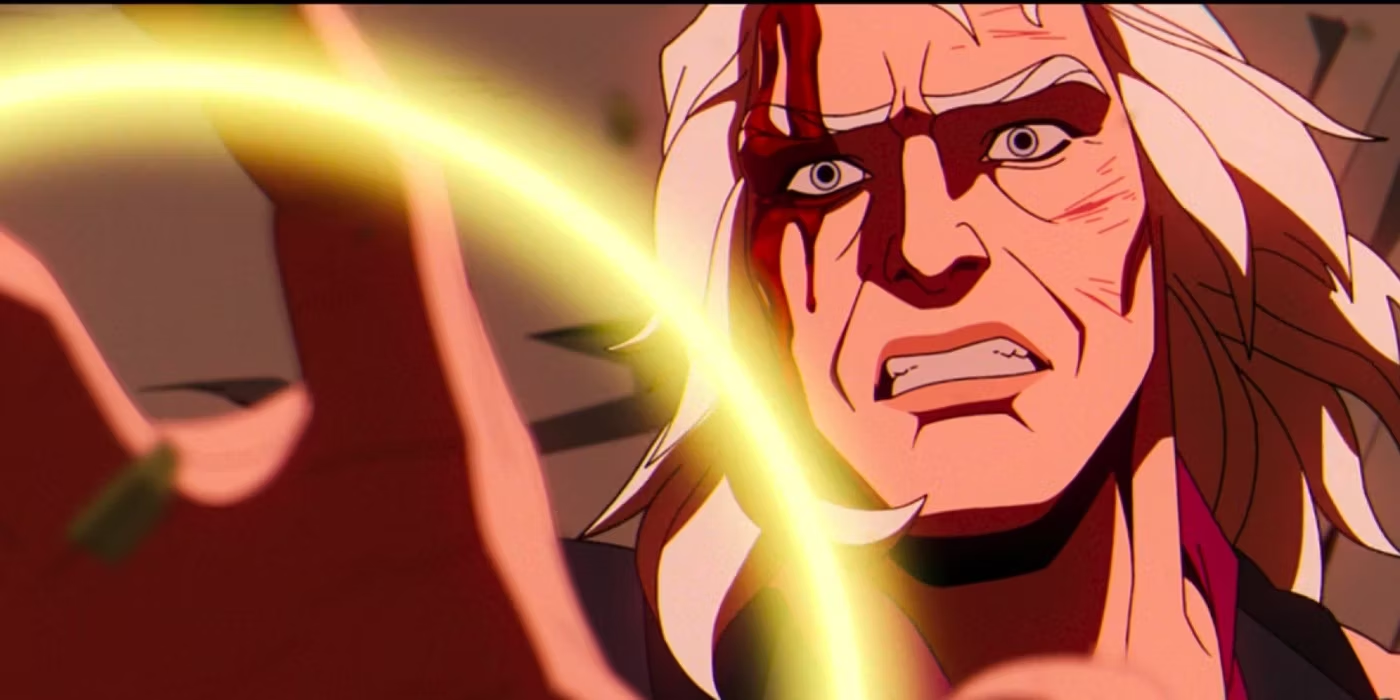
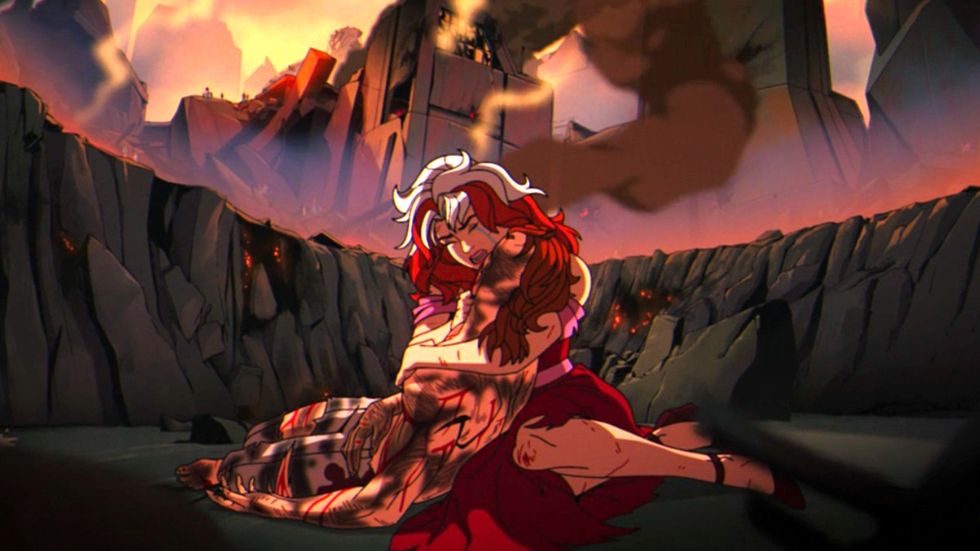
Episode 5 of X-Men ’97 will certainly live in infamy. A devastating epsiode that Beau DeMayo intended to serve as the 9/11 of the series, “Remember It” saw a Wild Sentinel attack Genosha and kill an as yet unquantified number of mutants. Among those presumed dead are Gambit, Sebastian Shaw and Magneto, whose work had Genosha on the brink of becoming recognized as a legitimate mutant nation. The season opened with Magneto pledging to lead the X-Men and, against his instincts, try to do so in the way his friend Charles Xavier would have. And now, just as Charles was taken off the board by the humans he longed to live with harmoniously, so was Magneto…mabye?
Of course, at this point it’s still unclear who was behind the attack on Genosha, though we have our theories. Additionally, it’s truly hard to believe that Beau DeMayo and Jake Castorena would kill off the Master of Magnetism at the half way point of Season 1 of the revival. With two more seasons of X-Men ’97 already on the way, it seems as though there should be plenty left for Magneto to do, especially with Charles likely to return at some point. The good news is that there are plenty of ways that Magneto could have survived the attack. Even if he died, there are plenty of comic-based ways he could find his way back to the land of the living. While there’s plenty of uncertainty there, one thing cannot be argued: however and whenever he returns, he’s going to be pissed.
Magneto Was Right
Following Episode 5, Marvel Studios released a series of images on social media including one including a phrase that was seen in the episode and acheived memehood among comic book readers long ago: “Magneto Was Right.”
“Magneto Was Right” is a phrase and sentiment within the Marvel Comics universe that encapsulates the ideology of the mutant villain Magneto, suggesting that his extreme methods and views on human-mutant relations may have some validity. Magneto, a Holocaust survivor, believes that mutants are superior to humans and that they should assert their dominance over them to ensure their survival. While his methods often involve violence and aggression, Magneto’s perspective is rooted in the oppression and persecution that mutants face in a world that fears and discriminates against them.
The phrase “Magneto Was Right” reflects a nuanced exploration of morality and ethics within the context of the X-Men comics. That exploration has been front and center throughout the first five episodes of X-Men ’97. It acknowledges that Magneto’s actions, while extreme and often villainous, are sometimes motivated by a desire to protect mutantkind from the dangers posed by humanity’s prejudice and hatred. However, it also serves as a reminder of the complex and morally ambiguous nature of Magneto’s character, as well as the ongoing debate within the X-Men universe about how best to achieve equality and justice for mutants. Magneto was on the precipice of achieving those things when Genosha was attacked. He tried it Charles’ way and it cost him everything. However and whenever he returns, he’s going to put Charles’ way behind him.
The Man From Room X
Should Magneto have survived, he’s certainly plotting his vengeance. However, his death would elevate him from leader to martyr and publicly undoing it would greatly reduce its impact. Fortunely, there’s an app for that.
Introduced in Grant Morrison‘s New X-Men Annual 2001, Xorn was a fascinating new mutant from China who was imprisoned by his government. Born with a star in his head that granted him impressive powers, Xorn was freed from prison by the X-Men and then joined their ranks, eventually taking over as a teacher. Over time, his peaceful demeanor faded and he began to champion Magneto’s ideals and, in what was at the time a major suprise twist, was revealed as Magneto, who was believed to have been killed…during the same Genoshan massacre just adapted by X-Men ’97.
“I could have built Heaven on Earth, if only they’d let me.”
-Xorn
Given the choice to move into Morrison’s New X-Men territory to bring the Genoshan genocide to the series, it’s at least somewhat probable that DeMayo also considered adapting one of the author’s great additions to the X-Men mythology. It’s no sure thing, by any means, as it’s already been made clear that the villain behind the attack on Genosha in X-Men ’97 will not be the same as in the comics, which further serves to prove that the creators of the animated series are more than willing to mix and match. However, they also have the opportunity to pull off a wonderful twist that many fans simply won’t see coming. Xorn is hardly a well-known character and great lengths have been taken to retcon the Magneto reveal. As Jonathan Hickman recently said, “continuity is what people remember, and what sticks,” and Xorn certainly doesn’t “stick” with most casual fans.
With five episodes left in Season 1 of X-Men ’97, it really seems more of a question of when Magneto will return rather than if he will.
About Xorn
Xorn is an enigmatic figure within the Marvel Universe, known for his dual identity and mysterious past. Possessing magnetic powers and wearing a distinctive helmet, he is a complex character whose actions often blur the lines between heroism and villainy. Xorn’s compassionate nature and philosophical outlook set him apart, making him both a visionary leader and a controversial figure among mutants.
Little is known about Xorn’s origins, adding to the intrigue surrounding his character. He has been associated with both the X-Men and the Brotherhood of Mutants, demonstrating his fluid allegiance and rebellious spirit. Whether leading mutant sanctuary efforts or confronting the establishment, Xorn’s actions have left an indelible mark on the mutant community.
Xorn’s motivations are driven by a desire to challenge the status quo and inspire change within the mutant population. His philosophical approach to mutant rights and societal norms often leads him to question authority and lead rebellions against oppressive regimes. Despite the controversy surrounding his methods, Xorn remains committed to his vision of a better future for mutants.
Xorn’s actions are marked by rebellion, manipulation, and confrontation. He leads mutant movements, inspires change, and challenges the established order with his philosophical insights. Xorn’s willingness to question authority and sacrifice himself for his beliefs makes him a symbol of defiance and hope for mutants everywhere.
Xorn possesses powerful magnetic abilities, similar to those of Magneto. With his control over magnetism, he can manipulate magnetic fields to move objects, generate electromagnetic pulses, and even create force fields for defense. Additionally, his distinctive helmet enhances his powers and allows him to focus and amplify his magnetic abilities to a greater extent. However, Xorn’s powers are often shrouded in mystery due to his dual identity and enigmatic past, adding an air of intrigue to his character. Despite the controversy surrounding him, Xorn remains a formidable force within the mutant community, using his magnetic prowess to challenge the status quo and fight for mutant rights.
In one of the most shocking plot twists in Marvel Comics history, the character known as Xorn was revealed to be none other than Magneto himself. This revelation occurred during Grant Morrison’s acclaimed run on the “New X-Men” series. Initially introduced as a mysterious mutant with a star-shaped helmet, Xorn quickly gained prominence as a compassionate and philosophical figure within the mutant community. However, as the series progressed, hints and clues began to emerge, suggesting a deeper connection between Xorn and Magneto.
The climactic reveal occurred during the storyline known as “Planet X,” where it was unveiled that Xorn’s true identity was that of Magneto, who had been believed dead at the time. This revelation sent shockwaves throughout the X-Men fandom, as readers grappled with the implications of Magneto’s return and the deception surrounding Xorn’s identity. The reveal added layers of complexity to both characters, highlighting Magneto’s capacity for manipulation and reinvention, as well as the moral ambiguity inherent in his actions. Ultimately, the revelation of Xorn’s true identity served as a testament to the storytelling prowess of Grant Morrison and remains a memorable moment in X-Men lore.
In what was almost certainly the best episode of Marvel Studios’ streaming era, X-Men ’97‘s “Remember It” shattered the peaceful feelings of nostalgia it had established with an emphatic and traumatic blow. The episode’s carnage, caused by a Wild Sentinel, may have been equally deleterious to mutants and fans of the series; however, both must push on and with the series just past its halfway mark, it’s time to look back in order to look ahead and see what might be coming for the remaining X-Men following the massacre on Genosha.
It looks as though showrunner Beau DeMayo thoughtfully provided fans a week to recover from “Remember It” by spending Episode 6 wrapping up Storm’s very personal side story in “Lifedeath Part 2.” That looks to be followed by a Rogue-centric episode, “Bright Eyes”, before the three-part season finale, “Tolerance is Extinction.” Extinction is a pretty common theme for the X-Men and has been central to more than one major arc in the comics, however, the series has provided enough clues to help zero in on which of those arcs may have served as the prime inspiration for the final three episodes.
Who Was Behind the Wild Sentinel?
Episode 5’s attack on Genosha was clearly inspired by Grant Morrison’s first three issues of New X-Men; however, to say it was ripped straight from the pages of that run, titled “E for Extinction” would be wildly incorrect. In fact, the episode seemed to draw at least some inspiration from the X-Men’s Krakoan era with its stylish gala taking center stage, an event at which the most recent mutant massacre occurred. So, rather than a straight adaptation, it seems as though X-Men ’97 is doing a little mixing and matching in mass murder and will probably do so again with the revelation of who is behind the attack on Genosha.
Morrison‘s New X-Men introduced Cassandra Nova into the X-Men lore and immediately made her one of the most vile villains within it. The beginning of the end of the Krakoan Age was orchestrated by Orchis in Gerry Duggan‘s X-Men: Hellfire Gala 2023. As fun of a theory as it is, there’s no evidence Nova was behind the attack and there’s been no mention of Orchis so far. However, upon closer look, a prime suspect for the attack arises and it’s one who was behind another large-scale attack against the X-Men in the comics.
Who Is Your Baddy and What Does He Do?
I’m 1997, Marvel Comics published Operation: Zero Tolerance, an event that ran across its major X-titles. In it, the Sentinel Android known as Bastion set out to –you guessed it–exterminate mutants. As many outlets and social media types have speculated and theorized, Bastion is almost certainly behind the attack on Genosha, which definitely set his extinction plan off on the right foot. And, as it turns out, Bastion has already appeared in the series at least once, if not twice.
In search of regaining a connection to her mutant powers in Episode 4, Storm agreed to enter one of Forge’s wondrous inventions. As she and Forge walked through the maker’s lab, several pictures could be seen on the wall, including one in which half of a very comic-accurate-looking Bastion could be seen along with Forge. Additionally, there’s a mysterious white-haired man spotted passing right in front of “the camera” in Episode 5 just after Magneto enters the gala. It’s impossible to confirm that’s Bastion, however, it’s entirely possible he was there to make sure his terror attack would be as deadly as possible. And, since he’s just getting started, he’ll likely unleash his greatest creations on the mutants: Prime Sentinels.
A final piece of evidence that could indicate that Bastion is the mastermind of the attack on Genosha could be the arrival of Cable at the gala. While he was unable to save everyone, the Askani’son’s attempt to stop the attack and share that “he” is coming is still informative. “He” rules out Cassandra Nova and it’s also worth pointing out that Nathan Summers plays a key role in Operation: Zero Tolerance over a three-issue run of James Robinson‘s Cable title.
Is It Really Bastion?
With so many stories from which to draw inspiration, it’s possible that several villains could be behind the Genoshan massacre. That said, there’s enough evidence to strongly support a reasonable claim that Bastion will be revealed as the key conspirator. As in the comics, he almost certainly won’t be working alone, bringing some of the team’s most hated foes from X-Men: The Animated Series back into play but, as of now, it seems that this game of Clue ends with the reveal was Bastion, in the lobby, with the Wild Sentinel. Buckle up for the final five episodes of Season 1 of X-Men ’97!
About Operation: Zero Tolerance
“Operation: Zero Tolerance” emerges as a pivotal saga within Marvel Comics X-Men mythology, featuring a widespread crackdown on mutants orchestrated by the formidable adversary Bastion. Bastion, driven by a deep-seated animosity towards mutantkind, spearheads the deployment of an army of advanced Sentinel robots and Prime Sentinels, including cybernetic operatives infused with nanotechnology, to systematically eradicate mutants.
In the heart of the conflict are the X-Men and their allies, with Cable playing a crucial role as both a warrior and a strategic leader. As tensions escalate and the stakes soar, Cable’s tactical brilliance and combat prowess become invaluable assets in the battle against Bastion’s relentless assault.
“Operation: Zero Tolerance” unfolds as a gripping exploration of persecution and resilience, as the X-Men confront insurmountable odds while striving to protect their own. Amid the chaos and danger, alliances fracture, sacrifices are made, and the bonds of friendship and family are tested like never before.
Through the interplay of characters like Bastion and Cable, the storyline delves deep into themes of prejudice, heroism, and the enduring struggle for survival in a world plagued by fear and bigotry.
About Prime Sentinels?
The Prime Sentinels are a formidable faction within Marvel Comics’ expansive universe, originating as a byproduct of the mutant-hunting Sentinels program. These cybernetic entities were initially ordinary humans implanted with nanotechnology, transforming them into enhanced operatives programmed to track and neutralize mutants. Introduced during the “Operation: Zero Tolerance” storyline, they were engineered by Bastion, a powerful adversary with a deep-seated hatred for mutants.
What distinguishes the Prime Sentinels is their ability to mimic human behavior, seamlessly infiltrating society while secretly executing their anti-mutant agenda. Their integration into various societal roles, including law enforcement and corporate positions, makes them particularly insidious adversaries for mutantkind.
Despite their human appearance, the Prime Sentinels possess advanced combat capabilities, including enhanced strength, agility, and energy projection, making them formidable adversaries even for seasoned mutants. Over time, they have proven to be persistent threats, adapting and evolving their tactics to counter mutant resistance.
Driven by a relentless dedication to their mission, the Prime Sentinels serve as a chilling reminder of the ongoing struggle between mutants and those who seek to eradicate them, embodying the ever-present threat of persecution and discrimination in the Marvel Universe.
Like its predecessor, X-Men: The Animated Series, X-Men ’97 will likely never be criticized for moving too slowly. The original Fox series often moved quickly through popular arcs lifted from Chris Claremont‘s Uncanny X-Men and the third episode in ’97 followed suit in its adaptation of Inferno.
Published in 1989, Inferno was a line-wide crossover event for Marvel Comics. Told throughout more than 30 issues of mutant (Uncanny X-Men, X-Factor, New Mutants, X-Terminators and Excalibur) and non-mutant (Avengers, Cloak and Dagger, Daredevil, Fantastic Four, Power Pack and 3 different Spider-Man books) titles, Inferno focused on Illyana Rasputin’s transformation into the Darkchylde and the origin story of the Goblin Queen, Madelyne Pryor.
For “Fire Made Flesh”, X-Men ’97 showrunner Beau DeMayo opted to do quite a bit of trimming and use the episode to resolve the clone Jean story while also setting Bishop and Nathan Summers on their path to a dark future. However, the final scene of the episode, which was set entirely apart from the main event, hints at another classic Claremont arc being adapted beginning with Episode 4.
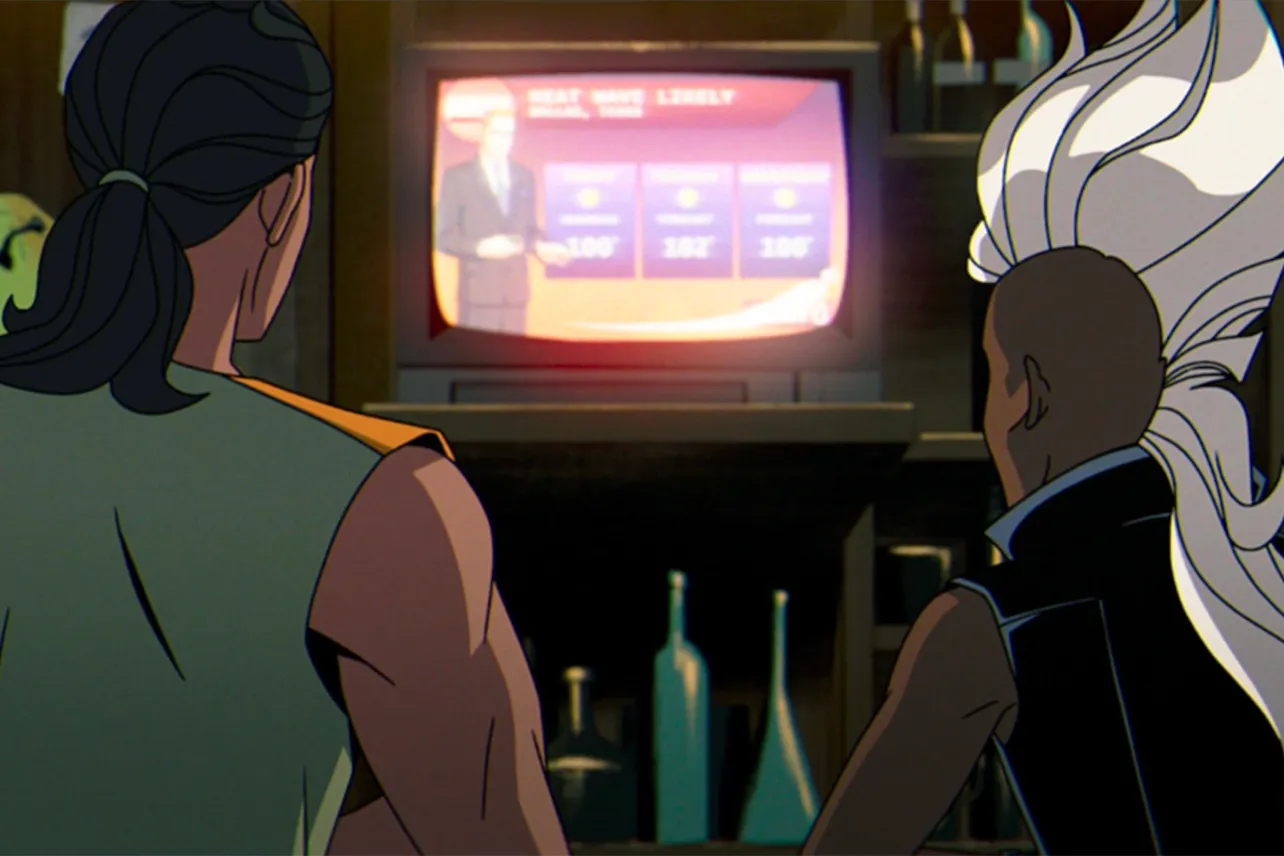
After losing her powers and setting out on her own at the end of “Mutant Liberation Begins”, Storm finds herself alone in Tequila Mockingbird, a dive bar somewhere in Texas. As the Weather Witch watches the weather report, a slim and sharply mustachioed stranger approaches her and introduces himself as Forge, “an old friend of Charles Xavier.” Indeed Forge appeared in 10 episodes of X-Men: The Animated Series, half of which involved the wonderful timey-wimey stuff that is part and parcel of the X-Men experience. However, the timing of his latest appearance suggests that he’ll have an all-new, all-different role in X-Men ’97 that will be based on Claremont’s run on Uncanny.
It’s no secret that Storm was one of Claremont’s favorite characters. Claremont was the first writer to recognize her true potential and begin developing her as a character. Much like in “Mutant Liberation Begins”, Storm lost her mutant powers after having been shot with a Neutralizer. In Uncanny X-Men #186, Storm began working with Forge to recover and, in the process, fell in love with the alpha-level technopath. Titled Lifedeath, the issue and and its follow-ups are well-revered as one of the great love stories in the pages of the X-Men’s extensive history. For those peeking ahead, Episode 4 of X-Men ’97 is titled “Motendo/Lifedeath-Part 1.” Yeah, the next episode is going to include Mojo but did you know it’s also going to explore one of the more intimate stories ever told about Storm?
While even those with passing knowledge of the comics know that Ororo was once married to T’Challa and was the Queen of Wakanda; however, few know about her romance with Forge. Fewer yet know that Forge, the mutant Maker, designed the Neutralizer that robbed the goddess of her powers. Given the raging popularity of X-Men ’97, it seems as though a whole new generation of people are about to find out and begin to understand why legions of ’90s kids adore Storm. Outside of Logan and Jean Grey, not many mutants have undergone the type of emotional development in the pages of Marvel Comics as Ororo has. Given Episode 4 is only Part 1 of Lifedeath, it seems as though DeMayo and crew intend to go against the X-Men: TAS grain to take their time and give the goddess her just desserts.
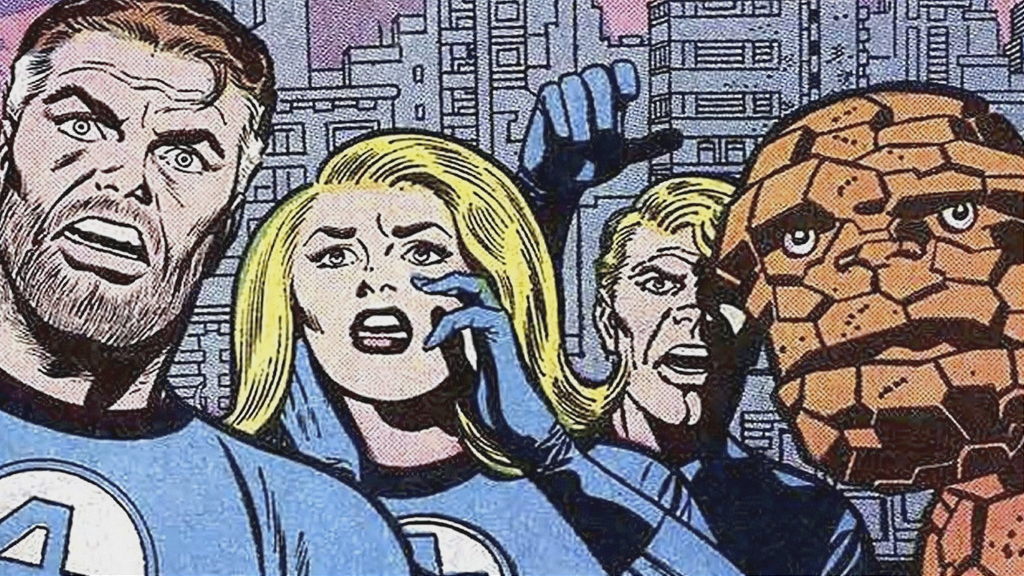
When the First Family of Marvel Comics finally joins the MCU in 2025, it will have been a decade since Fant4astic Four was in theaters and TWO DECADES since Ioan Gruffudd, Jessica Alba, Chris Evans and Michael Chiklis brought the team into live-action for the first time in 2005’s Fantastic Four. With the 2007 film Fantastic Four: Rise of the Silver Surfer added in, Fox made three live-action films in 10 years and all fans got out of it were 2 awful Doctor Dooms, one cosmic fart cloud that was supposed to be Galactus and zero idea of just how fantastic the world of the Fantastic Four really is. Marvel Studios has been working on the project since 2019 and if there’s one thing they’ve hopefully kept in mind while doing so, it should be that working with the Fantastic Four means working with some of Marvel Comics most fascinating characters and ideas and enough storytelling capital to redefine the future of the Marvel Cinematic Universe.
Creating the MCU’s The Fantastic Four isn’t like creating a film in a solo franchise so that the characters in that film can show up in the next installment of The Avengers; creating the MCU’s The Fantastic Four is creating a film with characters, environments and themes so rich that they lead to their own “event films” within the FF’s corner of the MCU. Other characters should be so lucky as to crossover into future FF films rather than the FF being the guests. While the plot of The Fantastic Four is being kept locked away for now, FF mainstays Doctor Doom, Galactus and the Silver Surfer are all rumored to have some role in the (maybe) ’60s set film. That’s all well and good and the FF would not be the FF without those characters; however, for Marvel Studios to really set its adaptation apart from Fox’s (and to convince fans they know how to handle the property better than Fox did), they’ll need to tap into the very deep well of heroes and villains associated with the Fantastic Four and do some significant world-building. Fortunately, that’s something director Matt Shakman has experience with, having worked a bit on HBO’s Game of Thrones and a lot of Apple TV’s Monarch: Legacy of Monsters. With that said, should Marvel Studios and Shakman have the big picture and the long game in mind, here are XXXX characters they should be sure to sow the seeds for in The Fantastic Four.
Red Ghost
The artwork which served as the official casting announcement of Pedro Pascal, Vanessa Kirby, Joseph Quinn and Ebon Moss-Bachrach as the Fantastic Four hinted at a potential 1960s setting for The Fantastic Four. Furthermore, the photo of astronaut Ben Grimm in the background could also indicate that the Space Race may play some role in the film. If so, Ivan Kragoff would be an ideal candidate to appear in the film. Kragoff both fits the mold of many Marvel Studios villains in that his origins as a villain are uniquely tied to the heroes and he also has enough ties to other characters and potential storylines that he could be kept around and used again down the road. A brilliant Russian scientist, Kragoff was fascinated with Cosmic Rays and, following the exposure of the Fantastic Four to them built his own spacecraft, loaded it up with primates and intentionally exposed himself to Cosmic Rays as well. He and his simian sidekicks were all mutated by the exposure and took on the Fantastic Four on the Blue Area of the Moon. Everything about the character and his early exploits screams campy ’60s sci-fi and with the film reportedly looking to cast an older, male villain, Red Ghost makes as much sense as anyone!
Annihilus
If Marvel Studios fails to introduce the Negative Zone and Annihilus through either The Fantastic Four or a sequel, it will stand as a massive waste of a rich storytelling opportunity and an example of gross negligence on their part. Reed’s discovery of the Negative Zone and subsequent exploration of it taps into one of the core values of the Fantastic Four–they are a family of adventurers! Beyond that, the Bug King is one of Marvel Comics most fascinating villains and, in terms of the threat he poses, could stand on the level of Thanos. Among Marvel Studios unused villains, Annihilus stands alongside Magneto and Doctor Doom as having the most narrative potential. All it would take is for Shakman to make mention of the Negative Zone (he’s already shown a willingness to tease via Easter eggs and references over the course of WandaVision) and establish the potential for the anti-matter universe to matter down the road. As much as I’d like to see post-credit scenes disappear, an Annihilus stinger would get back to what was great about them in the first place.
Molecule Man
Jonathan Hickman did with Owen Reece what he does best and made him ten times more interesting through is arc in 2015’s Secret Wars. It’s not to say that the Molecule Man wasn’t already a notable character, however, only that the greater, multiversal purpose given to him by Hickman made him an essential Marvel Comics character. That version of him doesn’t need to exist here (though it sure would be a lot cooler if it did) but his connection to The Beyonder and the Beyonders, who could well end up being the new big bad of the Multiverse Saga, would make him a worthwhile addition to the film.
Mole Man
The Fantastic Four’s first villain, Harvey Elder needs to be given his due! In August 1961’s Fantastic Four #1, Elder and his army of monsters attempted to take over the surface world before being defeated by Reed, Sue, Johnny and Ben…and he never forgot it. As Mole Man stewed on his throne on Monster Isle, the rule of Subterranea and his moloids launched plot after plot against the Fantastic Four. Matt Shakman can find a way to work Mole Man into the script without taking too much time away from the main plot and by doing so, bring the kingdom of Subterranea to life for use in a future project.
The Wizard
Though he didn’t debut in the pages of a Fantastic Four comic, Bentley Wittman is as fantastic of a Fantastic Four villain as any. Another super genius, Wittman’s obsession with the Fantastic Four–especially with Reed’s intellect–makes him a fine inclusion while his potential for campiness and relative inability to provide a true threat to the team could also provide some comic relief. Including him in the first film might also open the door for the formation of The Frightful Four in a sequel (yeah, the timeline stuff may make that rough) which would be an incredibly fun group to bring into live-action. Ultimately a loser that the audience will learn to love, The Wizard really seems like a must. I wonder if Ben Stiller is busy?
The House of Agon
Whatever parts of ABC’s Agents of S.H.I.E.L.D. you might like to hold onto, the presentation of Inhumans and the subsequent disaster of a series that introduced the Inhuman Royal Family can’t truly be among them. Fortunately, Doctor Strange in the Multiverse of Madness established that somewhere in the Multiverse there’s an actual Black Bolt and if there’s one, there can be another and yes, The Fantastic Four might just be the best place to introduce whatever version of the Inhumans the MCU eventually wants to use (if they do at all). If The Fantastic Four is set in the 1960s, it actually provides the perfect opportunity to introduce the Inhuman Royal Family who first appeared in the comics in Fantastic Four #45. Like many of the characters on the list, the House of Agon wouldn’t need to take up much screentime in order to bring them into the MCU and allow for further use later. A mention of an encounter with them or a visit to their Great Refuge is all it would take to establish their existence within the MCU. Should the MCU really want to get funky, they could take their cues for the 616 Inhumans from Alex Ross’ Earth X series.
The Puppet Master
There’s no doubt that working Phillip Masters into the MCU would take some creative thinking on the part of Shakman and scribe Josh Friedman but if his daughter, Alicia, is going to be part of the plan down the road, then giving the Puppet Master some screen time shouldn’t be too much to ask. A weird dude, to be sure, he could provide a different, serial stalker kind of threat to the team.
Impossible Man
Deemed “too unusual and too frivolous” by his own creator, Stan Lee, The Impossible Man is a bit Mr. Mxyzptlk-ish and while he’s no villain, he’s a giant pain in the ass. Disruptive and obnoxious, he’s also served as guide to the heroes in their time of need and as a walking–sometimes floating–talking encyclopedia. If the FF are already established as heroes, as the artwork seems to indicate they are, a cameo by The Impossible Man would be…fanastic.
The Mad Thinker
A stereotypical mad scientist, the Mad Thinker could, like Bentley Wittman, provide an ongoing antagonist for the team without ever providing much of a threat. A ’60s setting is perfect for the Mad Thinker, whose obsession with robots and early A.I. could allow for some light-hearted moments, provide an antagonist for another member of the team who showed up in the artwork (H.E.R.B.I.E.) and, of course, lead to the inclusion of his greatest creation: Awesome Andy.
Blastaar
If the Negative Zone is going to truly make its way into the fabric of the MCU, than Annihilus can’t be the only would be conqueror to make his way to Earth. Reed’s exploration of the Negative Zone led him into contact with the one time King of Baluur who became a frequent foe of the Fantastic Four over the years. The Living Bomb-Burst also went on to play a major role in Marvel Comics Annihilation event before becoming King of the Negative Zone. He’s a wonderfully designed character who could really help set the Fantastic Four’s corner of the MCU apart from the rest.
A surprise Valentine’s Day announcement revealed the cast, release date, new logo and a slightly different title for Marvel Studios long-gestating The Fantastic Four. As an added bonus, the artwork that revealed Pedro Pascal, Vanessa Kirby, Ebon Moss-Bachrach and Joseph Quinn as the MCU’s First Family hinted at the film being set in the 1960s and that Aunt Petunia’s favorite nephew will be an astronaut giving fans hope that the film will take at least some inspiration from Stan Lee and Jack Kirby‘s original book.
Should the film–or part of it–ultimately take place in the ’60s (and in MCU’s 616 universe), there would be ample opportunity for Matt Shakman to curate some ties to the MCU by including cameos from existing MCU characters. To that end, here are a dozen characters listed alphabetically that could pop up in 2025’s The Fantastic Four.
Azzuri
The grandfather of T’Challa and Shuri, Azzuri would have been the Black Panther of Wakanda in the 1960s in the MCU. T’Challa made his first Marvel Comics appearance in the pages of Fantastic Four #52, so finding a way to include Wakanda and a Black Panther in The Fantastic Four would serve as a nice nod to that comic book history. So far, Azzuri has only been referenced but his sons, T’Chaka and N’Jobu, who were born in the ’50s, have been on screen in the MCU already. Having one of the brightest minds on the planet visit Wakanda would be a great way to add to the in-universe history of Wakanda and, as it was in the comics, provide an opportunity for the team to show their skills.
Bucky Barnes as The Winter Soldier
Given that he killed JFK in 1963, Bucky was out of stasis and active for at least some of the decade. Given the magazine cover of Lyndon B. Johnson in the artwork is from December 13th, 1963–just after LBJ took office–it could hint at either an appearance or name drop of The Winter Solider in The Fantastic Four.
Ulysses Bloodstone
The great monster hunter was just a crusty corpse when he appeared in Werewolf By Night, but Ulysses Bloodstone’s extra-long life means he was definitely doing his thing in the 1960s. Like many of the characters on this list, Bloodstone does have a shared comic book history with the Fantastic Four and the Fantastic Four have a long list of monsters they’ve squared off with over the years. While there’s certainly a primary antagonist and a primary mission in The Fantastic Four, if Shakman is taking the angle that the team is a known quantity, he could include a fun montage of some of their greatest hits which could include them teaming up with Bloodstone to take down a monster such as Diablo, like they did Tales of Suspense #9.
Peggy Carter
If Marvel Studios is going to go the route of including cameos in The Fantastic Four, Haley Atwell‘s Peggy Carter has to be considered the safest bet. S.H.I.E.L.D. was founded in the 1950s and there’s no way someone like Reed Richards would go unnoticed by Carter. Such a cameo could connect to Reed’s father, Nathaniel Richards, a brilliant scientist in his own right who was part of the clandestine Brotherhood of the Shield in the comics; should the MCU wish to go down that road, they could include bits of Jonathan Hickman’s S.H.I.E.L.D., which detailed the secret history of the organization which included Richards and another character included on this list: Howard Stark.
Cosmo
Since it’s taken so long for Marvel Studios to be able to roll out The Fantastic Four, Ben Grimm and his buddies won’t be the first space travelers fans of the MCU have met. Though Cosmo didn’t go to space until 1966, the Russians started their space program in 1955 so if the film is set in 1963, Cosmo could make a cameo if part of the story centers on the space race.
Namor
Everyone who has even a passing interest in Marvel Comics knows about Namor’s obsession with Sue Storm. The Fantastic Four provides ample opportunity for that obsession to work its way into the MCU, tie into the team’s potential interaction with Wakandans (it’s clear that the lineage of Black Panthers does not come with the promise of full disclosure of anything at all) and add to the story of why the MCU’s El Niño Sin Amor, who was born in 1571, is such a dick.
Hank Pym and Janet van Dyne
Hank Pym and Janet van Dyne have already been established to have worked for S.H.I.E.L.D. in 1970 and it wouldn’t take much creativity to have Pym working either with Reed Richards or his father, Nathaniel, in the 1960s. As Marvel Studios looks to reframe things moving forward, giving more screen time to two original Avengers who were shafted by the studio’s legacy issues could hardly be a bad thing!
Obidiah Stane
Sure, sure the MCU has a Tony Stark obsession and bringing Jeff Bridges’ Obidiah Stane into The Fantastic Four and the Multiverse Saga would certainly only add to that; however, Obi was working with Howard Stark and Anton Vanko as early as 1963 and with his son set to show up in Ironheart, it would be a fun way to connect the past and present of the MCU.
Howard Stark
If Peggy Carter is the safest bet for a cameo, Howard Stark is the clear second choice (and the two may very well be a package deal). Marvel Studios has an opportunity to do something fascinating here (see the Nathaniel Richards bit above), should they choose to do so; they could also apply the K.I.S.S. method and nobody would blame them. Either way, the studio has established Howard Stark as one of the greatest minds of the 20th century so if The Fantastic Four is set in the 616’s ’60s, it’s impossible to imagine Howard and Reed would not have interacted.
Anton Vanko
It always felt like Anton Vanko was supposed to matter a bit more than he did and, as it turns out, his defection to the United States occurred in 1963…the same year as the magazine read by Ben Grimm was published (in the real world). While his work with Howard on The Unit Project may have been important to the Infinity Saga, tying him into the Brotherhood of the Shield and The Fantastic Four could keep the character alive into the Multiverse Saga.
Arnim Zola
As far as major evil comic book organizations go in the MCU, only A.I.M. has been rendered less relevant than Hydra (unless you count Agents of S.H.I.E.L.D.). While a cameo certainly won’t settle that debt, an appearance by Toby Jones‘ Arnim Zola, who was definitely busy with Project Insight and building Hydra into the infrastructure of S.H.I.E.L.D. in the 1960s, would at least salve the wound a bit.
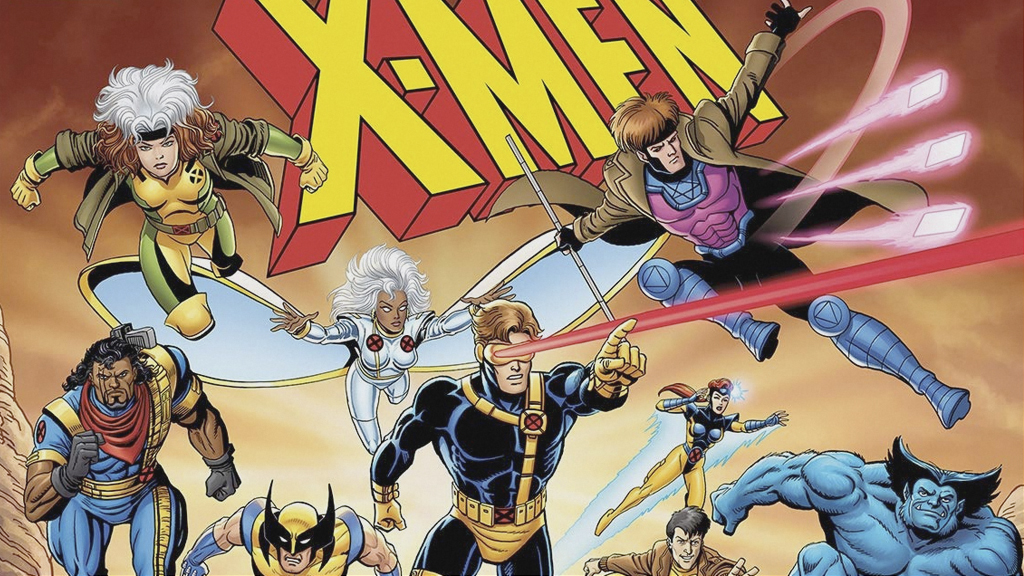
X-Men: The Animated Series premiered in 1992 and quickly became a beloved adaptation of the popular Marvel Comics series. Known for its faithful portrayal of the iconic mutant superhero team, the show captivated audiences with its engaging storytelling, dynamic characters, and thrilling action sequences. Beginning March 20th, Marvel Animation will roll out an all-new revival of the series, X-Men ’97.
Following the two-part series opener (“Night of the Sentinels Part 1” and “Night of the Sentinels Part 2”) which introduced Charles Xavier’s team of mutant heroes, the series turned its attention to the series’ main antagonist, the mutant Master of Magnetism, Magneto. Let’s revisit “Enter Magneto.”
Setting the Scene: Rising Tensions
Against the backdrop of a world divided by fear and prejudice, the episode opens with a series of escalating conflicts between mutants and humans. As anti-mutant sentiment spreads, Magneto emerges as a powerful voice for mutant rights, advocating for the superiority of mutantkind and the need for mutants to assert their dominance over humanity.
Introducing Magneto and the Brotherhood of Mutants
Magneto, a mutant with the ability to manipulate magnetic fields, is introduced as a complex and enigmatic figure. With his charismatic leadership and unwavering belief in mutant supremacy, Magneto poses a formidable challenge to the X-Men and their mission of peaceful coexistence between mutants and humans. Fueled by a deep-seated resentment towards humanity and a desire to assert mutant superiority, Magneto emerges as a formidable adversary for the X-Men. His traumatic experiences during the Holocaust have shaped his worldview, leading him to believe that mutants must rise above humanity to ensure their survival. With his magnetic powers and cunning intellect, Magneto poses a threat unlike any they have faced before, challenging the very foundation of their beliefs and ideals. As Magneto’s presence looms large, the X-Men find themselves embroiled in a battle for the future of mutantkind, where the stakes are higher than ever before.
Magneto is accompanied by his loyal followers, the Brotherhood of Mutants, a group of mutants who share his vision of mutant superiority. Among them are the shape-shifting Mystique, the agile and acrobatic Toad, and the ferocious Sabretooth. Together, they form a formidable team dedicated to advancing Magneto’s agenda and challenging the authority of the X-Men. Their confrontation with Magneto forces them to confront the complexities of morality and ethics, as they grapple with the implications of his ideology and the impact it could have on the world.
Confrontation with the X-Men
As Magneto’s influence grows, the X-Men find themselves in a tense standoff with the Brotherhood of Mutants. Led by Cyclops, the X-Men confront Magneto and his followers, hoping to prevent their radical agenda from plunging the world into chaos. Despite Cyclops’ strategic maneuvers and the combined efforts of his fellow X-Men, Magneto proves to be a formidable adversary, using his mastery of magnetism to outmaneuver and overpower the team at every turn. The stakes escalate, forcing the X-Men to push themselves to their limits in a desperate bid to stop Magneto’s radical agenda from plunging the world into chaos. As the battle rages on, the X-Men are forced to confront not only the physical threat posed by Magneto and his followers but also the deeper ideological divide that threatens to tear the mutant community apart.
A Clash of Ideologies
The episode delves into the ideological clash between Magneto and Professor Xavier, two powerful mutants with opposing visions for the future of mutantkind. While Professor Xavier advocates for peaceful coexistence and cooperation between mutants and humans, Magneto believes that mutants must assert their dominance and take control of their own destiny. Their conflict represents the larger struggle within the mutant community, as mutants grapple with their place in a world that fears and hates them.
As the dust settles and the echoes of battle fade, the X-Men emerge victorious but forever changed by the trials they have endured. “Enter Magneto” serves as a sobering reminder of the dangers posed by intolerance and extremism, urging viewers to confront their own prejudices and embrace diversity. Despite the challenges they face, the X-Men remain steadfast in their commitment to protecting both mutants and humans alike, united in their determination to forge a brighter future for all. As the episode draws to a close, the X-Men stand united, ready to face whatever challenges lie ahead in their ongoing quest for peace and equality in a world fraught with danger and uncertainty.
The Rise of Magneto
“Enter Magneto” concludes with Magneto emerging as a formidable new threat to the X-Men and their mission of peace and coexistence. As Magneto continues to rally support for his cause and expand his influence, the stage is set for a showdown between the X-Men and their greatest adversary yet. The episode leaves viewers on the edge of their seats, eager to see how the conflict between mutants and humans will unfold in the episodes to come.
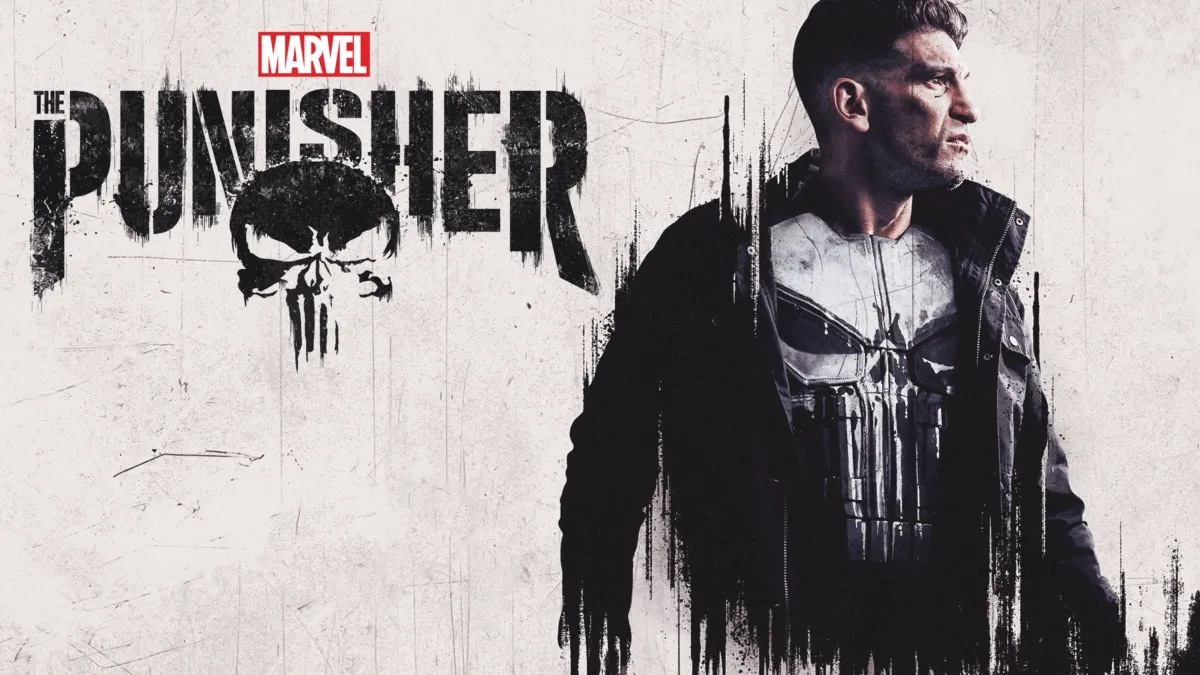
Netflix’s The Punisher Season 1 introduces viewers to a world where justice is not always black and white, but rather shades of grey. Frank Castle emerges as a tortured anti-hero, grappling with the trauma of his past and the relentless pursuit of those who wronged him. As the season unfolds, audiences are drawn into a gritty and morally ambiguous tale of vengeance, redemption, and the cost of pursuing one’s own brand of justice in a world consumed by corruption and violence.
Origin Story
After meeting him in Daredevil Season 2, viewers are thrust into the harrowing origin story of Frank Castle, a former Marine whose life is shattered when his family is brutally murdered in a botched assassination attempt. The series opens with Frank believed dead after exacting vengeance on those responsible for his family’s death, only to resurface as the vigilante known as “The Punisher.” Haunted by the loss of his loved ones and fueled by a relentless thirst for justice, Frank becomes a force to be reckoned with in the criminal underworld of New York City.
Flashbacks throughout the season provide insight into Frank’s past, revealing his time as a Marine serving overseas and the events that ultimately led to his transformation into The Punisher. These glimpses into his past showcase the toll that war and violence have taken on Frank, shaping him into the hardened and determined vigilante viewers encounter in the present day. As Frank navigates the treacherous landscape of the criminal underworld, his actions are driven not only by a desire for vengeance but also by a sense of duty to protect others from suffering the same fate as his family.
Amidst his quest for justice, Frank forms an unlikely alliance with David Lieberman (Ebon Moss-Bachrach), a former NSA analyst known as Micro, who provides him with crucial information and support. Together, they uncover a far-reaching conspiracy involving government agencies and powerful individuals, further fueling Frank’s determination to dismantle the corrupt system that destroyed his life. As Frank’s journey unfolds, audiences are drawn deeper into the complexities of his character, grappling with themes of morality, loyalty, and the fine line between justice and vengeance.
Vengeance Unleashed
Castle’s relentless quest for vengeance propels the narrative forward, driving him to confront the demons of his past while navigating the treacherous landscape of New York City’s criminal underworld. Armed with his military training, tactical expertise, and a steely determination, Frank adopts the persona of “The Punisher,” a vigilante determined to mete out justice to those who have wronged him and innocent victims alike.
As Frank embarks on his crusade, he becomes a force of nature, utilizing his skills as a marksman, hand-to-hand combatant, and strategist to dismantle criminal organizations and exact revenge on those responsible for his family’s murder. With each calculated strike, Frank leaves a trail of destruction in his wake, earning him the moniker of “The Punisher” among both his allies and enemies alike. However, beneath his tough exterior lies a man haunted by the memories of his past, grappling with the moral implications of his actions and the toll that his quest for vengeance takes on his soul.
Throughout the season, Frank’s journey is punctuated by intense confrontations with various adversaries, including corrupt officials, ruthless mercenaries, and former allies turned enemies. His interactions with key figures such as Micro and Dinah Madani (Amber Rose Revah), a Homeland Security agent, further complicate his mission and add layers of intrigue to the narrative. Despite facing insurmountable odds and betrayals from unexpected quarters, Frank remains steadfast in his resolve, driven by a sense of duty to protect the innocent and avenge the memory of his fallen loved ones. As the season unfolds, viewers are drawn into Frank’s world, where justice is meted out with brutal efficiency, and the line between hero and villain becomes increasingly blurred.
Alliances and Betrayals
Castle’s journey is marked by a delicate balance of forming alliances and navigating treacherous betrayals in his relentless pursuit of justice. Alongside Madan and Curtis Hoyle (Jason R. Moore), a loyal friend and fellow Marine, Frank forges alliances born out of mutual respect and shared objectives. Their collaboration adds depth to Frank’s mission, as they pool their resources and expertise to unravel the sinister web of corruption that plagues the city.
However, amidst the camaraderie and shared goals, betrayal lurks around every corner, threatening to upend Frank’s carefully laid plans. The revelation that his former best friend, Billy Russo (Ben Barnes), is entangled with the very individuals Frank seeks to dismantle comes as a devastating blow. Billy’s betrayal cuts deep, shattering Frank’s trust and igniting a bitter sense of betrayal that fuels his resolve to bring those responsible to justice, no matter the cost.
As the season progresses, the intricate web of alliances and betrayals becomes increasingly tangled, blurring the lines between friend and foe. Frank must navigate a dangerous landscape where loyalties are tested and allegiances are fleeting, all while staying true to his moral code and unwavering commitment to his mission. In the face of betrayal, Frank’s determination only grows stronger, driving him to confront his enemies head-on and ensure that justice is served, no matter how high the stakes.
Confronting Demons
Season 1 delves deep Castle’s psyche as he confronts his inner demons and grapples with the traumatic events that have shaped him into The Punisher. Flashbacks to his time in the military serve as poignant reminders of the horrors he witnessed and the sacrifices he made, highlighting the toll that war has taken on his soul. These glimpses into his past reveal a man haunted by guilt and regret, struggling to reconcile his actions with his sense of morality.
As Frank navigates the present-day challenges of his vigilante persona, he finds solace and understanding in his interactions with Karen Page. Their connection transcends the surface level, as Karen becomes a confidante to Frank, offering him a glimpse of humanity amidst the darkness that consumes him. Through their conversations, Frank grapples with questions of identity and purpose, finding moments of clarity and introspection in Karen’s unwavering support.
However, as Frank delves deeper into the shadows of his past, he is forced to confront uncomfortable truths and painful memories that threaten to consume him. The juxtaposition of his present-day struggles with his past traumas adds depth to his character, showcasing the internal turmoil that drives his relentless pursuit of justice. Despite the weight of his demons, Frank remains steadfast in his resolve, determined to find redemption and make peace with the ghosts that haunt him.
Deadly Showdowns
The tension reaches its boiling point in as Castle embarks on a series of high-stakes confrontations with the individuals culpable for the brutal murder of his family. The culmination of his relentless pursuit of justice leads to a climactic showdown where Frank confronts the mastermind behind the conspiracy: Billy Russo. Once Frank’s closest friend and ally, Billy’s descent into villainy culminates in his transformation into the disfigured and merciless adversary known as “Jigsaw,” adding a layer of personal stakes to their final confrontation.
As the battle unfolds, viewers are drawn into a gripping showdown fraught with intensity and emotion. Frank’s combat skills and tactical prowess are put to the test as he engages in a relentless struggle against his former friend turned nemesis. The clash between The Punisher and Jigsaw is not just physical but psychological, as they grapple with their shared history and the devastating consequences of their actions.
Amidst the chaos and carnage of their showdown, themes of vengeance, betrayal, and redemption converge in a poignant and explosive climax. The resolution of their conflict serves as a defining moment for both characters, as Frank confronts the demons of his past while Billy reckons with the consequences of his choices. In the aftermath of their deadly confrontation, the landscape of The Punisher’s world is forever altered.
Redemption and Sacrifice
The theme of redemption and sacrifice looms large in Season 1 as Frank grapples with the consequences of his actions and the moral complexities of his vigilantism. Throughout the season, Frank is forced to confront his own morality and the blurred lines between right and wrong as he navigates a world where justice is often elusive and the cost of righteousness steep. Despite the personal toll of his crusade, Frank remains steadfast in his commitment to bringing justice to those who deserve it, even if it means sacrificing his own well-being in the process.
As the season draws to a close, viewers bear witness to Frank’s transformation from a grieving widower consumed by vengeance to a hardened vigilante embracing his role as The Punisher. His journey is one of self-discovery and redemption, as he grapples with the demons of his past and finds solace in the pursuit of justice. The season finale serves as a poignant culmination of Frank’s arc, as he embraces his destiny and prepares to continue his mission of righting the wrongs of the world, no matter the personal cost.
Ultimately, Season 1 leaves viewers with a sense of catharsis and anticipation for what lies ahead. Frank’s journey is one of redemption and sacrifice, as he confronts his own demons and embraces his role as a symbol of justice in a world plagued by corruption and violence. As the credits roll, viewers are left with a sense of hope and excitement for the next chapter in The Punisher’s story, eager to see where Frank’s quest for redemption will take him next.
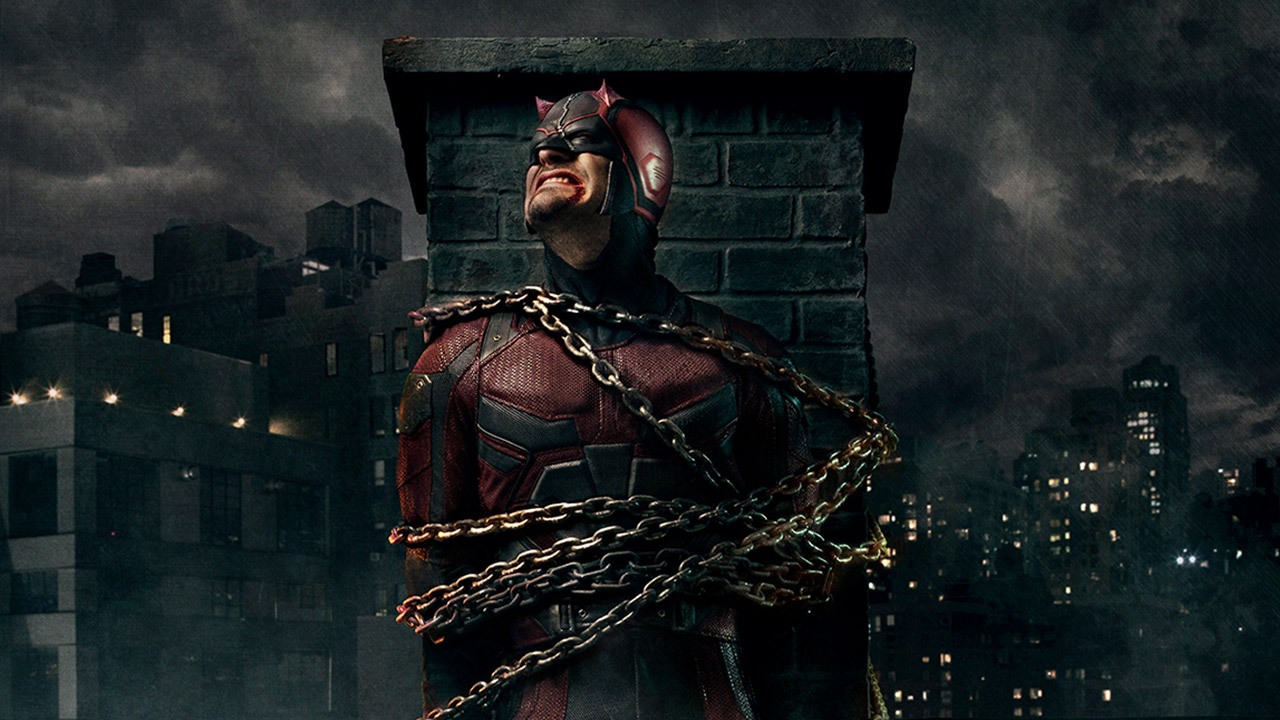
In the riveting third season of Daredevil, Matt Murdock finds himself at his lowest point after the events of The Defenders. Believed dead and grappling with internal demons, Murdock once gain finds himself up against Wilson Fisk, who orchestrates a complex plan from prison to reclaim control over Hell’s Kitchen. As Daredevil attempts to thwart Fisk’s machinations, he encounters the enigmatic and powerful FBI agent Benjamin Poindexter, whose transformation into the deadly assassin Bullseye adds a new layer of threat. Murdock’s journey to reclaim his identity becomes a harrowing exploration of morality, sacrifice, and the blurred lines between heroism and vigilantism. As alliances shift and old wounds reopen, Season 3 weaves a narrative tapestry that delves into the core of its characters, presenting a compelling and nuanced story that redefines the landscape of Hell’s Kitchen. Dive into the shadows with Daredevil as he confronts the demons of his past and the relentless pursuit of justice that defines his complex existence.
The Resurgence of Daredevil
In the wake of The Defenders, Hell’s Kitchen mourns the loss of its crimson-clad guardian, Daredevil. However, Season 3 shatters this mourning with a spectacular resurgence. The city, now engulfed in criminal turmoil, bears witness to the reemergence of Matt Murdock from the ashes of presumed demise. Murdock, struggling with the physical and emotional toll of his previous battles, grapples with the burden of a city in chaos. This section explores the narrative intricacies of Murdock’s resurrection, shedding light on the toll it takes on the man beneath the mask.
As Daredevil returns to the forefront, his journey is not one of mere physical revival but a profound exploration of identity and purpose. The psychological aftermath of facing The Hand and surviving the building collapse in Midland Circle shapes Murdock’s newfound resolve. Witness the evolution of Daredevil’s tactics, as he navigates a city where lines between friend and foe blur in the shadows.
The resurgence of Daredevil introduces a hero in flux, balancing the internal conflicts of Matt Murdock with the external chaos of Hell’s Kitchen. As the city becomes a battleground for justice, delve into the nuances of Daredevil’s return, a beacon of hope in a city that teeters on the edge of despair.
Fisk’s Chessboard
Within the labyrinthine corridors of Hell’s Kitchen, Wilson Fisk orchestrates a masterful return, transforming the city into his strategic chessboard. Imprisoned but far from powerless, Fisk manipulates key players, setting in motion a series of events that unravel the fragile threads of order in the city. His chessboard extends beyond prison walls, influencing law enforcement, politics, and the criminal underworld. Fisk’s unparalleled strategic acumen emerges as the linchpin of Season 3, showcasing his ability to exploit vulnerabilities and manipulate the trajectory of Hell’s Kitchen.
As alliances crumble and loyalties. In Fisk’s chess game, every move has a purpose, and the pieces on the board dance to the orchestrated symphony of Kingpin’s grand design. Fisk doesn’t merely seek freedom but aims to dismantle Daredevil’s legacy and reshape Hell’s Kitchen according to his vision. His calculated moves, both on a political and personal level, showcase a level of cunning and determination that make him a force to be reckoned with.
As the season unfolds, Fisk’s vulnerabilities and motivations come to the forefront. His relationship with Vanessa Marianna is explored in greater depth, exposing a more human side to the Kingpin. The intricacies of his connections, both loyal and transactional, add shades of gray to his character, challenging viewers to empathize with a man whose actions are undeniably ruthless.
The Rise of Bullseye
Amidst the tumultuous echoes of Hell’s Kitchen, a lethal force emerges from the shadows – Benjamin Poindexter, played by Wilson Bethel. Season 3 witnesses the calculated transformation of an initially troubled FBI agent into a relentless and unpredictable adversary. Poindexter’s journey delves into the roots of his instability, exploring the psychological nuances that will eventually shape him into Bullseye, a living weapon fueled by a personal vendetta.
As Dex ascends, the city becomes a canvas for his unparalleled marksmanship. His deadly accuracy poses a profound challenge to Daredevil’s mission, creating an adversary with an unmatched ability to turn everyday objects into instruments of destruction.
As the city grapples with the rise of this formidable foe, Daredevil faces a threat that goes beyond physical prowess – a foe who mirrors the blurred morality of Hell’s Kitchen itself. Season 3 bears witness the evolution of Bullseye, a force of nature that elevates the stakes in a city already on the brink of collapse.
Ray Nadeem’s Crucible
Ray Nadeem, portrayed by Jay Ali in Season 3, plays a pivotal and complex role that significantly influences the overarching narrative. Introduced as an FBI agent, Nadeem embodies the struggles of an honest lawman trying to navigate the treacherous terrain of corruption and morality. Nadeem’s journey begins with a genuine commitment to justice, aiming to bring down the criminal elements plaguing Hell’s Kitchen. However, as the season progresses, he becomes entangled in a web of deceit orchestrated by Wilson Fisk, the Kingpin. Fisk exploits Nadeem’s financial troubles, turning him into an unwitting pawn in a larger scheme.
Fighting against systemic corruption within the FBI, Nadeem’s character undergoes a profound transformation. Despite his involvement in Fisk’s machinations, he remains a sympathetic figure, driven by a desire to protect his family and serve the greater good. The complexity of Nadeem’s moral struggles adds layers to Daredevil’s exploration of justice and the compromises individuals make in pursuit of it. As Nadeem unravels Fisk’s influence within the FBI, his journey converges with Daredevil’s quest to expose the true extent of Fisk’s corruption. This alliance between lawman and vigilante showcases the blurred lines between heroism and the system meant to uphold justice. Nadeem’s role becomes a bridge between the legal world and the vigilante realm, highlighting the systemic challenges faced by those striving to uphold the law in a city consumed by corruption. In a tragic turn of events, Nadeem’s commitment to justice costs him dearly. His ultimate sacrifice becomes a poignant moment, underscoring the theme of heroism and the toll it takes on those who stand against powerful adversaries.
Matt Murdock’s Redemption Arc
As Daredevil grapples with the seismic shifts in Hell’s Kitchen, Matt Murdock embarks on a poignant redemption arc, navigating the labyrinth of guilt, sacrifice, and the relentless pursuit of justice. The aftermath of The Defenders leaves Murdock physically shattered and spiritually adrift, facing a crisis of identity that forces him to confront the essence of his existence.
Season 3 unravels the layers of Murdock’s internal struggles, as the boundaries between lawyer, vigilante, and man blur. The physical toll of past battles and the emotional scars of lost friendships propel Daredevil into uncharted territory.
Haunted by the consequences of his actions, Murdock grapples with the ethical complexities of vigilantism. The introduction of Sister Maggie, a mysterious figure from his past, adds a familial dimension to his quest for redemption, unveiling secrets that reshape his understanding of self. Witness the evolution of Matt Murdock as he confronts his own demons, both literal and metaphorical, in a city teetering on the edge of moral ambiguity. As Daredevil fights for Hell’s Kitchen’s redemption, he embarks on a deeply personal odyssey, pushing the boundaries of heroism and the sacrifices it demands.
Sister Maggie’s Secret
In Daredevil Season 3, Sister Maggie, portrayed by Joanne Whalley, plays a crucial role, bringing emotional depth and a mysterious past to the narrative. Initially introduced as a compassionate nun working at the church where Matt Murdock seeks refuge, Sister Maggie’s character unravels to reveal a significant and unexpected connection to Matt.
As the season progresses, it is disclosed that Sister Maggie is, in fact, Matt Murdock’s long-lost mother. This revelation adds a complex layer to the story, explaining the emotional resonance Matt felt with her even before discovering their familial ties. Sister Maggie’s background becomes a central element in understanding Matt’s own journey, particularly his internal struggles with morality and identity. Throughout the season, Sister Maggie grapples with her own guilt and the consequences of decisions made in the past. Her conflicted relationship with Matt, veiled in secrecy, mirrors the overarching themes of redemption and forgiveness explored in Season 3.
Sister Maggie becomes a key figure in Matt’s quest for self-discovery and understanding. Her presence not only provides insight into Matt’s upbringing but also serves as a catalyst for his internal conflicts. The complex mother-son dynamic adds an emotional resonance to the season, as both characters navigate the blurred lines between duty, morality, and familial bonds.
The Final Showdown
In the culminating episode of Season 3, a pivotal showdown transpires within the grand confines of the Presidential Hotel. Here, the fates of Daredevil, Poindexter, and the cunning puppeteer, Wilson Fisk, converge in a dramatic clash. Dex, now fully harnessed as Fisk’s weapon, engages Daredevil in a visceral and high-stakes battle within the opulent surroundings of the Presidential Hotel. The luxurious setting serves as a symbolic battleground, heightening the tension and emphasizing the strategic intricacies at play.
Poindexter ultimately betrays Wilson Fisk. This pivotal moment occurs during Fisk’s attempt to escape custody and flee the law. As Fisk is being transported, he believes he has successfully manipulated Poindexter into serving him without question. However, in a surprising turn of events, Poindexter’s loyalty wavers. Fueled by his own sense of justice and moral conflict, Dex decides to take matters into his own hands. He interrupts Fisk’s escape, preventing him from leaving and signaling a critical shift in their dynamic.
Throughout the intense confrontation, Dex’s lethal precision with various projectiles is showcased in the lavish yet perilous environment. Fisk uses Dex’s trust to position him against Daredevil. Seizing the opportunity, Fisk ruthlessly exploits Dex’s vulnerability, leading to a visceral physical altercation. The fight takes a brutal turn when Fisk, displaying the full extent of his strength, brutally breaks Dex’s back, incapacitating him. Dex is last seen having an experimental surgery done on his back. As the camera zooms in, the Bullseye logo can be seen. With Bethel returning for Daredevil: Born Again, it’s safe to say the events of the final will have pushed him over the edge and he’ll fully embrace the craziness of Bullseye.
However, the wily Kingpin, observing from the shadows, exploits the situation, leveraging Vanessa Marianna’s safety to tip the scales in his favor. As the battle unfolds, Murdock confronts Fisk both physically and emotionally. Utilizing his exceptional combat skills, Daredevil engages in a brutal and intense fight against the formidable Kingpin. Murdock’s determination to bring Fisk to justice is fueled by a desire to protect Hell’s Kitchen from Fisk’s manipulative influence.
Daredevil reveals his true identity to Fisk, exposing himself as Matt Murdock, the lawyer whom Fisk has long considered a threat. This revelation adds a deeply personal and psychological dimension to their conflict. Murdock’s decision to expose himself reflects his commitment to transparency and the belief that the truth holds a unique power against Fisk’s machinations. In the end, Matt Murdock’s victory over Fisk is not solely achieved through physical combat but also through the revelation of his true self. This strategy underscores the series’ exploration of identity, morality, and the enduring battle between good and evil in the gritty landscape of Hell’s Kitchen. Fisk, now stripped of his veneer of influence and control, is arrested and returned to prison. This outcome represents a triumph of justice and the legal system over Fisk’s machinations. The season concludes with Fisk once again incarcerated, albeit under different circumstances from his initial imprisonment.
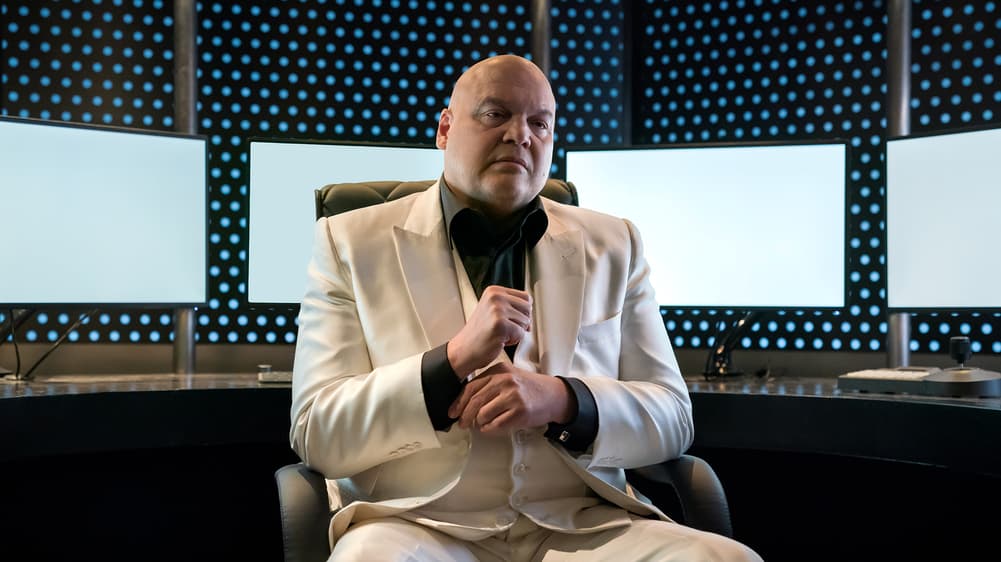
Wilson Fisk Kingpin Profile: Hell’s Kitchen Mastermind
As the brooding underbelly of Hell’s Kitchen unfolds in Daredevil, one name rises above the cacophony of crime – Wilson Fisk. Portrayed with unparalleled depth by Vincent D’Onofrio, Fisk becomes the linchpin of an intricate narrative that explores the relentless pursuit of justice and the emergence of a formidable adversary. This character profile delves into the nuances of Wilson Fisk, the Kingpin of Crime, unraveling his key plot points, the intricacies of his personality, and the web of relationships that shape his journey.
**This is not intended to be a comprehensive summary of all of Wilson Fisk’s appearances. It is simply a character profile of Wilson Fisk based on the first three seasons of Daredevil.***
The Rise of the Kingpin
Wilson Fisk’s journey is a tapestry woven with strategic brilliance and calculated moves. Beginning as a shadowy figure in the criminal underworld, Fisk’s rise to infamy is methodical. The season unveils his orchestration of criminal enterprises, pulling strings from the shadows while presenting a philanthropic façade to the public. His ambitions extend beyond monetary gain; Fisk seeks to reshape Hell’s Kitchen into a utopia, albeit through morally ambiguous means.
His calculated moves create a web of crime, leading to confrontations with Daredevil, the masked vigilante challenging his reign. Fisk’s arrest marks a turning point in Season 1, setting the stage for a power vacuum and the evolution of his character.
A Dance with Daredevil
Central to Fisk’s narrative is his dynamic with Daredevil, the masked vigilante played by Charlie Cox. Their confrontations become a psychological chess match, with Fisk viewing Daredevil as both a threat and a kindred spirit seeking to cleanse Hell’s Kitchen. The ebb and flow of power between the two creates a gripping narrative tension that elevates the season’s stakes.
As the series progresses, the psychological intricacies of Fisk and Daredevil’s relationship deepen, transcending the traditional hero-villain dynamic. Fisk perceives Daredevil not merely as a nemesis but as a reflection of his own desire for order. The masked vigilante becomes an unintended confidante, a symbol of Fisk’s belief that Hell’s Kitchen requires a force willing to embrace darkness for the sake of salvation. Simultaneously, Daredevil, while resisting Fisk’s influence, is entangled in the Kingpin’s intricate web. The psychological chess match intensifies as both men grapple with the blurred lines between right and wrong. Fisk’s calculated moves to manipulate Daredevil’s moral compass create an atmosphere of perpetual tension, where the quest for justice becomes a morally ambiguous journey. The evolving psychological complexity of their relationship becomes a narrative focal point, enriching the storytelling tapestry of Daredevil and ensuring that the clash between these two formidable forces transcends mere physical confrontation.
Love and Vulnerability
Fisk’s vulnerability is unveiled through his relationships. His affection for art reveals a softer side, a yearning for beauty in a city defined by chaos. The introduction of Vanessa Marianna (Ayelet Zurer) as a love interest adds a layer of complexity to Fisk’s character. The romance not only humanizes the Kingpin but also exposes the lengths to which he will go to protect those he cares about.
Vanessa is not just a love interest; she is Fisk’s anchor, grounding him amidst the chaos of his criminal empire. Their connection is a dichotomy of tenderness and danger, as Vanessa becomes the one person who can unravel the layers of the enigmatic Kingpin. Fisk’s vulnerability is laid bare in Vanessa’s presence, exposing a man who craves acceptance and understanding. Her involvement in Fisk’s life, particularly as he navigates the treacherous world he commands, adds depth to his character. Vanessa not only witnesses the ruthless exterior but also embraces the complexities within, creating a dynamic where love and crime intertwine. As their relationship unfolds, it becomes a narrative linchpin, shaping Fisk’s decisions and motivations in ways that transcend the traditional roles of hero and villain, casting a poignant light on the man behind the Kingpin.
Beneath the Surface
Wilson Fisk’s outward brutality conceals a complex persona. His imposing figure belies a man driven by a twisted sense of altruism; Fisk believes that his violent actions serve a greater purpose. His charisma, tempered by a volatile temper, makes him both a captivating leader and a dangerously unpredictable adversary. D’Onofrio‘s portrayal captures the intricacies of Fisk’s personality, navigating the thin line between ruthless criminal and wounded soul.
Wilson Fisk’s notorious temper is a force that reverberates throughout Daredevil, and its origins lie in a traumatic and brutal childhood. The murder of his father, Bill Fisk, becomes a pivotal event that scars young Wilson permanently. Witnessing his father’s violent end at the hands of criminal associates becomes a catalyst for Fisk’s internal rage, shaping the very core of his explosive temper. This traumatic episode becomes a haunting specter, fueling Fisk’s relentless pursuit of control and order in Hell’s Kitchen. His temper is not just a display of brute force; it is a manifestation of the deep-seated pain and unresolved trauma stemming from the loss of his father. This psychological scar becomes a driving force, intertwining with Fisk’s rise to power and his ruthless approach to maintaining dominance. The murder of his father serves as a pivotal lens through which we understand the roots of Fisk’s volatile nature, providing crucial insight into the complex psychology of the man who would become the formidable Kingpin.
The Twisted Altruist
Fisk’s actions are fueled by a twisted sense of altruism. In his mind, the chaos he orchestrates serves as a catalyst for societal change. His vision for a better Hell’s Kitchen is warped by his traumatic childhood experiences, driving him to reshape the city through any means necessary. Fisk’s moral ambiguity adds layers to his character, blurring the lines between hero and villain.
Wilson Fisk’s twisted sense of altruism emerges as a defining and paradoxical aspect of his character in Daredevil. Fueled by a desire to transform Hell’s Kitchen into a utopia, Fisk envisions a city cleansed of corruption and chaos. However, his altruistic aspirations take on a dark and morally ambiguous hue. Fisk believes that, in orchestrating chaos and imposing his version of order, he can bring about a greater good for the city. This warped sense of benevolence adds layers to the complexity of the Kingpin, blurring the lines between hero and villain. Fisk’s altruistic motives, driven by a traumatic childhood and a distorted perception of justice, become a driving force behind his criminal empire. It’s this very dichotomy – the man who seeks to rebuild a city through nefarious means – that makes Fisk’s character a compelling exploration of the blurred morality at the heart of Daredevil.
Artistic Affection
Fisk’s love for art becomes a poignant aspect of his character. The juxtaposition of his brutality with a genuine appreciation for beauty underscores the dichotomy within him. The scenes where Fisk interacts with art serve as windows into his soul, revealing a man grappling with the duality of his nature.
Wilson Fisk’s love for art extends beyond a mere appreciation; it becomes a defining element of his character. One painting that holds particular significance is “Rabbit,” an iconic work by Jeff Koons. “Rabbit” symbolizes Fisk’s desire for perfection and a utopian Hell’s Kitchen. The stainless-steel bunny reflects a blend of modernity and meticulous craftsmanship, mirroring Fisk’s own aspirations for the city. The choice of “Rabbit” is deliberate; its reflective surface challenges observers to confront their own reflections, mirroring Fisk’s own introspective journey. The painting becomes a metaphor for Fisk’s vision – an idealized Hell’s Kitchen where every piece falls into place with calculated precision, much like the flawless surface of Koons’ masterpiece. This artistic affection becomes a poignant thread, weaving the complexities of Fisk’s character into the visual tapestry of Daredevil, providing a window into the soul of the Kingpin.
Key Relationships
Family Dynamics
Bill Fisk-Father
Wilson’s relationship with his father, Bill Fisk, serves as a poignant and formative aspect of his character in Daredevil. Bill, portrayed by Domenick Lombardozzi, stands as a powerful and abusive figure, leaving an enduring impact on Fisk’s development. The brutality and violence inflicted by Bill shape the Kingpin’s own ruthless demeanor as he ascends to power. The traumatic experiences with his father become a catalyst for Fisk’s insatiable desire for control and order, reflecting a distorted vision of protection.
The memory of Bill Fisk looms large in Wilson’s psyche, and his father’s actions fuel a complex mix of emotions within him. Notably, Bill met a tragic end at the hands of young Wilson, who, in an act of self-defense against his abusive father, struck him with a hammer. This defining moment, the circumstances of Bill’s death, becomes a pivotal element in understanding the intricate layers of the Kingpin’s character, showcasing how familial trauma and the consequences of that fateful night shape the criminal empire he constructs in the gritty landscape of Daredevil.
Marlene Vistain-Mother
Fisk’s complicated relationship with his overbearing mother, Marlene Vistain, shapes his emotional landscape. Childhood trauma becomes a driving force, influencing Fisk’s adult relationships and criminal endeavors.
Vanessa Marianna
Vanessa Marianna, Fisk’s love interest, becomes a central figure in his life. Their romance exposes Fisk’s vulnerabilities and motivates critical decisions, showcasing the emotional complexity beneath the Kingpin’s exterior.
Allies and Confidantes
James Wesley
James Wesley, Fisk’s loyal right-hand man, plays a pivotal role in his rise to power. Wesley’s strategic acumen and unwavering commitment add a layer of trust to Fisk’s inner circle. Wilson Fisk’s dynamic with James Wesley in Daredevil is a testament to the Kingpin’s ability to inspire unwavering loyalty. James Wesley, portrayed by Toby Leonard Moore, serves as Fisk’s right-hand man and confidante. Their relationship is marked by trust and strategic collaboration. However, this bond takes a tragic turn when Wesley meets his demise at the hands of Karen Page. In a pivotal moment during Season 1, Episode 9 (“Speak of the Devil”), Wesley’s unwavering loyalty to Fisk ultimately leads to his tragic end, as Karen Page shoots him in an act of self-defense. Wesley’s death serves as a significant turning point, showcasing the high stakes and complex interplay of loyalty and betrayal within the intricate narrative of Daredevil.
Leland Owlsley
Leland Owlsley, portrayed by Bob Gunton, assumes a pivotal role as Wilson Fisk’s financial advisor in “Daredevil.” Initially, Owlsley’s financial acumen and pragmatic approach make him a trusted confidante within Fisk’s criminal empire. However, as conflicts over power and control escalate, their alliance unravels, leading to betrayals and tensions. Owlsley’s fate takes a dramatic turn when, in Season 1, his ambition to cut ties with Fisk and take control of the criminal operation results in a fatal confrontation. This clash culminates in Owlsley’s accidental fall from a building, orchestrated by Fisk to eliminate the threat. Owlsley’s demise becomes a stark illustration of the cutthroat nature of Fisk’s world and the ruthless measures undertaken to maintain control within the morally ambiguous realm of Daredevil.
Anatoly and Vladimir Ranskahov
Anatoly and Vladimir Ranskahov, portrayed by Gideon Emery and , respectively, are Russian brothers whose alliance with Wilson Fisk forms a crucial plotline in Daredevil Season 1. The Ranskahov brothers’ trafficking ring becomes a central element, highlighting the pervasive corruption and brutality that Fisk navigates in his pursuit of control over Hell’s Kitchen. Initially working together to control Hell’s Kitchen’s criminal activities, tensions escalate within their trafficking ring, leading to a violent fallout. Fisk, recognizing their disloyalty and seeing an opportunity to consolidate power, orchestrates a brutal confrontation. Fisk brutally beats Anatoly to death in a display of dominance, solidifying his control over the criminal underworld. This merciless act serves as a stark example of the harsh consequences within Fisk’s empire and emphasizes the intricate web of alliances and betrayals that define the gritty narrative of Daredevil.
Vladimir becomes desperate and seeks revenge indirectly by attempting to expose Fisk’s criminal activities. He allies himself with Matt Murdock/Daredevil and attempts to gather evidence against Fisk, hoping to bring him down through legal means. Before his death, Vladimir directs Daredevil to investigate Leland Owlsley.
Madame Gao
A mysterious and powerful criminal figure with ties to the mystical organization known as The Hand, Madame Gao establishes an alliance with Fisk. She becomes a valuable ally in certain endeavors, contributing to the multifaceted nature of Fisk’s criminal network.
Madame Gao, portrayed by Wai Ching Ho, plays a mysterious and influential role in Wilson Fisk’s criminal network throughout Daredevil. Gao’s relationship with Fisk is characterized by mutual respect and shared interests, particularly in the realm of organized crime. Operating with a degree of secrecy, Gao becomes a key ally in Fisk’s pursuit of control over Hell’s Kitchen. Her involvement in the heroin trade and her ties to the mystical organization known as The Hand add an extra layer of complexity to their alliance. However, Gao remains enigmatic, often staying one step ahead of Fisk and maintaining an air of autonomy. This dynamic adds intrigue to their association, highlighting the intricate alliances and power plays within the gritty and morally ambiguous landscape of Daredevil.
Benjamin Poindexter
While initially introduced as an FBI agent tasked with taking down Fisk, Poindexter (Wilson Bethel) becomes a pawn in Fisk’s intricate schemes. Fisk manipulates Poindexter’s mental instability, turning him into a lethal weapon and a confidante in his own right. Their relationship takes a dark turn as Fisk recognizes Poindexter’s exceptional skills, particularly as an expert marksman.
Fisk becomes a mentor and puppet master, pulling Poindexter’s strings to serve his own interests. Poindexter’s transformation into Bullseye, a formidable adversary with a personal vendetta against Daredevil, cements his role as a confidante and weapon in Fisk’s intricate schemes. Their relationship becomes a focal point, showcasing Fisk’s ability to exploit the weaknesses of those around him to further his own agenda
Arch-Nemeses
Matt Murdock/Daredevil
The dynamic between Wilson Fisk and Matt Murdock, also known as Daredevil, is a central and complex element of Daredevil. Initially adversaries, their relationship evolves into a nuanced psychological chess match. Fisk sees Daredevil not only as a threat but also as a kindred spirit, someone who shares his desire for order in Hell’s Kitchen, albeit through radically different means. The ebb and flow of power between them creates a gripping narrative tension, with each attempting to outmaneuver the other both physically and mentally.
Fisk’s fascination with Daredevil goes beyond a typical hero-villain dichotomy. He recognizes Murdock’s commitment to justice and seeks to exploit his moral code. This becomes evident as Fisk orchestrates situations that force Daredevil to question the righteousness of his actions. In turn, Murdock’s unwavering pursuit of justice becomes a persistent thorn in Fisk’s side, challenging the Kingpin’s control over Hell’s Kitchen.
As the series progresses, the psychological dimensions of their relationship deepen. Fisk views Daredevil as a mirror reflecting his own desire for order and control, while Murdock struggles with the moral compromises he faces in combating Fisk’s criminal empire. Their encounters become intense battles not just of strength but of ideology, exploring the blurred lines between heroism and villainy in the gritty world of Daredevil.
Frank Castle/The Punisher
Frank Castle’s relentless pursuit of justice challenges Fisk’s criminal empire in Season 2. Castle’s brutal methods and personal vendetta test the Kingpin’s ability to navigate an ever-evolving criminal landscape. The relationship between Wilson Fisk andCastle is characterized by a clash of ideologies and a brutal confrontation in Daredevil.
Castle, driven by a relentless pursuit of justice and vengeance for the murder of his family, becomes a formidable adversary for Fisk. Fisk, recognizing Castle’s brutal methods and personal vendetta, sees an opportunity to manipulate the vigilante for his own ends. Their interactions highlight the complex interplay of morality within the series. Fisk, ever the strategist, attempts to harness Castle’s destructive force to eliminate common enemies. However, Castle’s unwavering commitment to his own sense of justice proves to be a formidable challenge, and their eventual violent confrontation becomes a pivotal moment in Daredevil Season 2.
Ray Nadeem
Ray Nadeem, portrayed by Jay Ali, undergoes a complex and evolving relationship with Wilson Fisk in Season 3. Initially an FBI agent with a commitment to justice, Nadeem becomes entangled in Fisk’s manipulative schemes. Fisk exploits Nadeem’s financial troubles and uses him as a pawn to advance his own agenda within the FBI. As Nadeem becomes unwittingly complicit in Fisk’s criminal activities, a strained dynamic develops. However, as Nadeem uncovers the extent of Fisk’s deceptions, the relationship takes a dramatic turn. Nadeem grapples with guilt and seeks redemption, ultimately becoming an unexpected adversary for Fisk. This complex interplay of trust, manipulation, and redemption adds depth to Nadeem’s character.
Wilson Fisk’s story continues in Marvel Studios Hawkeye and Echo and another chapter will be added in 2025 when Daredevil: Born Again streams on Disney Plus.
Daredevil Season 2 delves deeper into the gritty underworld of Hell’s Kitchen, introducing new players, escalating conflicts, and questioning the fine line between justice and vengeance. In this expansive narrative, Matt Murdock (Charlie Cox) faces not only external threats but also the internal turmoil of his own convictions. As the city grapples with rising chaos, Season 2 unfolds as a captivating exploration of heroism, morality, and the consequences of vigilantism.
The aftermath of Wilson Fisk’s (Vincent D’Onofrio) downfall continues to shape Hell’s Kitchen. Season 2 builds upon the foundation laid in the first season, exploring the power vacuum left by Fisk’s imprisonment and the emergence of new criminal forces vying for control. The consequences of Fisk’s actions linger, contributing to the evolving landscape of the city.
The Arrival of The Punisher
The season kicks off with the introduction of Frank Castle (Jon Bernthal), a former Marine turned merciless vigilante known as The Punisher. Castle’s brutal methods and uncompromising quest for vengeance put him on a collision course with Daredevil. The series explores the morality of their respective approaches to crime-fighting, setting the stage for a complex and visceral showdown between the two vigilantes. The Punisher, is a central and compelling character in Season 2 portrayed beautifully and disturbingly by Bernthal. Castle’s role adds a layer of complexity to the series, exploring themes of justice, morality, and the consequences of vigilantism.
Castle is introduced as a highly skilled and ruthless vigilante driven by a relentless quest for vengeance. His motivation stems from the tragic loss of his family, who were killed in a violent encounter with criminals. Castle’s introduction immediately sets the tone for a character deeply entrenched in grief and consumed by a desire for retribution. Throughout the season, flashbacks provide insight into Castle’s origin story, revealing the events that led to the loss of his family and his transformation into The Punisher. These flashbacks add emotional depth to Castle’s character, depicting the human side of a man driven to the edge by tragedy. Castle’s interactions with other characters, including Karen Page, add layers to his persona. His connection with Karen, in particular, humanizes him and showcases the internal struggle between the man he once was and the relentless Punisher he has become.
Elektra Natchios and Matt’s Past
Matt’s life takes an unexpected turn with the reemergence of Elektra Natchios (Elodie Yung), a mysterious and enigmatic woman from his past. Elektra’s arrival not only rekindles old flames but also draws Matt into a web of intrigue involving the ancient and secretive organization known as the Hand. As their paths intertwine, Elektra’s presence becomes a catalyst for both personal and city-wide upheaval.
Elektra is portrayed as a highly skilled and deadly assassin with exceptional martial arts abilities. Her combat prowess and agility make her a formidable force in the world of Daredevil, adding an element of danger to both the streets of Hell’s Kitchen and the personal dynamics with Matt. Elektra’s storyline becomes intricately tied to the ancient and mysterious organization known as the Hand. As the season progresses, viewers learn about Elektra’s involvement with the Hand and the implications of their presence in Hell’s Kitchen. The Hand’s dark agenda adds a supernatural and mystical element to Elektra’s character arc.
Elektra’s allegiances are a source of constant ambiguity. Her ties to both Matt Murdock/Daredevil and the Hand create a moral dilemma, as her actions oscillate between heroism and potential antagonism. This moral ambiguity adds layers to Elektra’s character, keeping both the audience and other characters in suspense about her true intentions. Elektra grapples with issues of identity throughout the season. Her internal conflicts, shaped by her past and her association with the Hand, contribute to a sense of vulnerability beneath her exterior of strength and prowess. This struggle with identity becomes a central theme in her character development.
Elektra becomes entangled in the conflict between Daredevil and Castle. Her alliances and interactions with The Punisher add another layer of complexity to the season’s overarching themes of justice and vigilantism. Elektra’s character arc reaches a poignant resolution in the latter part of the season. Her fate and the consequences of her choices have a lasting impact on the narrative, influencing the dynamics of Hell’s Kitchen and leaving a significant imprint on Matt Murdock’s journey.
The Punisher’s War on Crime
Frank Castle’s war on crime unfolds as a relentless and morally ambiguous crusade. The series delves into Castle’s tragic backstory, unraveling the events that transformed him into The Punisher. As Daredevil grapples with his own principles, the narrative raises thought-provoking questions about the nature of justice and the thin line that separates heroism from vigilantism.
Castle wages a one-man war on crime in Hell’s Kitchen, utilizing extreme and lethal methods to eliminate those he deems responsible for the city’s corruption. His methods starkly contrast with Daredevil’s, sparking a moral debate about the appropriate means of achieving justice. One of the defining aspects of Castle’s character is his moral ambiguity. While his actions are undeniably brutal, the series delves into the reasons behind his uncompromising approach. Viewers are prompted to question whether Castle is a villain or a misguided antihero, challenging traditional notions of right and wrong.
Castle’s journey takes a legal turn as he becomes the subject of a high-profile trial. The courtroom drama explores the ethics of Castle’s actions and the legal system’s ability to address the complexities of vigilantism. The trial serves as a pivotal moment for Castle’s character development and the overarching themes of the season. As the season progresses, Castle’s legacy extends beyond the immediate conflicts. His impact on Hell’s Kitchen and the ongoing discussions about the morality of vigilantism resonate throughout the series, leaving a lasting imprint on the narrative.
Castle’s story in Season 2 set the stage for his future appearances in the Defenders-verse and, ultimately, the Marvel Cinematic Universe. The character’s popularity in Daredevil led to the development of his standalone series, allowing for a deeper exploration of his complex persona. The Punisher added depth to the exploration of justice and morality, making him a memorable and impactful presence in the ongoing Daredevil story.
The Hand and a Rising Threat
The enigmatic Hand emerges as a formidable adversary, with ties to Elektra and a hidden agenda that threatens to plunge Hell’s Kitchen into darkness. The Hand is introduced as an ancient and secretive organization with roots dating back centuries. Its origins are steeped in mysticism and martial arts, making it a formidable force with a hidden agenda. The Hand’s mysterious leader adds an additional layer of intrigue, setting the stage for a larger conflict that transcends the immediate battles between Daredevil, Punisher, and Elektra.
The Hand’s role becomes intricately tied to Elektra, who is revealed to have a history with the organization. Elektra’s connection to the Hand adds a personal and complex layer to the overarching narrative, drawing her deeper into a world of ancient conspiracies. Elektra’s connection to the Hand unravels the organization’s agenda in Hell’s Kitchen. The Hand’s involvement in criminal activities and their quest for a mysterious substance known as “Black Sky” become central plot points, with Elektra serving as a key player in these unfolding events.
The Hand is depicted as a highly skilled and deadly group of ninja warriors. Their mastery of martial arts, stealth, and combat tactics makes them formidable adversaries for Daredevil and other characters in the series. As the season progresses, the Hand infiltrates Hell’s Kitchen, using both covert and overt methods to further its goals. The criminal activities orchestrated by the Hand contribute to the rising tensions and conflicts in the city, amplifying the challenges faced by Daredevil and other defenders of justice. Daredevil’s conflict with the Hand intensifies as he discovers the organization’s involvement in criminal activities and its connection to Elektra. The Hand’s mystical and martial prowess creates a unique and challenging adversary for Daredevil, pushing him to his limits both physically and emotionally.
The Hand is led by a group of powerful leaders known as the Five Fingers. Each Finger has a specific role and influence within the organization. Their individual agendas contribute to the complexity of the Hand’s overarching plan, with the Fingers operating in the shadows. The Hand’s mystical practices include the ability to resurrect the dead. This element becomes crucial to the narrative, introducing themes of immortality and the consequences of tampering with the natural order. The Hand’s pursuit of immortality plays a significant role in the season’s unfolding events.
Elektra’s conflicted allegiance and Daredevil’s determination to stop the Hand create a dramatic collision between the two sides. The Hand’s involvement with Elektra and their pursuit of Black Sky result in intense confrontations and a high-stakes battle for the fate of Hell’s Kitchen. The Hand’s role in Season 2 contributes to the series’ exploration of ancient conspiracies, supernatural elements, and the collision between traditional crime and mystical forces.
Foggy, Karen, and the Legal Front
Amidst the chaos, Foggy Nelson (Elden Henson) and Karen Page (Deborah Ann Woll) continue their roles as anchors in Matt’s life. The legal drama escalates as Nelson and Murdock find themselves entangled in the repercussions of the escalating crime war. Their characters undergo significant development, navigating the moral complexities of the choices made by their masked ally and friend.
Foggy and Matt face new legal challenges as Nelson and Murdock take on an array of cases. The fallout from the events of Season 1 and the changing landscape of Hell’s Kitchen creates a turbulent environment for the law firm, testing Foggy’s legal skills and resilience. The strains on Foggy and Matt’s friendship become more apparent as they grapple with the consequences of Matt’s double life as Daredevil. Foggy’s concerns about Matt’s actions as a vigilante and the impact on their legal practice contribute to personal and professional tensions between the two friends.
Foggy plays a crucial role in the legal drama surrounding the trial of Frank Castle. His legal expertise is put to the test as he defends Castle, raising questions about vigilantism, justice, and the moral complexities of Hell’s Kitchen. Foggy faces moral dilemmas and ethical challenges in the legal cases he handles. The complexities of defending clients like The Punisher force Foggy to confront his own beliefs about justice and the limits of legal representation.
Foggy grapples with the revelation of Matt’s secret life as Daredevil. The knowledge of Matt’s nighttime activities puts a strain on their friendship, and Foggy must come to terms with the implications of Matt’s choices and the impact on their professional partnership. The tensions between Foggy and Matt escalate, putting their friendship to the test. Foggy’s concerns about Matt’s safety and the ethical implications of his actions create a rift between the two friends, adding an emotional layer to Foggy’s character development. Foggy forms an alliance with Karen as they navigate the legal and moral complexities of the cases they handle. Their collaboration adds depth to the series, highlighting the bond between the characters and their shared commitment to justice.
Karen’s role at Nelson and Murdock evolves as the law firm takes on new cases and grapples with the changing dynamics of Hell’s Kitchen. Her legal prowess and determination to seek justice contribute to the firm’s mission to help the underserved and navigate the challenges presented by the city’s criminal underbelly. Karen’s relationship with Matt becomes more complex as their personal and professional lives intertwine. The secrets surrounding Matt’s double life as Daredevil create tension and challenges in their connection, testing the boundaries of trust and understanding.
Karen becomes deeply involved in the high-profile trial of Castle. Her dedication to uncovering the truth and seeking justice puts her at the center of the legal drama, raising questions about the morality of vigilantism and the nuances of the criminal justice system. Karen’s interactions with The Punisher go beyond the courtroom. She forms a unique alliance with Castle, delving into his past and motivations. This dynamic adds layers to Karen’s character, as her empathy and desire for justice lead her to understand the complexities of Castle’s quest for vengeance.
Karen’s journalistic instincts come to the forefront as she delves into investigations that go beyond the legal realm. Her pursuit of truth extends beyond the courtroom, leading to discoveries that have far-reaching consequences for Hell’s Kitchen and its vigilantes. Karen’s character is explored on a more personal level, revealing vulnerabilities and struggles from her past. As she becomes more deeply entwined in the dangerous world of vigilantism and crime, Karen confronts her own demons, adding emotional depth to her character.
Karen’s journalistic endeavors lead her to investigate the mysterious and ancient organization known as the Hand. Her pursuit of the truth regarding the Hand’s activities adds an investigative and suspenseful element to the season, showcasing Karen’s determination to expose the hidden threats facing Hell’s Kitchen. Karen’s resilience is put to the test as she faces personal and professional dangers. Her willingness to confront powerful adversaries and navigate the complexities of the criminal underworld highlights her strength and determination to make a difference in a city rife with corruption.
Echoes of Fisk’s Legacy
Despite being incarcerated, Kingpin’s influence continues to cast a shadow over Hell’s Kitchen, impacting both the criminal underworld and the lives of key characters. At the start of Season 2, Kingpin is behind bars, serving time for his crimes. His imprisonment creates a power vacuum in the criminal underworld of Hell’s Kitchen, setting the stage for the rise of new threats and challenges. Kingpin’s manipulative influence reaches beyond the prison walls. Through strategic moves and clandestine dealings, he continues to exert control over criminal elements, leaving a lasting impact on the power dynamics of Hell’s Kitchen.
Kingpin’s influence becomes intertwined with the emergence of The Punisher, whose actions and motivations are indirectly linked to the power struggles initiated by Kingpin’s incarceration, adding a layer of complexity to the season’s narrative. Characters reference the aftermath of Kingpin’s reign and the impact of his criminal empire on the city. The consequences of his actions continue to reverberate, shaping the challenges faced by Daredevil and others.
Fisk also experiences elements of a potential redemption arc. As aspects of his past are explored, viewers are given glimpses into Fisk’s vulnerabilities and complexities, raising questions about the nature of his ambitions and the possibility of redemption. This aspect aided in making Fisk one of the most popular villains in Marvel’s stable.
Shadows Unveiled: Season 2’s Climactic Reckoning
As the season comes to a close, the shadows of Hell’s Kitchen reveal their deepest secrets and darkest threats. As the intricate web of vigilantes, criminals, and ancient organizations converges, a climactic reckoning unfolds, leaving the city forever changed.
In the penultimate episode titled “A Cold Day in Hell’s Kitchen”, Elektra is killed by Nobu Yoshioka, a high-ranking member of the Hand. In a dramatic and emotionally charged confrontation, Elektra faces off against Nobu, and tragically, she meets her demise at his hands. This event sets off a series of significant consequences and shapes the trajectory of the season’s concluding episodes.
Daredevil grapples with the aftermath of his encounters with The Punisher and Elektra, questioning the thin line between justice and vengeance. The emergence of the Hand, plunges Hell’s Kitchen into a supernatural battleground. Elektra’s tragic destiny and her connection to the Hand add emotional weight to the unfolding drama. In a riveting series of confrontations, Daredevil faces off against the Hand, leading to a pulse-pounding showdown that will define the future of Hell’s Kitchen.
Elektra is revealed to be the Black Sky. Initially presented as a mysterious and powerful weapon sought after by the Hand, the true nature of Black Sky is disclosed as the season progresses. Elektra Natchios is resurrected by the Hand and manipulated into fulfilling the role of the Black Sky, a powerful and deadly force with a destiny tied to the organization’s ancient and mystical plans. Daredevil faces the Hand in an epic battle. As the Hand attempts to carry out its ominous plans for Black Sky, Daredevil confronts the organization, leading to intense and high-stakes combat that culminates in the revelation of the Hand’s mystical practices and their leader’s identity. While Daredevil plays a pivotal role in confronting the Hand and thwarting some of their plans, the conflict is not completely resolved by the end of the season. The narrative leaves certain elements open-ended, ensuring that the struggle between Daredevil and the Hand will continue to unfold in the evolving story of Hell’s Kitchen.
The Punisher undergoes a transformative arc. After a tense trial, he is incarcerated, but his actions as a vigilante lead to a more complex understanding of justice. While the season doesn’t conclude Castle’s story definitively, it sets the stage for the character to continue his journey in subsequent series, particularly in his own standalone series, The Punisher.
Setting the Stage for Season 3 and Beyond
Daredevil Season 2 masterfully lays the groundwork for both its own third season and the ensemble series, The Defenders. The season’s conclusion sees Matt Murdock embracing his dual identity as Daredevil, acknowledging the thin line between justice and vigilantism. The unresolved conflicts with the Hand, particularly the mysterious resurrection practices and their enigmatic leader tease a continuation of Daredevil’s battle against supernatural threats in Season 3.
Daredevil Season 2 stands as a testament to the series’ ability to blend intense action, complex character dynamics, and thought-provoking moral dilemmas. The collision of The Punisher’s brutal pursuit of justice, Elektra’s enigmatic past, and Daredevil’s unwavering commitment to his ideals creates a narrative tapestry that captivates audiences. As the shadows of justice and vengeance loom large over Hell’s Kitchen, Season 2 leaves viewers eagerly anticipating the next chapter in Matt Murdock’s relentless quest for justice.
All 3 seasons of Marvel Television’s Daredevil are now available to stream on Disney Plus.
Cookie Consent
We use cookies to improve your experience on our site. By using our site, you consent to cookies.
This website uses cookies
Websites store cookies to enhance functionality and personalise your experience. You can manage your preferences, but blocking some cookies may impact site performance and services.
Essential cookies enable basic functions and are necessary for the proper function of the website.
Name
Description
Duration
Cookie Preferences
This cookie is used to store the user's cookie consent preferences.
30 days
These cookies are needed for adding comments on this website.
Name
Description
Duration
comment_author_email
Used to track the user across multiple sessions.
Session
comment_author_url
Used to track the user across multiple sessions.
Session
comment_author
Used to track the user across multiple sessions.
Session
Statistics cookies collect information anonymously. This information helps us understand how visitors use our website.
Google Analytics is a powerful tool that tracks and analyzes website traffic for informed marketing decisions.
Contains information related to marketing campaigns of the user. These are shared with Google AdWords / Google Ads when the Google Ads and Google Analytics accounts are linked together.
90 days
__utma
ID used to identify users and sessions
2 years after last activity
__utmt
Used to monitor number of Google Analytics server requests
10 minutes
__utmb
Used to distinguish new sessions and visits. This cookie is set when the GA.js javascript library is loaded and there is no existing __utmb cookie. The cookie is updated every time data is sent to the Google Analytics server.
30 minutes after last activity
__utmc
Used only with old Urchin versions of Google Analytics and not with GA.js. Was used to distinguish between new sessions and visits at the end of a session.
End of session (browser)
__utmz
Contains information about the traffic source or campaign that directed user to the website. The cookie is set when the GA.js javascript is loaded and updated when data is sent to the Google Anaytics server
6 months after last activity
__utmv
Contains custom information set by the web developer via the _setCustomVar method in Google Analytics. This cookie is updated every time new data is sent to the Google Analytics server.
2 years after last activity
__utmx
Used to determine whether a user is included in an A / B or Multivariate test.
18 months
_ga
ID used to identify users
2 years
_gali
Used by Google Analytics to determine which links on a page are being clicked
30 seconds
_ga_
ID used to identify users
2 years
_gid
ID used to identify users for 24 hours after last activity
24 hours
_gat
Used to monitor number of Google Analytics server requests when using Google Tag Manager
1 minute
Marketing cookies are used to follow visitors to websites. The intention is to show ads that are relevant and engaging to the individual user.
Pinterest Tag is a web analytics service that tracks and reports website traffic.