Tag: Netflix Reviews

  • REVIEW: ‘Russian Doll’ Season 2 is Slow-Moving, But Worth the Ride

    REVIEW: ‘Russian Doll’ Season 2 is Slow-Moving, But Worth the Ride

    The first season of Russian Doll was a stellar season of television, with excellent acting, tight writing, and a concept that hooked viewers almost immediately, it was hard not to love the Netflix series. Unfortunately, the second season of Russian Doll seems to lose its footing early on, stumbling to craft a second season as strong as its predecessor. While still enjoyable and carried by strong performances by series leads Natasha Lyonne and Charlie Barnett, Russian Doll Season 2 spends more time crafting questions than it does providing answers.

    Season 2 of Russian Doll picks up a year after the events of Season 1. Nadia (Lyonne) is approaching her 40th birthday, and things seem to be back on track with Alan, the two are still a mess together — with Nadia continuing to be more carefree and reckless than Alan. Unfortunately, though, rather than try to give viewers answers from Season 1 – including why they’re able to come back repeatedly – the series takes the duo in a completely different direction, one that can be incredibly frustrating at times.

    Lyonne shines more than ever in Season 2. She is absolutely dynamite every moment she is on screen. While the writing is still good, without Lyonne’s magnificent acting, it’s hard to believe the story being told in Season 2 would work. Every poor choice, every moment of shock and awe, and the emotional bits tossed here and there? She sells each moment with ease. And while Barnett doesn’t get as much screen time as he does in the first season, the moments he gets on screen are memorable. More importantly, though, their on-screen chemistry remains electric — they play off of one another perfectly, it’s hard to imagine any other actors in these roles.

    As for the story, it’s not as strong as the first season, which isn’t entirely surprising. It’s normal for sophomore seasons to hit a bit of a slump. Thankfully, though, Russian Doll still manages to tell a tightly wound story that is a heck of an adventure if viewers are willing to stick through the slow moments. There are moments that are chaotic that seem to move too fast to truly allow viewers to catch up, but once they do? It’s a ride that is ultimately worth the trip.

    The most interesting thing about Season 2, however, is that it opens up the possibilities for future stories. In a series that isn’t afraid to take risks, it is hard to grasp what the creators might have planned for future installments. The ending of Season 2 allows for a new tale to be weaved with endless possibilities. One can only hope, though, that future seasons will provide more answers than questions.

    Season 2 of Russian Doll is a slowburn, but when it comes together in the end, it’s a hell of a ride you’ll be thankful to have taken.

  • REVIEW: ‘Windfall’ Is Neo-Noir Prestige

    REVIEW: ‘Windfall’ Is Neo-Noir Prestige

    Set in a quaint vacation home where an embittered man robs the home of a mogul, Windfall proudly touts itself as a Hitchcockian thriller and does its damnedest to feel like one. The opening credits alone, where cinematographer Isiah Donte Lee’s motionless image of a lavish patio conspires with the thumping Bernard Hermann-inspired score and vintage typography fading on-screen, paints an eerie picture of the suspense creeping up in this vacation home. As the camera dollies closer to Jason Segel‘s character named Nobody enjoying the panoramic view of a lush orchard, Danny Bensi and Saunder Jurriaans‘ score fades out, tethering dread and silence together. And when the owners discover the Nobody robbing their home and are held hostage, director Charlie McDowell begins to slowly appoint the audience as voyeurs in this uncanny unraveling of marriage, wealth, and power.

    Contrary to McDowell’s Hitchcockian virtues is Andrew Kevin Walker‘s screenplay co-written with Justin Lader, which is low on plot but heavy on themes. Walker’s celebrated screenplay for Se7en pings back-and-forth from scene to scene, building a mystery that asks audiences to connect the dots alongside its characters. Windfall, on the other hand, simmers mostly in thought, leaving wide-open spaces in the storytelling that feels too loose. The mystique the screenplay tries to construct by having all three leads unnamed and their backstories obscured mostly fails to materialize in any meaningful way. Walker’s script reckons heavily with populist views of excess and capitalism and uses it to subtly define the characters. The character referred to as the CEO, played by Jesse Plemons, rambles about hustle and opportunity while the disenfranchised Nobody preaches equality. These traits wouldn’t be so bad if the characters weren’t just those identifiers; Plemons and Segel end up caricatures rather than autonomous, with nothing else to say beyond class arguments progressives and conservatives argue about daily on Twitter.

    The Nobody may be a tiresome character but Segel’s performance is not. Segel does decent work as he aptly embodies a man clinging to what dignity he has left. Segel’s pathetic bumbling may seem like a fumble on the actor’s part but in the little we learn from his disputes with the CEO, it’s evident that the pathos comes from conviction. Plemons, on the other hand, borders on generic as an unapologetically rude man of wealth. There’s fun to be had in seeing Plemons chew up the scenery with jackassery but the performance feels uninterested in leveling itself with the taciturn of the film.

    Ironically, the character we end up learning about the most ends up the most engaging. As the Wife, Lily Collins gets to define her character in a way that isn’t encumbered by Walker’s social commentary. Little is explicitly said about the Wife but Collins fills in the gaps with hefty anecdotes that hint at a backstory that is pained and at odds with her current disposition. While the Nobody rants about the vague and cruel ramifications of the CEO’s technology, the Wife is unconcerned with neither and is musing about her own past and future. When her marriage with the CEO is put into question along with her autonomy as their cozy hostage situation draws on, Collins embraces the noirish ambiguity of it all and displays a subdued darkness. Collins’ performance is emblematic of the potential of a script concerned with character more than proving a point.

    Windfall ultimately works thanks to Collins’ enigmatic presence, McDowell’s precise understanding of Hitchcock’s work and his deftness in distilling that influence into a rambling script. With a meticulously constructed atmosphere and a haunting conclusion, Windfall is a thriller rife with noir prestige.

  • REVIEW: Netflix’s ‘Bad Vegan’ Tells the Demise of the Queen of Vegan

    REVIEW: Netflix’s ‘Bad Vegan’ Tells the Demise of the Queen of Vegan

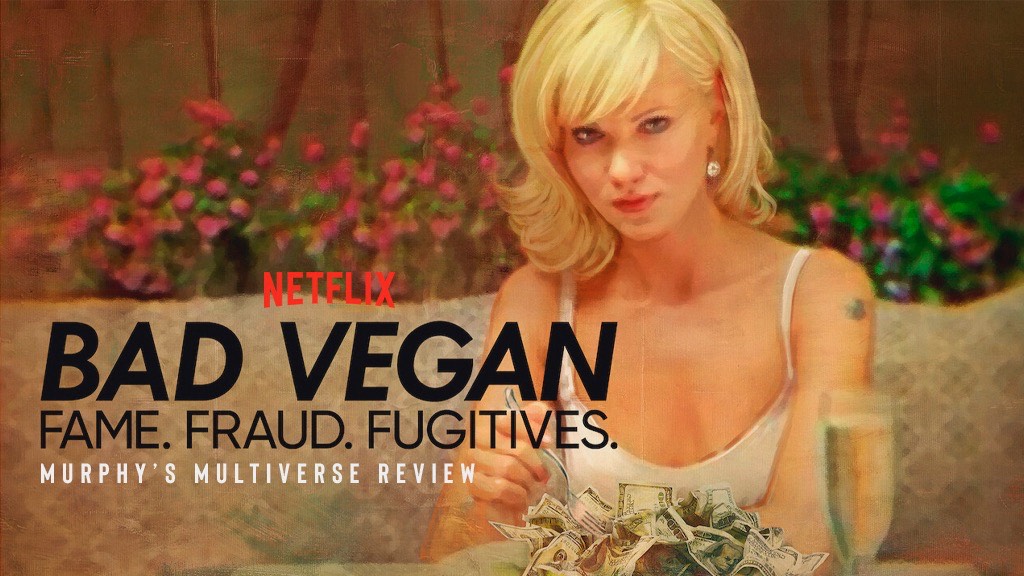
    The newest craze in Hollywood seems to be creating television series based on scandalous magazine articles. From Netflix’s Inventing Anna to Hulu’s The Dropout, Hollywood has found its latest obsession: true crime. Unlike those shows, however, Bad Vegan doesn’t craft a fictional story. Instead, it opts to use the real people to tell everything about this scandal, and it’s ultimately a decision that pays off.

    While Inventing Anna and The Dropout are both entertaining in their own right, despite the former being an utter mess in its depiction of the victims, they offer a sometimes fictional take on the scandals. The four episodes of Bad Vegan do not allow for a fictitious and entertaining take on the Pure Food & Wine scandal. Sarma Melngailis, who was once deemed the Queen of Vegan, had a fast rise and fall at Pure Food & Wine, and despite everything that happened, she willingly sits down to tell the story from her perspective. Naturally, though, her take on what happened is told with a veil of sorts, as while open, Melngailis, is not truly reliable in her telling of the events.

    Like The Dropout, Melngailis isn’t the lone party responsible for what ultimately results in her downfall. There is a man involved and, honestly, he’s one of the more frustrating bits of the story. Just as Melngailis is riding the high of Pure Food & Wine, with her raw vegan restaurant taking over, she meets a man who will ruin it all. How he meets him — and just how Alec Baldwin is involved — are fascinating because you want to believe there’s truly no way someone like Melngailis could fall for him… and yet, she does. There are red flags galore from the moment they connect, but she’s so desperate to believe in him, she’s blinded by the thought of love. What’s worse, however, is that when she does finally begin to question things about him, she still decides to stay.

    Melngailis does many things that are questionable during their relationship and, with just four episodes, it’s not easy to present a fair painting of everything that would eventually unfold. The series does its best to make use of its limited time, and for the most part it does; it wastes no time setting up her rise, but seems to spend little time on how everything falls apart. It’s the one issue with such a limited timeframe to tell such a massive story. In fact, five episodes probably would have benefited the story a heck of a lot more. This is simply because the final episode has to unwrap so much, that by the end, its frustrating where the story leaves off.

    For those unfamiliar with the scandal behind Pure Food & Wine, like myself, there’s no denying this is an easy to devour documentary series. The whole ordeal is just as fascinating as it is morally wrong. Melngailis is an uncomfortable narrator. She’s often stiff and careful with how she chooses her words. It’s clear she wants to tell the whole story, but there’s also a part of her that seems eager to put it behind her from the moment she begins speaking. The use of the other parties in the series, though, to tell their take on everything is a smart move because they are far more open and honest. It’s why this format works much better than the fictional takes on scandals we’ve seen courtesy of Inventing Anna and The Dropout. As absurd as those stories both are, the story told in Bad Vegan is one that is hard to believe at first. The false promises, the deception, the fraud and the corruption? It’s absolutely fascinating to watch unfold with each new interview and episode.

    All in all, Bad Vegan is a limited series to add to your Netflix queue. It’s one of the better takes on a scandal such as this one, and with just four episodes, it’s easy to burn through. For those looking to get lost in a world full of money, celebrity, cuisine and immortality — give Bad Vegan a chance. Just remember, everything you’re seeing on screen did happen, no matter how crazy it all sounds. It’s a heck of a ride, but it’s worth it in the end.

  • REVIEW: Netflix’s ‘The Andy Warhol Diaries’

    REVIEW: Netflix’s ‘The Andy Warhol Diaries’

    Fans of the legendary artist Andy Warhol quickly devoured The Andy Warhol Diaries when the book was first published in 1989. The 840-page paperback features the dictated memoirs of the American artist Andy Warhol that were posthumously published. The book took fans behind the scenes of Warhol’s life, with the last entry taking place just days ahead of his death in 1987. The diaries allow fans to see the world through Warhol’s eyes, from the famous people he spent time with to his life outside of the spotlight. There’s a reason he remains a consistent seller — the publication is a real treat for fans.

    Unfortunately, Netflix’s take on The Andy Warhol Diaries is a bit of a mess. It seems unsure of what it wants to tell and how exactly it wants to tell it. While it is based on the book of the same name, The Andy Warhol Diaries often feels like a story about everyone around him rather than Warhol himself. It seems to forget about Warhol and his legendary artwork, instead choosing to focus on his confidence issues and his unwillingness to comment on his sexuality publicly. With so much to Warhol and the legacy he left behind, it seems an odd thing to focus essentially the entire series on. And sadly, that’s not the strangest decision this documentary makes over the course of six episodes.

    The series uses a computer-generated take on Warhol’s voice to narrate the series. It’s rather off-putting, although it’s safe to presume it’s something Warhol would’ve been entirely fine with. (After all, he had dreams of being a robot.) As it’s an AI voice, it lacks any sense of emotion, coming off as monotone and dull. While I understand this is something the artist would have been behind, judging by what is said in the documentary series, it’s still an odd choice to make in a series that is so reliant on bringing in others to comment on Warhol. Had the series used footage of Warhol while he was alive and then added in the interviews, it would have flowed a lot better. And perhaps, it would have been a lot easier to endure.

    The Andy Warhol Diaries is produced by Ryan Murphy, and it clearly has a Murphy feel to it. When Murphy is at the top of his game, he can deliver some quality television. Sadly, The Andy Warhol Diaries is not among his strongest work. It’s frustrating, really. There are so many reasons as to why this series should’ve been more enjoyable than it was. It seems half-baked. The ideas are good, they’re just poorly executed.

    There is one minor bright spot in the series and that is the fourth episode, where we get to meet some of the other artists Warhol came into contact within New York in the 1980s. This part of the series allows fans to see Warhol appreciating artwork from those who would’ve been ignored otherwise because they didn’t belong to the typical white artist clique. While he might not have understood the artwork, he allows a light to shine on these young artists and their work. It’s a pretty important moment. If only the series was this strong and interesting for its entire run.

    Overall, The Andy Warhol Diaries is frustrating. It wastes its potential by focusing on the least interesting bits of this massive art icon. Warhol did some amazing things in his lifetime, it just seems odd to focus on his love life in a limited series on his life.

  • REVIEW: Netflix’s “All of Us Are Dead” Breathes New Life into the Zombie Genre

    REVIEW: Netflix’s “All of Us Are Dead” Breathes New Life into the Zombie Genre

    When it comes to zombie shows, The Walking Dead has clearly dominated the small screen for the past twelve years. Even now, as it readies for its final season, the series has launched multiple spinoffs and will soon have a series of films to go along with it. Yet, as the zombie genre appears to be dying, Netflix’s All of Us Are Dead looks ready to change the conversation.

    All of Us Are Dead is a series that focuses on a high school in Hyosan, Korea, Hyosan High School. After a mysterious virus is unleashed on the High School, the students — and the staff — must fight for survival. It’s easy to write a zombie story. It’s hard, however, to write one that manages to be exciting and retain a sense of humanity along the way. Netflix’s All of Us Are Dead proves there are still risks to be taken with the zombie genre. This isn’t merely a series of teens fighting the undead, it’s a series that ultimately focuses on the struggles of high school and growing up set against the backdrop of zombies. It tackles some of the most uncomfortable topics and doesn’t try to make viewers feel empathy for the terrible characters that inhabit the series.

    The series begins with an unsettling occurrence between a few students on a rainy night. What takes place between the students will kick off a series of events that’ll change the world forever. It’s a strong way to kickstart the series, one that will leave viewers curious as to where it is going and how it’ll become the zombie-infested series the trailer promises. The series isn’t looking to hold viewers’ hands going into the chaos. The ugly truths of the world – bullying, parental abuse, sexual harassment/assault and depression – are all tackled hands-on; there is no sugarcoating any of it. This is what kids of the world endure, so All of Us Are Dead isn’t going to make it easier to watch – what these kids go through before the outbreak becomes vital to who they become when the world falls to the dead.

    One of the most impressive bits of All of Us Are Dead is that it manages to balance a rather large ensemble cast successfully. Not only does the series have to establish this world for viewers, but it also needs to develop these characters for viewers. The fact that it manages to craft such rich stories for each character is fascinating. Yi-Hyun Cho as Nam-ra, Park Solomon as Lee Soo-hyuk, Ji-hu Park as On-jo and Chan-Young Yoon as Chung-san have some of the best character development. Among the impressive young cast, the four actors stand out, delivering some of the strongest performances within the series — especially Cho, whose Nam-ra becomes a favorite as the show progresses.

    One of the minor setbacks for All of Us Are Dead is that each episode ends on a massive cliffhanger. If you’re looking for a show to slow binge, perhaps this isn’t the series for you. If you’re looking for a title to devour over the weekend, however, All of Us Are Dead is ripe for the picking. It’s well-crafted, with each episode immediately leading into the other, ensuring the story remains tight and avoids having to craft filler stories between. This allows the writers to tell what is essentially a twelve-hour film of the human’s desire to survive at all costs. There are sacrifices, there are brutal deaths and there are careless mistakes, all of which will elicit strong reactions from viewers. It’s just entertaining television that’ll entrance its viewers with ease.

    Overall, All of Us Are Dead is a breath of fresh life in the zombie genre. It’s beautifully shot and features a stellar ensemble cast and a fantastic new take on zombies. It’s dark, it’s screwed-up, but it’s also a realistic approach to a fictional subject. For viewers looking for something new to binge, give this exciting zombie series a go. By the end, they’ll be desperate for a second season.

  • REVIEW: ‘The Witcher’ 2×2, ‘Kaer Morhen’

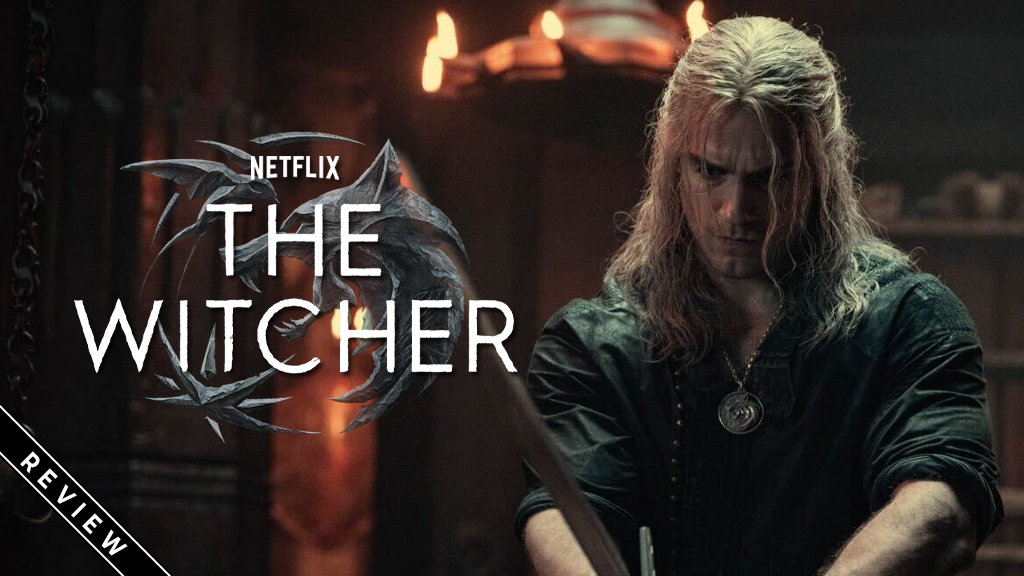
    REVIEW: ‘The Witcher’ 2×2, ‘Kaer Morhen’

    The first episode of The Witcher Season 2 set the story off to a bit of a slower start, picking up right where Season 1 ended. Before making their way to Kaer Morhen, Geralt and Ciri head towards an old friend of Geralt’s to wait out a violent blizzard. The two meet a now cursed Nivellen, who appears as a hybrid of a bear and a pig, Geralt is instantly on edge at what stands before him. The episode ends with Geralt freeing Nivellen of his curse, but learning about what bound him to it in the first place.

    The episode begins with Geralt and Ciri arriving at Kaer Morhen, something that’s been built up since Season 1. This is where Ciri can finally begin her training, learn to hone her abilities, the ones that would randomly pop up throughout the first season. This episode, while it’s a bit fast, feels a whole lot like the first episode, which is really just a lot of sitting around until the end when the monster reveals itself and Geralt springs into action and leaves Ciri behind to “protect her.”

    Arriving at Kaer Morhen, the series introduces many characters that should be familiar to fans of both The Witcher games and books like Vesemir, Eskel, Lambert, and Coën. and while the series gets most of these characters right or at least pretty accurate, Eskel is only the character in the name, an absolutely massive departure from who the character truly is.

    First of all, these are people Geralt grew up with and trained alongside on the path to becoming Witchers. While, for the most part, you can feel those years together in Geralt’s interactions with them, Eskel is the weakest link. Eskel is supposed to be like Geralt, calm and collected, as well as one of Geralt’s closest friends and basically a brother. Eskel is stripped of all that and made to be the black sheep of the family who acts as the rebellious teen, a complete douche essentially. This is furthered by him hiding his Leshy infection that’s slowly turning him into a tree monster, quickly succumbing to it and attacking the castle.

    Perhaps the best part of the episode is when we’re able to see Geralt and Vesemir work together as protege and master, father and son. The fight scene that ensues is quite well done, but the series tries to make you feel sympathy for Geralt in this situation in which he’s pitted against Eskel. This is someone whose supposed to be quite close with Geralt, and when he’s eventually forced to kill Eskel, there’s just no emotional weight attached to that moment.

    The absolute weakest part of this episode, and so far this season, is whatever path they’ve set Yennefer on because it honestly feels like they’ve got no idea what to do with her. This is probably because, in the story they are attempting to adapt, Yennefer really does not play a part. She is still presumed dead by Geralt, who moved on to watch over and train Ciri, but her entire arc feels like it has no end goal right now, she spends a majority of this episode caught in a dream-like state with a forest witch. It again feels like it has sent her nowhere, especially as she finishes out this episode screaming in the woods.

    The Witcher Season 2 seems to have finally found a bit of its footing with Geralt and Ciri arriving at Kar Morhen and I hope to see some solid development for the two of them. The season still teeters on the edge with it not knowing what to do with Yennefer, though. After a fantastic first season arc for the character, she deserves more than what she’s being given.

  • REVIEW: ‘Cobra Kai’ Season 4 is the Best Season Yet

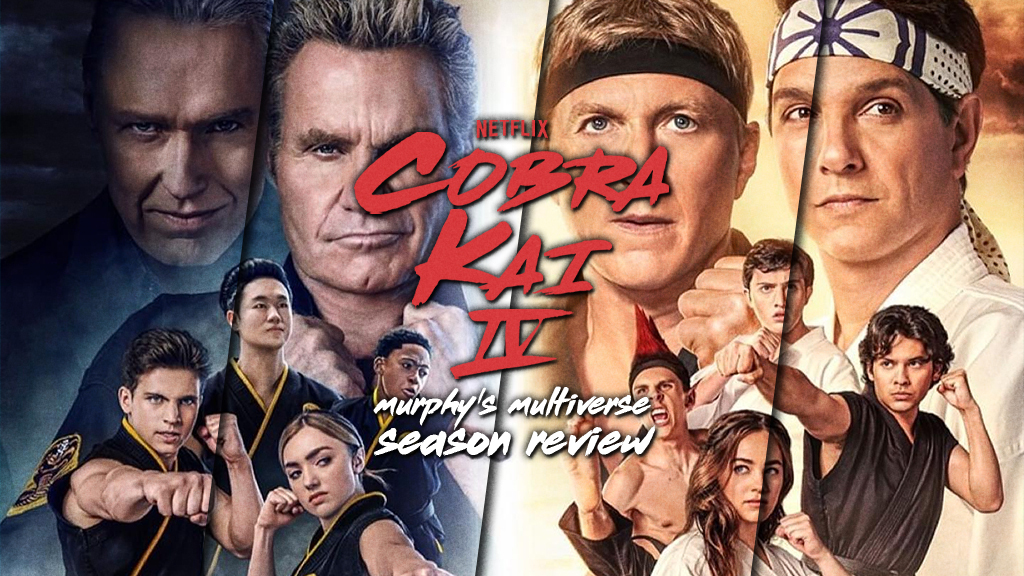
    REVIEW: ‘Cobra Kai’ Season 4 is the Best Season Yet

    The hit follow-up series to the Karate Kid film franchise is thriving in its newfound home on Netflix following the streamer’s acquisition of the series with Season 3. Now, Season 4 is here and the show looks ready to kick some more butt. With the return of a few familiar faces and the future of karate in the valley on the line, Cobra Kai is back and it might be better than ever with an absolutely enthralling fourth season that will have you on the edge of your set the entire time. 

    The season picks up right where Season 3 left off, with Miyagi-Do and Eagle Fang Karate coming together to defeat Cobra Kai at the All Valley and shutdown Cobra Kai for good. This is one of the season’s most interesting dynamics as both sides have their very obvious and glaring differences, it leads to some intriguing conflicts and interactions that you would never think would happen.

    The latest season of Cobra Kai does an excellent job of tackling character relationships. Developing new and old relationships is something Season 4 does quite well. It’s Daniel and Johnny’s rivalry that sticks out the most this season, while both men try to hold onto the father/son relationship they’ve developed over the past few seasons with Miguel and Johnny. We also get to delve deeper into the relationship between John Kreese and Terry Silver, and seeing how their relationship fluctuates over the course of the ten episodes is thrilling; it’s well-written with plenty of moments that’ll keep you guessing. For the first time on the series, these two men feel like more than merely “villains,” which makes their “big, bad” moments all the more terrifying.

    But the absolute for-sure highlight of this season is the return of Thomas Ian Griffith as Terry Silver. When we first meet him, he wants absolutely nothing to do with Cobra Kai or Karate, as the season progresses, however, he slowly begins to become obsessed with it once more. Griffith becomes an absolute menace the second he steps back into the dojo and becomes a serious threat, and not just in the world of Karate. Terry Silver is even more ruthless than John Kreese and doesn’t have the same soft spot for Johnny as Kreese does, as he looks to right many mistakes they made in the past and will not stop at anything to get things done. 

    The extent of Silver’s influence and antagonist development can be seen in the introduction of a new character named Kenny, played by Dallas Dupree. Robby was actively trying to help Kenny stand up to his bullies through karate as the series looks to redeem Robby and eventually bring him and his father together. Unfortunately, though, the introduction of Silver to Cobra Kai turns Kenny into a product of Silver’s malicious and violent nature, pivoting a once kind and promising student into a killing machine. 

    While the character development is a strong point this season, the show looks to have kicked it up a notch on the nature of the show, with what seems to be some of its most violent and mature fights yet. The excellent fight choreography is on full display during the All Valley tournament, with each of the kids truly getting a chance to shine.

    Overall, Season 4 of Cobra Kai may just be the best installment yet of the beloved series. It’s smart, well-written with plenty of stunning fight choreography. At a time when many shows are lucky to tell a cohesive story over multiple seasons that doesn’t falter, Cobra Kai proves it still has plenty of moves left to unleash as it readies for a fifth season. A tight, cohesive season that manages to successfully take the series in a new direction for Season 5? It’s hard not to enjoy this latest return to the Karate Kid franchise.

    The fourth season of Cobra Kai is set to premiere on December 31st, only on Netflix. The show’s fifth season has already wrapped production, but a release date has yet to be revealed.

  • REVIEW: ‘The Witcher’ 2.01, ‘A Grain of Truth’

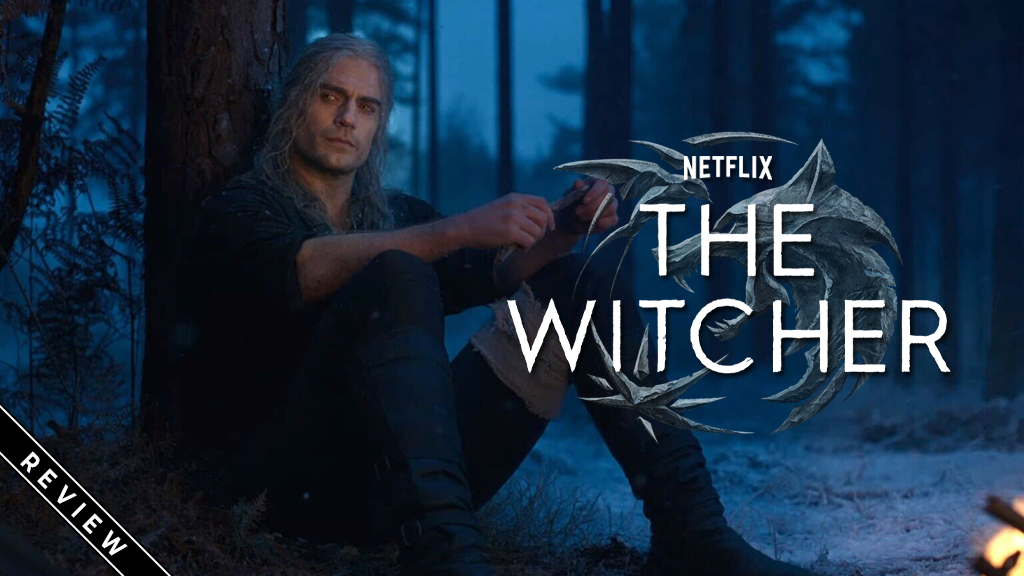
    REVIEW: ‘The Witcher’ 2.01, ‘A Grain of Truth’

    After an incredibly popular first season, The Witcher Season 2 has finally hit Netflix, continuing the story of Geralt, Ciri and Yennefer. When we last left the continent, we witnessed Yennefer join the fight against the Nilfgardians in the battle of sodden, using every ounce of chaos to conjure a blaze so strong it sends Nilfgard into retreat. The biggest moment comes when Geralt is stumbling through the woods, injured by a beast, and finally meets the one he’s been sworn to protect, Princess Ciri.

    This season picks up right as the battle of Sodden concludes, and the battlefield lays riddled with corpses, Yennefer is nowhere to be seen. Ciri and Geralt are continuing onward but get caught up in a storm, and decide to detour an old friend of Geralt’s, and head to Nivellens Manor.

    A dynamic many were looking forward to being introduced is brought to life here, with Ciri and Geralt finally united. It’s a promising and much-needed addition to the series. Ciri offers a great opposite to Geralt’s steely and stone-cold demeanor, but she’s also able to relate to him, with her proving that Geralt’s got a bit of soft-side, even if he’s bound by an oath to protect her.

    Henry Cavill’s dedication to the role of Geralt is another shining gold star for the series, with absolutely stellar casting. While he may seem a bit one-note, this season looks to explore the layers of the character, with Freya Allan’s Ciri playing a pivotal role in that.

    Nivellen is quite the eccentric and welcoming host, with Kristofer Hivju delivering a magical, Tormund-Esque, performance under all those prosthetics. However the entire thing just feels off, it feels like Nivellen is hiding something, no matter how many magical tricks he can pull to distract Ciri, you feel as if Geralt never really trusts him, as Nivellen’s cursed appearance really put him on edge, this wasn’t the same Nivellen he’d met all those years ago.

    The series is very obvious in its mistrust of Nivellen, with the cursed man harboring a Bruxxa named Vereena, responsible for countless deaths. For his crimes, he was cursed to never be able to love, presumably turning him into that beast once he’d fallen for Vereena, but he didn’t care cause she’d loved him either way. This felt like an obvious play on Beauty and the Beast, except the roles are swapped and this time around both of them were the beast. It’s not until the curtain is pulled back and Nivellen’s curse is broken that it really works, when it’s revealed that Nivellen was cured due to raping a priestess, it’s hard to sympathize with a man who’d just lost the one thing that loved him, and it feels like a callback to earlier in the episode when Nivellen had asked Geralt how he was not heartbroken following Yennefer’s presumed death, with Geralt responding, “Who says I’m not?” It feels like Geralt is beginning to scratch the surface of showing emotion, having lost the good person he’d once seen in Nivellen and considered a close friend.

    Perhaps the weakest part of this episode is whatever they’re trying to do with Yennefer. All we see is her locked up in chains under the watch of Fringilla and a few surviving Nilfgardians. Where episode 1 leaves Yennefer promises something surely more interesting than her just pacing around the woods for an hour.

    While this was a bit of a slower start to what will, hopefully, be an eventful season, it was a good starting point for our characters. I look forward to seeing the relationship between Geralt and Ciri progress, and how Ciri learns to hone her abilities. I hope to see storylines come together by the end of the season, with Yennefer and Geralt finally reuniting.

  • REVIEW: ‘Masters Of The Universe: Revelations’ Part 2

    REVIEW: ‘Masters Of The Universe: Revelations’ Part 2

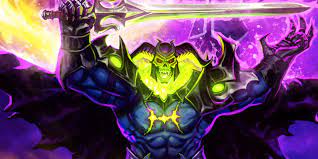
    The return to Eternia came just a few months ago in Masters of The Universe: Revelations. The series caught many off guards as it began with the apparent demise of not just Skeletor, but the champion of Castle Greyskull, He-Man. Many were upset with this, expecting their childhood hero in all his glory, but this isn’t the “He-Man show”-it was literally in the title! This is a show about the greatest warriors in the universe and the second part of Kevin Smith’s epic conclusion should give fans everything they wanted and more.

    The most attractive aspect of the show is how it’s brought to life. Each episode is excellently animated, specifically in the fight scenes. Each fight is meticulously put together for a dynamic and riveting effect. This is one of those cases where a live-action adaption just couldn’t live up to the capabilities of animation; with so many different characters with different abilities, the sky is the limit here in terms of creativity and they use it.

    Right off the bat, the show is able to improve on many of its characters. Teela, for example, is much more focused and developed this time around. The voice cast is one of the series strongest aspects as everyone is quite perfectly cast, especially the villains. Mark Hammil’s Skeletor is absolutely perfect casting, Hamill is able to juggle a threatening presence as Skelegod but still keep the campy charm the characters always had. The shows willingness to take risks with its characters, specifically Evil-Lyn and Teela, is what keeps it so interesting. With so many characters, Revelations finds a way to give everyone a part to play. Even the smallest and oddest characters in Eternia get a spot to shine, and MOTU sure does have a lot of oddballs.

    One of the biggest things that will please longtime fans is how part two utilizes He-Man. By that I mean He-Man is actually a major character. While it’s great to see many smaller characters featured, the strides taken with He-Man fit so well with this modern interpretation of the series as they aren’t afraid to show the emotional side of He-Man: he isn’t the one-dimensional character we once knew and Chris Wood does an amazing job bringing this classic character into the 21st century.

    The show does an excellent job closing out the chapter at a pretty good pace but there are a few issues that stick out with the way it reveals things. With only five episodes to wrap up such a sprawling story, big moments that feel as if they should’ve been given more attention move a bit too fast. A moment that feels like it should’ve been better showcased feels like it was just shoehorned in because they forgot to add it in the first part. The show pulls the rug out from under you halfway through part 2, and it’s probably one of the best creative choices the series has made; it just fits so well with how a certain character was developed in the first part of Revelations, and then it pays off perfectly.

    Along with rushing of certain moments that aren’t treated as importantly as they should be, some of the dialogue is a bit odd and ill-placed. While this is a more adult take, targeting its original generation of viewers who’ve now grown up, we can do without the innuendos. While they aren’t common, they’re there in some pretty tense moments that take you out of the action.

    Masters of The Universe: Revelations feels like a love letter to the franchise. It’s able to capture the original nature of the cartoon all while bringing it modernizing it to work with its now grown target audience and even newcomers to the franchise. The characters are fun and feature a brilliant voice cast with the likes of Sarah Michelle Gellar, Chris Wood, Mark Hammil, Lena Headley, Liam Cunningham, and Tiffany Smith. Part 2 streams on Netflix November 23rd.