Tag: The Last of Us

  • REVIEW: ‘The Last of Us’ Puts An Emphasis On ‘Us’ In Tender Fourth Episode

    REVIEW: ‘The Last of Us’ Puts An Emphasis On ‘Us’ In Tender Fourth Episode

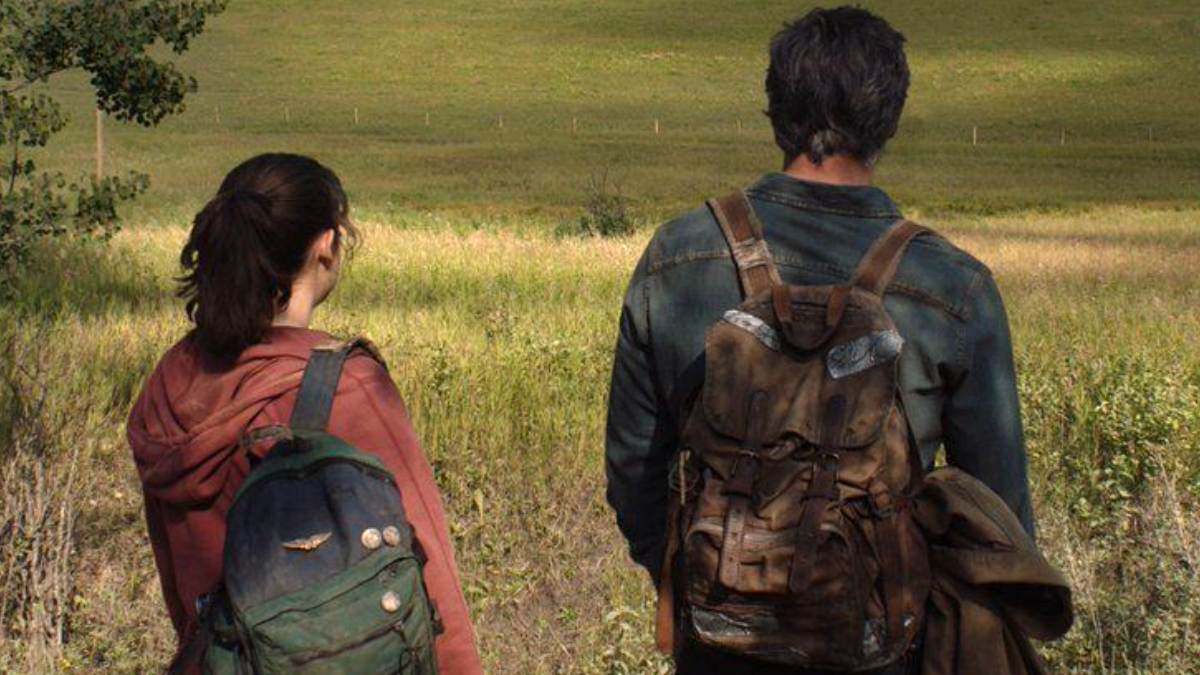
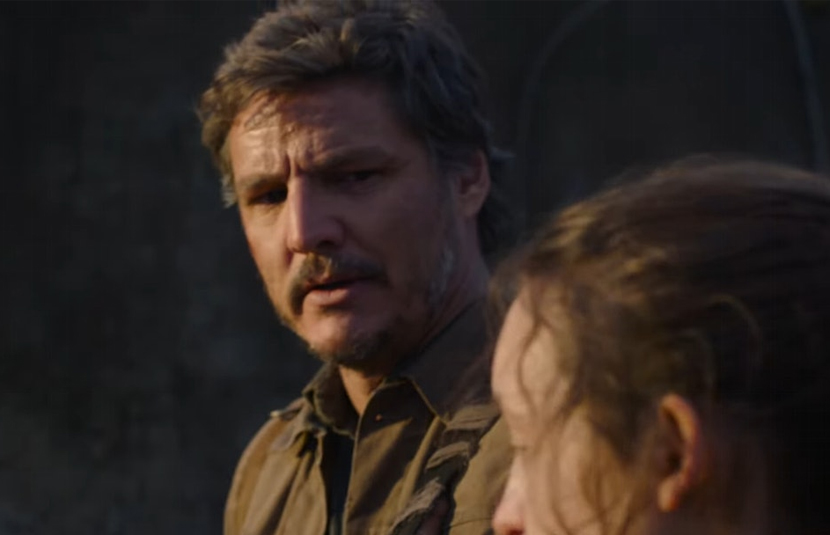
    It’s worth restating every week: The Last of Us, for better or worse, is a love story. In a world full of monsters, it’s easy to forget that the series – HBO’s acclaimed adaptation of Naughty Dog’s original 2013 video game classic – lives and dies with the bond between two people. Pedro Pascal’s Joel and Bella Ramsey’s Ellie are the beating hearts of the franchise, and with the show’s intimate fourth episode, they finally take center stage as the sole beneficiaries of showrunner Craig Mazin’s genius character development plan. While previous episodes have utilized excellent supporting characters as a means of tangentially building Joel and Ellie’s relationship, Please Hold My Hand leaves them all alone for the first time and acts as a much-needed segue into the story’s brutal following chapter.

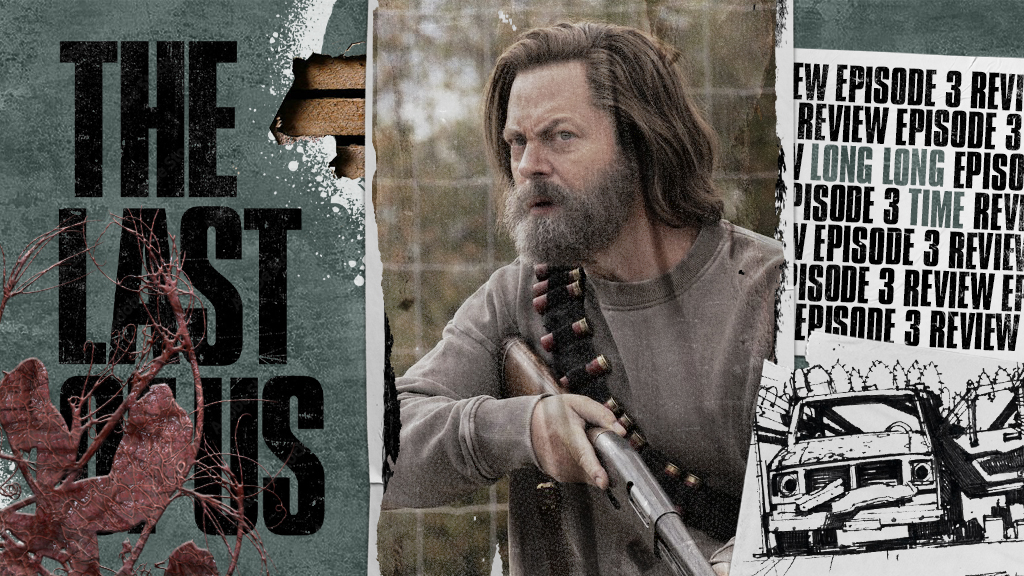
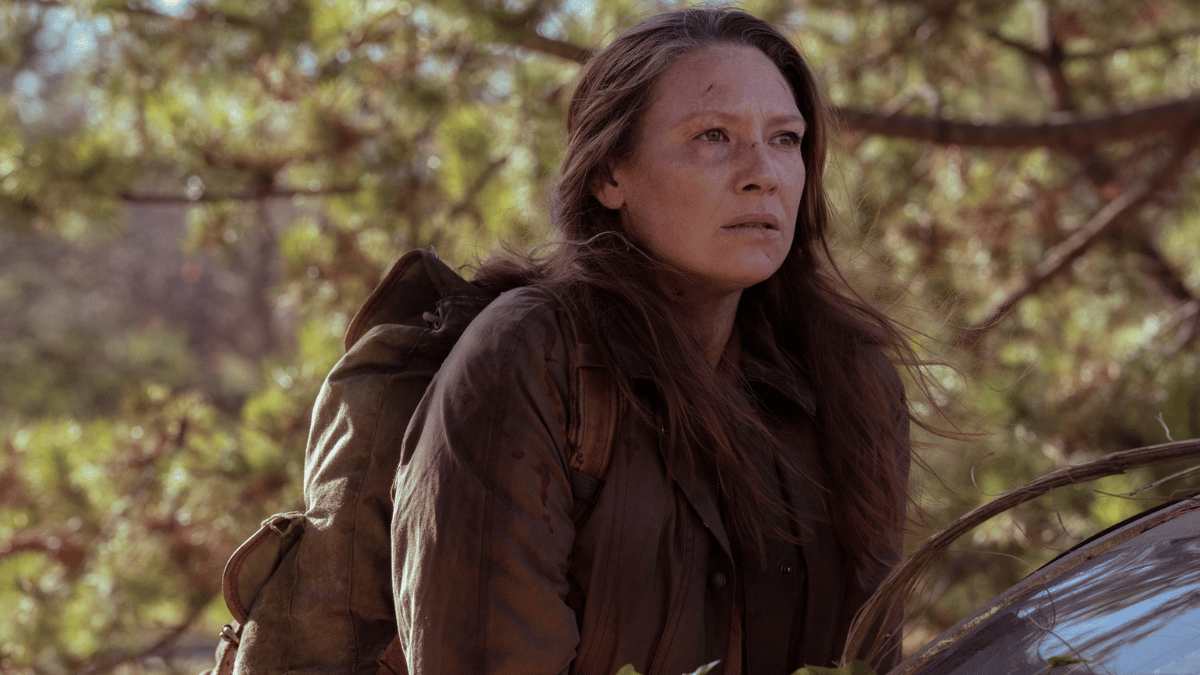
    What Mazin and franchise creator Neil Druckmann have been able to do with The Last of Us in an episodic format is nothing short of astounding, and an installment like Please Hold My Hand is a perfect example of why. As previously stated, Joel and Ellie have thus far had a string of semi-friendly faces to help move their time together along. Each one, bottled into its own episode, served a distinct purpose in constructing the series’ foundational connection between its leads. Merle Dandridge‘s Marlene brought one into the other’s life, Anna Torv‘s Tess forced them to work in conjunction, and Nick Offerman‘s Bill reminded them of their purpose. Now, four episodes into the season’s run, the duo needs some time to grow without an escort. Otherwise, when the going gets tough down the open road, their inevitable drama won’t be believable – or worse, it won’t feel earned.

    Luckily, Please Hold My Hand knows exactly what it needs to do, and spends much of its runtime fixating on the little things. At least half of the episode is composed of Joel and Ellie proving how charming they can be as a unit, and viewers are right to eat it up. It’s amazing just how far a short conversation about coffee, or a running gag with a terrible jokebook, can take the characters involved. HBO’s The Last of Us has the luxury of expanding on moments in time that the original game could not, something that has often led to a much more authentic feel on screen, and its fourth episode does so once again to great effect. By giving viewers plenty of time with Joel and Ellie on the road, simply learning to live with each other, the eventual trap door that takes the ground out from under them hits with far more velocity.

    Joel, in a surprise to nobody, very quickly begins to reenter a paternal mindset, and Ellie, looking for someone to care about her, leans into the burgeoning relationship with everything she has. At the start, neither of them wanted the other, but Please Hold My Hand expertly demonstrates the primal nature of humanity and its desperation for tribe and compassion. The episode is, for all intents and purposes, a miniature of the series as a whole. A study of people and their love for one another, as well as the consequences that come with that deeper, complex emotion. It’s genuinely beautiful to watch, and for a brief instant, it seems as though Joel and Ellie have found some sort of temporary bliss. Unfortunately, as should be apparent by now, nothing good lasts forever in a world ruled by nightmares.

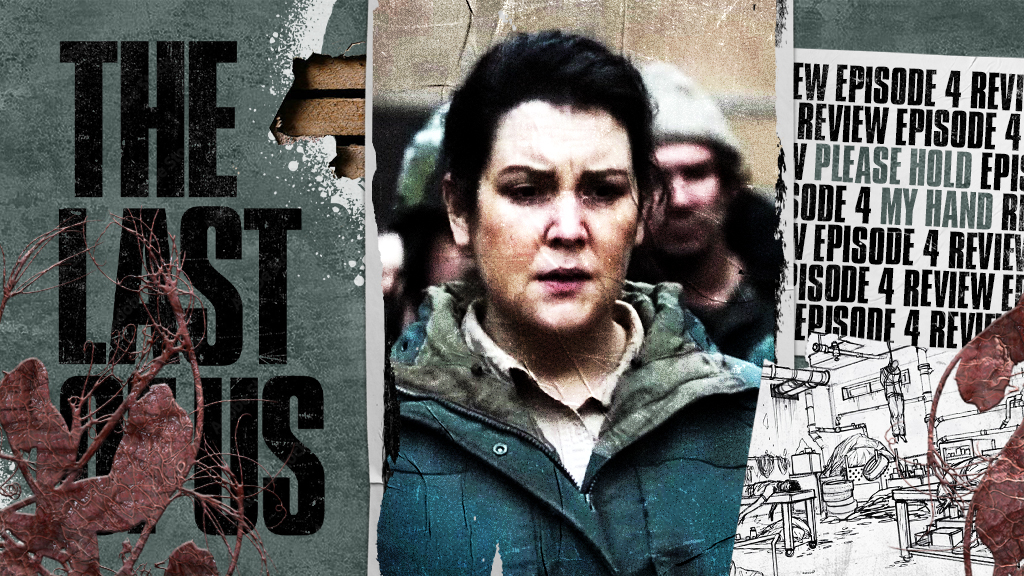
    The keyword of the episode – people – has already been used multiple times. Notably, this is the first entry in the series not to feature any infected, and thematically speaking, that feels as though it must be purposeful. Please Hold My Hand introduces the show’s first real human antagonists, a violent group of Kansas City survivors led by Melanie Lynskey‘s Kathleen, not long after Joel makes it clear to Ellie that people will be the biggest threat standing between them and their goal. Thankfully, however, these characters aren’t just one-note ravagers. Instead, they appear to be a group haunted by what they perceive as wrongdoings of the past, much like the protagonists themselves. More humans were broken by their love, and are now driven to commit heinous acts because of it. The episode makes an effort to portray the “Hunters” (as they’re called in the game) parallel to Joel, blurring the line between hero and villain and hammering home the point at hand.

    Joel, as it’s shown, is someone who has done very bad things and would do them again. Ellie, as it now seems, is on her way to matching that sentiment. Please Hold My Hand does an incredible job of getting in the legwork necessary to make the next few episodes all the more impactful and ends on a note that should be familiar to longtime fans of the game. The next few weeks promise to be a non-stop, brutal ride through the apocalypse, so viewers should cherish the tender moments they receive here. They won’t be the last, but they might just be the most important.
  • ‘One Piece’s Sandal Debate & the Live-Action Adaptation Rabbit Hole

    ‘One Piece’s Sandal Debate & the Live-Action Adaptation Rabbit Hole

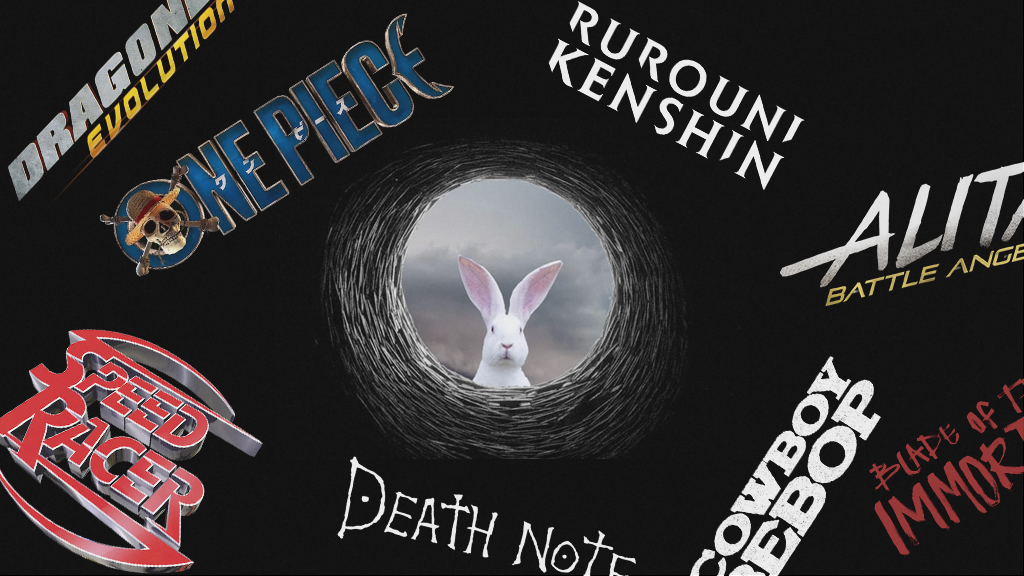
    It’s nothing new that any live-action adaptation of anything has drama surrounding it, but there’s something “special” about the discourse of a manga or anime being brought to the West. We’ve long lived in an era where adaptations have been a pipedream as in the early days of Hollywood they’d simply adapt something for the sake of its popularity, such was the case with Avatar: The Last Airbender or Dragonball Evolution. Those involved seem to have a surface-level understanding of the property and simply rushed out a product that doesn’t reflect the thing most of us grew up with.

    Netflix hasn’t been that innocent either with their very Americanized Death Note and the recent Cowboy Bebop adaptation, which tried to take an existing property to create something a little more streamlined. Even the anime’s creator, Shinichiro Watanabe, openly spoke out about it was “clearly not Cowboy Bebop” due to a lack of involvement with the project. Even with the existence of actual good adaptations like Alita: Battle Angel, the Rurouni Kenshin movies, Blade of the Immortal, Speed Racer, and others, we still tend to hold on to that Dragonball Evolution comparison even to this day.

    The sad thing is that this focus kind of develops this overall negativity surrounding any discourse. Projects are “dead on arrival” long before we’ve seen anything that actually gives us a good feeling of what exactly we can expect from an adaptation. The same has now happened with the One Piece series with the first look at the Straw Hat crew. We’ve seen a variety of reactions as while there’s a good positive surrounding it, there are also quite a few reactions focusing on some curious details.

    The biggest may be the fact that Monkey D. Luffy, played by Inaki Godoy, does not wear his usual sandals but rather has shoes. Surprisingly no one has pointed out that Nami isn’t wearing her usual high-heels but the debate is if the sandals are a “must” for the character’s carefree attitude. Nami actress Emily Rudd even had to publicly point out that sandals aren’t safe for bringing the stunts to life, especially as they tried to do their own stunts throughout production.

    It’s understandable that people are protective of projects they love, especially something that has been running for 25 years. Yet, the main focus has been on the entire project falling apart and being terrible due to Luffy not wearing sandals. This “Sandalgate” sadly generally reflects a discourse on how the Internet generally handles any live-action adaptations nowadays. In the era of The Last of Us, Marvel films, and so much more, we have gotten quite spoiled by what is and isn’t possible.

    Yet, we see a lot of discourse of the most minute details as a “make or break” for any project. Moon Knight was highly discussed because it wasn’t “comic-accurate” enough but may be one of Marvel’s most diverse characters with a long history behind it. Even Thunderbolts are currently being scrutinized based on who is part of the team and we haven’t seen any footage of it so far. In the digital era, we have access to so much information that it also becomes a challenge to be part of the discourse.

    It’s also a showcase of how often certain groups reflect the same talking points. The Last of Us is praised for recreating specific shots but also dragged down for an episode that takes a character in a new direction, even going as far as having it review-bombed to make a point. Even with the creator’s strong involvement, it’s not something people focus on as we work with what we get. We create content and reactions to be part of the discourse, which subsequently leads to repetition.

    Luffy wearing shoes instead of sandals is sadly a strong reflection of that very discourse. In the end, it has no bearing on the quality of this series and serves a practical purpose. We know that live-action adaptations have to make changes due to the fact of it having real people involved, a different structure, and a media format to work with. To some degree, it feels like people want to be mad about something and don’t have a lot to go off from.

    At this point, it sometimes feels like people want to be upset. To some degree, it’s understandable, as most experiences people have had with live-action adaptations of anime and manga haven’t been the greatest. It also involving Netflix adds to that very concern. So, no matter the quality of the show, the online discourse is very likely going to be a nightmare; something Marvel fans might be familiar with given how each project ends up being discussed. We don’t know if it’s going to be good, especially not going off of a poster alone.

    It becomes even more depressing once you enter the discussion points surrounding Nami, who proclaim that she doesn’t “match Eiichiro Oda‘s original vision” given she doesn’t share the same body type as Who Framed Roger Rabbit‘s Jessica Rabbit. Not only is it an impossible standard to set but given Oda‘s heavy involvement, it creates a similar discourse like how people co-opt Stan Lee to reflect how they personally feel about whatever Marvel Studios is doing they don’t like.

    We’re sadly not learning our lessons but continuing to fall down a deeper rabbit hole. Based on a poster, we have no idea how One Piece will turn out. Some will be more optimistic than others, but there’s a certain level where the discourse becomes absurd. Is it a shame that Luffy doesn’t have his sandals? Yes, but we don’t know if there are scenes where he might still have them on but don’t involve any action.

    Even Netflix’s Cowboy Bebop fell victim to it due to the oversaturated reactions regarding Eden Perkins‘ performance as Edward or even just Daniella Pineda‘s take on Faye Valentine not being “revealing” enough like in the anime. The show had its faults but that is more in how it simply struggled to revive that unique spark that the anime offered us in our childhood back in 1998. It was less episodic and embraced the Bebop we know and love, but it wasn’t the cast.

    John Cho was a great cast Spike Spiegel, even if an older take on the character. Mustafa Shakir gave us an iconic Jet Black on top of it all. Pineda had her moments to shine even if her character was a bit of a departure from the original. Cho gave a heartfelt statement on losing out on the show given he was heavily injured shooting the series and was forced to take a year off. In our discourse, we tend to forget real people are working on these projects.

    Yet at the end of the day, we’ll always tend to jump the gun as fast as possible to be that trendsetter. Instant gratification can feel good and we get swept up by it all. Sadly, we don’t give chances like we used to, which creates a higher barrier of entry for any new project trying to establish itself. One Piece has a chance to do what The Last Of Us, Arcane, The Cuphead Show, and many more did for video game adaptations. But if we draw the line at sandals, we may have never deserved the projects we got.

    Source: YouTube

  • ‘The Last of Us’ Viewership Continues to Grow With Each Episode

    ‘The Last of Us’ Viewership Continues to Grow With Each Episode

    Most shows follow a rather similar formula when it comes to how their viewership grows. After a strong debut, most series tend to see a drop in viewership or a strong push once strong word-of-mouth makes the rounds. Though it’s quite common that it starts dropping with the third episode, which we also saw with the monolith release of House of the Dragon last year.

    Yet, The Last of Us is beating those very odds and has seemingly gained more viewers once again going into its third episode. 6.4M viewers have joined according to Nielsen and Warner Bros. Discovery’s first-party data measurement of HBO Max streams. As such, the series has seen an increase of 12% going into Bill and Frank’s captivating story.

    As of now, the series has climbed from 4.7M viewers in its premiere episode and could potentially see another rise after the buzz the latest entry created. It would be great to know if this increase per episode also sees a boost for previous entries. Those that missed the premiere are likely catching up quickly and that rise in retention might play into HBO and HBO Max’s favor.

    It’s not surprising that HBO renewed the series for a second season early on, as there’s definitely an audience captivated by what this post-apocalypse has to offer. The show is surprisingly true to the game while adding or even expanding upon elements in interesting ways. The Last of Us’ third episode had the biggest departure from its source material but also gave us one of the most emotional entries yet. Who knows what future episodes might have to offer?

    Source: Variety

  • ‘The Last of Us’ Showrunner Reveals Original Idea For Opening Sequence

    ‘The Last of Us’ Showrunner Reveals Original Idea For Opening Sequence

    *SPOILERS*

    The latest episode of HBO’s The Last of Us featured a heartbreaking love story between Nick Offerman’s Bill and Murray Bartlett’s Frank, a couple living alone in a small town outside of Boston. While these characters did exist in the original game, their television counterparts differed significantly from what fans might have been expecting. Where players were able to interact and fight alongside Bill on the PlayStation, the series has the noted survivalist dying peacefully beside his love before the show’s protagonists are ever able to reach him. Despite this variation, however, the episode does end with a nod to a classic element from the first game.

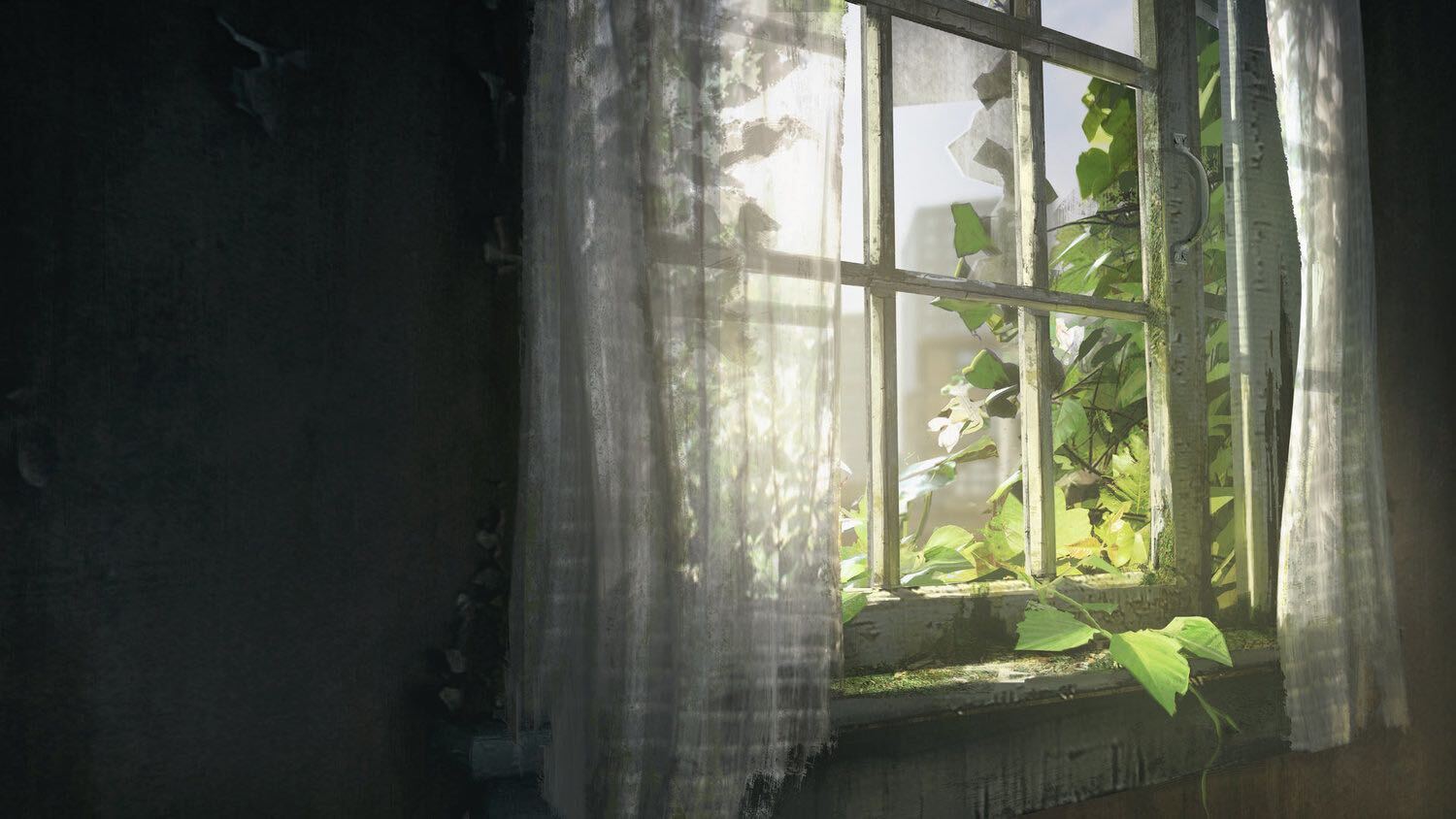
    As Pedro Pascal’s Joel and Bella Ramsey’s Ellie drive away from Bill and Frank’s residence, the camera pans to a familiar shot of the home’s open bedroom window. In the video game, players are treated to a similar image of an open window each time they put in their disc, with the shot acting as the backdrop to the game’s menu screen. In this week’s installment of the official The Last of Us Podcast, showrunner Craig Mazin revealed this was entirely intentional and was originally part of a bigger idea to incorporate the famed window shot as part of the show’s opening sequence:

    We had this idea that we were gonna open every episode with a window. So you know, like, when you’re watching on streaming and the intro comes along, the little button says ‘skip intro’? We were gonna change the words of ‘skip intro’ to ‘press play’.

    Craig Mazin

    He continued his explanation, noting that each episode would present its own unique version of the window concept for viewers to associate with the story:

    So you could sit there and look at this window as long as you wanted. Each episode would have a different window reflecting a different circumstance in that episode, then you’d press play, and the episode would begin.

    Craig Mazin

    Obviously, this didn’t end up making the final cut, but Mazin claims the idea made it as far as filming, and that the team was even able to use the third episode’s window for the end of Long Long Time:

    Well, as many windows as we filmed, it just never really made sense… It just never came together, but the plus side of the misfire there was that we did have this ending, which we loved. And it is a chance to give fans, who have experienced what I’ve experienced as a player, that feeling of the open window and the sense of both promise and loss that it implies.

    Craig Mazin

    The Last of Us is currently airing Sunday nights on HBO.

    Source: The Last of Us Podcast

  • REVIEW: ‘The Last of Us’ Third Episode Gives Us Bill & Frank’s Excellent Adventure

    REVIEW: ‘The Last of Us’ Third Episode Gives Us Bill & Frank’s Excellent Adventure

    *SPOILERS*

    The Last of Us is, first and foremost, a love story. HBO’s adaptation of Naughty Dog’s video game classic is ultimately a tale of finding purpose through devotion, and eventually, dealing with the grief that comes with it. In Long Long Time, the series’ latest episode, this concept is bottled into a mostly self-contained narrative about Nick Offerman‘s gruff doomsday prepper Bill and his music-loving romantic partner Frank, played by The White LotusMurray Bartlett. It’s an incredibly beautiful, sentimental hour of television, perhaps one of the best in recent memory, that leaves a truly indelible mark on the franchise and everything it stands for.

    For those that are not familiar with The Last of Us outside of the show, let it be known that Long Long Time is the first episode of the series to deviate immensely from the original source material. In the game, Joel and Ellie come upon “Bill’s Town” to find its titular resident living alone in a bitter state of self-preservation. Frank is mentioned, but never seen, as Bill’s former survival partner who moved elsewhere after a major falling out, and the game’s protagonists are forced to work with Bill alone to infiltrate a Clicker-infested high school on the other side of town for important truck parts. It’s only after this that the player discovers Frank’s decaying corpse, a note left behind revealing he was infected and consequently committed suicide, taking a lasting hatred for Bill with him to the very end.

    This works well in the game as a means of communicating to the player what danger lies in refusing to make a human connection. Through interacting with a broken Bill, and seeing what has become of his life and the town he lives in, both the player and the game’s characters begin to value companionship just a little bit more. In the way a video game functions, there is no chance for the story to flesh out Bill and Frank’s relationship further. It has to be something the player, as well as Joel and Ellie, stumble upon in the midst of gameplay. With a series, however, the creatives are not confined by the restrictions of player-controlled storytelling. They have a unique opportunity to explore the full history between lovers Bill and Frank, and in taking it, they subvert every expectation the viewer has going into the episode.

    Long Long Time is, at face value, a heartbreaking short story for The Last of Us newcomers to digest. Much will be said about its arresting nature, and rightfully so. Yet, it’s the way the episode fits into the larger narrative that’s truly striking, especially to someone who appreciates the grand scheme of character development. At first, Long Long Time seems to be a diversion from the main plotline, giving the audience a backstory for the next big name to join the show. Offerman had been advertised heavily as part of the series, and it’s intentionally made to seem like Frank will meet a tragic end to tie Bill’s arc in with the rest of the, admittedly, depressing project. However, once it becomes clear that Bill and Frank’s time together will instead end full of love and happiness before Joel or Ellie can even get to them, viewers are made to question what the idea behind the whole flashback was.

    The purpose for the entirety of Long Long Time, aside from the obvious, hits home not long after, and it’s absolutely brilliant. Although not literally, the episode – like the whole series – is still about Joel and Ellie. The Last of Us uses Bill and Frank’s story as an hour-long allegory for the show’s protagonists, and it all comes together as soon as Ellie reads Bill’s suicide note to Joel. Time exists to put the show’s leading duo on track and somehow manage to develop their own unique relationship in leaps and bounds without having them on screen for most of the runtime. On top of this, Time expertly toys with longtime fans’ preconceived notion of Bill as a resentful loner to draw them into its trap, and uses the shock of its eventual subversion to hammer home it’s point tenfold.

    Long Long Time does with its expansion of the Bill and Frank saga exactly what the game did with Joel and Ellie’s long trek through Bill’s Town and its high school, but it sends the message with far more grace and humanity. It reassures viewers that, even when HBO’s take on The Last of Us strays from what’s expected, it will get its characters where they need to be and maintain the spirit of the franchise while doing it. A masterful display of all the best storytelling techniques, and an exciting indicator of where the show can go next.

  • ‘The Last of Us’ Renewed for Season 2

    ‘The Last of Us’ Renewed for Season 2

    HBO has renewed The Last of Us for a second season. The series, which stars Pedro Pascal and Bella Ramsey, is an adaptation of the video game series of the same name. Since its premiere earlier this month, The Last of Us has quickly become a breakout hit for HBO, amassing an astounding 22 million viewers across all platforms.

    “I’m humbled, honored, and frankly overwhelmed that so many people have tuned in and connected with our retelling of Joel and Ellie’s journey. The collaboration with Craig Mazin, our incredible cast and crew, and HBO exceeded my already high expectations. Now we have the absolute pleasure of being able to do it again with season two!”

    Neil Druckmann, Executive Producer

    To date, the series has only aired two episodes, with the third set to premiere this Sunday. However, the adaptation of The Last of Us looks to be connecting with viewers. Episode 2 reportedly jumped 22% in the overnight ratings compared to the first episode across HBO and HBO Max.

    Mazin, who serves as the showrunner on the project, expressed his gratitude to those involved in the project as well as the fans of the show. “I’m so grateful to Neil Druckmann and HBO for our partnership, and I’m even more grateful to the millions of people who have joined us on this journey.”

    The Last of Us is expected to tackle the second video game, The Last of Us: Part II, for its second season. Season 1 of The Last of Us consists of nine episodes, with a new episode dropping every Sunday.

    Source: THR.

  • ‘The Last of Us’ From Game to Screen: Episode 2

    ‘The Last of Us’ From Game to Screen: Episode 2

    We are back with another edition of #GameToScreen, where we review the key differences between a video game and its adaptation. We continue with Episode 2 of The Last Of Us, Infected. You can read our veteran’s review here and our newbie’s review here, and you can yell at Charles if need be. Let’s dive right in!

    The Connection Between The Infected

    We alluded to this in Episode 1’s Game to Screen, but Episode 2 confirms the impact that the subtle change in how people are infected can have on this world. Since people are infected via the vines of other infected, then this means they are all theoretically connected. Now, this is obviously a drastic change from the games in that there is almost a symbiotic relationship between each of the infected. It, also, really gives us more questions than answers. Are they learning from each other? Is there an Infected Prime somewhere who is essentially Patient Zero?

    Tess’s Death

    We, also, alluded to this in last week’s Game to Screen, but changing Tess from Joel’s business partner to his business partner slash lover meant that things that were headed our way would have much different meaning. Tess dies off-camera in the games, choosing to sacrifice herself to ensure that Joel and Ellie live, though she makes sure to take everyone and everything she can with her in a flurry of gunfire. The show keeps the sacrifice, decides to remove the humans she encounters before dying, and instead sends in a mass wave of Clickers. Tess chooses to go down in a literal blaze of glory as she sets fire to herself and all the Clickers that surround her. We are, also, treated to what can only be described as a French kiss between a Clicker and Tess, which makes things very awkward. All jokes aside, having Tess die differently, albeit slightly earlier, really brings up so many questions about the fate of a lot of the characters we are going to meet. What changes to our characters await us down the road?

    Ellie’s Infection

    In the game, Ellie’s valuable in that she is immune from this airborne and by-the-bite virus. That’s right: she cannot become infected no matter how many times she’s bitten or, you know, breathes. In the show, they have already established that the way you are infected is different in the show. However, it is in Tess’s conversation with Ellie where something comes into focus: Ellie is actually infected. Tess tells Ellie, in fact, that even stepping on a vine draws the attention of multiple infected, which is fascinating considering that Ellie is very much infected in the show given that she has been struck with the vines before. Is Ellie not just the key to a cure, but also the key to finding the presumptive leader of the Infected?

    The First Clicker Encounter

    Ellie, Joel, and Tess first encounter the Clicker in the museum in Boston, during a dark night in Beantown. The show sets this encounter a little bit earlier, removes FEDRA’s presence from the encounter, and lets it play out in broad daylight. Considering this is one of the most tense situations in the game, setting it in the daytime would remove all tension, you would think, but not even a little bit: it is still very much unnerving to see Clickers for the first time, and to see them in the location you did not expect. One of the really great things about the Resident Evil remakes being released now is that they circumvent our expectations, and The Last of Us has found a way to do that in nice ways through two episodes. What other subtle changes are in store for us that change our expectations?

    Tess’s Dying Wish

    Tess, gearing up to sacrifice herself, tells Joel to take Ellie to Bill and Frank, and urges him to have them take her to the Fireflies: in the game, this just does not play out like that at all, and Frank is actually dead. Joel finds a corpse in the train station after Tess sacrifices herself, and you later discover that that was Frank who was dead. In the show, Frank is very much alive, and that introduces a new dynamic for the next episode. Tess’s instructions are for them to take Ellie to the Fireflies, while Joel can continue looking for the Ghost Rider Gabriel Luna. We will not get into Bill’s future given how spoilery it would be, but Frank’s future being re-written really has us excited.

  • HBO’s ‘The Last of Us’ Originally Gave Tess An Origin Story

    HBO’s ‘The Last of Us’ Originally Gave Tess An Origin Story

    HBO’s serialized take on the acclaimed video game The Last of Us has thus far been a hit with fans. The show has been praised for its ability to recreate key moments from the original game while also offering expansive new information about the origins of the fungal pandemic and its leading characters. This week, the series debuted its second installment, which featured a heavy focus on Anna Torv‘s Tess, the smuggling partner of Pedro Pascal‘s Joel and co-caretaker of Bella Ramsey‘s Ellie. While the episode mostly sticks to the same character arc Tess has had since 2013, showrunner Craig Mazin was quick to reveal this wasn’t always the case.

    In the latest edition of HBO’s The Last of Us Podcast, an official weekly companion series in which Mazin and franchise creator Neil Druckmann discuss adapting the game to live-action, the former explained that the second episode nearly gave Tess a full-blown backstory. After being asked by podcast host Troy Baker about the character’s vulnerability and willingness to feel hope, Mazin stated they had actually written an origin for her that would have expanded upon the complex emotions she displays throughout the episode:

    There is something we had talked about, and we wrote it. We never shot it. It was a little bit of a backstory for Tess, and the fact that Tess had a kid. She had a husband and she had a son, and they were infected and she had to kill them. She killed her husband, but she could not kill the son. She couldn’t do it. She locked him in the basement, where theoretically, he’s still a Clicker.

    Craig Mazin

    Druckmann then elaborated further, chiming in to give more details on how the backstory would have been told and why it didn’t make the episode’s final cut:

    We had a cold open where we just like, the camera pushed on this door and you just hear this pounding coming from this basement and then we cut out. Then later, Tess would tell the story of how she couldn’t kill her son…it didn’t fit, but it was fun to think about.

    Neil Druckmann

    Whether or not fans choose to take this as the canon origin story for Tess is up to them. It hasn’t actually been included in any official in-world content, so it could be altered in the future if the creatives decide on something else. Or, as is often the case with The Last of Us, Tess’ history before Joel could remain a mystery forever. Either way, like Druckmann said, it’s still fun to think about.

    Source: HBO’s The Last of Us Podcast

  • What in the End of the World Is Happening in ‘The Last of Us’?-Infected

    What in the End of the World Is Happening in ‘The Last of Us’?-Infected

    Fans of the award-winning video game franchise, The Last of Us, have been anticipating the arrival of the HBO Max streaming series since word of the project first circulated in late 2020. Led by Pedro PascalAnna Torv (oops), and Bella Ramsey, the adaptation kicked off with an 80-minute first episode that covered a lot of ground (55 years to be exact), most of which was incredibly familiar to fans of the game and has fans of the game pretty fired up for more. But what about your average outsider? As a certified outsider, I have a lot of questions about just what the hell is happening at the end of the world in The Last of Us.

    More Damn Science

    The Last of Us is two-for-two on cold opening full of science stuff and both have done a fantastic job of foreshadowing the horrors faced by the characters that inhabit the world. The terror on the mycology professor’s face when she learned the impossible had happened and cordyceps fungi had learned to live in humans was nothing compared to the emotions of her realization that the world as she knew it was over. Amazing cold open!

    Boston

    Ellie, the Mycelium Messiah,is a mycological miracle! Once bitten, twice shy I suppose. The distrust on Joel’s part, the unwillingness to let himself believe in hope, is pretty fantastic! And I don’t know that I blame him because until we understand why Cordyceps Christ doesn’t turn into a monster, it’s easy to keep imagining she will! How does this work? The science lady said no medicine and no vaccine!

    Two things stood out to me during the time in Boston and both were very cool. First of all, even as someone who has never played the games nor seen them played, I could feel the video gaminess of the hotel and museum scenes but they were also very well done. Moving through the gross water, the dead body jump scare and crossing the wooden plank to find a new path all seemed like things ripped right from gameplay. Also, I have no idea, but I’m guessing the museum is a pretty major stop in the early part of the game. And I had no idea they were going to kill Andrea like that! Wow! This is starting to feel very, very Game of Thrones-y in that I don’t know if I want to get attached to anyone other than Joel and Ellie.

    In addition to the great job the creatives did in bringing video game stuff to the screen, the description of the fungus as one large organism followed by the demonstration of the way it works was incredible! Is that from the game? Or is that something they made up or expanded on for the series? What an element of danger it brings to everything you do. If they’re all crispy, no big deal…but if you touch even the smallest bit of one that’s still kicking, those crazy Croakers and the fungal fiends come for you. Absolutely terrifying!

    Two episodes in and I’m loving it. This feels like a story worth watching despite knowing everyone is going to die…and they probably should if they leave the safe places! Morons.

  • REVIEW: ‘The Last of Us’ Splits Heads and Builds Tension in Subtle Second Episode

    REVIEW: ‘The Last of Us’ Splits Heads and Builds Tension in Subtle Second Episode

    The Last of Us is a storytelling machine fueled by nuances. So much of its plot, and consequently, its character development, plays out in the form of sudden movements and stilted glances. In its original video game format, the traumatic tale of Joel and Ellie was allowed to be immersive, executed as something experienced by both the protagonists and the player controlling them. On television, this can’t be the case, so formerly passive moments of world-building become incredibly deliberate choices, and once-lively sequences of gameplay transform into subtly intense scenes on camera. It’s not an easy transition to pull off creatively, but this tight-rope act is the name of the game in Infected, the second episode of HBO’s newly acclaimed adaptation.

    Picking up where the premiere left off, Infected sees Joel, his smuggling partner Tess, and their new cargo Ellie fleeing from the Quarantine Zone and traversing a post-apocalyptic Boston. Their goal is to drop Ellie off with the Fireflies and go their separate ways, but the path to the designated meeting point is blocked by a horrifying horde of the fungally infected, and not everybody is going to survive the alternate routes. This episode is, perhaps, a slower burn than the last, but works insanely well as a masterclass in creating tension. From beginning to end, the stakes feel high, and the expert pacing leads to truly awe-inducing payoffs that firmly cement The Last of Us as a terrifying, heartbreaking new world of monsters.

    Much like the first episode, Infected begins with a cold open set before the events of Outbreak Day. A scientist in Jakarta is tasked with inspecting the body of a freshly infected person, quickly coming to the realization that society, as humanity knows it, is about to end. While striking, the scene at first feels repetitive of what was already presented in the pilot, an almost unnecessary addition to the story when Joel and Ellie’s journey is begging to continue rolling. There’s an extreme sense of foreboding, a deeper look into how the fungus began spreading, and a reminder that people won’t be able to win this battle before cutting to the opening credits. However, as the rest of the episode unfolds, it starts to become clear just how brilliant the cold open actually was.

    As its title implies, Infected does a lot of leg work when it comes to explaining how The Last of Us’ zombie-like plant baddies function. The information given to viewers in the episode’s first few minutes is expanded upon as the remaining hour ticks away, with each new detail creating a higher sense of danger than the last. As the stand-in for the audience, Ellie gives all the correct reactions, ranging from disgust to strange admiration. Like anything humans may fear in nature, there’s an innate level of respect for the fungus and its unstoppably connective nature, but it doesn’t make the simultaneous pain and destruction its growth results in hurt any less. Tendrils, for example, finally have a purpose, and the show’s manner of presenting them as both deliciously creepy and oddly beautiful makes for a wonderful mixed bag of emotions for those watching at home.

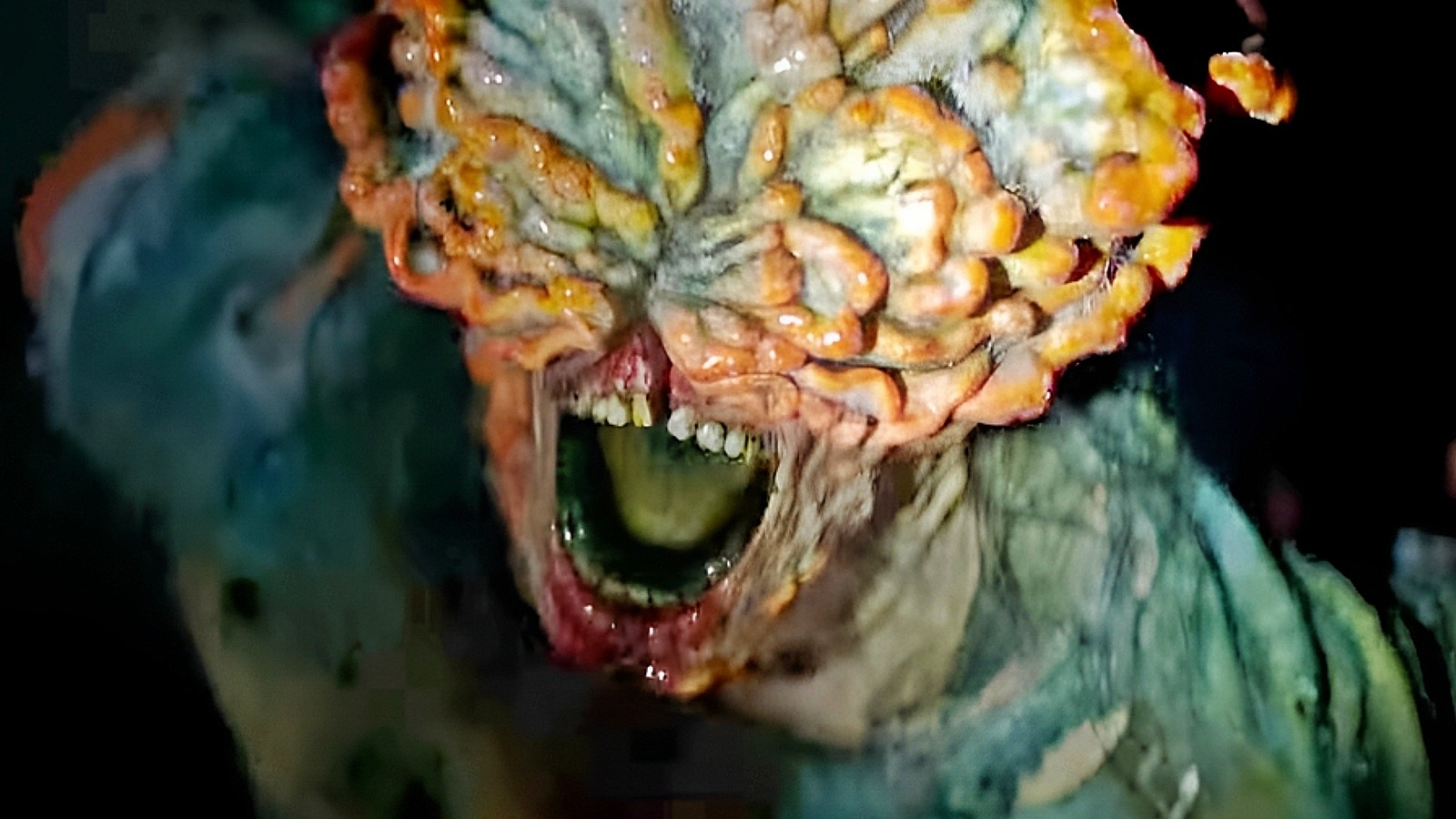
    Like the cold open itself, most of the horror in Infected comes from what the audience doesn’t see. Viewers are told what could kill them, and they’re told how dire the situation has become, and then they’re left to imagine what that might look like for the large majority of the episode. Characters peer through collapsed buildings, walk past craters in the street, hear screeches come from the distance, and see far-off, ant-sized bodies roll in a giant mass along the ground. It feels like anything could come crashing through the wall at any moment, and it causes every action the protagonists take to feel like a life-or-death decision. All this, so when the Clickers finally make their live-action debut, it’s worth every second of agonizing anticipation that came before it.

    Avid fans of The Last of Us have heard the sound of Clickers a million times in the past, yet somehow, HBO’s latest series manages to bring a fresh kind of fright to the first time that guttural noise comes around the corner. It’s not the action-packed museum fight sequence from the game, but it doesn’t have to be. The point is to experience the terror of the infected, and director Neil Druckmann only needs two of them to get the job done. Every motion of the camera while Joel and Ellie hide (in a surprisingly game-accurate way) is genius. A continued play on the phobia of the unknown. They, and the viewers, only get glimpses of a living nightmare that forces them to play by its rules. If Clickers weren’t already part of the classic horror villain lexicon, they will be now.

    This unique sense of dread extends to the episode’s closing moments, which find Anna Torv‘s Tess sacrificing herself in a bittersweet effort to save the planet. This, too, is made better by the beginning of the episode, acting as a hopeful bookend to an hour of empty loss. In Jakarta, it’s made perfectly clear that there is nothing people can do to stop the fungus. The only option, according to a tearful scientist, is to take lives away. Here, after discovering Ellie as a potential solution, Tess realizes the answer may actually be keeping a life intact. Again, after a long subtle build, the payoff comes due in a gorgeous, intimate moment of humanity, surrounded by the bizarre parallel of the fungus – now spreading into Tess – also doing what it can to stay alive.

    Of course, none of these nuances could possibly work as well as they do without the pure talent of the cast. Bella Ramsey comes to life as Ellie in this episode, and it becomes apparent by the end exactly why they were chosen for the role. A perfect blend of vulnerable and tempestuous. Specifically, a moment between Ellie and Joel in the lobby of a flooded hotel feels ripped straight from the game, with Pedro Pascal also embodying the latter character with immaculate accuracy. Somehow, The Last of Us has been reborn on HBO, and with time, it may even prove to be a better version of the story than the original model. At the very least, these first two episodes have been nothing short of amazing, and hopefully, are enough to bring viewers back for more.