Tag: TV Reviews

  • REVIEW: ‘The Last of Us’ Explores the Darker Side of Love in Heartbreaking Fifth Episode

    REVIEW: ‘The Last of Us’ Explores the Darker Side of Love in Heartbreaking Fifth Episode

    *SPOILERS*

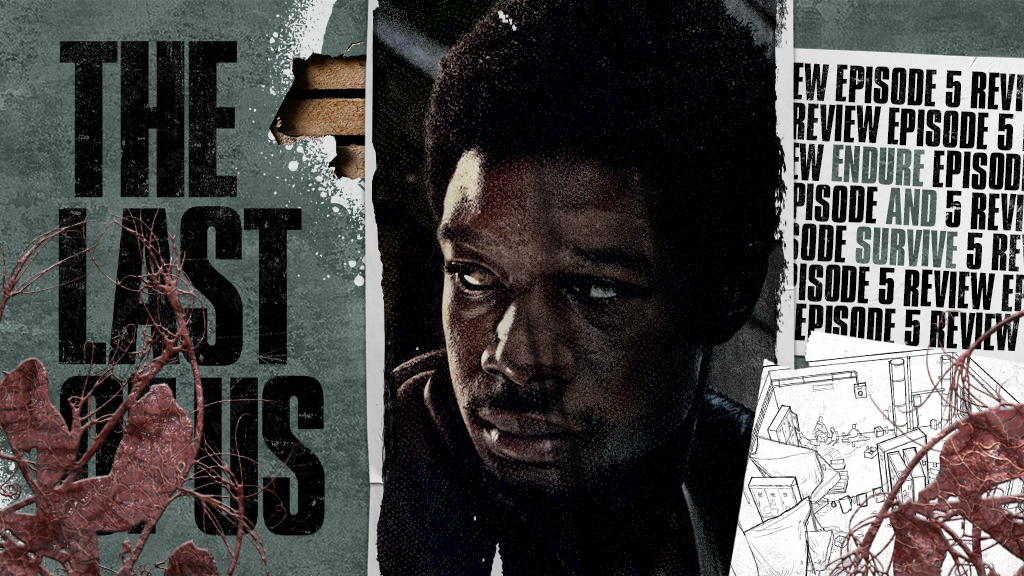
    Another week, another reminder: The Last of Us is a love story, and sometimes, love can be destructive. Thus far on their journey, Pedro Pascal‘s Joel and Bella Ramsey‘s Ellie have seen devotion take many forms. They’ve witnessed Marlene and Tess’ reserved commitment to responsibility, Bill’s tender endearment to his beloved partner, and now, Henry’s brotherly protection of his vulnerable sibling, Sam. More importantly, however, they’ve seen the consequences that come with each of those stories, and the variable effects that pure love can have on a person and those around them. In Endure and Survive, the series’ stellar fifth episode, the protagonists are forced to explore the darker side of intimacy and learn that love doesn’t always have a happy ending.

    To address the elephant in the room, the closing moments of Endure and Survive are incredibly difficult to watch. The episode does an extremely efficient job of introducing Lamar Johnson and Keivonn Woodard as their respective characters early, bringing the show back to the uniquely semi-anthological feel it’s crafted throughout the season, and making their ultimate demise hurt all the more. Not only that, but the duo excel in their roles, evoking exactly the same sense of innocence and optimism that Sam and Henry represented in the original 2013 video game. Much like the other pairs of survivors Joel and Ellie have met on their travels, they mean more than the physical function they serve. They are hope, compassion, and the dream of a better future. So, when they inevitably meet their end, it’s absolutely devastating.

    As painful as it is, however, it’s also essential to Joel and Ellie’s own development. No matter what happens in The Last of Us, or who else is present, the story will always come back to Joel and Ellie. That is the singular, unwritten rule of the series. Sam and Henry, as wonderful as they are, exist almost purely to put the show’s protagonists through a certain level of trauma together. The chemistry between the four survivors is immaculate, and for a moment, it seems Joel and Ellie have found a scenario where they can be happy. The beginnings of an informal family. It’s enough for Ellie, and even Joel, to briefly let their emotional guard down, something that they won’t be as quick to do after Sam and Henry’s deaths. Ramsey is particularly excellent in the final scene of Endure and Survive, where Ellie’s freshly hardened exterior is on full display.

    If Bill and Frank, in all their glory, were meant to show Joel the potential of a lasting relationship, then Sam and Henry are there to remind him what can happen on the other end of the spectrum. Love, for all its worth, is also the foundation behind some of life’s cruelest acts. There are consequences to letting people open your heart, both good and bad, and The Last of Us is hellbent on spelling this out at every turn. Luckily, it has a sublime cast and talented creatives bringing its heartbreaking spectacle to life. They make the worst of it all feel immensely human, which is also perhaps why fans are so compelled to watch in spite of all the hurt.

    Also of note in this episode is the work done with Melanie Lynskey‘s Kathleen. The Last of Us operates best in a grey area and has always maintained this by pitting Joel and Ellie against enemies who aren’t exactly straightforward baddies. Yes, Kathleen is willing to perform acts of violence that would even give Joel pause, but showrunner Craig Mazin does his best to make it clear that doesn’t come from nowhere. Just like everything else in this episode, it emerges from the darkest corner of love. She is human, and her susceptibility to grief also makes her volatile. Joel and Ellie may not be there yet, but there’s nothing to say one or both of them couldn’t reach that point eventually. Not even Henry, who reveals he’s also committed ostensibly atrocious acts in the name of love, is safe from his own humanity. It all comes together so nicely and is simply genius storytelling.

    Lastly, as a fan, there’s no way Endure and Survive can be discussed without mention of the Infected horde. Ever since Joel and Ellie survived that Clicker attack in the show’s second episode, the threat of Infected has been far and few between. Several locations of fan-favorite Infected encounters come and go in the series without a hint of the fungal monstrosities in sight. The reasoning behind this, that the heart of the story is about the people and not the creatures, makes total sense, but there has been a wanting desire to see the show’s heroes go up against the living undead again for a while now. With a stirring third act, HBO’s The Last of Us makes up for the intermediate absence of Infected with one fell swoop of chaos, carnage, and a big ole’ Bloater. The resulting exodus of characters is a glorious mix of pain and pleasure.

    Endure and Survive is potentially the best episode the series has yet to offer. It contains nearly every aspect of The Last of Us that makes the story memorable. The desperate exhilaration of survival, antagonists both alive and unwell, the fear of fungus, and a deep dive into the intense complexity of emotion that only Neil Druckmann and Mazin could configure. Everything boiling down to a clipboard, asking Ellie, and everyone at home, to stay awake. It’s beautiful and draining all at the same time. At this point, there’s no doubt audiences will be back for more.
  • REVIEW: Palpatine’s Political Acumen Takes Center Stage in ‘The Bad Batch’

    REVIEW: Palpatine’s Political Acumen Takes Center Stage in ‘The Bad Batch’

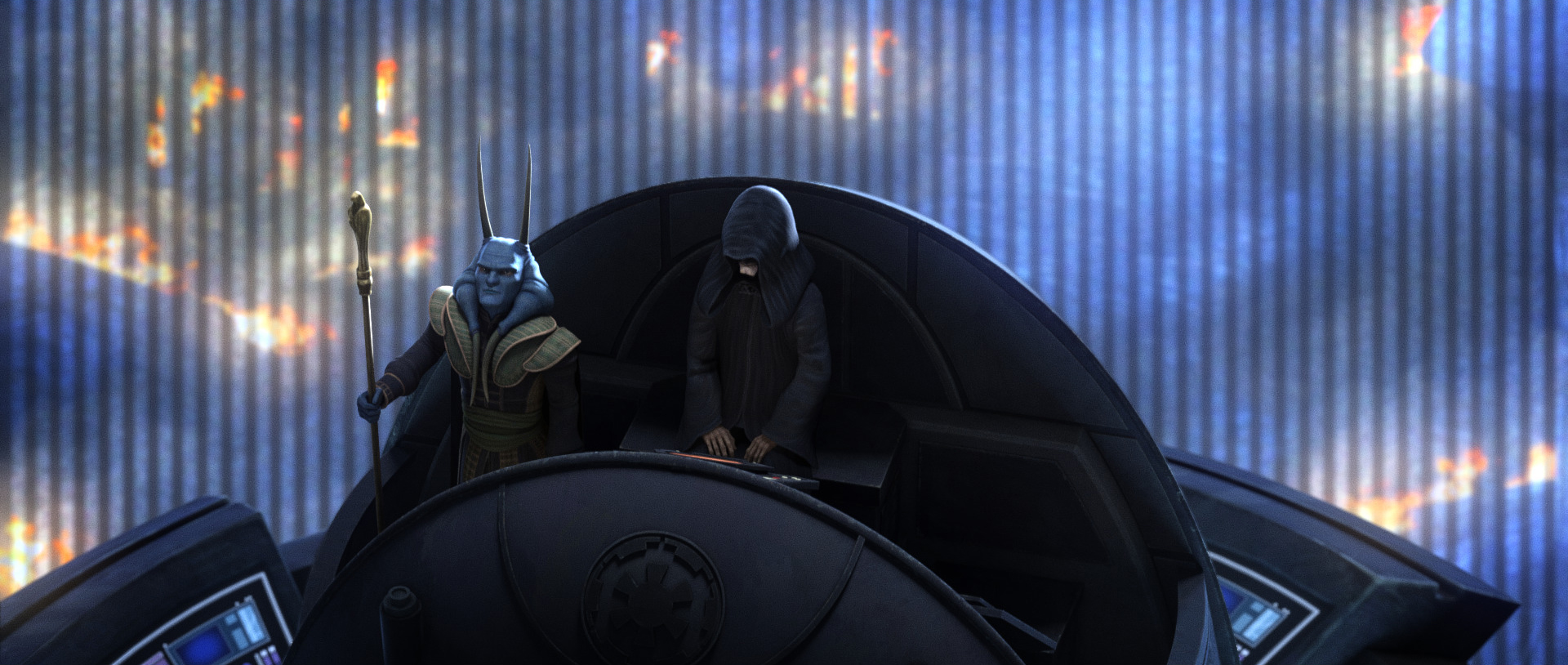
    Star Wars has always been just as much of a political allegory as hit has been a series of adventures in a galaxy far, far away. The allegory certainly became more overt during the prequels, however, as those stories took the audience into the Galactic Senate where Sleepy Sheev Palpatine played the long game and finally imposed his authoritarian rule over the galaxy. Sheev’s shifty and shady machinations all served his own endgame and the Senator from Naboo used anybody and everybody he could on his way to becoming the Emperor. Once someone served Palpatine’s purpose, no amount of loyalty or years of service could spare them, a lesson towards which Season 2 of The Bad Batch had slowly been building before Episodes 7 and 8 brought the idea into the spotlight.

    The Bad Batch has taken its time dealing with the fallout from the destruction of Kamino seen in the Season 1 finale but The Clone Conspiracy and Truth and Consequences do a wonderful job of finally putting a bow on it. The two episodes weave together a nifty narrative that continues to tell the tale of the transition from the state of the galaxy in the prequels to the state of the galaxy in the original trilogy and remind the audience of the devious chess master behind it all. Now that they’ve served their purpose and all but eradicated the Jedi, the Clones, like the droid armies before them, are set to be decommissioned following the tragic “incident” that wiped out the Kaminoan cloning facilities and made the further production of Clone Troopers all but impossible.

    Senator Riyo Chuchi in a scene from “STAR WARS: THE BAD BATCH”, season 2 exclusively on Disney+. © 2023 Lucasfilm Ltd. & ™. All Rights Reserved.

    Clone Force 99 finds themselves at the center of a high-stakes mission to stop the decommissioning of Clones (part of the Defense Recruitment Bill which also proposes a conscripted military take their place) that would also expose Season 1 villain Vice Admiral Rampart’s part in the Kaminoan genocide. Alas, the Batch and Rampart find themselves as pawns in Palpatine’s 4D chess match. Though they procure the evidence of Rampart’s evil act and relay it to their ally in the Senate, Riyo Chuchi, the Clones learn the hard way that Palpatine can and will twist anything to his advantage when the evidence they provide is twisted by the Emperor and serves as the nails in the coffins of their fellow Clones.

    There’s a bit of historical horror as Palpatine, presiding over the Senate, announces that these acts of terror are reason enough for him to pass the Defense Recruitment Bill and usher in the era of the Imperial Stormtrooper. As fans of series in which stories are told anachronistically, knowing the heroes of The Bad Batch played a major role in the coming terrors that these Stormtroopers will commit is a hard pill to swallow. But as evil as Sleepy Sheev is, these two episodes go a long way in reminding us why he was able to keep his grip on power for so long: his prowess as a Sith Lord is matched only by his incredible political acumen and spin tactics. It’s Sheev’s galaxy, everyone else is just barely surviving in it.

  • REVIEW: ‘The Bad Batch’ Brings Back The Chosen One

    REVIEW: ‘The Bad Batch’ Brings Back The Chosen One

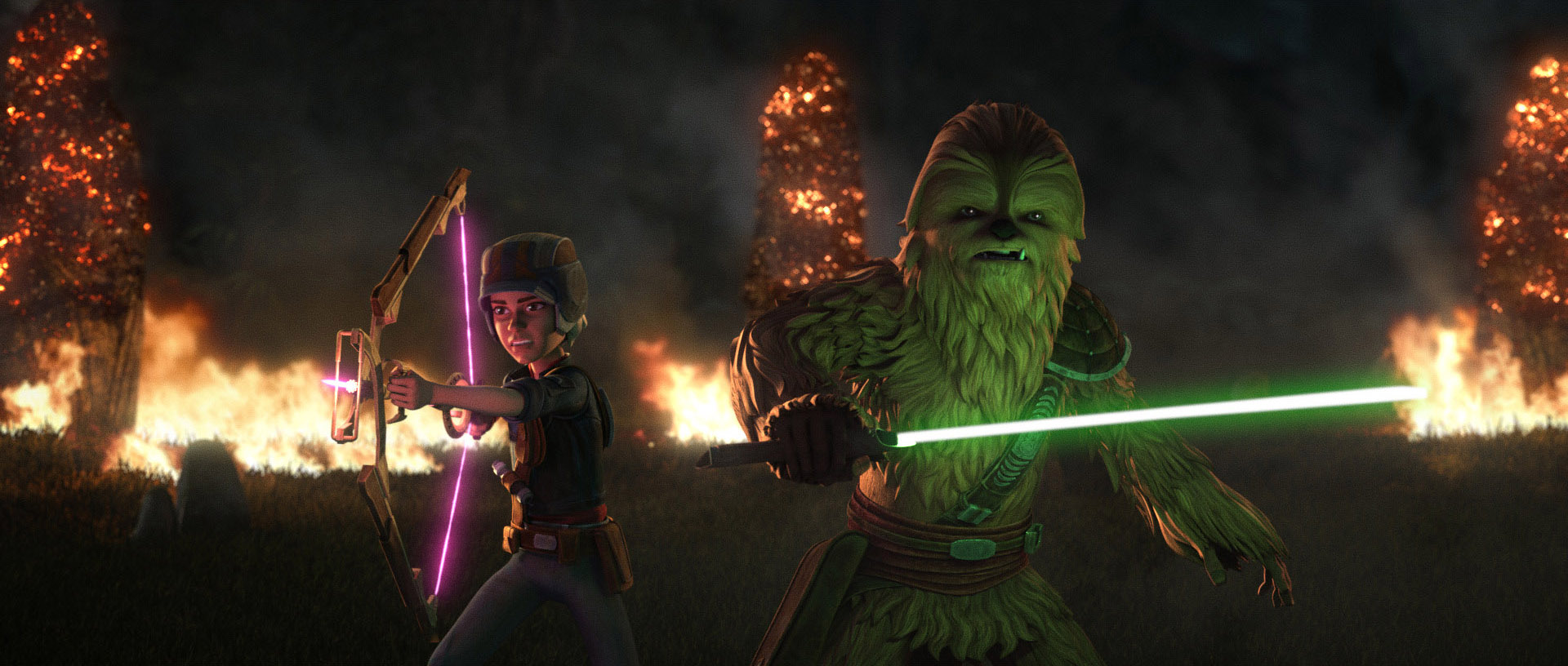
    When Star Wars: The Clone Wars was canceled abruptly in 2013, it left numerous planned storylines laying on the drawing board. One of these unused concepts, perhaps the best of the lot, was set to focus on the kindly Wookies and their homeworld of Kashyyyk. The abandoned four-episode arc would have explained Yoda’s vague Episode III – Revenge of the Sith line about having “good relations” with the planet and its people, teaming the famed Jedi Master with both the Bad Batch and the Wookies in a battle against the Separatists and their Trandoshan allies. In this week’s episode of Star Wars: The Bad Batch, this plot is revived, albeit condensed, and replaces Yoda with a far more important figure from George Lucas‘ lore – Gungi, the legendary Wookie Padawan.

    Titled Tribe, the sixth episode of The Bad Batch‘s second season is, without a doubt, one of the series’ best overall. Admittedly, the return of Gungi, who hasn’t been seen since his brief introduction in The Clone Wars‘ fifth season, plays a huge role in the amount of palpable joy felt throughout the 25-minute installment. Simply put, it’s great fun to watch him do anything, and it’s honestly sort of shocking it’s taken this long for him to pop up again. While it’s always enjoyable to see unique characters achieve worthwhile screen time, using one like the Force-sensitive Wookie, who has deep connections to multiple aspects of the universe he exists in, as a means of mixing fan service with actual thematic storytelling is just a stellar move to make.

    Tribe makes an obvious effort to compare Gungi with its own Omega, crafting a mirrored experience between the two young heroes as lost members of their respective tribes (that’s the title!), struggling to be innocent in a world rebuilt for the immoral. As unsubtle as it is, the theme works wonderfully, inserting a simple message into the midst of some pretty cool, fairly grand world-building. It’s enough to make a viewer wish The Bad Batch spent more time fleshing out arcs, as opposed to moving on so quickly between episodes. The original four-episode plan contained a multitude of details and features that could have easily transitioned from The Clone Wars era to the time of its sequel series, but instead, the writers packed as much as they could from that longer pitch into only a single entry, resulting in a somewhat rushed adaptation of a larger tale.

    (L-R): Hunter, Omega, Tech, Gungi, Wrecker, Echo, and Wookies atop Mylaya in a scene from “STAR WARS: THE BAD BATCH”, season 2 exclusively on Disney+. © 2023 Lucasfilm Ltd. & ™. All Rights Reserved.

    That being said, what actually makes it to the screen in Tribe is impeccable. Kashyyyk, which continues to be one of the Star Wars franchise’s best locations, creates a beautifully dynamic setting for the show’s protagonists to function. The Wookies’ connection to the planet’s wildlife, and its flora, help bolster the action sequences and set up some rather gratifying payoffs in the episode’s third act. Additionally, it looks pretty awesome when Wookies show up to fight Trandoshans on massive cats with bat-like ears. It’s the type of “wow factor” that Star Wars can fully lean into without betraying its defining thematic elements, and honestly, probably should happen more often. Also, Our Lord and Savior Gungi the Wookie Jedi finally coming into his own as a warrior and peacekeeper is the stuff dreams are made of and is likely to be exactly what Star Wars fans dream about after seeing the episode.

    With any luck, this will not be the last time audiences get a glimpse of Gungi and his (hopefully) soon-to-be-storied career, but if it is, it’s definitely a worthy send-off. Tribe is a solid grab bag of the action, emotion, and moralities that often compose the animated branch of Lucasfilm’s long-lived fictional galaxy, and both Gungi and the titular team of rebellious clones thrive for it.

  • REVIEW: ‘The Bad Batch’ Does Its Best ‘Uncharted’ Impression

    REVIEW: ‘The Bad Batch’ Does Its Best ‘Uncharted’ Impression

    *SPOILERS*

    A dangerous quest for a mythical item through unknown territory, fortune favoring the bold, complex puzzle solving, major characters splitting up in a dark tunnel system, an explosive third act, and a terrifying monster guarding valuable treasure that contains a hidden purpose. All of these elements sound like the key ingredients for a classic Uncharted adventure, but in actuality, they’re far from it. So far, far away, one might even say they’re in another galaxy. The aforementioned story traits actually come from this week’s episode of Star Wars: The Bad Batch, which does its best to replicate the intrepid wonderment of the famed video game franchise and, more specifically, its genre.

    Titled Entombed, the fifth episode of The Bad Batch‘s second season sees its titular group of rag-tag runaways searching for a lost treasure alongside Wanda Sykes‘ Phee Genoa, a pirate associate of their benefactor, Rhea Perlman‘s Cid. Their journey, and the obstacles they encounter, are obviously designed to evoke the quintessential Lucasfilm feeling of adventure, likely with Star Wars‘ sister franchise Indiana Jones in mind. However, the execution and outcome of their experience fall more in line with Naughty Dog’s aforesaid Uncharted series, specifically in how it uses its plot to convey its ultimate message. The Uncharted games, and tangentially their film adaptation, always end the same way – with the heroes giving up their newfound discoveries and riches for the benefit of the world and those they love.

    Entombed does more or less the same thing, with a wide-eyed Omega and her grumpier adult counterparts allowing a ticket to a wealthier life to slip past them in an effort to keep each other, and the galaxy, alive and well. This is something that The Bad Batch has done before, as recently as this season’s premiere episodes, but its blunt framing and straightforward narrative in Entombed work in conjunction to drive the point home with greater relative ease. Also, plainly put, it’s a lot of fun to watch Omega, Hunter, Wrecker, Tech, and Echo go treasure hunting because Star Wars has always and will always work best as a science-fiction take on pulp storytelling.

    Omega in a scene from “STAR WARS: THE BAD BATCH”, season 2 exclusively on Disney+. © 2023 Lucasfilm Ltd. & ™. All Rights Reserved.

    It’s been enjoyable to see the creatives behind the series break formula this season and apply the age-old recipe for Star Wars success to multiple different genres. The result has been a fairly entertaining early group of Bad Batch escapades, but unfortunately, the show’s biggest issue remains. Entombed, for all its likability, still does very little to progress the series or its characters as a whole. It often feels like the series is going in circles, with Omega and the crew learning the same lessons on repeat, and never truly moving forward to their next stage. It’s difficult to stay invested in characters that don’t change, and it’s frustrating when every episode comes with several opportunities to make it happen.

    Entombed might have been more exciting if, as an example, it also laid the groundwork for Omega to take a future interest in treasure hunting herself, as many of the episode’s best moments involved her growing ingenuity and childlike amazement. The potential behind this show is there and is evident in thrilling stories like this one, but The Bad Batch is still just one cohesive throughline short of living up to its predecessors’ standards. Even so, it proves itself an interesting, easily-digestible, adventure-of-the-week style project on a weekly basis. If that’s all one is looking for in this, they’ve found it in spades.

  • REVIEW: ‘The Last of Us’ Splits Heads and Builds Tension in Subtle Second Episode

    REVIEW: ‘The Last of Us’ Splits Heads and Builds Tension in Subtle Second Episode

    The Last of Us is a storytelling machine fueled by nuances. So much of its plot, and consequently, its character development, plays out in the form of sudden movements and stilted glances. In its original video game format, the traumatic tale of Joel and Ellie was allowed to be immersive, executed as something experienced by both the protagonists and the player controlling them. On television, this can’t be the case, so formerly passive moments of world-building become incredibly deliberate choices, and once-lively sequences of gameplay transform into subtly intense scenes on camera. It’s not an easy transition to pull off creatively, but this tight-rope act is the name of the game in Infected, the second episode of HBO’s newly acclaimed adaptation.

    Picking up where the premiere left off, Infected sees Joel, his smuggling partner Tess, and their new cargo Ellie fleeing from the Quarantine Zone and traversing a post-apocalyptic Boston. Their goal is to drop Ellie off with the Fireflies and go their separate ways, but the path to the designated meeting point is blocked by a horrifying horde of the fungally infected, and not everybody is going to survive the alternate routes. This episode is, perhaps, a slower burn than the last, but works insanely well as a masterclass in creating tension. From beginning to end, the stakes feel high, and the expert pacing leads to truly awe-inducing payoffs that firmly cement The Last of Us as a terrifying, heartbreaking new world of monsters.

    Much like the first episode, Infected begins with a cold open set before the events of Outbreak Day. A scientist in Jakarta is tasked with inspecting the body of a freshly infected person, quickly coming to the realization that society, as humanity knows it, is about to end. While striking, the scene at first feels repetitive of what was already presented in the pilot, an almost unnecessary addition to the story when Joel and Ellie’s journey is begging to continue rolling. There’s an extreme sense of foreboding, a deeper look into how the fungus began spreading, and a reminder that people won’t be able to win this battle before cutting to the opening credits. However, as the rest of the episode unfolds, it starts to become clear just how brilliant the cold open actually was.

    As its title implies, Infected does a lot of leg work when it comes to explaining how The Last of Us’ zombie-like plant baddies function. The information given to viewers in the episode’s first few minutes is expanded upon as the remaining hour ticks away, with each new detail creating a higher sense of danger than the last. As the stand-in for the audience, Ellie gives all the correct reactions, ranging from disgust to strange admiration. Like anything humans may fear in nature, there’s an innate level of respect for the fungus and its unstoppably connective nature, but it doesn’t make the simultaneous pain and destruction its growth results in hurt any less. Tendrils, for example, finally have a purpose, and the show’s manner of presenting them as both deliciously creepy and oddly beautiful makes for a wonderful mixed bag of emotions for those watching at home.

    Like the cold open itself, most of the horror in Infected comes from what the audience doesn’t see. Viewers are told what could kill them, and they’re told how dire the situation has become, and then they’re left to imagine what that might look like for the large majority of the episode. Characters peer through collapsed buildings, walk past craters in the street, hear screeches come from the distance, and see far-off, ant-sized bodies roll in a giant mass along the ground. It feels like anything could come crashing through the wall at any moment, and it causes every action the protagonists take to feel like a life-or-death decision. All this, so when the Clickers finally make their live-action debut, it’s worth every second of agonizing anticipation that came before it.

    Avid fans of The Last of Us have heard the sound of Clickers a million times in the past, yet somehow, HBO’s latest series manages to bring a fresh kind of fright to the first time that guttural noise comes around the corner. It’s not the action-packed museum fight sequence from the game, but it doesn’t have to be. The point is to experience the terror of the infected, and director Neil Druckmann only needs two of them to get the job done. Every motion of the camera while Joel and Ellie hide (in a surprisingly game-accurate way) is genius. A continued play on the phobia of the unknown. They, and the viewers, only get glimpses of a living nightmare that forces them to play by its rules. If Clickers weren’t already part of the classic horror villain lexicon, they will be now.

    This unique sense of dread extends to the episode’s closing moments, which find Anna Torv‘s Tess sacrificing herself in a bittersweet effort to save the planet. This, too, is made better by the beginning of the episode, acting as a hopeful bookend to an hour of empty loss. In Jakarta, it’s made perfectly clear that there is nothing people can do to stop the fungus. The only option, according to a tearful scientist, is to take lives away. Here, after discovering Ellie as a potential solution, Tess realizes the answer may actually be keeping a life intact. Again, after a long subtle build, the payoff comes due in a gorgeous, intimate moment of humanity, surrounded by the bizarre parallel of the fungus – now spreading into Tess – also doing what it can to stay alive.

    Of course, none of these nuances could possibly work as well as they do without the pure talent of the cast. Bella Ramsey comes to life as Ellie in this episode, and it becomes apparent by the end exactly why they were chosen for the role. A perfect blend of vulnerable and tempestuous. Specifically, a moment between Ellie and Joel in the lobby of a flooded hotel feels ripped straight from the game, with Pedro Pascal also embodying the latter character with immaculate accuracy. Somehow, The Last of Us has been reborn on HBO, and with time, it may even prove to be a better version of the story than the original model. At the very least, these first two episodes have been nothing short of amazing, and hopefully, are enough to bring viewers back for more.

  • REVIEW: ‘The Bad Batch’ Episode 4 Reminds Us All That Podracing Exists

    REVIEW: ‘The Bad Batch’ Episode 4 Reminds Us All That Podracing Exists

    In 1999, when Y2K was set to end us all, George Lucas came to the rescue by introducing podracing in Star Wars: Episode 1-The Phantom Menace. A high-stakes sport that was wildly popular in the Outer Rim territories, podracing (and a little sleight of hand by Qui-Gon Jinn) was the plot device that put Anakin on his highway to hell. Episode 4 of The Bad Batch, cleverly titled “Faster”, puts the win-at-all-costs sport back in the spotlight, only with much lower stakes.

    As has been the case in the show’s second season, “Faster” splits up the squad allowing the episodes to focus a bit more on the growth of individual characters. . Episode 4 sees Tech, Wrecker and Omega accompany their sleazoid boss Ciddarian Scaleback to the sordid spaceport Safa Toma. While the episode leans heavily into reminding the clones and the audience just how unsavory of a character Cid is thanks to Ernie Hudson‘s Grini Millegi, an old associate of hers, its primary focus is the continued growth of Tech. So far, no character has shown more growth than Tech and “Faster” is truly his time to shine.

    Tech in a scene from “STAR WARS: THE BAD BATCH”, season 2 exclusively on Disney+. © 2022 Lucasfilm Ltd. & ™. All Rights Reserved.

    Beginning in the season’s two-episode debut, Tech has continued to move from a nearly insufferable know-it-all and has begun showing signs of becoming sympathetic. Though it was never intentional, Tech has always displayed a tendency to talk down to others and being amazingly unaware of appropriate behavior in most social situations. Through a series of bets and contrivances that put Cid in a bad spot with Millegi, “Faster” puts Tech in a position where his mutation sets him up to save the day. And while he gets to show off his big brain and impress the masses with his calculations, it’s his selflessness in putting himself at risk to save Cid that truly earns him high marks.

    Through four episodes, Season 2 has yet to truly pull back the curtain on its main plot thread, focusing rather on making sure the audience knows that these clones are more than just their mutations and that Omega is not the only one who is still learning. While clones across the galaxy face being “decommissioned” and looking at a fate no better than the battle droids they replaced, Clone Force 99 continues carving its own way through the galaxy and growing as they go.

  • REVIEW: ‘The Last of Us’ Premiere Is Devastatingly Good

    REVIEW: ‘The Last of Us’ Premiere Is Devastatingly Good

    *SPOILERS*

    Experiencing The Last of Us never gets any easier. It’s a painful, heartbreaking story that might feel gratuitous if it wasn’t so devastatingly good. Of course, the difficulty involved with balancing so much grief with a storytelling necessity for actual payoff is a huge reason why the game was so beloved, but it’s not a task so easily accomplished. That’s why, as with any adaptation of an iconic video game, fans were likely terrified of a live-action series that would fumble the chance to convey this unicorn act to a wider audience. Luckily for them, HBO’s revamped take on Naughty Dog’s 2013 classic hits all the same marks as its predecessor in a shockingly faithful premiere episode that even manages to improve on a few key moments in the franchise’s lore.

    The series’ first 80-minutes are essentially broken up into two segments – a 20-minute prologue detailing Outbreak Day and the origins of the Cordyceps takeover, followed by a proper hour that introduces viewers to the show’s post-apocalyptic world and its grungy cast of characters. Truthfully, it’s hard to remember the last time a major adaptation converted its source material from format-to-format with such pinpoint precision. The story beats are all almost exactly the same, with the episode only straying from what previously existed in brief efforts to expand upon what fans were already expecting. Normally, a word-for-word translation could prove costly for a series of this caliber, but The Last of Us is, quite frankly, not normal.

    Perhaps it’s because the video game previously existed as a somewhat cinematic experience, but the show’s surprising method of sticking to what works is admirable for multiple reasons. The obvious positive is that The Last of Us is still The Last of Us, and not an entirely new tale riding the original’s credibility. Those who played the games and loved them will be thrilled to see certain scenes play out exactly as they did on their PlayStations nearly a decade ago; those who are witnessing this story for the first time can take comfort in the fact they’re not “missing” anything the former group has raved about for years. As mentioned before, The Last of Us is special in large part because of its emotional tight-rope act, and series creators Neil Druckmann and Craig Mazin clearly don’t want to mess with that wildly effective formula.

    Both Mazin and Druckmann stated before the series premiered that there would be new elements and expanded segments throughout the story’s retelling, and the colossal first episode wastes no time in proving this to be true. Viewers are quickly treated to a 1960s cold open explaining the science behind Cordyceps, and a much longer tenure with Nico Parker’s Sarah and the pre-apocalypse Miller family. Thankfully, neither of these bits wear out their welcome and actually end up serving the overall plot rather well. Parker is so likable in her elongated stint on the show that Sarah’s ultimate demise becomes all-the-more tear-jerking, while the eventual collapse of society is made far more upsetting after an incredibly stressful sequence involving the Miller’s neighbors that will likely qualify as one of the most tensity-filled television scenes of the year.

    Among the show’s greatest achievements, thus far, is how successful it is at conveying the brutality of The Last of Us without most of the gut-wrenching action. This is accredited mostly to the brilliance of the cast. Pedro Pascal‘s Joel and Anna Torv‘s Tess are more delicate than ever before, stripped of their near-superhuman survival abilities in a slightly more realistic version of the apocalypse than the game was allowed to portray. As such, the series is forced to show their capabilities through smaller moments, leaning heavily on the dramatic aspects of the story, and both performers are adept at meeting the challenge. Bella Ramsey, the biggest question mark leading into the series’ premiere, is outstanding. The most important part of bringing existing characters to life is capturing their essence, which they have in spades. The same goes for Gabriel Luna as Tommy, and, obviously, Merle Dandridge‘s Marlene.

    All-in-all, it would appear that HBO has a bona fide hit on their hands. The Last of Us recaptures magic in a bottle, mixing sorrowful, awe-inducing set pieces with the damaging beauty of the human condition, and finally revealing to the greater world why they should be so invested in the journey of Joel and Ellie. The premiere does an excellent job of pacing itself through its own expository chapter and leaves off on an intriguing-enough note that promises a thrill ride when viewers return next week. If the first episode is any indication, newcomers to the franchise are in for a treat, and longtime fans should be excited about what they already know comes next.

  • REVIEW: ‘Velma’ is Too Cynical and Meta for its Own Good

    REVIEW: ‘Velma’ is Too Cynical and Meta for its Own Good

    Scooby-Doo is back with an animated series that explores Mystery Inc. before they united to take on mysteries across the United States. Yet, this time around, the series will not include the iconic cartoon dog and also takes some cues from popular R-rated series. Velma is trying to be the most unique take of a classic franchise, but somehow loses its way in trying way too hard and also overcompensates with its meta-humor.

    There’s one thing worth praising about Velma and that is the animation. The character designs are surprisingly detailed and the hallucination sequences are actually quite impressive visually. Once they add some shading, the animation suddenly pushes the series to shine beyond just being Scooby-Doo meets Family Guy. There are also some surprisingly creative shot composition that make this series visually stand out from others.

    Yet, not even some of its most visually stunning moments can’t cover the series’ general issue of just trying too hard. The series opens with a sequence of supposedly 15-year-olds naked in the showers talking about clichéd plotlines. Theere’s no subtlety in this series that seems quite desperate on showcasing that it’s subverting expectations by repeating some we’ve seen with other shows.

    Many compare it to Harley Quinn, but that series has the advantage of feeling like a DC Comics adaptation first and a meta-commentary second. In the case of Velma, it feels like the series was written to subvert the storylines and expectations of these characters before looking at its characters. There’s an overarching mystery but it feels like the series is more interested in making fun of TV storylines rather than telling an actual story.

    We have a murder mystery at its core, but it seems more like an afterthought. There’s no real hint at who might actually be the murderer. So, you as a viewer have no incentive to get invested and just wait for the reveal. Plus, we have a mystery built around her mother going missing that also doesn’t really feel relevant. Velma’s big character struggle is she feels guilt over her mother leaving in the form of hallucinations when she solves “mysteries.”

    Yet, it also changes the rules of when and how they appear; something pointed out in the series. Telling the audience that a clichéd plotline is the way it is while still doing it takes away from the experience. It falls flat as a joke and the subversion isn’t as poignant as it may have seemed at first. The running gag built around Glenn Howerton‘s take on Fred Jones goes on for too long and overstays its welcome; once again taking away any commentary it was trying to make. It’s stumbling something that Be Cool, Scooby-Doo managed better back in 2015.

    Mindy Kaling gives a decent performance as Velma Dinkley, who is constantly sarcastic and not a very likable character most of the time. Her dynamic with Constanze Wu‘s Daphne is the most interesting part of the show, but they also try so hard to subvert expectations that they end up repeating old cliches, such as with Norville’s attempts to woo him. The fact they are desperately trying to avoid the character’s well-established name showcases how it takes away elements we’ve come to love without honoring them along the way.

    The diverse cast is great and could’ve been used for great effect to further explore these characters. Making good use of their backgrounds to establish what they have in common and how they differ to create a strong bond for the future members of Mystery Inc. It’s not even original in this attempt, as even the film SCOOB! that released in 2020 when Gina Rodriguez voiced the character, which added elements to the character from her new cultural background.

    Meta humor can be funny, but if used reasonably. The risk of using this kind of humor is that it comes at the cost of an interesting story arc or an abundance of cynicism. Most of the cast is extremely one-note and besides the before-mentioned duo, there’s not much development here. They took very specific character traits from the original and blew them up in a way that loses what made these characters so memorable.

    Subsequently, the humor doesn’t truly land because most of it is trying to be clever. Norville making a comment he doesn’t like drugs isn’t funny, because the whole running gag was never alluded to in the first place. Hell, the original live-action Scooby-Doo movie made a better joke around that jokey assumption back in 2002. That same film was built around the idea of subverting the clichés that developed around the series. So, the show’s core premise isn’t as original as it’s trying to be.

    It tried too hard to be clever while doing a schtick we’ve come to expect once “meta-humor” is alluded to even for a second. Outside of its animation, the series sadly falls flat even if it could’ve been so much more. There’s nothing wrong with a more adult take on Scooby-Doo and it could’ve worked with this cast of characters. Yet, the show’s cynical take on subversion is overshadowing any of that potential leaving us with an uninteresting mystery to watch.

  • REVIEW: ‘The Bad Batch’ Matures With Deliciously Complex Third Episode

    REVIEW: ‘The Bad Batch’ Matures With Deliciously Complex Third Episode

    *SPOILERS*

    Everybody loves a good villain story. Whether it’s Travis Bickle in Martin Scorsese‘s Taxi Driver, or the zany cast of characters in James Gunn‘s The Suicide Squad, audiences have always flocked to plots centered around the worst of the worst. The exact draw behind these stories is up for debate, but perhaps the most common theory is that people are naturally curious about notions they don’t understand. They are obsessed with glancing into the minds of those they deem lesser, an almost demented form of escapism that allows them to say – “well, at least I’m not that.” The third episode of Star Wars: The Bad Batch‘s second season plays on this fascination, but takes an alternative, and quite frankly, more engaging route in its execution.

    After a fairly routine and unmemorable set of premiere adventures, The Bad Batch finally pushes itself forward with The Solitary Clone. The first episode of the series not to feature the main group of titular characters, Clone instead focuses on their former comrade and current rival Crosshair, giving fans a look into his side of the conflict and a better understanding of Imperial clones at large. It’s a much-needed break in the formula for a show that often falls into repetition, and one of the Star Wars franchise’s best deconstructions of the early Empire and its very mortal forces. The episode works as well as it does because it refuses to treat its protagonists as villainous, despite their usual status quo within the series. This is not a story that says “look how awful our leads are”, but one that revels in convincing its viewers of their humanity.

    There’s a dark triumph in balancing the ideals and reactions of Crosshair and his latest scene partner, the once-great Commander Cody. Both are stuck with the “Republic” after Order 66, but only one has grown to regret it. Cody, as fans might have hoped, has grown disillusioned with the Empire, and spends most of the episode struggling with his decisions. Crosshair, on the other hand, remains steadfast in his loyalty. Even after committing heinous acts in the name of “following orders”, however, Clone still manages to make Crosshair feel sympathetic. In classic Star Wars fashion, a sense of possible redemption endures, in large part due to a silent comprehension of Cody’s reasoning. A call-back to an old quote from The Clone Wars – “You know what makes us different from battle droids? We make our own choices, and we have to live with them too.”

    It’s this back-and-forth between the one-time Republic heroes that gives the episode a thriving backbone, tapping into the soul of Star Wars and hyper-focusing on the “will they, won’t they” thematic line that runs through all clone-related projects. The episode is also unafraid to demonstrate the consequences of its leads’ aforementioned choices, giving it an added layer of brutality that acts as a wildly effective visual aid in its point-making. From Clone‘s opening moments, there’s an unexpected admission that the next twenty-odd minutes will take themselves more seriously than the previous week, and the show finds itself maturing because of it.

    The Bad Batch has been in desperate need of trying something new for a long time now, and it’s refreshing to see the series embrace one of its characters and his arc so wholeheartedly in an installment that’s truly unlike the rest. One can only hope this sort of concentrated storytelling continues for the rest of the season, and that the show’s other leads receive similar treatment when they inevitably return to the forefront. Otherwise, The Solitary Clone will be forced to stand out as a diamond in the rough, a singularly delicious tale fit for consumption by any viewer.

  • REVIEW: Anne Rice’s ‘Mayfair Witches’ Worth a Short Spell

    REVIEW: Anne Rice’s ‘Mayfair Witches’ Worth a Short Spell

    A spoiler-free review of Episode 1

    Anne Rice might be best known for her Vampire Chronicles novels, amongst which the bestselling Interview with the Vampire has now seen multiple adaptations, most recently brought to life in AMC’s 2022 television series by the same name.

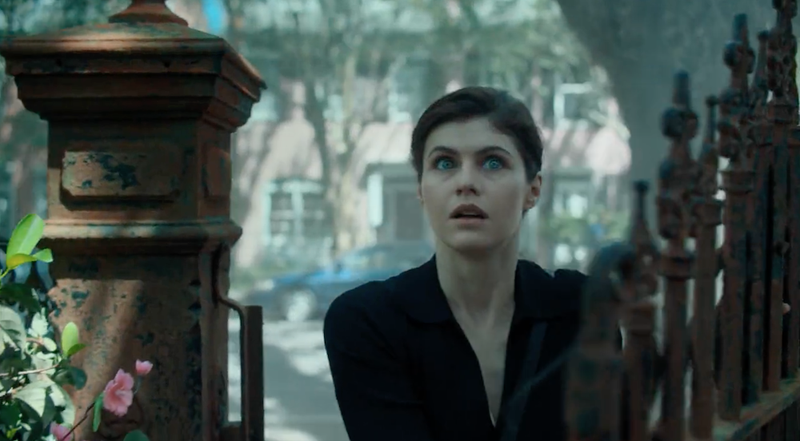
    But within Rice’s gothic horror world, which AMC has dubbed the Anne Rice Immortal Universe, there be witches, and the Mayfair Witches have a dark and compelling history taut with mystery that should lend itself well to a chilling mystery series. Based on Rice’s best-selling trilogy, Lives of the Mayfair Witches, the eight-episode series centers on Rowan Fielding (Alexandra Daddario), who discovers she is descended from a powerful family of witches haunted by a powerful spirit known as Lasher (Jack Huston). Rowan’s seemingly confident and calculated life—she’s a gifted neurosurgeon, after all—is thrown into chaos when she discovers a burgeoning power within herself that she cannot control.

    Harry Hamlin as Cortland Mayfair

    Rice’s love for New Orleans and its rich, gothic history has always made for gorgeous film and television adaptations, and Mayfair Witches is no exception. In the debut episode, “The Witching Hour,” the lush and haunting backdrop of Mayfair Manor is outshone only by the lavish mansion and decadent parties of Cortland Mayfair (Harry Hamlin). In the recent past, a young Deirdre Mayfair (Cameron Inman) escapes to the seeming freedom of Cortland’s estate, but behind the scenes it’s clear he’s manipulating events to achieve his own ends. For what purpose is unclear, but his laissez-bon-temps-rouler sort of attitude is more uncomfortable than disarming. What is clear is Lasher, the sometimes-companion of young Deirdre, is not at all welcome to the rest of the Mayfair clan.

    Jack Huston as Lasher

    Throughout the frenetic first episode, Rowan is anxious to discover her biological family history. While she has an incredibly close emotional bond with her adoptive mother, events lead to Rowan questioning her new supernatural gifts. In present-day, adult Deirdre (Annabeth Gish) is seemingly a withered invalid, kept safe and under control using antipsychotics. When her new physician decides to stop her treatment, Lasher appears again. Coincidentally, Rowan will find herself haunted as well.

    If you’re not quite following the time-hopping storyline, you’re not alone. It would presumably take an in-depth knowledge of the novels to see the connections being teased out in this first episode, they’re so ethereal. Showrunner Esta Spalding (On Becoming a God in Central Florida), Writer Michelle Ashford (Masters of Sex), and Director Michael Uppendahl (American Horror Story, Walking Dead) have delivered a turbulent first episode that, given a little more runtime, might settle into compelling television. While the series debut doesn’t quite achieve anything particularly novel or emotionally riveting, it manages to satisfy a “just-one-more-episode” sort of intrigue that confirms Mayfair Witches is more mystery/thriller than its drama/horror counterpart, Interview with the Vampire. While the plot might tug you along throughout the first half of the season, Rowan is unlikely to capture your interest beyond her immediate predicament. Her whirlwind backstory is at times both empowering and flailing. Which isn’t to say she isn’t interesting—who wouldn’t want to follow a supernaturally gifted, brilliant, and beautiful neurosurgeon around? But you’re much more likely to stick around to find out what happens to Rowan, rather than what she chooses to do.

    Episode one of Mayfair Witches debuts on AMC and AMC+ on Sunday, January 8 at 9:00 pm ET/PT. The eight-episode series then releases weekly.