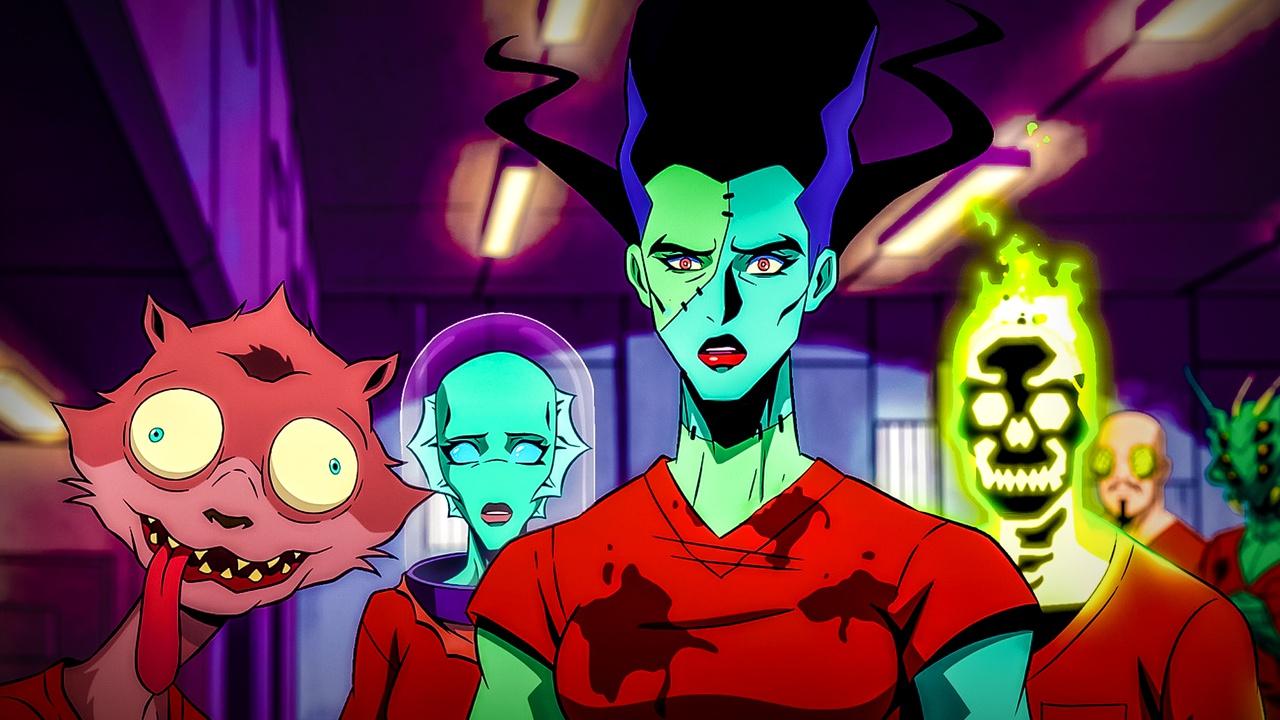
The animated corner of James Gunn and Peter Safran’s DCU Chapter 1: Gods and Monsters isn’t slowing down. During the World’s Finest panel at Annecy, showrunner Dean Lorey and DC Studios co-chair James Gunn have officially unveiled first-look details and artwork for Creature Commandos Season 2.
Season 2 will continue to follow the core team of monstrous metahumans originally assembled by Amanda Waller (Viola Davis) and John Economos (Steve Agee). The first-look assets confirm the survival and return of the central Task Force M mainstays:
David Harbour’s Eric Frankenstein and Indira Varma’s The Bride continuing their complicated domestic dynamic, with the latter leading the squad.
Alan Tudyk’s combustible Dr. Phosphorus, Sean Gunn’s Weasel, and the rebuilt military-bot G.I. Robot will also return.
“He’s got a really strong and emotional character arc this season,” producer Rick Morales said of G.I. Robot. “[Gunn] cares a lot and has really great insights. We sent him a dozen looks and keyed in on these rounder, bigger shapes.”
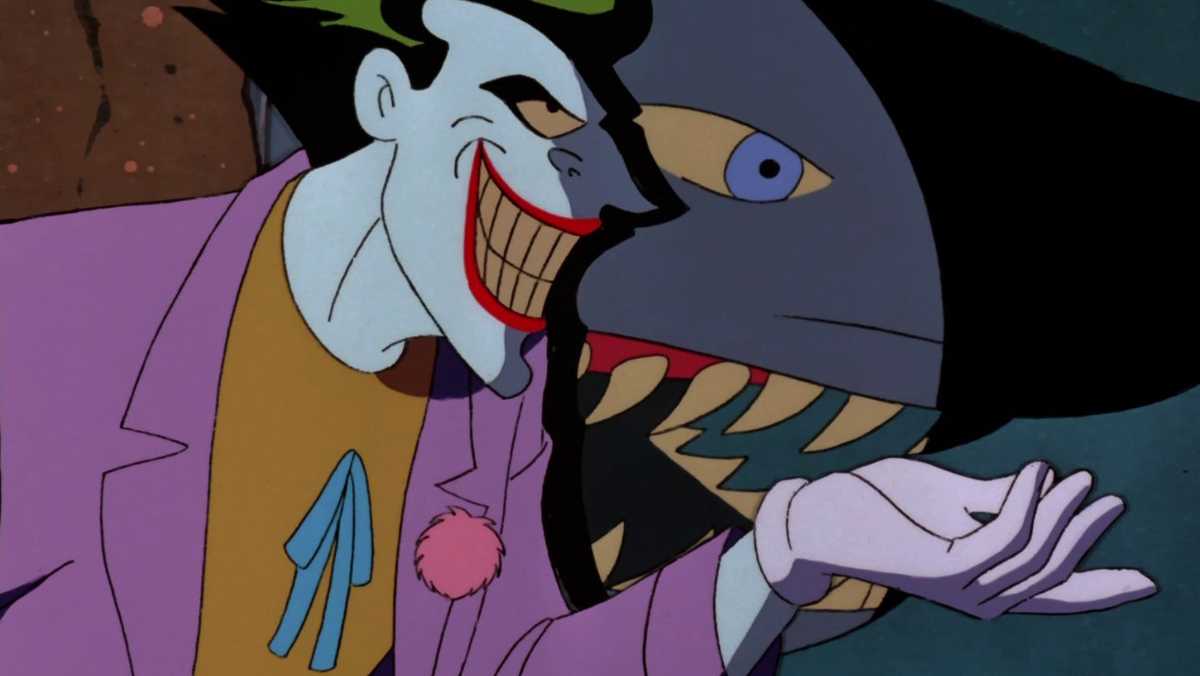
Who killed the Batman? That’s the multi-million dollar question sweeping through Gotham City, and nobody is angrier about the answers than the Clown Prince of Crime himself. During its blockbuster World’s Finest showcase at the Annecy International Animation Film Festival, DC Studios and Warner Bros. Animation officially gave a full-series greenlight to Joker: Laugh Riot—the first-ever official anime series in DC history.
Developed as a high-octane adult animated series, the project is a joint structural powerhouse co-produced alongside SOLA Entertainment, the acclaimed studio behind The Lord of the Rings: The War of the Rohirrim.
While past projects like Suicide Squad Isekai or Batman Ninja dipped their toes into anime aesthetics, Laugh Riot is a fundamentally different beast—functioning as a dark, psychological underworld thriller. The series kicks off with a paradigm-shifting inciting incident: Batman has been murdered. Rather than celebrating the permanent vacancy of Gotham’s protector, the Joker is left completely hollow, unmotivated, and deeply offended that someone else stole his ultimate life’s goal.
When Batman is murdered, the Joker launches a ruthless crusade through Gotham’s underworld to find the killer who took away his greatest adversary. But as his violent quest for answers pushes him closer towards vigilante than villain, Joker is forced to confront the truth that without Batman, he doesn’t know who he is.
-Official synopsis for Joker: Laugh Riot
To capture the distinct, hyper-stylized kineticism of high-end anime, Warner Bros. has assembled a highly pedegreed creative pipeline:
Yasuhiro Aoki (ChaO) will direct. Aoki is no stranger to the streets of Gotham, having previously helmed the highly praised “In Darkness Dwells” segment of the 2008 anthology feature Batman: Gotham Knight.
Longtime DC animation veteran Jim Krieg (Batman: Knightfall) is locked in to guide the macro-narrative as executive producer.
Billed strictly as an adult animated series, Laugh Riot will feature an uncompromising look at the visceral, street-level brutality of Gotham’s mob landscape, tracking a manic, grief-stricken Joker playing a psychotic game of detective. The concept of a depressed, unhinged Joker hunting down Batman’s killer is an absolute goldmine of a narrative. It explores the toxic, co-dependent psychological relationship between the two icons on a level live-action movies rarely have the runtime to breathe through. By handing the animation reins to Aoki and SOLA Entertainment, DC isn’t just making a Western cartoon dressed up like anime—they are crafting a legitimate, uncompromised piece of Japanese animation that treats the Clown Prince of Crime like an unstoppable, John Wick-style force of underworld nature.
While a network or streaming platform has yet to be finalized, the project is moving ahead rapidly. By embracing adult anime as a primary pillar of their storytelling, DC Studios is tapping into the fastest-growing demographic in modern entertainment. If Joker: Laugh Riot hits the mark, it opens up a frictionless backdoor for future international partnerships—paving the way for high-end, dark fantasy anime epics.
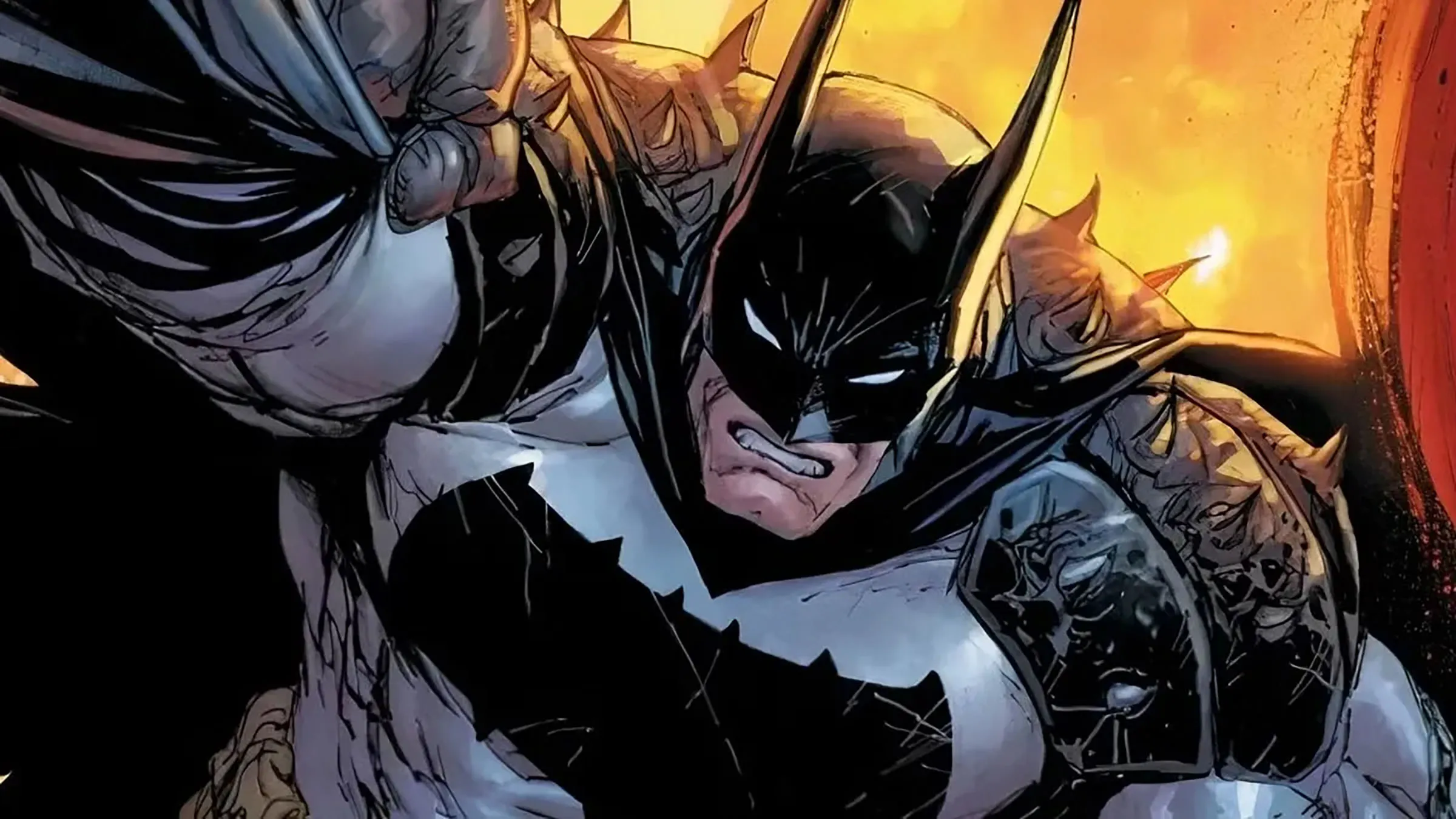
One of the biggest publishing phenomenon in modern comic book history is officially making the jump to the screen. During a blockbuster joint presentation at the Annecy International Animation Film Festival today, Warner Bros. Animation and DC Studios blew the doors off the auditorium by announcing that an Absolute Batman adult animated series is actively in development.
In a massive win for creative continuity, Scott Snyder—the superstar writer who launched the comic line to unprecedented heights—will serve as the executive producer and showrunner. Nick Dragotta, the co-creator and artist behind the book’s signature hyper-kinetic look, is also locked in as a producer.
With the comic line having already smashed records by selling over 6 million copies (with Issue #1 hitting an incredible 11th printing), this adaptation is the ultimate no-brainer. But for casual fans wondering why the internet is losing its mind over a 7-foot-tall Caped Crusader, here is why Absolute Batman has broken containment—and how it fundamentally rewrites the rules of the Dark Knight.
The Absolute Difference: The Anti-Billionaire
The core thesis of the Absolute Universe imprint is a simple, terrifying question: What happens when you strip Earth’s greatest heroes of all their structural advantages?
While traditional, mainline Bruce Wayne is a multi-generational billionaire ninja backed by unlimited WayneTech resources, an untouchable mansion, and a loyal butler, the Absolute version is a complete, working-class inversion:
No Manor, No Money: This 24-year-old Bruce Wayne grew up in Crime Alley without a dime to his name. His father Thomas was killed in a mass shooting at the Gotham Zoo, his mother Martha is still alive (maybe), and he works by day as a blue-collar civil engineer.
The Scrap-Metal Arsenal: He doesn’t have high-tech bat-wings or military-grade satellites. He built his suit from scratch. His cape isn’t a glider—it’s a weighted, articulated set of hooks used to scale buildings and whip enemies like a weapon.
The Battle-Axe Logo: In perhaps the most metal design choice of the decade, the massive, blocky Bat-symbol on his chest isn’t just a logo—he literally rips it off his armor to use as a double-headed battle-axe in close-quarters combat.
Reimagining the Rogues
Because Bruce didn’t spend his youth traveling the world training with league assassins, his relationship to Gotham’s underworld is deeply personal. In this universe, classic Batman characters like Selina Kyle, Waylon Jones (Killer Croc), Harvey Dent, and Eddie Nygma are framed around a revisionist childhood dynamic.
The power balance is also entirely flipped. The world they face is defined by systemic corruption, wealth, and unchecked power. Adversaries are monstrous, nightmarish entities spawned by a fallen environment—meaning Bruce has to rely entirely on his raw human determination and massive physical size to push back against impossible odds.
Snyder has explicitly stated his goal was to create a Batman who faces the exact real-world anxieties about wealth, power, and corruption that a new generation does. Instead of maintaining a comfortable 80-year-old status quo, Absolute Batman moves with the frantic, high-stakes momentum of a modern prestige manga. It’s a mission to prove that even when stripped of every advantage, one good person can still change the world.
For decades, the fantasy of a billionaire using infinite resources to wage a private war on crime felt untouchable. But today, a working-class kid swinging an axe at the foundations of an unjust system resonates on a completely different emotional frequency. By putting Scott Snyder directly in the driver’s seat as executive producer and showrunner, DC Studios and Warner Bros. Animation are ensuring that this animated adaptation will retain every ounce of the raw, uncompromised, and utterly brutal vision that made the comic a historic success.
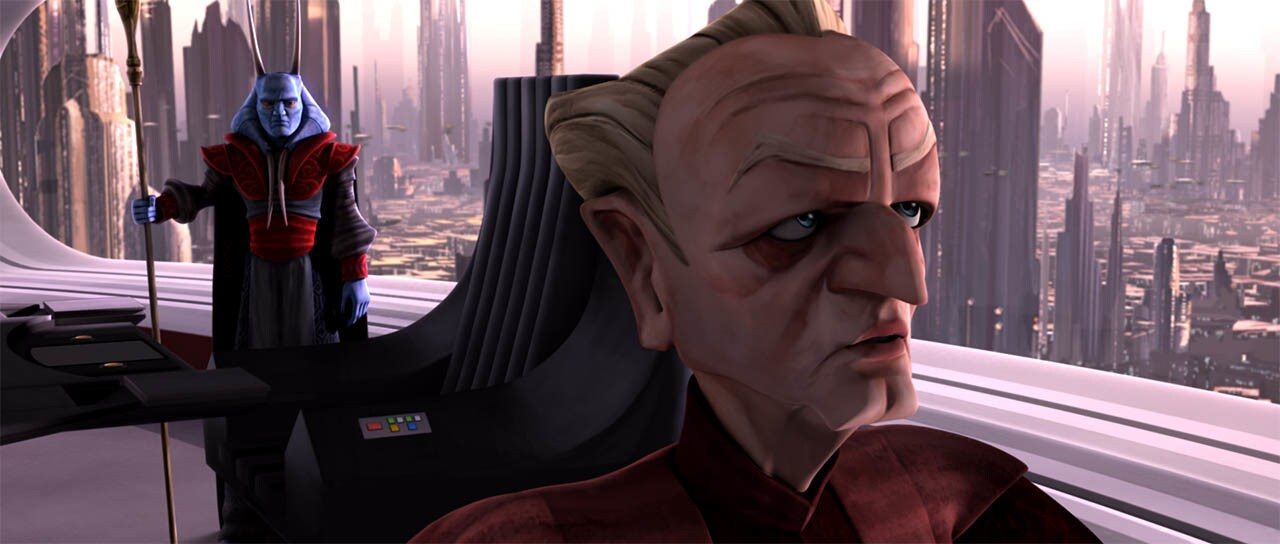
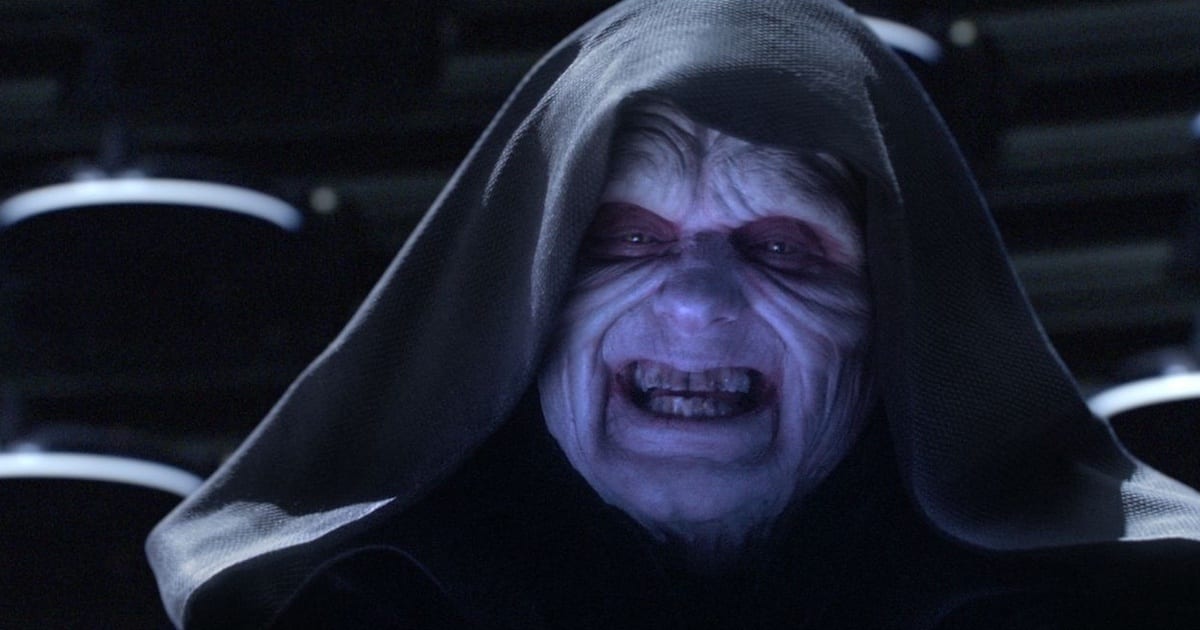
Before Disney+ made live-action Star Wars television a routine reality with The Mandalorian and Ahsoka, George Lucas was dreaming up a vastly different small-screen empire. Speaking to an enthusiastic crowd at Spacecon 2026 in San Antonio, legendary actor Ian McDiarmid dropped a massive bit of lost Lucasfilm lore: George Lucas once personally pitched him a live-action prequel-era television series tracking the political ascent of Sleepy Sheev Palpatine.
Described as a dark, historical character study, the unproduced project would have pulled back the curtain on the bureaucratic manipulation that transformed a Naboo senator into a galactic tyrant.
The Creator’s Pitch
During a panel appearance, McDiarmid reminisced about a private lunch he shared with Lucas prior to the director selling the company to Disney in 2012—a time when live-action Star Wars TV was considered entirely speculative.
“[George] said, ‘I’ve got this idea, and I hope you might want to be involved,’” McDiarmid shared with the audience. “‘We could sort of follow the Emperor’s progress, like Hitler’s, some of that. There might be an assassination attempt, and of course it wouldn’t succeed.’ It sounded really exciting. And he also said that maybe you could direct one, and then I fainted. But sadly, that didn’t come to pass.”
McDiarmid’s comments reveal that Lucas’ ambitions were far grander, implying Palpatine’s political machinations and survival against internal coups were actually intended to be the central driving engine of the narrative; however, the series died when Lucasfilm transitioned to Disney, with the studio shifting focus back to theatrical sequels and eventually the safer, post-Empire Mandoverse era of television.
While this specific iteration is dead, the DNA of Lucas’ political thriller lives on in Tony Gilroy‘s Andor. If Lucasfilm sees the passionate fan response to McDiarmid’s Spacecon comments, perhaps the door isn’t entirely shut on a Marvel Spotlight style historical look back at the dark side’s finest politician.
Put the doom-posting to rest. Despite persistent internet rumors claiming James Gunn had quietly swept the Wonder Woman prequel series under the corporate rug, official Writers Guild of America (WGA) listings have confirmed that Paradise Lost is in active, high-priority development with an exceptional writing duo locked in.
The guild registry now formally links Kira Snyder and Janet Lin to the HBO Max series. Snyder is a phenomenal pull for a show billed as a gritty, manipulative look at an all-female society, bringing serious prestige pedigree from her acclaimed work on The Handmaid’s Tale and The 100. Lin perfectly balances the equation, carrying an elite history of handling complex ensemble dynamics on Bridgerton mixed with traditional genre experience from The Flash.
It’s an origin story of how this society of women came about. What does it mean? What are their politics like? What are their rules? Who’s in charge? What are the games that they play with each other to get to the top? I think it’s really exciting.
Gunn recently said that the project was in “extreme development” and a WGA registry lock means the corporate wheels are actively turning behind the scenes. By hiring writers who specialize in ruthless institutional power struggles and elite character drama, DC Studios is making sure Paradise Lost delivers the exact “political intrigue” tone they promised.
The Multiverse Saga has often been criticized for introducing characters and concepts only to leave them on the shelf for years. But according to a new report making the rounds, Marvel Studios is finally looking to capitalize on one of its undisputed Phase 4 triumphs: Shang-Chi and the Legend of the Ten Rings.
A new report from industry insider Daniel Richtman suggests that a dedicated spin-off project tracking the shadow empire of the Ten Rings organization is actively in development once again, breathing new life into a corner of the MCU fans have been begging to revisit since 2021.
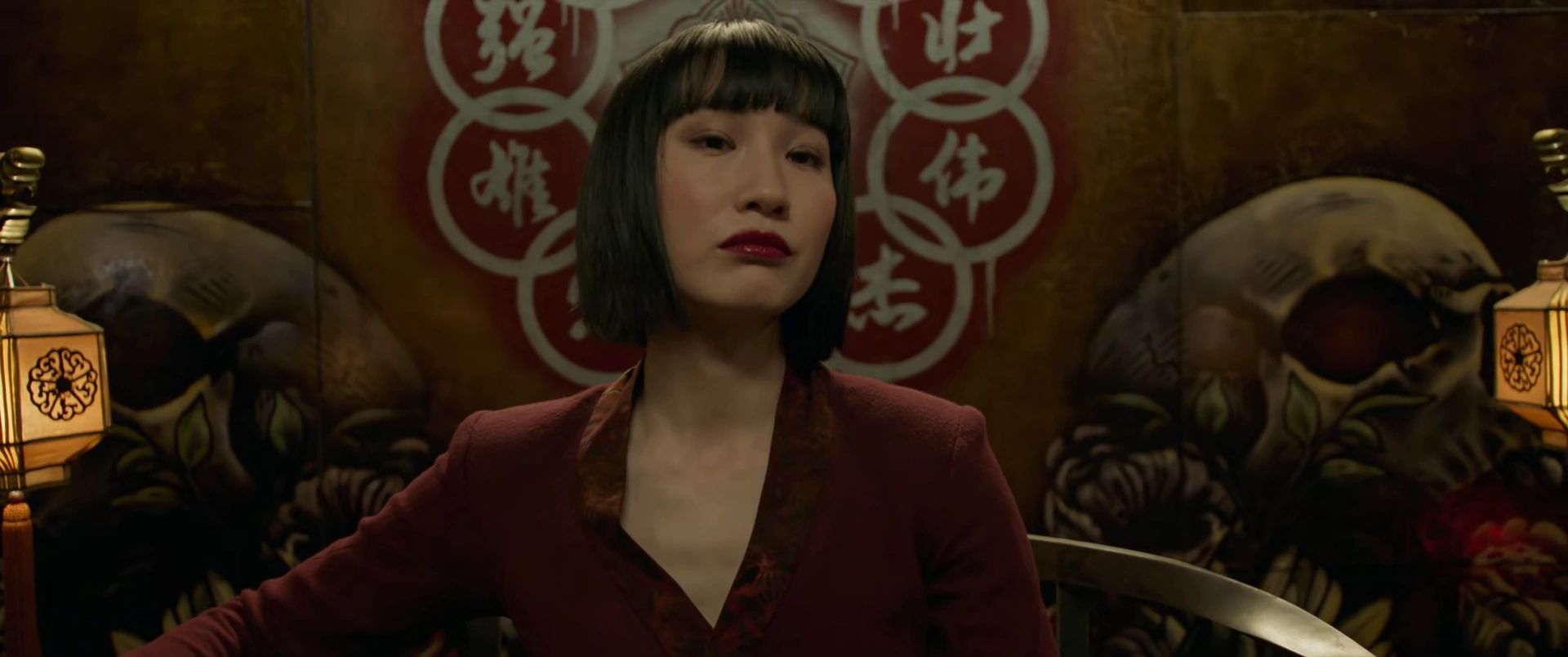
When we last saw the Ten Rings, Shang-Chi’s sister, Xu Xialing, had taken the throne of her late father’s global criminal empire. Despite promising her brother she would dismantle it, the post-credits scene revealed she was rebuilding the fortress with a new generation of female warriors.
In December 2021, following the success of Shang-Chi and the Legend of the Ten Rings, it was announced that director Destin Daniel Cretton was working not only on a sequel to the film but also a spinoff streaming series for Disney +. Though pretty much everyone at the time believed that spinoff was a Ten Rings-centric show led by Meng’er Zhang‘s Xialing, it turned out to be Wonder Man.
If the rumor pans out, perhaps could this project serve as the narrative runway leading directly into Shang-Chi 2. Cretton has Spider-Man: Brand New Day set for this July and Season 2 of Wonder Man on deck, so a spin-off allows Marvel to keep the Shang-Chi franchise warm without waiting for a full theatrical sequel.
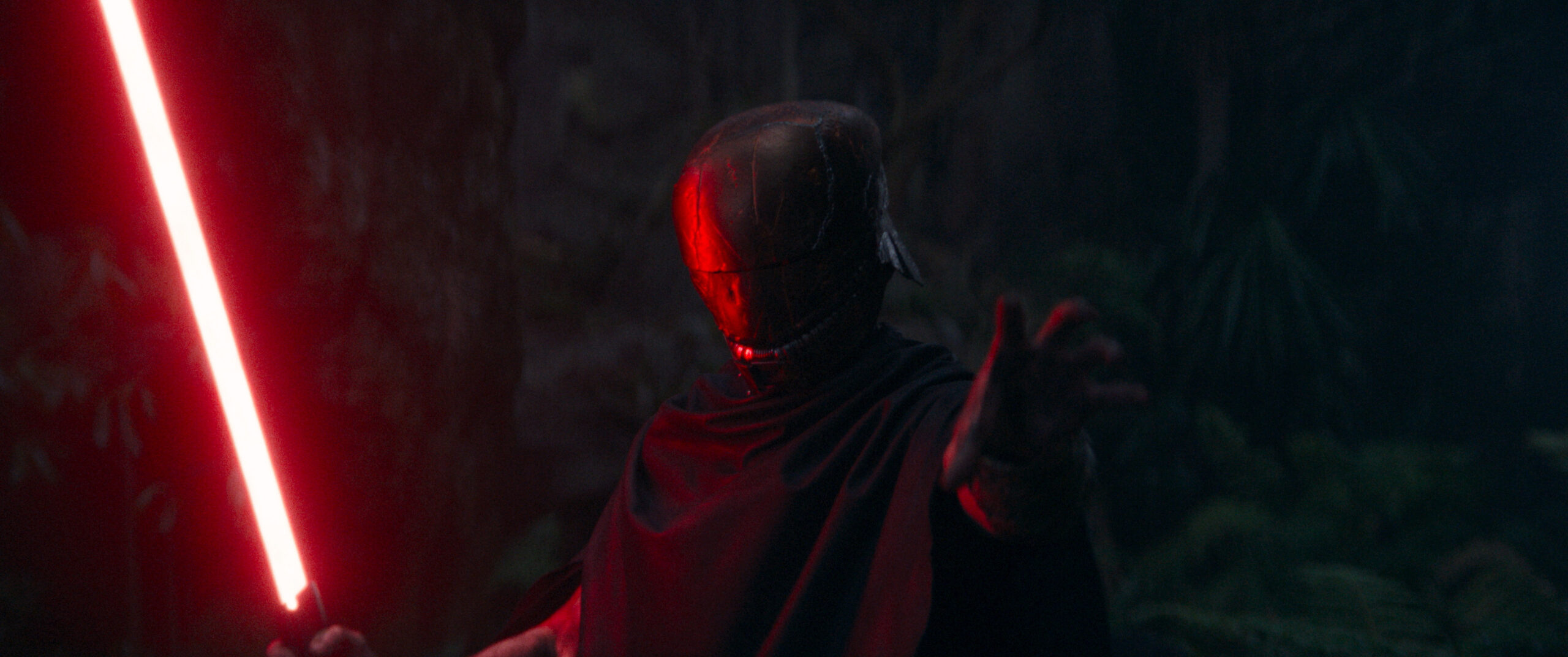
In a move that absolutely no one saw coming on the 2026 bingo card, The Acolyte is officially trending again. Two years after its controversial debut, the High Republic Era series has unexpectedly re-entered the Disney+ Top 10 most-viewed shows, currently sitting at #9.
This isn’t a random spike. The massive success of Maul-Shadow Lord has created a High Republic/Sith Origin hunger. Fans are reportedly bingeing the series to find connections to Maul’s lineage and the live-action debut of Darth Plagueis.
Re-entering the Top 10 two years later is a rare feat. If the numbers hold through Star Wars Day, Lucasfilm might finally be incentivized to wrap up the Plagueis/Tenebrous threads that were left hanging. While a Season 2 renewal remains a long shot, the data might force Lucasfilm to finally address those unresolved cliffhangers in a Marvel-style Special Presentation or comic.
The roster of Task Force M is officially getting a major power upgrade—and a brand new voice. According to the latest casting updates for Creature Commandos Season 2, Sydney Chandler (Alien: Earth, Don’t Worry Darling) has been officially cast as Nosferata after reading for a key role in Man of Tomorrow.
The character, who was teased in the Season 1 finale as a new recruit for the team, is set to be a series regular in the upcoming season as the DCU explores the more supernatural corners of its mythology. Unlike the hulking monsters we’ve seen so far, Nosferata brings a different kind of undead energy to the team.
In the pages of DC Comics, Nosferata is a vampire created during the 1940s experiments of Project Moreau.
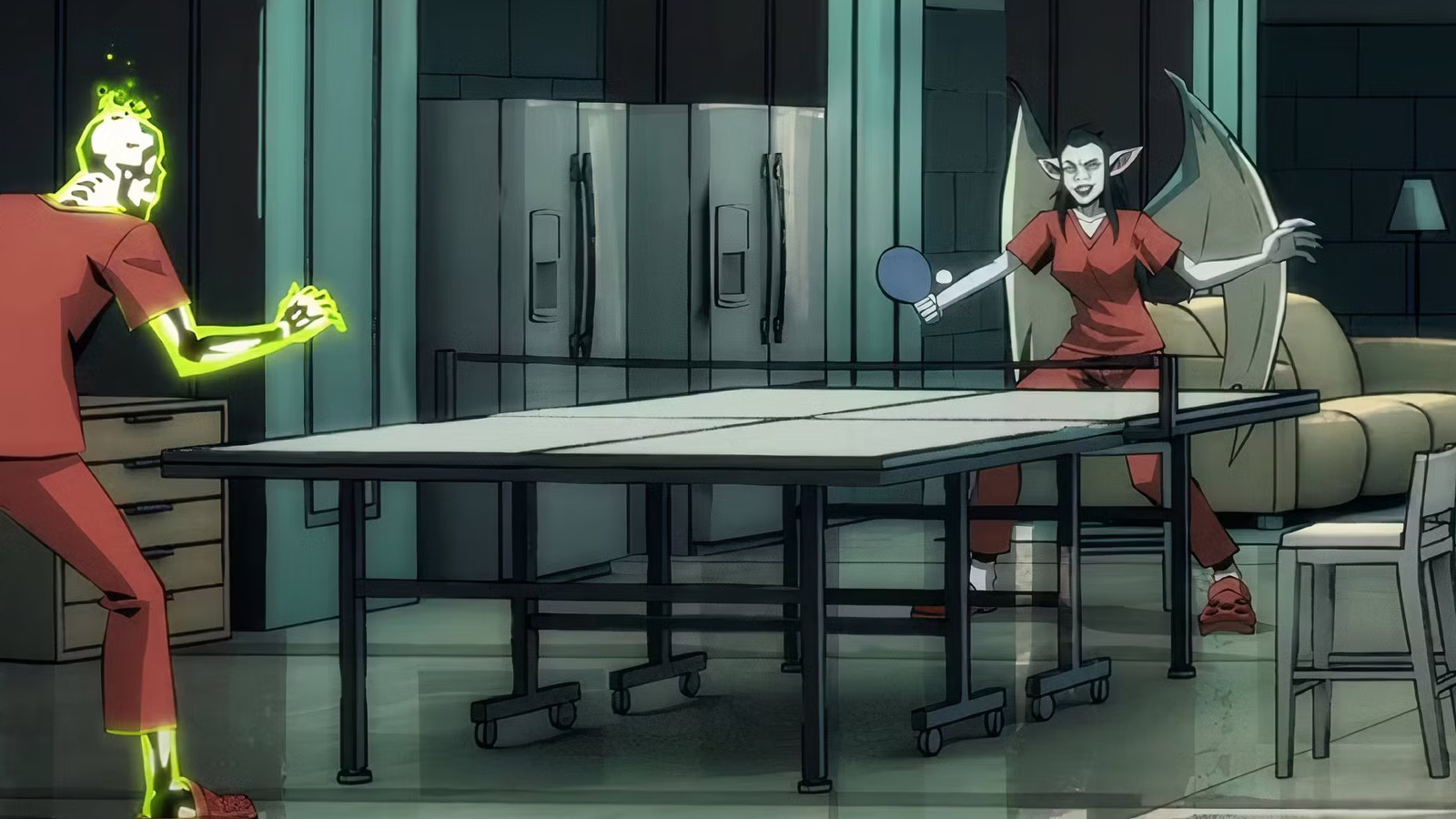
In the DCU, after spending decades as an inmate at Belle Reve, she was recruited by Amanda Waller to join the new iteration of the Creature Commandos led by The Bride. She was first seen playing ping-pong with Doctor Phosphorus in the Season 1 finale. In Season 2, she’ll be a core member of the squad, filling the void left by the death of Nina Mazursky.
Per James Gunn’s rule for the DCU, Sydney Chandler will provide the voice for the animated series and is expected to play the character in any future live-action appearances. Chandler joins an already stacked voice cast, including Indira Varma (The Bride), Alan Tudyk (Doctor Phosphorus), Sean Gunn (G.I. Robot/Weasel), and David Harbour (Eric Frankenstein).
Season 2 is currently in active production, with Gunn confirming that animation is underway. While a release date hasn’t been locked, the show is expected to return to Max in late 2026 or early 2027, picking up after the events of Peacemaker Season 2.
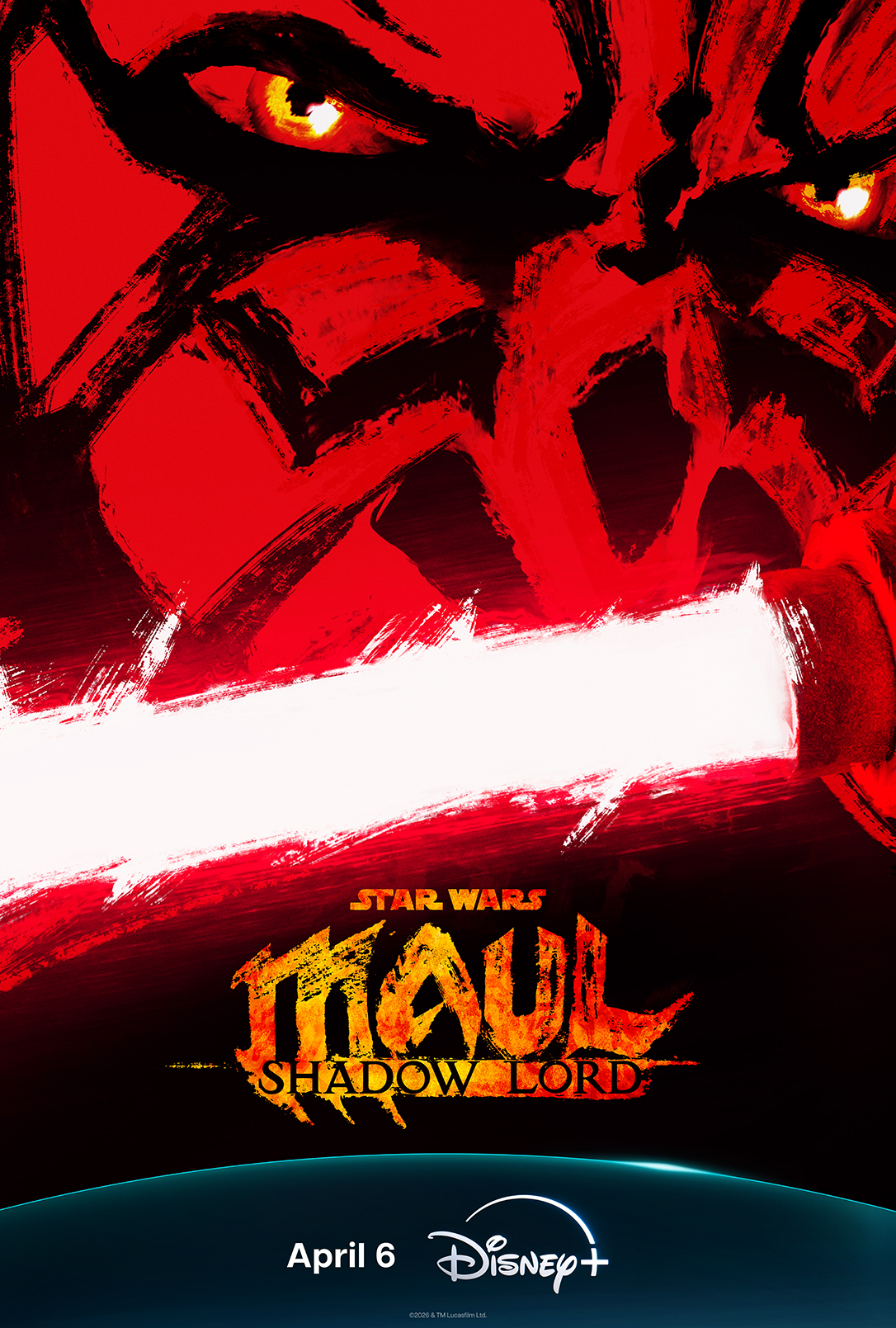
We are less than 12 hours away from the return of Sam Witwer as the voice of Maul, and we now have the full map for former Sithord’s journey. Disney+ has confirmed the release schedule for Maul-Shadow Lord, and it’s a sprint to May the 4th.
The Lineup:
April 6: Chapters 1 & 2 (“The Dark Revenge” / “Sinister Schemes”)
April 13: Chapters 3 & 4 (“Whispers in the Unknown” / “Pride and Vengeance”)
April 20: Chapters 5 & 6 (“Inquisition” / “Night of the Hunted”)
April 27: Chapters 7 & 8 (“Call to the Oblivion” / “The Creeping Fear”)
May 4: Chapters 9 & 10 (“Strange Allies” / “Finale”)
New episodes will be available at 12 AM PT/3 AM ET.
The decision to release these in pairs weekly is a smart move to keep the event feel alive during the lead-up to finale. By ending on Star Wars Day–amd withholding the final two episodes from the screening package–it’s obvious that Lucasfilm has a major surprise or two in store.
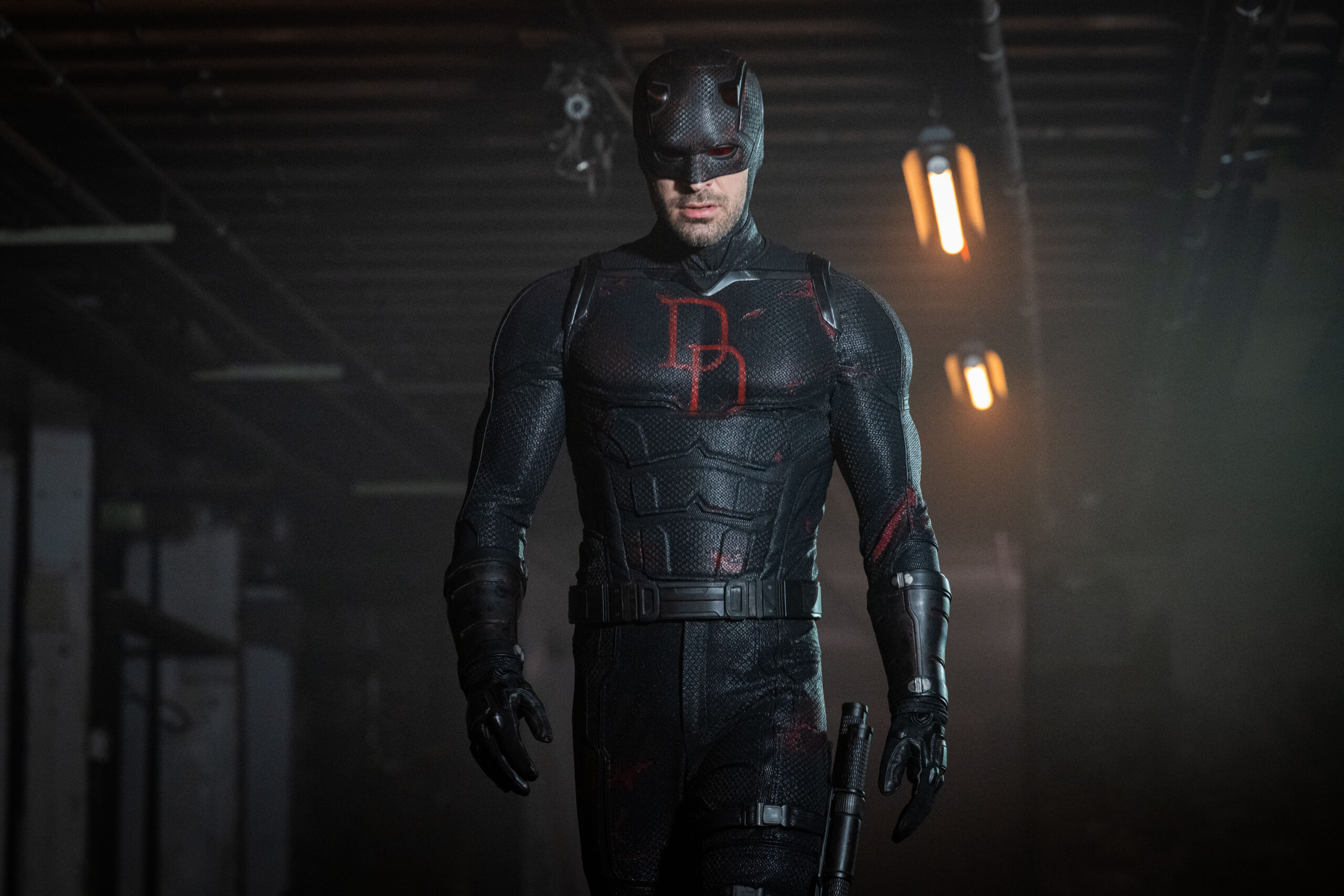
While Scardapane probably appreciates the job security, writing a television series that’s expected to stretch out into infinity also places a heavy mandate on his plate. For Daredevil: Born Again to ultimately be judged as a great show, not only will Hell’s Kitchen have to become the same sort of living, breathing enclave Frank Miller created in the comics but it’s cast of characters designed to support its dual protagonists will also need to bear the weight of world building, provide tonal shifts and serve–in one way or another–as moral counterweights to the dilemmas faced by the leads. With a pair of beloved stars like Charlie Cox and Vincent D’Onofrio, protagonist fatigue doesn’t seem likely but Scardapane and the rest of the show’s writers must still build in safeguards against it by creating a supporting cast that does more than fill screentime..and so far, those results have been decidedly mixed.
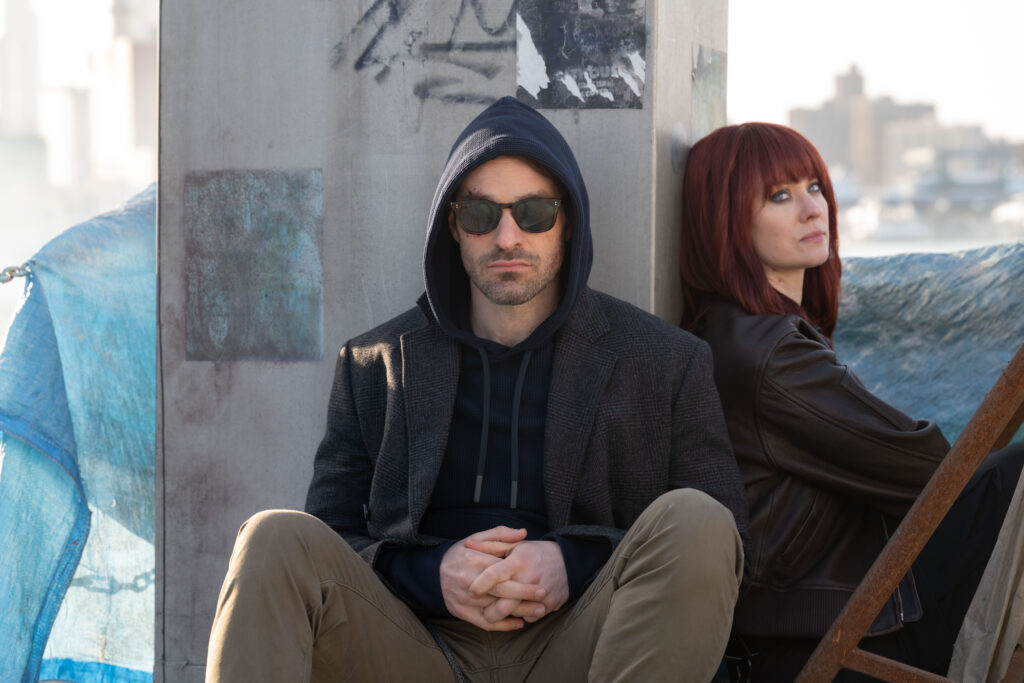
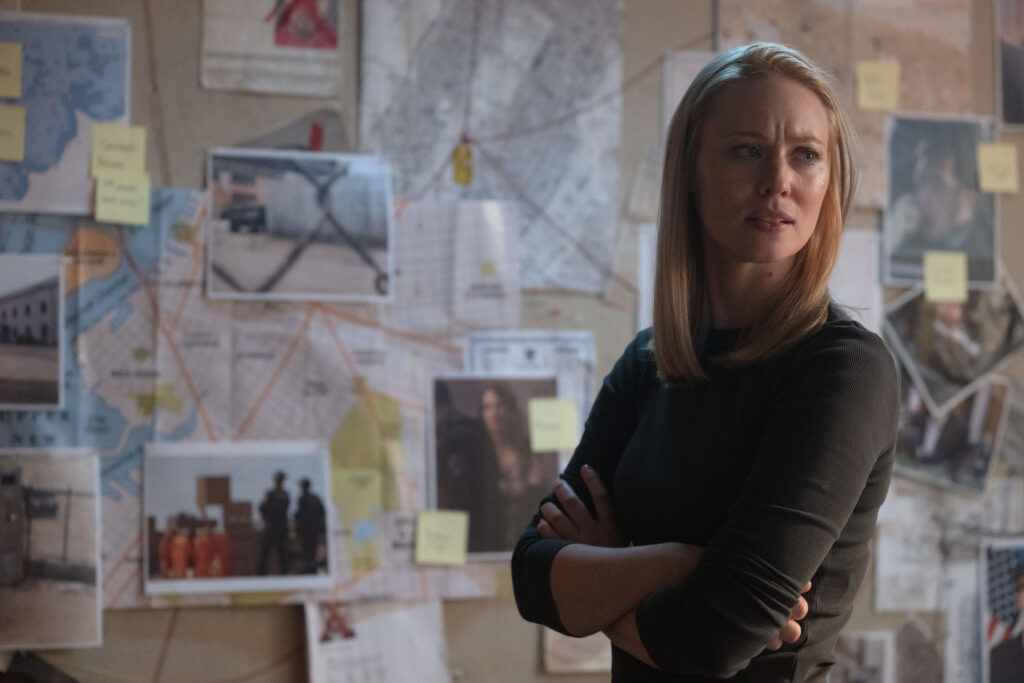
After the opening episode of the new season established Daredevil as the enemy of Wilson Fisk’s police state, episodes 2 and 3, titled “Shoot the Moon” and “The Scales & The Sword”, respectively, spend their narrative currency on the tissue that connects the revolutionary and the regime to the reality faced by those who while not the public-facing symbols of the struggle, belong to the society or are actively taking part in its downfall. While this includes characters such as Karen, Vanessa, Jacque Duquesne and Bullseye, the latest double dip spends more time on Fisk’s collaborators Daniel Blake, Buck Cashman and, and Heather Glenn, in addition to BB Urich, whose role in the propaganda war puts both her and Blake at risk, and Kirsten McDuffie. While each of these characters has a defined role in this revolution, some of them are simply more interesting than others.
By choosing to canonize the Netflix series, Marvel (and perhaps Scardapane) chose to accept all the consequences of the choices (both good and bad) made by those writers and none resonates more loudly than the decision to kill Ben Urich. An absolute cornerstone of Daredevil’s Marvel Comics lore, Ben was killed by Fisk at the end of Season 1 of Daredevil…an act that you’ll be constantly reminded of in season 2 of Daredevil: Born Again. Without spoiling the entire season, it’s safe to say that not even Scardapane could write himself out of that particular hole and, as such, BB–and her relationship with Blake, the “heir unapparent”– just too often feel as an effort to right that wrong. And don’t get me started on Blake.
On a positive note, Scardapane seems to enjoy enhancing the parallel paths of Murdock and Fisk by pairing the arcs of characters in their respective orbits. Karen and Vanessa. BB and Blake. Heather and Kirsten. The AVTF and the AdT (Angela del Toro). Buck and…Foggy (gasp). In episodes 2 and 3, the writers leverage the supporting characters by setting them in ideological opposition to one another. As Vanessa tries to convince Wilson to leave New York, Karen and Matt talk about staying put. As the AVTF cracks down, AdT levels up. As the Deputy Mayor of New York City for Communications elevates his position in the regime, BB digs deeper and becomes the underground press, attempting to strip away the facade of fear by mocking the Kingpin. Buck serves as Kingpin’s loyal capo, weaponizing authority, while Foggy’s absence–and his adherence to the idealism of the system–allows Matt to teeter on the edge of disappearing behind the mask.
The transition between episodes accentuates these polarities as the cracks in both sides begin to show, both literally and figuratively. Karen’s radicalization (Matt compares her thought process to that of Frank Castle) and Vanessa’s gaslighting (convincing Heather of her security while fearing for her own); Heather dissociates and descends into madness as Kirsten grounds herself in the reality of the populace; state-sponsored security becomes state-sponsored terror. The final straw, of course, is the farcical trial of Jack Duquesne, in which Heather’s lack of morality and the Kingpin’s influence over the Vigilante Trials conclude with a guilty verdict handed down to a LARPer. By publicly executing the spirit through the illusion of due process, Fisk unwittingly hands the resistance its eventual winning hand.
For the entertainment of the masses. Presented in all it’s ugly glory by then whose hand holds the scale.
-Jack Duquesne
And, of course, the wild card becomes increasingly wild…but it’s not time for his story just yet. Through 12 episodes, Daredevil: Born Again has patiently painted a picture of a pair of protagonists prepared to prove his love for his city is greater than the other’s; however, the cumulative scar tissue on the city and its inhabitants–the sinew of the story–and each man is increasingly faced with losing something they love, even if only the blind man can see it coming.
Cookie Consent
We use cookies to improve your experience on our site. By using our site, you consent to cookies.
This website uses cookies
Websites store cookies to enhance functionality and personalise your experience. You can manage your preferences, but blocking some cookies may impact site performance and services.
Essential cookies enable basic functions and are necessary for the proper function of the website.
Name
Description
Duration
Cookie Preferences
This cookie is used to store the user's cookie consent preferences.
30 days
These cookies are needed for adding comments on this website.
Name
Description
Duration
comment_author_email
Used to track the user across multiple sessions.
Session
comment_author_url
Used to track the user across multiple sessions.
Session
comment_author
Used to track the user across multiple sessions.
Session
Statistics cookies collect information anonymously. This information helps us understand how visitors use our website.
Google Analytics is a powerful tool that tracks and analyzes website traffic for informed marketing decisions.
Contains information related to marketing campaigns of the user. These are shared with Google AdWords / Google Ads when the Google Ads and Google Analytics accounts are linked together.
90 days
__utma
ID used to identify users and sessions
2 years after last activity
__utmt
Used to monitor number of Google Analytics server requests
10 minutes
__utmb
Used to distinguish new sessions and visits. This cookie is set when the GA.js javascript library is loaded and there is no existing __utmb cookie. The cookie is updated every time data is sent to the Google Analytics server.
30 minutes after last activity
__utmc
Used only with old Urchin versions of Google Analytics and not with GA.js. Was used to distinguish between new sessions and visits at the end of a session.
End of session (browser)
__utmz
Contains information about the traffic source or campaign that directed user to the website. The cookie is set when the GA.js javascript is loaded and updated when data is sent to the Google Anaytics server
6 months after last activity
__utmv
Contains custom information set by the web developer via the _setCustomVar method in Google Analytics. This cookie is updated every time new data is sent to the Google Analytics server.
2 years after last activity
__utmx
Used to determine whether a user is included in an A / B or Multivariate test.
18 months
_ga
ID used to identify users
2 years
_gali
Used by Google Analytics to determine which links on a page are being clicked
30 seconds
_ga_
ID used to identify users
2 years
_gid
ID used to identify users for 24 hours after last activity
24 hours
_gat
Used to monitor number of Google Analytics server requests when using Google Tag Manager
1 minute
Marketing cookies are used to follow visitors to websites. The intention is to show ads that are relevant and engaging to the individual user.
Pinterest Tag is a web analytics service that tracks and reports website traffic.



:max_bytes(150000):strip_icc():focal(736x303:738x305)/sydney-chandler-alien-earth-premiere-081225-7928c7b1609342669746ed924792f25e.jpg)