Tag: WandaVision

  • Elizabeth Olsen On Where We Will Find Wanda in ‘Multiverse of Madness’

    Elizabeth Olsen On Where We Will Find Wanda in ‘Multiverse of Madness’

    Wanda Maximoff helped ring in a new era of the Marvel Cinematic Universe with WandaVision, Marvel Studios’ first venture into television. The series ends with Wanda officially becoming the fabled Scarlet Witch and leaving Westview to head to a small cabin off the grid. We aren’t quite sure where we will find Wanda when we pick back up again in Multiverse of Madness, as she continues to study the Darkhold and master chaos magic. 

    Deadline caught up with Elizabeth Olsen on the red carpet at the premiere of Doctor Strange in The Multiverse of Madness, revealing just what Wanda has been up to and where we will find her when the film opens. 

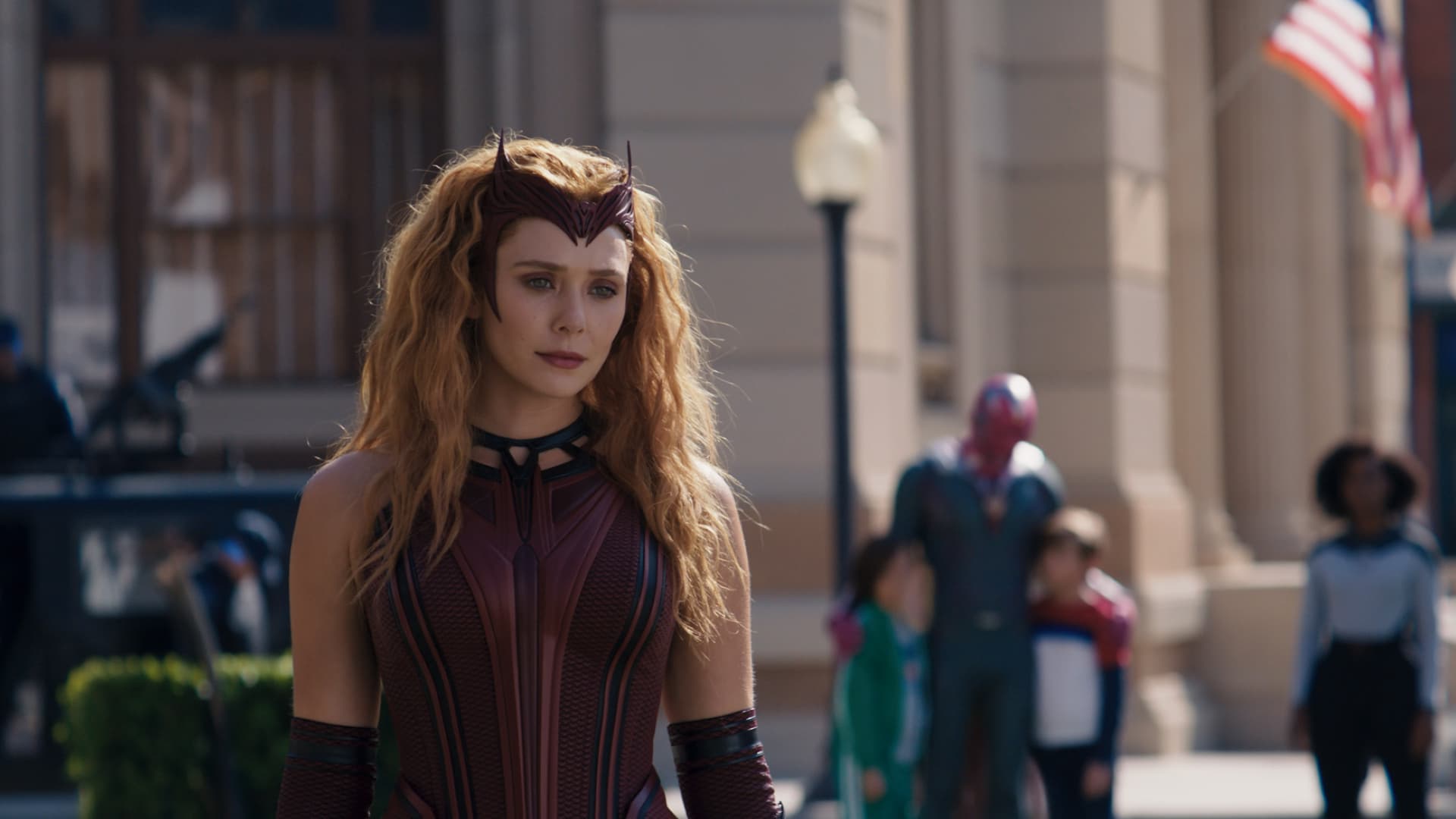
    “I think where we find her is, at the end of WandaVision she also discovers she is destined to be this ancient, mythic woman, the Scarlet Witch and she’s been discovering what that means to her and what that means. She is coming from a place of power and confidence that we haven’t really seen from her yet.”

    Elizabeth Olsen

    Olsen herself recently expressed interest in a solo project for her character, revealing that “if they had a good story to tell, I’ll be there.” While we’ve already got WandaVision, many would love to see the character take the spotlight in her very own feature film.

    Doctor Strange In The Multiverse of Madness will hit theaters on May 6th, featuring the return of Benedict Cumberbatch and Benedict Wong as Doctor Strange and Wong alongside Olsen’s Wanda Maximoff. 

    SOURCE: Twitter.

  • Elizabeth Olsen Ready to Star in Scarlet Witch Movie If There’s a “Good Story”

    Elizabeth Olsen Ready to Star in Scarlet Witch Movie If There’s a “Good Story”

    For years, fans have been clamoring for a solo Scarlet Witch project, and while WandaVision might’ve served as just that, it appears Wanda’s story is far from over. During an interview to promote Doctor Strange in the Multiverse of Madness, Scarlet Witch actress Elizabeth Olsen was asked about potentially starring in a Scarlet Witch movie. Although one has yet to be announced, the actress is ready to sign on with one minor caveat.

    When asked when fans can expect Scarlet Witch to get her own movie, Olsen seemed more than ready to star in her own film. “Oh, I don’t know, but if they have a good story to tell, I’ll be there.”

    Olsen has, of course, been very vocal in wanting to star in a solo Scarlet Witch film. She has previously expressed interest in wanting to adapt House of M in the Marvel Cinematic Universe and has shown interest in wanting to continue Wanda’s story so long as there’s something worth telling.

    It remains to be seen whether or not a solo Scarlet Witch project is announced. As it stands, WandaVision will not be receiving a second season, which does leave Olsen’s character open for a possible film. For now, though, fans can see again Scarlet Witch when Doctor Strange in the Multiverse of Madness hits theaters this Friday.

    Source: Twitter.

  • Marvel Studios’ Disney+ Venture Needs to Embrace the Diversity of TV Storytelling

    Marvel Studios’ Disney+ Venture Needs to Embrace the Diversity of TV Storytelling

    Moon Knight‘s fifth episode has been quite loved due to the way it continues a trend of Marvel Studios’ series having a penultimate episode that takes its time to explore our protagonist’s psyche or the underlying theme of the series. Still, there is a current trend that the Disney+ series are facing that could backfire with each new release. While not a fan of the overused buzzword “Marvel formula,” there is a certain danger with their reliance on the three-act structure to construct their series. There are still distinctions in their approach, but a six-episode benchmark muddles that vision. In a way, they are suffering from something that was started in Netflix’s early days and have yet to fully embrace the diversity of TV’s storytelling possibilities.

    Marvel Studios has always been flagged for having a “formula” behind each film. Even as they broke away from their more streamlined films due to the infamous Ike Perlmutter era, the genre has an inherent expectation that creates that very issue. One could argue that certain expectations and perceptions play a key influence due to the brand and its heroic genre; something we’ve seen in comics over and over again. It’s not a Marvel Studios-specific issue, they just so happened to be the one to stick out the most. While saying that, their TV offerings are suffering from a different yet similar issue that is more inherent to the long-form storytelling format.

    Yet, with a strict six- or ten-episode structure, you are setting a certain tempo for your series. If you adhere to the three-act structure, it becomes even more restrictive, as most of the “action” or meat of the story happens within the final two episodes. We’ve seen it a few times, such as with Falcon and the Winter Soldier, Hawkeye, and even potentially Moon Knight. They end up exploring important themes in Episode 5 but have to quickly wrap up the story in its finale, sometimes not as effective as it hopes to. Knowing that there are “only” six episodes available, also creates the before-mentioned perception issue that not everything will be wrapped up.

    Ironically, Netflix’s issue was that thirteen episodes were at times too many. It’s a funny contrast to Marvel Studios’ six facing the opposite criticism. For the sake of comparison, Peacemaker‘s used an eight-episode structure and was less a “film” but more traditional TV in its storytelling. While it did have some minor pacing issues like any other show nowadays does, it built its story per episode with an overarching narrative. Plus, a character like Peacemaker has fewer expectations because the story can explore whatever it wants due to the character being a blank slate. This is in stark contrast to Netflix’s Daredevil series back in the day or even now with Moon Knight, they both have very set expectations that restrict just how much a story can tell.

    Speaking of Netflix, the issues Marvel Studios is currently facing have their roots in that era. The promise of “a 13-episode film” created this illusion of having a film being told with more time. Yet, even the much-loved Daredevil had pacing issues with many at the time pointing out that elements dragged a bit. Similar to what we’re seeing now, as more shows were released they faced the same issue but became more apparent. By the time The Punisher rolled around, they fell victim to having the episode count set the pacing and certain story beats were expected.

    Was it formulaic? To a certain degree, yes and it was and Marvel Studios is going to fall victim to the same issue if they strictly remain on this course. Throw on top of the issue of a rather short episode count, they potentially will keep facing the issue of their final episode ending up rushed as the internet will repeat. “How will they wrap it all up after that?” That issue becomes even more apparent if you realize they are moving away from one monumental aspect that defines TV storytelling, multiple seasonal arcs for their characters.

    So far, only Loki got a second season and it’s hard to say if any of these series will actually continue moving forward. Marvel Studios’ reluctance to even communicate multi-seasonal plans creates a new issue with expectation. It creates the illusion that this specified six-episode season needs to wrap up everything. Technically speaking, their “second season” commonly are film appearances such as The Falcon and Winter Soldier setting up Captain America 4. Yes, it’s great to see this expansion from TV to film and potentially back, but it creates a whole new issue that they seemingly are struggling with.

    We have no idea where and when Moon Knight might show up next. Lots of coverage is hinting at his series is a limited run, which adds to the issue that the titular hero is not very present in his project. Yet, they are setting up a lot of elements that affect its pacing within the six episodes. While I don’t agree with everything, a discussion on the show’s quality from ScreenCrush made a good point that the penultimate episode feels a bit late and may hit harder if it was earlier in the series. We won’t have much time to actually spend with Marc now that he had his revelation and the loss of the alter that helped him through his trauma.

    To give an example, Loki had his mental revelation at the beginning of the series, and it worked because we already knew his character. So, we got to explore that storyline which we won’t really get to with Moon Knight, as we have to wrap up the plot, character development, and set up for whatever is next. It’s great they aren’t restricting themselves to old-fashioned origin tales, but their current model restricts exploring it fully. While it’s great that we might get Oscar Isaac‘s Moon Knight in a future movie, the fact we never know when or how–a Marvel staple–may see the company’s usual secrecy backfire on them. WandaVision with 10 episodes waited until the end for the big emotional story arc but at least a mystery to keep us wondering.

    Speaking of mystery, Wanda’s town-altering storyline and Hawkeye‘s big bad added an additional issue to what was mentioned previously. They keep the “big reveal” until the very last episode. While it makes sense to build up suspense on whatever the mystery is, especially the excitement of Vincent D’Onofrio‘s return as Kingpin and its implications, it creates the issue of having to bring everything together at the last moment. Even Moon Knight‘s Episode 4 revelation has now been limited due to the time available afterward. Loki‘s second season is following a year after its premiere and we don’t know when we’ll get it or how it fits in the overarching story.

    So, the ever-expanding universe is showing its fangs a bit. Even if comedy series are teased to have ten episodes, the fact they are restricting the episode count to specific formats is surprising given the freedom they should have. TV storytelling is diverse, may it be planning multiple seasons in mind, structuring the episode count to abide by the story, or even having each episode work as a standalone storyline. Even with that potential, modern streaming offerings tend to share similar issues due to the formatting. Even Peacemaker and The Boys rely on shock value at times to keep you watching from week to week.

    Moon Knight‘s been said to “fit better as a film” because that’s what it is. It’s a six-hour film just like how Netflix promised its series and many other streamers are copying. While it does have cliffhangers to keep you watching, they are more character-driven than story-driven. It’s something that makes this storyline a personal favorite among the Disney+ shows, but it does face the issue that also expectations play a massive role when exploring a potentially one-time project based on 70 years of comic history. Expectations on what makes a “Moon Knight” show become a crux for viewers and those creating the series. We have no idea if there’s going to be a second season, ironically unlike how most films get sequels.

    So, the weekly wait for episode 6 with a slower start ends up creating a pacing issue that is very perceptive due to the uncertainty moving forward. WandaVision probably worked the best as a weekly release due to the formatting of the actual show as different eras of sitcoms. The later episodes that broke away from it are much closer to what we see with its six-episode offerings. Each Marvel Studios show has its strengths, and, like everything else out there, weaknesses, but one can see the roots of the issue from the Netflix era. It has affected many series within the market, especially now that we’re moving away from the binge model. In a way, the distribution model is changing but not the expected storytelling element.

    Marvel Studios has a lot of opportunities with their Disney+ series. Yet, their venture into cross-media storytelling has been showing its fangs, as it restricts them from truly embracing the TV model. That is on top of long-term trends within the industry, and we can’t forget this is a completely new venture for this film-focused production studio even if they took in employees from the former Marvel TV subsidiary. Moving forward, if they want this concept to stick out more it might be time to embrace the TV model.

    Give us a series that was built with multiple seasons in mind, something we’re seeing already with Lucasfilm’s Andor. Allow a character to grow over a few years before integrating into the bigger picture, or have their appearances be independent of what’s happening. Ms. Marvel is the perfect opportunity. Yes, she will appear in The Marvels but her “usual” world is the one we’ll see in the June release. Let her character grow over multiple seasons with that experience adding to her character but not redefining her story. It’s what happened in Spider-Man: Far From Home, as it was a sequel to Avengers: Endgame rather than Homecoming.

    A lot of inspiration for the Marvel Cinematic Universe lies in comics, and the Disney+ series is becoming an opportunity for ongoing storylines with the films acting as “detours” for some of the characters. Their stories still should remain ongoing rather than one-time moving forward. Plus, let the show breathe and move away from a strict episode count. Not every story needs to follow a third act structure or something related to it. You can see they are still trying to find their footing with these new ventures on Disney+, and they have an opportunity to truly embrace the diversity of TV storytelling.
  • Sam Raimi on How ‘WandaVision’ and ‘No Way Home’ Impacted ‘Doctor Strange in the Multiverse of Madness’ Production

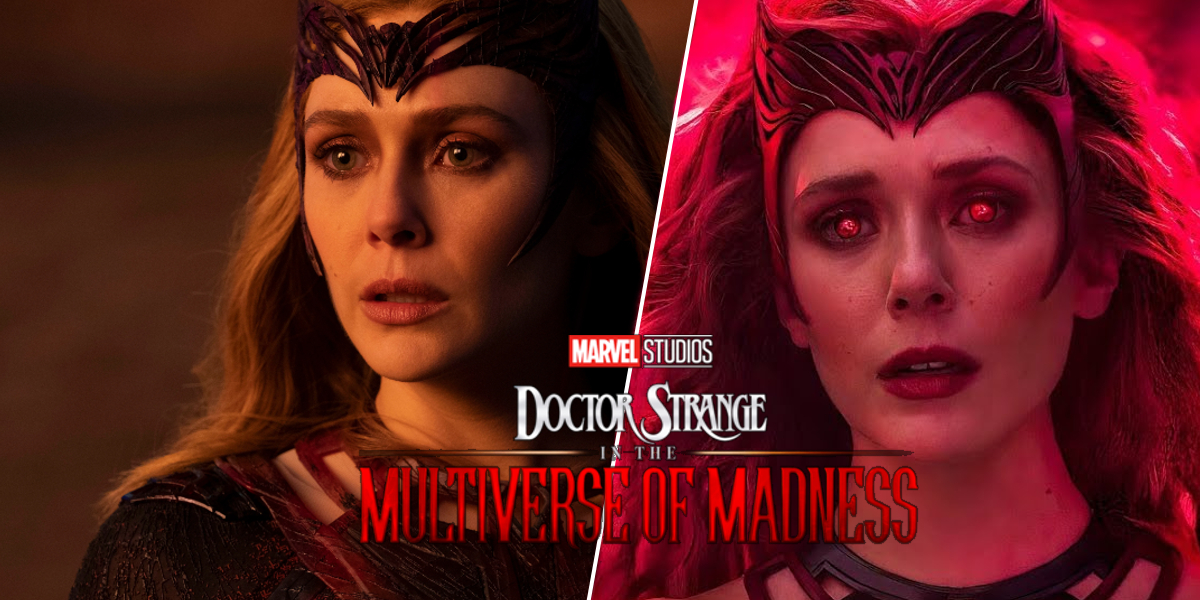
    Sam Raimi on How ‘WandaVision’ and ‘No Way Home’ Impacted ‘Doctor Strange in the Multiverse of Madness’ Production

    COVID has made quite a mess out of many things, and a franchise that builds upon itself being shifted around willy-nilly may have faced many more consequences than it initially expected. We’ve heard in the past that the release schedules between Doctor Strange in the Multiverse of Madness and Spider-Man: No Way Home ended up forcing their hand to rewrite both projects to better fit the overarching narrative. Still, it made many wonders how that exactly impacted the production.

    In a lengthy interview with Rolling Stone, director Sam Raimi got a chance to sit down and talk bout his experience working with Marvel Studios and within the MCU playbox. He has already praised the work in the past and is even open to returning for a future project. Yet, he also highlighted how the pandemic’s influence on two interconnected releases, previously-mentioned No Way Home and the Disney+ series WandaVision, impacted the writing process.

    Yes, it was all on the fly. “Now this is happening. Now that’s happening.” It was a fun juggling game. I guess it must be like that for all of the directors and writers of these very big Marvel properties that now have a long history. It was a very chaotic, wonderful, creative — I don’t want to use the word “mess,” because that’s unfair — but it was just a cascade of ideas. We’d take the best ones and quickly weave together the fabric of this universe. It was very exciting, actually.

    Sam Raimi

    In a way, it sounds like they were able to weave their story even with the “cascade of ideas” weaving out of these projects. One has to admire the work these creatives go through to bring an entire franchise to life and the way Raimi is praising it sounds like it helped them become even more creative. It seems that WandaVision also only became a factor during the writing process, as that series was also facing changes and delays due to COVID.

    I’m not really sure what the WandaVision schedule was or how it changed. I just know that halfway, or maybe three-quarters of the way into our writing process, I’d first heard of this show they were doing and that we would have to follow it. Therefore, we had to really study what WandaVision was doing, so we could have a proper through line and character-growth dynamic. I never even saw all of WandaVision; I’ve just seen key moments of some episodes that I was told directly impact our storyline.

    Sam Raimi

    As he highlights, things changed a lot behind-the-scenes and it’s to be expected when any projects are currently in development,w which also influence each other on a character and story basis. Raimi highlighted that these changes created a potential for creativity, which highlights a core aspect of these story elements. He highlights that he was heavily involved with the writing process alongside Loki‘s Michael Waldron and it makes the exciting prospect of what story they ended up within that playfield

    Source: Rolling Stone

  • Why the ‘Moon Knight’ and ‘WandaVision’ Memory Episodes Were So Successful

    Why the ‘Moon Knight’ and ‘WandaVision’ Memory Episodes Were So Successful

    Moon Knight Episode 5 is arguably one of the best installments in the Marvel Cinematic Universe’s television series. While answering a lot of questions about our protagonists and the nature of the show itself, it managed to feel incredibly unique from its companion episodes. Despite being a standout for the Oscar Isaac-led series, it had quite a few similarities to a popular episode of the first Phase Four installment, WandaVision

    If Episode 5 of Moon Knight reminded you of Episode 8 of WandaVision, you are not alone. Both penultimate episodes carried similar themes and structures that ultimately accomplished the same task: rewriting the origin stories of the MCU characters. This article explores the resemblances and differences between the two episodes to highlight Marvel Studios’ fresh technique in introducing or re-introducing heroes.

    Marvel Studios’ ‘WandaVision’

    No Flashbacks

    While often referred to as the “flashback” episode, WandaVision Episode 8 does not actually feature any true flashbacks, and the same can be said for Moon Knight’s most recent installment. While there are numerous memories showcased in each, they are in the form of physical spaces that the main characters can, essentially, be a part of. In both episodes, the physical path to the memories was represented by doors–Agatha leads Wanda through a door in her basement, while Marc Spector and Steven Grant travel from room to room in the mentally-projected psych ward. 

    Marvel Studios’ ‘Moon Knight’

    A slight difference is how the characters exist within these memory spaces. In Moon Knight, Marc and Steven could move around as separate entities from their past selves as highlighted by Steven desperately trying to save the young Marc and his brother from drowning. In WandaVision, however, Wanda generally relives the memories and takes on the form of her past self. For example, rather than watching herself go through the HYDRA experimentation with the mind stone, she inhabited that past body and lived through it once more. Even with that slight variation, the outcome is the same. The memories of the lead characters play out in what feels like real-time, and the fact that our heroes relive these dark moments makes it more potent for the audience.

    Timing

    Obviously, both of the episodes at hand were the penultimate installments of the series. Both Moon Knight and WandaVision took a break from their ongoing plots to spend virtually an entire episode in the past. Because they were immediately before the finales, they changed the momentum of the Phase Four entries and paved the way to conclusions that feel drastically different than their beginnings. The memories served to answer many questions that plagued the shows. In both, there existed a sort of “final” or “peak” memory that revealed the most fundamental concepts that had before been mysteries. 

    In WandaVision, we see the build-up and finally the actual moment that Wanda created Westview. Previously, the viewer did not know when Westview started, and the memory furthermore explained how the Scarlet Witch’s background and then-current grief combined to manifest as the series. While Moon Knight has not yet concluded, it is safe to say that the reveal that Marc is the original personality is a watershed moment for the show. It answered several questions surrounding the existence and relationship between him and Steven, which is the bedrock of the series.

    Spotlight on Mental Health

    Neither the MCU nor other comic book franchises are known for their deep character-level emotional explorations or dives into the sphere of mental health. But both Moon Knight Episode 5 and WandaVision Episode 8 put the spotlight on those themes. These two episodes spend a great deal more time on the mental health or emotional aspects of their lead characters than other series or films in the MCU. Because of that, they are noticeably different experiences than what the viewer is used to.

    Marvel Studios’ ‘WandaVision’

    Wanda’s depression, trauma, and grief were the underlying cause of Westview and all of the events of the series. While often media is satisfied in suggesting that, for example, a character is grieving deeply, the WandaVision penultimate episode genuinely and successfully elected to show it. 

    Similarly, Episode 5 of Moon Knight put the spotlight on Marc’s inner struggles. While deep trauma is unrooted like in WandaVision, the presence of and respect given to the character’s dissociative identity disorder leads the series to explore a much more concrete and narrow area of mental health. Still, Marc is developed as a well-rounded character with emotional and psychological turmoil beyond it.

    Marvel Studios’ ‘Moon Knight’

    New Origins

    Marvel Studios’ ‘WandaVision’

    While the emotional penultimate episodes certainly add fresh and enriching experiences to their respective series and the MCU at large, they both appear to do something interesting for their titular heroes. We know that WandaVision’s finale acted as a sort of renewed origin story for the Scarlet Witch in the cinematic universe. There, Wanda had been introduced as a character years before and her series served to re-establish the hero and her mantle. Moon Knight, in contrast, was introduced in the current series. While Moon Knight has less to rework, it is likely building up to establish the MCU’s own unique take on the character’s origin. His classic comics origin was very briefly shown in Episode 5, and it seems as though the show is eager to establish Moon Knight in a way unique from his history and expectations. The penultimate episode is almost certainly laying the foundations for the superhero’s true MCU-specific origin story to be fully revealed in the Moon Knight finale. 

    The first five episodes of Moon Knight are now streaming on Disney+, while the entire series of WandaVision is currently available on the streamer.

  • ‘WandaVision’s Billy and Tommy Return in New ‘Doctor Strange in the Multiverse of Madness’ Promo

    ‘WandaVision’s Billy and Tommy Return in New ‘Doctor Strange in the Multiverse of Madness’ Promo

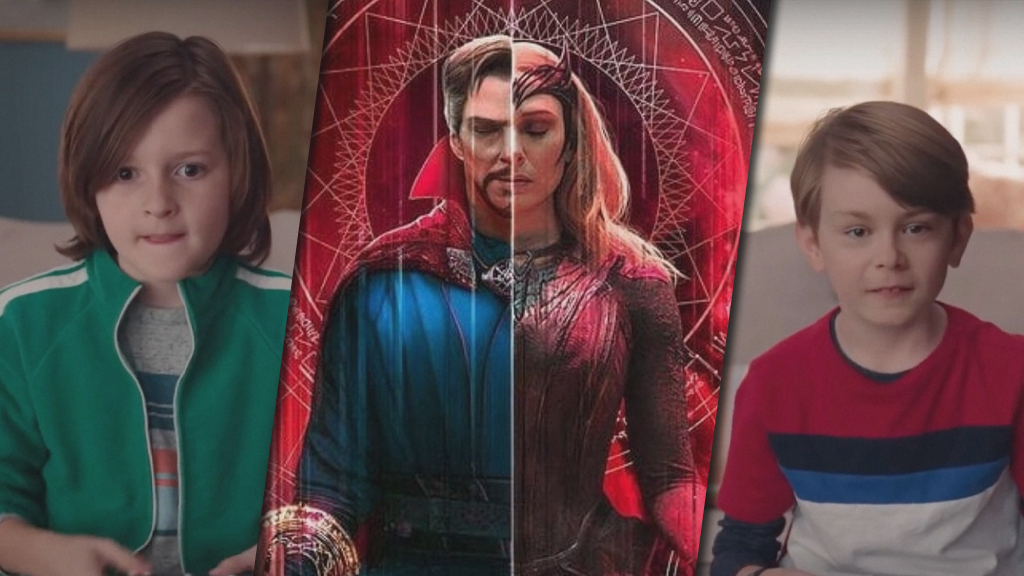
    Here’s an interesting detail, a brand new promo image has dropped for Doctor Strange in the Multiverse of Madness which includes some new footage for the upcoming film. While it mostly shows some familiar scenes while expanding on elements, the biggest reveal is the return of Julian Hilliard‘s Billy and Jett Klyne‘s Tommy. It seems like Wanda is having a vision of meeting her children once again only for them to vanish. The house even looks like the modern version of the one she and Vision had in WandaVision.

    It’s surprising they would include their reveal directly in a promo, as there were enough hints at their addition. Plus, the whole post-credit sequence in WandaVision was a set-up for their return. Though, it also opens up the question of how their arrival in the hex may connect to the multiverse. It almost seems like they’ve always been part of the multiverse and just happened to choose Wanda’s cry for a family.

    Whatever it may be, the set-up of this trailer with Strange and Wanda’s voiceovers overlapping perfectly. It creates this eerie feeling and once again highlights the “nightmare” aspect of this Multiverse of Madness. The third eye on evil Doctor Strange is also an interesting addition. It’s still theorized it’s the same character we met in What If…? but there’s no clear indication. For now, we can only theorize as tickets are about to go on sale for the May release.

    Source: Twitter

  • Kathryn Hahn Offers Update on Her ‘WandaVision’ Spinoff ‘Agatha: House of Harkness’

    Kathryn Hahn Offers Update on Her ‘WandaVision’ Spinoff ‘Agatha: House of Harkness’

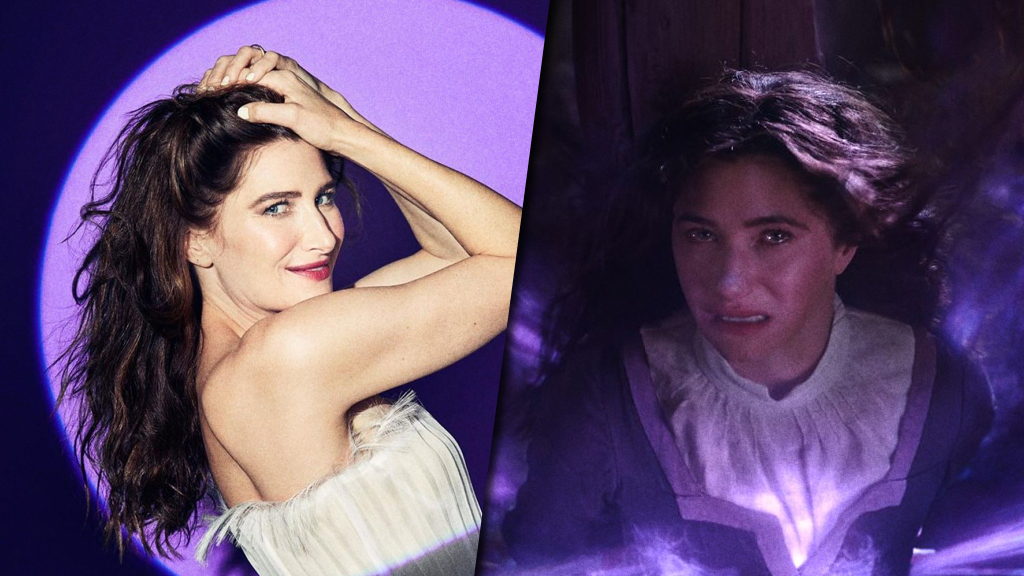
    WandaVision introduced the world to Kathryn Hahn‘s memorable performance as Agatha Harkness. “Agatha All Along” became one of the catchiest songs of the year, and it seems that Marvel Studios wasn’t ready to have such talent and not use her for years to come. During Disney+ Day, they finally confirmed that she’ll get her own spinoff titled Agatha: House of Harkness. We know very little about the project when it takes place in the ever-expanding MCU timeline, and if it might follow up the storylines set up in the finale of their first-ever Disney+ series. Luckily, it seems the actress behind the project may have already gotten some glimpses.

    In an interview with Entertainment Weekly, the actress discussed her current career and was asked about the upcoming Marvel Studios series. She didn’t reveal any details sadly, but did say that it is “exactly what I would have hoped and dreamt.” So, they might’ve already started work on the scripts and put together some visuals to showcase where the project is heading. Hopefully, we might find out sooner rather than later when we might expect it to find its way to the streamer.

    It would seem like the story will explore her family history that was briefly touched upon in a flashback. Her unleashing the Scarlet Witch won’t make her popular with other witches but finally gets a chance to explore the magic history of the Marvel Cinematic Universe from the perspective of witch culture. Perhaps we get to visit Salem and could even see the return of Ralph Boner. There was also the demon rabbit that ended up getting scrapped from the finale. There are so many possibilities, it’s going to be interesting to see how this series innovates.

    Source: Entertainment Weekly

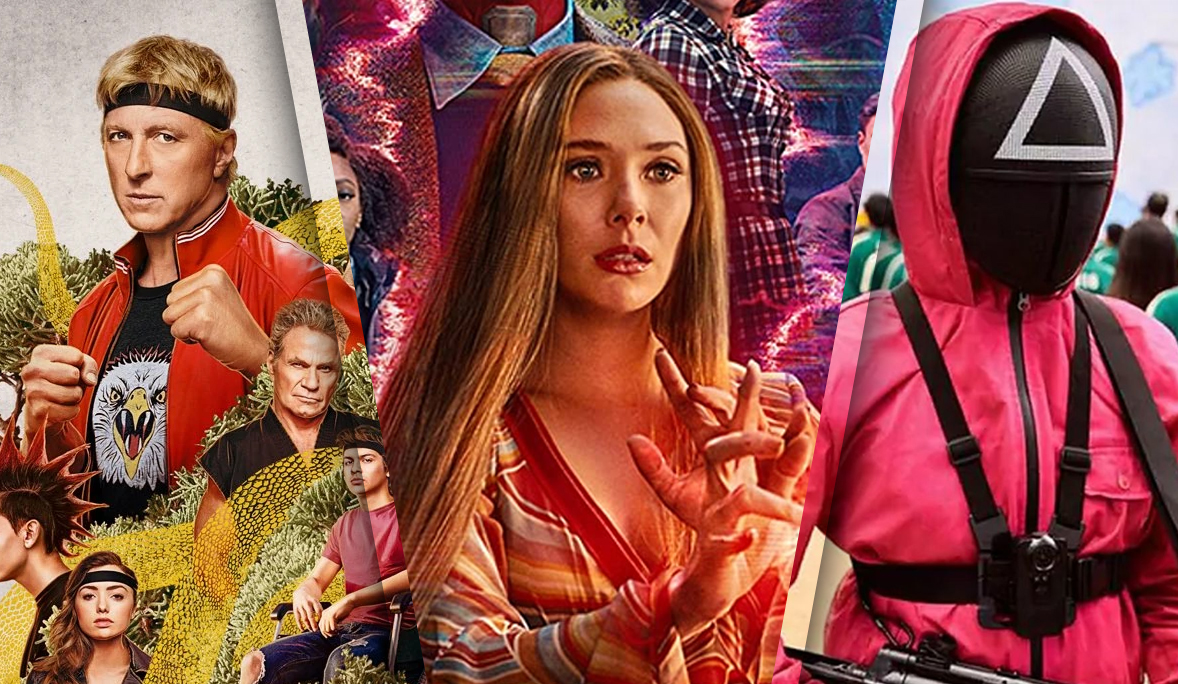
  • ‘WandaVision’, ‘Squid Game’, ‘Cobra Kai’ Nominated For Producers Guild Awards

    ‘WandaVision’, ‘Squid Game’, ‘Cobra Kai’ Nominated For Producers Guild Awards

    The nerds continue to rule the Earth, with a litany of their favorite shows gaining more and more awards recognition. A full list of nominees has been released for the upcoming Producers Guild Awards, which are set to be held on March. The list includes multiple fan-favorite projects from the last year, particularly within the realm of episodic television.

    For starters, Marvel Studios’ flagship Disney+ series WandaVision received a nomination in the ‘Limited and Anthology’ category, alongside critically acclaimed shows like Dopesick, The Underground Railroad, and The White Lotus.

    Surprise worldwide phenomenon Squid Game was nominated for the Danny Thomas Award for Outstanding Producer of Episodic Television, as was fellow underdog Netflix sensation Cobra Kai. They join the likes of HBO’s Succession, AppleTV+’s Ted Lasso, and Paramount’s Yellowstone in contention for the honor. On the film side of things, Denis Villenueve‘s Dune managed to snag a nomination for the Darryl F. Zanuck Award for Outstanding Producer of Theatrical Motion Pictures.

    Noticeably missing from the list of nominees is Marvel and Sony’s Spider-Man: No Way Home, which is currently tearing through the box office at record speeds. The film has been campaigning for major recognition during the awards season, and it remains to be seen if it will get any when the Oscars finally come around. Until then, fans of high sci-fi and comic book adaptations can breathe easy knowing Hollywood may finally be giving them the nods they’ve always deserved.

    Source: The Hollywood Reporter

  • Scarlet Witch Gets New Glow-in-the-Dark Funko Inspired by ‘WandaVision’s Post-Credit Scene

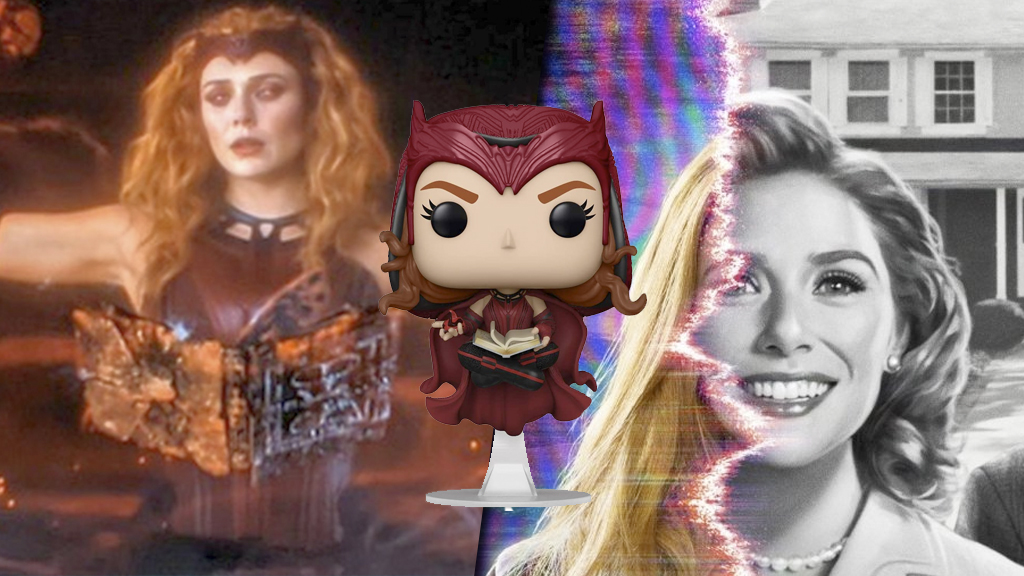
    Scarlet Witch Gets New Glow-in-the-Dark Funko Inspired by ‘WandaVision’s Post-Credit Scene

    It looks like Funko isn’t quite done with WandaVision, as a new Funko Pop has been revealed inspired by the first Marvel Studios Disney+ series. It’s an updated version of an existing Scarlet Witch Funko Pop, which is taken directly from the series final post-credit sequence. Unlike the previous version, this time they are trying to highlight her using her abilities by having this be a special glow-in-the-dark model that also includes her eyes glowing red. It’s a great touch, and probably a must for any fan of the series or the character in general. You can check it out here:

    Of course, the release timing is perfectly aligned as marketing is slowly starting to ramp up for Doctor Strange in the Multiverse of Madness. As she’ll have a big role in the story, it wouldn’t be too surprising that they’d also want to bank on the word-of-mouth surrounding the project. We do get a scene of her meditating in the trailer, which may even get its own Funko at one point down the line.

    Source: Twitter

  • 2021: What We Learned From ‘WandaVision’

    2021: What We Learned From ‘WandaVision’

    After sitting out 2020, Marvel Studios returned in a big way in 2021 with 4 films and their first 5 streaming series. That all kicked off in January with WandaVision, a 9-episode series that paid homage to eras gone by and changed the way MCU fans consumed and processed media. It’s not overreaching to say that nothing has been the same since the series concluded its run, so as the year comes to an end, let’s reflect on what we all learned from WandaVision.

    To Appreciate Character-Driven Projects

    Elizabeth Olsen and Jac Schaeffer on Wanda Maximoff's Grief and Journey to  the Scarlet Witch | Marvel

    While fans initially disapproved of the slow pace of the first few episodes of WandaVision, they also noted the incredible work by stars Lizzie Olsen and Paul Bettany. Bettany got to show off his comedic chops while Olsen put on a master class, essentially playing a new character in every episode (which also served as interesting meta commentary on changes made to the ways women have been portrayed in sitcoms over the decades). It’s not as if these were talents we didn’t know they possessed, it was just that they hadn’t been allowed to exhibit them in the MCU as they were overshadowed by the actors whose characters were headlining the films in which they appeared.

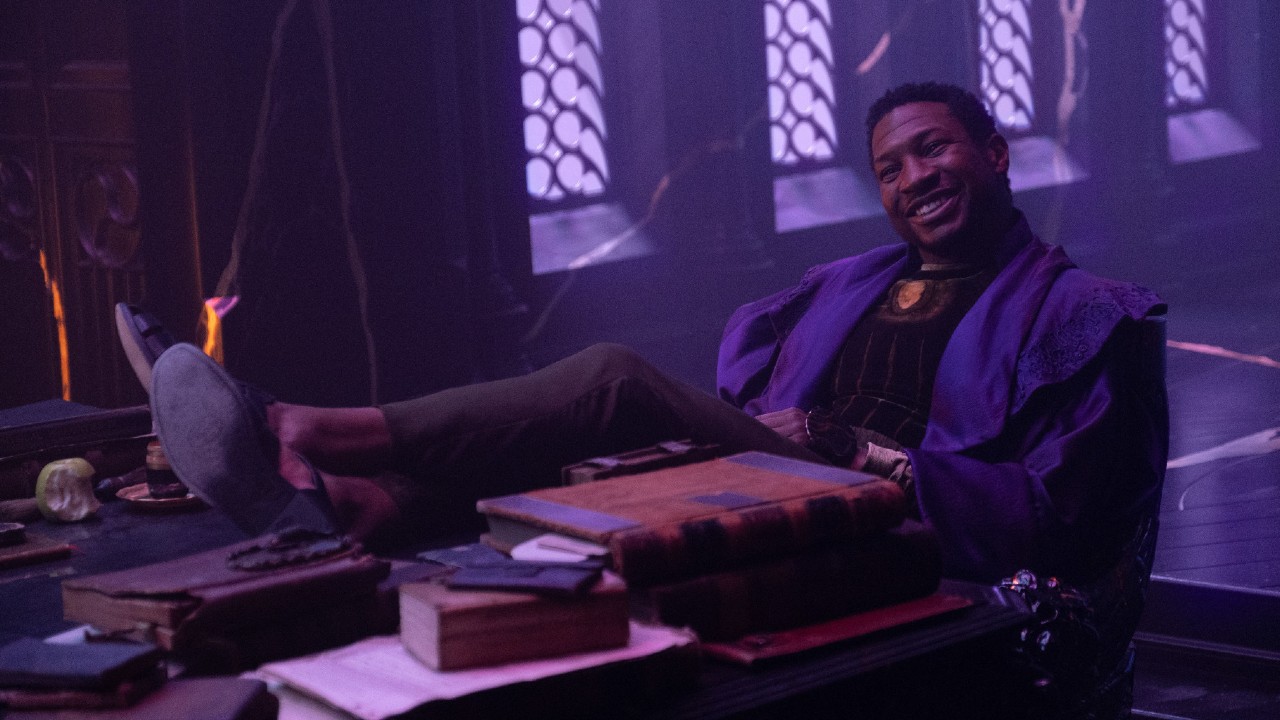
    Upon deeper reflection, however, it wasn’t only because they were finally getting their starring roles. Marvel Studios was making a different kind of product for their fans and they bravely and boldly proved that by releasing 3 episodes of WandaVision with almost no trace of the big action associated with the brand. In short, they let their actors act. The trend continued in The Falcon and The Winter Soldier, where Anthony Mackie and Sebastian Stan gave a depth to their characters that they would never have gotten on the big screen and Daniel Bruhl actually got to perform; it continued into Loki where the bond between Tom Hiddleston and Owen Wilson became the heart of the show and Jonathan Majors laid out the gauntlet for the future of the MCU in one of the best performances in its history; it concluded in Hawkeye, perhaps the strongest character work yet, with Jeremy Renner’s subdued performance while his character embarked on a redemptive arc, Hailee Steinfeld’s star-making work as a new hero and her incredible chemistry with Florence Pugh and great turns by Vera Farmiga and Tony Dalton. By simply letting the actors act, Marvel Studios found the key to making its streaming world go round: keep the focus on the characters.

    That Expanding the Universe Is Good

    Loki's Jonathan Majors On Bringing Kang Back For Ant-Man 3 | Cinemablend

    With characters who had previously served as supporting characters taking the leads in their own series, new characters had to be inserted into their stories to help flesh out them and their worlds. Undoubtedly one of the best gifts given to fans in 2021 came in the form of these new, supporting characters. And it wasn’t just the new heroes that fans learned to appreciate, the expanded universe and the time to breathe gave life to incredible new anti-heroes and villains, too.

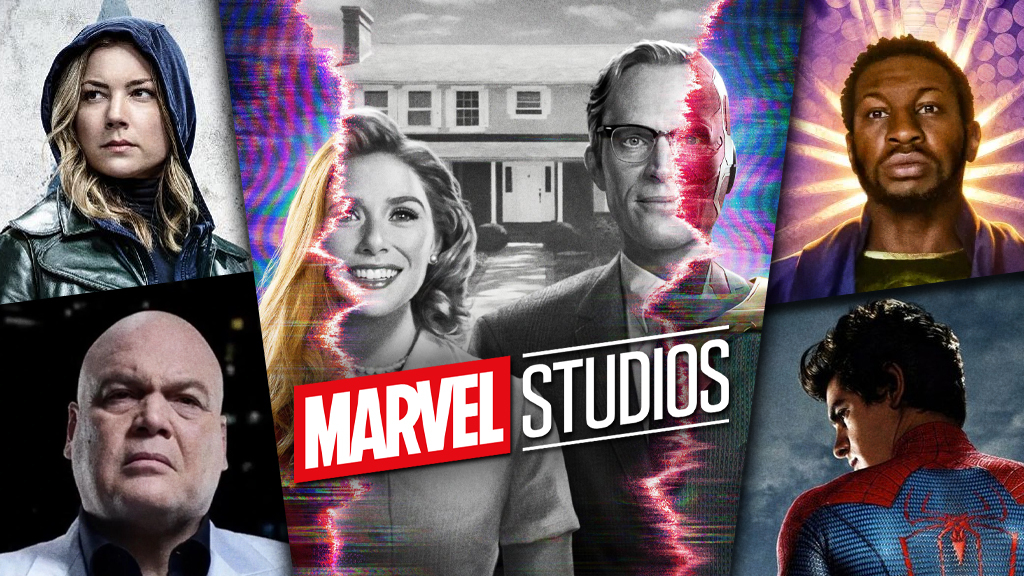
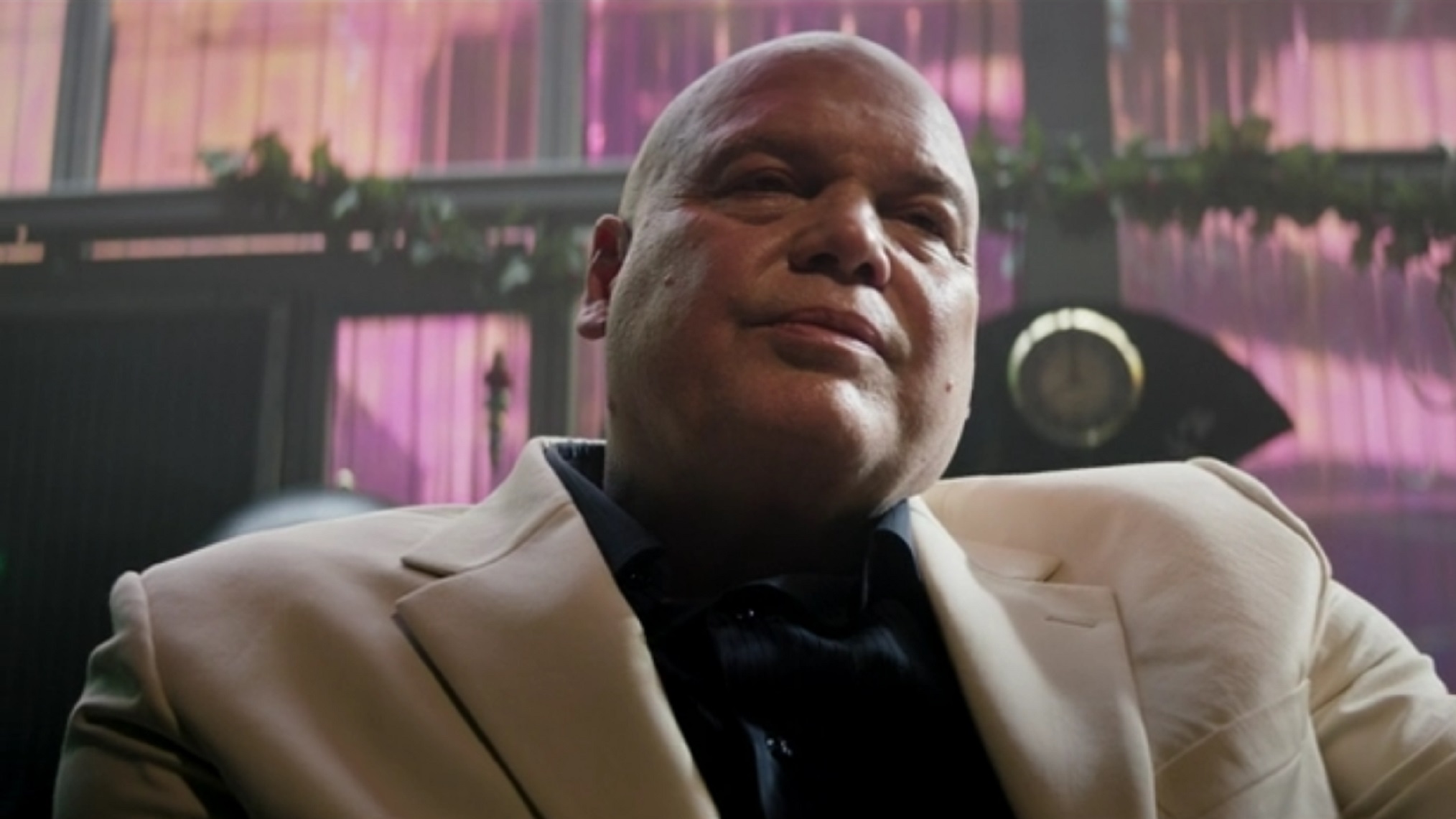
    WandaVision gave us Teyonah Parris, who will co-star as Monica Rambeau in 2023’s The Marvels, and Kathryn Hahn’s Agatha Harkness, who will now lead her own series, Agatha: The House of Harkness. We also met Tommy and Billy Maximoff, who were the first of the MCU’s Young Avengers to enter the universe, and who will serve as the catalysts for the next steps taken by Wanda. The Falcon and The Winter Soldier gifted us with Julia Louis-Drefus’ Val, Wyatt Russell’s punchable John Walker and Erin Kellyman’s Karli and Carl Lumbly’s Isaiah Bradley, who made Sam question what being a hero really means. In Loki, we were introduced to the concept of Variants and with that met two whose impact extended far beyond the confines of the series. The confrontation between Sophia Di Martino’s vengeful Sylvie and Jonathan Majors‘ He Who Remains changed the MCU forever but also had a profound impact on Loki himself. And, in Hawkeye, Marvel Studios created a street-level corner of the universe that gave us Maya Lopez and Wilson Fisk, who is likely to show up again in the Lopez-centric Echo series in 2023.

    As 2021 comes to a close, the roster of heroes and villains, and those who toe the line, is fuller than it has ever been and it’s hard to argue that the MCU is worse for it.

    The Weekly Format is Good

    Sam Wilson is Captain America': Marvel fans embrace The Falcon and The  Winter Soldier's new Cap | Web Series - Hindustan Times

    As was the case with The Mandalorian, Disney eschewed the binge watching preferences of streaming audiences in favor of the old fashioned weekly format for the Marvel Studios streaming series. In review, the weekly format allowed for an incredible amount of content and conversation around the projects which can only be a good thing. A careful schedule was created that began with screeners sent out to media outlets. Outlets had strict scheduled to follow, first sharing social media reactions, then later full reviews ahead of the premiers, building hype for the first week’s release. Following that, the studio arranged weekly interviews with the cast and crew, something that would have previously only happened in pre-screening junkets for films. Whether fans loved or hated the episodes, the conversation was constant and engaging. However, the weekly format also had some pitfalls, notably…

    To Separate Rumors from Theories and Speculation…Well, Some of Us

    Best Superhero Halloween Costumes: Marvel, DC Comics, and More | IndieWire

    More than any project before or after it, WandaVision fueled an insane amount of speculation on a weekly basis. Speculation led to theories and then, somehow, theories led to disappointment and, even more damaging, disbelief in the obvious. Mephisto was everywhere, but when he wasn’t, that meant that there was no way Sharon Carter could be the Power Broker? The trail of cookie crumbs leading to Kang’s presence in Loki couldn’t have been easier to follow, but because Evan Peters was Ralph Bohner, that meant there was no way Kang was showing up and that, instead, Loki would be meeting himself at the Citadel at the End of Time. It was easier for fans to believe that the big boss running organized crime in NYC, Maya’ “uncle”, was either Val or, worse yet, Jack Duquesne, even AFTER seeing and hearing Vincent D’Onofrio in Episode 3. The lack of critical thinking trickled over to the film side of things where, despite an incredible amount of evidence that Tobey Maguire and Andrew Garfield were in Spider-Man: No Way Home (and absolutely no evidence of any other potential plots that did not include them), fans persisted in their beliefs that they would not appear and that the film’s plot would not include the multiverse…DESPITE IT FEATURING CHARACTERS FROM THE SONY FILMS!

    WandaVision changed the game in the way some fans perceive information now. Because Reed Richards didn’t make Monica’s suit and because it was Agatha all along, there has never been more refutation of reliable sources of information. It’s not all bad, however, as other fans have learned to be scrutinize more and think more critically about what to believe. For that second set of fans, the MCU might actually be more enjoyable in the future as there will certainly always be wild rumors, speculation and theory leading up to Marvel Studios’ projects. If there’s anything we should all have learned from WandaVision, it’s that knowing how to separate them into their appropriate categories makes a big difference.

    That the “Big Reveal” in the Last Episode Doesn’t Always Work

    Hawkeye': Vincent D'Onofrio on Kingpin's Return & What Happened in the  Finale

    In some cases, despite the fact that the were making streaming series, the projects were put together like longer films. What was sometimes lost in translation there was the fact that in most all films, the villains are revealed early on. Beginning in WandaVision, Marvel Studios seemed to really embrace the idea of last act/last episode reveals and it really was hit or miss. Agatha Harkness, He Who Remains and Kingpin all came onto the scene late in the game with only one really getting enough time to make a major impact on the series. The Falcon and The Winter Soldier took a different approach, developing Karli over the course of the series alongside the other characters, allowing her to be much more impactful to the overall story. As they move into 2022, their decisions on WHEN to do things with their villains will be something to watch closely.

    Moving forward into 2022, it’s likely that Marvel Studios has learned a significant amount about how to move forward with their projects. We’re already seeing an increased level of secrecy with upcoming projects like Moon Knight, Werewolf By Night and, to a lesser extent She-Hulk. Let’s all meet back here next year to see how what they’ve learned from WandaVision changes things again.