Tag: WandaVision

  • Marvel Studios: Viewing Orders

    Marvel Studios: Viewing Orders

    With over two dozen projects comprising the Marvel Cinematic Universe, it’s sometimes easy to lose track of the order through which audiences should experience them. It is, of course, something pretty fluid as personal preferences might have some skipping a couple of projects in favor of their favorite ones. All in all, there are two general viewing orders that contain the entirety of the MCU. A Release Order, which respects the order in which projects were made available through the years, and a Chronological Order, which takes into account when each project’s plot takes place.

    Personally speaking, the Release Order should be followed when watching all MCU projects for the first time, with the Chronological Order being something to use on rewatches. This is mostly due to the fact that major plot points would be spoiled if not watching the entirety of the franchise as it was released, similar to the way audiences watching Star Wars for the first time would be spoiled The Empire Strikes Back‘s major plot twist by having previously watched the prequel trilogy.


    CHARACTER VIEWING ORDERS

    When it comes to following specific characters, we got together individual viewing orders with their appearances through the years. These can be as a central character to the plot or as blink-and-you-miss type cameos, many on mid or post-credit scenes. Keep in mind this is a work in progress, as new characters will keep being added.


    Pages: 1 2 3 4 5 6 7 8 9 10 11 12 13 14 15 16 17 18 19 20 21 22 23 24 25 26

  • In Defense of Marvel Studios’ Work-In-Progress Third Acts

    In Defense of Marvel Studios’ Work-In-Progress Third Acts

    We’ve previously written about how Marvel Studios continues to innovate and where it could improve. Marvel Cinematic Universe projects are often critiqued for prioritizing spectacle over emotional and thematic resonance in its third acts. At the same time, it’s clear from interviews that the studio seriously contemplates the decisions that go into their finales. This deliberation allows the studio to experiment. While experiments can result in occasional falters, it is a long-term approach that succeeds more often than not in resonant finales. 

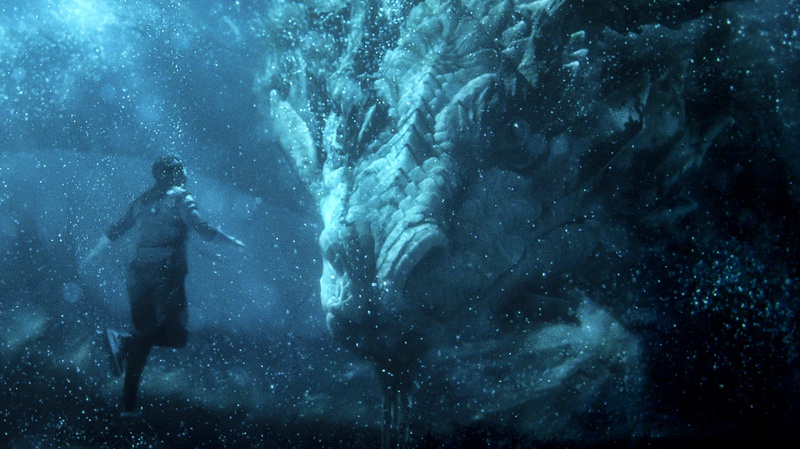
    Marvel Reveals Another MCU Mystery Dragon on New Shang-Chi Poster - The  Direct

    Marvel Studios’ films and tv series are often reviewed as sacrificing satisfying conflict resolution for spectacle in their third acts. This is also an element those making the films are aware of and are always working to improve. Nat Sanders, one of the editors of Shang-Chi and the Legend of the Ten Rings, described on The Rough Cut podcast how the third act was a main focus to improve during the pandemic shutdown:

    “We had a hiatus period, we had to shut down and before we came back up, along with really cutting and refining the 6 weeks worth of material we had at that point, our other main big focus was pre-vizing the third act and really continuing to develop the third act because it felt potentially just a hair underbaked in the script, compared to everything else, and we thought there was more to keep working on, so it ended up before a really great thing that we had that time for that part.”

    Nat Sanders

    The editors also spoke about how Marvel Studios emboldened them to make big decisions with the director Destin Daniel Cretton. They mention cutting half an hour out of the third act, and  how these were considered good value even if a change in look for one character cost more than the entire budget of another film. Harry Yoon, another one of the editors, mentions how this empowered decision making met with an experimental attitude that focused towards continually improving the film’s emotional conclusion: 

    “[With the Marvel Studios producers] there was this attitude of ‘if we can make it 5% better or 3% better by addressing this one comment, then let’s try it.’ […] After a while you start to feel like you have permission within Marvel to make bold decisions […] That’s where it got very exciting towards the end, once we started to understand that character, story and audience were the big priorities and not these other things.

    Harry Yoon

    All of this suggests Marvel Studios keeps its collaborative spirit from within the Parliament, and extends it out to their project-based collaborators. This in of itself keeps fresh while also consistent. Regardless of personal opinions on the matter, it is a process that strives to keep improving. 

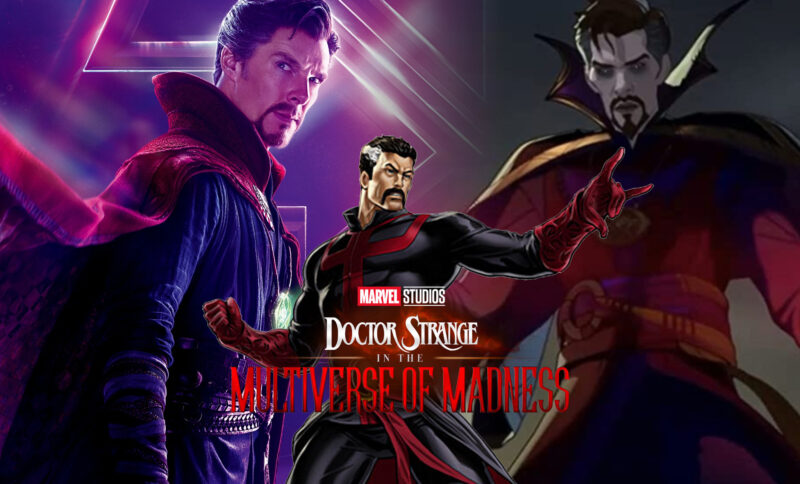
    doctor strange variants

    It’s fairly commonly received wisdom that a singular vision rather than an interdependent conception is what empowers creative and successful films. Yet Marvel Studios seems to empower its collaborators to make impactful decisions throughout the process and potentially change aspects of the result as they go. Benedict Cumberbatch recently reflected on this experimental attitude in regards to his Doctor Strange sequel: 

    “With the first film, you’re always locked into a script, because it’s the origin story,” he says. “But there was a lot more freedom this time around. I guess, because we were … not literally making it up as we go along, but sometimes it feels like that. Marvel has this amazing ability to come into production: ‘We really just have to start shooting now. It doesn’t matter that the third act is not quite where you want it to be.’ You really do things on a wing and a prayer sometimes.”

    Benedict Cumberbatch

    This experimental attitude will always result in hits and slight misses. On one hand it’s brilliant that Marvel Studios gives its creative collaborators freedom to keep improving a script or scene they are not quite happy with. This can, with different perspectives or more thought, often help a scene arrive at a better place. On the other hand, however, an impending production timeline might mean a completely satisfying conclusion is reached. It also suggests that we might get different kinds of conclusions as the studio as a whole works on improving, which we know is a key motivation of the producers there. It seems as though the difficulty of third acts is a studio wider discussion. Jac Schaeffer recently spoke about how hard it can be to resonantly blend scale with emotional conclusions:

    It’s the third act of a Marvel movie. I’ve been around the block on some of those, and they’re so fun — but that’s always the hardest to land. The emotional part of the finale was always very clear to me: their goodbye and the goodbye to the children. That was the grounding force. All the pyrotechnics and making sure that Wanda’s win against Agatha at the end really sings, that’s stuff that takes a long, long time.

    Jac Schaeffer
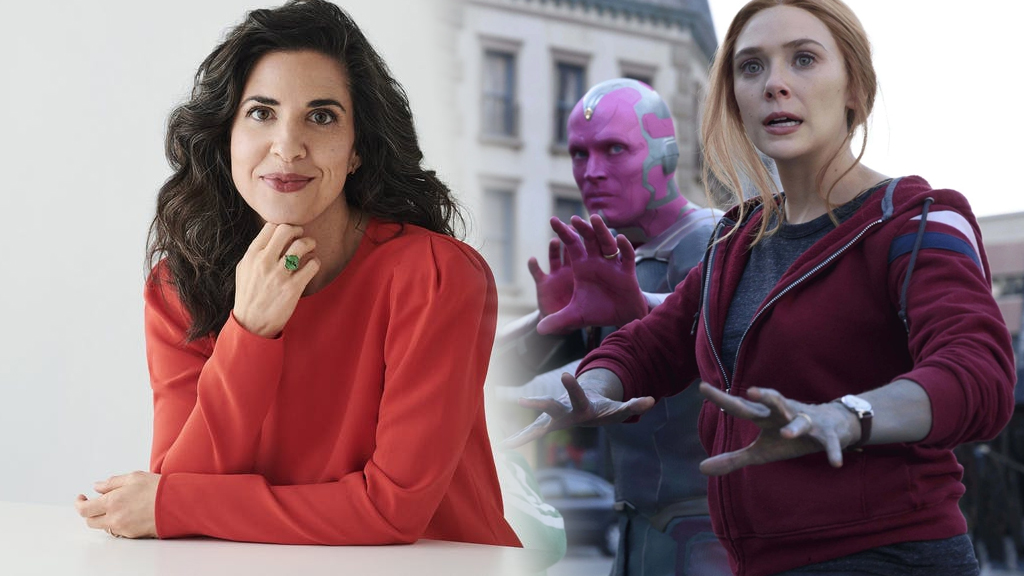
    Wanda Maximoff (Elizabeth Olsen) and Vision

    The Marvel Cinematic Universe at large is a work-in-progress and this filters down into the production elements of each project. Loki featured a conclusion that was largely an amazing set of Jonathan Majors’ monologues. Yet it was also satisfying through aspects of action, scale, emotion and theme. Post-credit scenes as a feature, are significantly part of the additive delight which makes these films and streaming series so compelling. Characters and concepts are introduced, and for the creatives, part of the fun becomes figuring out how these characters and concepts play into the larger narrative. That wider narrative is perhaps the most significant point. While there might be immediate conclusions in particular projects, the wider narrative remains a work-in-progress. This gives Marvel Studios the freedom to produce better endings that delight us all. 

    Sources: The Rough Cut podcast, The Hollywood Reporter

  • ‘WANDAVISIONS’ Jac Schaeffer on the Challenge of the Finale’s Action-Sequences

    ‘WANDAVISIONS’ Jac Schaeffer on the Challenge of the Finale’s Action-Sequences

    We’ve been hearing more and more about what it’s like to work with Marvel Studios. Disney+ is some unknown territory for the production company and may have shifted their approach to adapt to the new format. Unlike their films, they can’t follow the usual three-act structure but have to find a different way of balancing the dramatic and action aspects of their projects. WandaVision showrunner Jac Schaeffer shared the challenge she faced getting the fight scenes down after focusing primarily on the dramatic aspects of the story. In the interview with Hollywood Reporter she shares that:

    The finale was the hardest because that’s the Marvel-iest part. It’s always tough to really nail down on the mythology. What does Agatha [Kathryn Hahn] want and what does her power set look like? What does that mean for Wanda? How do we make that interesting? What’s the chess board where all the players give everybody a satisfying conclusion? It’s the third act of a Marvel movie. I’ve been around the block on some of those, and they’re so fun — but that’s always the hardest to land.

    Jac Schaeffer

    She highlights that the iconic and gut-wrenching goodbye sequence was the clearest vision she had going into the project. Yet, the path filled with fights between two Visions and Wanda’s takedown of Agatha took the most time. Most of the series pays tribute to classic sitcoms and takes quite the shift in the finale. Schaeffer‘s comment does highlight that they are one of the most challenging aspects of these projects. Action sequences that tie the entire story together while also keeping a dramatic core aren’t easy to balance. It can sometimes drag down a strong story if it doesn’t nail the ending. Luckily, WandaVision was able to accomplish just that.

    Source: Hollywood Reporter

  • ‘WANDAVISION’ Wins Marvel Studios’ First Emmys

    ‘WANDAVISION’ Wins Marvel Studios’ First Emmys

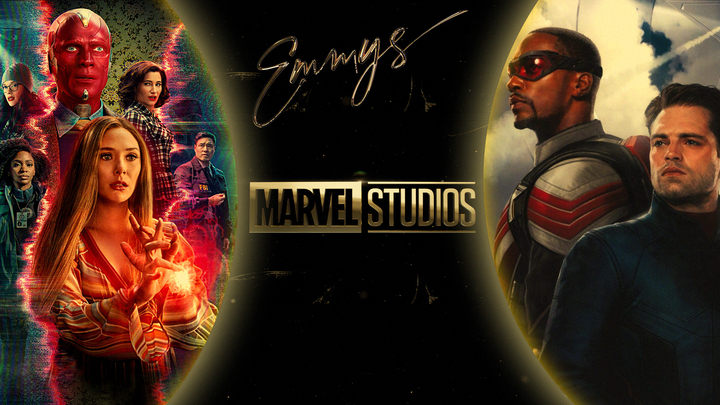
    It was only a matter of time until Kevin Feige‘s crew got their hands on an Emmy considering the great work they’ve been doing this past year alone. Wandavision has scored Marvel Studios’ first couple of Emmy awards, bagging Outstanding Production Design For A Narrative Program and Outstanding Fantasy/Sci-Fi Costumes during the Creative Arts Emmys.

    Next week’s Primetime Emmys, however, is the big show for Marvel Studios’ Disney+ offerings. Both Wandavision and Falcon and the Winter Soldier are nominated for a slew of awards including acting nominations for Paul Bettany, Elizabeth Olsen, and Don Cheadle himself. Fingers crossed that these shows bag some major awards in addition to the great ones they won yesterday.

    Source: Deadline

  • ‘Assembled’: ‘WandaVision’s Episode is the Most Watched Entry of the Marvel Studios BTS Series

    ‘Assembled’: ‘WandaVision’s Episode is the Most Watched Entry of the Marvel Studios BTS Series

    Disney+ doesn’t actively share any viewing data. So, we are dependent on external analysts to figure out how successful a show may be on the streaming service. Luckily, the latest analysis by Samba TV has revealed that WandaVision‘s Assembled episode is the most-watched episode of all three.

    They shared the statistic on Twitter which showcases how many viewers the episodes got in their first five days. WandaVision led with 98K US households followed by Loki with 65K as well as Falcon and the Winter Soldier‘s 61K. It seems that the premier Marvel Studios series had the most momentum, as people wanted to uncover how they brought the iconic sitcom eras to life throughout each episode.


    It’s an interesting insight into how many viewers are interested in the BTS episodes. It seems that this additional one-episode format per Disney+ series is paying off and has earned a considerable audience in the US. We’re still questioning if we potentially get the release of a Black widow-focused episode. There was never any announcement if they are actively including it in the series. So, it seems likely they might be utilizing this exclusively for the Disney+ series.

    Yet, they might also time it with the digital release, as they also include various looks at behind-the-scenes and cut scenes. Plus, the Disney+ series run for several weeks and it only gets released once the series’ finale got released. It’ll be interesting to see how many viewers the BTS episode on What If might garner, as we get a closer look at the animation process of his unique series. Here’s hoping Assembled has a long history ahead.

    Source: Twitter

  • ‘Loki’s Threshold: A Scarlet Nexus Event Into the Multiverse

    ‘Loki’s Threshold: A Scarlet Nexus Event Into the Multiverse

    There’s still a lot to digest from Loki‘s grand finale. Time is no longer what it used to be, and we face a multiverse of problems. He Who Remains warned our loving duo that the other villains to follow are far more dangerous than his control over the Sacred Timeline. Yet, throughout all the explanations on the future coming of Kang, we break past a threshold. The point of no return where a single choice will change the outcome of the entire multiverse. All eyes were on Jonathan Majors‘ performance. So, we never thought to question what that very threshold ended up being. So, let’s take a closer look and see what may cause such an event where even the master of time has no more control.

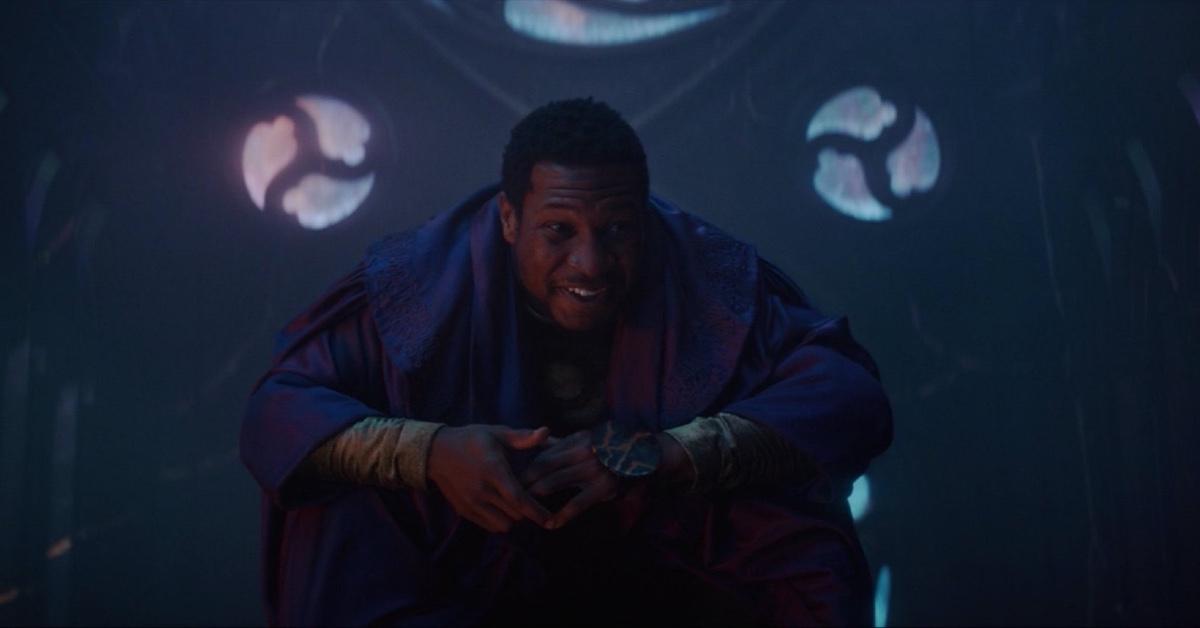
    Once the threshold got broken, we see the multiverse slowly grow. It’s not at one point but multiple nexus events simultaneously. The show implied that it would be Sylvie and Loki’s love that ends everything. Yet, the threshold takes hold long before the kiss. It does lead to the eventual breaking point, as it is the last act in deviance before the multiverse completely breaks free. In the end, it wasn’t the literal breaking point but rather the event that would push it. He Who Remains knew their journey. So, the events beyond that point were merely a prediction. In a way, the way he acts before his death. It seemed like it was his hope of freedom. Somehow it was He Who Remains’ last act of free will. Even if he knew nothing beyond that point, he did know of the threshold’s existence and potential.


    Who Is He Who Remains in 'Loki'? Could He Be Phase 4's New Villain?


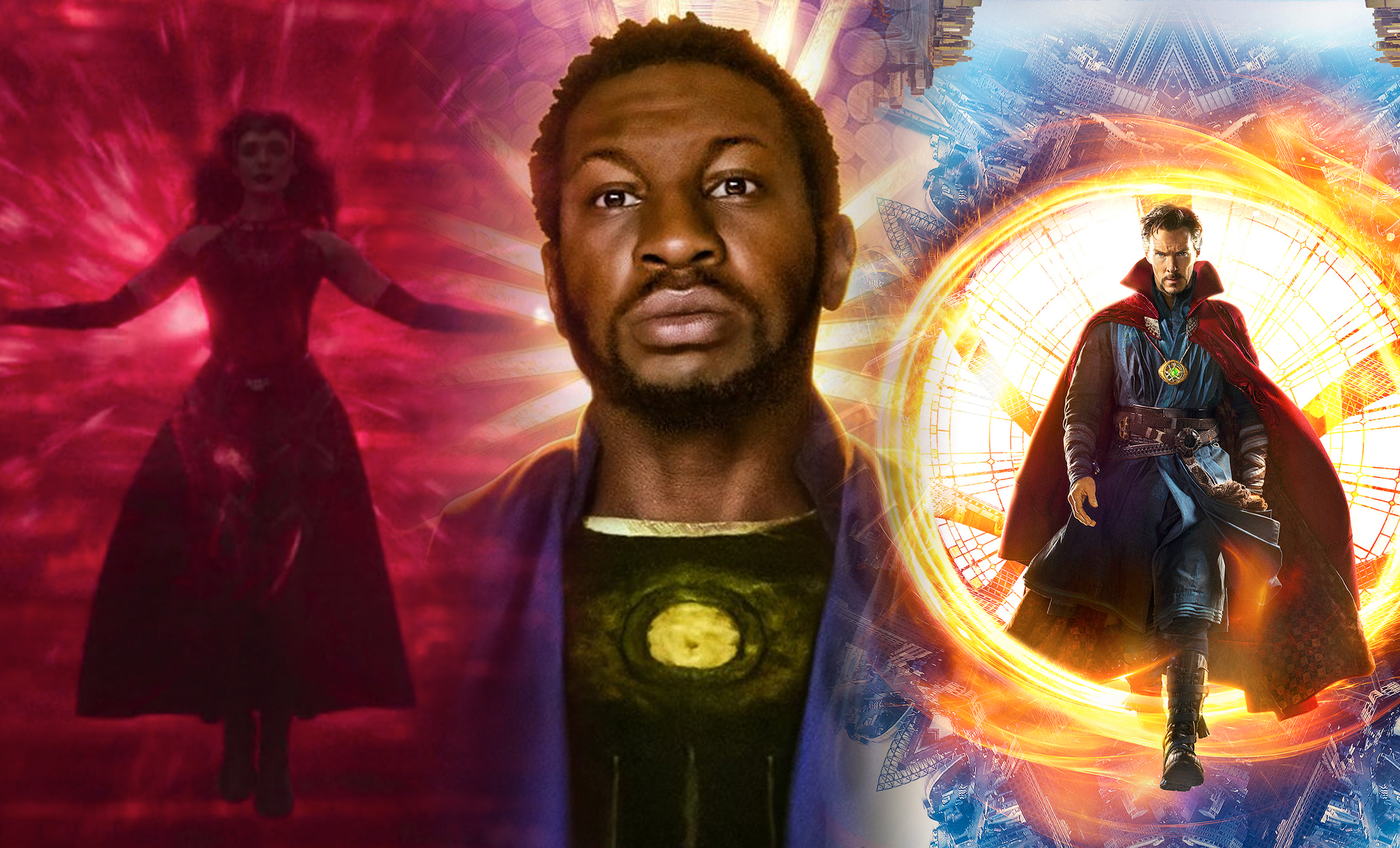
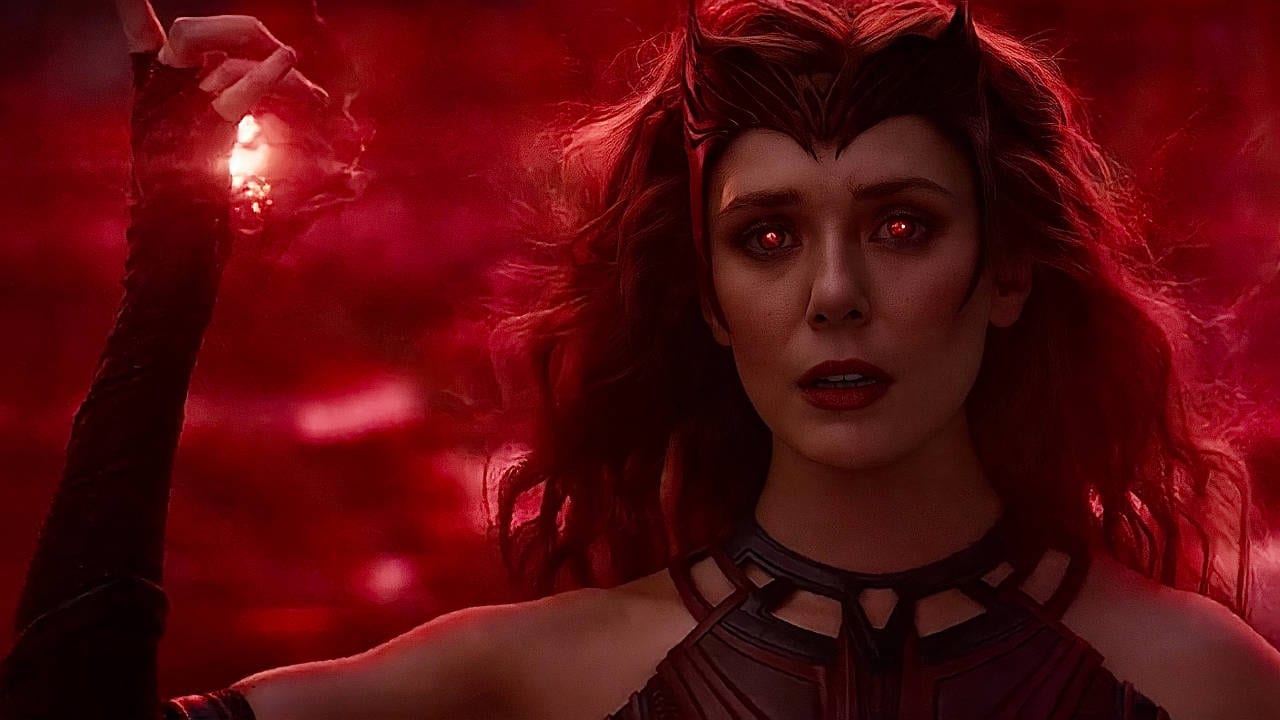
    Yet, if he knows what will happen throughout time, what kind of chaos would keep him from knowing beyond this point. The Time Variance Authority’s existence is to keep order across the Sacred Timeline. In a way, their natural enemy would be chaos. It’s an important element we’ve gotten introduced to in the first Disney+ series by Marvel Studios. In WandaVision, we learn that the Darkhold predicted the coming of the Scarlet Witch. A being forged out of chaos magic that may break reality as we know it. Her chapter states she will destroy the world. Yet, it never specifies which one. It doesn’t even specify but we know it connects to Doctor Strange in the Multiverse of the Madness.

    All we know is the Darkhold in her possession may break reality as we know it. With the rumored appearance of Shuma-Gorath, perhaps the book was created by this being rather than Cthon to lure the being to break him free from the restraints of time. Perhaps the Scarlet Witch is a nexus being within the Marvel Cinematic Universe, but not in the way we know it from the comics. Loki introduces us to Nexus events that create Variants within the Sacred Timeline. Perhaps, her fully coming into control of that power created the ultimate Variant. Her existence of pure chaos energy is not just a Nexus event but an entire being. The word exists within her dreams for a reason.


    WandaVision: Finale erklärt Ursprung und Schicksal der Scarlet Witch


    Even from an outsider’s perspective of time, it is an “event” that happens randomly to onlookers. In a way, it happens at a transfixed point of time outside of the literal timeline. The man knew when Loki and Sylvie’s Variants would come into existence. So, he must know when the Scarlet Witch would be born. He exists beyond time, but the only variable to how time breaks is through a Variant. From an outside perspective, time is flat. They aren’t living at a specific point in time. Yet, the threshold echoed throughout the room as a certain event passed. So, the only way a breaking point erupts is when a specific Variant breaks away from the timeline. We learn that Loki’s are the most frequent visitors of the TVA. They are agents of chaos. As such, they can easily break free from their timely restraints. In a way, a being that forged in pure chaos could even break beyond those limitations that even He Who Remains loses sight of what is to come.

  • How Disney+ Could Adapt ‘Young Avengers: Children’s Crusade’

    How Disney+ Could Adapt ‘Young Avengers: Children’s Crusade’

    Phase 4 of the Marvel Cinematic Universe is well underway with the premiere of its Disney+ shows. There have been several motifs that have been recurring across the last three Marvel Studios entries. One of these elements is the subtle nods to the next generation of heroes. With the introductions of several characters like Billy and Tommy Maximoff, Elijah Bradley, Kid Loki, Cassie Lang, Riri Williams, Kate Bishop, and America Chavez, all of this leads towards the very likely possibility that the MCU is setting up the introduction of the Young Avengers for Phase 4 or beyond. So, it’s time for a live-action adaptation of The Children’s Crusade storyline.


    In the comics, it is a coming-of-age story following House of M. Wanda Maximoff goes missing. So, the Young Avengers set out to find her in an adventure filled with unexpected twists and turns. With the MCU loosely adapting their version of House of M for WandaVision and Doctor Strange in the Multiverse of Madness, it seems fitting that the follow-up to follow in this saga would be The Children’s Crusade. Especially because it mainly focuses on Billy Kaplan and Thomas Shepherd, the reincarnations of Billy and Tommy Maximoff in the comics. After our brief introduction o them in WandaVision and a potential return in the upcoming Strange sequel, it’s time to follow their story.


    How the series would play out


    The Disney+ series would be a loose adaptation of the comics. The Young Avengers will be at the forefront of this story. At this point, they’ve already got introduced to another project. However, it will primarily focus on Wiccan and Speed as they search for a deeper understanding of their powers and who they are. Neither one realizes that they’re the other’s twin, but they find it curious that they look similarI’d start the series with Billy and Tommy experiencing what they believe are very vivid nightmares that viewers might recognize. It later turns out that they are memories from their previous lives as the Maximoff twins.

    They could have very weird, cryptic dreams similar to how WandaVision used fake commercials to showcase Wanda’s inner turmoil. As such, they would conclude that their dreams are a message to come and find Wanda Maximoff, who I believe will disappear following the events of the Doctor Strange sequel. Fearful of leaving their new friends behind, they ask for their help in this mission, and the team joins them without hesitation in their crusade.


    The series will progress with a globe-trotting adventure, as they search for any clue that’ll lead them to Wanda. We’ll get to explore iconic locations linked to Wanda, such as Sokovia, Westview, New York, and many more. The team will eventually find her in a remote location. She has no memories or recollection of her past life as the Scarlet Witch. This, of course, confuses the team, but Billy and Tommy most of all. How could one of the most powerful individuals in the multiverse be reduced to a simple nobody? This is how we introduce the viewers to the antagonist of the series. Someone is pulling the strings all along. It turns out to be Agatha Harkness.


    Agatha All Along Again


    At one point, Agatha found a way to free herself from the Scarlet Witch’s binds and eventually reunite with the amnesiac Wanda. Taking pity on her, she treats her in a friendly, almost neighborly manner as she tries to search for ways to recuperate her magic from Wanda. This would draw a parallel to their first interaction in WandaVision. Agatha could potentially serve as the plot device to reveal to the team the true nature of Tommy and Billy, the fact they are indeed reincarnations of the Maximoff twins.

    The dreams that the twins experienced at the beginning of the series are more than just memories. They’re a manipulation tactic by Agatha to lure the twins. She believed they were the key to regaining her powers but the plan failed. Agatha would be left with no choice but to try and kill the Young Avengers since they know of her plan. The twins face off against the individual responsible for their nightmares and trauma as kids. In the climax of the final battle, Wanda Maximoff regains her memory and aids the team in their battle against Harkness, thus defeating the witch once more and reuniting a family.

  • Why MARVEL STUDIOS Series Can and Will Improve

    Why MARVEL STUDIOS Series Can and Will Improve

    The Marvel Disney+ shows have hit the ground running ever since WandaVision‘s premiere back in January. As we approach August we’ve now had 21 episodes spread through three different shows, that even with their ups and downs have managed to capture both the imagination of fans and good reviews from critics. 

    The aforementioned WandaVisionThe Falcon and the Winter Soldier and now Loki have pretty much delivered on what was promised. Deeper dives into the lives of characters that had limited screen time in the movies, allowing time for each to introduce their own universe of surrounding characters in a way that perhaps not even the a-listers from the big screen managed to. The action set-pieces, something hard to match to the movies’, have mostly delivered and the scripts have, in many ways, felt like a breath of fresh air as the boundaries of a 150-minute blockbuster were nowhere to be seen.

    But this is not to say that the upcoming shows don’t have room to grow. In fact, that is probably the only way to go, as with what happened in the early days of the MCU where it’s safe to say that they only hit their stride already a few movies in. The issues with the shows we’ve had so far range from normal and expected, to natural disasters and once-in-a-generation global-affecting events. Here are a few of those issues the shows have had to face, and why Marvel Studios will likely manage to overcome them in the future.

    The Pandemic
     

    WandaVision and The Falcon and the Winter Soldier were hit the hardest by the pandemic. We can all recall the early days when little was known about the virus and the responses were often a swift and total lockdown. These two shows had pretty much to stop production, at a time when FatWS was abroad in Prague, in the Czech Republic, with no idea of how or when they would be allowed to return. When productions were allowed to resume, both struggled with what they could do while maintaining safety on set, thus limiting their access to certain locations and the setup of specific set pieces involving a higher than usual number of actors. This might be a reason why WandaVision‘s finale felt a bit hollow and why there were times in FatWS where every Latvian building felt the same because perhaps they were. WandaVision might have even ended up shortening their episode count on behalf of the limitations production faced because of the pandemic, so even though shows like Ms. Marvel and She-Hulk have all been impacted, in one way or another by safety concerns, it’s safe to say the first few Marvel Studios streaming shows were hit the hardest, in ways others wouldn’t be. With knowledge regarding the virus at an all-time high, with vaccinations going ahead at a fast rate, this is something upcoming shows will have n easer time dealing with than their predecessors, with minimal impact on the final product.

    Earthquakes in Puerto Rico

    The Falcon and the Winter Soldier was set to shoot in the incredible locations the Caribbean island is known for, including the iconic Arecibo Telescope (which collapsed in late 2020). Due to a series of earthquakes on the island in early 2020, production was suspended and later abandoned altogether. Not having impacted the show in the same way the pandemic did, it certainly hurt the “globe-trotting adventure” we were somewhat promised, limiting the scope of the show as it had to settle with one less exotic location to explore, something upcoming shows won’t have to struggle with. With upcoming shows focused on limiting the way the pandemic might affect them in the coming months, traveling abroad should be limited whenever possible (not in Moon Knights, case, for one), and therefore avoiding unexpected naturally occurring phenomena that could impact productions should then become a by-product of that initial concern.

    The available runtime

    With the advent of streaming, most shows now have the power to decide what runtime suits them best. No longer limited by the constraints of network tv, there is no longer any excuse if you could do with those extra 10 minutes to tell your story, or if you feel that a shortened episode works best. From WandaVision to Loki we’ve seen Marvel dabble with shorter and longer formats, and even though most of the choices have worked it might be fair to say that the lack of constraints has allowed for a freedom that might need to be reigned in. There are still times when we could probably use a few more minutes and in others when the story managed to drag a little bit so, in a way, it feels production might have overcompensated at times. There obviously isn’t such a thing as a work of art that manages to please everyone enjoying it in the same fashion and the results so far have been very enjoyable, but I wouldn’t put it past Marvel Studios to try and hone down on what might improve these shows even further, and the pace of the storytelling seems like something that could be easily improved.

    Dealing with the “twists”

    I’m all for one new episode every week as it allows for the type of discussion that truly makes a show a communal event. But by going that route, Marvel has got to do better than just expand the runtime of their usual blockbuster and split it through 6 episodes, like they’ve stated many times as something these shows would end up looking like. Even though there has been enough substance to justify the added duration, there are subtleties to the “language” of a weekly that differ from the movies’. In terms of twists, while you might have been caught off guard in a movie by something you didn’t see coming, when you have an entire week to theorize, to digest, or even just to read what other people have to say about what you all saw the previous week this just isn’t the case. So being, audiences ask for a very different type of surprise from episode to episode than the ones they can handle in theaters. The Agatha and Powerbroker twists were something many saw a mile away due to this, and even if most didn’t, they probably read about it before the final reveal. And the same could have happened with the Taskmaster twist had Black Widow been a tv show and audiences had the possibility of spending days reading online articles in between watching acts 2 and 3 of the movie. The twists, if they do occur, should then be focused less on Marvel comic book history and more on less identifiable elements, so that at least audiences may keep themselves from figuring it out by a simple google search.

    There are likely dozens of other aspects being currently addressed at Marvel Studios concerning the streaming shows. More than anyone, they know what’s been working and what needs some work. These are just a few aspects of how, in some cases with no fault of their own, it’s identifiable how the series can continue to grow, as things get back to normal in terms of production and as they get a few more shows, from which to learn from, under their belt.

  • ‘WandaVision’s Matt Shakman to Direct ‘Star Trek Beyond’s Sequel

    ‘WandaVision’s Matt Shakman to Direct ‘Star Trek Beyond’s Sequel

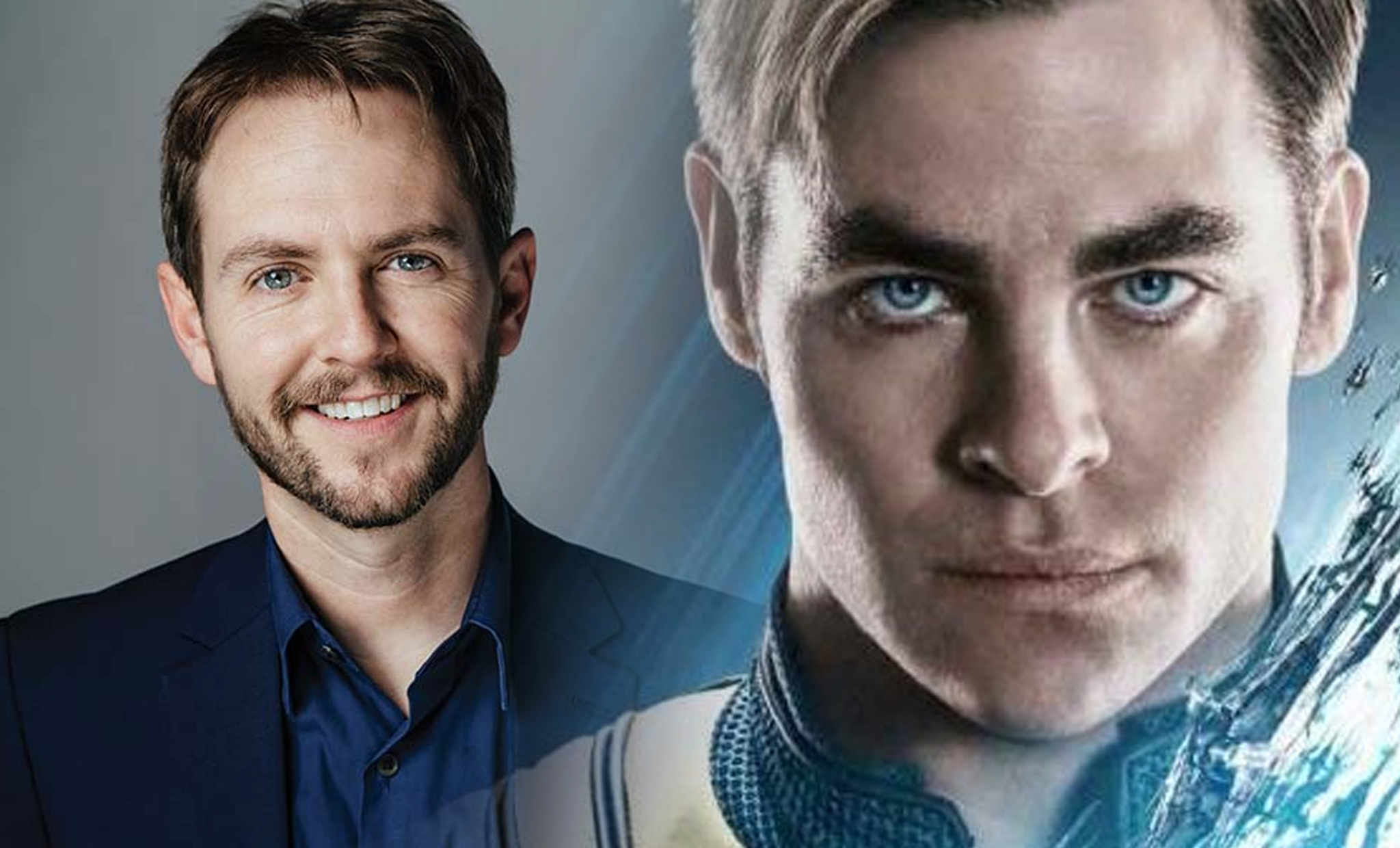
    It looks like Star Trek isn’t facing a new reboot after all on the silver screen. Deadline has just revealed that WandaVision‘s director Matt Shakman will direct the next installment in the Star Trek series, which is led by Chris Pine. As such, they will see the original cast return in their iconic roles to continue where 2016’s Star Trek Beyond left off. The script will be written by Lindsey Beer and Geneva Robertson.

    It’s a huge step for the director whose previous work was mainly on TV. Marvel Studios’ success is not only rooted in finding up-and-coming talent but also in how they catapult their careers. Deadline points out that he chose Star Trek among a long list of offers. The film is already eyeing a production start next spring.

    There have been various attempts at continuing the Star Trek film franchise. The Revenant‘s Mark L. Smith was working on a script for Quentin Tarantino. It’s uncertain if he still plans on directing a unique entry in the franchise. Fargo‘s Noah Hawley also was working on a script before and was even rumored to direct an entry.

    It seems like they might be expanding the franchise in new creative ways that premiere alongside Chris Pine‘s franchise. J.J. Abram’s reinterpretation takes place in an alternate reality of the original series. As their various shows have proven, there are many eras and possibilities to tell new stories within the iconic franchise. So, there might be a lot more Star Trek heading our way in the near future.

    Source: Deadline, IMDb

  • Marvel Studios Nabs 28 Emmy Nominations for ‘WandaVision’ and ‘Falcon and Winter Soldier’

    Marvel Studios Nabs 28 Emmy Nominations for ‘WandaVision’ and ‘Falcon and Winter Soldier’

    It looks like Marvel Studios’ venture into streaming and long-form storytelling has paid off. The Emmy nominations have finally announced their nominations, and Marvel Studios managed to garner 28 Primetime nominations. 23 of those are primarily from WandaVision. What makes it stand out is that it got the second-highest nominations of the year right behind another Disney+ series, The MandalorianFalcon and the Winter Soldier managed to grab five nominations during the event. It’s the first time that a Marvel live-action series gets an above-the-line nomination.

    As pointed out by Deadline, WandaVision‘s tribute to television history is perfect for Emmy voters. The series’ nominations include three nods for Writing Limited Series, Casting, Hairstyling, Main Title Design, Original Dramatic Score, Main Title Theme, Sound Editing and Mixing, Special VFX, and many more. It also included the first Emmy nominations for Paul Bettany and Elisabeth OlsenMatt Shakman got nominated for his directorial work. Kathryn Hahn received her second Emmy nomination for her role as Agatha Harkness. Falcon and the Winter Soldier did score one above-the-line nomination with Don Cheadle getting a Guest Actor in a Drama Series nod.

    Overall, it’s been quite a successful week for Marvel Studios. Loki‘s season finale is just around the corner. Black Widow garnered the highest pandemic opening with around $215M worldwide if you include its Disney+ Premier Access. As they venture out with new series, we could see Marvel Studios garner more attention at the Emmys in the future. Their expansion has been quite a success, as their viewership numbers have also been rising at an impressive rate. So, the future looks bright for their Disney+ expansion.

    Source: Deadline, Variety