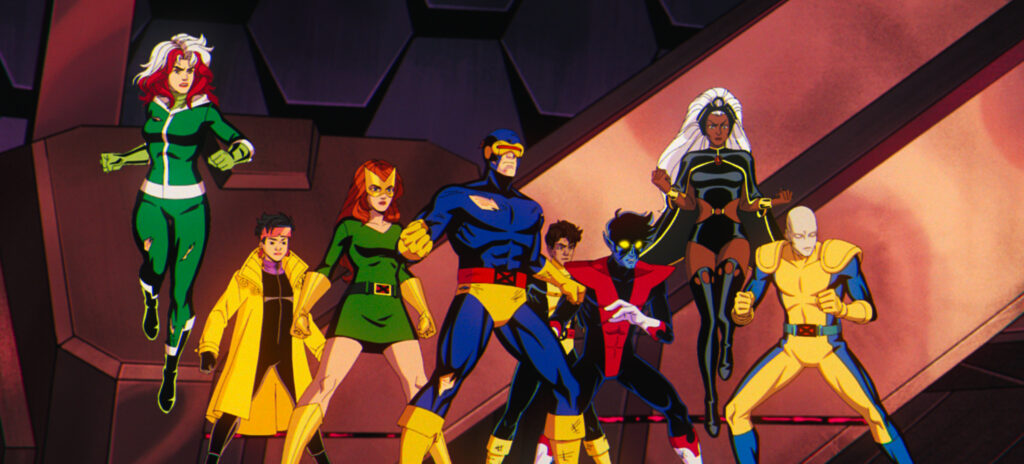
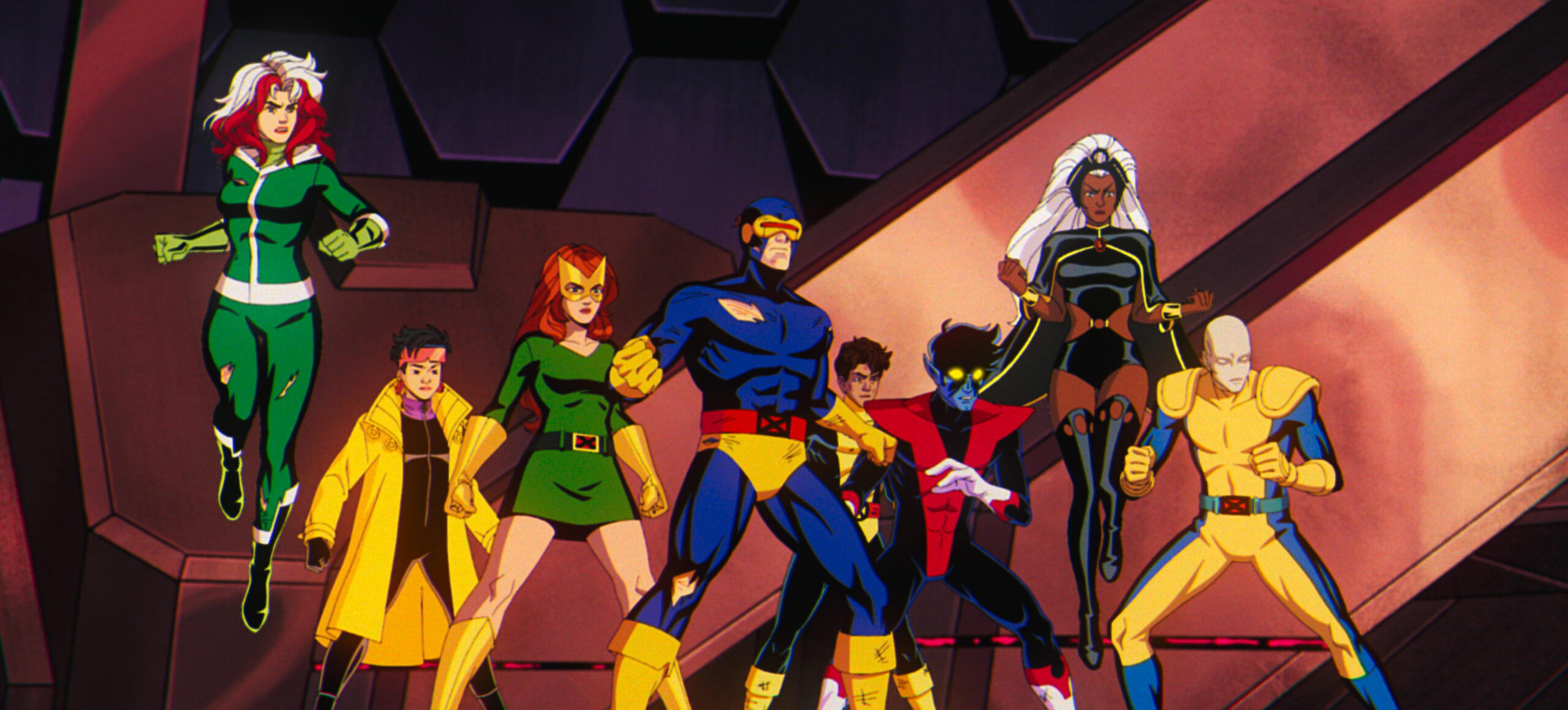
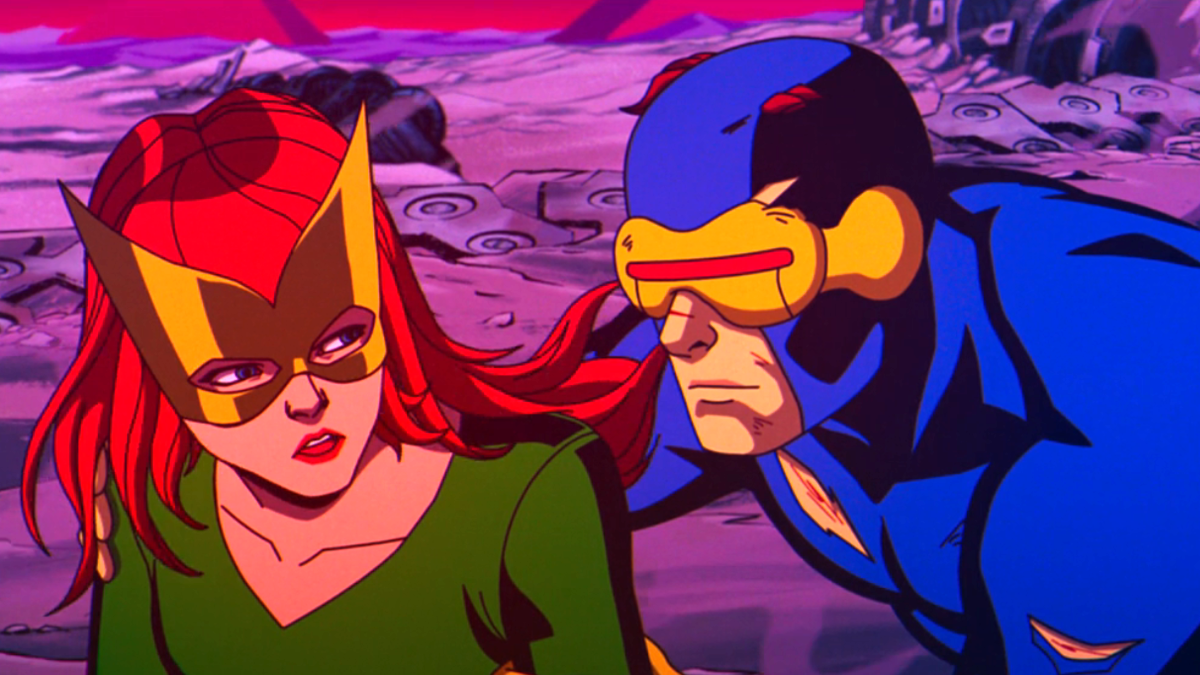
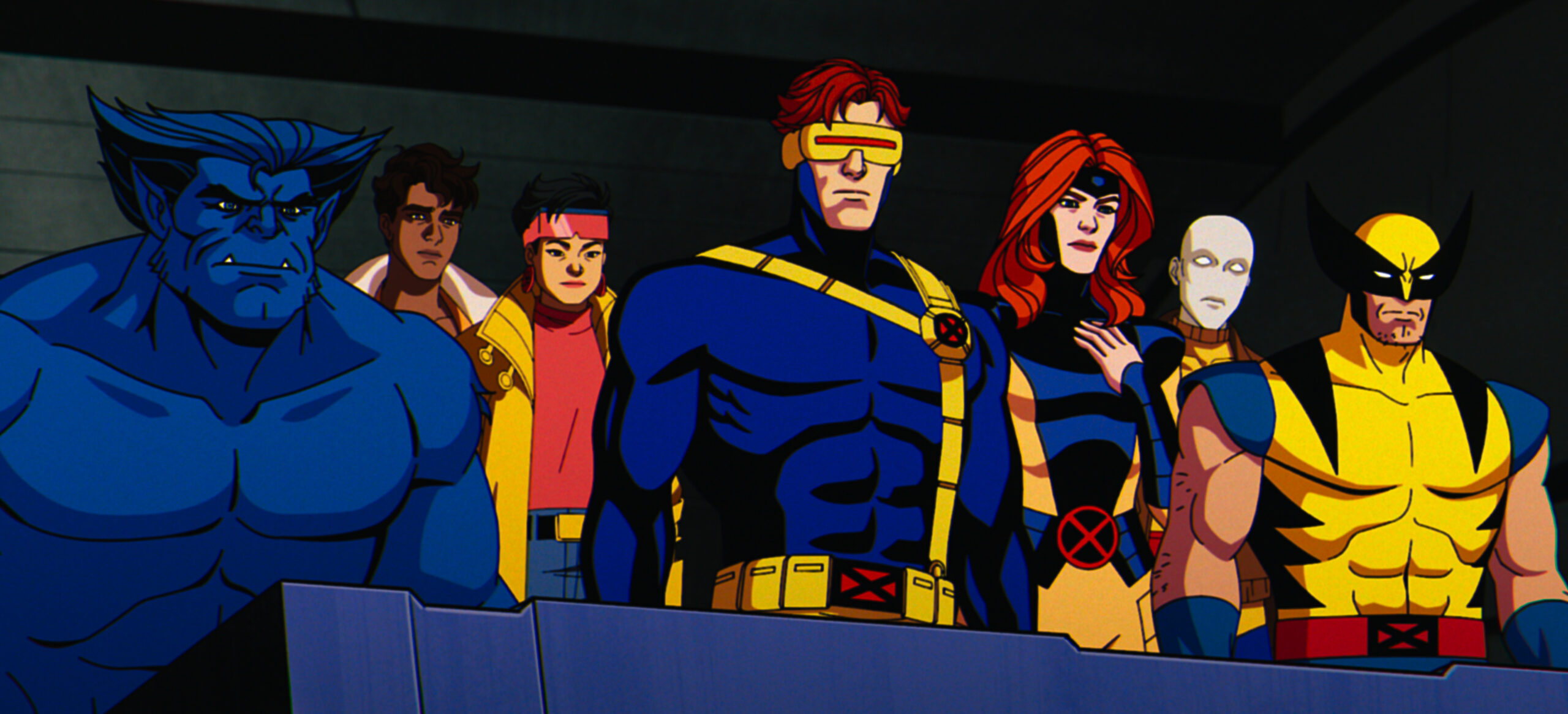
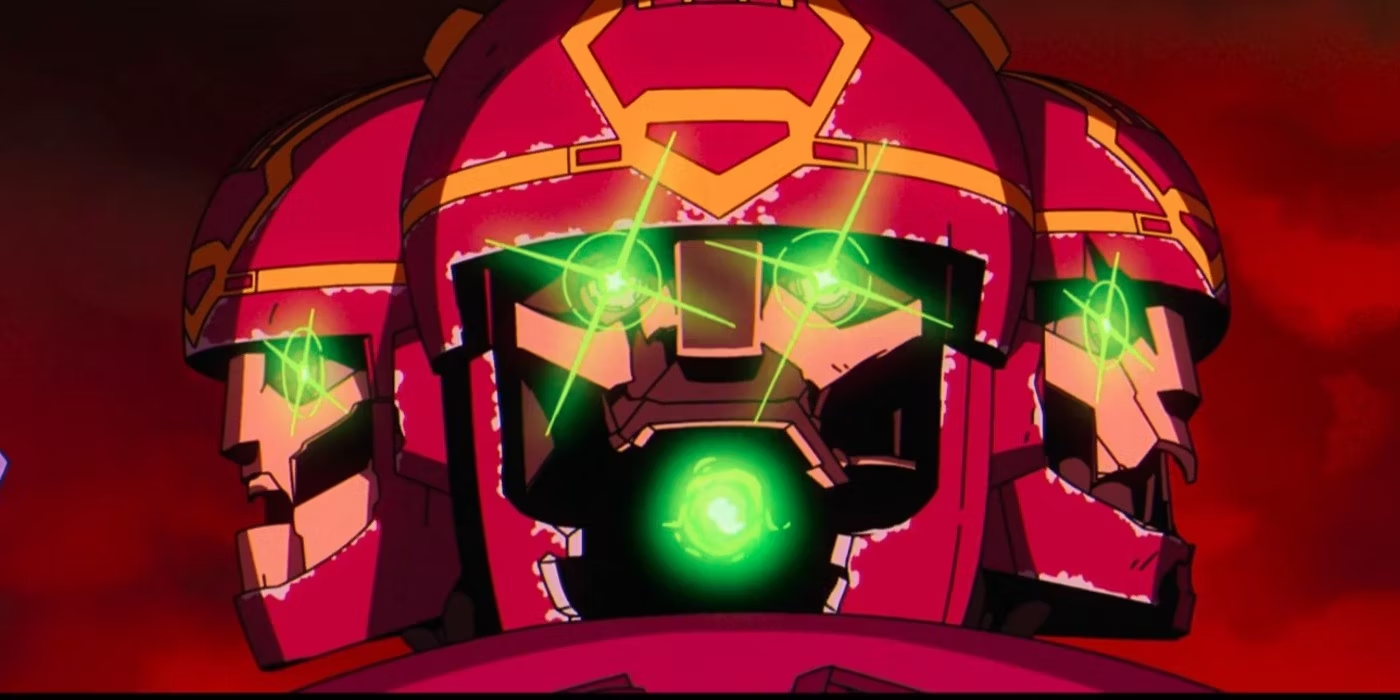
Episode 5 of X-Men ’97, “Remember It”, was indeed memorable. In one of the most shocking episodes of Marvel Studios-produced TV to date, “Remember It” saw the mutant island nation of Genosha attacked by a Wild Sentinel. The body count from the attack seemed to include Gambit and Magneto, both of whom sacrificed themselves in amazing displays of their powers in order to save other mutants, including Rogue, who was in quite a particular pickle before the attack. Theories about who perpetrated the attack on the island have taken over social media and message boards and a few names have risen to the top of the suspect list. However, according to X-Men ’97’s key creatives, it’s time to remove one of the most popular potential mass murderers from the list.
Unfortunately for the X-Men, the list of characters who have enacted terrible schemes resulting in the mass murder of mutants is pretty expansive. However, the mutant body count of one of those villains stands above the rest. In Grant Morrison’sNew X-Men arc, “E is for Extinction”, Cassandra Nova–the twin sister of Charles Xavier–murdered 16,000,000 mutants in a matter of minutes in what became known as the Genoshan genocide. That arc served as the template for “Remember It” but according to supervising producer Jake Castorena, fans should not expect to learn Nova was behind the attack.
In an interview with Inverse, Castorena scratched her name off the list of suspects saying, “I wouldn’t get my hopes up for Cassandra Nova being a huge villain in our show. But what I will say is, I don’t think people will be disappointed with our choices.” Though she’s not behind the attack, it seems as though the creative team has thought plenty about Xavier’s twisted twin. Emi Yonemura, who directed Episode 5, explained what she loves about Nova and may have given some insight into the team’s plans for the character. “I love her because she is a challenge for Xavier. I really love the tensions that she brings, the whole other level that she brings,” said Yonemura. “I love her character design as well. I cannot say where we go, but I think what’s so nice about using the original series and the comics for where we start [is that it] gives us so many options with so many rich characters like Cassandra to get to play with.” So while Nova won’t be popping in for a visit next week, it sounds as though she’s certainly a good bet to appear once Charles returns from his respite in Shi’ar space.
The first five episodes of X-Men ’97 are not streaming on Disney Plus.
About Cassandra Nova
Cassandra Nova is a formidable antagonist within the Marvel Universe, renowned for her cunning intellect and ruthless demeanor. As a mutant with telepathic abilities, she poses a significant threat to the X-Men and all who oppose her nefarious schemes. With a shape-shifting prowess that rivals even the most skilled adversaries, Cassandra Nova is a master manipulator who utilizes her powers to infiltrate and subvert the most secure organizations.
The Twisted Twin Sister of Charles Xavier
Conceived as the malevolent counterpart to Charles Xavier, Cassandra Nova embodies the darkest aspects of mutant potential. In a shocking twist of fate, Charles Xavier, unaware of his twin sister’s existence, unknowingly attacked Cassandra Nova while she was still in the womb. This event, shrouded in mystery and tragedy, set the stage for their tumultuous relationship and Cassandra’s eventual emergence as a formidable antagonist within the Marvel Universe. The repercussions of this prenatal conflict reverberate throughout their intertwined destinies, shaping the course of their lives and the fate of mutantkind.
Emerging from the depths of the Xavier Institute’s history, she has been a constant thorn in the side of the X-Men, often orchestrating elaborate plots to undermine their efforts for peace and equality. With ties to the Shi’ar Empire and Genosha, Cassandra Nova’s reach extends far beyond the borders of Earth, making her a global threat of unparalleled magnitude.
A Powerful Adversary
Driven by an insatiable thirst for power and domination, Cassandra Nova’s ambitions know no bounds. Whether manipulating world leaders or inciting conflicts between mutants and humans, she seeks to sow chaos and discord at every turn. Her ultimate goal remains shrouded in mystery, but one thing is certain: Cassandra Nova will stop at nothing to achieve her malevolent objectives.
Possessing a genius-level intellect and unparalleled telepathic abilities, Cassandra Nova is a formidable adversary capable of outwitting even the most seasoned heroes. Her shape-shifting prowess allows her to assume any form, making her a master of deception and subterfuge. Ruthless and manipulative, she will exploit any weakness to further her own agenda, leaving destruction in her wake.
Cassandra Nova’s modus operandi revolves around manipulation, scheming, and plotting. With a penchant for orchestrating elaborate schemes, she seeks to undermine her enemies from within, using their own vulnerabilities against them. Whether infiltrating secure facilities or instigating conflicts, she employs a wide array of tactics to achieve her goals, leaving chaos and destruction in her wake.
Coming Soon to the MCU
Cassandra Nova will make her live-action debut in Deadpool and Wolverine. Played by Emma Corrin, Nova will be the primary antagonist of the film and is rumored to be in a position of power in The Void, a region outside of time where pruned Variants are sent by the TVA.
Deadpool and Wolverine hits theaters on July 26th.
In what was almost certainly the best episode of Marvel Studios’ streaming era, X-Men ’97‘s “Remember It” shattered the peaceful feelings of nostalgia it had established with an emphatic and traumatic blow. The episode’s carnage, caused by a Wild Sentinel, may have been equally deleterious to mutants and fans of the series; however, both must push on and with the series just past its halfway mark, it’s time to look back in order to look ahead and see what might be coming for the remaining X-Men following the massacre on Genosha.
It looks as though showrunner Beau DeMayo thoughtfully provided fans a week to recover from “Remember It” by spending Episode 6 wrapping up Storm’s very personal side story in “Lifedeath Part 2.” That looks to be followed by a Rogue-centric episode, “Bright Eyes”, before the three-part season finale, “Tolerance is Extinction.” Extinction is a pretty common theme for the X-Men and has been central to more than one major arc in the comics, however, the series has provided enough clues to help zero in on which of those arcs may have served as the prime inspiration for the final three episodes.
Who Was Behind the Wild Sentinel?
Episode 5’s attack on Genosha was clearly inspired by Grant Morrison’s first three issues of New X-Men; however, to say it was ripped straight from the pages of that run, titled “E for Extinction” would be wildly incorrect. In fact, the episode seemed to draw at least some inspiration from the X-Men’s Krakoan era with its stylish gala taking center stage, an event at which the most recent mutant massacre occurred. So, rather than a straight adaptation, it seems as though X-Men ’97 is doing a little mixing and matching in mass murder and will probably do so again with the revelation of who is behind the attack on Genosha.
Morrison‘s New X-Men introduced Cassandra Nova into the X-Men lore and immediately made her one of the most vile villains within it. The beginning of the end of the Krakoan Age was orchestrated by Orchis in Gerry Duggan‘s X-Men: Hellfire Gala 2023. As fun of a theory as it is, there’s no evidence Nova was behind the attack and there’s been no mention of Orchis so far. However, upon closer look, a prime suspect for the attack arises and it’s one who was behind another large-scale attack against the X-Men in the comics.
Who Is Your Baddy and What Does He Do?
I’m 1997, Marvel Comics published Operation: Zero Tolerance, an event that ran across its major X-titles. In it, the Sentinel Android known as Bastion set out to –you guessed it–exterminate mutants. As many outlets and social media types have speculated and theorized, Bastion is almost certainly behind the attack on Genosha, which definitely set his extinction plan off on the right foot. And, as it turns out, Bastion has already appeared in the series at least once, if not twice.
In search of regaining a connection to her mutant powers in Episode 4, Storm agreed to enter one of Forge’s wondrous inventions. As she and Forge walked through the maker’s lab, several pictures could be seen on the wall, including one in which half of a very comic-accurate-looking Bastion could be seen along with Forge. Additionally, there’s a mysterious white-haired man spotted passing right in front of “the camera” in Episode 5 just after Magneto enters the gala. It’s impossible to confirm that’s Bastion, however, it’s entirely possible he was there to make sure his terror attack would be as deadly as possible. And, since he’s just getting started, he’ll likely unleash his greatest creations on the mutants: Prime Sentinels.
A final piece of evidence that could indicate that Bastion is the mastermind of the attack on Genosha could be the arrival of Cable at the gala. While he was unable to save everyone, the Askani’son’s attempt to stop the attack and share that “he” is coming is still informative. “He” rules out Cassandra Nova and it’s also worth pointing out that Nathan Summers plays a key role in Operation: Zero Tolerance over a three-issue run of James Robinson‘s Cable title.
Is It Really Bastion?
With so many stories from which to draw inspiration, it’s possible that several villains could be behind the Genoshan massacre. That said, there’s enough evidence to strongly support a reasonable claim that Bastion will be revealed as the key conspirator. As in the comics, he almost certainly won’t be working alone, bringing some of the team’s most hated foes from X-Men: The Animated Series back into play but, as of now, it seems that this game of Clue ends with the reveal was Bastion, in the lobby, with the Wild Sentinel. Buckle up for the final five episodes of Season 1 of X-Men ’97!
About Operation: Zero Tolerance
“Operation: Zero Tolerance” emerges as a pivotal saga within Marvel Comics X-Men mythology, featuring a widespread crackdown on mutants orchestrated by the formidable adversary Bastion. Bastion, driven by a deep-seated animosity towards mutantkind, spearheads the deployment of an army of advanced Sentinel robots and Prime Sentinels, including cybernetic operatives infused with nanotechnology, to systematically eradicate mutants.
In the heart of the conflict are the X-Men and their allies, with Cable playing a crucial role as both a warrior and a strategic leader. As tensions escalate and the stakes soar, Cable’s tactical brilliance and combat prowess become invaluable assets in the battle against Bastion’s relentless assault.
“Operation: Zero Tolerance” unfolds as a gripping exploration of persecution and resilience, as the X-Men confront insurmountable odds while striving to protect their own. Amid the chaos and danger, alliances fracture, sacrifices are made, and the bonds of friendship and family are tested like never before.
Through the interplay of characters like Bastion and Cable, the storyline delves deep into themes of prejudice, heroism, and the enduring struggle for survival in a world plagued by fear and bigotry.
About Prime Sentinels?
The Prime Sentinels are a formidable faction within Marvel Comics’ expansive universe, originating as a byproduct of the mutant-hunting Sentinels program. These cybernetic entities were initially ordinary humans implanted with nanotechnology, transforming them into enhanced operatives programmed to track and neutralize mutants. Introduced during the “Operation: Zero Tolerance” storyline, they were engineered by Bastion, a powerful adversary with a deep-seated hatred for mutants.
What distinguishes the Prime Sentinels is their ability to mimic human behavior, seamlessly infiltrating society while secretly executing their anti-mutant agenda. Their integration into various societal roles, including law enforcement and corporate positions, makes them particularly insidious adversaries for mutantkind.
Despite their human appearance, the Prime Sentinels possess advanced combat capabilities, including enhanced strength, agility, and energy projection, making them formidable adversaries even for seasoned mutants. Over time, they have proven to be persistent threats, adapting and evolving their tactics to counter mutant resistance.
Driven by a relentless dedication to their mission, the Prime Sentinels serve as a chilling reminder of the ongoing struggle between mutants and those who seek to eradicate them, embodying the ever-present threat of persecution and discrimination in the Marvel Universe.
Marvel Studios waded into the shallow end of the nostalgia pool with X-Men ’97. It was a low-risk project for them in that it had a very high floor thanks to the deeply revered X-Men: The Animated Series. Through three episodes, ’97 has performed well above that floor and the only question left to answer is just how high of a ceiling the project has, especially with new viewers. Once the wistful sentiment wears off of those who grew up watching TAS on Saturday mornings, the series still has to keep the attention of a new, younger audience in order to sustain success into a second season.
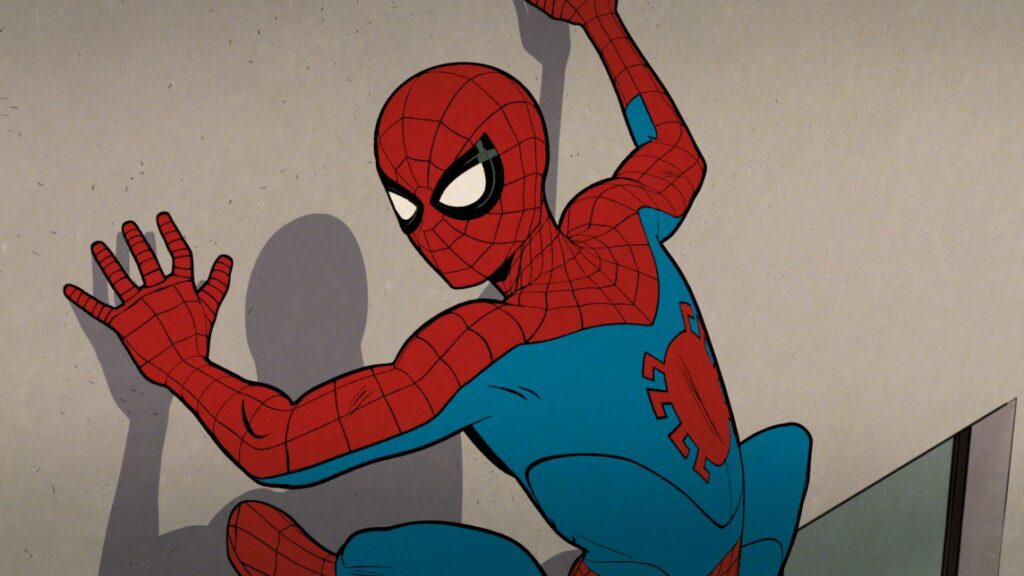
Should it do so, however, Marvel Studios May have found a new recipe to success in Grandma’s ’90s cookbook and may just decide to continue to go backward to go forward and revive some of their other ’90s animated series. While there’s currently no indication they are planning to do so nor any guarantee they could replicate the microwaved hype of X-Men ’97, previous animated series such as Silver Surfer, Fantastic Four and, yes, Spider-Man preemptively and unknowingly put the pieces in place for Marvel Animation to adapt some of Marvel Comics greatest hits of the ’00s.
It’s in the DnA
Beginning in 2006, Marvel Comics published a related series of cosmic crossover events largely created by Dan Abnett and Andy Lanning, aka DnA, with a kickstart from Keith Giffen. Over the course the next five years, Marvel’s publishing house redefined the cosmic corner of Marvel Comics for the first time since Jim Starlin‘s decade and change time as the defining voice of their space operas. Through Annihilation, Annihilation: Conquest, War of Kings, Realm of Kings, The Thanos Imperative and The Annihilators, the House of Ideas revitalized old heroes and villains, reimagined others and reminded readers just how broad the the cosmos is. Serendipitously, Marvel Animation could be poised to repeat the success of their publishing partner by simply retelling these incredible stories on a stage that has already been set for them.
More than five years passed between the end of the run of Marvel and Saban Entertainment’s animated series (X-Men, Fantastic Four, Iron Man, Spider-Man, The Incredible Hulk, Silver Surfer, Spider-Man Unlimited and Avengers: United They Stand) and the publication of Annihilation; however, those series laid enough foundation to allow Marvel Animation to orchestrate a run through Abnett and Lanning’s cosmic opus. Incredibly, most of the main players of the DnA’s cosmic stories were introduced in the ’90s animated series and those who weren’t could easily be worked into an episode of one of a few series that would most likely be revived.
The Dope Old School ’90s Animated Series Introduced Some O.G. Peeps Who Will Play a Phat Part in the Cosmic Stories
Before looking at how Marvel Animation could move ahead, let’s take a quick look at the work that was done in the ’90s that could provide the springboard into the Cosmic crossover events.
X-Men
The granddaddy of them all, as it were, X-Men: The Animated Series brought new life to Marvel’s properties in 1992, paving the way for Fox to roll out their X-Men films which, along with 1998’s Blade, put things into place for Marvel Studios to roll the dice on the Marvel Cinematic Universe. Ironically, the success of X-Men ’97 may now convince Disney to further invest in animation. The circle of life. X-Men: The Animated Series largely took its inspiration from Chris Claremont‘s work on Marvel Comics’ Uncanny X-Men but also drew on plenty of other issues and runs. Outside of the core X-Men themselves, the original animated series introduced several characters and locations during its five-season, 76-episode run that would be key players in an animated Cosmic arc.
Key Characters and Places Introduced in X-Men: The Animated Series
The Shi’ar (Season 3)
The Starjammers (Season 3)
The Blue Area of the Moon (Season 3)
The Kree (Season 3)
The High Evolutionary (Season 4)
Moondragon (Season 4)
The Phalanx (Season 5)
Fantastic Four
Paired with Iron Man as part of the Marvel Action Hour, Fantastic Four ran for 26 episodes over two seasons from 1994-1996. For the most part, the series adapted the earliest adventures of the team from the comics and introduced dozens of characters that would fit neatly into Marvel Animation’s Cosmic narrative.
Key Characters and Places Introduced in Fantastic Four
Skrulls (Season 1)
Silver Surfer (Season 1)
Galactus (Season 1)
Firelord (Season 1)
Terrax (Season 1)
Kl’rt, the Super-Skrull (Season 1)
The Negative Zone (Season 1)
Annihilus (Season 1)
Blastaar (Season 1)
The Inhuman Royal Family (Season 2)
Attilan (Season 2)
Darkhawk (Season 2)
The Incredible Hulk
The Jade Giant was given 2 seasons of his own animated series that totaled 21 episodes which aired in 1996 and 1997. Though neither Banner nor Hulk are key characters in any of the Cosmic stories, his children are and including him also allows for some great stories to be told in the revivals which can’t just be about the Cosmic stories.
Key Characters and Places Introduced in The Incredible Hulk
Bruce Banner/The Hulk
Silver Surfer
Possibly a bit too far out even for the ’90s, Silver Surfer ran for only one, 13-episode season after a legal dispute between Saban and Marvel killed the partially developed second season. Though it wasn’t connected to Fantastic Four and aired after the cancellation, I’m not entirely sure it contradicts any story arcs from it either. Silver Surfer introduced so many of Marvel Comics’ major Cosmic players in its one and only season, making it an integral part of the foundation needed for Marvel Animation to tell the DnA stories.
Key Characters and Places Introduced in Silver Surfer
Thanos
Drax
Gamora
Ronan
Nebula
Adam Warlock
Beta Ray Bill
Kree Supreme Intelligence
The Avengers: United They Stand
The last of the series to be produced through the collaborative efforts of Marvel Entertainment Group and Saban Entertainment, The Avengers: United They Stand pales in comparison to the superior Avengers: Earth’s Mightiest Heroes; however, it put one key character in play (sparing us all another origin story) and a revival for a second season could carve out an episode or two for an adaptation of a mid-2000s crossover event that could be used to help us out.
Key Characters and Places Introduced in The Avengers: United They Stand
Ultron
Incredibly, without any possible way of knowing what they were doing, the folks at Marvel Entertainment Group introduced almost every main player in DnA’s Cosmic run. A few big guns are missing but that can all be easily fixed in subsequent revival seasons of the shows listed above.
POV: How Letting Marvel Animation Cook and Giving the Cheugy ’90s Series Glow Ups Will Lead to a Bussin Shared Universe
No cap: making this revival work as a way to adapt the DnA stories through the animated series is my Roman Empire. So, how do we get there based on what’s been done in X-Men: The Animated Series, Season 1 of X-Men ’97, Fantastic Four and Silver Surfer? That’s the easy part and it just requires giving a few key individuals that main character energy. Here’s a road map to make sure we’re all eating good in our revival era.
The reality is that even if this were to happen, it would be years before it unfolds on our small screens. (Cue Invincible reference): Animation takes a long time. However, with two more seasons of X-Men ’97 already ordered up, Marvel Animation seems like it’s here to stay for at least a while. For the purposes of this totally made-up series of events, we’re operating under the assumption that Season 2 of X-Men ’97 streams before the first DnA domino falls.
The Incredible Hulk Season 3
There’s no such thing as too much Hulk. A third season of the animated series could continue the exploration of his fractured psyche, introduce the animated iteration of the Illuminati and send him off to Sakaar in a cliffhanger episode where he could meet a familiar face. The continued adventures of The Sentinel of the Spaceways will be an integral part of the infrastructure of the shared universe simply because he can be any and everywhere. Season 1 of Silver Surfer ended on a cliffhanger and it provides the perfect opportunity to open Season 2 with him unaware of how he’s come to be on Sakaar and under the control of the Red King. This could be a classic Marvel Animation two or three-parter to wrap up the third season of The Incredible Hulk with an adaptation of Planet Hulk.
Key Characters and Places Introduced in The Incredible Hulk Season 3
Caiera the Oldstrong
Silver Surfer Season 2
In the comics, Surfer’s time on Sakaar immediately preceded the awful chain of events that befell the galaxy and having Season 2 of Silver Surfer spin out of Season 3 of The Incredible Hulk provides the perfect opportunity for the first big event to unfold. Assuming a 10-episode season and the pace at which stories are told in animation, Season 2 could open with a two-part adaptation of Kurt Busiek‘s Maximum Security crossover event. Though it preceded Planet Hulk in publication, it could serve as a great way to integrate the X-Men, Fantastic Four and some cosmic heavy hitters into the narrative. A few changes could introduce the Kyln and one of its prisoners, Star-Lord, who will play a big role later in the season. A flashback episode somewhere along the line can introduce Mar-Vell to the mix, paving the way to explore his legacy later. A quick stop on Xandar in Episode 5 could introduce Xandar, Richard Rider and the Nova Corps and then a three-part season finale could adapt the incredible Annihilation event.
Key Characters and Places Introduced in Silver Surfer Season 2
The Blood Brothers (Maximum Security arc)
Quasar (Maximum Security arc)
The Kyln (Maximum Security arc)
Star-Lord (Maximum Security arc)
Xandar
The Nova Corps
Richard Rider
Mar-Vell
Phyla-Vell
Genis-Vell
The Avengers: United They Stand Season 2
The first season only introduced a handful of Avengers and the focus was on the West Coast team. A second season could add to the roster but its real purpose is to allow for an adaptation of Secret Invasion that involves the X-Men. Sure, that story was done in Avengers: EMH but it fits so well here and allows for an interesting path to Annihilation: Conquest being adapted as well. According to its creator, Brian Michael Bendis, Secret Invasion was the result of the Skrull homeworld being destroyed in Annihilation, so let Season 2 of The Avengers: United They Stand handle that story while working as a huge crossover while revealing that the Richard Rider who found himself back on Earth and involved in the battle was a Skrull.
Fantastic Four Season 3
Following the events of Secret Invasion and the revelation that the man Earth’s Mightiest Heroes thought to be Nova was a Skrull, the third season of Fantastic Four will open with an episode dedicated to recovering all heroes that had been simmed by the Skrulls. What a story Richard Rider will have to tell once he comes around. Told during an extended two-episode flashback, Rider, reunited with his brother Robbie, will detail his role as the central hero in the fight against the Phalanx and its leader, Ultron, following the fight against the Annihilation Wave. These episodes are a huge payoff from storylines set in motion both in the ’90s series and in the revival seasons. As the episodes draw to a close, Rider can reveal that as the war against the Phalanx came to an end, his ally Kl’rt alerted him that the Skrulls were planning to invade Earth and that as he attempted to return home to warn his friends, he was captured by the shapeshifting aliens.
Annihilation: Conquest is arguably the best story in the Cosmic series and plays a pivotal role in the future of the universe. Should Marvel Animation be so inclined, they could use it to launch a Guardians of the Galaxy animated series that would be far different from the MCU’s live-action films and prior animated series featuring the team. The Guardians still have a major role to play in the next act.
Key Characters and Places Introduced in Fantastic Four Season 3
Zak-Del/Wraith
Robbie Rider
X-Men ’97 Season 3
Without knowing what stories Season 2 of X-Men ’97 will explore, we can’t really be sure how this will go but we’re just playing here so it’s fine. To keep things on track, Season 3 will need to bring back the Starjammers and update the story of Chris Summers, aka Corsair, to include his third son, Gabriel. A nice, three-episode arc could tell the Rise and Fall of the Shi’ar Empire and put Emperor Vulcan on the throne just in time for a war.
Key Characters and Places Introduced in X-Men ’97 Season 3
Gabriel Summers/Vulcan
Guardians of the Galaxy Season 1
A brand new series with a heavy load to carry, Guardians of the Galaxy Season 1 can take a the majority of its episodes to get rolling and give the feel for the team before a two-episode adaptation of War of Kings. The Shi’ar, the Inhumans, the Starjammers and Blastaar, King of the Negative Zone, all get big payoffs in a crazy, all-out war that heavily involves the Guardians and Nova. The mid-season two-parter should leave audiences on a cliffhanger as the consequences of the war are made clear when Quasar’s exploration of “The Fault” leads to his disappearance.
Key Characters and Places Introduced in Guardians of the Galaxy
The Fraternity of Raptors
The Universal Church of Truth
The Incredible Hulk Season 3 and Guardians of the Galaxy Season 1
Quite a proposal here but if Marvel Animation could pull it off, it would be epic! While audiences have been following events of War of Kings in the middle of Season 1 of Guardians of the Galaxy, Season 3 of The Incredible Hulk will have been setting the stage and telling the tale of World War Hulk. Following the WWH story, an episode or two of The Incredible Hulk will be spent revisiting the planet of Sakaar and its people, including the Hulk’s two sons, Skaar and Hiro-Kala. The stage is now set for part of the story of Realm of Kings to be told in The Incredible Hulk and part to be told at the end of Season 1 of Guardians of the Galaxy.
Key Characters and Places Introduced in The Incredible Hulk Season 3
Hiro-Kala
Silver Surfer Season 3
DnA’s Cosmic run ended with two limited runs: The Thanos Imperative and Annihilators. There’s no better place to tell these two stories than in the third season of Silver Surfer. By this point in time, all the main players for both stories are not only on the board but also incredibly well-developed. Characters such as Thanos, Adam Warlock, Ronan and Beta Ray Bill–who first appeared in the ’90s Silver Surfer series–all get major payoffs through the two stories and the audience gets to see one of the great Marvel Comics’ teams in action. While it marks the end of the great Cosmic confluence, a final episode “stinger” could reveal that Thanos is still alive and set the stage for a return to Earth-bound stories based on Jonathan Hickman‘s Infinity story.
This is an ambitious road map, no doubt, and not something anyone should ever expect to see; however, it shines a light on the animation’s ability to adapt great Marvel Comics’ stories a little more faithfully and tell some of them that are likely not going to unfold in the MCU anytime soon…if ever.
Like its predecessor, X-Men: The Animated Series, X-Men ’97 will likely never be criticized for moving too slowly. The original Fox series often moved quickly through popular arcs lifted from Chris Claremont‘s Uncanny X-Men and the third episode in ’97 followed suit in its adaptation of Inferno.
Published in 1989, Inferno was a line-wide crossover event for Marvel Comics. Told throughout more than 30 issues of mutant (Uncanny X-Men, X-Factor, New Mutants, X-Terminators and Excalibur) and non-mutant (Avengers, Cloak and Dagger, Daredevil, Fantastic Four, Power Pack and 3 different Spider-Man books) titles, Inferno focused on Illyana Rasputin’s transformation into the Darkchylde and the origin story of the Goblin Queen, Madelyne Pryor.
For “Fire Made Flesh”, X-Men ’97 showrunner Beau DeMayo opted to do quite a bit of trimming and use the episode to resolve the clone Jean story while also setting Bishop and Nathan Summers on their path to a dark future. However, the final scene of the episode, which was set entirely apart from the main event, hints at another classic Claremont arc being adapted beginning with Episode 4.
After losing her powers and setting out on her own at the end of “Mutant Liberation Begins”, Storm finds herself alone in Tequila Mockingbird, a dive bar somewhere in Texas. As the Weather Witch watches the weather report, a slim and sharply mustachioed stranger approaches her and introduces himself as Forge, “an old friend of Charles Xavier.” Indeed Forge appeared in 10 episodes of X-Men: The Animated Series, half of which involved the wonderful timey-wimey stuff that is part and parcel of the X-Men experience. However, the timing of his latest appearance suggests that he’ll have an all-new, all-different role in X-Men ’97 that will be based on Claremont’s run on Uncanny.
It’s no secret that Storm was one of Claremont’s favorite characters. Claremont was the first writer to recognize her true potential and begin developing her as a character. Much like in “Mutant Liberation Begins”, Storm lost her mutant powers after having been shot with a Neutralizer. In Uncanny X-Men #186, Storm began working with Forge to recover and, in the process, fell in love with the alpha-level technopath. Titled Lifedeath, the issue and and its follow-ups are well-revered as one of the great love stories in the pages of the X-Men’s extensive history. For those peeking ahead, Episode 4 of X-Men ’97 is titled “Motendo/Lifedeath-Part 1.” Yeah, the next episode is going to include Mojo but did you know it’s also going to explore one of the more intimate stories ever told about Storm?
While even those with passing knowledge of the comics know that Ororo was once married to T’Challa and was the Queen of Wakanda; however, few know about her romance with Forge. Fewer yet know that Forge, the mutant Maker, designed the Neutralizer that robbed the goddess of her powers. Given the raging popularity of X-Men ’97, it seems as though a whole new generation of people are about to find out and begin to understand why legions of ’90s kids adore Storm. Outside of Logan and Jean Grey, not many mutants have undergone the type of emotional development in the pages of Marvel Comics as Ororo has. Given Episode 4 is only Part 1 of Lifedeath, it seems as though DeMayo and crew intend to go against the X-Men: TAS grain to take their time and give the goddess her just desserts.
It’s been said that nostalgia is a hell of a drug. The sentimental longing for an overidealized past can all but rewrite reality within our minds, amplifying our perception of the emotional impact of past experiences and manifesting something that never truly existed in the way we remember it. It’s a road we’ve all traveled and the longer we stay on it, the further we get from the true nature of the original experience. Unlike fortune, nostalgia’s no fickle wench: it provides exactly what we want it to every time.
Revisiting that imaginary hallowed ground simply reinforces whatever good feeling we’re searching for and is the source of every grumpy old man telling a young buck that “they don’t make them like they used to.” However, as it turns out, they do indeed make them like they used to and, every so often, even better. Marvel Animation’s X-Men ’97 stands as an exemplar of how studios can revisit known and even beloved quantities while finding something that may not have been there originally. Whether you grew up with X-Men: The Animated Series or have never seen an episode of the ’90s classic, X-Men ’97 is about to become your favorite Saturday morning cartoon.
Give Marvel Studios mad props. They smartly leaned heavily into ’90s nostalgia in promoting X-Men ’97, adeptly using the dope theme song from X-Men: The Animated Series and some sweet old-school posters to provide O.G. fans with a phat dopamine rush that reminded them just how off the hook chillin’ on Saturday mornings used to be. Back in the day, X-Men: The Animated Series was the bomb…or was it? Nostalgia is a hell of a drug.
For a nearly unquantifiable portion of a generation, X-Men: The Animated Series was the gateway drug into the uncanny world of mutant heroes and villains created by Stan Lee and Jack Kirby. Over 76 episodes, the series–heavily inspired by Chris Claremont’s work with the characters in the pages of Marvel Comics–became a frenetic highlight reel of the X-Men’s greatest hits. Without ever reading an X-Men comic, fans of the show could name a dozen X-Men, define an Omega mutant and summarize some of Marvel Comics’ greatest X-Men runs. Just as Claremont’s life-saving run on the Uncanny X-Men concluded, X-Men: The Animated Series cemented the characters in the era’s zeitgeist. The serendipitous multimedia symbiosis of page and animation no doubt led Fox to the inevitable conclusion that the X-Men would be a hit on the big screen and thus, the X-Men became embedded in pop culture, where they have firmly remained over 30 years later. But if the first three episodes of X-Men ’97 reveal anything, they reveal just how weak our minds can be when challenged by the nostalgia for better days.
If you believe yourself a fan of X-Men: The Animated Series, challenge yourself to a modern-day rewatch. Unlike the finest of wines, the series struggles to mature with its audience, limited not only by the technology of its time but also by the sensibilities of an era gone by. And that’s just fine and totally fair…however, as Marvel Animation rolls out a brand new series set in that bygone era, it absolutely needs to be fit enough to survive the onslaught of modern fans. Showrunner Beau DeMayo aggressively relieves the evolutionary force of selective pressure by slightly changing the DNA of the series to favorably adapt to the modern environment in which it will be judged. What emerges is a new generation more fit than its predecessor on nearly every measurable standard.
X-Men ’97 veraciously maintains the feverish pace of its progenitor. The first three episodes of the season cover more than 20 issues of Claremont’s run on Uncanny and resolve an eight-month line-wide comic run in 30 minutes. However, it’s here where a reflective member of the audience should stop, drop and roll back into common sense: regardless of your modern sensibilities, X-Men: The Animated Series was created to entertain children. In this sense, compared to offerings such as Teen Titans Go!, X-Men ’97 is much more Hawthorne than Hemingway.
The first three episodes offer plenty of rawhide upon which to chew. Is Marvel Animation starting up its own connected universe? The Daily Bugle provides plenty of opportunities to believe so. Despite the statement that X-Men ’97 is doing its own thing, does the appearance of WHiH News portend some connection to the live-action MCU and the Multiverse Saga? When dealing with the timey-wimey concepts that are part and parcel of the X-Men, could the crazy sumbitches at Marvel Studios be planning to capitalize on nostalgia in a way ’90s kids could never have dreamt of by bringing the team that brought X-Men into pop culture back into pop culture in an all-new, all-different millennium?
As of March 2024, there are no answers to those questions; however, in an ever-expanding wilderness of superhero projects, the fitness of X-Men ’97 is not dependent on the audience’s familiarity with the MCU. Should you have watched all 76 episodes of X-Men: The Animated Series once, twice or nonce, you’ll find yourself fully engaged in the story of Cyclops, Jean and the team as they learn to move forward in the absence of Charles Xavier who, by the way, “died” in Season 5, Episode 10 of X-Men: The Animated Series which aired in 1996. Yet somehow, some way, DeMayo and his writers’ room have found common ground for those who saw Charles “die” with those who only know who Charles is from Logan or Doctor Strange in the Multiverse of Madness. As Marvel Studios rightfully finds itself under fire, X-Men ’97 could ironically raise the roof of what fans consider as the shit while still being enjoyable for trifling busters.
The release of the highly anticipated revival of X-Men: The Animated Series, X-Men ’97, is just around the corner. Beginning on March 20th, the first season of Marvel Animation’s new streaming series will hit Disney Plus. Ahead of that, Disney has provided a look at the full release schedule and the titles of all 10 episodes.
As is often the case with series developed for its streaming network, Disney will roll out X-Men ’97 with a two-part premiere,”To Me, My X-Men” and “Mutant Liberation Begins.” From there, fans can look forward to one episode a week through May 15th. Season one of the new series is set to wrap with a 3-part story, “Tolerance is Extinction.”
Given the streaming strategy, X-Men ’97‘s run will overlap significantly with the third and final season of Lucasfilm’s animated Star Wars series, The Bad Batch. The Bad Batch’s 15-episode run ends on May 1st, roughly one month before Star Wars next live-action series, The Acolyte, is rumored to premiere on Disney Plus.
About X-Men ’97
Marvel Animation’s X-Men’97 revisits the iconic era of the 1990s as The X-Men, a band of mutants who use their uncanny gifts to protect a world that hates and fears them, are challenged like never before, forced to face a dangerous and unexpected new future.
The all-new series features 10 episodes. The voice cast includes Ray Chase as Cyclops, Jennifer Hale as Jean Grey, Alison Sealy-Smith as Storm, Cal Dodd as Wolverine, JP Karliak as Morph, Lenore Zann as Rogue, George Buza as Beast, AJ LoCascio as Gambit, Holly Chou as Jubilee, Isaac Robinson-Smith as Bishop, Matthew Waterson as Magneto, and Adrian Hough as Nightcrawler. Beau DeMayo serves as head writer; episodes are directed by Jake Castorena, Chase Conley and Emi Yonemura, and the series is executive produced by Brad Winderbaum, Kevin Feige, Louis D’Esposito, Victoria Alonso and DeMayo. Featuring music by the Newton Brothers, Marvel Animation’s X-Men ’97 begins streaming on Disney+ on March 20, 2024.
Marvel Animations revival of the beloved X-Men: The Animated Series, X-Men ’97 will hit Disney Plus beginning March 20th. The new series–which is NOT MCU canon–will pick up where the nostalgic 90s series left off and will see the team try to keep the dream of Charles Xavier alive after he was shuttled off to space by Lilandra Neramani following an attempt on his life. While the release date was officially revealed in mid-February, some questions have remained about HOW it will be released on Disney Plus. Now it seems those have been answered.
According to an official listing on Disney Plus, it looks as though fans can expect episodes of the series to be released weekly beginning on March 20th rather than the entire series becoming available that day. Barring any two-parters that could be released on the same day, that means the tenth and final episode of Season 1 will hit Disney Plus on May 22nd.
About X-Men ’97
Marvel Animation’s X-Men’97 revisits the iconic era of the 1990s as The X-Men, a band of mutants who use their uncanny gifts to protect a world that hates and fears them, are challenged like never before, forced to face a dangerous and unexpected new future.
The all-new series features 10 episodes. The voice cast includes Ray Chase as Cyclops, Jennifer Hale as Jean Grey, Alison Sealy-Smith as Storm, Cal Dodd as Wolverine, JP Karliak as Morph, Lenore Zann as Rogue, George Buza as Beast, AJ LoCascio as Gambit, Holly Chou as Jubilee, Isaac Robinson-Smith as Bishop, Matthew Waterson as Magneto, and Adrian Hough as Nightcrawler. Beau DeMayo serves as head writer; episodes are directed by Jake Castorena, Chase Conley and Emi Yonemura, and the series is executive produced by Brad Winderbaum, Kevin Feige, Louis D’Esposito, Victoria Alonso and DeMayo. Featuring music by the Newton Brothers, Marvel Animation’s X-Men ’97 begins streaming on Disney+ on March 20, 2024.
X-Men: The Animated Series premiered in 1992 and quickly became a beloved adaptation of the popular Marvel Comics series. Known for its faithful portrayal of the iconic mutant superhero team, the show captivated audiences with its engaging storytelling, dynamic characters, and thrilling action sequences. Beginning March 20th, Marvel Animation will roll out an all-new revival of the series, X-Men ’97.
Following the two-part series opener (“Night of the Sentinels Part 1” and “Night of the Sentinels Part 2”) which introduced Charles Xavier’s team of mutant heroes, the series turned its attention to the series’ main antagonist, the mutant Master of Magnetism, Magneto. Let’s revisit “Enter Magneto.”
Setting the Scene: Rising Tensions
Against the backdrop of a world divided by fear and prejudice, the episode opens with a series of escalating conflicts between mutants and humans. As anti-mutant sentiment spreads, Magneto emerges as a powerful voice for mutant rights, advocating for the superiority of mutantkind and the need for mutants to assert their dominance over humanity.
Introducing Magneto and the Brotherhood of Mutants
Magneto, a mutant with the ability to manipulate magnetic fields, is introduced as a complex and enigmatic figure. With his charismatic leadership and unwavering belief in mutant supremacy, Magneto poses a formidable challenge to the X-Men and their mission of peaceful coexistence between mutants and humans. Fueled by a deep-seated resentment towards humanity and a desire to assert mutant superiority, Magneto emerges as a formidable adversary for the X-Men. His traumatic experiences during the Holocaust have shaped his worldview, leading him to believe that mutants must rise above humanity to ensure their survival. With his magnetic powers and cunning intellect, Magneto poses a threat unlike any they have faced before, challenging the very foundation of their beliefs and ideals. As Magneto’s presence looms large, the X-Men find themselves embroiled in a battle for the future of mutantkind, where the stakes are higher than ever before.
Magneto is accompanied by his loyal followers, the Brotherhood of Mutants, a group of mutants who share his vision of mutant superiority. Among them are the shape-shifting Mystique, the agile and acrobatic Toad, and the ferocious Sabretooth. Together, they form a formidable team dedicated to advancing Magneto’s agenda and challenging the authority of the X-Men. Their confrontation with Magneto forces them to confront the complexities of morality and ethics, as they grapple with the implications of his ideology and the impact it could have on the world.
Confrontation with the X-Men
As Magneto’s influence grows, the X-Men find themselves in a tense standoff with the Brotherhood of Mutants. Led by Cyclops, the X-Men confront Magneto and his followers, hoping to prevent their radical agenda from plunging the world into chaos. Despite Cyclops’ strategic maneuvers and the combined efforts of his fellow X-Men, Magneto proves to be a formidable adversary, using his mastery of magnetism to outmaneuver and overpower the team at every turn. The stakes escalate, forcing the X-Men to push themselves to their limits in a desperate bid to stop Magneto’s radical agenda from plunging the world into chaos. As the battle rages on, the X-Men are forced to confront not only the physical threat posed by Magneto and his followers but also the deeper ideological divide that threatens to tear the mutant community apart.
A Clash of Ideologies
The episode delves into the ideological clash between Magneto and Professor Xavier, two powerful mutants with opposing visions for the future of mutantkind. While Professor Xavier advocates for peaceful coexistence and cooperation between mutants and humans, Magneto believes that mutants must assert their dominance and take control of their own destiny. Their conflict represents the larger struggle within the mutant community, as mutants grapple with their place in a world that fears and hates them.
As the dust settles and the echoes of battle fade, the X-Men emerge victorious but forever changed by the trials they have endured. “Enter Magneto” serves as a sobering reminder of the dangers posed by intolerance and extremism, urging viewers to confront their own prejudices and embrace diversity. Despite the challenges they face, the X-Men remain steadfast in their commitment to protecting both mutants and humans alike, united in their determination to forge a brighter future for all. As the episode draws to a close, the X-Men stand united, ready to face whatever challenges lie ahead in their ongoing quest for peace and equality in a world fraught with danger and uncertainty.
The Rise of Magneto
“Enter Magneto” concludes with Magneto emerging as a formidable new threat to the X-Men and their mission of peace and coexistence. As Magneto continues to rally support for his cause and expand his influence, the stage is set for a showdown between the X-Men and their greatest adversary yet. The episode leaves viewers on the edge of their seats, eager to see how the conflict between mutants and humans will unfold in the episodes to come.
X-Men: The Animated Series premiered in 1992 and quickly became a beloved adaptation of the popular Marvel Comics series. Known for its faithful portrayal of the iconic mutant superhero team, the show captivated audiences with its engaging storytelling, dynamic characters, and thrilling action sequences. Beginning March 20th, Marvel Animation will roll out an all-new revival of the series, X-Men ’97.
Against the backdrop of escalating tensions between mutants and humans, “Deadly Reunions” opens with the introduction of Magneto’s former ally and protege, Professor Xavier. Xavier, the telepathic leader of the X-Men, has devoted his life to promoting peace and understanding between mutants and humans. However, his efforts are continually challenged by the actions of individuals like Magneto, whose radical beliefs and actions threaten to destabilize the delicate balance of power in the world.
Revisiting the Past
The episode delves into the complicated history between Xavier and Magneto, revealing their shared past as friends and allies in the fight for mutant rights. However, their friendship was torn apart by ideological differences, leading Magneto down a path of extremism and violence. Now, years later, Magneto resurfaces, seeking revenge against his former friend and the X-Men for perceived betrayals and injustices. As Magneto’s presence looms over the X-Men, they must confront their own pasts and grapple with the consequences of their actions, setting the stage for a dramatic confrontation that will test their bonds of friendship and loyalty to the breaking point.
As Magneto launches a series of devastating attacks on key military installations, the X-Men are thrust into a race against time to stop him before he unleashes chaos and destruction on a global scale. Led by Cyclops, the X-Men mobilize to thwart Magneto’s plans and protect innocent lives from harm, but they quickly realize that defeating Magneto will require more than just brute force—it will require them to confront the painful truths of their shared history and find a way to reconcile their differences.
Reunion with a Dark Past
“Deadly Reunions” also delves into the troubled past of Wolverine, one of the X-Men’s most enigmatic members, as he comes face to face with his former mentor turned nemesis, Sabretooth. The episode explores the deep-seated animosity between Wolverine and Sabretooth, delving into their shared history and the unresolved conflicts that have defined their tumultuous relationship. As old wounds are reopened and bitter rivalries reignited, Wolverine finds himself confronting the ghosts of his past and grappling with the demons that continue to haunt him to this day.
Sabretooth plays a pivotal role as a central antagonist, confronting Wolverine and reigniting their long-standing feud. Sabretooth’s appearance dredges up painful memories and unresolved conflicts from Wolverine’s past, as the two mutants engage in a fierce battle fueled by years of animosity and bitterness. Sabretooth’s savage nature and relentless pursuit of Wolverine serve as a stark reminder of the darkness that lurks within the mutant community, highlighting the constant struggle between the X-Men’s ideals of peace and tolerance and the harsh realities of a world torn apart by prejudice and fear. As Wolverine grapples with his inner demons and confronts the ghosts of his past, Sabretooth emerges as a formidable adversary, pushing him to his limits and testing the strength of his convictions. Ultimately, Sabretooth’s role in “Deadly Reunions” serves to deepen the complexity of the X-Men universe, shedding light on the darker aspects of mutant society and the ongoing battle between good and evil.
The Xavier-Magneto Confrontation
The heart of “Deadly Reunions” lies in the tense confrontation between Professor Xavier and Magneto, two powerful mutants whose paths have diverged dramatically since their days as friends and allies. As Xavier confronts Magneto, he is forced to grapple with the painful memories of their shared past and the choices that led them down different paths. Meanwhile, Magneto, driven by a deep-seated desire for revenge and vindication, refuses to back down, determined to prove the superiority of mutantkind and assert his dominance over humanity. Their clash of wills and ideologies serves as a microcosm of the larger struggle between mutants and humans, as they each represent competing visions for the future of mutantkind—one rooted in cooperation and understanding, the other in dominance and conquest.
As the battle between Xavier and Magneto reaches its climax, the true cost of their conflict becomes painfully clear. Innocent lives hang in the balance as the X-Men and Magneto’s Brotherhood of Mutants clash in a destructive showdown that threatens to tear apart the very fabric of society. Caught in the crossfire, ordinary citizens are forced to confront their own prejudices and fears, as they witness firsthand the destructive power of hatred and intolerance. In the aftermath of the battle, the X-Men are left to pick up the pieces and reckon with the consequences of their actions, knowing that the fight for peace and coexistence is far from over.
The Rise of Mutant Internment Camps
“Deadly Reunions” introduces a chilling development in mutant-human relations with the establishment of mutant internment camps. These facilities, reminiscent of the darkest chapters of human history, serve as symbols of the escalating persecution faced by mutants in a world gripped by fear and prejudice. The creation of these camps represents a dangerous shift in government policy, as mutants are rounded up and imprisoned simply for being who they are. The existence of the internment camps underscores the gravity of the situation facing mutants and the lengths to which some will go to maintain their power and control. As the X-Men confront the horrors of these camps, they are forced to confront the harsh realities of a world divided by fear and intolerance, as well as the urgent need to fight for the rights and freedoms of all people, regardless of their genetic makeup.
Lessons Learned
“Deadly Reunions” concludes with a sense of reflection and introspection, as the X-Men come to terms with the events that have transpired and the lessons they have learned along the way. Despite the challenges they have faced and the sacrifices they have made, the X-Men remain committed to their mission of protecting both mutants and humans and striving for a better world. As they look to the future, they know that the road ahead will be difficult and fraught with danger, but they also know that as long as they stand together, they can overcome any obstacle and triumph over adversity.
X-Men: The Animated Series premiered in 1992 and quickly became a beloved adaptation of the popular Marvel Comics series. Known for its faithful portrayal of the iconic mutant superhero team, the show captivated audiences with its engaging storytelling, dynamic characters, and thrilling action sequences. Beginning March 20th, Marvel Animation will roll out an all-new revival of the series, X-Men ’97.
X-Men: The Animated Series kicked off with a two-parter which served as a compelling introduction to the world of the X-Men and the ongoing struggle between mutants and humanity. Let’s recap the series pilot episode, “Night of the Sentinels Part 2″ which continues the saga, delving deeper into the conflict between mutants and humanity while showcasing the resilience of the X-Men.
Setting the Scene: A World in Turmoil
The episode unfolds against the backdrop of a world divided by fear and prejudice, as mutants face persecution at the hands of the Mutant Control Agency (MCA) and their deadly creations, the Sentinels. Magneto’s clash with the Sentinels in the previous episode sets the stage for a showdown of epic proportions, as the X-Men find themselves thrust into a battle for the future of mutantkind.
Confronting the Sentinel Threat
As the Sentinels escalate their attacks on mutants, the X-Men spring into action, confronting the mechanical menaces in a series of high-stakes battles. Cyclops leads the charge, directing the team with precision as they engage in fierce combat against their formidable foes. Storm’s mastery over the elements, Wolverine’s ferocious claws, and Rogue’s formidable strength are on full display, showcasing the X-Men’s unwavering resolve in the face of overwhelming odds.
Gyrich’s Machinations
Amidst the chaos, the duplicitous Henry Peter Gyrich, a government operative with a deep-seated disdain for mutants, orchestrates the MCA’s relentless pursuit of the X-Men. Obsessed with eradicating mutantkind, Gyrich stops at nothing to achieve his nefarious goals, manipulating the authorities and exploiting public fear to further his own agenda. With his machinations threatening to tip the balance of power in favor of the oppressors, Gyrich emerges as a formidable adversary, determined to crush the X-Men by any means necessary.
Fueling Gyrich’s fervent crusade is his unwavering belief in the inherent superiority of humans over mutants, a prejudice that blinds him to the potential for peace and cooperation between the two groups. His single-minded obsession with exterminating mutants blinds him to the humanity inherent in every individual, driving him to commit atrocities in the name of his misguided cause. As Gyrich pulls the strings from behind the scenes, his influence casts a dark shadow over the struggle for mutant rights, threatening to engulf both mutants and humans in a never-ending cycle of violence and oppression.
Jubilee’s Journey Continues
Amidst the chaos, Jubilee grapples with her newfound identity as a mutant and her place among the X-Men. With the guidance of Professor Xavier and the support of her fellow teammates, Jubilee begins to embrace her powers, finding strength in her resilience and determination. Together, the X-Men stand united against the Sentinel threat, determined to protect both mutants and humans from the forces that seek to divide them.
The Battle Reaches Its Climax
As “Night of the Sentinels Part 2” hurtles towards its climactic finale, the X-Men find themselves locked in a desperate struggle against the relentless Sentinel army. With their backs against the wall, the mutant heroes refuse to yield, drawing upon their extraordinary powers and unwavering determination to turn the tide of battle. Cyclops, with his precise optic blasts, targets the vulnerable points of the Sentinels, while Storm unleashes a tempest of wind and lightning to disrupt their mechanical systems. Wolverine, his adamantium claws gleaming in the chaos, slices through the robotic adversaries with unparalleled ferocity, while Rogue absorbs their energy blasts and channels them back with devastating force. Together, the X-Men fight with unmatched courage and tenacity, refusing to back down in the face of overwhelming odds.
As the battle rages on, the X-Men’s teamwork and strategic prowess prove to be their greatest assets, allowing them to exploit weaknesses in the Sentinel’s armor and coordination. With each coordinated assault, the mutant heroes chip away at the Sentinel’s defenses, gradually whittling down their numbers and gaining the upper hand in the conflict. Through sheer determination and unwavering resolve, the X-Men ultimately emerge victorious, dismantling the Sentinel army and securing a hard-fought triumph for mutantkind. As the dust settles and the smoke clears, the mutant heroes stand tall amidst the wreckage, their spirits undaunted and their commitment to their cause stronger than ever before.
A World Transformed
In the aftermath of the conflict, the X-Men emerge victorious but forever changed by the trials they have endured. “Night of the Sentinels Part 2” leaves audiences on the edge of their seats, eagerly anticipating the next chapter in the ongoing saga of the X-Men as they continue their tireless fight for justice and equality in a world fraught with danger and uncertainty.
As the dust settles and the echoes of battle fade, the X-Men find themselves grappling with the profound ramifications of their actions. Despite their triumph over the Sentinels, the scars of battle run deep, serving as a sobering reminder of the high cost of their crusade for mutant rights. Yet, amidst the devastation, there is also hope – hope for a future where mutants and humans can coexist in harmony, free from the shackles of fear and prejudice. With their resolve strengthened and their bonds forged in the crucible of adversity, the X-Men stand ready to confront whatever challenges lie ahead, united in their determination to build a better world for all.
Cookie Consent
We use cookies to improve your experience on our site. By using our site, you consent to cookies.
This website uses cookies
Websites store cookies to enhance functionality and personalise your experience. You can manage your preferences, but blocking some cookies may impact site performance and services.
Essential cookies enable basic functions and are necessary for the proper function of the website.
Name
Description
Duration
Cookie Preferences
This cookie is used to store the user's cookie consent preferences.
30 days
These cookies are needed for adding comments on this website.
Name
Description
Duration
comment_author_email
Used to track the user across multiple sessions.
Session
comment_author_url
Used to track the user across multiple sessions.
Session
comment_author
Used to track the user across multiple sessions.
Session
Statistics cookies collect information anonymously. This information helps us understand how visitors use our website.
Google Analytics is a powerful tool that tracks and analyzes website traffic for informed marketing decisions.
Contains information related to marketing campaigns of the user. These are shared with Google AdWords / Google Ads when the Google Ads and Google Analytics accounts are linked together.
90 days
__utma
ID used to identify users and sessions
2 years after last activity
__utmt
Used to monitor number of Google Analytics server requests
10 minutes
__utmb
Used to distinguish new sessions and visits. This cookie is set when the GA.js javascript library is loaded and there is no existing __utmb cookie. The cookie is updated every time data is sent to the Google Analytics server.
30 minutes after last activity
__utmc
Used only with old Urchin versions of Google Analytics and not with GA.js. Was used to distinguish between new sessions and visits at the end of a session.
End of session (browser)
__utmz
Contains information about the traffic source or campaign that directed user to the website. The cookie is set when the GA.js javascript is loaded and updated when data is sent to the Google Anaytics server
6 months after last activity
__utmv
Contains custom information set by the web developer via the _setCustomVar method in Google Analytics. This cookie is updated every time new data is sent to the Google Analytics server.
2 years after last activity
__utmx
Used to determine whether a user is included in an A / B or Multivariate test.
18 months
_ga
ID used to identify users
2 years
_gali
Used by Google Analytics to determine which links on a page are being clicked
30 seconds
_ga_
ID used to identify users
2 years
_gid
ID used to identify users for 24 hours after last activity
24 hours
_gat
Used to monitor number of Google Analytics server requests when using Google Tag Manager
1 minute
Marketing cookies are used to follow visitors to websites. The intention is to show ads that are relevant and engaging to the individual user.
Pinterest Tag is a web analytics service that tracks and reports website traffic.