Author: Charles Murphy

  • It’s Time for Marvel Studios to End Their Most Well-Known Tradition

    It’s Time for Marvel Studios to End Their Most Well-Known Tradition

    In 2008, fans who stuck around through the credits of Iron Man found themselves treated to a tease of greater things to come. At the time, given the nebulous state of the future of Marvel Studios, the tease came without a promise that we’d ever see the Avengers Initiative come to fruition on the big screen. 4 years later, it paid off in The Avengers, rolled out its own post-credit scene that set the stage for the larger narrative that would develop over the next 15 MCU projects. That run, which became known as the Infinity Saga, ended with 2019’s Avengers: Endgame which, ironically, was the first Marvel Studios film to run without a post-credit scene. Now, with the future of Marvel Studios more secure than it has ever been, it’s time for the post-credit scene to die.

    Marvel Studios’ Iron Man (2008)
    Marvel Studios’ Spider-Man: Far From Home (2019)

    After skipping out on the tradition in Endgame, Marvel Studios brought back the post-credit scene in Spider-Man: Far From Home, the final Phase 3 film. In hindsight, it’s a tradition they should have left behind as they moved into Phase 4. Once a fun source of “water cooler” conversation, the idea has grown beyond itself and evolved into something that’s become part of a parasitic online conversation where the scenes that come AFTER the movie generate more interest and conversation than the movie itself. It’s not a phenomenon limited just to Marvel Studios-Sony used the post-credit scene to Venom: Let There Be Carnage to market the movie-but Marvel Studios started it and now they need to end it.

    The conversation around the post-credit scenes poses a multi-faceted problem for Marvel Studios. While they still provide a fun tease of upcoming events, in recent years, more than one post-credit tease hasn’t paid off. For example, after the credits rolled in 2016’s Doctor Strange, audiences learned that Mordo was on a mission to eliminate magic users, especially those who violated natural law. Surely that would mean he’d cross paths with Wanda Maximoff, right? 616-Mordo was nowhere to be seen in Doctor Strange in the Multiverse of Madness, his role rumored to have been snipped from the film’s final cut. And what about the great Adrian Toomes/Mac Gargan scene at the end of 2017’s Spider-Man: Homecoming? With Doctor Strange’s spell erasing the memory of Peter Parker from everyone’s mind, it seems like the Vulture/Scorpion team-up will never come to pass. Will the tease of Venom in the MCU, set up in the post-credit scene to Spider-Man: No Way Home, have the same fate?

    Marvel Studios’ Doctor Strange (2016)
    Marvel Studios’ Spider-Man: Homecoming (2017)

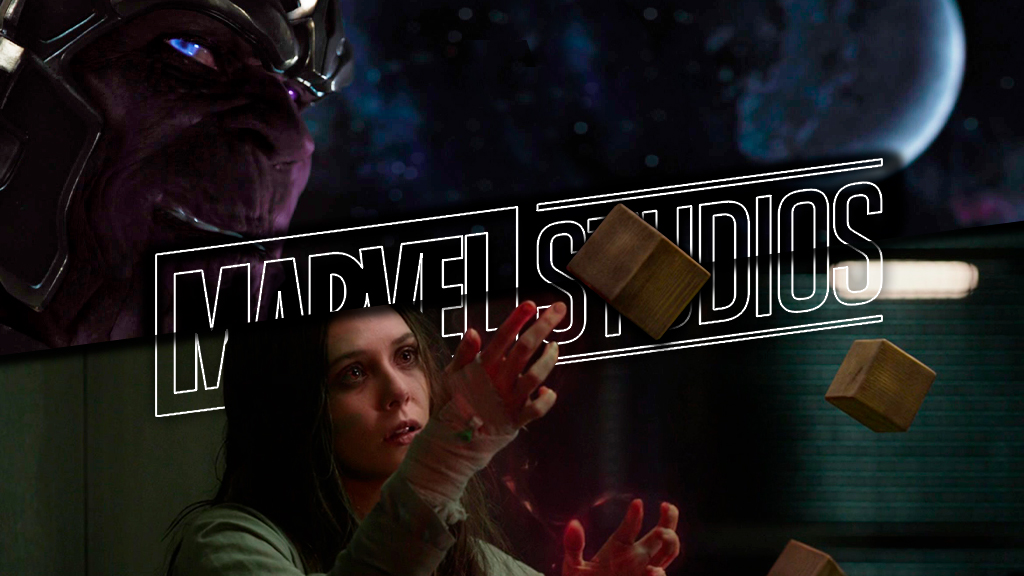
    The fervor around the content of the post-credit scenes has grown to a point where fans are often more concerned with it than the film itself. Driven by leak culture, the knowledge of the contents of the latest Marvel Studios’ post-credit scene is often a more valuable commodity (more talked about) than the film itself. In fact, after recently attending the premiere of Doctor Strange in the Multiverse of Madness, almost everyone who asked me about the movie started off by asking, “How many post-credit scenes are there?” and “What’s in them?” It’s concerning that a post-credit scene that may have been shot over a few hours is of more interest than the billion-dollar films the studio is rolling out. And in this case, Marvel Studios delivered one of its worst post-credits scenes to date, though it featured a huge casting spoiler for a big star entering the MCU. But will she? Or will her cameo and the promise it carries be as empty as Mordo’s sorcerer hunt?

    As mentioned above, Multiverse of Madness’ post-credit scene, despite featuring 3-time Academy Award-winning actress Charlize Theron as one of Strange’s most important supporting characters, Clea, doesn’t quite carry the same weight as Fury’s post-Iron Man appearance. Despite Theron looking fantastic as Clea, it seemed hastily put together and didn’t really seem to line up with the film’s own ending, making it one of the worst efforts for the studio. What’s more, the drop in quality seems to be a trend in Phase 4 with none of the offerings so far coming near the thrills of introducing the Maximoff twins after The Winter Soldier.

    Marvel Studios’ Captain America: The Winter Soldier (2014)
    Marvel Studios’ Eternals (2021)

    Truly, the post-credit scenes have lost their novelty and have become an unnecessary distraction. Jake Lockley could have easily been put in the body of the final episode of Moon Knight. Sharon Carter’s phone conversation after the credits of the final episode of The Falcon and The Winter Solider may have done more harm than good, causing fans to speculate and theorize wildly about who was on the other end; as has been demonstrated over and over again, this will lead to faux outrage down the road when the speculation turns out wrong and fans will feel slighted. Will Starfox, or any of the Eternals ever be heard from again? No idea, but Harry Styles caused more of a buzz than the actual film. What was once a wink-wink-nudge-nudge to the comic book fans in the audience has become something general audiences are hungrier for than the films to which they are attached. Marvel Studios would serve themselves well by ditching the post-credit scenes. And if fans are still hungry for more, perhaps the studio could bring back One-Shots as a streaming alternative.

    Given they distract from the movies, aren’t always followed through on and the disturbing trend in their quality, it really is time for the Marvel post-credit scene to be retired. We’ll always have that kiss between Jane and Thor…before Jane disappeared for a decade.
  • How ‘Multiverse of Madness’ Sets the Path to Marvel Studios ‘Secret Wars’

    How ‘Multiverse of Madness’ Sets the Path to Marvel Studios ‘Secret Wars’

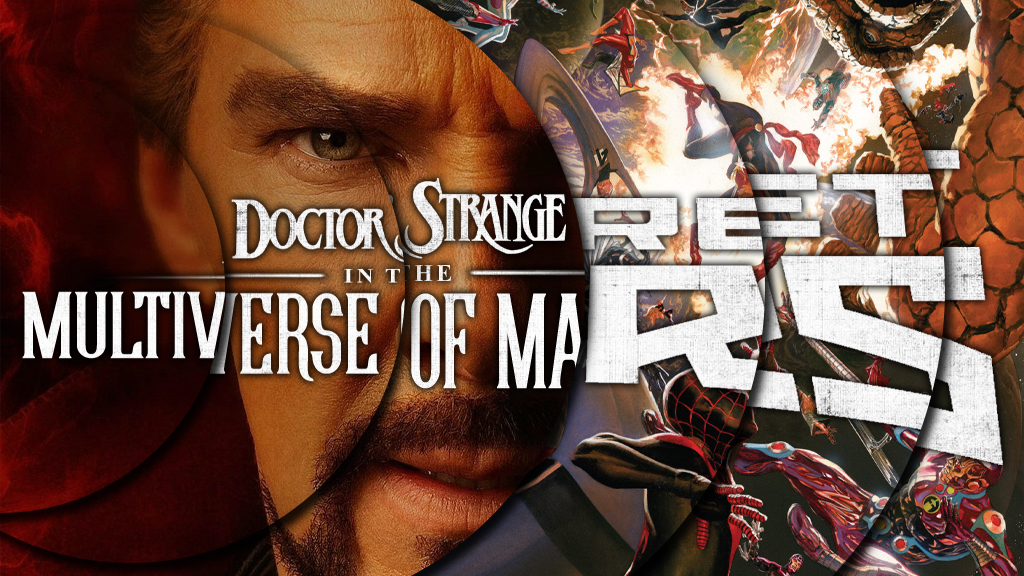
    With just a few lines spoken by John Krasinski’s Reed Richards, Marvel Studios seemingly set its course to its next big event: Secret Wars. The project, once seen as “too big” to be done correctly, is one on the list of projects that Marvel Studios’ favorite sons, Joe and Anthony Russo, have said would bring them back into the fold and one that has swirled around insider circles for a few years now. The first hints to its eventual arrival came during an animated sequence in Loki but the truest indicator of Marvel’s intent to bring the thrice-done comic event to the MCU came in Doctor Strange in The Multiverse of Madness when Richards briefly explained the concept of Incursions. The concept of Incursions was given all the explanation it needed in the film, but for those unsure of how that concept leads to Secret Wars, we’re here to help.

    Incursions made their way into the Marvel Comics lexicon in 2013 when writer Jonathan Hickman introduced the idea in New Avengers Volume 2 when T’Challa witnessed one. As was the case in Doctor Strange in the Multiverse of Madness, smart guy Reed Richards explained the concept to the audience.

    New Avengers #2 (2013)

    Over the course of a page and a half, Richards-with the aid of very Hickman-esque illustrations-gives his “Everything Dies” speech in which he explains to the Illuminati that as a result of the early “death” of an alternate Earth, the contraction of the multiverse had begun. The death of that Earth caused the first Incursion, the collision of two other Earths that lead to the destruction of both of them. One Incursion sped up the timeline for another, accelerating the ends of each of the universes in which those Earths existed and it would only be a matter of time before the final Incursion destroyed the entire Multiverse.

    New Avengers #2 (2013)
    New Avengers #2 (2013)

    The Incursion of Earth-616 that T’Challa witnessed was stopped when the Black Swan (a fascinating character who we can only hope makes her way into the MCU) destroyed the other Earth, sparing Earth-616. The knowledge of the Incursions sent the Illuminati scrambling to devise a plan to save their universe. Ultimately, Earth-616 and Earth-1610, the Ultimate universe, were the last standing and as their Incursion began, the heroes of both worlds fought to destroy each other, with both sides ultimately falling short and being destroyed. A group of heroes, led by Richards, who had built a “life raft” found themselves on a new planet known as Battleworld and worked together to unravel the great mystery of where they were and how Doctor Doom came to be in charge. Those events made up the 2015 event Secret Wars, which takes us right back to where we began. Marvel Studios is building towards an adaptation of Secret Wars.

    Avengers #44 (2015)

    If you’ve paid attention for a few years, you’ve heard it from me that this event was in the making, but this is the closest Marvel Studios has come to admitting it. And with John Krasinski’s Reed Richards-who VERY closely resembles the Richards written by Hickman over his time on the Fantastic Four, New Avengers, and Secret Wars- being given the job of explaining the concept of Incursion to the MCU audience, it seems like it will indeed be Hickman’s version of Secret Wars that is adapted, rather than either of the previous comic events. Hickman’s version is by far the most cinematic of the options available but is also problematic in that it is loaded with dense scientific concepts that might make for a tough sell to general audiences. As we know, Marvel Studios doesn’t go with straight page-to-screen adaptations of their comic book stories, so it’s more likely than not that the MCU’s Secret Wars will simply be 616 vs. 1610, allowing for dead heroes to reappear as their 1610 counterparts. What does this mean for Doctor Doom, the Molecule Man, and other characters who played a huge role in the comic event? Probably nothing good.

    It is interesting to see that Marvel Studios has chosen Stephen Strange’s sequel to lead the charge to Secret Wars. Strange does play a key role in the 2015 event as one of Doom’s right hand, but readers would certainly not consider him “central” to the story. Whatever the case, we are likely still at least 3 years away from Secret Wars and there’s lots of building to be done, but with the mention of Incursion, it should now be clear to fans that the project is now the inevitable end to the developing Multiverse Saga.

  • Murphy’s Team-Up, Volume XX: Favorite MCU Second Films

    Murphy’s Team-Up, Volume XX: Favorite MCU Second Films

    Nathan Miller

    Doctor Strange In The Multiverse of Madness is my favourite 2nd MCU film. I loved what a big swing they took for a second film. From the expansiveness of the worldbuilding to the tightness of the themes in driving the characters forward. While the plot is reasonably simple, the concepts it draws from are far-reaching. At the same time, motifs are repeated like the happiness and heroism of Strange and Wanda, which help the themes land successfully, despite the plot’s fast pace. All of that is without talking about the mind-bending VFX, and the brilliant guest appearances, both of which really hit hard about how infinite the multiverse is. While I wasn’t the biggest fan of the score, Sinister Strange fighting 616 Strange using musical notations was fantastic. With this continued inventiveness I look forward to more favourite 2nd Marvel Studios films from Eternals and ShangChi too. 

    Torbjorn Frazier

    While I definitely won’t go as far as saying that is objectively the “best” sequel in the Marvel Cinematic Universe, I’d be remiss to not take the opportunity to discuss my personal soft spot for 2018’s Ant-Man and The Wasp. The film does a strong job continuing and evolving the themes of its protagonists set up in the original film. Paul Rudd’s Scott Lang is on the continuing quest to be the hero his daughter deserves (both in superheroics and as a father). Meanwhile, Evangeline Lilly’s Hope van Dyne really comes into her own being introduced as Wasp while continuing to build trust and relationships with those close to her after the tragic events of her upbringing. As well, I maintain that Hannah John-Kamen’s portrayal as main antagonist Ava Starr remains arguably the most underrated villain in the MCU through this point in time. As the cinematic franchise continues to venture towards larger scopes in storytelling, Peyton Reed’s sequel has strong rewatchability both on its own merits and as a low stakes palate cleanser in relation to films like Avengers: Infinity War that came before it. Even still, some seeds were planted for the future between marking the true origin for Cassie Lang’s journey to becoming a hero much like her father and leaving the option for John-Kamen’s Ghost to return down the road. Ultimately, Ant-Man and The Wasp could be described as Marvel Studios’ take on the quintessential “family film.” And in relation to the rest of the MCU, I continue to find the sequel as such a positive experience and an underrated continuation to Marvel’s smallest franchise.

    Mary Maerz

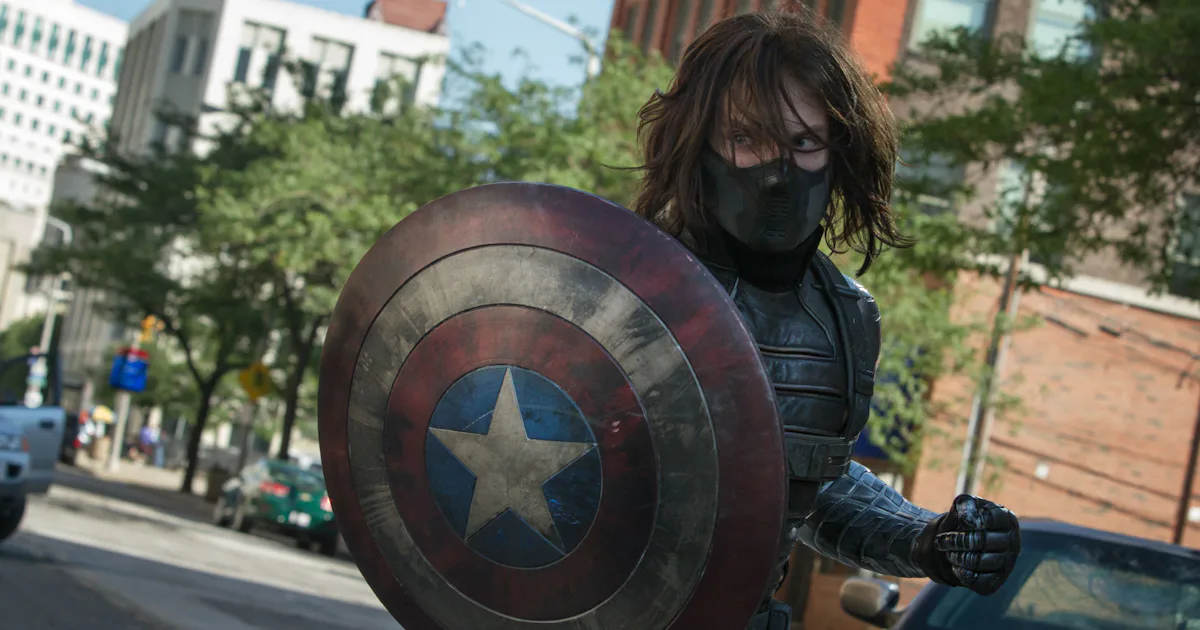
    Sebastian Stan Debuts Winter Soldier Shield, Teasing Fans

    Captain America: The Winter Soldier by technicality. I’ve seen it 333 times in the past 8 years, so it’s proven itself to be (by MCU standards) timeless. MoM is much more exciting, and it has all the potential to end up at #1 for me, but I’ve only seen it twice in less than a week. It’s much more ambitious and it is perfect in how it took one of the least realistic or grounded characters and ran with it. It’s wild, it’s fun, it has so much more personality. But TWS has that smooth, airtight, all-around quality to it that MoM as a concept probably never could. So for me it comes down to how well MoM ages, but they’re neck and neck as two extremely different movies.

    Joseph Aberl

    To this day, I still adore what Captain America: The Winter Soldier did for the MCU, especially as a sequel. While the first explored a war story with some superhero flair, it was its sequel that truly cemented Steve Rogers’ character and still manage to cohesively build upon the first even if he’s lost in a different era altogether. It may also be the first instance where the film truly embraced the roots of a different genre, which would become a cornerstone for future entries and set up the team that would define superhero cinema.

    Hunter Radesi

    A major part of the reason the original Guardians of the Galaxy hit so well with moviegoers was it’s emotional core. Director James Gunn found ways to reimagine the protagonists that made them feel real. Their stories were relatable and their goals understandable, with every brilliant character beat tucked neatly into a beautiful, hilarious, thrilling cosmic adventure. Vol. 2, despite catching flack from some critics, manages to be my favorite Marvel Studios sequel by maintaining every inch of this spirit and expanding upon the exciting universe established in the first entry.

    A deep dive into complicated family dynamics, exploring what it means to be human, and the admittance of redemption into an otherwise painfully difficult life. Maybe I just happened to see it at the right time in my life, but Rocket’s subplot alone will always hold a special place in my heart. I cry every single time. Also, the adventure itself is a lot more fun than it gets credit for. Creative action sequences, dazzling colors, and plenty of organic set up for galactic tales to come. If it’s been a while since your last watch, maybe give it another shot. You might be pleasantly surprised.

    Dalbin Osorio

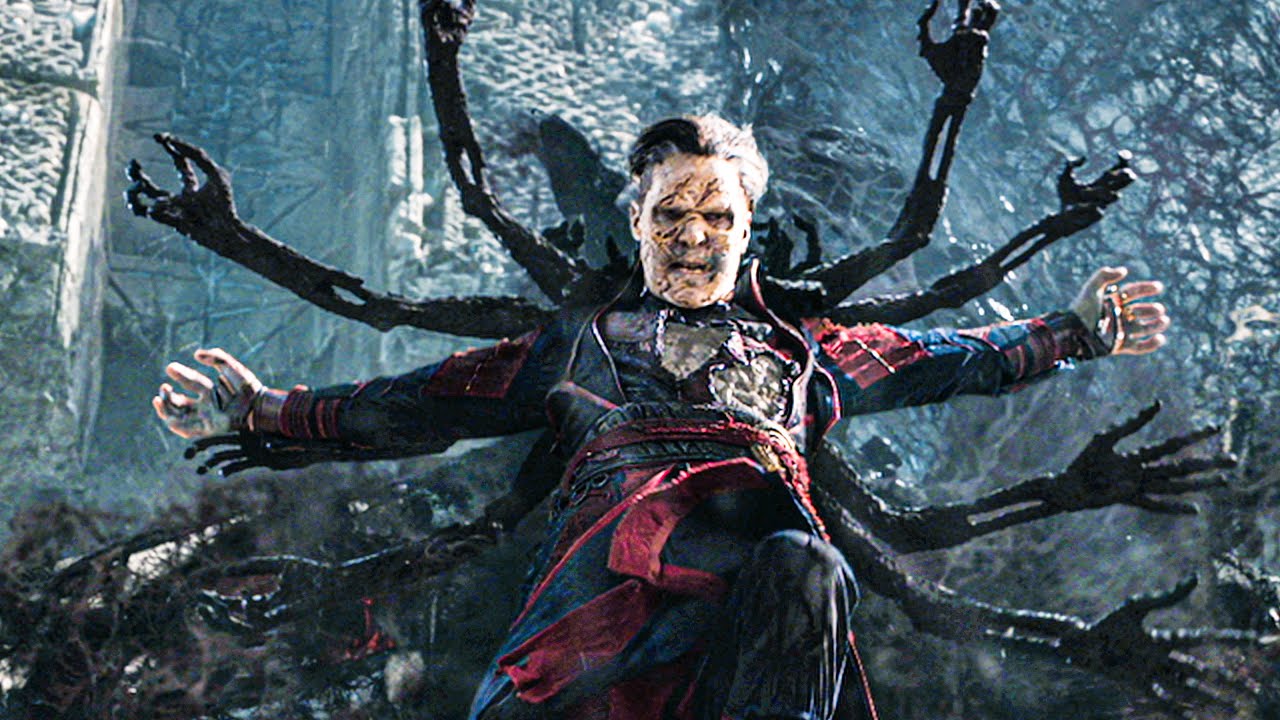
    Doctor Strange in the Multiverse of Madness Ending Explained | Den of Geek

    If I was writing this before seeing Doctor Strange In The Multiverse of Madness, I’d have gone with Captain America: The Winter Soldier. However, having had the last 12ish hours to sit with the newest Doc Strange, I can safely say that this is as much a game changer as the 2nd entry in the Cap trilogy was and for many reasons. What worked for Winter Soldier was that it was still very much a Cap story, despite needing to set the stage for both Age of Ultron and Civil War. Doc Strange 2, in that vein, has the unenviable job of setting up the multiverse in spades (it’s no longer a concept, but a very real thing in the MCU), while also setting up Doctor Strange 3 in a very real way AND Secret Wars in a tangible fashion. We end with a corrupted Doc Strange, a bunch of dead sorcerers, and some much-needed growth for the good Doctor. We get Clea in the mid-credits scene, and that plants a seed for both the conclusion of the trilogy and the overarching story, but the shadow of Kang hovers above these proceedings when we realize that it was Sylvie’s decision to stab He Who Remains that has now caused these Incursions to happen in earnest. That one decision, in the void, has now set these different universes on a crash course for each other. Doc Strange 2 could’ve been forgiven if it focused solely on that, but this movie is as much Stephen’s story as Wanda’s in the sense that they are both chasing the thing they want the most only to find out their current iterations don’t deserve it. Whereas No Way Home needed the variants to move Peter forward away from the Avengers, the Variants in Doc Strange 2 serve to reinforce decisions that he made in order to save that team (and the universe). Michael Waldron deserves credit for how he wrote Wanda here, too, and I think it’s that well-earned heel turn that cements this as my favorite Marvel sequel. Wanda is a bad ass, who delivers some of the best lines (her telling Reed that it’s good that Sue is still alive because then their kids will have someone left to raise them was incredible), and is not to be trifled with. My favorite sequel from Marvel, for sure.

    Anthony Canton III

    Doctor Strange in the Multiverse of Madness made this question really tough. From Sam Raimi’s direction to the themes of the movie really challenged this spot. However when thinking of MCU sequels Captain America: The Winter Soldier remains the superior movie.

    Cap 2 is a technical marvel no pun intended. The introduction of Anthony Mackie’s Falcon, the incredible action scenes, and the tilt of Steve Rogers character tips the scales. Robert Redford as the shadowy leader of Hydra in a Marvel movie is wild to think about. The fight in the streets of DC between Bucky and Steve is top 5 in the MCU. This movie wasn’t just a marvel movie, it was an spy thriller.

    The movie asks and answers questions as to why S.H.I.E.L.D. should or shouldn’t exist. The deception of Nick Fury and Natasha Romanoff force Steve to think about being a hero differently. It informs Captain America’s decisions for the rest of his time in the MCU, good or bad. Everything from the beginning to the end with the introduction of Wanda Maximoff makes this the easy choice for the best MCU sequel.

  • Taika Waititi Hypes ‘Thor: Love and Thunder’, Hails Christian Bale’s Gorr

    Taika Waititi Hypes ‘Thor: Love and Thunder’, Hails Christian Bale’s Gorr

    Taika Waititi wasted no time making it clear that his version of the MCU’s Thor would have little in common with the character that was introduced in 2011 and spent several years and appearances being overshadowed by his fellow Avengers. After being sidelined in 2016’s Captain America: Civil War, the God of Thunder returned in 2017’s Thor: Ragnarok in which Waititi deconstructed the hero and set him on a journey that would find him stripped bare of everything that he thought he was and all those who mattered to him. When we last saw him at the end of Avengers: Endgame, Thor was headed out into the galaxy to star over. And according to Waititi, in an interview with the Associated Press, that’s right where his story will pick up in this summer’s Thor: Love and Thunder.

    Thor is just trying to figure out his purpose, trying to figure out exactly who he is and why he’s a hero or whether he should be a hero. I guess you could call it a midlife crisis.

    Taikia Waititi

    The recent teaser for the film gave that vibe, with Thor meditating and reflecting while searching for peace. Unfortunately for the Odinson, any peace he finds will be fleeting as he’s fated to come face-to-face with Gorr the God Butcher who was teased-not-seen in the aforementioned teaser. According to Waititi, Gorr-brought to the screen by Christian Bale-will not only provide an unprecedented threat to Thor, but is poised to find himself in high company saying, “in my humble opinion, we have probably the best villain that Marvel’s ever had in Christian Bale.”

    And though Thor has lost his father, his brother, his Warriors Three and his best friend, he’s picked up a couple of new pals along the way in Valkyrie and Korg, and is set to be reunited with familiar face he thought lost in ex-flame Jane Foster. These friends, old and new, will be with him while he takes on a threat not only to him, but gods of all Pantheons. Waititi calls the squad “a great, really fun, weird little group of heroes, a new team for Thor with Korg, Valkyrie and The Mighty Thor.

    Waititi isn’t one to make promises upon which he can’t deliver. He’s often described Love and Thunder as crazier than Ragnarok and if he’s hyping it and Bale’s performance this much, there’s reason to be excited. Thor: Love and Thunder hits theaters this July.

    Source: AP

  • Karen Gillan Wraps ‘Guardians of the Galaxy Vol. 3’, Talks the Future of Nebula

    Karen Gillan Wraps ‘Guardians of the Galaxy Vol. 3’, Talks the Future of Nebula

    A recent batch of photos from the set of Guardians of the Galaxy Vol. 3 seemed to indicate that Karen Gillan’s time on set was coming to an end. Today, the actress confirmed that she had completed her portion of the 2023 sequel’s principal photography.

    Gillan was cast as Nebula in early 2013 and has appeared in 4 films (Guardians of the Galaxy, Guardians of the Galaxy Vol. 2, Avengers: Infinity War and Avengers: Endgame) with 2 more (Thor: Love and Thunder and Guardians of the Galaxy Vol. 3) appearances on the way. After serving as one of the primary antagonists of the first Guardians’ film, Gillan’s role expanded greatly as her character evolved. Nebula served as one of the main characters of Avengers: Endgame and director James Gunn has said she will play a larger role in Vol. 3.

    As Gillan explains, the future of the character is up in the air given that Gunn has repeatedly explained that the third film will be the end of the story for the current iteration of the Guardians of the Galaxy. It is possible, however, that given her popularity, Marvel Studios could look to work with Gillan on a solo Nebula project, keep her attached to future Guardians’ films or simply find another way to incorporate the character. Nebula has had one of the most intense and emotional onscreen arcs of any character in the MCU, so it would be a shame if the threequel closes the door on the character’s future now that she’s come to find herself after years of abuse at the hands of Thanos.

  • REVIEW: Sam Raimi Did It Again With ‘Doctor Strange in the Multiverse of Madness’

    REVIEW: Sam Raimi Did It Again With ‘Doctor Strange in the Multiverse of Madness’

    Sequels aren’t always a sure thing. For every The Empire Strikes Back, there’s a Speed 2. Sequels to superhero films have the benefit of a little more freedom in telling a good story as they are no longer shackled by the weight of the “origin”, but they don’t always hit the mark either. In 2004, Sam Raimi delivered what many consider to be the best superhero sequel of all time in Spider-Man 2. It featured a flawed protagonist and a sympathetic villain; it featured what were, at the time, some of the most well-shot action scenes of any film in the genre. Not just that, but it also featured a story that stirred emotions across the spectrum. In 2022, Raimi has done it again.

    The path to Doctor Strange in the Multiverse of Madness was about as chaotic as Stephen Strange’s trip through the multiverse in the first act of the film. Scott Derrickson, who helmed 2016’s Doctor Strange was set to be back in the director’s chair, but in January of 2020, Derrickson dropped out of the film when it became clear he and Marvel Studios had two entirely different films in mind. A month or so later, Marvel Studios began putting together a new creative team made up of Michael Waldron, whose work on Loki thrilled the folks at Marvel, and Raimi, who had been out of the superhero game since 2007’s Spider-Man 3. COVID delayed the start of filming and then the film underwent significant additional photography. Perhaps no Marvel Studios film caused more preemptive hand-wringing than this film did, but the end product makes it clear that Waldron, Raimi, and the rest of the team were truly taking their time to deliver the best possible version of this film and that’s exactly what they did.

    Marvel Studios’ Doctor Strange in the Multiverse of Madness (2022)

    The film opens up in media res and introduces the audience to a Variant Doctor Strange who is protecting Marvel’s newest young hero, America Chavez, from a pretty terrifying demon. Amid a brutal assault on Defender Strange, we learn that this demon is in pursuit of Chavez because it wants her powers, which allow her to travel the multiverse. Chavez and Defender Strange are not only trying to evade the demon but also get their hands on the film’s big MacGuffin, the Book of the Vishanti. When things get ugly, so does Defender Strange, setting the stage for one of the film’s running themes: that no matter what universe we’re in, Stephen Strange is a danger and can’t be trusted. Using a star-shaped multiversal portal, Chavez escapes and finds her way to the MCU’s Prime universe and is under attack once more. After battling the beast, Strange and Wong realize that the source of its power is different from theirs and decided to seek out a magic-user with a similar set of powers: Wanda Maximoff.

    Doctor Strange in the Multiverse of Madness is the first MCU film that has the Disney Plus series as “required viewing”, especially when it comes to Wanda. While fans could have skipped WandaVision and figured things out as they go along, having been along for the ride is helpful. It’s here, with Wanda, that Marvel makes one of their boldest choices to date: having one of their core Avengers turn heel, just as she did in the comics. Following a brief conversation with Strange, Wanda reveals that she is after Chavez’s powers in order to find a way to reunite with her sons. A conversation between Strange and Wanda leads to a confrontation in which the Scarlet Witch unleashes a shockingly brutal attack on Kamar-Taj, which rounds out the first act of the film, sending Strange and Chavez on their trip through the multiverse.

    Marvel Studios’ Doctor Strange in the Multiverse of Madness (2022)

    Fans may never know what Derrickson‘s film would turn out to be, but Marvel Studios should be damn glad that Raimi wanted to make this version. From beginning to end, this is a Sam Raimi film. Sure, he’s telling a story within the confines of Marvel Studios’ shared universe, but he’s telling it in classic Raimi fashion and appearing to have a whole lot of fun in doing so. Multiverse of Madness looks like a Raimi film; it delivers his signature (and surprisingly violent) horror; it delivers, most importantly, the most complete and emotionally stirring story of Phase 4. After a decade-plus away, Raimi showed that he understands now, maybe more than ever, that a good superhero story has to have a heart, especially when someone is trying to rip it out.

    Lizzie Olsen’s Scarlet Witch holds nothing back as she attempts to do just that. Much as with Doc Ock in Spider-Man 2, Wanda’s turn as a villain works so well because the audience wants what she wants: for her to have her kids back. Corrupted by the Darkhold, however, the lengths to which Wanda is willing to go to get them back allowed for some of Marvel Studios’ most innovative and interesting action scenes to date where Raimi and crew got to have a whole lot of fun devising fascinating ways to show magic being used on screen. Olsen’s performance continues to demonstrate her total command of the character. It’s the subtle head tilt here, the smirk there, and the changing tones of her voice that come across as truly terrifying.

    Marvel Studios’ Doctor Strange in the Multiverse of Madness (2022)

    Opposite Olsen and in her way is Benedict Cumberbatch’s Stephen Strange. Cumberbatch is given much to do here, playing multiple versions of his character, and puts together easily his best turn as the character so far. Following the 2016 origin film, the character hasn’t had much room to grow. Here, Strange’s path through the multiverse, where he learns the stories of other Stranges, forces the hero to look inward, providing the growth necessary to propel the character forward into whatever story he’s placed into on Marvel Studios’ shared tapestry.

    As strong as its lead performances are, the film is enhanced by the knockout performances of Rachel McAdams, Benedict Wong, and Xochitl Gomez. McAdams is particularly surprising in her return as Christine Palmer, who has much more to do here than one might have expected, including some of the film’s strongest statements about Stephen Strange. It’s the moments like these that Palmer, Wong, and Chavez spend with Strange that build an emotional currency within the audience and a master like Raimi knows just how to spend it. This is a huge film that makes big moves within the MCU, but Raimi manages to balance that with a series of small exchanges between characters that resonate because both the audience and Strange know he is flawed.

    Marvel Studios’ Doctor Strange in the Multiverse of Madness (2022)

    For the MCU to continue to thrive, the aforementioned big moves need to continue to be made. In that sense, Doctor Strange in the Multiverse of Madness seems to be to the MCU what Captain America: The Winter Soldier was in 2014. Not only does this film feel as different from its predecessor as Winter Soldier did from First Avenger, but it also comes out swinging with an almost merciless 20-minute deluge of information that’ll be sure to have fans wanting to head right back in for a second showing and heading to Wikipedia after that. If you thought Marvel Studios gave it all away when they teased the Illuminati in a TV spot, you’re sorely mistaken. This film is a game-changer and the most direct setup for the MCU’s next big event film.

    In the end, it all comes back to the magic touch of Waldron and Raimi. They delivered on characters, story, and action to make the most complete film of Phase 4 and maybe one of Marvel Studios’ most complete films to date. Fans of Raimi‘s work will have plenty to smile about as well, with a few references sprinkled in and the obvious influence of Raimi on some of the creature and character designs. Against all odds, he came into a project that seemed to be held together by a thread and by capturing that old magic formula, made one of the best superhero sequels of all time.

  • Cinema Con: Marvel Studios Developing the Next Decade of the MCU

    Cinema Con: Marvel Studios Developing the Next Decade of the MCU

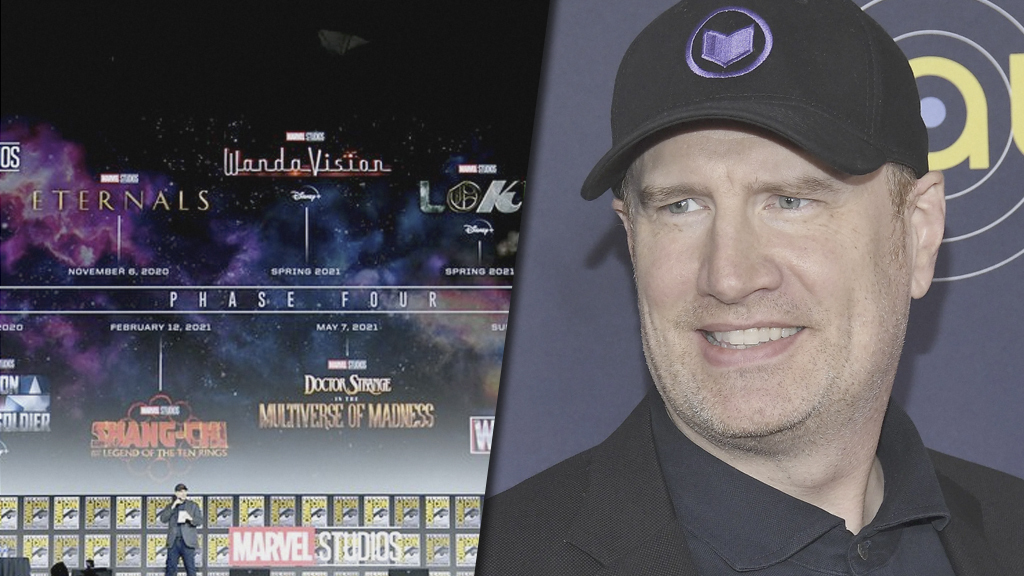
    For years, fans have heard about the legendary big board in Kevin Feige’s Marvel Studios office that lays out the future of the MCU. According to Feige, that board is about to get a little larger as he and the Marvel Studios Parliament have been working on the next 10 years of Marvel Studios projects.

    The news comes out of CinemaCon 2022 where Feige revealed that he had been attending a creative retreat where they have been hashing out the stories that will shape the shared cinematic universe over the next decade. Feige left the retreat to attend CinemaCon and was headed back after.

    The studio celebrated it’s 10-year anniversary in 2018 and the first decade and change was devoted to the Infinity Saga. COVID forced Marvel Studios’ 2020 slate into 2021 and has had quite a domino effect beyond that with films still feeling the full force of the delays. It is expected that the next 10 years of the MCU will consist of several streaming projects each year and as many as 4 films each year. It’s also believed the the Fantastic Four and X-Men, characters acquired by Disney in a merger with Fox, will have a huge impact on the stories told over the next decade.

  • How ‘Doom Patrol’ Could Serve as a Template for Marvel Studios Future Plans

    How ‘Doom Patrol’ Could Serve as a Template for Marvel Studios Future Plans

    When Disney purchased 21st Century Fox in 2019, Marvel Studios gained access to the live-action rights of a treasure trove of Marvel Comics characters. The X-Men. The Fantastic Four. Doctor Doom. Galactus. The Silver Surfer. Annihilus. The list goes on…and it really goes on. However, 3 years after the deal was sealed, we’ve only seen a Variant of Kang the Conqueror and some Skrulls, which were already kinda-sorta useable anyway, while Marvel Studios carefully constructs their plans for the mutants and The First Family.

    To date, very little is known about said plans. At SDCC ’19, Kevin Feige announced that a Fantastic Four film was on the way and teased the arrival of the mutants. Since then, however, other than announcing that the new FF film would be helmed Jon Watts, whose recently completed Spider-Man trilogy integrated the Sony-owned Webslinger into the MCU, there has been no official news. Word did come that Marvel Studios was seeking pitches on The Mutants and minor tidbits have surfaced here and there about the Fantastic Four, but nearly 3 years later fans are still in the dark. And that’s ok. It’s ok because, as Feige well knows, Marvel Studios has to proceed carefully with both properties because, simply put, they have to get it right.

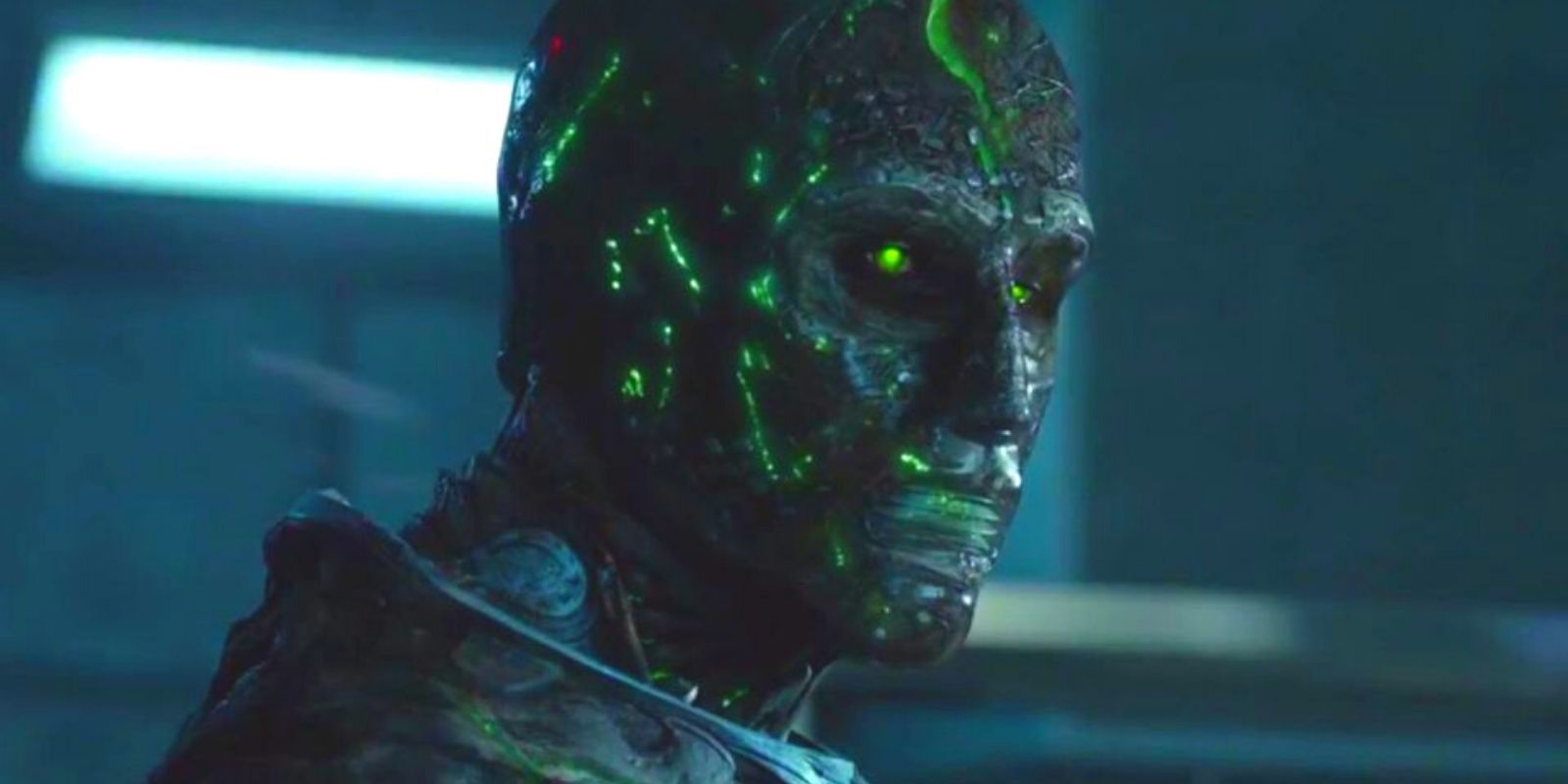
    As with Spider-Man, the Fantastic Four and X-Men have had previous and relatively recent films. In the case of the FF, the most recent attempt to bring the characters to resulted in one of the most despised superhero films of all times; in the case of The X-Men, Fox’s love affair with Wolverine and inattention to continuity left some of the best characters on the bench, some others poorly adapted and fans feeling fairly frustrated with the end result. As Marvel Studios attempts to reboot these properties, fans are going to carry their experiences with these previous iterations with them into the new projects. In a way, that means Feige and the Parliament are starting in a hole they didn’t dig, but if they don’t get it right out of the gate with these projects, they’ll bury what should be two different properties that could each generate a decade’s worth of stories.

    Fantastic Four Star Blames Fox for 'Goofy' Doctor Doom: 'It's a Shame'

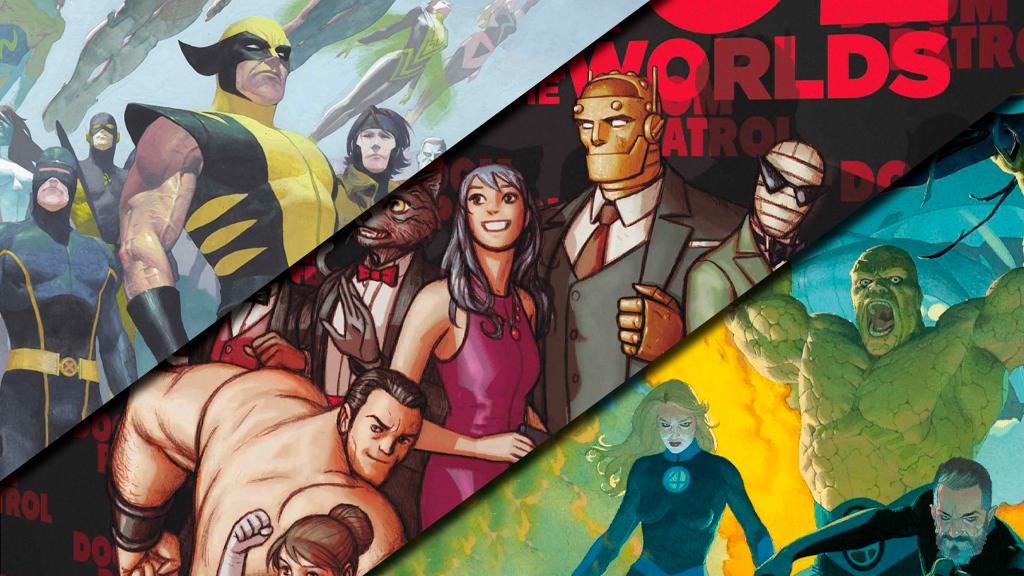
    As mentioned previously, fans will be be wary of these MCU reboots as they carry the trauma of the previous versions with them into theaters. If the MCU versions of these properties start to follow familiar arcs or feel similar to what Fox did, fans will find themselves triggered and the aforementioned decade of projects will be DOA. In this case, doing it right almost certainly means they need to do it very differently to separate the MCU versions from the Fox versions as much as possible. That’s no easy task, given that both the Fantastic Four and The X-Men franchises have each been “rebooted” once already, however, Feige and The Parliament could find some inspiration in an already established property that has been incredibly successful: Doom Patrol.

    The three properties are a great example divergent evolution in comics, so while their modern day iterations don’t seem to be incredibly similar, Doom Patrol, the X-Men and the Fantastic Four are fairly inexorably entangled and have been for nearly 50 years. The group of metahuman misfits that came to be known as Doom Patrol first appeared as The Legion of the Strange in the pages of 1963’s My Greatest Adventure #80. Just 3 months later, The X-Men #1 introduced comic readers to the world of mutants whose strange powers kept them from being accepted by society. If the similarities of a team of weirdos being led by a wheelchair-bound doctor/professor hadn’t ever occurred to you, they certainly did to Doom Patrol creator Arnold Drake, who once stated his belief that his plans for the team somehow made their way to X-Men creator Stan Lee, allowing him to launch his book shortly after the Doom Patrol first appeared. While Drake’s stance on “insider trading” softened over time, the reality is that other than some superficial similarities, the books didn’t truly have much in common. The X-Men dealt with themes of social injustice while Doom Patrol found themselves caught up in the incredibly strange types of adventures that fans of the HBO Max streaming series have come to know and love. And in that regard, it’s another group of Marvel heroes that have much more in common with Doom Patrol than the X-Men really ever did.

    As Marvel Studios prepares to bring the First Family to the MCU, they could certainly take a few cues from the way that DC has brought Doom Patrol into live-action. Most importantly, Jon Watts and the creatives behind the project should embrace the strangeness that really defined the early days of The Fantastic Four and has made Doom Patrol a streaming hit. The Fantastic Four has been drastically redefined over the years, but their roots grew through stories about Mole Man and Monster Isle, Skrulls being turned into cows, traveling through time and having Ben Grimm be mistaken for Blackbeard, meeting the Impossible Man and many more ludicrous adventures that often take a back seat to Doctor Doom.

    In order for Marvel Studios’ Fantastic Four to be successful, it has to be different from its predecessors. Embracing the weirdness of the Puppet Master, The Red Ghost and His Indescribable Super Apes, the Mad Thinker and his Awesome Android ensures that nobody will mistake this iteration for one of Fox’s attempts. Doom Patrol has provided a template for doing so successfully, not just because of the weirdness, but because the series has captured something that is also central to the story of the Fantastic Four: a family.

    Sure, Doom Patrol isn’t a family in the same sense that the FF are, but they share a sense of tragedy and loss and loneliness that unites them. Over the course of several seasons, the characters of Doom Patrol have come to know, care for and rely on one another as a result of their crazy adventures and this idea is, at its core, what Marvel Studios could-maybe even should-do with their Fantastic Four. A family of explorers going on the type of weird adventures not previously seen in the MCU, but in the DCEU.

  • RUMOR: ‘Andor’ Will See the Return of Palpatine’s Pet, Personal Guard

    RUMOR: ‘Andor’ Will See the Return of Palpatine’s Pet, Personal Guard

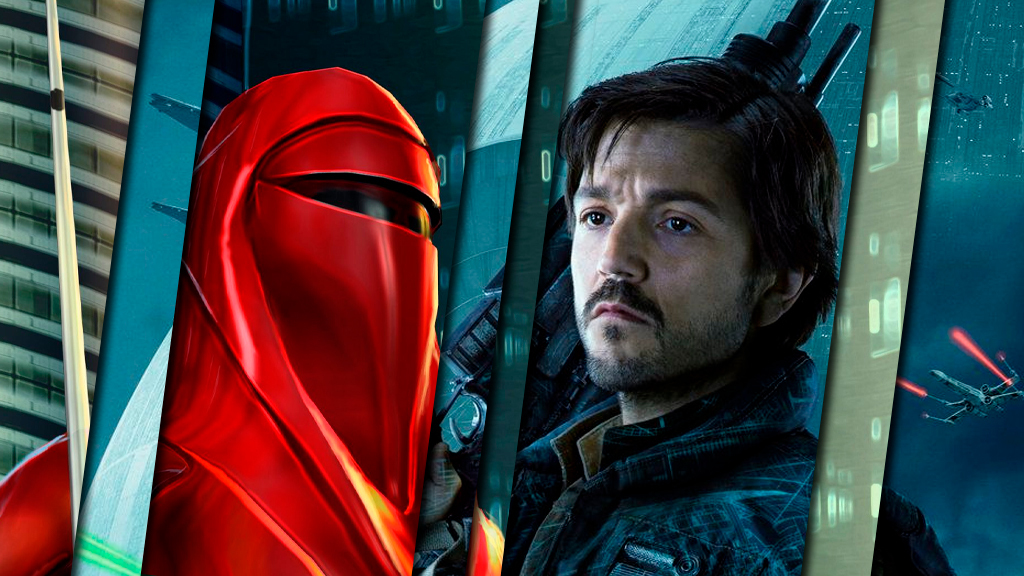
    Andor, a prequel to 2016’s Rogue One, is set to stream later this year on Disney Plus, but in keeping with the trend of Star Wars’ streaming series, little has been revealed about the show. It’s place on the timeline allows for it feature an interesting mix of characters as it can, like Rogue One, serve as a bridge from the Reign of the Empire to the Age of Rebellion, meaning characters from the prequels, animated series like The Bad Batch and Rebels and the original trilogy are equally likely to appear.

    According to a pair of new rumors from Star Wars Meg and Bespin Bulletin, Grand Vizier Mas Amedda and the crimson-clad Imperial Guard are among those characters expected to return. As BB points out, at the time Andor is expected to take place, Palpatine would have already secluded himself more and more, allowing Amedda to serve as his mouthpiece. So while fans may think Guards=Emperor, that may not be the case. The first season of Andor will also feature a young Mon Mothma, played by Genevieve O’Reilly, the former Republic Senator who plays a major role in developing the Rebel Alliance, so it’s possible that Amedda could be featured in scenes centering around diplomatic dialogue with Mothma.

    Andor’s first season is expected to consist of 12 episodes and a second season is already in development. The series stars Diego Luna as Rebel spy Cassian Andor, Adria Ajorna and was created by Tony Gilroy.

    Sources: Bespin Bulletin, Star Wars Meg

  • James Gunn Name Drops a Marvel Hero That “Almost” Made It Into ‘Guardians of the Galaxy Vol. 2’

    James Gunn Name Drops a Marvel Hero That “Almost” Made It Into ‘Guardians of the Galaxy Vol. 2’

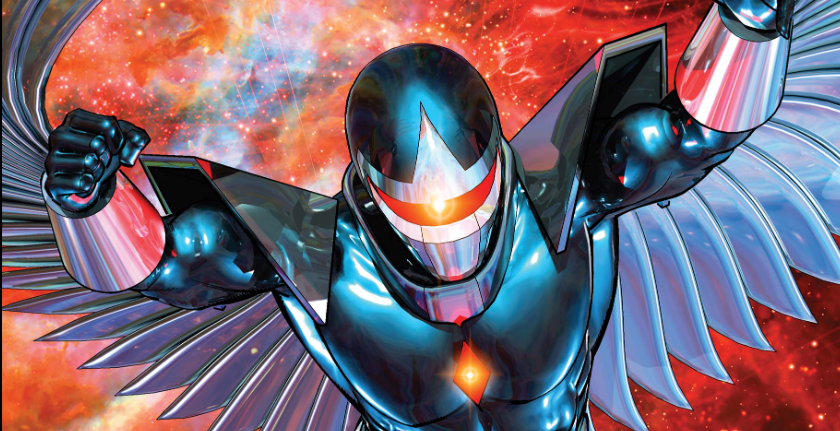
    Production on Guardians of the Galaxy Vol. 3 is coming to a close and when it hits theaters just over a year from now, director James Gunn has said it will close the book on the version of the team that first came together in 2014. Given how wildly and unpredictably successful the franchise has been, however, that doesn’t mean a new collection of Cosmic heroes won’t come together to continue their good work. Over the years, Gunn has talked openly about some heroes that, for one reason or another, haven’t made the cut, which leaves the door open to them joining that new team of heroes. Adam Warlock, who will be played by Will Poulter in Vol. 3, used to top that list, along with Bug, ROM, Quasar and a handful of others rounding it out and now Gunn has added one more name to the list: Darkhawk.

    In response to a tweet encouraging Gunn to take on a Darkhawk solo project, the director casually mentioned that the character “was almost in (Guardians of the Galaxy) Vol. 2.”

    https://twitter.com/JamesGunn/status/1517347586818162688

    The character of Darkhawk has undergone some big changes since first being introduced in 1991. Teenager Chris Powell became Darkhawk when he stumbled upon an amulet that allowed him to suit up in an incredible suit of armor. For the majority, perhaps entirety, of the first 15 years worth of appearances, Darkhawk was an Earth-based hero who joined the New Warriors and teamed-up with the West Coast Avengers, Runaways, Spider-Man and over the years. During Marvel Comics Cosmic renaissance in the late 2000s, led by writers Dan Abnett and Andy Lanning, the character was overhauled significantly and became a major player in 2009’s War of Kings. It’s almost certainly this retconned version of the character that would be of interest to Gunn.

    With Gunn revealing the character was on the short list for an appearance in Vol. 2, the door is open to him popping up in the near future. Could he be among the heroes called to serve at the end of Vol. 3 or would a solo project be more in order. In August of 2021, writer Kyle Higgins launched a new Darkhawk series that put a new character in the familiar armor, so it is possible that Marvel was looking to get the character back in the spotlight ahead of a potential MCU appearance. With Marvel Studios now having access to all the major players of the Realm of Kings/War of Kings events and a Nova project in the works, it wouldn’t be surprising at all to see him enter the MCU in the near future.