Described as a “Game of Thrones-ish” Max series set on Themyscira before the birth of Diana, Paradise Lost will delve into “the political intrigue behind a society of all women,” according to Peter Safran. While Wonder Woman is a big part of James Gunn‘s plans for the DCU, Paradise Lost is not expected to feature the character but rather serve as the origin story for the Amazons.
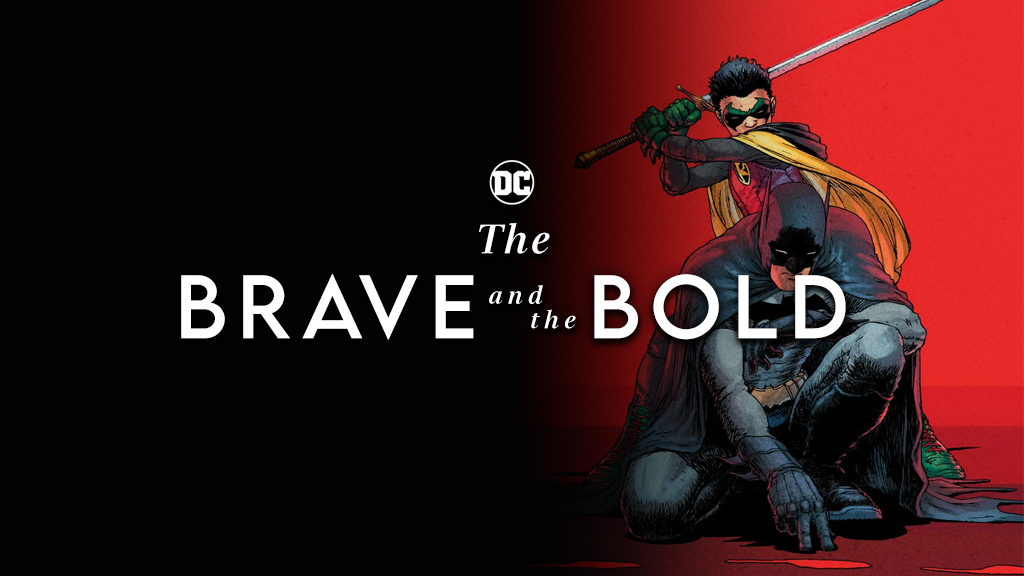
Based on Grant Morrison‘s 2006 epic run on Batman, The Brave and the Bold will introduce the DCU’s main continuity Batman alongside his son, Damian, who James Gunn called his favorite Robin. While at it’s center it will be “a very strange sort of father-son story,” according to Gunn, who noted that Damian is “a little son-of-a-bitch,” the film will also introduce other members of the Bat-Family because, according to Peter Safran, “we feel like they’ve been left out of the Batman stories in the theater for far too long.” Rumors had The Flash and It director Andy Muschietti helming The Brave and the Bold for DC Studios and in June 2023, a trade report confirmed that to be the case.
An outright comedy series being developed for Max, Booster Gold is the story of Michael Jon Carter, a character who both James Gunn and Peter Safran have described as “a loser from the future who uses his basic future technology to come back to today to pretend to be a superhero.” Traveling to the present day from the 25th Century, Carter “tries to use this future technology to be loved by the people of today,” according to Gunn who describes the show as “imposter syndrome as a superhero.”
Though it won’t be the first DCU project to be released, Peter Safran has referred to Superman: Legacy as the “start of the DCU.” Referred to as a “four-quadrantfilm” by James Gunn, the goal is to make the film “for everyone” and that’s a tough job. To do so, Gunn is looking to take the Man of Steel back to his roots as “the embodiment of truth, justice, and the American way.” “He is kindness in a world that thinks of kindness as old-fashioned,” said Gunn of Kal-El, who will be established as a major player in the new DCU in Superman: Legacy.
Superman: Legacy will feature a handful of other metahuman heroes who are already active in the world when the movie takes place. Edi Gathegi’s Mr. Terrific will be joined by Hawkgirl (Isabela Merced) Green Lantern Guy Gardner (Nathan Fillion) and Metamorpho (Anthony Carrigan). María Gabriela De Faría is set to play another comic book hero, The Engineer, but with a twist: the character will be one of the film’s villains.
On February 29th, 2024, James Gunn revealed that production had begun on the film which had been retitled Superman.
Cast
David Corenswet as Clark Kent/Kal-El
Rachel Brosnahan as Lois Lane
Nicholas Hoult as Lex Luthor
Skyler Gisondo actor as Jimmy Olson
María Gabriela De Faría as Angela Spica/The Engineer
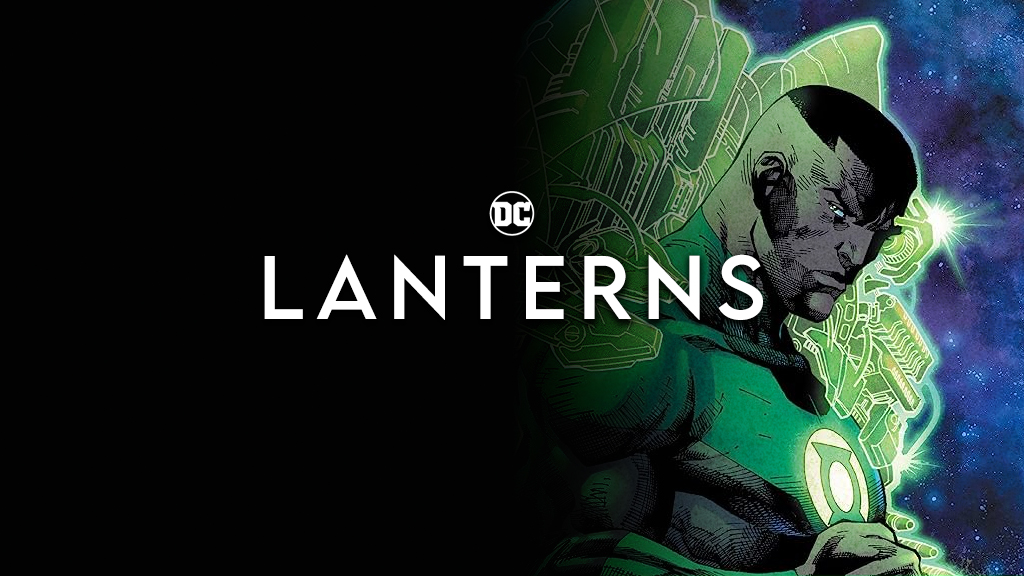
Described by Peter Safran as a “terrestrial-based investigation story” that’s “much more True Detective” than space opera, Lanterns will be a Max streaming series that focuses on DC’s two most iconic Green Lanterns: Hal Jordan and John Stewart. As for what the Lanterns are investigating, according to Safran it’s an “ancient horror” found on Earth that “plays a really big role leading us into the main story” of Gods and Monsters.
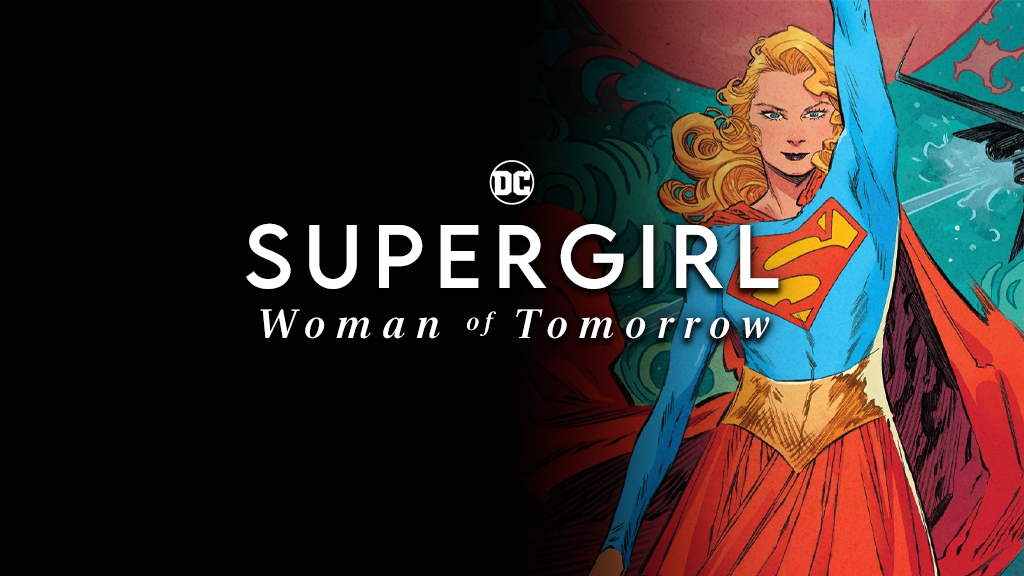
Comic book writer Tom King was called “one of the architects” of the new DCU by James Gunn and his 2022 book, Supergirl: Woman of Tomorrow is being adapted as a feature film in Chapter 1: Gods and Monsters. The film won’t be a one-to-one adaptation, according to Gunn, who says the DCU’s Supergirl will be much more “hardcore” based on her traumatic past. “In our story, we have Superman who was sent to Earth and raised by incredibly loving parents. Kara was on Krypton. She was on a piece of Krypton that drifted away from the planet and she lived there for the first fourteen years of her life in a horrible situation where she watched everyone around her die. So, she’s a much harsher and more fucked up Supergirl than you’ve been used to thus far.”
The Marvel Cinematic Universe is not only the biggest movie franchise of its time but the biggest movie franchise of all time. Even if it might have peaked for some when Avengers: Endgame hit theaters in 2019, there’s little reason to think that its cultural impact in 2022 hasn’t surpassed that. With Disney+ now available, the number of projects being released each year has more than doubled, and Marvel Studios doesn’t seem to be slowing down any time soon with more than two dozen projects set for release in the next few years alone. But all good things must come to an end and this means that the MCU as we know it should eventually do the same, although on its own terms so as to become something more.
New Avengers #1 (2013)
New Avengers #1 (2013)
It certainly does not come down to a lack of demand, but that should not be the only metric Marvel Studios should take into account when making franchise-wide decisions. Identifying issues that might be hurting a massive franchise that has passed its 14th anniversary is extremely important, especially if Marvel has its sights set not only on the next few years but, more significantly, on the next couple of decades.
Storyline Issues
The stories being told are the core of the MCU and issues that prevent them from being as good as can be should be addressed as a top priority. These can be due to several things, but most end up being a consequence of the same core issue: the shared universe.
Avengers: Endgame (2019)
Due to the intricacy of having so many stories being told through different IPs that either need to come together or stay apart in a way that feels justifiable, it’s perhaps fair to say that both movies and TV shows have had to compromise when it comes to the stories they set out to tell. A character that would have been perfect for a certain situation might not be available due to having a scheduled appearance somewhere else. Or maybe it is felt that its introduction deserves a bigger stage. While choices being made always aim at a better overall franchise, they end up not helping each individual project to be as good as it could be. This problem is only getting bigger and more noticeable as the years go by with the number of storylines, characters, and major events being introduced, especially since earlier storylines didn’t take into account the now real possibility of using a number of previously unavailable characters. While it still seems manageable at the moment, Marvel Studios should now be looking into how to stop while they’re ahead, in order not to hurt the entire brand in a way that might put their past achievements on the line.
Accessibility Issues
Going back to 2019, as Avengers: Endgame was set to premiere, both new and old fans were often gearing up for a complete MCU rewatch as the culmination of 11 years of storytelling was soon approaching. At the time, it only took watching 21 movies, something that while being no small feat, pales in comparison to what is needed to accomplish the same thing today.
Doctor Strange in the Multiverse of Madness (2022)
As of now, the post-pandemic MCU has not only added 5 new feature films (soon to be 6), but also 6 new TV shows (soon to be 7), something that likely isn’t helping with how new fans approach the franchise as a whole since it is becoming increasingly difficult to go back and experience it in its entirety. This will probably lead to casual fans choosing select projects to watch while feeling daunted by the magnitude of the rest of the franchise, meaning they’ll probably be missing out on the connective tissue between IPs that makes the MCU so special. So, in a way, and considering the previous point regarding storylines, they might be experiencing lackluster stories without the bonus of the shared universe experience. Die-hard fans will have another vision, as living through the interconnectivity between the projects might somewhat help to hide the imperfections needed to get there. But since Marvel Studios should be focused on bringing in new fans, while of course still appeasing old ones, the fact that the MCU has become too big for newcomers should be a cause for concern. A nice jumping-on point would do the trick, since new fans haven’t gotten that yet, not even after Avengers: Endgame.
How it Should All End
So, considering all this, should Marvel Studios just call it a day and shut down? Of course not. As stated above the MCU as we know it should perhaps end, but only for a neo-MCU to rise from its ashes. And as all signs point to the overall storyline being told at the moment leading to a Secret Wars-inspired event, Marvel Studios might just have an ace up its sleeve when it comes to approaching its future beyond the aforementioned event. If they choose to, obviously.
Secret Wars #0 (2015)
Marvel Studios has been pretty loose when adapting comic events. Age of Ultron, Civil War, and Infinity War are all examples of that. So even if Secret Wars is coming, there is still much room for how it will end up getting translated into live-action. But if the ending somehow stays similar, it may solve just about every issue pointed out above faced by the MCU. At the end of the 2015 comic series, following the collapse of the multiverse and the creation of Battleworld, Earth is restored as Marvel’s Earth-Prime. While not making everything that came before meaningless—in fact, it was everything leading up until then that made this new Earth both a possibility and a reality—this allowed for stories to be retold from a fresh perspective, while also allowing for better integration of all storylines into a single, unified universe. And this is what the MCU will need by the end of its Secret Wars.
Why It Will Be for the Best
For several years, there wasn’t either the budget or the character rights to put the perfect MCU on screen from the start. And nowadays, it has become an issue how to integrate certain characters that should have been a part of it earlier on. Certain storylines were simply avoided due to those constraints while others, even though they worked, had to be adapted in a way that perhaps diminished their appeal and overall impact. Allowing the MCU to scale itself down only to follow that up with a steady-paced growing, aware, and capable franchise that is willing to use all its moving parts/characters/storylines in the best possible way, could only mean good things for this new incarnation of the MCU in the long run.
Secret Wars #9 (2016)
Several actors could keep playing the same characters, new ones would enter the frame, and even legacy characters would be able to return without making audiences feel cheated in the way they were invested in their previous iterations. It would just be a case of letting go in order to both cherish and appreciate the past but also accept that a brighter future might be ahead. No sacrifice made up until then would have been in vain and it would all still have started in a cave with a box of scraps.
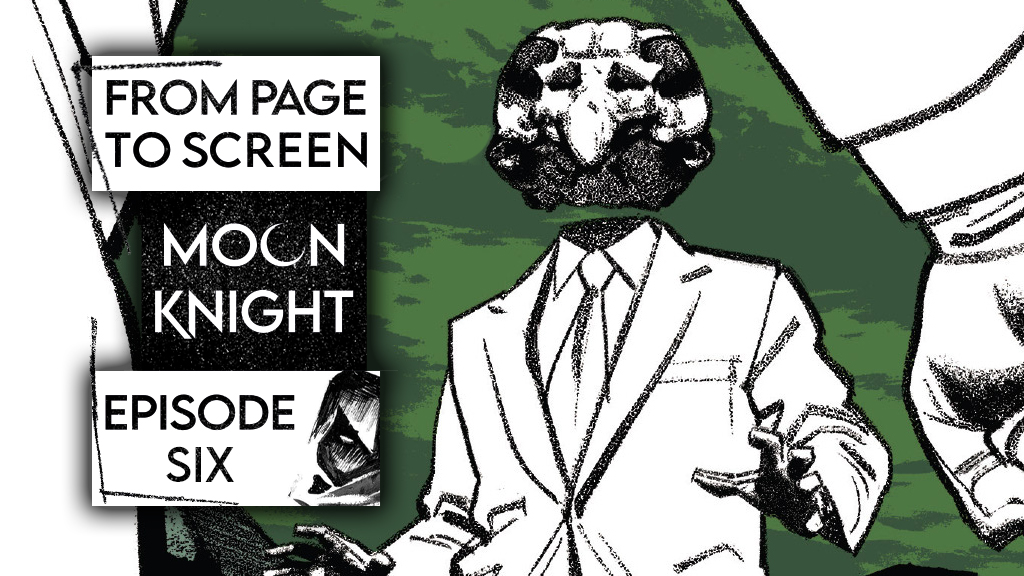
As for episode 6, finding a specific moment that was worth exploring in terms of its comic counterpart became an issue in and of itself. With Marvel Studios so keen on being as unpredictable as possible when it comes to its storylines, especially its third acts (that obviously also include all series/season finales), the comics end up being referenced in a less obvious way. The thematic correlation is still there, and so being that’s perhaps the way to go about it: Focusing on what the show is trying to do that the comics already did—albeit in different ways—, and what that might hint towards the future of these characters.
Marvel Studios’ Moon Knight Episode 6
Marvel Studios’ Moon Knight Episode 6
Two of the major takeaways from the latest Moon Knight episode were presented in the post-credit scene. There, we found out that despite Marc deciding to go against Khonshu’s will towards killing Harrow, the God of the Moon and the Night Sky was still very much determined to keep his body as his earthly vessel. And with that in mind, his third alter was finally revealed with Jake Lockley making this on-screen debut, showing himself to be the most unhinged and violence-prone of the identities sharing said body. Both these particulars seem to hint at a larger story being told, more connected to Marc’s dissociative identity disorder (DID) than to his superhero endeavors.
Moon Knight #9 (2016)
The relationship between Marc and Khonshu never seemed to be one based on mutual interests, and so this abuse is sure to strain it even further leading to greater altercations down the line. As we watched throughout the show, Marc’s motivations for going along with Khonshu’s greater plan were basically attached to concerns over Layla’s well-being. Even with his prominent sense of duty, the deal he made with Khonshu that led to him becoming his Fist of Vengeance did not seem worth keeping, as death was something Marc welcomed in order to escape his fate. Unless, of course, that meant that Layla would then have to endure his burden. Much as in the aforementioned Lemire/Smallwood run, Marc ends up understanding that a rejection of Khonshu’s ways was absolutely necessary in order for him, even with the other identities, to ever feel comfortable in his own skin.
Marvel Studios’ Moon Knight Episode 6
Marvel Studios’ Moon Knight Episode 6
But this wasn’t always the case as Marc at times determined that the other identities were the issue. It wouldn’t be until later on that he understood that each personality was but a piece of the tapestry that made him whole and that Khonshu was the unnecessary appendage that only kept him down. This is somewhat similar to what we got to see in the show, as the initial confrontations between Marc and Steven then led to one of the best scenes in the entire show when both understood that they were so much less when trying to reject and keep each other at bay. Jake’s introduction will serve the purpose of giving the plot an extra layer of complexity as Marc and Steven will have not only external but also internal threats they must overcome.
Moon Knight #14 (2017)
Khonshu is then proving himself to be, if not the main villain in the series we just watched, the antagonist that will prove the biggest adversary for Marc, Steven, and possibly even Jake. Much as in the comics the several personalities ended up working together in order to obliterate Khonshu’s influence over their shared body, and so too it seems that this might be the way to go in future storylines on future live-action Moon Knight projects.
Moon Knight #14 (2017)
Moon Knight is now streaming, in its entirety, only on Disney+.
Marvel Studios’ Moon Knight hasn’t shied away from introducing audiences to Egyptian mythology. It has in fact made it as central as possible to the overall storyline. But even though the future of the titular character in the MCU isn’t all that clear due to contractual issues, there are several details and other broader concepts that can, and in all likelihood will be used as stepping stones ahead of their return in future feature films of TV shows. Episode 5 was yet another great example of this.
Marvel Studios’ Moon Knight (2022)
Following the episode 4 cliffhanger where Steven and Marc are greeted by Taweret, she is quick to try and calm them down by elucidating where they found themselves. She then clarifies that they are in the Realm of the Duat, the realm of the dead in ancient Egyptian mythology. And that due to the Duat’s true nature being impossible for the human mind to comprehend, they may be perceiving the realm as something more easily recognizable. Hence, the psych ward. But the most interesting thing shared by the goddess of Women and Children, of childbirth and fertility, is that this realm is only one of several of its kind:
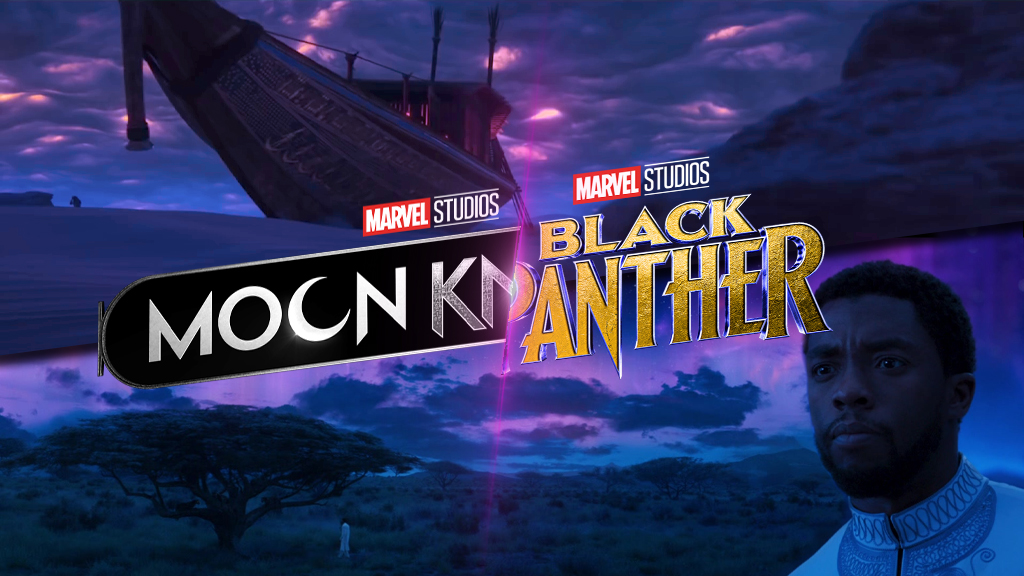
“An afterlife, not the afterlife. You’d be surprised how many intersectional planes of untethered consciousness exist. Ah! Like the ancestral plane! Oh! Just gorgeous.
Tawaret
Marvel Studios’ Black Panther (2018)
Getting this Black Panther reference right after introducing the Duat, while extremely cool, it’s also very helpful in driving home the idea that these planes, even though they might have common characteristics and a shared purpose, are very much their own thing. This means that the MCU isn’t combining concepts from different mythologies into a single unified vision, allowing for the future introduction of different pantheons from different cultures spread around the world and their unique takes on the Underworld. God plurality seems to be the way forward for the MCU, something we have already delved into in the past, and that continues to pay dividends each time a Marvel Studios project delves into the subject.
Following the depiction of Olympus in Thor: Love and Thunder’s first teaser trailer, and seing that Gorr the God Butcher is that movie’s main antagonist, it wouldn’t now be too big a reach to think that the Greek ferryman Charon and god Hermes might show up as gods themselves could end up having to cross the river that divided the world of the living from the world of the dead in Greek mythology. And when it comes to Black Panther: WakandaForever, which might end up introducing Aztec gods to the MCU due to an association with Namor, Xolotl, the god of fire and lightning could be next on the list as he was a soul-guide for the dead in Aztec mythology, commonly depicted as a dog-headed man.
Marvel Studios’ Thor: Love and Thunder (2022)
So either Gorr the God Butcher ends up being extremely successful in his endeavor to kill all gods or the MCU is definitively moving into a new age where every polytheistic religion will bring us their set of deities that will only help to enrich what is already a packed Marvel Cinematic Universe.
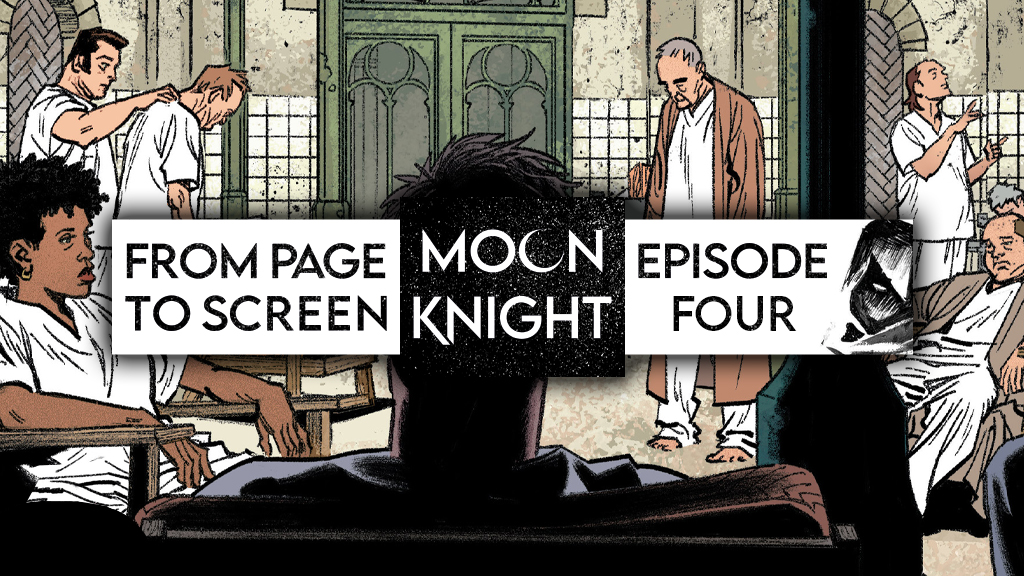
There, we find Marc and Steven, waking up in a psych ward filled with characters and objects that have found themselves referenced throughout the entire show. From Marc’s wife Layla to other less relevant characters, from Khonshu references to paintings depicting an Austrian village in the Alps, everyone and everything that played a part in the story so far seemed to be there in one way or another. This all worked as an incredible twist since the sequence was designed to present itself after the viewer was already invested in the story through prior events and to set up the third act of the show (the final two episodes) unlike what we get in the comics. There, the same idea (introducing the reader to Marc being stuck in a mental institution) was used to set up the story itself, since it came right at the start of the run. The references were still all there: Crowley, Bobby & Billy, Marlene/Layla, and Dr. Emmet/Harrow but were presented in a way where who they were and what they represented was still something to be figured out. In magic terminology, while in the comics this sequence was the setup as the beginning of The Pledge, in the series it was presented as The Turn, ahead of the upcoming third act, The Prestige.
Moon Knight #1 (2016)
Moon Knight #1 (2016)
Moon Knight #1 (2016)
Another big difference from the comics is that in the show Marc and Steven get to the psych ward at a time when Khonshu is already imprisoned in an ushabti leaving Spector and Grant’s body without both its powers and its guidance. Here they seemingly can only count on themselves to figure out what exactly are their surroundings (and if they are, in fact, real or not) and how to escape them. As for the Lemire/Smallwood run, Marc is awoken in the ward by Khonshu himself. He’s the one who tells Marc what to do and when to do it to free himself and, in Khonshu’s words “Rise.”
Moon Knight #1 (2016)
And this brings us to a similarity between the show and the comics that might get even clearer in Episode 5, but that is already heavily hinted at by the end of episode 4. As Marc escapes the psych ward’s rec room things get a bit.. off. This gives us signs of how fabricated the reality seems to be. In the show, this is where he and Steven find a couple of sarcophagi and come face to face with the goddess Taweret making it obvious that this was no ordinary Mental Hospital. Something that will surely be confirmed in this week’s episode 5. Similarly, in the comics, it’s when Marc finally decides to follow Khonshu’s will and prepare to escape that he sees the orderlies’ true faces as Death Dogs, Egyptianjackals, something that helps him feel validated in his eerie feelings towards the place.
Moon Knight #1 (2016)
Moon Knight #1 (2016)
Then, as he finds his way through the building looking for a way out, he reaches the roof, where we are presented with one of the most ominous spreads of the entire run: New York City having been invaded by Seth, the Egyptian god of war, chaos, and storms.
Moon Knight #1 (2016)
If Marc and Steven end up finding something similar as they break free from what seems to be an intricate illusion we will surely see it in Episode 5. At the same time, and marking yet another way in which the series and the comic run differ from each other, it’s perhaps fair to say that while in the comics we were presented with a distorted vision of reality, the series will go beyond that and make, what seems to be the awakening following an extremely vivid dream, the dream itself.
Marvel Studios’ Moon Knight Episode 4
Marvel Studios’ Moon Knight Episode 4
Marvel Studios’ Moon Knight is streaming exclusively on Disney+ with episode 5 premiering this upcoming Wednesday, ahead of the series finale on May 4.
Cookie Consent
We use cookies to improve your experience on our site. By using our site, you consent to cookies.
This website uses cookies
Websites store cookies to enhance functionality and personalise your experience. You can manage your preferences, but blocking some cookies may impact site performance and services.
Essential cookies enable basic functions and are necessary for the proper function of the website.
Name
Description
Duration
Cookie Preferences
This cookie is used to store the user's cookie consent preferences.
30 days
These cookies are needed for adding comments on this website.
Name
Description
Duration
comment_author_email
Used to track the user across multiple sessions.
Session
comment_author_url
Used to track the user across multiple sessions.
Session
comment_author
Used to track the user across multiple sessions.
Session
Statistics cookies collect information anonymously. This information helps us understand how visitors use our website.
Google Analytics is a powerful tool that tracks and analyzes website traffic for informed marketing decisions.
Contains information related to marketing campaigns of the user. These are shared with Google AdWords / Google Ads when the Google Ads and Google Analytics accounts are linked together.
90 days
__utma
ID used to identify users and sessions
2 years after last activity
__utmt
Used to monitor number of Google Analytics server requests
10 minutes
__utmb
Used to distinguish new sessions and visits. This cookie is set when the GA.js javascript library is loaded and there is no existing __utmb cookie. The cookie is updated every time data is sent to the Google Analytics server.
30 minutes after last activity
__utmc
Used only with old Urchin versions of Google Analytics and not with GA.js. Was used to distinguish between new sessions and visits at the end of a session.
End of session (browser)
__utmz
Contains information about the traffic source or campaign that directed user to the website. The cookie is set when the GA.js javascript is loaded and updated when data is sent to the Google Anaytics server
6 months after last activity
__utmv
Contains custom information set by the web developer via the _setCustomVar method in Google Analytics. This cookie is updated every time new data is sent to the Google Analytics server.
2 years after last activity
__utmx
Used to determine whether a user is included in an A / B or Multivariate test.
18 months
_ga
ID used to identify users
2 years
_gali
Used by Google Analytics to determine which links on a page are being clicked
30 seconds
_ga_
ID used to identify users
2 years
_gid
ID used to identify users for 24 hours after last activity
24 hours
_gat
Used to monitor number of Google Analytics server requests when using Google Tag Manager
1 minute
Marketing cookies are used to follow visitors to websites. The intention is to show ads that are relevant and engaging to the individual user.
Pinterest Tag is a web analytics service that tracks and reports website traffic.