It didn’t.
Category: Features
-
‘X-Men ’97’: How Rama-Tut’s Timeline Breach Connects to Gambit’s Past and an Episode from the Original Series
The cosmic architecture of X-Men ’97 Season 2 just pulled off an immaculate, long-game continuity play. While general audiences were reeling from the structural tragedy of En Sabah Nur’s transformation into Apocalypse, fans of the original series were hooked on the precise moment Rama-Tut boarded his Sphinx-ship to flee the ancient Nile Delta.
That single, frantic chronological exit doesn’t just clear the stage for the rest of the season—it acts as the direct, canonical origin point for a memorable episode original 1992 animated series: Season 2, Episode 6, “X-ternally Yours.”
The Chronological Collision

The answer how a time-traveling variant of Kang the Conqueror connects straight back to Gambit’s murky past in the Louisiana bayou, might well be found in the physical energy discharged during his frantic escape.
When Rama-Tut activates his Celestial-fused hyper-drive to escape Apocalypse’s localized gravity weapon, the spatial monitors inside his ship display, it’s possible that the massive chronological wake doesn’t just shoot him forward into the future; it changes Candra from an average human into the X-Ternal.
First introduced in the OG series, Candra is an immortal who demands a systematic tithe from ordinary mortals in exchange for immense wealth and arcane power. X-Men ’97 may have just brilliantly retconned the character by establishing that Candra is actually utilizing the residual, leaking chronal energy left behind by Rama-Tut’s ancient ship to sustain her immortality until her original appearance in the 1990s. She isn’t a mystical goddess; she is a cosmic opportunist feeding on the temporal radiation bleeding out of the Egyptian rift.
The Legacy of the Tithe

This directly sets up the entire cyclical blood-feud explored in “X-Ternally Yours.” To keep the chronal energy stabilized and maintain their respective domains, Candra forced a strict, generational pact between New Orleans’ two rival underworld factions:
- The Thieves Guild: Heavily tied to Gambit and hBella Donna’s family.
- The Assassins Guild: The ruthless, hyper-lethal counterparts of the thieves.
Every ten years, both guilds are forced to present an offering—The Tithe—to remain under Candra’s protection and to retain the powers given to them by her. X-Men ’97 smartly delivers a subtle thematic payoff. It proves that Gambit’s tragic childhood, the criminal wars of the bayou, and the dark bargains of the Thieves Guild were all just microscopic, ripples caused by a single, desperate time-traveler trying to outrun the dawn of Apocalypse.
-
Recap: ‘X-Men ’97’ Season 2, Episode 4 Solidifies the Dark Genesis of Apocalypse
Marvel Animation is not pulling its punches. Following last week’s massive, time-skipping three-episode premiere block, today’s highly anticipated fourth episode—”Rise of Apocalypse: Part II”—delivers a devastating, tragic conclusion to the series’ ancient Egyptian arc.
The episode formally seals the fate of En Sabah Nur, proving that despite the X-Men’s desperate multiversal intervention, the loop of history remains entirely unbreakable.
The Fragile Alliance Shatters
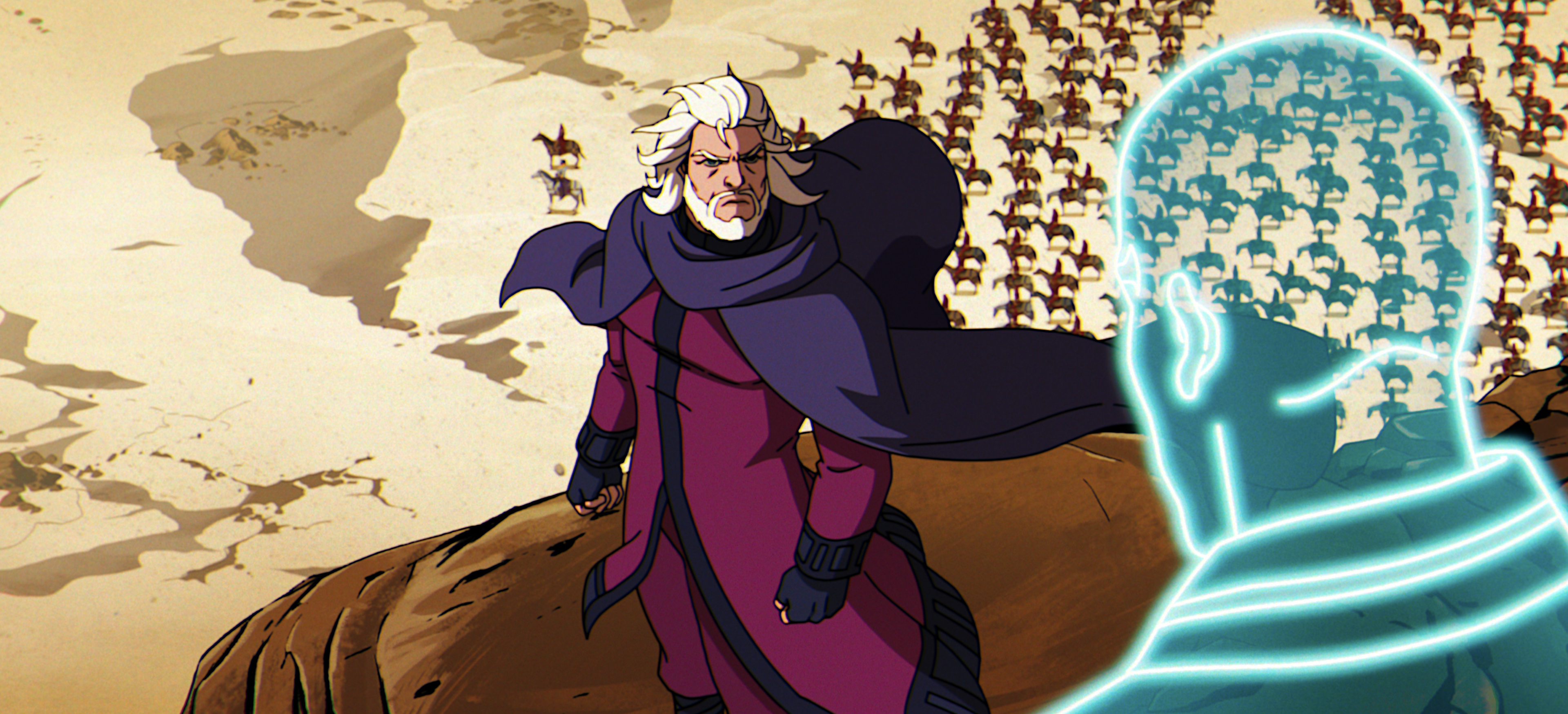
A scene from Marvel’s X-MEN ’97 Season 2, exclusively on Disney+. Photo courtesy of Disney+. © 2026 Marvel. All Rights Reserved. Picking up directly from the cliffhanger in 3000 B.C., the episode opens with Magneto utilizing the absolute peak of his magnetic capabilities to shield himself and the time-displaced team from a catastrophic blast. While they survive, so does a highly traumatized En Sabah Nur following the death of his nomadic mentor, Baal.
In a desperate, final bid to alter the future, Xavier unmasks their identities to Nur, convincing him to form a temporary, uneasy alliance to hunt down the ancient, Celestial temple housing Rama-Tut’s reality-altering technology. However, the philosophical rift between the team’s founders immediately dooms the mission. Xavier attempts to counsel Nur toward passive diplomacy and integration, while a deeply hardened, post-Genosha Magneto reinforces Nur’s raw survivalist rage, accidentally acting as the catalyst for his radicalization.
The Dawn of the Despot
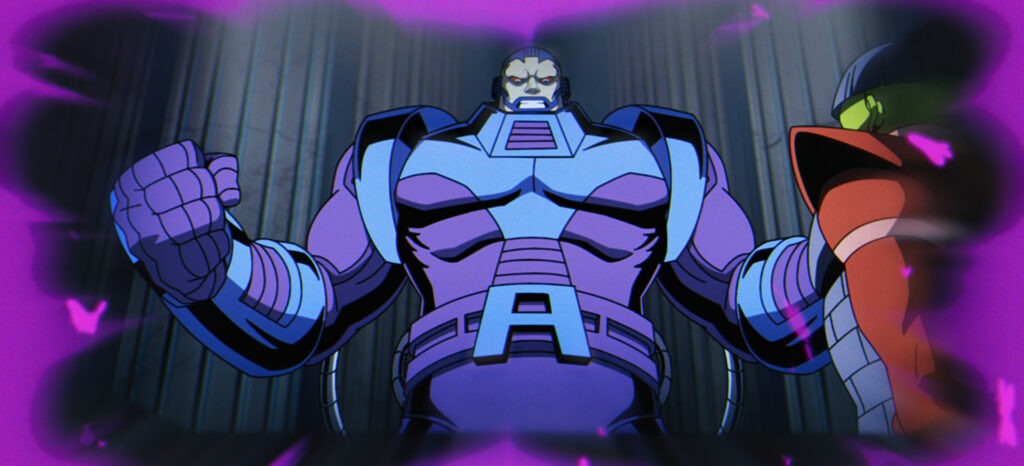
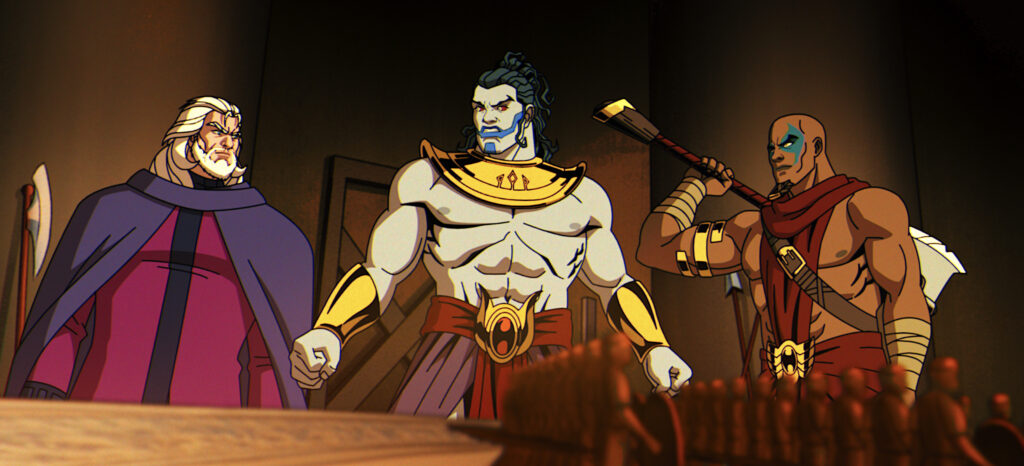
A scene from Marvel’s X-MEN ’97 Season 2, exclusively on Disney+. Photo courtesy of Marvel. © 2026 Marvel. All Rights Reserved. When the team finally breaches the inner sanctum of the futuristic temple–which is revealed to be Ship–they are intercepted by Rama-Tut (the time-traveling variant of Kang the Conqueror), who telepathically warns Xavier that preventing Nur’s evolution is simply not possible. A massive, multi-tiered brawl erupts, but the X-Men ultimately fail to restrain Nur. Driven by an overwhelming “Survival of the Fittest” ethos, Nur steps directly into the Celestial-tech machinery, permanently merging his biology with the alien infrastructure to formally transform into Apocalypse.
The Ultimate Sacrifice
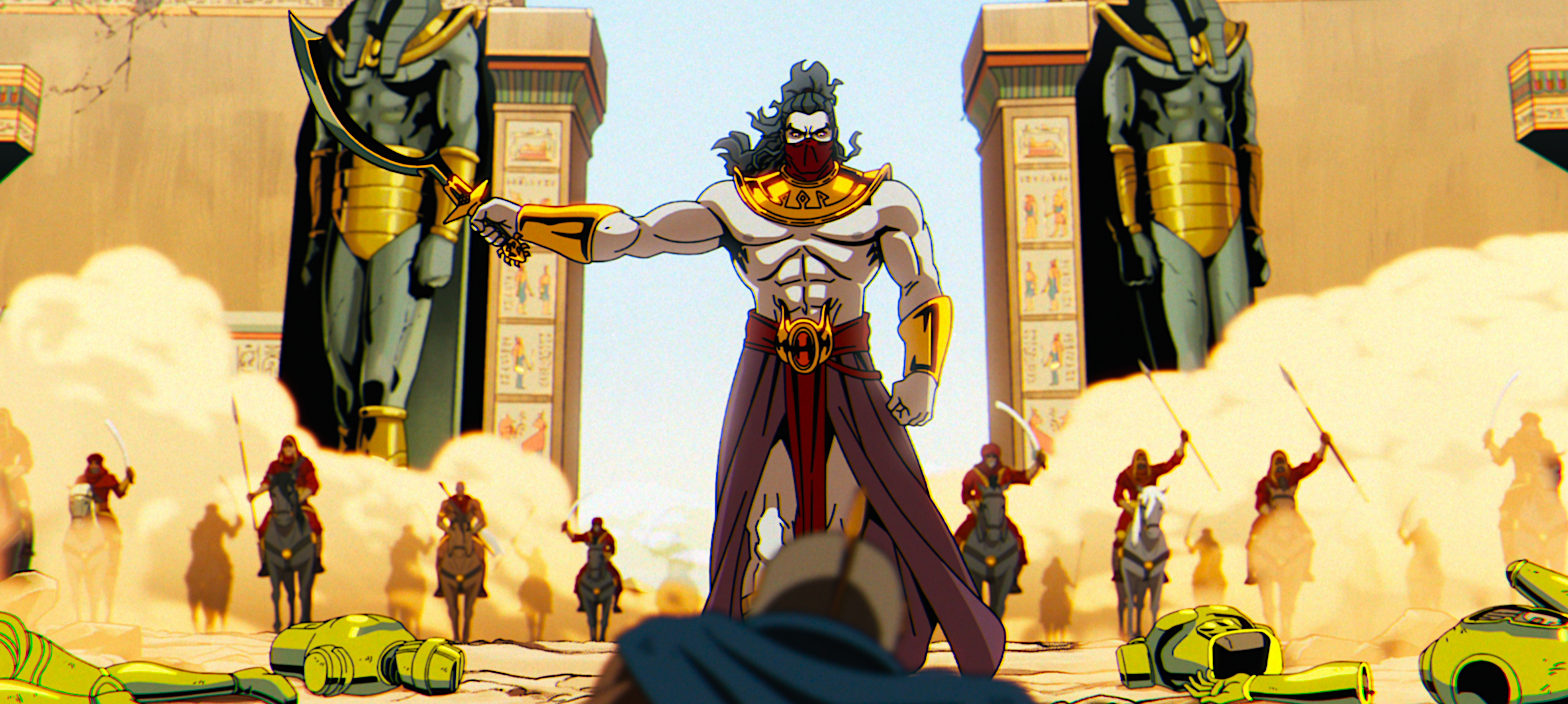
With an omnipotent tyrant unleashed, the city descends into utter chaos. Apocalypse launches a devastating black hole directly above Rama-Tut’s city to erase the timeline’s variables. While Rama-Tut cowardly boards his Sphinx-ship to escape back to the future–but not before a little tease about the future of one of his top people–Magneto steps up to save the innocent population.
In a staggering, visually breathtaking display of raw power that’s becoming a staple of X-Men ’97‘s animation, Magneto single-handedly repels Apocalypse’s gravity weapon, but the feat leaves him gravely, life-threateningly injured. Recognizing they are outmatched, a battered Magneto takes the blame and uses the temporal energy to send Rogue, Nightcrawler, and Beast hurtling back toward the 1990s. However, before the portal snaps shut, Apocalypse violently intercepts the beam, trapping a horrified Charles Xavier behind in the ancient past to mourn over the loss of his friend…until Bishop time hops to his rescue.
-
The Prophecy of the Eternal Shore — How ‘X-Men ’97’ Season 2 Tethers En Sabah Nur Directly to Season 1’s Heartbreak
The brilliance of X-Men ’97 lives in its memory. It refuses to treat massive narrative events as isolated, episodic blockbusters. Instead, the Season 2 premiere meticulously connects its time-spanning narrative straight back to the psychological trauma of Genosha and the final, haunting warnings of the Season 1 finale.
Throughout the first three episodes, the writers introduce a brilliant, unifying motif in the Eternal Shore speech. Originally delivered as a booming, grandiose declaration of survival-of-the-fittest dominance by Apocalypse in the classic ’90s animated series, the speech is re-framed here as an ancient, multi-century prophecy.
We hear it echoed by Mother Askani’s cultists in the far future, whispered by historical records in the present, and muttered by a young, conflicted En Sabah Nur in ancient Egypt. By turning a villain’s boastful monologue into an immutable law of cosmic gravity that spans thousands of years, the show highlights that no matter what the X-Men do to rewrite time, Apocalypse is…inevitable.
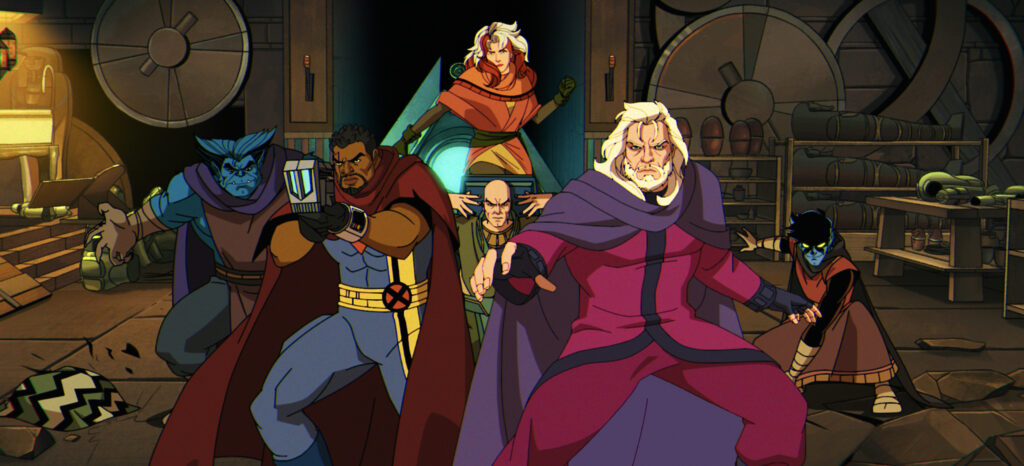
(L-R): Beast (voiced by George Buza), Bishop (voiced by Isaac Robinson-Smith), Rogue (voiced by Lenore Zann), Professor X (voiced by Ross Marquand), Magneto (voiced by Matthew Waterson), and Nightcrawler (voiced by Adrian Hough) in Marvel Animation’s X-MEN ’97 Season 2, exclusively on Disney+. Photo courtesy of Marvel. © 2026 Marvel. All Rights Reserved. The thematic genius of shifting Charles Xavier and Magneto back to 3000 B.C. is that it forces them to confront the monster before he put on the armor. The En Sabah Nur we meet in Episode 3 isn’t a god; he is an outcast mutant navigating a brutal, unforgiving ancient world that fears and hates him just as much as the world of the 1990s does.
This creates an agonizing ideological conflict between the stranded X-Men founders. Charles naturally views the young mutant through a lens of empathy and education, believing they can guide him down a path of coexistence and prevent his descent into tyrannical madness. Fresh off the genocide of Genosha, Magneto looks at Nur and sees the absolute, terrifying logical extreme of his own philosophy. He understands exactly how a lifetime of systematic persecution can turn an outcast into a monster that wants to burn the world to ashes.
The tragedy of the premiere block is that the X-Men’s very attempt to alter the timeline is what ultimately triggers the threat. The intervention of Rama-Tut and the ensuing time-travel chaos shatter the young Egyptian’s faith in ordinary humanity, setting his transformation into motion.
As the spirit of a defeated, future Apocalypse flees backward into the 1990s to target the remaining mutants at their most vulnerable, X-Men ’97 pulls off a flawless narrative loop. They didn’t just kick off a fun, sci-fi adventure—they proved that the fight for the future isn’t about lasers or giant robots; it’s a permanent, psychological war for the soul of the people we choose to become when the world gives us every reason to break.
-
The Most Mind-Blowing Marvel Cameos and Comic References Hiding in the 3-Episode ‘X-Men ’97’ Premiere
If you blinked during the three-episode rollout of X-Men ’97 Season 2, you likely missed a dozen deep-cut comic callouts. The creative team treated the premiere like an open-source love letter to Marvel history, drawing heavily from late-’90s miniseries and early-2000s structural overhauls.
The X-Force Title Card

The single biggest visual shock for long-time fans arrives exactly one minute into Episode 2. With half the traditional team scattered across the time stream, the show completely ditches its iconic, Emmy-nominated theme song and yellow-tinted title card.
Instead, viewers are hit with a heavy-metal, bass-boosted audio track and a completely overhauled, industrial metallic X-Force ’97 title card. The sequence features rapid-fire character panels showcasing Cable, Jubilee, Sunspot, Domino, and a brief, tactical silhouette of Deadpool, making it clear that the era of peaceful coexistence died with the Genosha tragedy.
The Generation X Rol Call
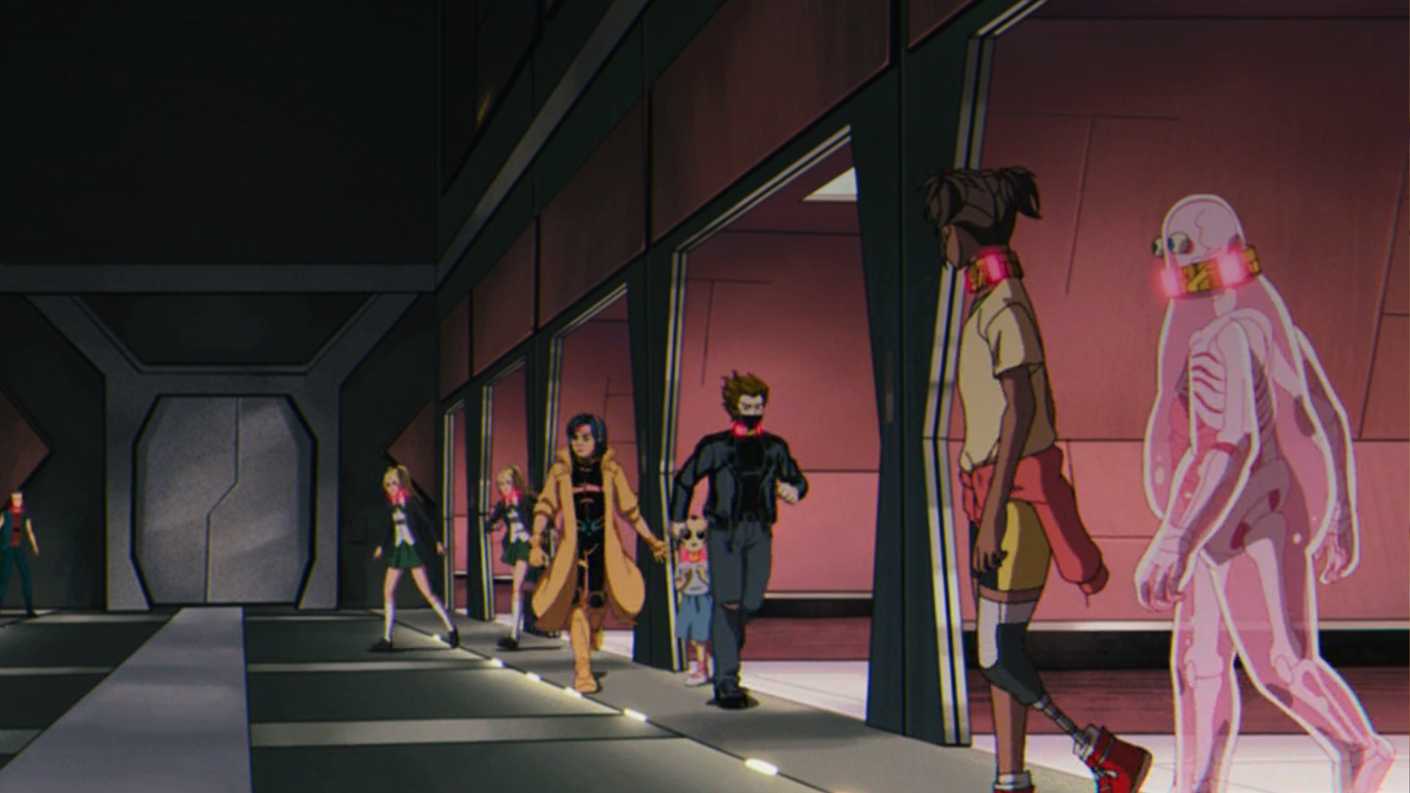
When X-Force uncovers Val Cooper’s secret government-sanctioned mutant containment camp later in the episode, the background animation cells are a goldmine for fans of the 1994 Generation X comic line. Rather than utilizing generic, background mutant models, Marvel explicitly animated the entire core roster of the beloved junior team sitting in the holding cells.
- M (Monet St. Croix): Sporting her signature aristocratic posture and perfectly styled hair, looking completely unimpressed by her government captors.
- Husk (Paige Guthrie): Sitting in the corner, visibly nervous, with her skin subtly peeling back at the knuckles as a hint toward her transitional powers.
- Skin (Angelo Espinosa): Slouched at a table, stretching his extra six feet of redundant, greyish skin over his face to block out the camp’s spotlights.
- Synch (Everett Thomas): Standing near the gates, surrounded by a faint, rainbow-hued bio-aura as he instinctively tries to mirror Jubilee’s plasma pyrotechnics.
- Chamber (Jonothon Starsmore): The most distinct visual in the room, wearing his signature high-collar leather jacket to partially conceal the massive chest cavity of pure, glowing psionic energy that blew away his lower jaw.
- Penance (Hollow): Hiding directly in the deep shadows of the cell block, her razor-sharp, ruby-red diamond skin catching the light as she watches the camp guards with animalistic hostility.
Notably, we salso see the official, speaking debuts of the Stepford Cuckoos—the blonde, hive-minded telepathic sisters who act as clones of Emma Frost.
The Weapon X Blueprint
During a peek at the high-tech tactical maps utilized by Cable inside the X-Force headquarters, a digital layout detailing the global reaches of the military-industrial complex displays a massive list of historical government test subjects.
Eagle-eyed fans who paused the stream caught active text references tracking various tiers of the Weapon Plus Program:
- Weapon VI: Canonically, Luke Cage in the comics.
- The Future Speculation: The screen prominently displays markers for Weapon XVIII, the Wolverine clone, and Fantomex—the hyper-stylized, fake-French mutant thief who sports an external sentient nervous system, heavily hinting at his live-action introduction later this season.
The Odinson Cameo
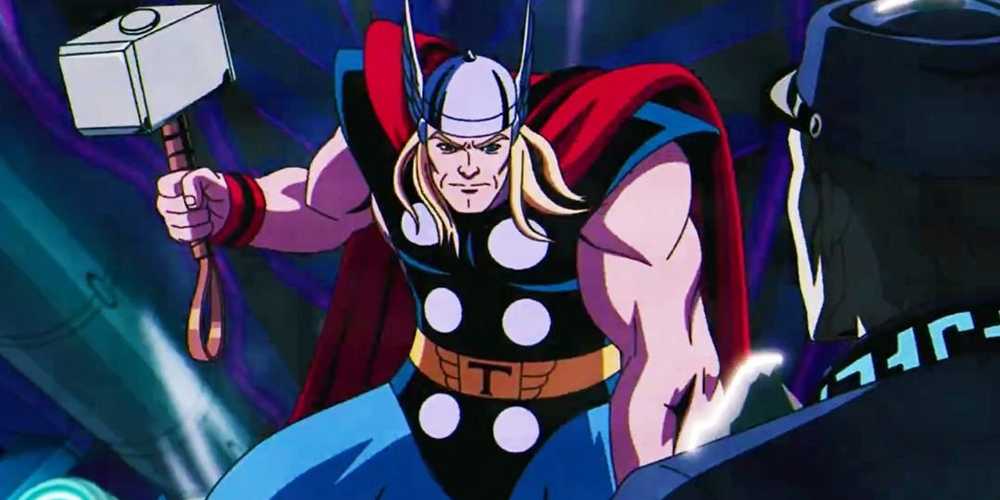
One of the most talked-about sequences of the entire premiere block happens during the cataclysmic future battle in 3960 A.D. In a split second where the team is completely overwhelmed by Apocalypse’s cyber-hounds, Morph steps up and literally transforms into Thor Odinson!
-
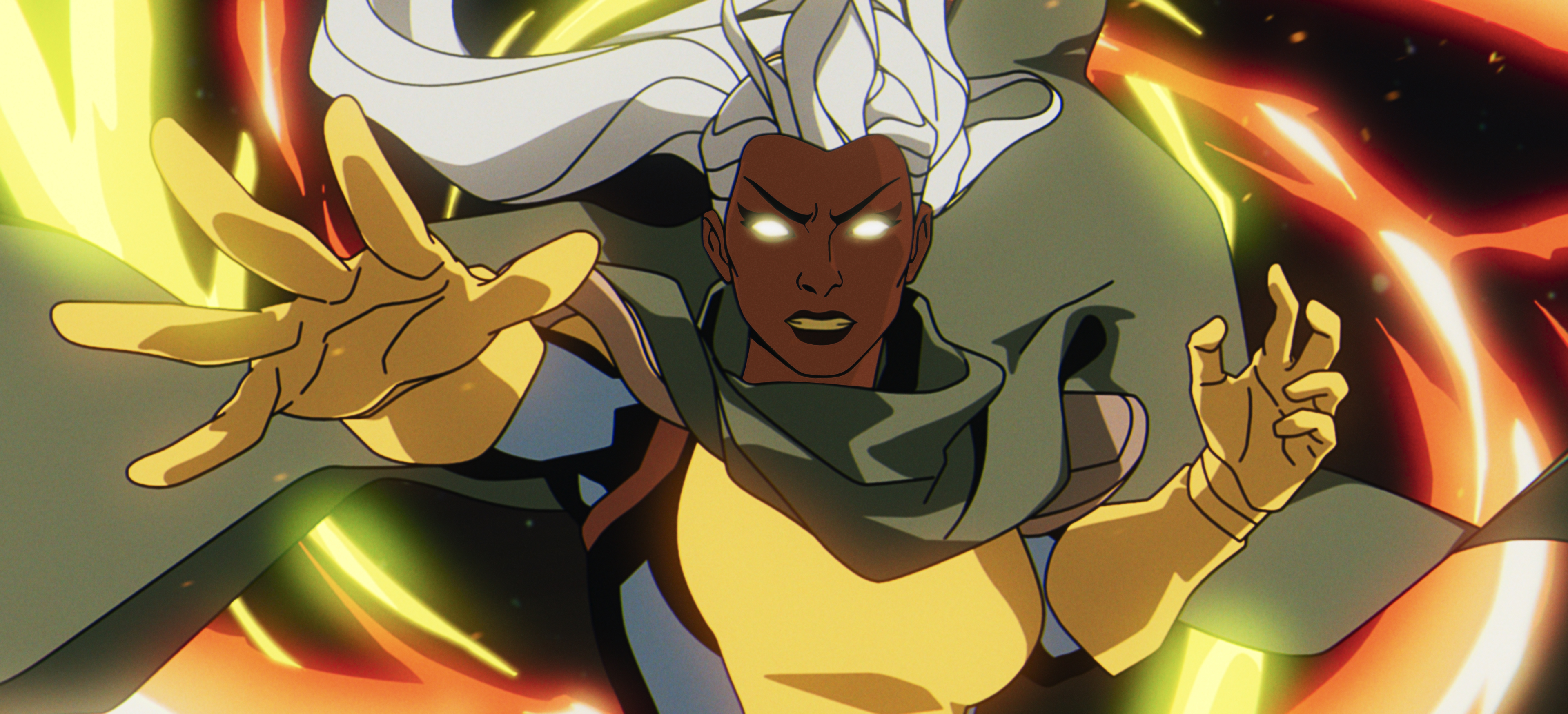
Time-Jumps and Team-Ups — How the Massive 3-Episode Premiere of ‘X-Men ’97’ Season 2 Re-Shapes the Timeline
The long, grueling two-year hiatus is finally over. Marvel Animation officially unleashed a colossal, three-episode premiere block for X-Men ’97 Season 2 on Disney+.
Picking up immediately from the jaw-dropping, multiversal cliffhangers of the Season 1 finale, the debut episodes—“Days of Past Future”, “A Force to Be Reckoned With”, and “Rise of Apocalypse: Part I”—deliver a relentlessly paced, gorgeously animated masterclass in comic-book soap opera that splits our heroes across the space-time continuum.
The Future: Paternal Instincts in 3960 A.D.
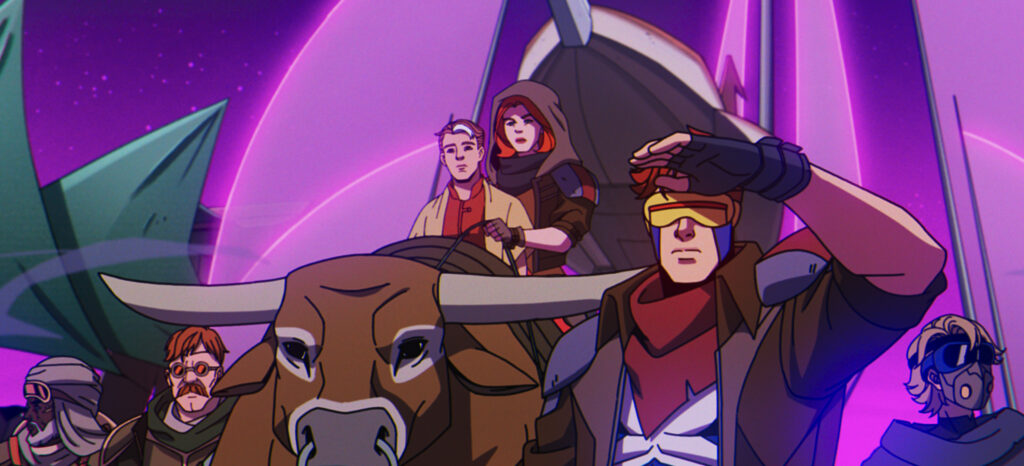
Jean Grey (voiced by Jennifer Hale) and Cyclops (voiced by Ray Chase) in Marvel Animation’s X-MEN ’97 Season 2, exclusively on Disney+. Photo courtesy of Marvel. © 2026 Marvel. All Rights Reserved. The premiere wastes zero time addressing the team’s fractured displacement. In Episode 1, Forge and Bishop hatch a desperate, cross-temporal rescue mission. Forge jumps to a desolate, tech-fused future to retrieve the frontline roster: Cyclops, Jean Grey, Storm, Morph, and a bone-clawed Wolverine recovering from Magneto’s brutal adamantium extraction.
This future group is hiding out in the camp of Mother Askani, where Scott and Jean have spent months secretly raising their infant son, Nathan.
The timeline turns into a nightmare when Apocalypse’s modern cyber-hounds track them down. Desperate to harvest Nathan’s pristine techno-organic genetics to use as a permanent physical host, Apocalypse’s prime forces launch a brutal raid, capturing Scott, Jean, and the child. It takes a massive, solar-flare-fueled counter-offensive from Storm—and the emotional revelation to Nathan that Scott and Jean are his actual biological parents—to break their restraints and send a young Cable merging with the base’s sentient “SHIP” computer.
The Present: Enter X-Force and X-Factor
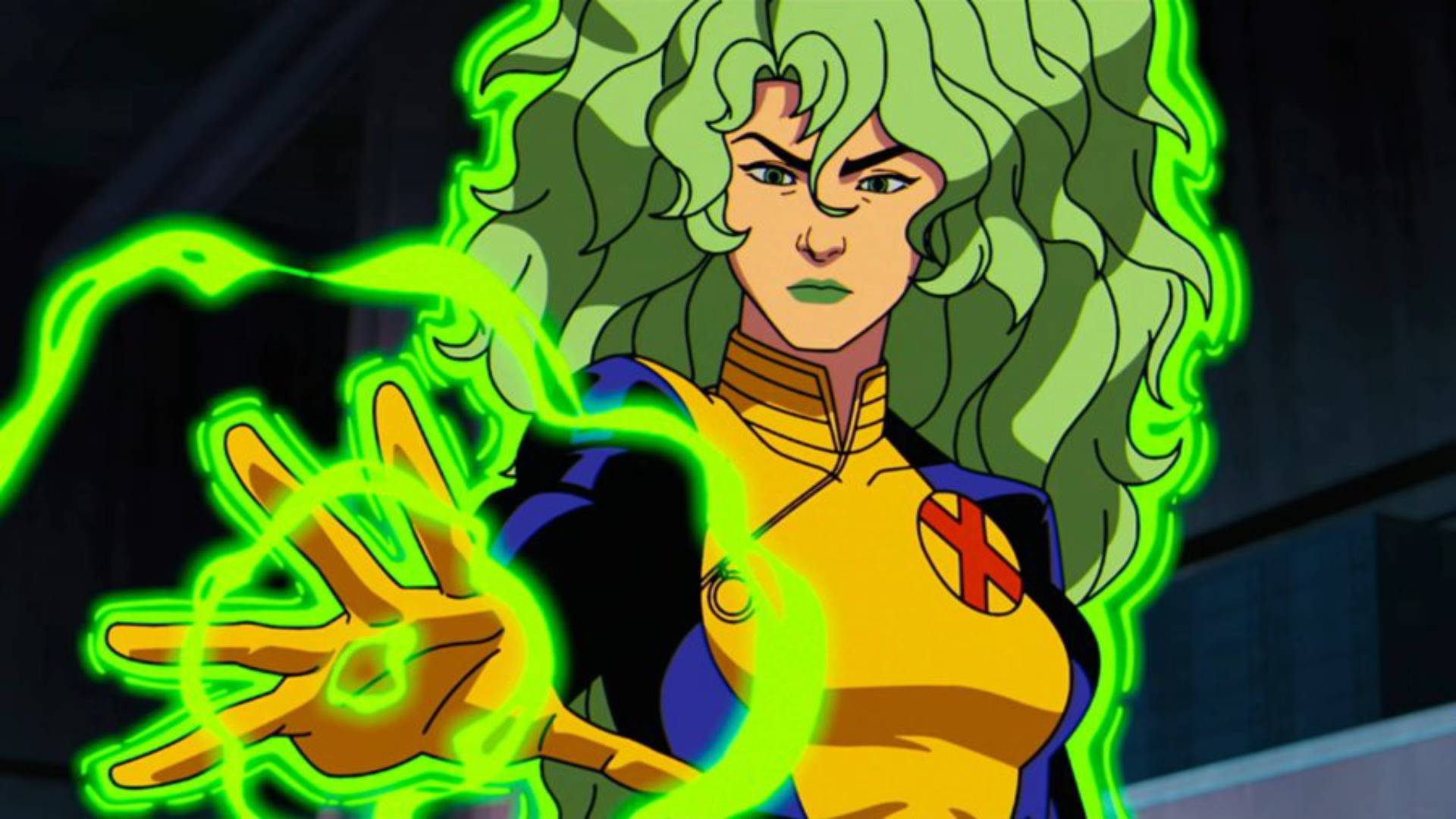
While half the team is trapped in the time stream, Episode 2 shifts its focus back to the 1990s, showcasing how a broken, leaderless world reacts to the apparent demise of the X-Men.
With the mutant population facing extreme governmental persecution, a heavily altered opening title sequence formally introduces X-Force. Led by a fully grown, battle-hardened Cable, this militant, no-nonsense faction recruits Jubilee and Sunspot to wage an aggressive, preemptive war against the lingering remnants of Apocalypse’s inner circle.
The tactical friction spikes when Valerie Cooper fields X-Factor—a clean-cut, government-sanctioned mutant task force deployed to round up mutant runaways. A highly coordinated ambush leads to Jubilee’s brief capture, forcing a high-octane rescue sequence that sees a newly returned Polaris turn heel to blow the government compound wide open.
The Past: The Dawn of Egypt in 3000 B.C.
(L-R): Beast (voiced by George Buza), Bishop (voiced by Isaac Robinson-Smith), Rogue (voiced by Lenore Zann), Professor X (voiced by Ross Marquand), Magneto (voiced by Matthew Waterson), and Nightcrawler (voiced by Adrian Hough) in Marvel Animation’s X-MEN ’97 Season 2, exclusively on Disney+. Photo courtesy of Marvel. © 2026 Marvel. All Rights Reserved. The premiere block wraps with Episode 3, bringing audiences directly to the ancient Nile Delta where Professor Charles Xavier, Magneto, Rogue, Nightcrawler, and Beast have been marooned.
Attempting to blend into the ancient landscape, the marooned icons cross paths with a younger, uncorrupted version of the mythic mutant En Sabah Nur long before his evolution into the blue-lipped despot. Bishop arrives via Forge’s time machine with explicit structural instructions to prevent his ascension entirely. However, the rescue plan is thrown into absolute disarray by an unexpected cosmic traveler: Rama-Tut (a legendary, time-traveling variant of Kang the Conqueror) arriving via his high-tech Sphinx ship to assert ultimate domain over Egypt, setting up an explosive, multi-generational war for the soul of the timeline.
-
Sentinels, Symbiotes, and Succession — What to Expect From Marvel Animation’s 2026 Slate
While the live-action side of the MCU is currently dominating the headlines, Marvel’s streaming skipper, Brad Winderbaum, is quietly prepping the studio’s secret weapons.
Following the massive critical acclaim of X-Men ’97 and the stylistic swing of Your Friendly Neighborhood Spider-Man, Marvel Animation is dropping its sophomore seasons for both flagship shows back-to-back in the second half of 2026. If you thought the live-action slate looked heavy, the animated side is about to match it with sheer emotional devastation and high-stakes power struggles.
Here is exactly what to expect from Marvel’s remaining 2026 animation slate.
X-Men ’97 Season 2 — July 1, 2026 (Disney+)
The mutants are coming back, and according to the cast, “a lot of people die.” Following the explosive, time-shattering finale of Season 1, the uncanny team has been split across the timestream. Marvel is kicking off the hype train with a world premiere event at New York’s Tribeca Festival in June 2026, paving the way for a full streaming debut later this summer.
- The Timestream Split: The season will actively manage three distinct timelines.
- The “Very Dark” Return: Voice actress Jennifer Hale (Jean Grey) has warned fans to brace themselves, noting that Disney greenlit an incredibly dark and mature narrative for the sophomore outing. With Bastion’s legacy still lingering, a new, massive cosmic entity is rumored to target the remaining mutants left in the present day.
- The Comic Prelude: To bridge the gap, Marvel has launched an official X-Men ’97: Season Two comic prelude series, which lays the groundwork for how the remaining team members on Earth are operating without their core leadership.
Your Friendly Neighborhood Spider-Man Season 2 — Fall 2026 (Disney+)
The alternate-universe Peter Parker, voiced by Hudson Thames, who caught everyone by surprise with his cell-shaded, retro style is sliding straight into his second year. Showrunner Jeff Trammell is expanding the writing room for a massive 56-page narrative arc that changes the entire power balance of this universe.
- The Succession Dynamic: Winderbaum dropped a fascinating comparison for Season 2, stating that the character interactions and political power struggles within the Osborn-funded ecosystem will mirror the prestige drama Succession. Expect power scaling and intense psychological warfare as characters challenge Norman Osborn’s grip on the city.
- Enter Gwen Stacy & Venom: The official casting roster for the fall return has officially confirmed the introduction of Gwen Stacy/Ghost-Spider and the arrival of Venom, bringing two of the most iconic pieces of the Spider-Verse into Peter’s localized, alternate MCU timeline.
- The Returning Heavy Hitters: Charlie Cox’s Matt Murdock/Daredevil and Hugh Dancy’s Otto Octavius are both locked in for major roles, ensuring that the intersection of street-level vigilantes and high-tech supervillains continues to test Peter’s neighborhood loyalties.
Marvel Animation is no longer treated as a side project; under Winderbaum’s new corporate umbrella, it is acting as the premier destination for long-form character drama. Whether you are looking for the devastating, apocalyptic opera of the X-Men this summer, or the corporate, street-level chess match of Spider-Man this fall, the animated slate is locked, loaded, and ready to dominate your screen.
-

Web-Slinging, Weirdness and Doom — What to Expect From Marvel’s Remaining Blockbuster 2026 Slate
The first half of 2026 has already been an absolute gauntlet for Marvel Studios. We kicked off the year with the Hollywood-satire experiment of Wonder Man, witnessed the landscape-shifting fallout of Daredevil: Born Again Season 2, and just recently watched Frank Castle paint D+ red in The Punisher: One Last Kill.
But Kevin Feige and the newly promoted Brad Winderbaum aren’t letting up on the gas. The remaining live-action slate for 2026 is arguably the most consequential six-month stretch in the history of the Marvel Cinematic Universe, bridging the gap between grounded street-level grit and a multiversal apocalypse.
Spider-Man: Brand New Day — July 31, 2026 (Theatrical)
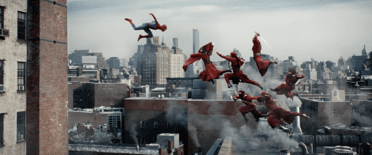
The highly anticipated fourth solo outing for Tom Holland’s Peter Parker isn’t just a sequel; it’s a total system reset. Directed by Destin Daniel Cretton (Shang-Chi), Brand New Day is pulling directly from the classic comic book status quo while throwing Peter into a dark, isolating new era.
- The Four-Year Gap: Following an opening act that picks up nine months post-No Way Home, the film utilizes a massive four-year time jump, dropping audiences directly into the year 2028. Peter is now 21/22 years old, completely erased from the memories of his loved ones, and scraping by as an isolated, DIY hero.
- The Tonal Whiplash: Fresh off his brutal solo special, Jon Bernthal’s Punisher serves as a primary supporting player. Bernthal has teased that Frank Castle acts as a grim reaper on Peter’s shoulder, offering a violent, uncompromising contrast to Spider-Man’s traditional idealism.
- The Monster Within: With Mark Ruffalo’s Bruce Banner returning to the fold, rumor has it that Peter’s mysterious headaches are reportedly tied to a terrifying physical mutation arc, forcing a veteran, resource-less Spider-Man to protect a city that has entirely moved on without him.
ViSiONQUΞST — October 14, 2026 (Disney+)
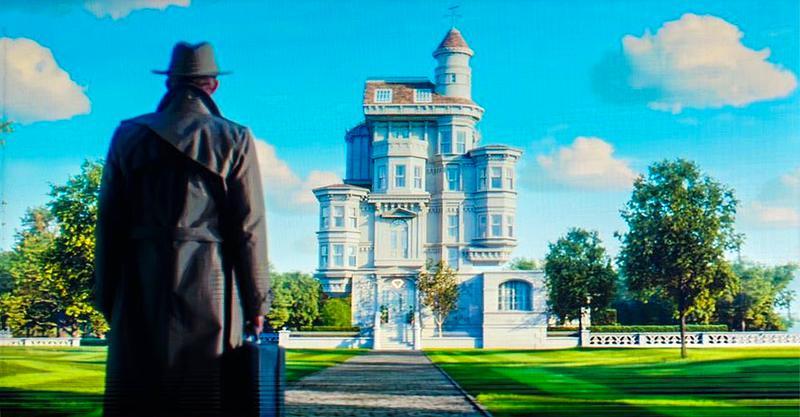
Serving as the definitive conclusion to the trilogy that began with WandaVision and Agatha All Along, this 8-episode event series is taking a hard sci-fi, psychological approach to the synthetic soul of the MCU. Showrunner Terry Matalas (Star Trek: Picard) is leaning heavily into philosophical horror for the spooky season.
- The Return of the Maker: The Disney Upfronts blew the doors off this project by confirming James Spader’s return as Ultron in both human and murder bot form. Paul Bettany has teased that Ultron acts as the “architect of Vision’s trauma,” appearing in a chilling “human form” to taunt White Vision as the android searches for a soul and pieces together his inherited memories.
- The Children’s Crusade: The series will officially introduce a grown-up Tommy Maximoff (played by Ruaridh Mollica), reuniting the twins on the physical plane after Billy’s journey in Agatha.
- The Multiversal Anchor: Bettany has teased that VisionQuest is the direct launchpad for his role in the next two Avengers films, with Vision’s analytical mind perhaps becoming crucial to Earth’s Mightiest Heroes staying in the fight.
Avengers: Doomsday — December 18, 2026 (Theatrical)
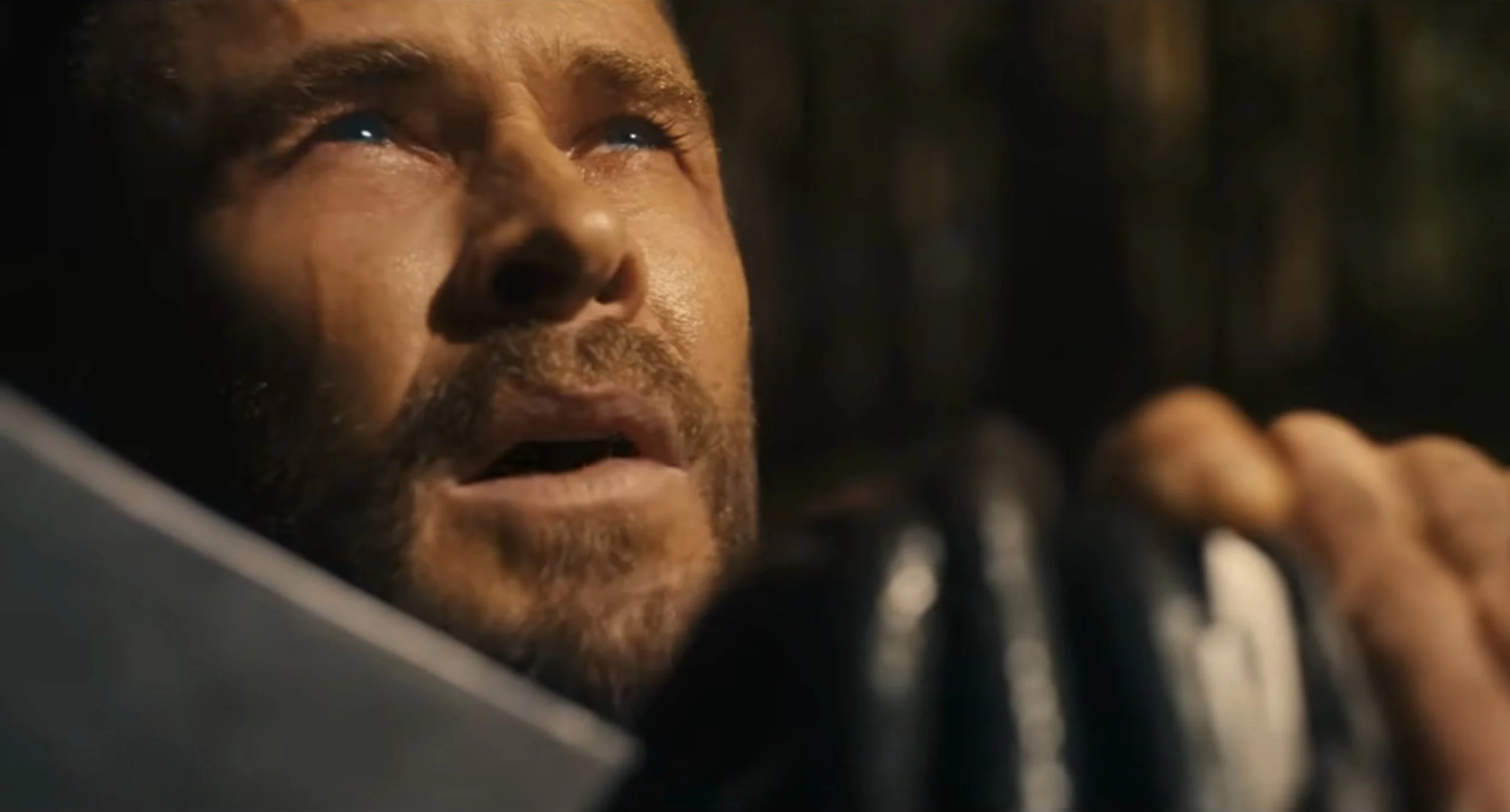
The main event. The crown jewel. The return of the Kings. Joe and Anthony Russo step back behind the camera for a film that has fundamentally rewritten the rules of the Multiverse Saga.
- The Rule of Doom: Robert Downey Jr. returns to the MCU, not as Iron Man, but as Victor von Doom. The narrative focuses on the responses of the heroes of different Earth as Doom unleashes “a cascading crisis across the entire multiverse.”
- The Universal Collision: This film is a massive collision of eras. We already know the Fantastic Four are central to the plot, but Alan Cumming recently let it slip that his OG Fox-verse Nightcrawler is back—and actively throwing hands with Pedro Pascal’s Reed Richards. And, of course, Steve Rogers, Thor and other heroes from Earth-616 will factor heavily into the plot as well.
- The Fluid Script: Production in London has been characterized by absolute secrecy. Joseph Quinn recently revealed that early scripts didn’t even have an ending, as the Russos and writer Stephen McFeely treat the film as a living document, utilizing “secret names” to hide massive legacy cameos until the cameras roll.
Marvel’s remaining 2026 lineup is all about consequence. The Marvel Spotlight experimentation of the year’s first half is giving way to projects that will drive the narrative of the main cinematic line. Peter Parker is being forced to grow up, White Vision is facing his literal demon creator, and the entire Multiverse is marching toward a date with Doctor Doom on December 18.
Buckle up. The summer belongs to the web-slinger, the autumn belongs to the synths, and this winter, there is only Doom.
-
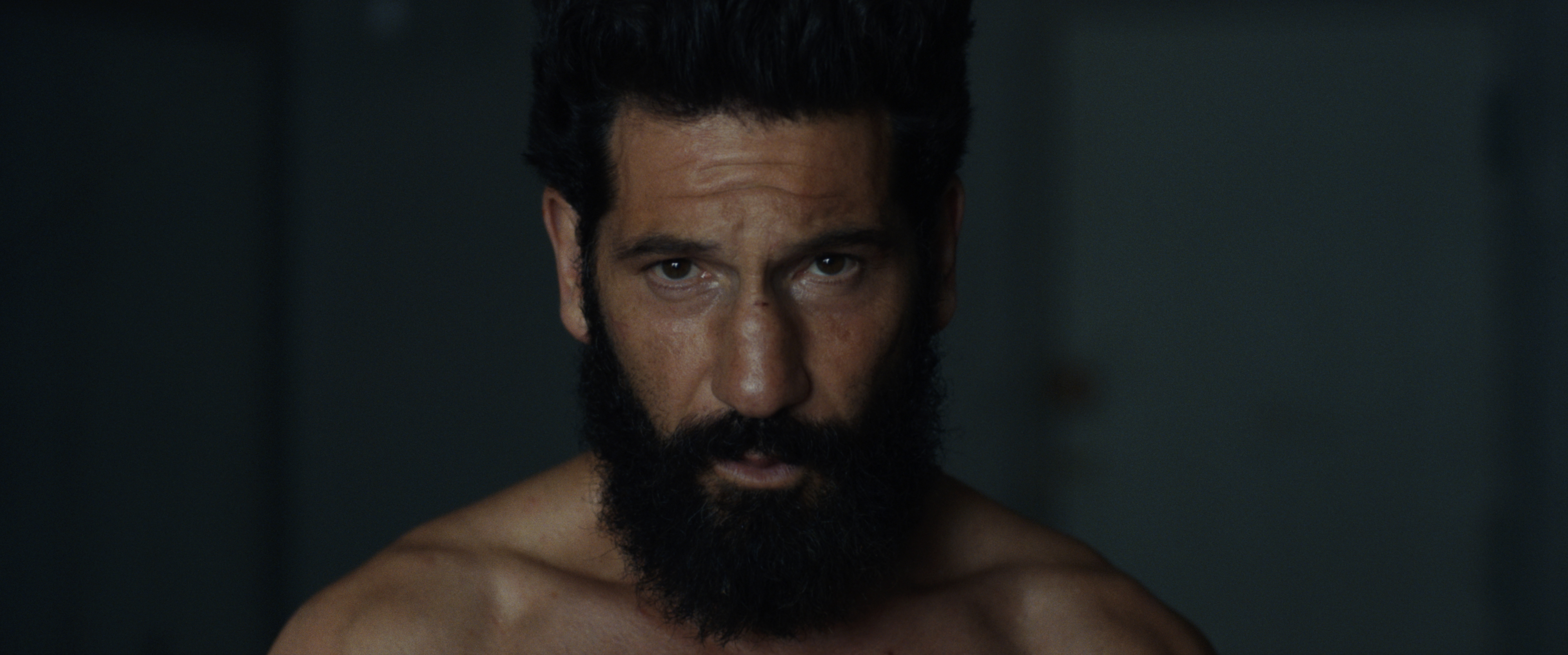
The Ultimate List of What to Watch Before ‘The Punisher: One Last Kill’
Welcome back, Frank…
Jon Bernthal‘s tortured Frank Castle returns to D+ on May 12th in the Marvel Television Special Presentation, The Punisher: One Last Kill. Bernthal, who co-wrote the feature, called the Special Presentation “the most psychologically complex, darkest version of the Punisher that you’re going to see.”
Set both after the events of Netflix’s The Punisher Season 2 and during the events of Daredevil: Born Again Season 2, One Last Kill will tee up Frank for his upcoming big screen debut in Spider-Man: Brand New Day.
While the Special Presentation is designed to be standalone, it will certainly reference some of the events from both seasons of The Punisher and Season 1 of Daredevil: Born Again. With that in mind, we present The Ultimate List of What to Watch Before The Punisher: One Last Kill.
The Complete and Definitive MCU Punisher Prep
If you have time to watch it all before you decide to stream One Last Kill, here’s everything to make sure you maximize your enjoyment. Though The Punisher did not appear in Season 2 of Daredevil: Born Again, it is most certainly relevant since One Last Kill is set during it and explains what Castle was doing during the season.
Daredevil, Season 2 (2016)
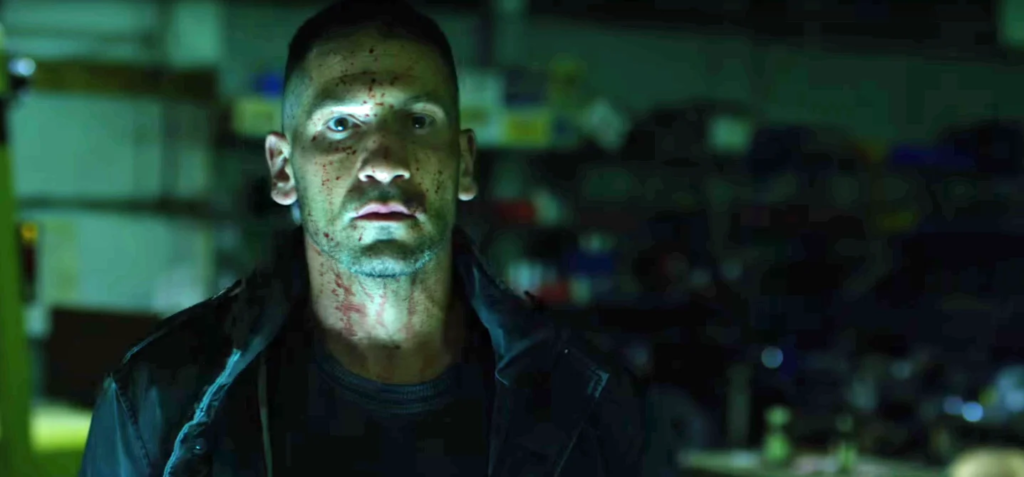
🍅 81%
13 episodes
Runtime: 12 hours, 15 minutes
The Punisher, Season 1 (2017)
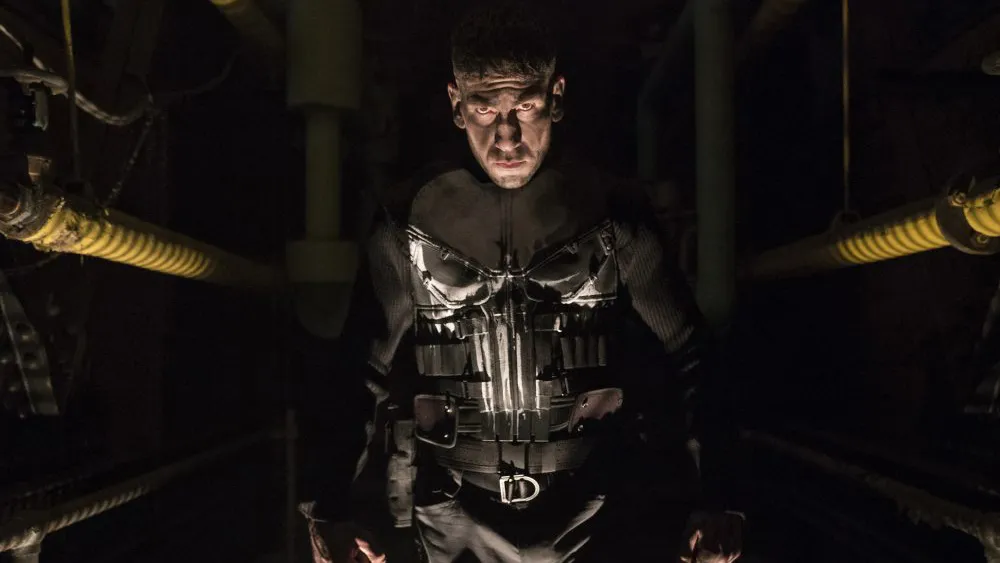
🍅 68%
13 episodes
Runtime: 11 hours, 35 minutes
The Punisher, Season 2 (2019)
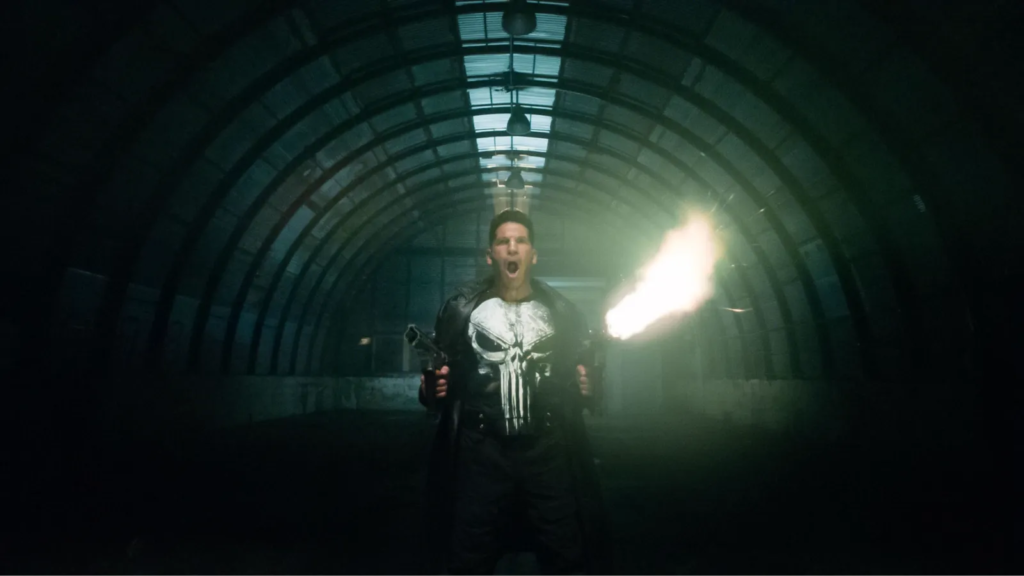
🍅 61%
13 episodes
Runtime: 11 hours, 50 minutes
Daredevil Born Again, Season 1 (2025)
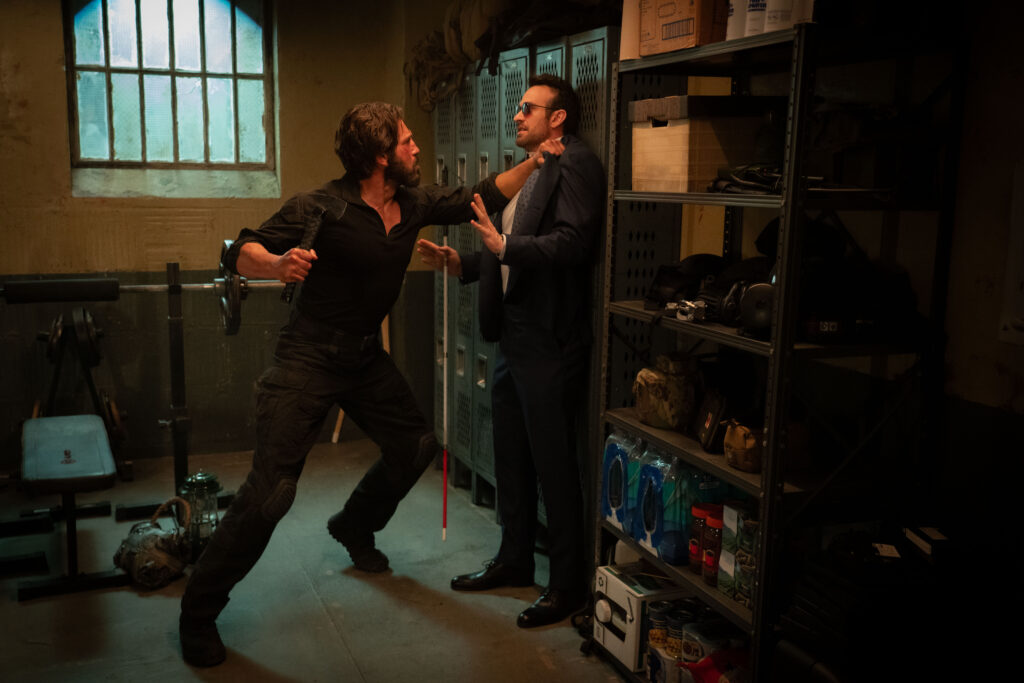
(L-R) Frank Castle/The Punisher (Jon Bernthal) and Matt Murdock/Daredevil (Charlie Cox) in Marvel Television’s DAREDEVIL: BORN AGAIN, exclusively on Disney+. Photo by Giovanni Rufino. © 2025 MARVEL. 🍅 87%
9 episodes
Runtime: 7 hours, 6 minutes
Daredevil Born Again, Season 2 (2026)
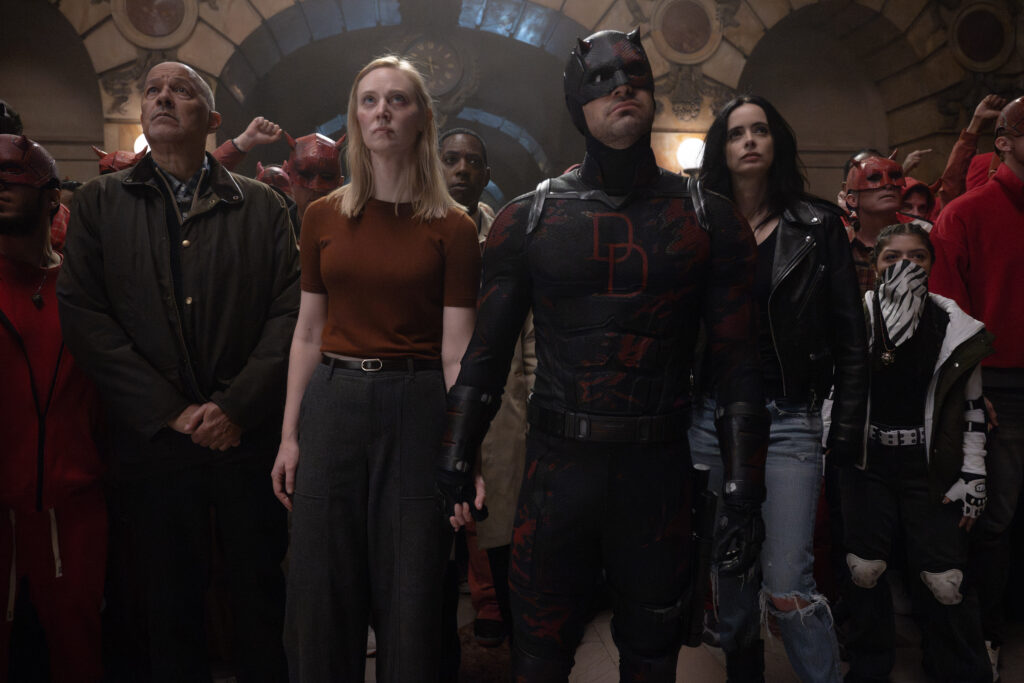
(L-R) Cherry (Clark Johnson), Karen Page (Deborah Ann Woll), Brett Mahoney (Royce Johnson), Matt Murdock/Daredevil (Charlie Cox), Jessica Jones (Krysten Ritter) and Angela Del Toro (Camila Rodriguez) in Marvel Television’s DAREDEVIL: BORN AGAIN SEASON 2, exclusively on Disney+. Photo by Jojo Whilden. © 2026 🍅 86%
8 episodes
Runtime: 6 hours, 29 minutes
Total Runtime: 49 hours and 15 minutes
If you start now, you can take it all in before the streaming debut of One Last Kill.
Essential Prep
Daredevil, Season 2 (2016)
🍅 81%
Episodes 1-4, 9 and 11
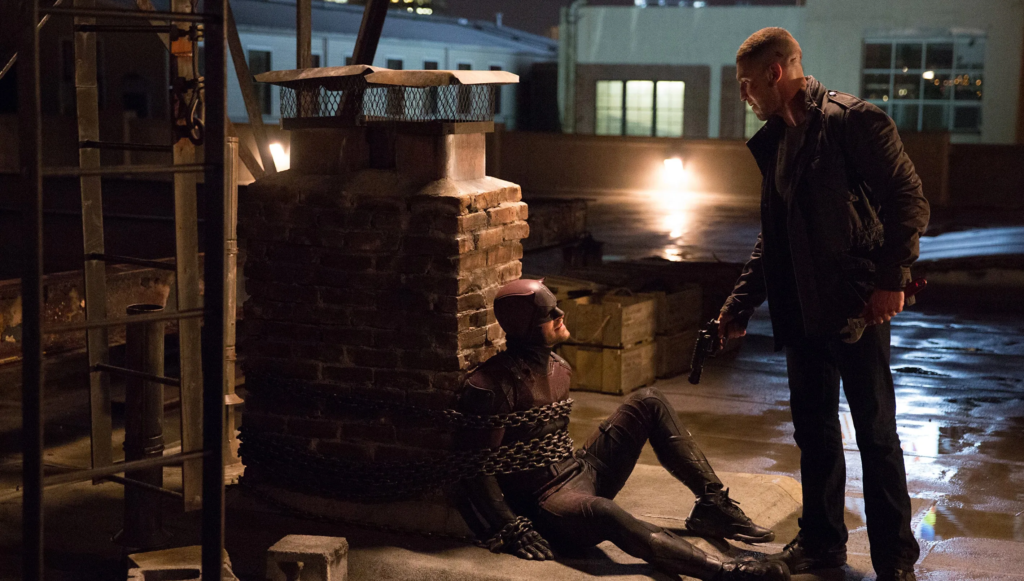
To understand the Punisher, you have to witness the tragedy that birthed him. While his debut in Daredevil Season 2 is packed with visceral action, its true importance lies in the ideological war between Matt Murdock and Frank Castle. In Episodes 1-4, we see Frank at his most raw, culminating in the “Penny and Dime” monologue that redefined the character for a generation. These episodes aren’t just backstory; they establish the “no-half-measures” code that puts him at odds with the current street-level heroes in Born Again. Furthermore, Episode 9 is the first piece of the puzzle for his relationship with Wilson Fisk, showing a mutual respect between two monsters that still haunts the MCU today.
The Punisher, Season 1 (2017)
🍅 68%
Episode 1
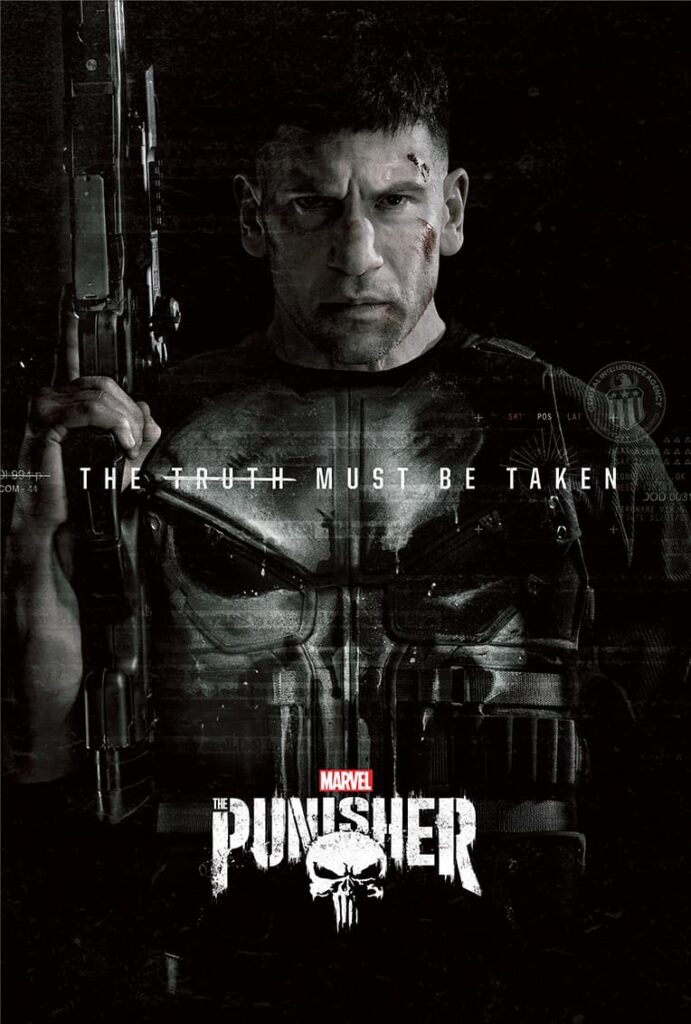
The 2017 premiere of Frank’s solo series, titled “3 AM,” is a masterclass in the War at Home. It shows Frank Castle attempting the impossible: quitting. By burning his gear and taking a sledgehammer to literal walls, Frank tries to bury the soldier. This episode is the essential spiritual predecessor to One Last Kill, which begins with Frank once again trying to find a life beyond the violence. It also sets up his showdown with Ma Gnucci–played by Judith Light–in the special presentation.
While you could skip straight to Born Again, Jon Bernthal and showrunner Dario Scardapane have been vocal in interviews (and the Born Again Official Podcast) that the Netflix shows are not only 100% canon but crucial to understanding the man and his mission.
The Punisher, Season 2 (2019)
🍅 61%
Episode 13
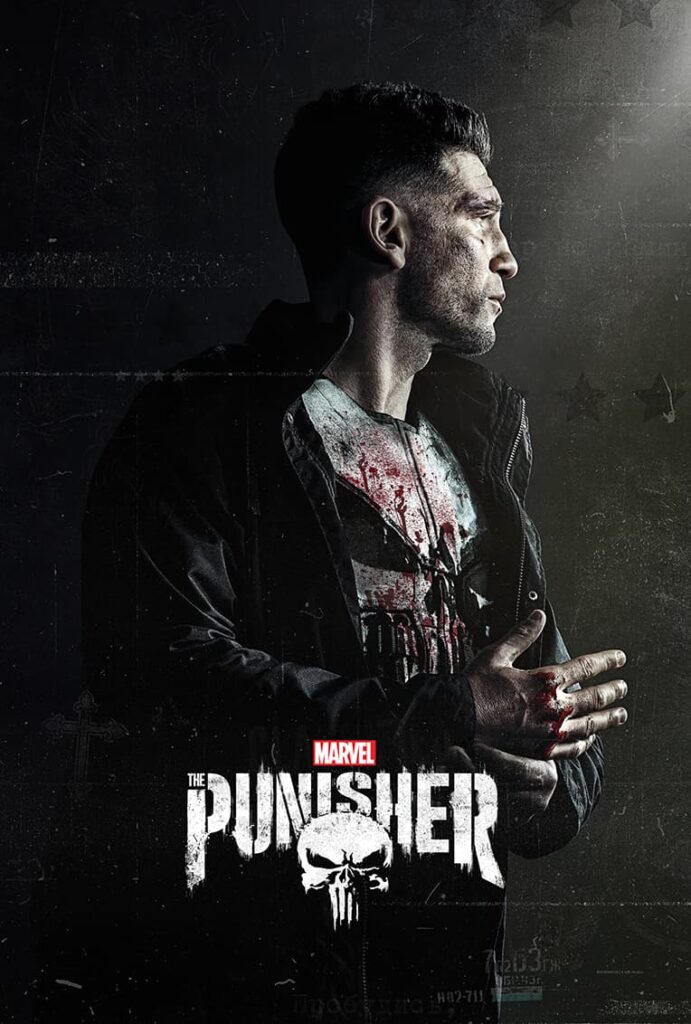
The Season 2 finale of the Netflix era serves as the definitive transition into the Frank we see in the 2026 specials. It is here that Frank stops running from his nature and accepts that he is a “man in the box.” By ending the season with Frank dual-wielding rifles against a street gang, the show signaled his transformation from a man seeking revenge to a vigilante seeking a purpose. This version of Frank—the one who accepts his role as a necessary evil—is the exact version that Mayor Fisk now uses as a boogeyman to justify his anti-vigilante task forces.
Pay close attention to the return of Jason R. Moore as Curtis Hoyle. While Frank is the hammer, Curtis has always been the anvil Frank relies on to stay grounded. Frank is going to need every ounce of that Netflix-era humanity to survive, Ma Gnucci, a villain who is just as relentless as he is.
Daredevil: Born Again Season 1 (2025)
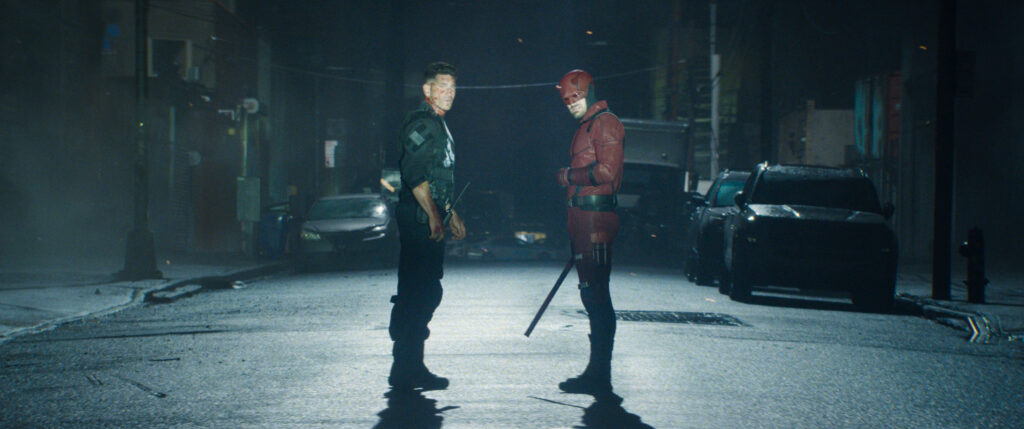
(L-R) Frank Castle/The Punisher (Jon Bernthal) and Matt Murdock/Daredevil (Charlie Cox) in Marvel Television’s DAREDEVIL: BORN AGAIN, exclusively on Disney+. Photo courtesy of Marvel Television. © 2025 MARVEL. 🍅 87%
Episodes 4 & 9
Episode 4
In this episode, Frank Castle’s return is triggered by the ultimate insult: the co-opting of his symbol. For years, the Punisher Skull had been adopted by a faction of corrupt NYPD officers—the very men Fisk uses to enforce his order. When Frank finally steps out of the shadows to confront these officers, it isn’t just about vigilantism; it’s about identity theft. He makes it clear that the skull isn’t a badge of authority or a trend—it’s a mark of a man who has lost everything and has nothing left to fear. This episode is crucial for One Last Kill because it establishes Frank’s current mission: cleaning up the mess his own reputation created. He isn’t just hunting criminals anymore; he’s hunting those who wear his face while breaking the law.
Episode 4 also serves as the first major reunion between Red and the Punisher in years, but the tone has shifted significantly since their rooftop debates. While they are still fundamentally at odds regarding the sanctity of life, there is a weary, veteran respect between them. Frank sees a Matt Murdock who is increasingly desperate and isolated after the loss of Foggy Nelson. In this episode, Frank acts as a dark mirror, forcing Matt to realize that the city Fisk is building has no room for “really good lawyers.” It sets the stage for Frank’s role in the One Last Kill special as the man who does what Matt Murdock can no longer afford to do: finish the job permanently.
Episode 9
Frank’s return in the first season of Born Again was a shock to the system. In Episode 9, we see a Frank Castle who has been forced to watch his symbol be co-opted by corrupt NYPD officers—a plot point that Bernthal has noted was a major inspiration for the One Last Kill special. This episode is crucial because it updates Frank’s status quo: he is no longer just a lone wolf; he is a witness to the systemic rot of Fisk’s New York. His confrontation with Matt about the death of Foggy Nelson provides the emotional fuel for his current state of mind, bridging the gap between his personal grief and his new civic rage. And, of course, One Last Kill will follow Castle after his escape from Fisk’s dungeon prison and explain his absence from Born Again Season 2.Bare Necessities
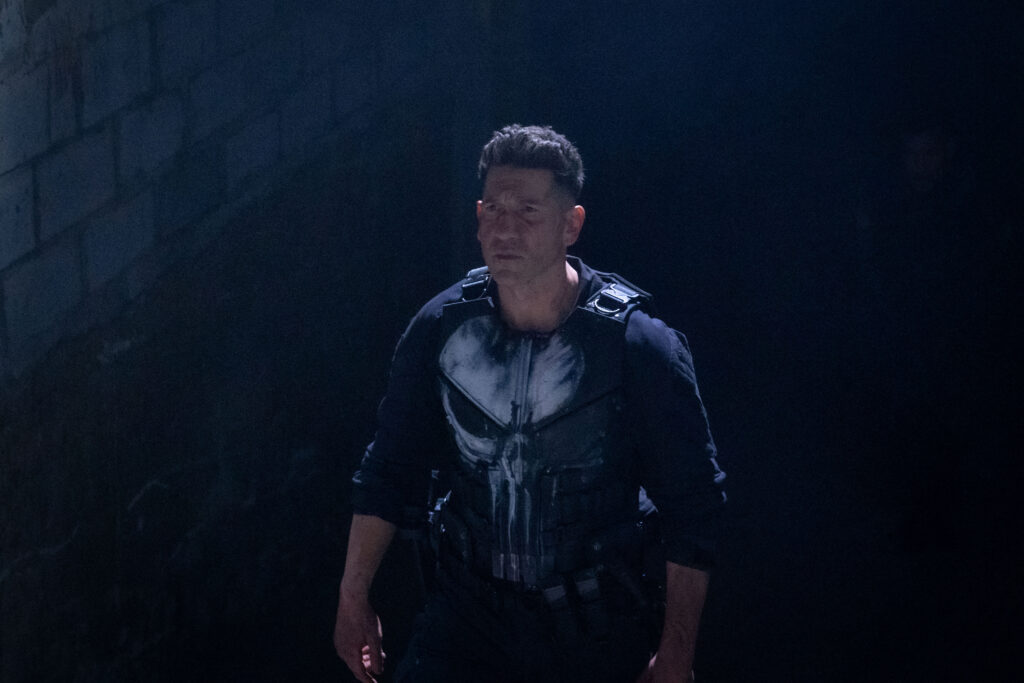
Frank Castle/The Punisher (Jon Bernthal) in Marvel Television’s DAREDEVIL: BORN AGAIN, exclusively on Disney+. Photo by Giovanni Rufino. © 2025 MARVEL. If you are truly pressed for time, here’s a boiled-down “Must-Watch” list:
- Daredevil Season 2, Episode 4 (“Penny and Dime”) — The emotional soul of the character.
- The Punisher Season 1, Ep 1 (“3 AM”) — Frank’s return to his mission and his attack on the Gnucci crime family.
- Daredevil: Born Again, Season 1, Episode 9 — To see his new MCU status quo and his escape from Fisk’s dungeon that once again sets him loose on the criminals of New York City.
About The Punisher: One Last Kill
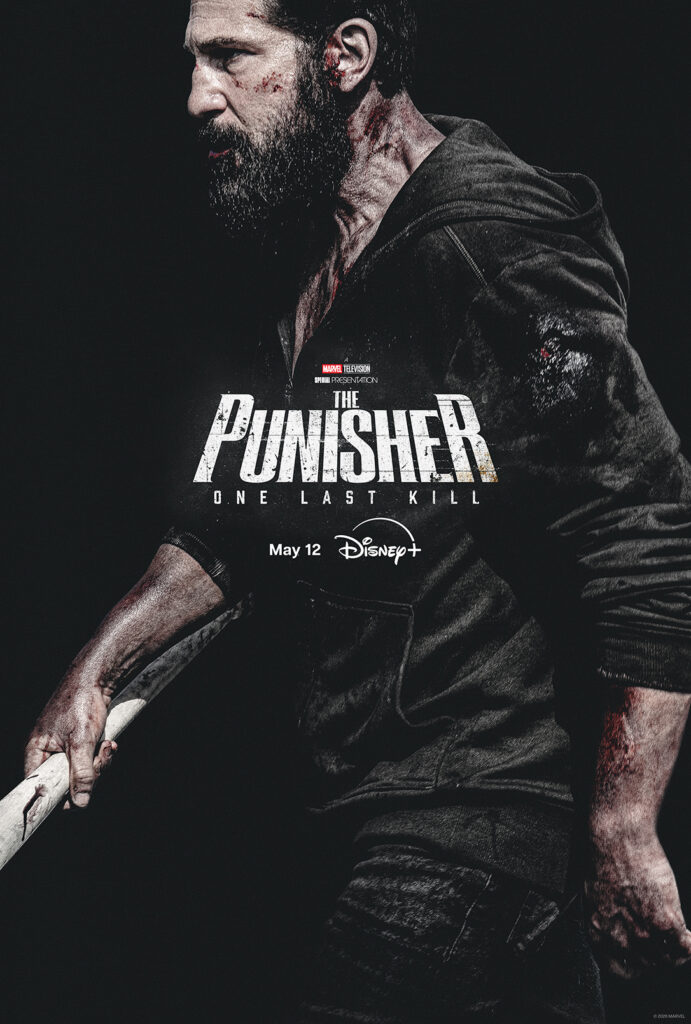
The Punisher: One Last Kill stars Jon Bernthal, Judith Light, Jason R. Moore, Roe Rancell, Mila Jaymes, Nick Koumalatsos, and Colton Hill.
As Frank Castle searches for meaning beyond revenge, an unexpected force pulls him back into the fight.
The Special Presentation was written by Jon Bernthal & Reinaldo Marcus Green. Kevin Feige, Louis D’Esposito, Brad Winderbaum, Sana Amanat, Jon Bernthal, and Reinaldo Marcus Green executive-produced.
The Punisher: One Last Kill debuts May 12th on Disney +.
-
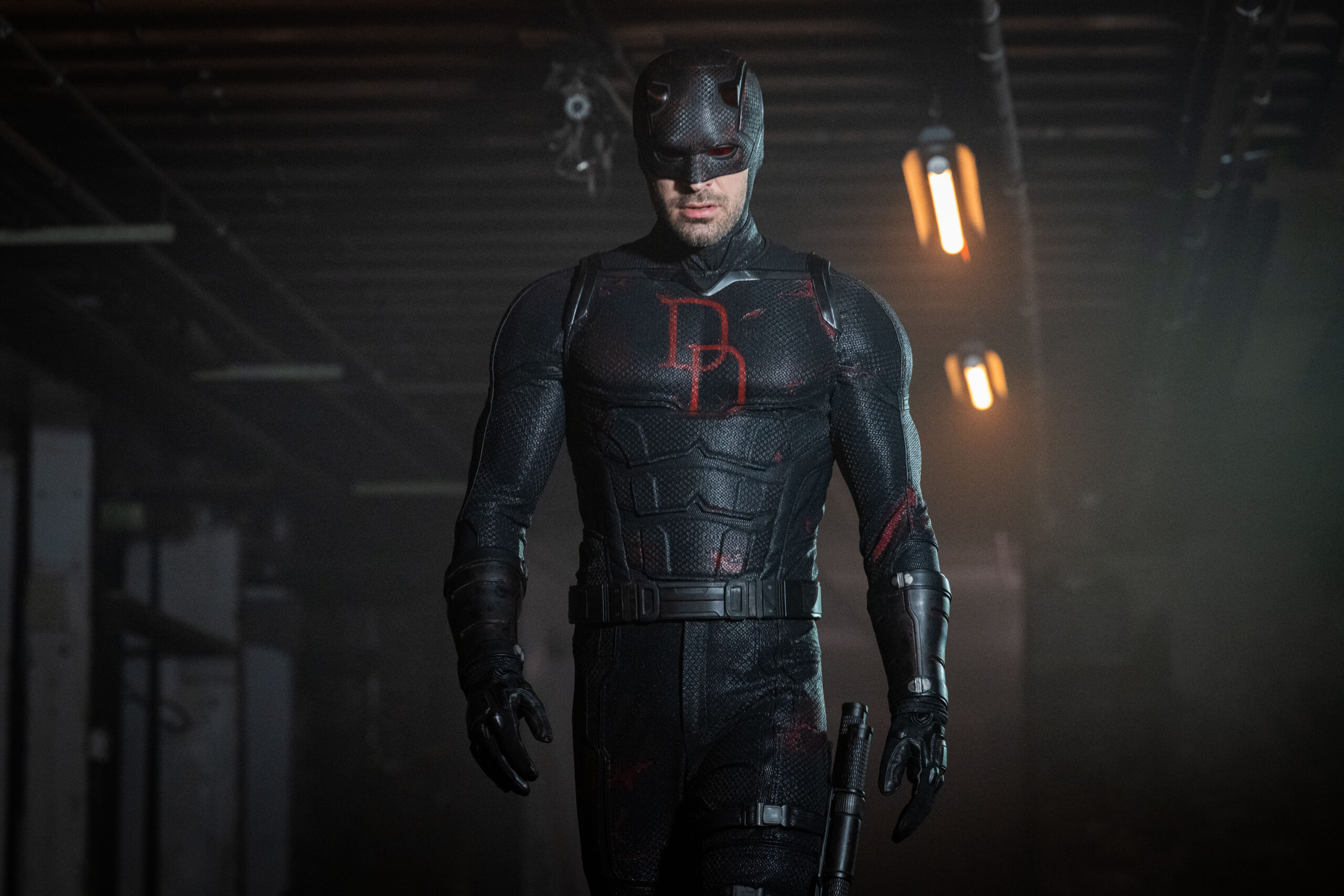
Review: ‘Daredevil: Born Again’ Season 2, Episodes 2 & 3: Sinew and Scar Tissue
Head of Streaming, Television, and Animation at Marvel Studios, Brad Winderbaum, has made it crystal that the studio views Daredevil: Born Again as its flagship streaming series. With plans to leverage the “extremely rich” world of the “streets of New York” into annual releases that stretch out into “infinity”, Winderbaum sees the forest…but he’s leaving the trees up to showrunner Dario Scardapane.
While Scardapane probably appreciates the job security, writing a television series that’s expected to stretch out into infinity also places a heavy mandate on his plate. For Daredevil: Born Again to ultimately be judged as a great show, not only will Hell’s Kitchen have to become the same sort of living, breathing enclave Frank Miller created in the comics but it’s cast of characters designed to support its dual protagonists will also need to bear the weight of world building, provide tonal shifts and serve–in one way or another–as moral counterweights to the dilemmas faced by the leads. With a pair of beloved stars like Charlie Cox and Vincent D’Onofrio, protagonist fatigue doesn’t seem likely but Scardapane and the rest of the show’s writers must still build in safeguards against it by creating a supporting cast that does more than fill screentime..and so far, those results have been decidedly mixed.
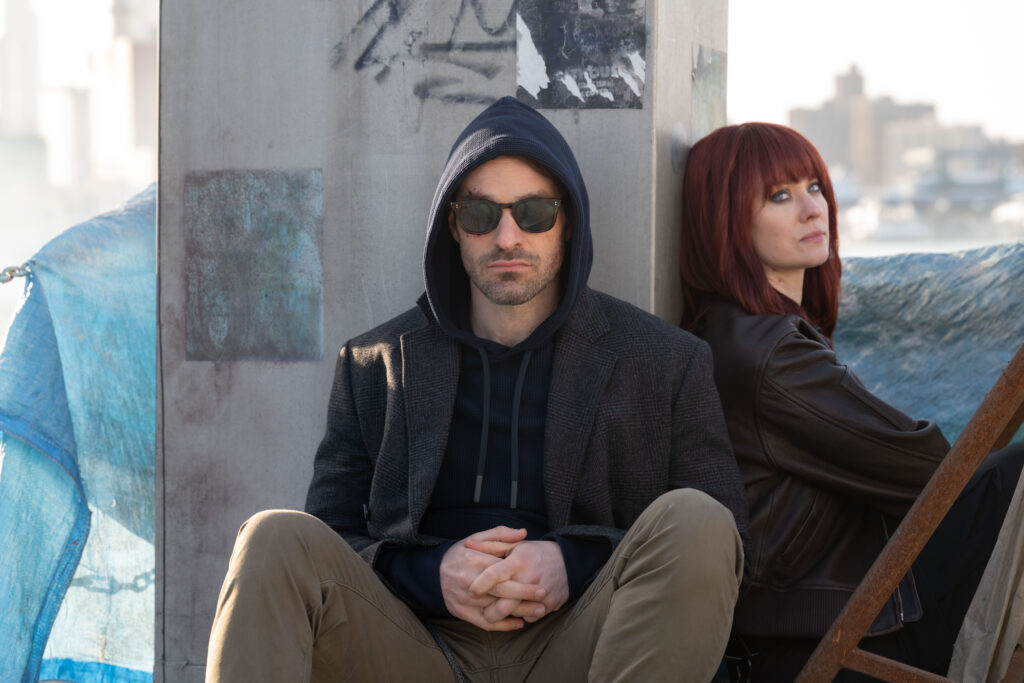
L-R: Matt Murdock / Daredevil (Charlie Cox) and Karen Page (Deborah Ann Woll) in Marvel Television’s DAREDEVIL: BORN AGAIN, exclusively on Disney+. Photo by Jojo Whilden. © 2025 MARVEL. After the opening episode of the new season established Daredevil as the enemy of Wilson Fisk’s police state, episodes 2 and 3, titled “Shoot the Moon” and “The Scales & The Sword”, respectively, spend their narrative currency on the tissue that connects the revolutionary and the regime to the reality faced by those who while not the public-facing symbols of the struggle, belong to the society or are actively taking part in its downfall. While this includes characters such as Karen, Vanessa, Jacque Duquesne and Bullseye, the latest double dip spends more time on Fisk’s collaborators Daniel Blake, Buck Cashman and, and Heather Glenn, in addition to BB Urich, whose role in the propaganda war puts both her and Blake at risk, and Kirsten McDuffie. While each of these characters has a defined role in this revolution, some of them are simply more interesting than others.
By choosing to canonize the Netflix series, Marvel (and perhaps Scardapane) chose to accept all the consequences of the choices (both good and bad) made by those writers and none resonates more loudly than the decision to kill Ben Urich. An absolute cornerstone of Daredevil’s Marvel Comics lore, Ben was killed by Fisk at the end of Season 1 of Daredevil…an act that you’ll be constantly reminded of in season 2 of Daredevil: Born Again. Without spoiling the entire season, it’s safe to say that not even Scardapane could write himself out of that particular hole and, as such, BB–and her relationship with Blake, the “heir unapparent”– just too often feel as an effort to right that wrong. And don’t get me started on Blake.
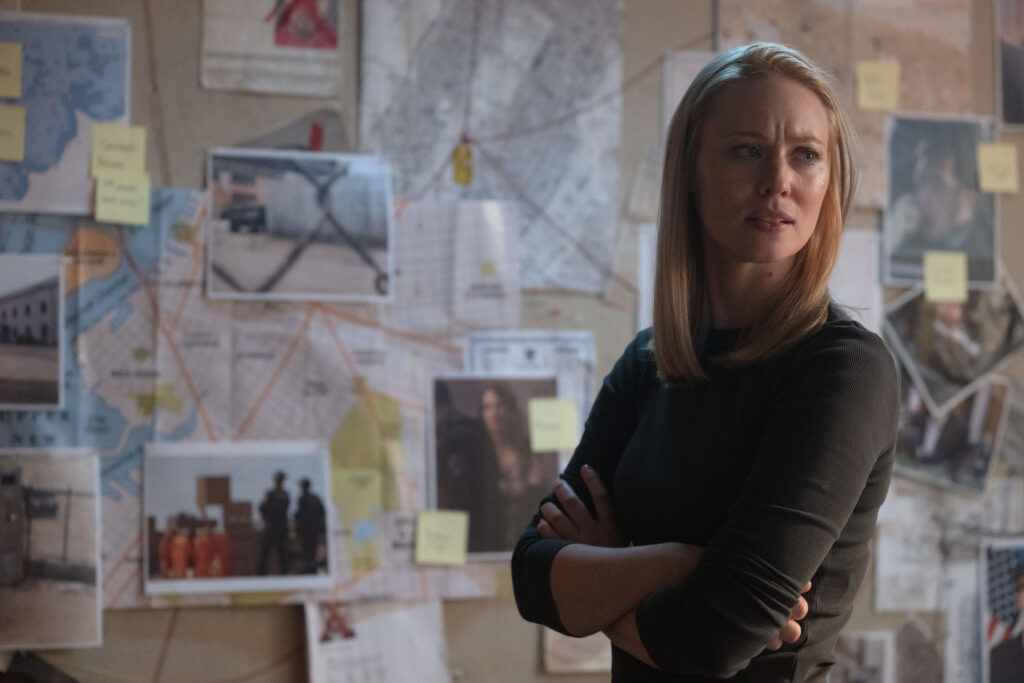
Karen Page (Deborah Ann Woll) in Marvel Television’s DAREDEVIL: BORN AGAIN SEASON 2, exclusively on Disney+. Photo by Jojo Whilden. © 2026 MARVEL. On a positive note, Scardapane seems to enjoy enhancing the parallel paths of Murdock and Fisk by pairing the arcs of characters in their respective orbits. Karen and Vanessa. BB and Blake. Heather and Kirsten. The AVTF and the AdT (Angela del Toro). Buck and…Foggy (gasp). In episodes 2 and 3, the writers leverage the supporting characters by setting them in ideological opposition to one another. As Vanessa tries to convince Wilson to leave New York, Karen and Matt talk about staying put. As the AVTF cracks down, AdT levels up. As the Deputy Mayor of New York City for Communications elevates his position in the regime, BB digs deeper and becomes the underground press, attempting to strip away the facade of fear by mocking the Kingpin. Buck serves as Kingpin’s loyal capo, weaponizing authority, while Foggy’s absence–and his adherence to the idealism of the system–allows Matt to teeter on the edge of disappearing behind the mask.
The transition between episodes accentuates these polarities as the cracks in both sides begin to show, both literally and figuratively. Karen’s radicalization (Matt compares her thought process to that of Frank Castle) and Vanessa’s gaslighting (convincing Heather of her security while fearing for her own); Heather dissociates and descends into madness as Kirsten grounds herself in the reality of the populace; state-sponsored security becomes state-sponsored terror. The final straw, of course, is the farcical trial of Jack Duquesne, in which Heather’s lack of morality and the Kingpin’s influence over the Vigilante Trials conclude with a guilty verdict handed down to a LARPer. By publicly executing the spirit through the illusion of due process, Fisk unwittingly hands the resistance its eventual winning hand.
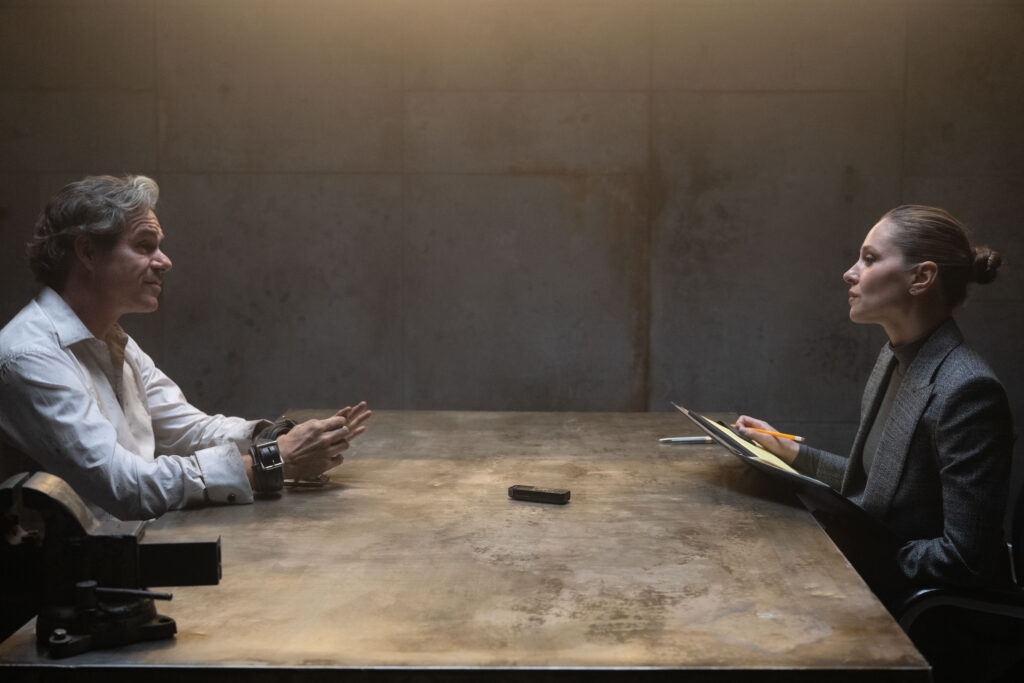
(L-R) Jack Duquesne (Tony Dalton) and Heather Glen (Margarita Levieva) in Marvel Television’s DAREDEVIL: BORN AGAIN SEASON 2, exclusively on Disney+. Photo by Jojo Whilden. © 2026 MARVEL. For the entertainment of the masses. Presented in all it’s ugly glory by then whose hand holds the scale.
-Jack DuquesneAnd, of course, the wild card becomes increasingly wild…but it’s not time for his story just yet. Through 12 episodes, Daredevil: Born Again has patiently painted a picture of a pair of protagonists prepared to prove his love for his city is greater than the other’s; however, the cumulative scar tissue on the city and its inhabitants–the sinew of the story–and each man is increasingly faced with losing something they love, even if only the blind man can see it coming.
