According to Collider, the Leslye Headland-created series is tentatively slated to debut on Disney Plus on June 5, 2024. Should that date hold, The Acolyte will premiere just five weeks after the final episode of Season 3 of The Bad Batch streams. The series, which is set near the end of the High Republic era–which spans from 500 BBY until 82 BBY–takes place roughly a century before the events of Star Wars: Episode I-The Phantom Menace and “will take viewers into a galaxy of shadowy secrets and emerging dark-side powers in the final days of the High Republic era. A former Padawan reunites with her Jedi Master to investigate a series of crimes but discovers the forces they confront are more sinister than they ever anticipated.” According to Collider, a trailer is ready to roll out and could be part of Lucasfilm’s May 4th Star Wars Day/May the 4th Be With You plans.
The Acolyte will star Amandla Stenberg, Dafne Keen, Jodie Turner-Smith, Manny Jacinto, Lee Jung-jae and Carrie-Anne Moss.
The Kang Dynasty is no more! In a move made to distance the next Avengers film from some significant bad juju related to the character played by Jonathan Majors before his dismissal from his Marvel contract, Marvel Studios is reportedly in theaeket for a new title for what was originally Avengers: The Kang Dynasty. Currently being written by Doctor Strange in the Multiverse of Madness and Avengers: Secret Wars scribe Michael Waldron, the film is currently slated for a May 1, 2026 (and could easily move off that date) release which means there’s no rush to retitle it; however, since they’re in the market for a new subtitle, we thought we’d toss out a few ideas.
Avengers: Secret Wars
But that’s the title of the sixth Avengers film!
As it stands Avengers 6, aka Avengers: Secret Wars is due out May 7, 2027 but there are a couple of scenarios in which Marvel could consider renaming Avengers 5 as Avengers: Secret Wars and then finding a new title for Avengers 6.
The most obvious–and honestly lest desirable–scenario would be to make the two-part finale to the Multiverse Saga a true Part 1 and Part 2. In that case, the 2026 film could titled Avengers: Secret Wars, Avengers: Secret Wars-Part 1 or Avengers: Secret Wars I. That would pave the way for the 2027 film to be retitled as Avengers: Secret Wars-Part 2 or, if they wanted to snag a title from a Marvel Comics event, Avengers: Secret Wars II, a 1985 follow-up to the original 1984 Secret Wars. Both of those events features the Beyonder, who could easily be worked into the Multiverse Saga as the true big bad rather than Kang.
Another option that could be paired with retitling Avengers 5 as Avengers: Secret Wars is to retitle Avengers 6 as Avengers: Heroes Reborn. The title will be familiar to comic readers as it was used first in 1996 and again in 2021. Depending on what’s in store for the heroes of the MCU’s 616 universe in Avengers 5, the idea of the heroes finding themselves in another universe unaware of their past deeds is fairly fertile ground for storytelling. It’s also the kind of thing The Beyonder might do should he become the main threat of the Multiverse Saga.
Avengers: Time Runs Out
Jonathan Hickman‘s 2015 Secret Wars seems to be providing at least some inspiration for Marvel Studios as they plot their course to Avengers: Secret Wars. While it’s still unclear just how much inspiration the film will take from Hickman’s sci-fi heavy event, the idea of incursions –which first appeared in Doctor Strange in the Multiverse of Madness–was lifted directly from the author’s Avengers/New Avengers run that led to Secret Wars. Told over 20 issues of Avengers and New Avengers, Time Runs Out was the prelude to Secret Wars. Depending on how the studio wants to play it, Avengers 5 could, at the very least, borrow the title and start the countdown to Avengers: Secret Wars.
Avengers Assemble
Marvel Studios could cash in a lot of chips should they choose to go with Avengers Assemble. The title of an animated series that ran for 5 seasons, a recent Jason Aaron limited comic book series and THE catch phrase of the team, Avengers Assemble would draw a lot of eyes and make a whole bunch of sense because right now, the Avengers aren’t really a thing in the MCU. A new team will have to come together to take on whatever threat the studio goes with and calling a film in which Avengers assemble Avengers Assemble is hardly the worst option.
Avengers: Battleworld
For fans of Marvel Comics, there’s really nothing more associated with the premise of Secret Wars than Battleworld. Whether created by The Beyonder in 1984’s Secret Wars or by Doctor Doom in 2015’s Secret Wars, the patchwork planet is the central setting where heroes fend for themselves against themselves as they figure out exactly what’s going down. Given the current trajectory, it would seem the MCU’s version of Battleworld might more closely resemble the 2015 version where universes that survived incursions merged into a planet full of weird, wild domains. No, this does not require the presence of Doctor Doom. This option best fits with the idea of the Multiversal War that fans have been expecting since Season 1 of Loki first teased it.
Avengers Forever
If the studio is looking to recast Kang the Conqueror and take him off the board ahead of Avengers: Secret Wars, they need look no further than Kurt Busiek and Carlos Pancheo’s 1998 Marvel masterwork, Avengers Forever. While a direct adaptation of the 12-issue limited series would be far too convoluted for a film, there’s a simpler version that can be pulled from the bones of Busiek and Pancheo’s book. The book pitted two Kang variants–The Conqueror and Immortus–against one another, pulled Avengers from different points in their timelines to create a new team and temporarily resulted in the Immortus variant being killed off. An adaptation of this would easily allow Marvel Studios to bring back Robert Downey Jr, Chris Evans and even Scarlett Johansson which would certainly result in a massive box office take. The studio could also opt to include Hugh Jackman‘s Wolverine on the squad along with one or more Spider-Man(s) and honestly damn near any other hero they want given the nature of alternate timelines.
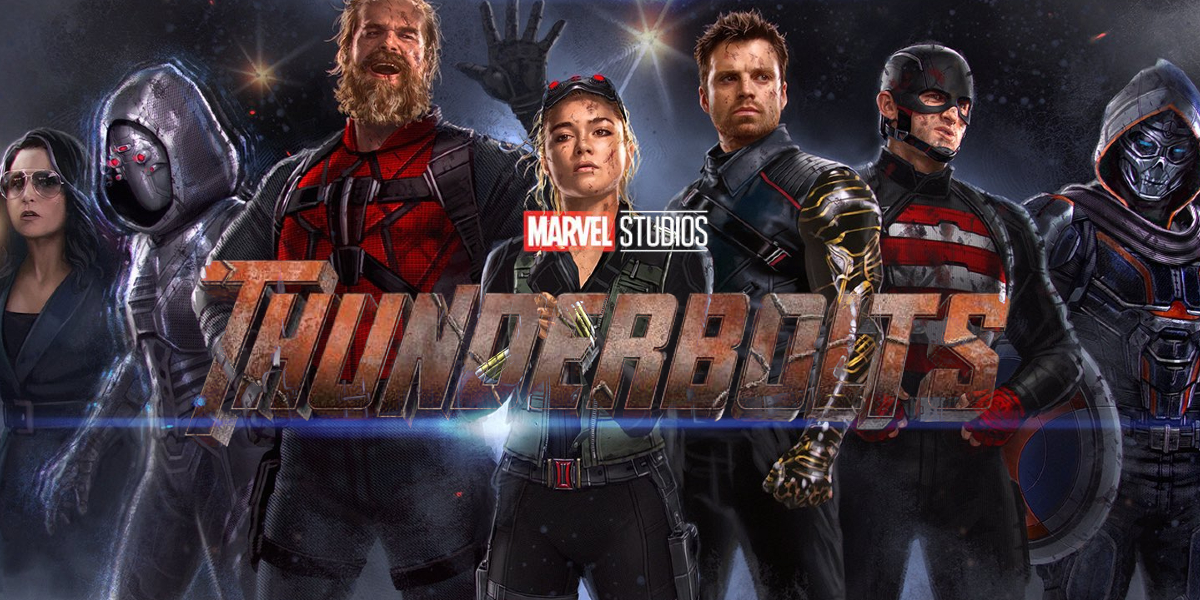
After the start of production was delayed several times, Marvel Studios Thunderbolts is set to get in front of cameras in just two weeks. Originally written as a sequel to Black Widow by Eric Pearson, who is now working on the script for Matt Shakman’s The Fantastic Four, the film’s script has been passed on to several writers since. Now, according to a trade report, Marvel Studios has brought some real creative firepower on board to touch up the script ahead of filming.
Aaron Couch and Borys Kit have revealed that Joanna Calo, the showrunner of the hit FX series The Bear, was recently hired by the studio to sharpen the script. In the same report, the first details about the titular team have been revealed and sound pretty in line with what’s been suspected about the film for some time. Given the film features stars Florence Pugh and Sebastian Stan, a plot involving the potential death of one or the other would certainly be met with some outrage. Wyatt Russell, David Harbour, Olga Kurylenko and Hannah John-Kamen–all of whom are reprising roles from prior MCU projects–are also part of the cast. Pugh’s Yelena Belova, Russell’s John Walker, Kurylenko’s Taskmaster and John-Kamen‘s Ghost make up the core of the Thunderbolts team.
According to an insider with knowledge of the script, Thunderbolts “centers on villains and antiheroes going on a mission that was supposed to end with their deaths.” Given what else is known about the film, it’s reasonable to assume that mission will put the team in the sights of the powerful Sentry, now set to be played by Lewis Pullman.
As the start of production on Marvel Studios long-awaited Fantastic Four reboot draws near, a new trade report has revealed a surprising bit of info about the studio’s efforts to improve the script. According to THR, Black Widow scribe Eric Pearson was brought on by the studio to “polish” the script before production begins this Summer.
Since Marvel Studios parted ways with Jonathan Majors, it’s seemed all but certain that they’d eventually retitle the Avengers film that included the name of his MCU character. Now, according to THR, they’ve made the decision to retitle Avengers: The Kang Dynasty.
Throughout its first two seasons, The Bad Batch has wonderfully–and sometimes painfully–been thematically centered on identity. While some audiences still struggle to recognize animated series as something more than children’s cartoons, The Bad Batch has been a fascinating psychological study of individual change. Over the course of Season 2, each of the members of Clone Force 99 had more or less worked their way through Robert Dilts’ Pyramid of Logical Levels. For better and for worse, Tech, Wrecker, Hunter and, yes, Crosshair, each reengineered his identity and each rebuilt his personal ethos. As their values and beliefs were challenged, the mutant clones reprogrammed their minds and changed their behavior. Tech, Hunter, Wrecker and Omega settled in on Pabu and Crosshair found himself in what he believed to be a comfortable position with the Empire. And then the two-part season finale shook them all to the core of their new identities; however, rather than halt their journeys of personal growth, the cliffhanger put the Bad Batch exactly where they needed to be to complete them. After a lifetime of running missions for others, Season 3 allows the remaining members of Clone Force 99 to determine their own purpose and take on one last mission of their own choosing.
Crosshair has always been severe and unyielding. It is his nature. You cannot change that. He cannot change that.
Tech, The Bad Batch: Kamino Lost
Thought up by George Lucas while he and Dave Filoni were developing Star Wars: The Clone Wars, Clone Force 99’s path to the Star Wars universe was bumpy and their place within it seemed unclear until about halfway through Season 2. Lucas originally conceived of the Bad Batch as a group of aberrant clones that would undergo further testing by the Empire in their pursuit of producing an elite squad of genetic Super Soldiers. While their connection to the Kaminoan cloners was well-explored in Season 1, the introduction of Doctor Royce Hemlock–and the unknown nature of his sister mission–in Season 2 smoothed that bumpy path for The Bad Batch and set the series up to do some of the heaviest science-fiction lifting yet. Throughout the first eight episodes of Season 3, The Bad Batch completes its evolution from a show you might want to watch if you have some time to a show that serves as an integral piece of Star Wars mythology with story-telling tendrils that touch the prequels, the New Republic era of stories and the sequels.
Those storytelling tendrils are most active, both thematically and in shared plot points, during the first five episodes of Season 3. Star Wars fans will find connections to Andor, The Mandalorian, The Book of Boba Fett and, yes, Star Wars: Episode IX-The Rise of Skywalker. Omega’s abduction by the Empire in Season 2 is, of course, the inciting moment for the action of the first half of Season 3 and her time at Mount Tantiss over the first four episodes is both revelatory and catalytic, exposing a mystery that fans will immediately solve but that will set Clone Force 99 on their true final mission. The first five episodes are easily among the best the series has put forth so far with episodes 1-3, which premiere together, serving not only as the follow-up to the Season 2 cliffhanger but as a wonderful example of how The Bad Batch has carved out a hardcore sci-fi niche within the larger space opera of Star Wars. If you enjoyed the Alien-esque Season 2 episode “Metamorphosis”, the three-episode premiere will be your cup of tea.
I am a soldier of the Empire.
Crosshair, The Bad Batch: The Solitary Clone
Not the only Batcher being held in the Empire’s Weyland facility, Omega’s interactions with Crosshair highlight the strength of head writer Jennifer Corbett in exploring the team’s interpersonal dynamics. Omega and Crosshair couldn’t be much more different from one another than they are but the two form a wonderful bond that ultimately saves them both. As Omega and Crosshair look to escape the facility, Wrecker and an emotionally devastated Hunter work with what they have left to find Omega and an invested audience will surely be anticipating the frosty reunion between Hunter and Crosshair. To that end, episode 5, “The Return”, might be one of the most cathartic episodes of Star Wars TV to date. While it may not hit as hard as Ahsoka’s “Shadow Warrior”, it’s spiritually similar and without it there’s neither a literal nor figurative path forward for what’s left of the team.
Season 3 isn’t all pedal to the metal, however, and is not–as was the case with previous seasons–without its lulls. Episodes 6 and 7 step away from the sci-fi and dip back into some familiar subplots from last season, notably the post-Order 66 politics and the place of discarded Clone Troopers in the Empire. Fans have taken–somewhat understandably and also regrettably–to referring to these episodes as “filler”; however, they’ve become a staple in the modern serial Star Wars narratives and while it’s fair to say they typically slow down the pace of the series (and they do so again here), they also provide the galaxy far, far away with an unparalleled level of verisimilitude by calling to mind the politics of the real world. Star Wars always has and always will delve into politics and the expansion into longer-form narratives simply opens up more space for them to be explored more thoroughly. If you haven’t enjoyed the subplot around Palpatine’s Defense Recruitment Bill or finding out how Rex got his groove back after Order 66, this two-episode arc (“Infiltration and “Extraction”) will not be your cup of tea. If that’s the case, though, you’ll be happy to find that Episode 8, “Bad Territory”, puts the series back on its breakneck pace.
This is who I am.
Crosshair, The Bad Batch: Return to Kamino
With the final 5 episodes withheld from the early screening package, it is unfortunately impossible to make a fair judgment of the final season of The Bad Batch. What can be comfortably and confidently said, however, is that much like the members of Clone Force 99, the show has settled on its identity after wavering on determining just exactly what it was capable of becoming. For it to become truly transformative, though, it will have to become truly impactful by settling on what the ultimate purpose of the Batchers’ three-season journey is and provide true clarity on how the story of Omega and her band of mutant brothers fits into a larger narrative whose ending is already known. And so it’s reasonable to ask that the final five episodes of The Bad Batch deliver an answer to why the show existed in the first place. If they do, Clone Force 99’s last mission will likely establish the series’ place alongside its animated predecessors (Star Wars: The Clone Wars and Star Wars Rebels) as mandatory viewing for anyone whose mission is to connect to the creator’s true vision of Star Wars.
About The Bad Batch Season 3
In the epic final season of Star Wars: The Bad Batch, the Batch will have their limits tested in the fight to reunite with Omega as she faces challenges of her own inside a remote Imperial science lab. With the group fractured and facing threats from all directions, they will have to seek out unexpected allies, embark on dangerous missions, and muster everything they have learned to free themselves from the Empire.
Star Wars: The Bad Batch showcases a talented voice cast, including Dee Bradley Baker (American Dad!), Michelle Ang (Fear the Walking Dead: Flight 462), Keisha Castle-Hughes (Whale Rider), Jimmi Simpson (Westworld), Noshir Dalal (It’s Pony) and Wanda Sykes (The Upshaws).
Star Wars: The Bad Batch is executive produced by Dave Filoni (Ahsoka, The Mandalorian), Athena Portillo (Star Wars: The Clone Wars, Star Wars Rebels), Brad Rau (Star Wars Rebels, Star Wars Resistance), Jennifer Corbett (Star Wars Resistance, NCIS) and Carrie Beck (Ahsoka, The Mandalorian), with Josh Rimes (Star Wars Resistance, Star Wars: Visions) as co-executive producer and Alex Spotswood (Star Wars: The Clone Wars, Star Wars Rebels) as senior producer. Rau is also serving as supervising director with Corbett as head writer.
Madame Web is failing at the box office, but Sony is looking ahead.
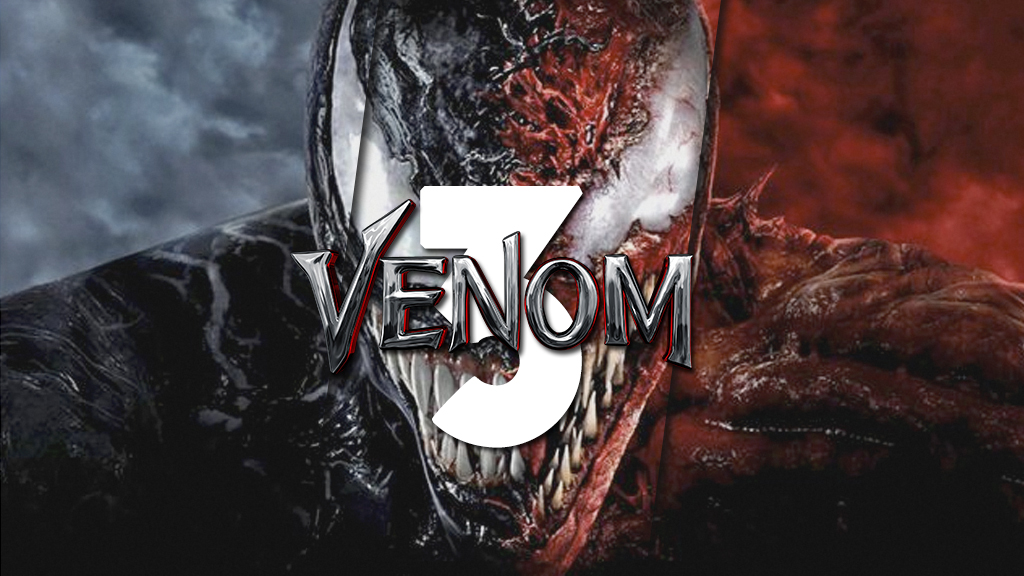
Variety reported on Tuesday that Letterkenny actor Clark Backo has joined the cast of Sony’s Venom 3. Backo will join Tom Hardy, who stars as the titular character, and Juno Temple and Chiwetel Ejiofor. Details surrounding Backo’s role are currently being kept under wraps.
Kelly Marcel, who worked on the first two Venom movies, will step behind the director’s chair for the threequel. Marcel also helped to write the screenplay for the upcoming film from a story she developed with Hardy. Marcel and Hardy will produce the film alongside Avi Arad, Matt Tolmach, Amy Pascal and Hutch Parker.
This will mark Backo’s biggest role to date. The actress is best known for her role as Rosie on the popular Canadian series, Letterkenny. She also recently starred in the Apple TV+ series, The Changeling, which Marcel helped to create and produce.
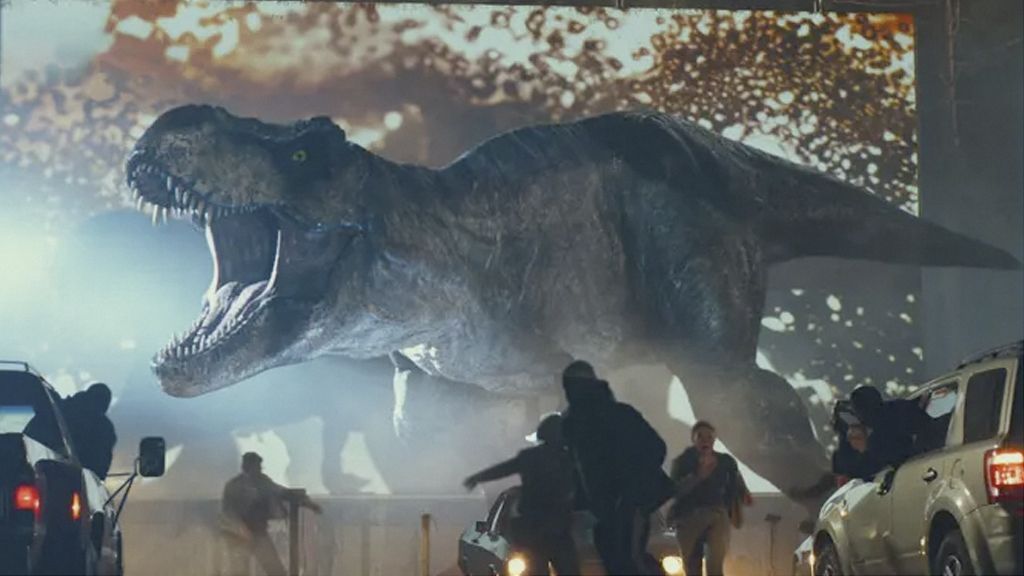
Deadline announced on Tuesday that Rogue One director Gareth Edwards will direct the latest Jurassic World movie. The news comes after it was recently revealed David Leitchwalked away from the film after being in early talks to direct it. Edwards is currently in final negotiations with Universal, meaning a deal should be closed relatively soon.
According to Deadline, Edwards managed to easily impress producers Steven Spielberg and Frank Marshall, who were behind the original franchise, the director was quickly given an offer. Pre-production is supposed to quickly get underway once the deal is complete. As previously reported, the new Jurassic World movie will be a brand new, fresh take on the Jurassic films. None of the previous cast members are expected to reprise their roles.
The Jurassic World franchise has been a huge box office success for Universal. The first film, which debuted in 2015, went on to earn an impressive $1.6 billion at the worldwide box office. The sequel, Jurassic World: Fallen Kingdom, released three years later, and earned $1.3 billion. The final film in the trilogy, Jurassic World: Dominion, released in 2022 and managed to still bring in $1.1 billion despite COVID-19’s impact on the box office.
The latest Jurassic World movie will hit theaters on July 2nd, 2025.
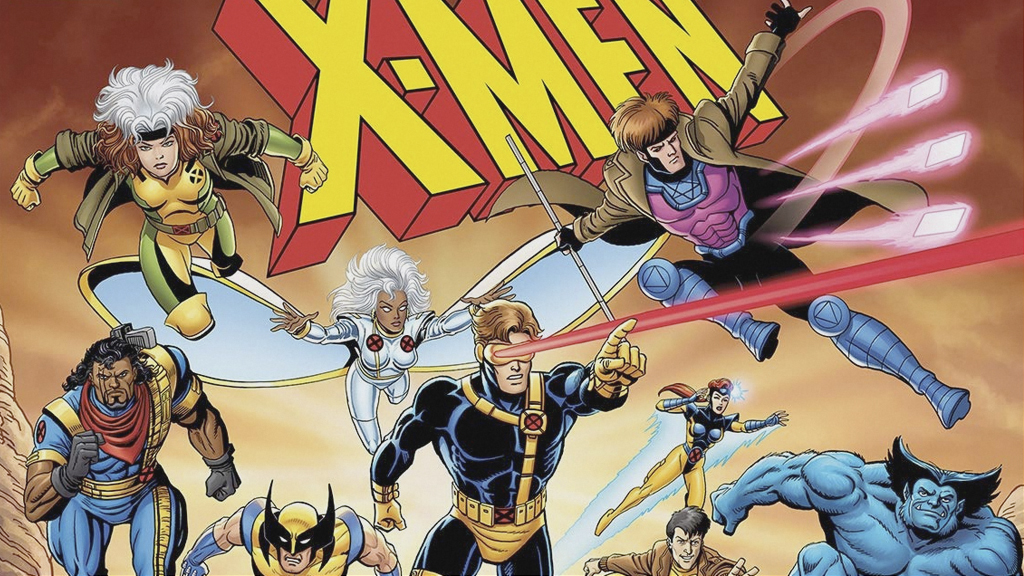
X-Men: The Animated Series premiered in 1992 and quickly became a beloved adaptation of the popular Marvel Comics series. Known for its faithful portrayal of the iconic mutant superhero team, the show captivated audiences with its engaging storytelling, dynamic characters, and thrilling action sequences. Beginning March 20th, Marvel Animation will roll out an all-new revival of the series, X-Men ’97.
Following the two-part series opener (“Night of the Sentinels Part 1” and “Night of the Sentinels Part 2”) which introduced Charles Xavier’s team of mutant heroes, the series turned its attention to the series’ main antagonist, the mutant Master of Magnetism, Magneto. Let’s revisit “Enter Magneto.”
Setting the Scene: Rising Tensions
Against the backdrop of a world divided by fear and prejudice, the episode opens with a series of escalating conflicts between mutants and humans. As anti-mutant sentiment spreads, Magneto emerges as a powerful voice for mutant rights, advocating for the superiority of mutantkind and the need for mutants to assert their dominance over humanity.
Introducing Magneto and the Brotherhood of Mutants
Magneto, a mutant with the ability to manipulate magnetic fields, is introduced as a complex and enigmatic figure. With his charismatic leadership and unwavering belief in mutant supremacy, Magneto poses a formidable challenge to the X-Men and their mission of peaceful coexistence between mutants and humans. Fueled by a deep-seated resentment towards humanity and a desire to assert mutant superiority, Magneto emerges as a formidable adversary for the X-Men. His traumatic experiences during the Holocaust have shaped his worldview, leading him to believe that mutants must rise above humanity to ensure their survival. With his magnetic powers and cunning intellect, Magneto poses a threat unlike any they have faced before, challenging the very foundation of their beliefs and ideals. As Magneto’s presence looms large, the X-Men find themselves embroiled in a battle for the future of mutantkind, where the stakes are higher than ever before.
Magneto is accompanied by his loyal followers, the Brotherhood of Mutants, a group of mutants who share his vision of mutant superiority. Among them are the shape-shifting Mystique, the agile and acrobatic Toad, and the ferocious Sabretooth. Together, they form a formidable team dedicated to advancing Magneto’s agenda and challenging the authority of the X-Men. Their confrontation with Magneto forces them to confront the complexities of morality and ethics, as they grapple with the implications of his ideology and the impact it could have on the world.
Confrontation with the X-Men
As Magneto’s influence grows, the X-Men find themselves in a tense standoff with the Brotherhood of Mutants. Led by Cyclops, the X-Men confront Magneto and his followers, hoping to prevent their radical agenda from plunging the world into chaos. Despite Cyclops’ strategic maneuvers and the combined efforts of his fellow X-Men, Magneto proves to be a formidable adversary, using his mastery of magnetism to outmaneuver and overpower the team at every turn. The stakes escalate, forcing the X-Men to push themselves to their limits in a desperate bid to stop Magneto’s radical agenda from plunging the world into chaos. As the battle rages on, the X-Men are forced to confront not only the physical threat posed by Magneto and his followers but also the deeper ideological divide that threatens to tear the mutant community apart.
A Clash of Ideologies
The episode delves into the ideological clash between Magneto and Professor Xavier, two powerful mutants with opposing visions for the future of mutantkind. While Professor Xavier advocates for peaceful coexistence and cooperation between mutants and humans, Magneto believes that mutants must assert their dominance and take control of their own destiny. Their conflict represents the larger struggle within the mutant community, as mutants grapple with their place in a world that fears and hates them.
As the dust settles and the echoes of battle fade, the X-Men emerge victorious but forever changed by the trials they have endured. “Enter Magneto” serves as a sobering reminder of the dangers posed by intolerance and extremism, urging viewers to confront their own prejudices and embrace diversity. Despite the challenges they face, the X-Men remain steadfast in their commitment to protecting both mutants and humans alike, united in their determination to forge a brighter future for all. As the episode draws to a close, the X-Men stand united, ready to face whatever challenges lie ahead in their ongoing quest for peace and equality in a world fraught with danger and uncertainty.
The Rise of Magneto
“Enter Magneto” concludes with Magneto emerging as a formidable new threat to the X-Men and their mission of peace and coexistence. As Magneto continues to rally support for his cause and expand his influence, the stage is set for a showdown between the X-Men and their greatest adversary yet. The episode leaves viewers on the edge of their seats, eager to see how the conflict between mutants and humans will unfold in the episodes to come.
X-Men: The Animated Series premiered in 1992 and quickly became a beloved adaptation of the popular Marvel Comics series. Known for its faithful portrayal of the iconic mutant superhero team, the show captivated audiences with its engaging storytelling, dynamic characters, and thrilling action sequences. Beginning March 20th, Marvel Animation will roll out an all-new revival of the series, X-Men ’97.
Against the backdrop of escalating tensions between mutants and humans, “Deadly Reunions” opens with the introduction of Magneto’s former ally and protege, Professor Xavier. Xavier, the telepathic leader of the X-Men, has devoted his life to promoting peace and understanding between mutants and humans. However, his efforts are continually challenged by the actions of individuals like Magneto, whose radical beliefs and actions threaten to destabilize the delicate balance of power in the world.
Revisiting the Past
The episode delves into the complicated history between Xavier and Magneto, revealing their shared past as friends and allies in the fight for mutant rights. However, their friendship was torn apart by ideological differences, leading Magneto down a path of extremism and violence. Now, years later, Magneto resurfaces, seeking revenge against his former friend and the X-Men for perceived betrayals and injustices. As Magneto’s presence looms over the X-Men, they must confront their own pasts and grapple with the consequences of their actions, setting the stage for a dramatic confrontation that will test their bonds of friendship and loyalty to the breaking point.
As Magneto launches a series of devastating attacks on key military installations, the X-Men are thrust into a race against time to stop him before he unleashes chaos and destruction on a global scale. Led by Cyclops, the X-Men mobilize to thwart Magneto’s plans and protect innocent lives from harm, but they quickly realize that defeating Magneto will require more than just brute force—it will require them to confront the painful truths of their shared history and find a way to reconcile their differences.
Reunion with a Dark Past
“Deadly Reunions” also delves into the troubled past of Wolverine, one of the X-Men’s most enigmatic members, as he comes face to face with his former mentor turned nemesis, Sabretooth. The episode explores the deep-seated animosity between Wolverine and Sabretooth, delving into their shared history and the unresolved conflicts that have defined their tumultuous relationship. As old wounds are reopened and bitter rivalries reignited, Wolverine finds himself confronting the ghosts of his past and grappling with the demons that continue to haunt him to this day.
Sabretooth plays a pivotal role as a central antagonist, confronting Wolverine and reigniting their long-standing feud. Sabretooth’s appearance dredges up painful memories and unresolved conflicts from Wolverine’s past, as the two mutants engage in a fierce battle fueled by years of animosity and bitterness. Sabretooth’s savage nature and relentless pursuit of Wolverine serve as a stark reminder of the darkness that lurks within the mutant community, highlighting the constant struggle between the X-Men’s ideals of peace and tolerance and the harsh realities of a world torn apart by prejudice and fear. As Wolverine grapples with his inner demons and confronts the ghosts of his past, Sabretooth emerges as a formidable adversary, pushing him to his limits and testing the strength of his convictions. Ultimately, Sabretooth’s role in “Deadly Reunions” serves to deepen the complexity of the X-Men universe, shedding light on the darker aspects of mutant society and the ongoing battle between good and evil.
The Xavier-Magneto Confrontation
The heart of “Deadly Reunions” lies in the tense confrontation between Professor Xavier and Magneto, two powerful mutants whose paths have diverged dramatically since their days as friends and allies. As Xavier confronts Magneto, he is forced to grapple with the painful memories of their shared past and the choices that led them down different paths. Meanwhile, Magneto, driven by a deep-seated desire for revenge and vindication, refuses to back down, determined to prove the superiority of mutantkind and assert his dominance over humanity. Their clash of wills and ideologies serves as a microcosm of the larger struggle between mutants and humans, as they each represent competing visions for the future of mutantkind—one rooted in cooperation and understanding, the other in dominance and conquest.
As the battle between Xavier and Magneto reaches its climax, the true cost of their conflict becomes painfully clear. Innocent lives hang in the balance as the X-Men and Magneto’s Brotherhood of Mutants clash in a destructive showdown that threatens to tear apart the very fabric of society. Caught in the crossfire, ordinary citizens are forced to confront their own prejudices and fears, as they witness firsthand the destructive power of hatred and intolerance. In the aftermath of the battle, the X-Men are left to pick up the pieces and reckon with the consequences of their actions, knowing that the fight for peace and coexistence is far from over.
The Rise of Mutant Internment Camps
“Deadly Reunions” introduces a chilling development in mutant-human relations with the establishment of mutant internment camps. These facilities, reminiscent of the darkest chapters of human history, serve as symbols of the escalating persecution faced by mutants in a world gripped by fear and prejudice. The creation of these camps represents a dangerous shift in government policy, as mutants are rounded up and imprisoned simply for being who they are. The existence of the internment camps underscores the gravity of the situation facing mutants and the lengths to which some will go to maintain their power and control. As the X-Men confront the horrors of these camps, they are forced to confront the harsh realities of a world divided by fear and intolerance, as well as the urgent need to fight for the rights and freedoms of all people, regardless of their genetic makeup.
Lessons Learned
“Deadly Reunions” concludes with a sense of reflection and introspection, as the X-Men come to terms with the events that have transpired and the lessons they have learned along the way. Despite the challenges they have faced and the sacrifices they have made, the X-Men remain committed to their mission of protecting both mutants and humans and striving for a better world. As they look to the future, they know that the road ahead will be difficult and fraught with danger, but they also know that as long as they stand together, they can overcome any obstacle and triumph over adversity.
Cookie Consent
We use cookies to improve your experience on our site. By using our site, you consent to cookies.
This website uses cookies
Websites store cookies to enhance functionality and personalise your experience. You can manage your preferences, but blocking some cookies may impact site performance and services.
Essential cookies enable basic functions and are necessary for the proper function of the website.
Name
Description
Duration
Cookie Preferences
This cookie is used to store the user's cookie consent preferences.
30 days
These cookies are needed for adding comments on this website.
Name
Description
Duration
comment_author_email
Used to track the user across multiple sessions.
Session
comment_author_url
Used to track the user across multiple sessions.
Session
comment_author
Used to track the user across multiple sessions.
Session
Statistics cookies collect information anonymously. This information helps us understand how visitors use our website.
Google Analytics is a powerful tool that tracks and analyzes website traffic for informed marketing decisions.
Contains information related to marketing campaigns of the user. These are shared with Google AdWords / Google Ads when the Google Ads and Google Analytics accounts are linked together.
90 days
__utma
ID used to identify users and sessions
2 years after last activity
__utmt
Used to monitor number of Google Analytics server requests
10 minutes
__utmb
Used to distinguish new sessions and visits. This cookie is set when the GA.js javascript library is loaded and there is no existing __utmb cookie. The cookie is updated every time data is sent to the Google Analytics server.
30 minutes after last activity
__utmc
Used only with old Urchin versions of Google Analytics and not with GA.js. Was used to distinguish between new sessions and visits at the end of a session.
End of session (browser)
__utmz
Contains information about the traffic source or campaign that directed user to the website. The cookie is set when the GA.js javascript is loaded and updated when data is sent to the Google Anaytics server
6 months after last activity
__utmv
Contains custom information set by the web developer via the _setCustomVar method in Google Analytics. This cookie is updated every time new data is sent to the Google Analytics server.
2 years after last activity
__utmx
Used to determine whether a user is included in an A / B or Multivariate test.
18 months
_ga
ID used to identify users
2 years
_gali
Used by Google Analytics to determine which links on a page are being clicked
30 seconds
_ga_
ID used to identify users
2 years
_gid
ID used to identify users for 24 hours after last activity
24 hours
_gat
Used to monitor number of Google Analytics server requests when using Google Tag Manager
1 minute
Marketing cookies are used to follow visitors to websites. The intention is to show ads that are relevant and engaging to the individual user.
Pinterest Tag is a web analytics service that tracks and reports website traffic.