Fans are preparing to bid farewell to everyone’s favorite band of intergalactic misfits, with Summer 2023’s Guardians of the Galaxy Vol. 3 potentially marking the end of the Guardians as we know them. However, one of the group’s stars may believe that the end of the road for Groot in the Marvel Cinematic Universe has not yet arrived.
Guardians of the Galaxy’s Groot actor Vin Diesel shared a post on Instagram where he seems to indicate—or joke—that he believes Marvel Studios has plans to develop an MCU movie based on the talking tree’s homeworld.
After noting his niece’s love for the recent I Am Groot Disney+ shorts, Diesel ended the post on an interesting note:
“So my niece called me and said… thank you uncle Vin for making I Am Groot, haha… the shorts written and directed by the talented Kristin Lepore. It was a blast making, but it’s also a blast watching it with my angels. No wonder Marvel wants to make the Planet X movie. All love. #FloraColossi #AlphaGroot #PlanetX”
Vin Diesel
Planet X is the homeworld of the Flora colossus, the alien race from which Groot is descended, where the simplistic but loveable language of Groot is spoken. Fans may also recognize “Planet X” as the X-Men comic storyline by the same name, or the mutant safe haven also coined Planet X. While fans gets excited about an X-Men news, it is unclear how Diesel’s post would relate to mutants at all.
Diesel easily could have been joking about the potential for a Groot-centered film, as a solo film starring the loveable character seems unlikely in the currently known MCU slate. Still, nothing can ever be ruled out as a future installment given the rapid expansion of the MCU in the past couple of years.
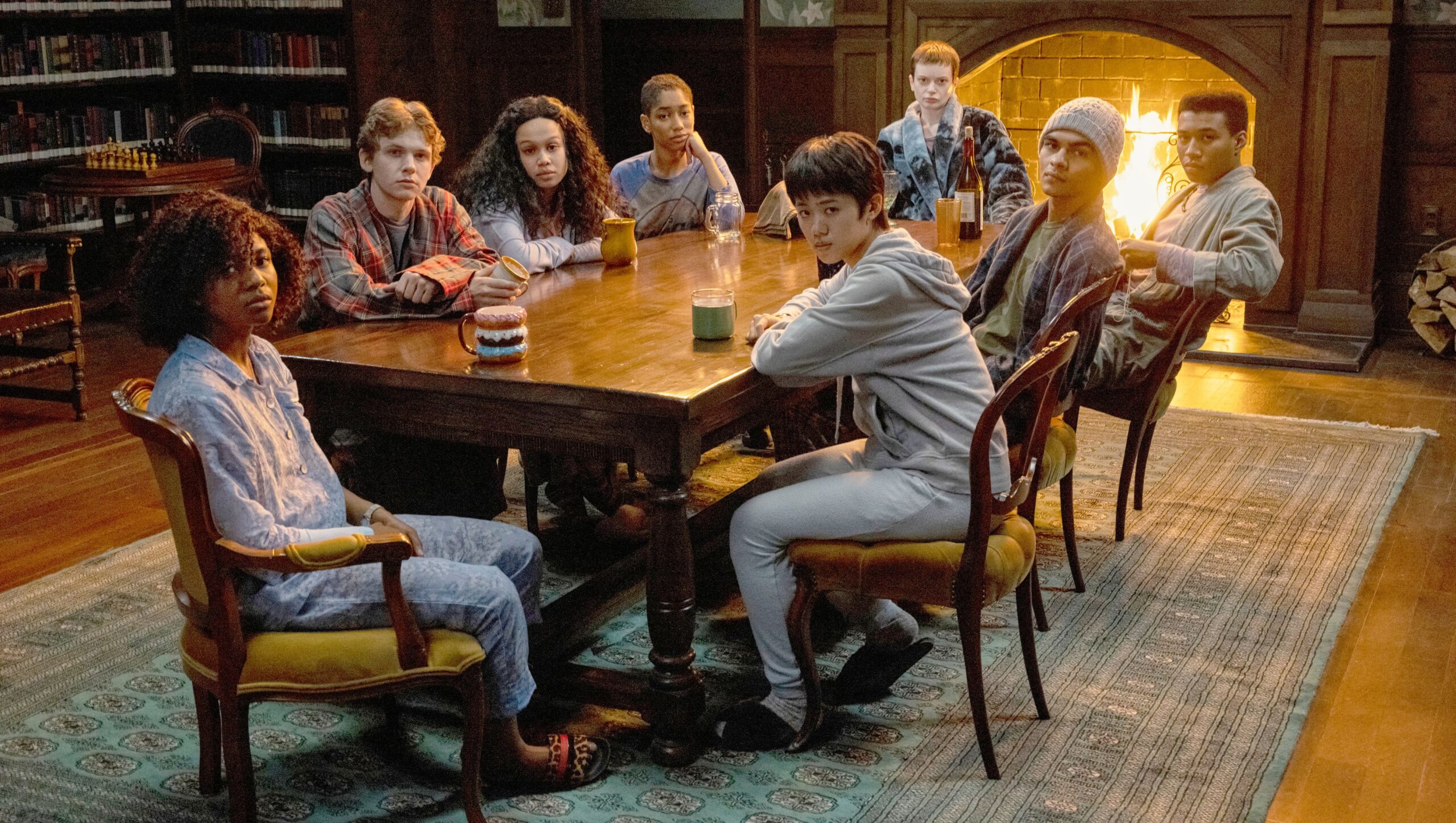
Mike Flanagan’s latest horror masterpiece, The Midnight Club, is now streaming on Netflix. The series, based on a novel by Christopher Pike, revolves around a group of terminally ill teenagers living at the (probably) haunted Brightcliffe hospice. Unbeknownst to the well-meaning staff, the mischievous kids sneak out of their rooms every night and meet in the library, where they tell each other ghost stories and think about life beyond the grave. It’s a fantastic premise, and it’s even better in execution. After a string of hits like the Haunting series and last year’s Midnight Mass, Flanagan delivers yet another exhilarating, endearing spookfest that’s worth everyone’s time and attention.
As a fan of frights and lover of good television, I had the distinct pleasure of experiencing The Midnight Club’s premiere episode on two occasions before it became available to the rest of the world. First, after receiving a screener from Netflix, I watched the pilot alone in my room. I set everything up the same way I would have for the rest of Flanagan’s projects. A bottle of wine sat beside my bed in dim lighting as I curled up under my sheets – fluffy pajamas and all – and hit play on The Final Chapter. For the next hour, I mostly just made a variety of noises. They included screeches, gasps, and pleas for the fear to stop. With nobody but myself around, I was free to do whatever was necessary to cope with the events playing out on the screen in front of me. Whether or not I also covered my ears to soften the blow of jump scares is private information.
Then, only a few nights later, I was lucky enough to watch The Final Chapter once more. For my second viewing, however, I was not alone. Instead, I found myself sitting amongst a large crowd of excitable horror fans at New York Comic-Con. The event was hosting the world premiere of the series, with the full cast and Flanagan in tow, and had pulled out all the stops. It was like a theater experience in that room, with the audience reacting loudly to every ghoulish moment and leaning forward in unison for each segment of emotional relief. We all took the bait together, metaphorically holding hands as we made our way down the murky path to Brightcliffe. It was an entirely different experience to the one I had lived through in my apartment. I no longer had my safety blanket, and instead was comforted only by the knowledge that everyone else in the room was as terrified as myself. It was group suffering, which is arguably the best kind of pain.
Following my time in the convention center, I was left with a curious thought – after watching The Midnight Club both alone and with a crowd, was either method better than the other? I think the definitive answer is a firm “no,” as the way one chooses to experience something is subjective and a matter of personal preference. However, I thought it interesting to at least explore the differences between the two. Watching by myself, I was struck by the way The Midnight Club was able to consume the space in which it was playing. With each movement of the score, or trick of the camera, it had the power to suck away all other energy from my room. Shadows began to creep, and my attention was pulled fully into the world of Brightcliffe. It made jump scares harder to take. A quiet nightmare interrupted by the ferocious, adrenaline-filled jolt of sudden monstrous faces. When it was over, I sat in silence. Contemplating the choices I had made up until that point in my life.
With an audience, it was altogether different. It didn’t matter that I already knew where the scares would be. The show is well-constructed enough to pull me in again, but this time, I had backup. There was a sense of relief after every fright, with myself and my fellow audience members even laughing at our own collective cowardice, in a somewhat successful attempt to clear the air of fear. Simultaneously, though, the scares felt bigger. With a full room reacting all at once, there was a sense of camaraderie in our terror. More of a rollercoaster ride than a personal attack. It was also a delight to watch the faces of the crowd as they lit up for each of the show’s best moments. There’s a certain pleasure one can take in knowing your seat partner is having just as much fun as you.
So, ultimately, watching The Midnight Club as a group was maybe more fun, but watching it alone was altogether the scarier experience. I’m not sure which is the one Mike Flanagan intended, but the show really works either way. Take note, if you plan on watching the show but aren’t sure how much you can really handle. It’s easier to put yourself through it if you have a nice little group together. If you’re a horror junkie, or a proverbial anxiety purist, lock yourself in a dark space and hit play with nothing to aid you but your favorite pillow. You’ll enjoy it no matter what. How you sleep after is entirely up to you.
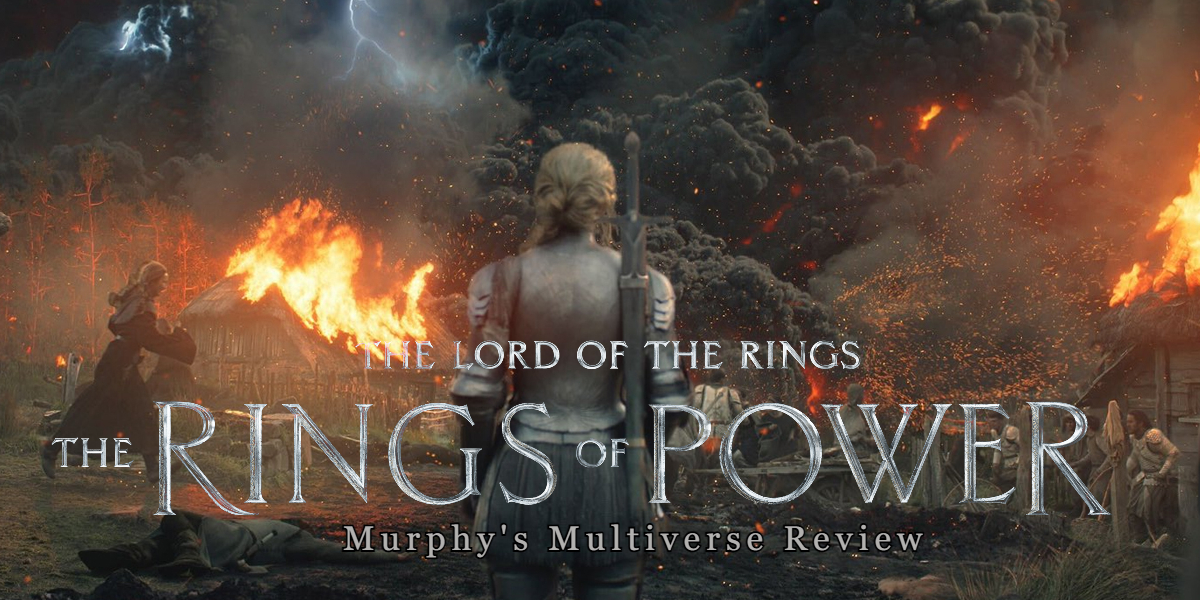
Ashes fill the air, bodies cover the ground, and even those with the strongest of will have been brought to their knees. With this week’s episode, The Rings of Power takes a deep dive into a topic it’s been dancing around since the very beginning. Trauma, and the grief that comes with it, weighs heavy on The Eye, the penultimate episode of Prime Video’s hit Lord of the Rings prequel. Last week saw Adar and his army of orcs emerge from the battle of Ostirith victorious, laying waste to the Southlands and giving rise to Mordor at the cost of countless innocent lives. Now, the heroes of Middle-earth must deal with the fallout – something they aren’t incredibly well-equipped to handle.
The Eye is a necessary step back in energy after last week’s action-packed installment. Before the series can go full throttle into what will undoubtedly be a hectic finale, it needs to let its characters settle into the next status quo. The people of Númenor and the Southlands suffered great losses, and the episode does a wonderful job of letting them confront it honestly. Lloyd Owen‘s Elendil, especially, is the standout of this week’s entry. All season, the Captain has presented himself stone-cold and unfeeling, even if his underlying soft side was always threatening to break through the surface. In The Eye, the disappearance and presumed death of his son, Maxim Baldry‘s Isildur, finally pushes the emotion through. Owen‘s performance is heartbreaking and genuine. In an episode where the likes of Morfydd Clark‘s Galadriel and Cynthia Addai-Robinson‘s Queen Regent Míriel are faced with unthinkable challenges, it’s Elendil who forces viewers to feel the true pain of loss.
This feeling extends to the caverns of Khazad-dûm, where Owain Arthur‘s Prince Durin painstakingly claws his way through familial relations in an attempt to help his friend, Robert Aramayo‘s Elven favorite Elrond. Probably the other best performance in the episode, and this one has a lot of great performances, Durin’s tearful commitment to chosen family and the good of Middle-earth turns out to be the centerpiece of hope for the realm’s future. While all feels lost, Durin is willing to sacrifice his own birthright for what he knows to be good in his heart. Hope has been a theme throughout The Rings of Power, and many of the characters fashion themselves as symbols of it, but it’s the little Dwarf with a golden soul who makes it all feel real.
The writing for the show has really been kicked up a notch in the season’s back-half. The issues with pacing that were present in the first few episodes have all but vanished, with even the slower moments feeling faster and less arduous than they did before. It makes the anticipation for the finale more grand than one might have anticipated in the beginning. Even the Harfoots, who have been largely absent from the last couple weeks, have made their way into tie-in territory with the rest of the series. As it turns out, their humble encampment is not immune to the horrors of Middle-earth, and their loss – simultaneous with the events in Ostirith – hits surprisingly hard. The development of the Harfoot characters truly shines through in this sequence, as they look for ways to carry on and accept new methods of survival. After a full season of build-up, it’s nice to see how it all occurs so organically.
As with every week, there is also the usual commentary on set design and the beauty of the show’s effects. Mordor looks haunting, as it should, and the mines of Khazad-dûm are as stunning as the look on Durin’s face suggests they’d be. Among those effects, however, are several terrifying hints toward the future of the show. It would appear that the Balrog is still alive, deep in the mountain, and there are still many questions surrounding the identities of the mysterious stranger and the group of sketchy magic-wielders who are seemingly after him. Let’s hope the cast of characters in The Rings of Power got their fill of recovery in The Eye, because they still have much to take care of when the show’s finale drops next week.
Many were excited when Marvel Studios unveiled its new approach for its first-ever holiday special, Werewolf by Night. They had a great touch by calling git a Marvel Studios Special Presentation, which also opened up the possibility to further explore the concept with other projects. It’ll very likely make a return with the upcoming The Guardians of the Galaxy Holiday Special and maybe even more explorations of Marvel Cinematic Universe’s monster world.
Yet, many wondered if Werewolf by Night may act as a setup for something given the introduction to some iconic members of the comics, Jack Russell, Elsa Bloodstone, and Ted. With Marvel Studios’ expansion on Disney+, many wondered if this might lead to a new series, especially with Midnight Sons theories making the rounds since Moon Knight’s entry into the franchise.
Well, director Michael Giacchino has swiftly pointed out that this project was never meant to act as a backdoor pilot for anything. It’s a standalone project but doesn’t discount the possibility that “anything can happen. We’ll see.” Man-Thing’s arrival in the Multiverse Saga seems perfectly timed given his connection to the Nexus of All Reality. So, we’ll definitely see these characters again, and hopefully, Giacchino will also return to the director’s chair sooner rather than later. Perhaps a recent seat vacancy could begin his road to his first theatrical directorial debut (if you don’t count film festivals).
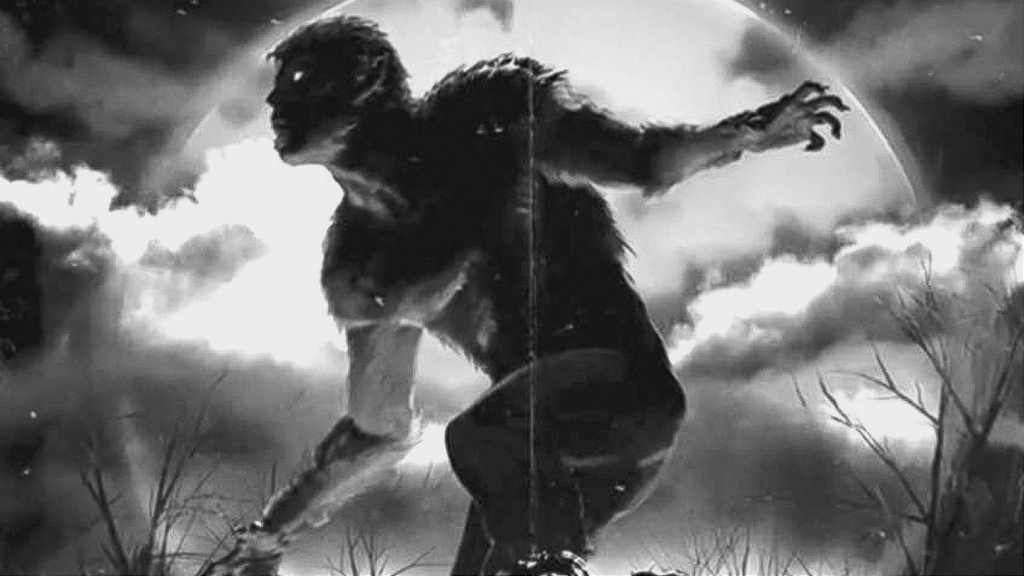
One of the nicest touches for Werewolf by Night was going for a black-and-white scheme. It not only made it stand out from the other entries in the Marvel Cinematic Universe, but it also made perfect use as a tribute to the 1930s and 1940s Hammer/Universal monster movies. It wouldn’t be the same project without the style and it still does add color in a clever manner later on. As it turns out, it wasn’t an easy path to convince Marvel Studios’ execs to go with this version as revealed by director Michael Giacchino.
The composer-turned-director highlighted that “in my mind, from the very beginning, it needed to be in black-and-white” but there was some skepticism. He doesn’t confirm if this was purely on the side of Marvel Studios president Kevin Feige, who seemingly also shared some uncertainty about the decision, but generally highlighted the “upper echelons” of the studio. Yet, he was so confined with the direction, he stated that he “had a special monitor” that was there purely to highlight the black-and-white aesthetic.
It seems it did take a bit to get the convincing, as it wouldn’t be until “maybe the third cut” that Feige was the one to agree on the direction. Special Presentations are the perfect way to try out new cinematic visual styles to add some diversity to how they approach their projects. Plus, WandaVision already gave us a black-and-white entry in the franchise which makes the uncertainty curious but that might be mainly due to that show also having in-universe reasonings with Wanda’s reality warping powers. Still, Giacchino‘s belief in the visual style was certainly a great one given how the project stands out from the rest.
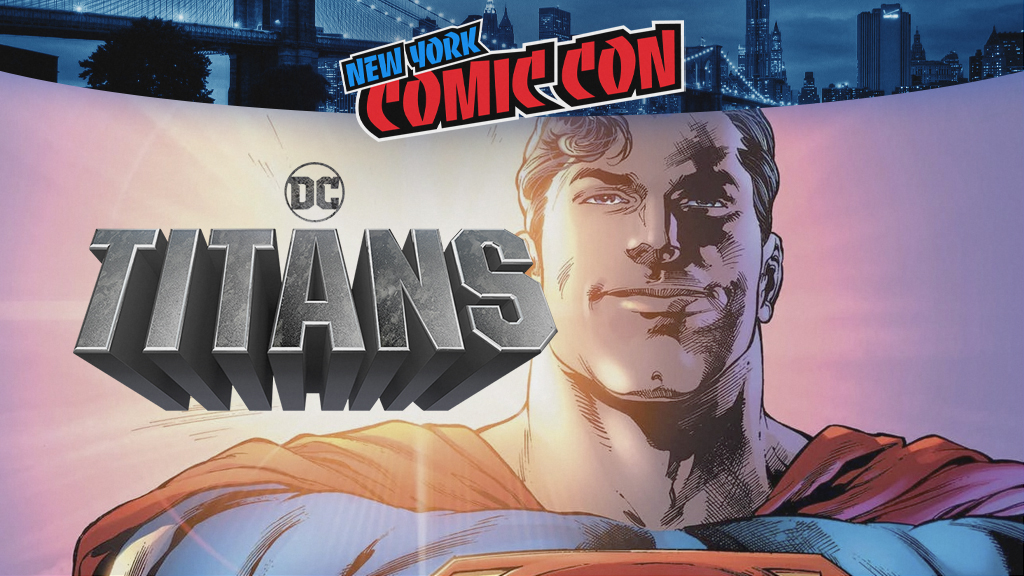
The next season of Titans looks quite promising, as the team is leaving Gotham behind and faces a new threat. Many were caught by surprise when they announced that Titus Welliver will take on the role of Lex Luthor in the next season, which opened up many new story possibilities for the HBO Max series. With a release planned for November, the DC TV show used the opportunity to show off and tease what the future has in store for the team at New York Comic-Con. There, they may have given away a little hint at a future appearance with the prop sets being showcased at its booth.
Among the many little teases of what the future has in store for the Titans series. Our very own John Sabato got a chance to visit the booth and noticed a rather interesting little set prop from the upcoming fourth season, the glasses of Clark Kent. So far, the only main Justice League member that made an appearance was Iain Glen taking on the role of Batman. Now, it seems that Clark Kent’s glasses will be sued in the fourth season, which means there’s a chance that Superman could make an appearance.
The inclusion of Superman would make sense given Lex Luthor’s role in this season. Plus, we finally get to spend some time with Connor, who is a clone of him and Lex. We haven’t gotten a chance to explore how he would react to his existence or generally what it means to have another Kryptonian in his life. Lex’s role could also add some tension between these two as Connor tries to find his own place in this world beyond just being a member of the Titans.
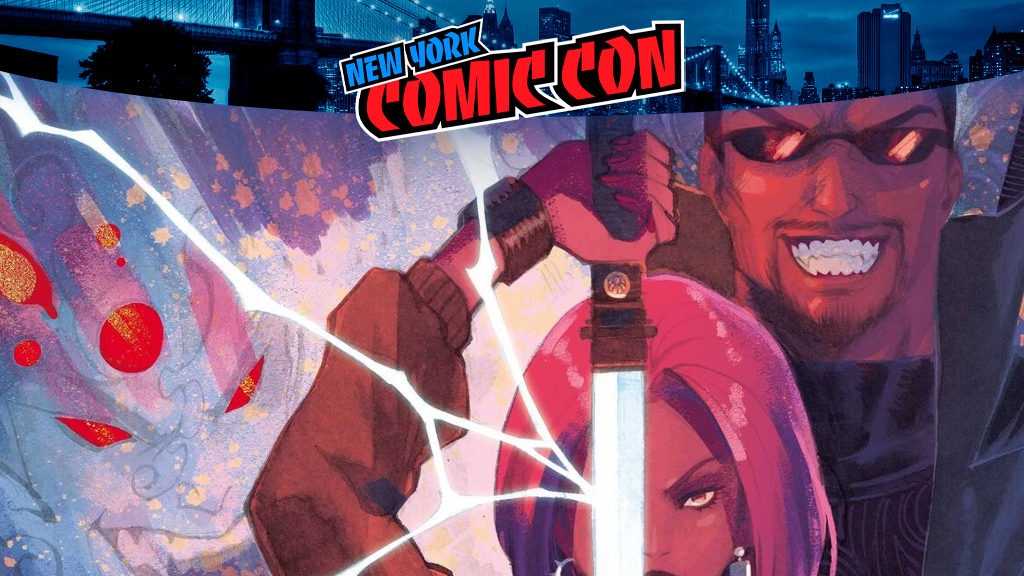
Marvel Comics announced a new Daughter of Blade comic during New York Comic Con on Saturday. The comic, titled Bloodline: Daughter of Blade, will hail from writer Danny Lore and artist Karen S. Darboe. The limited series will consist of five issues, with the first issue debuting in February 2023.
Bloodline will focus on Blade’s daughter, Brielle Brooks, aka Bloodline, who made her Marvel Comics debut with Free Comic Book Day: Avengers/X-Men #1 earlier this year. This marks the first solo title for Blade’s daughter after the originally planned Blade: The Hunter was meant to introduce another take on Blade’s daughter with Fallon Grey. While that series was announced in 2015 with Tim Seeley and Logan Faerber on board the project, it was eventually cancelled.
The cover for the first issue of Bloodline can be seen below.
Brielle is a good kid, no matter what her teachers say—it’s not her fault she’s developing vampiric super powers and the undead want to brawl! And as if problems at school aren’t enough, Bri’s got a wild ride ahead of her… she’s about to discover she’s the daughter of the infamous vampire hunter and Daywalker known as Blade!
Bloodline: Daughter of Blade will debut next year.
Persona‘s anniversary event which took place across an entire year has sadly ended. It kicked off with the return of Persona 4 Arena Ultimax and went on to the confirmed re-release of the third and fourth entries on modern consoles. Persona 5 Royal also was going to return with a new Nintendo release. While it seems the wait for a Persona 6 announcement is going to take a bit longer, the anniversary concert did end with the reveal that the upcoming re-releases of Persona 3 Portable and Persona 4 Golden have been confirmed for January 19th, 2023.
It’s pretty surprising that they will re-release both entries on the same date, as it seemed like the best plan to map it out throughout the year as they build up each new entry. Yet, fans have long wanted to return to these games, especially the versions that were only available on PlayStation Portable, a console that not many owned back in the day. January is going to be busy for role-playing game fans, as One Piece Odyssey is also going to release on January 12th.
Persona 6‘s absence is definitely a curious surprise, as it seemed like the perfect time to build up to a tease of some kind. It didn’t even need to be a look at the game but rather a confirmation of what color they are going to make its main theme. The last ones followed the primary colors of blue, yellow, and red, which makes it even more curious what direction they might be heading towards. Guess they might be keeping it for a bigger event.
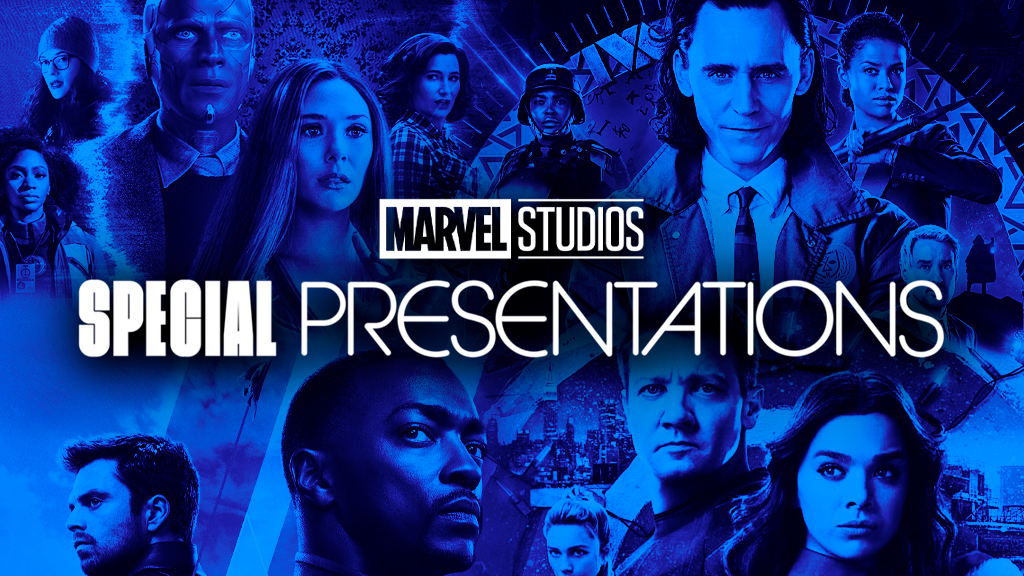
With the release of Werewolf By Night, Marvel Studios has given us yet another format in which to experience and further explore the MCU. Following feature films, one-shots, and TV shows, fans have now been treated to its first Special Presentation, with The Guardians of the Galaxy Holiday Special, Marvel’s second go at the format, just a few weeks away. And one thing is certain: if it ends up being as well received as Werewolf By Night has been, the demand for further projects within the same framework is bound to rise.
James Gunn has stated that his upcoming Holiday Special will be under 40 minutes in length and considering that Werewolf clocks in at around 48 minutes (not counting end-credits) the basic parameters for this kind of project seem to be fairly straightforward. Tv-episode-length with a higher budget, and a more concise and focused script than a feature film. Could this structure become the go-to format for Marvel Studios when it comes to their Disney+ content? As with many debates, the truth usually lies somewhere in the middle.
Considering how most Marvel Studios Disney+ shows have been a bit lackluster, there is no doubt that there is still work to be done when adapting the MCU to an episodic format. The Special Presentation type of show does allow Marvel to keep its feature film formula—a formula that works more often than not—a bit more intact, but while that may serve particular stories, there is still much that can be gained by giving certain characters and storylines additional room to breathe by going the 6+ episode route. If anything, Special Presentations allow Marvel to have a sort of middle-ground between a feature film and a TV show, so that when the story does ask for a shorter runtime but still not garnering sufficient relevance for the big screen there is still a way to make it work. It wouldn’t be hard to picture a series like The Falcon and the Winter Soldier being developed as a one-hour tv special, telling the story of how both Sam and Bucky went from Endgame to Captain America: New World Order and Thunderbolts, respectively. The same case could be made for Hawkeye that, as FatWS, would take advantage of previously established characters to streamline the narrative, swiftly leading into the next project. WandaVision would perhaps be the exception since it took the episodic format to heart and made it intrinsic to its essence. As for all Marvel Studios series introducing titular heroes, along with their own set of side characters, from Moon Knight to Ms. Marvel and She-Hulk, the longer runtime provided by several episodes seems completely warranted. Taking time to properly explore their origin, in their own corner of the MCU, without all the noise provided by the evergrowing mob of characters that will eventually engulf them seems fair.
But while the story itself should be the main reason when choosing what format to go with, there are also more specific points working in favor of the new format. For one: talent availability. With the success of the Marvel formula, the franchise is either attracting A-listers to its key roles or turning unknown actors into household names. In either case, unless previously signed contracts so dictate, it will become increasingly hard to get the desired names to be completely available for the time that it takes to shoot the usual 6 to 9 episodes of a regular Marvel Studios series. By having the Special Presentation format available, the studios could keep production schedules shorter, stars happier, and probably even bring about a bit more of that Strange Alchemy that the Russo Brothersvalued so much (something that happens when characters who never interacted in previous projects share the screen for the first time) by making everyone’s schedule a bit more team-up prone.
There is also another issue, especially relevant when it comes to streaming services, that the Special Presentation format sort of bypasses, not on its own but due to the sheer volume of premium original Disney+ content. The importance of keeping active subscribers all-year round is a big reason for investing in episodic series to be a good business model. But since Disney+ already has other equally massive franchises that are aiming at pumping out content frequently, there is no reason for Disney, when looking at the bigger picture, to not be ok with a few Marvel shows becoming glorified one-shots and not having to drive online discourse for several weeks since there are other shows that will keep subscribers busy for that same period.
What is perhaps a bit more dubious, but that could actually be a reality, is what the shorter runtime (when compared to a TV series) might do in terms of rewatchability and how that relates to the ease with which Marvel properties have been able to enter the cultural zeitgeist since 2008. For years Marvel Studios made…movies. Fans had to wait months in-between projects and what did they do when a new one was about to premiere? They rewatched the previous ones. And with that, everything about the movies permeated the discourse, from the biggest set pieces to the smallest of dialogue lines. It feels difficult for the same thing to happen when instead of 120 minutes that can be easily experienced over, and over again, fans have to sit through double that same amount of time, especially when there is always something new coming right up. By trimming the actual minutes of content being released, Marvel might be doing themselves a favor since instead of trending due to having constantly something new out, they might give fans the pause to reconnect with the material in a way that’s way more sustainable in the long run, thus imbuing Marvel Studios projects with what made them relevant to begin with.
As for what the future holds for the Special Presentation format, only time can tell. But things are seemingly on the right track for it to become an MCU staple on Disney+.
The Addams Family is about to reunite in the upcoming Netflix series Wednesday. Surprisingly though, there are quite a few members of the family that haven’t been announced or confirmed as part of the spinoff series. While it is all about Wednesday Addams and her murder mystery shenanigans, we still know that Gomez, Morticia, Lurch, and Pugsley will appear. Yet, many have wondered where exactly Uncle Fester was and if he’d even make an appearance.
Luckily, it seems like Netflix was just playing coy to build up to the reveal that Fred Armisen is taking on the role of Fester. He joins Luis Guzmán, Catherine Zeta-Jones, George Burcea, and Isaac Ordonez to round out the family members. The new direction as a coming-of-age mystery comedy will definitely mix things up as Wednesday is heading to Nevermore Academy. So, it’ll be interesting to see if it also mixes up the overall family dynamic or sticks closely to the originals.
Tim Burton is back at the helm of this project and the first trailers already hinted at the gothic flair he’s injecting into the project. So, we’re quite excited to see just what the series has in store, especially if they start exploring a dark mystery that hangs over the Addams family. We’ll see what they have in store for us once the series premieres on November 23rd.
We use cookies to improve your experience on our site. By using our site, you consent to cookies.
This website uses cookies
Websites store cookies to enhance functionality and personalise your experience. You can manage your preferences, but blocking some cookies may impact site performance and services.
Essential cookies enable basic functions and are necessary for the proper function of the website.
Name
Description
Duration
Cookie Preferences
This cookie is used to store the user's cookie consent preferences.
30 days
These cookies are needed for adding comments on this website.
Name
Description
Duration
comment_author_email
Used to track the user across multiple sessions.
Session
comment_author_url
Used to track the user across multiple sessions.
Session
comment_author
Used to track the user across multiple sessions.
Session
Statistics cookies collect information anonymously. This information helps us understand how visitors use our website.
Google Analytics is a powerful tool that tracks and analyzes website traffic for informed marketing decisions.
Contains information related to marketing campaigns of the user. These are shared with Google AdWords / Google Ads when the Google Ads and Google Analytics accounts are linked together.
90 days
__utma
ID used to identify users and sessions
2 years after last activity
__utmt
Used to monitor number of Google Analytics server requests
10 minutes
__utmb
Used to distinguish new sessions and visits. This cookie is set when the GA.js javascript library is loaded and there is no existing __utmb cookie. The cookie is updated every time data is sent to the Google Analytics server.
30 minutes after last activity
__utmc
Used only with old Urchin versions of Google Analytics and not with GA.js. Was used to distinguish between new sessions and visits at the end of a session.
End of session (browser)
__utmz
Contains information about the traffic source or campaign that directed user to the website. The cookie is set when the GA.js javascript is loaded and updated when data is sent to the Google Anaytics server
6 months after last activity
__utmv
Contains custom information set by the web developer via the _setCustomVar method in Google Analytics. This cookie is updated every time new data is sent to the Google Analytics server.
2 years after last activity
__utmx
Used to determine whether a user is included in an A / B or Multivariate test.
18 months
_ga
ID used to identify users
2 years
_gali
Used by Google Analytics to determine which links on a page are being clicked
30 seconds
_ga_
ID used to identify users
2 years
_gid
ID used to identify users for 24 hours after last activity
24 hours
_gat
Used to monitor number of Google Analytics server requests when using Google Tag Manager
1 minute
Marketing cookies are used to follow visitors to websites. The intention is to show ads that are relevant and engaging to the individual user.
Pinterest Tag is a web analytics service that tracks and reports website traffic.