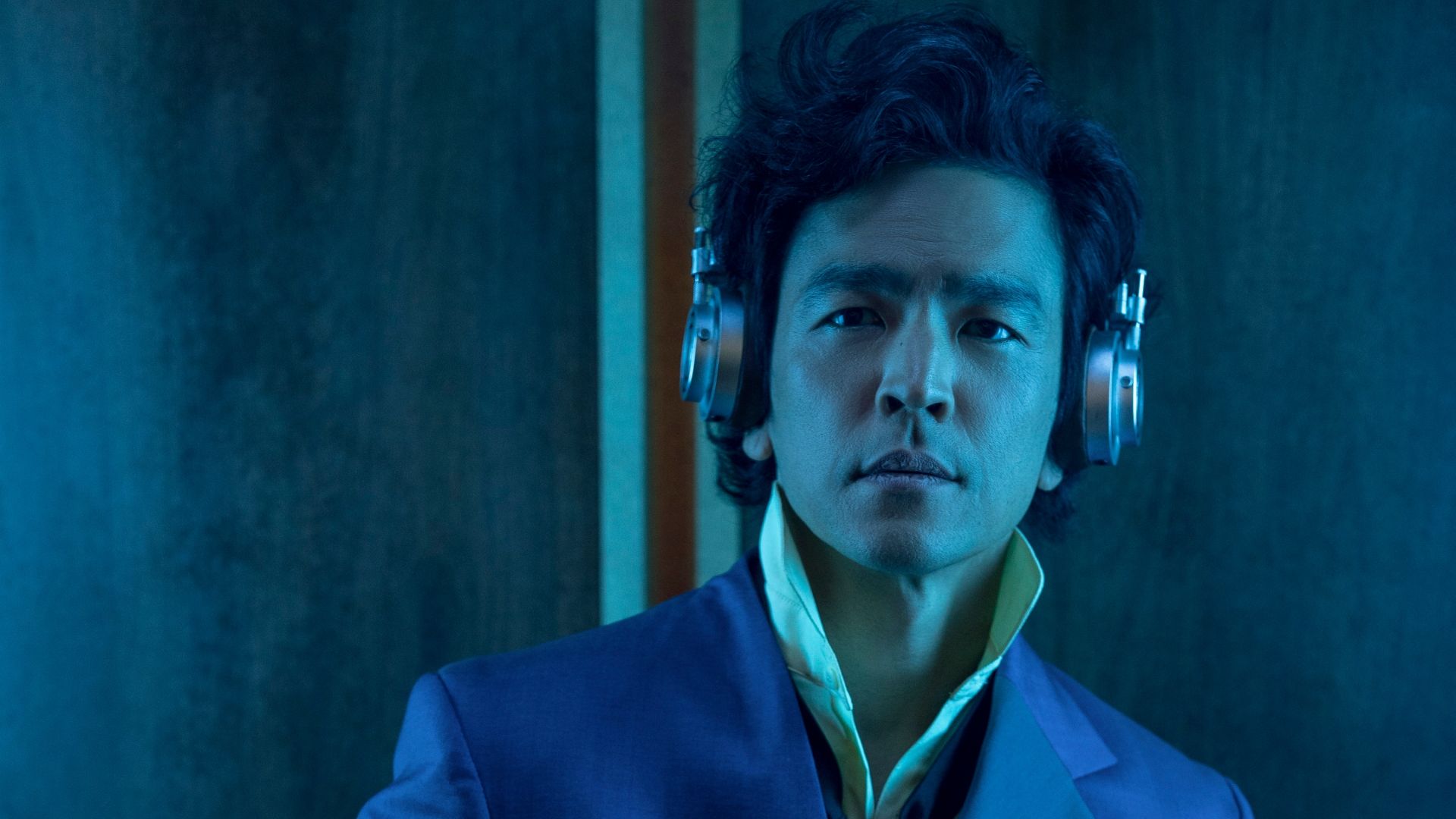
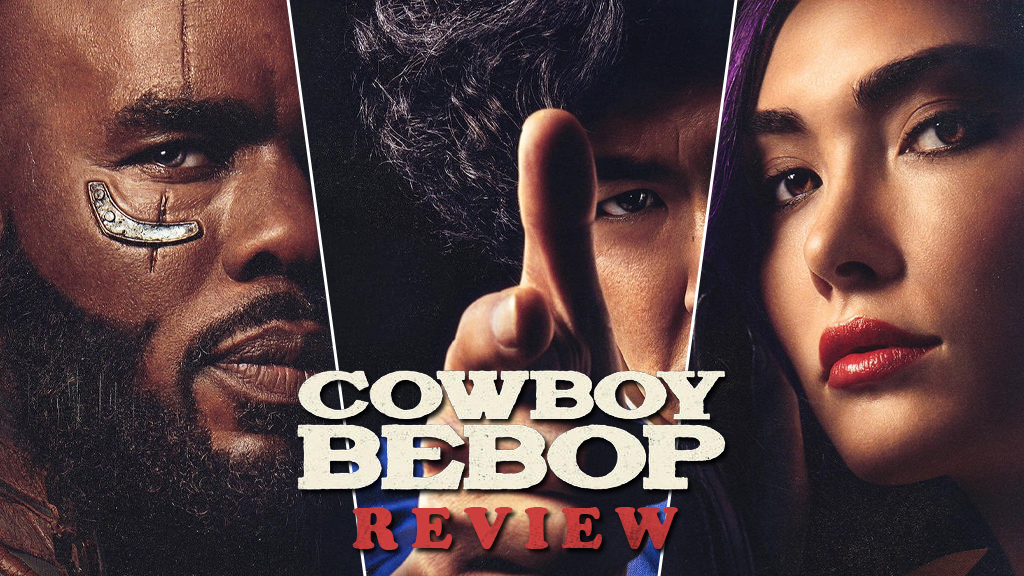
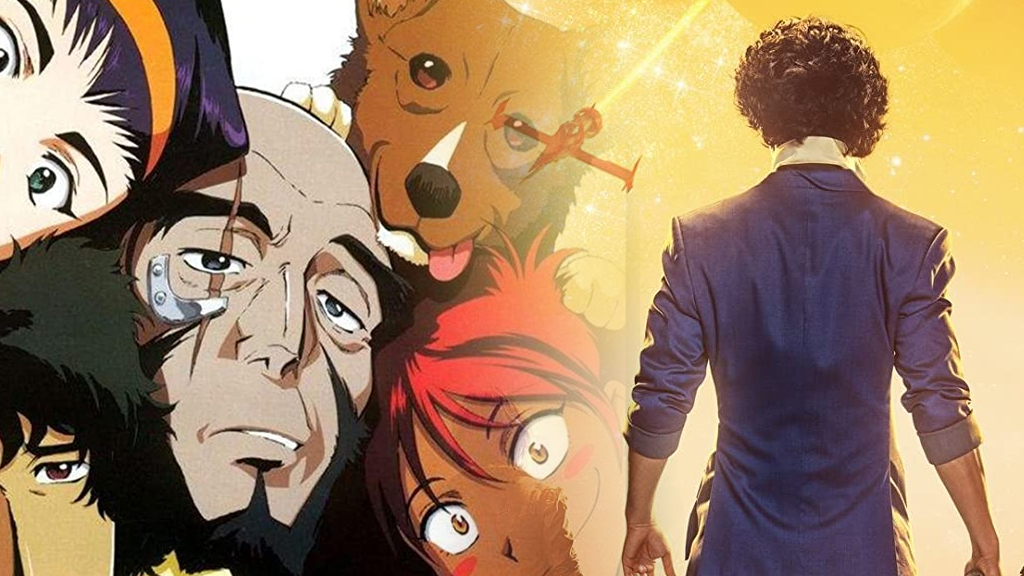
Netflix’s adaptation of Cowboy Bebop has finally arrived. while met with a mixed reception, the first series ends on a curious note building up the future of this new take of the original. The ending left the series to head into its unique direction. While there’s still no second season renewal, the cast and its showrunner André Nemec sat down with Polygon to tease what the future has in store for the new live-action adaptation.
Elena Satine shared her excitement on taking a different direction with her character and how the ending of the first season could build up a very different direction, which was further highlighted by Vicious actor Alex Hassel, as he put it:
There’s potential to step further away from the story of the anime in terms of that character now.
Alex Hassel
The ending also pushed our team in a very unique direction from the original, which was a bit more of a dramatic direction for what was quite peppy up to that point. The arrival of Radical Ed, who is played by newcomer Eden Perkins, also might change the dynamic and tease a mysterious “butterfly man.” Showrunner Nemec also teased that there are quite a few things they brainstormed for a second season.
In the early days of sitting in a writer’s room it was ‘what’s your favorite episode and why.’ And putting those on the board and looking at them and being like, we can’t craft stories from all of these. So there are definitely moments, characters, scenes, bits, worlds, that I am desperate and dying to explore in the — fingers crossed — season 2.
André Nemec
Netflix is no stranger to renewing a series for at least a second season due to production costs, but we’re still waiting for an official word on it. They’ve started venturing more and more into the live-action adaptation of popular anime series. It’ll be interesting to see how they evolve as time goes by and new creative teams tackle different projects.
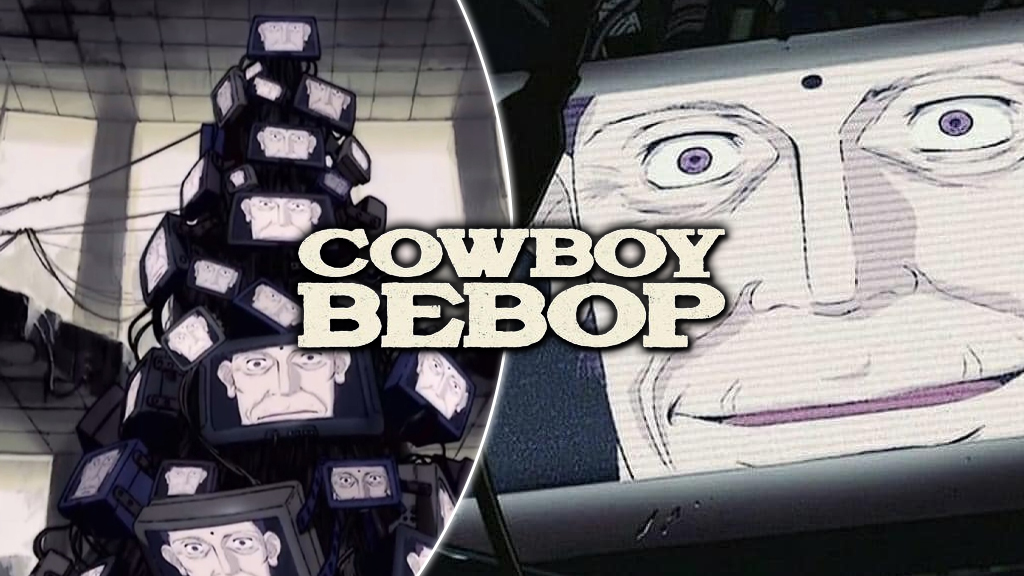
The 23rd episode of Cowboy Bebop, “Brain Scratch,” is one of the anime’s best episodes. The episode follows SCRATCH, the migrate to electronics movement, as they seek to spread their word to their fellow beings. The mysterious Dr. Londes leads the group, who uses the video game Brain Dream to analyze his follower’s brain waves and copy their consciousness into a digital form. What Londes’ followers don’t realize, however, is that they no longer exist once their consciousness has been uploaded.
It’s a strong episode that delves into our inability to accept an end – to accept death. This is why the idea of the live-action adaption attempting to cover it was reason to worry. Surprisingly, though, “Binary-Two Step,” its take on “Brain Scratch,” proves to be one of its strongest efforts.
With the ship grounded due to repairs, Jet asks Spike to make use of the downtime by seeking Dr. Londes out. This leads Spike to go in search of the doctor, while Jet takes care of searching for parts. This leaves Faye to watch the mechanic in his absence. Spike doesn’t appear to know what’s he’s initially walking into after going in search of the doctor. His ignorance will be his downfall, though, as he soon finds himself in a heap of trouble after walking into the A.I.-controlled building.
While Edward, aka Radical Ed, was a part of the team by this point in the anime, Ed was not around yet in the live-action take. We hear references to the fan-favorite hacker, however, Ed is not physically present to help the team tackle Dr. Londes and his cult. She does manage to still send help, though, after sending out a ping. A man comes in to help Jet as he tries to figure out a way to break Spike free of this take on the brain wave.
What works so well in this take is that it is a realistic approach to a strong episode. Dr. Londes does not have a physical form in the series, nor do we see a visualization of what he could look like. What we do see is a computer system that sorts through all of its subject’s consciousness.
As Spike undergoes the brain wave process, we get a deep look inside of his head. Under the machine, he’s forced to face the same nightmare repeatedly – losing Julia all over again. In his nightmare, Spike watches Julia die at the hands of Vicious repeatedly. Worse, though, is that she tries to make him let her go. It’s a hellscape he’s forced to endure until Jet and Faye are finally able to destroy the Londes program. While all fake, it’s clear Spike’s time in the brain wave has left an impact on him. As the episode closes, we soon learn he’s not ready to say goodbye to Julia. The episode is a deep dive into its characters, while still paying homage to its source material.
It’s an episode that truly unites the trio of bounty hunters for the first time. It feels like a true episode of Cowboy Bebop, capturing the tone and feel of its predecessor, while still presenting its own spin on the overall story.
Tomorrow Studios and Netflix probably underestimated the weight of what it means to adapt Cowboy Bebop. The series that ran back in 1998 became one of the most beloved animes over the years. The story of Spike Spiegel, Jet Black, Faye Valentine, Ein, and, of course, can’t forget Edward Wong Hau Pepelu Tivursky IV. There was already an outcry the moment they changed Faye’s outfit and we haven’t had any footage yet. Anime adaptations have faced quite the uphill battle. For every Rurouni Kenshin, there’s a Dragon Ball Evolution to balance it out. Yet, the fact there’s a scale of comparison makes the task set by Netflix even more daunting.
The thing about adaptation is the challenge in how do you approach it in the first place. Sometimes it’s a straightforward story that can easily be replicated while others have such a unique visual style that it becomes even more daunting. While Attack on Titan features humans as its main protagonists, the world invested by monstrous and purposely crudely drawn monsters forces creatives to make a choice. They can either try to replicate it in a way that stays true to the original or take a few steps to make it feel more authentic within a realistic setting.
In the case of Cowboy Bebop, they take a very curious approach. In a way, it does feel like the anime is brought to life in many ways. Some of the action is purposefully over-the-top with some John Woo influences mixed in. It envokes the way the characters moved in the original. The environments are purposefully unique to make this feel like a living and breathing world. It took the original design and added to it to make it recognizable for Western audiences. There’s a lot more cyberpunk aesthetic added into the mix while still staying true to the original.
As our very own Nicole Sobon pointed out in her review, it doesn’t quite live up to the original. Yet, in a way, it never could and to some degree, it seems the showrunners are aware of that fact. They do have elements evoking that of the anime, especially with the return of musician Yoko Kanno to create the soundtrack. Every element is here that would make this feel like it invokes the series but there’s one Westernized aspect that leaves a sizeable dent of comparison as an adaptation.
Cowboy Bebop plays switcheroo with most of the original villains to fit neatly into a cohesive package. The original series was more a bounty-of-the-week style story. Spike’s past didn’t play a role at most times and was more of a sudden appearance. Netflix and André Nemec took those elements and created an ongoing narrative that takes precedent. So, we spend a lot more time with Julia and Vicious. As a result, these very specific character archetypes were flipped on their head to fit into long-format storytelling. Alex Hassel‘s version of Spike’s nemesis works more as a deconstruction rather than an adaptation.
It’s not an easy task to adapt something popular like Cowboy Bebop. It’s even more riské if you start making specific changes to fit a different narrative type. This series does lack aspects of the original that are noticeable. For example, some of the iconic bounties don’t get as much attention in service for the new Syndicate overarching plot. We frequently see characters suddenly get tied to others from the original. There’s a good chance that the fans of the original won’t like this. They changed elements to make them their own while still trying to stay true to the original. Utilizing iconic visual cues and story elements that muddles the unique aspect. It opens up the question: Why change this but keep the rest the same?
Some adaptations dip their toes more into the original’s iconic visuals to bank on the contextual nostalgia. The initial trailer for Uncharted evoked quite a few elements from across the four games to do exactly that. In a way, Cowboy Bebop is a bit more restrained in that regard. It does take iconic characters from the anime but tries to add to their story. They either get an expanded backstory or visual elements that were simply taken for granted and now are given more weight. It doesn’t always hit the mark, but it is a showcase of good faith that they aren’t purely relying on nostalgia.
In a way, they didn’t fully buckle under the weight of this series’ reputation but still were too cautious. They took a risk and made changes, not for the sake of change but rather to expand the lore. Vicious isn’t as “vicious” as we remember, but he’s far more complex as a character. He’s flawed to also give Julia an arc by taking away their initial allure as characters. Instead of a distant dream, she is an active participant in these events. Yes, it does take away from her allure in the original but gives her something substantial in this story. We’re allowed to see her evolve throughout the show and it even opens up new avenues to make it stand out from its contemporary. Moving forward, the show may have released the shackles that held it back and can grow beyond just being an adaptation even if not every single shot hit its mark in its premiere season.
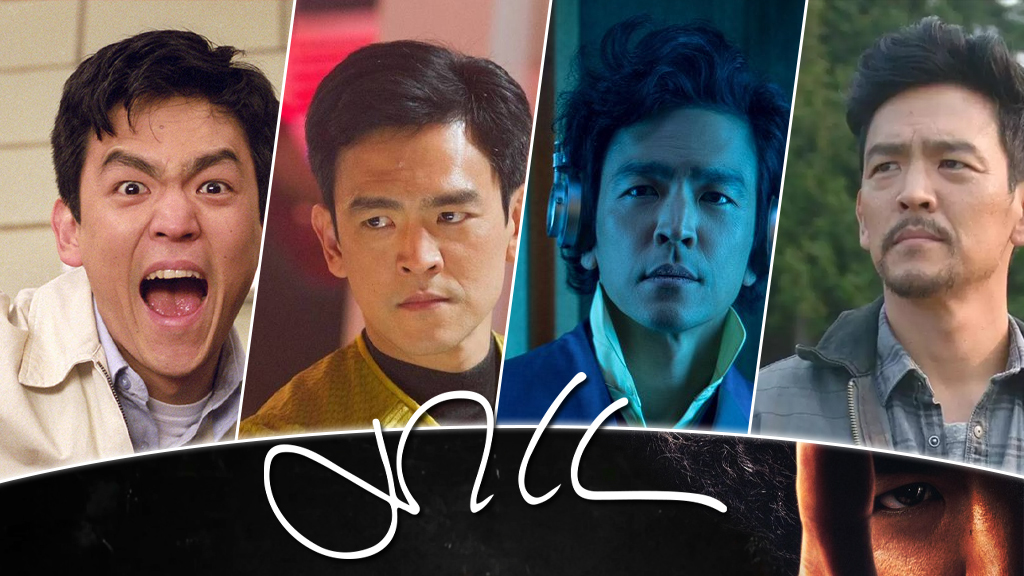
John Cho is an actor with many credits to his name. Some are comedy based (Harold & Kumar), while others are smaller roles in popular franchises, ala Star Trek. However, in recent years, the actor has shown he’s capable of more than Hollywood has allowed him to prove thus far.
In 2016, fans created the #StarringJohnCho hashtag as a means to voice their frustrations with Hollywood, while also throwing their support behind the actor. Two years later, in 2018, Cho finally got to become a leading man thanks to Searching. It was a low-budget film about a father trying to find his daughter, yet it went on to earn $75.5 million at the box office. The highly-buzzed about feature earned Cho a nomination for Best Male Lead from the Independent Spirit Awards in 2019, as well as plenty of Oscar buzz among critics. Yet, despite all of this, it still feels as though Cho has not been given his due in Hollywood.
Enter Cowboy Bebop. Although flawed in its storytelling, Netflix’s live-action take on the beloved anime does something right. Casting a character like Spike Spiegel isn’t easy. The person portraying the character has to have a certain charisma to them. They have to be charming, yet appear deadly. Cho manages to capture Spiegel’s wit and personality perfectly. More importantly, though, his performance seems almost effortless.
He feels threatening during the flashbacks to his time in the syndicate. He feels vulnerable as he recalls his time with Julia. More importantly, however, Cho showcases the humanity of a character who so often hides behind his sarcasm. He’s able to slip into the character so easily, you forget you’re watching a performance because of how well he encompasses the character.
Cho moves between the roles as Fearless and Spike with no hesitation. As Fearless, a member of the Red Dragon Crime Syndicate, he has no qualms about killing anyone. He’s rash, callous and deadly. Whereas, as Spike, there’s a moral center to the character. Cho’s actions soften as we move to present-day Spike, yet he’s just as imposing in action scenes for both.
In an industry where white men named Chris seem to get all of the roles, it’s about time Hollywood sees Cho as more than a supporting character. His turn as Spike Spiegel shows he is ready for a franchise of his own.
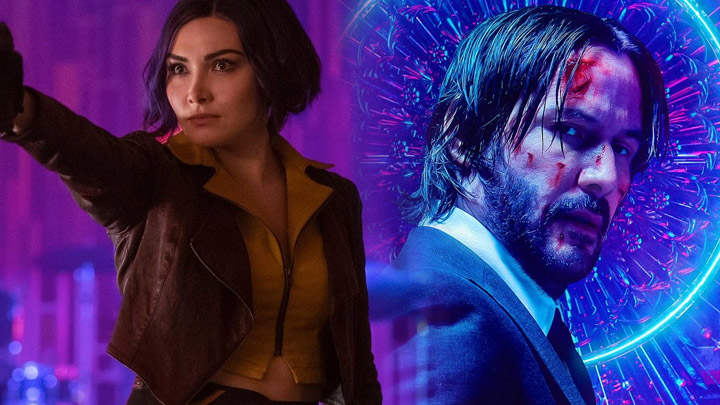
After a long wait, Cowboy Bebop has finally landed on Netflix. It’s the first live-action adaptation from Tomorrow Studio that’ll kick off a new era of takes to bring these iconic franchises to the popular streaming service. In an interview with Deadline, actress Daniella Pineda talked about what it meant to take on the role of Faye Valentine. In it, she revealed that she initially prepared for the series’ action sequences by working with John Wick‘s stunt team.
It was my first time training for a part. I’ve always liked to workout, but this is not even in the same stratosphere. I started training in Los Angeles with the 87eleven, which is the John Wick stunt team, and that was just so intense. Then we joined Allan Poppleton our head of stunts, who’s incredible. We did rolls. We did sword fighting. We did fist and footwork. It was really rewarding and really intense, and after having gone through that, I have this whole new respect for people who do action film. Thank god for my stunt double, Jayde Rutene
Danielle Pineda
She handles the action quite well if it’s her first time involved with such a project. The action seems to take inspiration from the original anime’s choreography, mostly in Spike’s moves, and John Woo films. There are some hints in the gunplay that might allude to John Wick being an influence, but the franchise has become the new staple for modern action. If they get a second season renewal, it’ll be interesting where they’ll go with the project.
Please note, the below article includes spoilers for Cowboy Bebop.
When it comes to adapting popular titles, changes are always expected. This is because it’s important storytellers are allowed to craft something unique for fans. Merely adapting a title scene-for-scene makes it difficult for the creatives involved to leave their mark. When it comes to adapting popular animes, though, Hollywood hasn’t exactly had the best track record. Cowboy Bebop, unfortunately, falls into the latter group.
Ever since it was revealed Netflix would be adapting Cowboy Bebop in live-action, fans have been eagerly awaiting news regarding the casting of a certain fan-favorite. While cast members for Jet Black (Mustafa Shakir), Spike Spiegel (John Cho) and Faye Valentine (Daniella Pineda) were announced, there was radio silence regarding Edward’s involvement. It was a strange move, especially given how popular of a character Radical Edward is and how important she becomes to the rag-tag group of heroes. However, with the Netflix series telling its own take on the beloved anime, fans were hopeful Edward would appear in some capacity.
And she does… just not in the capacity fans were probably hoping.
The first season of Cowboy Bebop consists of 10-episodes. While it takes pointers from the anime, often incorporating bits from some of its more popular episodes, none of the episodes truly follow the anime exactly. On one hand, it’s a smart move because it allows for creative freedom. On the other hand, though, too much creative freedom when adapting a popular title could result in a tale that barely resembles its source.
Throughout the first season, Edward is missing. She’s mentioned for a brief moment in the sixth episode. It happens when Jet and Spike discuss the hacker Radical Edward, but that’s it. Until the final episode, that is. In the final minutes of “Supernova Symphony,” Edward finally makes her grand entrance alongside Ein, who the group abandoned in an earlier episode.
Her entrance is not explained, nor is it explained how she came upon Ein. However, it’s clear she knows Spike as Edward calls him by his first name. He’s passed out on the ground after getting drunk at a nearby bar. Earlier in the episode, we saw the group go their separate ways as Spike’s past finally becomes known to Jet. It’s a surprising ending, as in the anime, the group doesn’t split until the final episodes. Spike, in true Spike fashion, seems to be seeking an escape through alcohol. Unfortunately for him, though, Edward is not one to give up.
When he initially tries to ignore her, Edward explains she’s come to him because she has a bounty for him. As the cameras pan out, we see Edward trying to wake a drunken Spike from his slumber much to his dismay.
For a character as popular as Edward, and one Netflix seems to acknowledge is popular among fans, it makes little sense as to why she gets all of 4 minutes of screen-time in Season 1. Furthermore, her entrance just as the team falls apart after enduring some of their toughest missions makes little sense. Edward may be a bit loud and a bit strange at times, but she’s as core to the group as Ein. More importantly, she helps the team on more than one occasion. Her near erasure from Season 1 makes little sense.
Hopefully, when Season 2 happens, Edward receives a larger role, because a Cowboy Bebop show without Edward just feels wrong.
When the official cast has been announced for Netflix’s take on Cowboy Bebop, everyone wondered where was the popular character of Edward Wong Hau Pepelu Tivurski IV or better known as Radical Ed. Well, it turns out they were purposely keeping it a secret to unveil it after people may have binged the full season. Now, they took to Twitter to announce that newcomer Eden Perkins has been cast as Radical Ed in the series with a brief teaser below.
to everyone who’s been asking “Where’s Ed?” — you don’t have to wait any longer
introducing newcomer Eden Perkins (they/them), who plays the role of Radical Ed in Netflix’s COWBOY BEBOP, now streaming pic.twitter.com/ttnL7xdTVb
They’ll join the new Cowboy Bebop: Unlocked after-show heading to YouTube on November 20th as a follow-up, where they’ll discuss the creation of the show. It’s still a bit of a strange timing to not even give the show a day or two, but Netflix seems to share these kinds of reveals quite early due to the expectation of people binging the show after its initial release. Still, it’s great to get the official confirmation on who is tackling this iconic role in the live-action take on the popular anime series.
The first reviews have hit for Cowboy Bebop. Netflix’s latest attempt at a live-action adaptation has arrived and might just be the beginning of their future venture. There’s a noticeable trend among many that the series doesn’t quite live up to the original, which it doesn’t, and in many ways never could. Yet, there’s something rather interesting surrounding the discussion of it. The inspiration of that very discussion is a simple question on the live-action adaptations reasoning to exist, such as how Brian Lloyd of entertainment.ie put it in his review: “Why bother with this when the original anime is on Netflix?”
It’s a fair question, especially with many adaptations, especially of anime, seemingly not living up to the highs of the original. Netflix kind of pushed this very question when it announced that the original 1999 anime was going to release ahead of their live-action adaptation. If they’re going to provide the classic, why invest all that money into a separate adaptation that will very likely never live up to the original due to the relevance it holds to this day. Hell, they’re going even further with a live-action adaptation planned for other beloved classic anime like One Piece, Pokémon, and even Mobile Suit Gundam.
The series is far from where we were with projects like Death Note or the best-forgotten Dragonball Evolution. In a way, there’s a long path ahead of any of these adaptations due to fan expectations. It took years before Marvel Studios got to the point that they create believable adaptations of their comics that don’t fall into the valley of ridiculous. I mean, could you imagine ten years ago that we’ll have a film featuring a wizard traveling through the multiverse potentially facing a Lovecraftian tentacle monster as a May-opening blockbuster? We’re at a point where no one proclaims anymore: “Why not just read the comics?” but rather: “How and when will they adapt this story?” The curiosity has spread to those that don’t even read comics and created a new generation of potential readers.
Cowboy Bebop took risks while also trying to play it safe. It’s kind of almost every adaptation does, but there’s a spark there of people that loved the original. It doesn’t always translate so easily but it does inspire. Even if this series isn’t perfect, it’s something that’ll introduce people that otherwise would have no interest in it. Yes, the original anime is available but not everyone is willing to watch everything that is out there. Countless people still downplay the relevance of storytelling through animation outside of the classic Pixar or Disney films. Anime has become more mainstream, but there’s a strong focus on specific franchises rather than the genre as a whole. Just like people didn’t take comics seriously due to it just being for “kids” for quite some time.
To give an example, One Piece is a deep series of characters going through extreme hardships at times, but its cartoony exterior may keep many from wanting to check it out. The same might go for those that may be a little anxious about the more methodical pace of the original Cowboy Bebop. It’s a bounty-of-the-week series that is more philosophical and far beyond classic understandings of genre. While streamlining this story may feel far removed from the original and make you question its existence, its easier-to-digest nature is a gateway for those unwilling to check out something they may have trivialized as a “cartoon from Japan.” A flawed adaptation that comes from the right place and made by fans of the original will play an integral part as the first stepping stone where quality meets intention.
Note: The below review contains no spoilers for the Netflix adaption, only mentions of plot points from the anime.
Cowboy Bebop is often considered one of the best animes. A rag-tag group of misfits that seek to find someone among one another? It’s a common trope, but one the original anime executed perfectly. The idea of seeing that in live-action was exciting, especially with John Cho leading the way. Unfortunately, however, the live-action adaption of Cowboy Bebop often feels rushed and as though it’s unsure of how to bring about this group of misfits.
Cowboy Bebop is a story of a rag-tag team of bounty hunters in the year 2071, approximately 50 years after an accident that made Earth nearly uninhabitable. The series focuses on Spike Spiegel, Jet Black, Faye Valentine, Edward and Ein as they try to build their futures while running from their pasts. As the anime will tell you, though, this is not a happy story, and the live-action adaption does not try to turn this into a story with a happy ending.
Trying to adapt a title for live-action is a hard task. Writers are expected to pay homage to the original, if not mirroring it closely, while still making the story feel fresh and unique. It’s a fine line that even the best of writers often fail to maneuver. This is Cowboy Bebop‘s biggest issue. Rather than try and make the live-action take feel unique, the writers often pull from the anime, leaning on the original far more than needed. An action that would have been fine had the writers adequately used the anime as a reference for the series. Instead, it feels like a mishmash of highlights from the anime being adapted with a slight alteration here and there. It never quite feels like a proper adaption, yet it never feels like its own story, either. There was a chance to make a new story with Spike and crew here, one that could still capture the spirit of the original, yet become its own entity.
In the end, though, Netflix’s Cowboy Bebop wanted to try and replicate the anime too much; a decision that would ultimately be its downfall. While it’s not terrible, the series does not capture that spark and excitement of the anime. A fair amount of the episodes drag, and some of the performances feel subpar. John Cho, however, gives his all in the role of Spike and steals the spotlight every moment he’s own screen.
The family dynamic between these characters we all know and love is nearly nonexistent in early episodes. Once the gang does get together, though, the banter flows almost naturally. It’s just a shame it takes so long to reach this point. With just 10-episodes for its first season, Cowboy Bebop often feels as though it’s trying to rush through callbacks to the anime while failing to fully flesh out its characters.
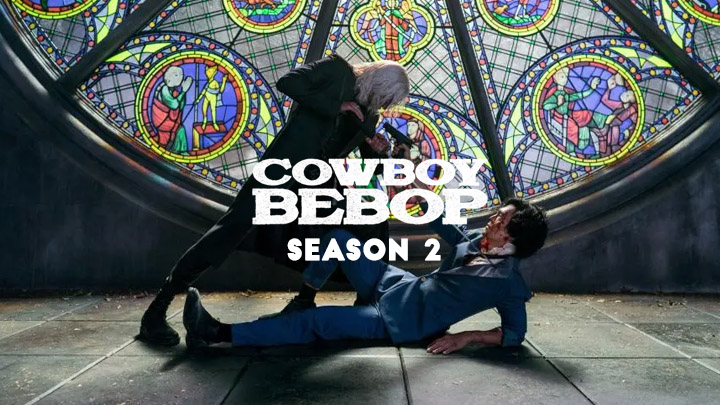
The final episode of Cowboy Bebop‘s first season is where things completely fall apart. The episode pulls from “Ballad of Fallen Angels,” the fifth episode in the original series, even going as far as to see Vicious and Spike battle in the church. It’s stunning just how well the set production captures the look and feel from the anime. However, what follows is such a departure from the source material that it’s hard to understand what the writers were trying to do.
Perhaps the episode wanted to right some of the wrongs in the anime, it’s hard to tell. It’s as though, at the very end, the creatives decided to finally try to make the story their own by drastically altering some of its main characters. It ends up feeling as though Netflix’s Cowboy Bebop doesn’t understand its source material at times.
Overall, the live-action take on Cowboy Bebop isn’t terrible. In fact, despite all of its flaws, there are some positives in this take on Cowboy Bebop. Episode six, for example, is a well-written episode that truly captures the feel of its predecessor while still feeling fresh. And while not all of the episodes are as strong, there are fun moments sprinkled throughout.
It’ll be interesting to see where a second season goes, as the first season did pull bits from the anime across numerous episodes. One thing seems certain, this is not the last time we’ll see Spike and company.
The original Cowboy Bebop anime is heading to Netflix. The news was revealed by the streaming giant today with a short teaser from the classic anime. The anime will join the soon-to-be-released live-action series on Netflix. The live-action take stars John Cho as Spike, Mustafa Shakir as Jet and Daniella Pineda as Faye.
Cowboy Bebop takes place in the year 2071 and tells of a cataclysmic event that forced humanity to seek shelter on surrounding moons and planets. Spike, a former member of the Red Dragon Syndicate, and the others work as bounty hunters who often find themselves in a mess of trouble. The series first debuted in 1998 in Japan before Cartoon Network’s Adult Swim premiered the series stateside in 2001.
Bang… COWBOY BEBOP, the original anime series, is coming to Netflix worldwide on October 21 pic.twitter.com/BN3LF2XVSl
Entertainment Weekly was also able to confirm the original voice cast will return to debut the forthcoming live-action adaption by Netflix. Confirmed to return are: Koichi Yamadera as Spike, Taiten Kusunoki as Jet, Megumi Hayashibara as Faye, Norio Wakamoto as syndicate hitman Vicious, Gara Takashima as Spike’s love interest Julia, Tsutomu Taruki and Miki Nagasawa as TV hosts Punch and Judy, Takaya Hashi as the Teddy Bomber, Kenyu Horiuchi as Rester House sax player Gren, Masako Isobe as Spike’s former mentor Mao, and Romi Park and Hikaru Midorikawa as Vicious’ twin enforcers Shin and Lin.
All 26-episodes of Cowboy Bebop are currently streaming on Hulu.
The series will officially move to Netflix on Oct. 21.
We use cookies to improve your experience on our site. By using our site, you consent to cookies.
This website uses cookies
Websites store cookies to enhance functionality and personalise your experience. You can manage your preferences, but blocking some cookies may impact site performance and services.
Essential cookies enable basic functions and are necessary for the proper function of the website.
Name
Description
Duration
Cookie Preferences
This cookie is used to store the user's cookie consent preferences.
30 days
These cookies are needed for adding comments on this website.
Name
Description
Duration
comment_author_email
Used to track the user across multiple sessions.
Session
comment_author_url
Used to track the user across multiple sessions.
Session
comment_author
Used to track the user across multiple sessions.
Session
Statistics cookies collect information anonymously. This information helps us understand how visitors use our website.
Google Analytics is a powerful tool that tracks and analyzes website traffic for informed marketing decisions.
Contains information related to marketing campaigns of the user. These are shared with Google AdWords / Google Ads when the Google Ads and Google Analytics accounts are linked together.
90 days
__utma
ID used to identify users and sessions
2 years after last activity
__utmt
Used to monitor number of Google Analytics server requests
10 minutes
__utmb
Used to distinguish new sessions and visits. This cookie is set when the GA.js javascript library is loaded and there is no existing __utmb cookie. The cookie is updated every time data is sent to the Google Analytics server.
30 minutes after last activity
__utmc
Used only with old Urchin versions of Google Analytics and not with GA.js. Was used to distinguish between new sessions and visits at the end of a session.
End of session (browser)
__utmz
Contains information about the traffic source or campaign that directed user to the website. The cookie is set when the GA.js javascript is loaded and updated when data is sent to the Google Anaytics server
6 months after last activity
__utmv
Contains custom information set by the web developer via the _setCustomVar method in Google Analytics. This cookie is updated every time new data is sent to the Google Analytics server.
2 years after last activity
__utmx
Used to determine whether a user is included in an A / B or Multivariate test.
18 months
_ga
ID used to identify users
2 years
_gali
Used by Google Analytics to determine which links on a page are being clicked
30 seconds
_ga_
ID used to identify users
2 years
_gid
ID used to identify users for 24 hours after last activity
24 hours
_gat
Used to monitor number of Google Analytics server requests when using Google Tag Manager
1 minute
Marketing cookies are used to follow visitors to websites. The intention is to show ads that are relevant and engaging to the individual user.
Pinterest Tag is a web analytics service that tracks and reports website traffic.






/cdn.vox-cdn.com/uploads/chorus_image/image/70143161/COWBOYBEB_Unit_08114RC4.0.jpg)