Pixar’s Carsfranchise is making its grand return with the upcoming Cars on the Road Disney+ series. It sees the return of franchise veterans Owen Wilson and Larry the Cable guy to voice Lightning McQueen and Mater once again, as they make their way on a crazy road trip like no other. They aren’t the only veterans returning, as the series has a directing trio behind it that has all worked on the franchise since the first one was released back in 2006.
Steve Purcell, Brian Fee, and Bobby Podesta have a long history with their work on the series, and when discussing how they approached the project during the Disney+ series’ official press conference, Fee got a chance to reflect on how their history with t. He also highlighted how knowing these characters and working for so long, they could still bring in their unique perspectives.
We all three go back to Cars One. So, it’s in our DNA. It’s in our blood. We were all in story on Cars One. Bobby was also in animation. So, we’re all just so heavily rooted into these characters. It’s like these characters are part of our family and we all understand them, you know, on that level. So, I think it almost took care of itself as far as how do we make sure they’re in line enough. So, how are we representing, you know, what people expect from this franchise? And then I think the beauty, for me anyways, the joy of working, directing with these guys is we all have slightly different personalities.
Brian Fee
It definitely sounds like the series will be a Cars entry through and through, even with the new format. It also helps to have the original voices for its leads back, as they embark on a different kind of story. Who knows if this potentially opens up many other spinoff series from the Cars universe, especially as each of the directing trio might potentially add their own voices to explore new corners of the franchise.
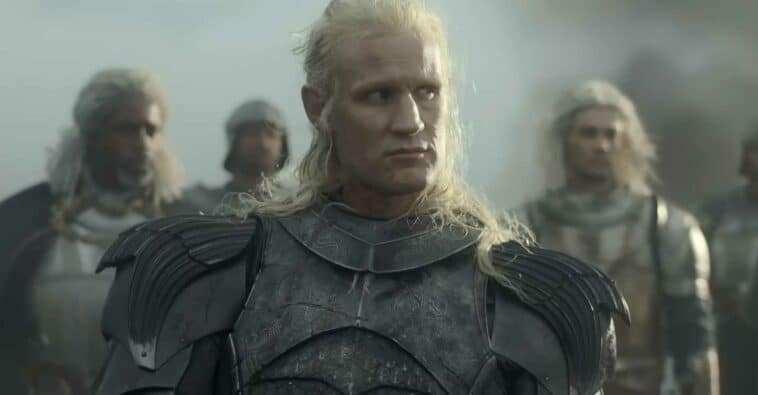
House of the Dragon is back for it’s third week with one hummdinger of an episode, and Murphy’s Multiverse is back to tackle the best and worst moments it had to offer. Second of His Name continues to play with the series’ standing theme of succession and the royal bloodline, pitting Milly Alcock‘s Princess Rhaenyra against her infant half-brother Aegon and causing Paddy Considine‘s King Viserys to question every decision he’s ever made. Meanwhile, Matt Smith‘s ever-enigmatic Prince Daemon wages war against the vile Crabfeeder and his army in an ownership conflict over the Stepstones. Both plotlines get rather intense surprisingly fast, and together make for a memorable few days in the history of Westeros. Let’s get to dissecting.
Best – The Decline of King Viserys & Daemon’s Last Stand
Second of His Name was perhaps the most action-packed installment of House of the Dragon yet, and somehow, none of the violence managed to rank as the definitive best part of the episode. That honor belongs instead to King Viserys and his slow descent into madness, or at the very least, severe depression. Between all the steamy love scenes and insane bloodshed, viewers tend to forget that the true heart of George R.R. Martin‘s universe is mental gymnastics. Whether it be political rivalries or personal vendettas, House of the Dragon and its kin are typically at their most entertaining when the show is focused on big decision making. Second of His Name is no different, and shines the brightest when it opens the curtain on Viserys’ inner-mind.
The King is being forced to choose between duty and family, which wouldn’t normally be so hard if it wasn’t for the fact that this time his duty is his family. After everything, he has finally welcomed a son into his life, a development that directly harms his relationship with his beloved daughter. On top of that, the mother of his son is his daughter’s former best friend, and the child of his own Hand, further complicating things in both his home and his court. Now, everyone wants to know who his true successor will be, and everyone thinks the lineage should somehow involve their own offspring. All Viserys wants to do is drink wine and go on a hunt, and the sudden pressures of his job all coming down upon him at once cause the mental break that’s seemed inevitable since the beginning.
Considine‘s acting is superb as he portrays a ruler with so many emotions, he can’t decipher which is anger and which is sadness. His fireside soliloquy to Emily Carey‘s Alicent Hightower is a highlight of the season thus far, and the moment he begins to lose it in the tent – with everything fading to black around him – is peak television storytelling. Even his cathartic, disturbing kill on the hunt was able to speak a thousand words without Viserys even opening his mouth. This is exactly the kind of thing fans cling to this world for, and it was great to see it back at the forefront of the franchise.
That being said, it would be remiss not to mention all the very cool action that does take place during this episode. Desperate to win his war on his own, without the help of the Crown, Daemon plays dirty and uses a white flag as a ploy to gain the upper hand on his opponent – the Crabfeeder. His last stand, which is pretty much mostly just Daemon cleaning house all by his lonesome, is exhilarating to watch, and the visuals as the battle comes to an end are stunning. It’s also a great example of using action as a device to comment on the nature of a character. Daemon will not be outdone, and he will not be tricked, but he is fine pulling some tricks of his own.
Worst – Otto Hightower
Rhys Ifans is doing a wonderful job as Otto Hightower, the Hand of the King, and maybe that’s why he’s so convincingly unlikable week in and week out. As per usual, the worst part of Second of His Name comes in the form of Hightower manipulating both his boss and his family into giving him more power. The schemer is already glib about his daughter’s betrothal to the King, yet still finds a way to suggest the horrific idea that his grandson – also the King’s son – be wed to Rheanyra. That’s right, he would like a sister to marry her much-younger brother so that his blood is tied even closer to the Crown. Very Game of Thrones, but also pretty disgusting.
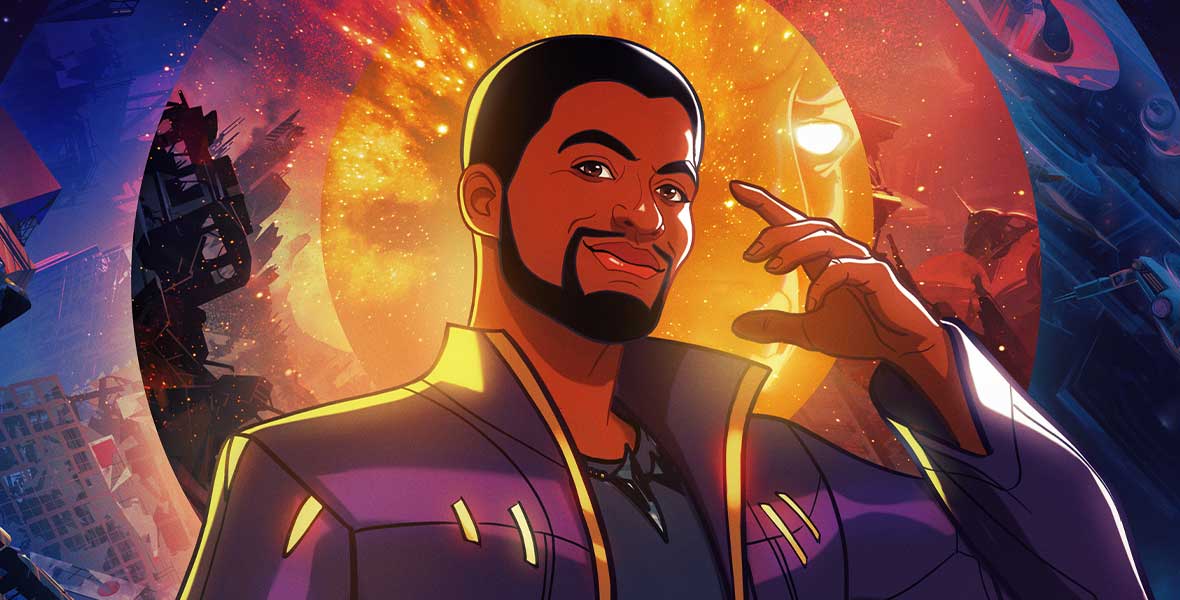
Chadwick Boseman has been gone for two years, but his legacy continues to shine. Best known for his iconic portrayal of King T’Challa – the Black Panther – in the Marvel Cinematic Universe, the late actor picked up his first and only Emmy win at last night’s Creative Arts ceremony for his work voicing a multiversal Star-Lord in Marvel’s animated What If…?. One of many MCU stars who returned to do voice work for the series, Boseman was a noticeable stand-out when he appeared in the episode “What If…T’Challa Became a Star-Lord?” and quickly grew in popularity as he recurred throughout the rest of the season. His efforts, recorded before he died but released almost a full year after, earned him the award for Outstanding Character Voice-Over Performance.
Boseman beat out an extremely competitive group at this year’s event, rising above the likes of Bridgerton‘s Julie Andrews, Moon Knight‘s F. Murray Abraham, Big Mouth‘s Maya Rudolph, Central Park‘s Stanley Tucci, fellow What If…? alum Jeffrey Wright, and Archer‘s Jessica Walter, who passed away in 2021. The win puts an end to Rudolph‘s victory streak, after the comedian won the award for the past two years in a row. Boseman‘s wife, Taylor Simone Ledward, accepted the Emmy on his behalf, giving the following statement to Deadline:
When I learned Chad was nominated, I started thinking of everything that was going on in the world and our world and being so in awe of his commitment and dedication and what a beautiful moment that one of the last things he would work on was something so important to him and to the world but also something new. You can’t understand your purpose unless you ask what if? What if the universe is conspiring in my favor? What if it’s me? Chad would be so honored and I am honored on his behalf.
Taylor Simone Ledward
What If…? will return for both a second and third season on Disney+, though the release dates are currently unknown.
One of the best things about the new TV trend of returning to places we’ve visited is finding connections to the older projects. It worked really well in Bel-Air and Saved By The Bell, and now, two episodes into The Rings of Power, we can safely say that it feels like it will work even if we do not know for sure yet.
The first two episodes have taken us back to places that feel familiar, but what is even cooler to see are characters who we meet here who will play a pivotal role thousands of years down the road in the fight against Sauron. In some cases, we are seeing what led to them being who they were when we first met them in either The Hobbit or the Lord of The Rings trilogies. And then there are brand new characters who, unless you have read Tolkien’s other Middle-earth pieces, are surprisingly connected to the more famous heroes of Middle-earth in different ways, including a LOTR veteran who we later see refuse a ring of power.
Galadriel and Elrond
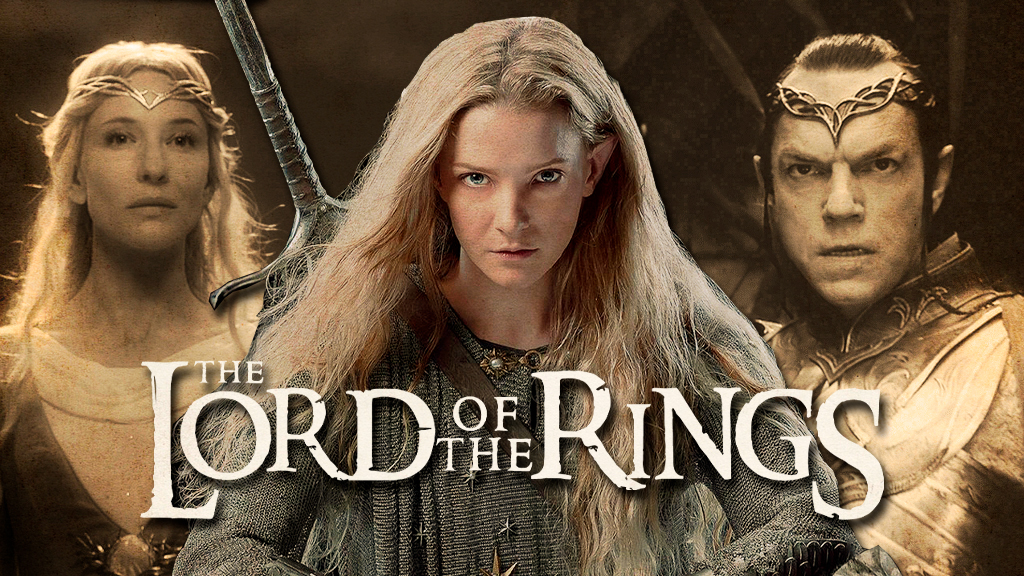
Given the role both of these characters play down the road, it makes sense to lump them together. It’s even cooler that the older version of these characters, two of the greatest heroes in Middle-earth, are played by Hela and Red Skull respectively, two of the greatest villains in Marveldom. Galadriel was very much resigned to her fate when we saw her in The Lord of the Rings, but The Rings of Power finds her seeking vengeance for the death of her brother at the hands of Sauron, who she believes is not gone. In the source material, she actually is not allowed to return home because she rebels with her own army of elves with plans to rule over Middle-earth, and there doesn’t seem to be any mention of that here. Elrond, meanwhile, is a friend to the Dwarves and their King in a way that he does not appear to be in the films. In fact, utter indifference is probably the best way to describe his attitude towards Gimli and the dwarves who come to Rivendell. He’s definitely learning how to scheme here, whereas the Elrond we meet later on is very much content with letting the world end: at least until his daughter shares that she’s given up her immortality. Elrond is afforded a sort of reverence in The Rings of Power that can be directly attributed to the source material in which his parents played a key role in defeating Morgoth.
Gil-galad
The High King of the Elves is actually only seen briefly in the Lord of the Rings trilogy, fighting next to Elrond and Isildur in the war against Sauron, but we are getting a lot of him here. In the source material, it should be noted that Sauron kills Gil-galad with his bare hands, so folks should not get too attached to a character that is highly respected and who has the most authority of any of the elves we meet.
Prince Durin IV
Prince Durin didn’t physically appear in the Lord of the Rings trilogy, so we are seeing him for the first time in The Rings of Power. However, it is his father, King Durin, who rules over what would later become the Mines of Moria. Yes, we know what you’re thinking: who rules over the mines? Well, dwarves did when the mines were actually the Kingdom of Khazad-dûm and that’s where the Balrog resides. Prince Durin is also present when the secret box is shown, and while we don’t see what is actually in it our bet is that it is mithril: mithril is what Frodo’s chainmail was made from, and what ultimately saves his life.
Celebrimbor
A name only whispered as a cautionary tale in the Lord of the Rings trilogy, but one who plays a pivotal role in how we even get to the end of Peter Jackson’s labor of love. Celebrimbor, who can also be seen in the critically-acclaimed video game Shadow of War, ends up being tricked by Sauron into creating the titular rings of power, a plot point for which the wheels have already started turning. He is, also, the one who created the three elven rings in secret, so his role (while small right now) will expand as the show progresses.
Elendil
The sword of Elendil was reforged by Elrond and bestowed upon Aragorn so he could go into the mountains and return with a ghost army that had sworn an oath to the King of Men. Here, we meet the owner of THAT sword and the second to last King of Men. Elendil plays a pivotal role in Sauron’s defeat as well, as it is he who forges the last alliance between Elves and Men. He is not that person in The Rings of Power yet, but his ties to Aragorn and Numenor will most likely be explored further.
Isildur
The last King of Men, who both defeated Sauron AND allowed him to return by not destroying the ring. We last saw Isildur in The Fellowship of the Ring face down in a river with arrows in his back. He succumbed to the temptation of the One Ring and didn’t destroy it when he had the chance, but he is also who helps discover Gondor (a place that plays a pivotal role in the original trilogy).
Season 1 of Amazon’s mega-budget adventure, The Rings of Power, debuted with a two-episode opener that featured dazzling VFX, some great new characters, a couple of familiar characters and a wonderful tour of Middle-earth. It also left plenty of room for fans to wonder and theorize as they wait for Episode 3 to debut on September 9th. We breakdown the biggest unresolved questions.
Stranger Danger
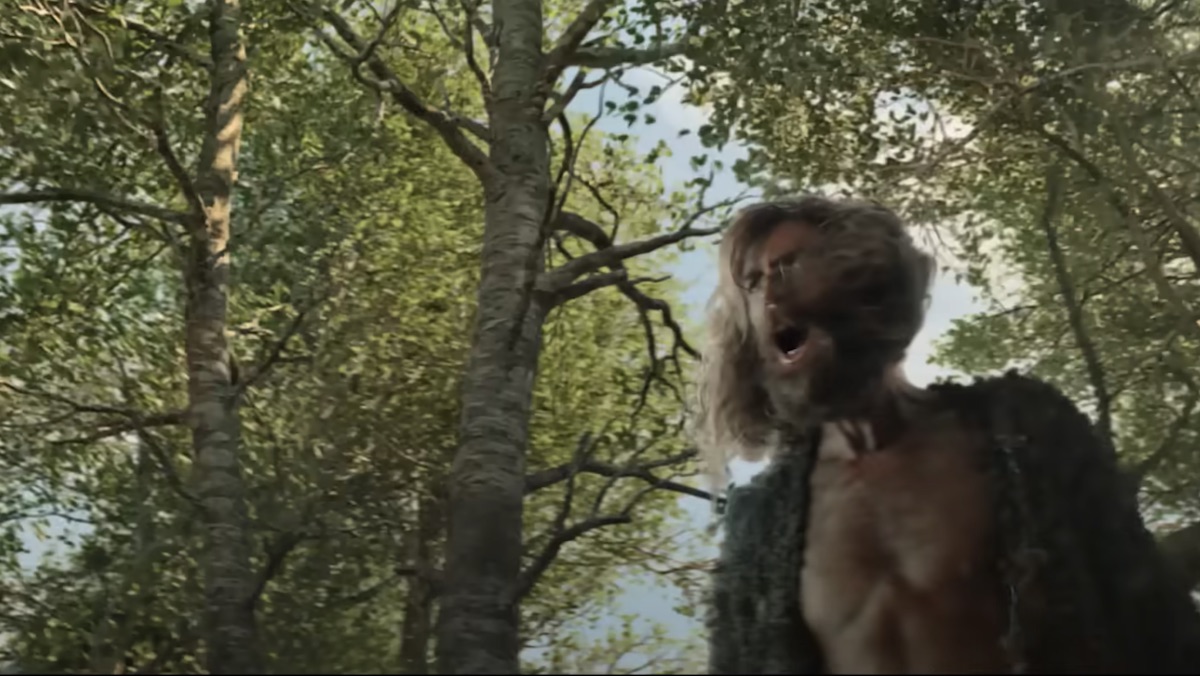
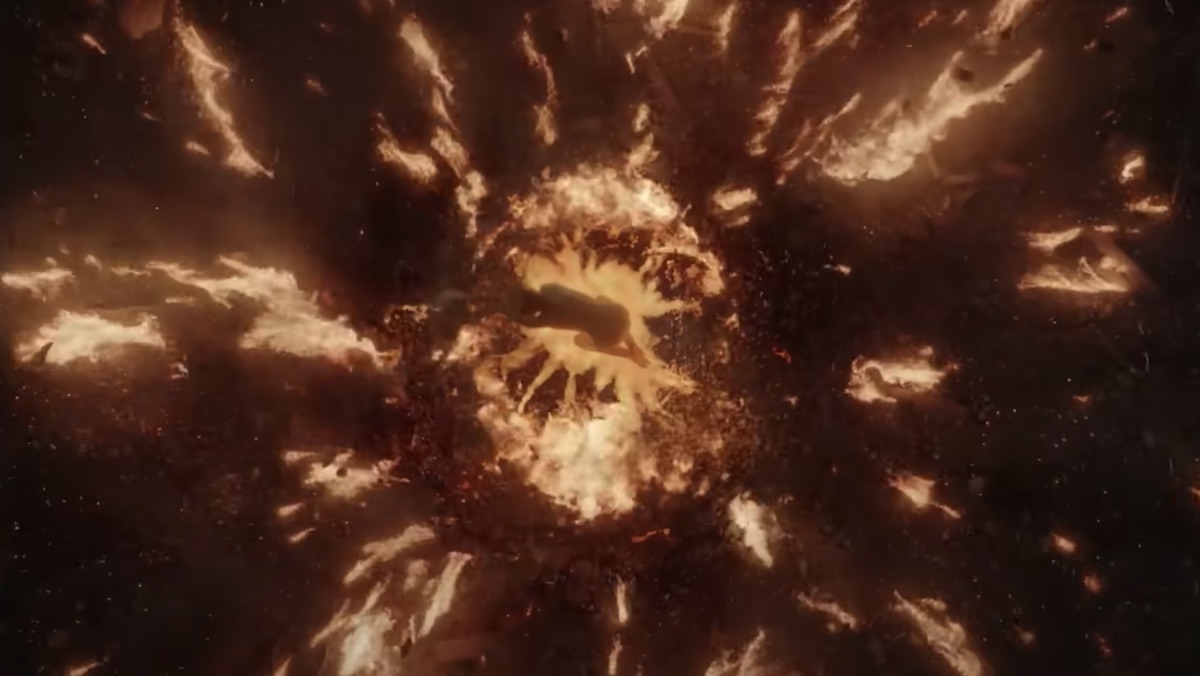
Episode 1 concluded with the very Superman-like entrance of a character known so far only as The Stranger. The Stranger comes into the care of the adventurous Nori Brandyfoot and the entirely unadventurous Poppy Proudfellow and by the time Episode 2 concludes, only three things really seem clear about him. He is incredibly powerful, he has arrived with a purpose (though he can’t confer his purpose to the Harfoots) and he seems to siphon energy from his surroundings, as seen not only by the fireflies dropping dead around him but also the lack of heat radiating from the flames at the site of his arrival.
But who is The Stranger? Nobody really knows just yet and the showrunners are doing just enough to make fans’ minds march through myriad possibilities. From what we know so far, he certainly seems to be a Maia, one of a group of wizards who were sent to Middle-earth to help its people in their fight against Sauron. So the arrival of a Maia in the first two episodes, which go to great lengths to prove that “the enemy” has not been vanquished just yet, wouldn’t be out of line. If The Stranger is indeed one of the Maiar, it would be in line with The Rings of Power’s introduction of a young Galadriel and a young Elrond to have this wizard be a younger version of a familiar character.
Is he Gandalf? His firefly whisperer routine is certainly (and intentionally) reminiscent of Gandalf’s ability to commune with the animal life of Middle-earth as seen in The Lord of theRings films. However, Gandalf’s Doctor Doolitle routine hasn’t been known to kill the participants. Still, if this is Gandalf, he’s new to Middle-earth and clearly not fully in control of his energy siphoning abilities just yet.
Is he Saruman? Like Gandalf, Saruman was a Maia sent to Middle-earth to protect the people against the growing threat of Saruron. Unlike Gandalf, Saruman’s “moral flexibility” made him much less of an ally to the people of Middle-earth and more of a wild card. So far, The Stranger seems a bit wild card-ish.
But is The Stranger either of those two known wizards? Unlike The Hobbit and The Lord of the Rings films, The Rings of Power is not directly adapting any novels. It is, instead, drawing inspiration from a chapter in The History of Middle-earth which is really more of a collection of Tolkein’s thoughts on how things may have worked out chronologically, in this case in the Second Age. And Tolkein didn’t write about Gandalf and Saruman hanging out in Middle-earth during the Second Age. From what’s known, it seems Gandalf and Saruman didn’t come to Middle-earth until after the forging of the One Ring. However, other wizards seem to have been there.
Is The Stranger one of The Blue Wizards? In The People’s of Middle-earth, the twelfth volume of The History of Middle-Earth, it is explained that two Blue Wizards arrived on Middle-earth in the Second Age year 1600. And that seems to be close to about where The Rings of Power is set. In fact, it seems to be about 100 years or so after the setting of the first two episodes. How do we know? SA 1600 saw Sauron build Barad-dur in Mordor; the first two episodes seem to hint that Sauron must have a new stronghold somewhere and it just hasn’t been found yet. SA 1500 saw Celebrimbor being working with the dwarfs of Khazad-dum to build rings under the guidance of Annatar, a being who claimed to be an ambassador of the Valar (the immortal creators and rulers of the world). Episode 2 saw the beginnings of this relationship as Elrond and Durin’s reunion will eventually lead down this road. So it’s certainly possible that the showrunners played a little fast and loose with some already flexible timelines and decided to introduce the Blue Wizard(s) about 100 years early.
Of course, there are other options, too. The Stranger could be Sauron. He could be another wizard previously unnamed and unknown. He could be something else entirely. But as Daniel Weyman, who plays The Stranger points out, the hope is that fans have fun trying to figure out who he is, so they may hang onto his identity for quite some time.
What’s in The Box?
Showrunner Patrick McKay believed that mystery was at the heart of Tolkein’s writings and the first two episodes made very clear that The Rings of Power was going to be filled with mysteries. Episode 2 ends with a big one as the two Durins debate whether or not Elrond’s visit was connected to whatever treasure resides within their mystery box.
The foremost theory about what’s in the box connects to another of Tolkein’s posthumously published collected works, The Simarillion. It’s possible the box holds one of the elven Silmarils, jewels that contained within them some of the light of the Two Trees of Valinor, which were seen in a trailer for The Rings of Power and whose presence reaches well beyond their destruction which happened well before the events of the series. If the dwarves are hiding one of these gems from Elrond, it should cause quite a stir.
Sauron’s Scary Sword
Not much to think about her, but Theo’s attraction to the very spooky sword of Sauron is of great concern. Not as concerning as Theo’s haircut, but he has to hide those ears somehow.
Stunning Seamen
As things looked very bleak for Galadriel and Halbrand, a mysterious figure on a ship full of other mysterious figures arrived to presumably save them. Plenty of options exist, but given the fact that the rescue was at sea, it’s highly likely the ship hails from Númenor, an island nation of men who helped the elves defeat Morgoth. Númenor has been seen before in The Lord of The Rings films and if the Rings of Power is going to Númenor (sppiler: it is), it will show it at the height of its power and, eventually, show it’s fall. And someone we’ll meet there will be an ancestor of one of the great heroes of the Third Age, Aragorn.
With five seasons planned for The Rings of Power and over 1000 years to cover before the events of The Hobbit and The Lord of The Rings, don’t expect all these questions to be resolved in Episode 3, but after two episodes they certainly seem to stand out as questions that, when resolved, will drive the plot.
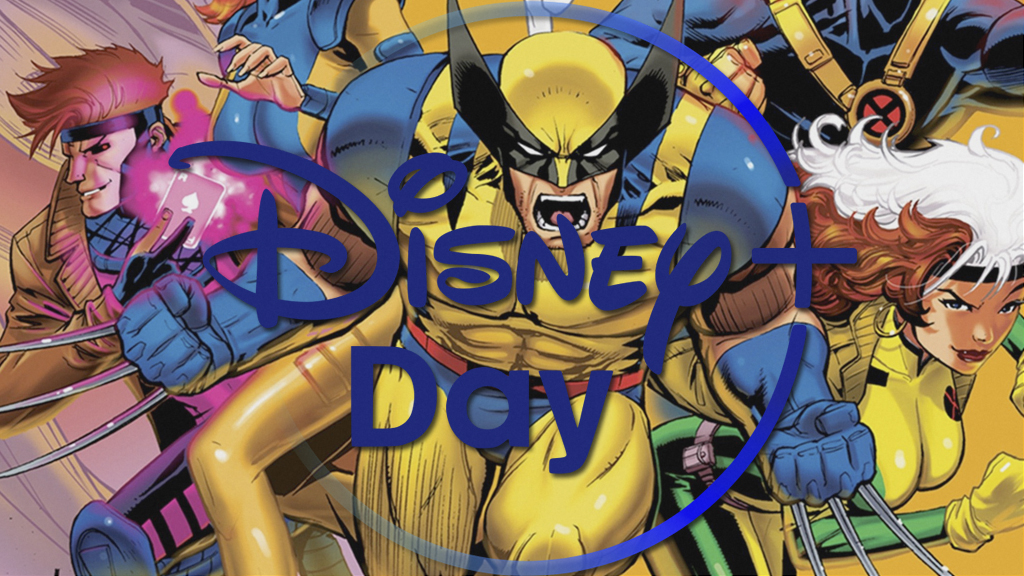
There have been many theories about what we can expect from the upcoming Disney+ Day. Last year, we got a few announcements alongside official logo reveals. The big question for many is how much they’ll really show if D23 is right after but they might still use the chance to tease some Disney+ projects or even reveal some fun trailers. Plus, we’ll also get some new additions to the service to celebrate the occasion. Now, the official Twitter account is also seemingly teasing something X-Men related for the day.
The interesting thing is that they’ve made a few day countdown posts, but this time around they highlighted the hashtag. The inclusion of Hugh Jackman‘s Wolverine is definitely a curious choice but very unlikely is hinting at anything related to the 20th Century Fox era but there’s a chance we might get a teaser of some kind of the 90s animated series continuation X-Men ’97.
Of course, to temper expectations, there’s simply a chance they are promoting the fact that they have all the 20th Century films on the platform. Disney+ has advertised itself as the “Home of Marvel” and is definitely living up to that name. Perhaps they’ll finally add X-Men: Evolution to the platform, which was a great animated series based on popular animated characters. We still have a week to wait until we find out what exactly they might be teasing or if it’s actually anything, but there’s a lot of fun to have to speculate ahead of such a big event from Disney.
Deep in the Sundering Seas, a ship sails toward peace and freedom. All onboard are merry, as they know what bountiful future awaits them, save for one soul. Galadriel, a young Elven warrior, is not content. She looks around with concern and restlessness as her companions begin to sing a holy song in unison. Her brethren embrace what they understand to be a blessing, yet Galadriel is unable to wrap her mind around the same joy. The boat rolls onward, but her true journey lies somewhere behind it. This scenario, which plays out near the end of The Rings of Power‘s first episode, is how many may have felt when The Lord of the Rings films first premiered two decades ago.
Universally loved by fans and critics alike, it quickly became heresy to suggest the original live-action trilogy wasn’t for everyone. While all manner of brethren sang it’s praises like a holy verse, some simply couldn’t bring themselves to join in. Their journey lay elsewhere, in the gutters of other fantasy deemed “less-than” by those who could more naturally comprehend the great works of J.R.R. Tolkien. To be fair, these high-ground thoughts were never entirely misplaced. Peter Jackson‘s movies are indeed a generational achievement, and the novels they’re based on are undoubtedly a cornerstone to which all subsequent entries of the genre owe their existence. Nevertheless, The Lord of the Rings was never an easy story for the average viewer to sink their teeth into.
Filled with intense exposition and expansive world-building, it could often feel like there was homework required to fully appreciate the cinematic experience. Beautiful, awe-inspiring filmmaking, for sure, but also perhaps too much for some to take in at once. On the other hand, Jackson‘s Hobbit prequels were derided for leaning too far in the other direction. Too much explosive action, not enough thoughtful commentary. The Rings of Power, a new prequel series from Amazon set a full Age before the events of Tolkien‘s seminal masterpiece, feels special for at least one major reason – it works in a way where viewers are granted both pace and spectacle. The series’ pilot and its follow-up, each directed by J.A. Bayona, are chock full of the gorgeous visuals and thrilling set pieces one has come to expect from adventures set on Middle-earth, but pull them off while maintaining the intellectual integrity of the franchise.
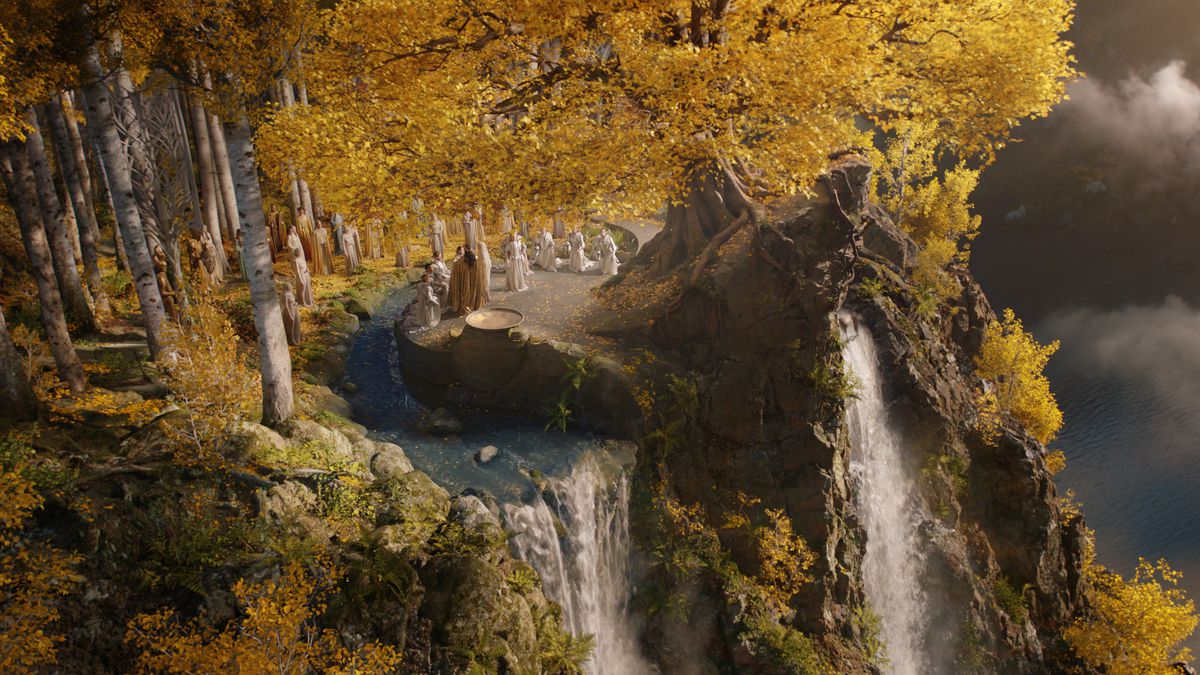
Anyone who might have been worried about the show not living up to the iconic aesthetic of the films can rest well knowing this is not the case. It’s very clear that The Rings of Power is the most expensive television series ever created. From the very beginning, it looks absolutely unreal. This is the same Middle-earth fans have spent years obsessing over, only it feels quite a bit younger. Not only are several of the protagonists in the ensemble cast literally younger versions of established Tolkien characters, like Morfydd Clark‘s aforementioned Galadriel or Robert Aramayo‘s gleaming Elrond, but much of the landscape gives off the essence of a used car restored to its former glory. The grime of Sauron has yet to truly taint the world, even if his dark presence is ever looming.
As a result, the premiere episodes exude a fairly fresh aura to potential new fans of the franchise. This is not a project anyone has to rewatch older films to enjoy. It’s amicable for those who have loved what’s come before and welcoming to those who’d finally like to try giving Middle-earth a shot. There is some of that familiar exposition, yes, but the show’s episodic format allows for it to be delivered in smaller, separate doses as opposed to all-at-once. Interspersed between are countless moments of shock and amazement that will leave audiences pondering on how a television series could pull all of it off. There are grand scenes of war, charming competitions of friendship, slaughtering at the hands of a lumbering troll, and a horrific game of hide-and-seek played with a skull-fit orc.
It’s impressive how effortlessly The Rings of Power shifts between these many masks in its attempt to weave an epic tale. The characters, too, are plenty of fun to spend time with. New light is shed on well-known names, enough to make them – possibly – even more likable, and enthralling introductions are made for the latest faces to join the universe. Viewers are reminded exactly why they fell for the varying species of Middle-earth, especially the Hobbits and the Dwarves. Any time spent with Harfoots (Harfeet?) or the cave-dwelling Khazâd is an automatic highlight of the episode.
Best of all, the premiere episodes leave fans with more questions than they do answers. Without spoiling anything, there’s much to dissect in the coming season. Despite a runtime of over two hours and a lot to establish, A Shadow of the Past and Adrift do a fantastic job of keeping the audience entertained and engaged while setting up plotlines that will last for a long time to come. With an agreeable approach and a stunning coat of paint, The Rings of Power might just be the first Lord of the Rings entry that everyone can fall in love with.
After years of waiting, fans can finally stream The Rings of Power on Amazon Prime. The series, a prequel to J.R.R. Tolkien’s classic Lord of the Rings trilogy, premiered it’s first two episodes on Thursday to high praise from critics. Multiple new characters found themselves introduced during the show’s initial hours, alongside younger versions of some familiar names. One fresh face, however, was that of Daniel Weyman’s mysterious Stranger, a lumbering giant of a man with strange mystical abilities. The character was shown falling to Middle-earth in a meteor in the series’ pilot.
There have been no shortage of theories on who the unnamed person actually is, but one has stood out more than the rest. A popular opinion online says that Weyman is secretly portraying a young Gandalf as he first appears in existence. According to a recent interview with ET, the actor has known the true identity of the Stranger since he was cast – but he won’t be spilling the beans anytime soon. When asked about the Gandalf theories, Weyman responded that fans will have to keep watching to find out:
I would think, hopefully, people will have as much fun watching his story as I had filming it. And I suppose the best thing to say is that while we were working, I, at each point in the story, knew exactly where the character was and who he was and what he was going through. So, from my point of view, it was quite an easy task to follow that through.
Daniel Weyman
On the other hand, his co-star, actress Markella Kavenagh, was left just as much in the dark as viewers during the creative process. Kavenagh portrays an adventurous young Harfoot named Nori in the show, and is the one who discovers and helps the Stranger when he crashes to Middle-earth. She explained that she was forced to learn his real identity as filming went on:
[We were] finding it out week to week. I mean, you’ll see when you watch it why it was also kind of beneficial because of how the Stranger is and how Nor is as well. But yeah, it was an experience.Markella Kavenagh
Actress Cynthia Addai-Robinson, who has not yet appeared in the series, chimed into the conversation to add her take as well. She claimed that, in her opinion, there is a real joy in watching a mystery unfold without immediate answers:
We enjoy all the fan theories and we have those ideas. But even for some of us, we don’t ultimately know the way in which our characters are going to have these experiences. And the audience will also get to see it as it unfolds as well.
Cynthia Addai-Robinson
The Rings of Power is now streaming on Amazon Prime.
Amazon Prime’s $715M journey to Middle-earth is finally set to debut on the streaming service. The great news is that the premiere will come a day earlier than expected and that fans will be given a two-episode introduction to the series. But when can fans tune in for the remaining episodes? And what time can they expect the first two to drop tonight? We have answers.
Episodes 1 and 2
The first two episodes of The Rings of Power are set to drop on Amazon Prime at 6 PM PT/9 PM ET on Thursday, September 1st.
Episodes 3 through 8
Season 1 of The Rings of Power will consist of 8 episodes, each of which is expected to run roughly one hour. Following the two-episode debut, the series will release a new episode each Friday as Amazon Prime has elected not to follow the binge model for the series. The weekly release schedule is as follows:
Episode 3 will release on Friday, September 9th Episode 4 will release on Friday, September 16th Episode 5 will release on Friday, September 23rd Episode 6 will release on Friday, September 30th Episode 7 will release on Friday, October 7th Episode 8, the Season 1 finale, will release on October 14th
How Many Seasons?
The Rings of Power takes place roughly 1000 years before the time of The Hobbit and Lord of the Rings films, leaving all kinds of room to tell some great stories at a time when Middle-earth was a very different place than what people remember from the films. With that in mind, the showrunners have laid out a five-season plan. With production on Season 2 set to get underway soon, it’s possible that fans will only have to wait until next Fall to catch Season 2 and that the entire series might conclude in 2026.
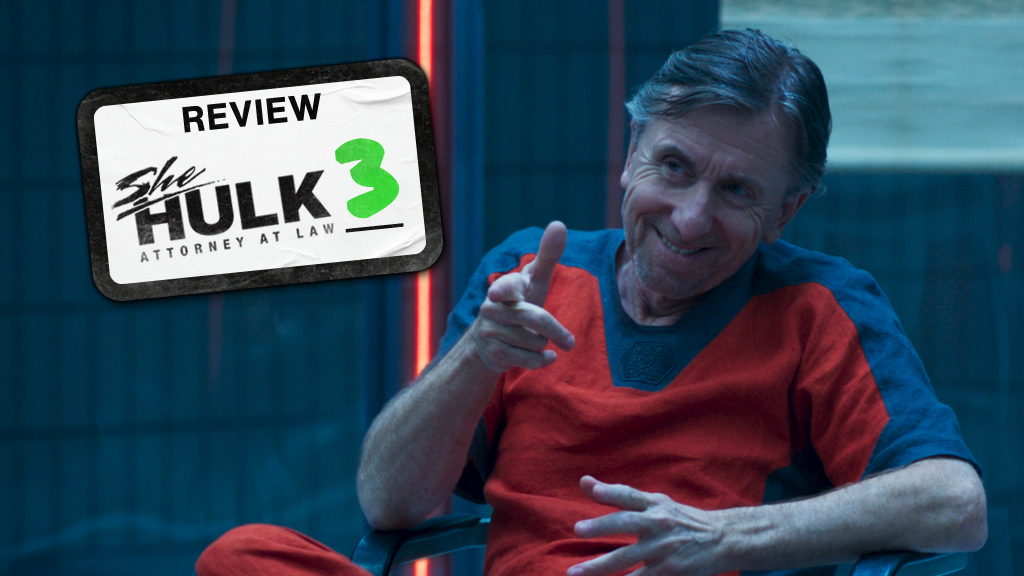
She-Hulk: Attorney at Law finally gets into its full groove in its third episode, and the result is the series’ best episode by far. By being able to embrace the half-hour story format, the show capitalizes on its concept and various parts to create some memorable and enjoyable television. But at the end of the day, Episode 3 is simple: it is wholeheartedly hilarious and full of constant literal laugh-out-loud moments.
With Wong’s introduction, the show once again proves it has strong connections to the MCU that it uses to enhance She-Hulk. The legal case-by-case structure essentially gives the show—apart from Jen’s overarching personal journey—the substance and story it needs on a weekly basis without the weight or pressure of actually needing a heavy overarching premise. There are clear breadcrumbs to a larger plot on the horizon, notably with the Asgardian construction worker-inspired Wrecking Crew that tried to take a sample of She-Hulk’s blood for “the boss.” But that tease is quite frankly the least interesting part of the episode by far.
The focus on smaller-scale stories also gives She-Hulk the space it needs to be genuinely funny and a pure comedy. Without the mandate of a slowly unraveling “main story”, each episode can just simply be enjoyed for what it is. The series can take elements, like Wong, from the greater universe and frame them in its own comedic lens without having to take on any responsibility for the true development of those characters or elements outside of this specific series. The cast, particularly the supporting cast, proves itself to be a formidable comedic vehicle when the narrative gives them the screen time. Josh Segarra’s Pug and Drew Matthews’ Dennis Bukowski handle the B-story without a problem and put in some of the best performances of the episode.
The pure absurdity contained in some of She-Hulk’s source material and comics generally is often not explored in live-action projects because it is—exactly—absurd. Phase 4 in general has been letting itself delve into that weirdness, but this series probably embraces the weird more than any other project. The simple joy of watching the “everyday life” of a Hulk and the Sorcerer Supreme along with the trivial and silly adventures they get into is virtually never part of the usual MCU experience. By not taking everything so seriously, She-Hulk gets to exist and breathe on its own, unique scale. But its resources make the small-scale stories feel much more exciting than if the revolving door of characters and clients was entirely new or bland. The show, through its connections to cameos and references, has an anchor in the MCU that keeps it from drifting into forgettable waters.
She-Hulk: Attorney at Law’s third episode sees the series transform into what it is intended to be. Where the first two episodes jogged, Episode 3 sprints. The show is fully self-aware, and even directly calls out misogynistic patterns that surround female superheroes and woman-led projects, particularly on social media. She-Hulk has nothing to prove to those who cannot handle the concept of a “She”-Hulk getting attention. For the rest of the world, this episode proves that the series is a hell of a good time.
Cookie Consent
We use cookies to improve your experience on our site. By using our site, you consent to cookies.
This website uses cookies
Websites store cookies to enhance functionality and personalise your experience. You can manage your preferences, but blocking some cookies may impact site performance and services.
Essential cookies enable basic functions and are necessary for the proper function of the website.
Name
Description
Duration
Cookie Preferences
This cookie is used to store the user's cookie consent preferences.
30 days
These cookies are needed for adding comments on this website.
Name
Description
Duration
comment_author_email
Used to track the user across multiple sessions.
Session
comment_author_url
Used to track the user across multiple sessions.
Session
comment_author
Used to track the user across multiple sessions.
Session
Statistics cookies collect information anonymously. This information helps us understand how visitors use our website.
Google Analytics is a powerful tool that tracks and analyzes website traffic for informed marketing decisions.
Contains information related to marketing campaigns of the user. These are shared with Google AdWords / Google Ads when the Google Ads and Google Analytics accounts are linked together.
90 days
__utma
ID used to identify users and sessions
2 years after last activity
__utmt
Used to monitor number of Google Analytics server requests
10 minutes
__utmb
Used to distinguish new sessions and visits. This cookie is set when the GA.js javascript library is loaded and there is no existing __utmb cookie. The cookie is updated every time data is sent to the Google Analytics server.
30 minutes after last activity
__utmc
Used only with old Urchin versions of Google Analytics and not with GA.js. Was used to distinguish between new sessions and visits at the end of a session.
End of session (browser)
__utmz
Contains information about the traffic source or campaign that directed user to the website. The cookie is set when the GA.js javascript is loaded and updated when data is sent to the Google Anaytics server
6 months after last activity
__utmv
Contains custom information set by the web developer via the _setCustomVar method in Google Analytics. This cookie is updated every time new data is sent to the Google Analytics server.
2 years after last activity
__utmx
Used to determine whether a user is included in an A / B or Multivariate test.
18 months
_ga
ID used to identify users
2 years
_gali
Used by Google Analytics to determine which links on a page are being clicked
30 seconds
_ga_
ID used to identify users
2 years
_gid
ID used to identify users for 24 hours after last activity
24 hours
_gat
Used to monitor number of Google Analytics server requests when using Google Tag Manager
1 minute
Marketing cookies are used to follow visitors to websites. The intention is to show ads that are relevant and engaging to the individual user.
Pinterest Tag is a web analytics service that tracks and reports website traffic.