The controversy that was the final season of television’s biggest series, Game of Thrones, isn’t deterring HBO from pursuing more content from George R. R. Martin‘s fantasy world. The first prequel series House of the Dragon is set to debut next year and the announced Dunk & Egg spin-off has just landed a writer. According to the trades, Steve Conrad has been tapped to lead the show’s writers room.
For the uninitiated, Dunk & Egg follows the lives of Ser Duncan the Tall and Aegon V Targaryen 90 years before the events of the show. Conrad is best known for his work on The Pursuit of Happyness, The Secret Life of Walter Mitty, Amazon’s Patriot series as well as AMC’s animated series Ultra City Smiths. A good track record like that doesn’t make his hiring surprising.
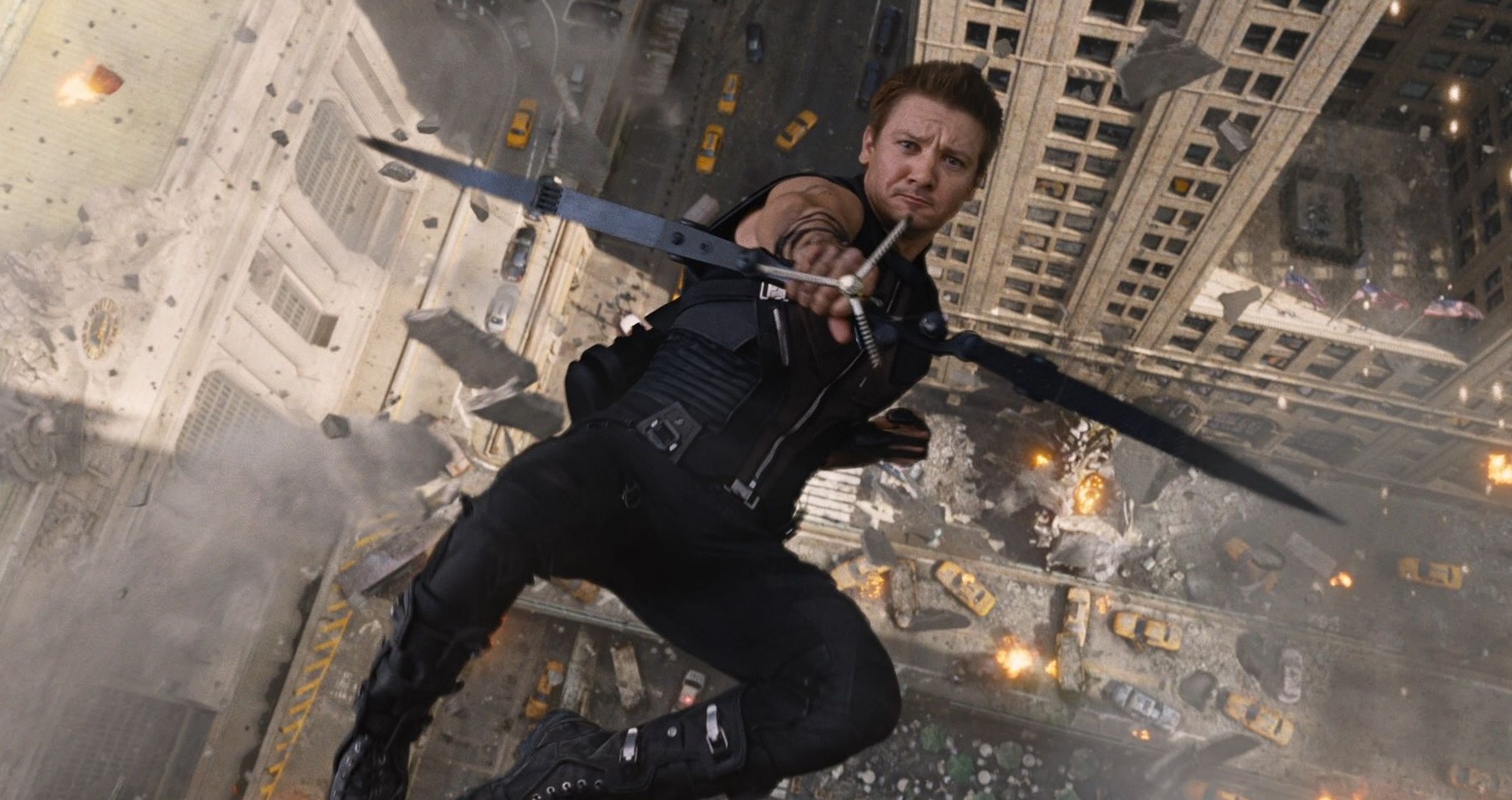
Despite the show’s low-level stakes, Hawkeye boasts one of the most explosive openings of any MCU property yet. The series boldly opens with the iconic Chitauri invasion that took place in the first Avengers movie, this time from the vantage of a young Kate Bishop. The sequence is nothing short of jaw-dropping as it pulls into focus the horror of ground zero from the perspective of a child but also the inspiring moment she witnesses her future hero.
Head writer Jonathan Igla elaborated on the impetus for such a killer opening in an interview Collider, saying:
Yeah, that was part of my original pitch when I went into Marvel. I can’t remember exactly where it initially came from, but it was definitely one of the very first things that I came up with. Partly, I was already thinking a little bit in terms of wanting to set up the notion of there being different points of view. That ends up being not as important in the series as I initially thought it might be, but in the comic books that, obviously, heavily influenced the series that everybody at Marvel loves, that I love so much, the Matt Fraction/David Aja run. And in Matt Fraction’s, generally, he plays with point of view in a really fun and fascinating way.
Igla references Mad Men in his interview, a show he worked on prior to getting the Hawkeye gig, pointing out some emotional similarities between the death of a character in that show and a defining moment for Kate Bishop.
I’ve always been fascinated by the way that we psychologically… the way that we pair events in our brain that are either only a little bit related, or not really related, or that we think happened at the same time and maybe didn’t. There was a moment in the premiere of the last half of the last season of Mad Men where we did something like this, where Don has not found out that Rachel Menken had died. And he’s talking to that waitress, and she sort of challenges him to think hard about the order that some of these things that he thought were coincidental had happened in.
The episode wastes no time in showing how the Battle of New York impacts the life of Kate Bishop on every psychological level. It’s the moment that inspires her to start bettering herself in order to protect others and one that begins her thorny relationship with her mother.
So this is a very roundabout way of saying [that] I wanted to pair the death of Kate’s father with her seeing Hawkeye. Because the trauma of losing a parent, and also an alien invasion right outside your window — which, apart from the death of a parent, is obviously a gigantic, terrifying, traumatizing event. Seeing [Hawkeye] who is not out of control in that moment, but seems completely in control, even though it’s completely terrifying. [For] Kate, somebody who doesn’t have superpowers, that felt like the type of thing that would make a lifelong lasting mark on a child.
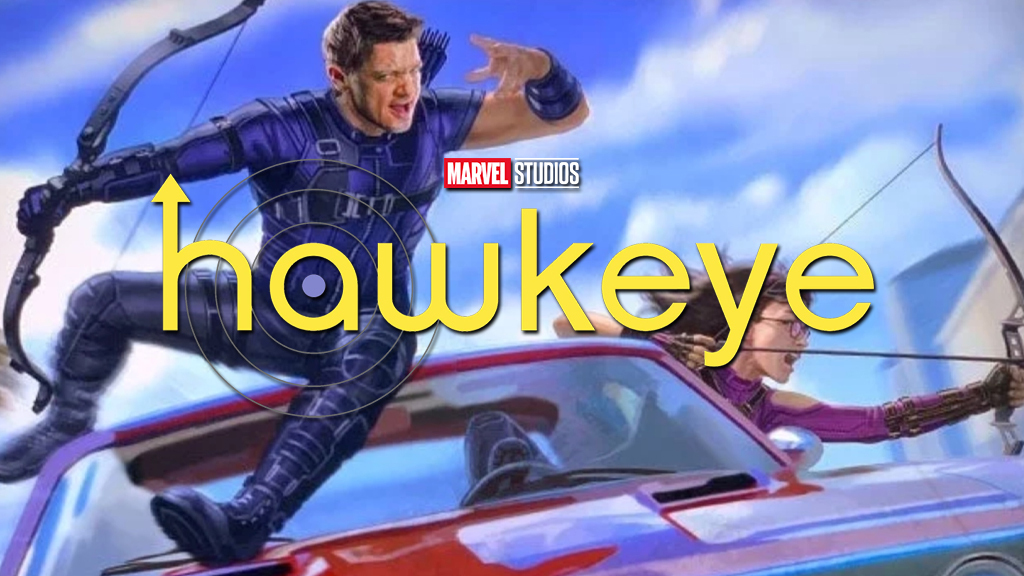
The Marvel Studios adaptation of the celebrated Matt Fraction and David Aja comic doesn’t quite live up to the comic’s panache and ends up abbreviated in more ways than one. Omitted from the show are two of the comic most vibrant traits: the quaint slice-of-life window peering into the life of an Avenger and the unique aesthetic crafted by Aja. Despite this, the show manages to stay fun thanks to a solid cast.
As the premise goes, Clint Barton’s stint as the mass-murdering Ronin is a secret known only to the Avengers. So when Ronin memorabilia hits the black market, Clint is drawn into the orbit of the underworld where Kate Bishop has been doing some heroic sleuthing of her own. When their paths intersect, Marvel Cinematic Universe history is made as one of comics’ greatest partnerships comes to life in front of your very eyes.
There’s really not much left to be desired from the nuts and bolts of Hawkeye’s mechanisms, apart from the hope of seeing a certain crime lord behind the curtain, as the first two episodes repeat the same hypotheses over and over that you’ll be no further from the first clue Kate Bishop finds by the time the credits roll an entire later. Perhaps by no coincidence, writer Jonathan Igla and director Rhys Thomas wanted to evoke the Marvel-Netflix shows’ signature trudge.
Hawkeye is the first Marvel Studios TV show to look wholly unremarkable. Gone is the ambition of Loki’s otherwordly design and WandaVision‘s retro aesthetic. Even as grounded in real-world architecture Falcon and the Winter Soldier was, the show compensated for the blandness of its concrete and steel sets by elevating the action sequences. Hawkeye has neither of those, failing to look even as remotely interesting as some of the Marvel-Netflix shows did. The fights don’t look memorable. The compositions looks wildly uninspired making it quite possibly the show’s biggest misfire, a massive step down from the self-contained world David Aja made so iconic. The show nonetheless and deservedly pays homage to Aja’s work in its credits sequences but it doesn’t make the show’s lack of any aesthetic any less glaring.
Just like the Netflix shows, Hawkeye hits the mark in assembling a fantastic ensemble. Newcomers Vera Farmiga and Tony Dalton add a very vicious sexiness to the otherwise homely and wholesome dynamic brought on by leads Renner and Steinfeld. Farmiga plays Eleanor Bishop, a New York socialite with some obvious skeletons in her closet. Her performance is deliciously sassy and quickly proves to be a great foil for Steinfeld’s own brand of snark.
Dalton is Jacques Duquesne, a character known to Silver Age readers as the fallen Avenger Swordsman. Better Call Saul fans familiar with Dalton as Lalo Salamanca may quickly brush off his MCU debut as the same character and for good reason: Dalton doesn’t really drop the slimy grin Lalo for a distinctly new performance. Yet the way he commands a scene with a mere grin highlights his gravitas. He brings a playful impishness to every moment that’s adjunct to the real darkness underneath. It’s a familiar schtick but works consistently no less.
The titular archer finally gets his name on the marquee, a novelty that is smartly channeled into the character’s own pathos. Seeing your family vanish into thin air, turning into a mass murderer, journeying to the edge of the universe only to see your best friend die in your place is never good for one’s mental health and Hawkeye peels those layers for Clint Barton in various ways. He pities himself for not being as celebrated as his colleagues on the team yet is dismissive of respect given to him. His legacy as an Avenger is soured on a deep level for him because of his actions as Ronin.
Renner portrays this modern-day Barton as someone on the brink of collapse. It’s a performance so subdued that you might think Renner isn’t putting in the work but it’s also reflective of the deepness of trauma and PTSD. Trauma is, oftentimes, invisible and forcibly buried under layers of disguises, and the way Renner underlines all of Barton’s wholesome facades with pain is so fascinating to watch. So while the performance is lacking the whimsy of how Fraction’s own vision of Barton, it’s also not without weight and merit.
Sometimes, a project just needs one person to bring the magic and elevate it to the next level. For the 2011 Hawkeye run, it’s David Aja, whose minimalist yet innovative eye for sequential storytelling gave the comic its distinct personality. Without Aja, the comic would not be the success it is. For this year’s Hawkeye series, a loose adaptation of the said comic, it’s Hailee Steinfeld who brings the magic, allowing the show to rise above its restraint.
Hawkeye wastes no time in positing the POV of Kate Bishop as the focal point of the show, opening with a prologue that would make all the Marvel-Netflix shows filled with envy as the Battle of New York, or as those shows would eye-rollingly call it, The Incident, is on full display in all its horrific glory. The incident serves as the impetus for Kate Bishop’s eventual path to becoming the self-proclaimed World’s Greatest Archer, instilling in her a sense of stubborn determination that Steinfeld proudly wears in her performance.
Steinfeld is a godsend in the role, turning in a charming performance that would’ve turned her into an overnight sensation if True Grit didn’t already do that. Her take on Kate Bishop is wonderfully her own yet already like feels like the blueprint of all the Kate comics before her. Her Kate is frisky and brings a warmness that dyes the somber performance of Renner with color, making their dynamic feel alive. There’s also a staunch fierceness to the way Steinfeld portrays some of Kate’s rougher edges that allows her to be contentious but never abrasive. Kevin Feige and co. have stated that an adaptation of the Fraction/Aja line was always in the pipeline but Steinfeld’s performance proves that this project wouldn’t work without her.
Hawkeye won’t make the same level of impact the Fraction/Aja comic did when it first hit shelves. But the stellar cast and allure of seeing a certain Marvel villain behind the curtains of this otherwise pedestrian crime story will make this a worthwhile watch for any fan.
This week’s Hawkeye release is monumental for a few reasons. For one, it’s Marvel Studios’ official foray into the street-level corner of the MCU. The show also features the debut of Kate Bishop, who may very well be poised to be one of the MCU’s biggest characters. Lastly, it’s the first time Jeremy Renner gets to star as the lead on a Marvel project.
Producer Trinh Tran sat down with us and revealed the extent of Renner’s involvement in the creative process of the show.
We brought Jeremy Renner into the writer’s room. Out of everybody who knows Clint Barton, he’s the one to ask those questions because he’s played the character for an entire decade. We wanted him to get involved and get an understanding of how he feels about the character in this story. We gave him the broad strokes of the direction we had in mind and asked how he would react in certain scenarios. That was tremendously helpful.
An actor joining a writer’s room for some consulting isn’t anything new but it’s nonetheless good to hear Renner himself commit to delivering the best version of Clint he can. Matt Fraction, who co-wrote with David Aja the iconic Hawkeye run that serves as the show’s basis, also consulted on the project. Needless to say, the project is in good hands.
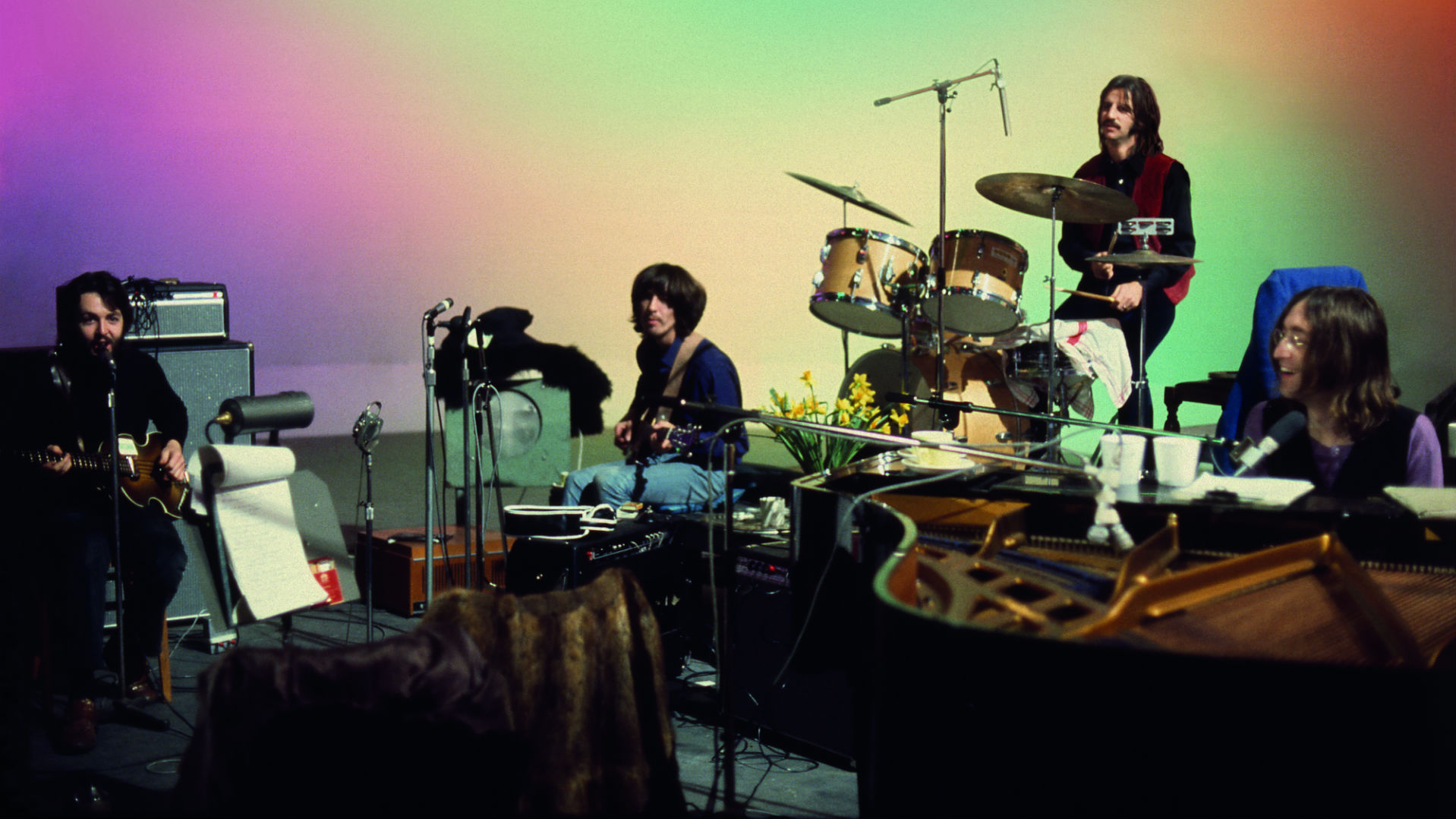
A portion of the immortal and tenuous legacy of The Beatles unravels this month with Peter Jackson‘s Disney+ event docuseries, The Beatles: Get Back, chronicling the band’s rehearsals for their album Let it Be in absolute high-definition and glorious high fidelity. Murphy’s Multiverse got to see 40 minutes of the documentary and attend the press junket that saw Peter Jackson give insight as to how the series was made, what he learned, and what the surviving Beatles and their relatives thought of it.
Jackson’s last documentary, called They Shall Not Grow Old, restored film WW1 footage over a 100-years old using advanced film restoration methods. The experience prepped the director for taking on a project like Get Back as they had perfected the restoration technology by then.
In doing [They Shall Not Grow Old], we developed a whole lot of software and code. And so, when it came time to put the 16mm negative of the Get Back sessions through our pipeline, it was, you know, we sort of had done it before. Obviously, you’re dealing with color 16mm, not black and white. So, you know, but it’s something we sort of had done before. And the reason why, by the way, I did that, I wanted to make it pristine, is I’ve always fantasized as a Beatles fan, funny, I’ve always wished that someone could invent a time machine. And if somebody said to me, “Hey, there’s a time machine. You get one trip. What would it be?” I’d say “I wanna go back to the 60s”.
On top of the herculean task of making sure the film quality matched modern standards, Jackson’s team was faced with the equally gruelling task of restoring inaudible audio. But with the help of state-of-the-art software, they were able to accurately restore audio that would have otherwise been unlistenable.
The most depressing thing about this whole project at the beginning was the audio. It was like, “Okay, it’s great but God, I wish we could hear what they’re saying.” So what we ultimately did here in New Zealand at Park Road Post is we’ve got these very clever people. They’ve developed an AI program, a machine learning program, where we could take this mono tape, we digitize it, put it into the computer, teach the computer what a guitar sounds like, teach the computer what a human voice sounds like, teach them what a drum sounds like.
With high-definition audio comes new information that no one has heard prior. Jackson made use of the advantages they had to explore a side of the band that no one has ever seen before. This allows the documentary to dispel myths and show the band in a completely new light.
So, we are revealing 50 year old conversations that they deliberately drowned out that no one’s ever heard before. So, what that does is it allows us to hear The Beatles telling the story. I didn’t want modern footage of people being interviewed telling the story. I wanted only just to see them. And so, they need to tell their story as it was in January of ’69. To do that, you need to hear the conversations because they’re talking about things going wrong and what they’re gonna do. And so, by revealing all these conversations, clear, clean conversations, we’re able to have them tell their own story through these 21 days.
Easily one of the most fascinating parts of the documentary is seeing Yoko Ono on the rehearsal stage with the band. All has been said about Yoko’s personal impact on the band but the documentary does a great job of showing how she truly was in their presence.
I mean, it’s interesting when you’re as famous as The Beatles, everything that gets reported and written about it in the passing of time it becomes a sort of a myth. It’s either black or white, you know? To people, she’s either not in the studio or she’s in the studio breaking up the band. But the truth is much more nuanced than that. She’s there because John and she are in love. John leaves in the morning to come to work. He doesn’t wanna say goodbye to her and not be with her for eight hours. Why not?
The critical thing with Yoko, which I think, you know, must be recognized is she doesn’t interfere with what they’re doing. She doesn’t pipe up after three, you know, rehearsals of Get Back and say, “Oh, I think that solo should be faster.” She never, ever interferes with them. She sits there, she knits, she writes, she does some art, she’s there with John.
Lastly, Jackson revealed the reaction of the remaining members and their families to the unfinished footage he showed them months back. Needless to say, the reaction was unanimous and is the best stamp of approval one could get making a Beatles documentary.
This is coming out on Thanksgiving so you’ve got a few nervous Liverpool guys. They’ve never pulled the curtain back to this degree. When I showed it to them, I was expecting notes. Plus, I was expecting a Beatle thing of, like, you know, “When I say this, can you just cut that bit out, ‘cause I don’t think…” I was expecting all that. All I got was versions of “It was incredibly stressful to watch. It’s very raw. Oh my God. It’s is a definitive history of this period, so don’t change a thing.” And you’ve gotta give them credit for that, ‘cause that’s them being very brave, ‘cause they’ve never, exposed themselves with the raw material. You know, they’ve never allowed people to see The Beatles in such an honest way before.
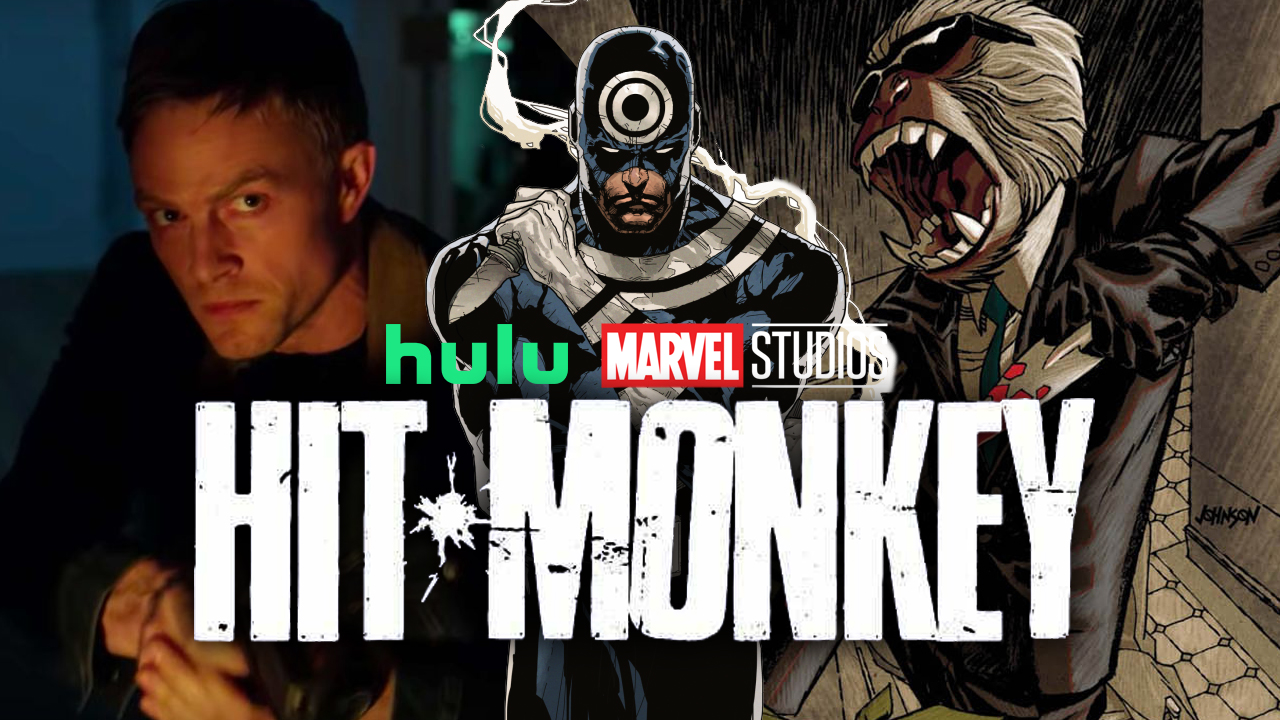
Marvel TV’s last bastion Hit-Monkey premieres tomorrow on Hulu, ending the department’s near-decade-long stint with a brutal and violent spectacle. The show is filled with lots of gore, emotion, and features a handful of Marvel characters that some comic readers may recognize. Characters like Silver Samurai, Fat Cobra, and Lady Bullseye all make memorable appearances all throughout.
One character that almost made the cut, however, was the original Bullseye. Once again, the old adage of corporate mandates hijacking creative visions took place, prohibiting showrunners Will Speck and Josh Gordon from using the fabled Daredevil character. In our exclusive interview with the directing duo, they said:
Yes, Bullseye. Bullseye was in the original issues of Hit-Monkey and that was who we originally thought we would use but for various reasons, we couldn’t. But Marvel offered us Lady Bullseye instead and we thought, ‘Wow. That’s so much more interesting since she’s a character we haven’t seen much of yet.’ We were thrilled that we got that pivot.
These things happen a lot with Marvel TV. Jeph Loeb and co. want to use a character for their shows but the powers that be at Marvel Studios veto it for reasons related to their own plans for the characters at hand.
In this instance, this could’ve been a case of Marvel not wanting to touch anything that had to do with the Netflix clause that prohibited the use of characters from their shows for an X amount of years, though the production timeline might say otherwise. Interestingly, this could also very well be a mandate from Marvel Studios as Kevin Feige begins to get his hands on some of Marvel’s most famous street-level characters.
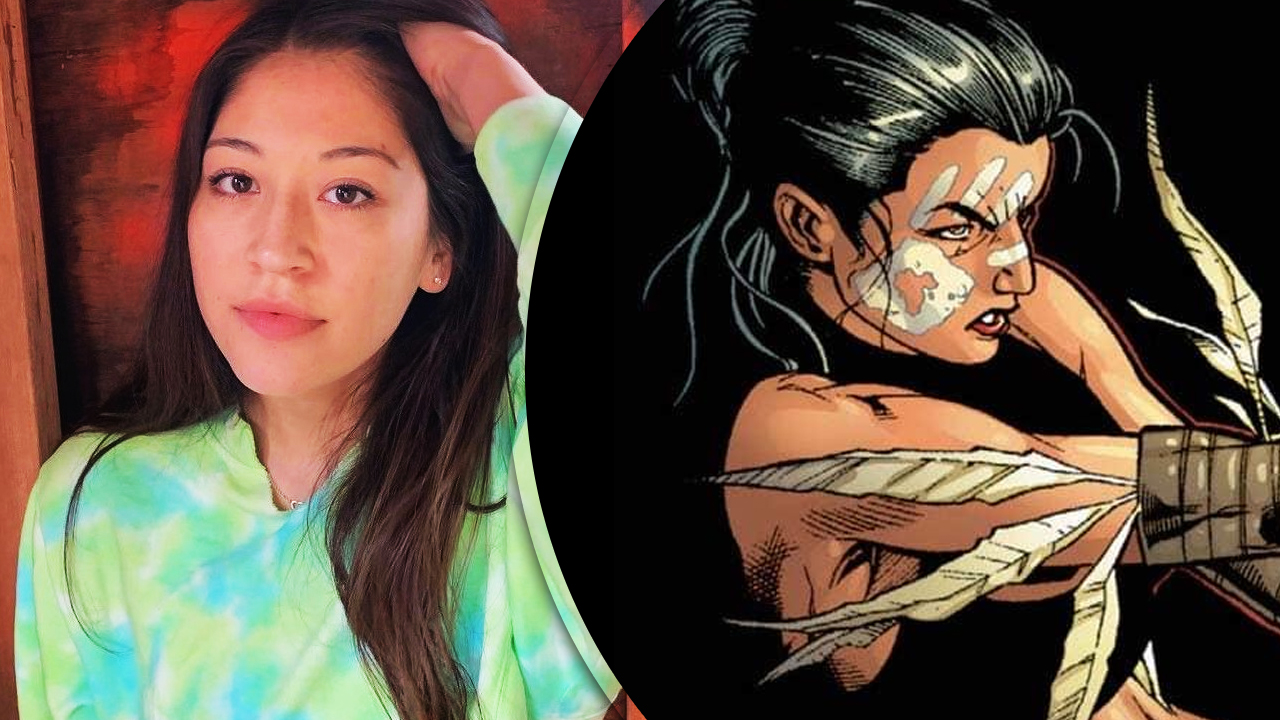
Alaqua Cox might just be the MCU’s boldest discovery yet. She’s a newcomer with zero experience in acting and performing prior to her supporting role in Hawkeye as Maya Lopez yet Marvel Studios saw it fit to give her a spin-off show in Echo, which was just confirmed this weekend.
I spoke to Hawkeye producer Trinh Tran on what convinced Kevin Feige and Marvel Studios to give Cox her own series based on her performance alone. Tran’s answer was nothing short of exciting:
She is such a badass in this series. She really completely impressed us all with her determination and hard work in wanting to make sure Maya Lopez is the way everybody wants. I have to say there was a bit of nervousness at the beginning because Alaqua hasn’t been a part of the industry. To get somebody brand new and pull her into a character like Maya Lopez, it’s a big deal. But she took it in strides, worked hard, and proved to us that there is a character who’s deaf but is able to be a part of the MCU and be a superhero in her own right.
The Hawkeye trailers haven’t given audiences much Echo at the moment. The first two episodes we got to screen didn’t feature her much either. But the enthusiasm Marvel Studios has for her is nothing short of infectious. The mere prospect of Cox holding her own against rumored Echo co-star Vincent D’Onofrio sounds like a must-watch so we’re hoping to see the full scope of her talent in a few weeks’ time.
Home Sweet Home Alone is finally now out on Disney+. A pseudo-sequel to the Macaulay Culkin duology, the film presents a familiar concept in a contemporary manner. We spoke to stars Ally Maki and director Dan Mazer on the process of bringing a classic franchise back to life and what it was like to work with up-and-comer Archie Yates.
According to Maki, Mazer played a crucial part in fostering a working environment that allowed the cast to go crazy with improv.
Ellie and Rob just led that set with such warmth and hilarity. And I think having Dan Mazer as our director, who did Borat and Ali G., he really created such a fun atmosphere where he let us do a lot of what we wanted and that created the bond we have as a cast. It was so much fun.
There was so much improv. Something I would be like, “Wow! He’s really letting us go on and on.” There was some stuff that didn’t make the movie. I feel like Tim and I could have our own Home Alone short just because of all the scenes we filmed. We had so much fun.
Dan Mazer is a writer known for some of the raunchiest, and as he put in our conversation with him, filthiest comedy films of the past two decades. He elaborated on his process as a comedic filmmaker and how he incorporated it with the cast he had for the film.
In my casting process in whatever project I do, I like to make sure that the people I cast are funny in their own right that if we ever throw away the script, they can be brilliant. And obviously, in the stuff I’ve done with Sacha Baron Cohen, there’s so much improvisation. That’s the excitement of filmmaking; seeing what you can come up with on the day. And when you have Pete Holmes, Ally Maki, Kenan Thompson, Chris Parnell, as your supporting characters, not to mention Rob Delaney and Ellie Kemper, as a comic director it’s like having a toy box.
Archie Yates stars as Max Mercer, the Kevin McAllister analogue of Home Sweet Home Alone. Yates previously wowed audiences with his supporting role in the Oscar-winning Jojo Rabbit. Mazer revealed what it was like to work with Yates on his first big starring role.
We were in the middle of our search looking for Max Mercer. I auditioned lots of really talented kids. And then I saw Jojo Rabbit and had a thunderous moment where I fell in love with Archie Yates. It was like he was born to be on a film set. He walks on with absolute authority and total confidence. He slipped into the role effortlessly and made it his own. He was a treat to work with.
If Marvel Television’s near-decade-long run was a concert, MODOK would be the song before the encore. The boisterous cult hit that every true fan knows by heart and normies won’t. Normally, it’s the song the artist pretends to end the night with, knowing that they’ll come out with their biggest hit for the real curtain call as the crowd chants, “More! More!” The band ends the night with a banger the arena can sing to and everybody goes home happy. In this Marvel TV concert, that’s not what happens. Instead of the big accessible hit for the encore, the band pulls out Hit-Monkey, a B-side that was deemed too heavy for Top 40 radio.
Hit-Monkey is a bewildering curtain call for Marvel TV, a show so ultra-violent that it would be rated NC-17 and likely banned in certain countries if done in live-action. Its animated medium practically serves as an airbag from the never-ending collision of steel and human entrails. A grandma gets sawed in half lengthwise! If that weren’t enough, trigger warnings feel appropriate for the show as it depicts extreme violence against animals. Disturbed fans numbed by the mass appeal of Marvel’s family-friendly brand may find this prospect enticing.
Like its titular sharp-dressed protagonist, the 10-episode season is stitched with a lot of style that draws upon the likes of Kill Bill and its cinematic progenitors. The show flexes a sophisticated sense of composition when it comes to its big set pieces, creating a contrast when put next to its comically gratuitous approach to gore. Showrunners Will Speck and Josh Gordon’s previous work like Blades of Glory and Office Christmas Party may say otherwise about their grasp on serious action but Hit-Monkey displays the directing duo’s deft understanding of the source material and action genre.
In spite of its edgy violence and flair, Hit-Monkey will not be for everyone, even for some Marvel enthusiasts, as its world feels like an obscurity. Based on a Marvel digital comic from 2010 by Daniel Way and Dalibor Talajic, Hit-Monkey is very much a deep cut in every sense of the Marvel universe, let alone in wider media. The character has appeared in only a handful of comics, most notably in Deadpool, and has appeared sparsely across the Marvel universe since his inception.
The show stays mostly faithful to the origins, essentially recreating the pages in animated form yet the rest of its world deviates from the familiarity of the Marvel universe in odd ways. The Immortal Weapon, Fat Cobra, makes a fun appearance as an ex-convict with seemingly no connection to the world of Iron Fist. Famed X-Men villain the Silver Samurai appears for an episode and is described as a mutant yet is also posited as the national hero of Japan, akin to Captain America, which he isn’t in the comics. His signature mutant abilities have also been eye-raisingly omitted for posterity.
Hit-Monkey’s hook is that of a humble buddy-cop thriller: a series of vigilante killings sends the Tokyo underworld into disorder following a political assassination gone wrong and all roads point to a Japanese Macaque wearing a suit and carrying a katana. Accompanying the monkey is the ghost of an assassin wronged by the underworld voiced by a blabbering Jason Sudeikis, who serves as the entry point of the story. Together, they embark on a quest for vengeance while uncovering political conspiracies and crossing paths with the deadliest of assassins, some of whom feel borderline problematic with their exaggerated portrayals.
An all-too-familiar premise doesn’t quite make Hit-Monkey the outlier B-sides usually are. The show marches to the beat of more famous revenge tales, saying nothing new about the genre’s tropes and clichés. Even a talented group of Asian-American voice talent can’t do much to salvage characters that are cut-outs. You have the grizzled disillusioned cop voiced by Nobi Nakanishi whose timbre brings a convincing weariness to the role. Cloak and Dagger‘s Ally Maki voices Nakanishi’s younger partner, a steadfast unwavering cop who does everything by the book. The legendary George Takei nets the show an automatic win simply by being in it but the writing for his character, politician Shinji Yokohama fails to make an impression. On the other hand, Olivia Munn gets to do a little bit more than Takei as Yokohama’s ambitious niece, Akiko.
All this is to point out how Hit-Monkey comfortably and confidently sits on its own branch, unbothered by what it isn’t. By design, the show seems intent on not engaging with any new ideas, opting to play it straight. But only because the goal isn’t to reinvent the wheel; it’s to see what a monkey does with it.
The show lives and dies by the charm of its simian protagonist and the surprising emotion he brings. Crippling Bojackian existentialism makes up much of the season’s pathos and when you have a monkey on the forefront dealing with it, you get the same dramatic depth found in equally compelling animal movies like the recent Planet of the Apes trilogy. Identity, family, and tribalism are all ideas Hit-Monkey‘s demons are wrestling with and it’s explored exceptionally. The howls, grunts, and hoots of Fred Tatasciore rival the same complexity Andy Serkis’ acclaimed performance gave Caesar but in a 2D plane.
Bolstering the show’s pathos is Hit-Monkey‘s friendship with a hitman named Bryce (or his specter). True to the DNA of any buddy-cop tale, it’s all about the growing pains for this unlikely duo. That the specter of Bryce serves as Hit-Monkey’s literal conscience and narrative mouthpiece makes their drama more engaging. Sudeikis feels insufferable in the role at first, whose grating quips of assholery in the midst of his pop-culture renaissance as Ted Lasso feel very trite and unwelcome. But as the show peels Bryce’s layers, you begin to feel tethered to his uneasy soul and start realizing the sadness Sudeikis brings to the character is magnetic.
Hit-Monkey isn’t quite the swansong Marvel Television needs nor is it the one it deserves. It’s the kind of encore that might garner a smattering of applause as audiences are left feeling unsure of how they cap off the night. But that it stands upright, chin-up, with a katana in its hand at the end of all things, in the face of everything the division went through, feels admirable.
Like bandits who never learn, people still insist on reviving the Home Alone franchise in the year of our Lord 2021, replete with the same abject cruelty inflicted by children upon adults as per Christmas tradition. This time, though, feels different, as this latest installment, the cornily titled Home Sweet Home Alone, dares to show some actual Christmas kindness for once and asks: what if we cared about the thieves this time?
Director Dan Mazer relinquishes some of the raunchy comedic chops that he’s become known for, courtesy of Da Ali G Show and Dirty Grandpa, to deliver a family-friendly affair that’ll keep Disney+ investors happy. Mazer likely succeeds in keeping the Disney+ folk happy but ultimately drops the ball in celebrating the 30-year legacy of one of the most beloved holiday franchises in pop culture.
Ellie Kemper and Rob Delaney play this installment’s sympathetic heisters, a married couple in debt and searching for a very expensive heirloom they believe was stolen from them. When they realize that a British kid in their neighborhood is the likely culprit, they hatch a plan to get it back to avoid losing their home. True to franchise form, a lot of painful traps are set off during their heist, with each one so much more agonizing than the last that could they give the cast of Jackass a run for their money.
You’d be forgiven for thinking that Kemper and Delaney are the protagonists of this traditionally child-centric Christmas tale because the movie makes a compelling case for it. Their struggles as parents and breadwinners of their household serve as the heist’s impetus as they face the prospect of losing their home. And were it not for the Home Alone DNA, you’d also be forgiven for thinking that Max Mercer, a snarky rich British kid, is the true big bad of this tale. Perhaps the milking of this franchise was always bound to try new things but positing a financially struggling family as the butt of a rich kid’s pranks might not be the best spin on the material. The aforementioned Christmas kindness on display feels all for naught.
The usual sentiment that comes with every remake/sequel that features a new cast rings true here: Home Sweet Home Alone just doesn’t have the same magic as the original. The new cast is mostly harmless and, through no fault of their own, are restricted from doing any remarkable work by Mikey Day and Streeter Streidell‘s script. The mother, played Aisling Bea, is painfully set aside to provide no drama as she merely books a flight home from Tokyo, a stark contrast to Catherine O’Hara‘s woeful journey home through the lonely winter of 1990.
Kemper and Delaney do their best to be the defacto baddies of the piece, but there’s a striking dissonance between the movie’s sympathetic portrayal of their backstory and Mazer’s direction. The movie tries to make it seem like they’re as dumb and mean as the Wet Bandits and therefore deserving to be the recipient of a child’s Christmas wrath when they’re clearly not. Hearing their agonizing screams isn’t as fun anymore.
Archie Yates is this holiday’s Kevin McAllister. Yates is fine in the role, but the sweet naivete he emanated in 2019’s Jojo Rabbit would have added a needed warmness to the coldness of the writing. It’s not the star-making performance that turned McCulley Culkin into a superstar overnight, but Yates carries with him the confidence of a great young actor, and at the very least, this movie wears that on its sleeve.
There’s also a stacked crew of supporting comedians the film has at its disposal, but they all end up beleaguered. Kenan Thompson shows up for a few gags that go nowhere. That his fellow sketch greats Chris Parnell and Andrew Daly are robbed of doing what they do best in a film that sorely needs some holiday cheer is a travesty. Also a travesty is Pete Holmes hogging all the scenes better left to his funnier co-stars.
There’s a decent new Home Alone movie deep within the floorboards of this franchise, but a dull vision and cheerless script are ultimately what keep it from the light of day. Should there be more plans of continuing this increasingly wistful holiday tradition, a Christmas miracle might be needed to make up for Home Sweet Home Alone.
Cookie Consent
We use cookies to improve your experience on our site. By using our site, you consent to cookies.
This website uses cookies
Websites store cookies to enhance functionality and personalise your experience. You can manage your preferences, but blocking some cookies may impact site performance and services.
Essential cookies enable basic functions and are necessary for the proper function of the website.
Name
Description
Duration
Cookie Preferences
This cookie is used to store the user's cookie consent preferences.
30 days
These cookies are needed for adding comments on this website.
Name
Description
Duration
comment_author_email
Used to track the user across multiple sessions.
Session
comment_author_url
Used to track the user across multiple sessions.
Session
comment_author
Used to track the user across multiple sessions.
Session
Statistics cookies collect information anonymously. This information helps us understand how visitors use our website.
Google Analytics is a powerful tool that tracks and analyzes website traffic for informed marketing decisions.
Contains information related to marketing campaigns of the user. These are shared with Google AdWords / Google Ads when the Google Ads and Google Analytics accounts are linked together.
90 days
__utma
ID used to identify users and sessions
2 years after last activity
__utmt
Used to monitor number of Google Analytics server requests
10 minutes
__utmb
Used to distinguish new sessions and visits. This cookie is set when the GA.js javascript library is loaded and there is no existing __utmb cookie. The cookie is updated every time data is sent to the Google Analytics server.
30 minutes after last activity
__utmc
Used only with old Urchin versions of Google Analytics and not with GA.js. Was used to distinguish between new sessions and visits at the end of a session.
End of session (browser)
__utmz
Contains information about the traffic source or campaign that directed user to the website. The cookie is set when the GA.js javascript is loaded and updated when data is sent to the Google Anaytics server
6 months after last activity
__utmv
Contains custom information set by the web developer via the _setCustomVar method in Google Analytics. This cookie is updated every time new data is sent to the Google Analytics server.
2 years after last activity
__utmx
Used to determine whether a user is included in an A / B or Multivariate test.
18 months
_ga
ID used to identify users
2 years
_gali
Used by Google Analytics to determine which links on a page are being clicked
30 seconds
_ga_
ID used to identify users
2 years
_gid
ID used to identify users for 24 hours after last activity
24 hours
_gat
Used to monitor number of Google Analytics server requests when using Google Tag Manager
1 minute
Marketing cookies are used to follow visitors to websites. The intention is to show ads that are relevant and engaging to the individual user.
Pinterest Tag is a web analytics service that tracks and reports website traffic.