Author: Charles Villanueva

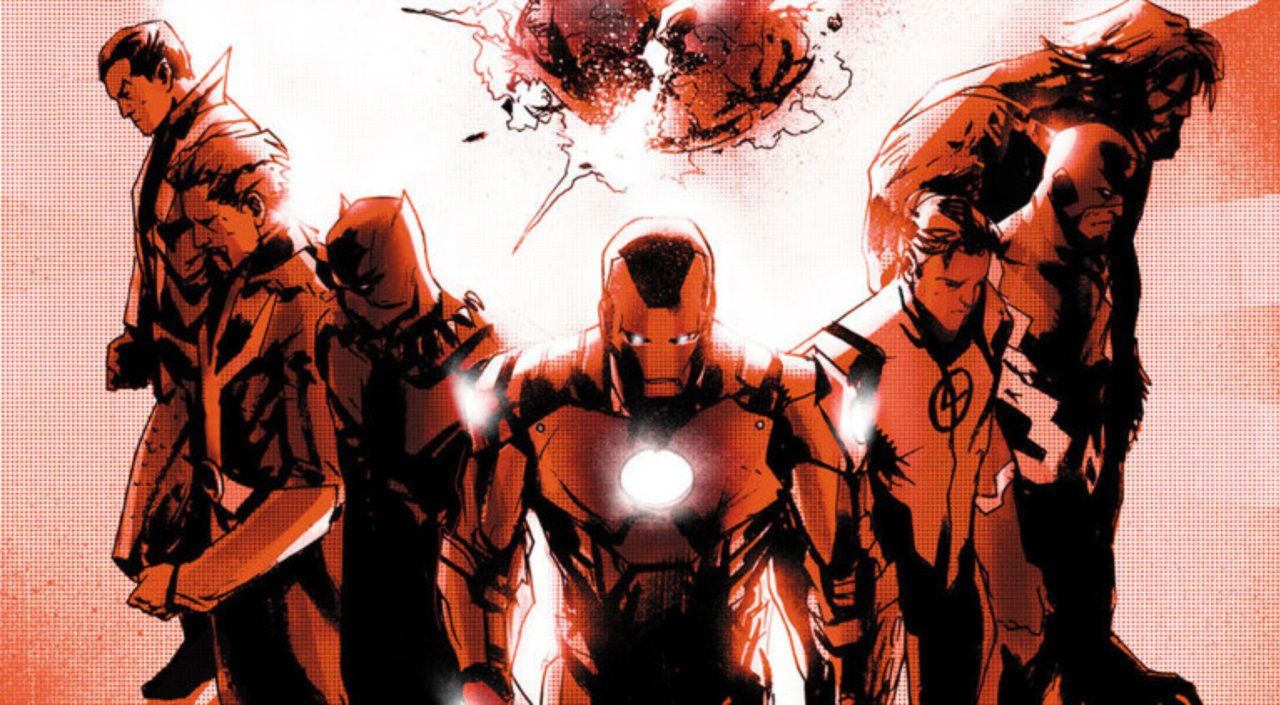
  • Marvel Studios is Interested in the Illuminati

    Marvel Studios is Interested in the Illuminati

    Here’s some cool MCU news to get us through this MCU-less Comic-Con week. Our friends at The Illuminerdi have gotten their hands on a cast listing for a mysterious ILLUMINATI project with Kevin Feige’s name on it. No other details about this project were spared but like a lot of MCU projects in early development, details are generally scarce this early. There’s no telling whether this is a film, TV show, or an animated thing. All this report does is give us the gist: Marvel Studios has this team on their radar.

    What can we expect from the MCU’s Illuminati down the road? For one thing, it’s barely going to resemble what we had in the comics. Cap and Tony are out of the picture. Doctor Strange and T’Challa are the only existing Illuminati members in the MCU currently. We don’t know how Professor X, Reed Richards, Namor, and Black Bolt enter the MCU. You could maybe substitute one of them with Captain Marvel and Bruce Banner.

    I’d be surprised if Marvel Studios shows audiences how screwed up this team is. The comics version of the team was a very compromised one. These dudes delved into some shady shit that would make Tony’s creation of Ultron look like an episode of Rugrats. Heck, they end up trying to murder one another down the road.

    Source: Illuminerdi 

  • 12 Comic Writers Who Will Shape the MCU’s Future

    12 Comic Writers Who Will Shape the MCU’s Future

    A couple of weeks ago, we published a piece on the most influential comic writers and artists who shaped the first 10 years of the MCU. This is the other half of that piece. Here are some of the writers who will shape the next 5 years of the MCU. If you want an idea of how the MCU is going to look like, check out these writers and their books.

    NEIL GAIMAN

    Arguably the most recognizable name on this list, a lot of people don’t know that author Neil Gaiman dabbled in Marvel Comics amidst his successful stints as a novelist and graphic novelist. In 2006, Gaiman, with the help of famed artist John Romita Jr., revitalized the classic Kirby-creation, Eternals, a title obscured from comic shelves of the time.

    Gaiman plucked out characters like Ikaris, Makkari, Sersi, and Thena and reimagined them as people living normal lives, unaware of their dormant cosmic powers and origin. The story isn’t by any means amazing but it did check enough boxes for Marvel Studios to use it as the basis for their upcoming film.


    MATT FRACTION


    Matt Fraction is on this list for a couple of reasons. His Iron Man run has a fantastic Mandarin story ripe for Shang-Chi and the Legend of the Ten Rings to draw from. The Iron Fist run he co-wrote with Ed Brubaker was the seminal story for the character. But the thing that Fraction is truly celebrated for is his iconic Hawkeye run.

    Fraction deconstructed the myth of being in the world’s biggest superhero team through the eyes of the team’s most human member, Hawkeye. The superhero life isn’t as glamorous or high flying as we thought it was. Clint Barton wasn’t a big superhero saving the world from an alien invasion in this comic. No, Clint was just a guy who wanted to get the lights of his house fixed. Add a feisty partner in Kate Bishop and some neighborhood goons to that scenario, and you have what is the most fun comic in recent memory. 

    The comic was such a seminal depiction of the character that it’s not at all surprising to see that they’re using it as a template for the upcoming Hawkeye series. Goons included. Granted, there are some changes to be expected. Clint Barton, in the comics, is a single childless man while he’s a family man in the films. He lives on a farm in the middle of nowhere while in the comic, he lives smackdab in the city. It’ll be interesting to see just how faithful they get in this retelling of the Fraction comic.

    TOM KING


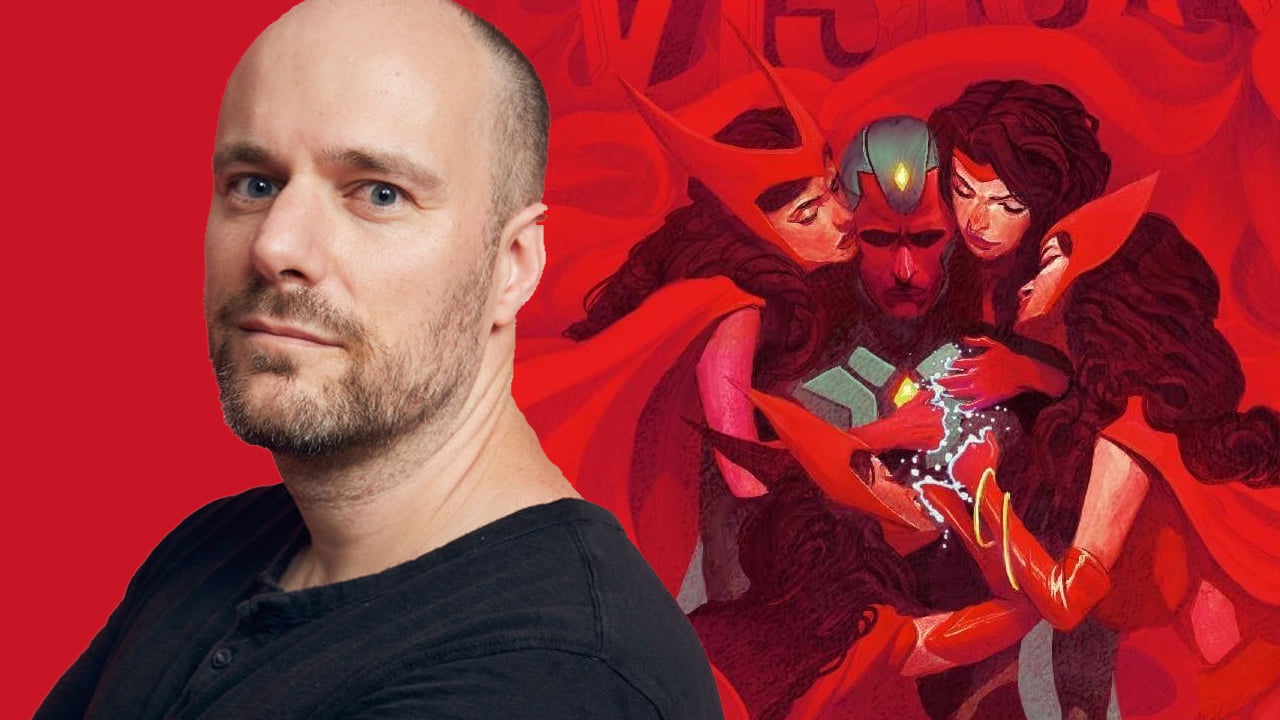
    Former CIA agent-turned comic writer Tom King has only ever written one Marvel comic in his esteemed career but it’s already up there as one of the genre’s most inventive and unique. Simply titled Vision, the book was a character drama about the Avengers’ resident android and his attempts to hold together a family of like-minded androids living a suburban life. 

    Though stylized as a superhero, this story is a study on familial dysfunction and identity. What transpires in this 12-issue run is a heartbreaking unraveling of who these androids really are underneath the nuts, bolts, and suburban normalcy. One look at Wandavision’s premise and you can already envision how Tom King’s run could serve as an inspiration. And if this comic is any indication of how good Wandavision could really be, we’re in for a treat.

    G. WILLOW WILSON

    Kamala Khan is inarguably one of Marvel’s biggest successes in the past 10 years. The character has amassed a huge fanbase and become an inspiration for people of different religions, garnered critical acclaim and multiple awards, and is already on track to have a solo series on Disney+ all in under 6 years. 

    The success of the character can be attributed to the minds of writer G. Willow Wilson and editor Sana Amanat who sought to tell the Muslim-American experience not through overtly religious lenses but through a teenager’s quest for self-identity and self-worth. Amanat described the events of the first Ms. Marvel volume as, “what happens when you struggle with the labels imposed on you, and how that forms your sense of self.”

    Last we heard, the production of Ms. Marvel was knee-deep in their search for the next big MCU star that will play Kamala Khan. The character has a treasure trove of inspiration to draw from in the comics so it won’t be hard to imagine how amazing this show can be. Much like the MCU version of Peter Parker, we have the opportunity to see this live-action Kamala grow from being a teenager struggling with who she is to an Avenger standing next to all her heroes.

    JEFF LEMIRE


    Of all the Marvel street characters, Moon Knights seems like the trickiest to write. With a complicated origin and an even more complicated mental state, it’s extraordinary to see Marc Spector be such a celebrated character today. The success of Moon Knight can be attributed to writers like Jeff Lemire, who really deconstructed the character’s mental state and its connection to Spector’s allegedly mystical origins.

     With the help of artist Greg Smallwood, the resulting comic is nothing short of amazing as the comic brilliantly chronicles, in Chuck Palahniuk fashion, Spector’s efforts to get to the bottom of his origins, all the while trying to survive in a mental institution run by literal monsters. If you take this premise and combine it with the classic Batman trappings of Marc Spector, you have the formula for a potentially amazing series. 

    On top of his work on Moon Knight, Lemire also took over Matt Fraction’s Hawkeye run as soon as it wrapped and wrote some pretty cool Clint Barton and Kate Bishop moments that the upcoming Hawkeye could use for inspiration.

    MARK GRUENWALD


    With all the attempts to modernize and keep the MCU as contemporary as it can be, modern comics tend to be easily favored over some of the older runs. You’ll notice that the majority of writers listed in this two-parter are people who have actively worked in the industry in the last 15 years or so. So it’s an extraordinary thing to see the work of late writer Mark Gruenwald inspire the next few years of the MCU. 

    Gruenwald loved challenging the idealism of what it meant to be Captain America. He brought into question the myths of being symbols of patriotism. In the 1980s, Gruenwald introduced several villains that would become villainous staples of the Captain America mythos. Crossbones, the Serpent Society, and Flag-Smasher were all villains Gruenwald created to be idealistic foils to Steve Rogers’ colors. 

    None of it is more evident than with the introduction of the Super-Patriot. Gruenwald toyed with the idea of having a version of Captain America minus the innate goodness of Steve Rogers. What if a hard-headed patriot from the south became Captain America? Someone wouldn’t think twice to chant “USA!!” at any given moment. Therein lay the impetus that led to the creation of John Walker, the Super-Patriot, a character we now know today as US Agent. 

    It doesn’t take a genius to realize how influential Gruenwald’s work is for Falcon and the Winter Soldier. Creations of his like John Walker and Battlestar are already expected to show up. The show is set to tackle the very same themes Gruenwald sought to question.; what does the shield mean politically? What does patriotism truly mean? Gruenwald may no longer be with us but his vision lives on in the future of the MCU.

    JASON AARON


    Who could have predicted that a Southern boy from Alabama would one day write one of the most out-of-this-world, larger-than-life comic runs starring a Norse god with a hammer? Jason Aaron’s Thor run, beginning from 2012’s Marvel NOW relaunch all the way up to 2019’s King Thor finale, has been nothing short of legendary. 

    Aaron broke the era’s streak of Midgard-centric stories like Siege and kicked off with a story about three generations of Thor battling a being called the God Butcher. Thor: God of Thunder returned to the grandiosity of the classic Thor books and soon saw the Odinson face off against classic Walt Simonson villains like Malekith and Mangog. 

    Aaron further broke the mold by doing the unthinkable; making Thor himself unworthy of his hammer. Suddenly, the character was in untouched ground and the fans were all for it. But it wasn’t until Jane Foster’s transformation into new Thor that Aaron truly changed the mythos. 

    Come 2022, we’ll see the fruits of Aaron’s labors on the big screen with Thor: Love and Thunder. Natalie Portman is back with a vengeance as she’s been confirmed to take on the mantle of Thor this time around. Famed Batman actor Christian Bale is also set to make his MCU debut in this movie, with fans speculating his character to be either the God Butcher or Dario Agger, an Aaron creation.

    JEPH LOEB


    It’s easy to forget that Jeph Loeb was a comic writer before he dabbled in TV. And he wasn’t just some writer. Loeb wrote seminal books like Spider-Man: Blue and Superman: For All Seasons, and Batman: Hush. But just like his track record with his television work, his comic work has been also widely hit-or-miss. For every amazing  Loeb has done, he has an Ultimatum (roughly the worst comic Marvel has put out in 20 years) to even it all out. 

    In the late 2000s, Loeb wrote a 25-issue long Hulk run which brought some very interesting changes to Hulk’s status quo. Loeb turned the supporting cast’s world on its head when he turned staples like Betty Ross and Rick Jones turned into giant monsters. Villains like MODOK and Leader found new prominence. But arguably Loeb’s biggest change to the Hulk canon was turning Thunderbolt Ross into the Red Hulk, a change that reinvented the character, who found his way into the big leagues like the Avengers and Thunderbolts. 

    The fate of Thunderbolt Ross in the MCU has long been speculated on. There have been rumblings of him possibly becoming the Red Hulk in the upcoming She-Hulk series. While that remains to be seen, it’ll be interesting to see how much of Loeb’s writing makes its way onto the first Hulk outing since 2008’s Incredible Hulk.

    KURT BUSIEK

    The 90s was a very controversial period for comics. It was a time of excess of the highest order, comics were selling like crazy regardless of quality, and some of the magic of the eras that came before went and disappeared. Kurt Busiek was one of the few writers who kept that magic alive.

    In 1993, he and artist Alex Ross penned Marvels, a slice-of-life comic that followed the life of a photographer named Phil Sheldon as he witnessed from the ground level events that changed the course of Marvel history. In 1997, Busiek created the Thunderbolts and shocked the world with a twist that was unthinkable; these heroes weren’t good guys at all but the Masters of Evils in disguise. The twist was regarded as one of the industry’s best and it propelled the title to prominence. 

    Of course, throughout the years, the core idea of a team composed of bad guys trying to do good remained despite constant line up changes. Rumblings of a Thunderbolts appearance in the MCU has been around since Zemo was introduced in Captain America: Civil War. And with his return in Falcon and the Winter Soldier imminent, it’s about time he bands with the surviving villains of the MCU to start an evil team.

    JONATHAN HICKMAN


    There’s something cinematic with the way Jonathan Hickman writes his stories. Be it his epic Avengers run leading to his Marvel masterpiece, Secret Wars, or his title defining Fantastic Four run, or his high-concept take on the X-Men, Hickman sure knows to ripen a story for any potential live-action adaptation.

    Case in point, during his Avengers run, Hickman plucked Shang-Chi out of the D-leagues and painted him in a way that had never been seen before. Hickman turned him into a Bond-like globetrotting agent of the Avengers that oozed badassery. With Avengers: World, Hickman took Shang-Chi to another level. Shang-Chi was no longer just a man who mastered kung-fu. He was a warrior that could go toe-to-toe with a kaiju. It’ll be hard to imagine the Shang-Chi film not at least taking inspiration from some key Shang-Chi moments in Hickman’s run. 

    Shang-Chi is merely one of the many stories Hickman has done that will likely make it onto live-action at some point. Some of the best Doctor Doom and Fantastic Four stories are from him and come their live-action due, they’ll likely draw from it as well. When asked about his return to Marvel following his departure after wrapping Secret Wars, Hickman gave a very peculiar quote that may pertain to the Fox acquisition by Disney. Hickman said, “What I’d like to do if I came back, what he’d like for me to do, and some vertically-integrated opportunities at the company that were not available when I was there last.” 

    Some of his work has already made it onto the MCU. Black Panther director Ryan Coogler cited Hickman as one of the inspirations for the script. His work on the Secret Warriors was used on Agents of S.H.I.E.L.D. And more recently, both Avengers: Infinity War and Endgame featured his creations the Black Order.

    NICK SPENCER


    Having Sam Wilson take over the mantle of Captain America was never gonna be an easy job but writer Nick Spencer sure made it look easy. Nevermind the naysayers whose pitchforks were raised when the idea was announced or the “I-told-you-sos” when the mantle had to return to Steve Rogers. Spencer did a fantastic job of reshaping what Captain America meant to the world. 

    It goes without saying that Sam Wilson was always gonna have a very different view of America than Steve Rogers and that America was always gonna have a different view of Sam Wilson wielding the shield.  Spencer tapped into the current political zeitgeist pervading our news cycle and morphed into something that was compelling, meaningful, and kick-ass at the same time. 

    Arguably the biggest status quo change at the tail end of Avengers: Endgame was the passing of the shield to Sam Wilson. The ending put to rest the long-standing Falcon vs. Winter Soldier debate among fans and for good reason. Falcon and the Winter Soldier is set to tackle the very same issues the made the Sam Wilson Captain America run so fantastic. Expect the show to be as political, if not more, as the comic.

    ALLAN HEINBERG


    Like his contemporaries Joss Whedon, Jeph Loeb, and more famously, Kevin Smith, Allan Heinberg is a writer who has managed to traverse both Hollywood and the comic industry. Heinberg has multiple TV credits to his name, wrote the massively successful Wonder Woman movie, and more relevant to this piece is the creator of the Young Avengers, a superhero team composed of teens with connections to Earth’s Mightiest Heroes. 

    The book was a breakout success as fans quickly gravitated towards the team’s roster. The dynamic of Patriot, Hulking, Wiccan, Speed, Hawkeye, Stature, and Iron Lad breathed new life into the Avengers brand, as the book tackled themes of drug use, sexuality, abuse, and identity. Heinberg’s stint with the team also provided some much-needed spectacle as the team crossed paths with heavy hitters like the actual Avengers, X-Men, Kang the Conqueror, and Doctor Doom. 

    If you’ve been following all the rumblings about upcoming MCU properties, then you’re likely aware of the seeds that are getting planted for Young Avengers. The Hawkeye series is set to star Kate Bishop. Wandavision will feature Wanda’s twin sons as evidenced in the teaser. Isaiah Bradley, grandfather to the Young Avengers’ Patriot, is rumored to have a role in Falcon and the Winter Soldier. Kang the Conqueror, who is an alternate version of the Young Avenger Iron Lad, is rumored to appear in the Loki series. And last but not least, Cassie Lang is in the right age to take the mantle of Stature.
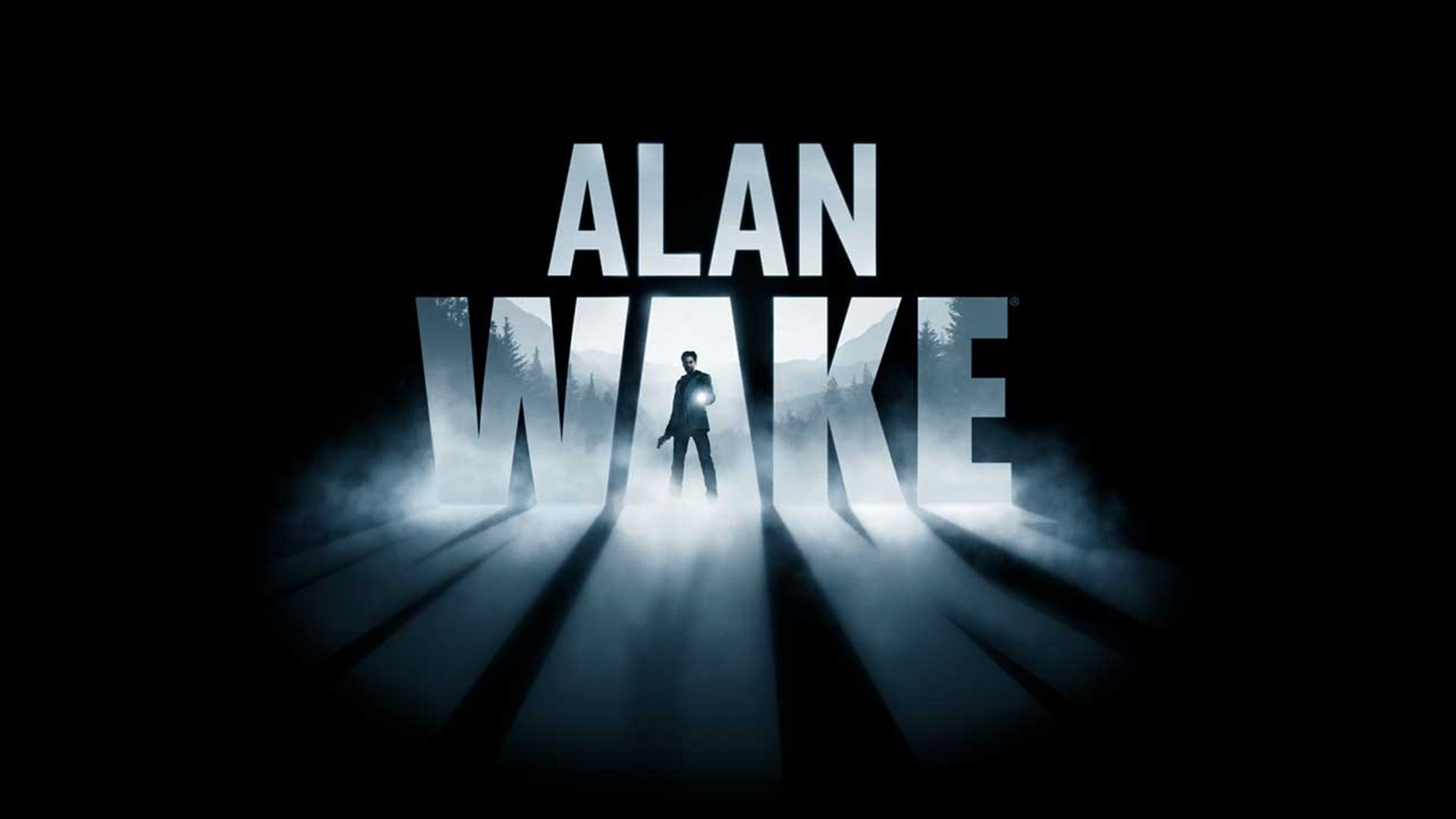
  • RETRO REVIEWS: Alan Wake

    RETRO REVIEWS: Alan Wake

    The downtime caused by this quarantine has offered me some opportune time to get back in touch with my gaming roots. The last console I owned was a Playstation which should give you an idea of what generation of video games I peaked on. Everything that came after, I missed out on. So as I relive the carefree gaming days of my youth, I thought it’d be a fun idea to review some of the games I missed out on. 

    With its elevator pitch of Stephen King-meets-Twin Peaks, Alan Wake was probably one of the last games to catch my interest as I was easing out of my gamer phase in 2010. In fact, I still have the pirated installer in one of my old external hard drives. The idea of playing a horror game that was less of your run-of-the-mill horror game and more of a cinematic experience intrigued the college student in me. But alas, college life hit and I just didn’t have the time to get to it. A month or two ago, this game celebrated its 10th anniversary and went on sale on Steam so I knew this was my chance to finally play it. 


    As with a lot of King stories, the game is centered on a writer, whose latest novel manuscript may be behind the supernatural disappearance of his wife in a lonesome Washington town. There’s a strong emphasis on psychological horror here as the titular character wrestles with visions and memories he can’t quite trust. All of these personal issues Wake has to face himself amidst a backdrop of townspeople going crazy, inanimate objects getting possessed, and an unseen force wreaking havoc everywhere.

    With decent characters, good voice acting, and a consistent tone, the story is mostly fine, save for the fact that a lot of what happens doesn’t actually make much sense in the big picture. A lot of things here just happen because… psychological horror stuff and you kinda just tread along with it because the game really wants you to. I guess you could blame me for this nitpick having read Twin Peaks in the elevator pitch but it’s my biggest caveat with the game and psychological thrillers in general. It doesn’t necessarily make the game terrible but it just left me wanting way more from the story as the credits rolled. The two DLCs that are set after the game are even more nonsensical.

    Another thing for me is that the story riffs on a bit too hard into Stephen King for my taste. The first thing the titular character literally does is quote King. The mere fact that King exists in the game’s world is so odd when the story posits Wake as the celebrity horror author of the world, much like King is in our real world. King and his work are continually alluded to throughout the game that by the end (there’s a Shining-esque hedge maze sequence that is pretty dope), I wondered if my Steam purchase went straight to King’s residual checks. I think it would have been more effective to just make Wake the Stephen King of the story instead of verbally referring to him every step of the way. 

    But I digress. 

    A game isn’t worth much if it doesn’t give you a fun gameplay experience and Alan Wake does that really well. It may sound simple but it mostly consists of you walking through a dark foggy forest armed with a flashlight and various guns, facing a bunch of townsfolk possessed by this dark, evil entity. They’re terrified of light so you point the flashlight at them to weaken their defenses and you finish them off with your gun. However, you’ve got a limited battery life for the flashlight and an even scarcer set of bullets so balancing the usage of these two weapons is a big part of the combat system. The combat system is surprisingly modern for a decade-old game. There’s a smoothness and weight to the aiming system which makes it feel somewhat real.

    Much of the game shines when you’re out in the dark trying to find the nearest checkpoint, which is presented as various sources of light like lamp posts and floodlights. The atmosphere of this game is absolutely great and it’s mostly thanks to the visual and sound designs. Fog beautifully nestles over treelines and the moonlight illuminates just enough for you to get by a dirt trail. Suddenly, you hear a guttural scream from the shadows. Music swells as silhouettes of possessed people wielding chainsaws and axes dramatically emerge from the shadows, reminiscent of classic slasher films of the 80s. 


    With a limited set of ammunition, a slew of possessed townspeople to fight at a single time, and sound design that gets more unsettling by the second, every enemy encounter was followed by me needing to take an Alt+Tab breather. There are instances in the game where I’m faced with at least 5 enemies with only 3 bullets and 1 flashlight battery to spare, and I just run like hell past them towards a light source. I like that the game allows for desperate decisions like that to progress.

    The true charm behind this game is how the storytelling is presented. The whole game is framed like a season of television; each chapter literally ends with a cliffhanger or some giant soap opera twist and each chapter begins with a recap of the previous episode. This format was immensely satisfying to me, someone who consumes content in bite-sized definite chunks  (I hate not finishing an episode of TV or an issue of a comic book. Either I finish the whole thing or not do it at all). As a sucker for serialized mediums, this was easily the most notable highlight for me. Also, the songs that they got to play after each episode is amazing. Props to Remedy for sneaking in Bowie into the game.

    It’s obvious the game takes pride in its countless nods to pop culture, like its blatant references to the classic Twilight Zone show as well as to literary figures like Raymond Chandler and Brett Easton Ellis. A lot of the story beats in the game are downright Hitchcockian. From the mere fact that you battle a flock of evil birds in various points in the story to the way tension and fear are dramatically escalated. My complaints about the game being a Stephen King lovefest aside, these references to other forms of media help elevate the game’s push for cinematic storytelling.

    Was my decade-long wait worth it? Yes, even if only in a completist sense. I’m glad to have finally experienced it and cross it off my list. The story may not have been perfect but the tone, atmosphere, and overall direction of the game are more than impressive. It’s a game that absolutely holds up after all these years. I highly recommend this to anyone who’s a fan of horror films in general. 

  • 12 Comic Writers Who Influenced The MCU’s First 10 Years

    12 Comic Writers Who Influenced The MCU’s First 10 Years

    Before all the craziness that is now the MCU, there were comics. Colorful panels, onomatopeic action, word balloons, and mesmerizing storytelling captivated the imagination of fans long before the MCU was even an idea. Kevin Feige has often discussed his reverence for the medium and how it shaped his career. Today, we take a look at the most important figures in comics who helped turn the first 10 years of the MCU into what it is.

    STAN LEE


    You can’t have a discussion about the impact of the comic medium into the modern zeitgeist without talking about Stan Lee. The comic industry’s poster boy and #1 salesman is undoubtedly the biggest influence of the MCU. As co-creator of Spider-Man, Avengers, Fantastic Four, X-Men, Doctor Strange, and the like, we wouldn’t have the MCU if it weren’t for him.

    Stan dedicated his life to championing his creations and the medium in an effort to get the non-comic reading public to appreciate and respect the art form. Stan wanted his creations to be on the big screen, where everyone could see his creations for what they were, art. Even when no one wanted anything to do with comics, Stan lived his life for them. 

    But Stan’s influence extends beyond the mere fact that he conjured these characters in his head. He wrote these stories to illuminate the problems of the world. He created Spider-Man to give the youths of the 60s someone who wasn’t a sidekick to look up to. He created Iron Man to illustrate the perils of war profiteering. The X-Men came to be because Stan couldn’t stand bigotry against the different. The MCU has never failed to echo these themes.

    JACK KIRBY 


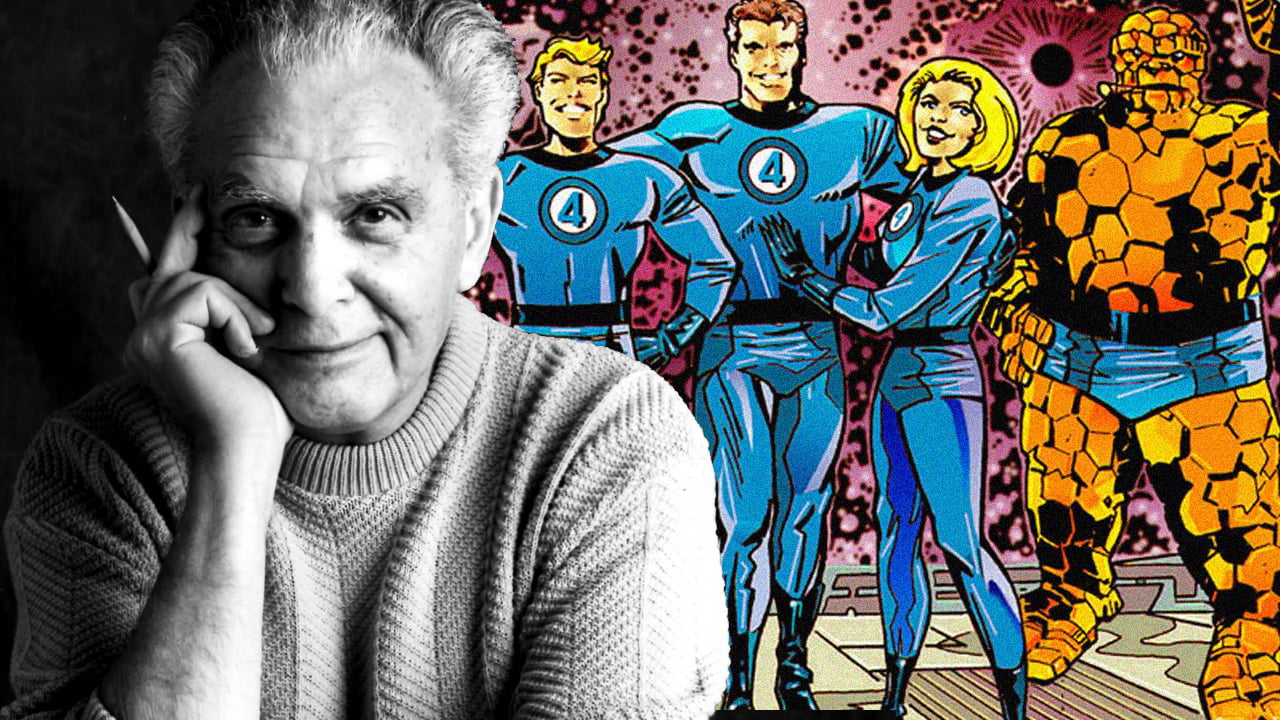
    Jack Kirby is the other half of Stan Lee’s success. Responsible for bringing Stan Lee‘s ideas to life on the page, Jack Kirby is considered a god among comic creators. Captain America, the Hulk, Thor, the Inhumans, Ant-Man, Nick Fury, Quicksilver and Scarlet Witch are but a few of the characters Kirby helped create, all of whom feature prominently within the MCU. He pioneered plotting techniques never before seen and drew with a style unlike any comic book artist before. It was his artistic direction, along with Stan Lee‘s editorial brilliance, that defined an entire era of comics. 

    Unsurprisingly, Jack Kirby’s influence in the MCU can be seen through its visuals and design. Thor: Ragnarok prominently featured Kirby-esque production design, from the backdrop to the actual props. Kirby always had a penchant for grandiosity and excess and it’s none more evident in the Sakaar set. The production designers of Black Panther had Kirby’s classic designs to base their Oscar-winning afro-futurist designs on. Kirby also inspired the creation of Thanos when he created Darkseid for DC. 

    STEVE DITKO


    Steve Ditko may not have a legacy as expansive as Jack Kirby but his two of his most famous comic creations, Spider-Man and Doctor Strange, speak to how this recluse of a man changed pop culture. 

    The origins of how Spider-Man was conceptualized is often contested but the common tale told is that Stan Lee came up with the name and concept but it was Ditko who breathed the iconic visuals associated with Spidey. A lot of comic historians also attribute much of Spidey’s depth and characterization to Ditko. What began as an artist’s stint in a comic soon turned into a diary for Ditko’s own personal angst. Ditko took the reigns of storytelling and elevated Spider-Man into a book that young adults could appreciate. The rest is history, and the character has become an inspiration worldwide. 

    In addition to his work on Spider-Man, Ditko also broke ground with his trippy visuals for Doctor Strange. The book came at a – pun intended – strange time in the 60s when the counterculture was beginning to experiment with recreational drugs. As the kids started tripping out on LSD, so did Stephen Strange and his bizarre adventures into the mystical realm. Doctor Strange became a smash hit among college kids. And without Ditko’s out-of-this-world take on the visuals, we probably wouldn’t have gotten the same smash movie. 

    ROY THOMAS


    Only a handful of writers have lived up to the legacy and impact of Stan Lee and Roy Thomas is easily one of them. As the figurative heir to Stan Lee’s kingdom, Thomas was given the keys to the Marvel Universe as soon as Stan’s tenure as editor-in-chief ended. He created a new generation of icons with Wolverine, Carol Danvers, Vision, Ultron, Adam Warlock, Ghost Rider, Black Knight, among many, many others. It goes without saying how many of his creations have made its way onto the big screen.  In addition to his characters, Thomas also penned such events like the Kree-Skrull War, the early Ragnarok stories for Thor, and the monumental debut of the Vision, all of which have informed the direction of the MCU.  

    BRIAN MICHAEL BENDIS


    Even if you’ve been remotely aware of the happenings of the comic industry of the past decade, you’ve probably heard or seen the name, Brian Michael Bendis. He’s arguably one of the medium’s most popular writers and a lot of his work is evident in the first 10 years of the MCU. Heck, he also helped shape the MCU as he was part of the original Marvel Creative Committee. 

    Alongside Mark Millar, Bendis helped launch the Ultimate Marvel imprint with Marvel’s undisputed bestseller of the time, Ultimate Spider-Man. He took Stan Lee’s evergreen blueprint of the character and took it to the next level, reimagining Peter’s life as a modern-day kid living in Queens, having to deal with the ever-changing superhero landscape. The comic ran for more than 10 years and capped off at a whopping 240 issues. 

    Parallel to his work with Ultimate Spider-Man, Bendis also had a run of Daredevil that by all means, followed and lived up to Frank Miller’s legendary run in the 80s. Bendis revitalized the bleak tone of Miller’s classic run and dove deep into crime fiction trappings. Bendis’ Daredevil was one of the primary inspirations of the Daredevil Netflix show. 

    In addition to these mammoth achievements, Bendis upended the Marvel status quo on a yearly basis. He had Scarlet Witch kill and disband the Avengers, had 98% of mutants eradicated in House of M, made Spider-Man, Spider-Woman, Wolverine and Luke Cage into full-fledged Avengers, turned Norman Osborn into a major Marvel big bad with Dark Reign, and orchestrated a secret Skrull Invasion among the countless stories he wrote. Bendis also created day modern-day Marvel staples with Maria Hill, Jessica Jones, and Miles Morales.

    MARK MILLAR


    If Stan Lee built the thematic foundation of the MCU, Mark Millar is the guy the MCU owes for its conceptual foundation. In the early 2000s, Marvel needed a fresh modern start so they published a new canon of comics under their Ultimate Marvel imprint. Their mantra was to envision the Marvel universe with post-modern and grounded lenses. Mark Millar’s Ultimates and the rest of the Ultimate Marvel line gave us a glimpse at a world if it really had superheroes in it.  

    The Avengers were no longer mere superheroes in tights living in a mansion. They were a superpowered paramilitary response team mandated by the government to face-off against world-ending threats on a whim. They lived in a facility called the Triskelion and their leader was a black Nick Fury who resembled Sam Jackson. Sound familiar? 

    Millar questioned the notion of having powered individuals and politicized their place in the world. Themes of anti-American superhero sentiment and unaccounted collateral damage were prominently featured in the Ultimates and his biggest work, Civil War, the basis of the eponymous third Cap film.

    JIM STARLIN


    Jim Starlin is the GOAT when it comes to cosmic Marvel stories. He originally began as an artist for the company but soon transitioned into scripting when he was asked to co-plot an issue of Iron Man. In this issue, he created what would be become one of pop culture’s greatest villains, Thanos. 

    But back then, Thanos wasn’t the big villain we know him to be now. It wasn’t until Jim Starlin got a foothold in developing the cosmic Marvel universe that Thanos became the big bad. Slowly throughout the years, Starlin plotted out the origin of the Mad Titan, developed the character’s ethos, and branched him out to all corners of the galaxy. Starlin created characters like Gamora and Nebula to round off Thanos’ arc. 
    =”font-weight: 400;”>And then came this little story called Thanos Quest, a story about the Mad Titan’s search for the Infinity Stones. It was during this period where Starlin cemented Thanos as the biggest Marvel villain of the time. Infinity Gauntlet, Infinity War, and Infinity Crusade all came out shortly after Thanos Quest and pop culture was never the same.

    CHRISTOPHER PRIEST


    Christopher Priest is to Black Panther what Walt Simonson is to Thor. They’re the guys who completely changed the game for the characters by ushering them into an era of uncharted stories. For Priest, it was about modernizing the King of Wakanda for the 21st century. 

    For once, you had a writer that wrote T’Challa as an actual king and not just some superhero in tights. T’Challa had a kingdom and it was his kingdom to protect. The very first arc is about T’Challa investigating the death of a young girl connected to a Wakandan foundation. A huge defining moment in Priest’s run is when T’Challa admits to joining the Avengers for the sole reason of studying their weaknesses should they be deemed threats to Wakanda. Moments like these are aplenty in Priest’s run, where T’Challa stays true to his role as a head of state who lived and would die for his motherland. 

    But Priest’s run isn’t all about the badassery that comes with protecting a kingdom. Amidst the regality of it all, Priest managed to get to the core of what makes T’Challa work: his humanity. The book is filled with heartfelt moments of vulnerability. T’Challa may be a king but he’s also a man who feels loneliness, loss, and the occasional helplessness. Priest managed to find a way to marry the human and regal aspects of T’Challa which paved the way for the comics’ massive acclaim. 

    Priest set the stage for successors like Reginald Hudlin, Jonathan Hickman, and eventually, Ryan Coogler. Without Priest, we may have ended up with a completely different Black Panther movie. Heck, we might not even have a Black Panther movie at all.

    KELLY SUE DECONNICK


    It ain’t always about the sheer volume of work that makes a writer great. Sometimes, all you need is that one groundbreaking piece of art and that’s what Kelly Sue DeConnick has. She doesn’t a huge array of Captain Marvel books to her name but she did happen to make the one that changed the character forever. She deserves the credit for turning Carol Danvers into the icon she is as she had the character, who up until that point was referred to as Ms. Marvel, assume the legendary mantle of Captain Marvel in 2012.

    The change was immense, sparking a resurgence for the character. Fans of Carol flocked together and branded themselves Carol Corps. The character suddenly became more of an A-list character than she ever was that in 2014, Kevin Feige announced plans to make a film based on DeConnick’s vision for the character. 

    The rest is history. 2019’s Captain Marvel was a smash-hit, becoming a household name the highest-grossing female-led comic book film with over a billion in earnings worldwide. In Avengers: Endgame, Carol swoops in and turns the tide of the battle in the epic finale against Thanos, basically making her the MVP of that sequence.

    DAN ABNETT AND ANDY LANNING


    I

    t’s not an easy task to take a pre-existing superhero team, completely change the lineup, and make it actually work. The Avengers, no matter how much they switch rosters, always revert to the classic Big Three line up one way or another. So what Dan Abnett and Andy Lanning did to the Guardians of the Galaxy back in 2008 was a masterful feat. 

    Out was the old team of Vance Astrovik and in was Star-Lord’s band of misfits. The comic propelled forgotten cosmic characters like Rocket Racoon, Drax, Groot, Phyla-Vell, and Adam Warlock back to the forefront of Marvel. From there, Abnett and Lanning cooked up the biggest cosmic stories of the era, which saw the Kree, Shiar, and Inhumans go against each other, and the resurgence of the Mad Titan, Thanos. 

    It’s hard to imagine the MCU without the influence of this writing duo.

    ED BRUBAKER


    Comic book deaths are a weird thing. Most of them feel pointless as they get eventually reversed at one point, rendering dramatic stakes practically nonexistent. Some deaths, however, remain unreserved to preserve the weight of the narrative like Uncle Ben. One of the characters who remained dead for decades was Bucky Barnes. That is until Ed Brubaker thought to bring him back to life as a brainwashed assassin nearly 40 years later. 

    In the Winter Soldier storyline, Ed Brubaker pretty much broke the mold of the Captain America story and gave the MCU a treasure trove of tonal inspiration. Brubaker treated stories about a guy dressed in a flag as a study in Cold War espionage and political thrillers. The Russos and Markus and McFeeley took notice of this and followed suit with their cinematic spin on the character. 

    Thanks to a foundation written by Ed Brubaker, Captain America is now one of the few ‘elevated’ comic book movie franchises out there now. 


    JOSS WHEDON


    Joss Whedon is on this list because of a technicality. Even though he hasn’t written a comic to directly inspire the MCU, he was foremost a comic writer before he got his hands on the Avengers. Whedon wrote the seminal Astonishing X-Men run in 2004 before moving on to the Runaways a couple of years later. 

    It’s hard to argue with how crucial Whedon was to the MCU when it was starting out. He had the damn near impossible task of bringing together six distinctly different character tones and personalities and he knocked it out of the park. The film cemented Kevin Feige’s notion of a shared cinematic universe as a reality and gave birth to a new generation of beloved blockbusters. 

  • That ‘Avengers’ Game Looks Both Terrible and Great

    That ‘Avengers’ Game Looks Both Terrible and Great

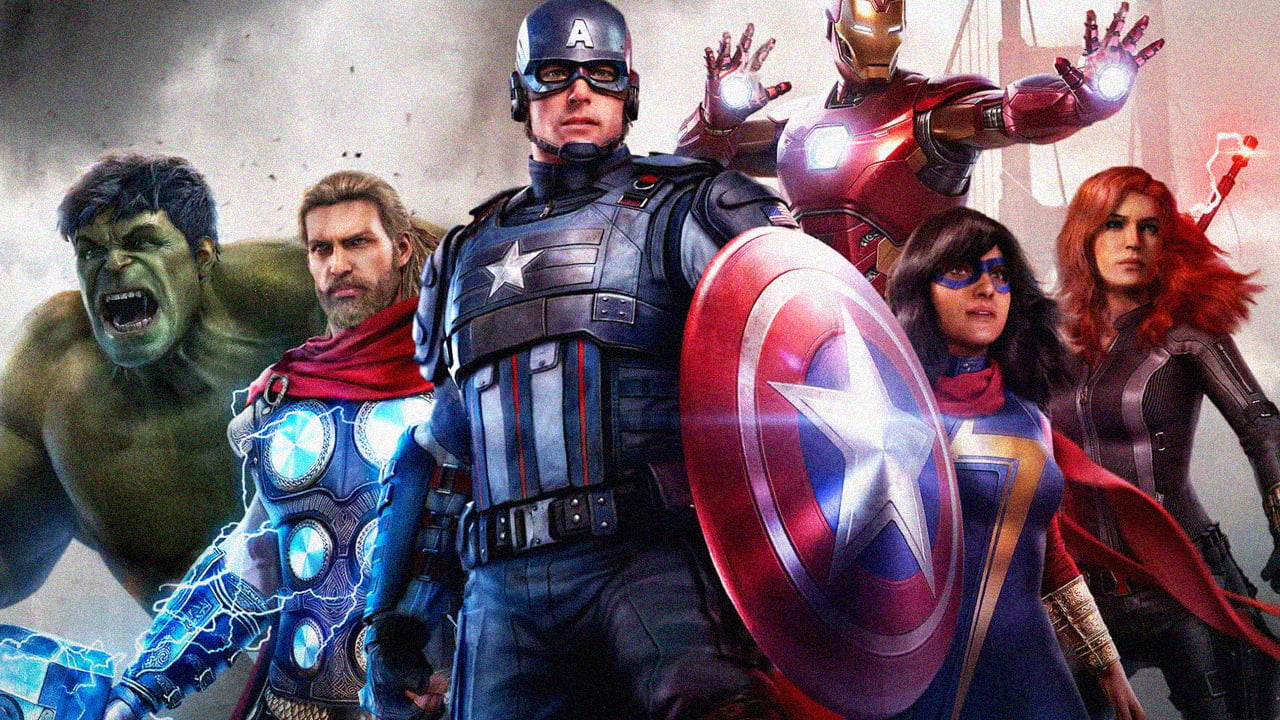
    So, some brand new footage of the Square Enix and Crystal Dynamics Avengers game came out the other day. With only 3 months left until its release, the footage was eyebrow-raising, to say the least. I’ve always been mixed with how the game looked when they unveiled it for the first time sometime back and yesterday’s footage only reinforced those feelings a hundredfold. Check it out.

    This is a constant gripe I’ve had with the game but it’s hard not to ignore how derivative the flat aesthetic and character interpretations are to their MCU counterparts; Thor sounds exactly like Chris Hemsworth, Cap’s suit looks like one of Ryan Meinerding‘s rejected designs for the films, Bruce looks like a skinnier version of Mark Ruffalo, Tony is quip city (it’s annoying how the comics have also riffed on RDJ’s take since 2008). Because the visual development behind the MCU has spoiled us in reinterpreting classic characters for over 10 years to the point where the interpretations are synonymous to its comic counterparts, when a video game like this follows the film’s aesthetics, it feels like a knock-off to cash in with the films. The visuals and overall look of the world seems more inspired by the MCU than the comics.

    The Spider-Man game did a fantastic job being its own thing. They completely ignored what was happening in any of the live-action takes (they didn’t base Peter off of Tobey, Andrew, or Tom). They went bold with the costume designs and gave us something we’ve never seen on the characters. It’s mindblowing to me that they managed to reinvent the classic red and blue suit by adding a white motif. That suit is probably the best Spider-Man costume variation in years, games and comics considered. For Avengers, I would have preferred if they just fully stylized the game’s aesthetic to make it stand-out.

    Lastly, it’s just so odd to see footage so late in the development process have blatant frame issues. Nearly every sequence showcased in the game has this jittery laggy effect especially once the action starts coming in. Fortunately, this is a very fixable tech problem unlike the aesthetics and visual direction, which are both locked into the game.

    But it’s all not whining for me. There’s a lot that makes me super excited to play this game.

    Marvel IP has always been poorly represented in this generation of gaming. Back in my heyday of gaming 15 years ago, Marvel was on fire with X-Men Legends, Marvel Ultimate Alliance, Hulk: Incredible Destruction, and of course, Spider-Man 2. But once the next generation consoles started coming in, the great games just fizzled out. Just as the MCU was gaining steam, the films were ironically supplemented with the blandest videogame tie-ins. So the mere fact that we’re getting a AAA game of this scale is already a win in my book.

    The Thor footage they showed this week looks super fun. I know a lot of people find these kinds of gameplay mechanics super grindy but I love the grind and wouldn’t mind spending hours playing Thor and wrecking shit. The Mjolnir targeting system is just *chef’s kiss*. The combo system seems easier to grasp compared to the surprisingly complex mechanics of the Spider-Man game. I am super curious how smooth the AI system is going to be. The combat looks similar to that of Final Fantasy 15 where you’re in control of one character and have 3 AI teammates assisting you. Because you weren’t in full control of the other characters, the Final Fantasy 15 combat became so messy at times that it was more frustrating than fun.

    The customization looks immersive as hell. I can already imagine spending hours just figuring out which skill to build, what mods and perks to pick, and what costumes to use. The idea that some classic skins are tied to classic missions sounds exciting. Even though I dislike the game’s flat realistic aesthetic so much, I do respect the fact that they’re incorporating some comic designs into the game. The game introducing the Helicarrier as a base you can fully explore and meet all kinds of characters in sounds super fun. Of course, props to them for giving the spotlight to Kamala Khan.

    Lastly, as a sucker for worldbuilding, the story they’ve got so far has me piqued. Plus points to them for giving props to AIM as the organizational big bad and for beating the MCU to M.O.D.O.K.

  • We Need To Talk About Joe Carnahan’s ‘DAREDEVIL 1973’ Movie Pitch

    We Need To Talk About Joe Carnahan’s ‘DAREDEVIL 1973’ Movie Pitch

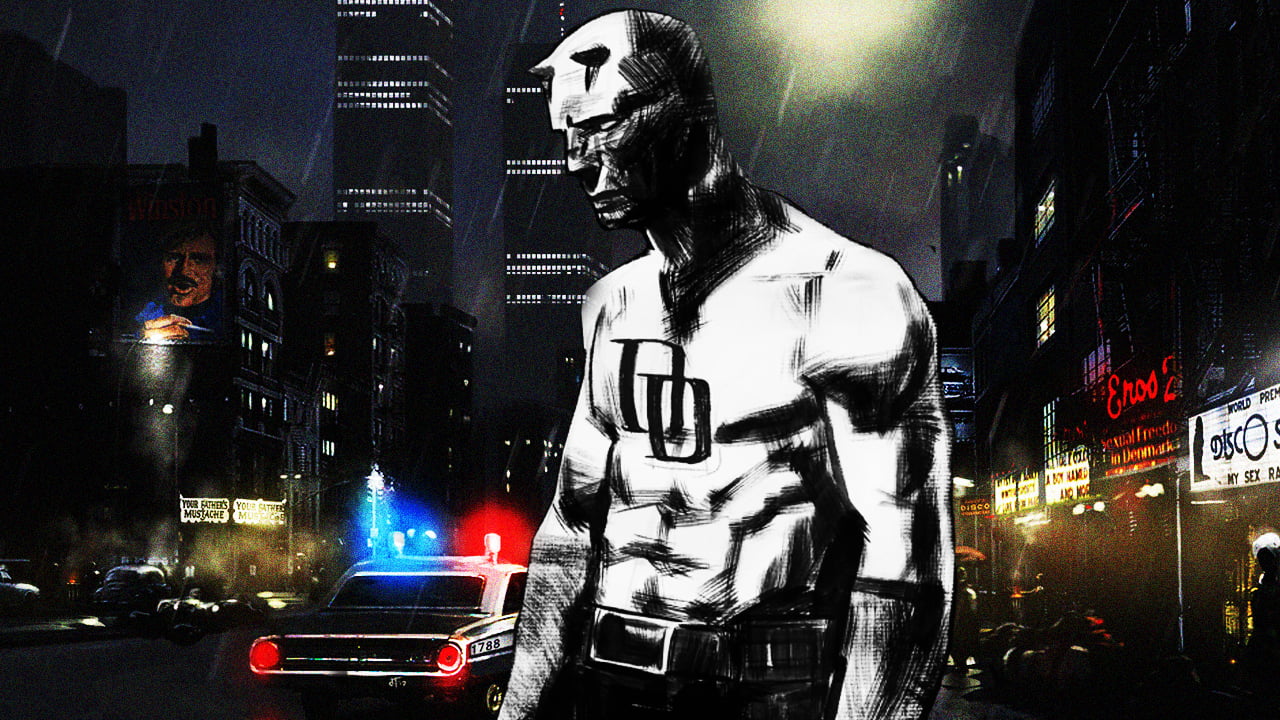
    If you’ve been in this pop-culture news space for as long as I have, then you probably remember A-Team director Joe Carnahan‘s sizzle reel (proof-of-concept presentation meant to give an overview of a project) for a Daredevil film set in the ’70s from 2012, around the time the rights were reverting back to Disney. If you’ve never heard of it until the piece, then it’s something you must absolutely see.

    The A-Team director’s sizzle reel is a beautiful mishmash of iconic New York and Daredevil imagery. Carnahan uses scenes from classic 70s films like Dirty Harry, Taxi Driver, and The Warriors as an inspirational backdrop for his superhero period piece. These scenes, spliced with some of the most iconic Frank Miller Daredevil panels and underpinned by Curtis Mayfield‘s Superfly, paint the perfect cinematic picture of what a film starring the Man Without Fear would look like set in the era that defined the character’s legacy.

    When this came out 8 years ago, I remember being vehemently against the idea of setting Daredevil anywhere but the present day. The MCU at the time was in its infancy. No TV shows had been produced yet and the first Avengers had just come out. The idea of Matt Murdock returning to Disney’s fold was beyond exciting. I had just come off reading the entire Volume 2 run consisting of Brian Michael Bendis‘ and Ed Brubaker‘s work and in my naive nerdy brain, I was hopeful that he’d be one of the next characters in line for a new movie.

    Sadly, no new Daredevil movie ever happened. Just a year after Carnahan’s pitch was released, Marvel announced a huge partnership with Netflix which, in the end, gave us 3 full seasons of the Man Without Fear. The films never acknowledged the existence of such a show, leaving a void in this tapestry of diverse heroes. And with all the ground the Netflix shows have covered, and the growingly cramped space of present-day stories in the MCU, a part of me has opened up to the idea of Daredevil as a vehicle to tell stories in eras untouched in the MCU.

    I’m a firm believer that the next iteration of Daredevil has to be something we’ve never seen from the title, regardless of whether they decide to reboot the cast or bring the Netflix stars. In my book, they can either take the opposite route of what the shows have done and tackle the bright and fun Mark Waid-era of Daredevil or maintain the tone that made the shows a huge success but with a twist: set it elsewhere like Carnahan’s idea.

    The same way Captain Marvel filled some gaps on what the MCU was like 25 years ago (has it really been that long?!), a period piece Daredevil set in the 70s or 80s could switch things up for the MCU. Visually, that era has its own language. Contrary to what the Netflix shows did where they did their own take on what a broken-down Hell’s Kitchen looks like in modern-day, you get to maintain the authenticity of what New York actually was like 40 years ago.

    You can also do some cool stuff with Matt outside of New York and Hell’s Kitchen. The comics has seen Matt away from his hometown multiple times throughout the years. He’s had a notable stint in San Francisco back in the day, which was revisited by Mark Waid in his run. Occasionally, the character gets to go to a crazy place like Latveria or Alabama, as seen in one of the most underrated Daredevil stories ever, Daredevil: Redemption. There’s so much you can do with the existing dark tone just by simply changing up the setting. REwatching Carnahan’s reel after 8 years is a nice reminder of that.

    Tackling the Mark Waid is a whole different discussion. It’s honestly my preferred route between the two for a slew of reasons but that’s another article for another day.

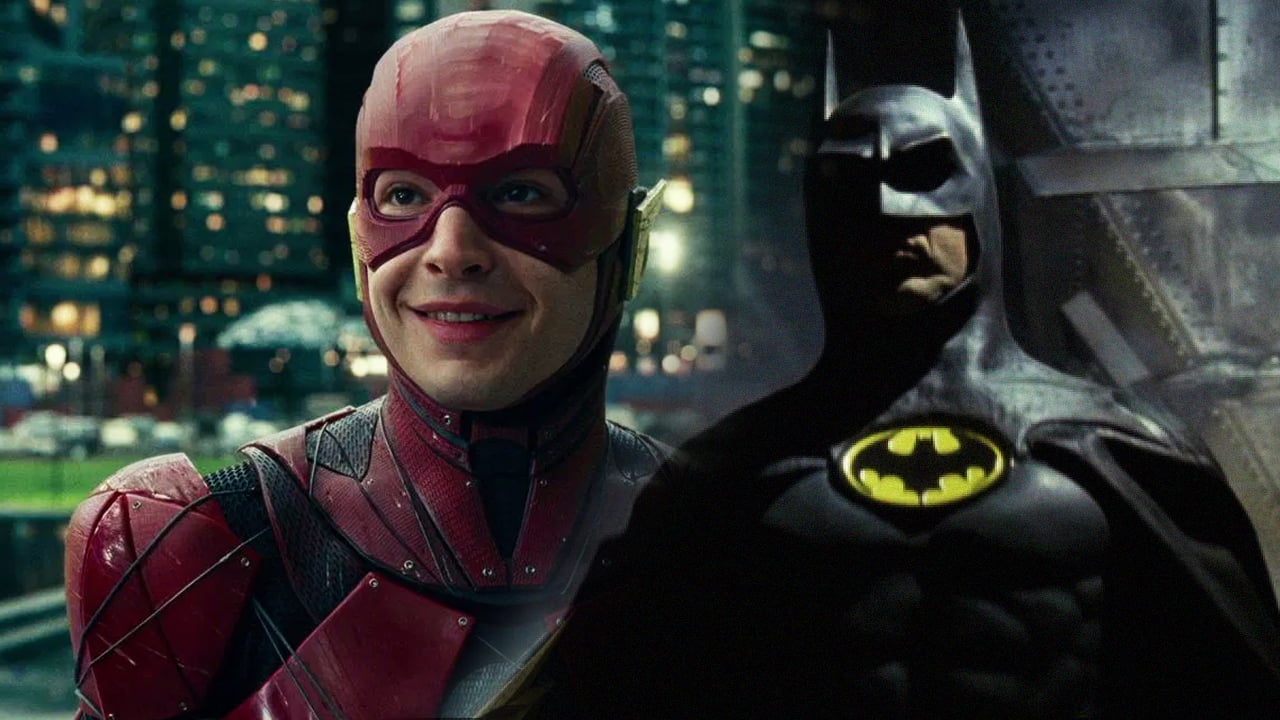
  • Michael Keaton in Early Talks To Reprise Batman Role in ‘THE FLASH’

    Michael Keaton in Early Talks To Reprise Batman Role in ‘THE FLASH’

    Michael Keaton is in talks to join THE FLASH to once again play Bruce Wayne, a role that made him a superstar and help make comics a modern cinematic commodity. According to The Wrap, talks are early and could fall through anytime but this is crazy exciting nonetheless. The uber-popular Flashpoint storyline has been attached to this film for quite a while which would easily explain Keaton’s surprising involvement in the story. If we’re seeing the larger DC multiverse, then it makes sense to see a different version of Batman out there.


    And that’s just the tip of the iceberg. Variety is saying that Keaton’s role could end up being a Nick Fury-esque mentor role that calls for multiple DCEU film appearances.

    The production history of THE FLASH has been nothing short of a clusterfuck, with countless creative changes behind-the-scenes. But now, it seems like things have calmed down with It director Andy Muschietti helming the project and an early 2021 start date. Let’s hope it all works out because it’s about time we see a Flash film and see Keaton don the cowl once more.

    Source: The Wrap

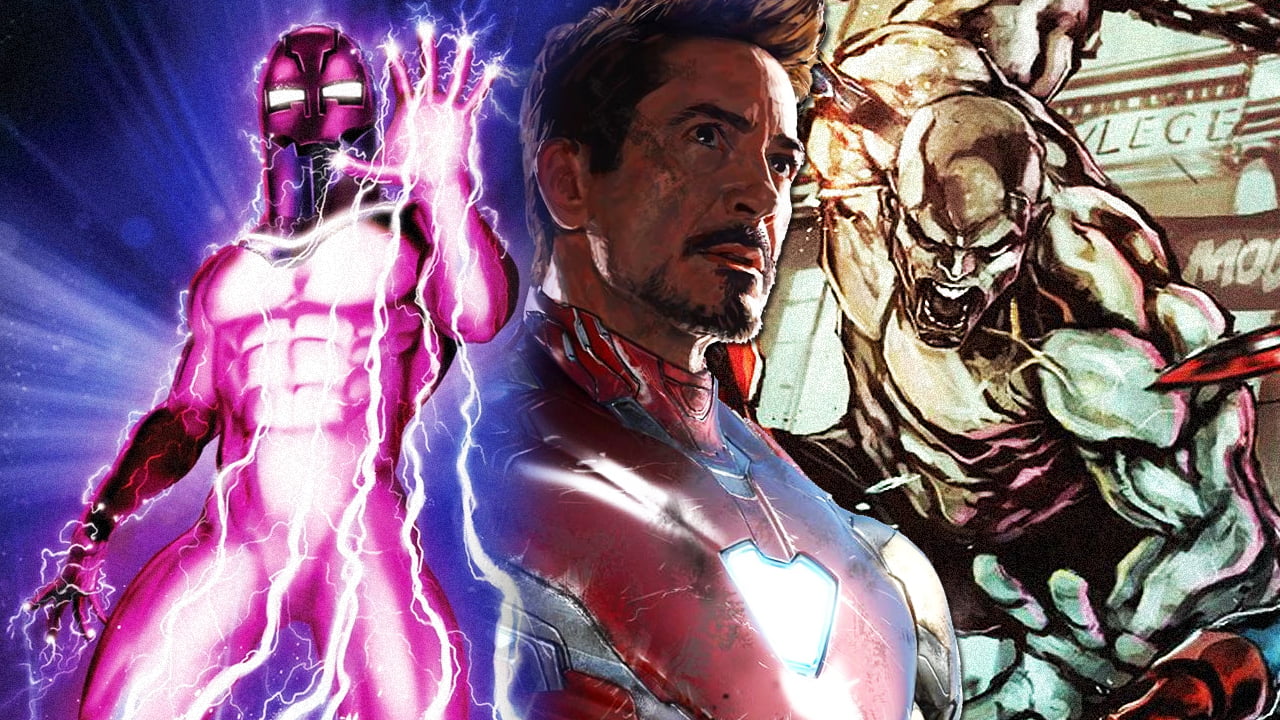
  • Our Pitch For IRON MAN 4: What Happened After Civil War?

    Our Pitch For IRON MAN 4: What Happened After Civil War?

    A couple of weeks back, Charles and I did an episode of Murphy’s Law where we pitched our ideas for Iron Man 4, inspired by my bestie’s dedication to producing dumb fanfiction with his Nova series. My idea, as I presented it verbally, was nothing short of confusing and lackluster. But after weeks of sitting down with the idea and fine-tuning it in my head, I think I’ve come up with something that’s worth sharing in written form.

    SETTING

    One glaring omission in the first 10 years of the MCU is the 2 years where the Sokovia Accords were in full-effect. It’s a worldbuilding device that would have radically changed the direction of the MCU if they had chosen to explore it. This year’s Black Widow is bound to give a glimpse just what superheroes on the run actually look like but that’s just one side of the coin. The other side is what the Accords are like for people on the side of the law. How do things look like from the vantage points of Tony Stark, and Thunderbolt Ross? This story is set in the time period between Captain America: Civil War, Spider-Man: Homecoming and Avengers: Infinity War.

    PLOT OUTLINE

    With the Avengers gone, the UN organizes a think-tank to figure out what the world’s emergency response force should look like. The resulting decision is the Ultimates Treaty, a coalition sanctioned by the UN and its supporting states to develop and train enhanced individuals from all over the world. Leading the program is one Henry Peter Gyrich, a U.S. liaison handpicked by General Ross. And at the top of the group’s agenda is the enforcement of the Sokovia Accords.

    News of this program has worsened unrest in parts of the world. A guerilla movement led by superpowered Carlos Creel and his son, Matias, has surfaced in South America, inciting political and civil unrest against the idea of South American governments developing state-sanctioned heroes for their own agendas. However, several skirmishes of Creel’s movement group are thwarted by Arthur Parks, a disabled soldier wielding alien technology.


    With the emerging threat in South America and the urgent need to track down all unregistered enhanced individuals, Gyrich decides to bring in Tony Stark, who in classic form, has locked himself up in his laboratory developing tech that would go on to be his Infinity War nano suit. Being destroyed by Cap was a wake-up call for him; the effectivity of his suits is now obsolete.
    Tony agrees to track down Arthur Parks, convinced he can bring Parks in without inciting any trouble. Rhodey is tasked to help quell the South American unrest but is unsuccessful as Creel’s guerilla forces overwhelm his own.

    Tony successfully convinces Parks to sign the Accords. He also takes a liking to him, seeing some of Steve Rogers in the former soldier. Tony is convinced this friendship can make good on his failed friendship with Rogers. He takes Parks under his wing and upgrades Park’s weapon with a nano-tech prototype.

    Mounting political pressure from the UN and South American governments force Gyrich into a corner. Gyrich haphazardly masterminds a desperate operation to stop Creel’s forces in Bolivia. The operation goes haywire when the showdown between Creel and Parks creates a blinding explosion, resulting in the deaths of several civilians and rebels, including Creel’s son, Matias. Both Creel and Parks are reported as MIA.

    Despite the damage and casualties, Gyrich insists that the mission is a step in the right direction as several of Creel’s people are among the casualties, crippling Creel’s rebellion. Tony nearly comes to blows with Gyrich over this.

    In a hidden location in South America, Parks wakes up from a week-long coma, only to discover that his body is no longer in the same form it was. Fatally wounded after the explosion due to the nanites and alien laser tech, Creel saves Parks’ life by imbuing him with his absorbing abilities. The two later have a discussion on their ideals and past experiences with institutions.

    Tony reconciles with Pepper since their split. Pepper convinces Tony to bring Parks and Creel in safely and to fight for the reformation of the Sokova Accords and the Ultimates Treaty. Tony and Vision fly to Bolivia to investigate the remnants of the last skirmish. Vision tracks down traces of Parks’ signal to a small settlement in a southeastern province in Peru.

    Tony and Vision sit down with Creel, who concedes his rebellion’s defeat due to a lack of manpower. Creel is asked to register by Tony. Insulted by the proposal in the wake of his son’s death, Creel attacks both Tony and Vision and is assisted by Parks, now disillusioned with the Ultimates program. Vision manages to subdue Creel while Tony and Parks reluctantly face-off in the big third act fight. Parks manages to escape capture.

    With enough lobbying, Tony successfully dismantles the Ultimates Treaty but not without resistance. Thunderbolt Ross files an injunction prohibiting the Avengers from operating without his permission. Vision quietly goes AWOL. Gyrich is fired. Creel is placed in The Raft. Pepper shares with Tony an idea to rename Stark Industries into Stark Resilient.

    CHARACTER ARCS/THEMES

    TONY STARK

    One of the main reasons of setting the story post-Civil War and pre-Infinity War is to help bridge Tony’s arc between the two films. When we meet Tony in Infinity War, he seems mostly resigned to the fact that his dreams of keeping the peace have not worked. Vision is AWOL and he’s making excuses for it when asked by Banner. Of course, this changes once Thanos’ invasion begins but I’ve always been curious about what the road was like for him.
    In this story, Tony is reeling in from his defeat and guilt over what transpired in the Siberian Bunker with Steve. The whole ordeal with the Accords has made him rethink his ideals, relationships with people, and his legacy. Part of him is still convinced that oversight is the way to go but part of him wonders if the only hands worth trusting are his own. This, of course, becomes a big thing in the story when he personally witnesses this abuse of oversight. His legacy is put into question; will he be remembered as the man who created Ultron, disbanded the Avengers over a piece of legislation, and had nothing to show for it at the end of the day? By the end of this film, Tony overcomes those hard-hitting questions and regains the trust he used to have for himself.
    He’s back to being an obsessive tinkerer; experiencing defeat at the hands of Cap has convinced Tony that his suits will soon be rendered obsolete by a larger threat. So begins his venture into nanotechnology that bridges the jump from his appearance in Captain America: Civil War to Avengers: Infinity War.

    JAMES RHODES

    Like Tony, Rhodey is recovering from his last appearance. If Tony’s transformation in the film is emotional, Rhodey’s is physical. He’s sort of on-the-fence on whether or not he should be deployed in the field to help out. Tony helps Rhodey with this dilemma by integrating the War Machine suit with prehensile propulsion technology seen in his Mark 42 armor in Iron Man 3. Problem solved for Rhodey as he can now remotely pilot the suit without worrying about getting into another accident.

    This eventually poses a problem for him as he finds out that remotely piloting the suit isn’t as efficient as manning it physically. When he encounters some of the baddies in this film, he finds out how disposable the suit without a person behind it. This forces Rhodey to overcome his physical and somewhat psychological hurdles. By the end of the story, Rhodey is back to being in tip-top shape.

    PEPPER POTTS

    For the first time in any Iron Man film, this story is going to give us a glimpse of what exactly the company has been up to. No longer the weapons manufacturer, the company has pivoted to more humanitarian and environmental efforts. However, public perception has damaged the company’s reputation thanks to the catastrophic incidents involving Iron Man. We learn that the damaging effect on the company and to Pepper’s name as a CEO contributed to their split as a couple. Pepper, being the fighter she is, is doing her best to keep the company afloat. Pepper is seen spearheading the Charles Spencer Foundation, a Stark-funded organization focused on continuing the humanitarian efforts of the late Charlie Spencer by rebuilding Sokovia from the ground up.

    Pepper’s role in the story won’t be as prominent as her previous Iron Man appearances but her role in the movie is key as she serves as Tony’s moral compass during his times of doubt. She’s not afraid to call Tony out on his bullshit and keeps things blunt. Their relationship starts off strained when the story begins but their wounds are slowly mended as it progresses.

    HENRY PETER GYRICH

    If you thought General Ross was tough, wait till you meet Gyrich. True to his comic roots, Gyrich is a nasty thorn in Tony’s side. An authoritarian who wants to get things done, no matter the cost, just so as long as it serves the greater good. I’ve been contemplating what kind of backstory to give Gyrich to justify his ruthlessness. I thought about giving him a story similar to Ross who has experienced some form of loss due to a superhero-related incident but I feel like that’s a bit overplayed in the MCU nowadays.

    ARTHUR PARKS/LIVING LASER

    A former soldier who is discharged after getting into an accident that severs his hand. He’s a kind, well-intentioned kid who wants nothing else but to help. But because of his disability, he’s forced to find other means to fulfill his intentions of doing good so he undergoes a black-market procedure to install an alien prosthesis that allows him to do all sorts of things. He eventually finds his way to South America, helping locals fight the civil unrest.

    His characterization is a spin on Steve Rogers. He’s more distrustful of institutions so it takes a lot of convincing from Tony to get on the Accords side. It’s later revealed that the military accident that severed his hand was the cause of poor oversight from his commanding officers. Parks later experiences a similar scenario when he is pushed by Gyrich into a botched mission which that ends up changing his physical form permanently. This compels him to side with the opposition at the very end.

    CARLOS CREEL/ABSORBING MAN

    A Peruvian guerilla leader responsible for the unrest in parts of South America, Creel is vehemently against the idea of state-sanctioned heroes funded by the widely untrustworthy governments of South America. With his son Matias, he begins an armed-movement opposing this dangerous law. The idea of setting a big part of the story in South America is to show what the rest of the world looks like in the MCU.

    The Iron Man franchise has a track record of having their big bads be just straight-up assholes. For once, I wanted a defacto antagonist who had values and ideals more admirable than the people Tony worked for. So like a lot of the characters in this story, the notion of mistrusting institutions continues with Creel. He’s not a flat out villain here. He’s an anti-hero in his core.

    He becomes a prime target by the UN when he reveals his abilities to the public. The source of his abilities is not explicitly revealed in this story but it will be alluded to through hearsay by the locals. In the comics, his powers are magic related so I like the idea of the locals forming a myth on how Creel gets his abilities. But unlike his comic version, this version of Creel has the added ability to morph the physical properties of those he touches, provided he himself is in that particular form. So if Creel turns himself into metal, he can turn some people into metal through contact. This change, I think, makes for a more interesting challenge for his opponents. Also, it ties in well with the creation of the Living Laser.

    VISION

    The damage done to the Leipzig Airport and towards Rhodey has prompted the UN to assess Vision as a weapon of mass destruction and therefore cannot be deployed to the field unless absolutely necessary. So Vision is benched in the first half of the story. When he is finally deployed by Gyrich, it’s during a Hail Mary operation to apprehend Creel. During the third act of the story, we’ll get to see Vision’s newfound ability to disguise himself in human form.

    Continuing the themes of recovery, Vision’s arc in this story is accepting his flawed nature and getting in touch with his humanity which of course, is a huge part of his journey towards Infinity War. In Civil War, we see him act righteously as he spouts infallible rhetoric about the law and order. Here, he gets a better understanding of the human condition. That even within its most astute laws, the system can fail horribly. In the end, this realization compels Vision to make a big decision for himself: runaway with Wanda.

  • Without Denny O’Neil, We Wouldn’t Have Gotten the Best ‘DAREDEVIL’ Run

    Without Denny O’Neil, We Wouldn’t Have Gotten the Best ‘DAREDEVIL’ Run

    Daredevil is probably the most consistently great comic book of the past twenty or so years. I mean, it’s had its middling to average runs here and there but for the most part, it’s the one book whose pedigree of writers and artists have yet to be matched. This was mostly in due part to Denny O’Neil, the man who gave Frank Miller the reigns to not only write the comic but to draw it as well. Frank Miller, of course, paved the way not only for future Daredevil writers by reinventing the character for subsequent stories to come. Being the progenitor of talent he was, O’Neil likely saw the potential in creators like Miller that early on.

    In addition to his work on Marvel, O’Neil’s stint on Batman and Green Lantern/Green Arrow with artist Neal Adams became nothing short of legendary. The duo dusted off the Caped Crusader’s campiness brought on by the 60s TV show and pulled the character back down to the darkest pits of Gotham where the character started. The response to this back-to-roots change to the Batman was acclaimed. Villains like Two-Face and the Joker saw a resurgence in their popularity and super iconic Batvillain was Ra’s Al-Ghul introduced. With Green Lanter/Green Arrow, O’Neil tackled social problems head-on, exploring themes of drug use, radicalism, and activism unlike any other writer of the time.

    Denny O’Neil passed away at the age of 81 yesterday. His work will be remembered forever. Our hearts go out to his loved and to all those who admired him. Rest in peace, king.


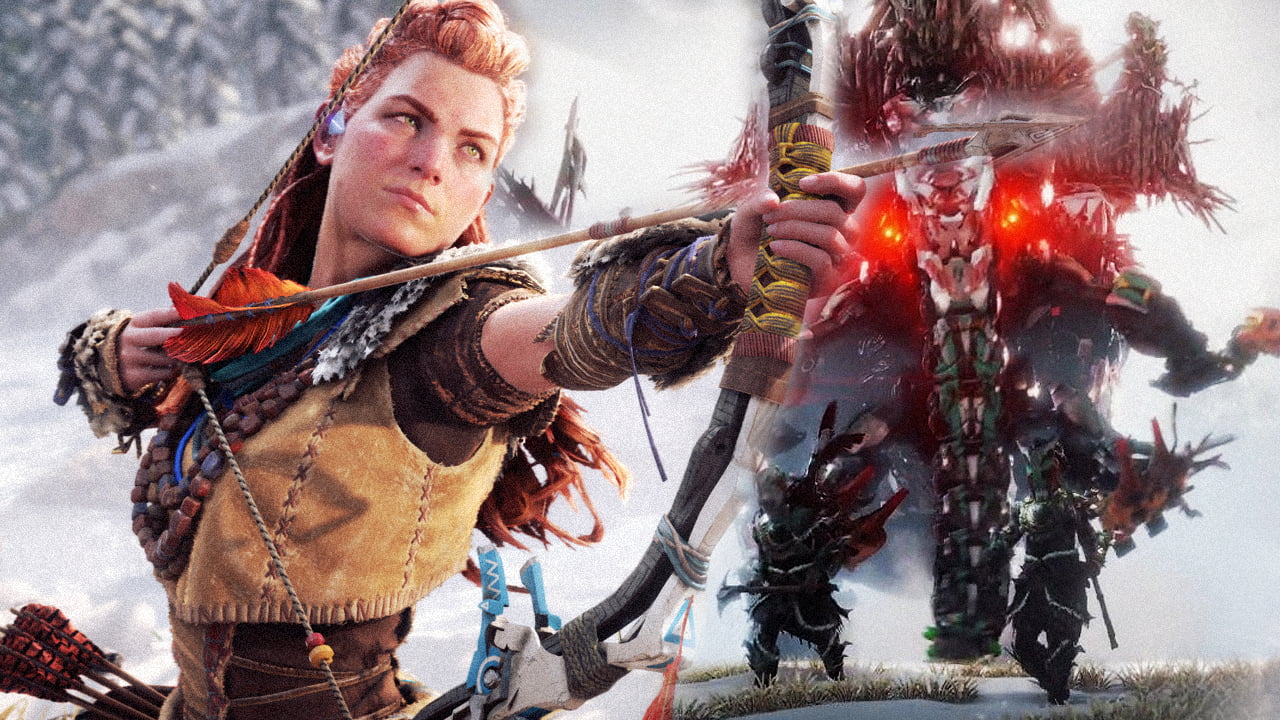
  • HORIZON: FORBBIDEN WEST is the Sequel We Cannot Wait For

    HORIZON: FORBBIDEN WEST is the Sequel We Cannot Wait For

    I came late to the next-gen wave of video games. The last console I owned was a Playstation 2 and it wasn’t until late last year that a buddy of mine lent his Playstation 4 to me. The first game I played right out of the gate was Final Fantasy 15. As a lifelong Final Fantasy fan, the game was mostly ok for me. Didn’t really hit the right spots for me unlike some of its superior predecessors like Final Fantasy 9. I thought to myself if this was next-gen gaming, I guess I’m not missing out that much.

    That was until I played Horizon Zero Dawn. Boy, what an experience. Never has a video game mesmerized me since maybe, Chrono Cross on the PS1. From start to finish, I was immersed in this intriguing and beautiful world inhabited by cults, tribes, and cybernetic beasts. The lengths one would go through to single-handedly take down a Behemoth or a Frostclaw was nothing short of breathtaking. The story, for all its sci-fi clunkiness, manages to find its heart with Aloy, an outcast warrior seeking a place to belong to and her quest to find the answers behind this crazy post-apocalyptic, primitive, hi-tech world she lives in.

    DLC included, I clocked in about 90+ hours by the time I finished the game and I’m ready to clock in more than that seeing this brand new reveal for the game’s sequel, HORIZON: FORBIDDEN WEST. 


    Good Lord does this look fantastic. As if the first game wasn’t mesmerizing enough to look at, they went ahead ad made it look crazier. There’s so much to pick up here as a fan. The swimming mechanic which I thought was oddly missing from the first game is finally being introduced here. The cyborg crocs or Snapmaw’s as they call them in the game, are back. Lance Reddick as the mysterious Sylens is back and he’s leading a tribe seemingly hellbent on overriding these beasts with some unseen tech.

    But by far the biggest talking points here are the new creatures. The giant-ass tortoise, the pterodactlys, and those fucking mammoths at the very end. I’ve always imagined Aloy as Legolas every time I tried taking down a Thunderjaw in the first game and it looks like this sequel will finally make that fantasy come true as you take down these monstrosities.

    The idea of venturing further out into this world is super exciting. One of my favorite aspects of the first game was figuring out just where exactly this whole story was set. I was more than surprised to find out via an in-game collectible that the story takes place around Colorado. So to move further west means to head to California, which I’m sure will be very interesting. Some people have figured out that the Chinese references are in San Francisco’s Chinatown and that the sand dunes are what remains of Nevada.

    I never buy any product at launch but man is this game tempting me to get a PS5 as soon as it’s out.